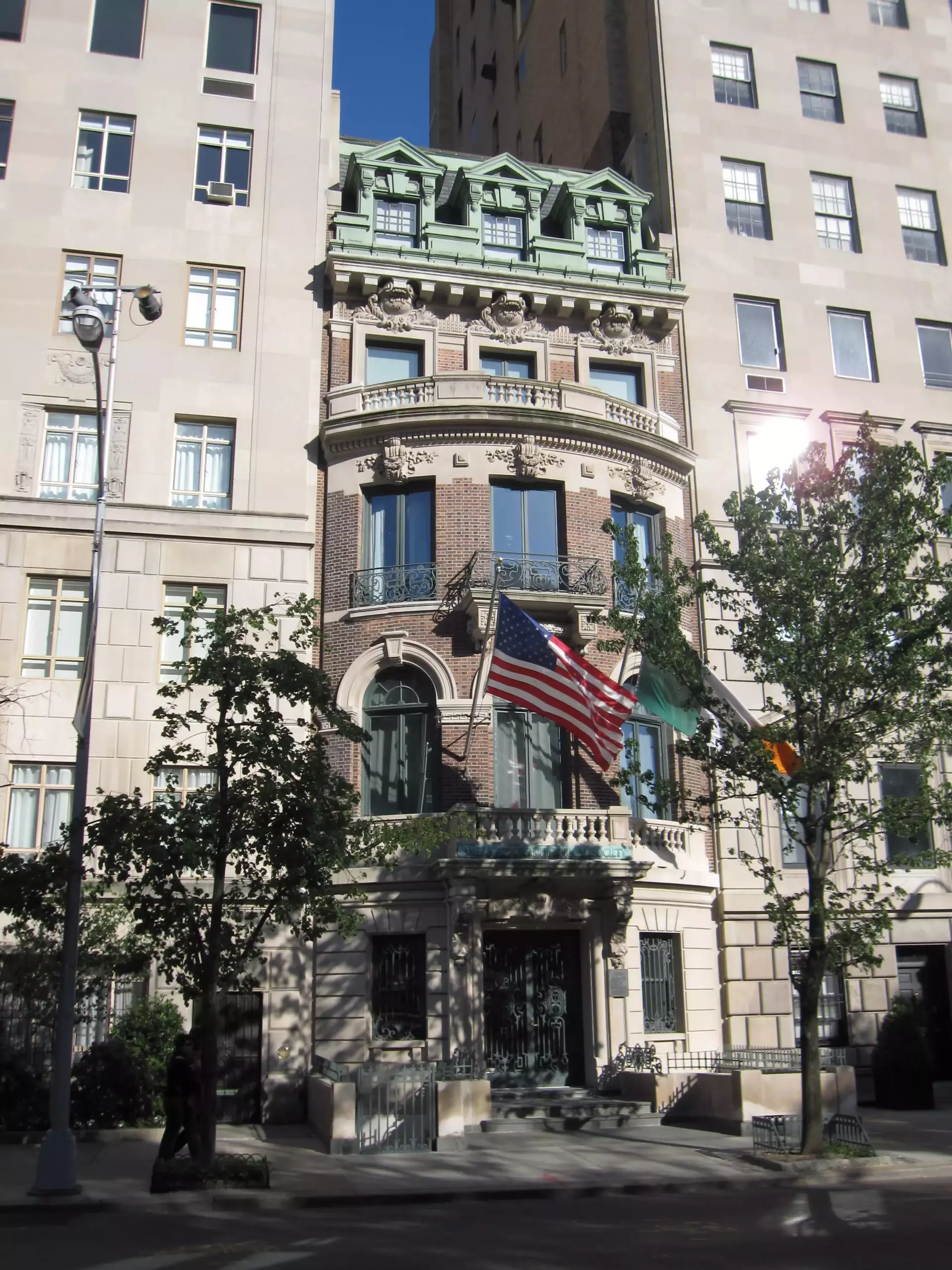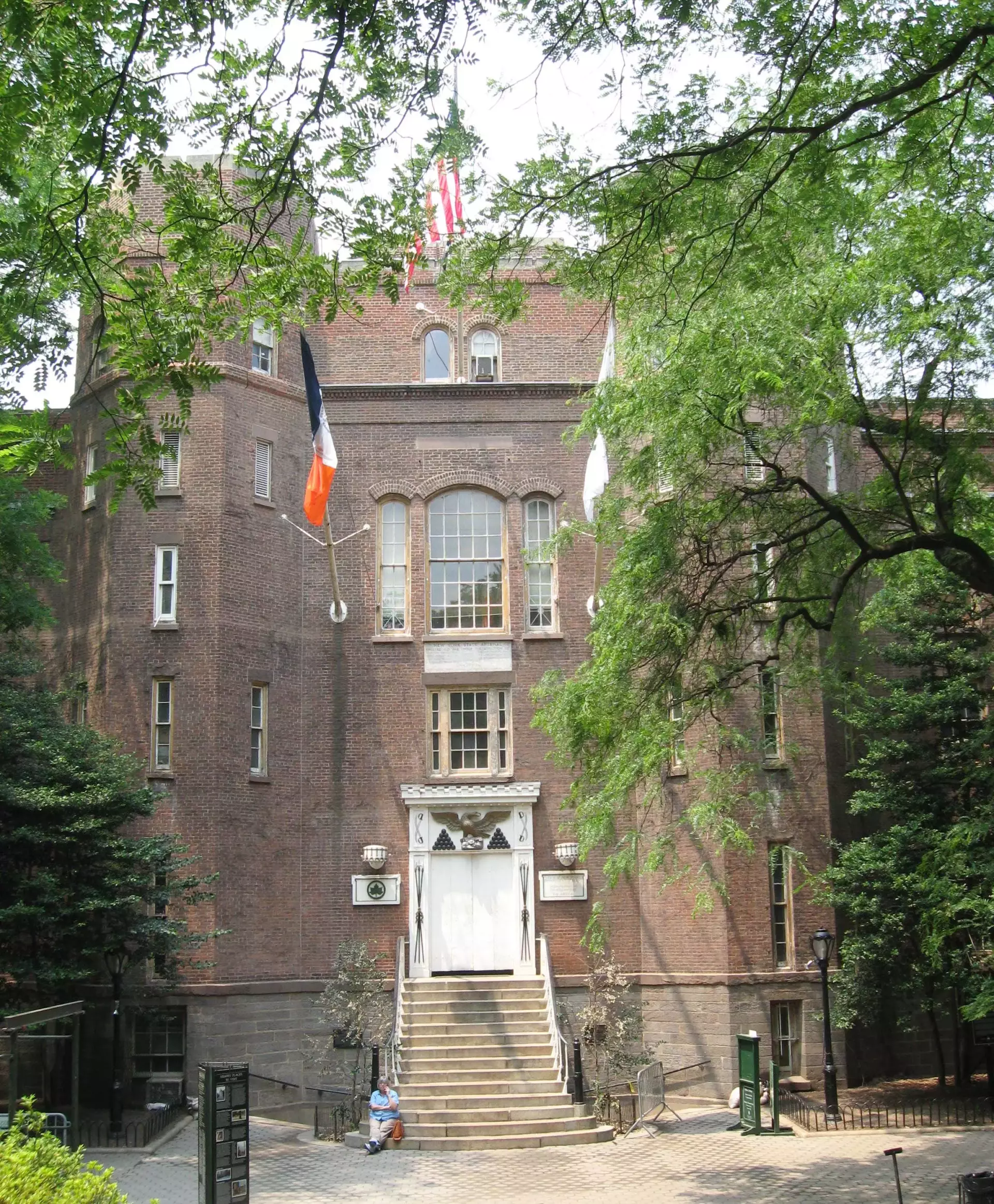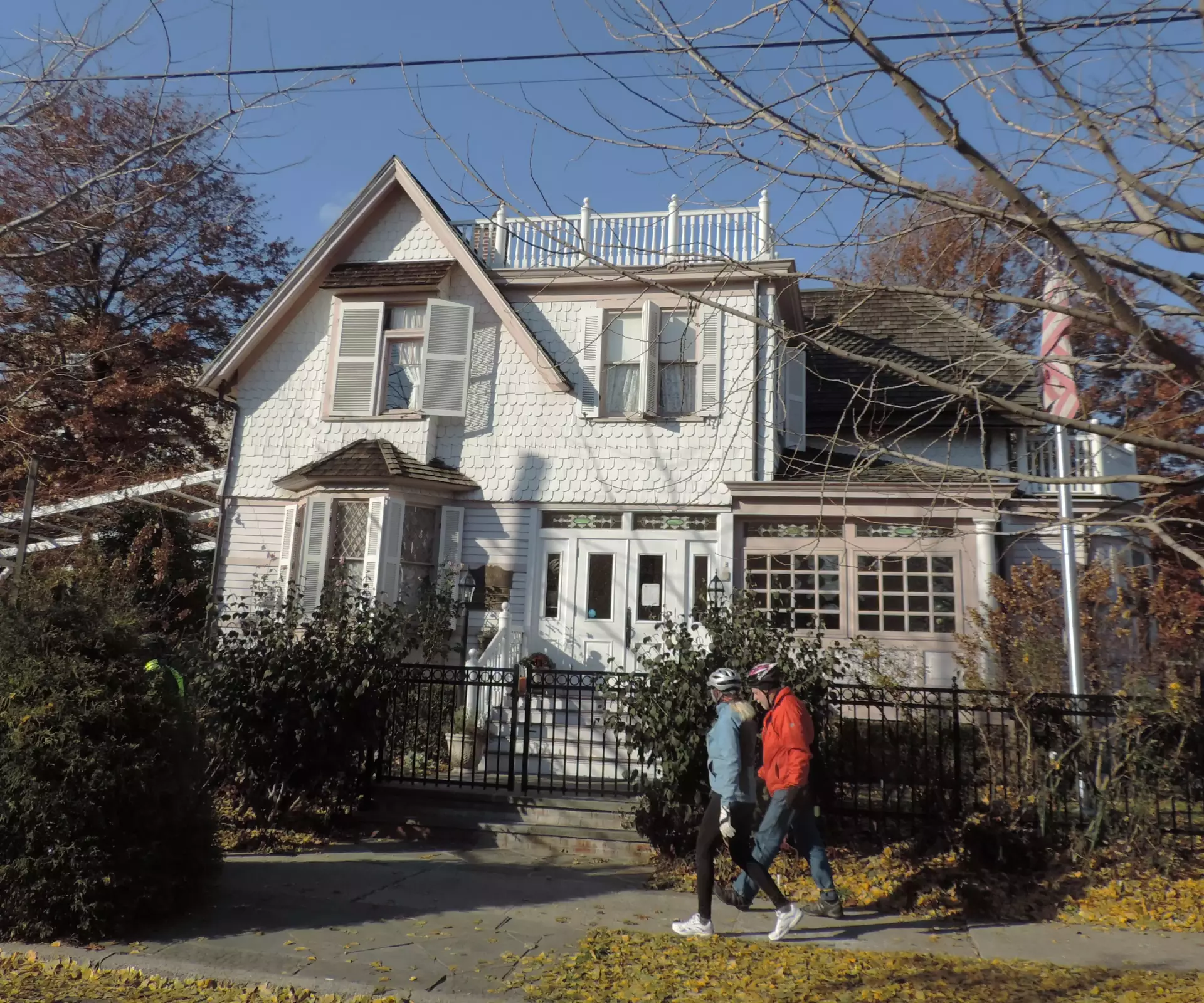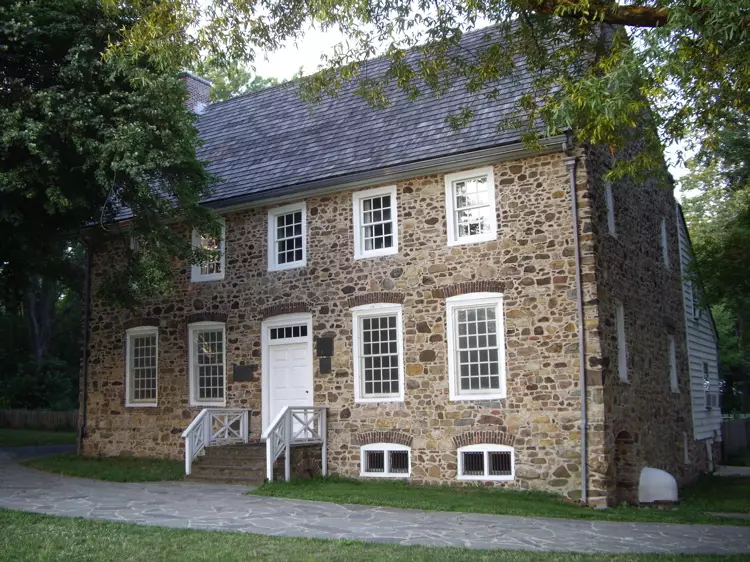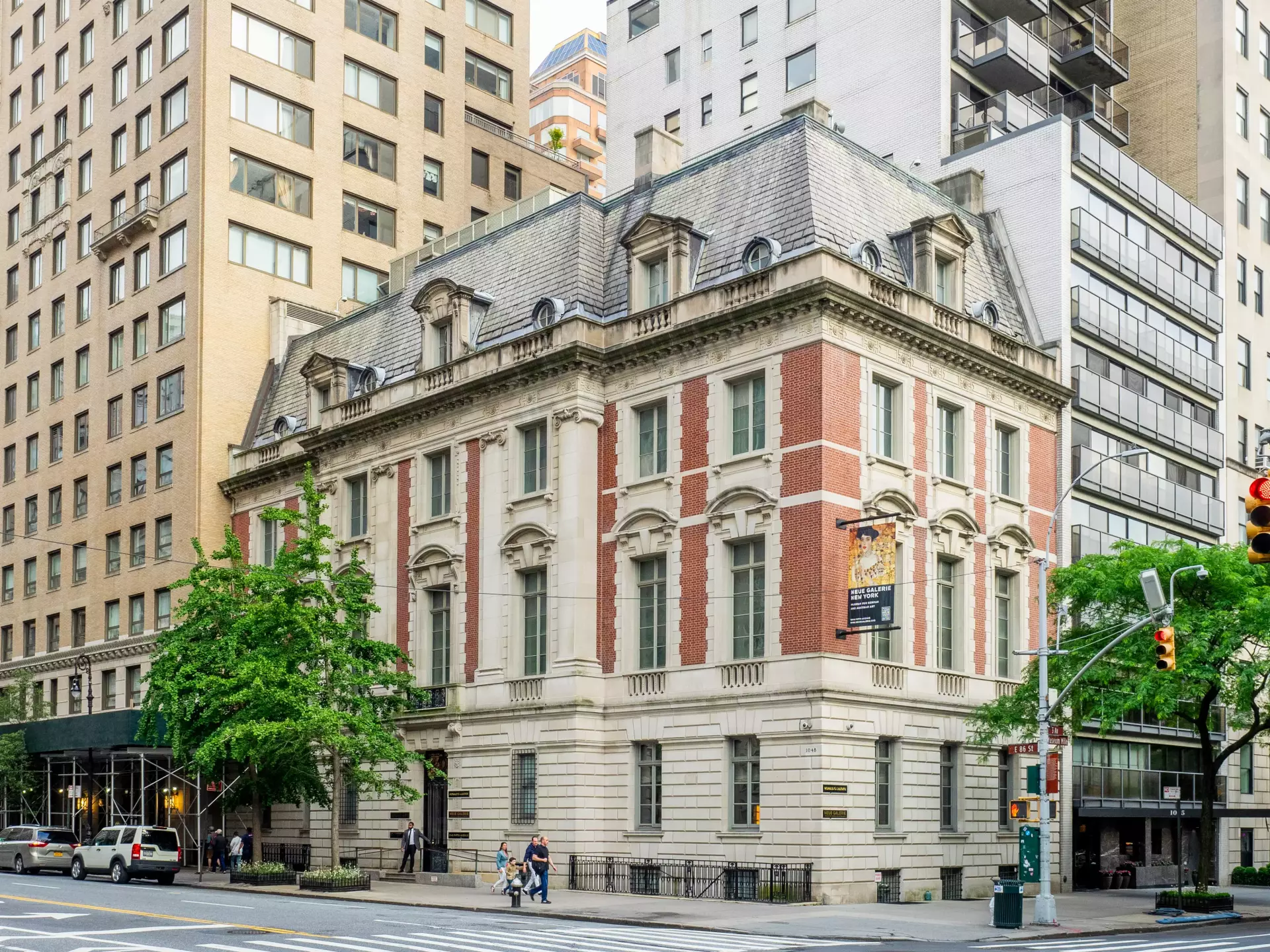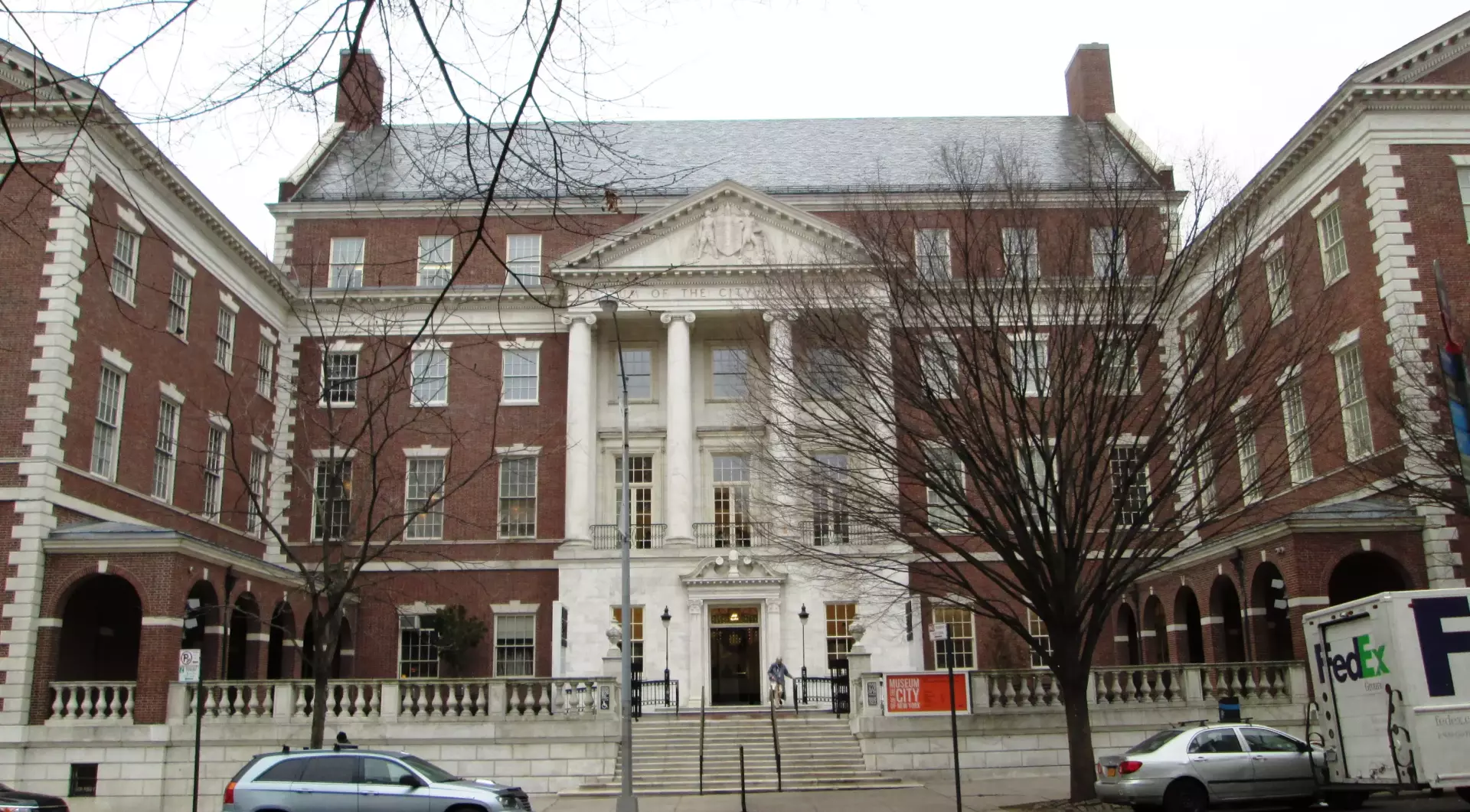
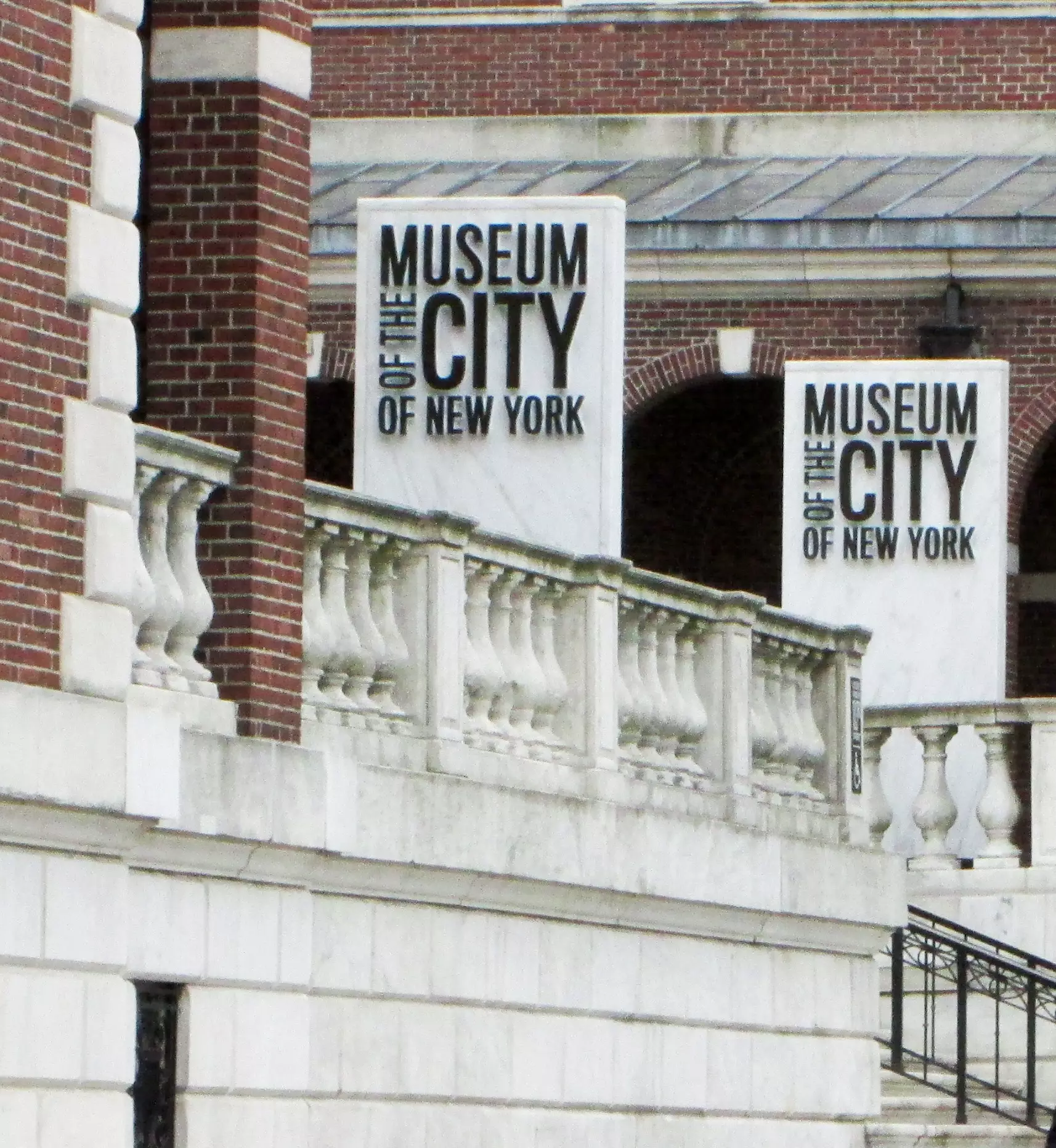
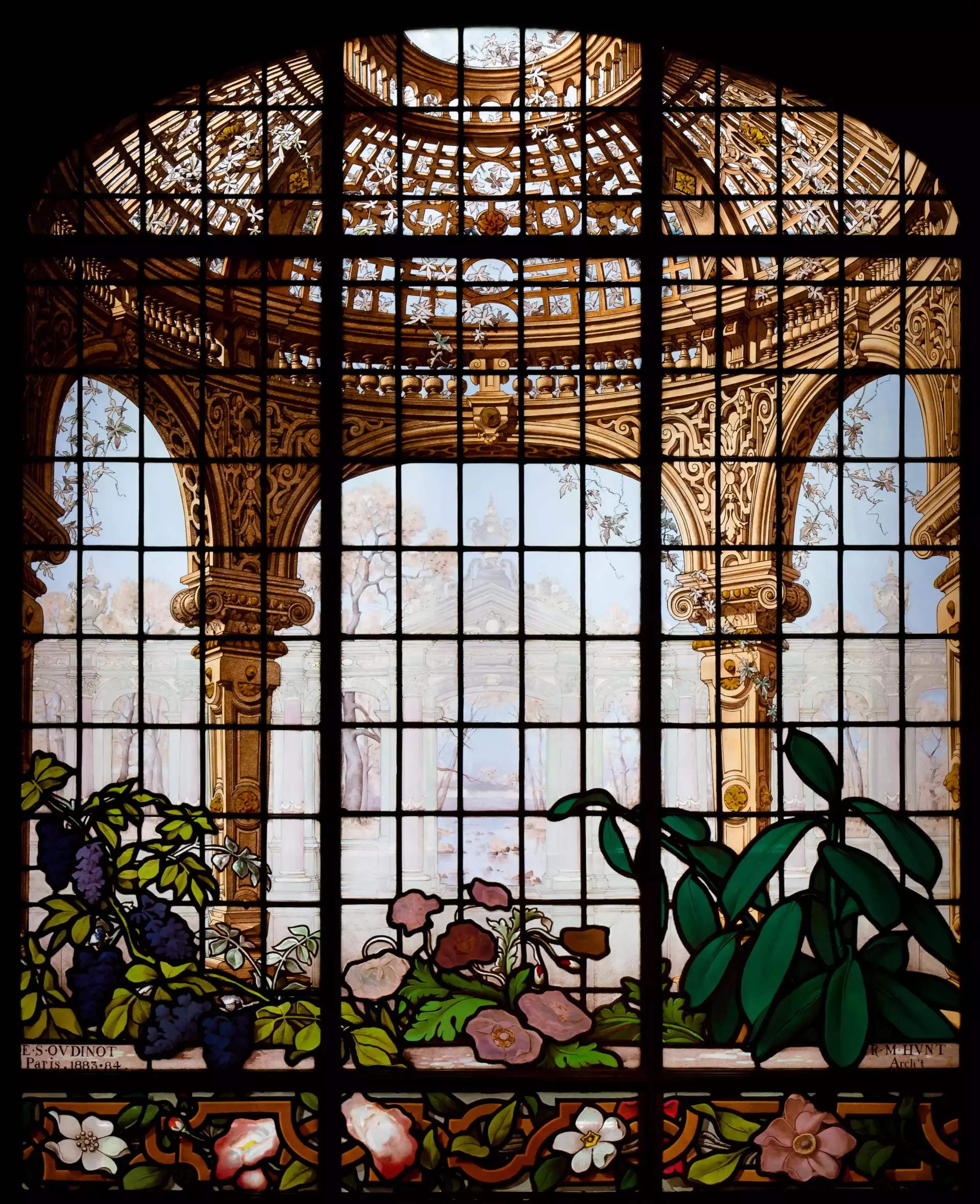
The Museum of the City of New York offers an intriguing exploration into the city’s rich 400-year history. Through a variety of exhibits, visitors can delve into the past and discover captivating stories and events that have shaped New York City over the centuries.
Among the many fascinating displays, the museum features an impressive collection of 19th-century dollhouses. These miniature marvels, complete with intricate furniture, provide a charming look at life in earlier times. Each dollhouse tells its own story, capturing the essence of a bygone era in stunning detail.
Beyond the dollhouses, the museum is home to a wealth of documentation that chronicles pivotal events throughout New York's history. From significant moments to everyday life, the exhibits offer insights into how the city has evolved over time.
Source - https://en.wikipedia.org/wiki/Museum_of_the_City_of_New_York
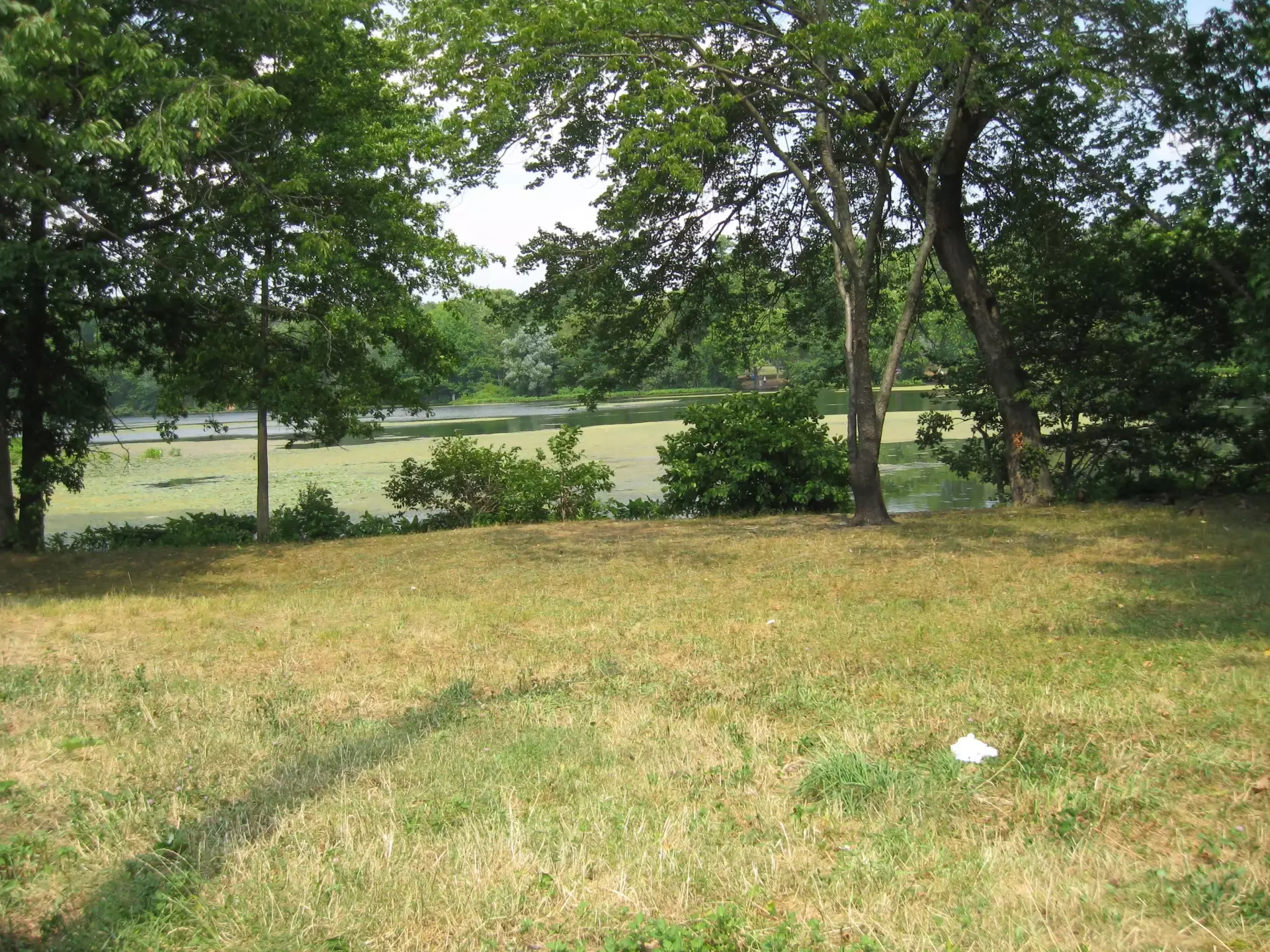
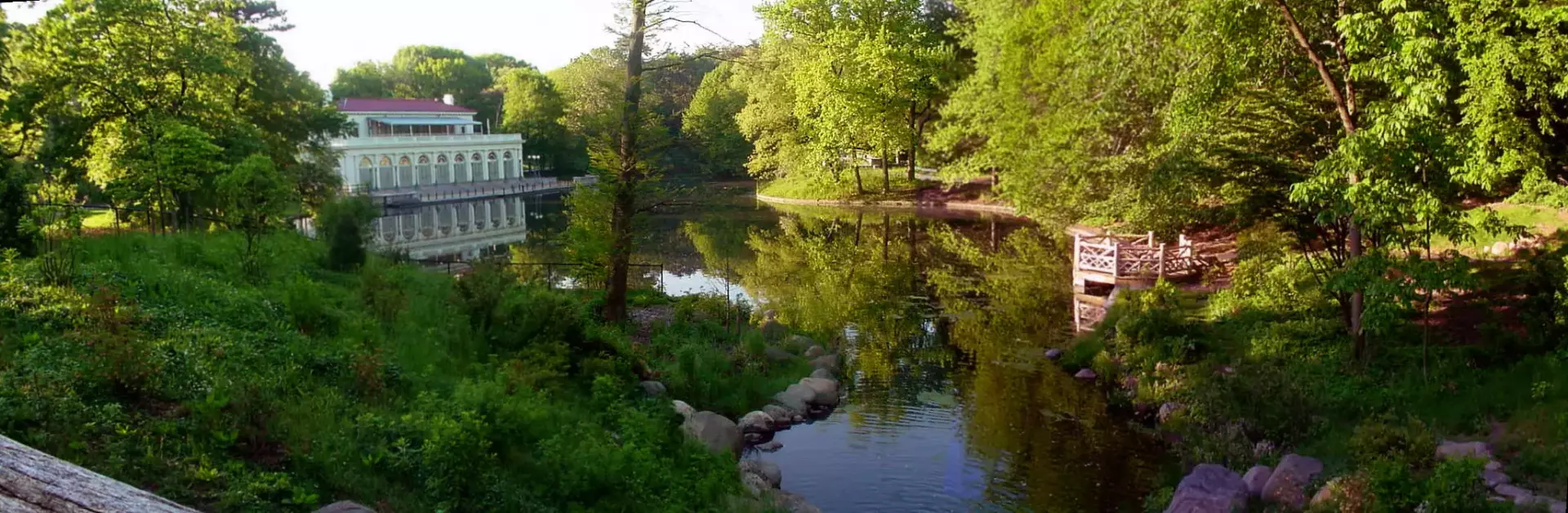
An elevated walkway and jetty provides access to the only natural salt marsh remaining in Manhattan, and expansive views of the Hudson River and the cliffs of Spuyten Duyvil in the Bronx across the river.
This neo-Romanesque fairy castle was built in 1891, and a northern addition in very similar style was built in 1933. The older building is a busy post office serving Downtown Brooklyn and the northern addition houses the United States Bankruptcy Court for the Eastern District of New York.
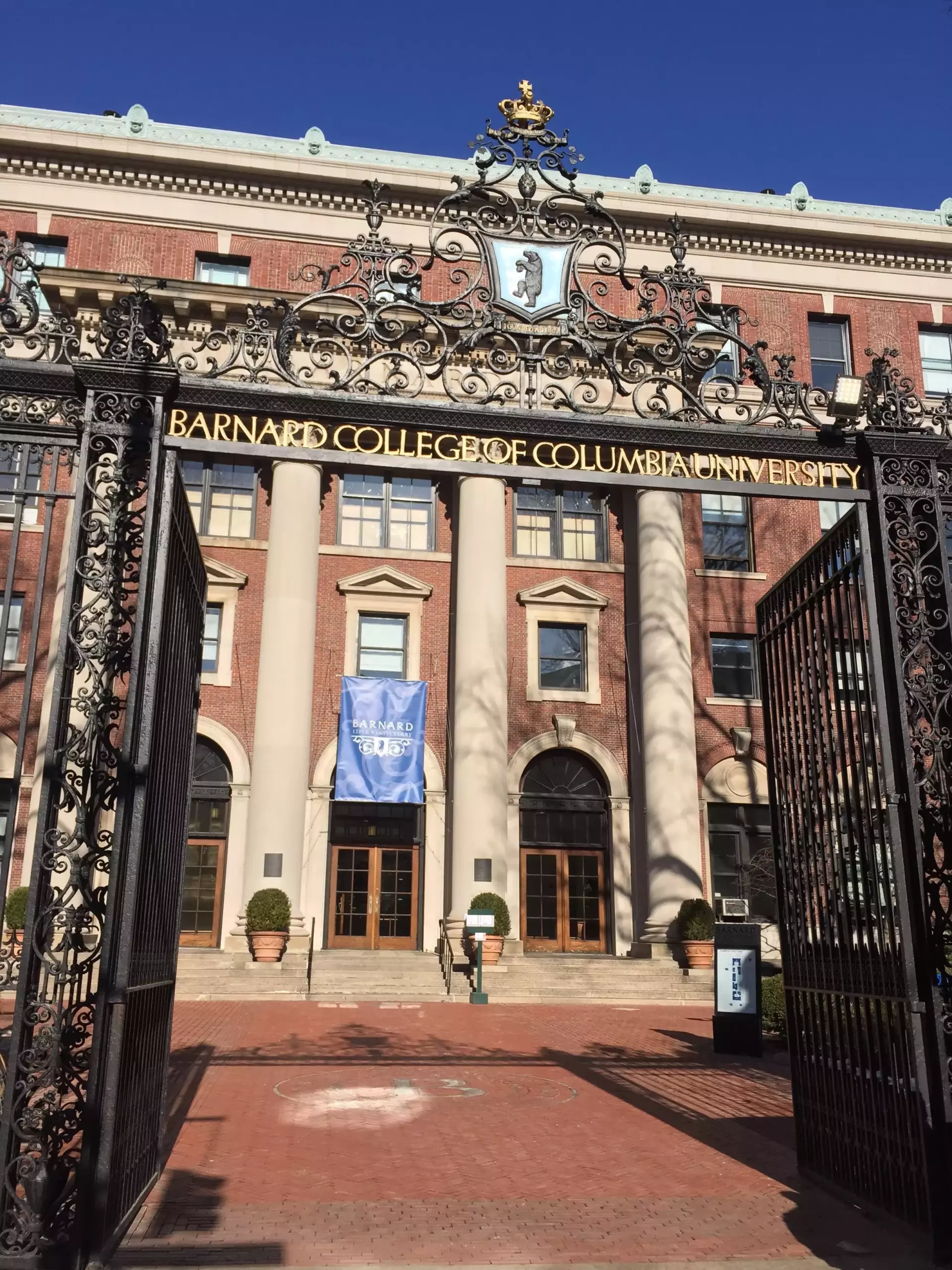
One of the Seven Sisters colleges, and is affiliated with Columbia University.
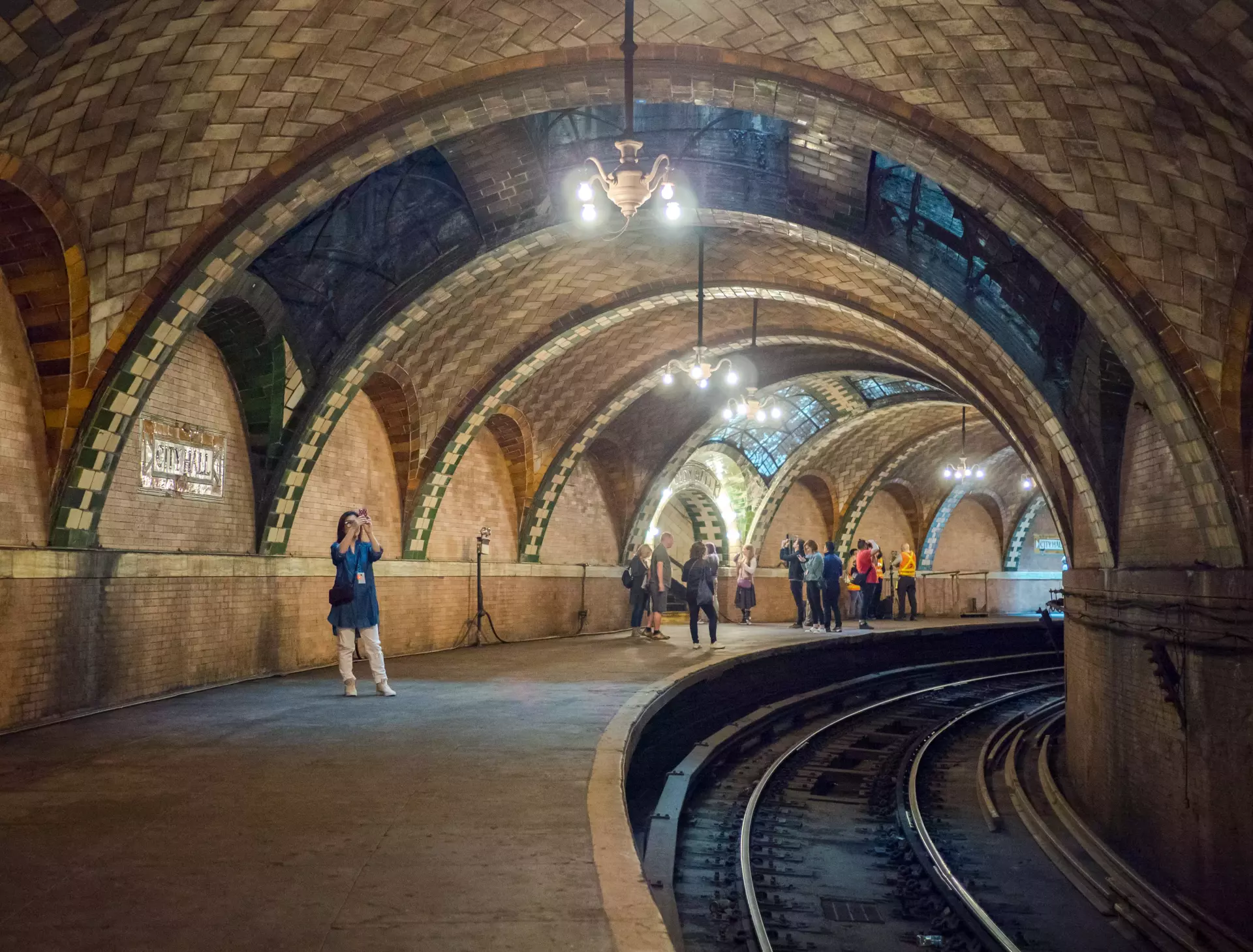
The original subway station, and quite a marvel to witness--the chandeliers and ornate tiling are a sharp contrast to the nearby Brooklyn Bridge-City Hall station. There's one catch, though: it's been closed since 1945. However, you can see it by staying on the downtown 6 train after its last stop Brooklyn Bridge-City Hall; it will turn around in the old station. This is the one place in the system where this is allowed, and the announcements reflect that. The Transit Museum (in Downtown Brooklyn) offers occasional tours as well, which allow you to actually walk around the station, but you must be a museum member and a US citizen, making this an impractical choice for most visitors.
The Asia Society is a unique educational organization like no other in the area promoting relationships and understanding among and of leaders, people, and organizations of Asia. It features a vast array of Asian art including art, business, culture, and education, promoting collaboration and a new, progressive understanding of Asian relations. The opportunities for discovery here are endless, with lessons about art, calligraphy, language, literature, politics, and religion.
One of Manhattan's favorite meeting points, the centerpiece of this Terrace is the Angel of the Waters fountain, dedicated in 1873 and an enduring icon of the park.
A famous Ivy League college that has existed since British colonial times, when it was called King's College.
Probably the most famous of the Guggenheim foundations (others found in Bilbao and Venice), which hold avant-garde modern art by artists such as Kandinsky and Mondrian, the New York branch is housed in a unique and famous building designed by Frank Lloyd Wright and rendered in a rounded, organic form and completed in 1959. Be sure to take the elevator to the top floor, then follow the spiral viewing floors downwards to the street level. One of eight buildings by Wright to be listed as a world heritage site.
For most of the 18th century, Africans in New York City were buried in a graveyard outside the city. The graveyard was eventually forgotten and was rediscovered in 1991. This museum and memorial site commemorate the estimated 15,000 Africans that were interred on the site of the memorial. Note that the museum is located inside of a Federal building so airport-style security should be expected.
One of the greatest and most popular collections of modern art, on a par with the Tate Modern in London or Paris's Centre Georges Pompidou. Exceedingly popular so be warned: queues for tickets start early and stretch long. To avoid the crowds, turn up at the door at least a half hour before opening, then take the elevator to the top floor and work your way down. The building is as much a draw as the outstanding collection; possessing arguably the best collection of modern masterpieces world-wide, MoMA houses important art works from Van Gogh, Picasso, Monet, Matisse, Salvador Dalí, Paul Cézanne, Frida Kahlo, Piet Mondrian, and works by leading American artists such as Jackson Pollock, Jasper Johns, Edward Hopper, Andy Warhol, and Chuck Close. MoMA also holds renowned art photography and design collections. In addition to being the crown jewel of modern art museums, MoMA puts on a terrific repertory program in a nicely renovated theater below the museum.
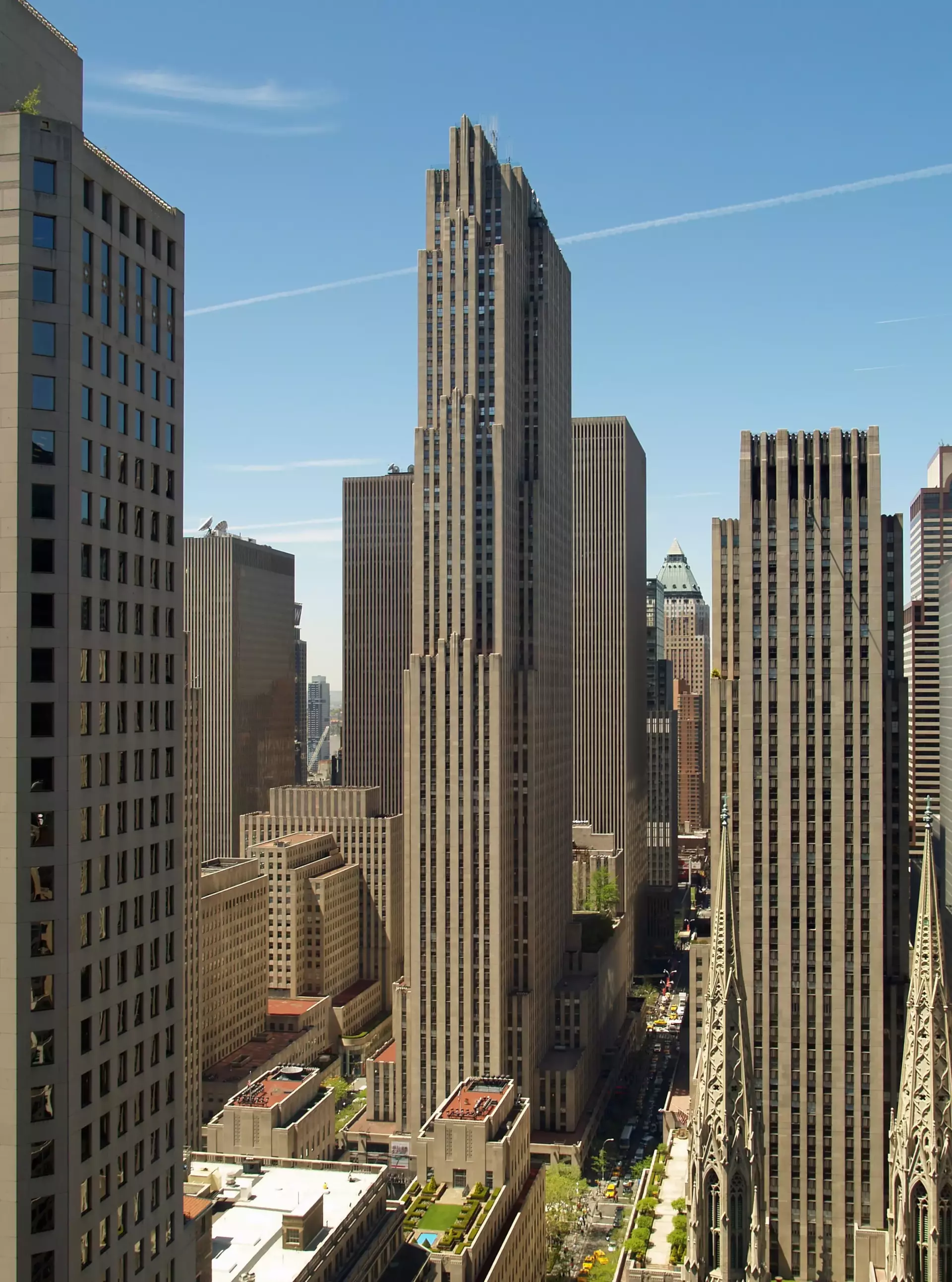
On the 70th floor of the Comcast Building (better known by some as "30 Rock") is this narrow observation deck, built to resemble the deck of a cruise ship. The deck affords uninterrupted views over Central Park to the north and across Midtown to the south.
The garden is 52 acres and the layout was well planned. It is definitely worth a visit. Designed by the Olmsted Brothers in 1910 and open to the public since 1911, the garden includes an authentic Japanese garden, a Children's Garden, and the Cranford Rose Garden. The garden has the largest cherry blossom trees in one place outside of Japan. There are 42 gorgeous varieties. The Brooklyn Botanic Garden hosts various festivities throughout the year, including Hanami Sakura in May and the Chile Pepper Festival in October.
Small and gem-like, New York's "oldest, newest zoo" opened in its current guise in 1988, although animals in various zoo incarnations have resided here since the 1860s. This zoo is fairly small and doesn't have as many large animals as you might expect, but this zoo does include sea lions, snow leopards, penguins, polar bears, monkeys, red pandas and exotic birds in pleasant exhibits. Next door is a children's zoo, covered in the cost of admission, which has a barnyard animals you can pet, a duck pond, and lots of play areas for kids.
The Manhattan Bridge, just a bit to the east of the Brooklyn Bridge, with signposted access from Jay St. slightly over 4 blocks north (toward the river) of Tillary St., can also be crossed by pedestrians and cyclists, but if you do so, you will be rattled by passing subway trains that traverse the bridge, your view will be partly obstructed by mesh, and you won't be in a position to see much to the north of the bridge (so no great views of the Midtown skyline like you get from the Brooklyn Bridge walkway). It's still worth doing if you have enough time, though, partly because of the views of the Brooklyn Bridge that you can see from the Manhattan Bridge. As of November 2021, construction is taking place on the bridge; it narrows the path pedestrians and cyclists share in places, but access is otherwise unimpeded.
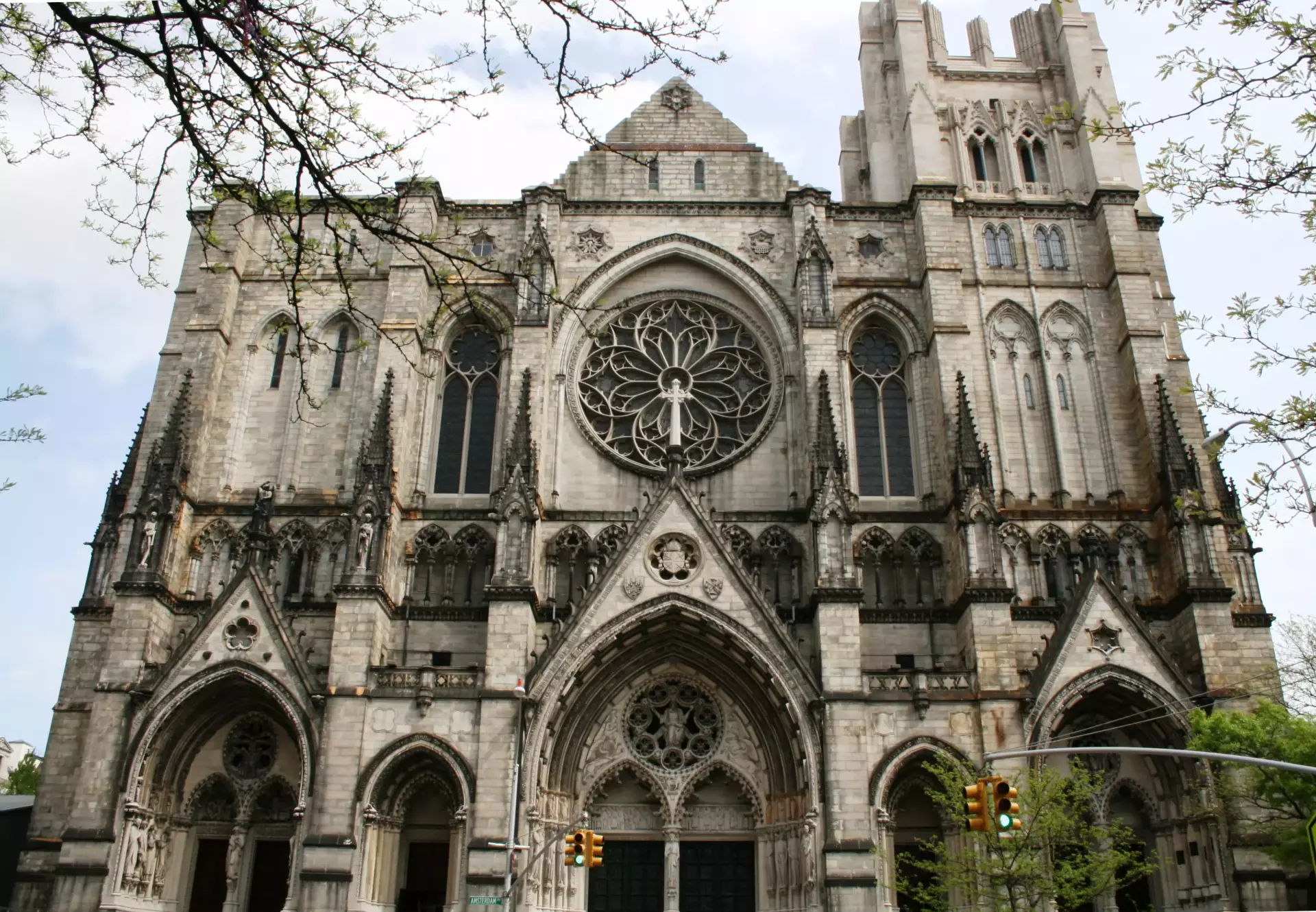
A large and historically important Protestant church and center of progressive social activism. Also neo-Gothic.
A museum and library devoted to Spanish, Portuguese, and Latin American art and culture.