The Cinema Museum stands out with its striking, contemporary architecture, designed by the renowned Frank Gehry. This modern structure immediately catches the eye, offering a distinctive setting for both casual visitors and film enthusiasts.
Inside, the museum features a cinema that regularly screens a diverse selection of French and international films. These screenings provide audiences with the chance to experience classic masterpieces as well as new releases from around the world.
The museum hosts temporary exhibitions that typically last about six months. These displays are known for their strong visual appeal, using images, props, and interactive elements to tell the fascinating story of cinema's evolution. Visitors can explore the history of filmmaking, discover how movies are made, and learn about the artists behind the scenes.
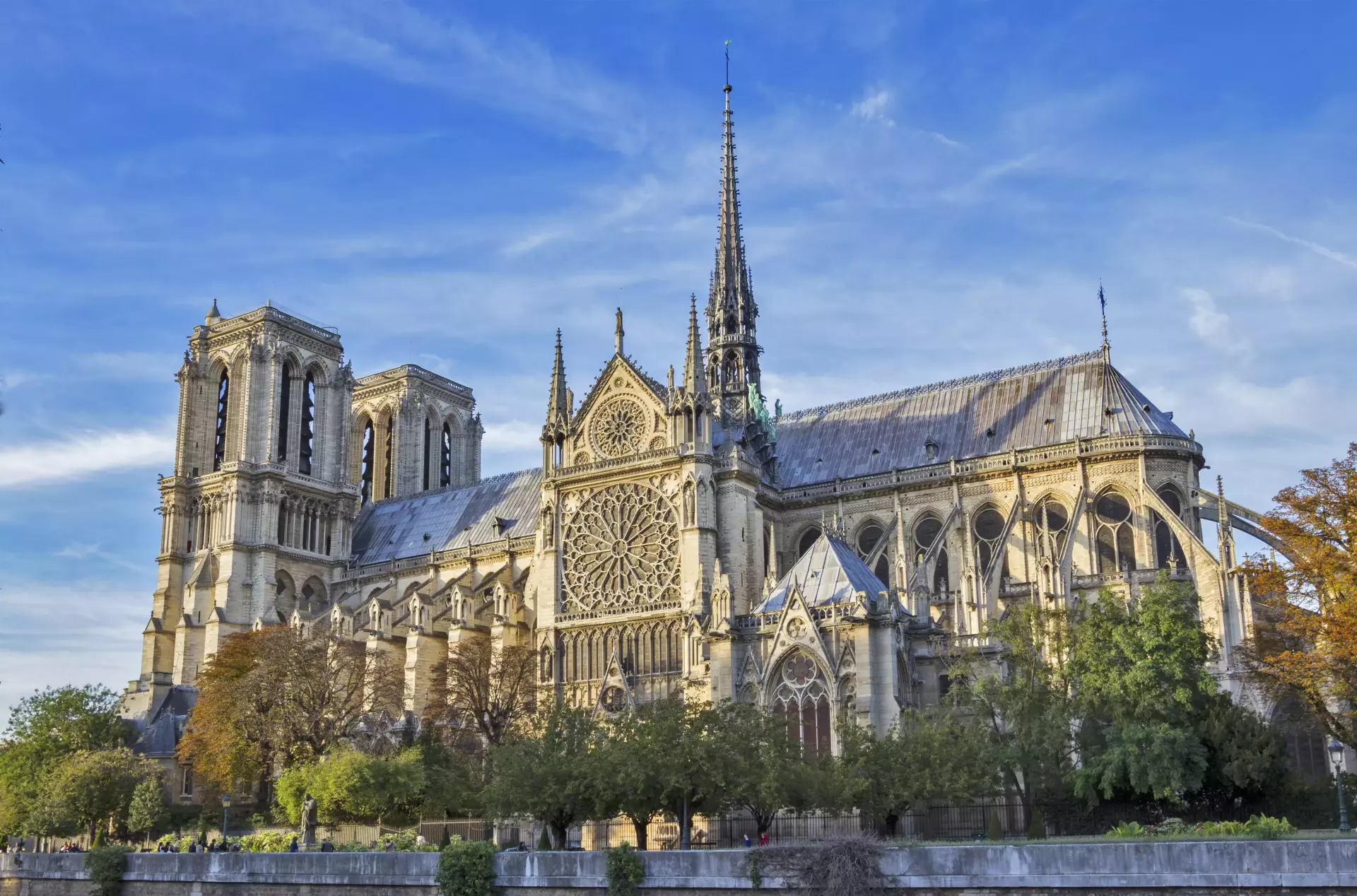
The early Gothic Cathédrale de Notre Dame (Our Lady) has a 12th century design but wasn't completed until the 14th. Still it is a good example of the development of the style, though the west or main portal is a bit unusual in its rigidity. A April 2019 fire caused severe damage, but after extensive renovation the cathedral was reopened to the public in December 2024.
Contained within two historic houses (hotels), the museum explores the history of Paris through objects in over 140 separate rooms.
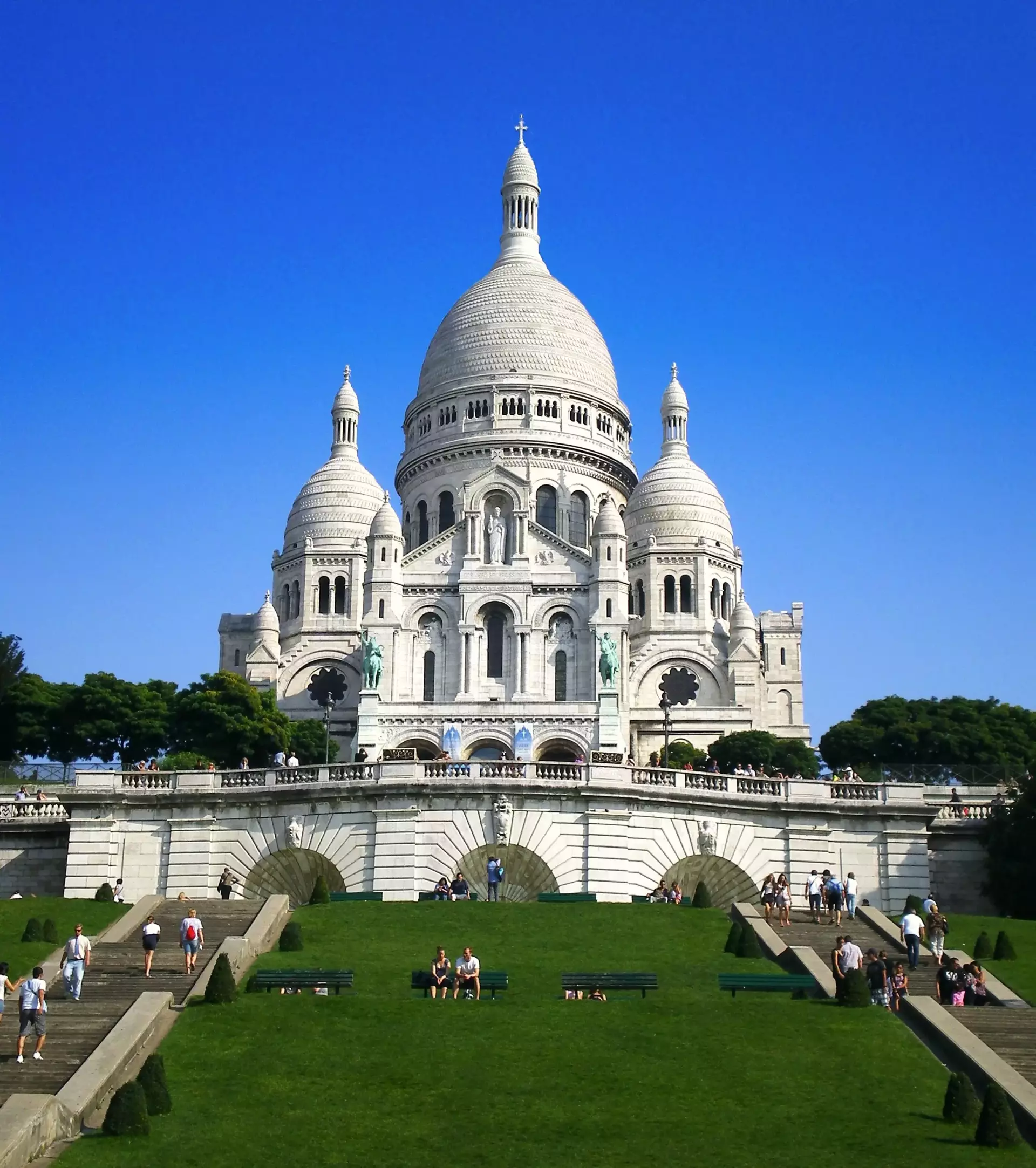
This wedding cake-white church rises visibly above the north part of Paris. The striking building, with its towers and white onion dome (83 m high), was built between 1875-1914 on the birthplace of La Commune, officially as an act of penitence for the sins committed during the civil war in which thousands of Communards were executed, as well as for the previous bloodshed of the 1870 Franco-Prussian war. A number of prominent businessmen put up the money, and a dizzying combination of architects worked to put together the mock Romano-Byzantine extravaganza. Consecration followed in 1919. The view over Paris from the dome and from the square before it (200 m above sea level) is unsurpassed, apart from that enjoyed at the Eiffel Tower (50 km on a clear day). For the athletic traveller there are stairs from several directions to the top of the hill; otherwise there is also a funicular which runs every few minutes during the daytime from Place St. Pierre. Follow the signs that say "Funiculaire De Montmartre". Beware that the guards don't like it if they catch you taking pictures inside and will even yell "No photo!" and chase you down if they see you with a camera. Be warned: along the lower steps leading up to church, groups of mostly young African men gather and reach toward you with a small string, offering to loop it round your finger. In case it happens, pull back your hand, brush them off and move on. They might claim that "This is for the church." In case your feel that things go sideways, raise your voice to get people's attention and ask them call the police.
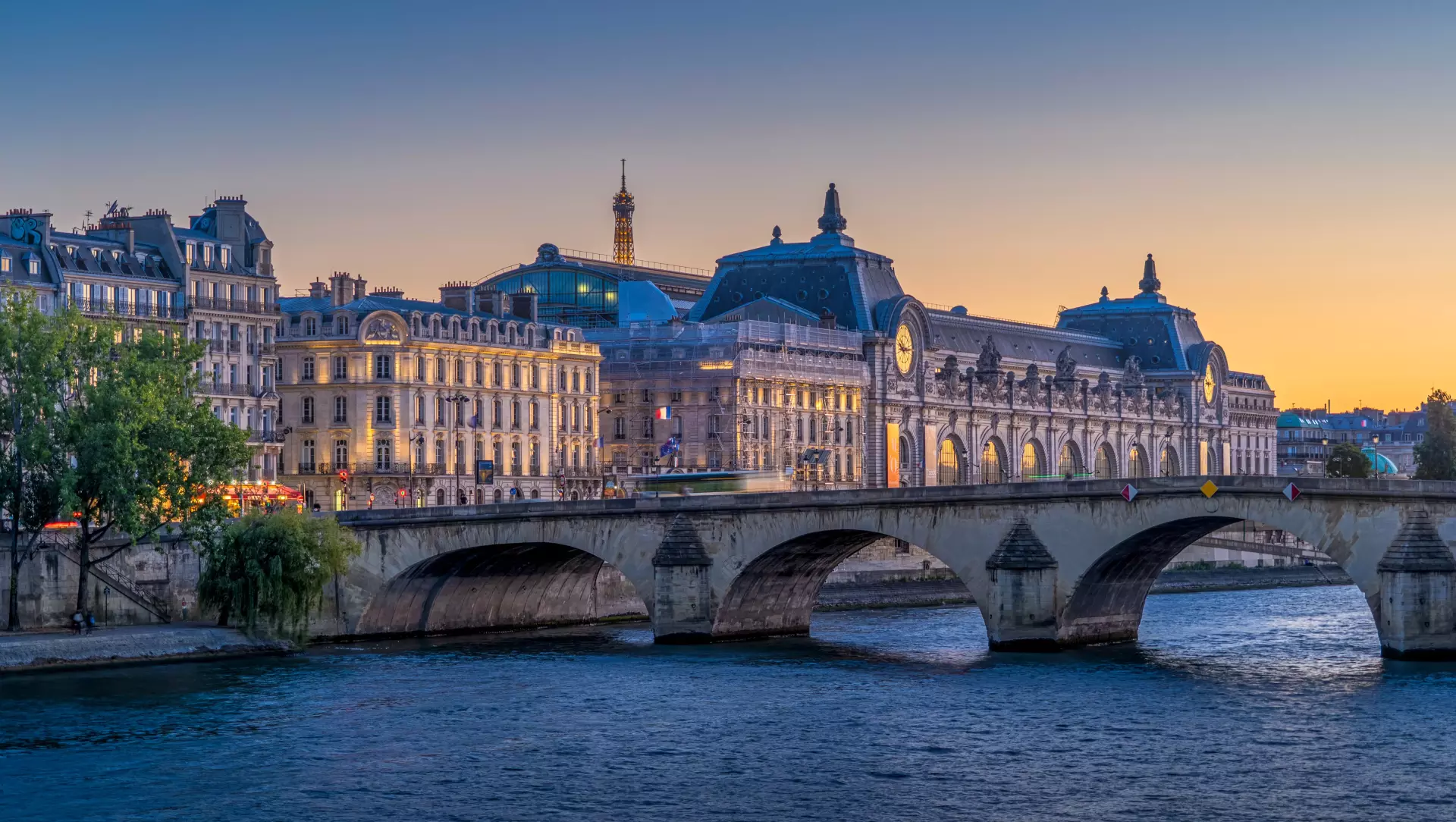
Housed in a former Beaux-Arts railway station (completed in 1900 for the Exposition Universelle, later saved from demolition and converted to its present use), the rambling, open-plan museum is home to the works of the great artists of the 19th century (1848-1914) - Impressionists, post-Impressionists, and the rest - that were formerly displayed in the l'Orangerie. This is perhaps the most spectacular collection of European impressionism in the world—breath-taking rooms full of Manet, Renoir, Monet, Van Gogh, and many others. Impressionist represent the biggest draw, but there is much more to explore.
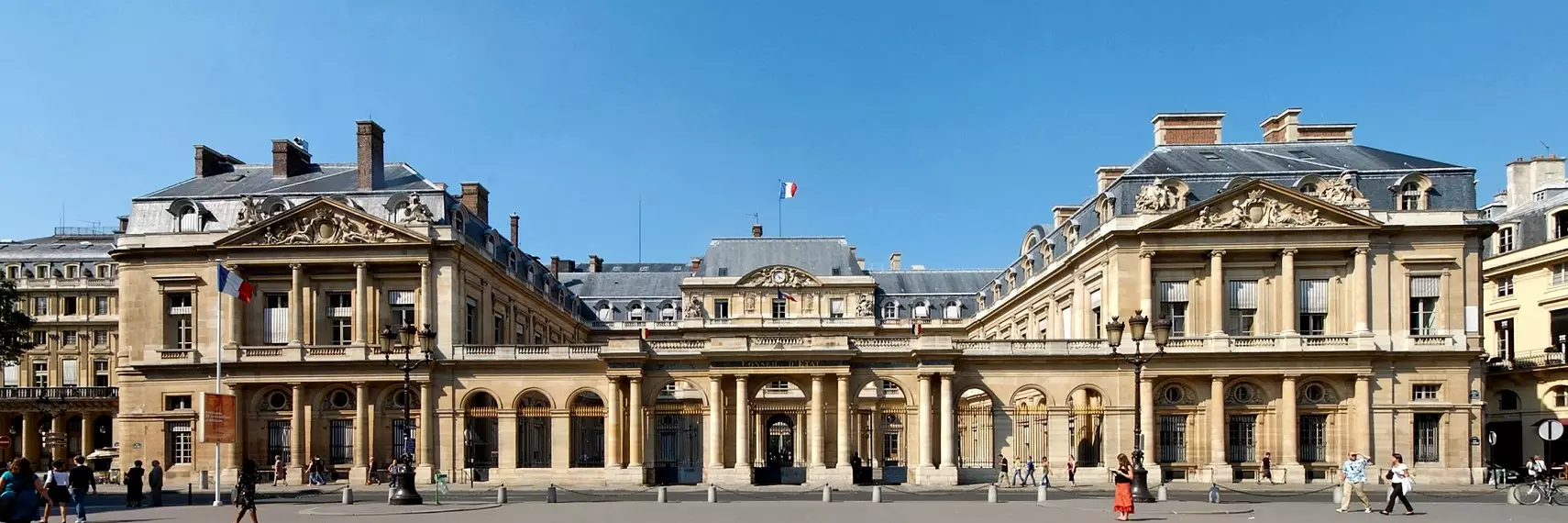
Ordered by Cardinal de Richelieu (1585-1642), King Louis XIII's prime Minister in 1629 (completed in 1636); originally called Palais Cardinal; it became Le Palais Royal when Anne d'Autriche, Louis XIII's wife, came to live here to get away from the Louvre palace. It eventually housed Louis XIV until the move to Versailles. It includes also a beautiful garden Les jardins du Palais Royal, enclosed by the buildings. It's been the theatre of one of the seminal events of the French Revolution (Camille Desmoulins made a famous declaration here in 1789). The Théatre Français nearby was built in 1716. There are numerous restaurants inside the garden , including famous Le Grand Véfour. There's also the controversial Colonnes de Buren, striped columns installed within the inside yard amid the 17th century architecture.
A former fortress and royal residence at the edge of the city, alongside the Bois de Vincennes. Most of the building is open to public.
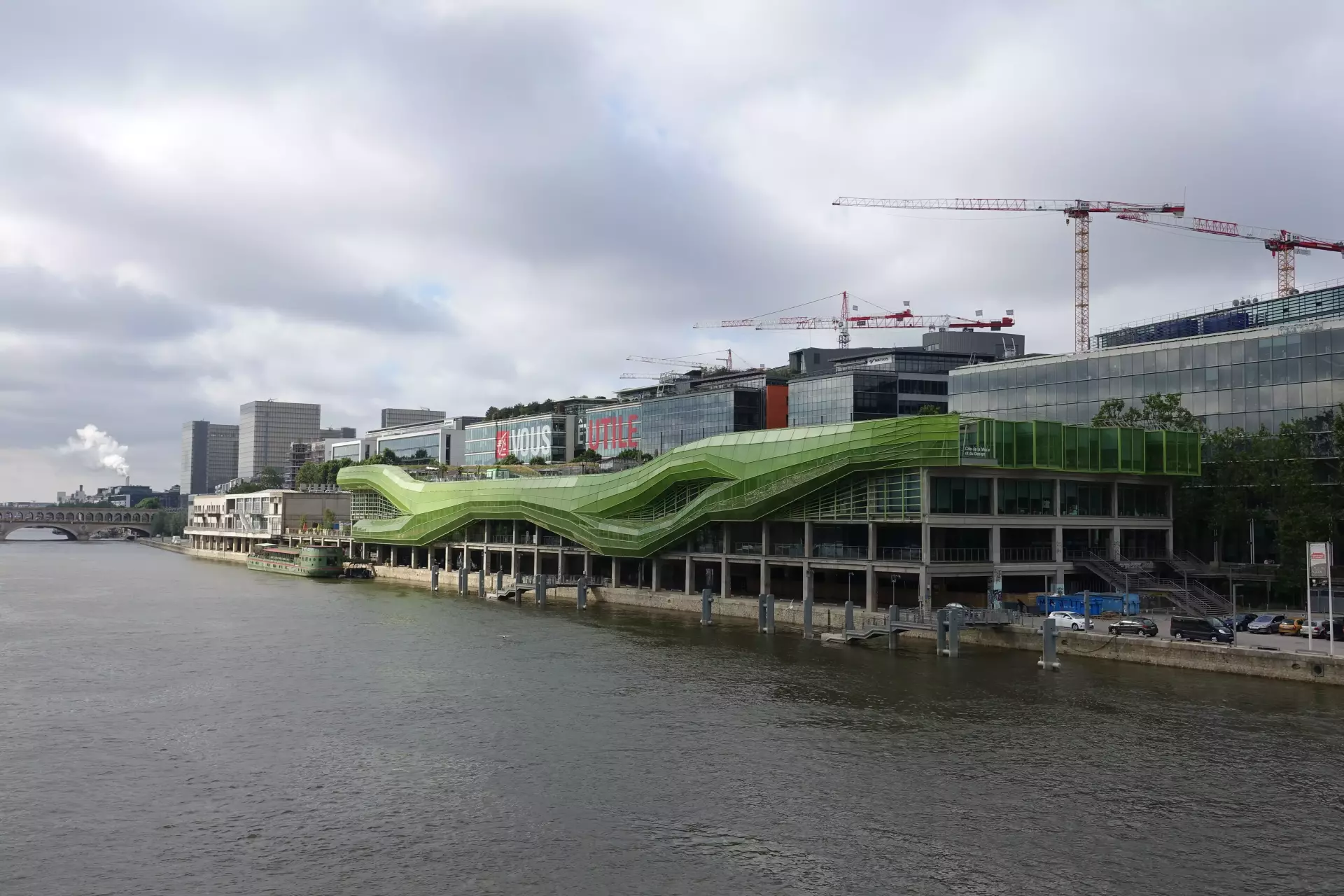
Part gallery - part restaurant - part nightclub, La Cite (Les Docks) is a modern building that is instantly recognisable due to being draped on one side with a large neon green shell covering the stairwells and roof the building. Roughly translated in English as The City of Fashion and Design, this is a trendy spot at the weekends and is used for event like Paris Design Week. The restaurant in the building is open all year round.
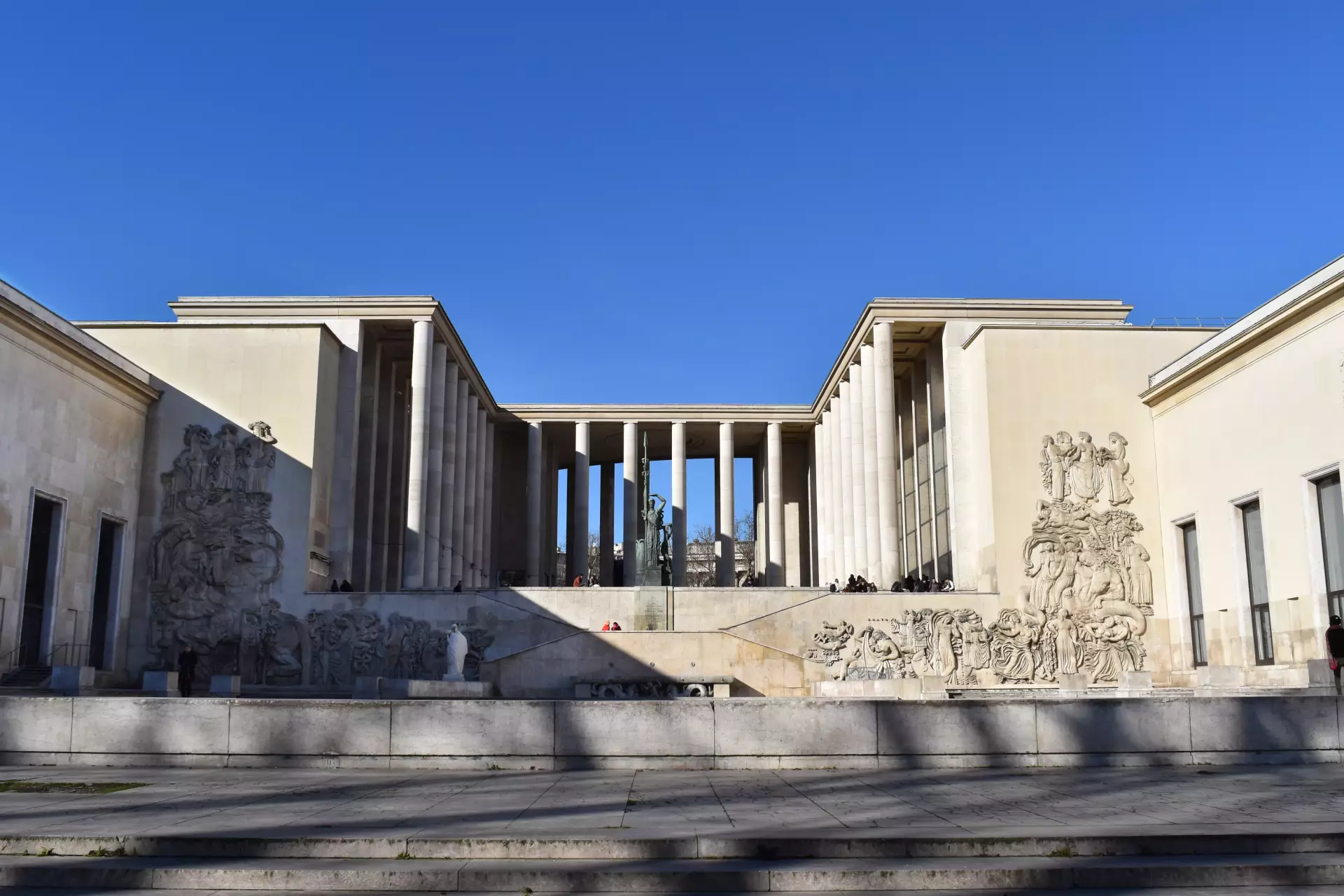
The east wing of the Palais de Tokyo holds the modern art collection of the city of Paris, dating roughly from World War I to date (the older part of the collection is at the Petit Palais in the 8th), including around 10,000 works.
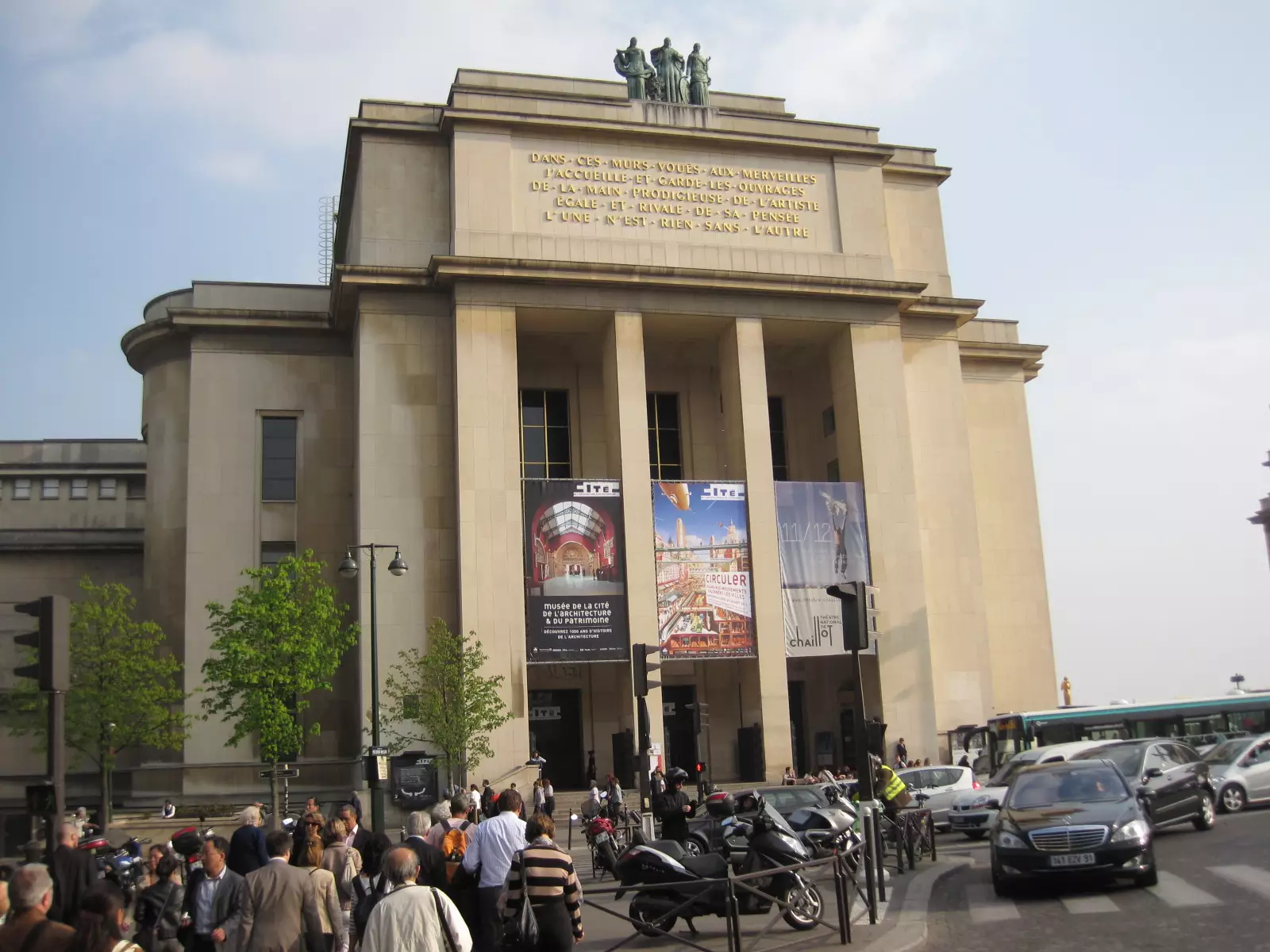
The City of Architecture and Heritage, accommodated in the Palais du Chaillot, is a museum and gallery of French architecture. The centrepiece is the spectacular Hall of Casts, a collection of full-size plaster casts of facades, towers, doorways and windows of great buildings from all over France. Architecture of the late 19th, 20th, and 21st centuries is represented by additional galleries of models and images.
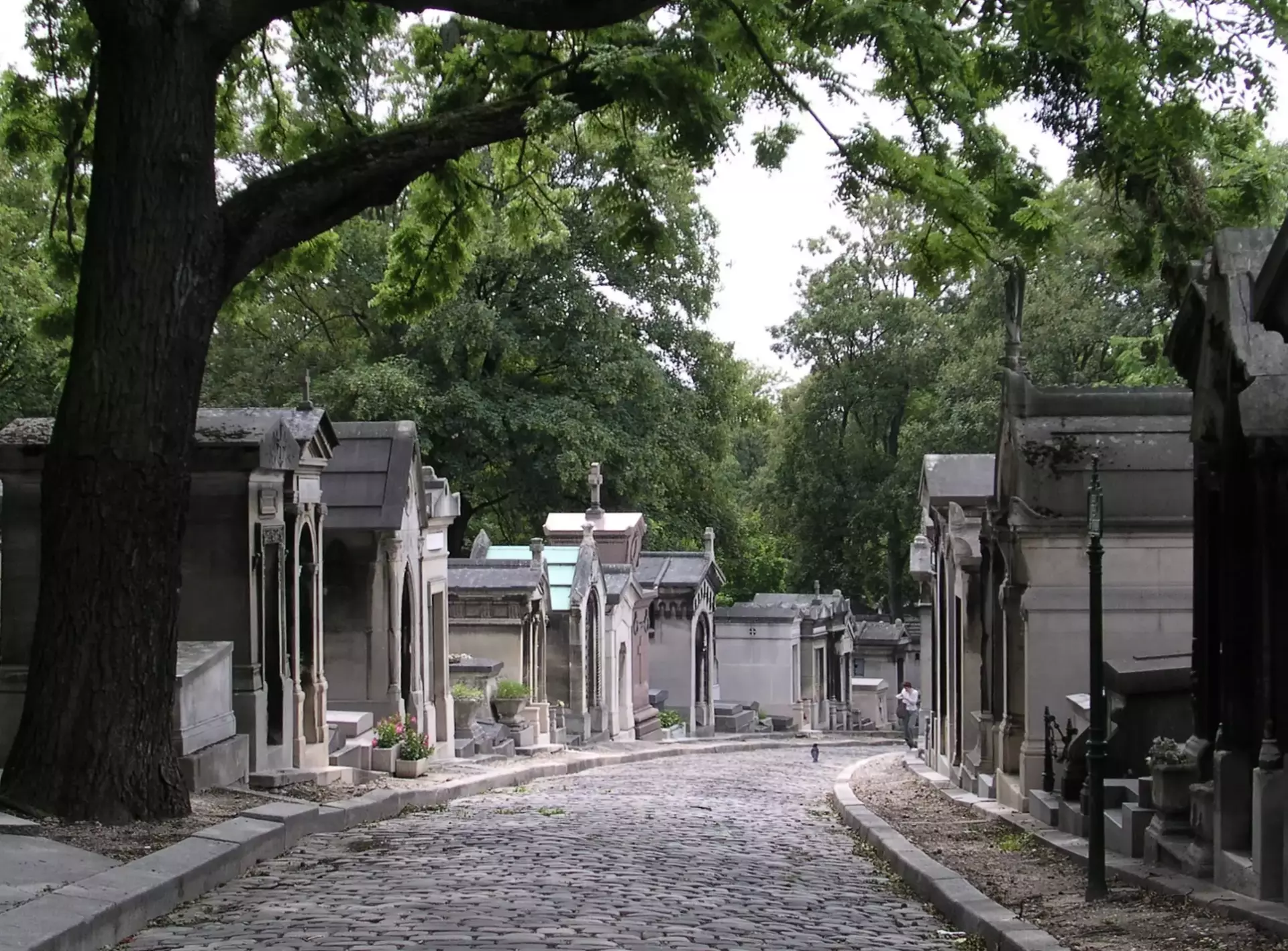
Probably the most visited graveyard in any Western city, the vast Père-Lachaise features literally thousands of often elaborately decorated graves separated by narrow lanes and avenues. The roll call of famous burials includes: Chopin, Champollion, Sarah Bernhardt, Edith Piaf, Oscar Wilde, Delacroix, Bizet, Proust, Balzac, Colette, Molière, and Jim Morrison of The Doors.
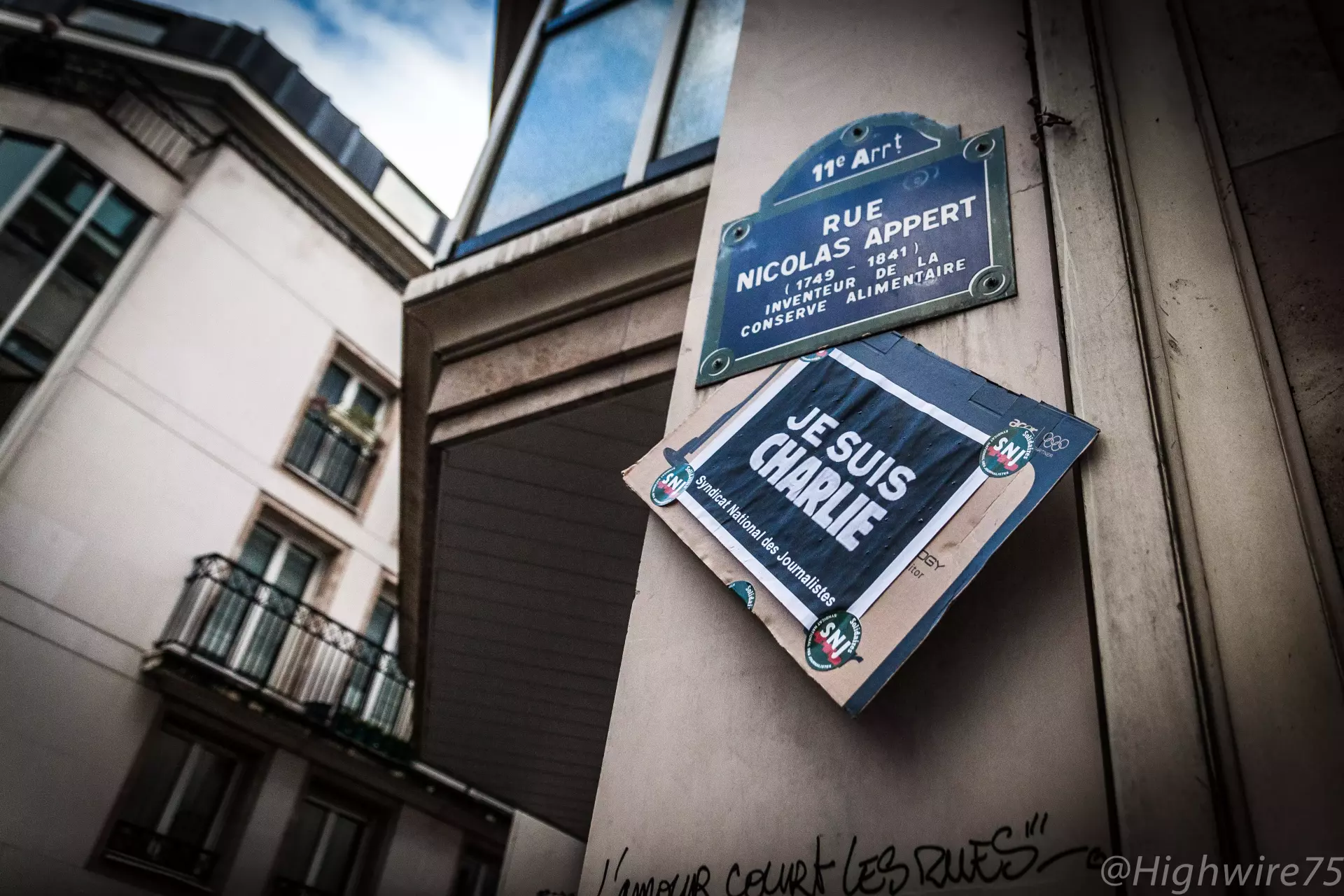
This street is named in honor for Nicolas Appert, a French businessman who invented airtight food preservation. On January 7th, 2015, it was the site of the Charlie Hebdo terrorist attack, which resulted in the deaths of 12 people. A plaque in front of a former office building memorializes the victims of the satirical magazine's staff.
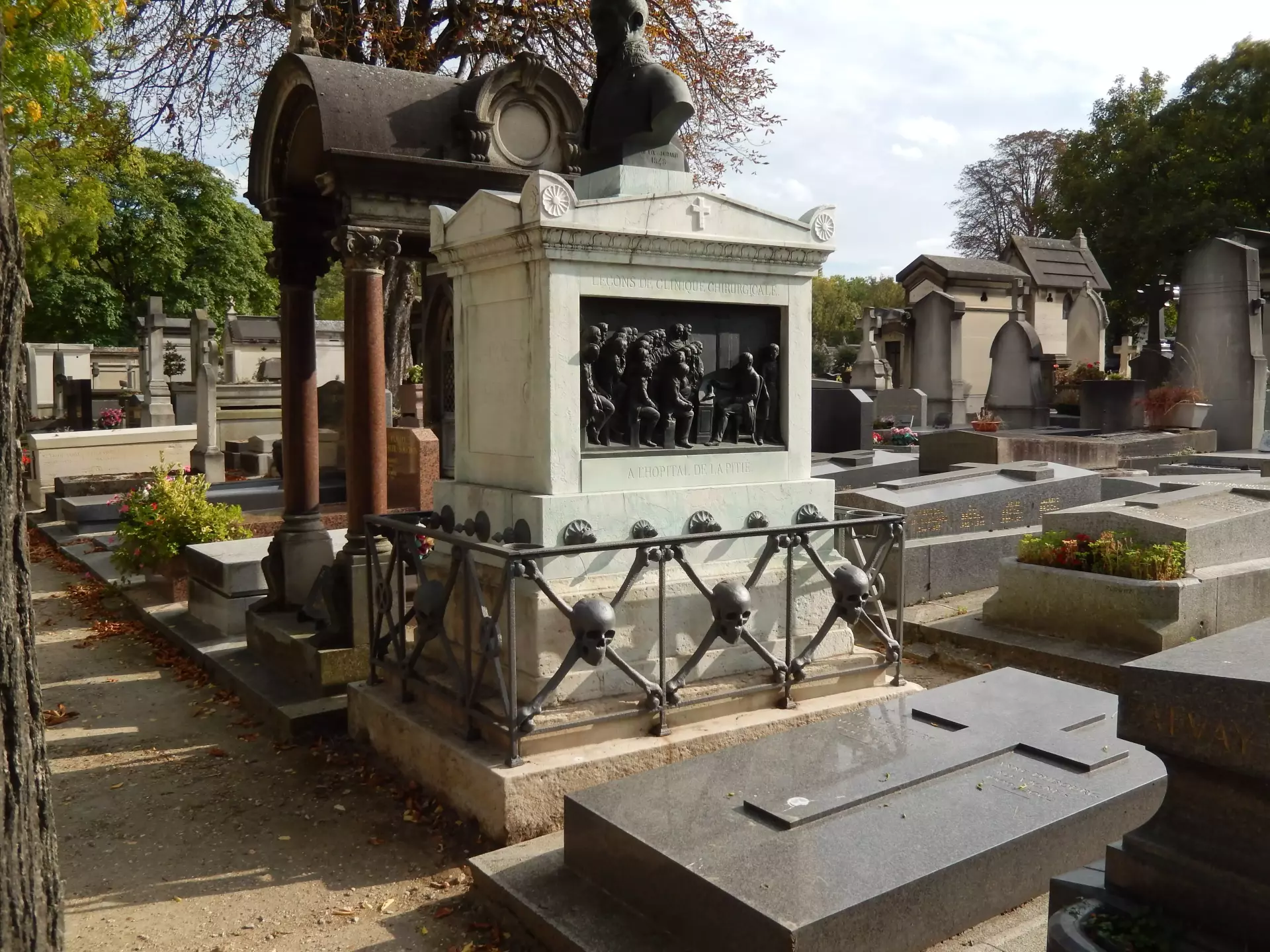
The burial place of existentialist philosopher Jean-Paul Sartre, feminist Simone de Beauvoir (both of whom lived nearby); musician Serge Gainsbourg; artist Man Ray; the poets Charles Baudelaire, Guy de Maupassant, Charles Sainte-Beuve, and Marguerite Duras; the founders of the Theatre of the Absurd Samuel Becket and Eugene Ionesco; the sculptors Constantin Brancusi and Ossip Zadkine; the composers Camille de Saint-Saens and César Franck; the actors Maria Montez and Jean Seberg; the French officer Alfred Dreyfus; the founder of the Larousse encyclopedia, Pierre Larousse; the industrialist André Citroen, and many others.
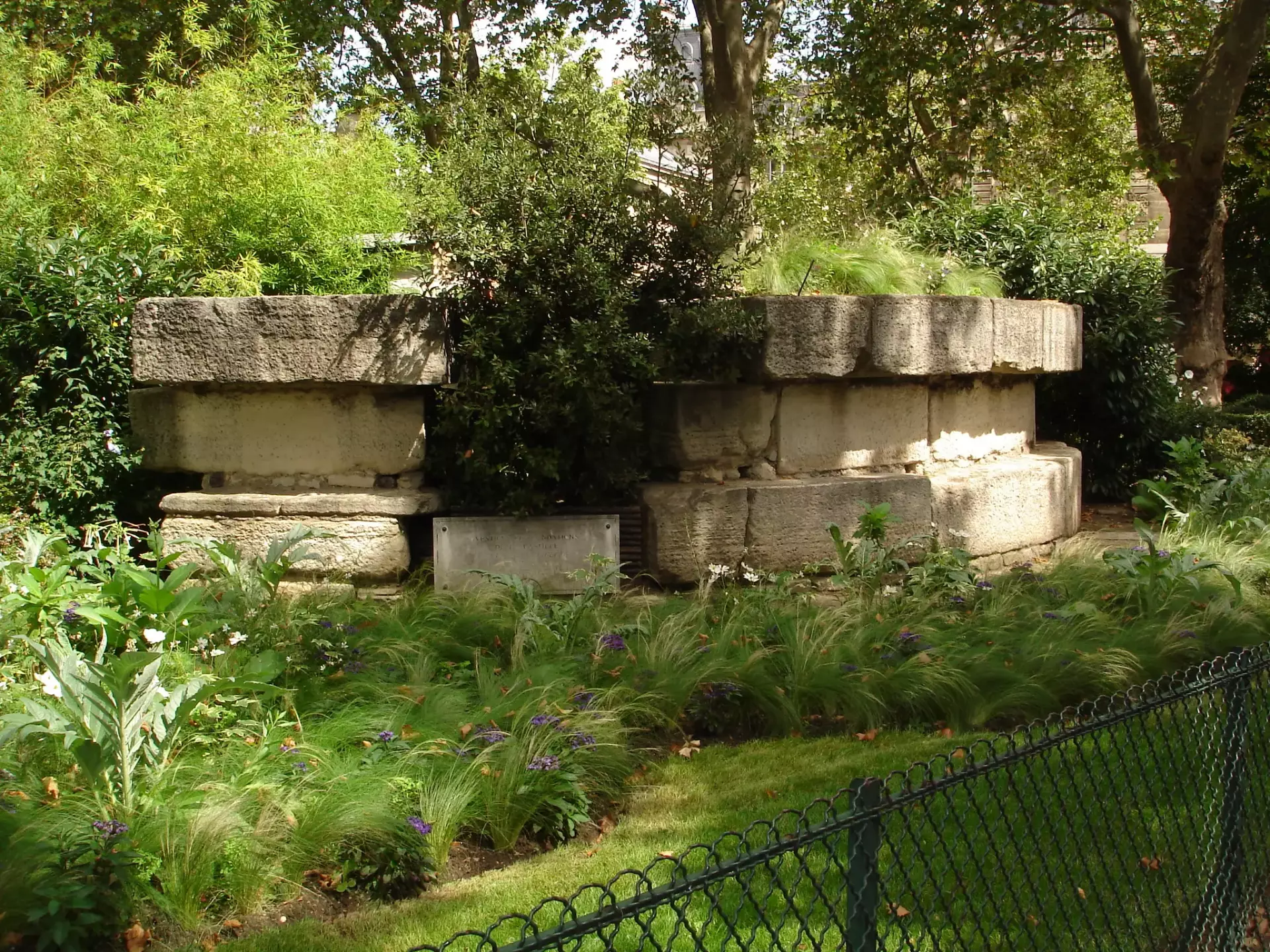
Enter Bastille station through any entrance or on any train and then make your way to the Bobigny/Pablo Picasso-bound platform. All that's left of the fortress whose front steps used to lead up from place de la Bastille are some foundation stones which you can see while waiting for a north bound train on this metro platform. There are maps and explanations showing where the fortress used to be relative the place and surroundings (basically the location of the old front steps are now occupied by Café des Phares).
One of the truly great venues for the performing arts anywhere in the world, Paris' new opera house actually managed to inspire some neighborhood protest during its planning and construction. Pretty much everybody is a believer nowadays though. Check out the website for upcoming shows, it might even make sense to plan a trip to Paris around one.
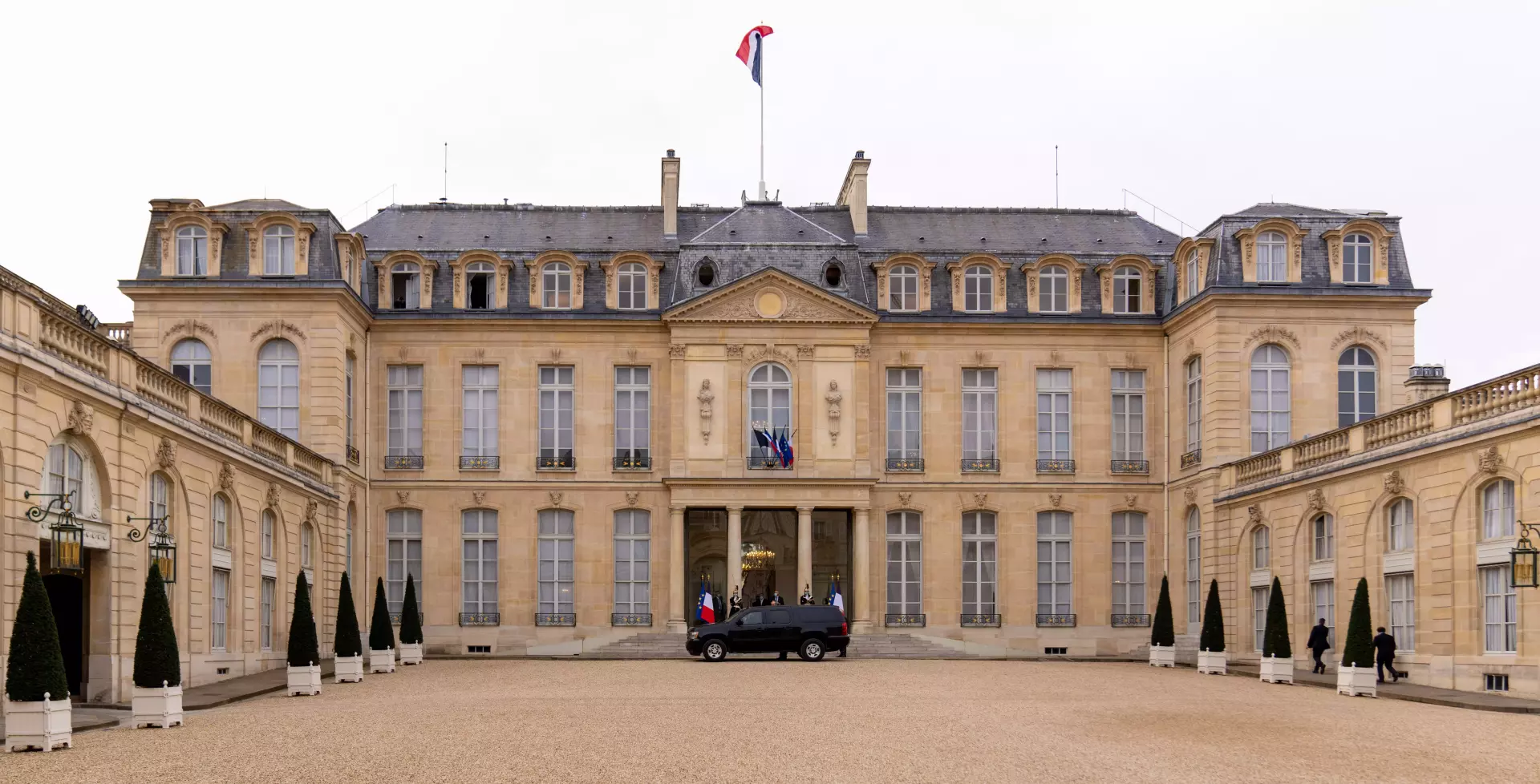
The official residence of the President of France since 1848. Dating to the early 18th century, it contains the office of the President and the meeting place of the Council of Ministers. It is located near the Champs-Élysées in the 8th arrondissement of Paris, the name Élysée deriving from Elysian Fields, the place of the blessed dead in Greek mythology. Not open to the public, except occasionally during the annual National Heritage Days (usually a weekend in mid-September). Important foreign visitors are hosted at the nearby Hôtel de Marigny, a palatial residence.
Famous people who stayed here include Marie de Rohan, intriguer during the Fronde; Jeanne Baptiste d'Albert de Luynes, future mistress of a duke of Savoy; Marie Angélique de Fontanges, mistress of Louis XIV, died here giving birth to his child who also died. Today its main cloister (illustration) forms part of the modern Hôpital Cochin.
A must for anyone interested in the history of the American Revolution. This small cemetery includes three mass graves from the French Revolution, plus a section that includes many of France's most noble families that lost members during the French Revolution and consequently have a continuing right to be buried there. In the farthest right hand corner is the tomb of General Lafayette, the friend and fellow soldier of George Washington. Beside him is his beloved wife plus other members of her family, the de Noailles, who were almost completely wiped out during the French Revolution because of their closeness to the Court. Since 1834 the American flag has apparently flown continuously over his grave, even during the German occupation of Paris during World War II. Well worthy of a visit.
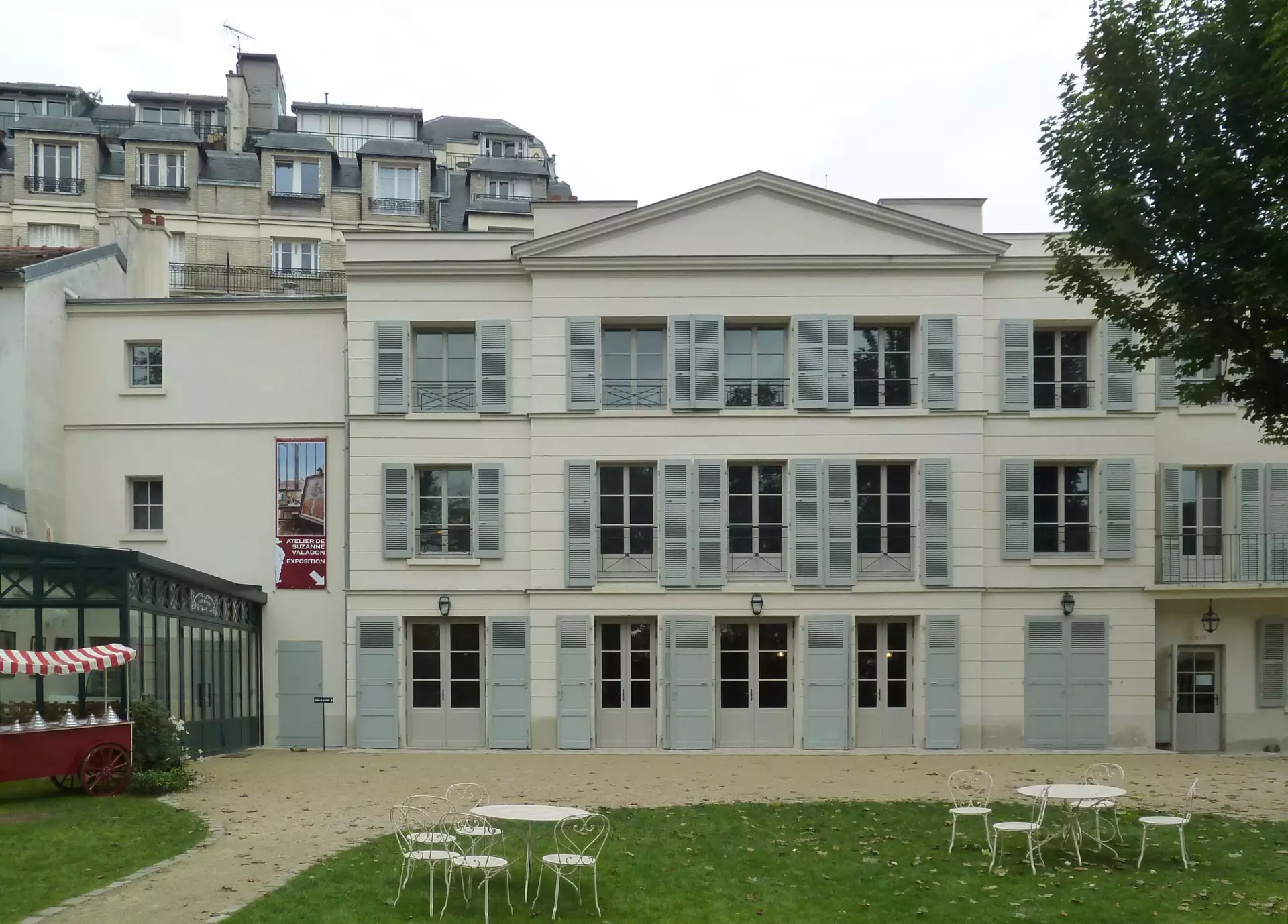
The museum is located in a 17th century house with a garden, and features the history and culture of Montmartre. Several famous artists had lived in the house including Renoir.
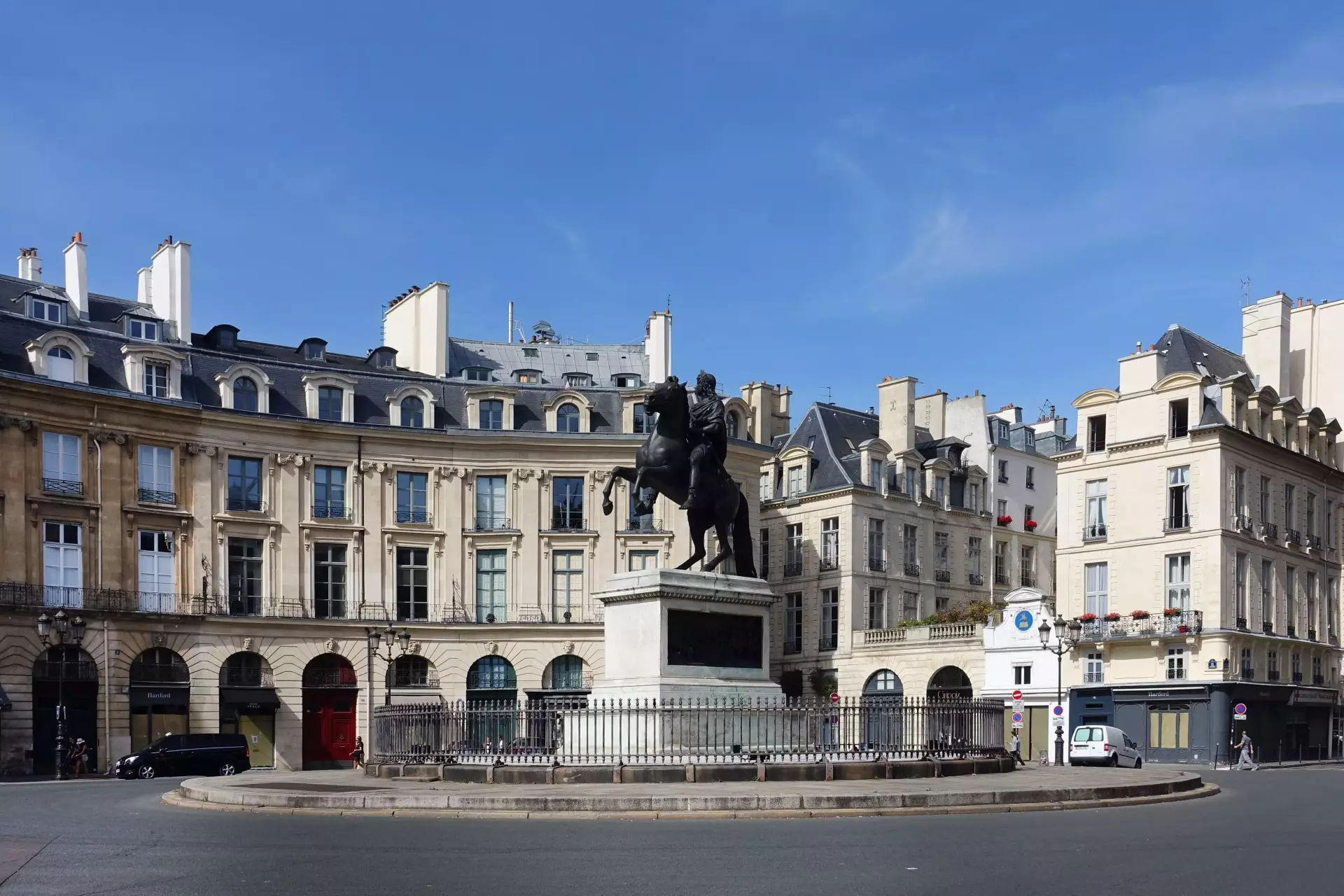
Beautiful round "square" with an equestrian statue of King Louis XIV and matching 17th century buildings.