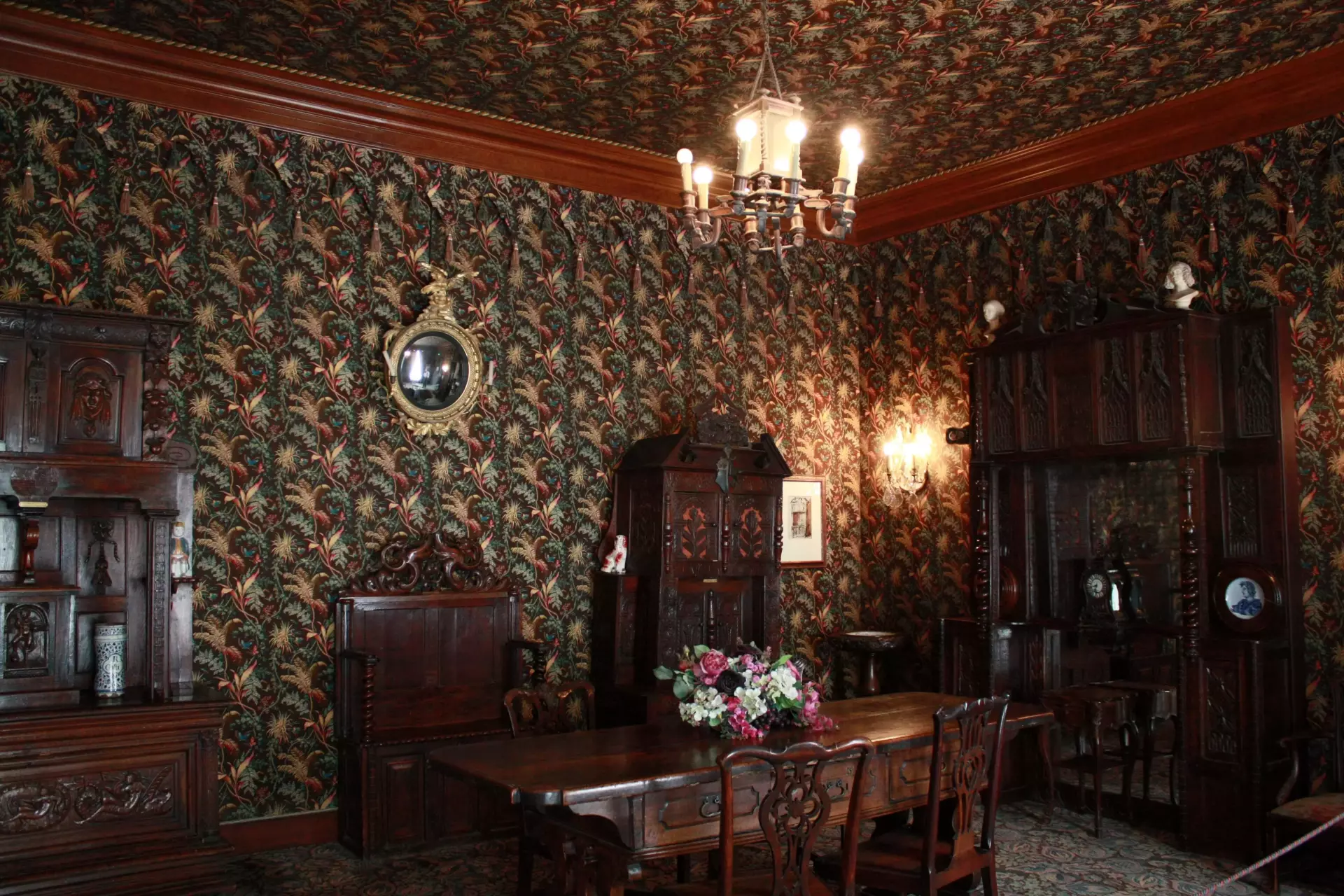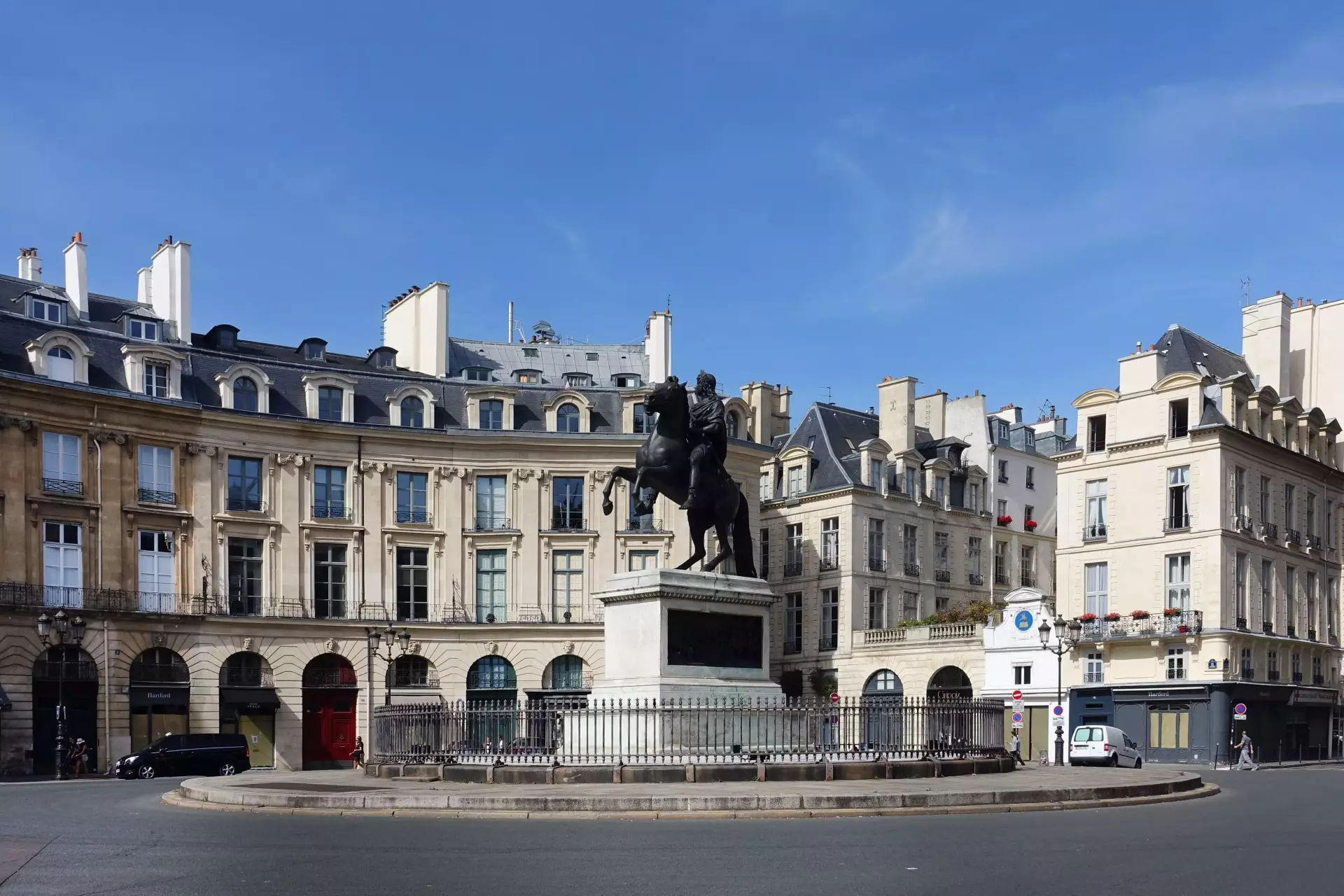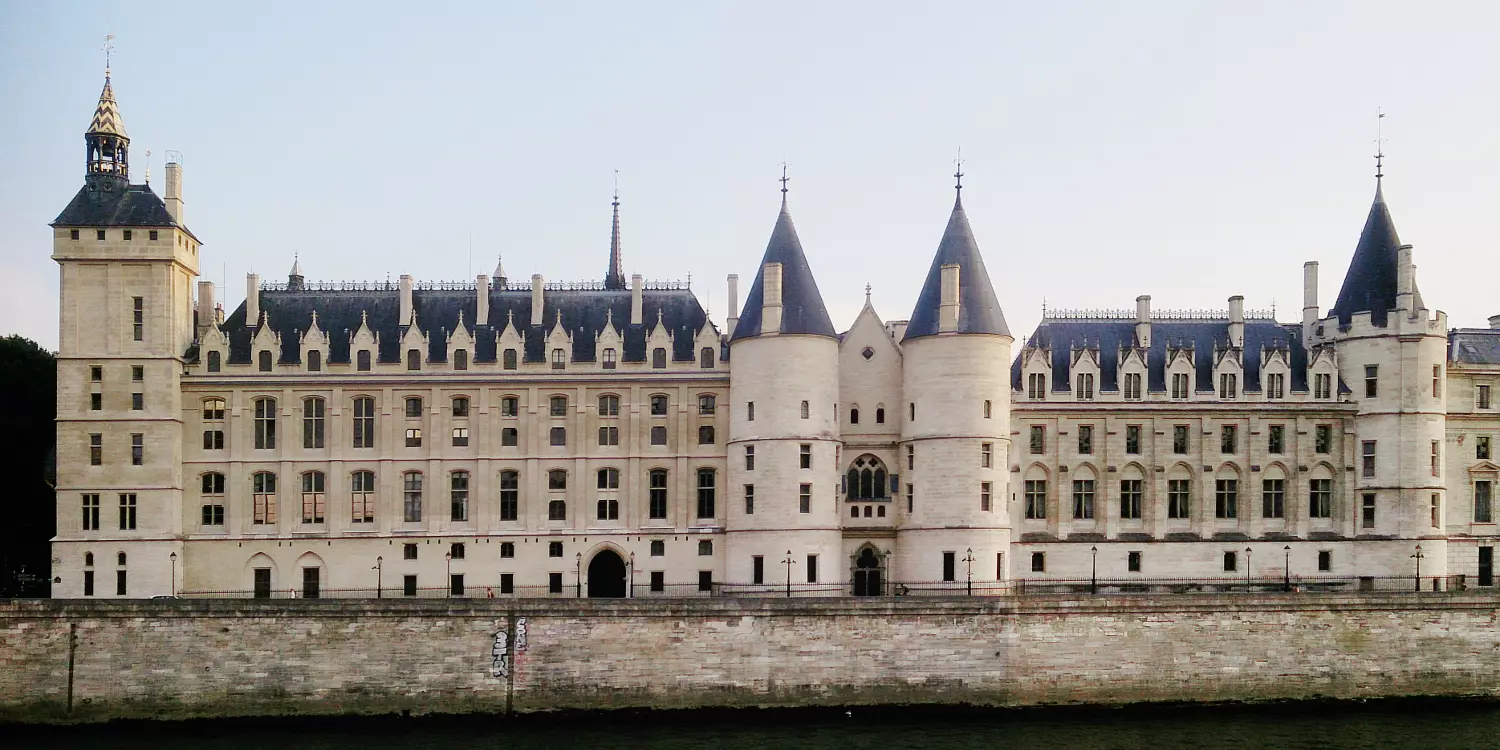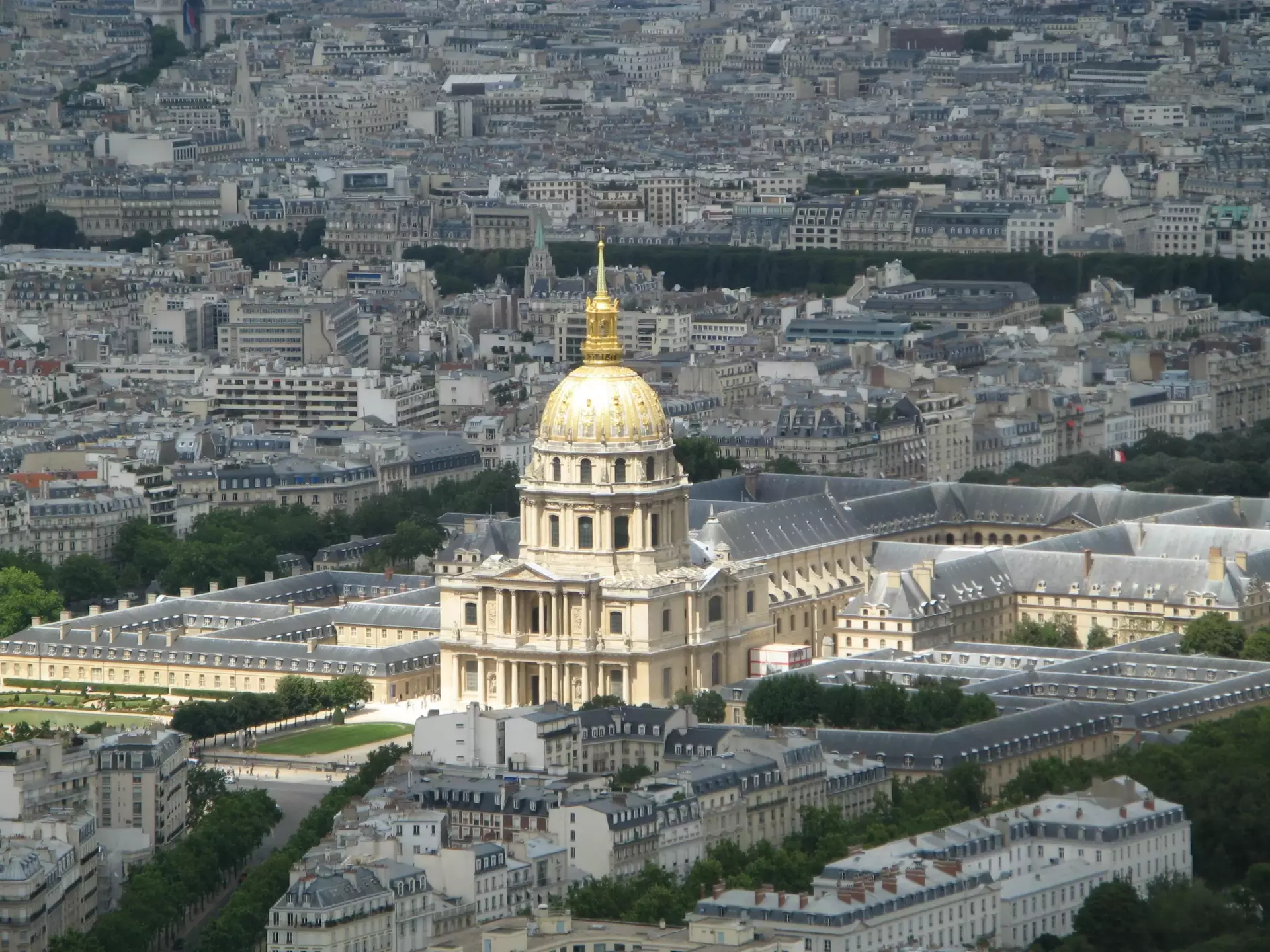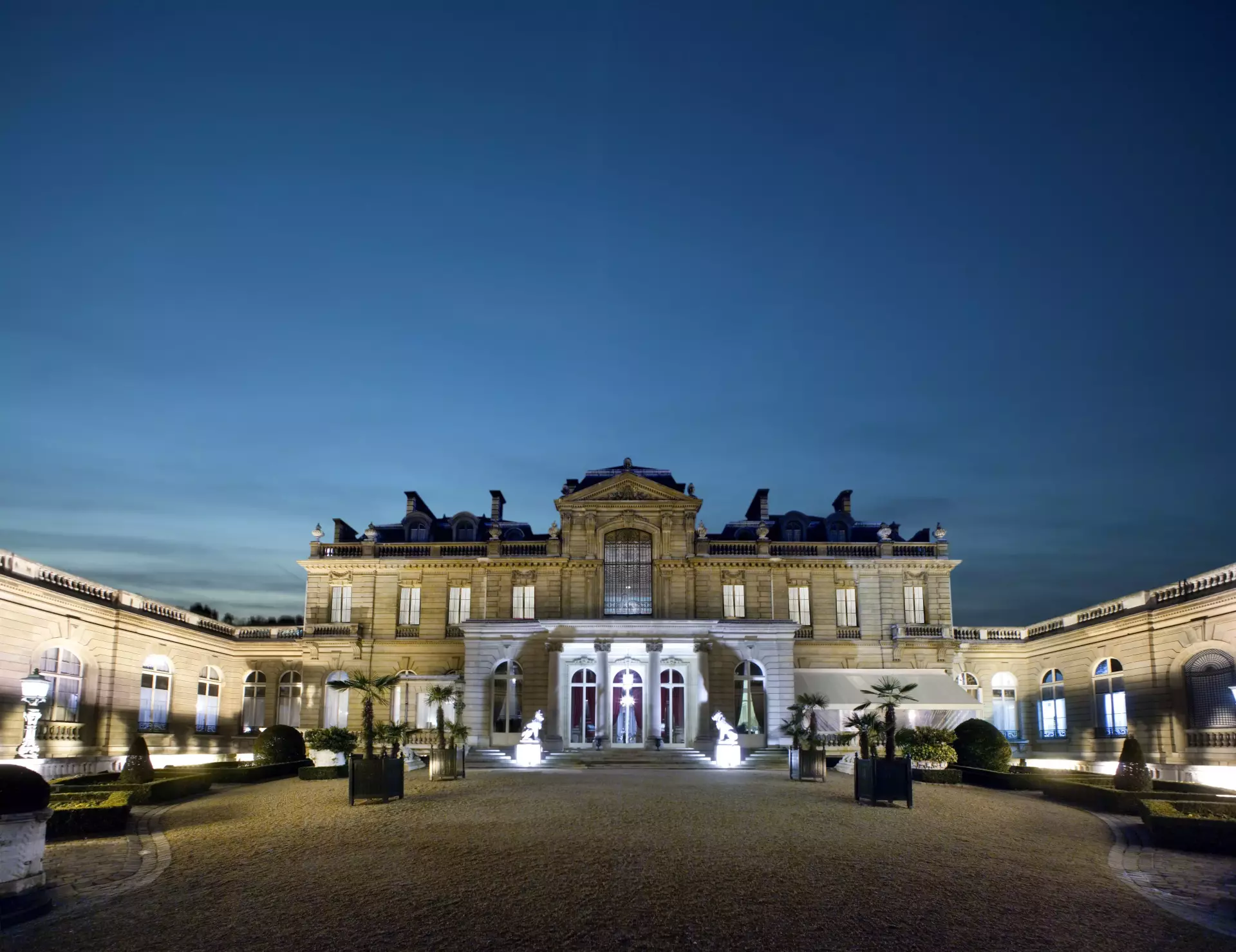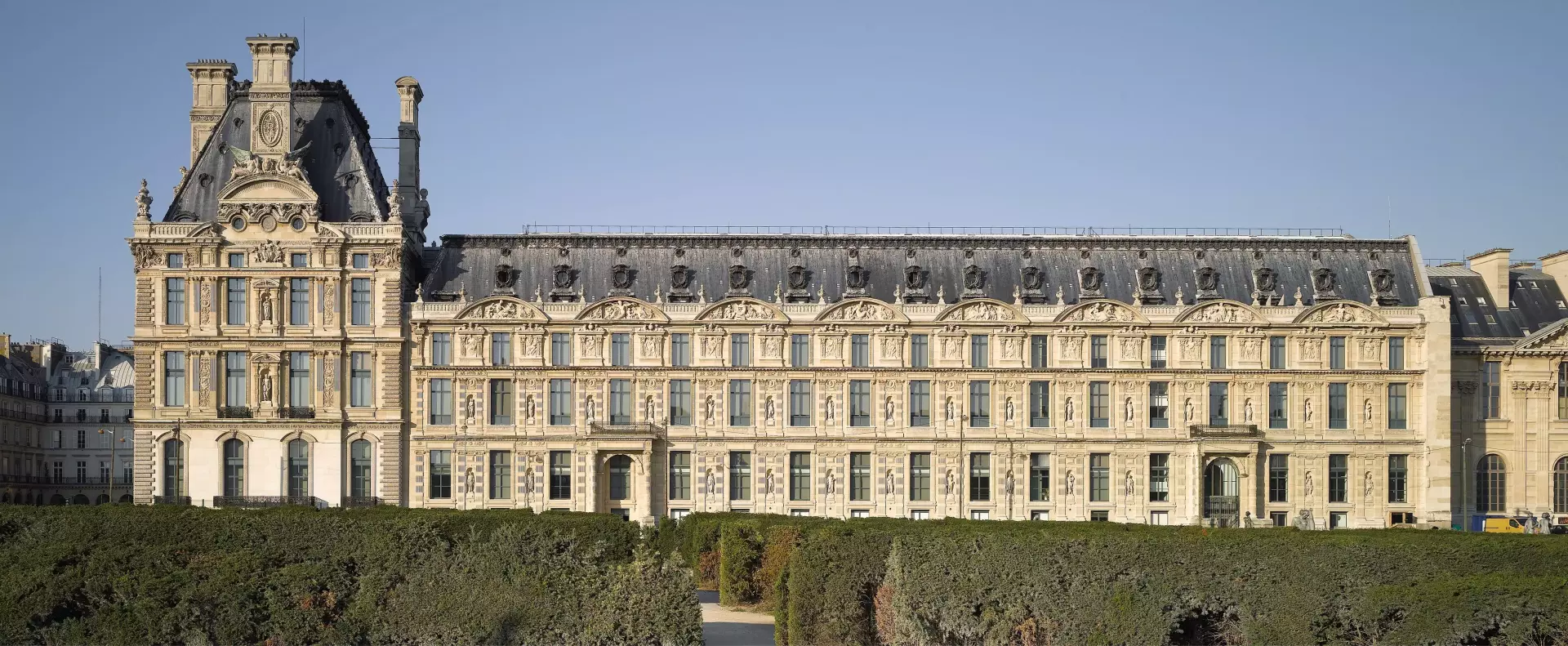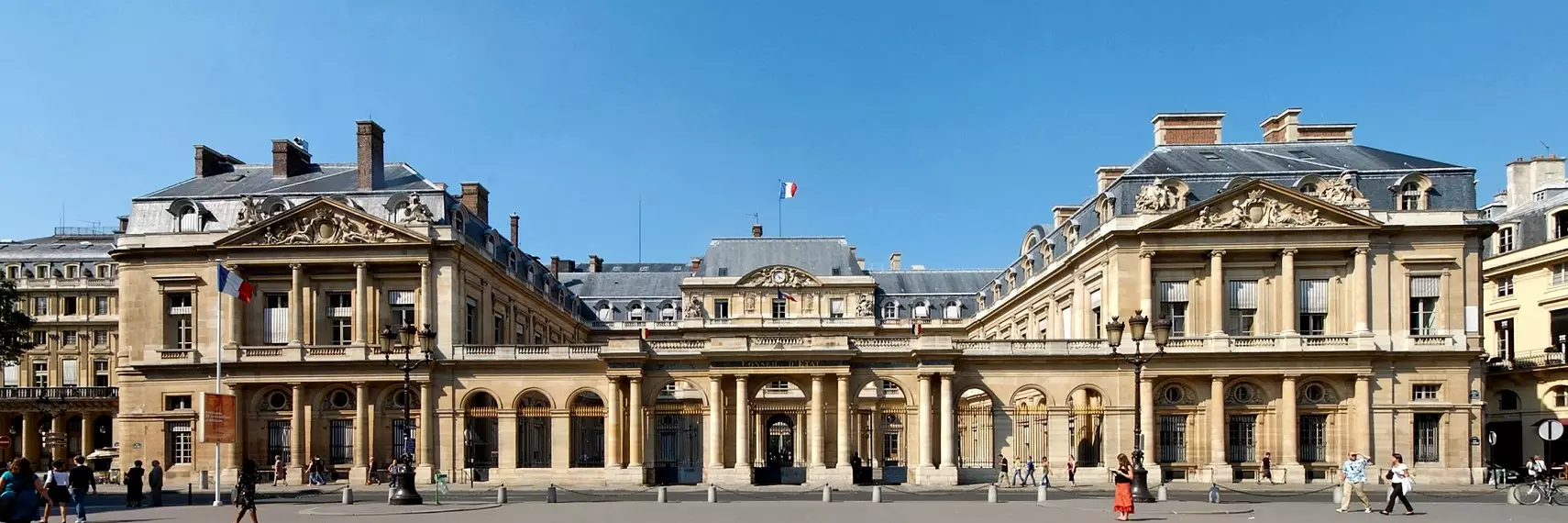
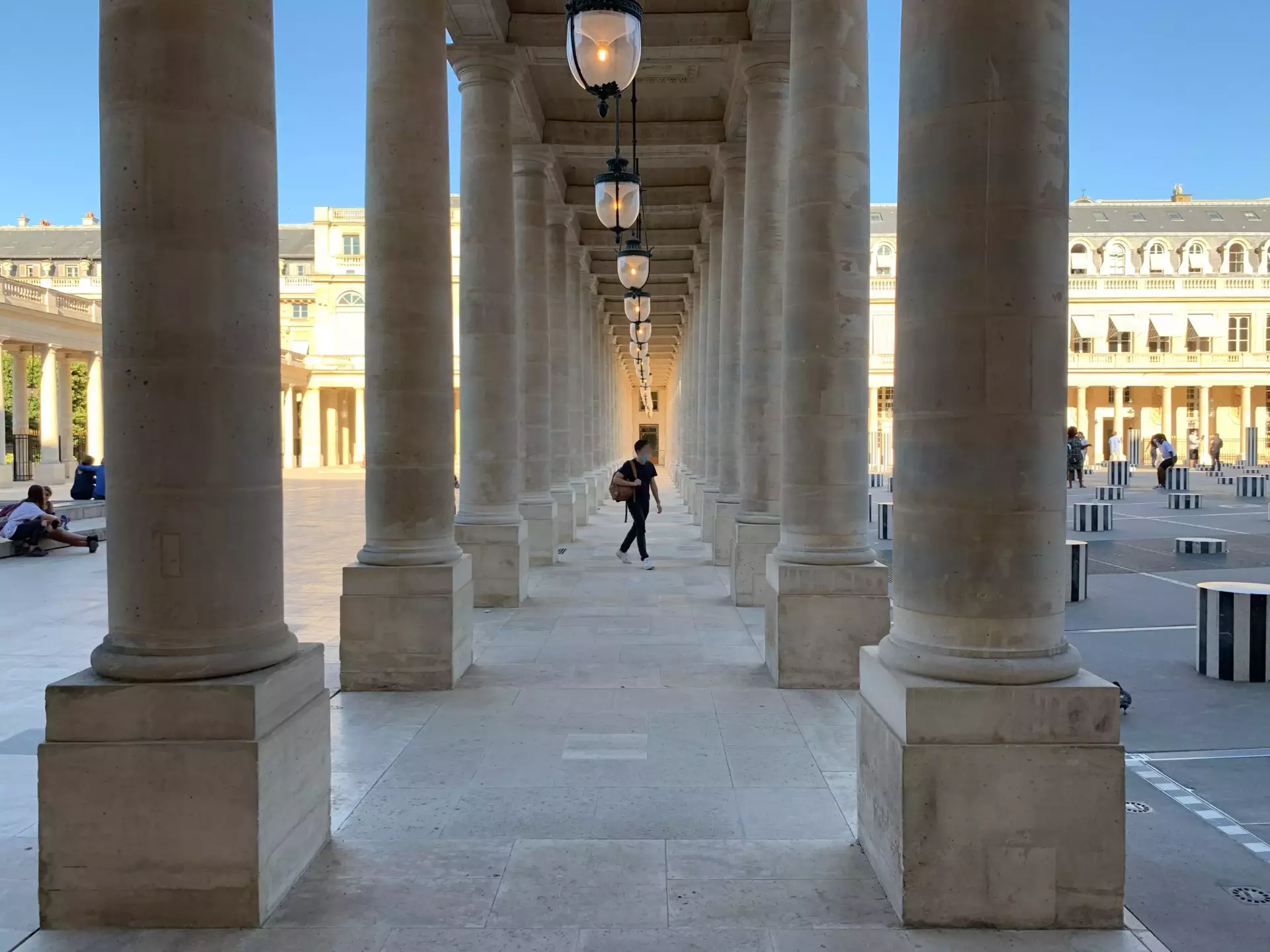
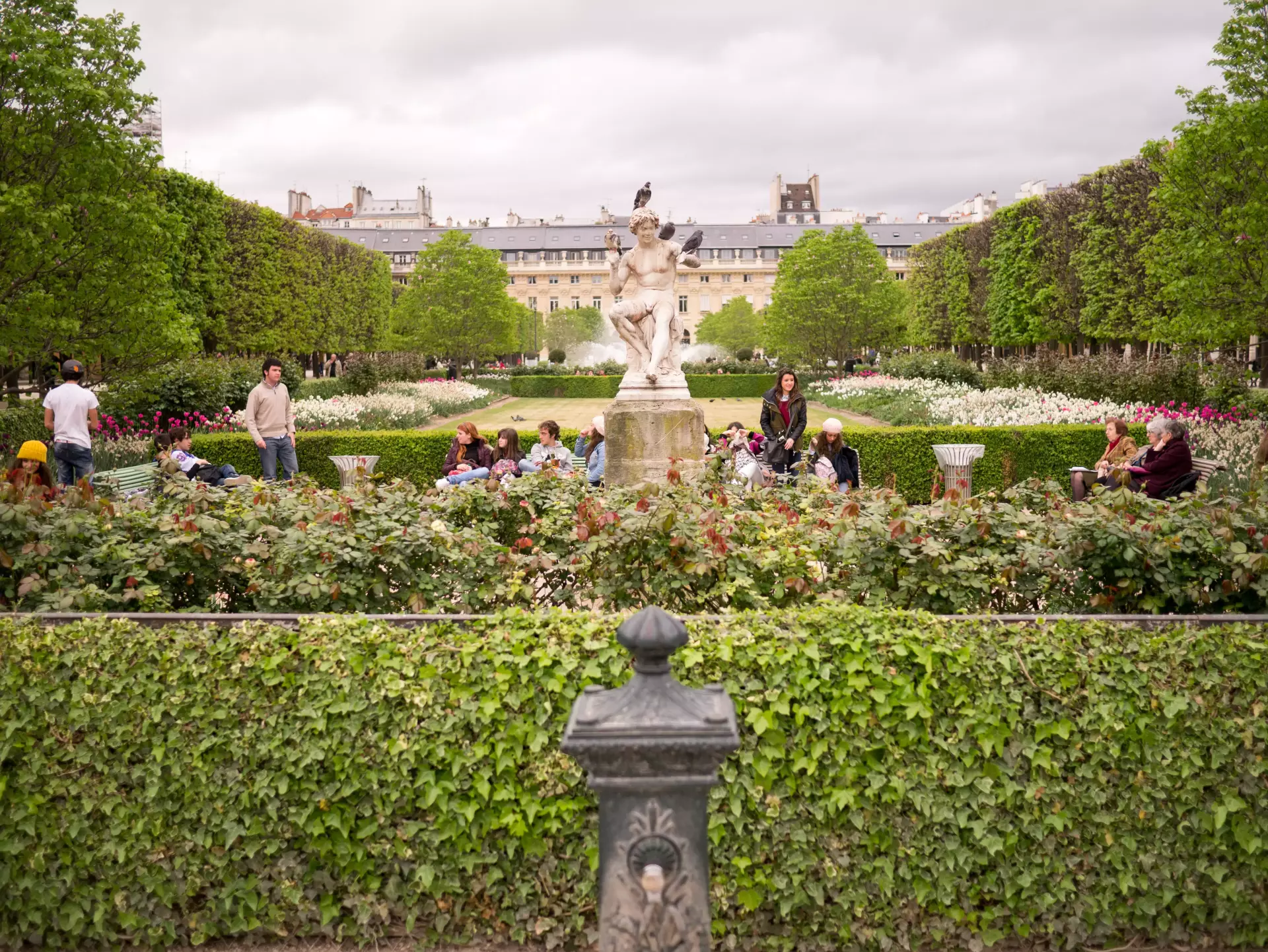
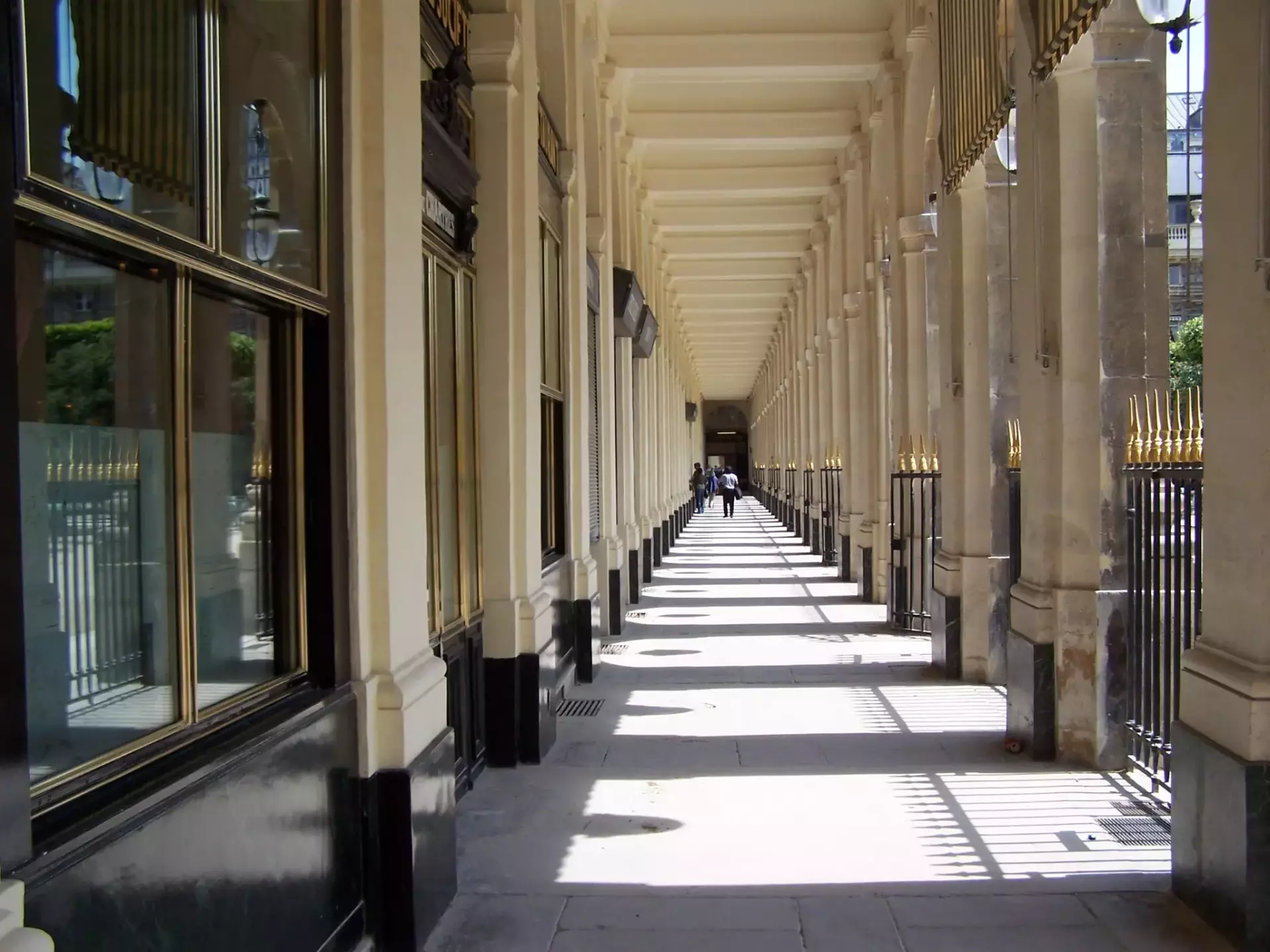
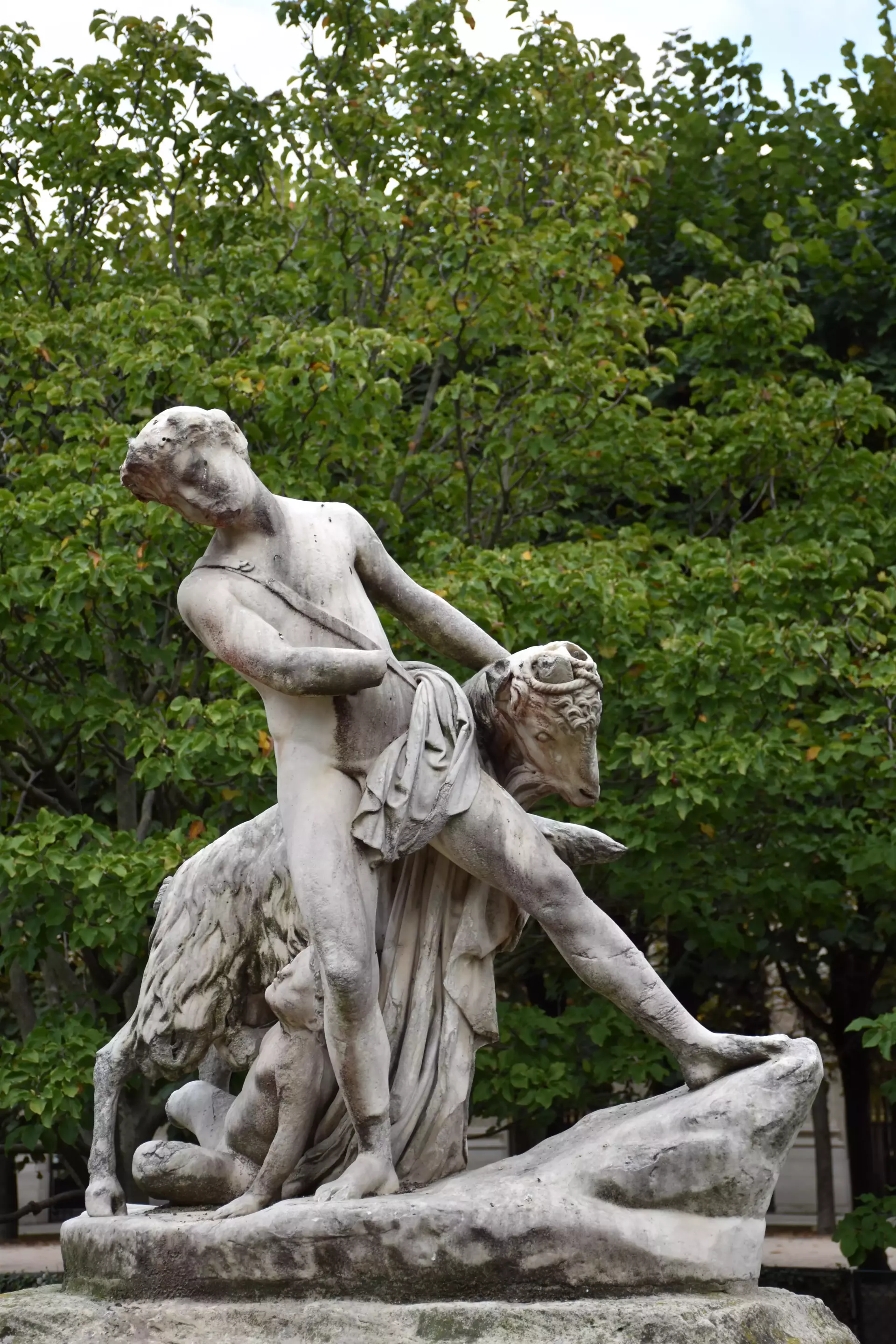
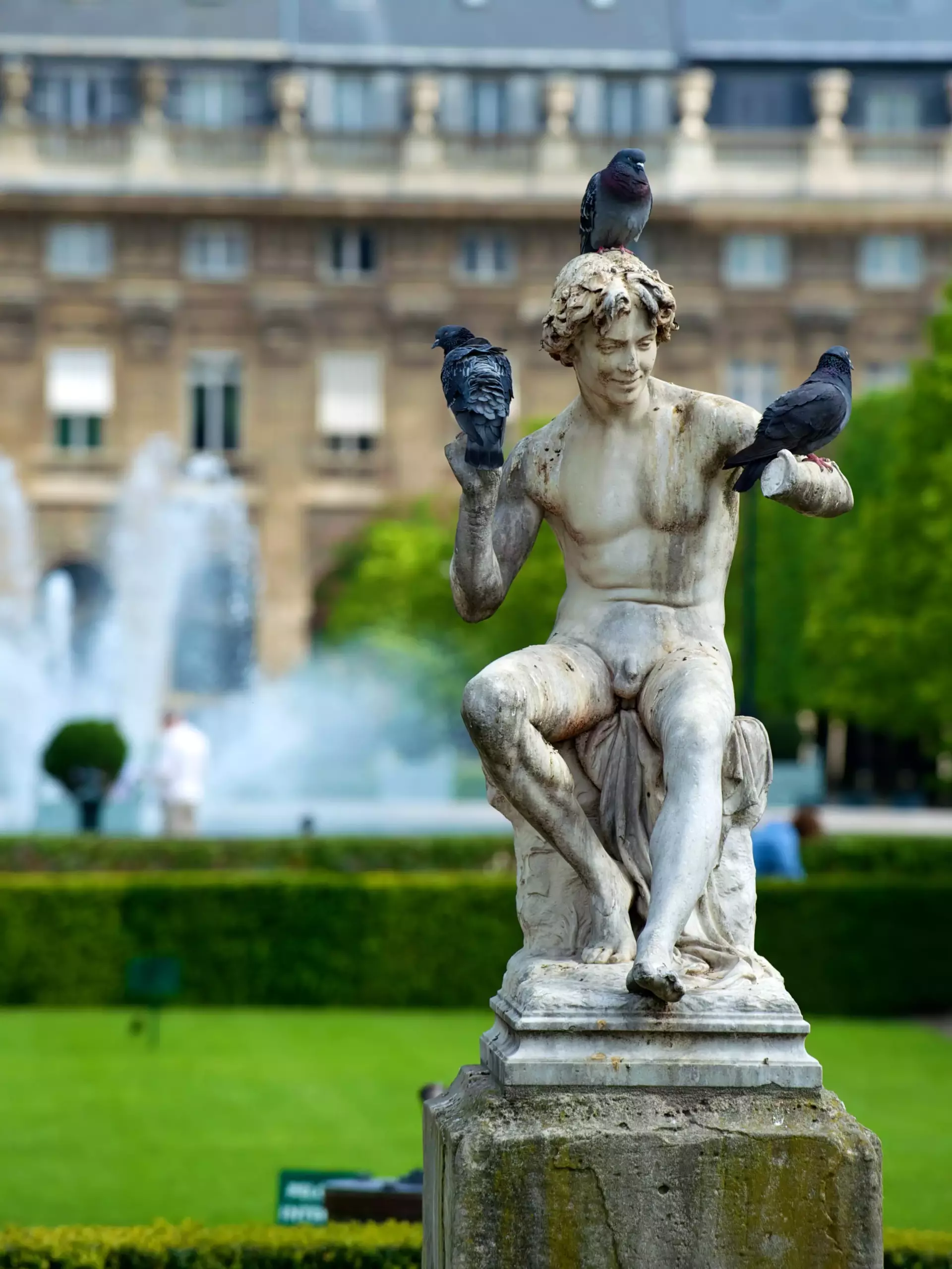
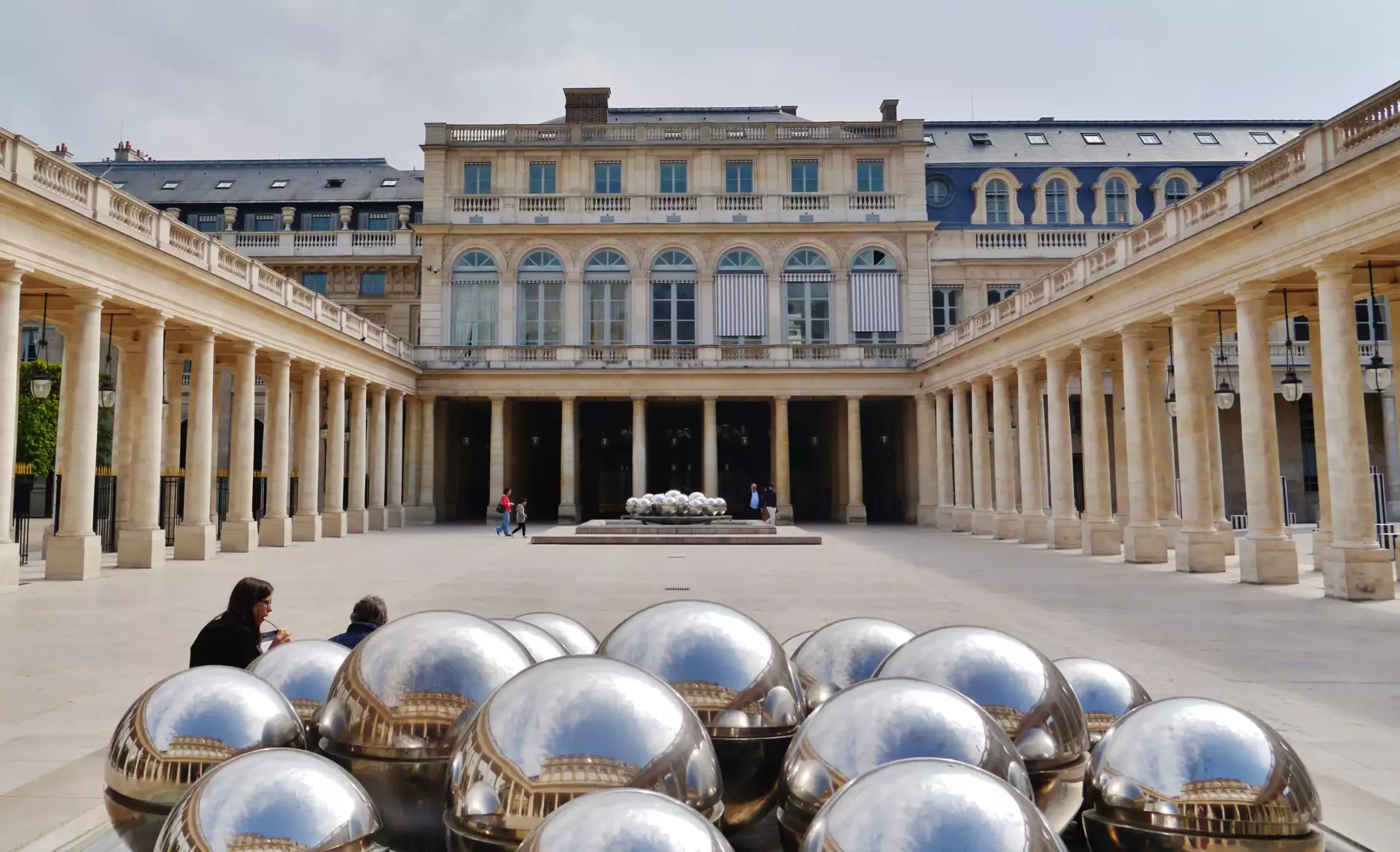
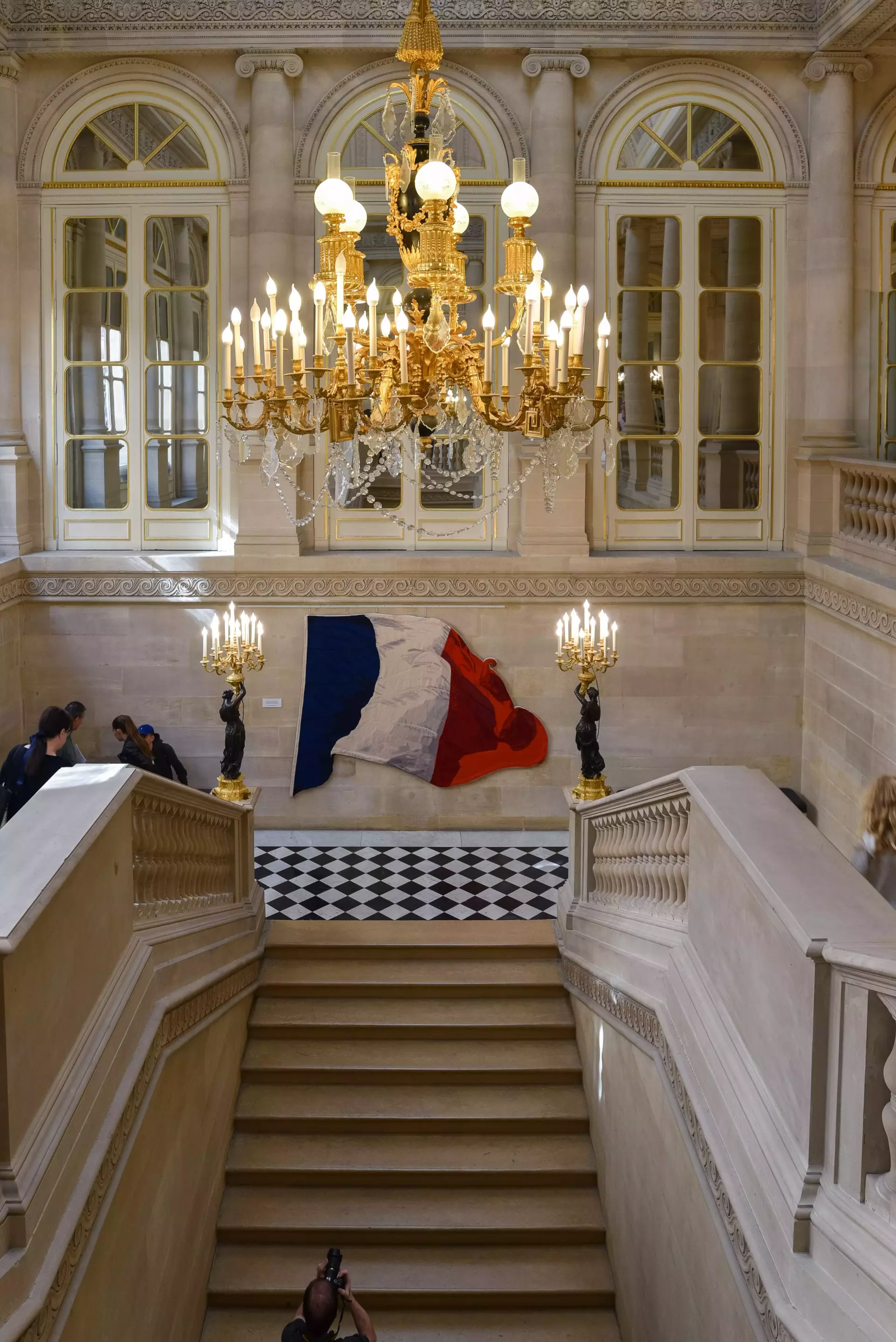
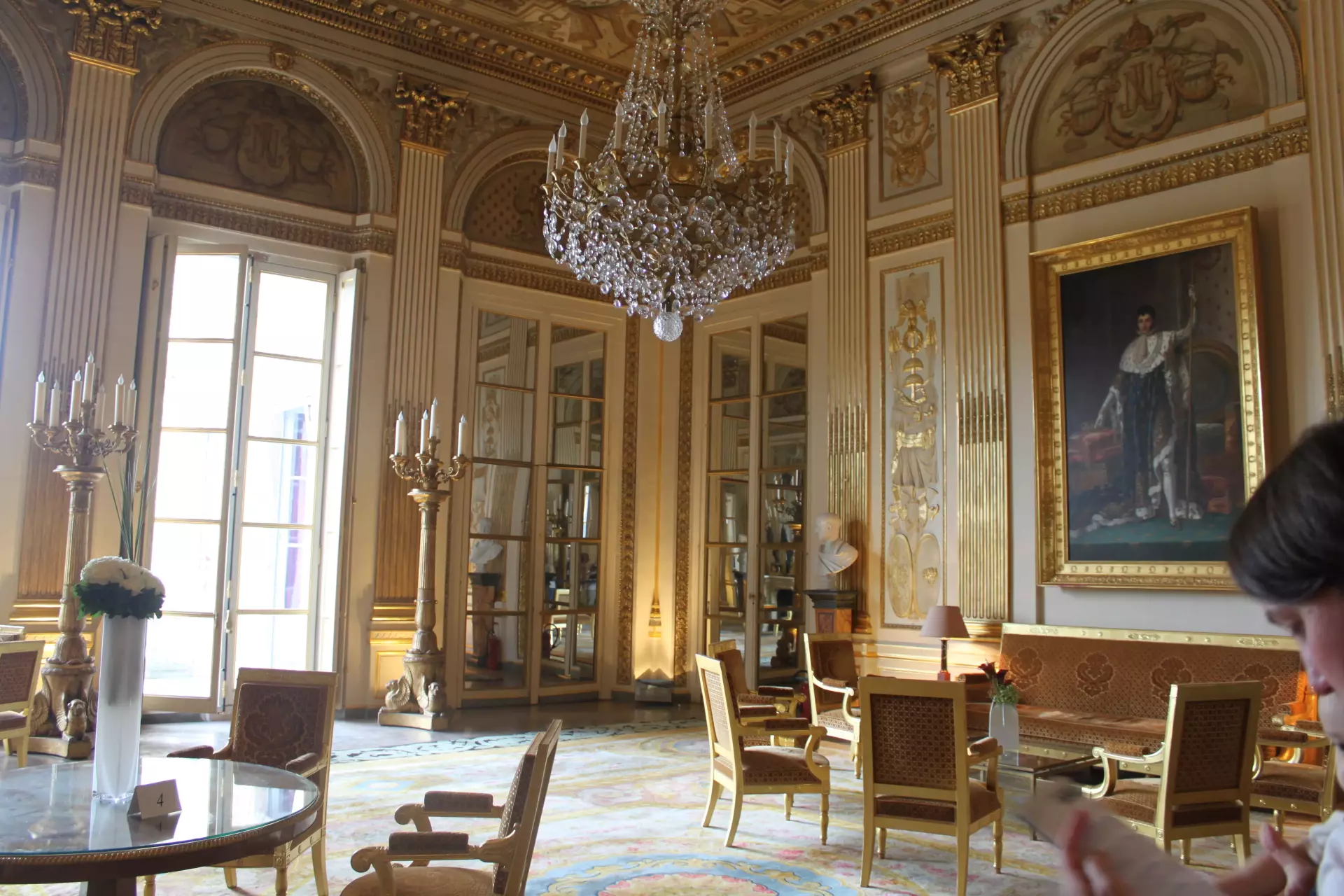
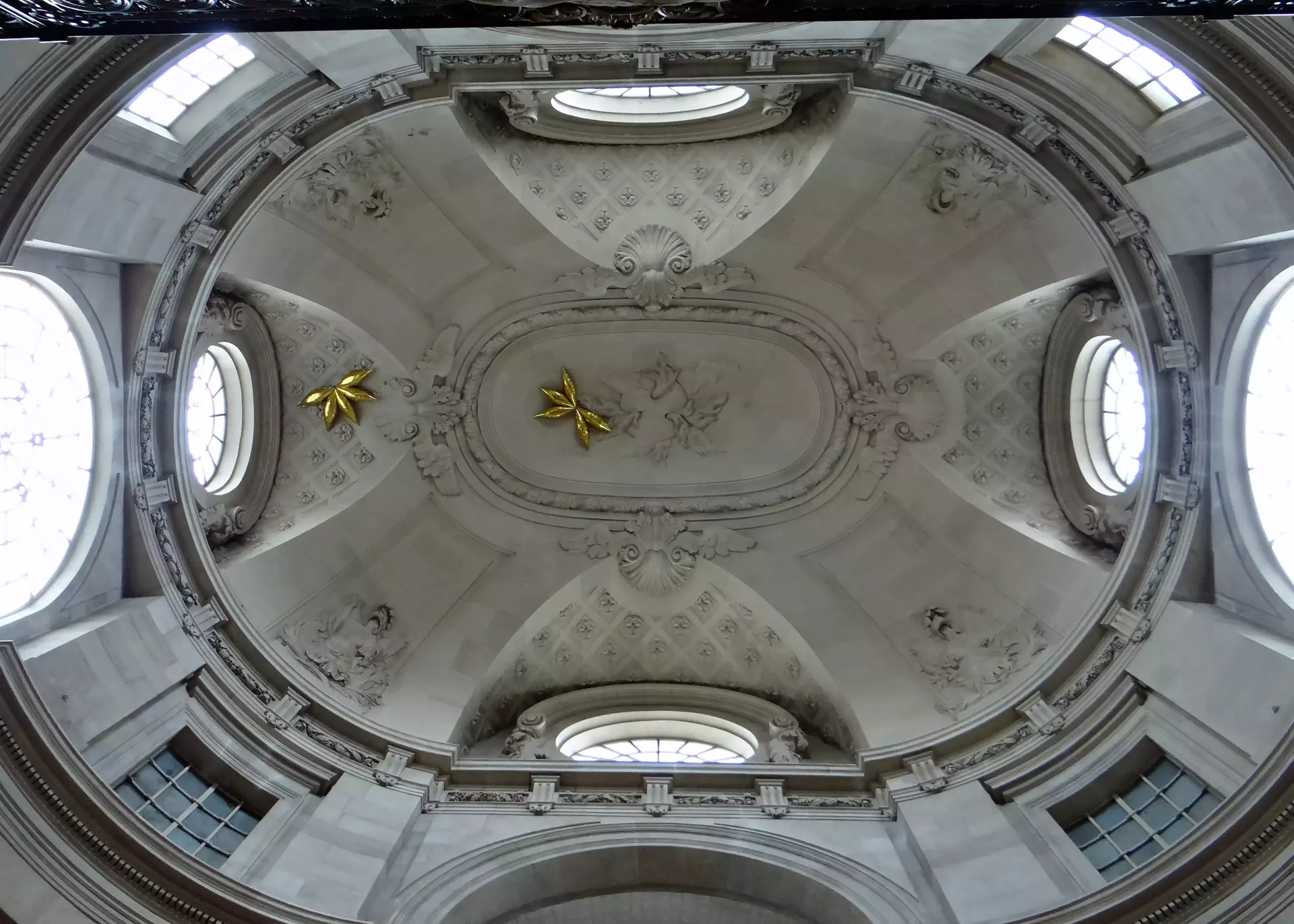
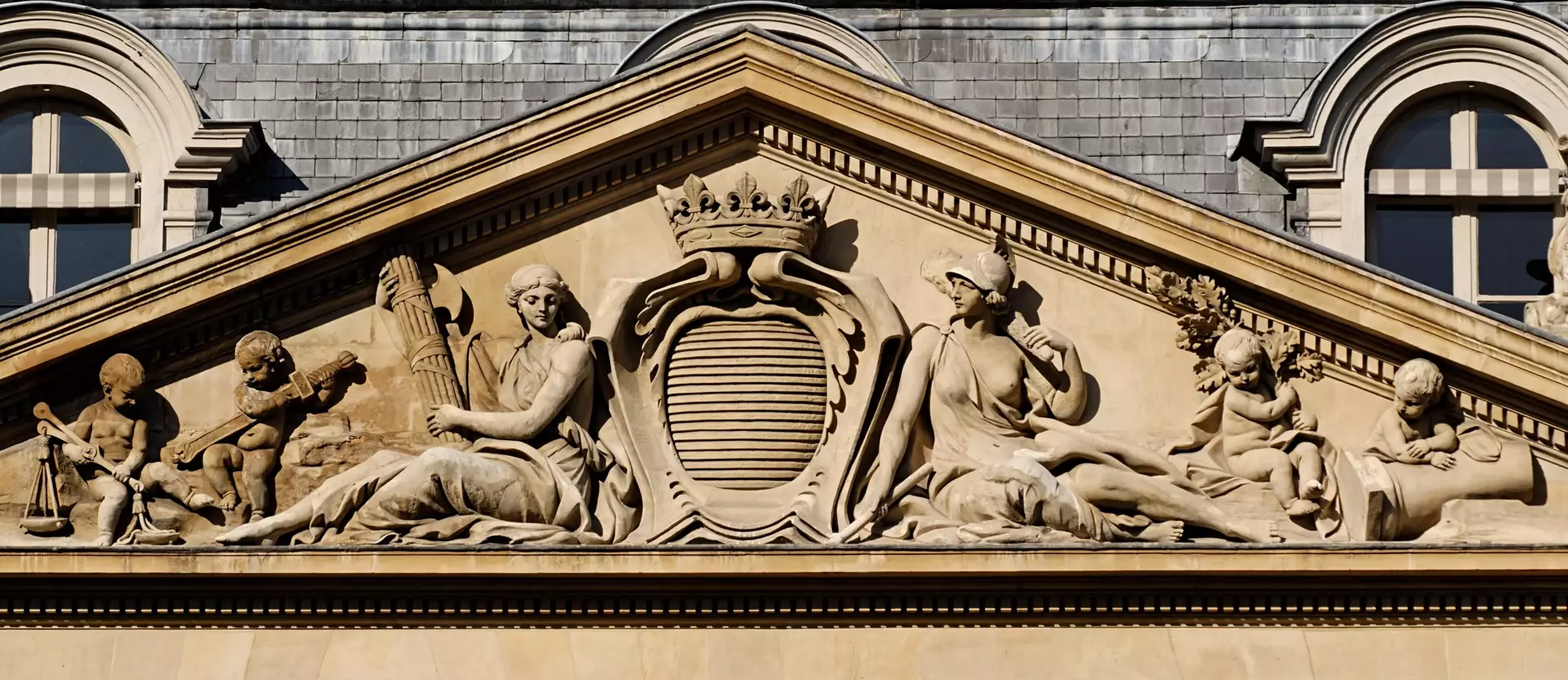
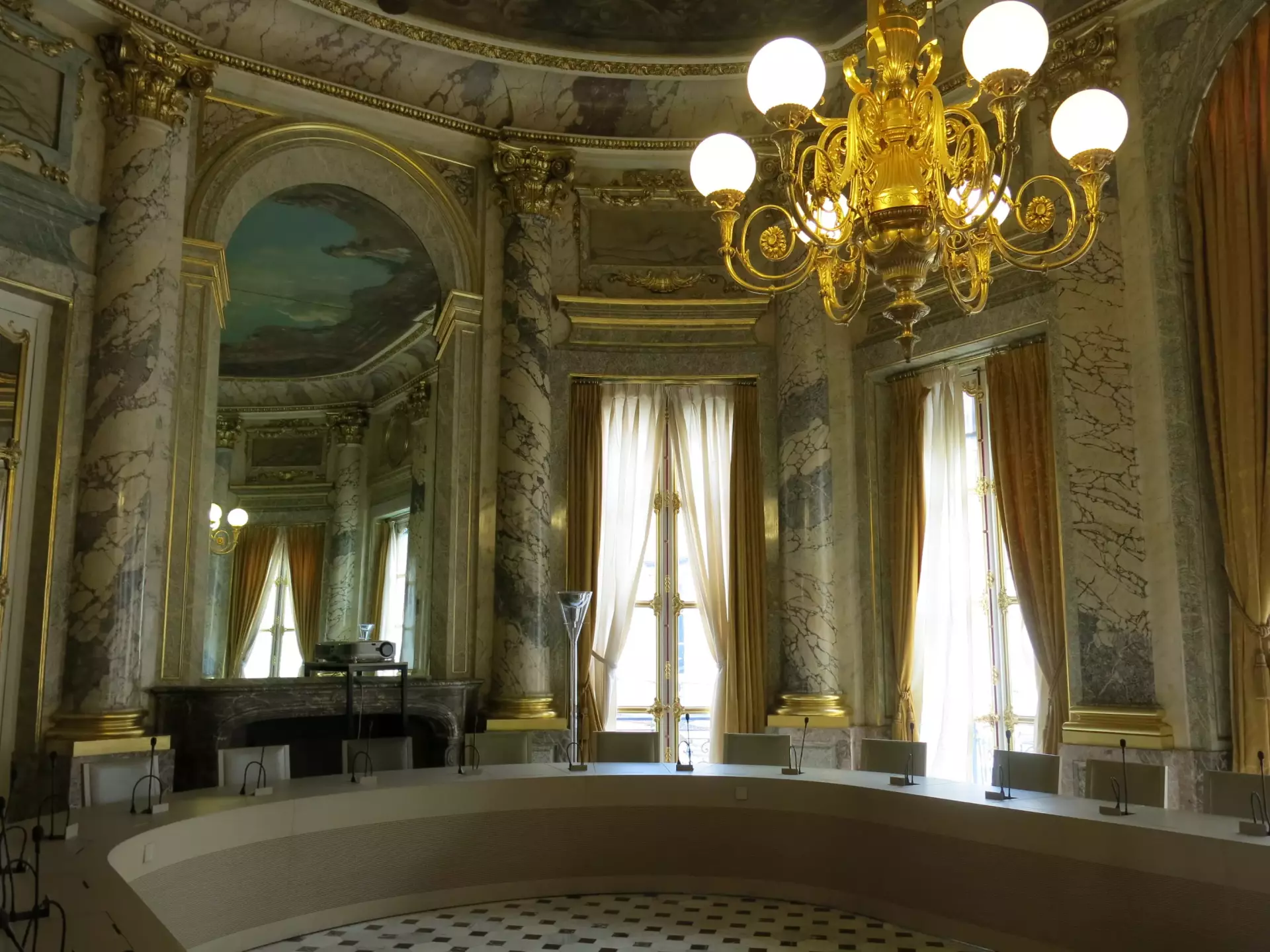
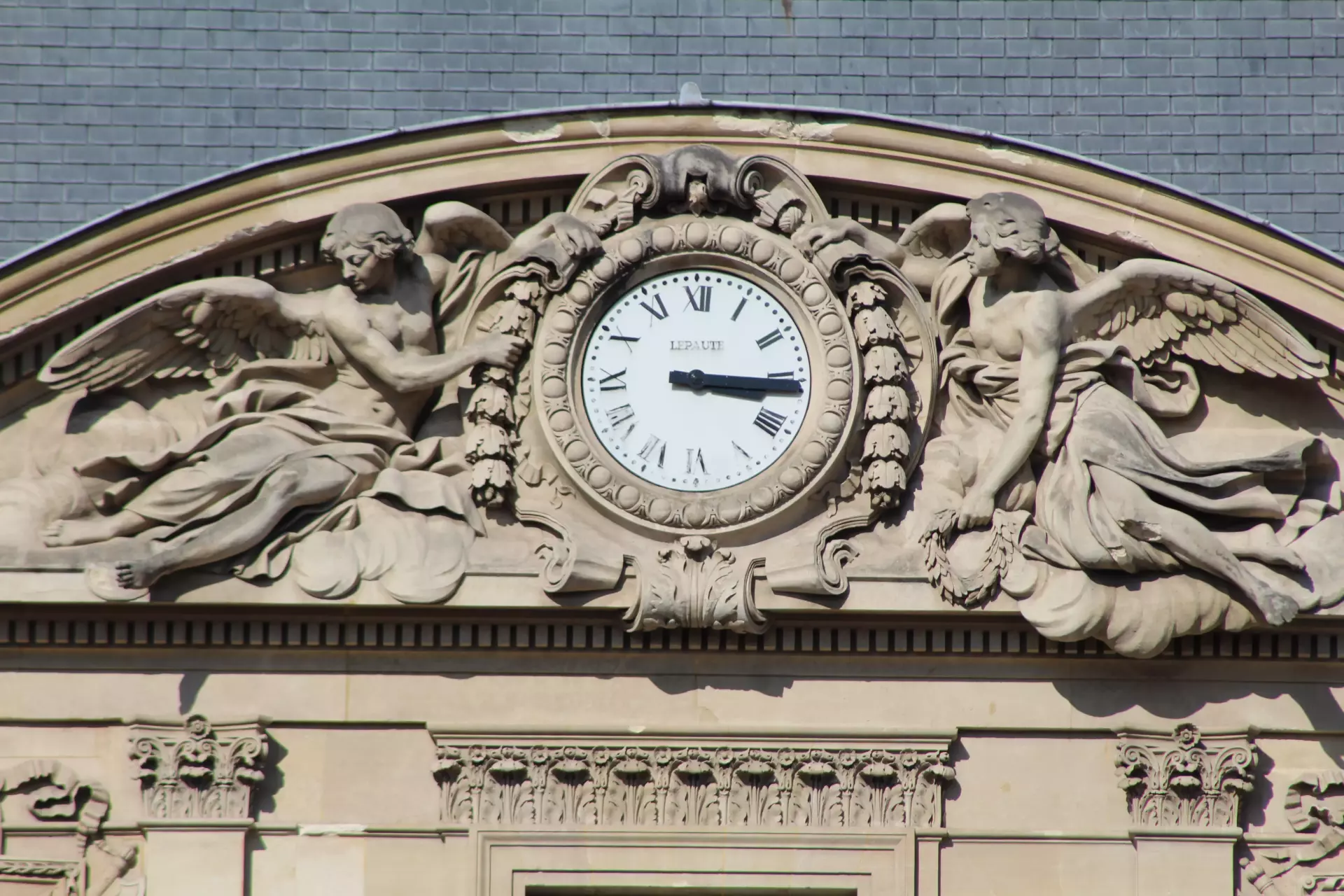
The Palais-Royal in Paris has a history stretching back to the early 17th century. Ordered by Cardinal de Richelieu, who served as King Louis XIII’s prime minister, its construction began in 1629 and finished in 1636. Originally, it was called the Palais Cardinal, a name reflecting Richelieu’s influence at court. After his death, the palace changed hands and soon became known as the Palais Royal when Queen Anne of Austria, the wife of Louis XIII, chose to reside there. Her decision was largely motivated by a desire for privacy away from the bustling Louvre Palace.
The palace’s story is closely linked to French royalty. Louis XIV, the Sun King, lived here during his youth before relocating the royal court to the grand estate of Versailles. Beyond its royal associations, the Palais-Royal played a role in the events that shaped modern France. In 1789, in the midst of the French Revolution, Camille Desmoulins famously addressed a crowd here, inspiring a key moment in the revolutionary movement. Near the palace stands the Théatre Français, an iconic theater constructed in 1716 that added to the area’s reputation as a center of art and culture.
Surrounded by elegant arcades and classical architecture, the Jardins du Palais Royal offer a peaceful escape right in the middle of the city. These gardens are enclosed by the palace’s buildings, creating a unique and intimate space. Inside the garden, visitors find several restaurants, including the renowned Le Grand Véfour, which has welcomed guests for centuries.
In contrast to the traditional 17th-century architecture, visitors can also see the Colonnes de Buren, a striking contemporary art installation. These striped columns, set in the central courtyard, have sparked discussion and stirred opinions since their arrival, making them a modern landmark within historic surroundings.
Source - https://en.wikipedia.org/wiki/Palais-Royal
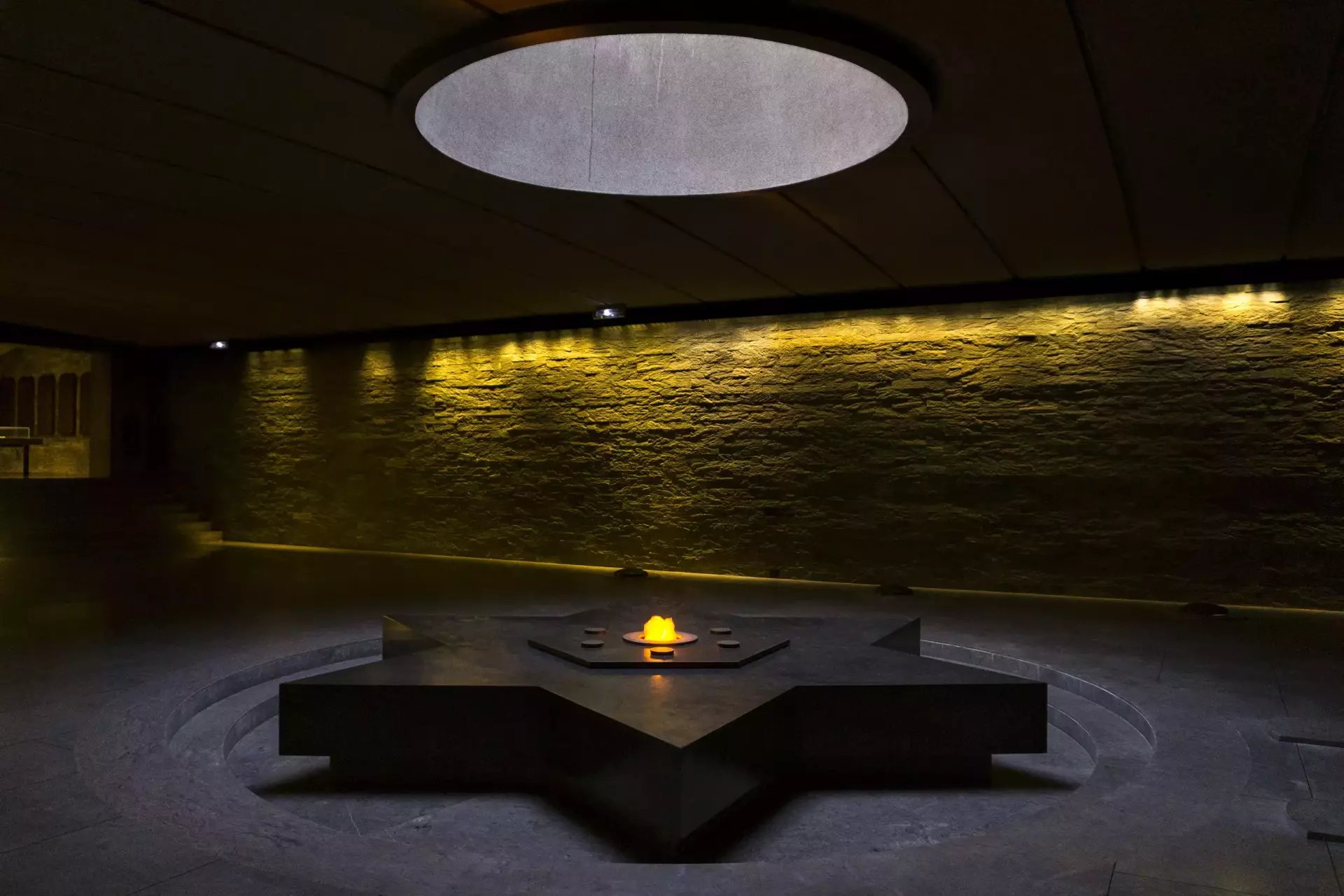
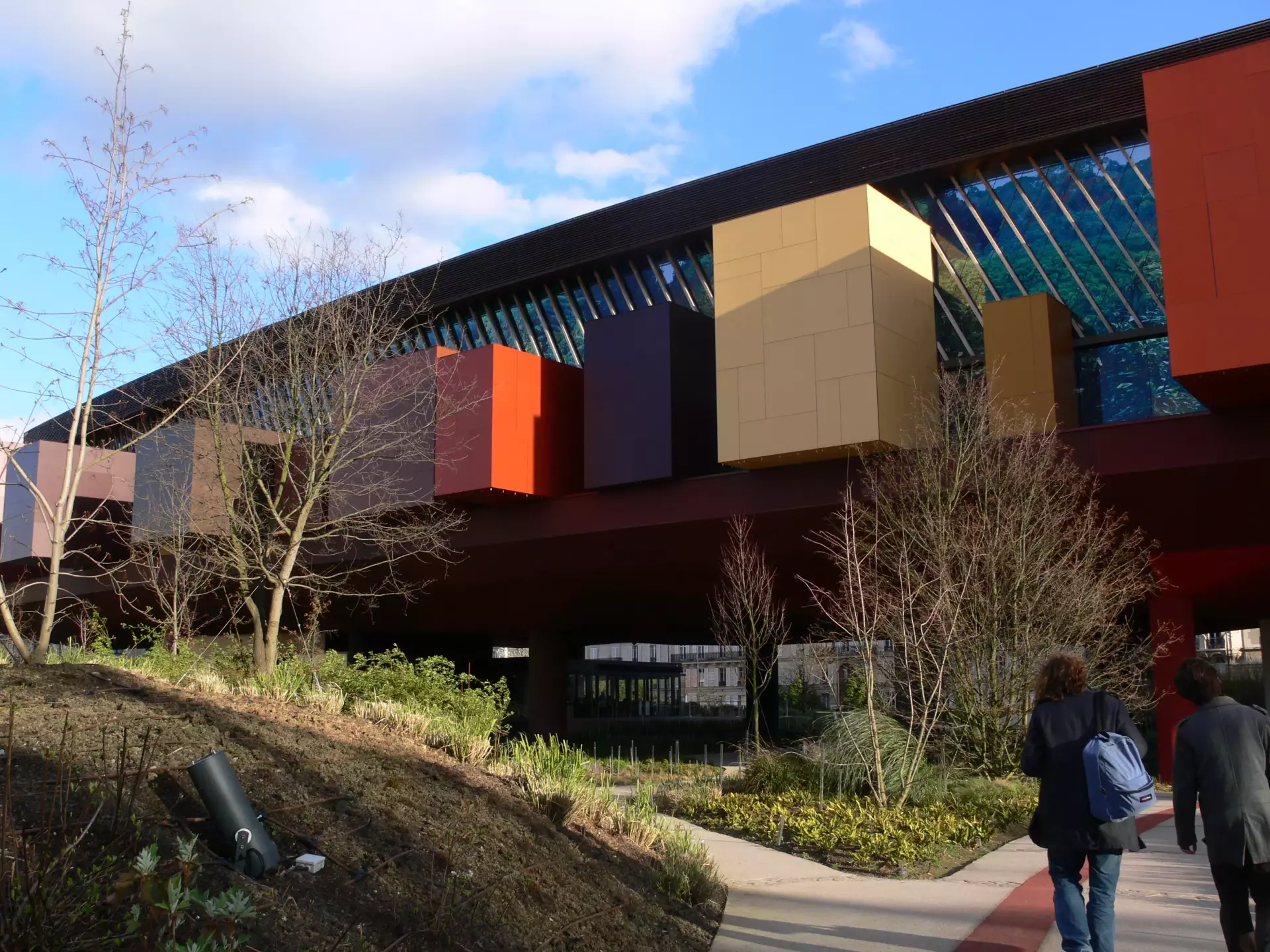
Try to visit the cabinet des Médailles.
The museum is located in a 17th century house with a garden, and features the history and culture of Montmartre. Several famous artists had lived in the house including Renoir.
Great perspective on the Eiffel Tower and Left Bank from Place du Trocadéro in between the two buildings of the palais. Former location of the Palais du Trocadéro. It accommodates three museums, an aquarium, and the Theatre Nationale du Chaillot.
Most of the works by Picasso and others which were in the master's possession at the time of his death are now on display here.
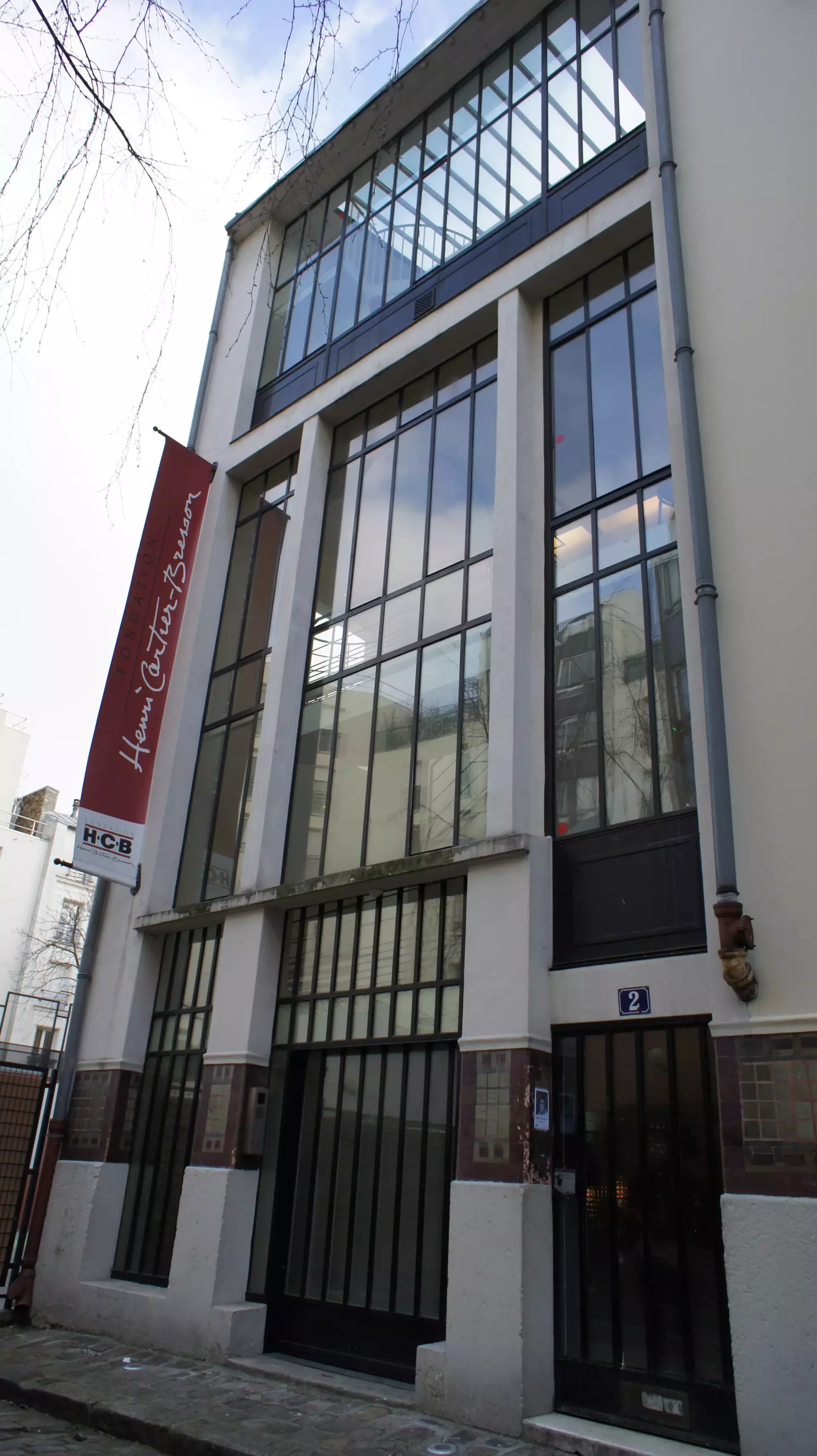
The foundation opened its doors in May 2003. It preserves Henri Cartier-Bresson and Martine Franck’s archives. Exhibition of photographs, paintings, sculptings, and illustrations.
One of the most eye-popping sights of Paris, the catacombs represent a network of labyrinthine tunnels, first excavated in the Roman period, that now house the remains of over 6 million burials removed here from the various overcrowded cemeteries and charnel houses all over Paris in the late 18th and early 19th centuries. Well worth a visit: the atmosphere is suitably morbid and gloomy (without being too scary), the dark tunnels containing neatly stacked piles of skulls and long bones. There is a limit to the number of visitors allowed within the Catacombs at one time (200 persons). So, if you arrive just after opening, you must wait until someone exits, approximately 45–60 minutes, before anyone is admitted. Steep stairwell on the exit of the catacombs. Can be challenging for the elderly or the unfit. Tickets can be purchased online at a small premium (€29, includes audioguide), allows you pick a date&time and to skip the long line
A monument to the French art de vivre, housed in a 19th-century wing of the Louvre that has been restored to beaux-arts splendour, its galleries and period rooms showcase eight centuries of Gallic taste in interior decoration.
This charming museum is owned by the French Académie des Beaux-Arts. Its main collection areas, the result of several large donations, include: First Empire art and furnishings; illuminated manuscripts; and Impressionist art, including the largest Monet collection in the world and works by Renoir, Manet, Morisot, Caillebotte and Gauguin.
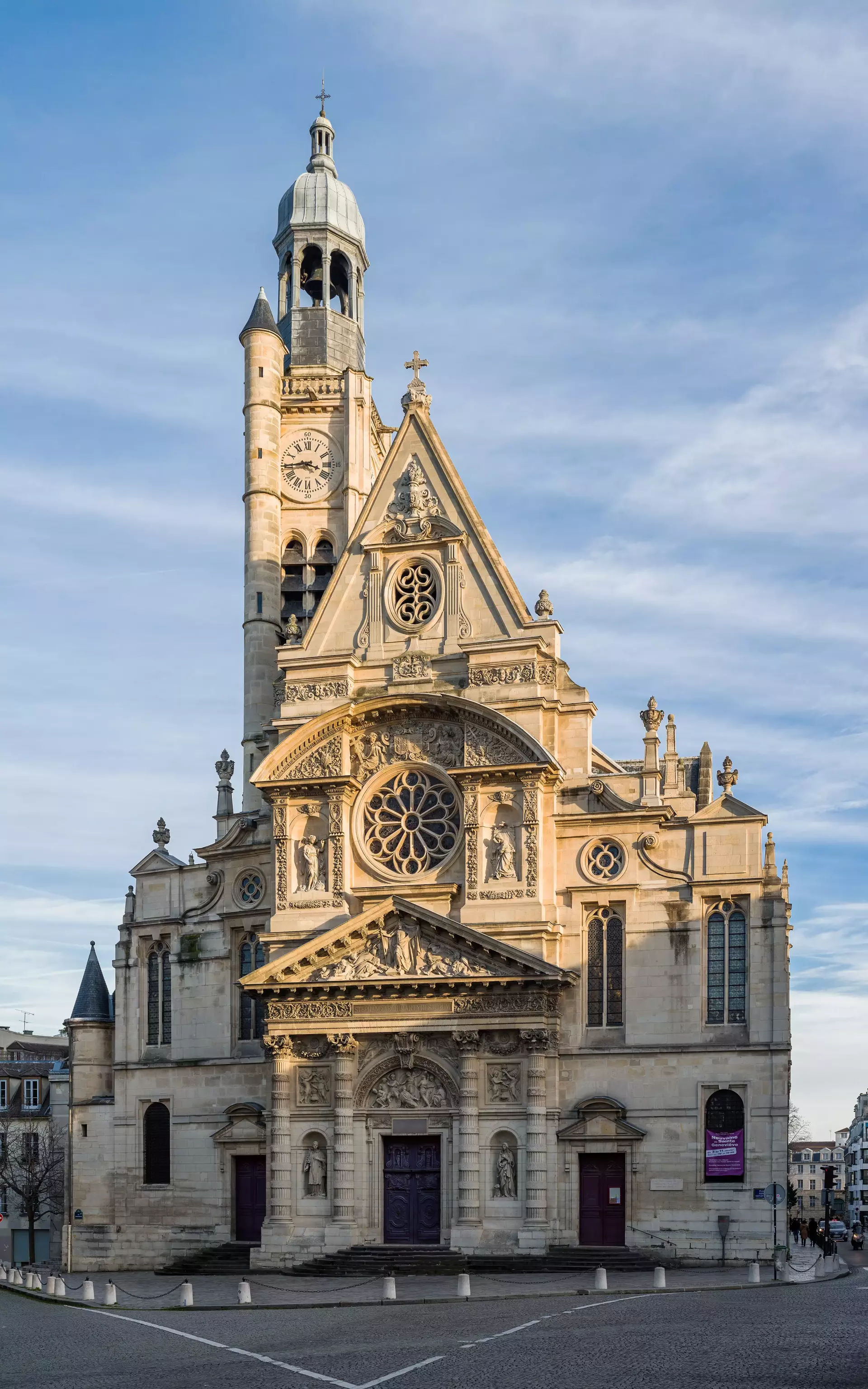
St. Geneviève was responsible for saving Paris from the Huns in 451 and her shrine in the church has been a popular place of pilgrimage ever since. The church as it stands dates from between 1492 and 1626 and is a mix of Gothic and Renaissance architectural styles. A unique feature is the Renaissance rood screen, the sole survivor in the city.
Guimard's own home, built in 1909-12. It is less decorated than Castel Béranger, but still beautifully shaped. Privately owned and not open to the public.
One of the best-known and most beautiful churches in Paris, in the guise of a Corinthian order classical temple. Construction started in 1764, although the church was not finally consecrated until 1845. The Madeleine has a lavish interior of marble and gold.
The magnificent setting of The Phantom of the Opera, the inside is as opulent as the outside. However, since the opening of the Opera Bastille (12th) in 1989, the Palais Garnier has been reserved mostly for dance performances, particularly ballet.
Built in 1625, the Hotel de Sully is an interesting house with some sculptures in a beautiful courtyard. The house features special exhibitions, so check listings when in Paris.
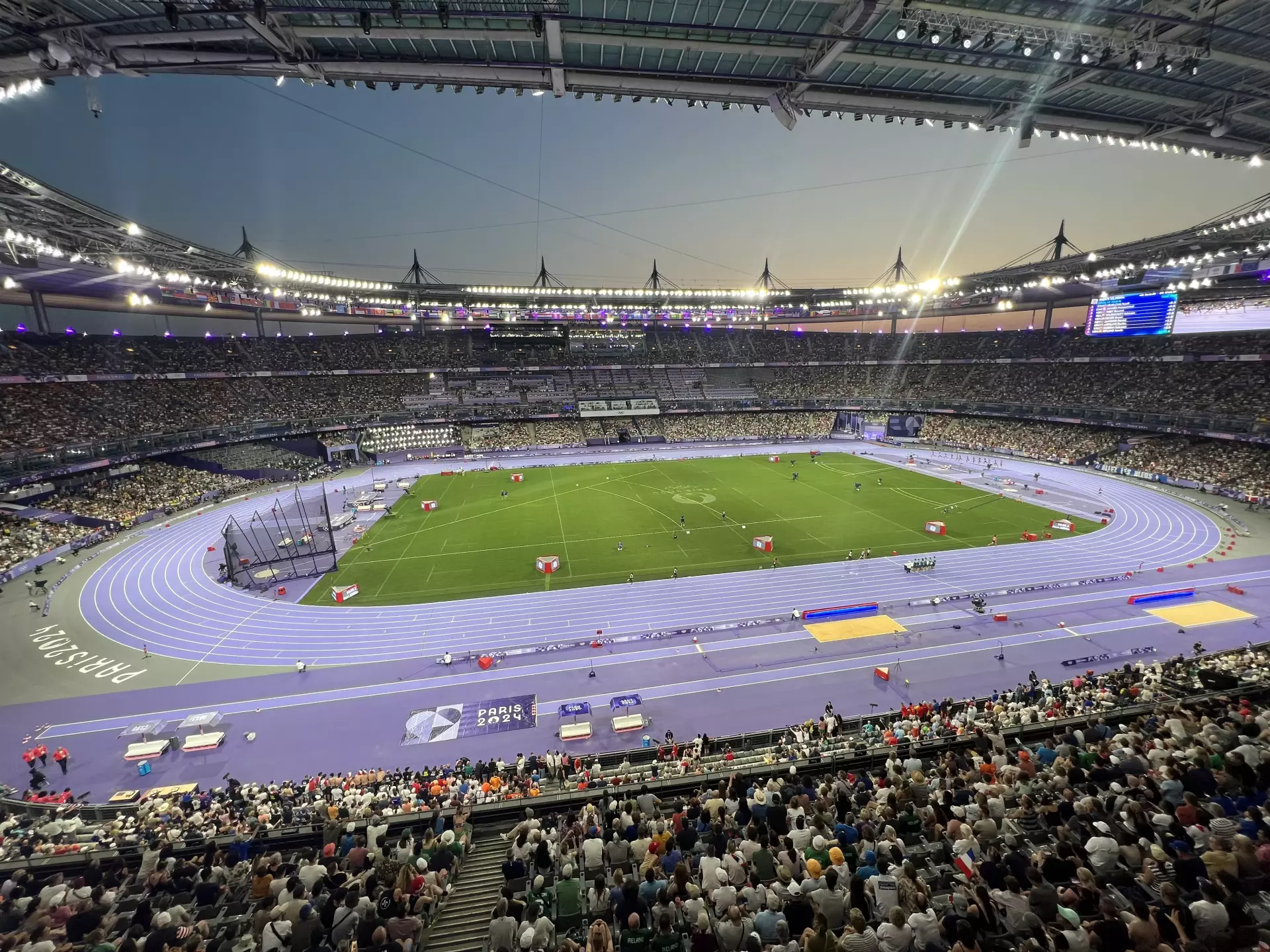
The Stade Charlety is a massive multi-sport arena, hosting football (soccer), tennis, rugby and squash matches.
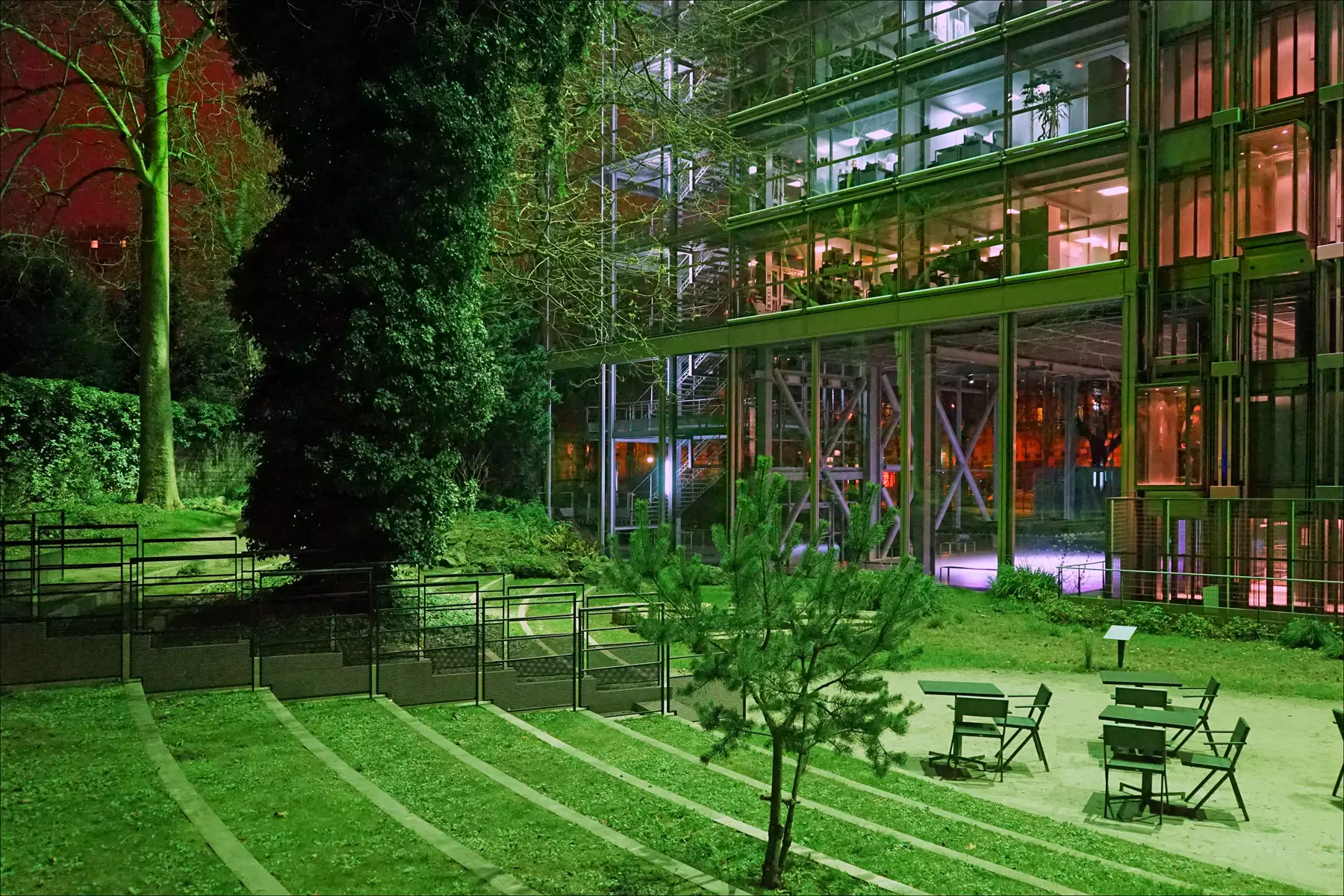
20th- and 21st-century art in a building designed by Frank Gehry
The C.I.U.P. is a student quarter established in 1925, providing homes for about 10,000 students, scientists, and artists from 120 countries. It has 40 houses attributed to individual nations. The individual houses organise top quality cultural and political events. Among the most remarkable buildings are the Fondation Deutsch de la Meurthe, the Heinrich Heine House (Maison Heinrich Heine - Fondation de l'Allemagne), the Swedish Student House (Maison des Etudiants Suédois), and the Swiss Pavilion (Pavillon Suisse) which was built in 1933 on plans of Le Corbusier.
The building has a freely accessible rooftop which allows for a beautiful bird's-eye view of the northern half of Paris.
Its exhibits come from such diverse origins as ancient Egypt, classical Greece and the Roman Empire, medieval Europe, and Napoleonic France, but controversially including many items that were looted from their places of origin. Its most famous exhibit, of course, is Leonardo da Vinci's painting of the Mona Lisa (French: La Joconde, Italian: La Gioconda), generally to be found surrounded by hordes of camera-flashing tourists. The Louvre poses many of the same challenges to the visitor as Paris itself; overwhelming in size, crowded in high seasons, and much information available only in French. If you want to see everything in the Louvre, plan at least two full days. However, it is better to pick and choose, as the collection was assembled with an eye to completeness rather than quality. As of July 2019, due to intense crowding and reports of ticket fraud, entry now almost always requires a pre-booked timed ticket, even for holders of the Paris Museum Pass.