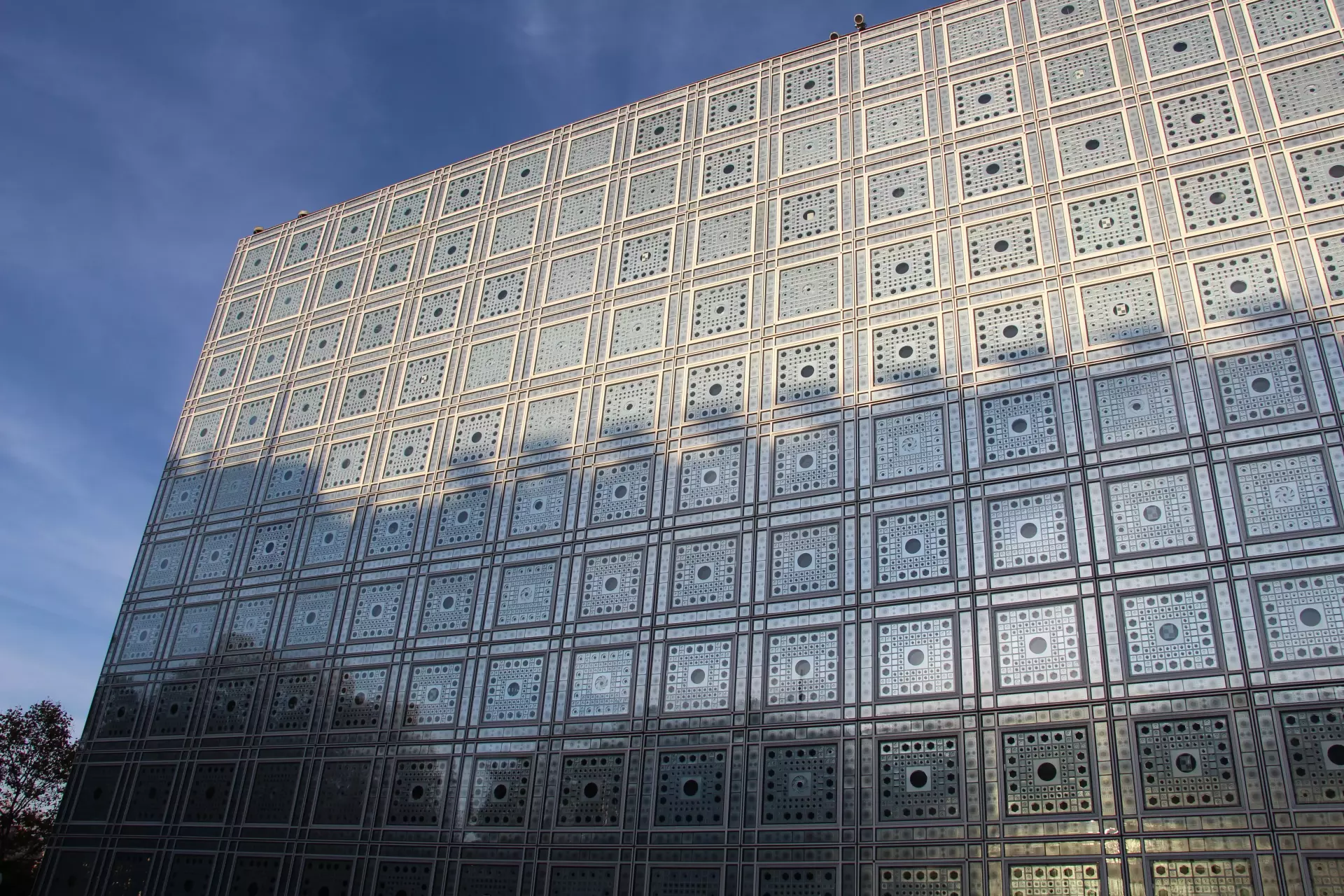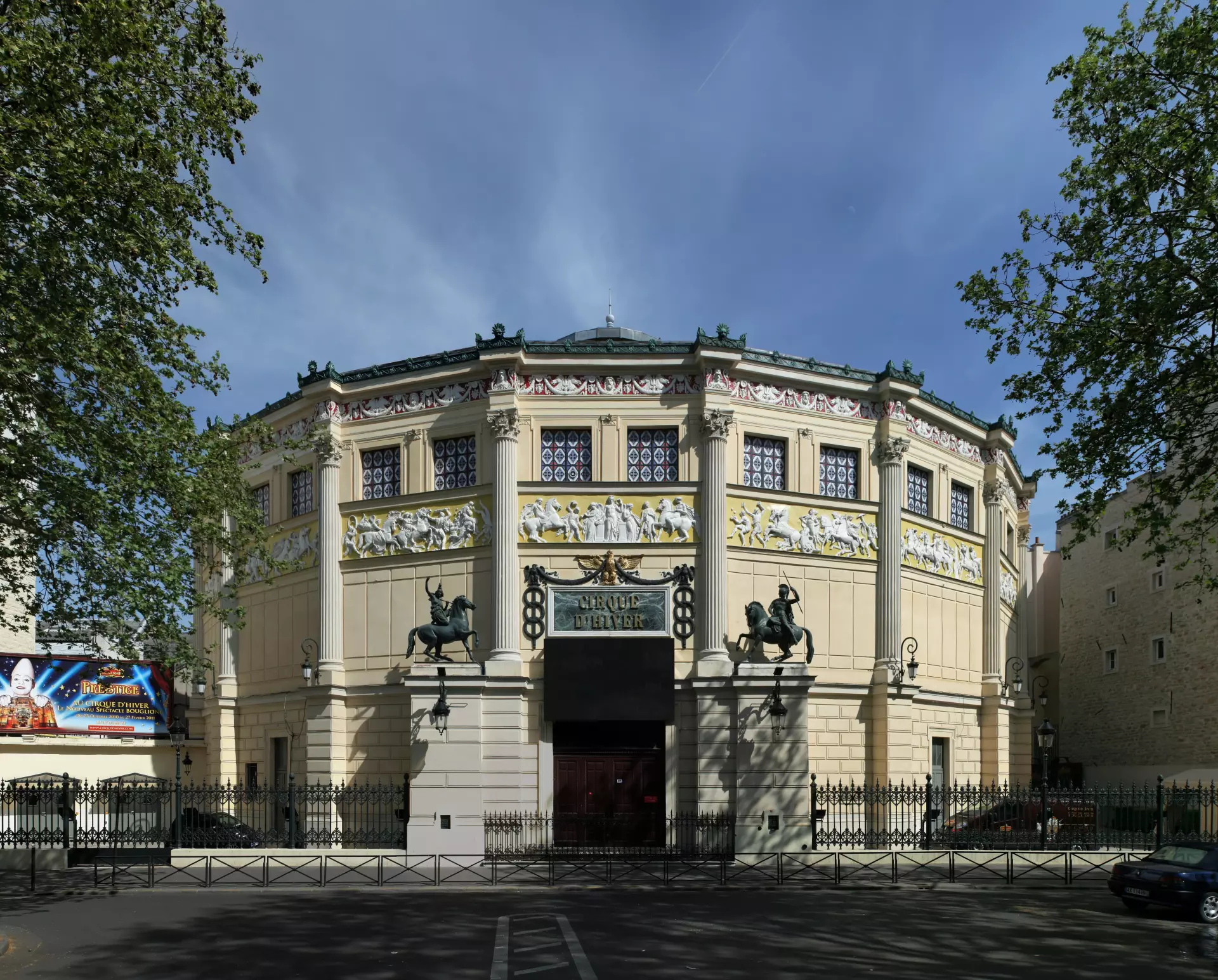
In Paris, the Cirque d'Hiver is a striking round building with a long and colorful history. Constructed in 1852, its original purpose was to serve as a winter venue for circus performances, a rare treat in the colder months when entertainment options were limited.
Over time, the Cirque d'Hiver has adapted to the changing cultural landscape of the city. Today, it is mainly recognized as a concert hall and a popular venue for fashion shows. Its distinctive architecture and rich atmosphere make it a favored location for events that celebrate both music and style.
The building’s unique design, created specifically to host circus acts, gives it a special acoustics and charm that continues to attract visitors and artists alike. The Cirque d'Hiver stands as a symbol of Parisian entertainment, blending the excitement of its past with the creative energy of the present.
Source - https://en.wikipedia.org/wiki/Cirque_d%27hiver
There are a number of famous occupants, but the real reason to visit this cemetery is to see the ornate tombstones, sculptures, and other sometimes macabre, sometimes touching memorials Parisians have left here for their dead.
A museum of contemporary art. It was founded in 1984 by the well-known jewel and watch manufacturer, Cartier. In 1994 it moved to the new building erected on plans of the architect Jean Nouvel.
CLOSED UNTIL LATE 2024 OR 2025 FOR RENOVATION WORKS. Built in 1900 for the universal exposition, the Grand Palais was an engineering feat and a milestone of design, marking the transition between historicism and modern architecture. It remain impressive today due to its unique, exquisite style and sheer volume of its main nave. The Grand Palais, managed by the state-owned institution Rnm who also manage the Musee de Luxembourg, is used both for temporary exhibitions of historic and contemporary art collections (both beaux arts and applied) and unique events, such as catwalk shows during the Paris Fashion Week, Bonhams car auctions and prestigious galas.
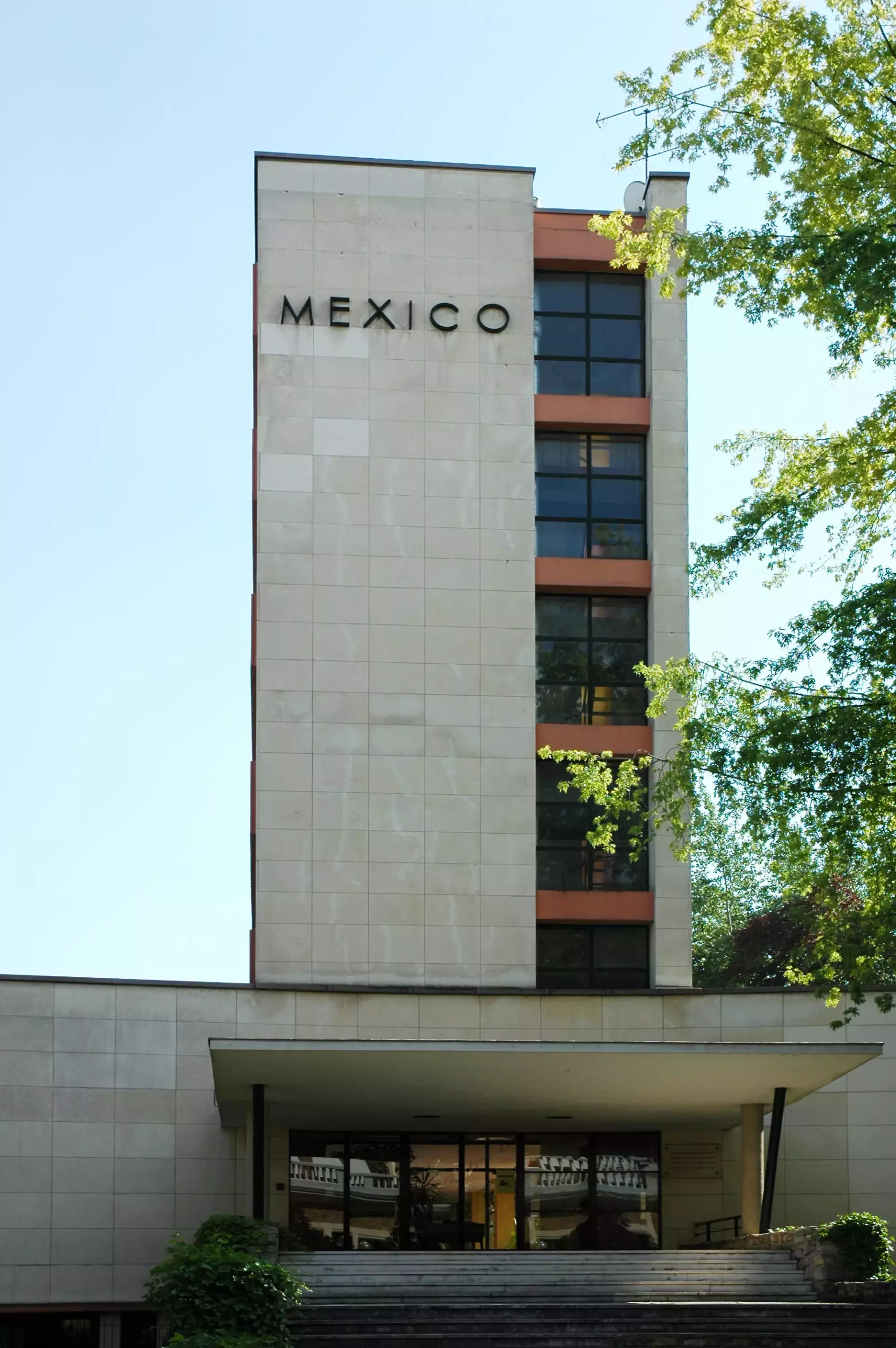
The C.I.U.P. is a student quarter established in 1925, providing homes for about 10,000 students, scientists, and artists from 120 countries. It has 40 houses attributed to individual nations. The individual houses organise top quality cultural and political events. Among the most remarkable buildings are the Fondation Deutsch de la Meurthe, the Heinrich Heine House (Maison Heinrich Heine - Fondation de l'Allemagne), the Swedish Student House (Maison des Etudiants Suédois), and the Swiss Pavilion (Pavillon Suisse) which was built in 1933 on plans of Le Corbusier.
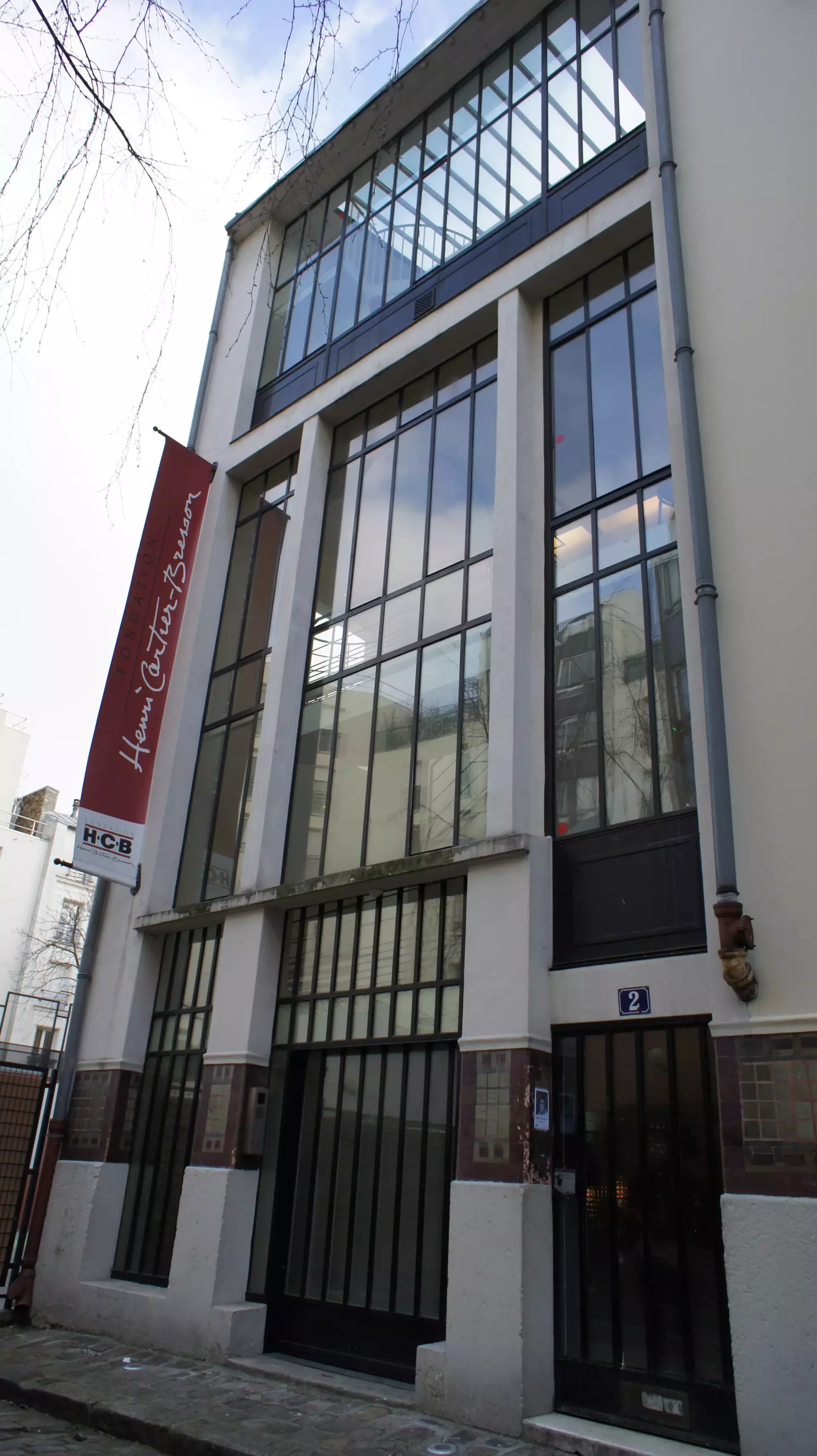
The foundation opened its doors in May 2003. It preserves Henri Cartier-Bresson and Martine Franck’s archives. Exhibition of photographs, paintings, sculptings, and illustrations.
Many feel that this, Paris' town hall, is one of the loveliest buildings in the city. You might not get that from the front view, but try watching the light change on its roofs and towers during sunset from one of the cafés on the Ile de St. Louis, the Lutece for instance. Alternatively, go to the top floor of the Bazar de l'Hôtel de Ville (BHV) department store opposite, on rue de Rivoli and walk up a flight of stairs to the roof terrace (terrasse), from which there is a dramatic view of both the roof of the Hôtel de Ville and the immediate surroundings and river. The present Hôtel de Ville replaced the 16th century original which was burned down during the Commune in 1871. A pastiche of its predecessor, but on a far larger scale, it was designed by the architects Ballu and Deperthes, chosen after a competition, and was mostly completed by 1882. The building is lavishly, and some would say heavy-handedly, decorated both inside and out, and finished in an arrestingly white stone, similar to that used for the even more eye-catching Sacre-Coeur basilica. The statue on the garden wall on the south side is of Etienne Marcel, the most famous holder of the post of "prevôt des marchands" (provost of merchants) which pre-dated the office of mayor. Marcel came to a sticky end, lynched in 1358 by an angry mob after trying to assert the city's powers a little too energetically. The Hôtel de Ville was for many years the private fiefdom of Jacques Chirac, France's president before Sarkozy, and was the site of a scandal centring on both illegal jobs given to Chirac's party members and an immense entertainment budget. General de Gaulle greeted the crowds from a front window in 1944 when Paris was liberated from the Germans and Robespierre was shot in the jaw and arrested in the original building in 1794. Admirers of Hôtel de Ville's architecture will want to know that Ballu also built the Church of La Trinité in the 9th arrondissement and the belfry of the town hall of the 1st arrondissement, opposite the Louvre's east façade. Ballu also restored the Tour St Jacques (see below), which was uncovered after restoration work lasting over a decade.
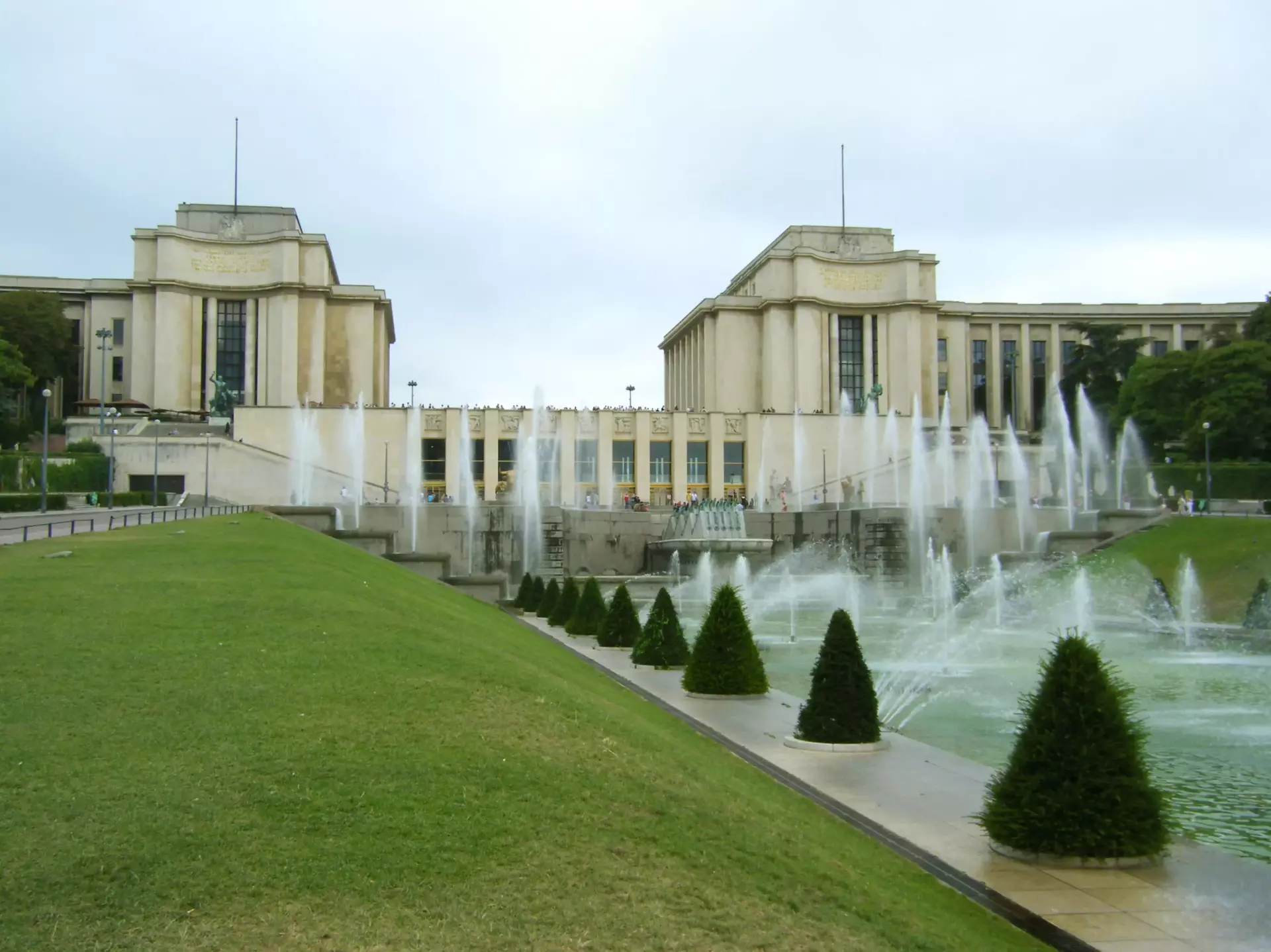
The east wing of the Palais de Tokyo holds the modern art collection of the city of Paris, dating roughly from World War I to date (the older part of the collection is at the Petit Palais in the 8th), including around 10,000 works.
The building has a freely accessible rooftop which allows for a beautiful bird's-eye view of the northern half of Paris.
The oldest planned square in Paris, and what many tourists as well as locals consider the heart of the Marais area.
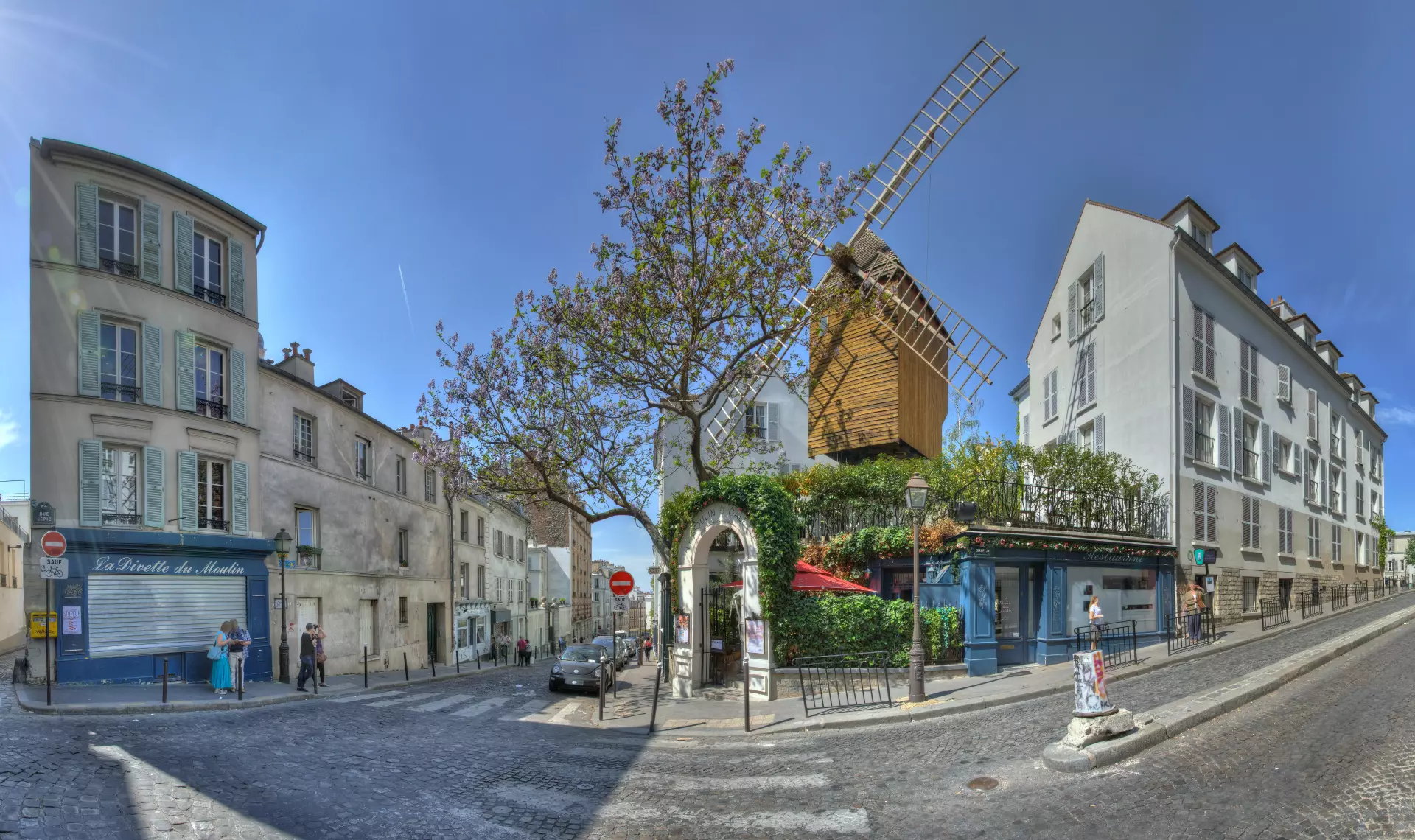
The museum is located in a 17th century house with a garden, and features the history and culture of Montmartre. Several famous artists had lived in the house including Renoir.
Considered one of the most colourful Parisian parks, a local favourite, the Parc Montsouris was opened in 1878, having been designed by Alphand for Baron Haussmann. A large man-made lake and waterfalls are surrounded by long stretches of gently sloping lawns. Bronze statues are to be found studding the grounds, amongst the 1,400 trees, including such exotic varieties as the giant sequoia and the ginkgo. The park is featured in the film Cléo de 5 à 7. It is popular among families (there are two playground areas for children) and students.
The Musée Grévin is a waxwork museum with some 500 characters arranged in scenes from the history of France and modern life.
One of the largest collections outside Asia of Southeast Asian, Indian, Afghan, Chinese, Japanese, and Korean art.
Housed in a former Beaux-Arts railway station (completed in 1900 for the Exposition Universelle, later saved from demolition and converted to its present use), the rambling, open-plan museum is home to the works of the great artists of the 19th century (1848-1914) - Impressionists, post-Impressionists, and the rest - that were formerly displayed in the l'Orangerie. This is perhaps the most spectacular collection of European impressionism in the world—breath-taking rooms full of Manet, Renoir, Monet, Van Gogh, and many others. Impressionist represent the biggest draw, but there is much more to explore.
This charming museum is owned by the French Académie des Beaux-Arts. Its main collection areas, the result of several large donations, include: First Empire art and furnishings; illuminated manuscripts; and Impressionist art, including the largest Monet collection in the world and works by Renoir, Manet, Morisot, Caillebotte and Gauguin.
The sleaze of boulevard de Clichy between place Pigalle and place Blanche can provide a moment of distraction. Be warned if you are male it is better to do this in the company of a female fellow traveller, as the clubs often send the girls outside to attempt to physically drag passing men off of the street. These strip clubs are big ripoffs. They tempt you with a free drink for €10 entry; once in the girl who starts dancing orders a couple of drinks (Red Bull) and then before you realise you are presented with a bill ranging from €500-700. They have these big bouncers who threaten/manhandle you till you arrive at some settlement with them. The whole of Pigalle is a rip off, best avoided. The police know about these places but nothing is done.