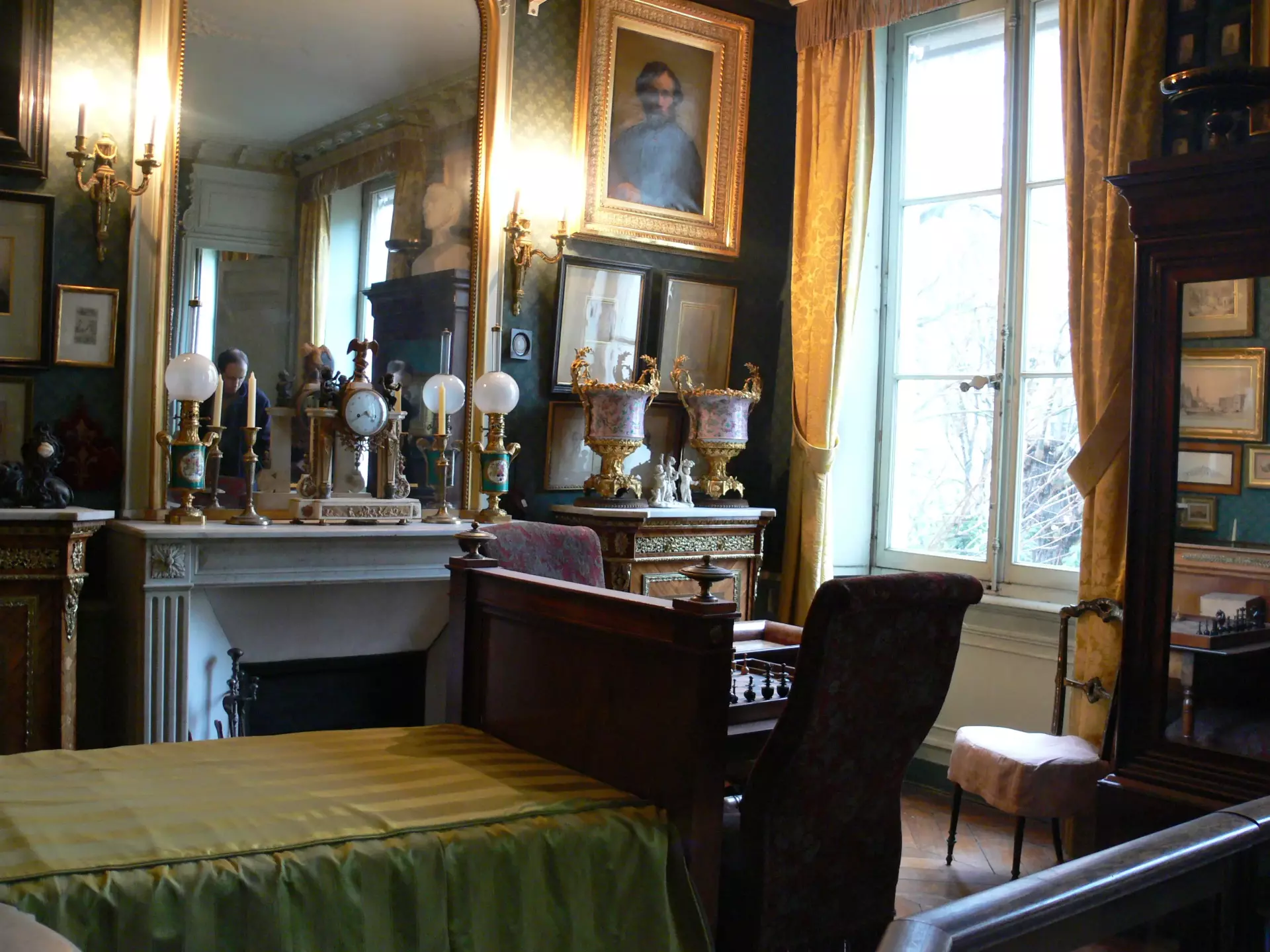
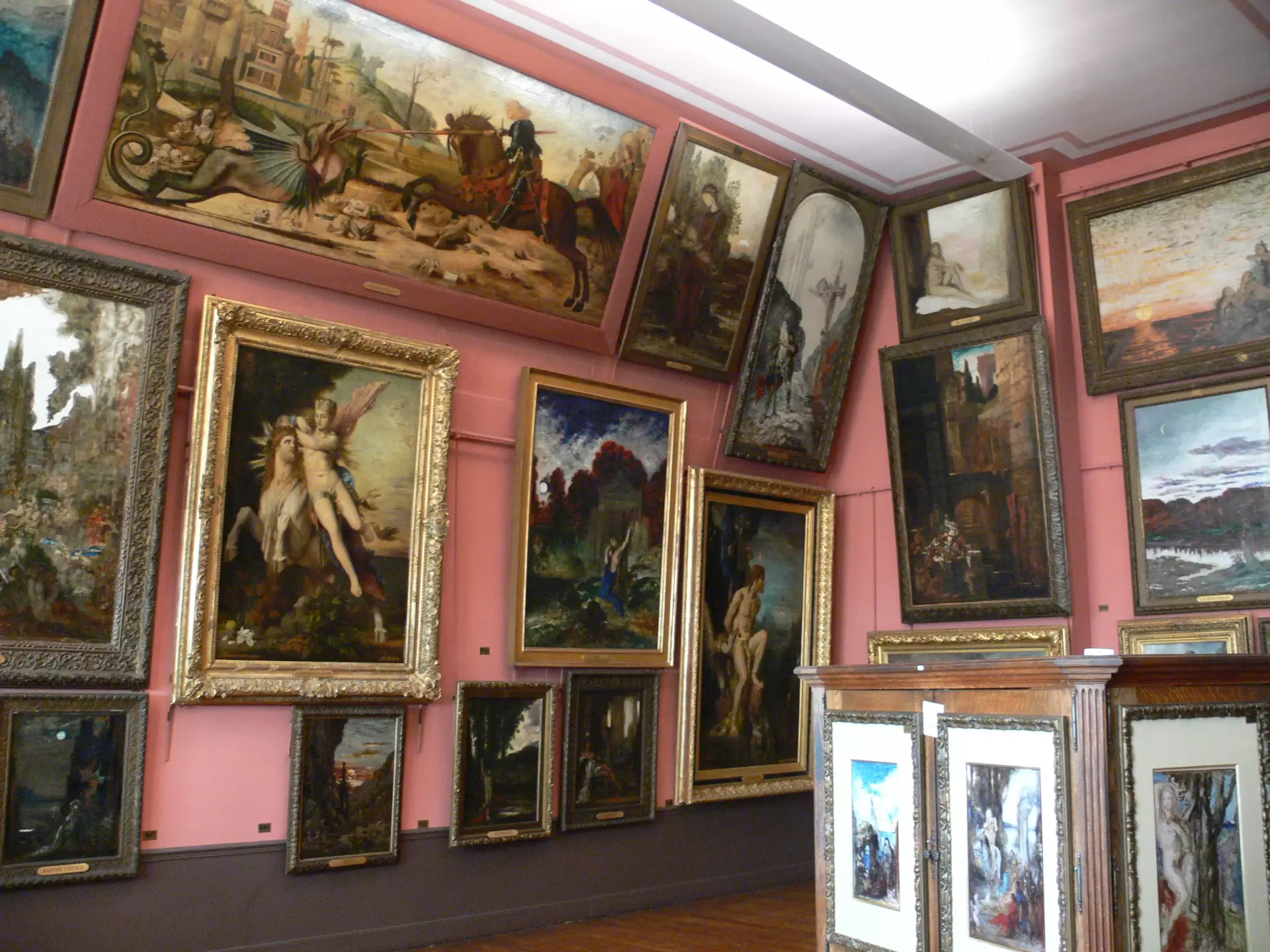
The former home of the famous symbolist painter Gustave Moreau now serves as a museum dedicated to his art and personal history. Visitors can explore the very rooms where Moreau once lived and worked, gaining a unique perspective on his creative process and daily life.
The museum showcases a wide collection of Moreau’s paintings, sketches, and personal belongings. Walls are lined with original artworks that highlight his imaginative style and fascination with mythology, dreams, and symbolism. The displays are arranged to reflect the artist’s journey, allowing guests to follow the evolution of his techniques and ideas.
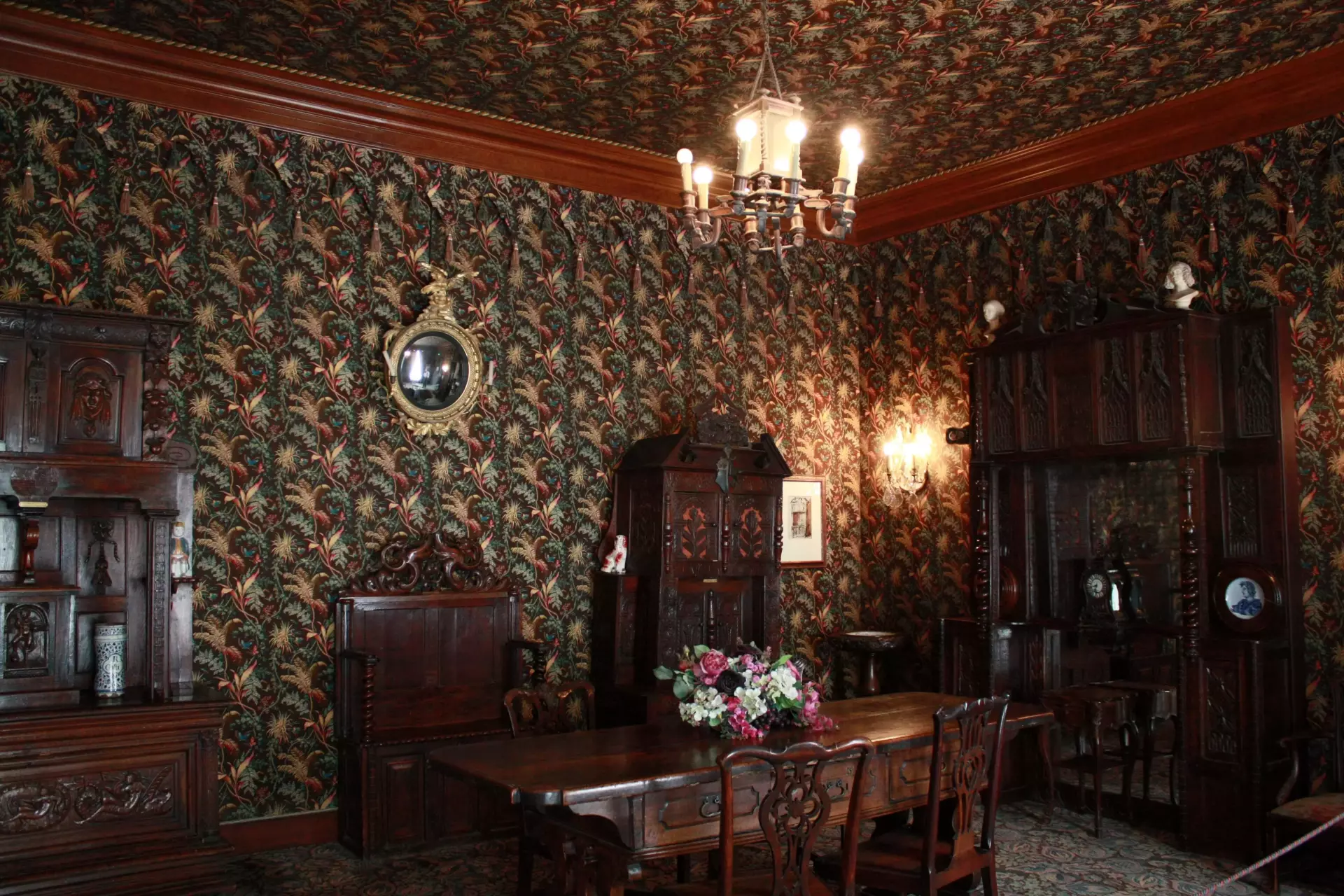
The preserved living spaces offer a rare look into a 19th-century artist’s home. Furniture, decor, and everyday objects remain as they were during Moreau’s time, providing an intimate atmosphere. Walking through these rooms, visitors can almost imagine the artist at work, surrounded by his canvases and inspirations. The museum offers a quiet retreat from the city, inviting guests to step back in time and admire the world of Gustave Moreau.
Source - https://en.wikipedia.org/wiki/Mus%C3%A9e_national_Gustave_Moreau
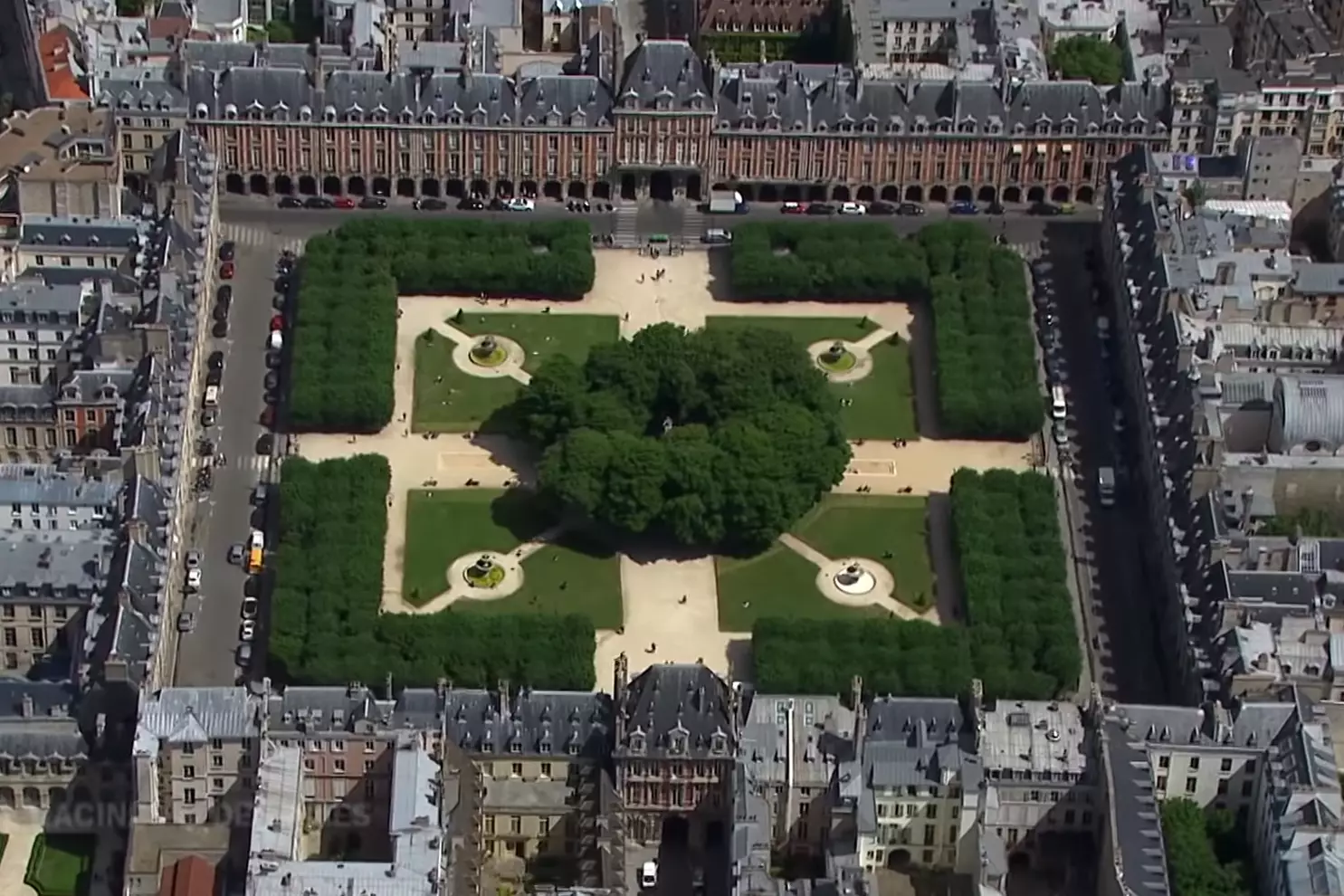
The oldest planned square in Paris, and what many tourists as well as locals consider the heart of the Marais area.
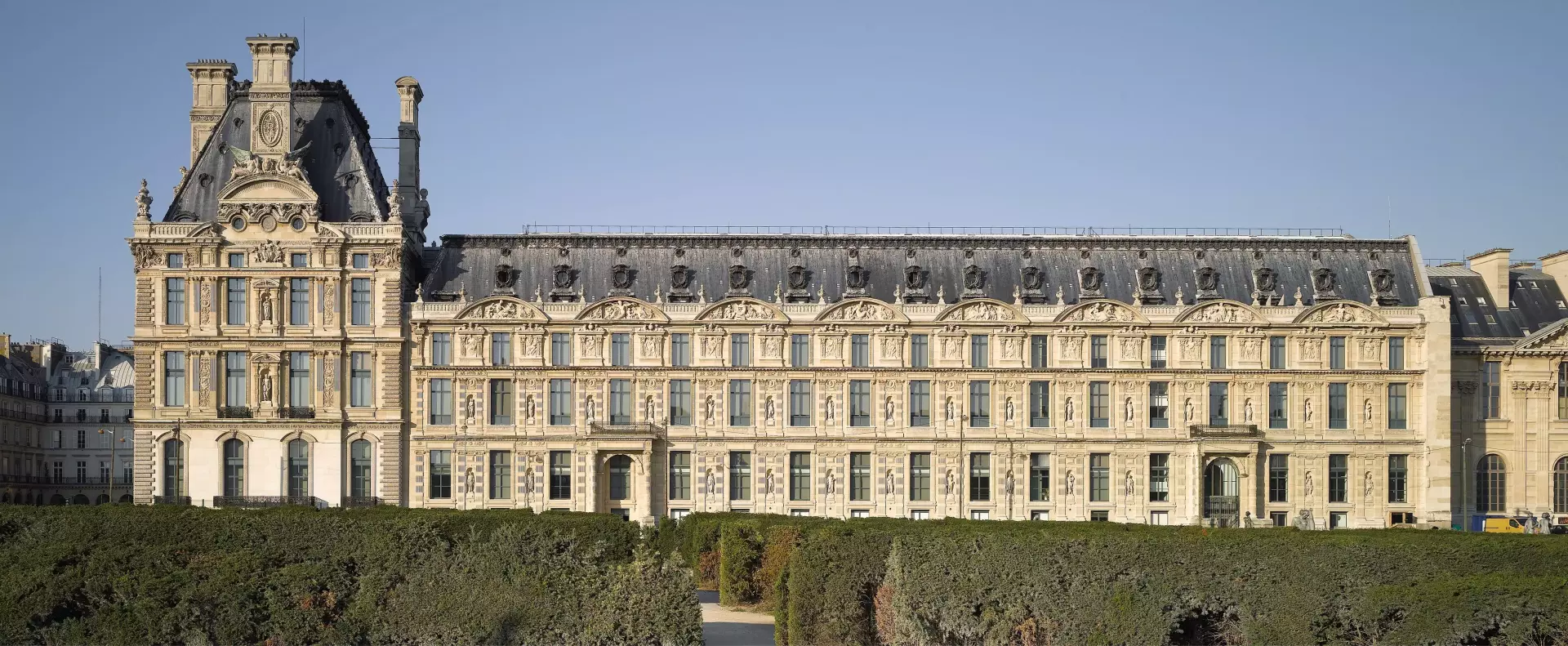
Since 2021 the 18th-century former Bourse de Commerce building has been the Paris home of the art collection of the French business magnate François Pinault, showing a rotating selection of contemporary artworks either newly commissioned or taken from his collection.
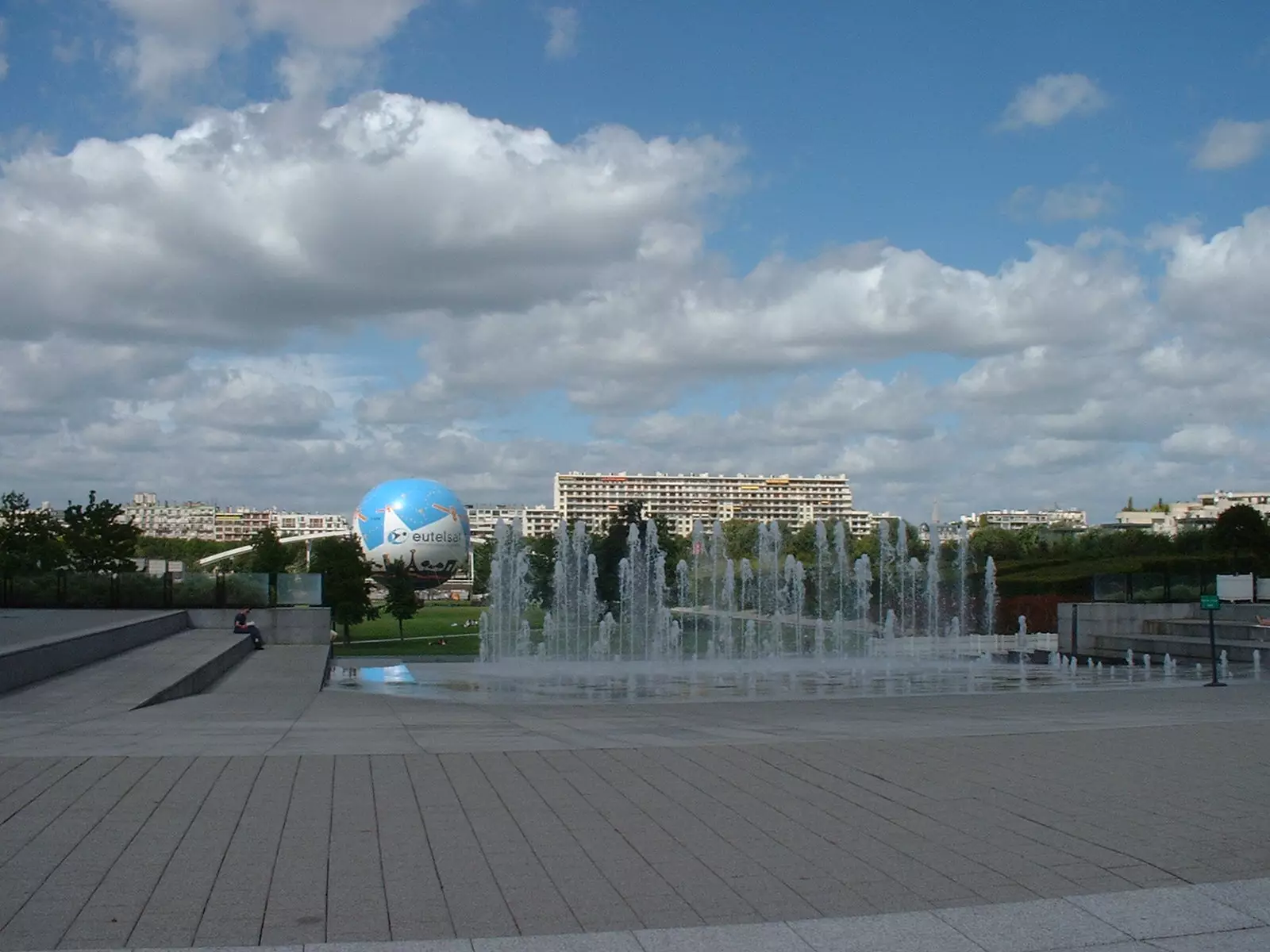
Between the River Seine and the rail yards attached to Gare de Lyon and Gare de Bercy is a green space which would seem pretty huge if the 12th weren't also the home of the Bois de Vincennes. The park is a good place to hang out waiting for the line to form for sporting events and concerts at AccorHotels Arena.
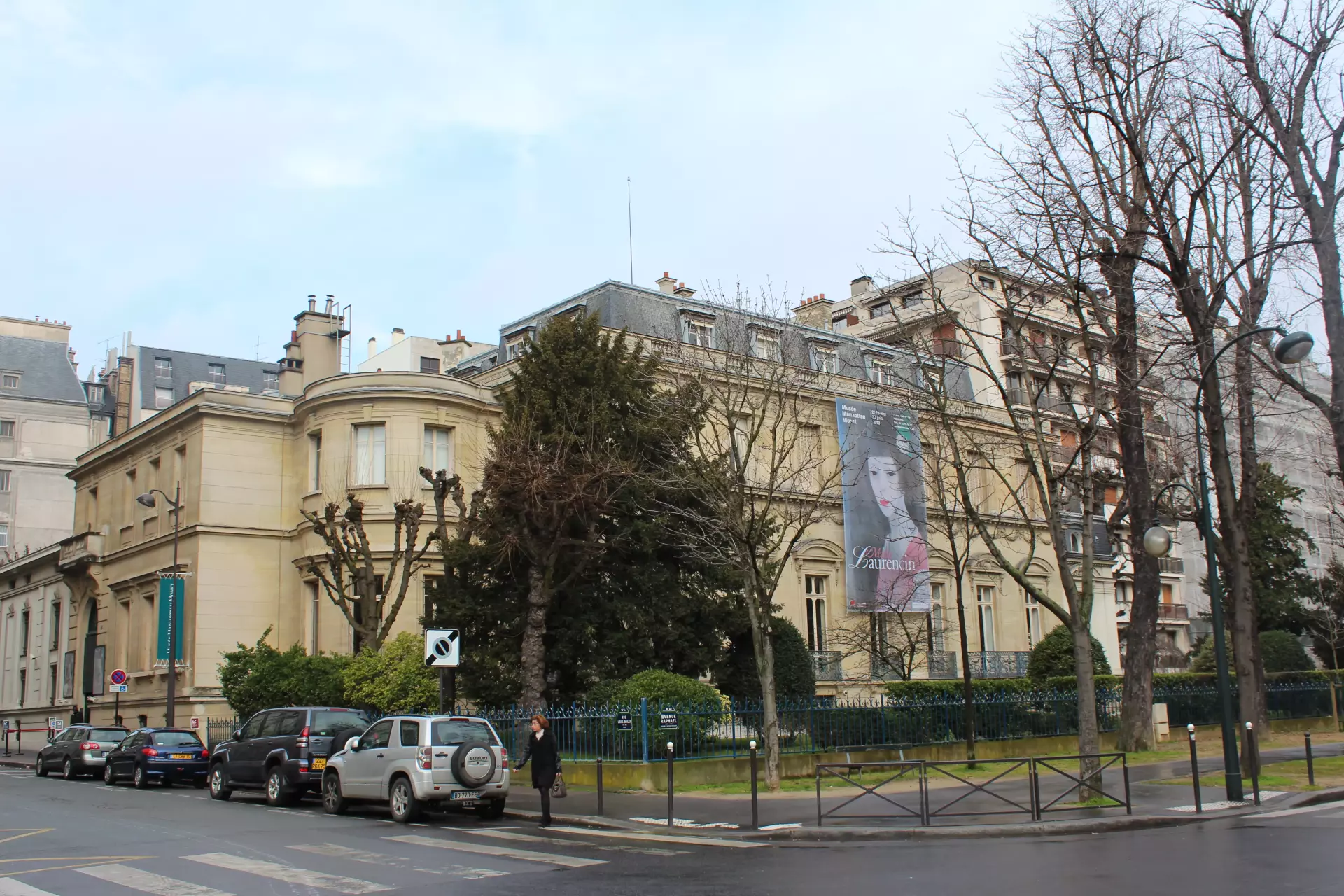
Private collection of French, Italian, Dutch masterpieces in a typical XIXth century mansion.
This museum is in the historic Invalides complex and presents the history of the French Army. It is co-located with Napoleon Bonaparte's tomb (entry to which is included in the ticket price). Most of the exhibitions are very old fashioned, and the coverage of the First World War is surprisingly limited. A highlight is the Musée des Plans-Reliefs, which displays painstakingly accurate models of French fortresses and includes its own shop.
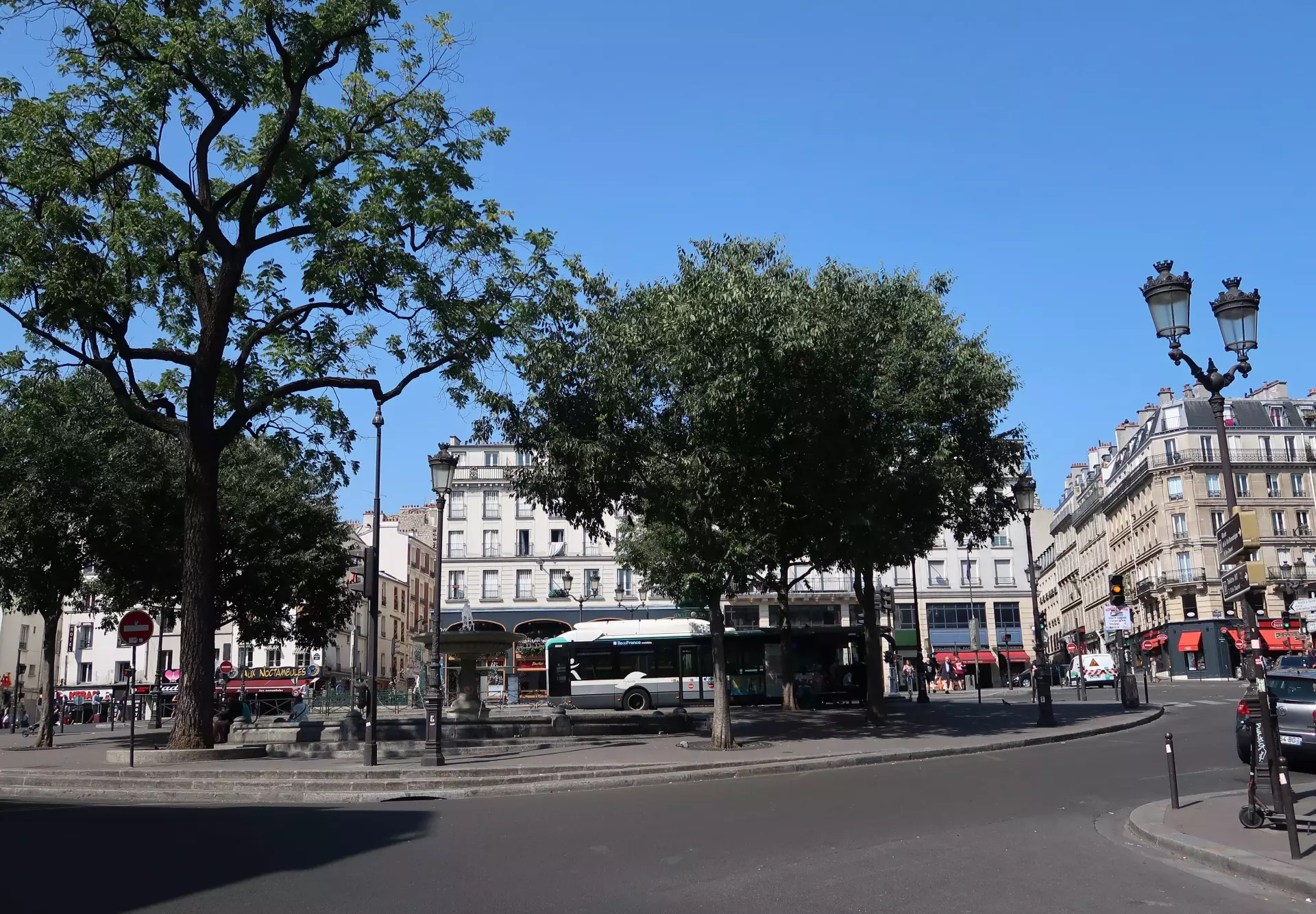
The sleaze of boulevard de Clichy between place Pigalle and place Blanche can provide a moment of distraction. Be warned if you are male it is better to do this in the company of a female fellow traveller, as the clubs often send the girls outside to attempt to physically drag passing men off of the street. These strip clubs are big ripoffs. They tempt you with a free drink for €10 entry; once in the girl who starts dancing orders a couple of drinks (Red Bull) and then before you realise you are presented with a bill ranging from €500-700. They have these big bouncers who threaten/manhandle you till you arrive at some settlement with them. The whole of Pigalle is a rip off, best avoided. The police know about these places but nothing is done.
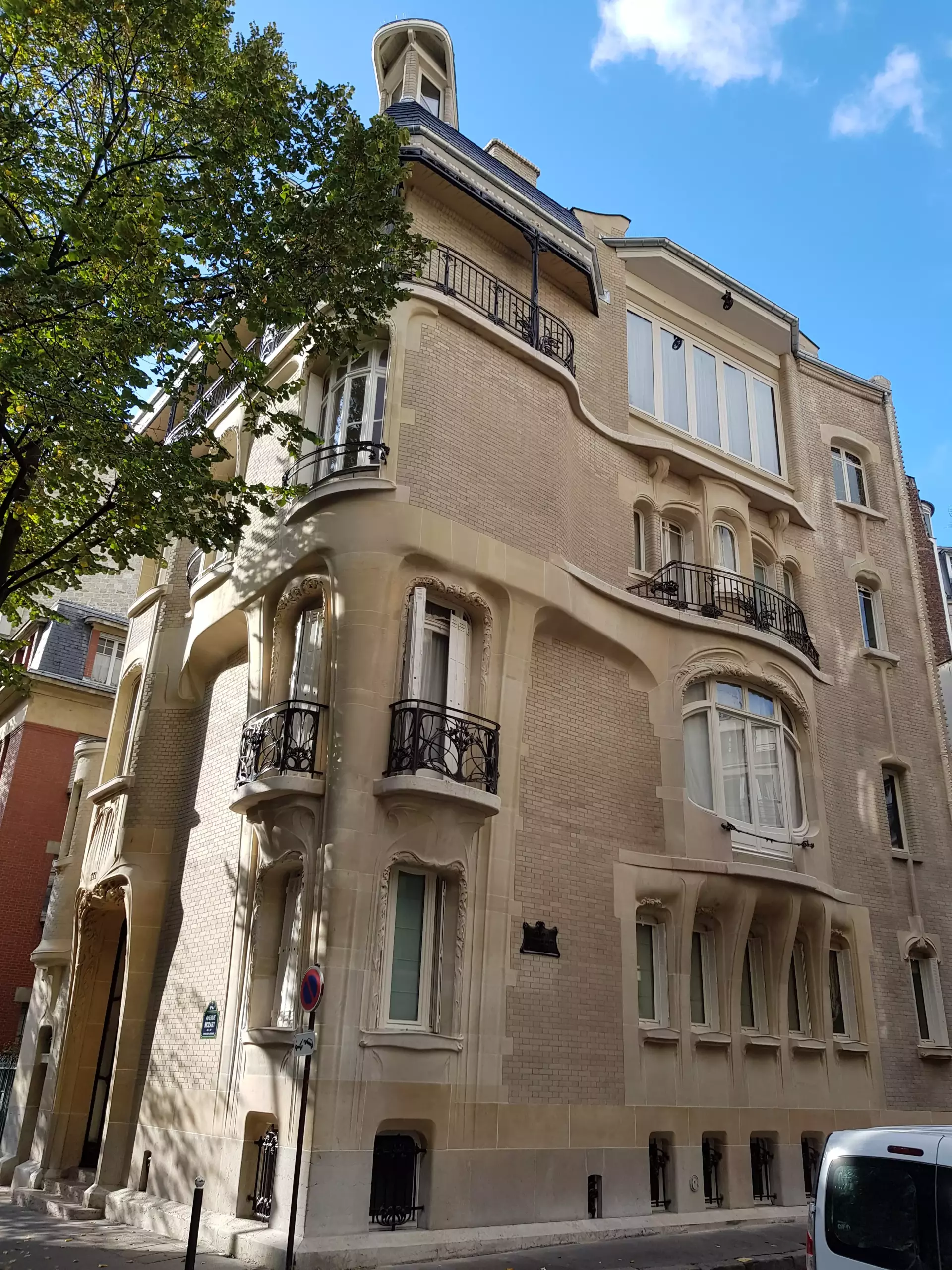
Castel Béranger is an apartment building that was the first entirely art nouveau building in Paris, insulted at the time as "Castel Derangé". Its richly decorated facade won a city competition in 1898. It contains 36 apartments, all of which are still privately owned and not open to the public.
Founded in 1671 by Louis XIV as a hospital for 6,000 wounded soldiers—this function explaining the name of the building—the golden-domed Hôtel des Invalides still functions as an infirmary and now also houses the Musée de l'Armée. The church attached, l'Eglise du Dôme, houses the tomb of Napoleon.
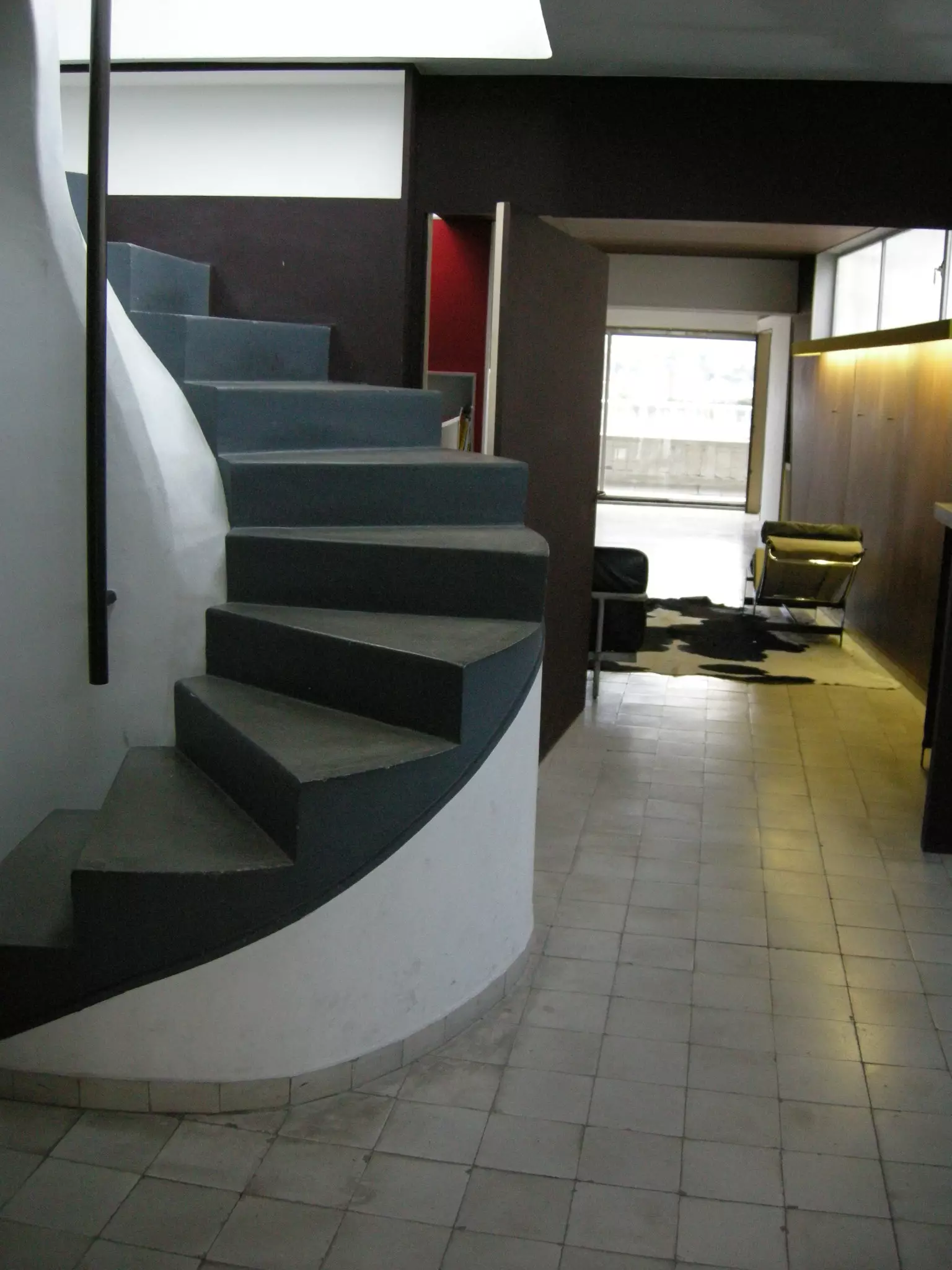
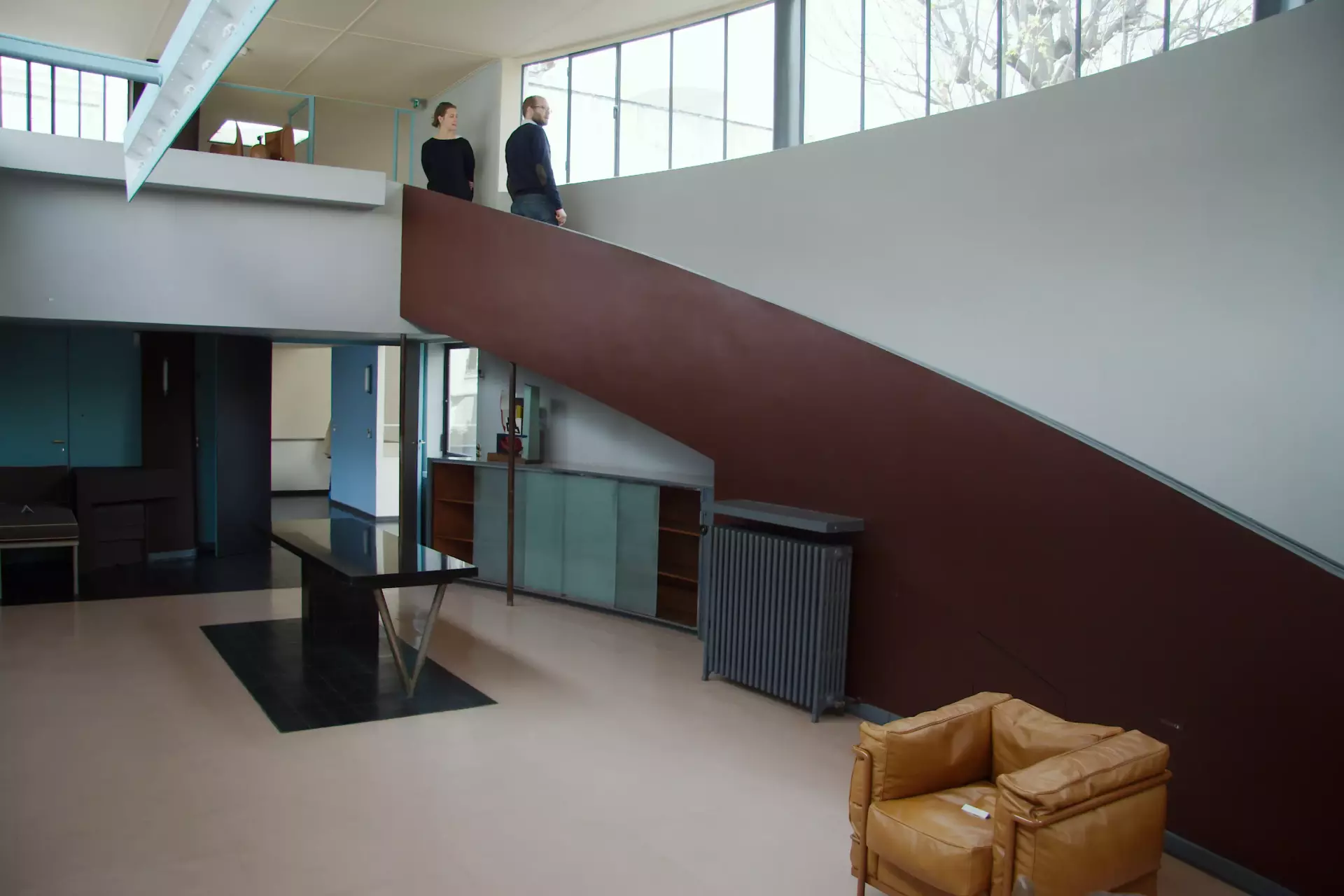
The C.I.U.P. is a student quarter established in 1925, providing homes for about 10,000 students, scientists, and artists from 120 countries. It has 40 houses attributed to individual nations. The individual houses organise top quality cultural and political events. Among the most remarkable buildings are the Fondation Deutsch de la Meurthe, the Heinrich Heine House (Maison Heinrich Heine - Fondation de l'Allemagne), the Swedish Student House (Maison des Etudiants Suédois), and the Swiss Pavilion (Pavillon Suisse) which was built in 1933 on plans of Le Corbusier.
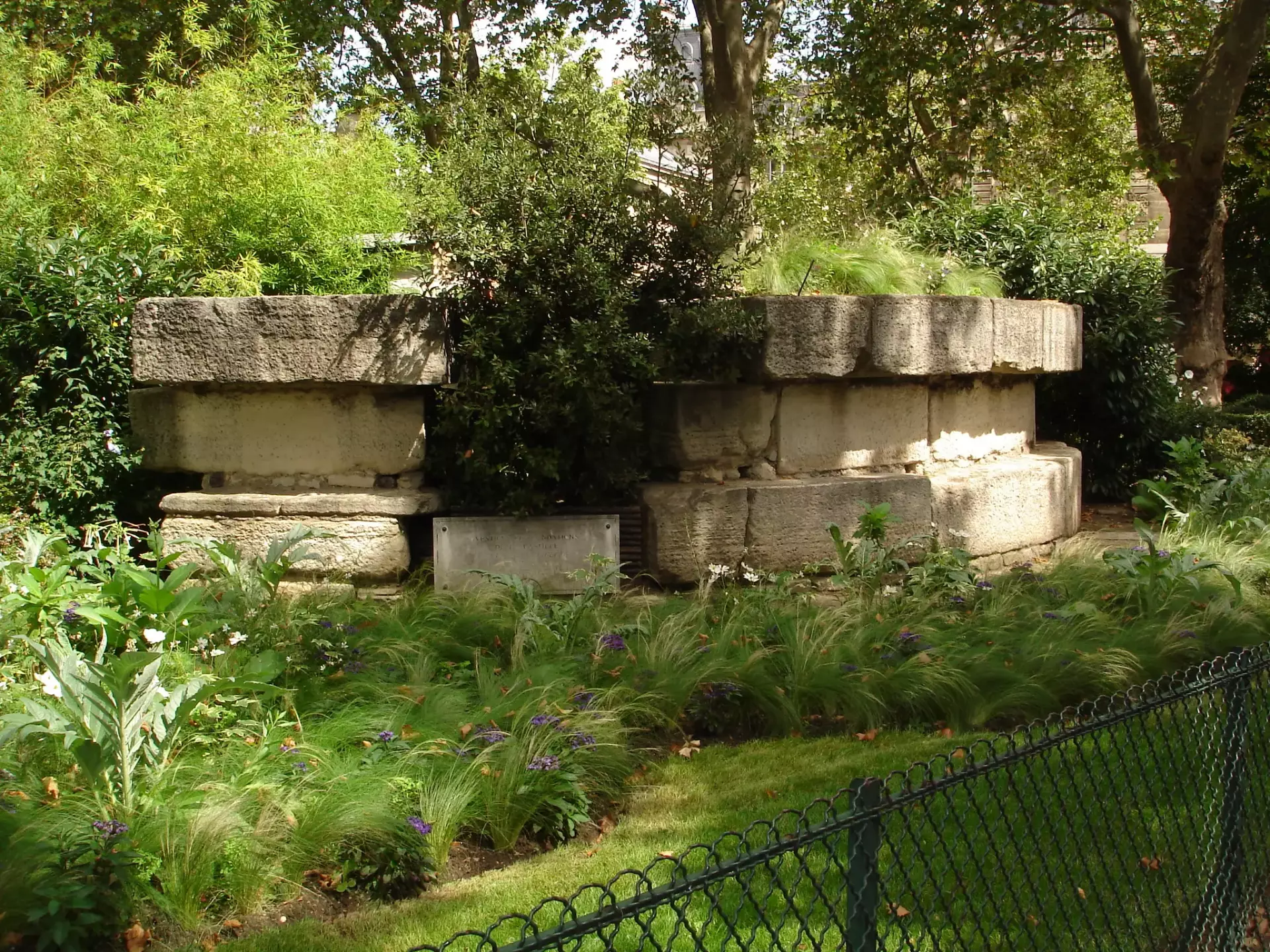
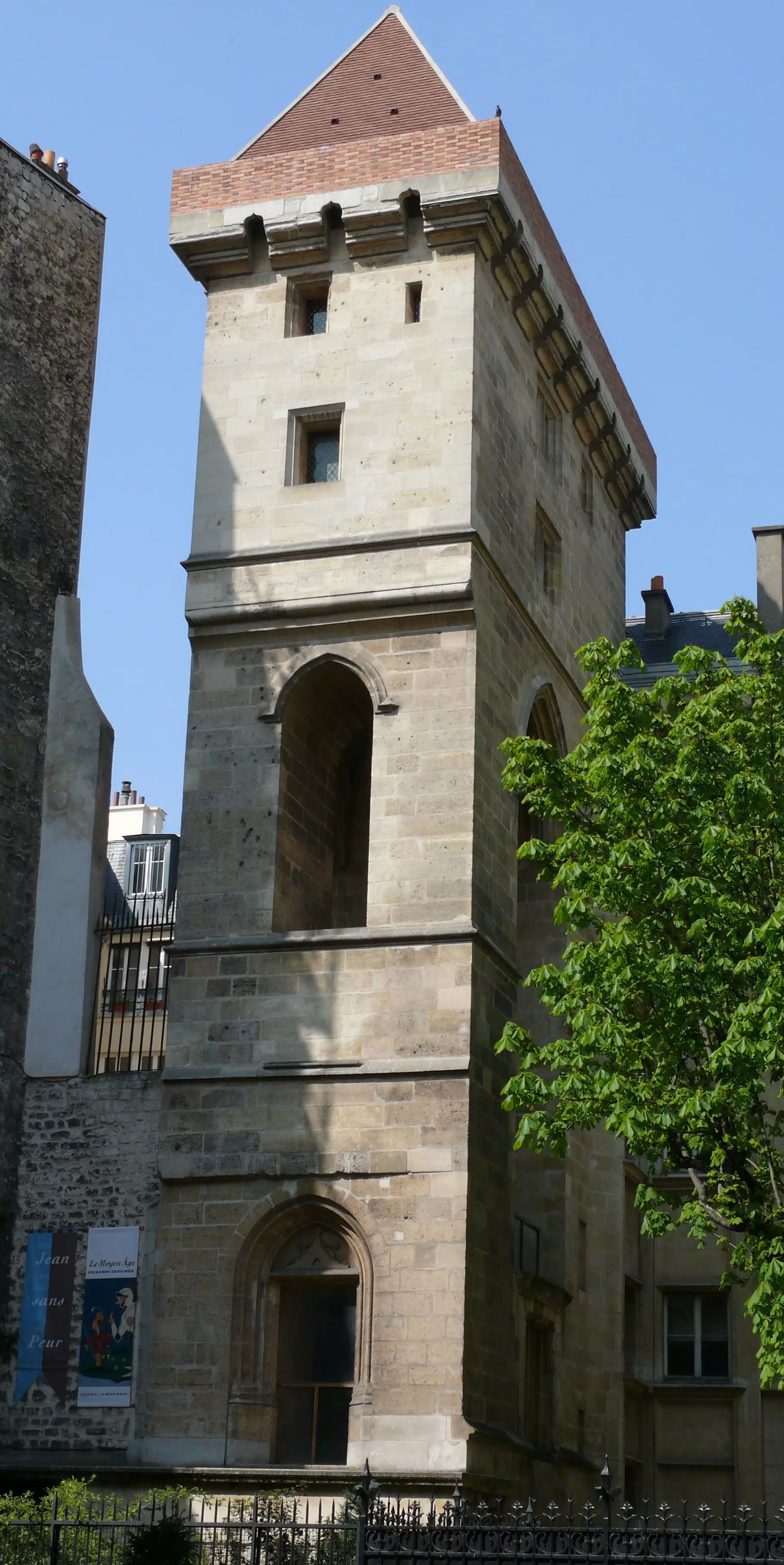
One of the last remnants of medieval Paris outside of the 4th, this tower was once part of a castle called l'hôtel de Bourgogne.
St. Geneviève was responsible for saving Paris from the Huns in 451 and her shrine in the church has been a popular place of pilgrimage ever since. The church as it stands dates from between 1492 and 1626 and is a mix of Gothic and Renaissance architectural styles. A unique feature is the Renaissance rood screen, the sole survivor in the city.
If you were a city planner in one of the great cities of our Earth and you discovered that a railroad right-of-way had been abandoned and would never be used again what might you do? Perhaps if you knew your stuff you'd convert it into a 4 mile long park, about half of which is elevated above street level on the old rail viaduct. This long narrow park pretty much allows the visitor to walk in carfree bliss from Place de Bastille to the Bois de Vincennes.
The national library preserves collections of historic documents of both French and international origin. It holds 5,000 Greek manuscripts. You can get a day pass to visit or choose to visit only the expositions the library hosts.
For a taste of the French countryside, a visit to Bercy Village brings to life the spirit of market shopping inside Paris.
One of the best-known and most beautiful churches in Paris, in the guise of a Corinthian order classical temple. Construction started in 1764, although the church was not finally consecrated until 1845. The Madeleine has a lavish interior of marble and gold.
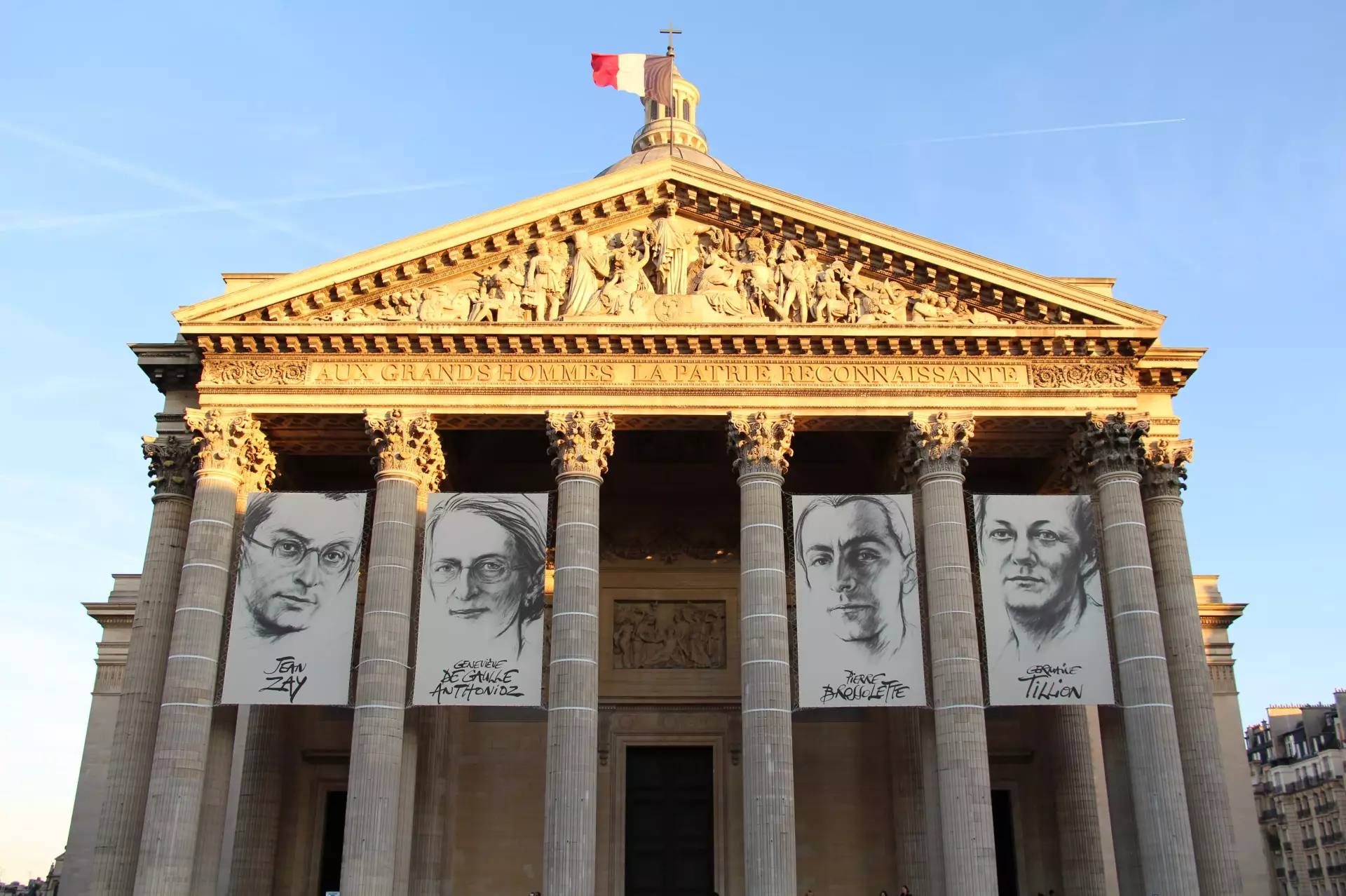
It was conceived by Louis XV as a grand neo-classical church honouring St. Geneviève, the patron saint of Paris. After the Revolution, the building was converted into a mausoleum for the great philosophers, military, artists, scientists, and heroes of the French Republic. Occupants of the crypt include Voltaire, Rousseau, Victor Hugo, Zola, the Curies, and Alexandre Dumas (reinterred here in 2002). The view from the dome (206 steps) is marvellous. Check tour departure times at the information desk. A fascinating reconstruction of Foucault's pendulum also hangs within the Panthéon.