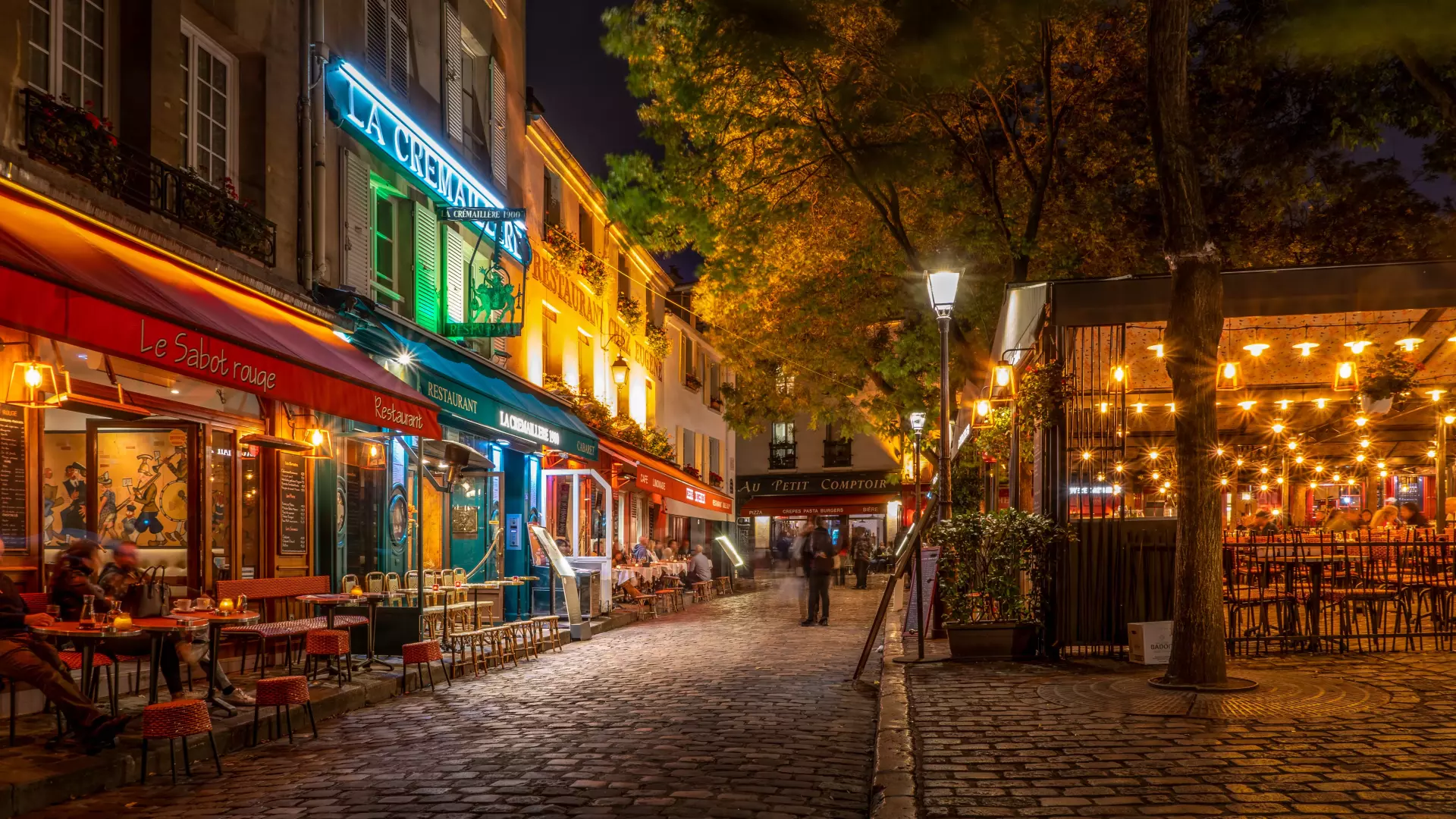
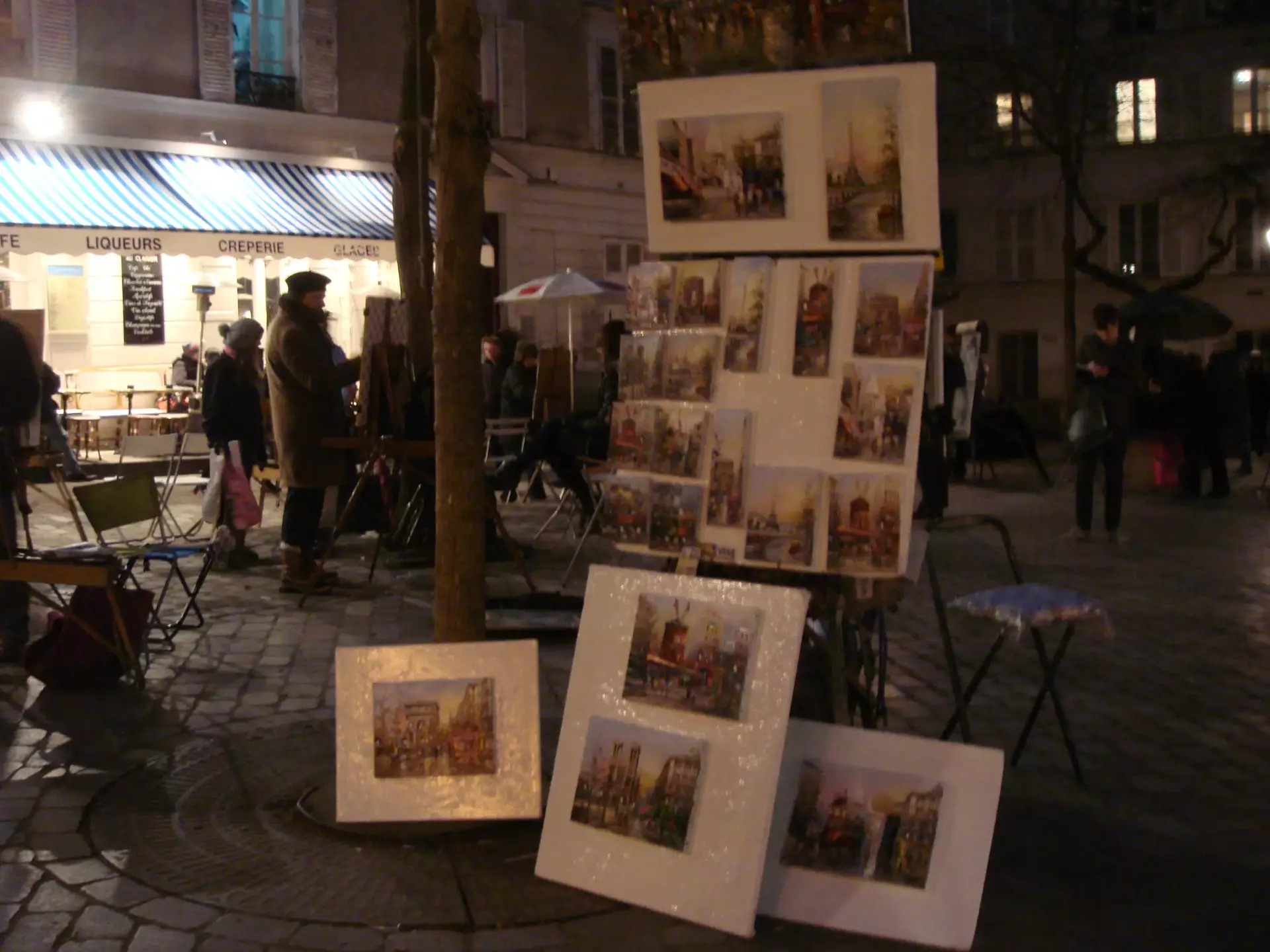
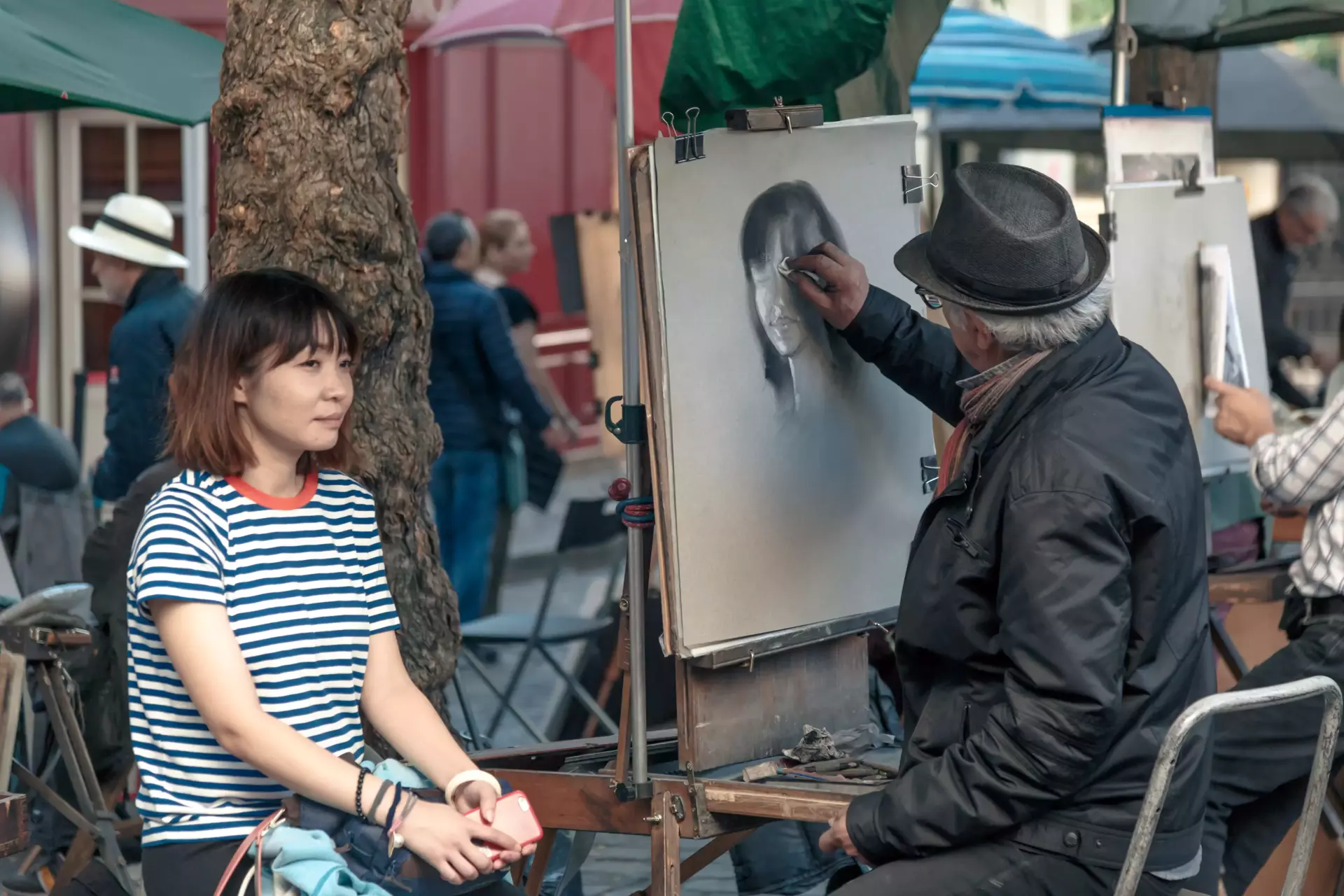
Place du Tertre is known for its lively atmosphere and artistic spirit. In this famous square, visitors often see many artists at work, creating portraits right in the open air. The square is filled with the sights of painters capturing the likenesses of tourists who stop by for a quick sitting.
Alongside portrait painting, these talented artists also display and sell their finished works. Their paintings, often inspired by the charm of Montmartre and Paris, are available for anyone looking to bring home a unique piece of art. The combination of creative energy and the chance to watch artists in action makes Place du Tertre a memorable stop for many travelers.
Source - https://en.wikipedia.org/wiki/Place_du_Tertre
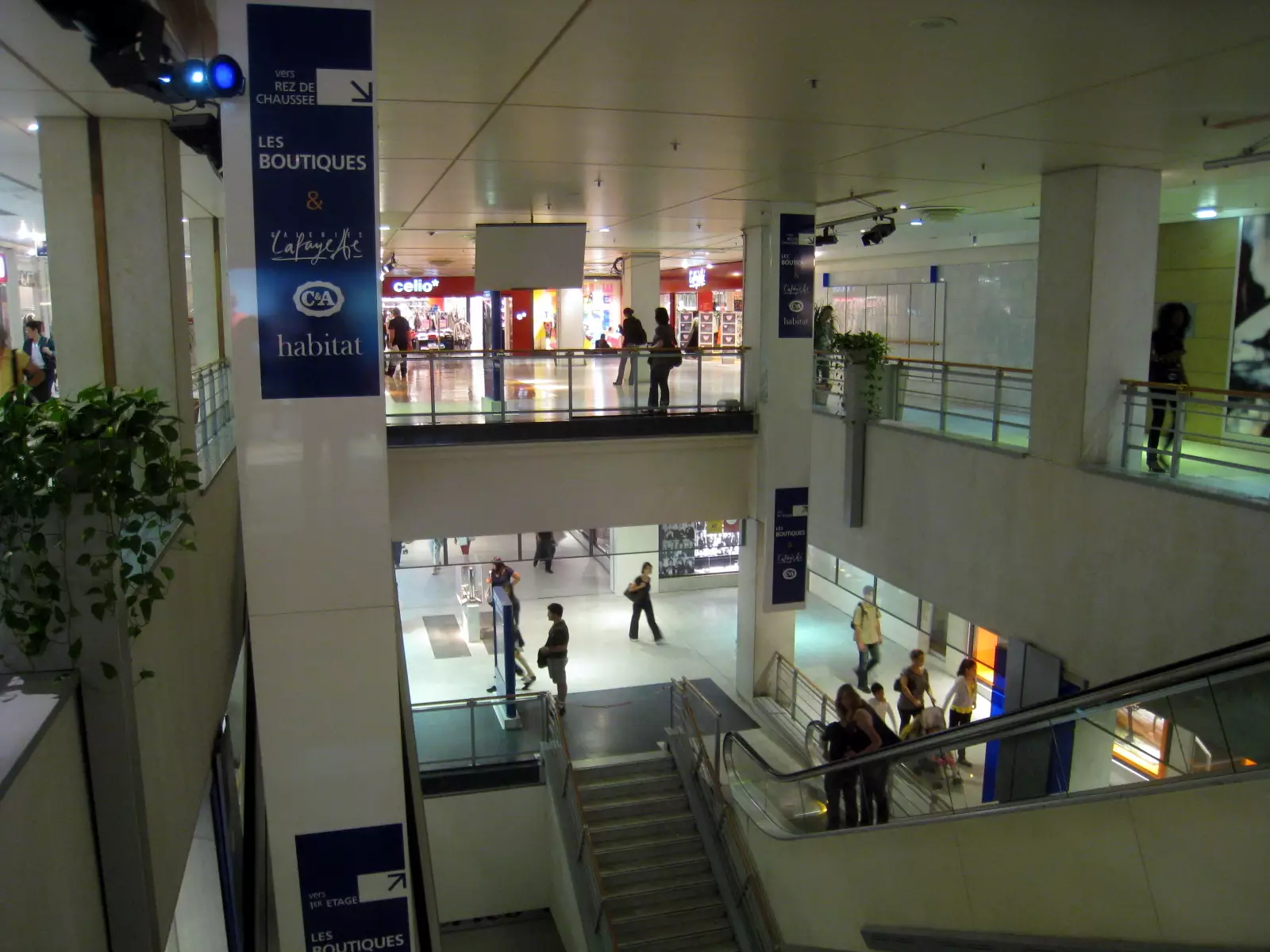
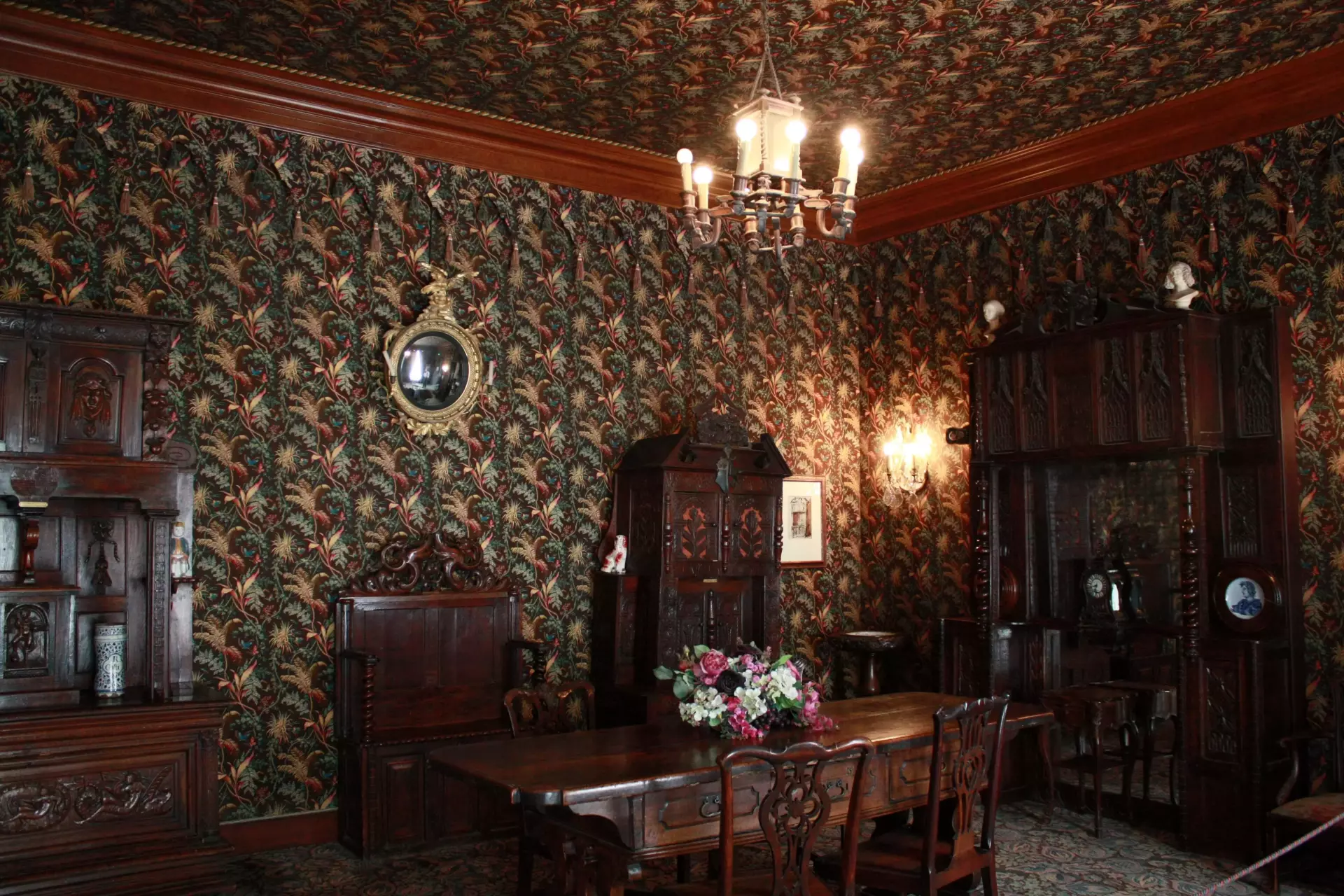
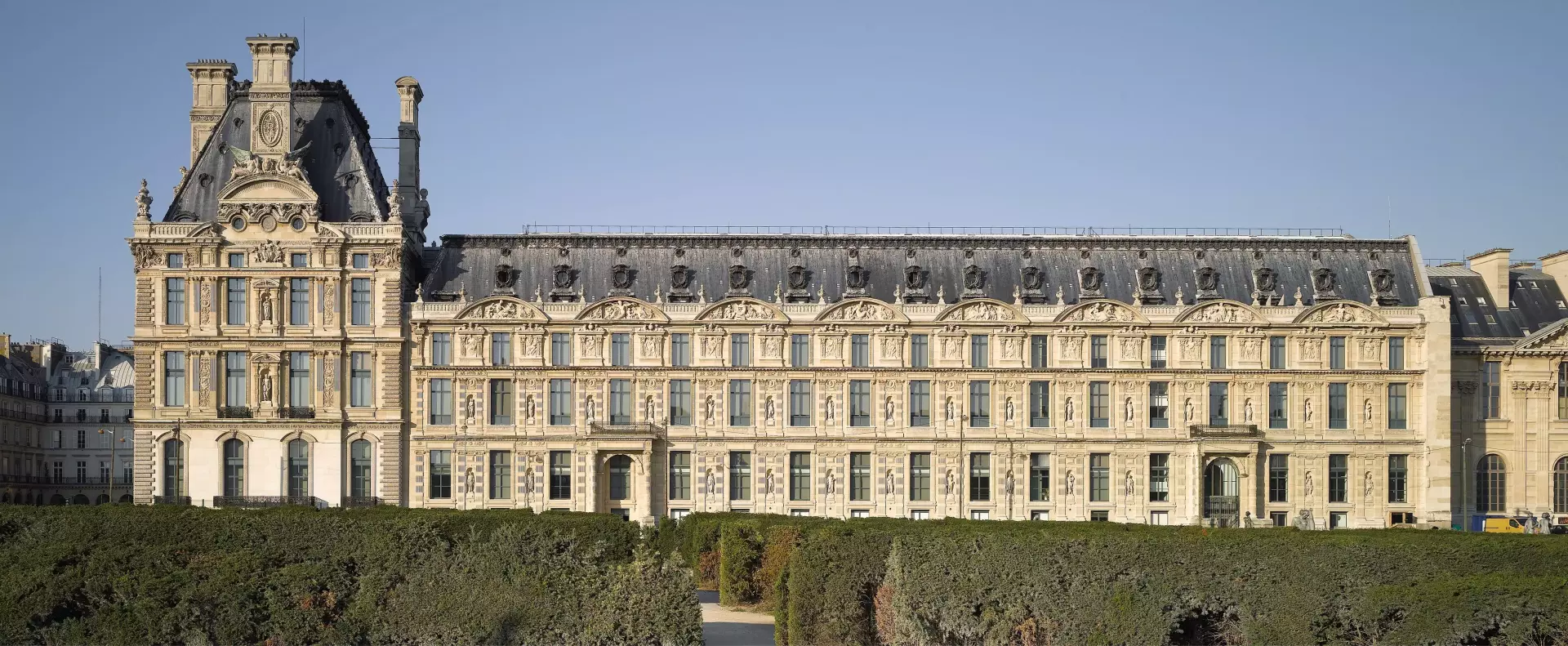
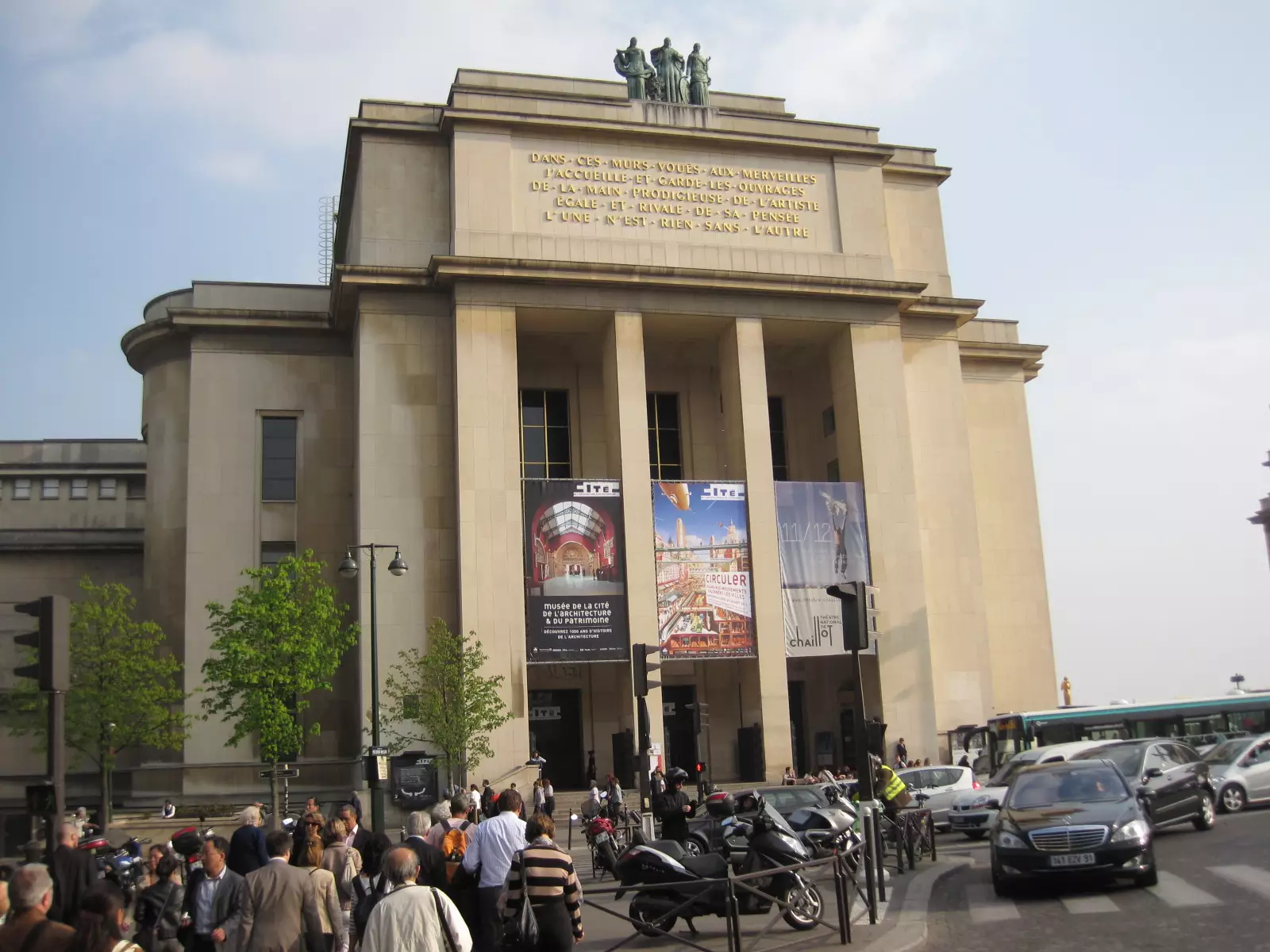
An industrial design museum in Paris that houses the collection of the Conservatoire National des Arts et Métiers (National Conservatory of Arts and Industry), which was founded in 1794 as a repository for the preservation of scientific instruments and inventions.
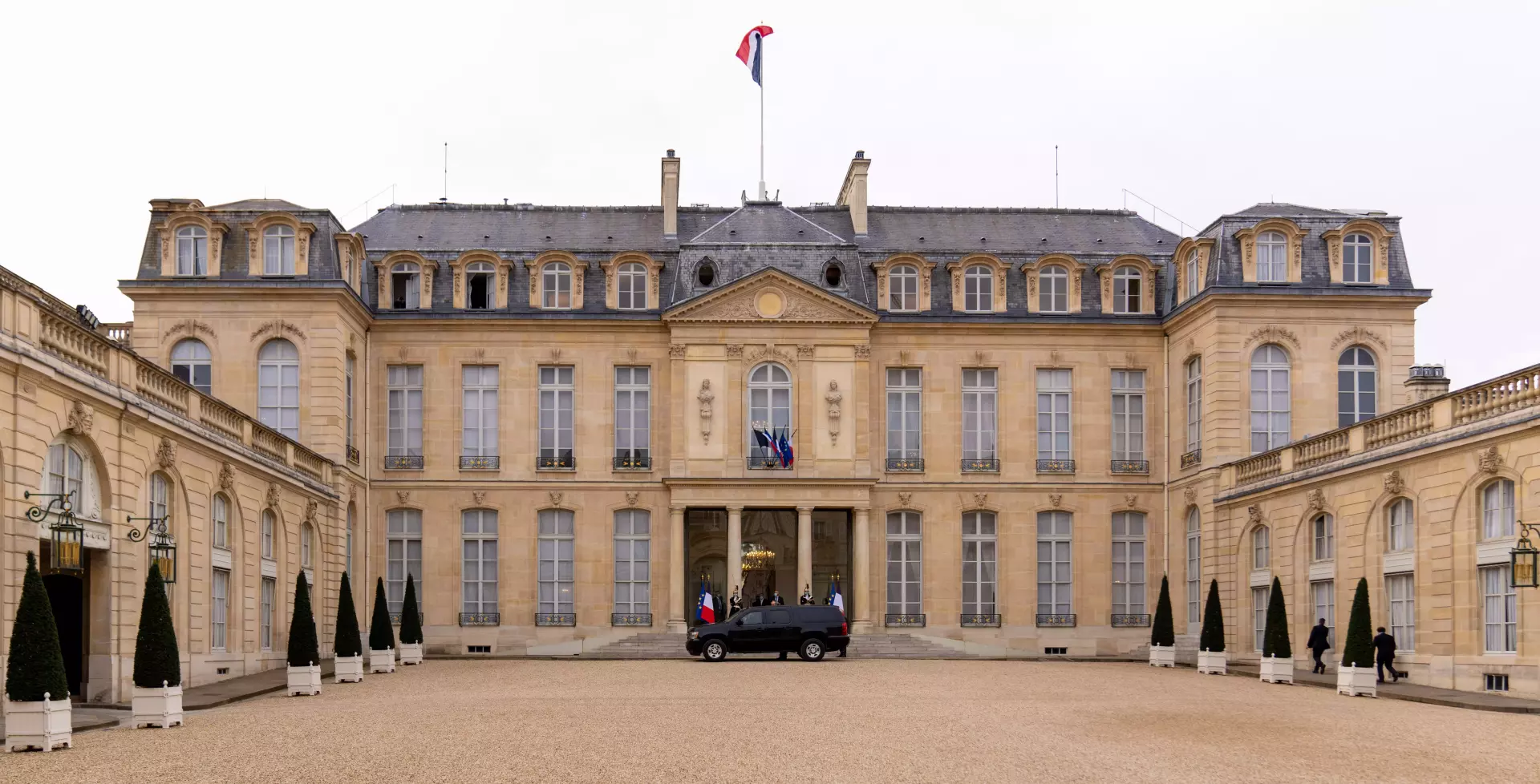
The official residence of the President of France since 1848. Dating to the early 18th century, it contains the office of the President and the meeting place of the Council of Ministers. It is located near the Champs-Élysées in the 8th arrondissement of Paris, the name Élysée deriving from Elysian Fields, the place of the blessed dead in Greek mythology. Not open to the public, except occasionally during the annual National Heritage Days (usually a weekend in mid-September). Important foreign visitors are hosted at the nearby Hôtel de Marigny, a palatial residence.
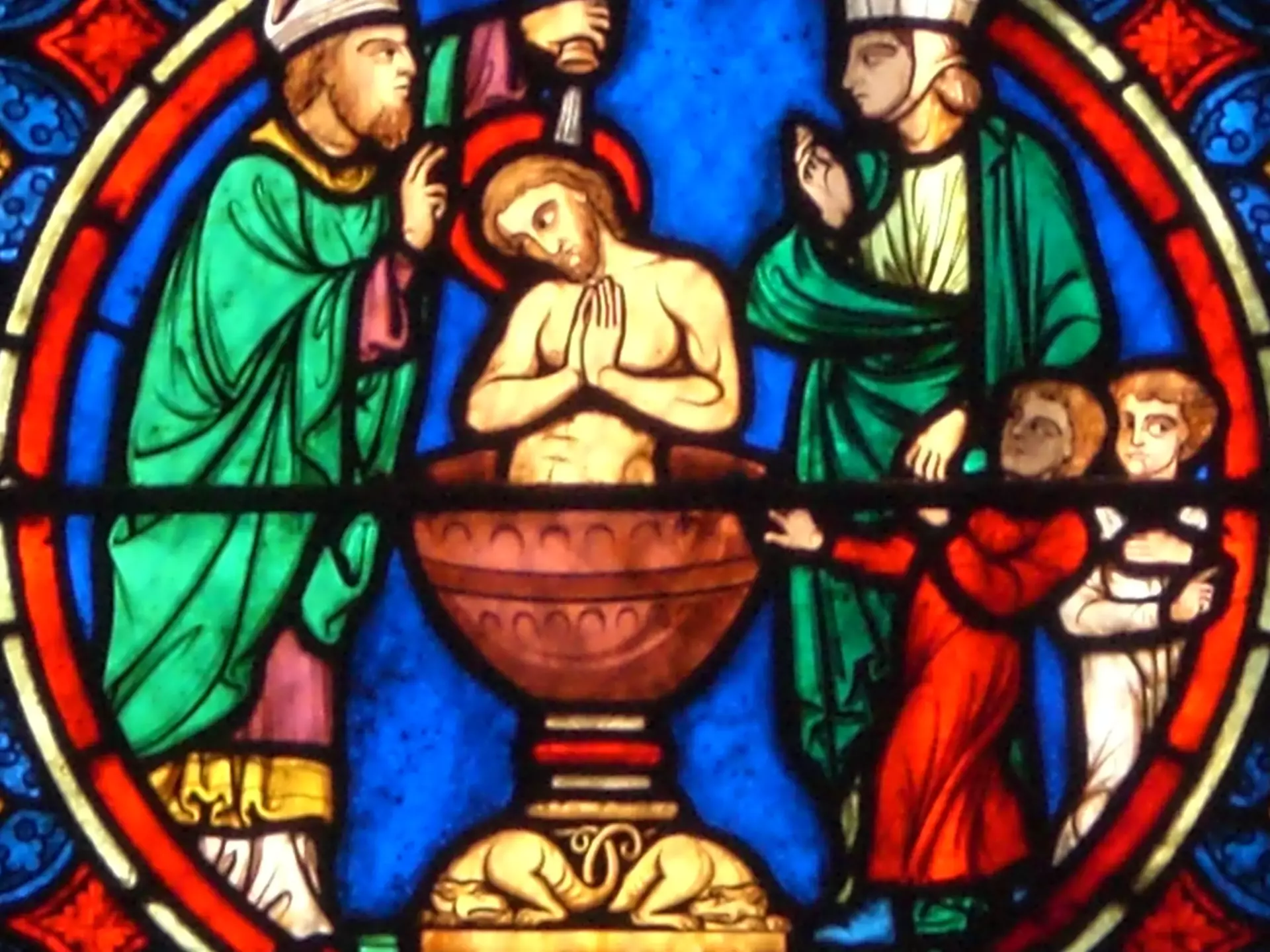
Housed in a 15th-century abbey, alongside 1st century Gallo-Roman baths, the museum has an extensive collection of medieval art and artifacts. Highlights include the medieval "Lady and the Unicorn" tapestries, a papal golden rose, and the original heads from the facade of Notre Dame.
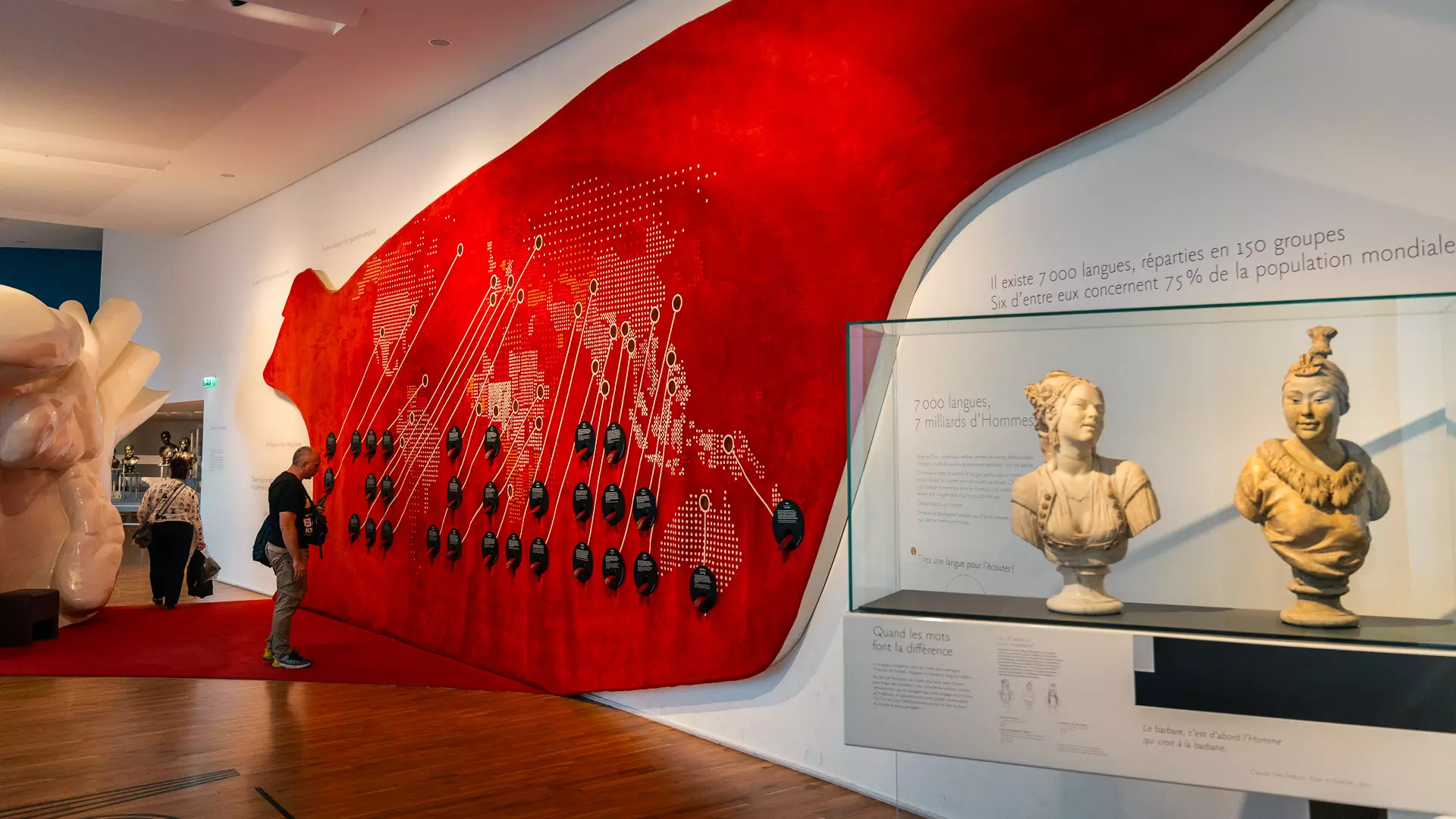
The Museum of Mankind, accommodated in the Palais du Chaillot, is an anthropological museum covering the history of mankind and human societies.
Visitable only by reservation and then only one Saturday every month. A richly decorated palace built for Marie de Medici in the early 17th century, which is now the French Senate. For those interested in seeing a Parisian monument normally unavailable to the public, or for those interested in the inner workings of the French Government. The large Luxembourg Garden is open to the public year-round. The garden is home to the Medici fountain, a children's playground, and vintage toy boats for hire that children push around in the Grand Bassin duck pond (a 90-year tradition).
Soaring stained glass windows beaming ample light onto the rich primary colours of the tile mosaics on the floor, this photogenic church was built by the French kings to house the relics of the Crown of Thorns. Make sure you go on a sunny day, as the highlight of this small chapel in Rayonnante Gothic style are the large stained-glass windows which soar up to near the vaulted ceiling. Also of interest is the extremely ornate lower level. If it happens to be rainy or cloudy, give Sainte-Chapelle a miss, as the play of coloured lights on the floor is well worth the wait for a sunnier day. As the chapelle is inside the Courts of Justice, there will thus be a security check.
The national library preserves collections of historic documents of both French and international origin. It holds 5,000 Greek manuscripts. You can get a day pass to visit or choose to visit only the expositions the library hosts.
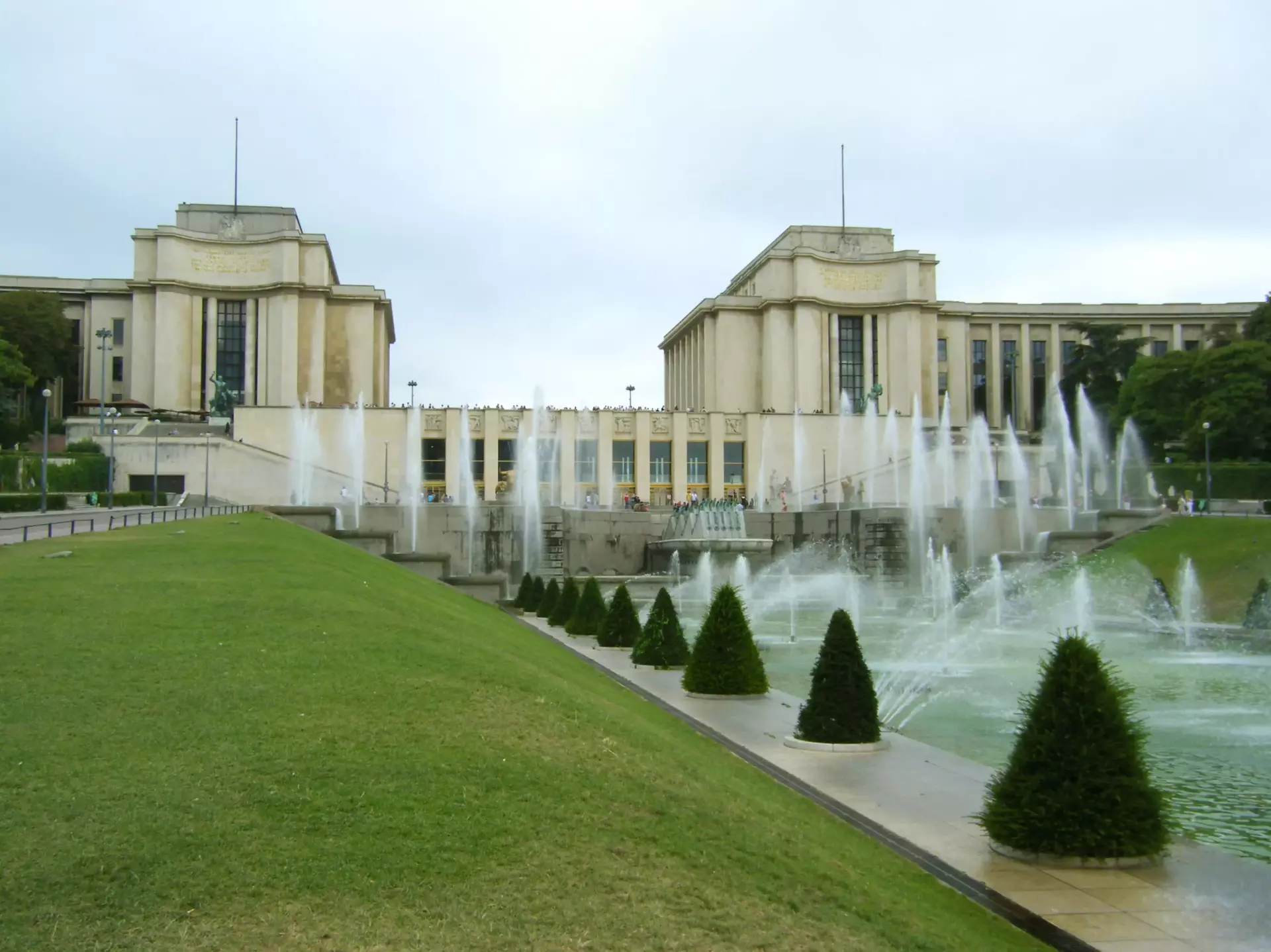
Great perspective on the Eiffel Tower and Left Bank from Place du Trocadéro in between the two buildings of the palais. Former location of the Palais du Trocadéro. It accommodates three museums, an aquarium, and the Theatre Nationale du Chaillot.
One of the best-known and most beautiful churches in Paris, in the guise of a Corinthian order classical temple. Construction started in 1764, although the church was not finally consecrated until 1845. The Madeleine has a lavish interior of marble and gold.
The Paris Botanical Garden, founded as the royal medicinal garden in 1626 by King Louis XIII's doctor, contains over 10,000 species. The grounds also include a small zoo known as La Ménagerie, and the Muséum National d'Histoire Naturelle, which includes the Grande Galerie de l'Evolution (where you can see thousands of naturalized animals from all over the world) and the 'Galerie de paléontologie et d'anatomie comparée' (same thing, but with skeletons).
A controversial church serving as de facto headquarters of the arch-traditionalist Society of Saint Pius X, who occupied the church in 1977 and have ignored subsequent eviction orders.
One of the most eye-popping sights of Paris, the catacombs represent a network of labyrinthine tunnels, first excavated in the Roman period, that now house the remains of over 6 million burials removed here from the various overcrowded cemeteries and charnel houses all over Paris in the late 18th and early 19th centuries. Well worth a visit: the atmosphere is suitably morbid and gloomy (without being too scary), the dark tunnels containing neatly stacked piles of skulls and long bones. There is a limit to the number of visitors allowed within the Catacombs at one time (200 persons). So, if you arrive just after opening, you must wait until someone exits, approximately 45–60 minutes, before anyone is admitted. Steep stairwell on the exit of the catacombs. Can be challenging for the elderly or the unfit. Tickets can be purchased online at a small premium (€29, includes audioguide), allows you pick a date&time and to skip the long line
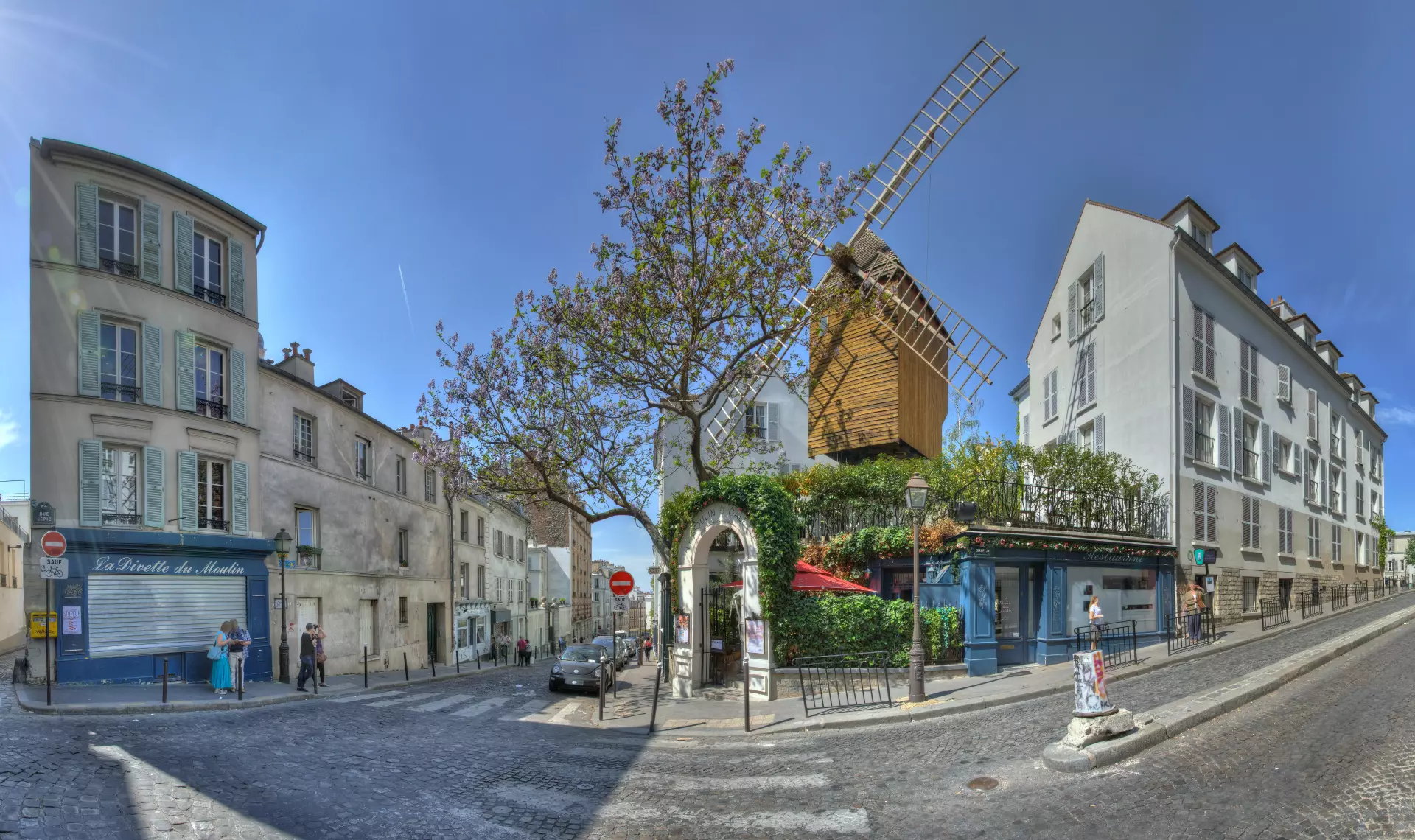
Built in 1717, the windmill is now part of a restaurant of the same name, and is easily visible from the street.
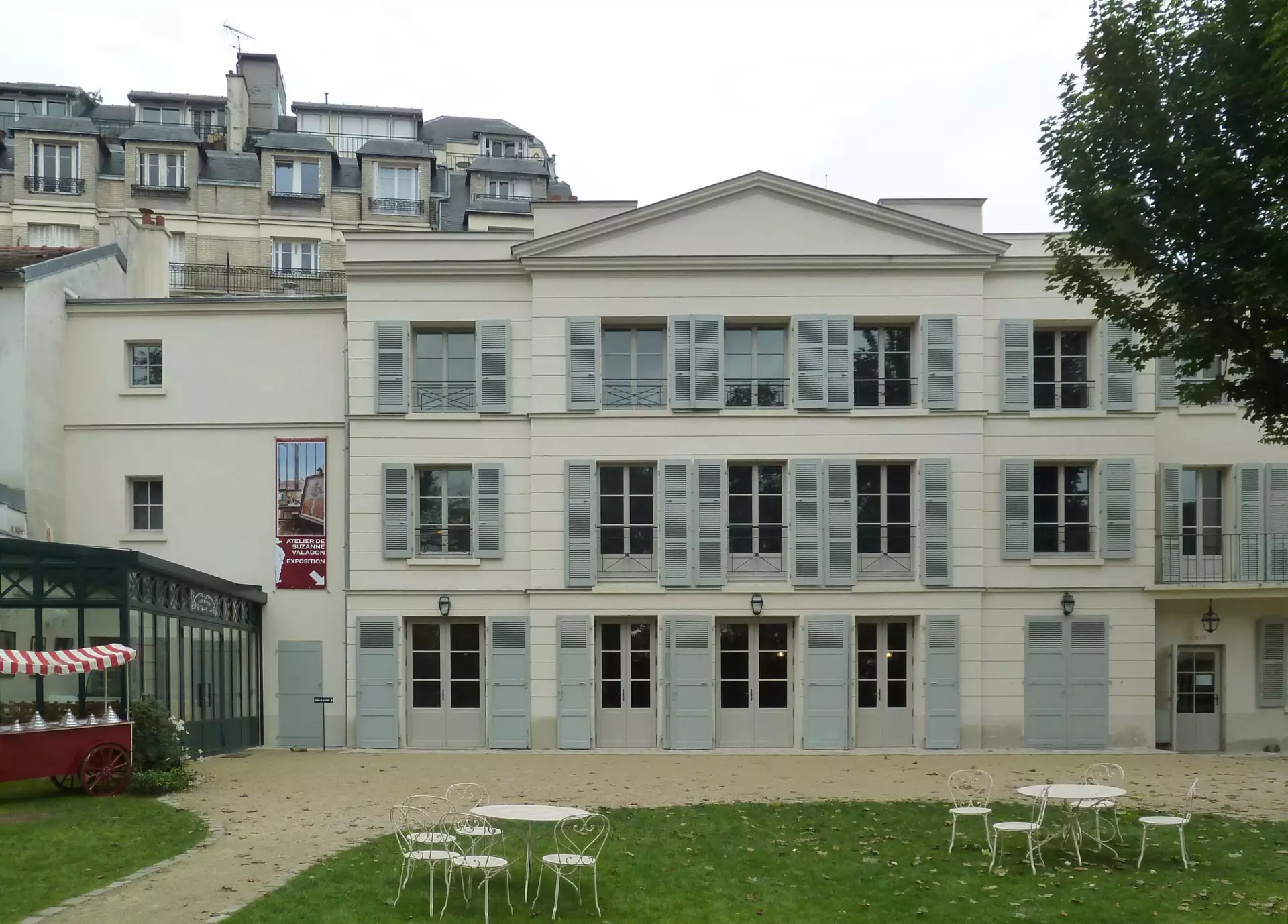
Guimard's own home, built in 1909-12. It is less decorated than Castel Béranger, but still beautifully shaped. Privately owned and not open to the public.
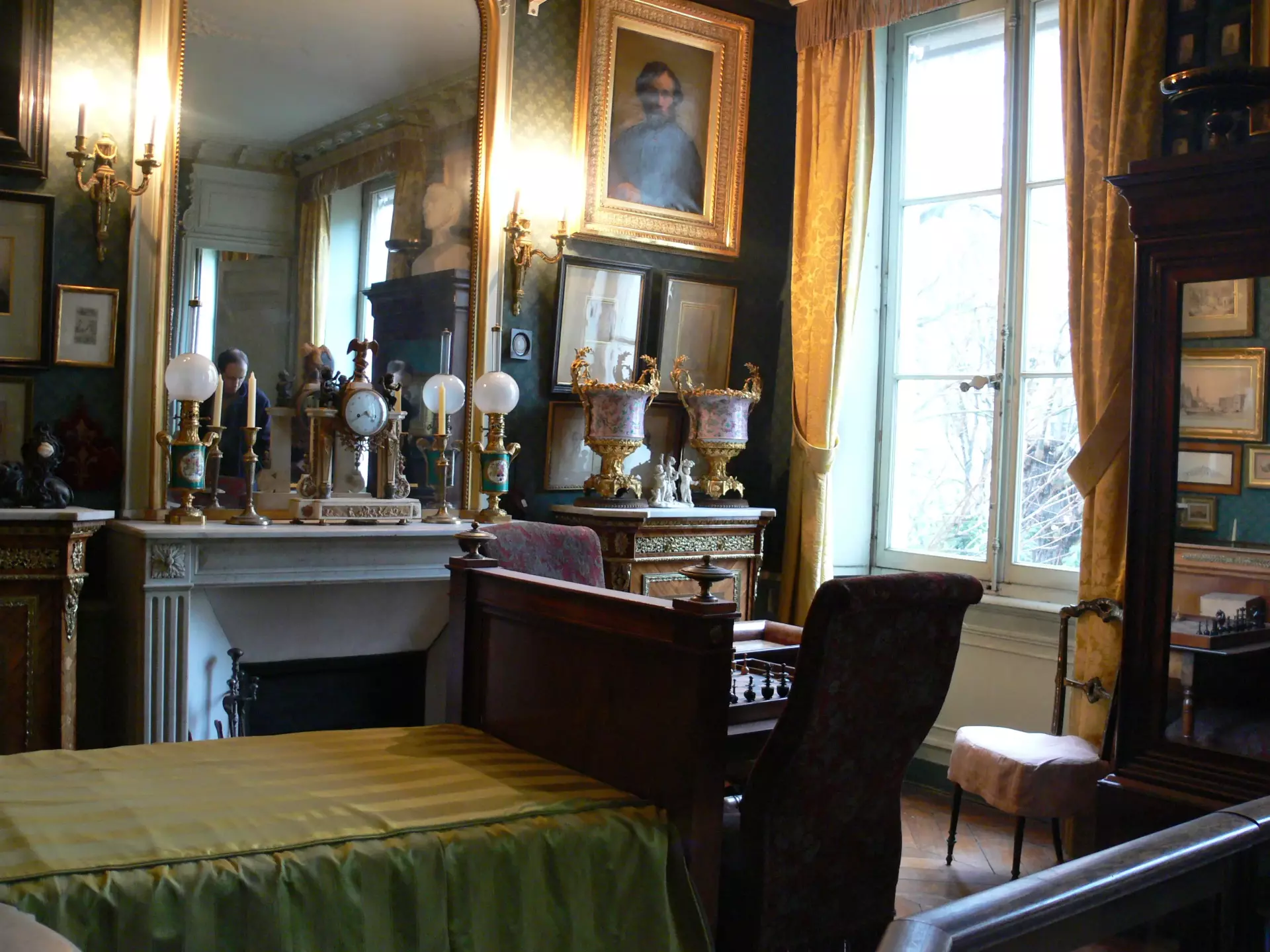
The house in which the famous French novelist Victor Hugo once lived.
Tourists cross this park with the large fountain on the way to the Place du Trocadéro viewpoint to the Eiffel Tower.
Considered one of the most colourful Parisian parks, a local favourite, the Parc Montsouris was opened in 1878, having been designed by Alphand for Baron Haussmann. A large man-made lake and waterfalls are surrounded by long stretches of gently sloping lawns. Bronze statues are to be found studding the grounds, amongst the 1,400 trees, including such exotic varieties as the giant sequoia and the ginkgo. The park is featured in the film Cléo de 5 à 7. It is popular among families (there are two playground areas for children) and students.