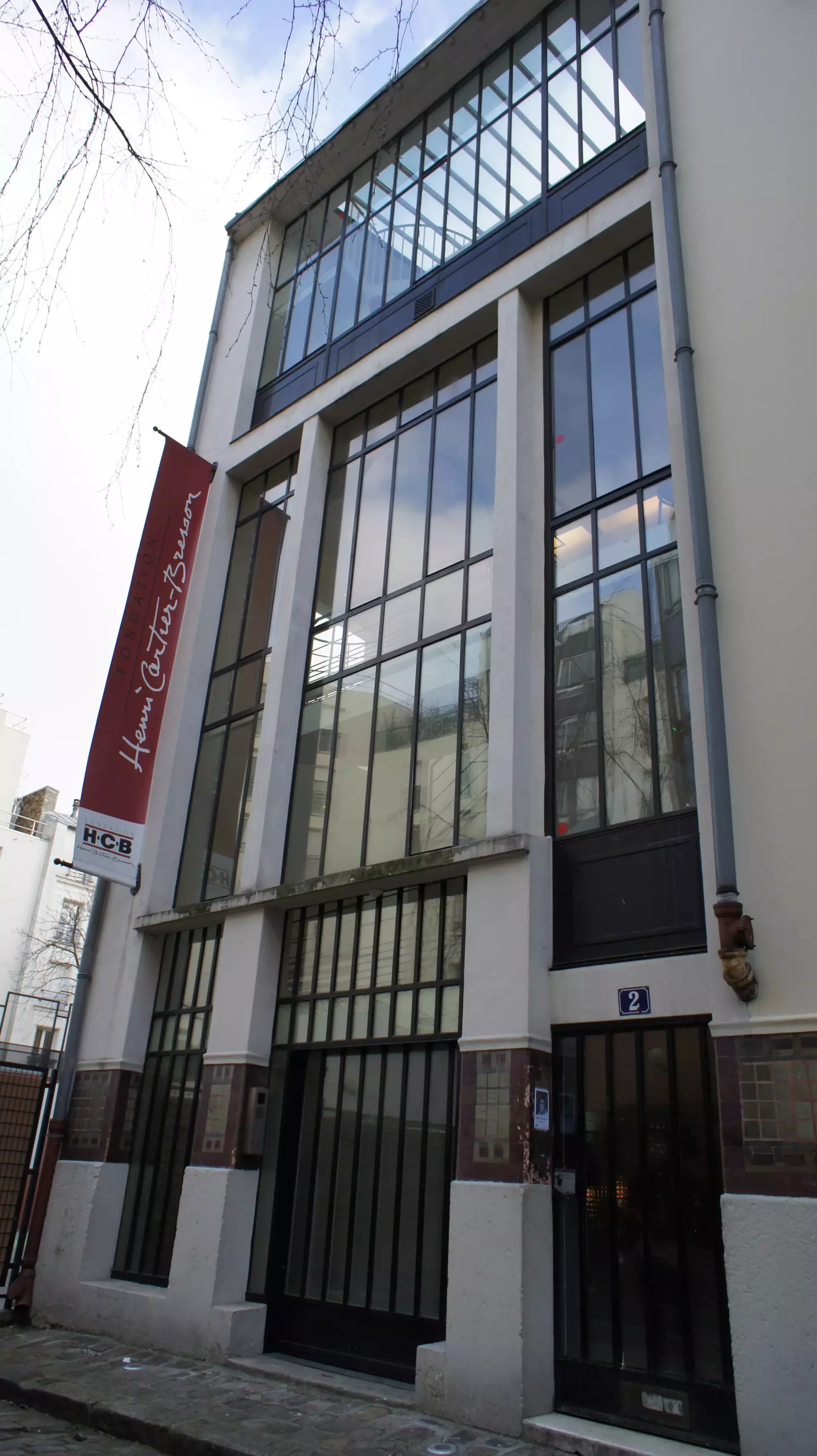
The Henri Cartier-Bresson Foundation began welcoming visitors in May 2003. It was established to protect and showcase the archives of two celebrated photographers, Henri Cartier-Bresson and Martine Franck.
The foundation offers a variety of exhibitions, featuring not only photographs but also paintings, sculptures, and illustrations. These displays highlight the diverse talents and creative achievements of the artists connected to the foundation, giving visitors a chance to explore different forms of artistic expression all in one place.
Source - https://en.wikipedia.org/wiki/Henri_Cartier-Bresson_Foundation
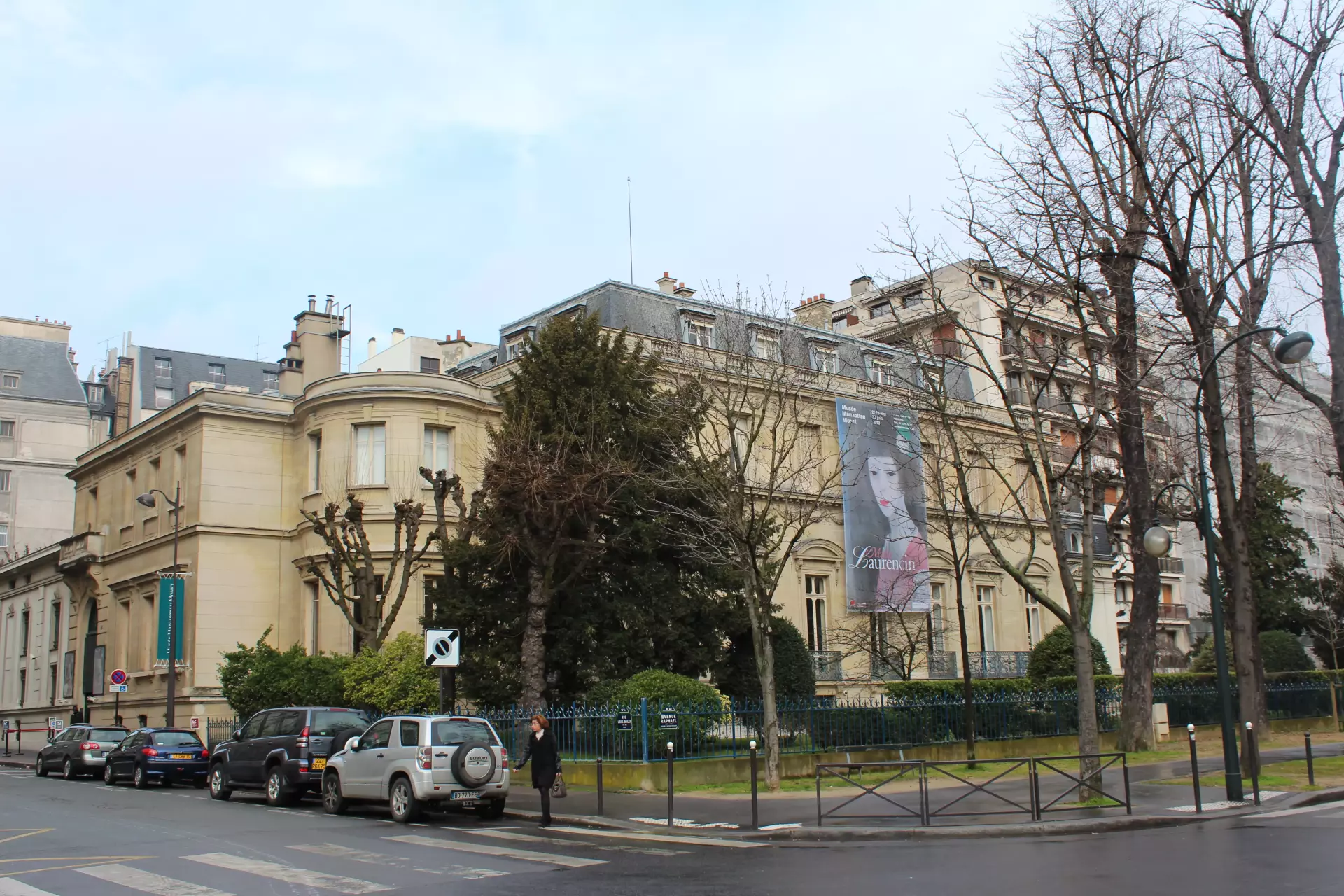
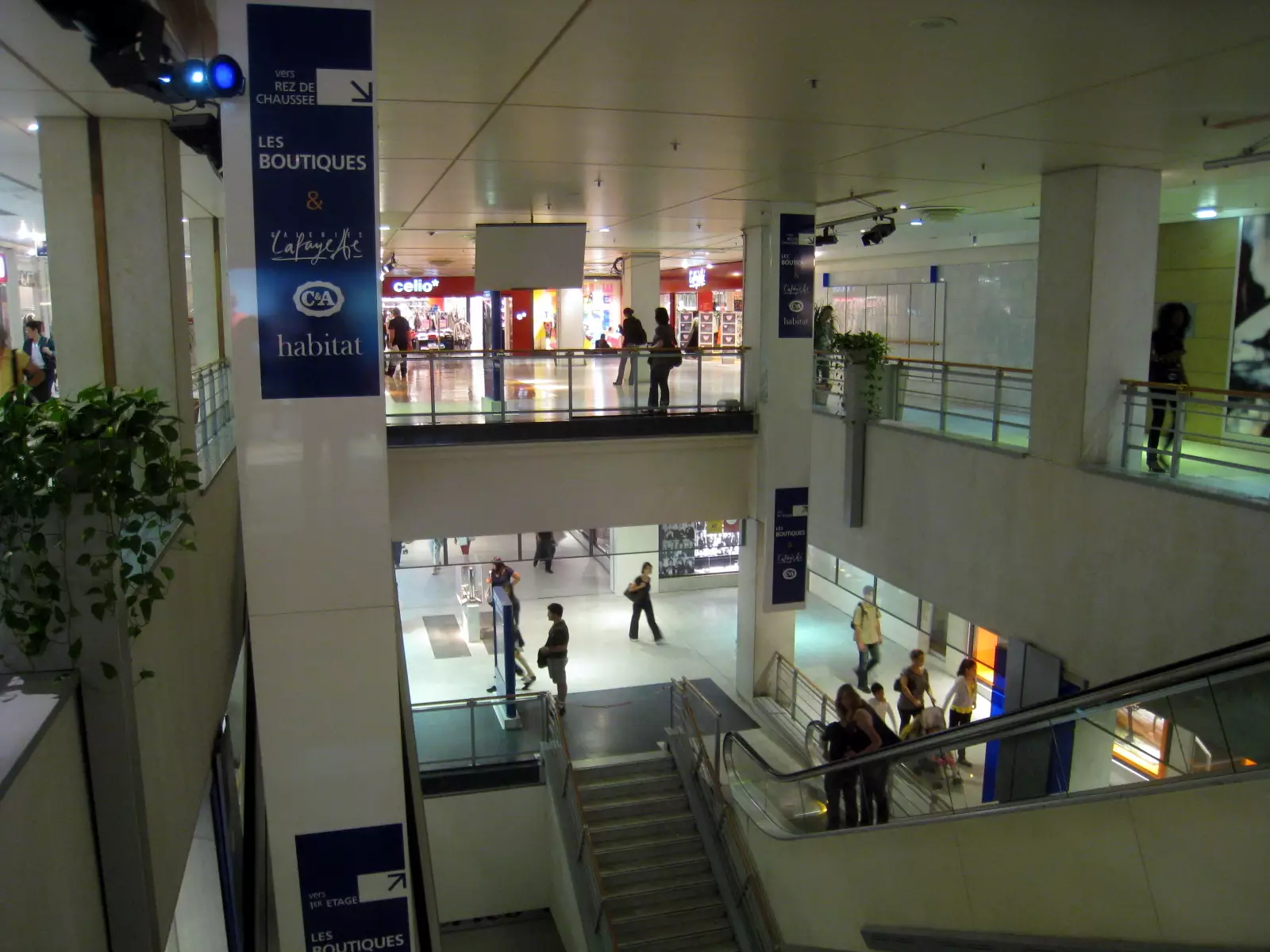
Built in 1625, the Hotel de Sully is an interesting house with some sculptures in a beautiful courtyard. The house features special exhibitions, so check listings when in Paris.
Opened in 2006, this is the newest and the most modern of Paris' great museums, housing an outstanding collection of tribal art, with a particular emphasis on France's former (and present) territories in Oceania and Africa. The museum is large and you can easily spend half a day browsing, especially if you pause to explore the multimedia presentations.
Built adjoining the now-lost royal palace of the Tuileries, these gardens lying immediately west of the Louvre offer a central open space for Parisians and visitors with semi-formal gardens (an outdoor gallery for modern sculpture), various cafés, ice cream and crépe stalls, and a summer fun fair. The gardens are frequently home to a giant Ferris wheel and enclose the Musée de la Orangerie and the Jeu de Paume.
A former fortress and royal residence at the edge of the city, alongside the Bois de Vincennes. Most of the building is open to public.
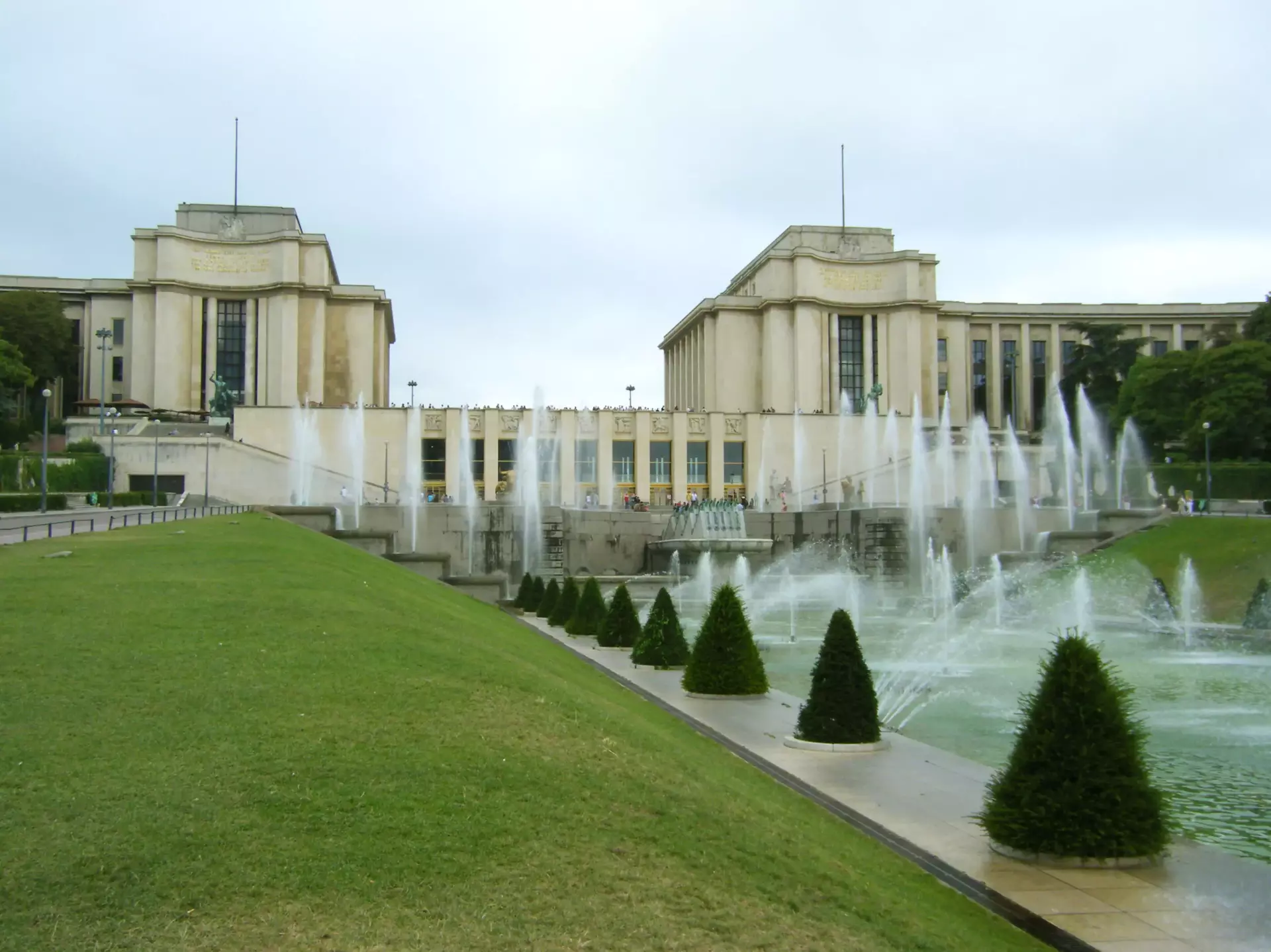
Recently reconstructed, the Paris branch of the National Maritime Museum, one of the three museums in the Palais du Chaillot, cannot accommodate any full-size ships, but has a wide range of smaller artifacts, artworks and models, covering both the Navy and commercial shipping.
The bridge is widely regarded as the most ornate, extravagant bridge in the city. It is classified as a French Monument historique.
The largest French museum of Jewish art and history
A little district within the district. Very charming little streets on a hill on the west end of the 13 district. Nice for lunching/dining activities. This is the place where the band "Mano Negra" was hanging around.
A museum of contemporary art. It was founded in 1984 by the well-known jewel and watch manufacturer, Cartier. In 1994 it moved to the new building erected on plans of the architect Jean Nouvel.
If the queues at the Eiffel Tower are just too much for you and your time is limited, consider a trip up the Montparnasse Tower. This is an office building with an observation and shopping area on the 56th floor, where the elevators stop, and an open viewing area on the roof. Arguably the view is better than from the Eiffel Tower: you are not so high up so things are more visible, and you can see the Eiffel Tower!
The burial place of existentialist philosopher Jean-Paul Sartre, feminist Simone de Beauvoir (both of whom lived nearby); musician Serge Gainsbourg; artist Man Ray; the poets Charles Baudelaire, Guy de Maupassant, Charles Sainte-Beuve, and Marguerite Duras; the founders of the Theatre of the Absurd Samuel Becket and Eugene Ionesco; the sculptors Constantin Brancusi and Ossip Zadkine; the composers Camille de Saint-Saens and César Franck; the actors Maria Montez and Jean Seberg; the French officer Alfred Dreyfus; the founder of the Larousse encyclopedia, Pierre Larousse; the industrialist André Citroen, and many others.
Between the River Seine and the rail yards attached to Gare de Lyon and Gare de Bercy is a green space which would seem pretty huge if the 12th weren't also the home of the Bois de Vincennes. The park is a good place to hang out waiting for the line to form for sporting events and concerts at AccorHotels Arena.
A controversial church serving as de facto headquarters of the arch-traditionalist Society of Saint Pius X, who occupied the church in 1977 and have ignored subsequent eviction orders.
St. Geneviève was responsible for saving Paris from the Huns in 451 and her shrine in the church has been a popular place of pilgrimage ever since. The church as it stands dates from between 1492 and 1626 and is a mix of Gothic and Renaissance architectural styles. A unique feature is the Renaissance rood screen, the sole survivor in the city.
Probably the most visited graveyard in any Western city, the vast Père-Lachaise features literally thousands of often elaborately decorated graves separated by narrow lanes and avenues. The roll call of famous burials includes: Chopin, Champollion, Sarah Bernhardt, Edith Piaf, Oscar Wilde, Delacroix, Bizet, Proust, Balzac, Colette, Molière, and Jim Morrison of The Doors.
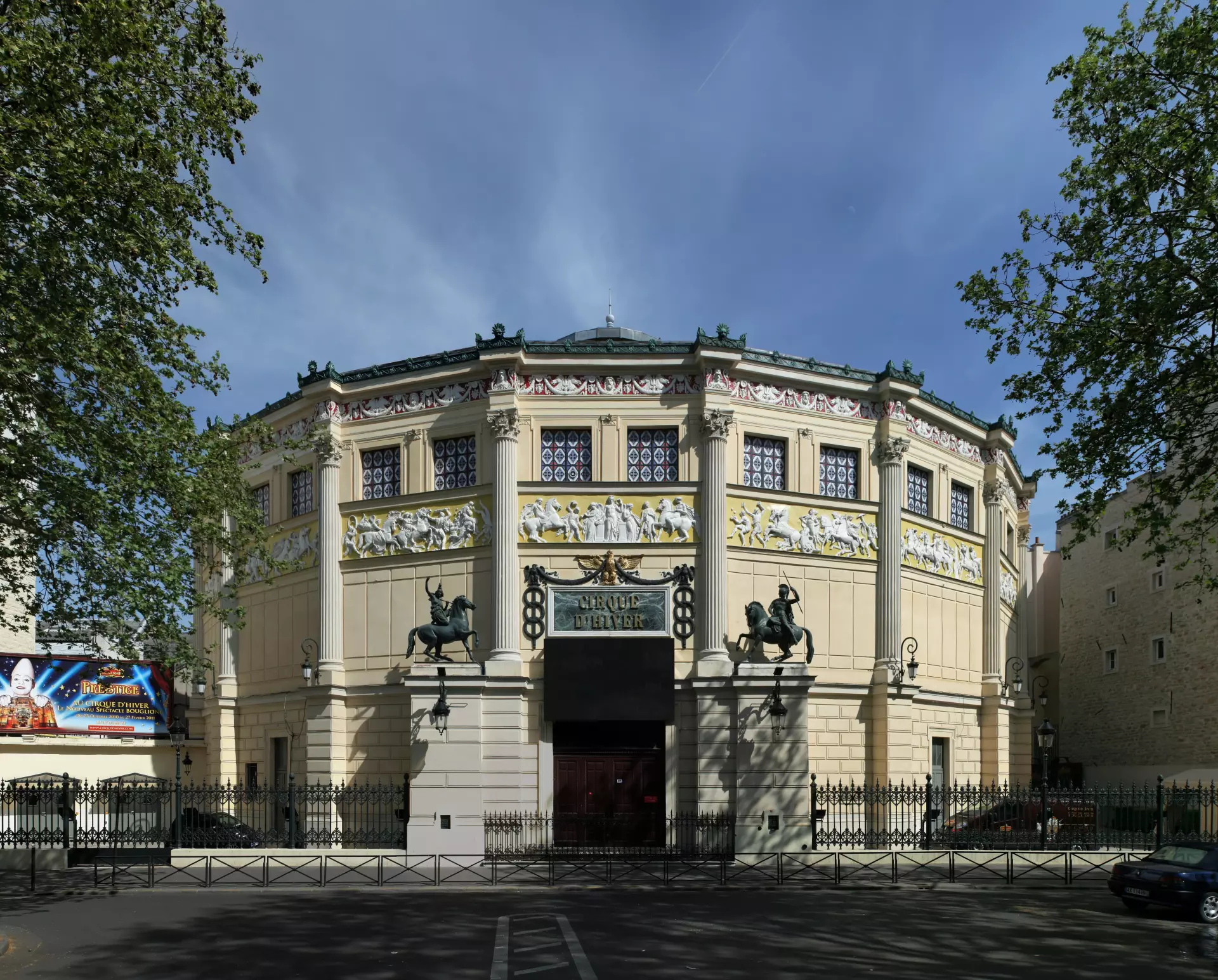
Mainly used as a concert hall and venue for fashion shows today, the Cirque d'Hiver was built in 1852, as the name would suggest, as a winter venue for circuses.
Its exhibits come from such diverse origins as ancient Egypt, classical Greece and the Roman Empire, medieval Europe, and Napoleonic France, but controversially including many items that were looted from their places of origin. Its most famous exhibit, of course, is Leonardo da Vinci's painting of the Mona Lisa (French: La Joconde, Italian: La Gioconda), generally to be found surrounded by hordes of camera-flashing tourists. The Louvre poses many of the same challenges to the visitor as Paris itself; overwhelming in size, crowded in high seasons, and much information available only in French. If you want to see everything in the Louvre, plan at least two full days. However, it is better to pick and choose, as the collection was assembled with an eye to completeness rather than quality. As of July 2019, due to intense crowding and reports of ticket fraud, entry now almost always requires a pre-booked timed ticket, even for holders of the Paris Museum Pass.