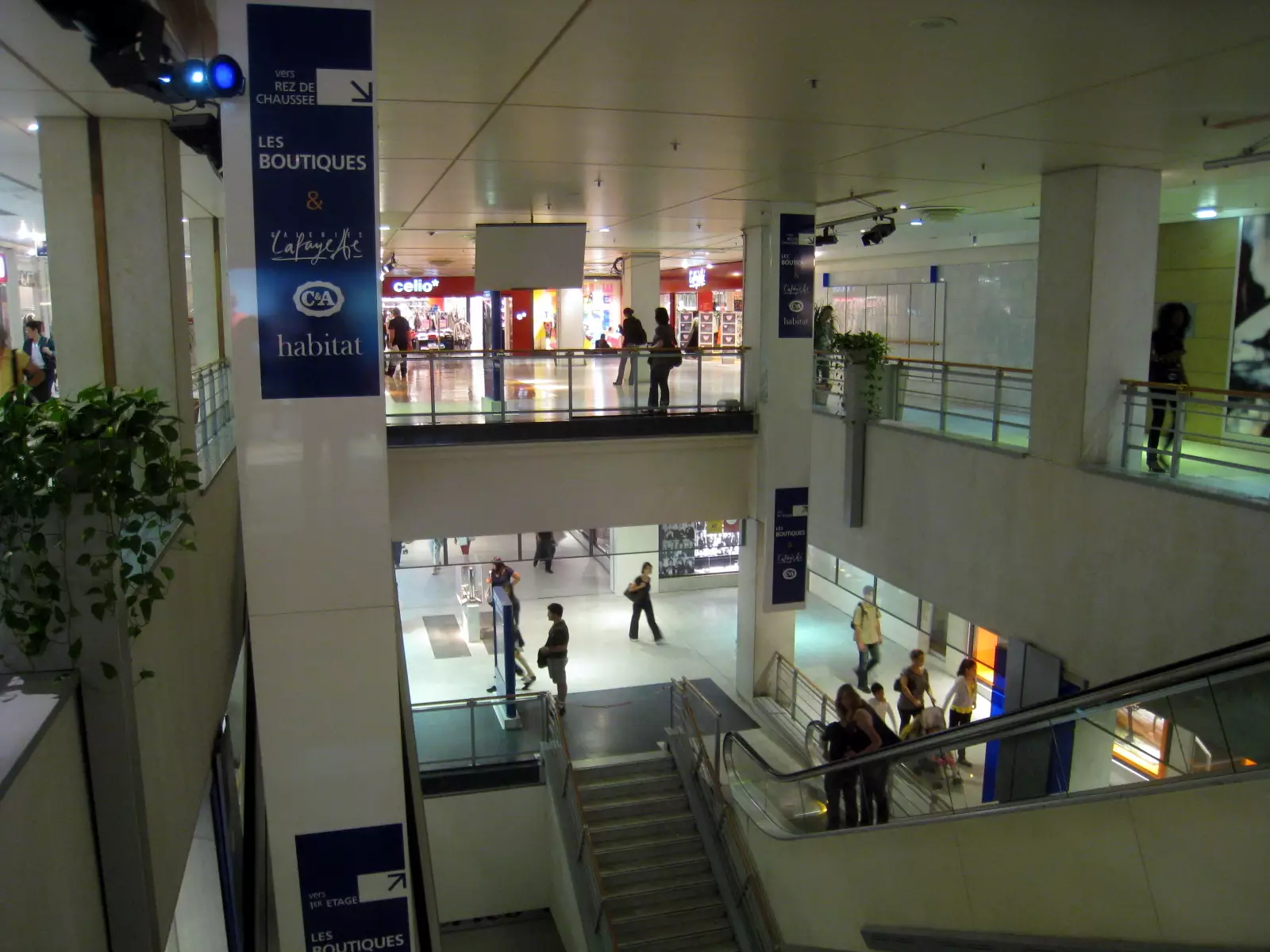
If the queues at the Eiffel Tower are just too much for you and your time is limited, consider a trip up the Montparnasse Tower. This is an office building with an observation and shopping area on the 56th floor, where the elevators stop, and an open viewing area on the roof. Arguably the view is better than from the Eiffel Tower: you are not so high up so things are more visible, and you can see the Eiffel Tower!
The northwest corner of the Bois de Boulogne is occupied by the oldest operating amusement park in the world, the Jardin d'Acclimatation, which is mainly known for offering a wide range of amusements which are appropriate even for very small children. They have miniature roller-coasters for children as small as three years, and the usual range of pony rides etc.
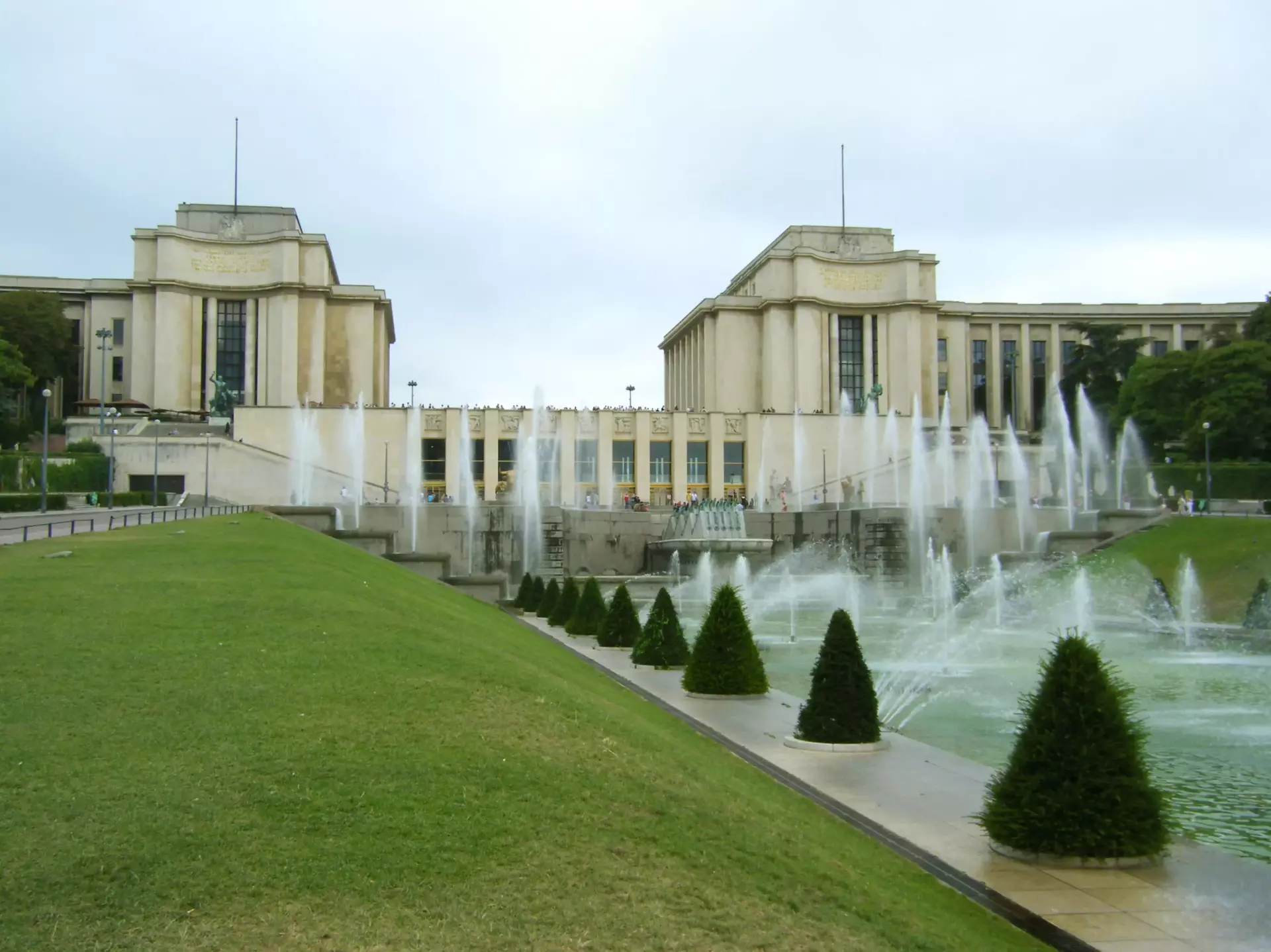
The City of Architecture and Heritage, accommodated in the Palais du Chaillot, is a museum and gallery of French architecture. The centrepiece is the spectacular Hall of Casts, a collection of full-size plaster casts of facades, towers, doorways and windows of great buildings from all over France. Architecture of the late 19th, 20th, and 21st centuries is represented by additional galleries of models and images.
The Museum of Mankind, accommodated in the Palais du Chaillot, is an anthropological museum covering the history of mankind and human societies.
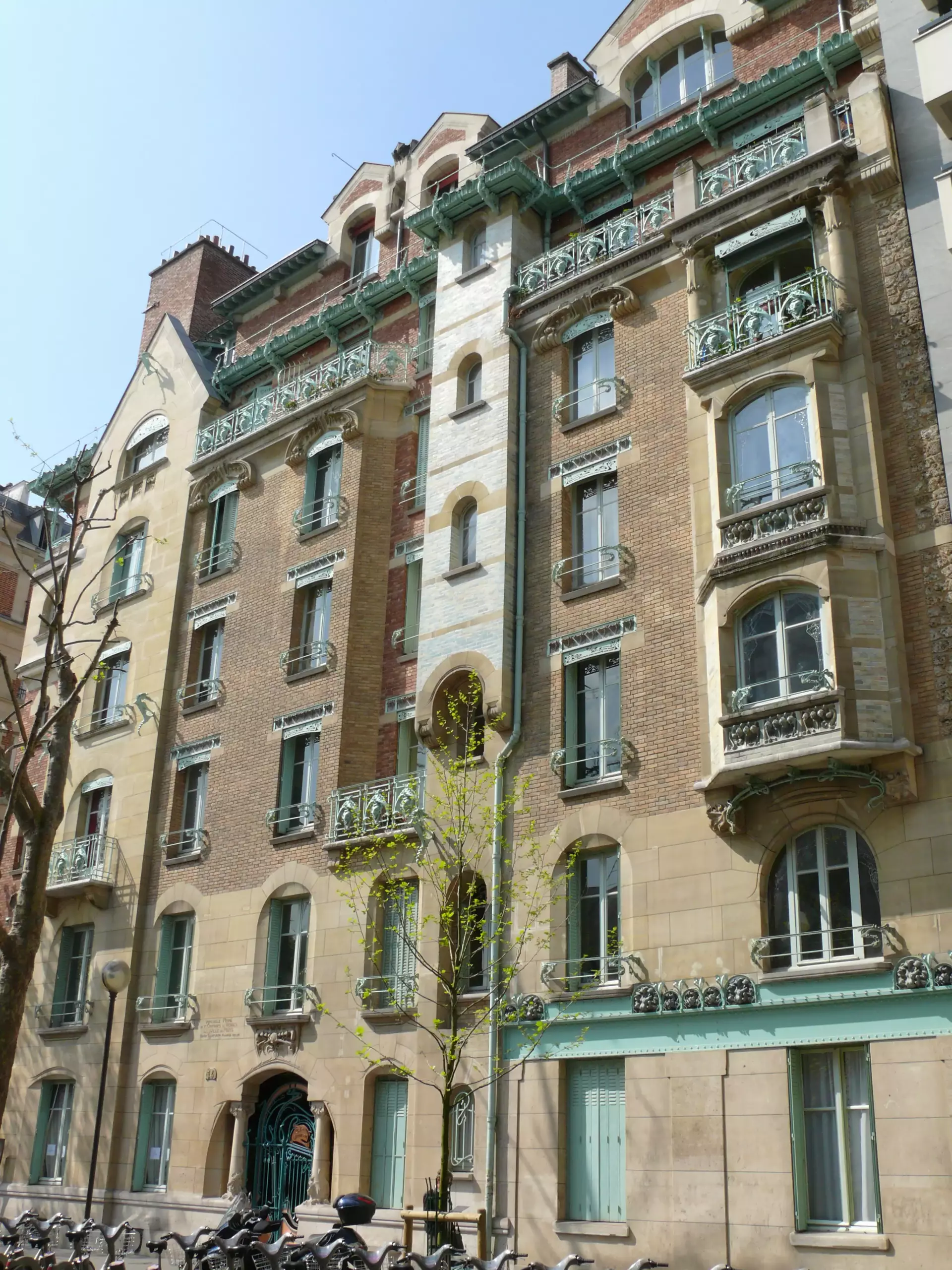
Guimard's own home, built in 1909-12. It is less decorated than Castel Béranger, but still beautifully shaped. Privately owned and not open to the public.
The official residence of the President of France since 1848. Dating to the early 18th century, it contains the office of the President and the meeting place of the Council of Ministers. It is located near the Champs-Élysées in the 8th arrondissement of Paris, the name Élysée deriving from Elysian Fields, the place of the blessed dead in Greek mythology. Not open to the public, except occasionally during the annual National Heritage Days (usually a weekend in mid-September). Important foreign visitors are hosted at the nearby Hôtel de Marigny, a palatial residence.
Recently reconstructed, the Paris branch of the National Maritime Museum, one of the three museums in the Palais du Chaillot, cannot accommodate any full-size ships, but has a wide range of smaller artifacts, artworks and models, covering both the Navy and commercial shipping.
CLOSED UNTIL LATE 2024 OR 2025 FOR RENOVATION WORKS. Built in 1900 for the universal exposition, the Grand Palais was an engineering feat and a milestone of design, marking the transition between historicism and modern architecture. It remain impressive today due to its unique, exquisite style and sheer volume of its main nave. The Grand Palais, managed by the state-owned institution Rnm who also manage the Musee de Luxembourg, is used both for temporary exhibitions of historic and contemporary art collections (both beaux arts and applied) and unique events, such as catwalk shows during the Paris Fashion Week, Bonhams car auctions and prestigious galas.
Numerous artists paint portraits of tourists and also sell their paintings.
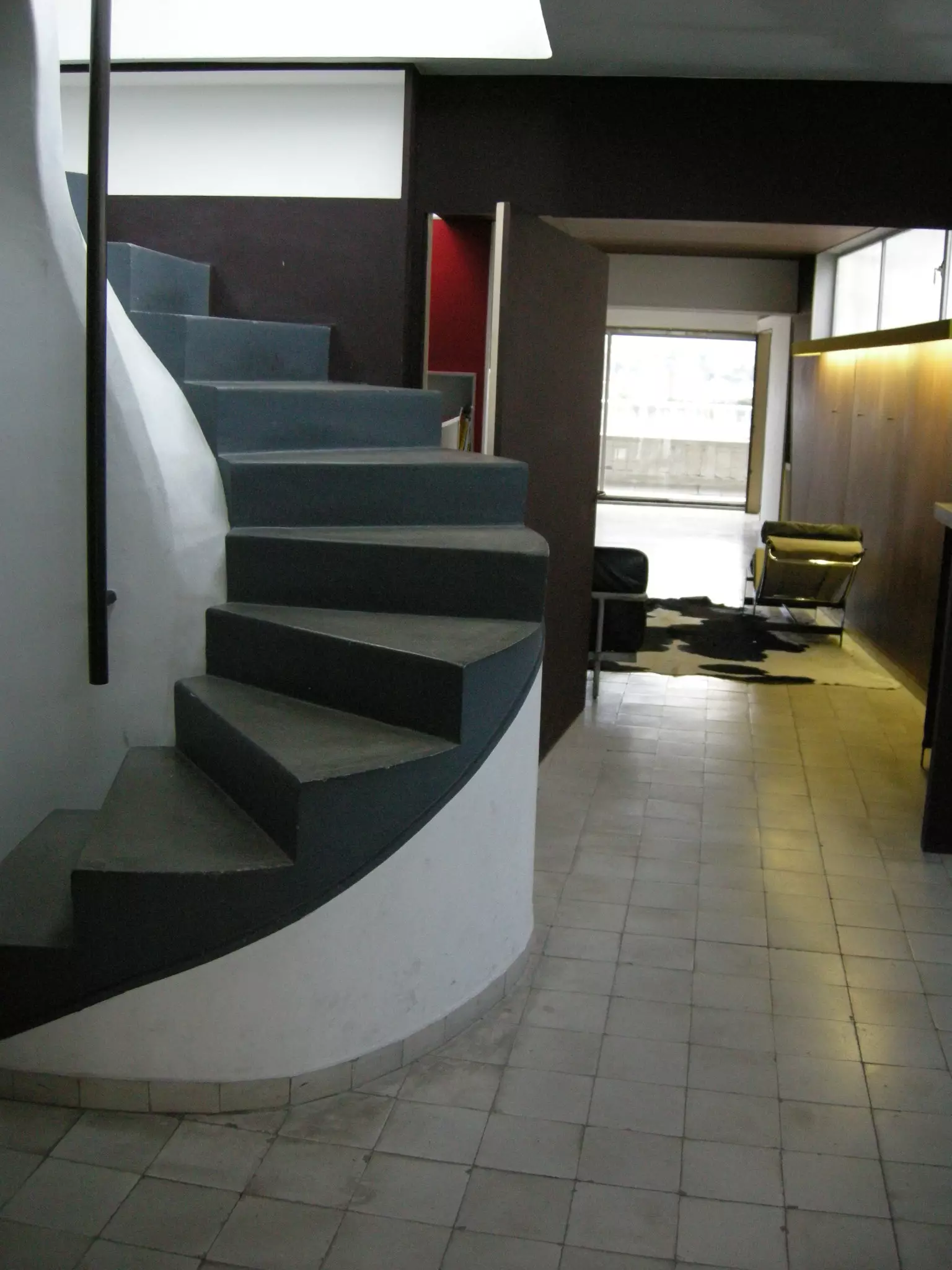
The C.I.U.P. is a student quarter established in 1925, providing homes for about 10,000 students, scientists, and artists from 120 countries. It has 40 houses attributed to individual nations. The individual houses organise top quality cultural and political events. Among the most remarkable buildings are the Fondation Deutsch de la Meurthe, the Heinrich Heine House (Maison Heinrich Heine - Fondation de l'Allemagne), the Swedish Student House (Maison des Etudiants Suédois), and the Swiss Pavilion (Pavillon Suisse) which was built in 1933 on plans of Le Corbusier.
A sculpture by Auguste Rodin in memory of the French novelist Honoré Balzac. The artwork is sometimes considered the first truly modern sculpture.
A must for anyone interested in the history of the American Revolution. This small cemetery includes three mass graves from the French Revolution, plus a section that includes many of France's most noble families that lost members during the French Revolution and consequently have a continuing right to be buried there. In the farthest right hand corner is the tomb of General Lafayette, the friend and fellow soldier of George Washington. Beside him is his beloved wife plus other members of her family, the de Noailles, who were almost completely wiped out during the French Revolution because of their closeness to the Court. Since 1834 the American flag has apparently flown continuously over his grave, even during the German occupation of Paris during World War II. Well worthy of a visit.
Housed in a former Beaux-Arts railway station (completed in 1900 for the Exposition Universelle, later saved from demolition and converted to its present use), the rambling, open-plan museum is home to the works of the great artists of the 19th century (1848-1914) - Impressionists, post-Impressionists, and the rest - that were formerly displayed in the l'Orangerie. This is perhaps the most spectacular collection of European impressionism in the world—breath-taking rooms full of Manet, Renoir, Monet, Van Gogh, and many others. Impressionist represent the biggest draw, but there is much more to explore.
The largest square in Paris with fantastic vistas in every direction. It was in this square (then called la Place de la Revolution) that the French King Louis XVI, Marie Antoinette and many others were guillotined during the Terror. The large Egyptian obelisk in the centre of the Place de la Concorde was brought from the Temple of Luxor.
Many feel that this, Paris' town hall, is one of the loveliest buildings in the city. You might not get that from the front view, but try watching the light change on its roofs and towers during sunset from one of the cafés on the Ile de St. Louis, the Lutece for instance. Alternatively, go to the top floor of the Bazar de l'Hôtel de Ville (BHV) department store opposite, on rue de Rivoli and walk up a flight of stairs to the roof terrace (terrasse), from which there is a dramatic view of both the roof of the Hôtel de Ville and the immediate surroundings and river. The present Hôtel de Ville replaced the 16th century original which was burned down during the Commune in 1871. A pastiche of its predecessor, but on a far larger scale, it was designed by the architects Ballu and Deperthes, chosen after a competition, and was mostly completed by 1882. The building is lavishly, and some would say heavy-handedly, decorated both inside and out, and finished in an arrestingly white stone, similar to that used for the even more eye-catching Sacre-Coeur basilica. The statue on the garden wall on the south side is of Etienne Marcel, the most famous holder of the post of "prevôt des marchands" (provost of merchants) which pre-dated the office of mayor. Marcel came to a sticky end, lynched in 1358 by an angry mob after trying to assert the city's powers a little too energetically. The Hôtel de Ville was for many years the private fiefdom of Jacques Chirac, France's president before Sarkozy, and was the site of a scandal centring on both illegal jobs given to Chirac's party members and an immense entertainment budget. General de Gaulle greeted the crowds from a front window in 1944 when Paris was liberated from the Germans and Robespierre was shot in the jaw and arrested in the original building in 1794. Admirers of Hôtel de Ville's architecture will want to know that Ballu also built the Church of La Trinité in the 9th arrondissement and the belfry of the town hall of the 1st arrondissement, opposite the Louvre's east façade. Ballu also restored the Tour St Jacques (see below), which was uncovered after restoration work lasting over a decade.
The Jewish quarter, with many small delis and shops. Lively on most days except for Saturdays.