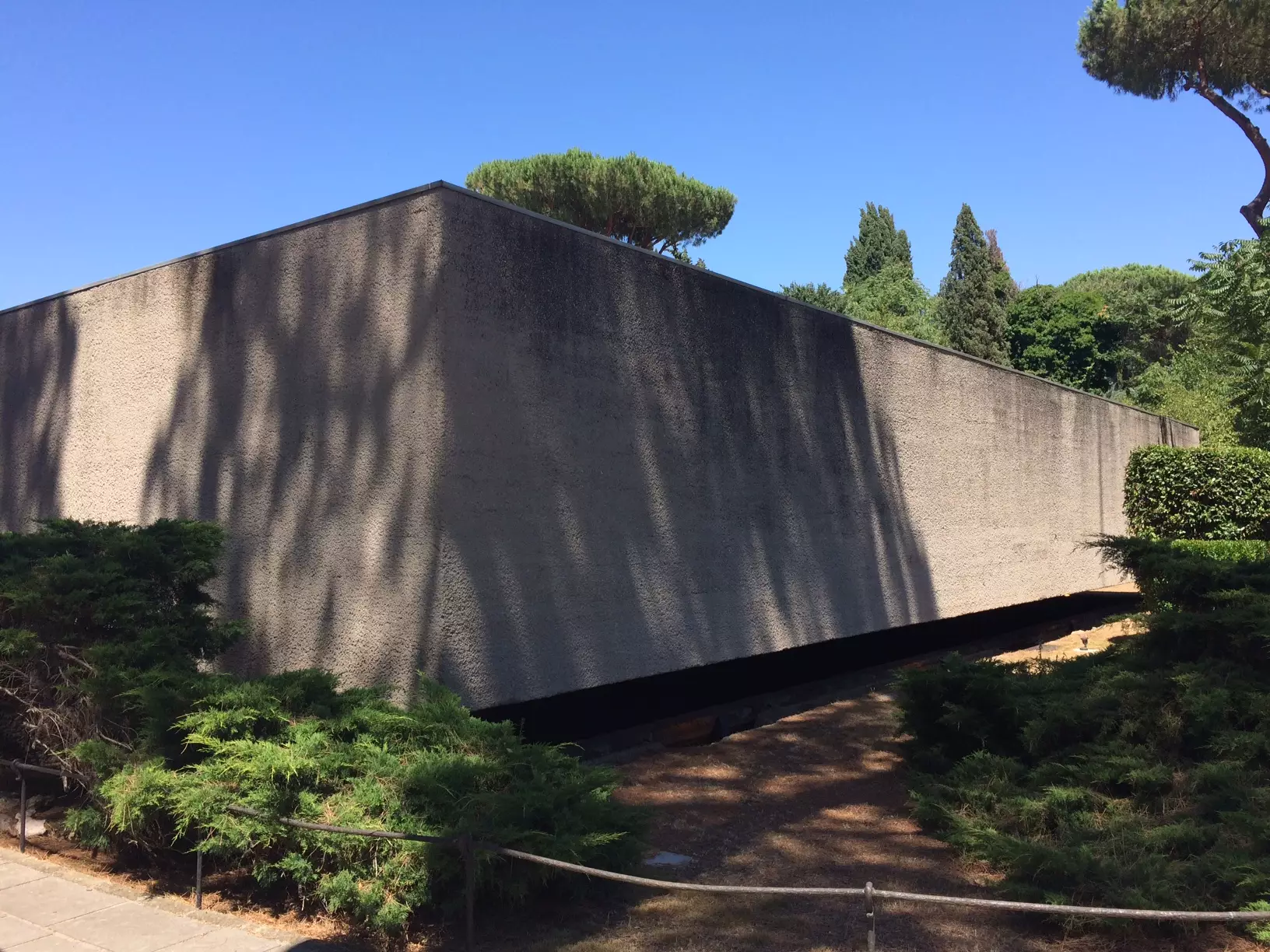
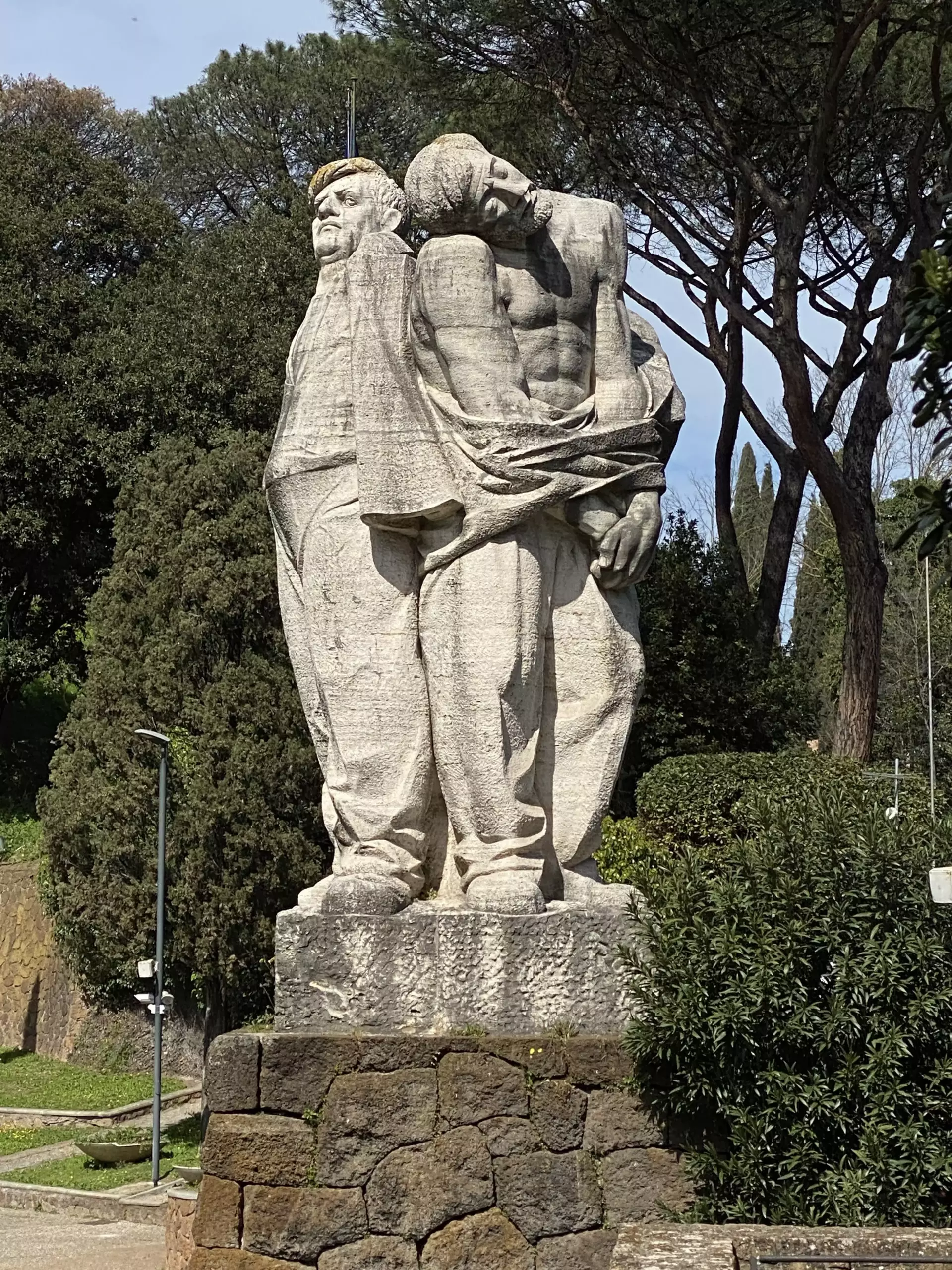
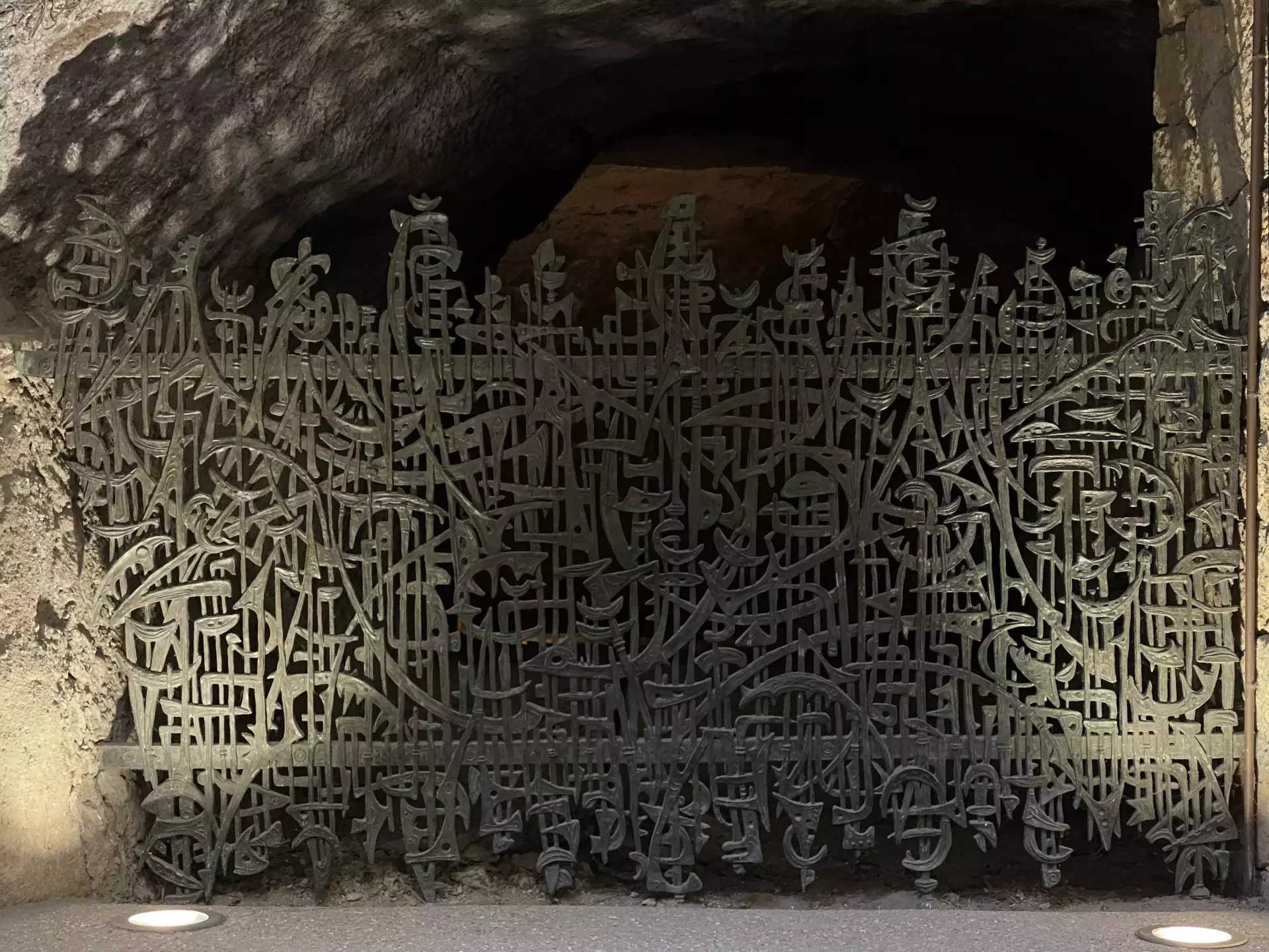
During World War II in 1944, a tragic event took place at this location when 335 Italians, including many Jews from the Ghetto, were killed. This act was carried out by German forces as a reprisal for an attack on their troops by Italian Partisans in Rome.
The caves where the massacre occurred have been transformed into a National Monument and Memorial Cemetery. Visitors can walk through the site daily, reflecting on the somber history and paying respects to those who lost their lives.
Source - https://en.wikipedia.org/wiki/Ardeatine_massacre
In addition to Santa Maria in Cosmedin there is a lot to be seen around this piazza. Opposite the church is the round temple dedicated to Hercules Invictus (the Unconquered Hercules), and not far from that the rectangular Fortuna Virilis, both constructed in the 1st Century. Opposite, to the back of the piazza is the Arch of Argentari and behind that the church of San Giorgio in Velabro, the front of which was repaired after being damaged by a terrorist bomb in July 1993.
An ethnographic collection of around 60,000 pieces from European indigenous cultures. Documents evolution from the Palaeolithic age to the Iron Age.
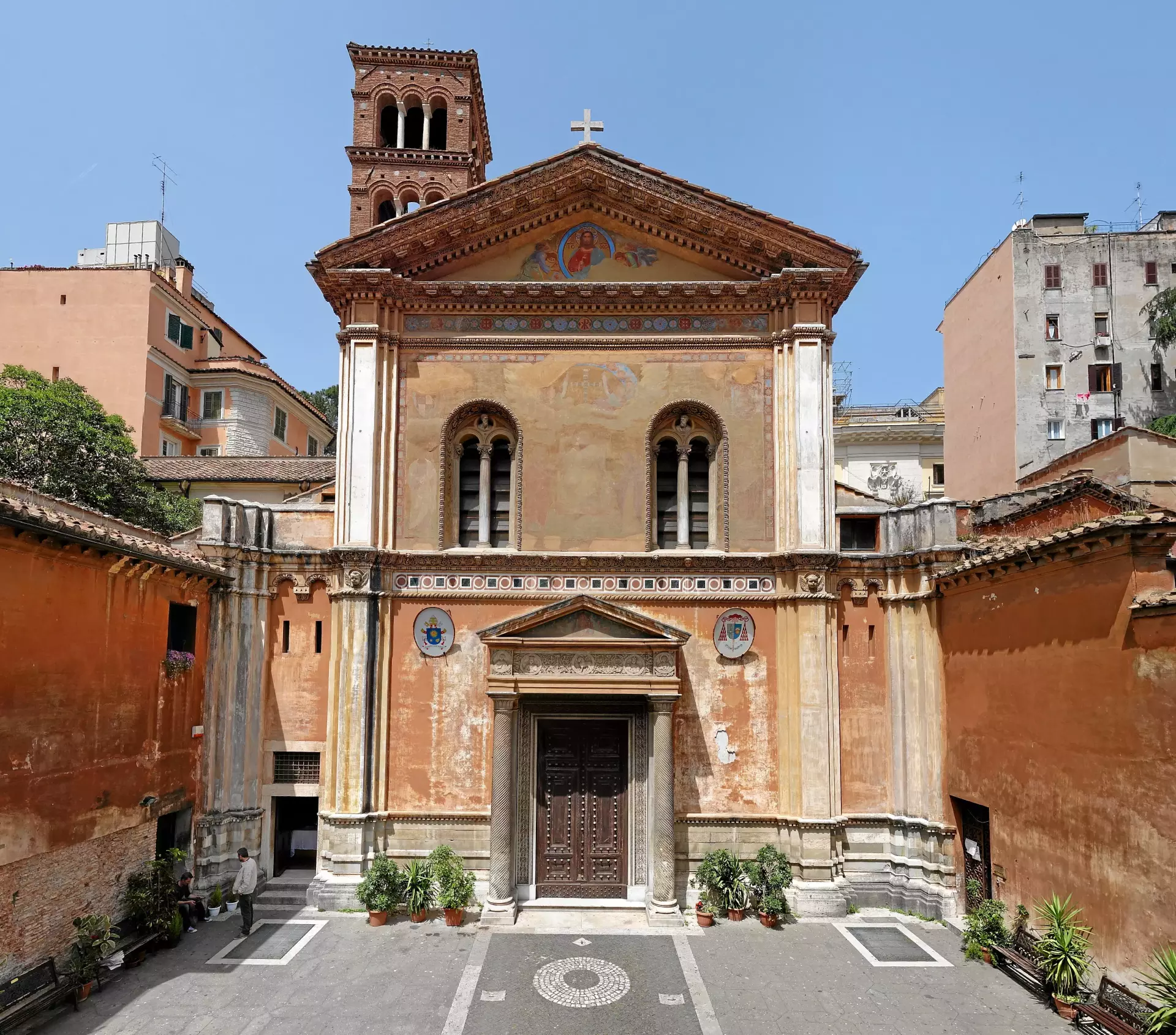
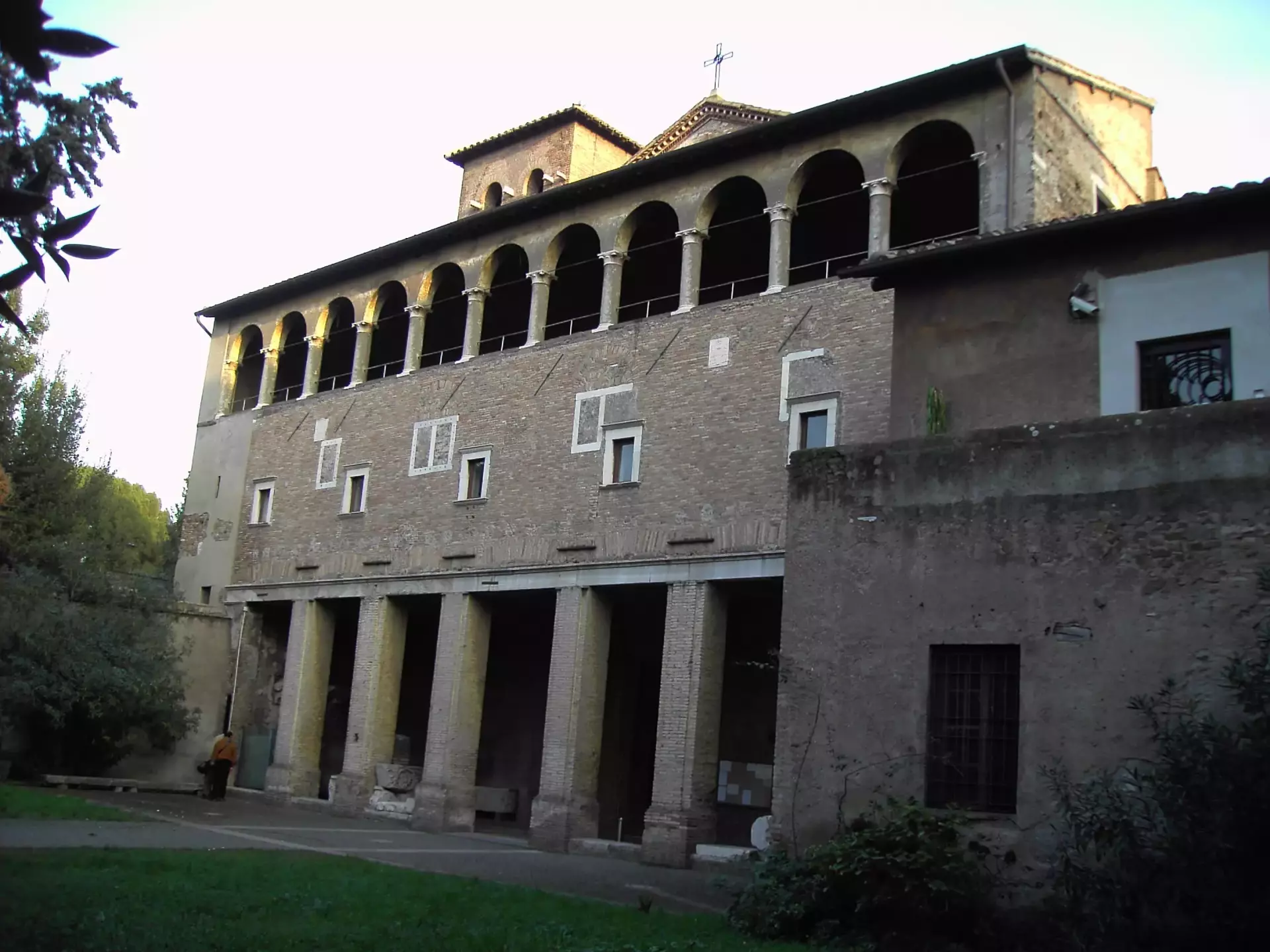
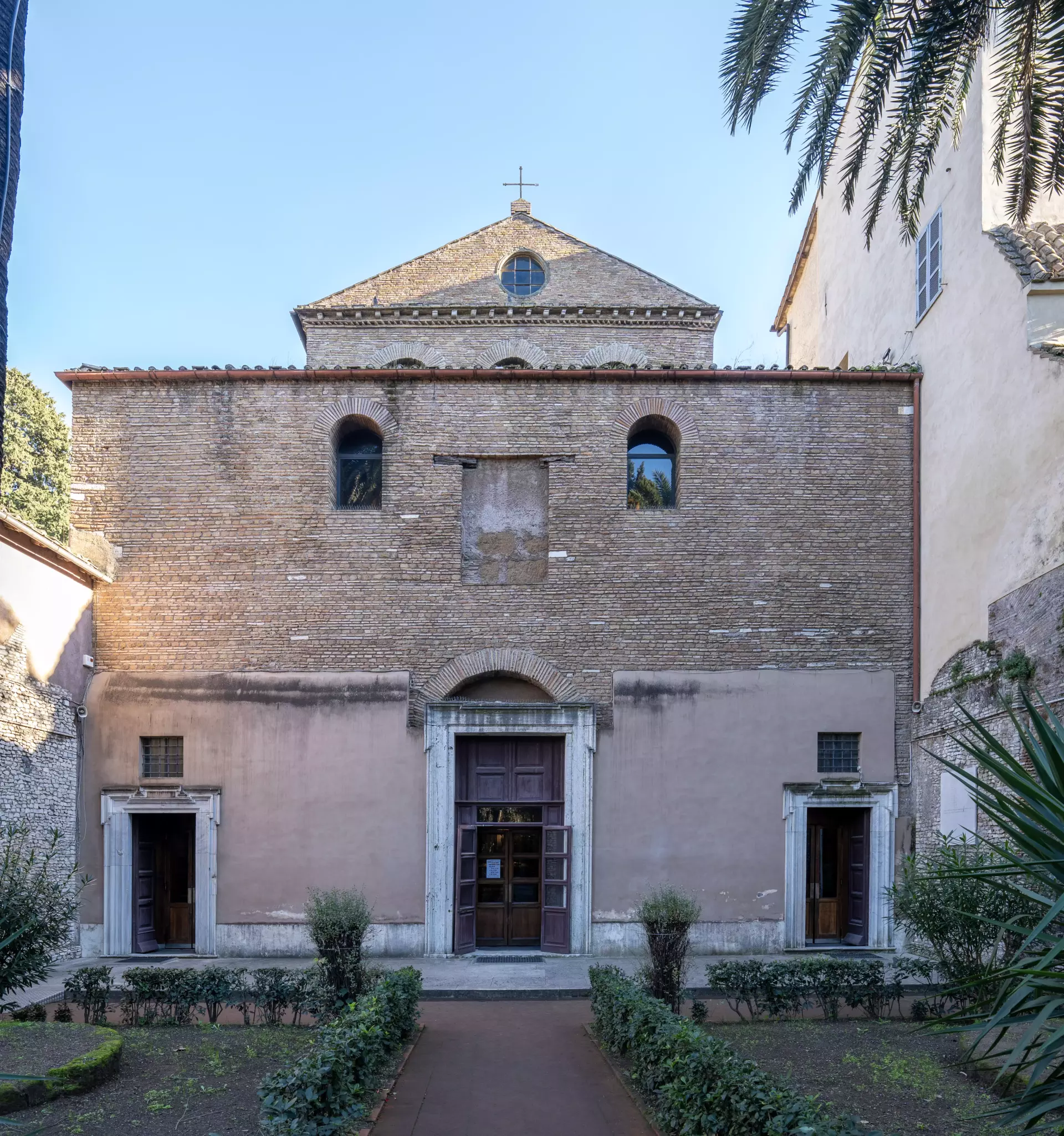
A very ancient church named after a saint who was in 1969 removed from the Roman Catholic calendar of saints for the lack of details of her life. But the church retains the name and is well worth visiting for an excellent 4th-century mosaic and attractive decorations on the facade. Visiting hours are short, but if you arrive close to 11:30, try talking to the attendant if you see him, and he might let you visit for a few minutes. The church is small, so 15 minutes should be long enough to see and absorb everything.
A 19th-century addition to the square, made to balance the Fontana del Moro.
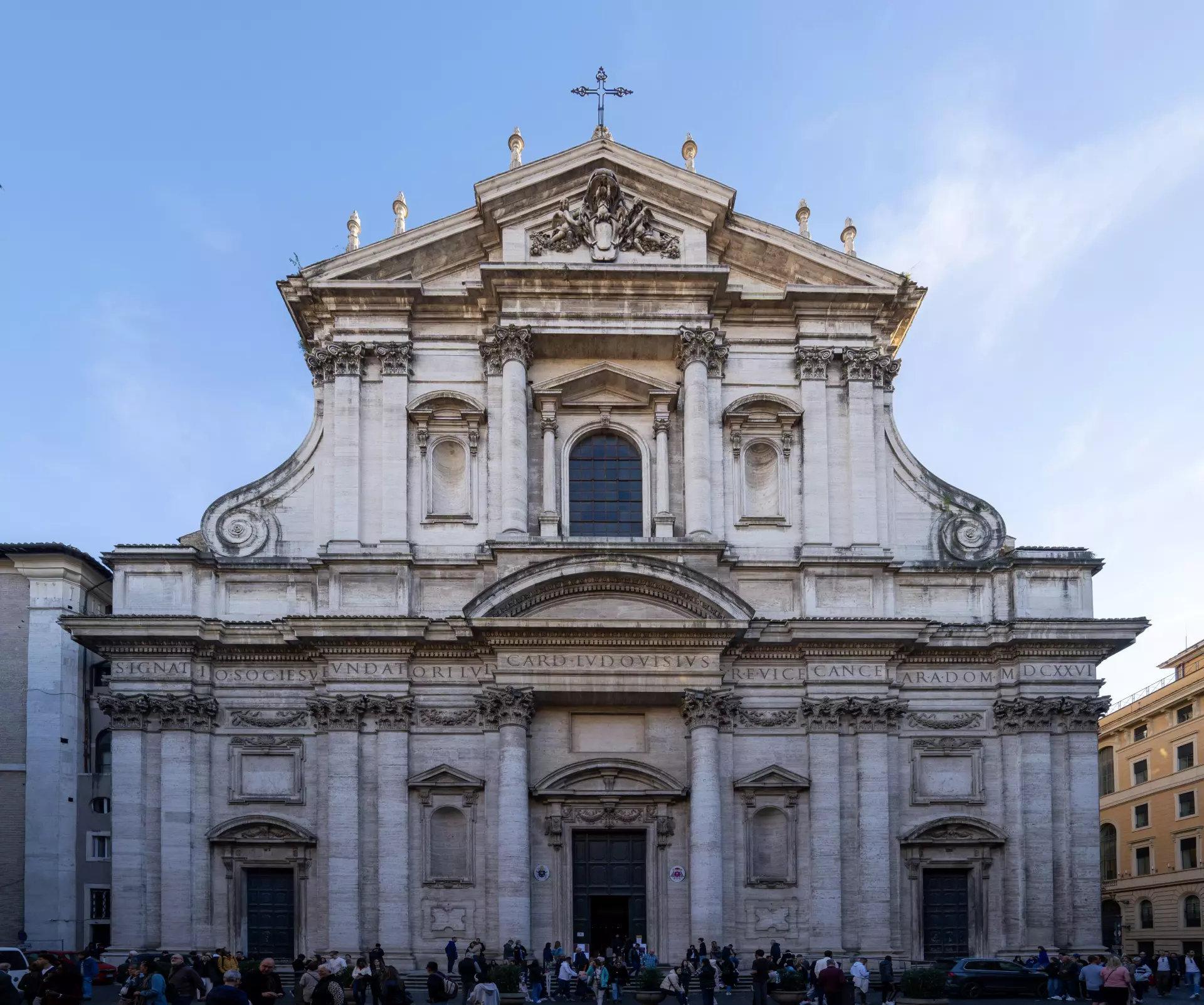
This is one of the two main Jesuit churches in Rome, the other being the nearby Sant'Ignazio. The interior is Baroque art on steroids. Simply astounding.
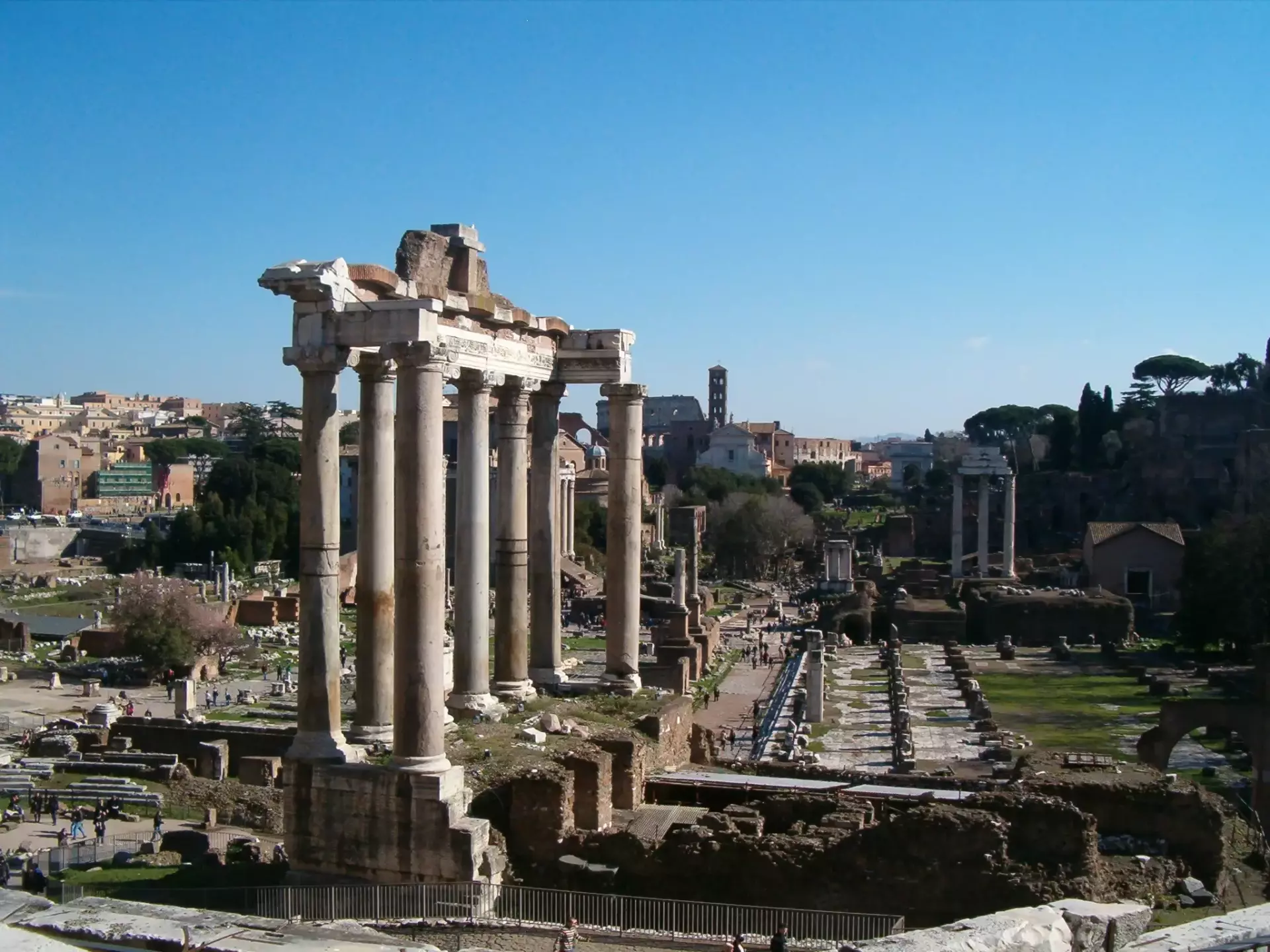
The remains of the ancient Roman archives, where Cicero and Seneca did research. Visible from the Forum and accessible through the Capitoline Museum.
The most extensive collection of Etruscan art and artifacts anywhere. Fantastic collection and well worth the admission charge. A difficult museum to find, but a lovely display in a beautiful villa setting.
This small museum records the liberation of Rome from German occupation during the Second World War. During the occupation the building was used as a prison. Stair lifts and chair lifts available for wheelchair users (call ahead).
The two museums are on opposite sides of the Piazza del Campidoglio, It is recommended to book tickets online Built in the 17th century to a design based on an architectural sketch by Michelangelo. Highlights include the ancient Colossus of Constantine statue (the Colosseum was probably named for another giant statue, the Colossus of Nero which stood near the Flavian Amphitheatre as the Colosseum was originally known), The Dying Gaul, a magnificent marble sculpture that copies a bronze Greek original of the 3rd century BC and the Capitoline Venus. It also contains the remarkable original gilt bronze equestrian statue of emperor Marcus Aurelius (the one in the piazza is a replica). Also based on a Michelangelo architectural plan, this compact gallery is well endowed in classical sculpture and paintings. Highlights include the small 1st-century-BC bronze Lo Spinario, a Greek statue of a little boy picking a thorn from his foot; the Lupa Capitolina (Capitoline Wolf), a rare Etruscan bronze statue probably dating from the 5th century BC; and (in the entrance courtyard), the massive head, hands, foot and kneecap from a colossal statue of Constantine the Great. The palace also contains a Pinacoteca (Picture Gallery) with paintings mainly from the 16th and 17th centuries - highlights include: Caravaggio's Fortune-Teller and his curious John the Baptist; The Holy Family, by Dosso Dossi; Romulus and Remus, by Rubens; and Titian's Baptism of Christ.
The enormous building at the southeast end of the Circus Maximus is the headquarters of the UN Food and Agriculture Organization (FAO). From its roof are undoubtedly the best views of Rome, but you will need to know someone who works there to get past the strict security.
Finished in 29 BC, marks the spot of Caesar's spontaneous cremation and Mark Antony's funeral speech, made famous by Shakespeare in his play Julius Caesar ("Friends, Romans, Countrymen, lend me your ears ...").
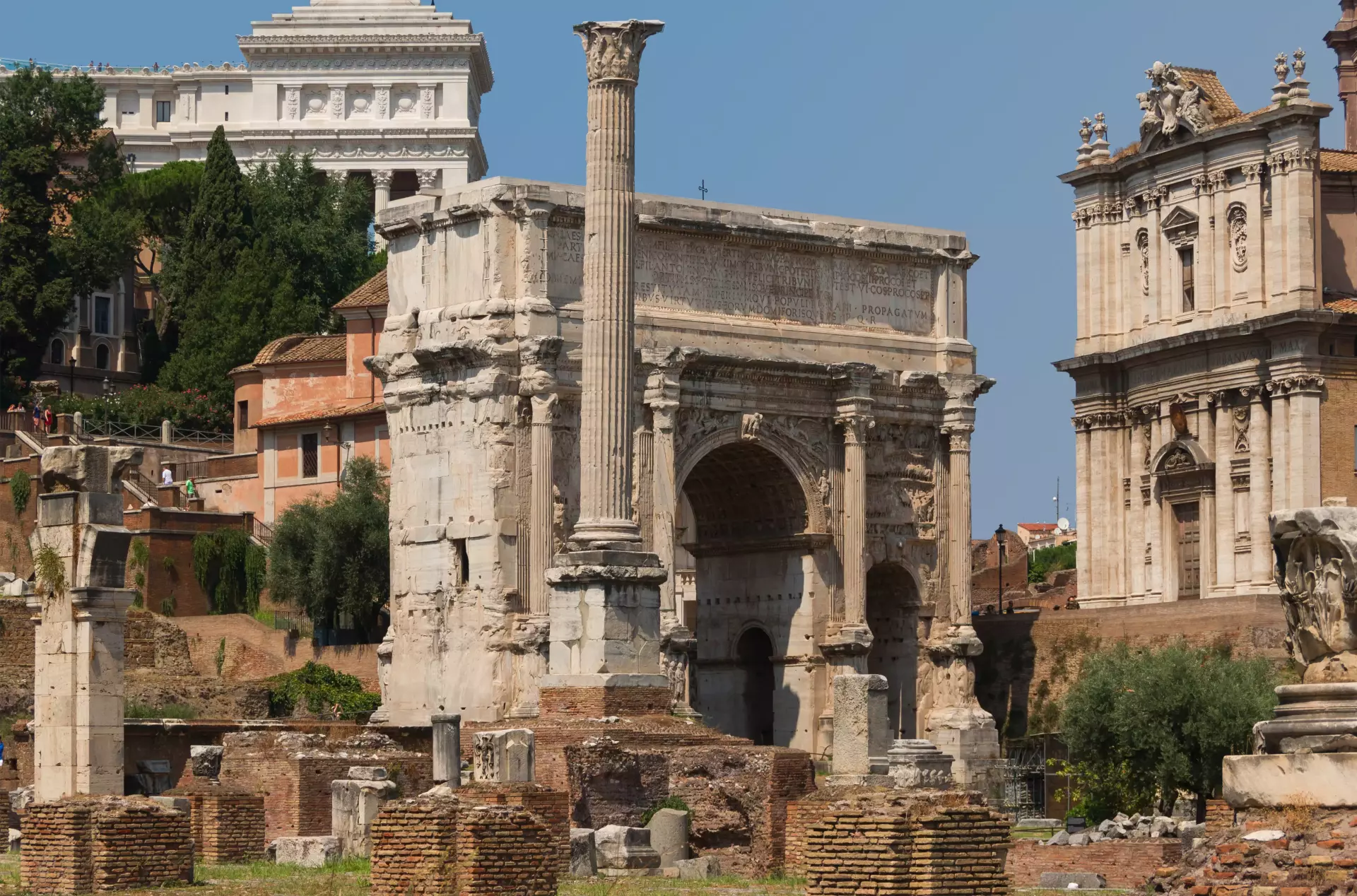
Located a short walk west of the Colosseum, this well-preserved monumental arch was erected (soon after 315) to commemorate the victory of Constantine, the first Christian emperor, over his rival Maxentius at the Battle of the Milvian Bridge in 312. In general design, the Arch of Constantine imitates the century-earlier Arch of Septimius Severus (nearby in the Forum). The three arches are decorated utilizing mainly materials plundered from other imperial monuments by Trajan, Hadrian and Marcus Aurelius. The quality of its sculptural decoration, however, betrays the slow degradation that Classical Roman sculpture had experienced in the 3rd century AD.
One of Bernini's masterpieces, an obelisk on the back of an elephant.
Inaugurated in 217 AD and used until the 6th Century. The baths were big enough for 1600 bathers at a time. Impressive and well-preserved. Used for operas in summer months (see Opera di Roma for details) and was the location for the famous "three tenors" concert in July 1990, at the time of the World Cup (soccer).
Caffarella Park covers an area of 339 ha and is part of the larger Appia Antica park. It contains both a working farm and numerous Roman ruins, some quite well preserved and is a great place for a stroll or cycle away from Rome’s traffic.
This is not the real name of the church on the corner by the main entrance to San Callisto but it is universally known by this name. By legend it is located on the spot where Saint Peter had a vision of the risen Christ while fleeing persecution in Rome. According to the tradition, Peter asked Jesus, Domine, quo vadis? “Lord, where are you going?” The current church is from 1637. Inside is a copy of a stone said to contain the imprints of the feet of Jesus; the original is maintained in San Sebastiano, further along the Appian Way