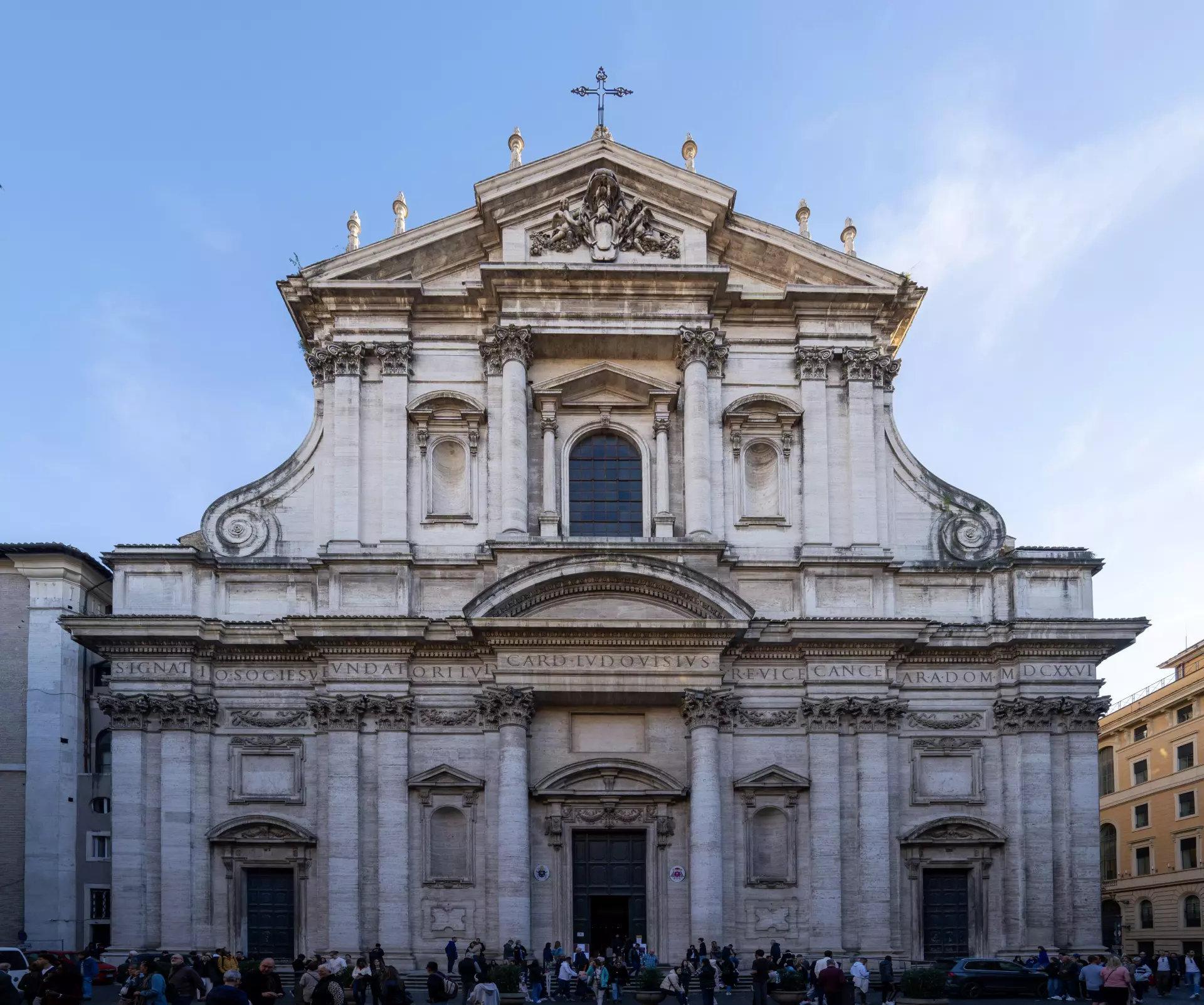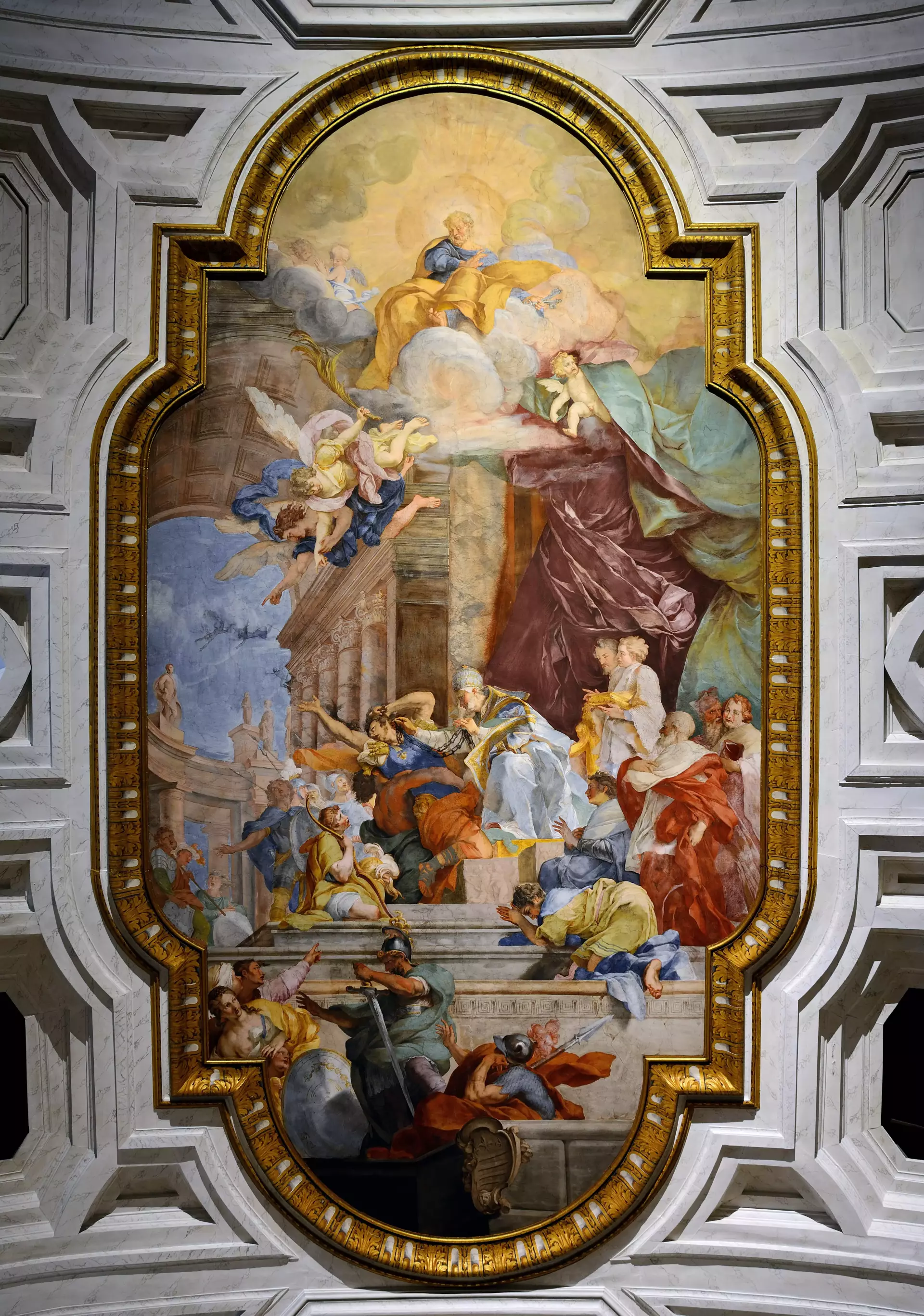
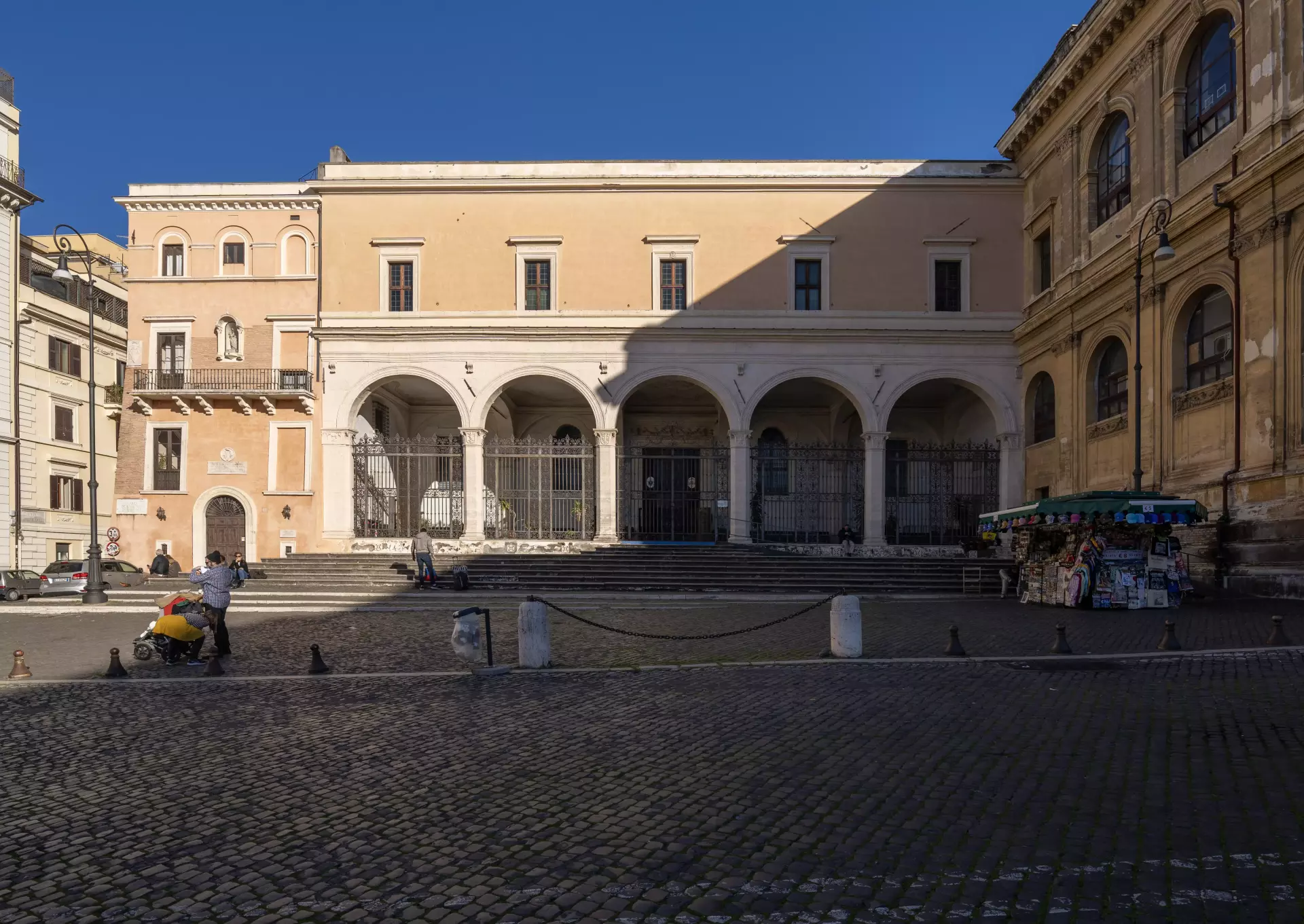
Hidden just a short distance from the bustling crowds of the Colosseum lies San Pietro in Vincoli—a church steeped in history and home to some remarkable treasures. This lesser-known gem invites visitors to step away from the main tourist trail and discover something extraordinary.
As you enter the church, your eyes are immediately drawn to a glass case before the altar. Here, you’ll find the legendary chains that, according to tradition, once held St. Peter during his imprisonment in Rome. For centuries, these relics have fascinated pilgrims and history lovers alike, serving as powerful symbols of faith and resilience.
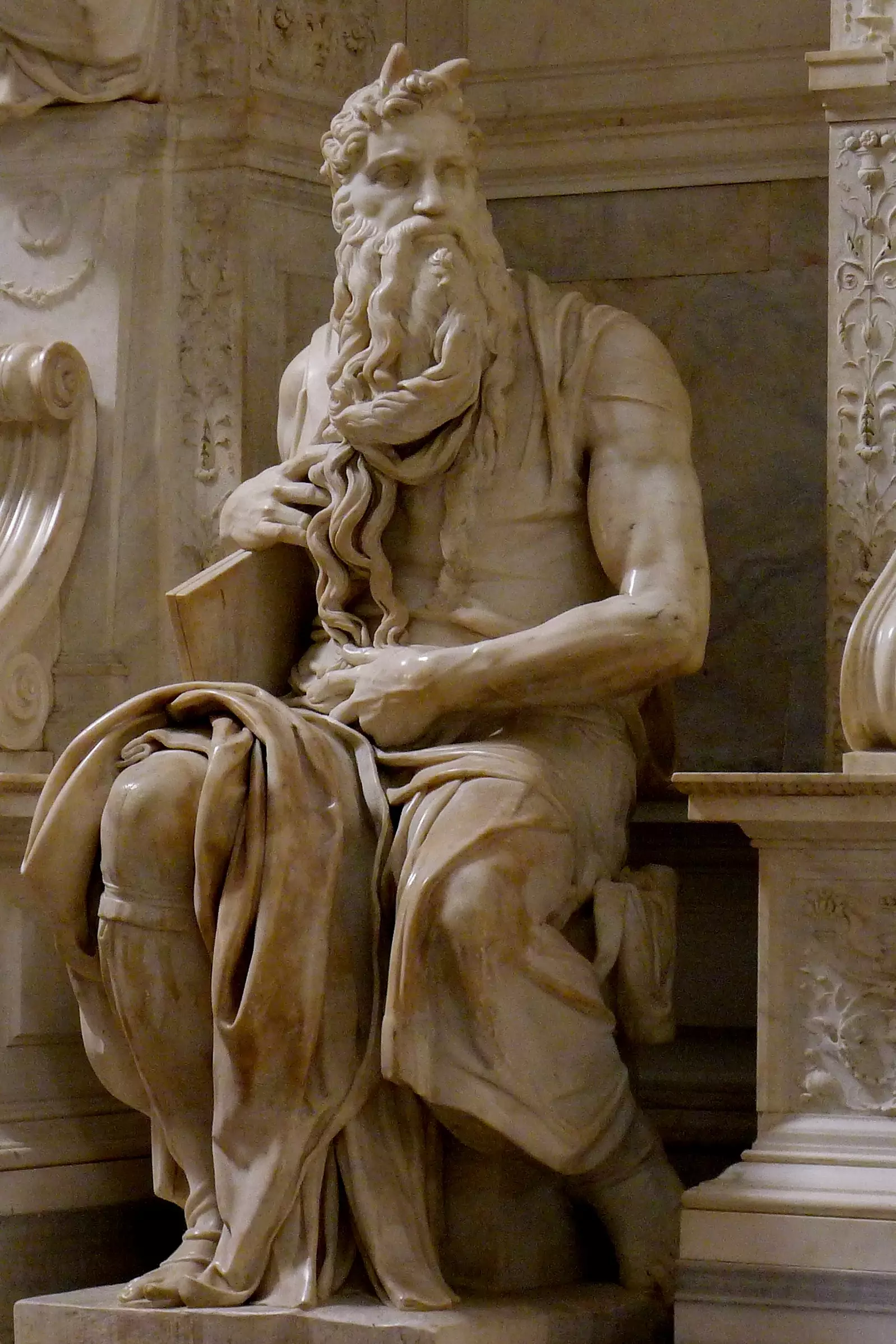
While the chains are steeped in religious significance, for many art enthusiasts the true highlight is the stunning statue of Moses by Michelangelo. This masterpiece captures the biblical figure in a moment of intense contemplation, his muscular form and flowing beard rendered with breathtaking detail. Standing before it, you can’t help but marvel at Michelangelo’s genius and the lifelike presence he conjured from cold marble.
San Pietro in Vincoli is surprisingly close to the Colosseum, yet it can be a bit tricky to locate. If you’re coming from the Colosseum, head up the steps directly across from Via dei Fori Imperiali. At the top, cross the road and don’t hesitate to ask a local for directions—they’re often happy to help visitors find this quiet sanctuary. Alternatively, you can reach the church by taking the steps on the right-hand side off Via Cavour. Either way, the journey is well worth the effort, rewarding you with a peaceful retreat and a chance to experience some of Rome’s most fascinating history and art away from the crowds.
Source - https://en.wikipedia.org/wiki/San_Pietro_in_Vincoli
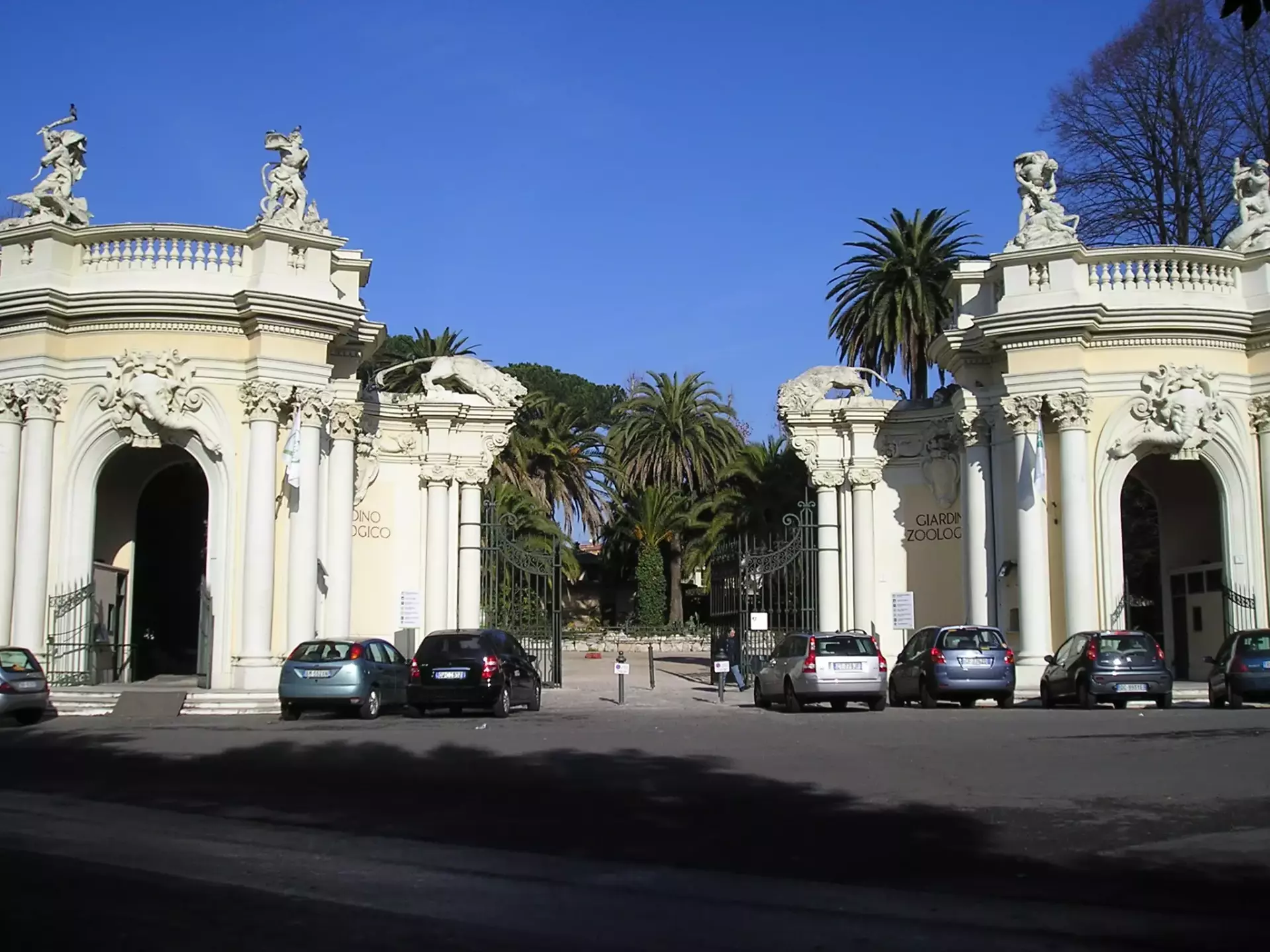
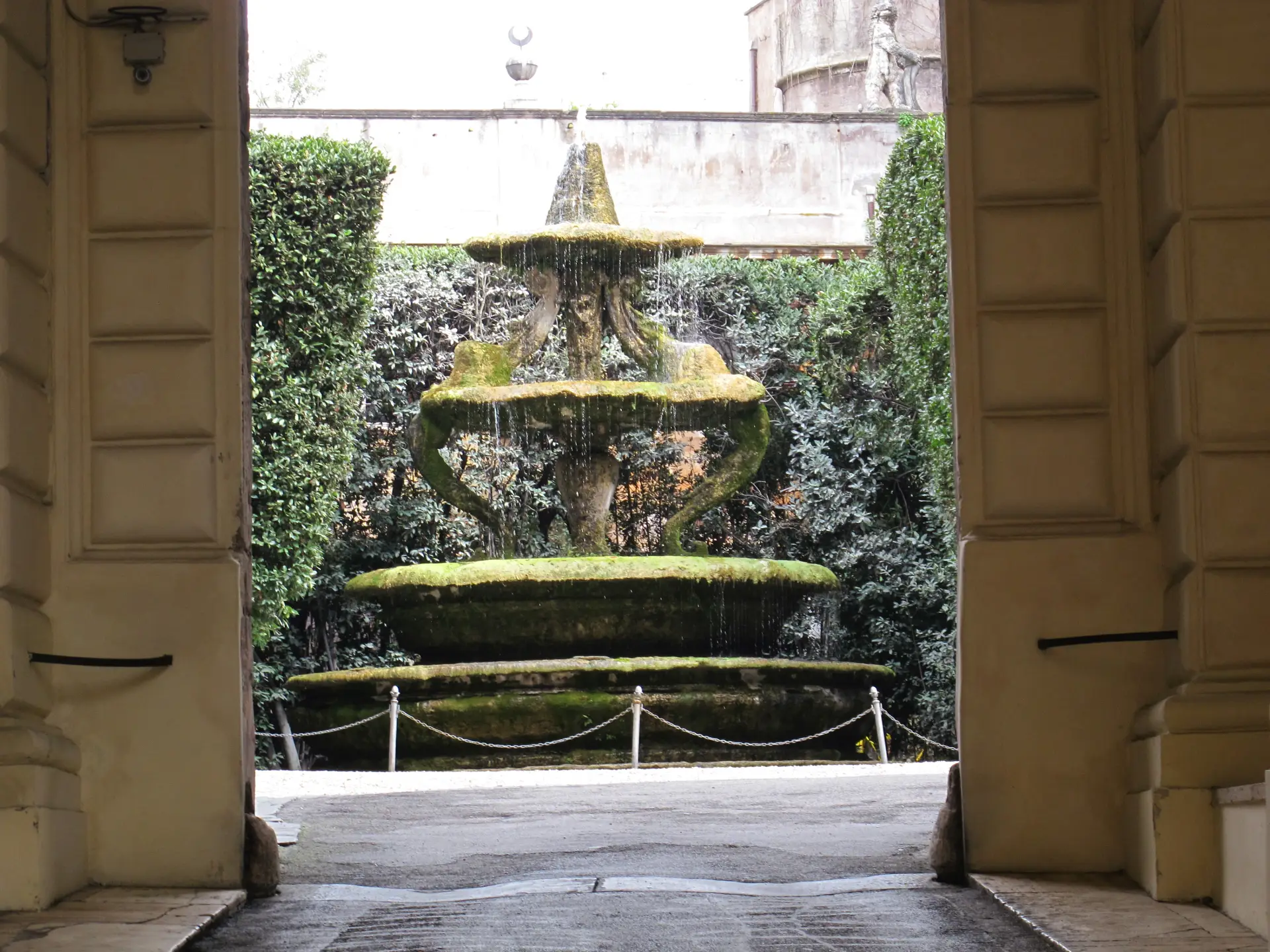
housed in the baroque palace Corsini where Christina, Queen of Sweden settled down in the last years of her life
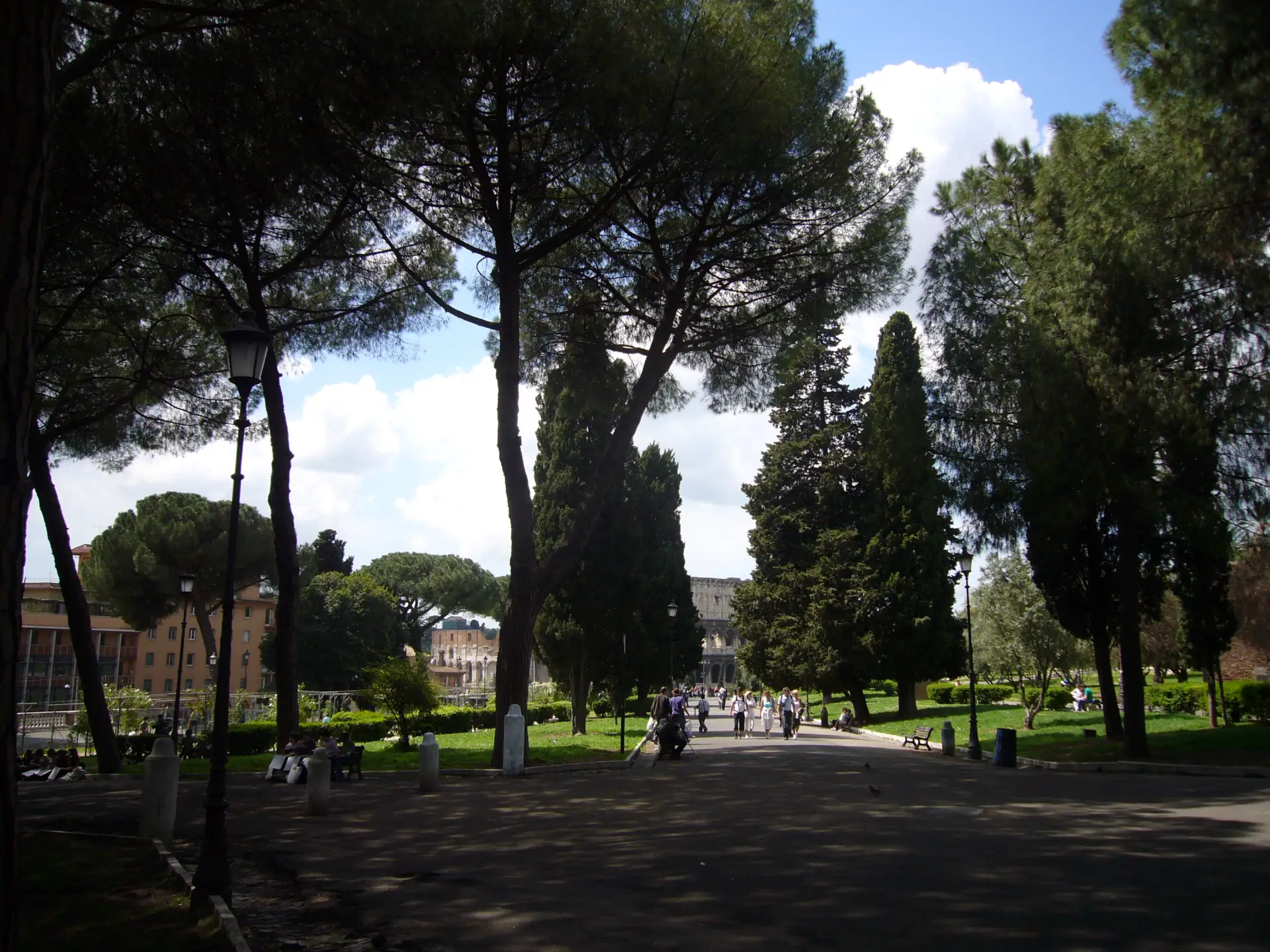
A lovely, if somewhat run-down park (parts of it are blocked due to the poor state of the roads) with statues and a great view on the city.
Parco Savello is the name of the grounds and orange grove next to the Santa Sabina church at the top of the Aventino and also where you have one of the best views of the city. Families gather here to sit under the dozens of orange trees. The "Giardino degli Aranci" is also a well known spot for lovers at night. The best views are arguably from Janiculum hill, just across the Tevere (Tiber) river. Immediately below you, the Tiber snakes its way through the city, and directly beyond it you can see the lively medieval quarter of Trastevere. Beyond that is the majestic dome of St. Peter's Basilica, with the historic centre of Rome visible to the right.
The temple of the Emperor Hadrian was consecrated in 145 AD by Emperor Antoninus Pius. The remains of the antique temple were incorporated into a new building that served as the Papal Customs House. It was finished around 1690 and today accommodates the Stock Exchange (Borsa).
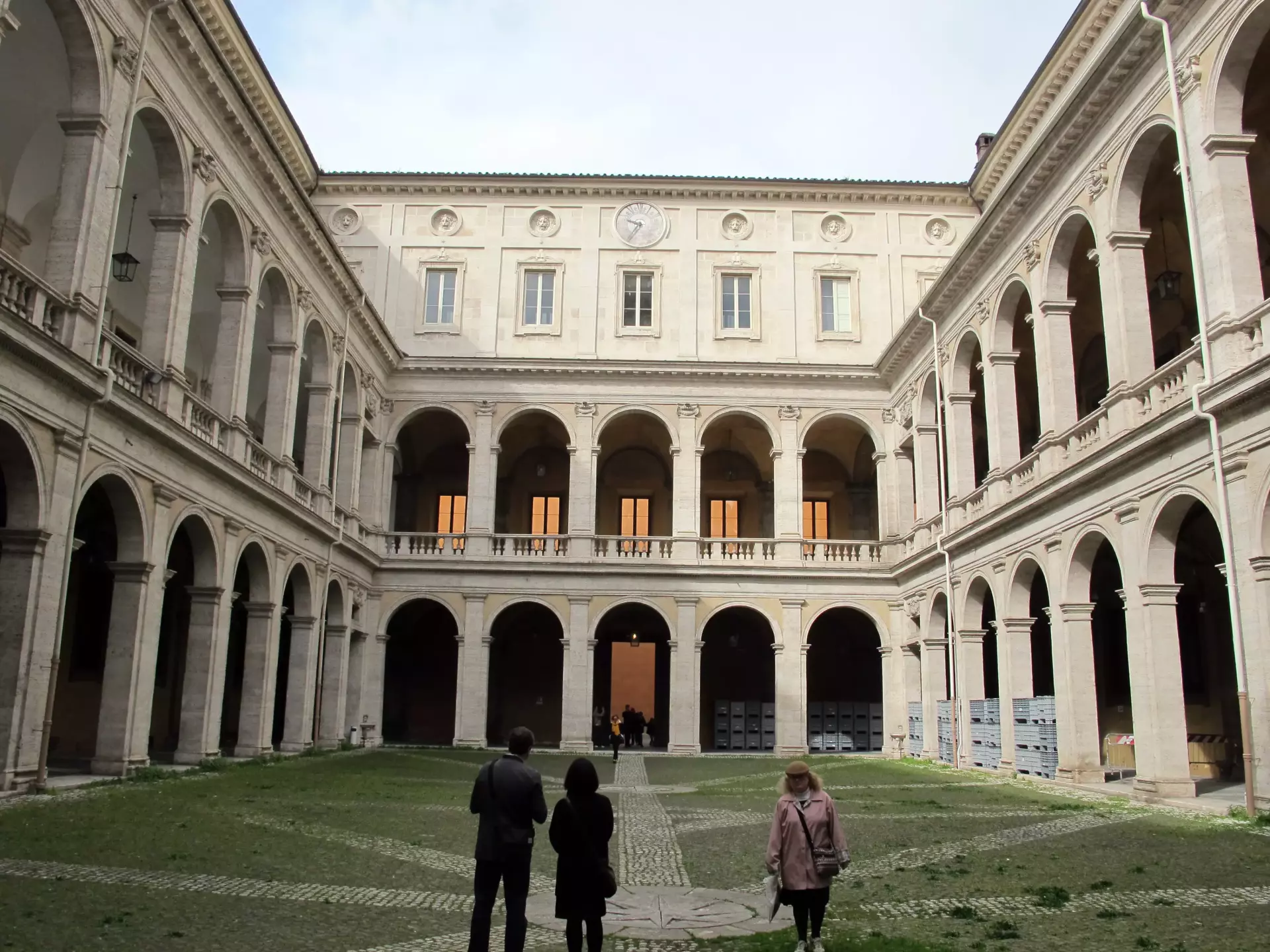
This building housed the University of Rome from the middle of the 15th century until 1935. The splendid interior courtyard was created by Giacomo della Porta. The inside church of Sant'Ivo (see above) is one of the masterpieces of the architect Borromini.
Regular shows plus an excellent astronomical museum.
On the site of the Roman baths, this museum houses an enormous collection of statues, etc.
Borghese Gallery and Museum is a lovely display in a beautiful villa setting, which concentrates on the quality rather than the size of its collection. There are some very notable works by Antonio Canova and Gian Lorenzo Bernini here, Bernini's Apollo and Daphneis quite amazing. It also houses some of Caravaggio paintings, well worth the admission charge. Originally, the gallery was one of the most magnificent private art collections in the world. It was founded by Cardinal Scipione Borghese. At the beginning of the 19th century, Prince Camillo Borghese sold great parts of the collections to Paris where today they belong to the most valuable exhibits of the Louvre. Since 1902 the villa and the gallery are owned by the Italian state. The number of people admitted is limited to 360 every 2 hours, so it is best to make a well in advance for the time slot you want. Cameras and photography are allowed. Plan to arrive at the museum at least 15 minutes prior to your entry time, to obtain your ticket from Will Call and to deposit purses, strollers, backpacks, bottles, and other bulky items in the cloak room. If you are late for your reservation the museum may not allow you to use your ticket.
This church can be an interesting deviation if you are passing through its neighbourhood. It is believed to be the grave of the Saints Ciro and Giovanni, killed during the time of the Emperor Diocletian. The original name was Abba Cyrus and through Appaciro and then Appacero it finally became Pacera, very close to today's Passera. The building is on top of a 3rd century building still visible in the lower floor and in the underground. The main part of the building dates back to the 9th century as do the frescoes on the higher floor. Some of the frescoes have been restored. Downstairs there is a small quadrangular room and the underground, where the remains of the two Saints are supposed to be. There are still visible 3rd century traces of Roman frescoes; in front of the stair you can enjoy a small bird, the Justice, and an athlete while in the vault some eight apex stars. Bus 128,780,781,775 (first stop in Via della Magliana).
A tomb for the wealthy Gaius Cestius, who died in 12 BC. Admission to the monument only by guided tours on specific dates (2nd and 4th Saturday every month, and in combination with a ticket to the Museum of Via Ostiense also on the 1st and 3rd Saturday of every month).
Designed by Bramante to mark the spot of St. Peter's martyrdom, this delightful miniature building is considered a masterpiece of Renaissance architecture. Open to the public.
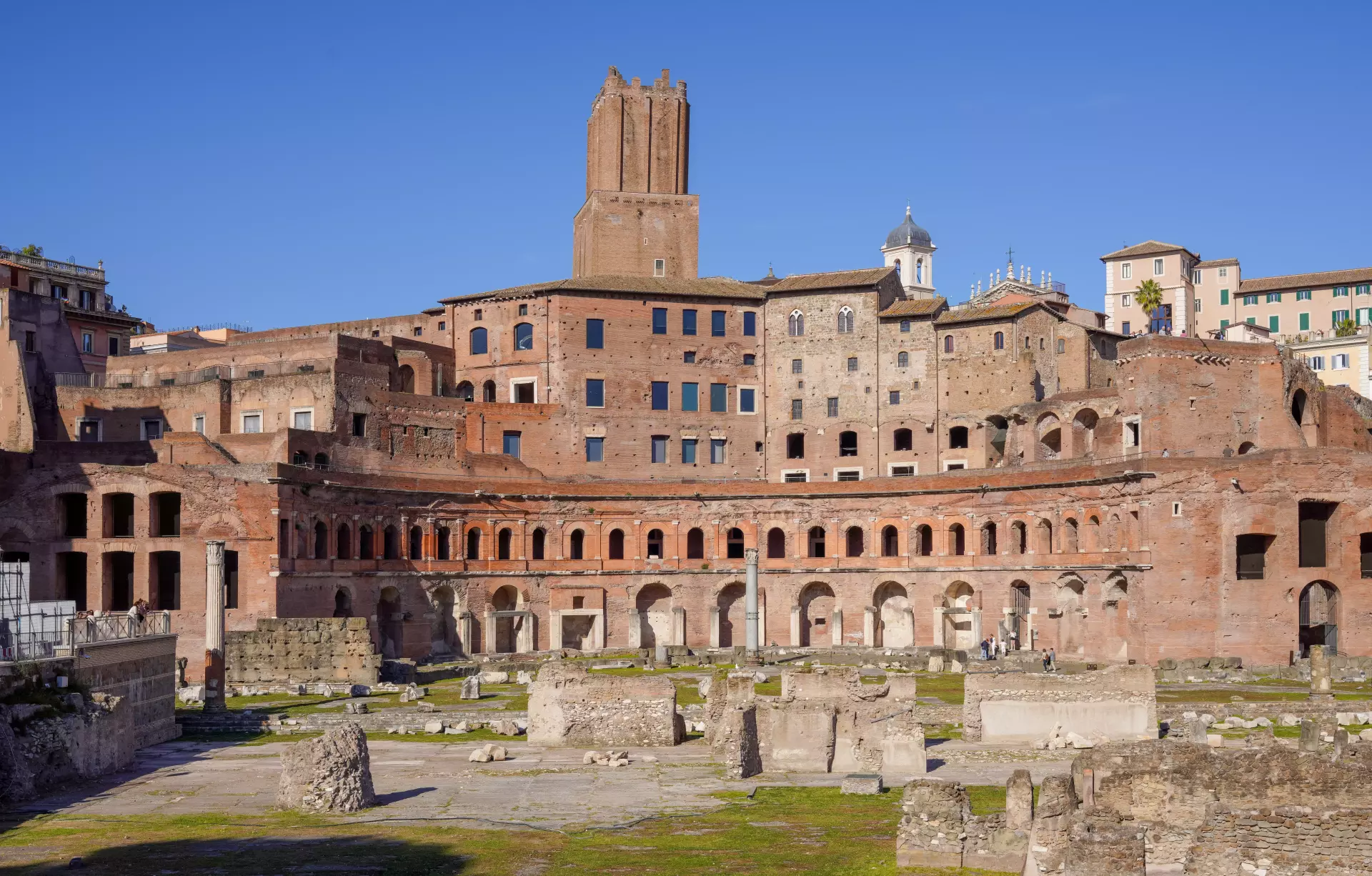
On the other side of the Via dei Fori Imperiali to the Roman Forum. Well-preserved market area that doubled as a way of stopping the Quirinal Hill from collapsing. Below in the Forum is Trajan's Column, built in 113 with reliefs depicting the Emperor Trajan's vistories in battle.
An underrated way to see fantastic art made after the Renaissance. Mainly Italian artists, notably De Chirico, but Cézanne, Degas, Kandinsky, Man Ray, Modigliani, Monet, Pollock and Van Gogh are also represented.
The remains of the ancient Roman archives, where Cicero and Seneca did research. Visible from the Forum and accessible through the Capitoline Museum.
This is not the real name of the church on the corner by the main entrance to San Callisto but it is universally known by this name. By legend it is located on the spot where Saint Peter had a vision of the risen Christ while fleeing persecution in Rome. According to the tradition, Peter asked Jesus, Domine, quo vadis? “Lord, where are you going?” The current church is from 1637. Inside is a copy of a stone said to contain the imprints of the feet of Jesus; the original is maintained in San Sebastiano, further along the Appian Way