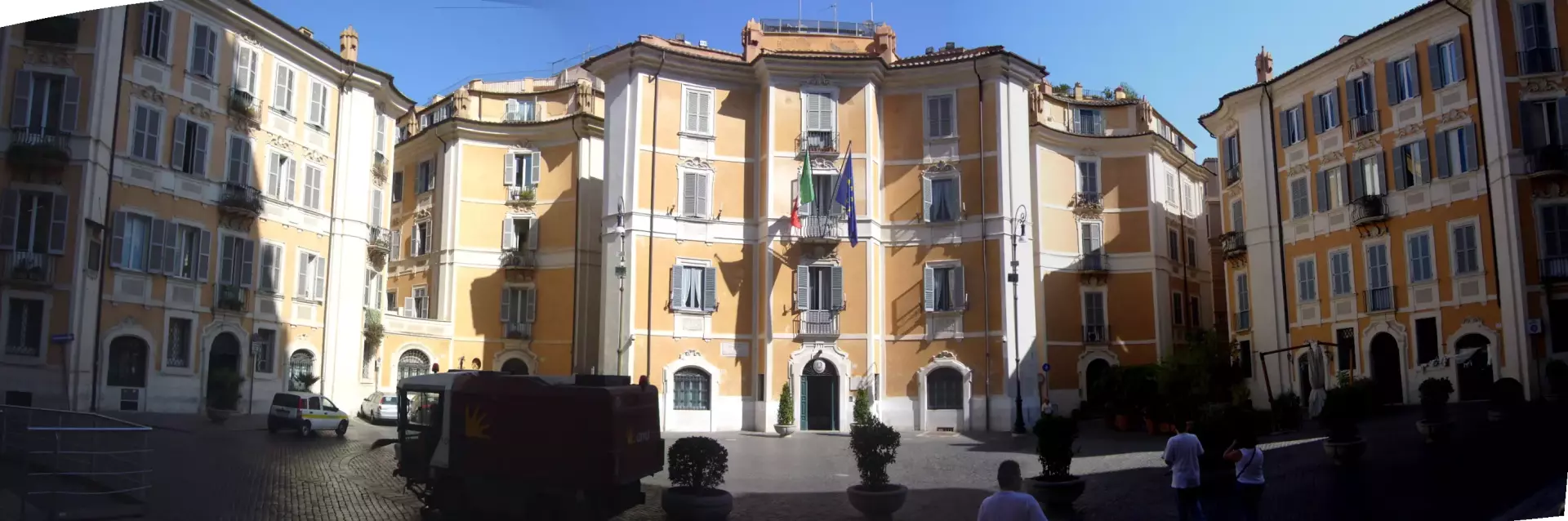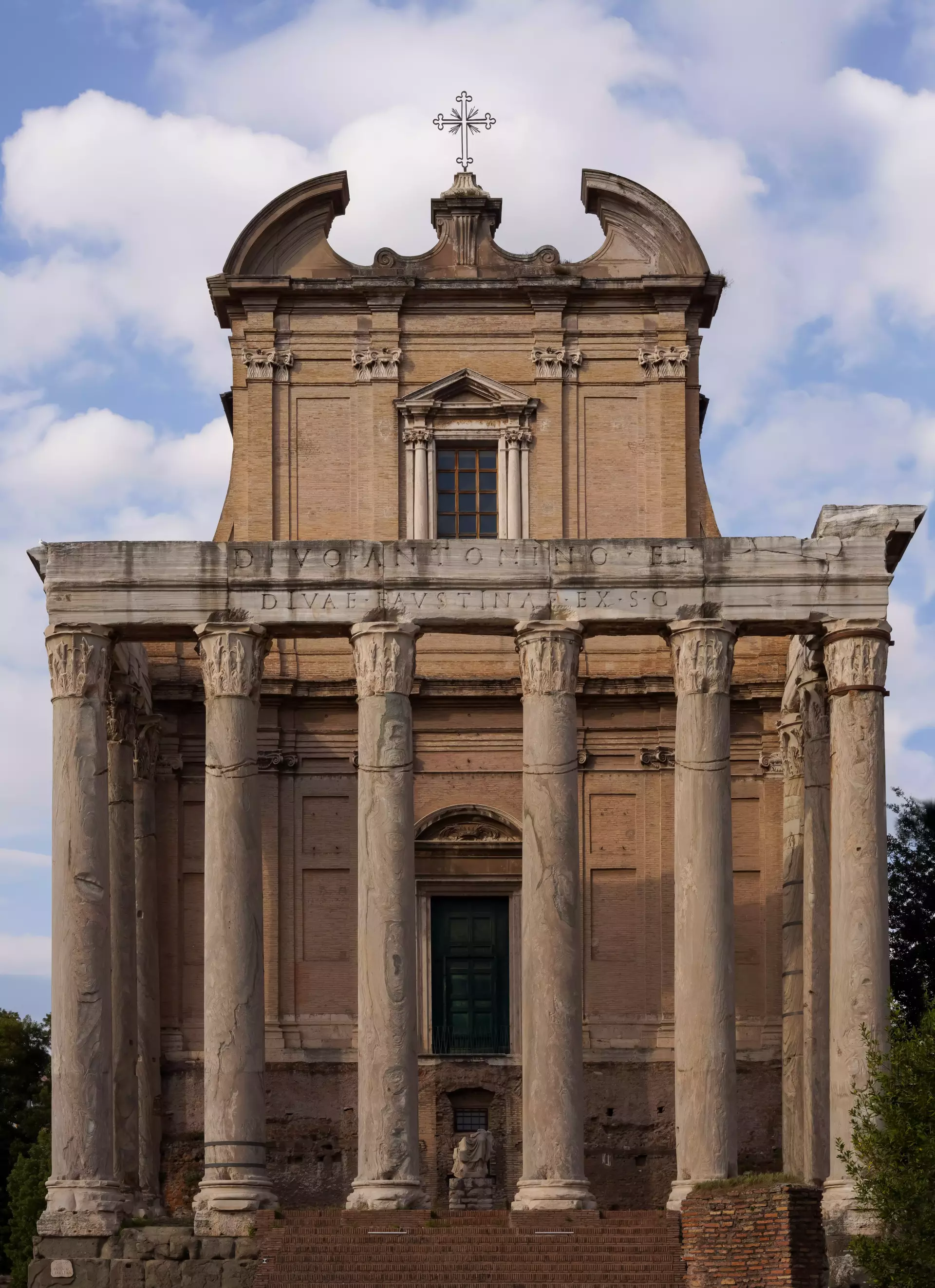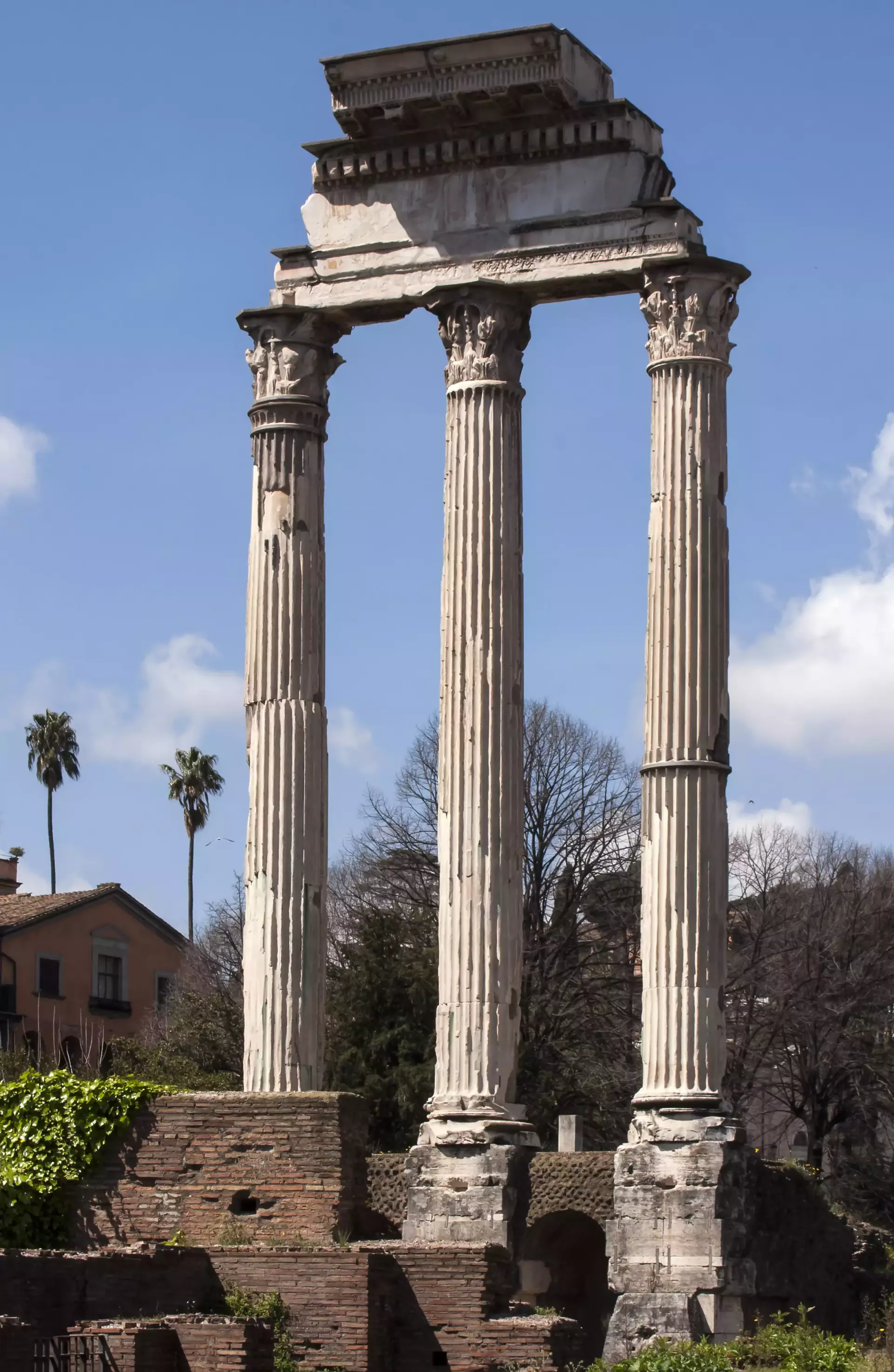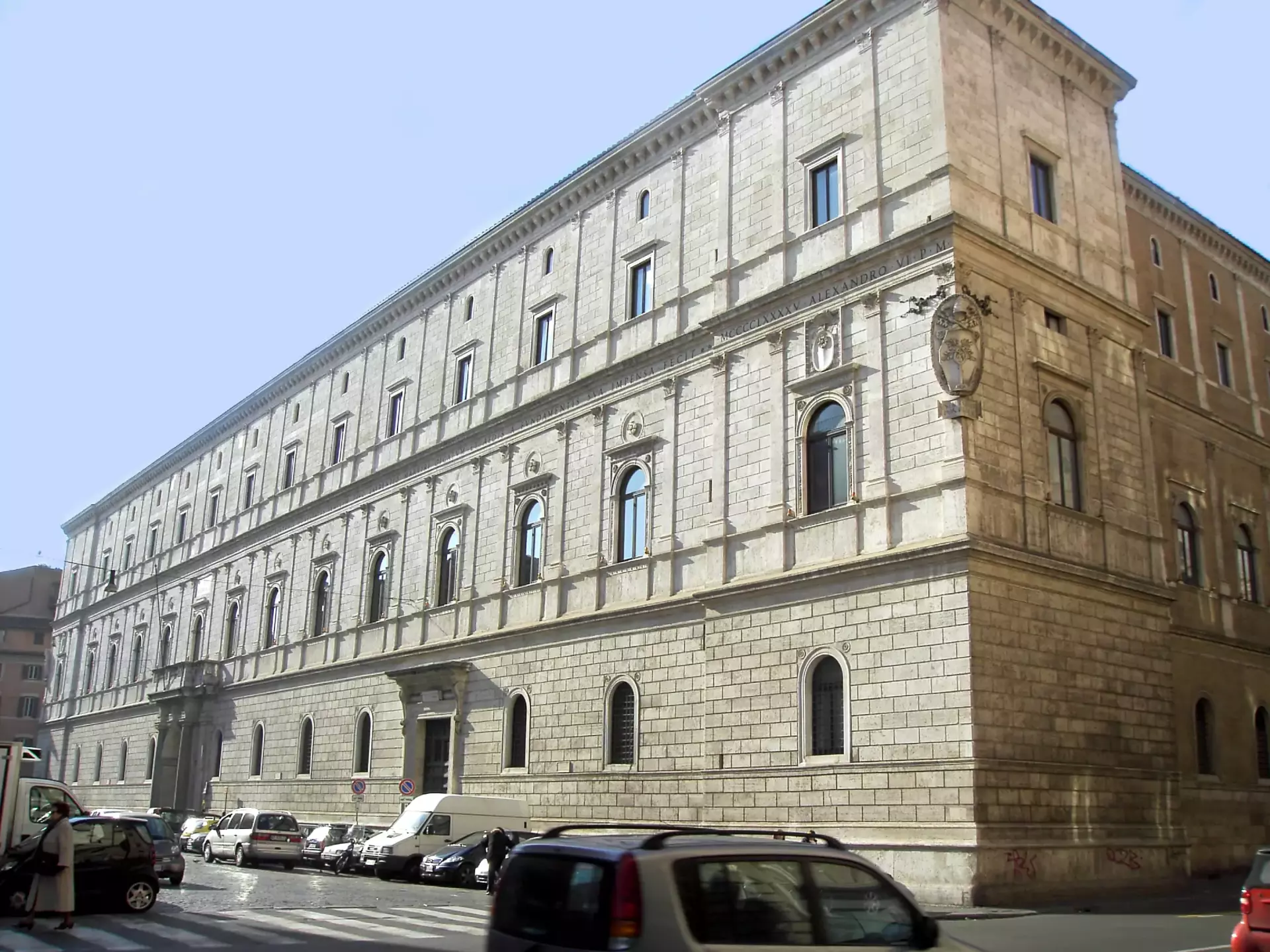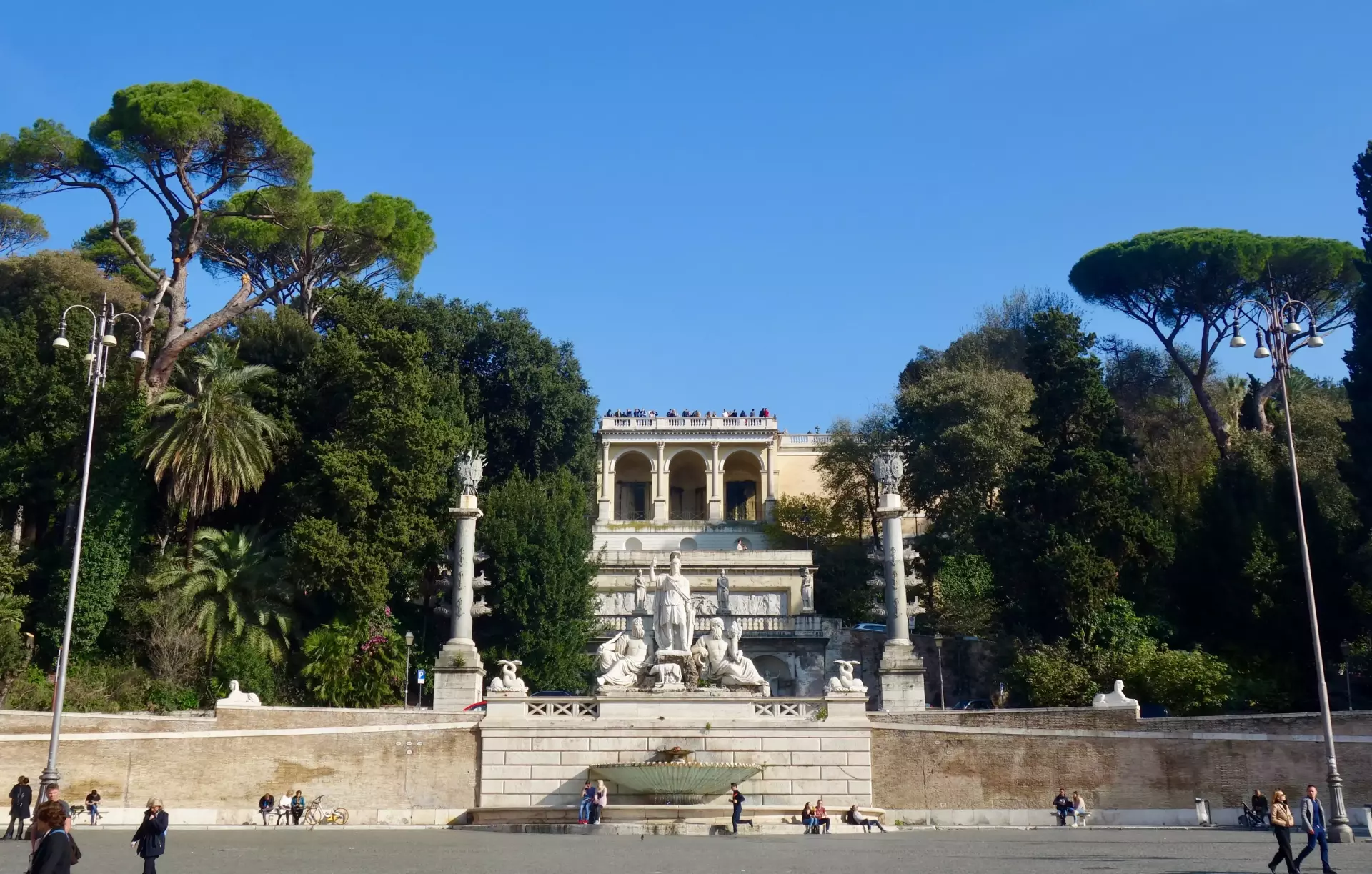
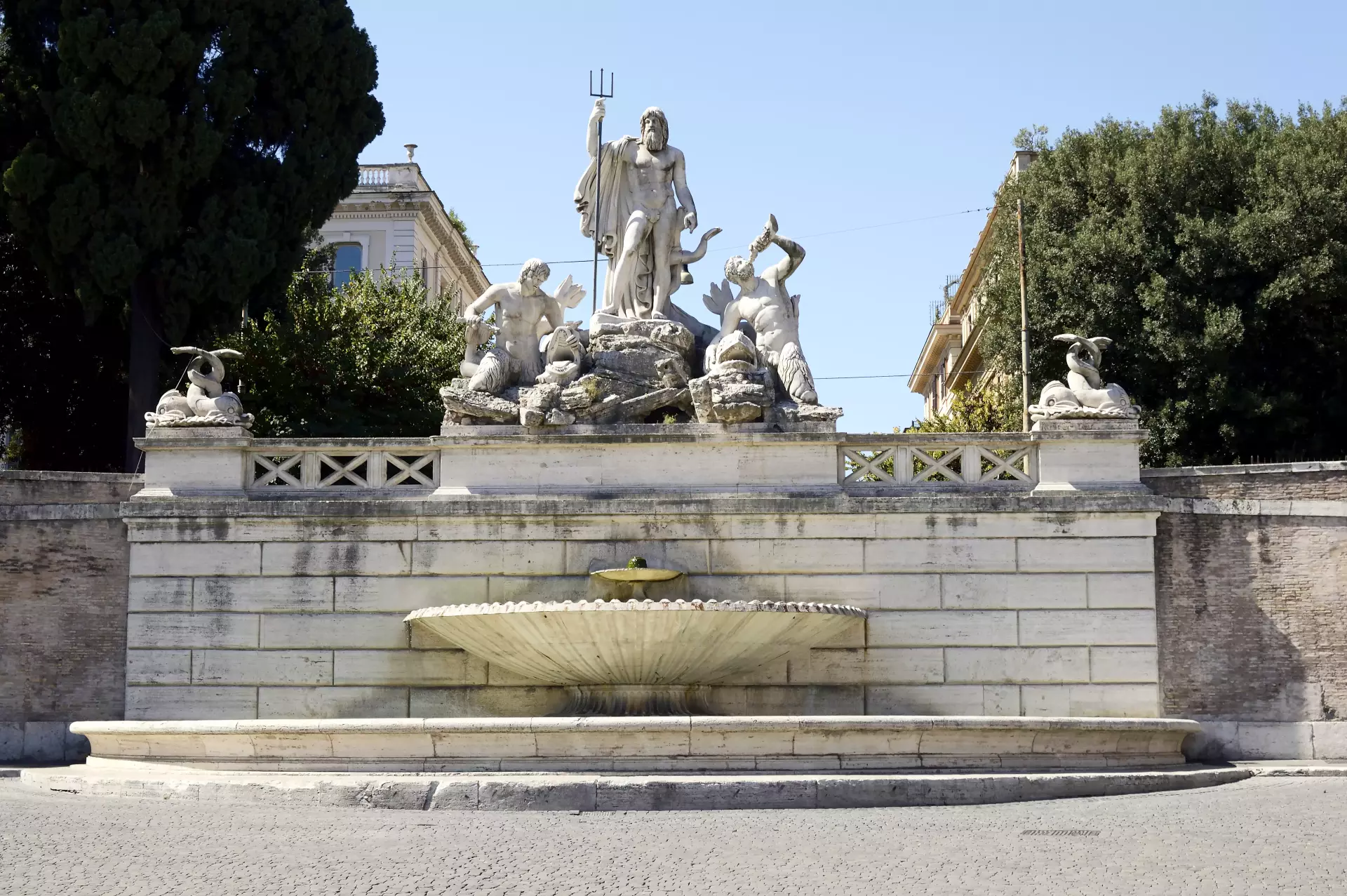
Piazza del Popolo is the largest square in Rome, and it often becomes the center of excitement during major events. The square is known for hosting lively pop concerts and is the main gathering place for New Year's Eve celebrations in the city.
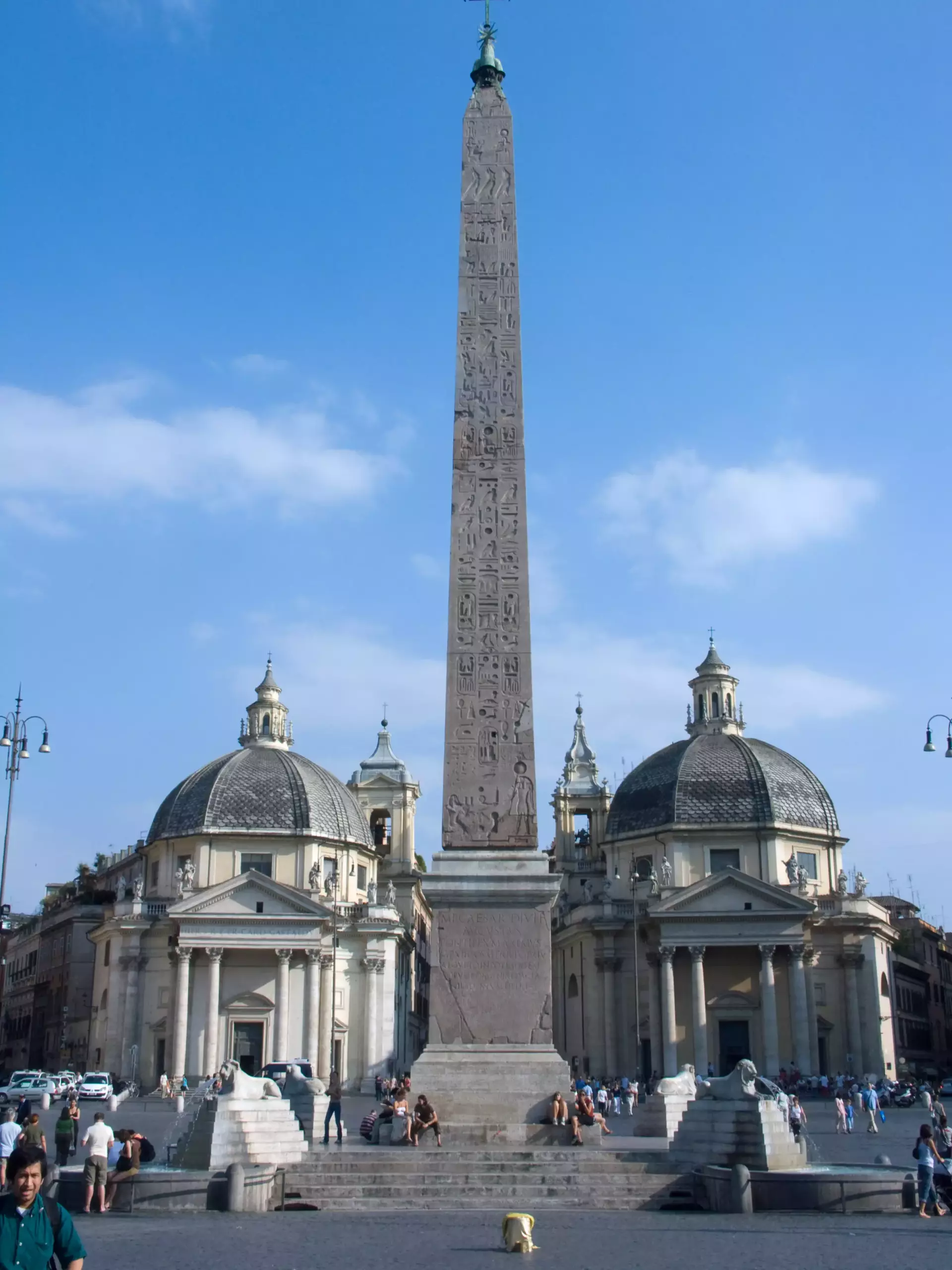
On the southern edge of the piazza, two famous "twin" churches, Santa Maria dei Miracoli and Santa Maria in Montesanto, have greeted travelers since the late 1600s. These churches once offered a grand welcome to those arriving in Rome from the north. Nearby, another Santa Maria church adds even more history to the area.
Many consider Piazza del Popolo as one of the most beautiful squares in Europe. Its impressive size and design are the results of grand ideas from centuries past. Pope Sixtus V ordered the square to be expanded, adding two important streets: Via di Ripetta and Via del Babuino. These roads helped shape the area and guide visitors into the heart of Rome.
In the center of the square stands a tall Egyptian obelisk, a reminder of Rome’s fascination with ancient civilizations. Between 1809 and 1816, the Roman architect Giuseppe Valadier redesigned the square, giving it its famous oval shape and elegant appearance seen today. The piazza’s layout, with its open spaces and surrounding monuments, makes it a striking place in the city’s landscape.
Source - https://en.wikipedia.org/wiki/Piazza_del_Popolo
It was constructed to hold relics of the Passion of Jesus. They include two thorns of his crown, part of a nail and three small wooden pieces of the Cross. The authenticity of these relics is much disputed, however.
A 5th-century basilica, simply and attractively decorated. The wooden door, of which 18 carved panels of scenes from the Bible survive, is believed to date from the church's construction.
In addition to Santa Maria in Cosmedin there is a lot to be seen around this piazza. Opposite the church is the round temple dedicated to Hercules Invictus (the Unconquered Hercules), and not far from that the rectangular Fortuna Virilis, both constructed in the 1st Century. Opposite, to the back of the piazza is the Arch of Argentari and behind that the church of San Giorgio in Velabro, the front of which was repaired after being damaged by a terrorist bomb in July 1993.
An example of urban planning that goes back to Pope Julius II, who, in 1508, envisioned it as a street that would connect all major government buildings. It is around a kilometer long and is in a straight line, an unusual feature for the time. It is lined with some interesting palaces but these days is more known for its antique shops. Via Giulia runs parallel with and one block from the River Tiber.
Contains the ruins of several large villas that belonged to wealthy Roman families. You can buy a combined ticket for the Palatine Hill, the Roman Forum and the Colosseum here, avoiding the long lines at the Colosseum. While the Imperial and Roman Fora are probably more spectacular, overall, there are amazing sights on the Palatine Hill, so unless you are terribly short on time or find it too challenging to climb the hill, allow an hour or more for these sights, too.
housed in the baroque palace Corsini where Christina, Queen of Sweden settled down in the last years of her life
By Bernini, in the very centre of Piazza Navona. Incorporates an Egyptian obelisk and symbolises four of the world's great rivers (the Ganges, the Nile, the Danube and the Plata), representing the four continents known at the time.
An ethnographic collection of around 60,000 pieces from European indigenous cultures. Documents evolution from the Palaeolithic age to the Iron Age.
This church, which was commissioned by Ferdinand and Isabella of Spain, marks the point where, according to tradition, St. Peter was crucified. Particularly interesting for Irish visitors as it contains the graves of three Gaelic Chiefs who fled Ireland in 1607.
Regular shows plus an excellent astronomical museum.
Perhaps the most fascinating building in Rome. The core of the structure began life as the mausoleum of Emperor Hadrian, built between 135 and 139 AD. Subsequent strongholds built on top of the mausoleum were in turn incorporated into a residence and castle by medieval Popes. The building was used as a prison until 1870 but now houses a museum. Opera buffs will be exhilarated to visit the balcony from which Tosca leaps to her death. Film buffs will recognise it as a setting from Angels and Demons.
The Servian Wall was the first wall around Rome, built around the 3rd century BC. This well-preserved section provides a good opportunity to observe the construction methods of that time, particularly the use of tufa rock blocks