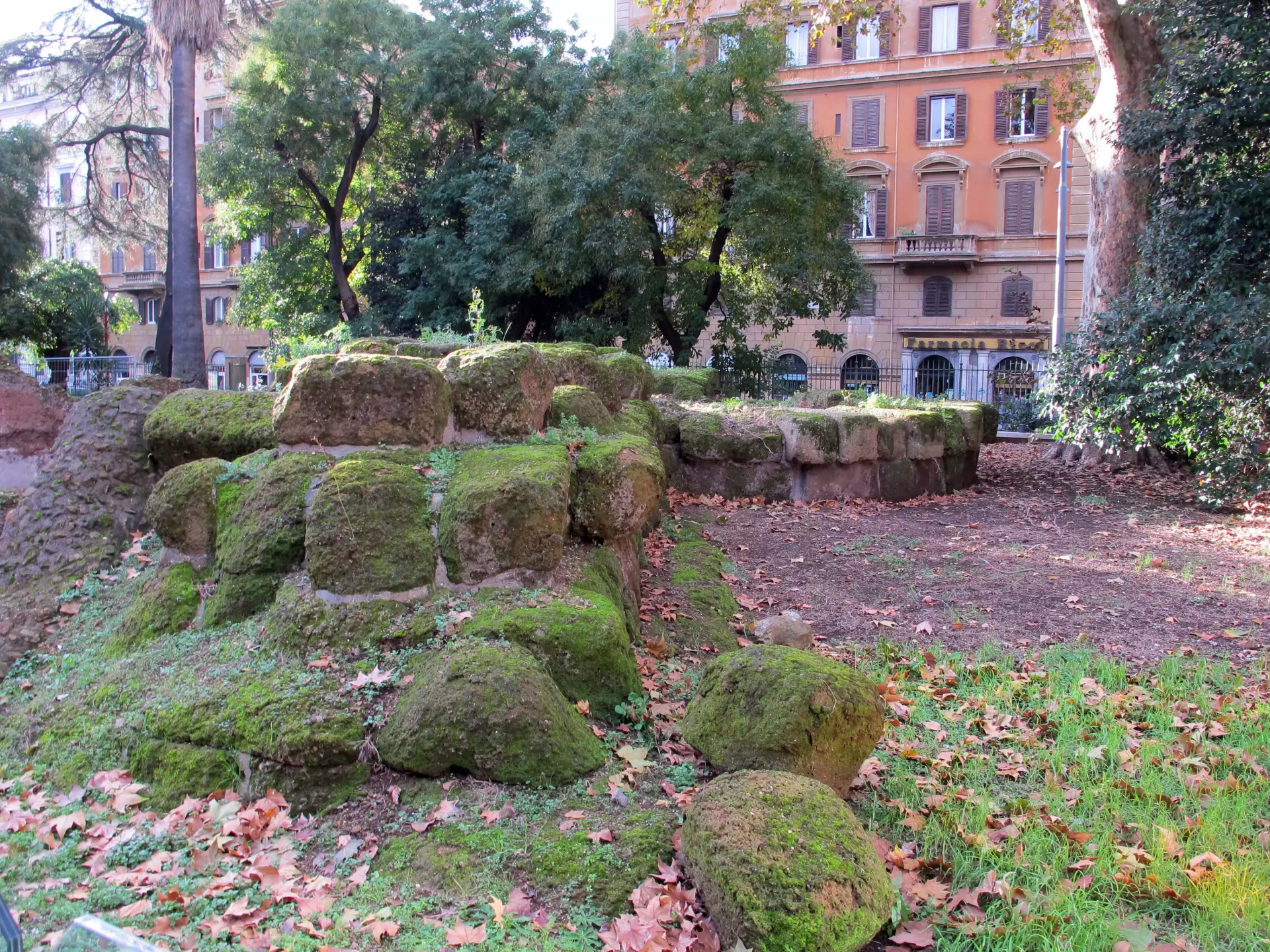
The Servian Wall is the earliest known defensive wall built around the city of Rome. Dating back to the 3rd century BC, it stands as an important example of ancient Roman engineering. Its main purpose was to protect the growing city from possible invasions and attacks.
This wall offers a close look at the methods used by Roman builders over two thousand years ago. Large blocks of tufa, a type of volcanic rock found in the region, were used to construct the wall. The choice of tufa made the structure both sturdy and practical for the tools available at the time. Well-preserved sections of the Servian Wall still exist today, allowing visitors and historians to study the techniques and materials that shaped early Roman architecture.
Source - https://en.wikipedia.org/wiki/Servian_Wall
This archaeological site displays the thermal baths of the villa of the wealthy Herod Atticus. Also in the complex is a restored villa, until 2002 a private residence, that has an exterior completely covered with pieces from Roman ruins, including pipes used in the baths. There are some very helpful staff to show you around, although they only speak Italian. An interesting photographic exhibition in the house traces the development of the Appian Way over the last century. Almost opposite the entrance to the baths is a ruined tower known as the Torre di Capo di Bove.
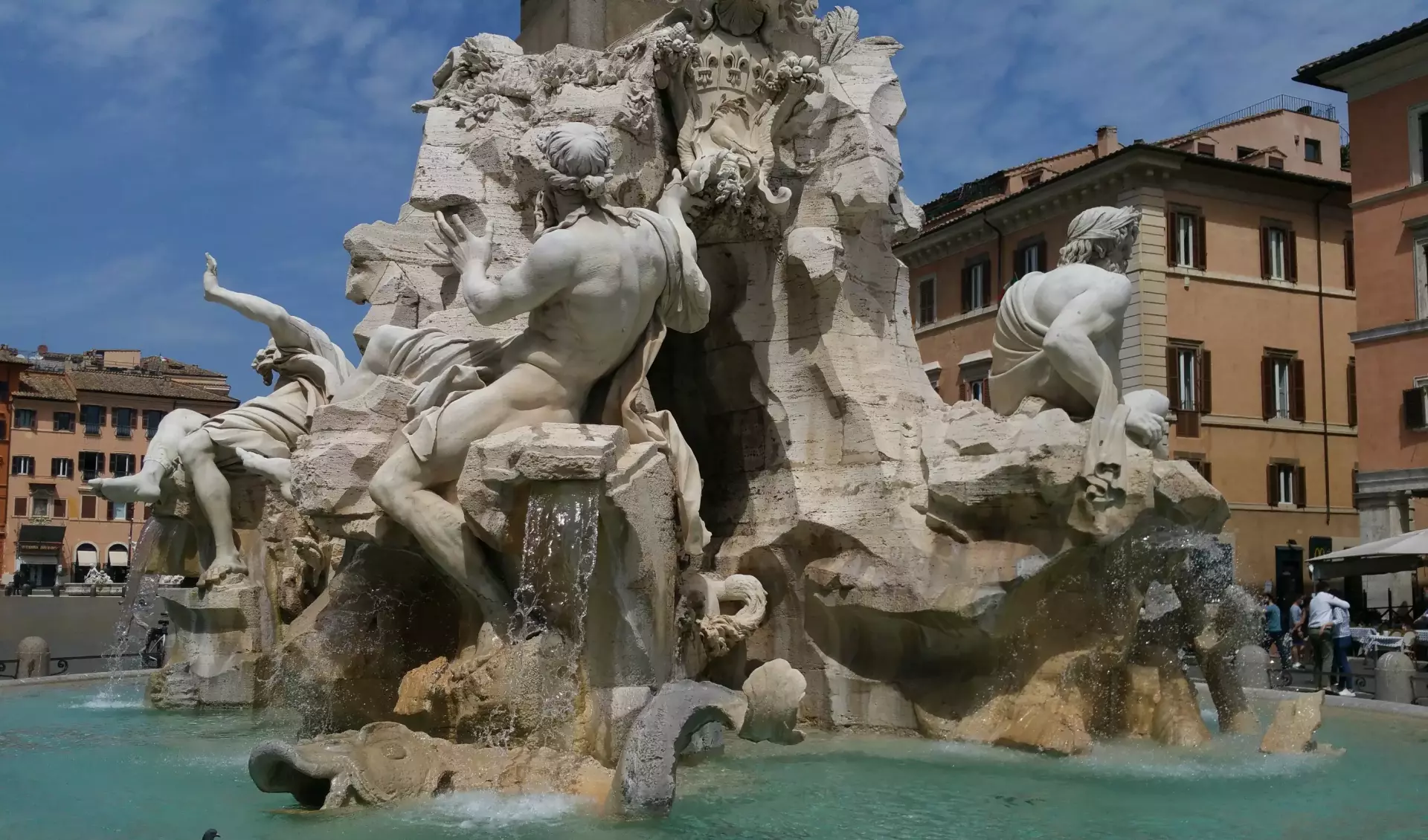
Four fountains from the time of Pope Sixtus V when much of Rome was redeveloped. A reclining deity is the theme of each sculpture. This is a busy intersection and if you don't look twice you may miss these exquisite examples of Roman mythology.
This is a large tomb built by the Roman Emperor Augustus in 28 BC in the form of a stone ring covered by an earth mound. A brick wall, 87 m in diameter, carried an earth mound covered with cypresses. On top of the hill stood a bronze monument of the emperor. The building was 44 meters high. At the beginning of the alley, which led to the tomb were two Egyptian obelisks. On both sides of the doorway bronze plates describe the "Res gestae", the deeds of the emperor. The urns of Augustus, Marcellus, Octavia, Agrippa, Drusus and other members of the Julian Claudian dynasty were revered here. In the Middles Ages the building served as citadel of the Colonna family. It was destroyed by Pope Gregor IX in 1241. The body of Cola di Rienzo. a popular leader of the people in the mid-14th century, was burnt in this monument. The Mausoleo di Augusto is not open to the public, and is fenced off.
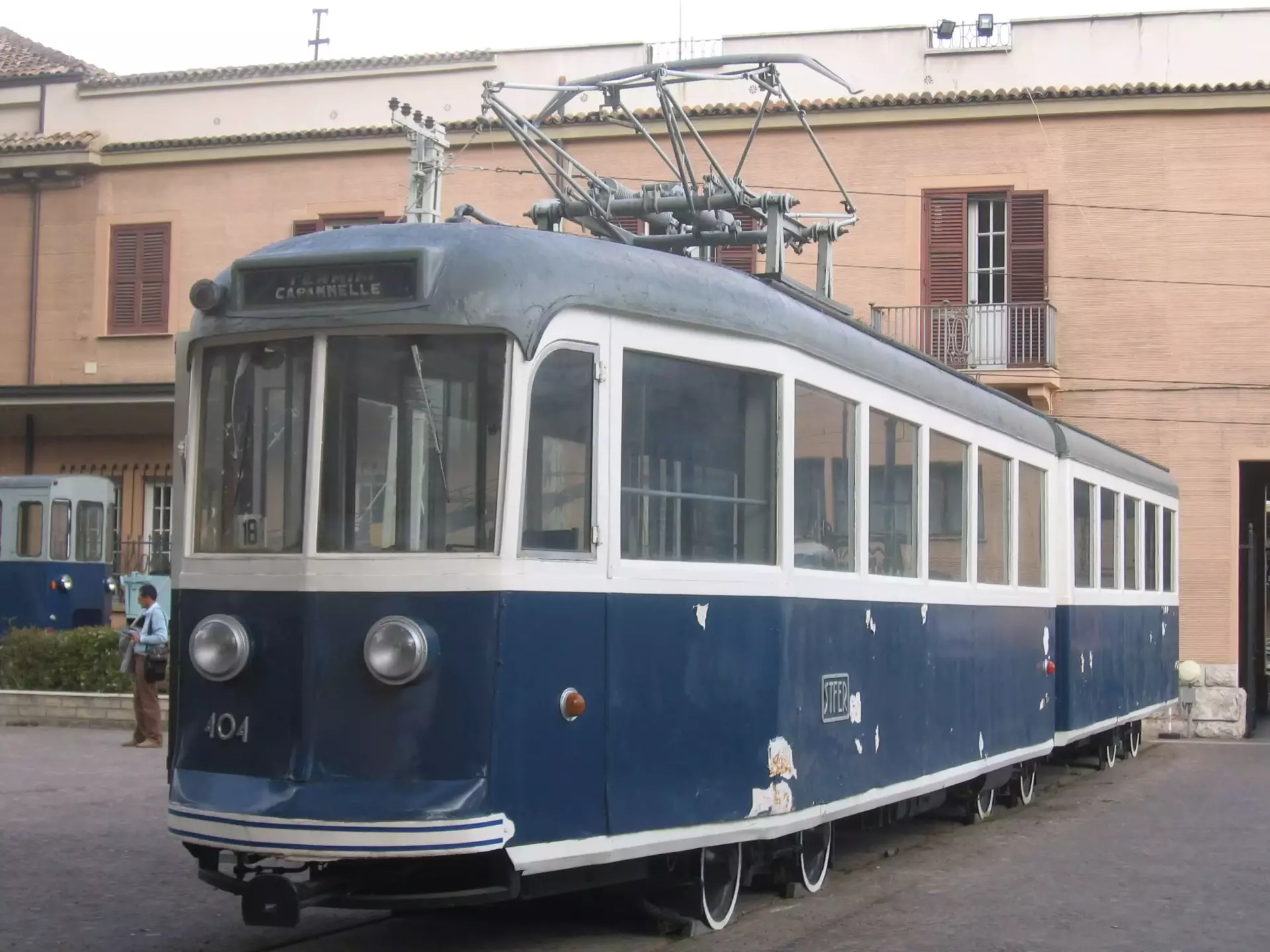
Small collection of railway carriages and related stuff. Really just for those with special interest in the topic. Entrance through the station if the main entrance is closed.
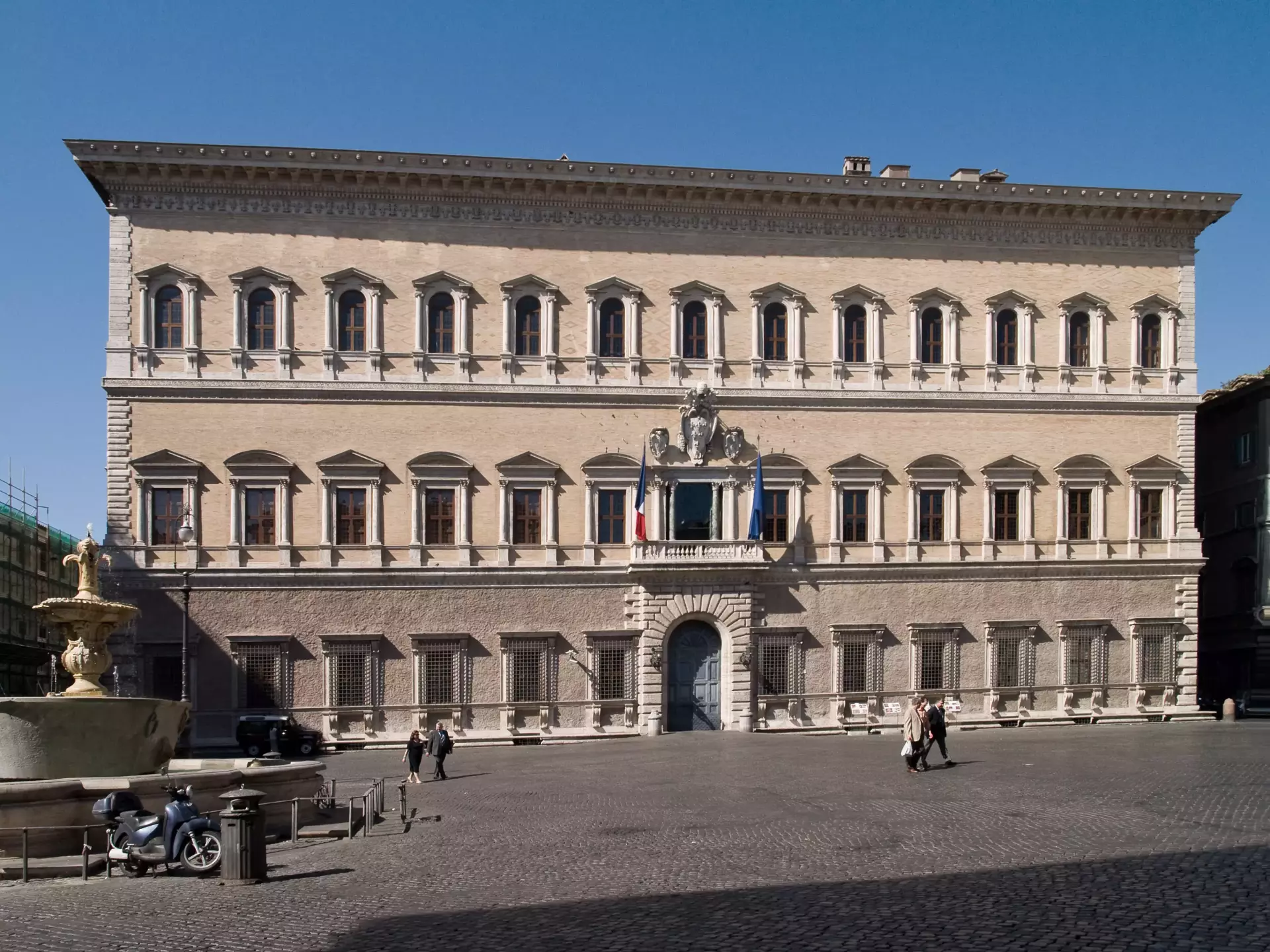
Simple and elegant lines make up this building, whose construction began in 1480 for Count Girolamo Riario, nephew of Papa Sisto IV, and was taken up by architect Martino Longhi for the new owner, Cardinal Marco Sittico Altemps. Today it houses one of the branches of the National Museum of Rome, showcasing ancient and Renaissance sculptures, and the results of the 16th/17th-century fashion for 'completing' ancient sculptures missing heads or arms.
An ethnographic collection of around 60,000 pieces from European indigenous cultures. Documents evolution from the Palaeolithic age to the Iron Age.
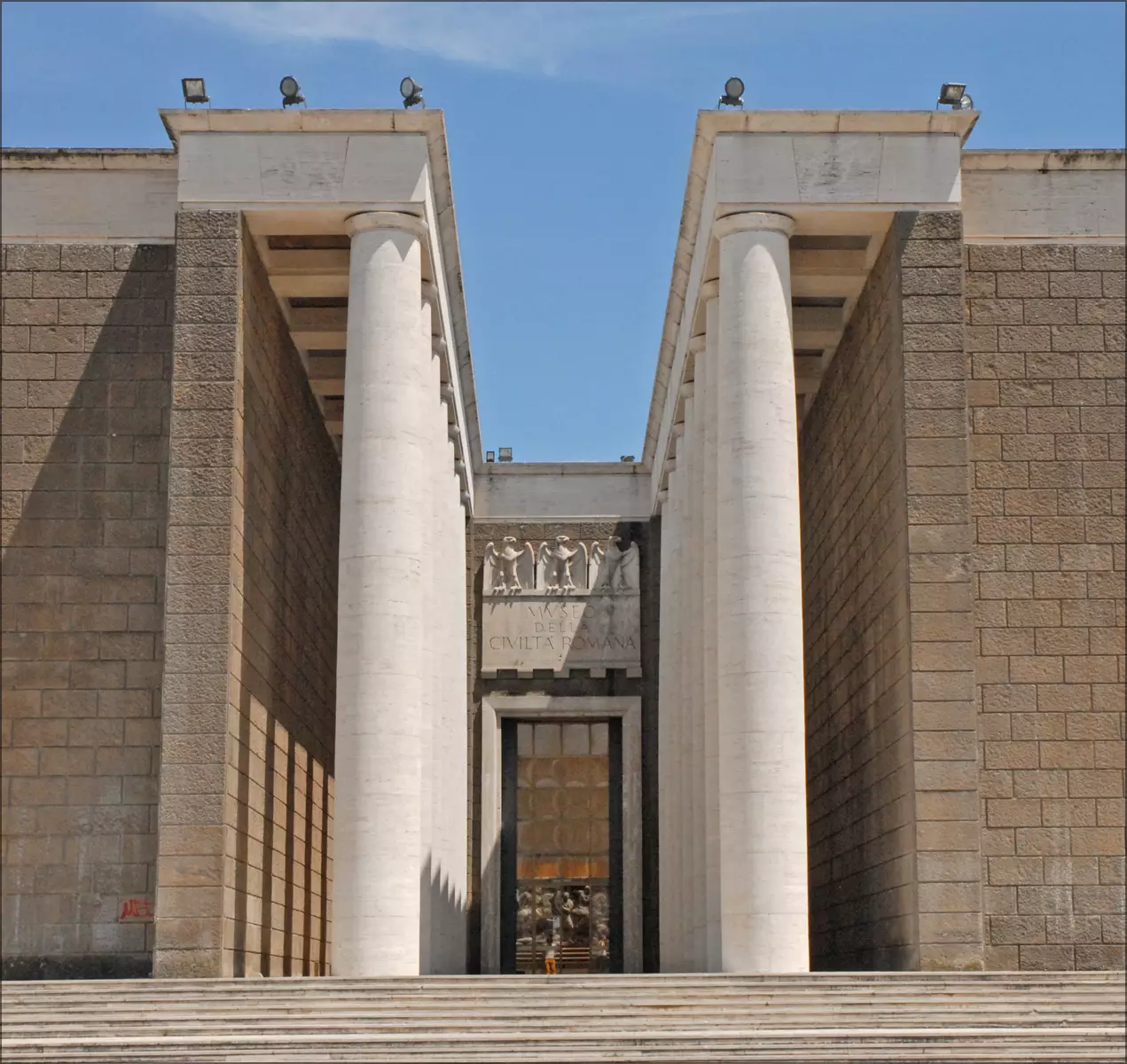
Perhaps most famous for a large model of imperial Rome, but also has a large display of various aspects of ancient Rome, using plaster casts, models and reconstructions of works found in museums throughout the world.
A truly quiet oasis close to the hustle and bustle of EUR. There are three churches in this complex and the doors are open all day, unlike city churches. The monks produce a range of products such as liqueurs, chocolate and honey, as well as a cure for the illnesses Romans suffer when the Scirocco wind blows in from the Sahara. These are on sale at a shop at the Abbey.
The museum is dedicated to Napoleon Bonaparte and his family. After Napoleon's death in 1821 the Pope gave permission to his family to settle down in Rome. His sister married Prince Camillo Borghese.
Regular shows plus an excellent astronomical museum.
A 5th-century basilica, simply and attractively decorated. The wooden door, of which 18 carved panels of scenes from the Bible survive, is believed to date from the church's construction.
This is a treasure-trove of art. There are a couple of paintings by Caravaggio: "The Crucifixion of Saint Peter" and "The Conversion of Saint Paul" (in a dim alcove to the left of the altar, both at right angles to the viewer, with a machine wanting €2 to switch on the lighting) together with a sculpture by Bernini, frescoes by Pinturicchio and mosaics by Raphael. Part of the Dan Brown tour, this church featured in Angels and Demons, although the Vatican did not allow filming inside.
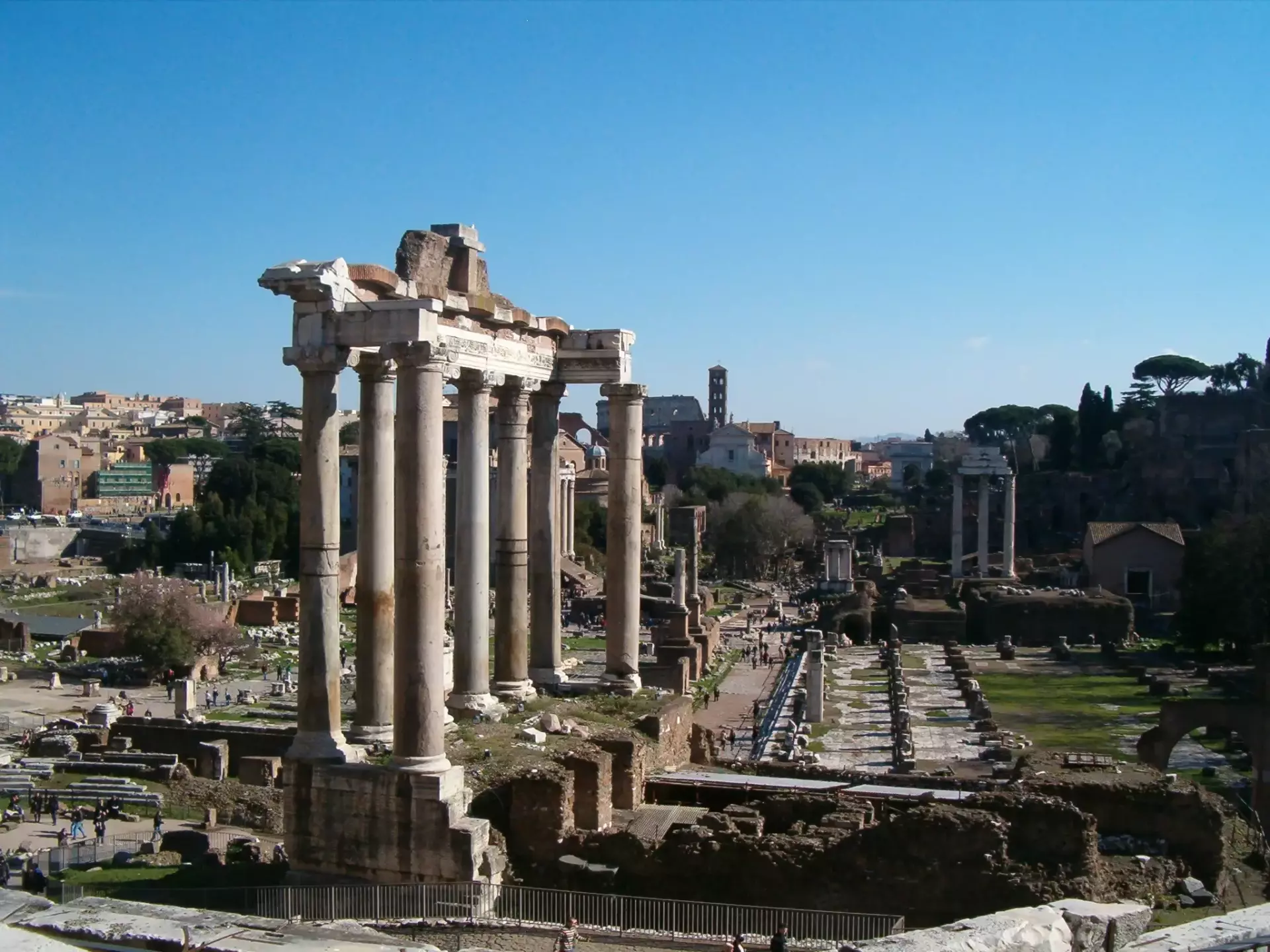
If stones could talk: these hallowed ruins were the most powerful seat of government in the world. To stand in the political, legal and religious centre of the whole Roman Empire brings shivers down one's spine. It is the best way of imagining the splendour and glory of ancient Rome. Located in a small valley between the Capitoline and Palatine hills, access to the Forum is by foot only, from an entrance on the Via dei Fori Imperiali. Wheelchair access is available for most of the Forum but be aware that the path is often bumpy due to it containing original stones from the ancient Roman period. The Forum is much less crowded than the Colosseum and, from a historical perspective, much more interesting. You can hire an audioguide for €5.5 from a small booth just above the Arch of Titus near the Colosseum. These audioguides contain an audio jack so that two people can easily share one. Built in 141 AD and dedicated to the Empress Faustina; after her husband emperor Antoninus Pius died in 161 AD the temple was rededicated to the couple. Completed in 179 BC. The 4th rebuilding of the meeting place for the Roman Senate, once converted into a church during the Middle Ages, but now restored since the 1930s. Erected in 203. You can see it close up from Via della Curia also (without entering the Forum). Finished in 29 BC, marks the spot of Caesar's spontaneous cremation and Mark Antony's funeral speech, made famous by Shakespeare in his play Julius Caesar ("Friends, Romans, Countrymen, lend me your ears ..."). Built in 81 AD by the emperor Domitianus in dedication to his brother Titus, who died earlier that year and reigned as emperor from 79-81, overseeing the opening of the Colosseum in 80 and the eruption of Mt Vesuvius the previous year. The remains of the ancient Roman archives, where Cicero and Seneca did research. Visible from the Forum and accessible through the Capitoline Museum.