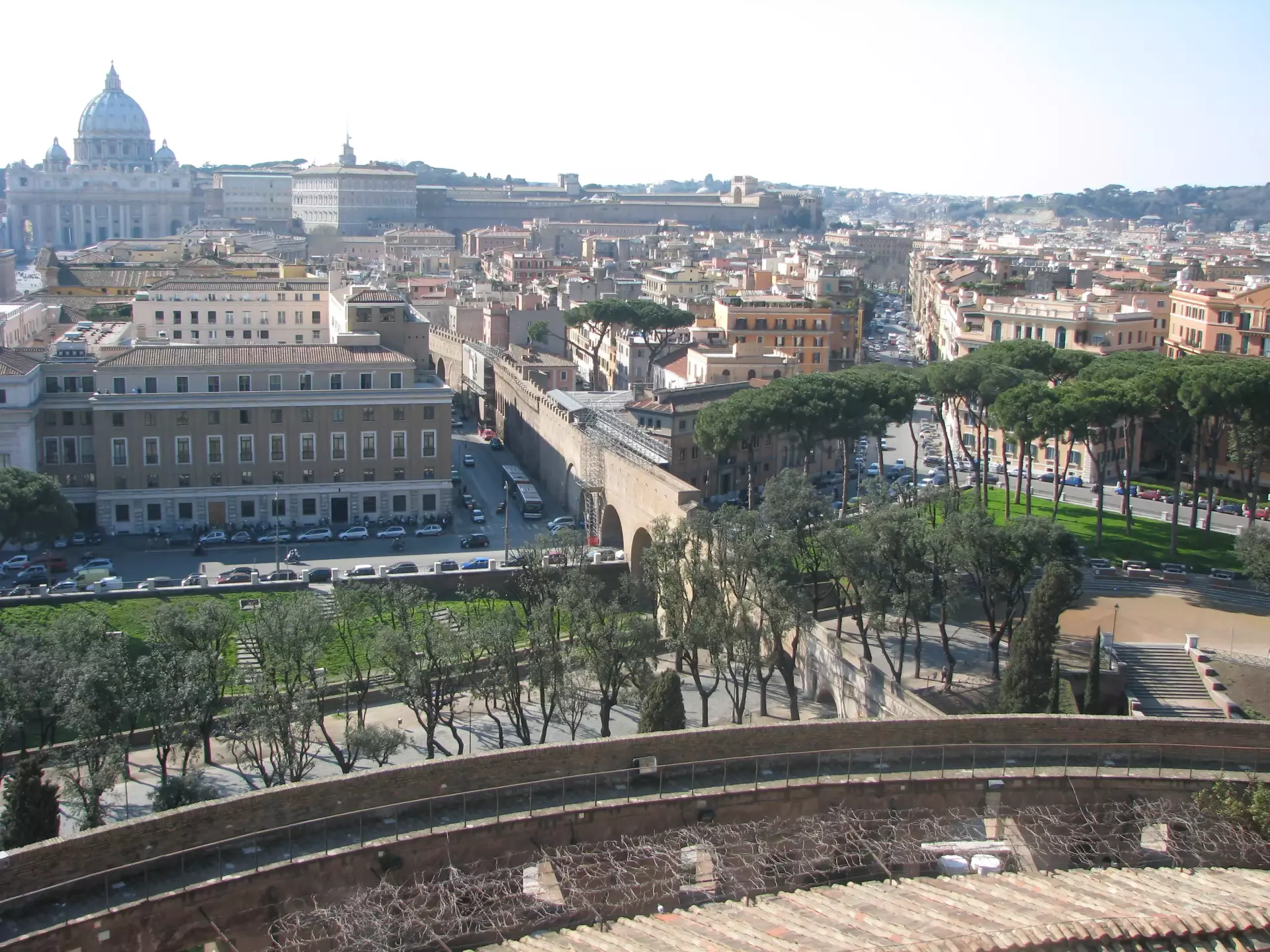
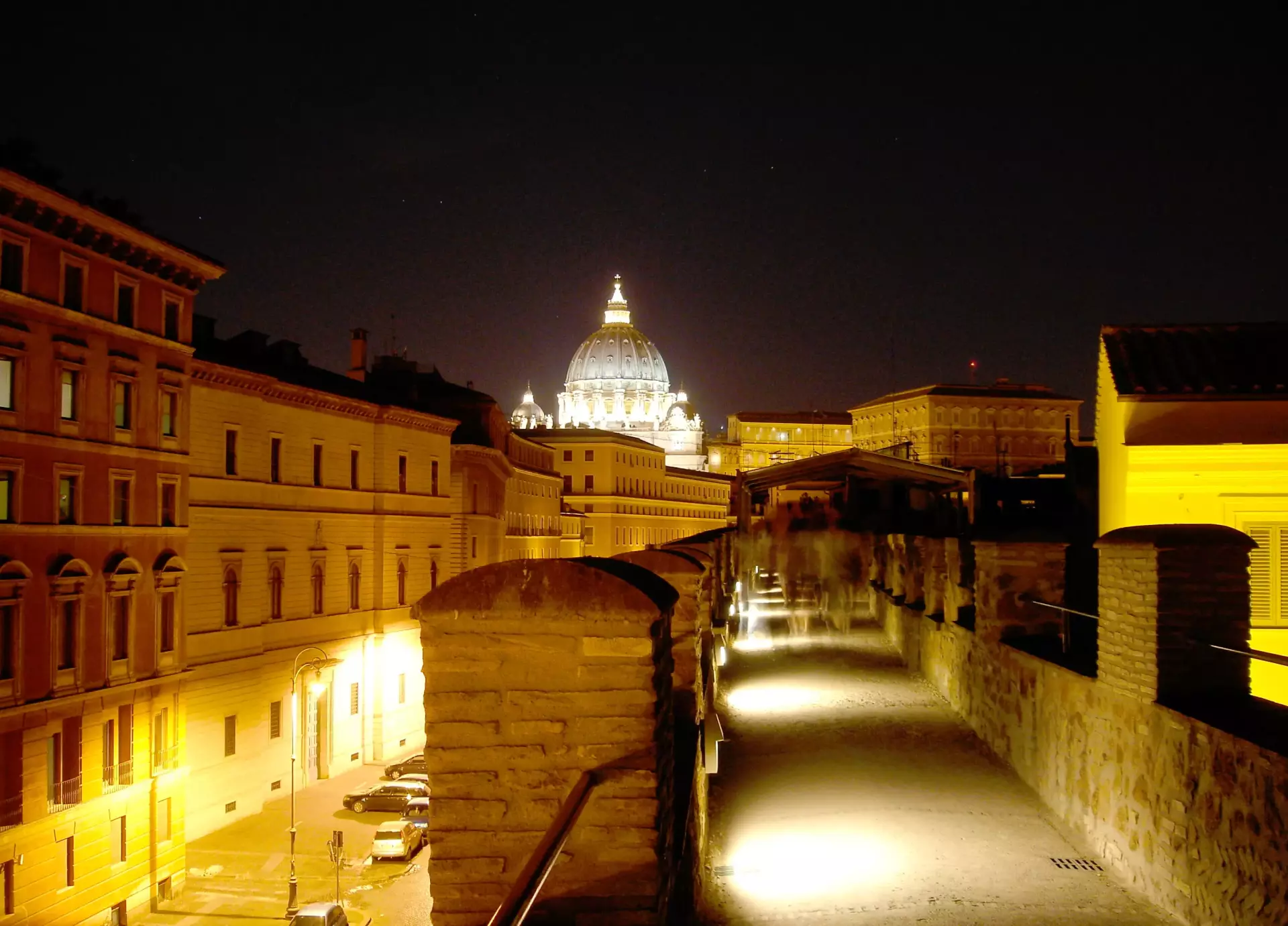
In Rome, a remarkable historic corridor called the Passetto di Borgo links two of the city's most famous sites: Castel Sant'Angelo and St. Peter's Basilica. The passage was built by Pope Nicholas III, who ordered the construction of this covered and fortified walkway to connect the papal residence to the Vatican safely.
The Passetto di Borgo played a dramatic role in the city's history. During the Sack of Rome in 1527, Pope Clement VII used this secret route to escape enemies and seek refuge in Castel Sant'Angelo. The corridor’s thick walls and hidden path made it a lifeline during times of turmoil, illustrating the challenges faced by medieval popes.
Today, much of the Passetto di Borgo still survives. Visitors strolling along Borgo Sant'Angelo, a street that runs parallel and just north of the Via della Conciliazione, can see sections of the ancient corridor. Its presence offers a glimpse into the defensive strategies and architectural ingenuity that shaped Rome’s past.
Source - https://en.wikipedia.org/wiki/Passetto_di_Borgo
Next door to Santa Croce. A collection of around 3000 pieces, although only a third of these are displayed.
The Ghetto lies between the island in the River Tiber and the Theatre of Marcellus and includes Rome’s synagogue. It was established in 1555 as a result of a Papal Bull by Pope Paul IV that required all Jews to live in the area, considered one of the least desirable quarters of the city, as it was subject to constant flooding by the river. The area was originally enclosed by walls and gates that were only open during the day. With the end of the Papal States in 1870, the requirement that Jews live in the Ghetto came to an end. The walls were torn down in 1888 and much of the ghetto was demolished. However, there is still much to see, including walls of buildings that incorporate Roman ruins, and there are several good Jewish restaurants.
A 1st-century tomb surrounded by two farmhouses from the Middle Ages, one of which used to be a cheese store. Rather hidden behind a high wall, the tomb is rarely open to the public. You might be lucky on a Sunday: on the third Sunday of every month there is a guided tour at 11:00.
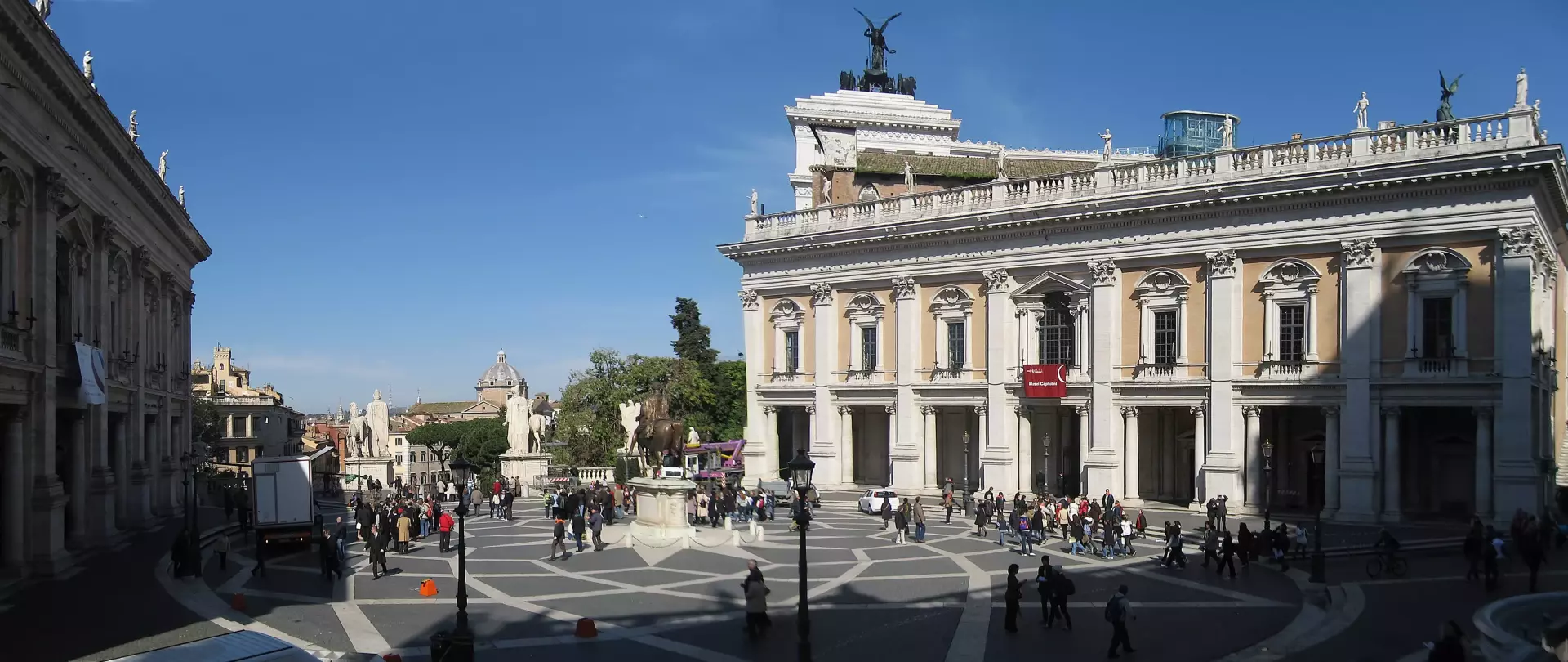
Also based on a Michelangelo architectural plan, this compact gallery is well endowed in classical sculpture and paintings. Highlights include the small 1st-century-BC bronze Lo Spinario, a Greek statue of a little boy picking a thorn from his foot; the Lupa Capitolina (Capitoline Wolf), a rare Etruscan bronze statue probably dating from the 5th century BC; and (in the entrance courtyard), the massive head, hands, foot and kneecap from a colossal statue of Constantine the Great. The palace also contains a Pinacoteca (Picture Gallery) with paintings mainly from the 16th and 17th centuries - highlights include: Caravaggio's Fortune-Teller and his curious John the Baptist; The Holy Family, by Dosso Dossi; Romulus and Remus, by Rubens; and Titian's Baptism of Christ.
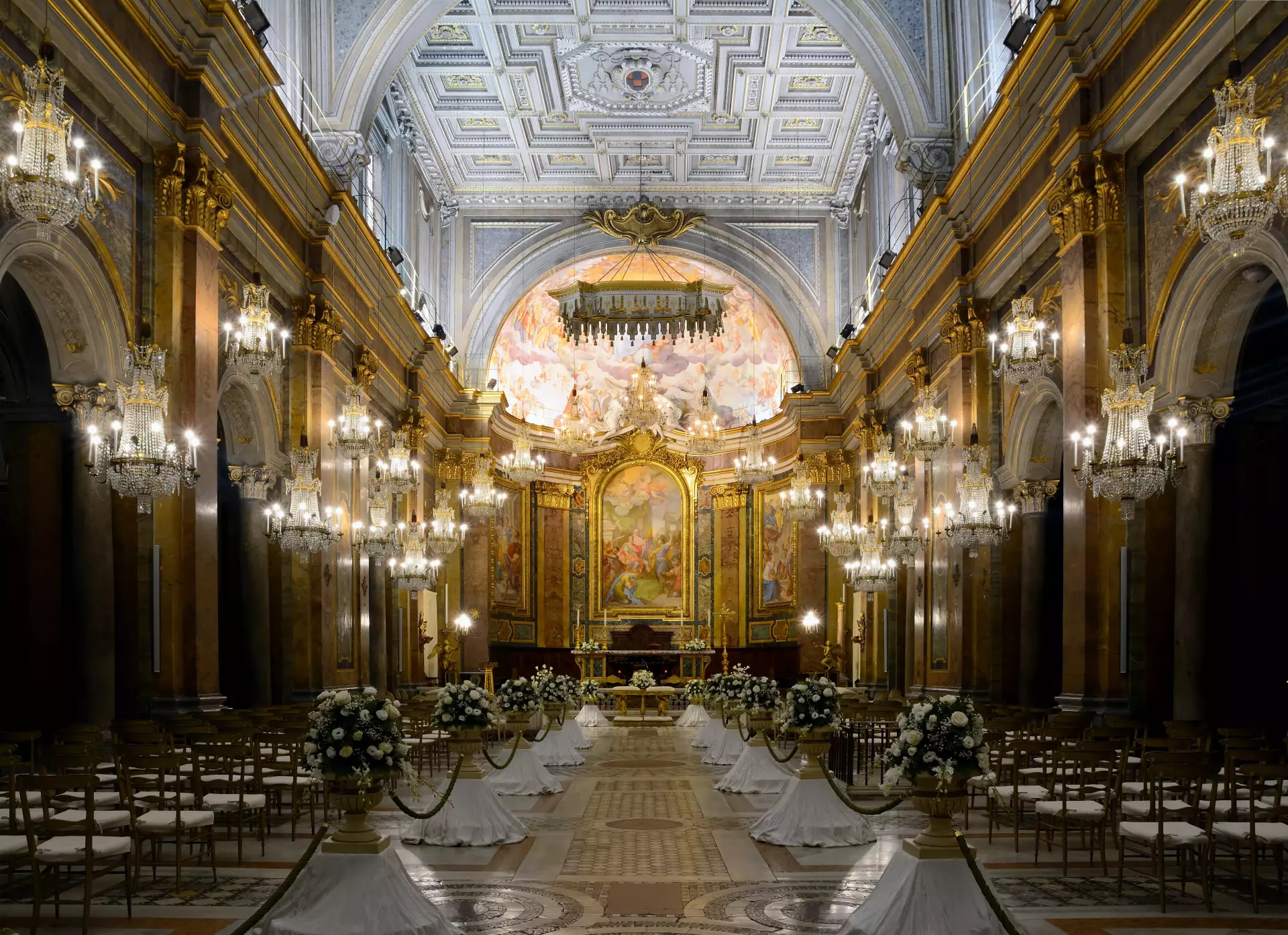
According to the legendary passio, two brothers, John and Paul, who were officials at the imperial court, suffered martyrdom in 362 in their home on the Caelian hill, during the reign of emperor Flavius Claudius Julianus. This basilica dedicated to these two Roman officers was erected starting from 398 and was used first as a domus ecclesiae by the Christian community.
A relaxing place to sit and recover from the exertions of sightseeing. Permanent collection plus annual competition.
Known properly as the Flavian Amphitheatre, this most famous of Roman landmarks takes its name from the giant statue of the emperor Nero that once stood near this location. The amphitheatre was capable of seating 50,000 spectators for animal fights and gladiatorial combats. It was a project started by the Emperor Vespasian in 72 and completed by his son Domitian sometime in the 80s. The Colosseum when completed measured 48 m high, 188 m in length, and 156 m in width. The wooden arena floor was 86 m by 54 m, and covered by sand.;Expect a long queue and an even longer wait. You can skip the queue if you decide to take a tour, but if you don't want a tour, you can STILL skip the queue. If you walk to the entrance for the Roman Forum, you can buy tickets there which allow you to bypass the queues. You can also buy tickets online. There are lots of people offering tours in English just outside the entrance to the Colosseum. Inside you can take a tour (English, Spanish, or German) every 30 minutes or so for an additional fee. The tours are given by knowledgeable archeologists, but they don't take you to any areas you couldn't visit on your own.
A strange building, constructed by Reginald Pole, an English cardinal and later Archbishop of Canterbury, allegedly on the spot where he was able to escape from assassins sent by the English King Henry VIII.
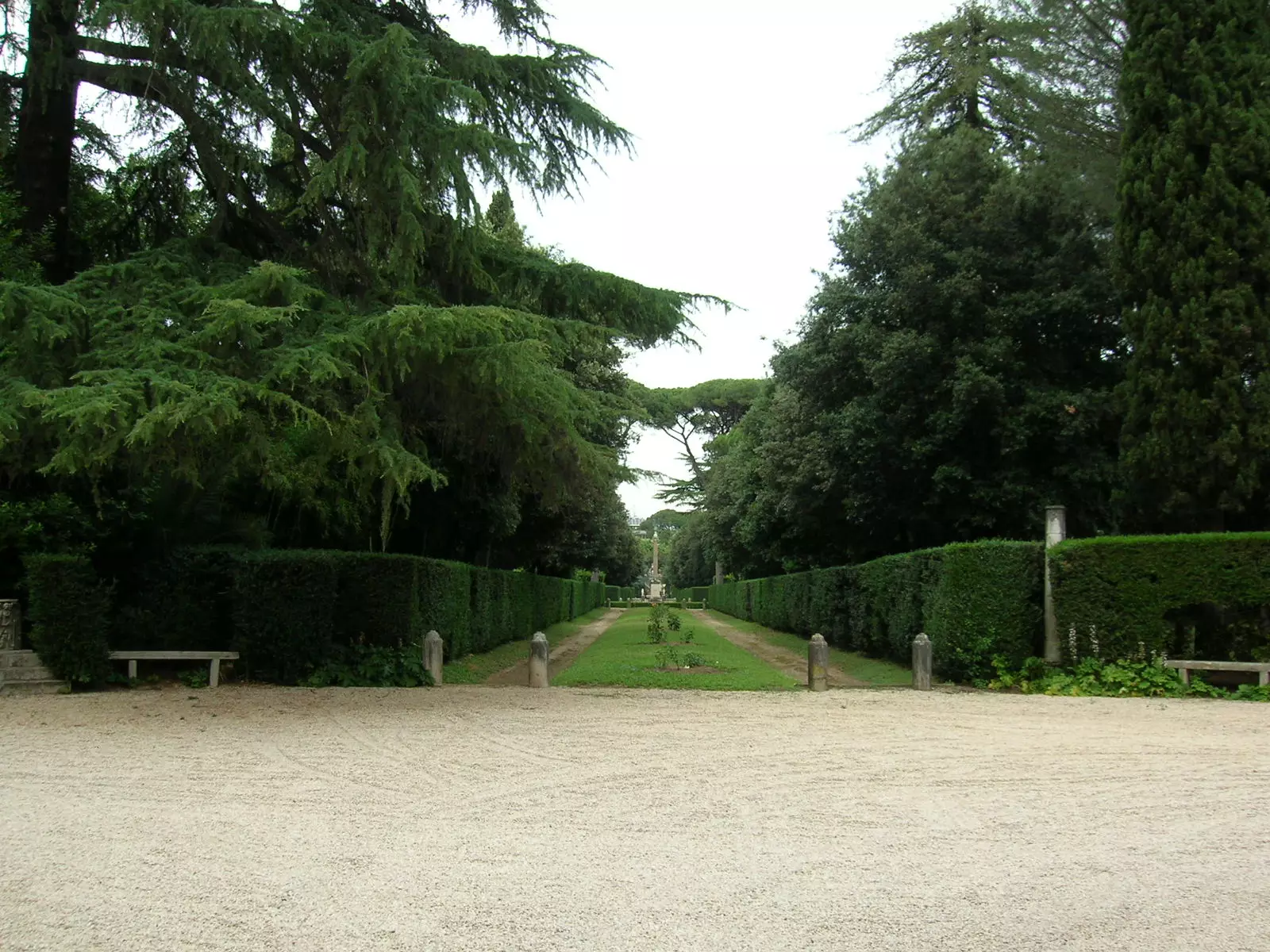
Home of the President of the Italian Republic, and the Quirinal Gardens. Built in 1573 as a papal summer residence, and has since also served as the residence for the pope and later for the king of Italy.
The Catacombs of Domitilla are considered to be the best preserved of all Roman catacombs. They are the only ones still to contain bones. Domitilla also has a subterranean basilica, much of which was reconstructed in 1870.
A 19th-century addition to the square, made to balance the Fontana del Moro.