
Tourist attractions in Rome



Monument to Victor Hugo
Rome, Italy
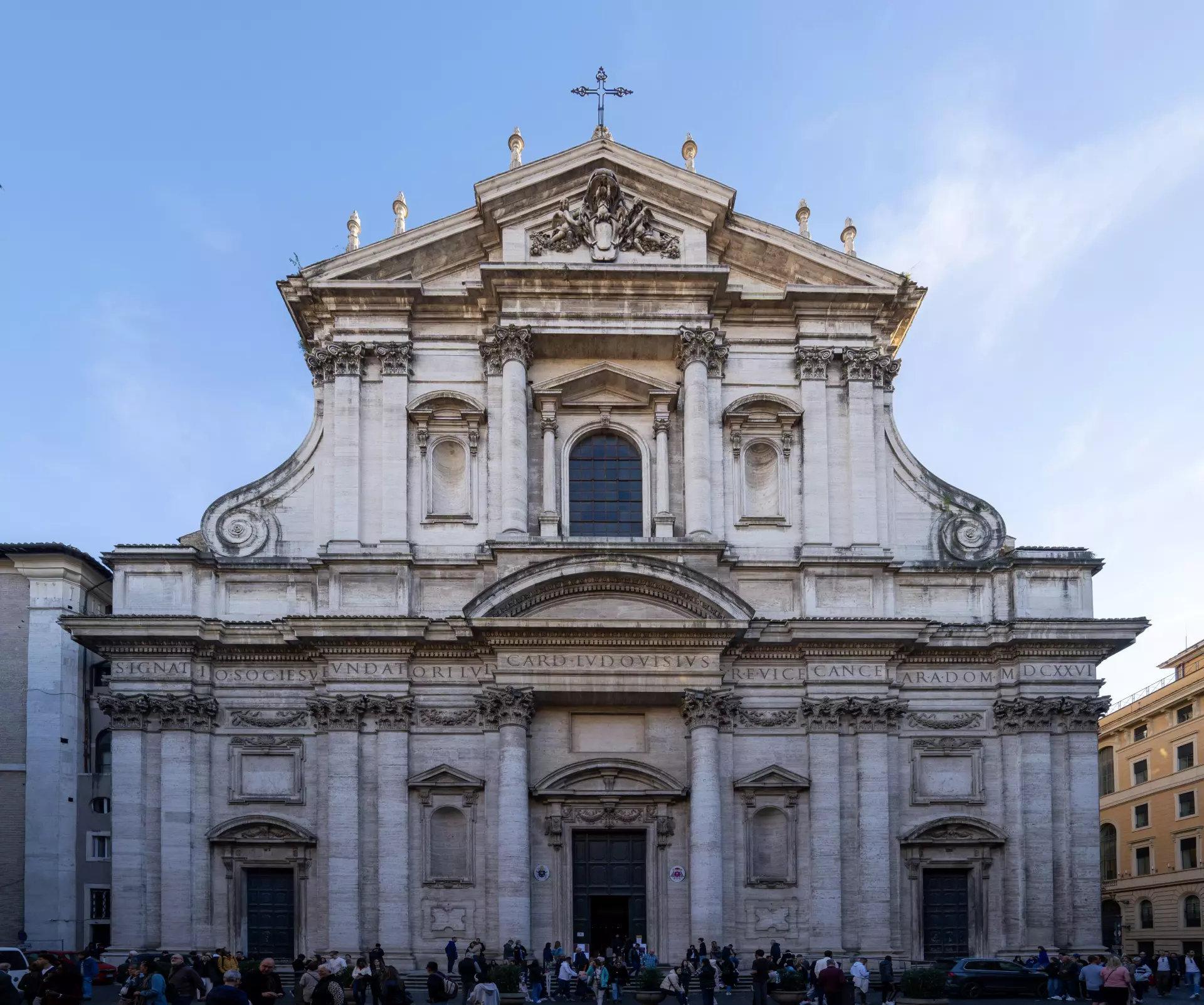
Sant'Ignazio Church
Rome, ItalyBetween the Pantheon and Via del Corso. A stunning example of Baroque art. The ceiling frescoes are especially fine, including a trompe l'oeil dome by the master Andrea Pozzo.

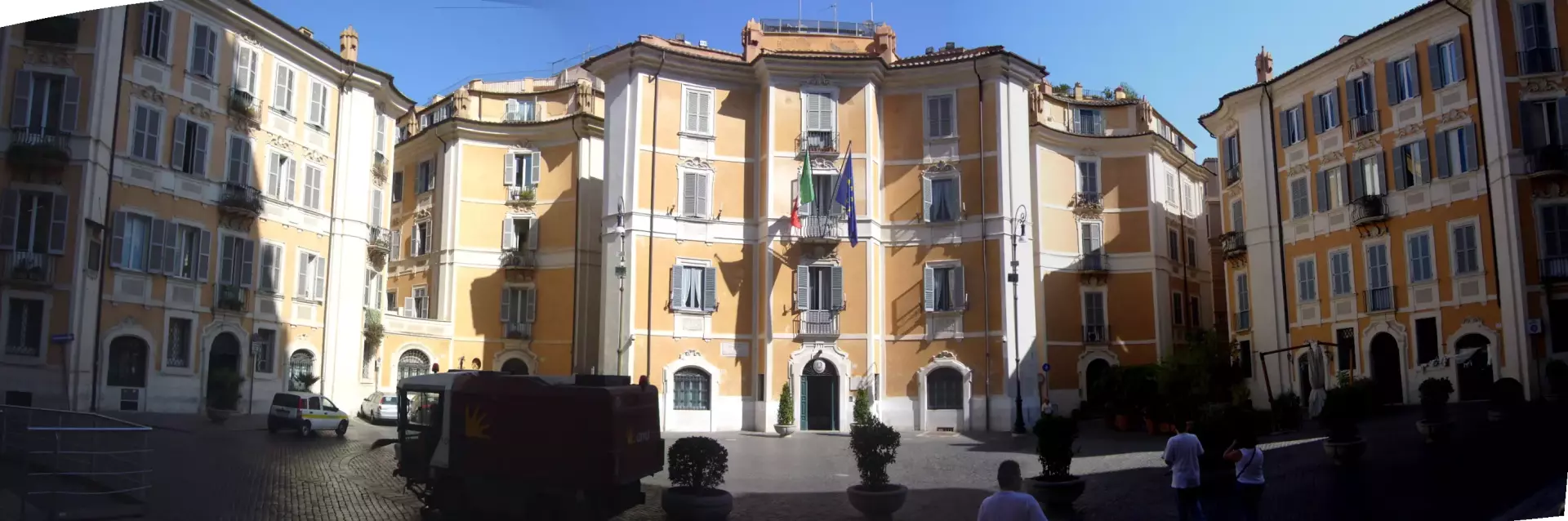
Piazza di Sant'Ignazio
Rome, Italy
Piazza di Pasquino (Rome)
Rome, ItalySmall piazza about 20 m (65 ft) from Piazza Navona, behind the Brazilian Embassy. There is a statue named "Pasquino", according to a legend named after a tailor who used to work nearby and had a reputation for complaining. The statue has been used for the past three centuries as a place to hang messages, complaints and other opinions which have to be shared with the neighborhood. The statue is probably an ancient Roman portrait of Hercules.
Via del Governo vecchio (Rome)
Rome, ItalyThe street is named after the Palazzo del Governo Vecchio, the seat of the Papal government in the 17th and 18th centuries. It was part of the Via papalis which connected St. John Lateran and St. Peter's. Houses nr. 104 and 106 date to the 15th century and there are some houses from the 16th century as well. The palace on nr. 123 was intended to be the residence of Bramante. The Palazzo del Governo Vecchio is situated just opposite.

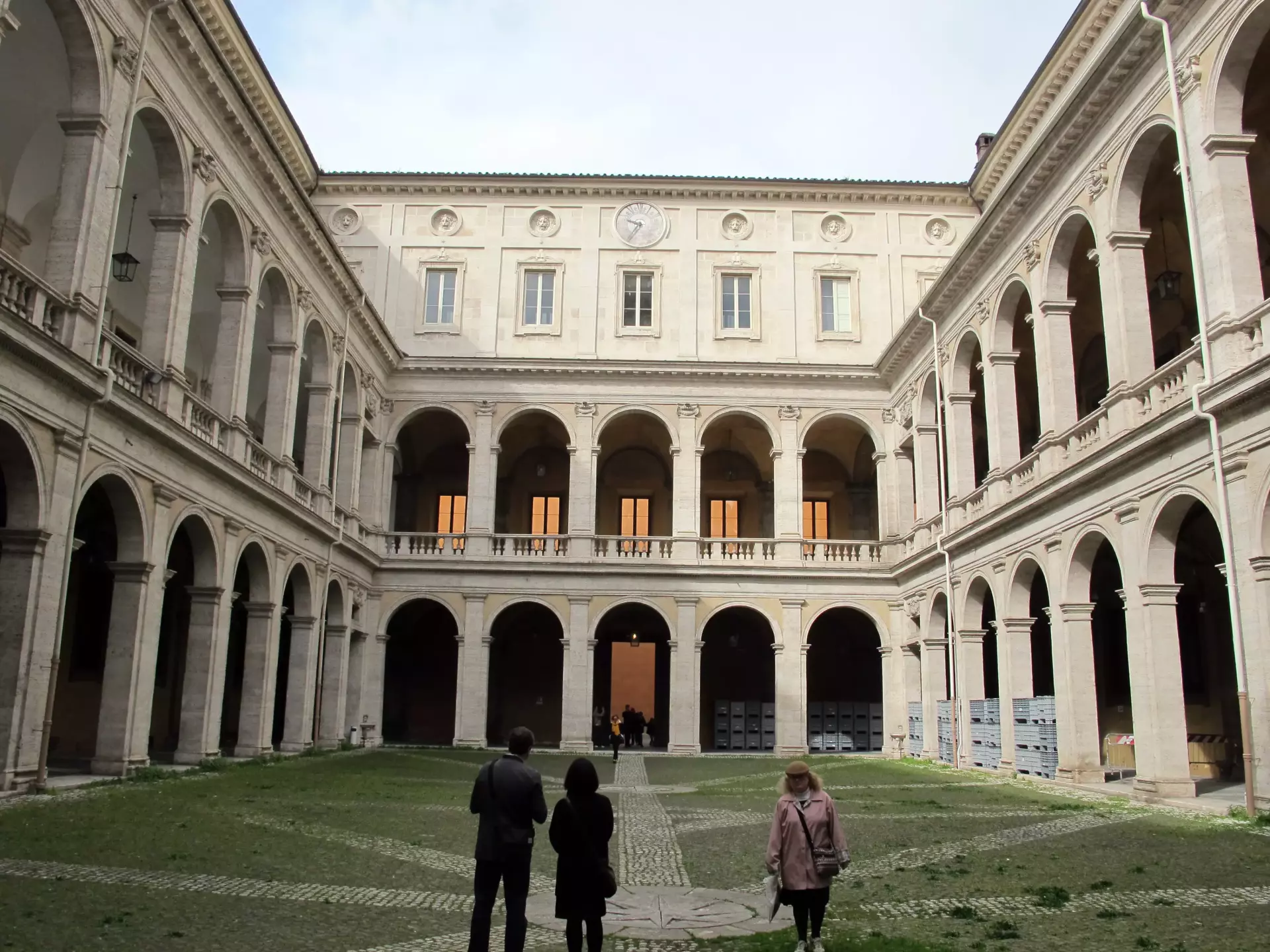
Palazzo della Sapienza
Rome, ItalyThis building housed the University of Rome from the middle of the 15th century until 1935. The splendid interior courtyard was created by Giacomo della Porta. The inside church of Sant'Ivo (see above) is one of the masterpieces of the architect Borromini.
Hosteria dell'Orso
Rome, ItalyA historical inn where reputedly the Italian poet Dante Aligheri and French travellers of the 16th century, including the poets François Rabelais and Michel de Montaigne, stayed.

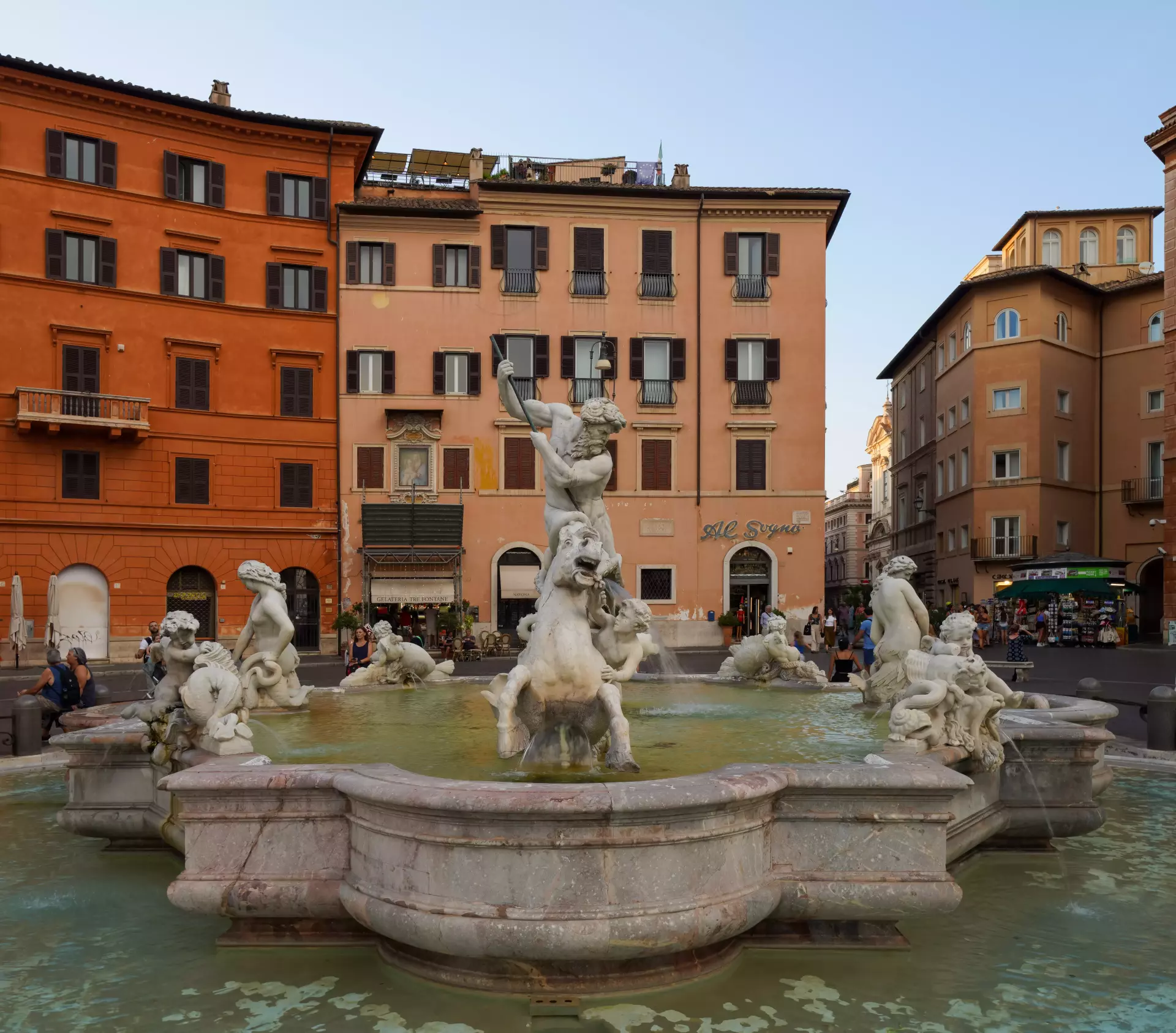
Fountain of Neptune - Neptune fighting an octopus
Rome, ItalyA 19th-century addition to the square, made to balance the Fontana del Moro.

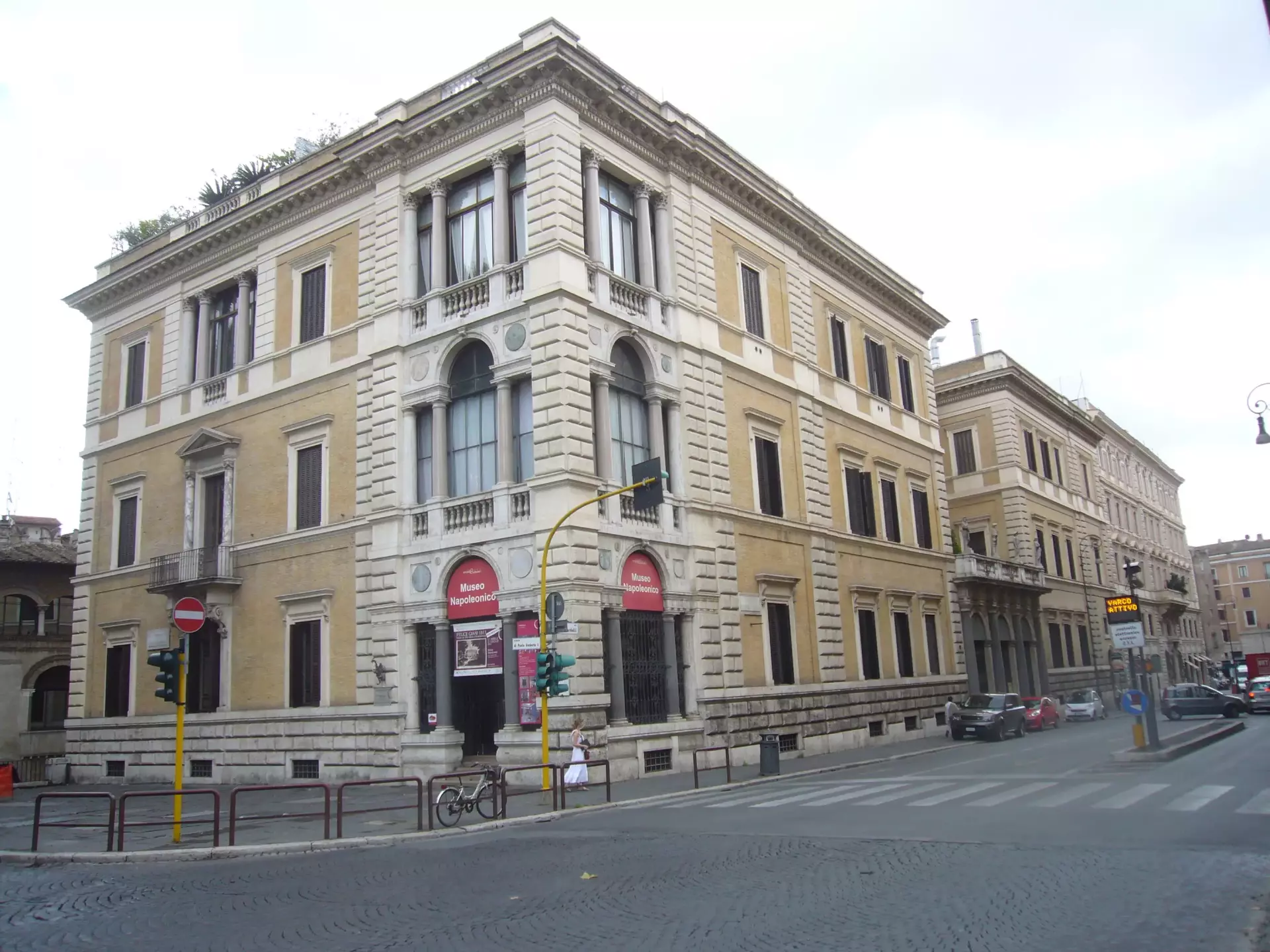
Napoleonic Museum
Rome, ItalyThe museum is dedicated to Napoleon Bonaparte and his family. After Napoleon's death in 1821 the Pope gave permission to his family to settle down in Rome. His sister married Prince Camillo Borghese.

Crypta Balbi
Rome, ItalyThis museum is built on top of the excavation site of the Balbi Crypt, a building from the first century A.D. which underwent considerable modifications in the following centuries. Through the building's history, the museum gives us glimpses of what Roman life across the ages was like. Free visits of the ruins are possible. The Essedra ruins are only accessible on Saturdays and Sundays, at 10:45, 11:45, 12:45, 14:45 and 15:45.

Saint Charles at the Four Fountains
Rome, Italy
Astronomical Museum with Planetarium
Rome, ItalyRegular shows plus an excellent astronomical museum.

