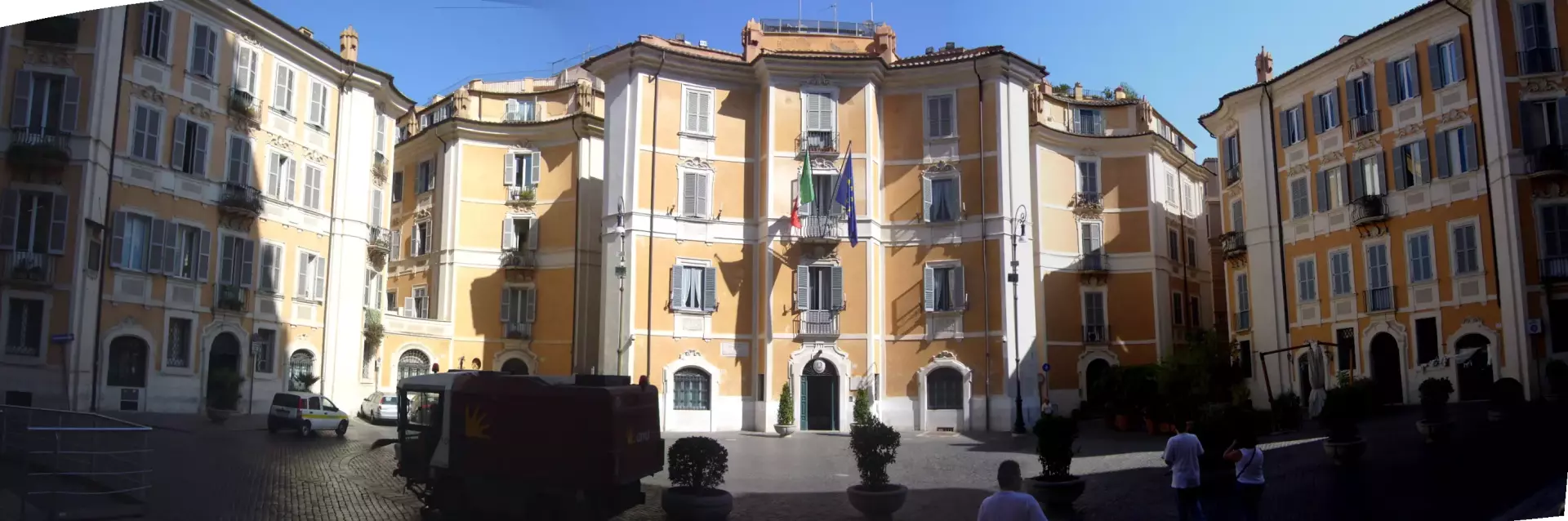
Piazza di Pasquino is a small public square located just about 20 meters (65 feet) from the famous Piazza Navona in Rome. Tucked behind the Brazilian Embassy, this quiet spot offers a glimpse into the city's unique traditions and history.
At the center of the square stands a weathered statue known as "Pasquino." According to local legend, the statue is named after a tailor who once worked nearby. This tailor was known throughout the neighborhood for his sharp tongue and habit of voicing complaints. Over time, the statue took on his name and his tradition of speaking out.
For more than three centuries, Pasquino has been much more than a piece of ancient art. Locals have used the statue as a community message board, posting satirical notes, complaints, and opinions about daily life and politics. These messages, known as "pasquinades," have turned the statue into one of Rome’s iconic "talking statues," giving ordinary people a way to express themselves.
Art historians believe that the statue itself is an ancient Roman portrait, possibly representing Hercules. Despite its worn features, Pasquino continues to be a symbol of public voice and neighborhood spirit in Rome.
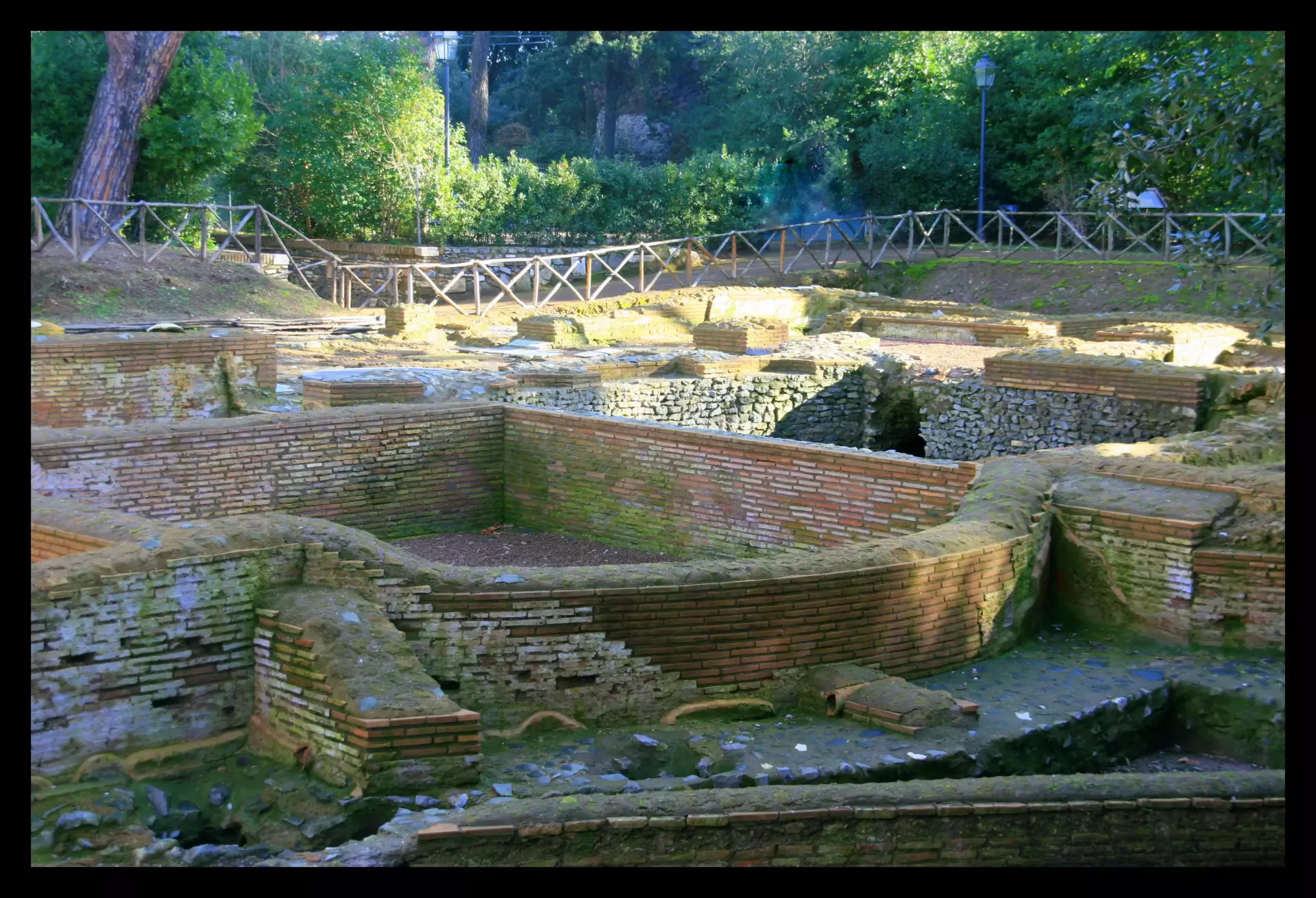
This impressive villa covers 23 hectares. It can be accessed from the Via Appia Nuova (Bus 118) or through Via Appia Antica 251. Parts can be seen from the Appian Way at around the 5th mile just after No 251. The villa was built by Maximus and Condinus Quintilii. The emperor Commudus liked it so much that he put the brothers to death in 182 AD and took it for himself. A museum has friezes and sculptures from the villa. The nypheum, the tepidarium and the baths may also be visited. At Appia Antica 251 is Santa Maria Nova, a farmhouse that has undergone many reincarnations since being built on top of a Roman cistern that was probably used by Villa dei Quintilii.
The Catacombs of Domitilla are considered to be the best preserved of all Roman catacombs. They are the only ones still to contain bones. Domitilla also has a subterranean basilica, much of which was reconstructed in 1870.
A tomb for the wealthy Gaius Cestius, who died in 12 BC. Admission to the monument only by guided tours on specific dates (2nd and 4th Saturday every month, and in combination with a ticket to the Museum of Via Ostiense also on the 1st and 3rd Saturday of every month).
At the southern end of the Piazza, designed by Bernini but the main statue of the Moor was done by Giacomo della Porta and the other statues are 19th-century copies of the originals.
This is an important place of pilgrimage for Catholics because of the supposedly miraculous powers of an image of the Virgin Mary. The first miracle was in 1740 when a traveller being attacked by a pack of dogs called out to the Virgin’s image for rescue and the dogs calmed down. The image was moved to Rome in the Second World War and is credited with saving the city from destruction, as a result of which Romans vowed to construct this new sanctuary.
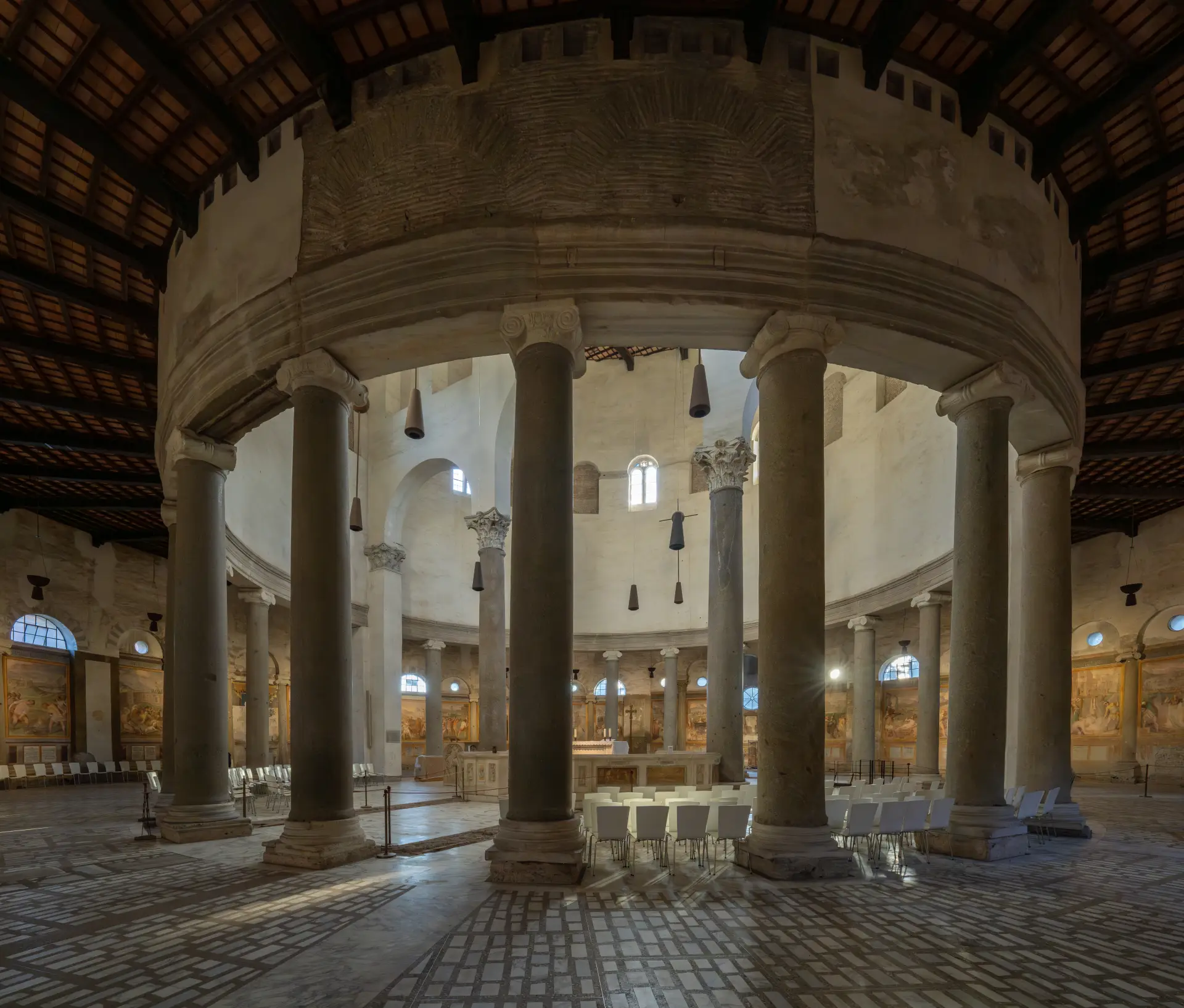
Unusual and fascinating round church dedicated to St. Stephen. It is the national church of Hungary in Rome. Dating from the 5th Century this is believed to be the largest round church in the world. Charles Dickens described its wall paintings of martyrdom and butchery as "hideous". A good starting point to visit the attractions of the Celio Hill (see Rome/Aventino-Testaccio).
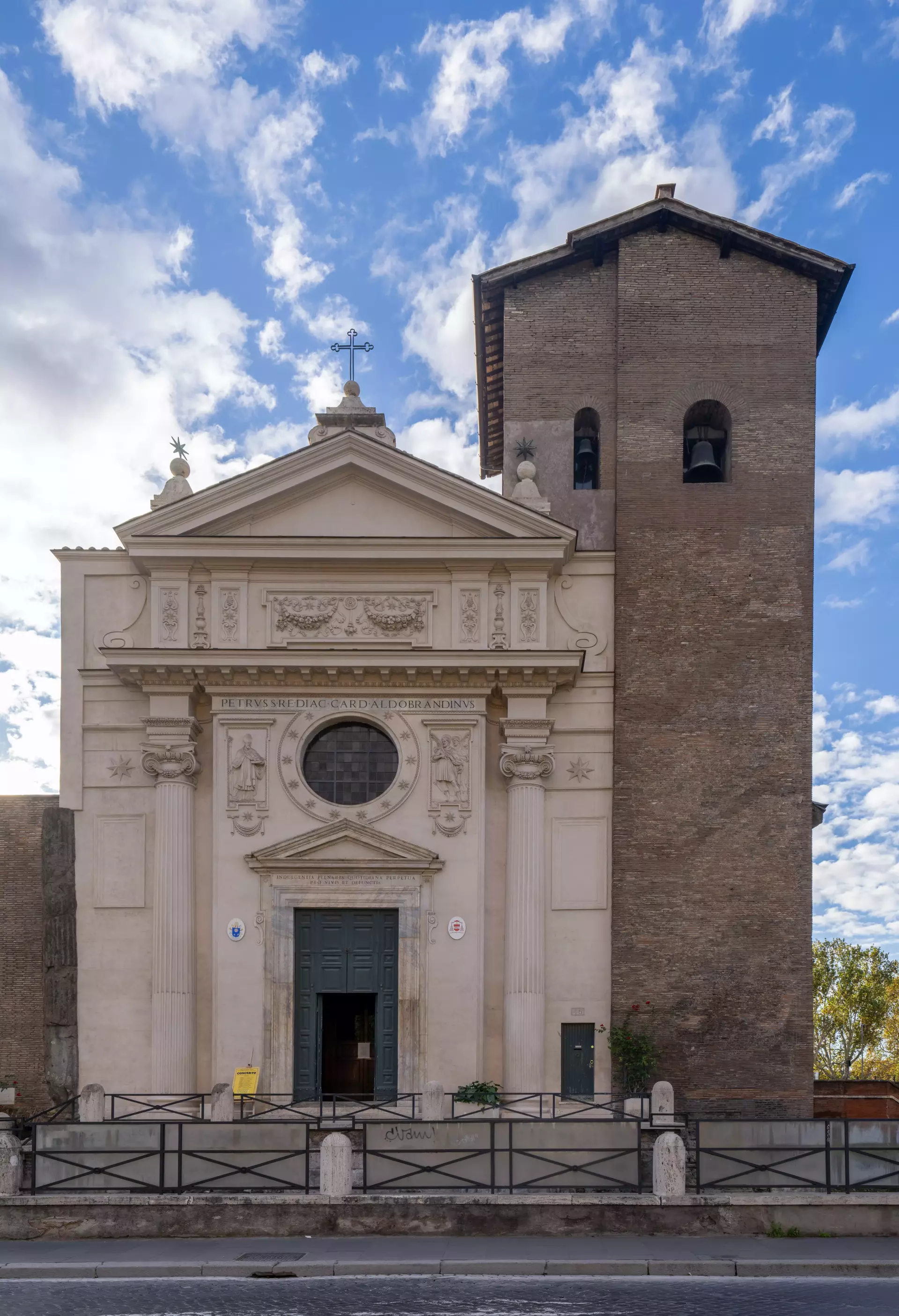
This church can be an interesting deviation if you are passing through its neighbourhood. It is believed to be the grave of the Saints Ciro and Giovanni, killed during the time of the Emperor Diocletian. The original name was Abba Cyrus and through Appaciro and then Appacero it finally became Pacera, very close to today's Passera. The building is on top of a 3rd century building still visible in the lower floor and in the underground. The main part of the building dates back to the 9th century as do the frescoes on the higher floor. Some of the frescoes have been restored. Downstairs there is a small quadrangular room and the underground, where the remains of the two Saints are supposed to be. There are still visible 3rd century traces of Roman frescoes; in front of the stair you can enjoy a small bird, the Justice, and an athlete while in the vault some eight apex stars. Bus 128,780,781,775 (first stop in Via della Magliana).
With its strange Liberty- style buildings with influence from the Art Nouveau of the 1920s this small bunch of blocks is one of the most interesting, and less known, landmarks of the city. A must see.
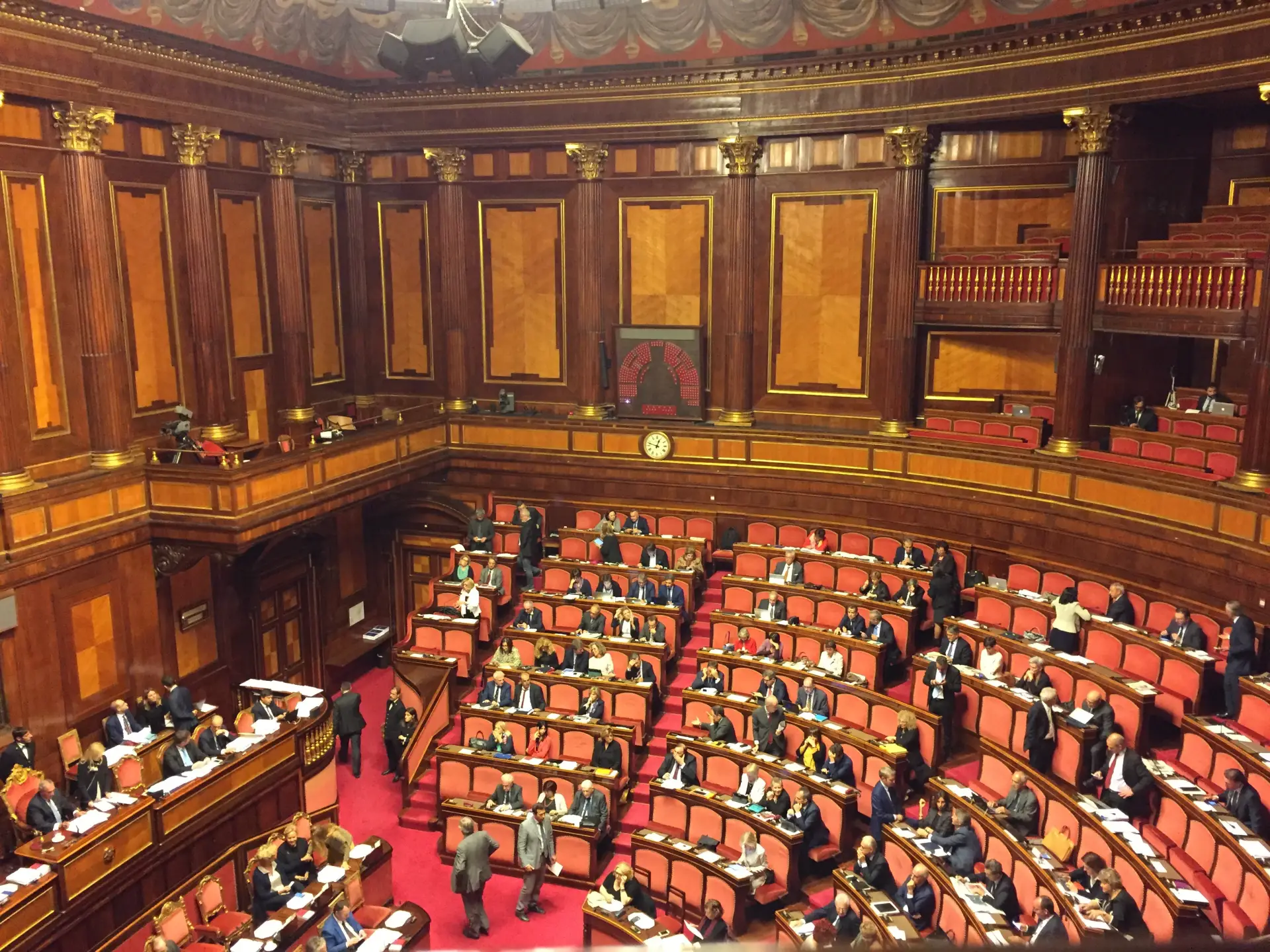
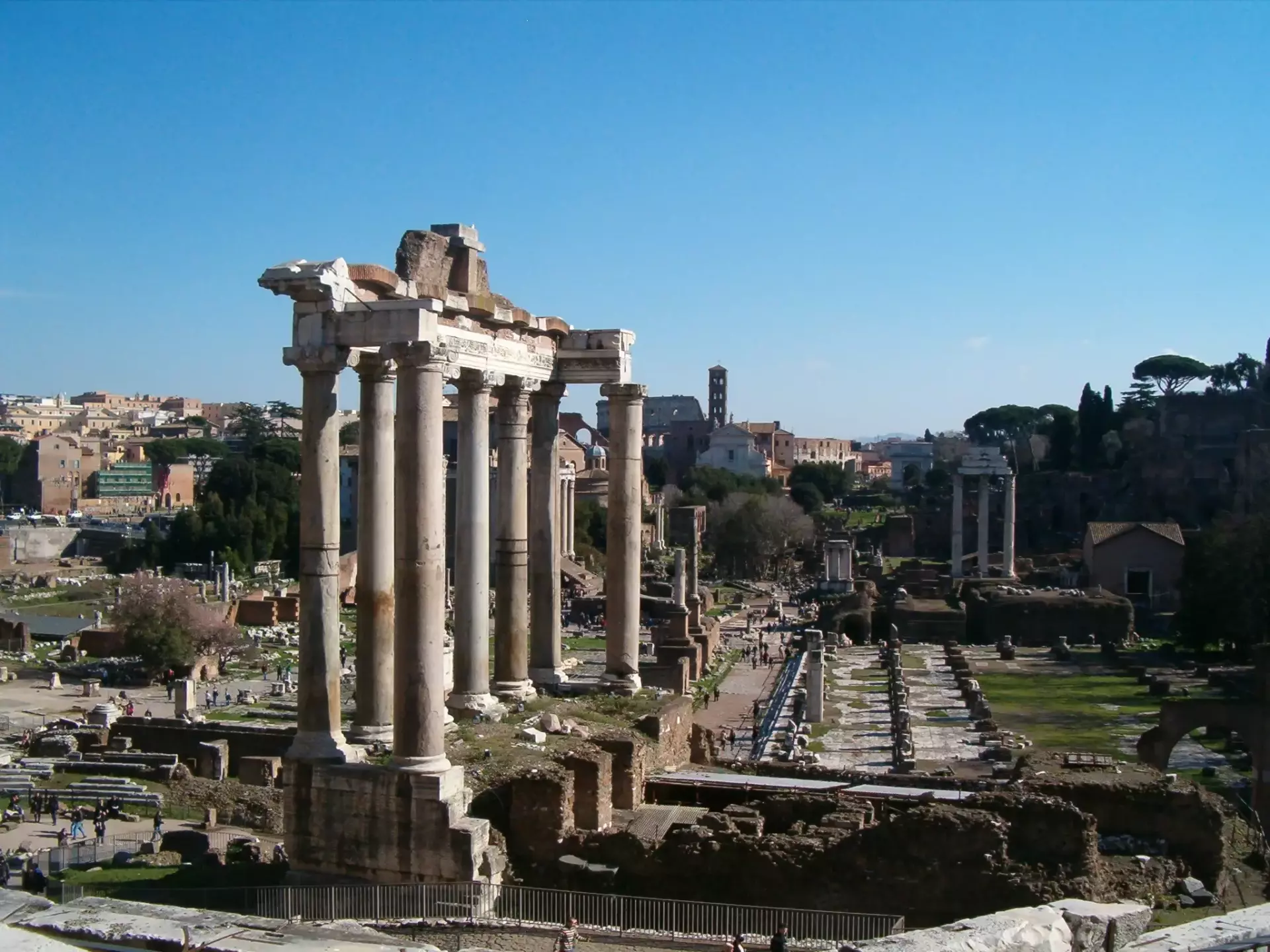
The 4th rebuilding of the meeting place for the Roman Senate, once converted into a church during the Middle Ages, but now restored since the 1930s.
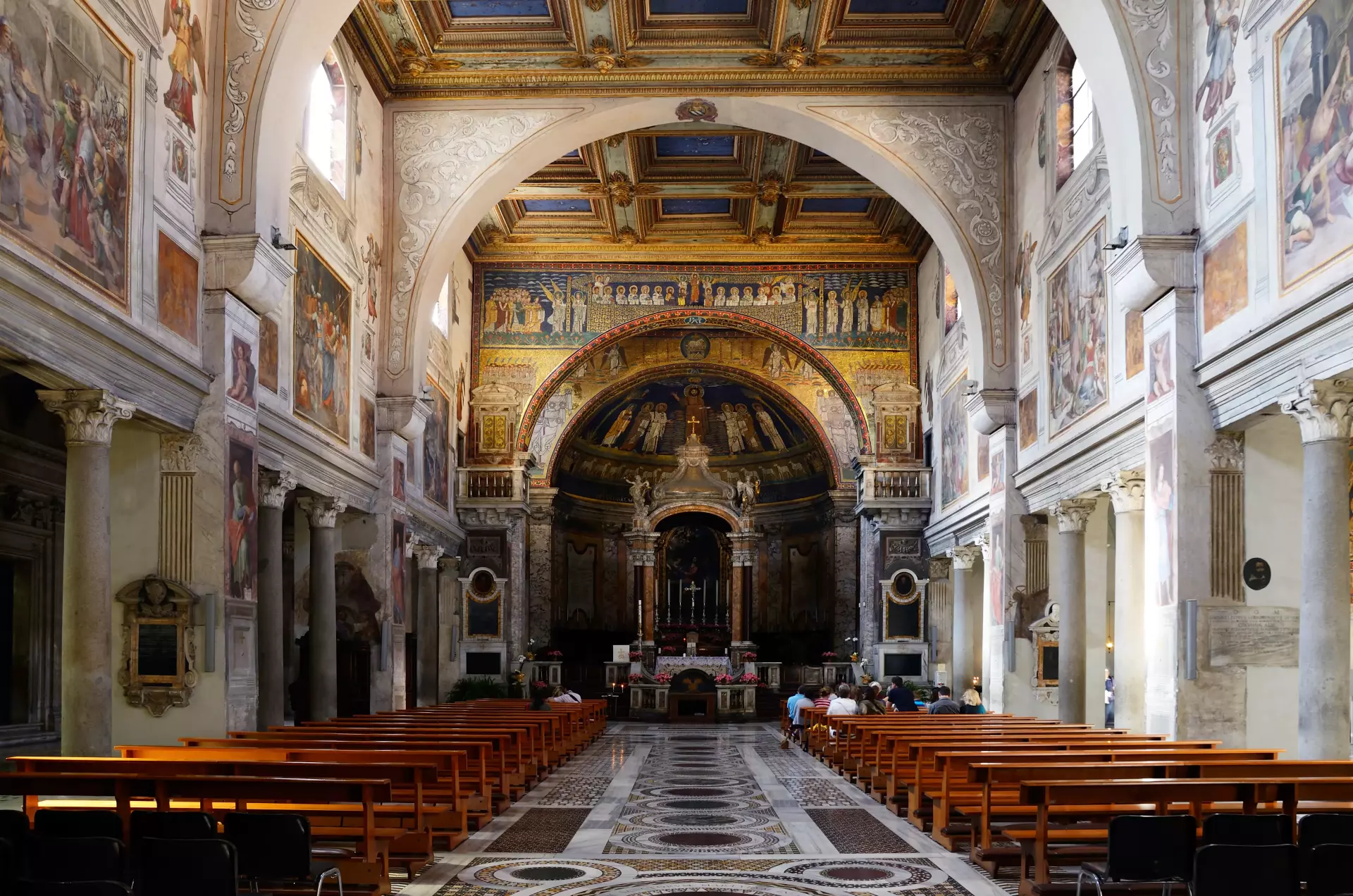
Minor basilica in 17th-century baroque style with good art inside. In a smaller Italian city, this might be a prime attraction, but in Rome, with its abundance of great churches, this is merely a pleasant church of secondary interest to visit if you are in the area.
Rome's museum of contemporary art, housed in a former industrial complex. Rotating exhibitions, each one usually lasting about 4 months. The MACRO Testaccio exhibition space is located in Aventino-Testaccio.
Permanent collection features paintings and drawings of Rome between the 18th and 20th centuries together with a fascinating black and white photo exhibition of Rome from 1950-80. Also offers rotating exhibitions, usually of the work of photographers.