The Monument to Victor Hugo stands as a tribute to one of France’s greatest writers. Located in Paris, this impressive statue draws the attention of both locals and visitors. Surrounded by the greenery of Avenue Victor Hugo, the monument provides a striking contrast against the city’s classic architecture.
The monument was designed by the renowned sculptor Auguste Rodin and was unveiled in 1909. Rodin’s work captures Victor Hugo deep in thought, as if imagining his next literary masterpiece. The statue celebrates Hugo’s impact on French literature, especially works like “Les Misérables” and “The Hunchback of Notre-Dame.”
The bronze statue depicts Victor Hugo seated, his cloak draped around him, with a look of contemplation on his face. The base of the monument features decorative reliefs, further illustrating scenes from Hugo’s famous novels. Trees line the area, making it a quiet spot perfect for reflection or a leisurely stroll.
For generations, the monument has served as a gathering place for admirers of Victor Hugo’s writing and for those who appreciate French culture. School groups, literary enthusiasts, and tourists often pause here to pay their respects or simply enjoy the peaceful atmosphere. The statue remains a lasting symbol of Hugo’s influence and the city’s rich literary heritage.
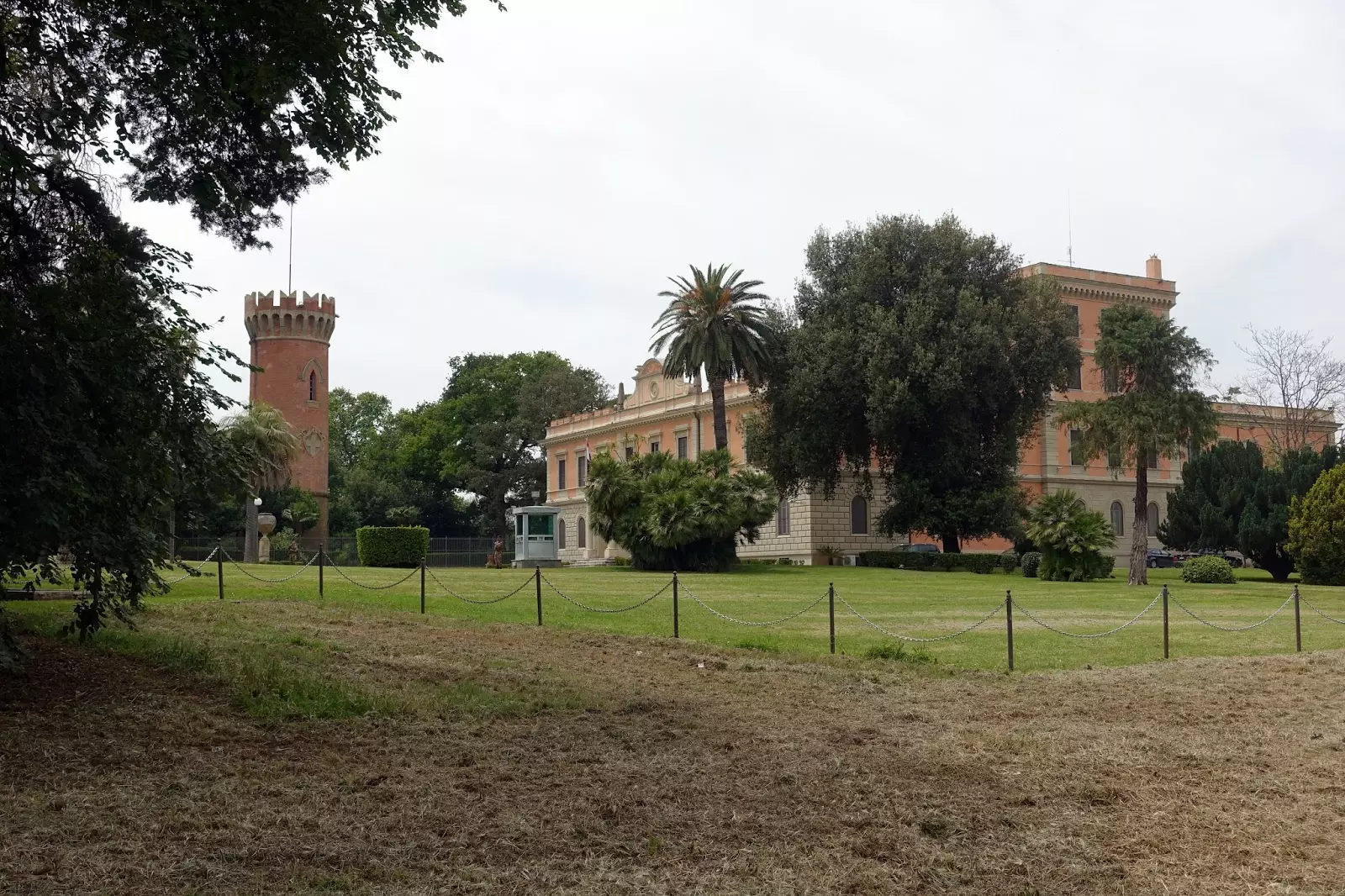
The enormous building at the southeast end of the Circus Maximus is the headquarters of the UN Food and Agriculture Organization (FAO). From its roof are undoubtedly the best views of Rome, but you will need to know someone who works there to get past the strict security.
The Ghetto lies between the island in the River Tiber and the Theatre of Marcellus and includes Rome’s synagogue. It was established in 1555 as a result of a Papal Bull by Pope Paul IV that required all Jews to live in the area, considered one of the least desirable quarters of the city, as it was subject to constant flooding by the river. The area was originally enclosed by walls and gates that were only open during the day. With the end of the Papal States in 1870, the requirement that Jews live in the Ghetto came to an end. The walls were torn down in 1888 and much of the ghetto was demolished. However, there is still much to see, including walls of buildings that incorporate Roman ruins, and there are several good Jewish restaurants.
Beautiful park, the 2nd largest in Rome (after Villa Doria Pamphili) at 450 acres/182 hectares. Hosts concerts on summer evenings. former summer residence of Italian monarchs. Also known for it's bunker.
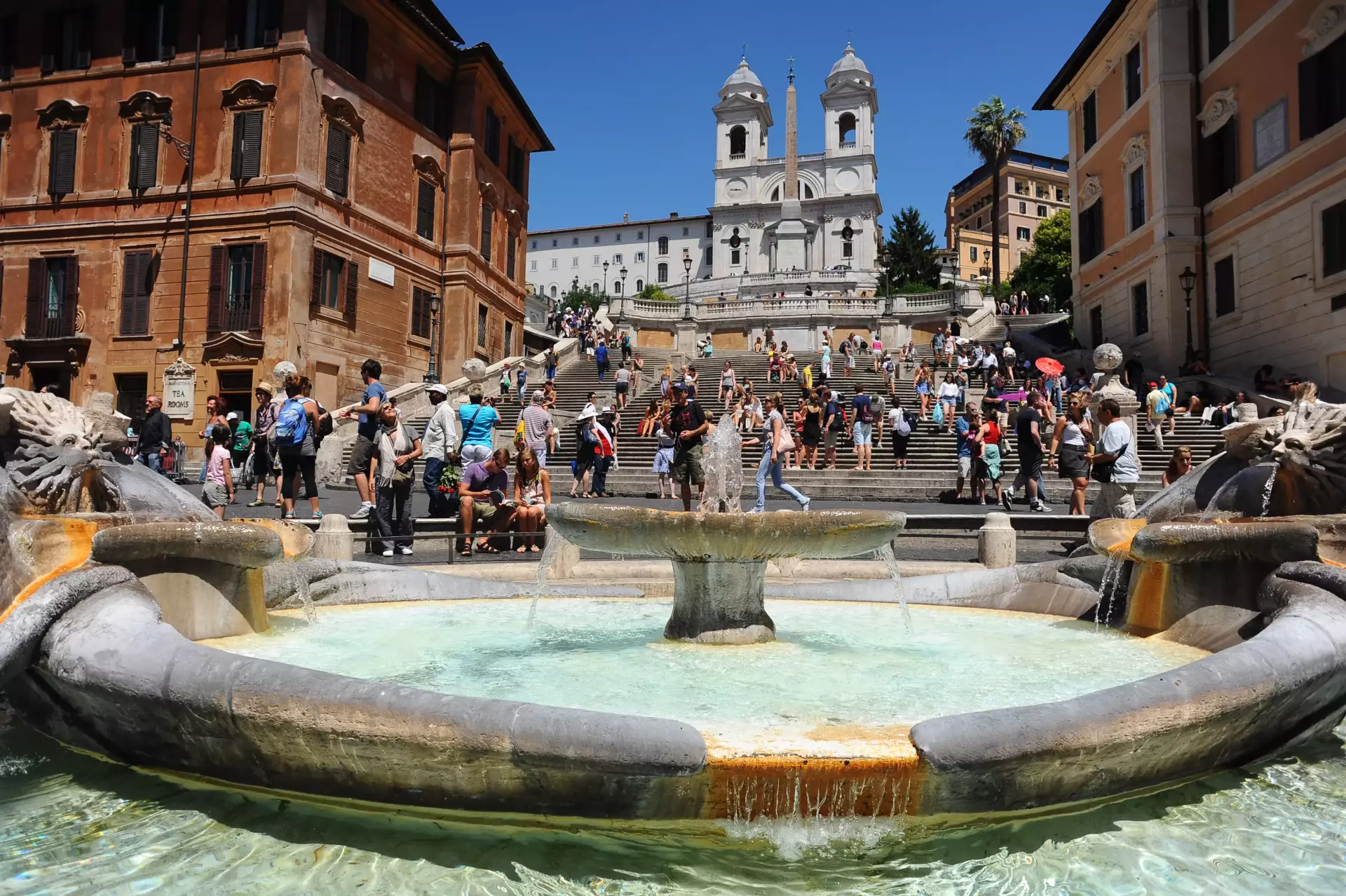
Baroque church more noted for its position at the top of the Spanish Steps than it is for the church. Backdrop for numerous movies including Audrey Hepburn and Gregory Peck in Roman Holiday.
With its strange Liberty- style buildings with influence from the Art Nouveau of the 1920s this small bunch of blocks is one of the most interesting, and less known, landmarks of the city. A must see.
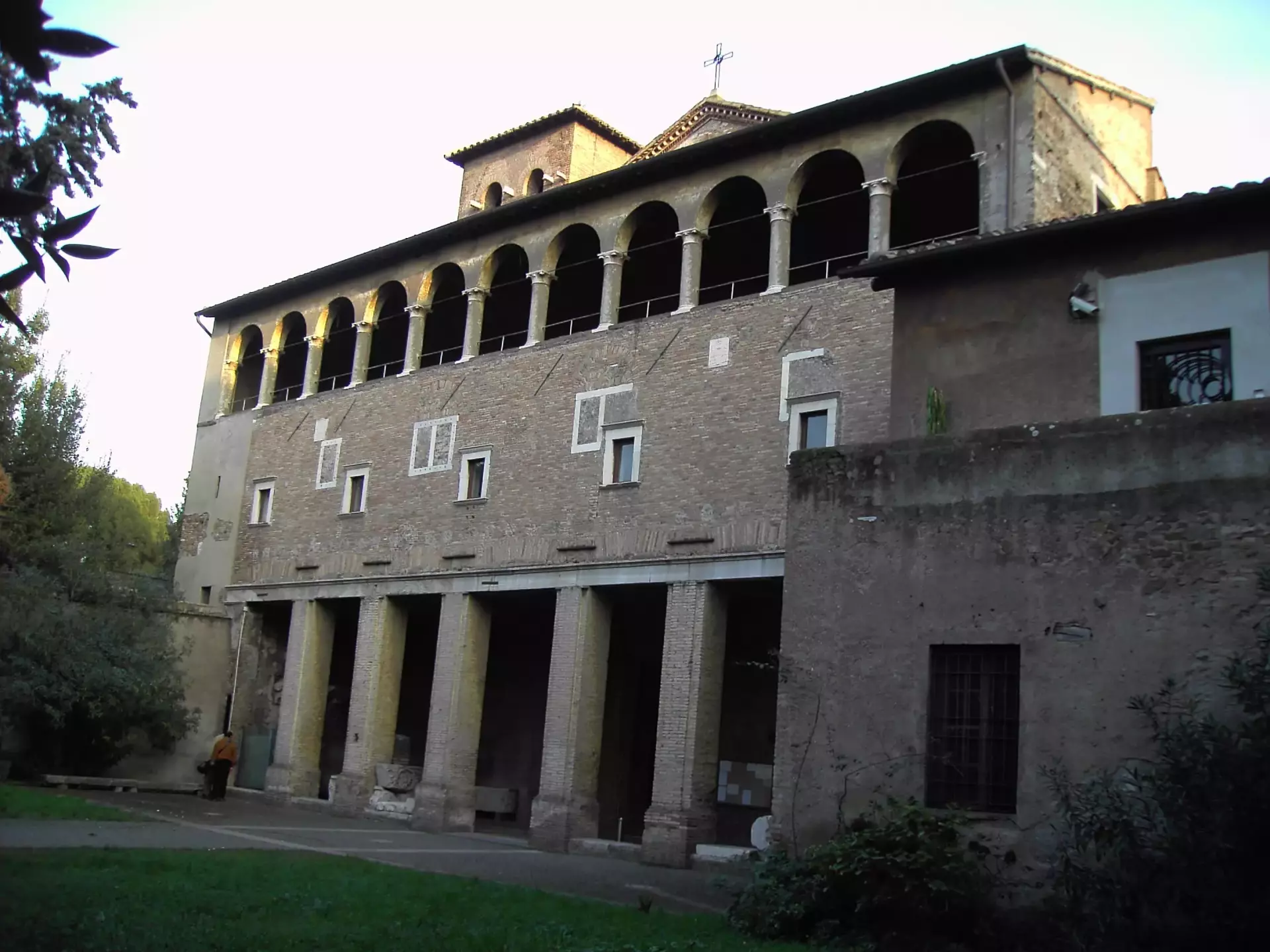
According to the legendary passio, two brothers, John and Paul, who were officials at the imperial court, suffered martyrdom in 362 in their home on the Caelian hill, during the reign of emperor Flavius Claudius Julianus. This basilica dedicated to these two Roman officers was erected starting from 398 and was used first as a domus ecclesiae by the Christian community.
They are posted at entrances to the Vatican City to provide security and protect the Pope. They wear very colourful clothing, similar to the uniforms worn by Renaissance-era soldiers. The Pontifical Swiss Guards is also the smallest and oldest standing army in the world, founded in 1506 by Pope Julius II. The origins of the Swiss guards, however, go back much further as the popes had regularly imported Swiss mercenaries during the 1400s.
This is one of the two main Jesuit churches in Rome, the other being the nearby Sant'Ignazio. The interior is Baroque art on steroids. Simply astounding.
A 19th-century addition to the square, made to balance the Fontana del Moro.
The western end of the ancient Via Appia road connecting Rome to Brindisi in the heel of Italy, and as such the third world heritage site in Rome together with the Old Center and the Vatican. As such it's an important historical location, even if the remains of the gate aren't as impressive as the city's major sites. As Via Appia heads southeast out of Rome, and after a few kilometers the route is officially named Via Appia Antica and starts looking more historical: it gets narrow as a city street, the asphalt is replaced by a rock surface and the road is lined with parks and park-like areas and walled old buildings. This section has been described as the world's longest museum.
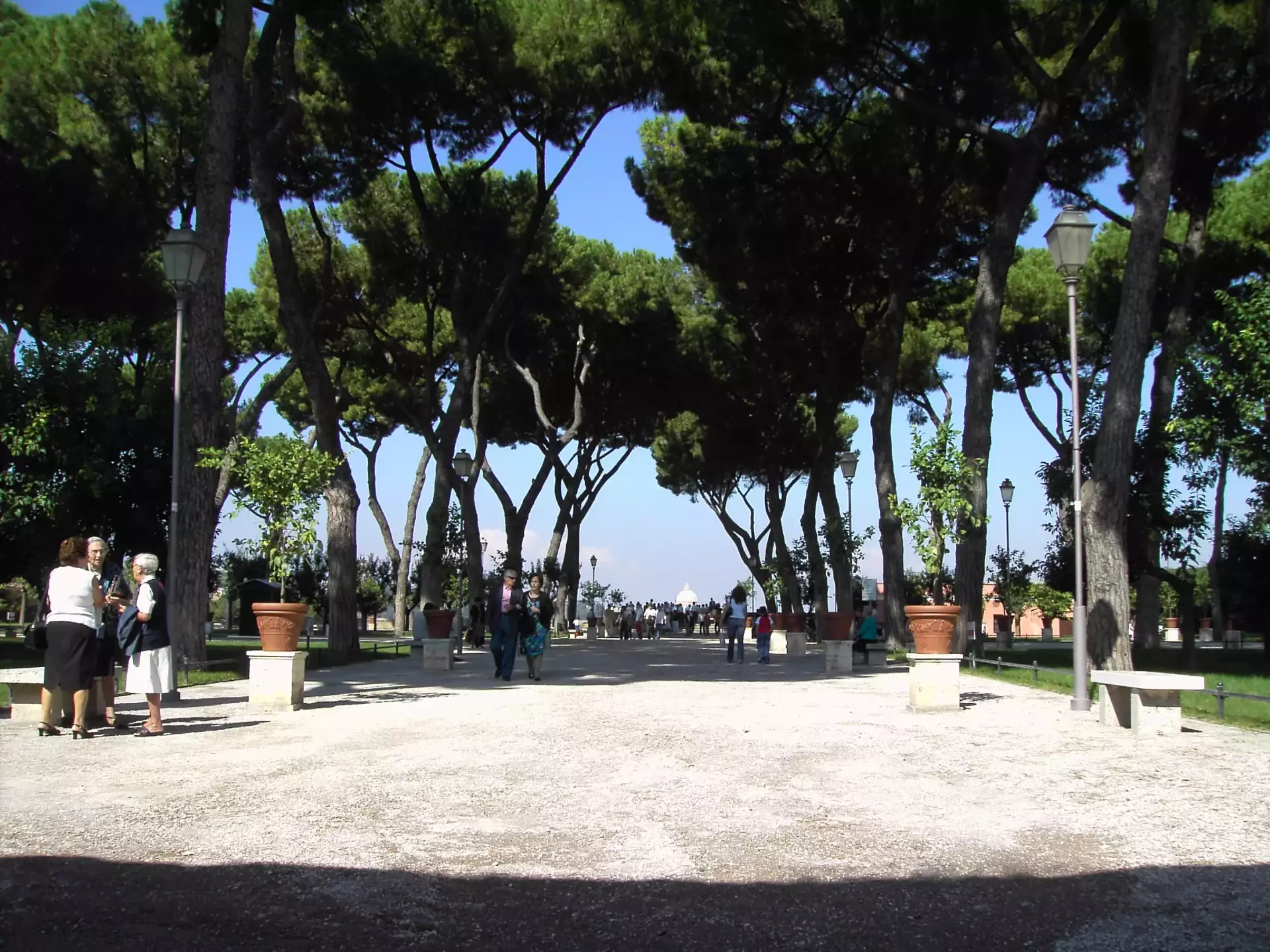
Parco Savello is the name of the grounds and orange grove next to the Santa Sabina church at the top of the Aventino and also where you have one of the best views of the city. Families gather here to sit under the dozens of orange trees. The "Giardino degli Aranci" is also a well known spot for lovers at night. The best views are arguably from Janiculum hill, just across the Tevere (Tiber) river. Immediately below you, the Tiber snakes its way through the city, and directly beyond it you can see the lively medieval quarter of Trastevere. Beyond that is the majestic dome of St. Peter's Basilica, with the historic centre of Rome visible to the right.
A great little cathedral to visit, lovingly looked after by Irish Dominicans. There is an excavated older church below the medieval church you enter and a Mithraeum (temple to Mithras, whose cult was very popular with Roman soldiers from the 1st to 4th century AD) below that. The only place in Rome to hear the underground river that flows beneath the city.