
Tourist attractions in Rome
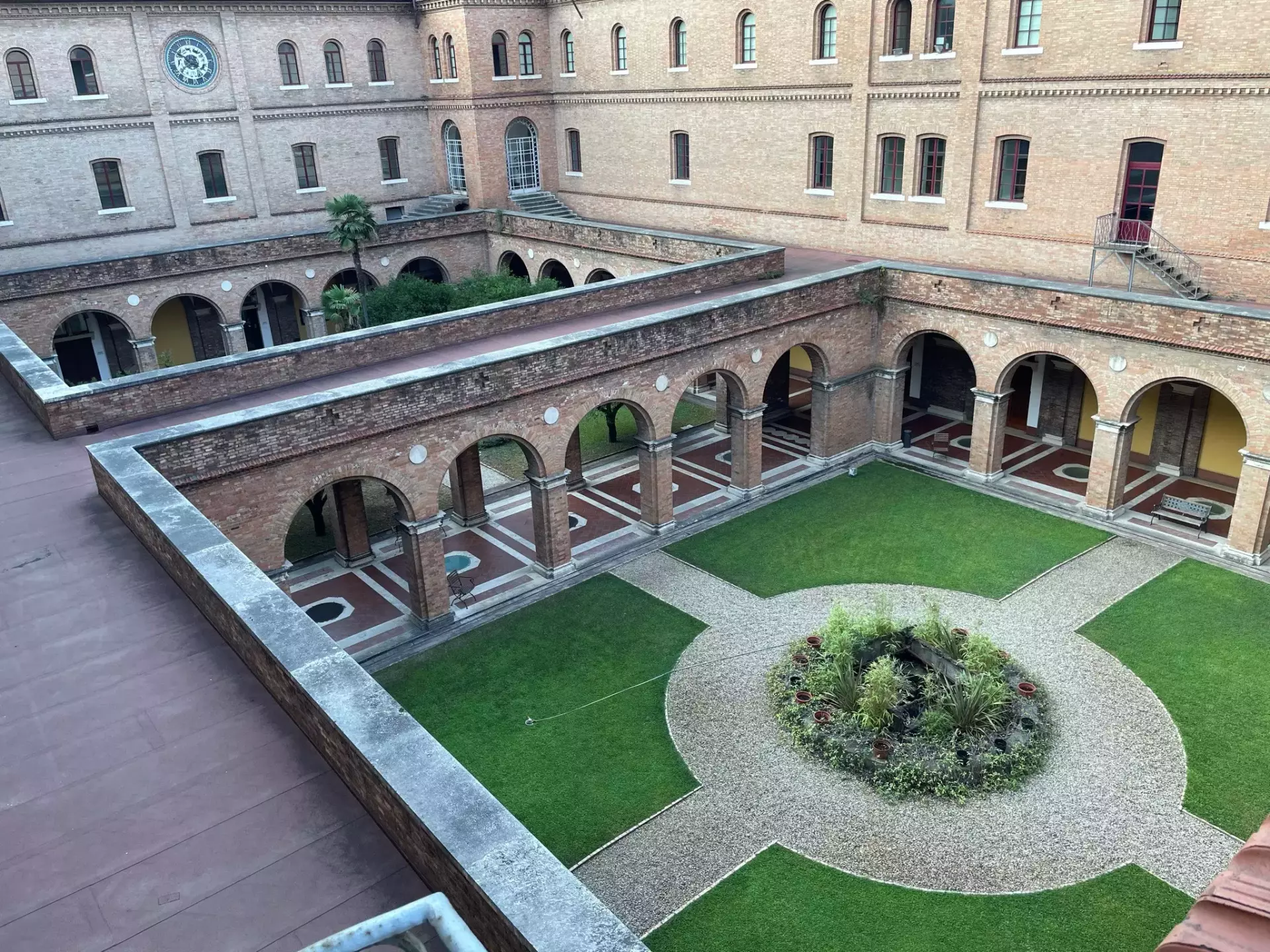


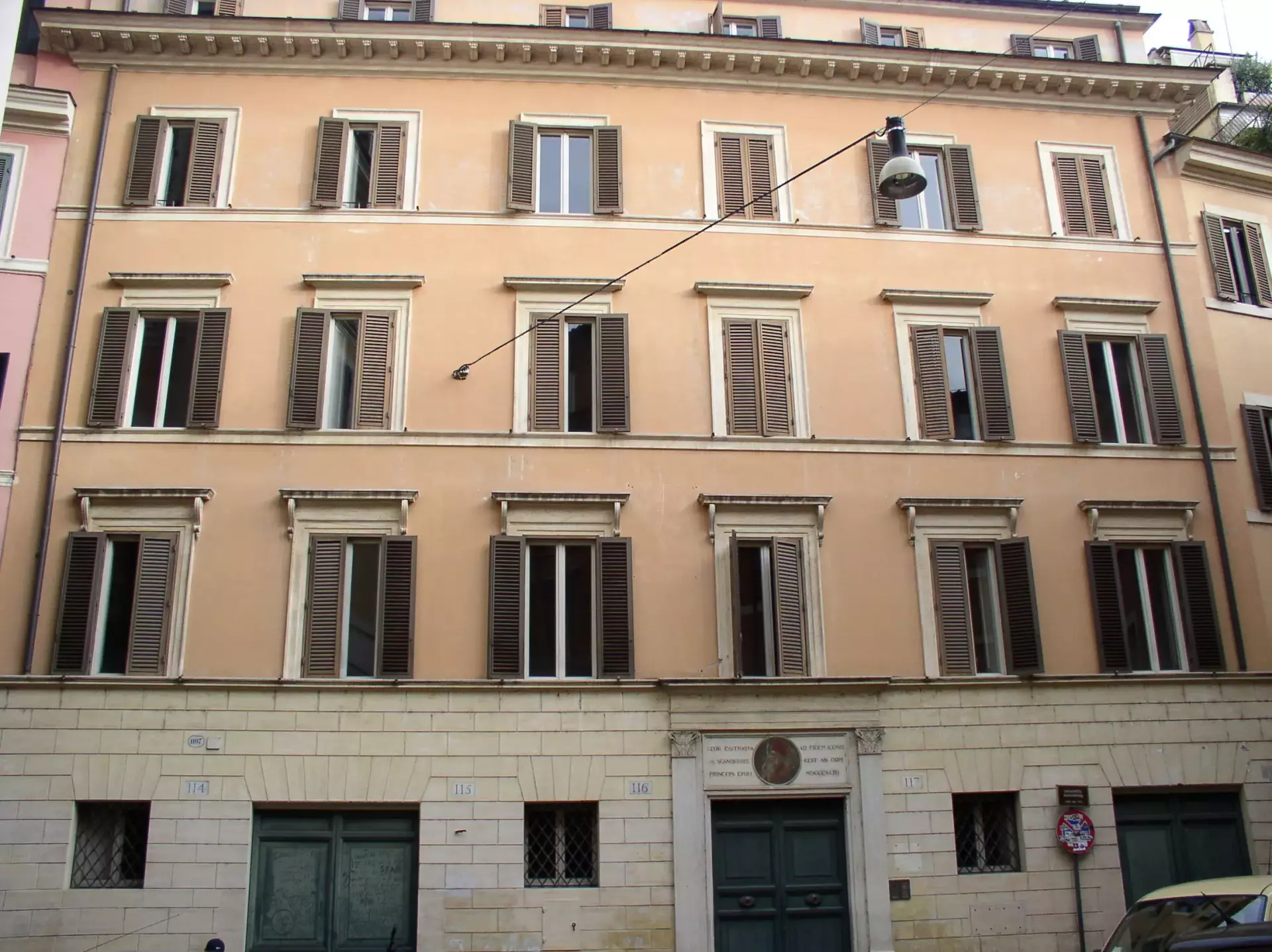
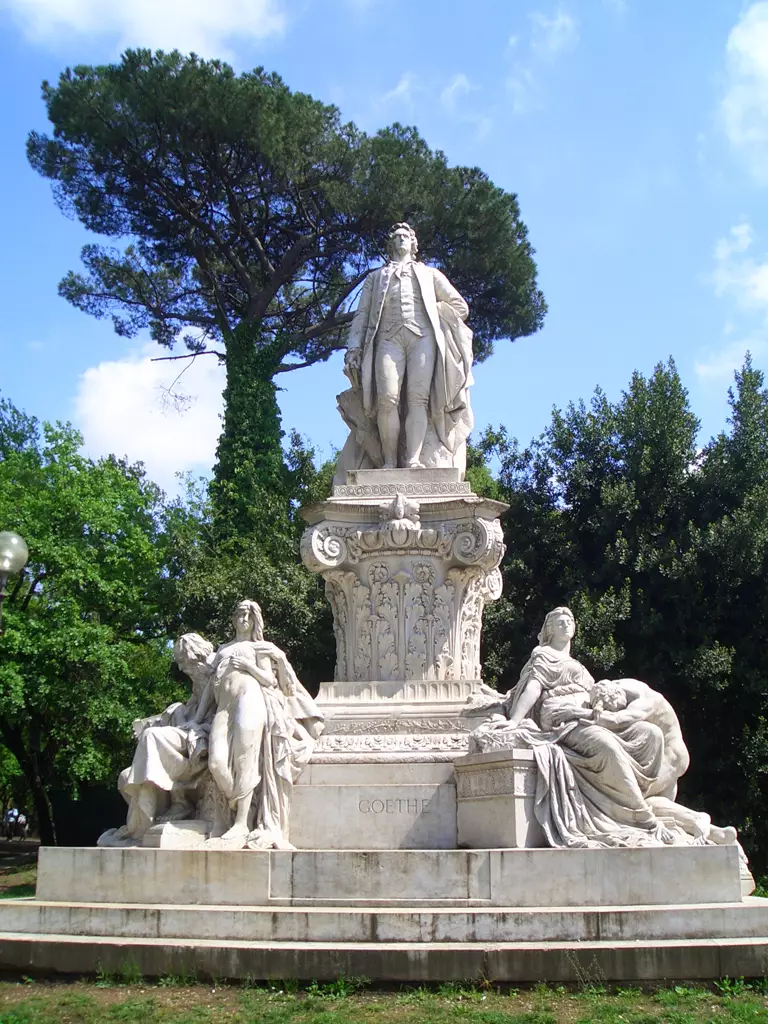

Church of Sant'Anselmo all'Aventino, Rome
Rome, ItalyHome of the Abbot Primate of the Benedictine Confederation and Benedictine monks studying in Rome. Visit the monastic produce shop and listen to the best Gregorian chant in Rome during Vespers (19:15 each evening).

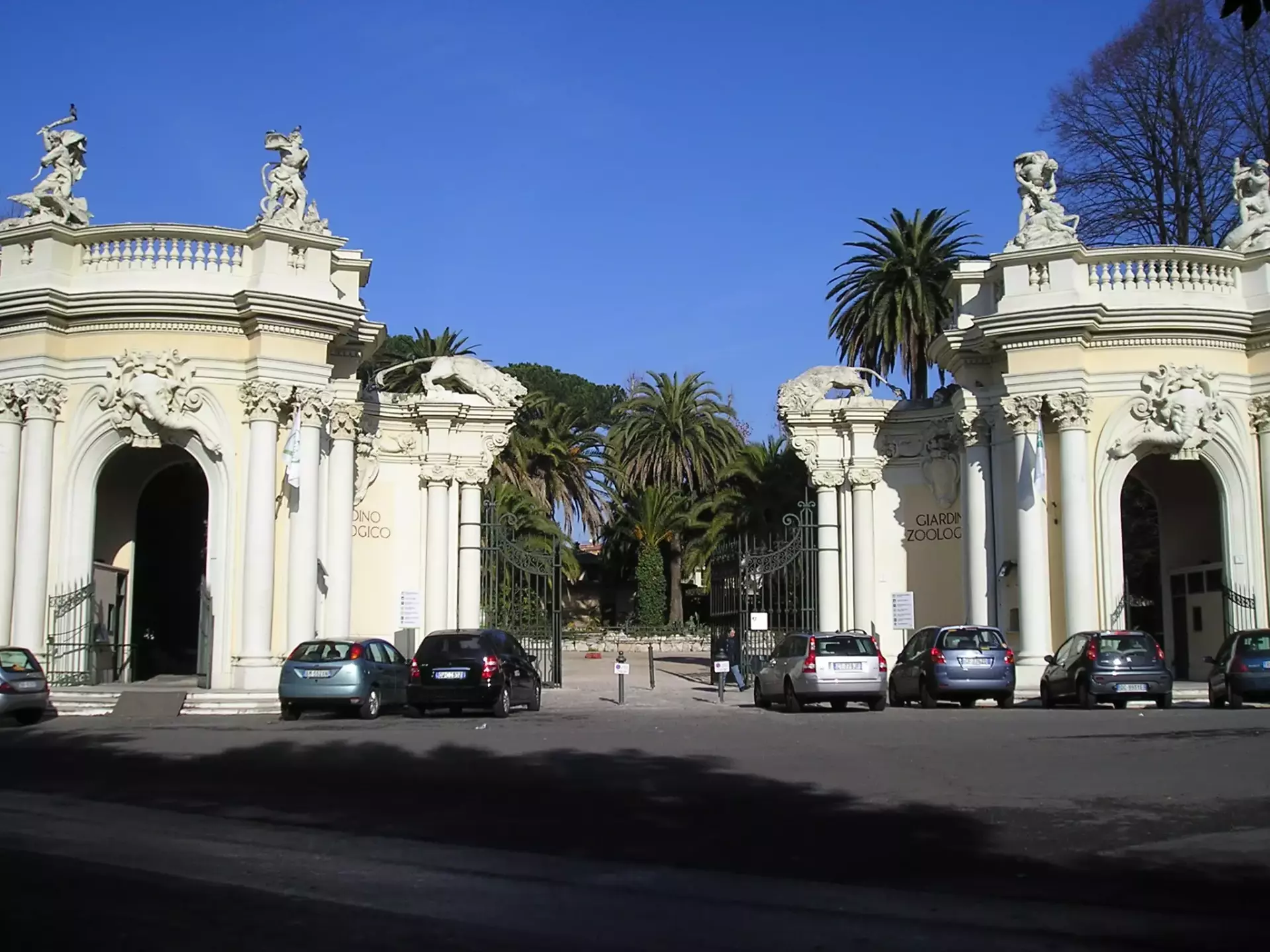
Bioparco
Rome, ItalyThe renamed Rome Zoo, one of the oldest in Europe, founded in 1911. On the edge of the Borghese Gardens, a short, well-signposted walk from the Gallery. They try hard, but San Diego this isn't. If you are a regular zoo-goer you will be disappointed.

Villa Torlonia
Rome, ItalyA magnificent patrician house with beautiful gardens. Construction of this villa began in 1806. Mussolini rented it from the Torlonia family for one lira a year to use as his state residence from 1925 onwards. It was abandoned after 1945 and allowed to decay but has been restored and is open as a museum, the Casino Nobile. The landscaped gardens also contain the Casina delle Civette, 3rd- and 4th-century Jewish catacombs and thirteen garden pavilions representing exotic parts of the world, as well as an air-raid shelter built into the catacombs for Mussolini.

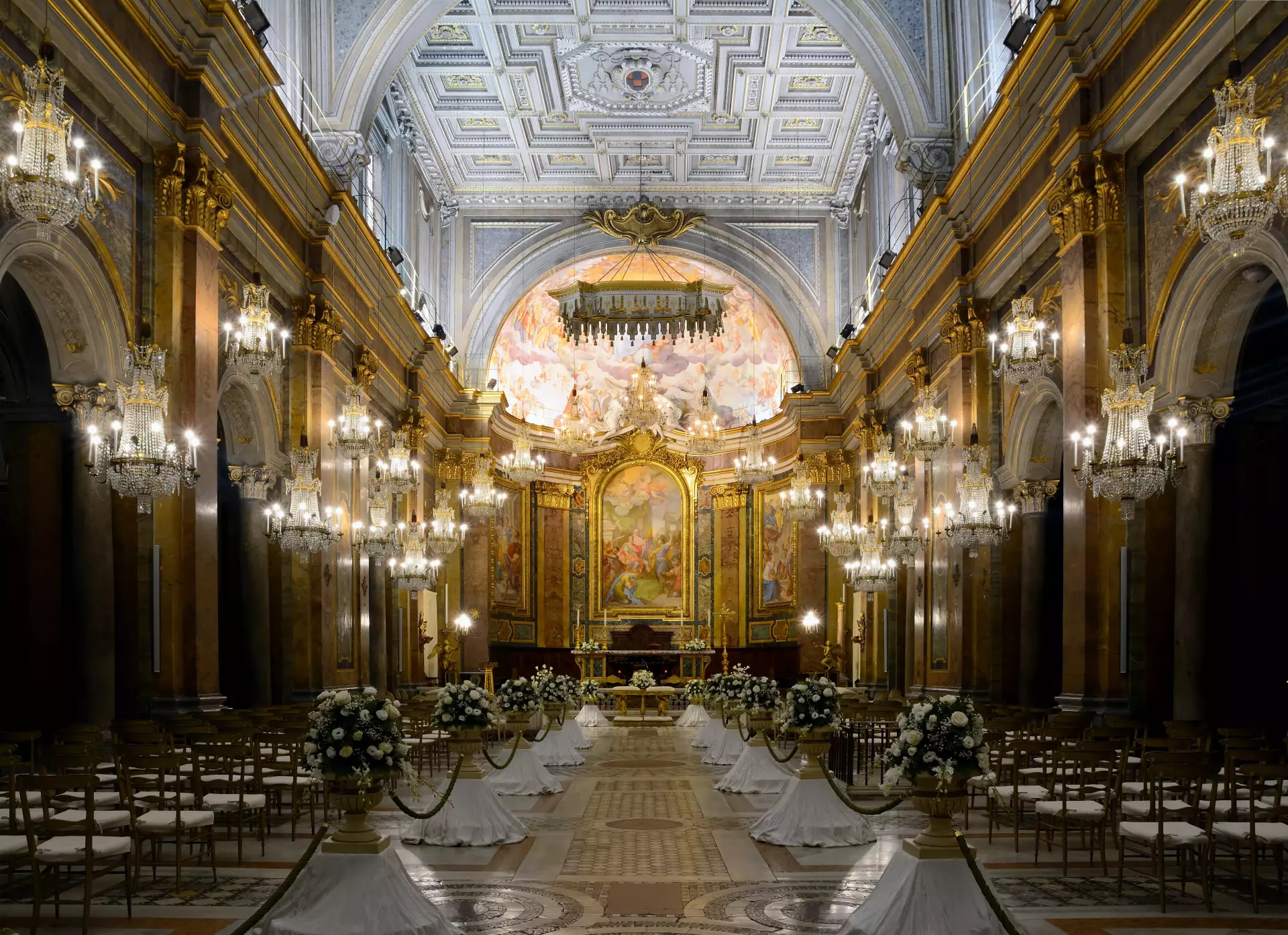
Basilica of Saints John and Paul on the Caelian Hill
Rome, ItalyAccording to the legendary passio, two brothers, John and Paul, who were officials at the imperial court, suffered martyrdom in 362 in their home on the Caelian hill, during the reign of emperor Flavius Claudius Julianus. This basilica dedicated to these two Roman officers was erected starting from 398 and was used first as a domus ecclesiae by the Christian community.

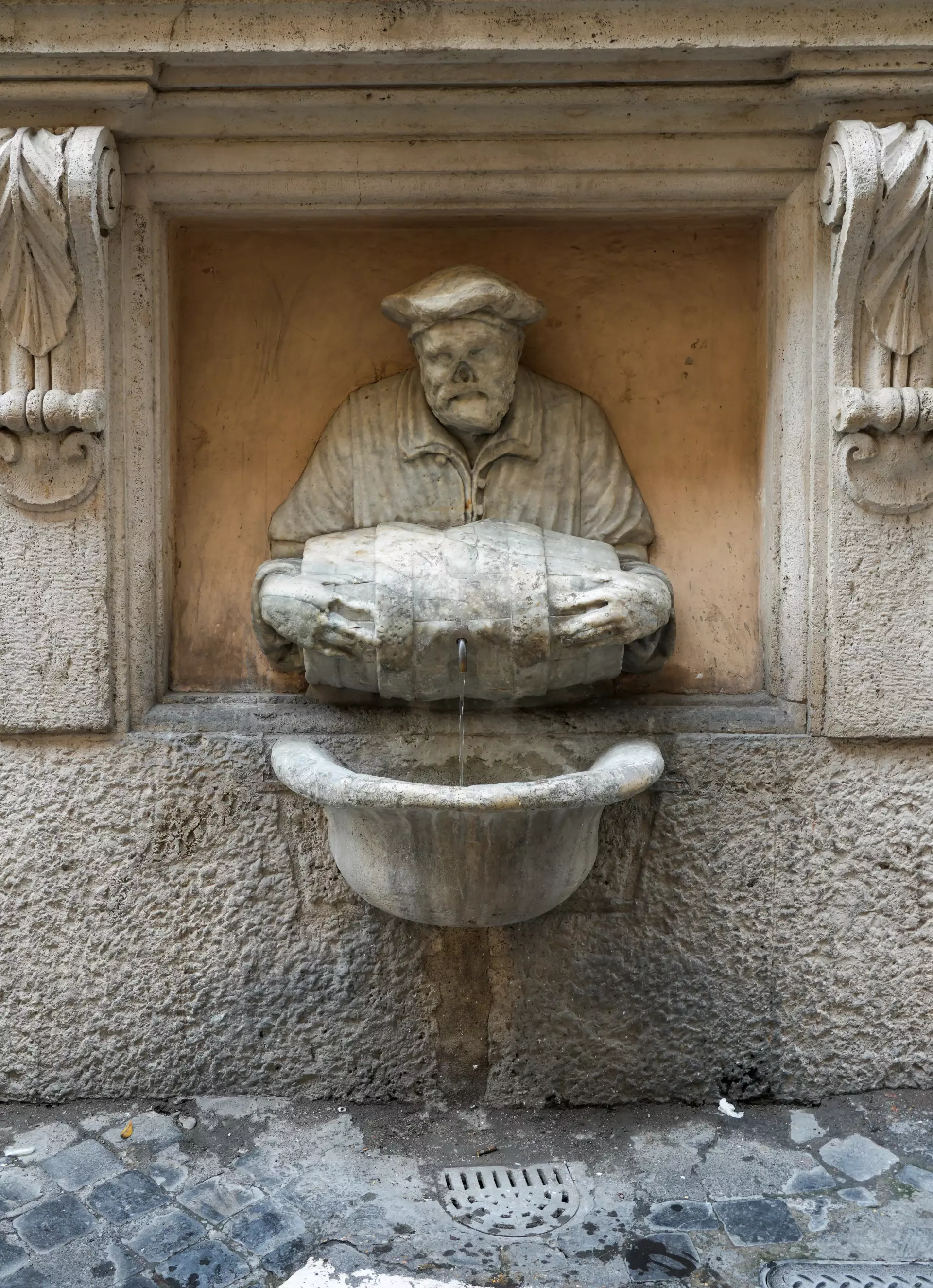
The Porter
Rome, ItalyLike Pasquino, the Facchino is one the so-called "speaking figures" which are peculiar to Rome. He is looking out of the Banco di Roma building. The man depicted is holding a barrel in his hands and is carrying water. It is sometimes said that he is looking similar to Martin Luther, but more probably a porter who died while carrying a barrel is depicted here.
Borghese Gardens
Rome, ItalyThe extensive Borghese Gardens are a pleasant place to stroll. Inside this area you will find one of the world's great museums, Rome's Zoo, a pond where you can rent a rowing boat and the Piazza di Siena, which hosts an annual show jumping event.

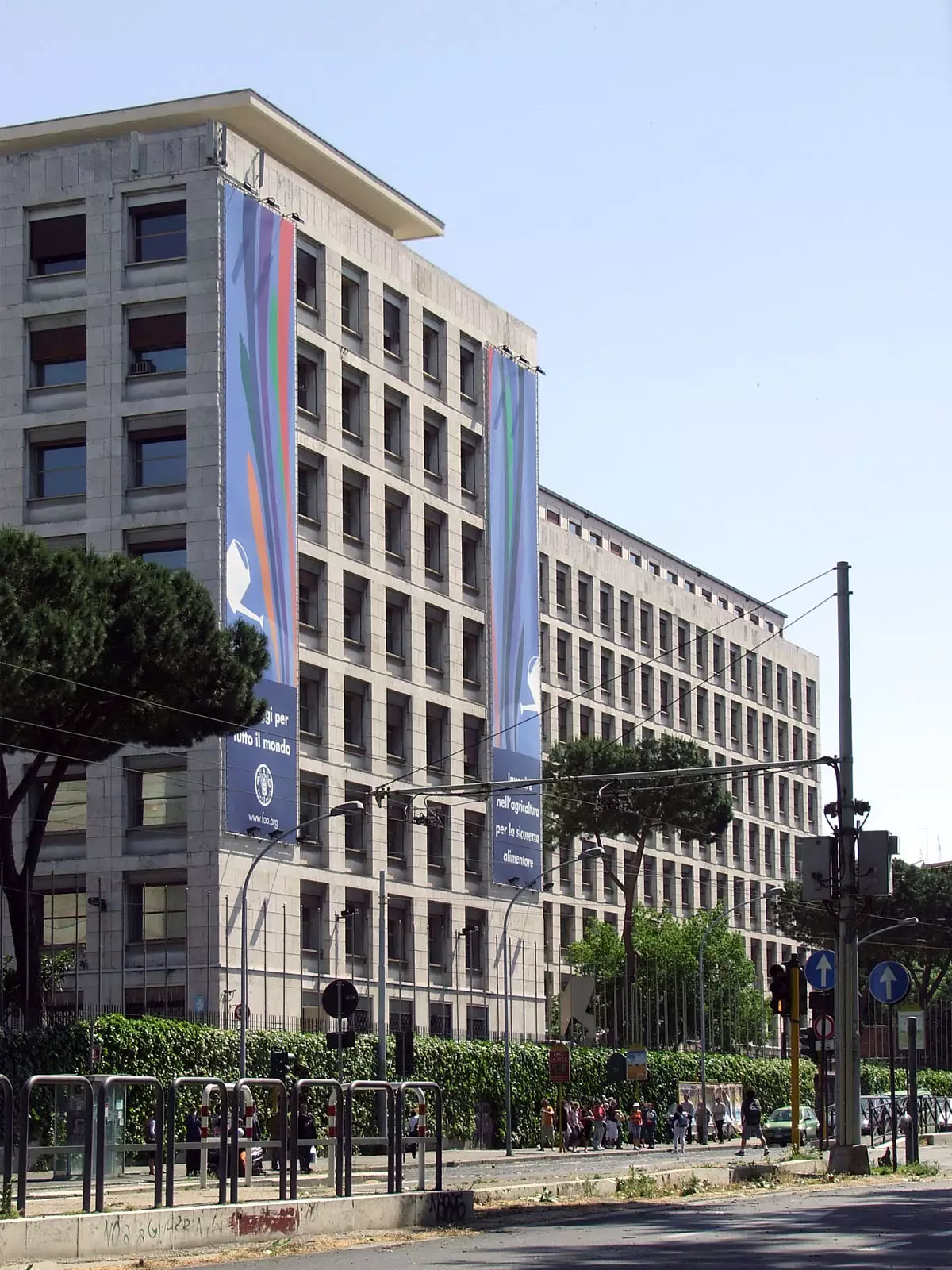
Palazzo FAO
Rome, ItalyThe enormous building at the southeast end of the Circus Maximus is the headquarters of the UN Food and Agriculture Organization (FAO). From its roof are undoubtedly the best views of Rome, but you will need to know someone who works there to get past the strict security.

Basilica of Saint Lawrence Outside the Walls
Rome, Italy
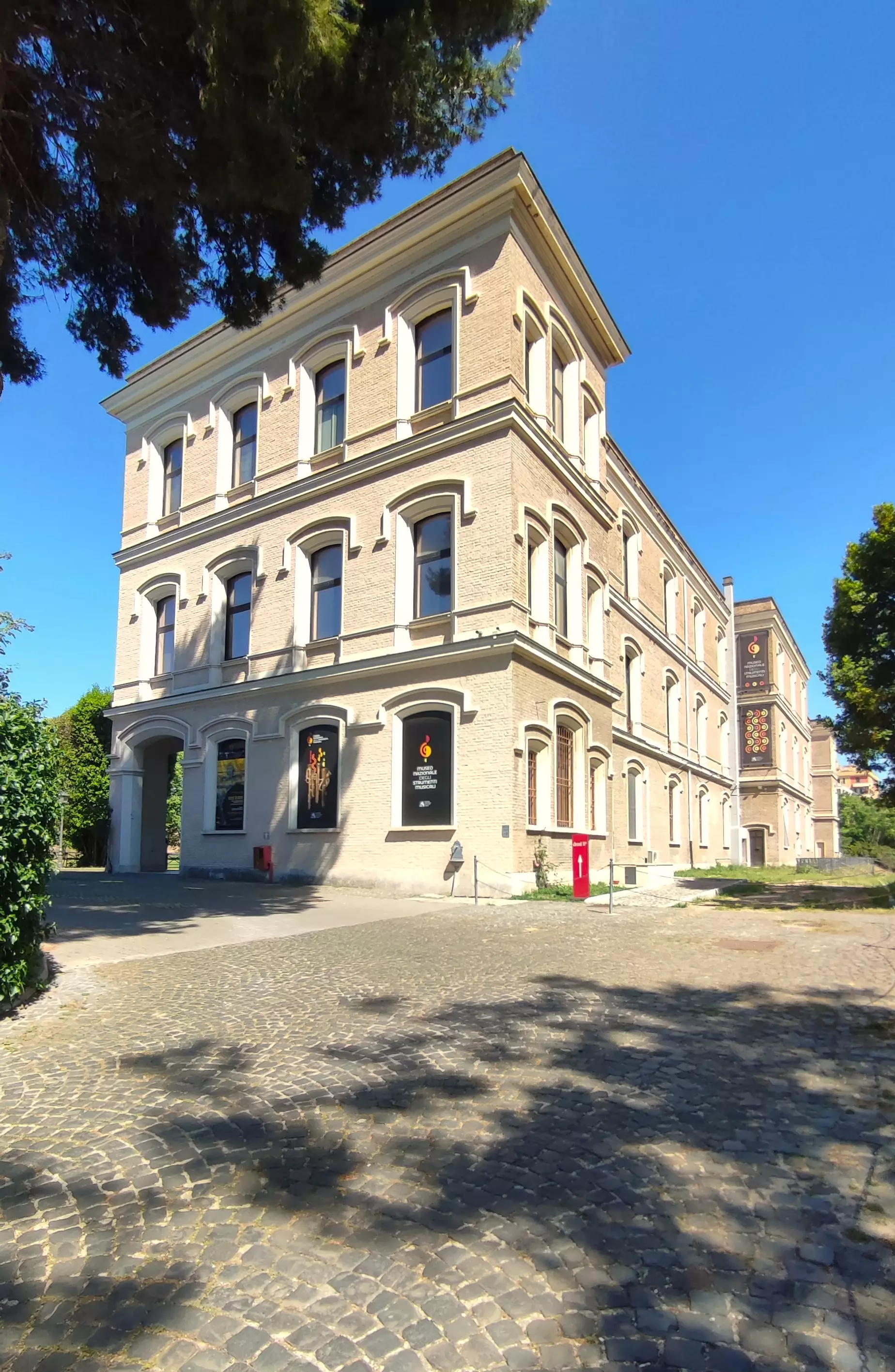
National Museum of Musical Instruments
Rome, ItalyNext door to Santa Croce. A collection of around 3000 pieces, although only a third of these are displayed.

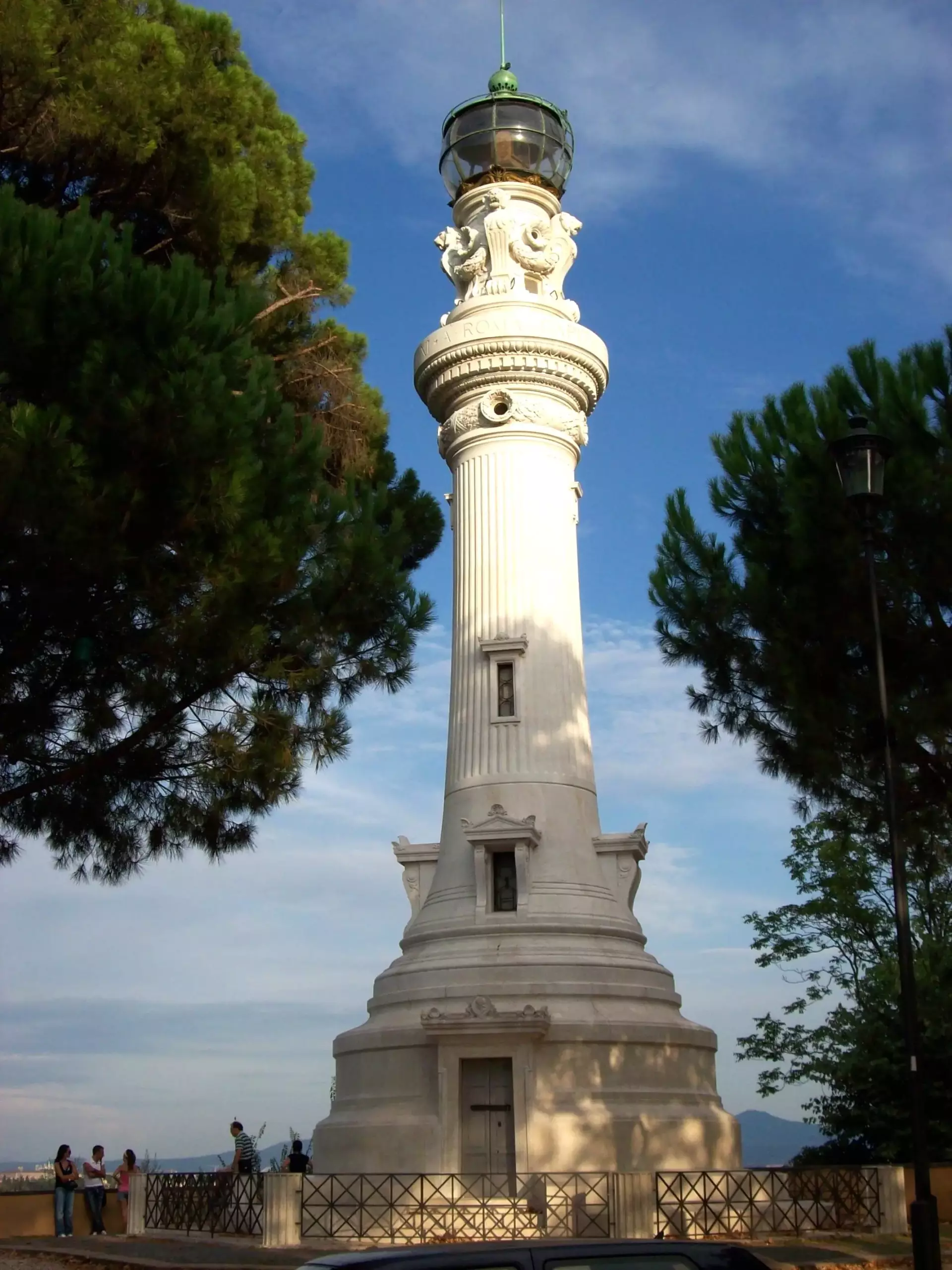
Faro di Roma
Rome, Italy
Casino Nobile Museum
Rome, ItalyIn the first half of the 18th Century the Torlonia family were leading collectors of works of art. This museum brings together some of their collection. You can also see the furniture used by Mussolini when he was in residence, as well as photos and films of him in the grounds of the Villa.

Casina delle Civette
Rome, Italy
Museo di Palazzo Venezia
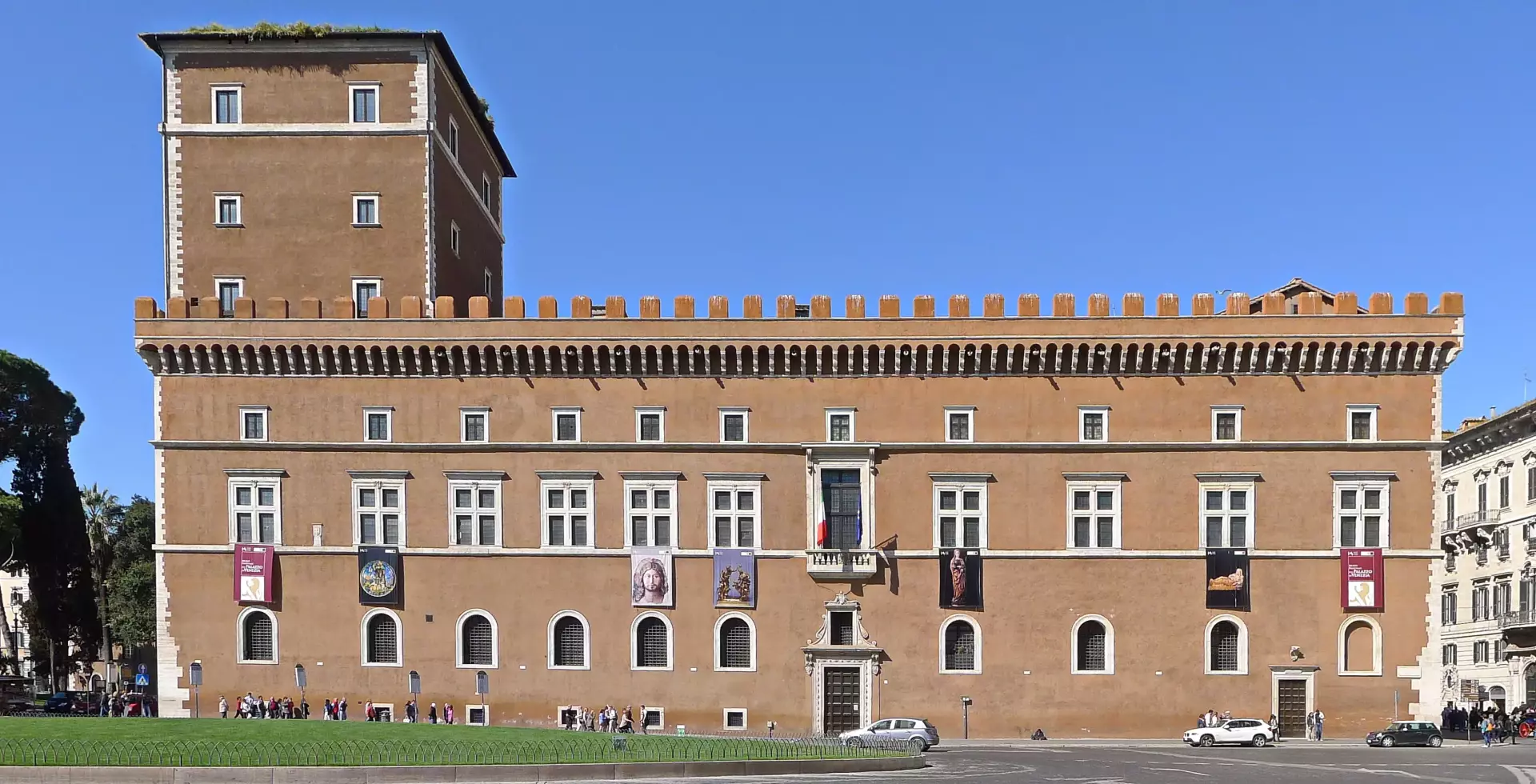
Rome, Italy
Museo della Luce
Rome, ItalyAll kinds of experiences with optics, light and trompe-l'oeils. Also art installations. Several assistants are enthusiastic to offer you more information.

Orange Garden
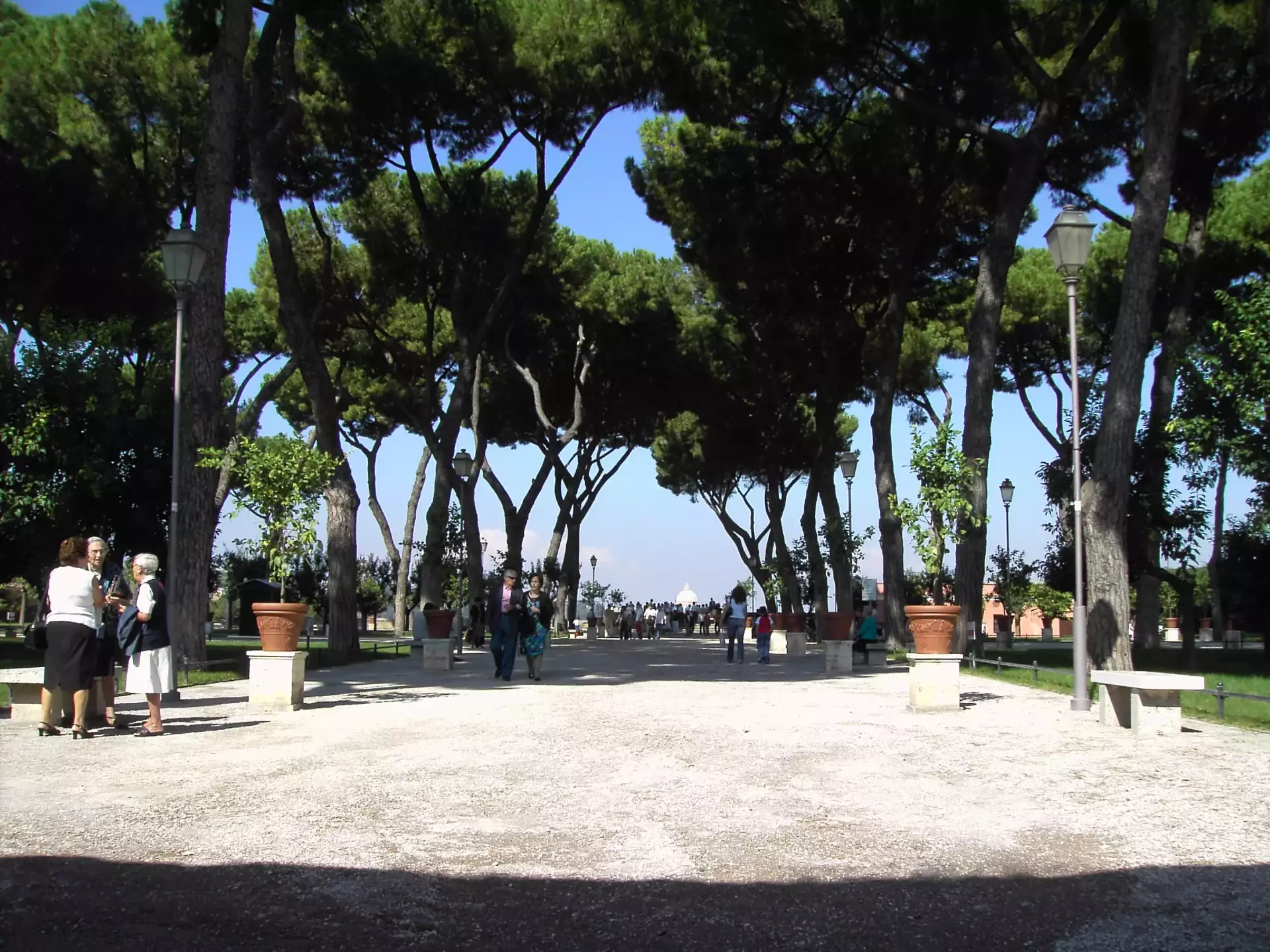
Rome, ItalyParco Savello is the name of the grounds and orange grove next to the Santa Sabina church at the top of the Aventino and also where you have one of the best views of the city. Families gather here to sit under the dozens of orange trees. The "Giardino degli Aranci" is also a well known spot for lovers at night. The best views are arguably from Janiculum hill, just across the Tevere (Tiber) river. Immediately below you, the Tiber snakes its way through the city, and directly beyond it you can see the lively medieval quarter of Trastevere. Beyond that is the majestic dome of St. Peter's Basilica, with the historic centre of Rome visible to the right.

Basilica of Saint Sabina
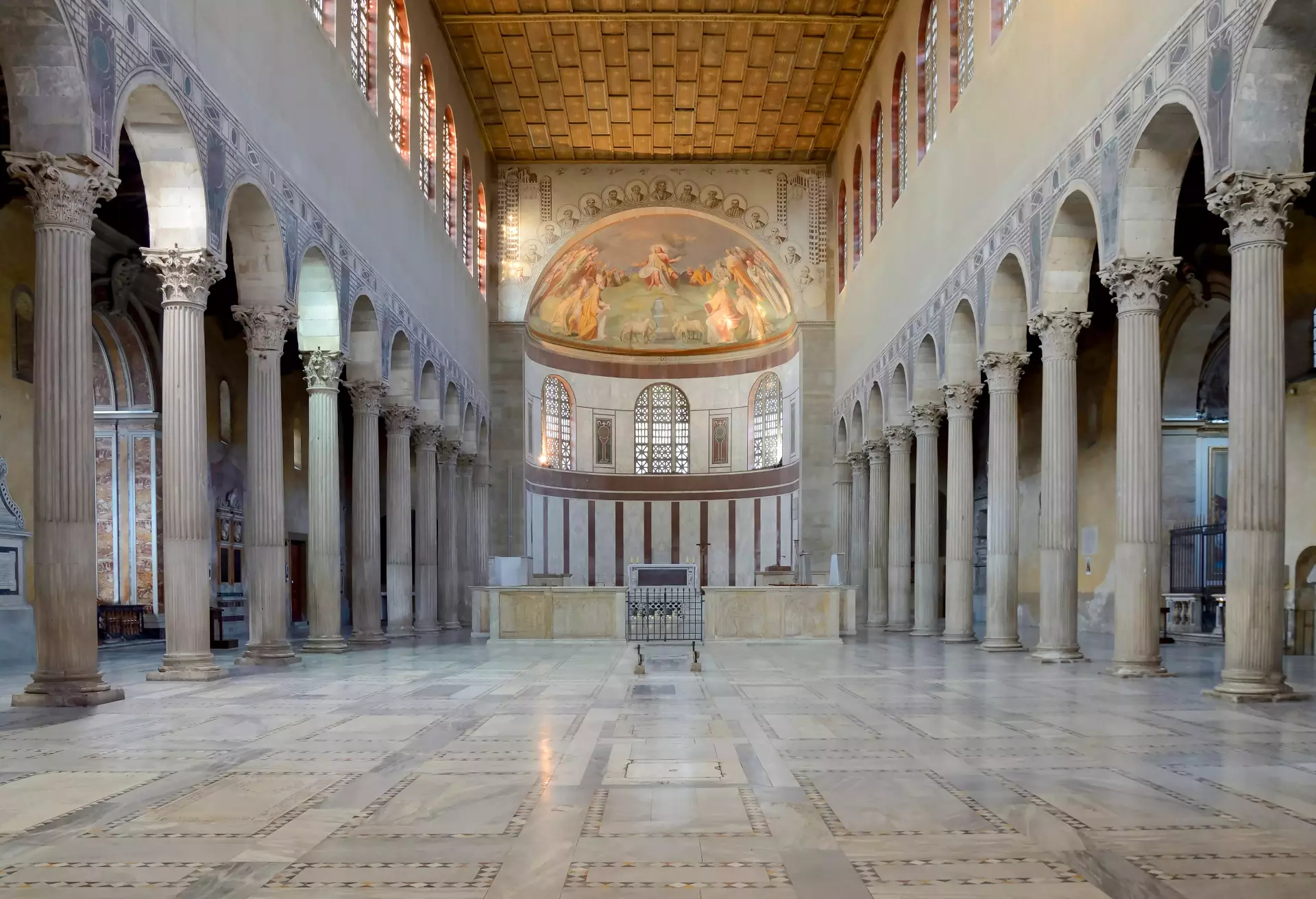
Rome, ItalyA 5th-century basilica, simply and attractively decorated. The wooden door, of which 18 carved panels of scenes from the Bible survive, is believed to date from the church's construction.
Keyhole View
Rome, ItalyThe most popular thing on the Aventino hill is to take a peek through the keyhole that lets you look through three countries (the third is the Sovereign Military Order of Malta, which owns the building that the keyhole belongs to) and see St. Peter's Basilica in the Vatican City perfectly framed between two rows of trees.

Santa Maria in Cosmedin Church
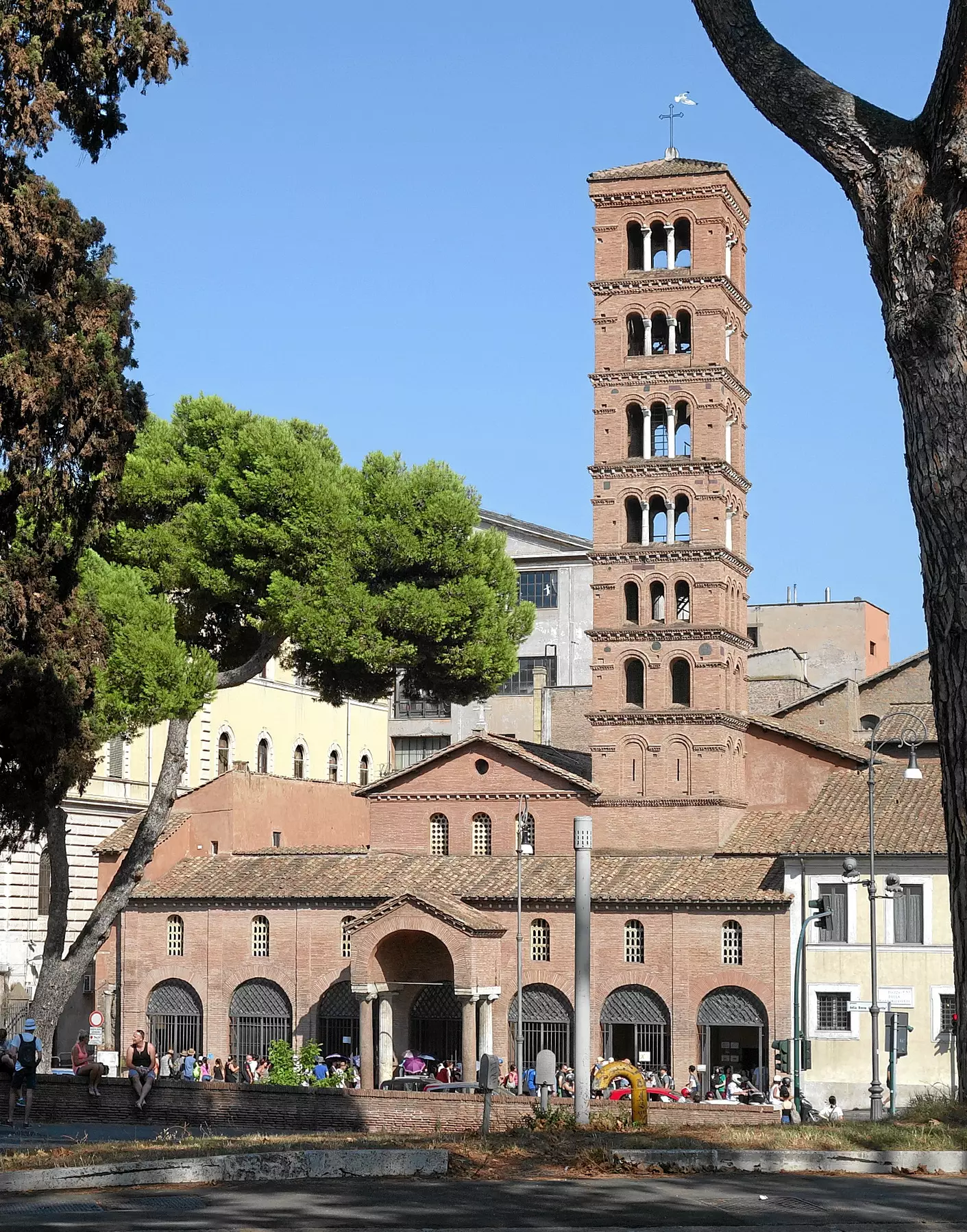
Rome, ItalyA medieval church dating from the 6th century and home to the Bocca della Verità (Mouth of Truth). The Bocca della Verità at the entrance to the church is thought to be a 1st-century manhole cover. It is believed that if you put your hand in the mouth and tell a lie, the hand will be bitten off. Queues for the privilege of risking this can get rather long. Don't ignore the church, which is a gem, and has a separate entrance. Its mosaic floor in the Cosmatesque style is more rustic and less intricate than some others (Santa Maria in Trastevere, for example), but its simplicity gives it a solidity not found in the more ornate styles. S.M. in Cosmedin has a fine medieval choir enclosure and the tallest medieval belfry in Rome.

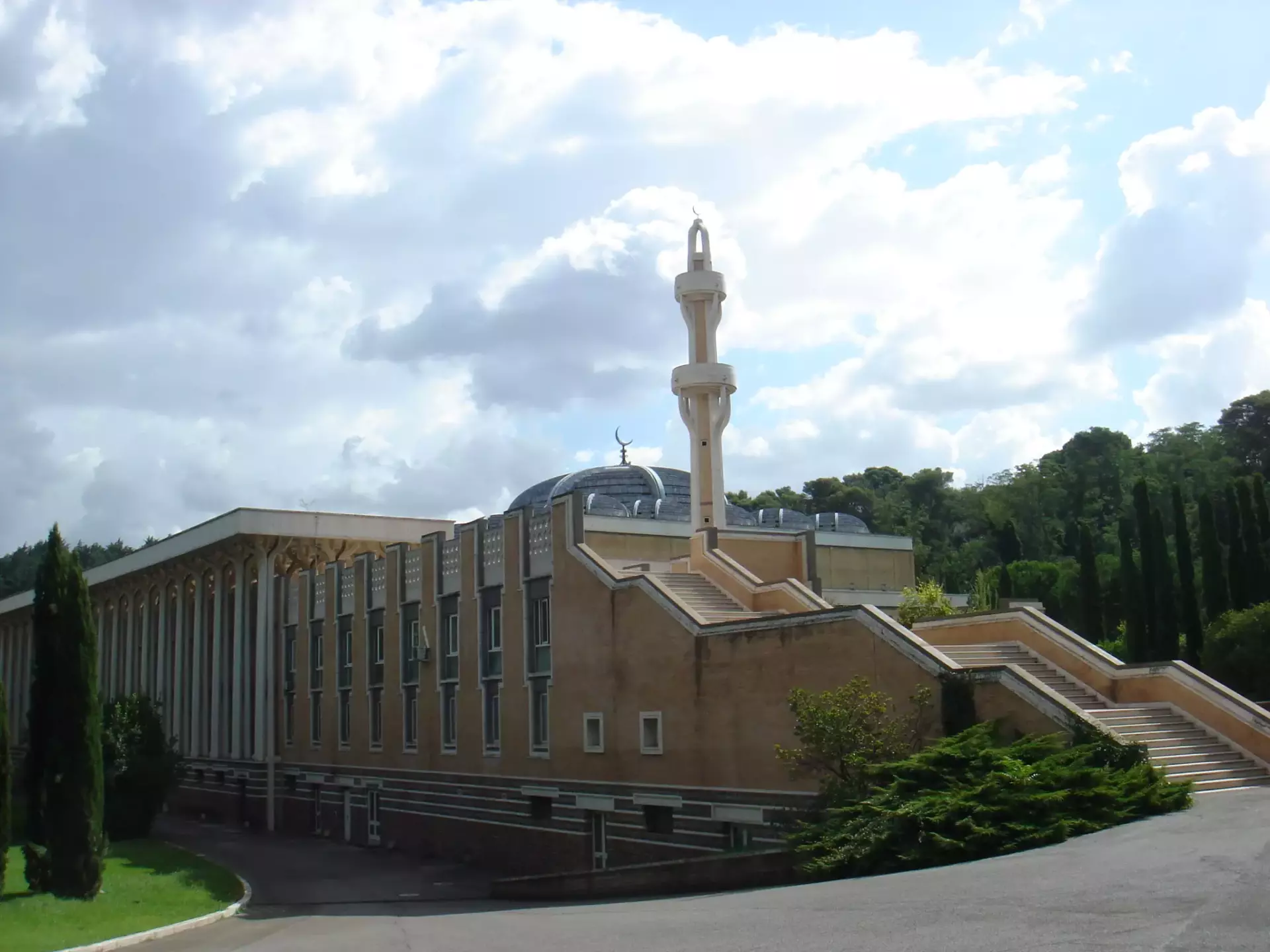
Moschea di Roma
Rome, Italy
Quartiere Coppedè
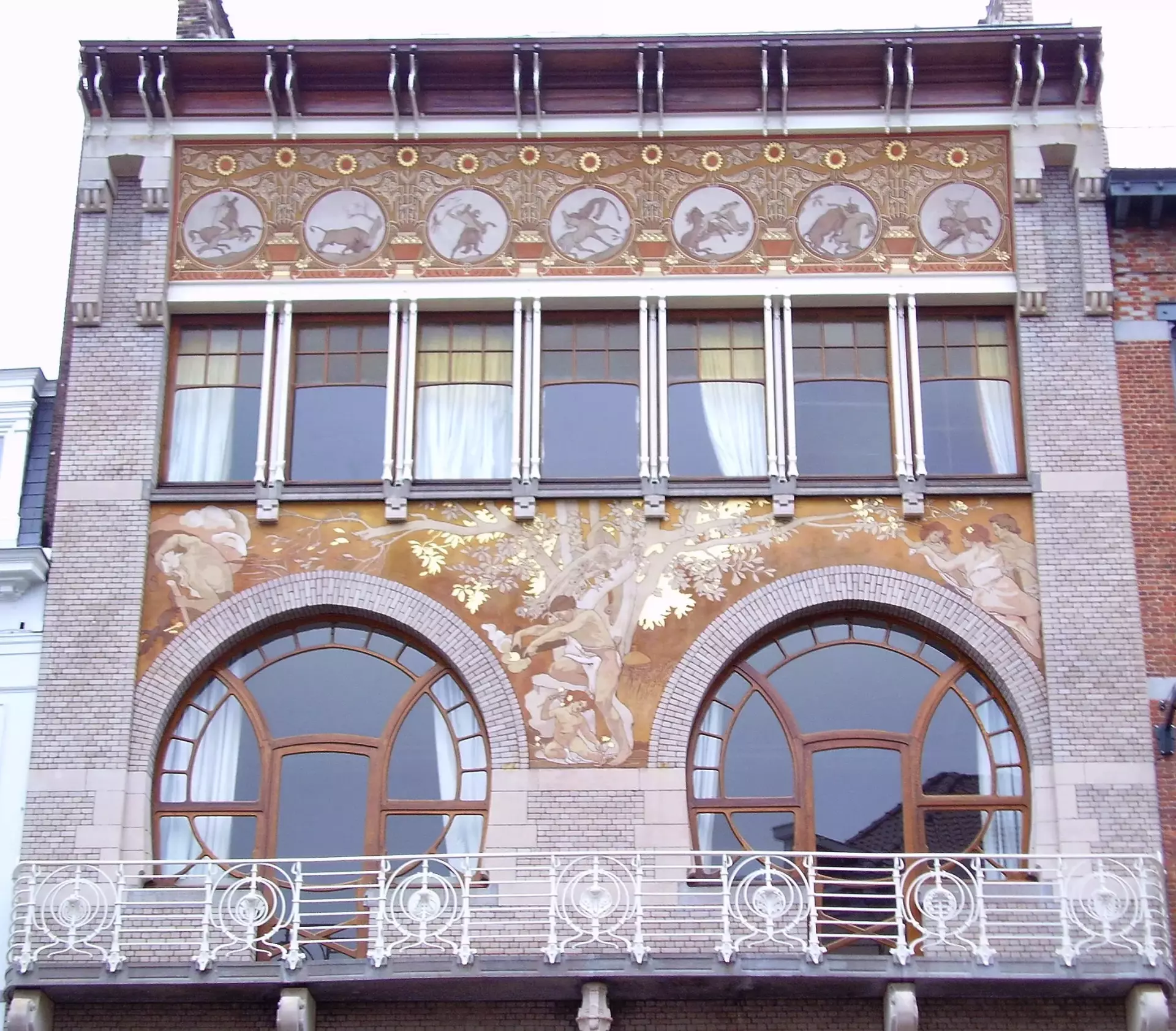
Rome, ItalyWith its strange Liberty- style buildings with influence from the Art Nouveau of the 1920s this small bunch of blocks is one of the most interesting, and less known, landmarks of the city. A must see.

Roman houses of the Caelian
Rome, ItalyEarly Roman houses dating back to the 1st century, believed to be homes of early Christians. Well-preserved frescoes and a small museum.

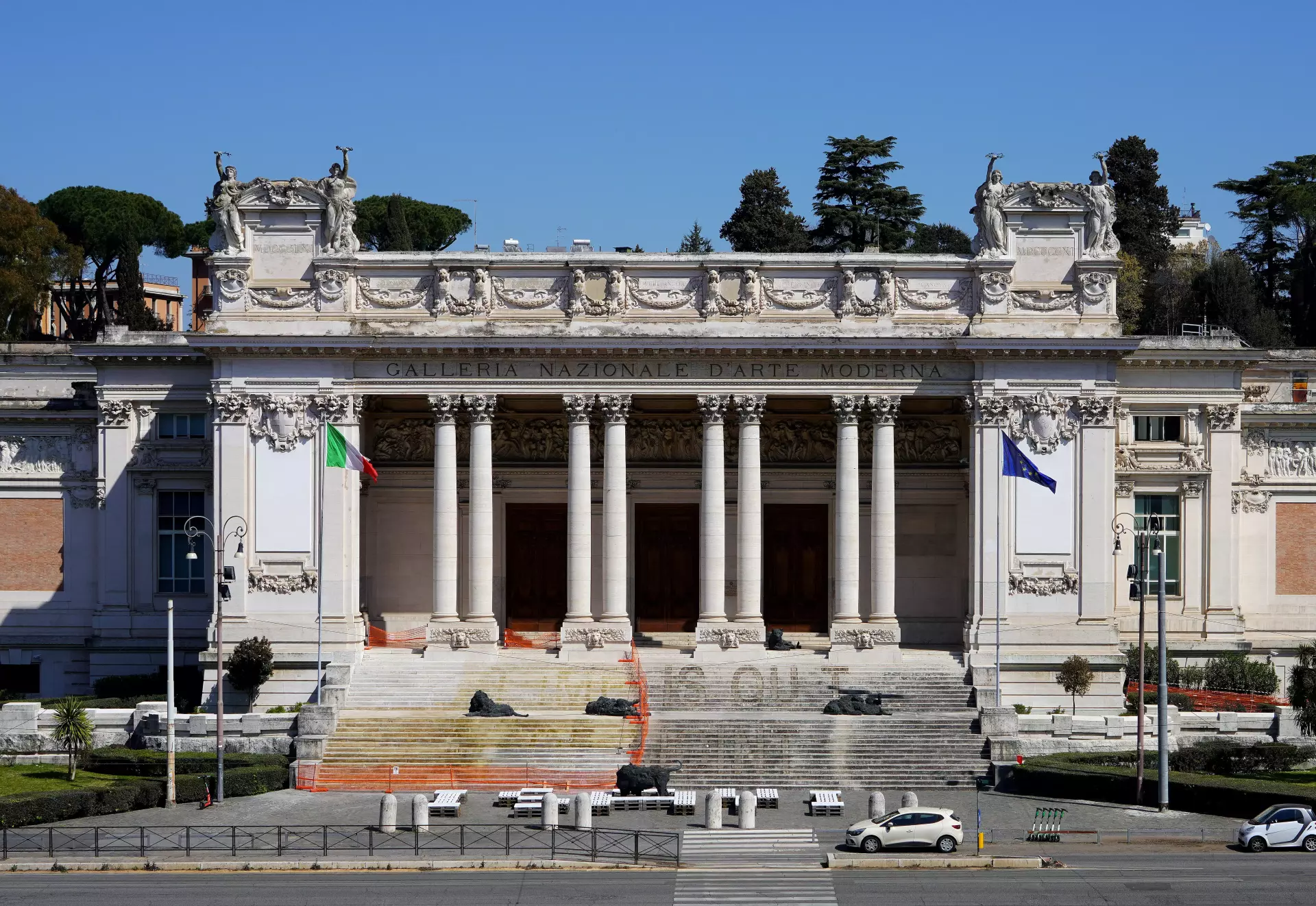
Galleria Nazionale d'Arte Moderna e Contemporanea di Roma
Rome, ItalyAn underrated way to see fantastic art made after the Renaissance. Mainly Italian artists, notably De Chirico, but Cézanne, Degas, Kandinsky, Man Ray, Modigliani, Monet, Pollock and Van Gogh are also represented.

Museum of pasta food
Rome, ItalyA museum devoted to pasta, Italy's premier gift to world cuisine.


