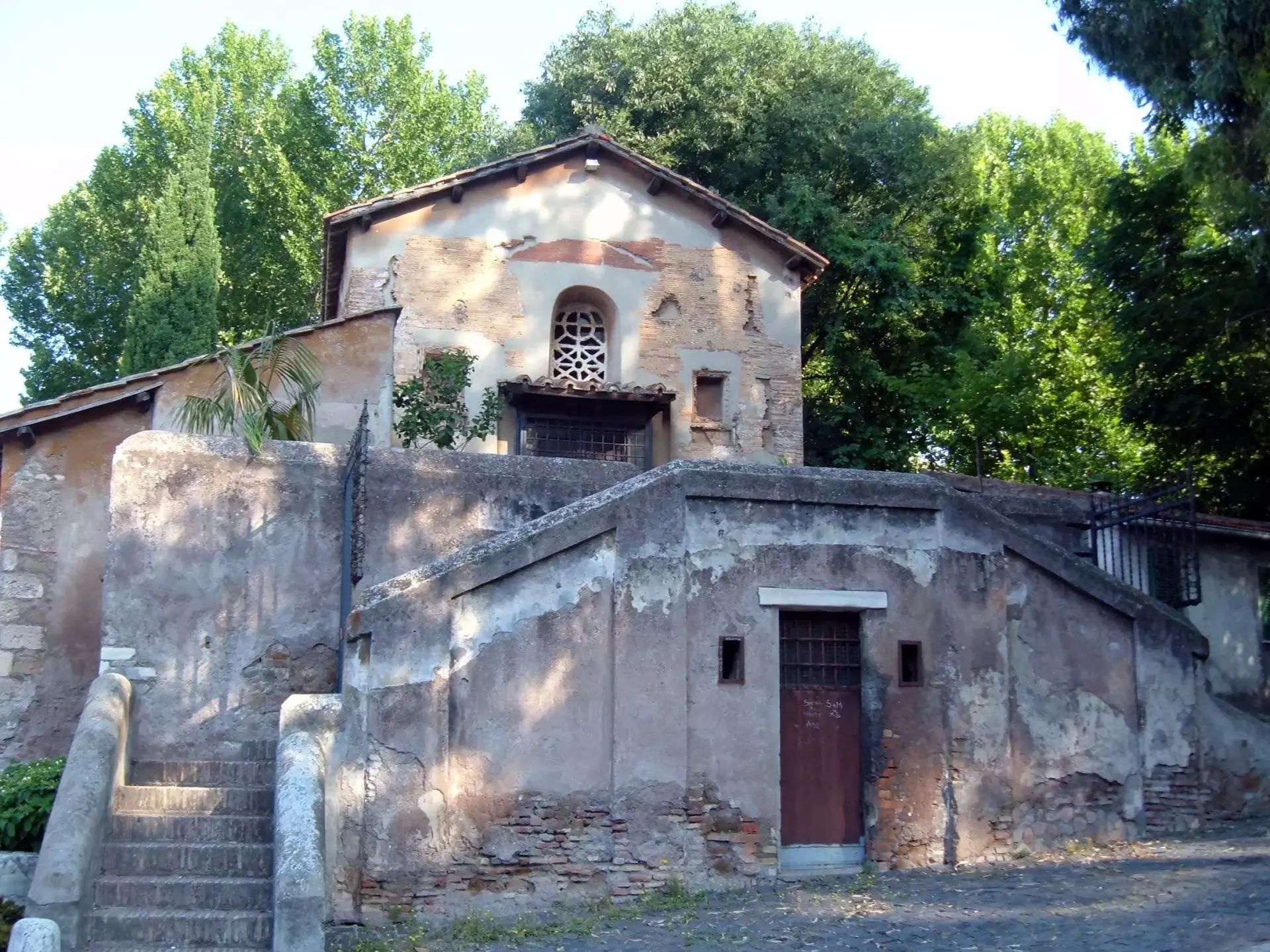
Hosteria dell'Orso is a storied inn with a remarkable past that stretches back centuries. The building welcomes visitors with its ancient charm, a silent witness to the many travelers who have crossed its threshold over the years.
Throughout its long history, the inn has hosted some of the most celebrated figures in European culture. It is said that Dante Alighieri, the renowned Italian poet, stayed here during his travels. Centuries later, French literary icons such as François Rabelais and Michel de Montaigne also found their way to this historic address while exploring Italy in the 1500s. Their visits are part of the rich tapestry of stories that bring the inn's legacy to life.
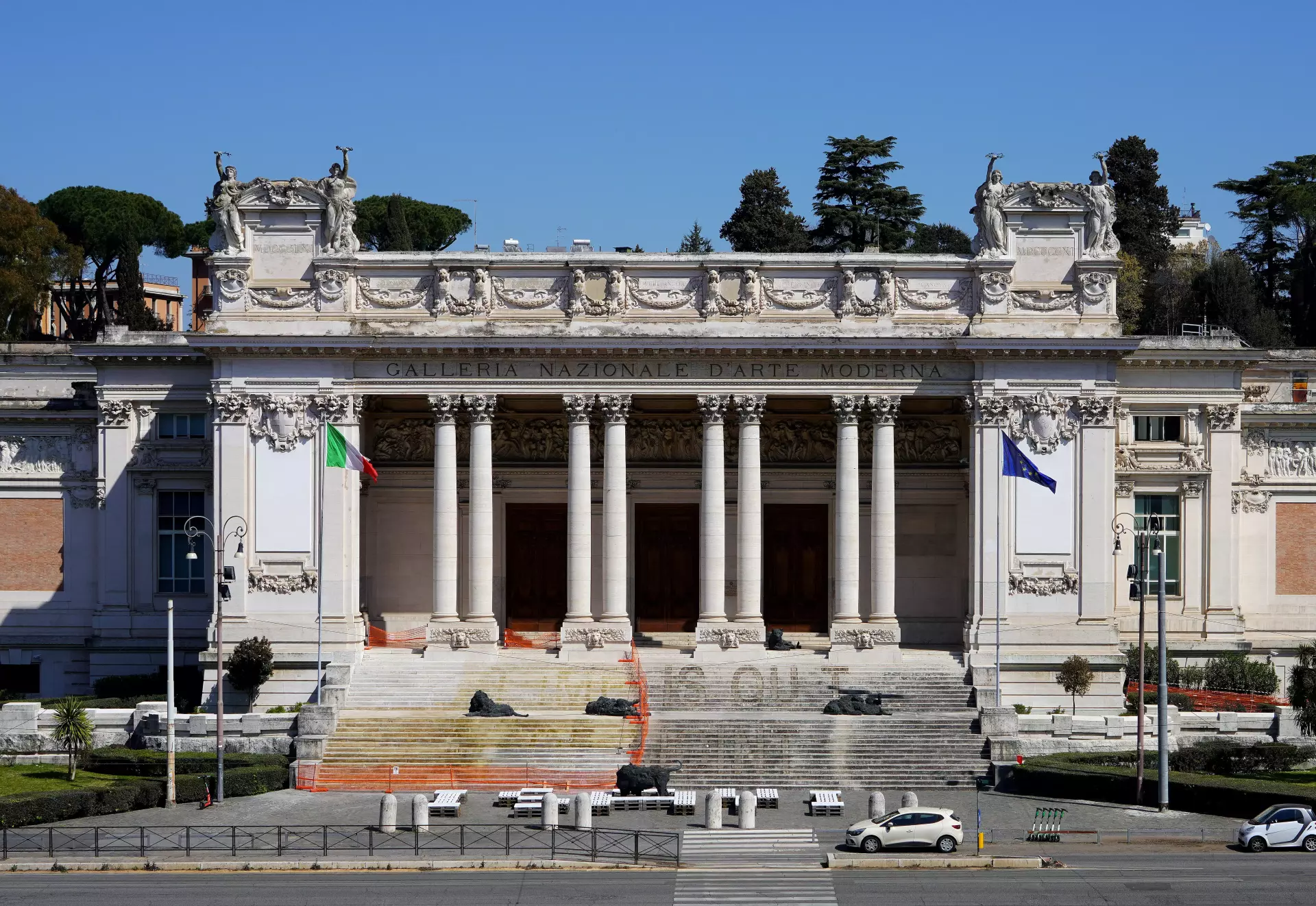
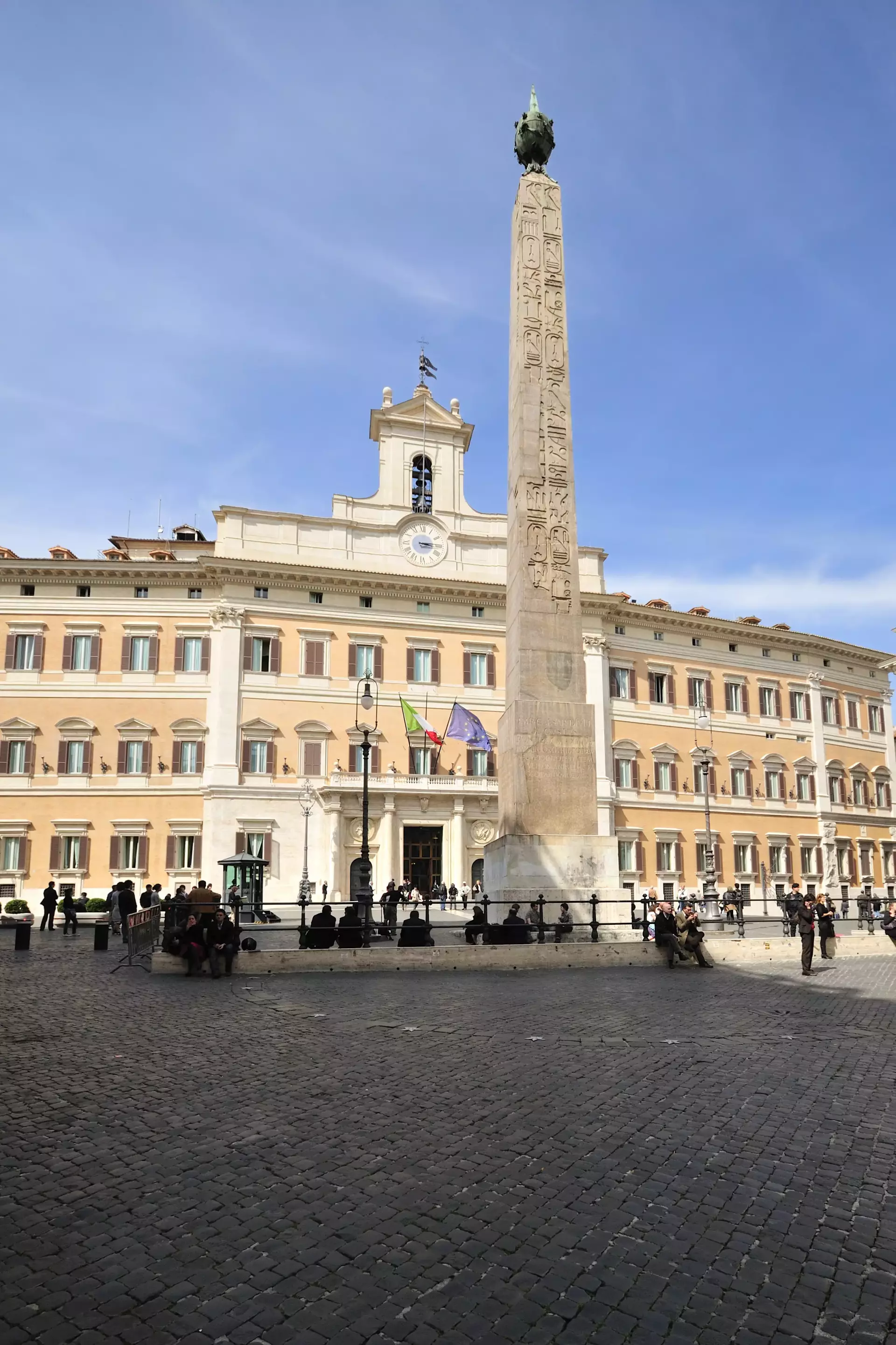
A 19th-century addition to the square, made to balance the Fontana del Moro.
Inaugurated in 217 AD and used until the 6th Century. The baths were big enough for 1600 bathers at a time. Impressive and well-preserved. Used for operas in summer months (see Opera di Roma for details) and was the location for the famous "three tenors" concert in July 1990, at the time of the World Cup (soccer).
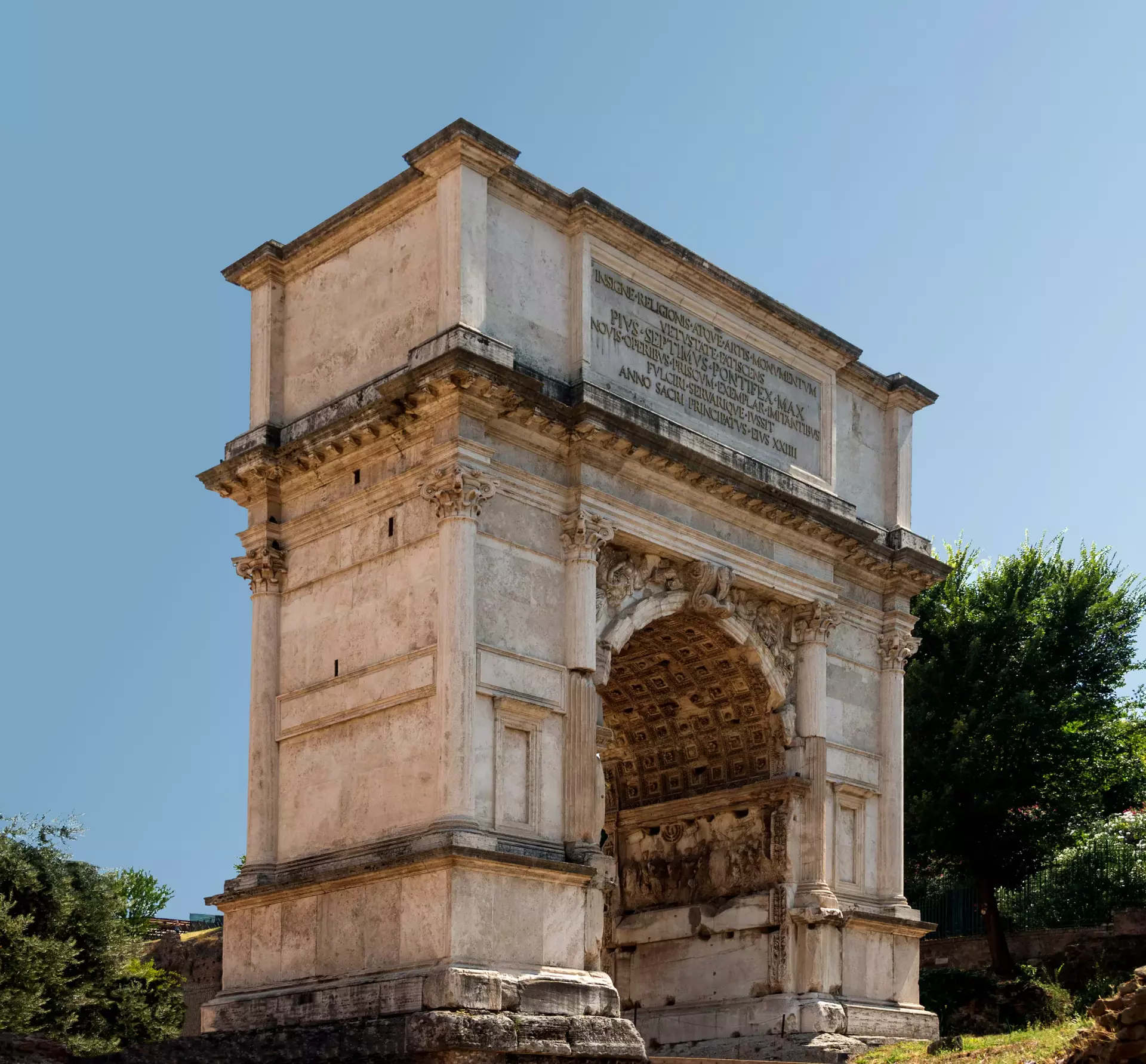
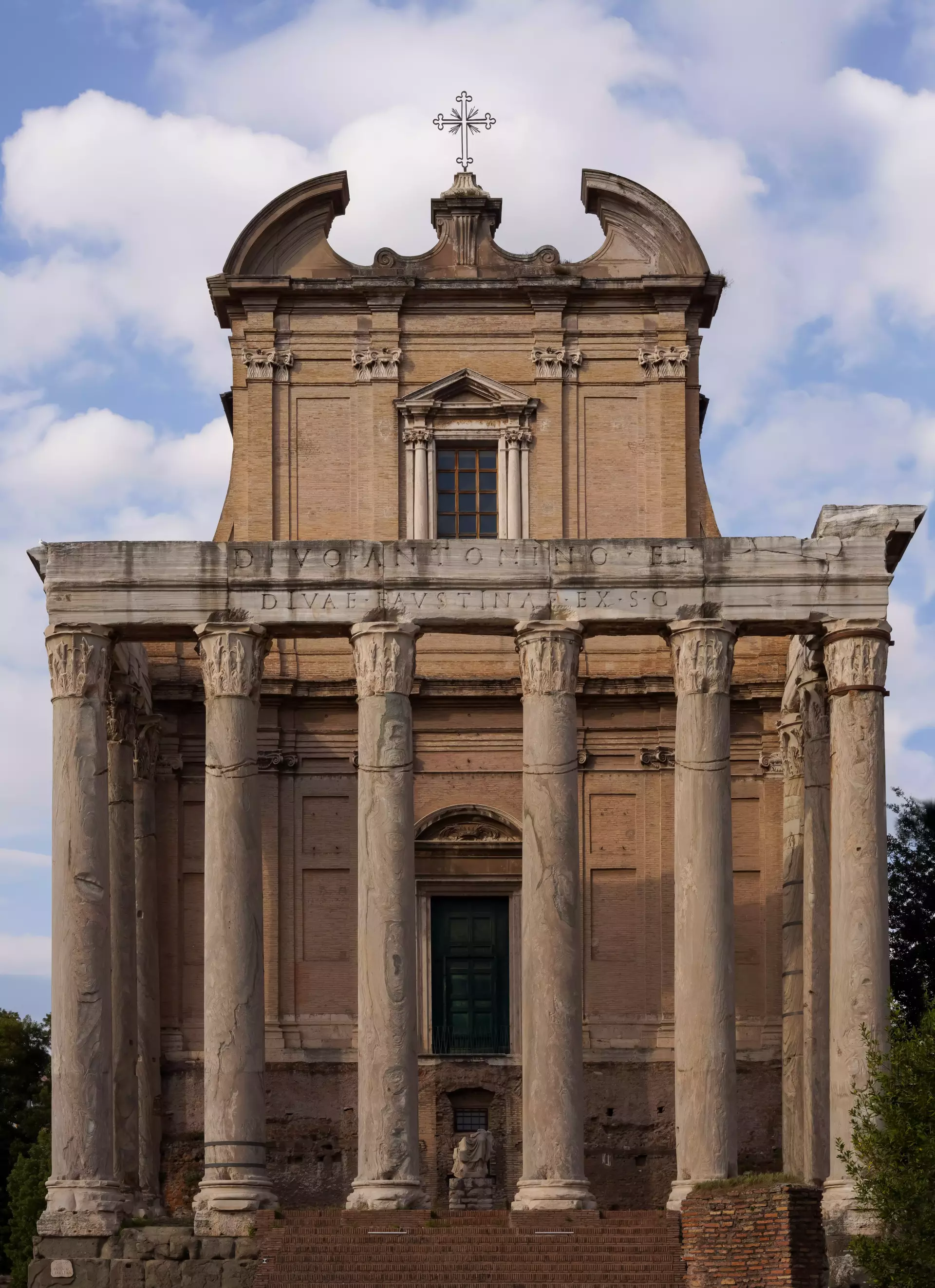
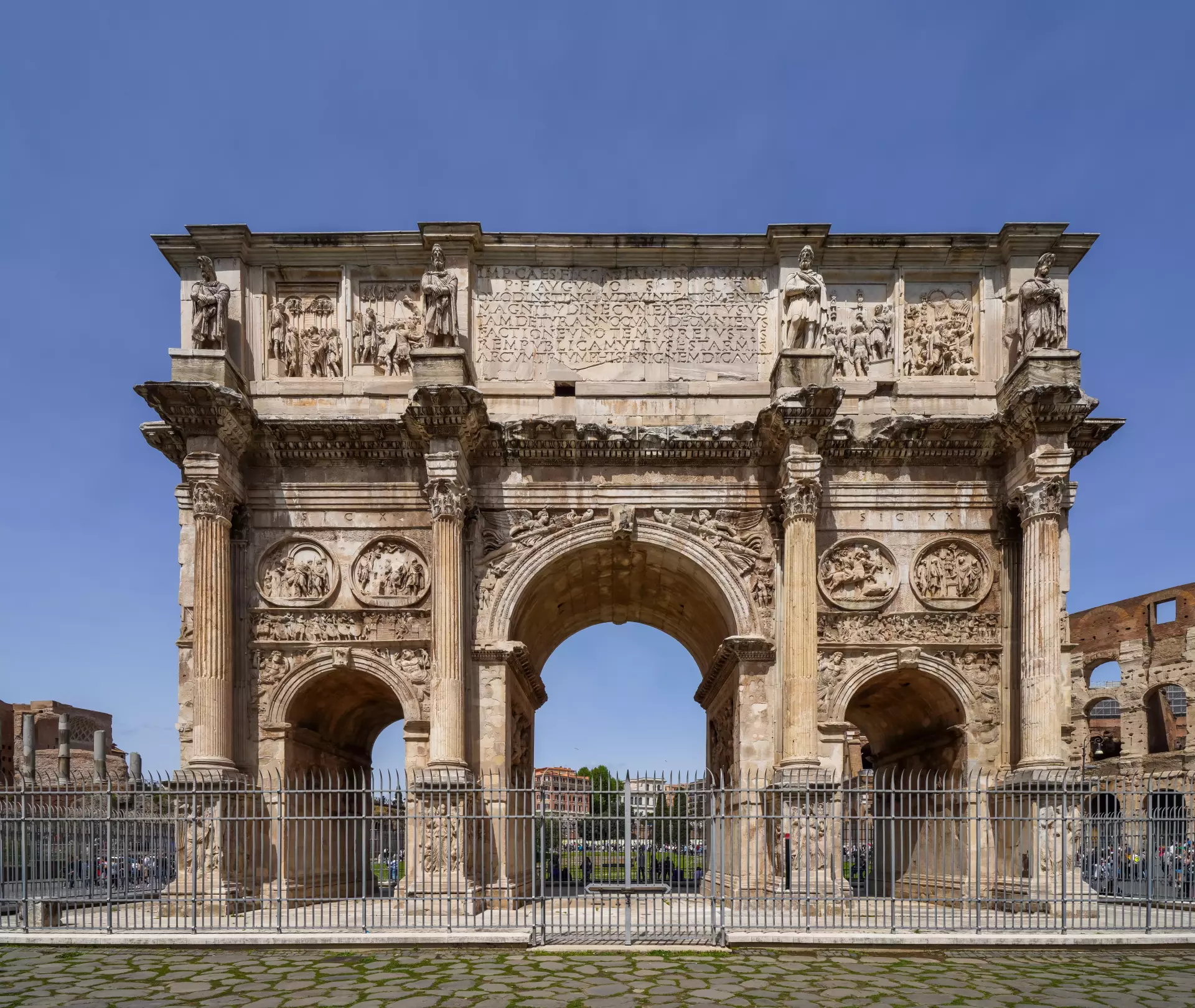
Erected in 203. You can see it close up from Via della Curia also (without entering the Forum).
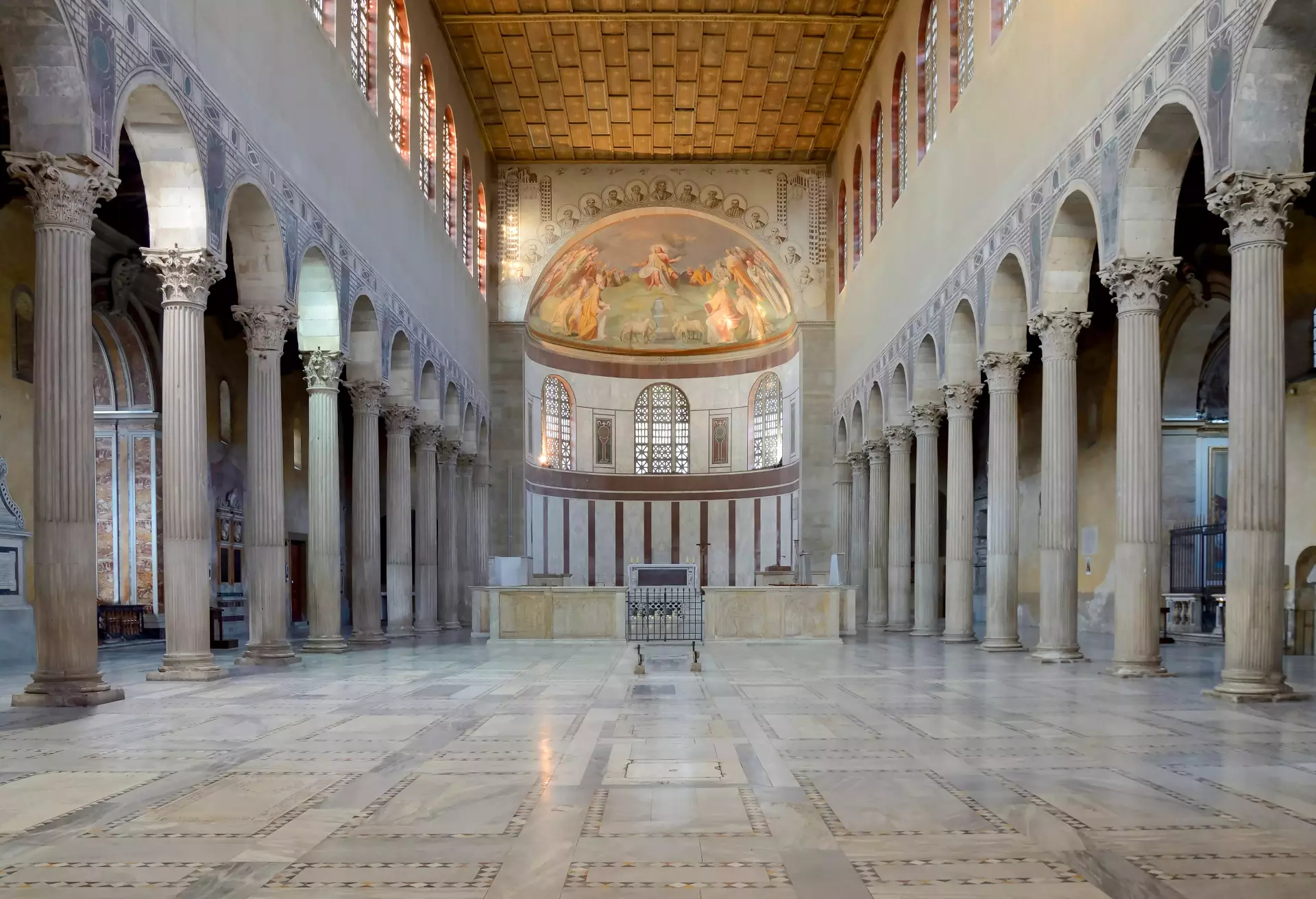
A 5th-century basilica, simply and attractively decorated. The wooden door, of which 18 carved panels of scenes from the Bible survive, is believed to date from the church's construction.
It was immortalised in 1960 by the Federico Fellini film La Dolce Vita. It is also the location of the US Embassy, in the massive Palazzo Margherita. Via Veneto went into a period of decline in the 1980s but has returned to popularity and the roadside cafes are the place to be seen if you are into that sort of thing.
The Servian Wall was the first wall around Rome, built around the 3rd century BC. This well-preserved section provides a good opportunity to observe the construction methods of that time, particularly the use of tufa rock blocks
The Catacombs of Domitilla are considered to be the best preserved of all Roman catacombs. They are the only ones still to contain bones. Domitilla also has a subterranean basilica, much of which was reconstructed in 1870.
A truly quiet oasis close to the hustle and bustle of EUR. There are three churches in this complex and the doors are open all day, unlike city churches. The monks produce a range of products such as liqueurs, chocolate and honey, as well as a cure for the illnesses Romans suffer when the Scirocco wind blows in from the Sahara. These are on sale at a shop at the Abbey.
This small museum records the liberation of Rome from German occupation during the Second World War. During the occupation the building was used as a prison. Stair lifts and chair lifts available for wheelchair users (call ahead).
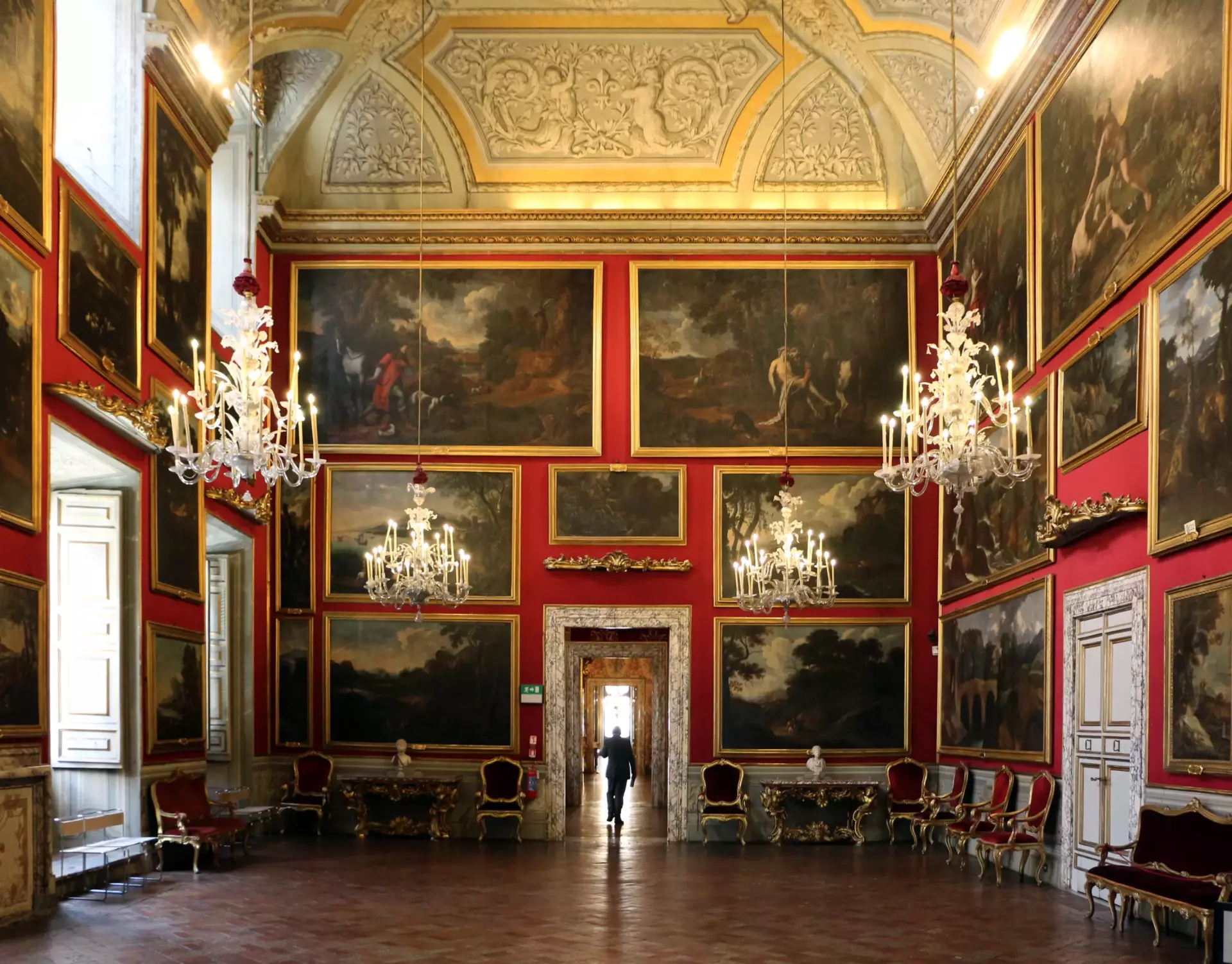
housed in the baroque palace Corsini where Christina, Queen of Sweden settled down in the last years of her life
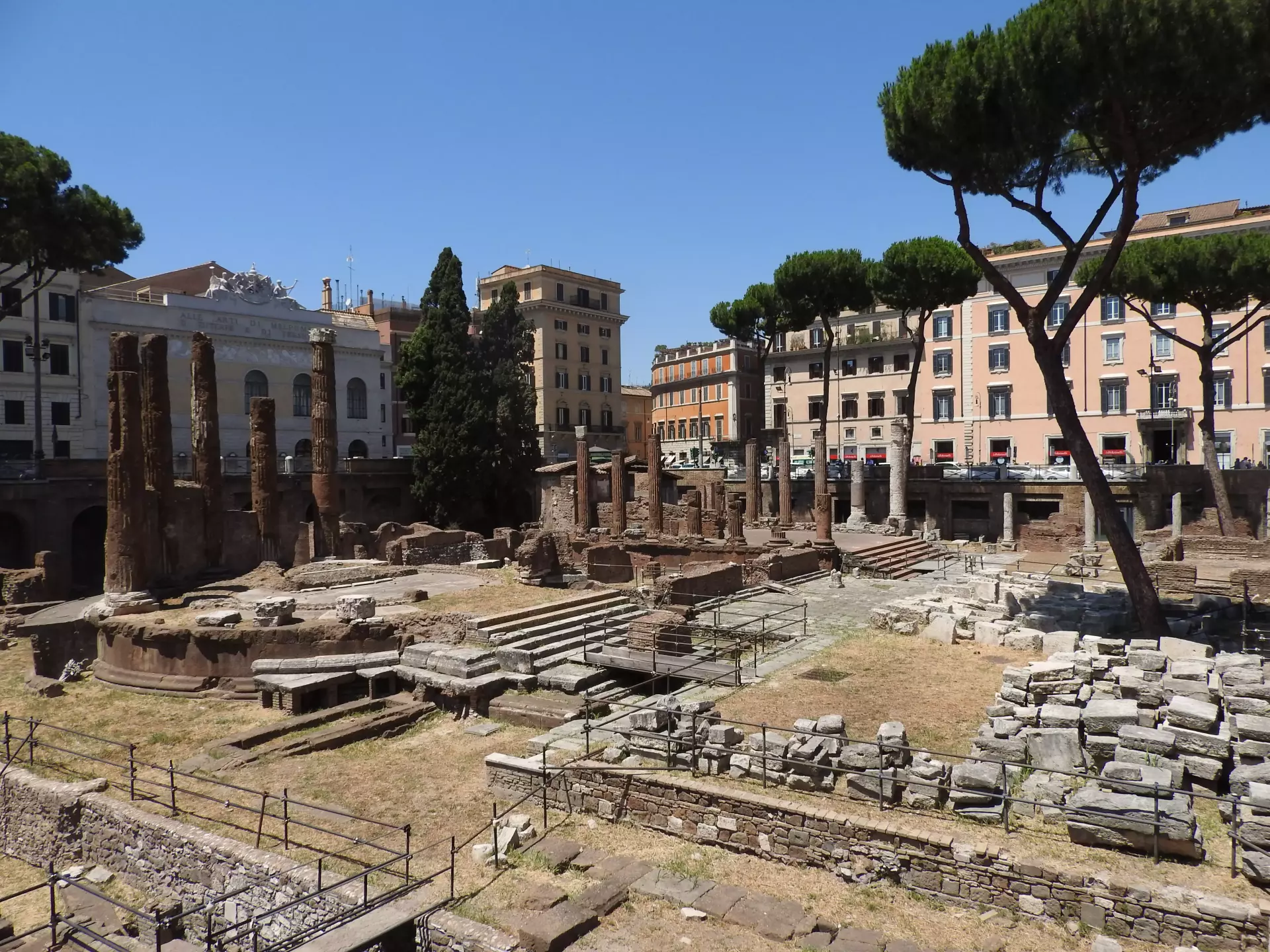
Not, as commonly believed, named after the country but after the city of Strasbourg (Argentoratum in Latin), from which came a courtesan of Pope Alexander VI who lived nearby. Four Roman Republican-era temples, Pompey's theater and a Roman public toilet ("Latrina") have been excavated. The Pompey Theater is the site where Julius Caesar was stabbed to death by senators in 44 BC. The largo is also home to a large number of cats which are tended by the local animal rights organization - purportedly a jab at Mussolini who excavated the area and is said to have hated cats. As of September 2024 no cats could be seen at least from the street.
A relaxing place to sit and recover from the exertions of sightseeing. Permanent collection plus annual competition.
This building housed the University of Rome from the middle of the 15th century until 1935. The splendid interior courtyard was created by Giacomo della Porta. The inside church of Sant'Ivo (see above) is one of the masterpieces of the architect Borromini.
Finished in 29 BC, marks the spot of Caesar's spontaneous cremation and Mark Antony's funeral speech, made famous by Shakespeare in his play Julius Caesar ("Friends, Romans, Countrymen, lend me your ears ...").