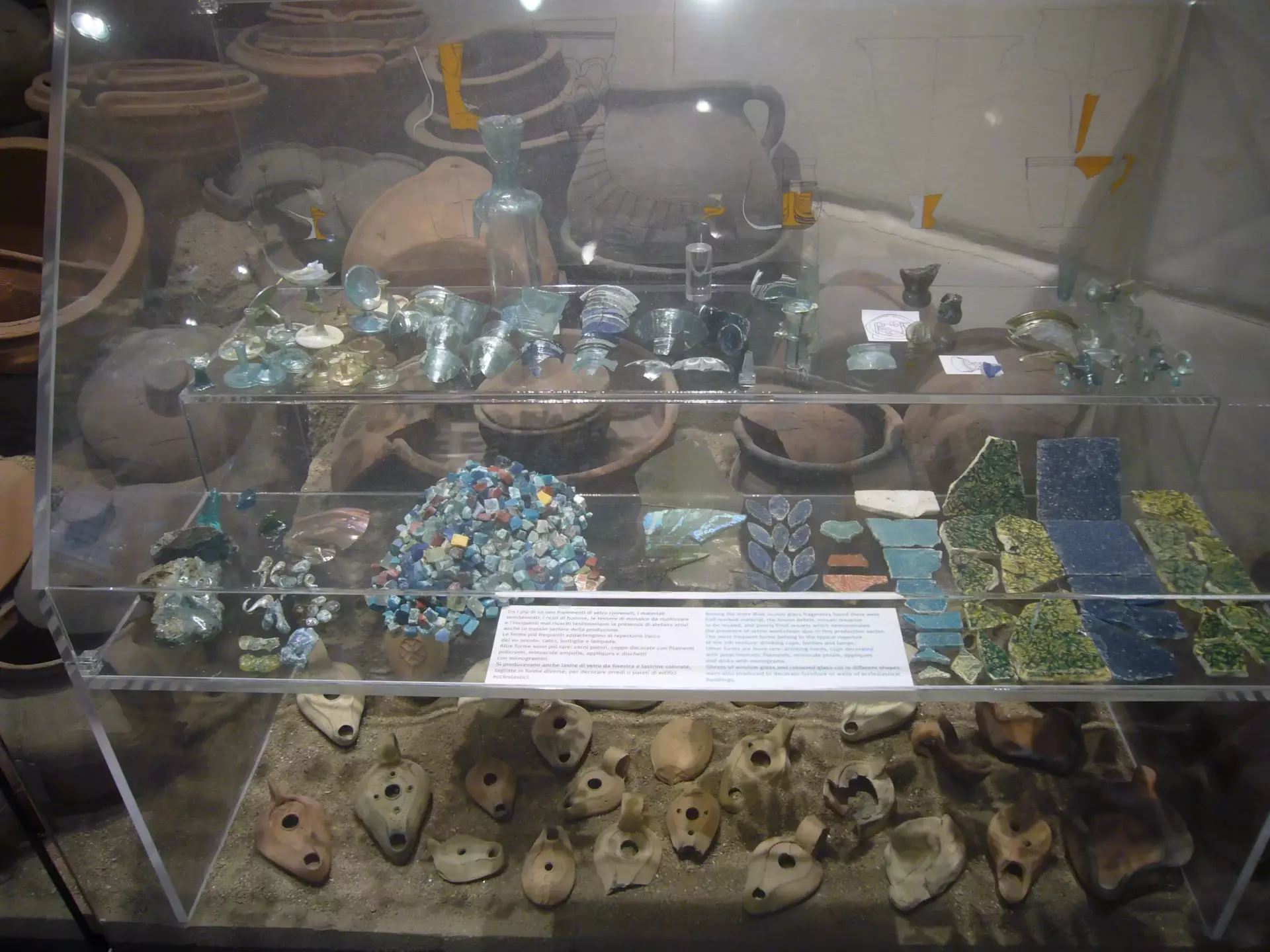
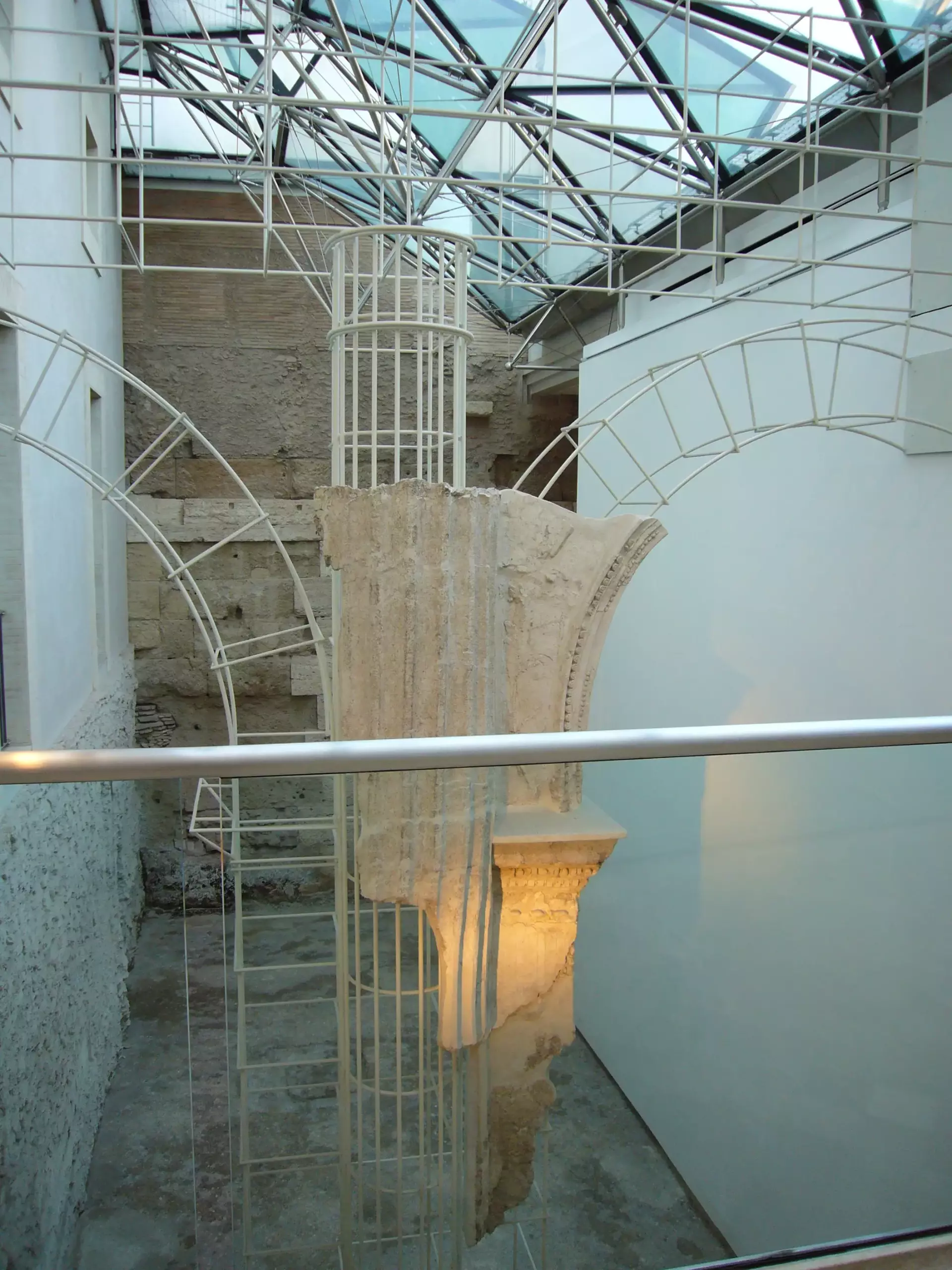
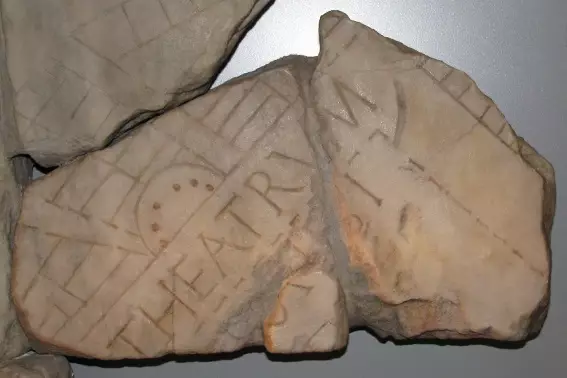
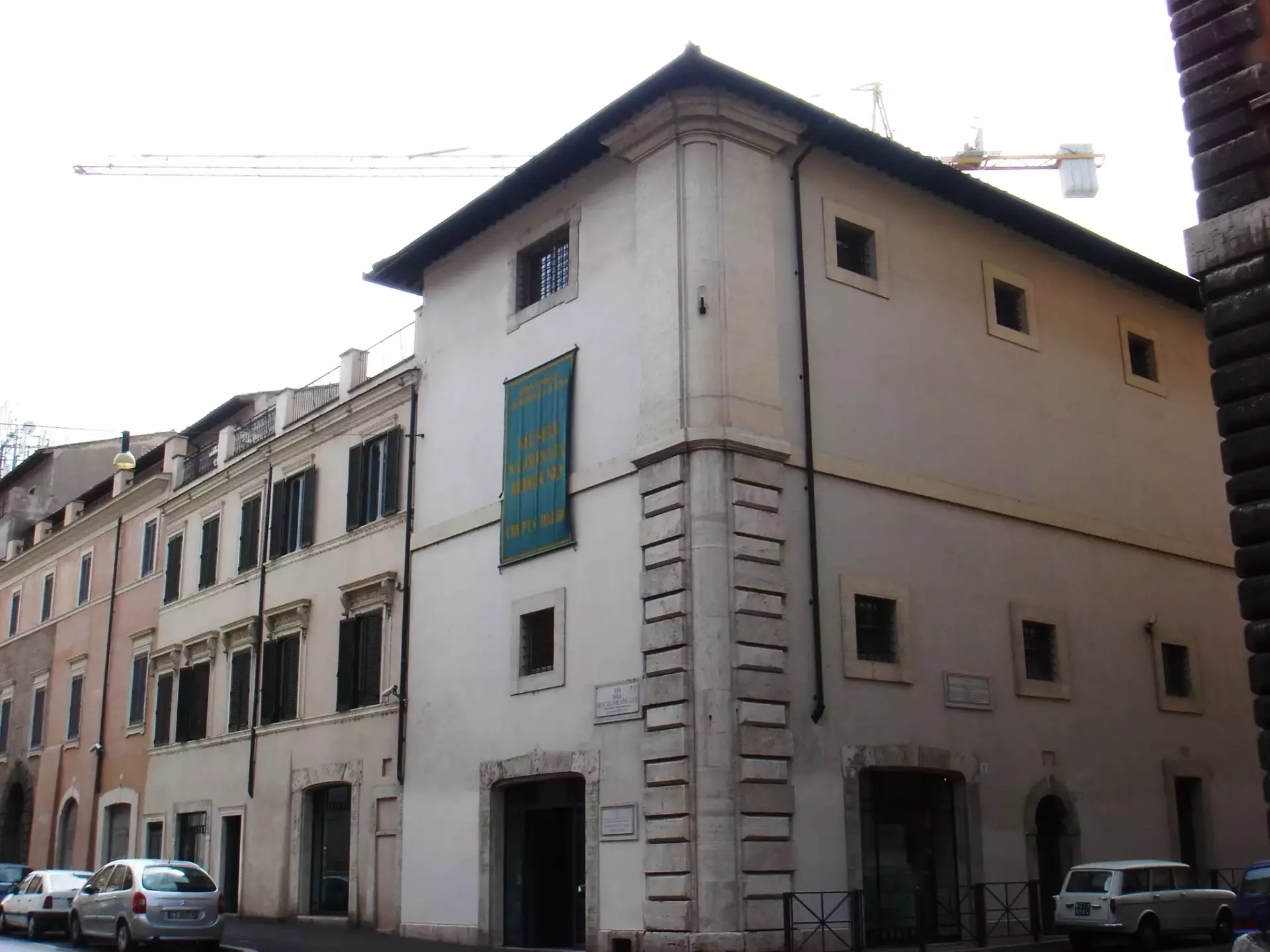
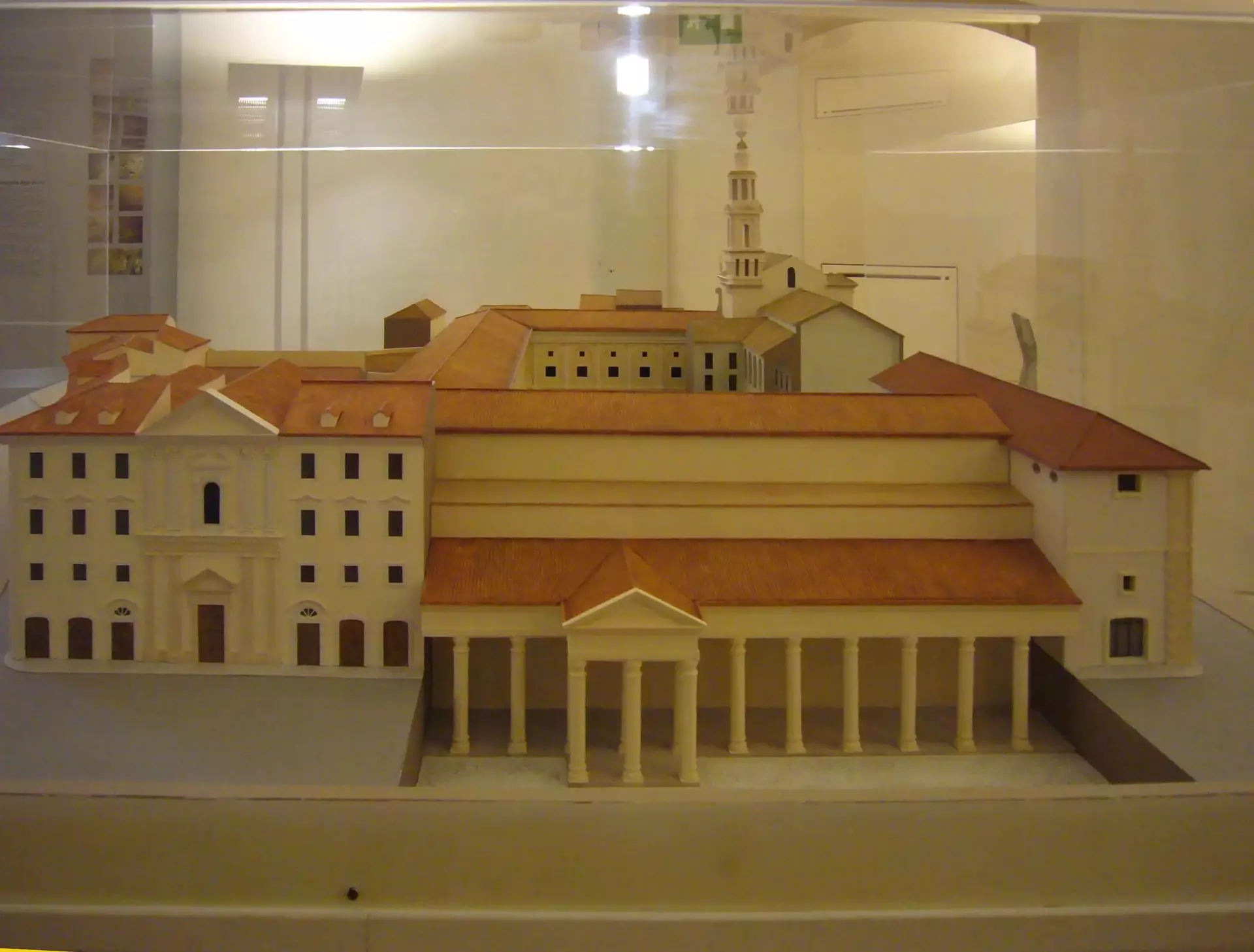
In Rome, the Crypta Balbi Museum stands directly above an ancient excavation site. This museum was constructed over the Balbi Crypt, a structure first built in the 1st century A.D. Over time, the building changed and expanded, reflecting the various periods of Roman history that passed through its walls.
Walking through the museum, visitors can follow the story of Roman daily life through different eras. Displays and ruins reveal how people lived, worked, and adapted the space as the city evolved. Each part of the site offers a new perspective on Rome’s transformations, from ancient times through the medieval period and beyond.
The museum allows guests to freely explore most of the ruins. However, certain sections, such as the Essedra ruins, are only open to visitors on weekends. These special areas can be accessed on Saturdays and Sundays at set times: 10:45, 11:45, 12:45, 14:45, and 15:45. This schedule lets history enthusiasts experience some of the oldest parts of the site firsthand.
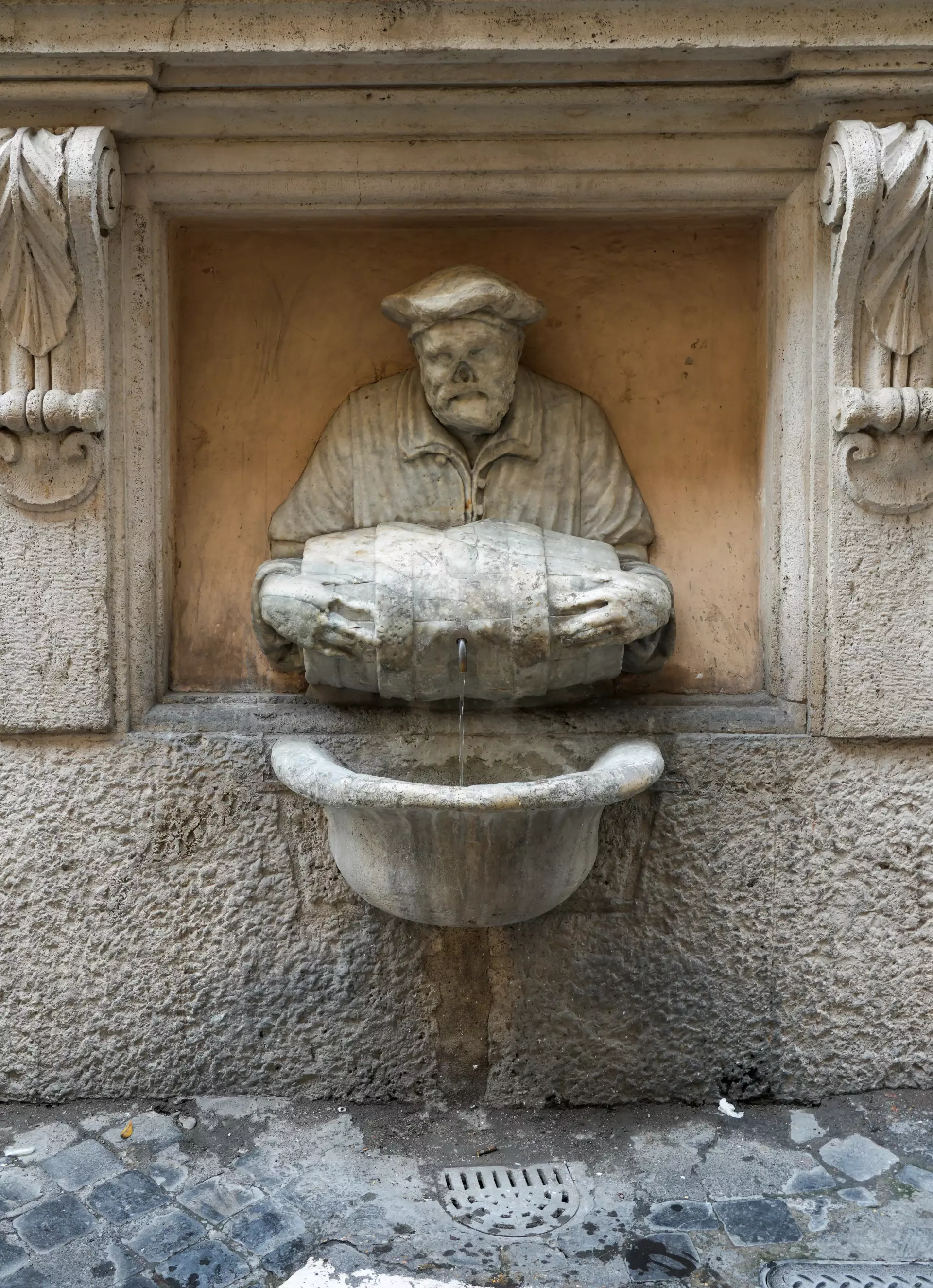
Like Pasquino, the Facchino is one the so-called "speaking figures" which are peculiar to Rome. He is looking out of the Banco di Roma building. The man depicted is holding a barrel in his hands and is carrying water. It is sometimes said that he is looking similar to Martin Luther, but more probably a porter who died while carrying a barrel is depicted here.
Small collection of railway carriages and related stuff. Really just for those with special interest in the topic. Entrance through the station if the main entrance is closed.
Regular shows plus an excellent astronomical museum.
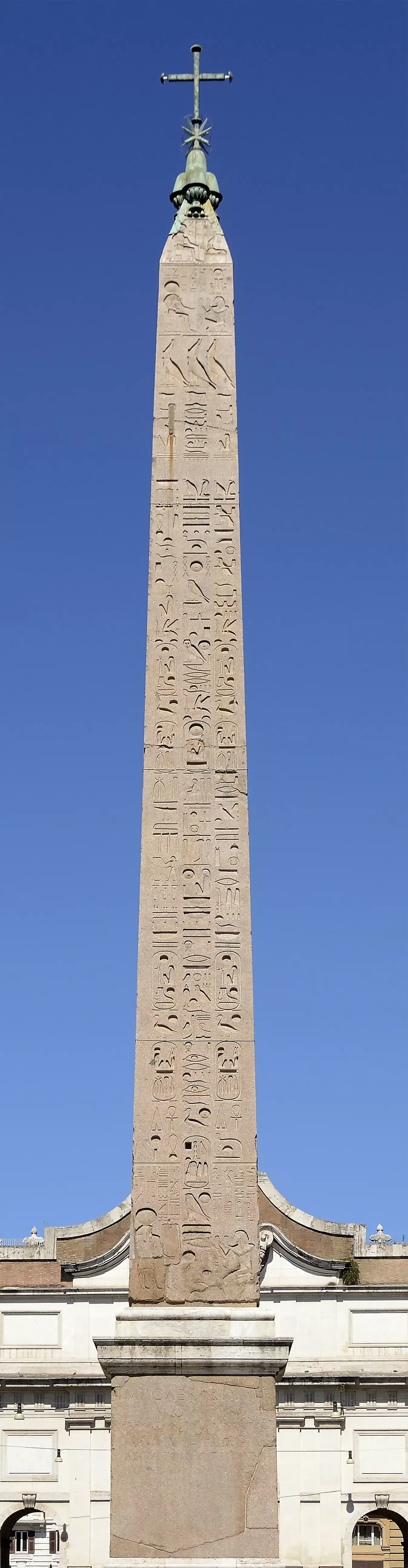
This is the largest square in Rome. It sometimes hosts pop concerts and is the focal point for Rome's New Year's Eve celebrations. The twin churches Santa Maria dei Miracoli (1681) and Santa Maria in Montesanto (1679) used to provide a clear welcome to Rome for those coming from the north. Much older, to the north of the piazza is yet another Santa Maria (see below). The Piazza del Popolo is considered as one of the most beautiful squares in Europe. It was enlarged and two streets, the Via di Ripetta and the Via del Babuino were added by order of Pope Sixtus V. In the middle of the square is an obelisk (see below). In 1809-1816, Giuseppe Valadier, Roman architect of French origin, gave the square its characteristic oval shape.
Brand new museum designed to celebrate the art and architecture of the 21st century.
Designed by Bramante to mark the spot of St. Peter's martyrdom, this delightful miniature building is considered a masterpiece of Renaissance architecture. Open to the public.
Next door to Santa Croce. A collection of around 3000 pieces, although only a third of these are displayed.
Built in the 9th century, this ancient basilica crowns the top of the Esquiline Hill. Tons of gold decorate the interior together with impressive mosaics (particularly when the floodlights are turned on), and there is a museum on the premises. If you are in Rome on Corpus Christi (Corpus Domini), which is the Thursday after the 8th Sunday after Easter, an early-evening service is held in San Giovanni by the Pope followed by a procession along Via Merulana to Santa Maria. Good opportunity for a close up view of the Pope. This is a very large church with lots to see, as for example, the main part of the church has two layers of mosaics and paintings high on the walls, the altar and apse are spectacular, and then there are several more or less large chapels you won't want to miss, including the one with the amazing golden baptismal font. Allow at least an hour if not an hour and a half or more to visit the interior, even if you do not take any special tours, and also allow time to view the exterior from all sides. Overall, at least 2 hours would not be too much time to allot.
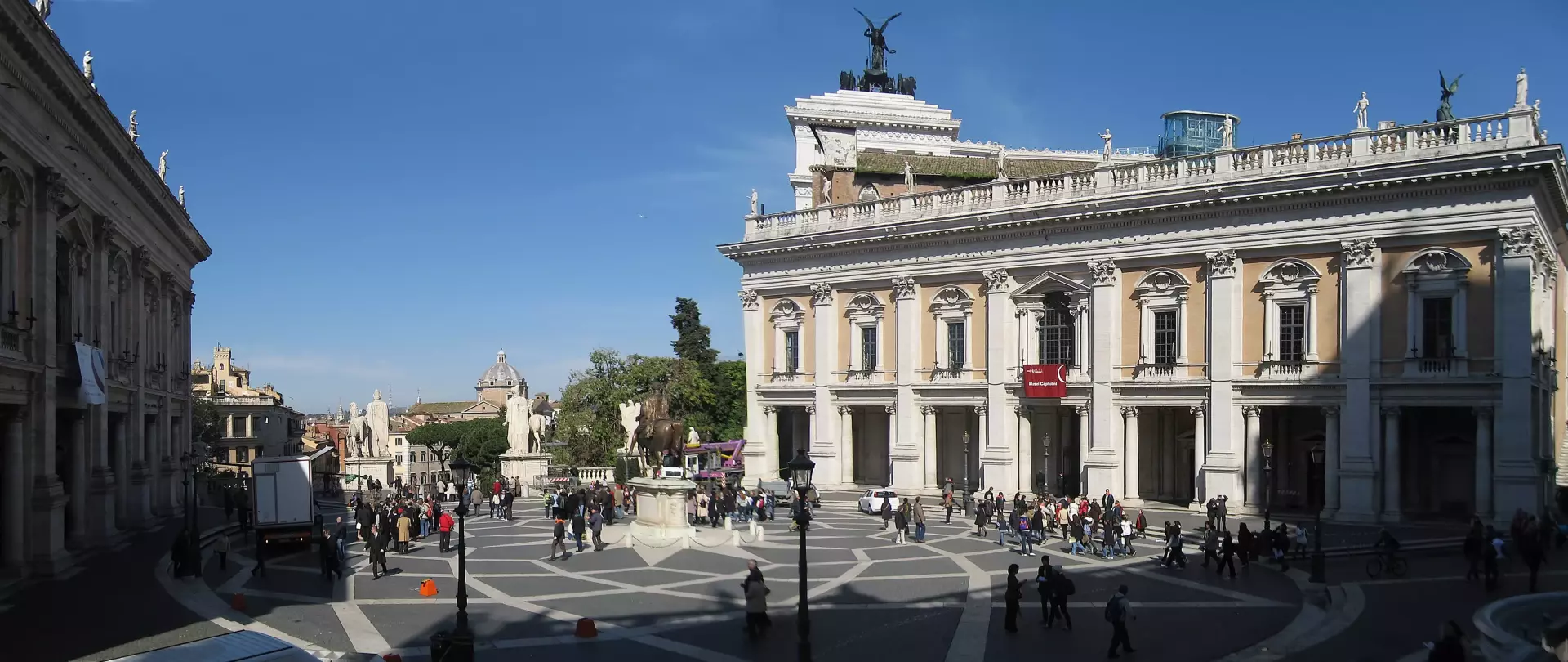
Built in the 17th century to a design based on an architectural sketch by Michelangelo. Highlights include the ancient Colossus of Constantine statue (the Colosseum was probably named for another giant statue, the Colossus of Nero which stood near the Flavian Amphitheatre as the Colosseum was originally known), The Dying Gaul, a magnificent marble sculpture that copies a bronze Greek original of the 3rd century BC and the Capitoline Venus. It also contains the remarkable original gilt bronze equestrian statue of emperor Marcus Aurelius (the one in the piazza is a replica).
Built in 141 AD and dedicated to the Empress Faustina; after her husband emperor Antoninus Pius died in 161 AD the temple was rededicated to the couple.
Unusual and fascinating round church dedicated to St. Stephen. It is the national church of Hungary in Rome. Dating from the 5th Century this is believed to be the largest round church in the world. Charles Dickens described its wall paintings of martyrdom and butchery as "hideous". A good starting point to visit the attractions of the Celio Hill (see Rome/Aventino-Testaccio).
This is an important place of pilgrimage for Catholics because of the supposedly miraculous powers of an image of the Virgin Mary. The first miracle was in 1740 when a traveller being attacked by a pack of dogs called out to the Virgin’s image for rescue and the dogs calmed down. The image was moved to Rome in the Second World War and is credited with saving the city from destruction, as a result of which Romans vowed to construct this new sanctuary.