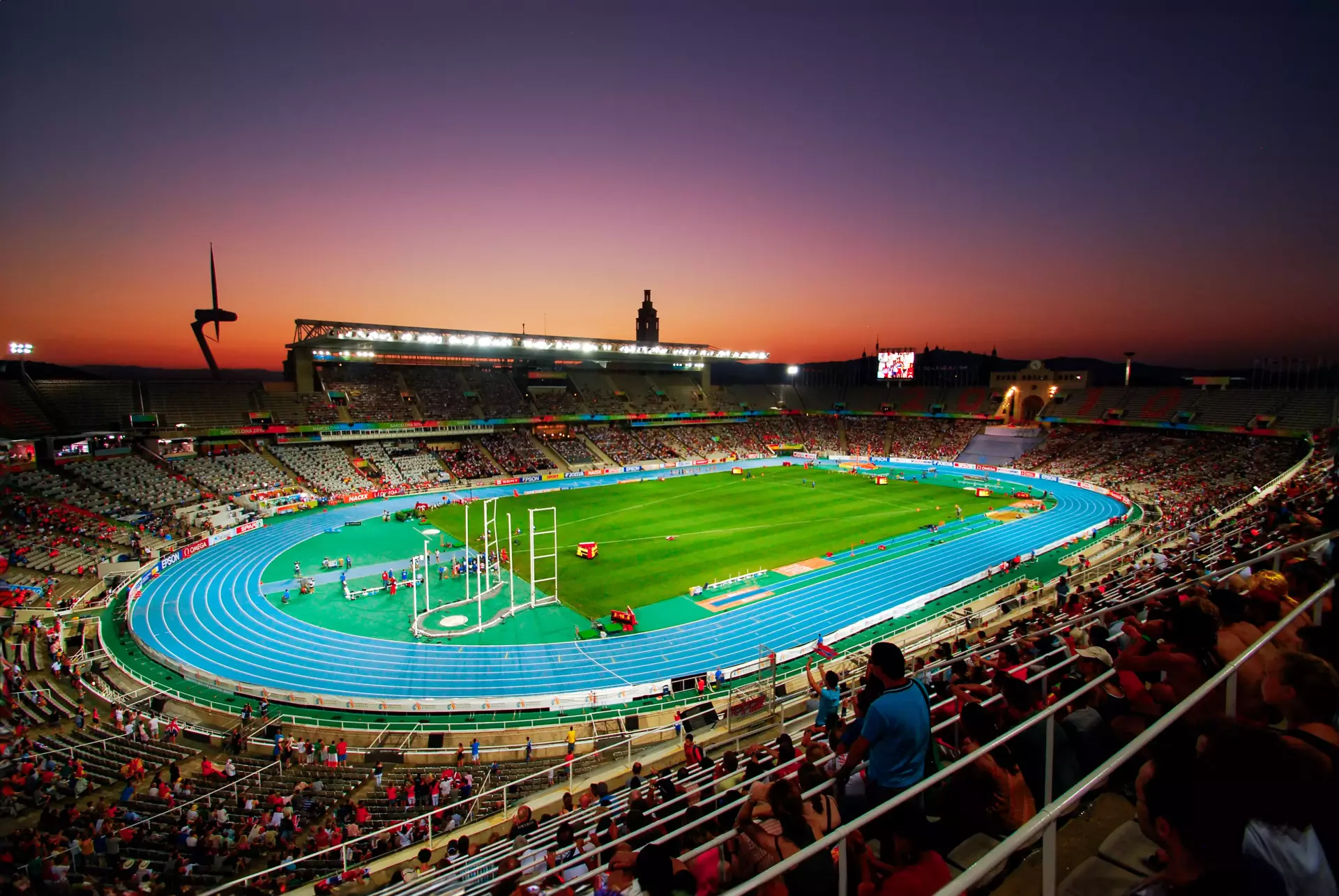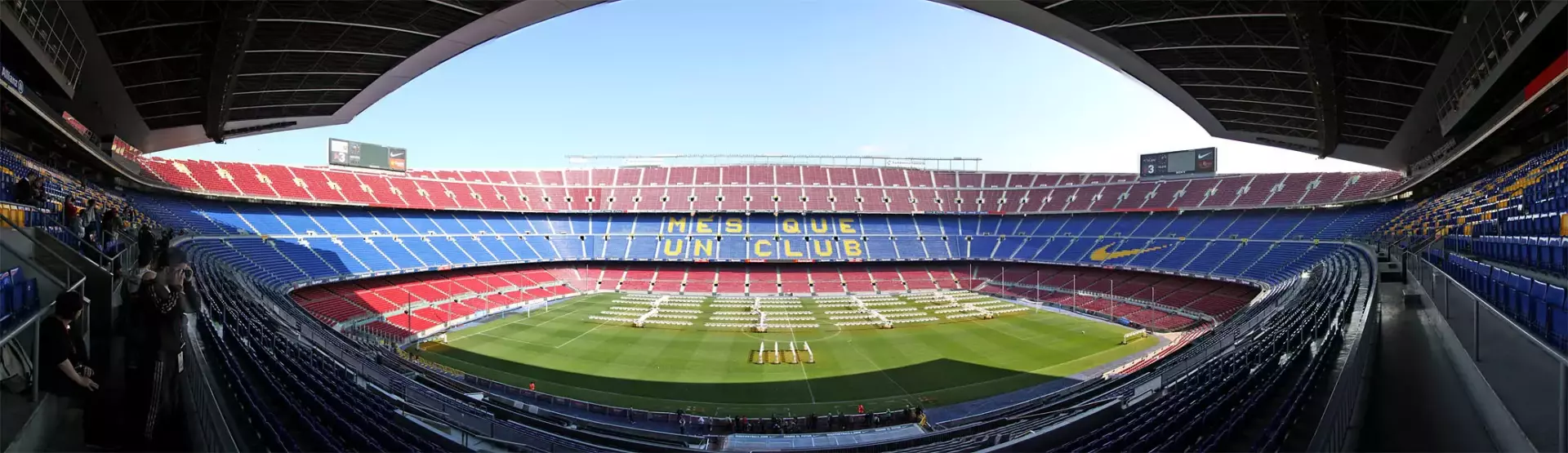
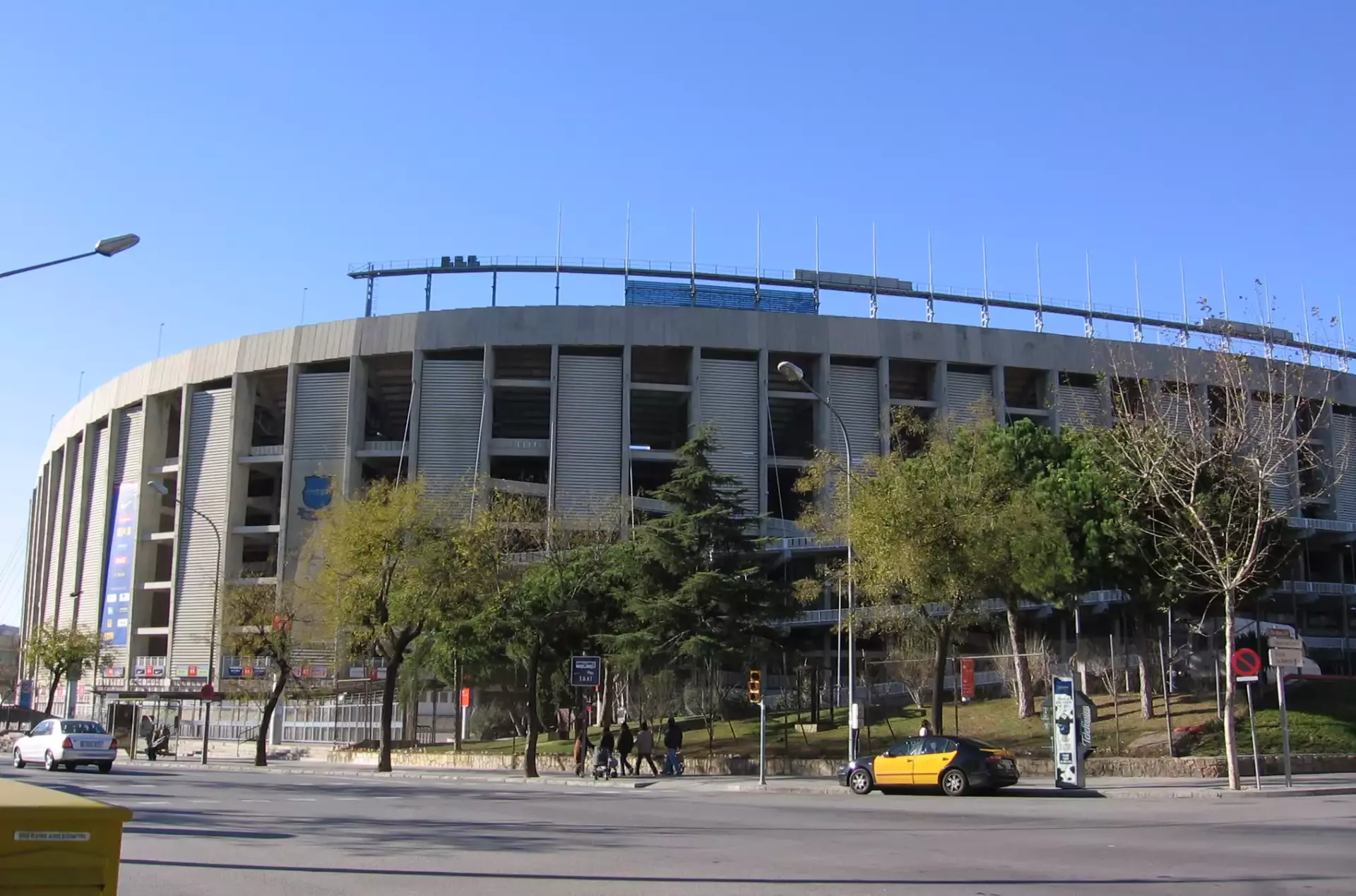
For football enthusiasts, Camp Nou stands out as an unmissable destination. Serving as the home ground for Futbol Club Barcelona (FCB), it offers visitors the chance to experience one of Europe’s most iconic football venues.
During the Franco era, FCB was more than just a football team; it became a symbol of Catalan identity and a subtle way for locals to express their cultural pride. Today, Camp Nou continues to embody the spirit and resilience of the region..
With a staggering capacity of nearly 99,000 spectators, Camp Nou is the largest stadium in Europe. Beyond its impressive size, it offers a rich experience for visitors, including the club’s museum and various shops. Football enthusiasts can explore the history of FCB and appreciate its impact on both sport and culture.
Attending a match at Camp Nou is an exhilarating experience, especially during high-profile encounters such as El Clásico against Real Madrid, which attract fans from around the world. Matches against other top Spanish teams and Champions League fixtures also create an electric atmosphere.
For those visiting outside of match days, stadium tours provide an immersive experience. Visitors can wander through the stands, enjoy panoramic views, and dive into the rich history and vibrant atmosphere that make Camp Nou a cornerstone of football culture.
Source - https://en.wikipedia.org/wiki/Camp_Nou
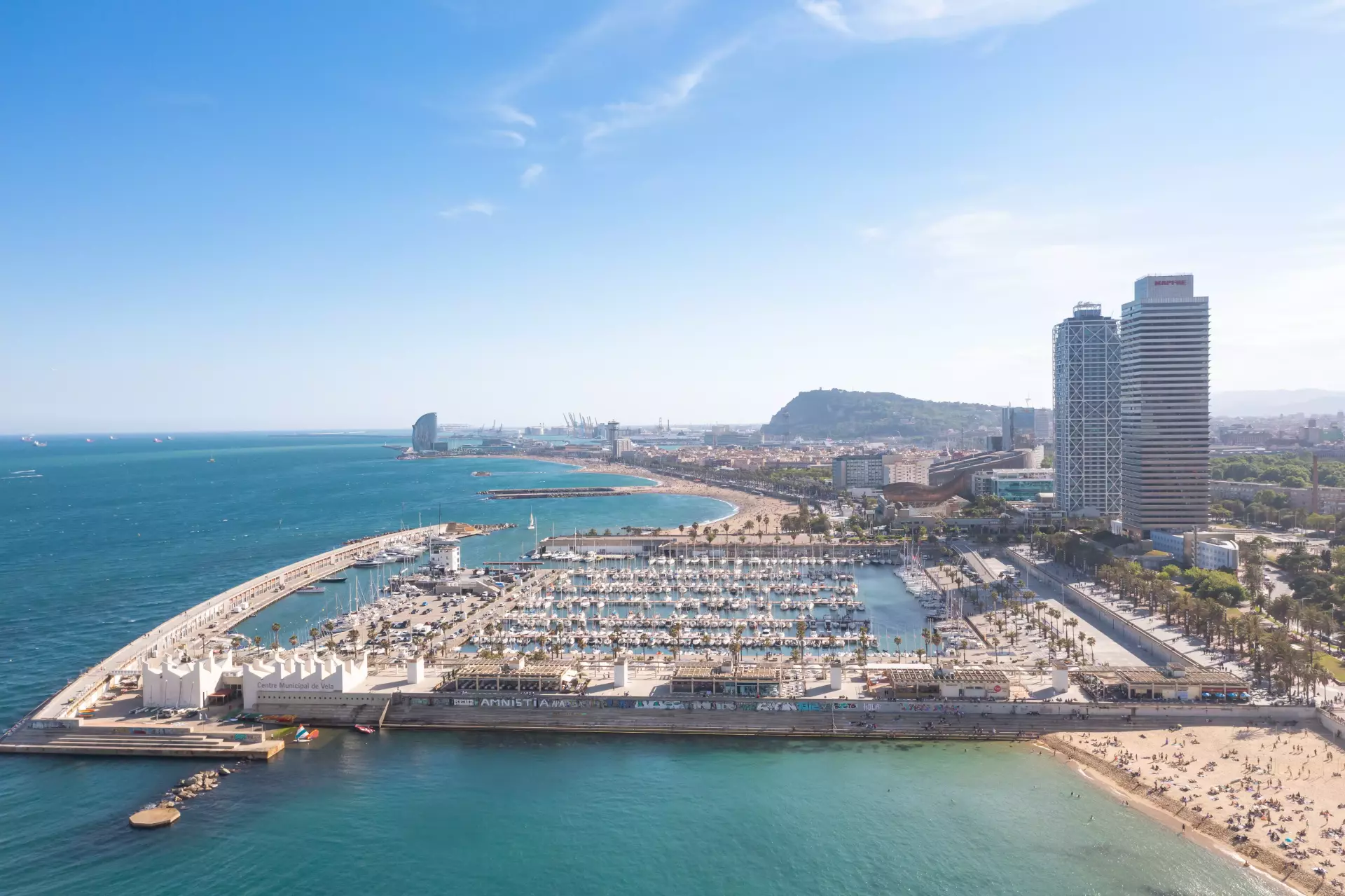
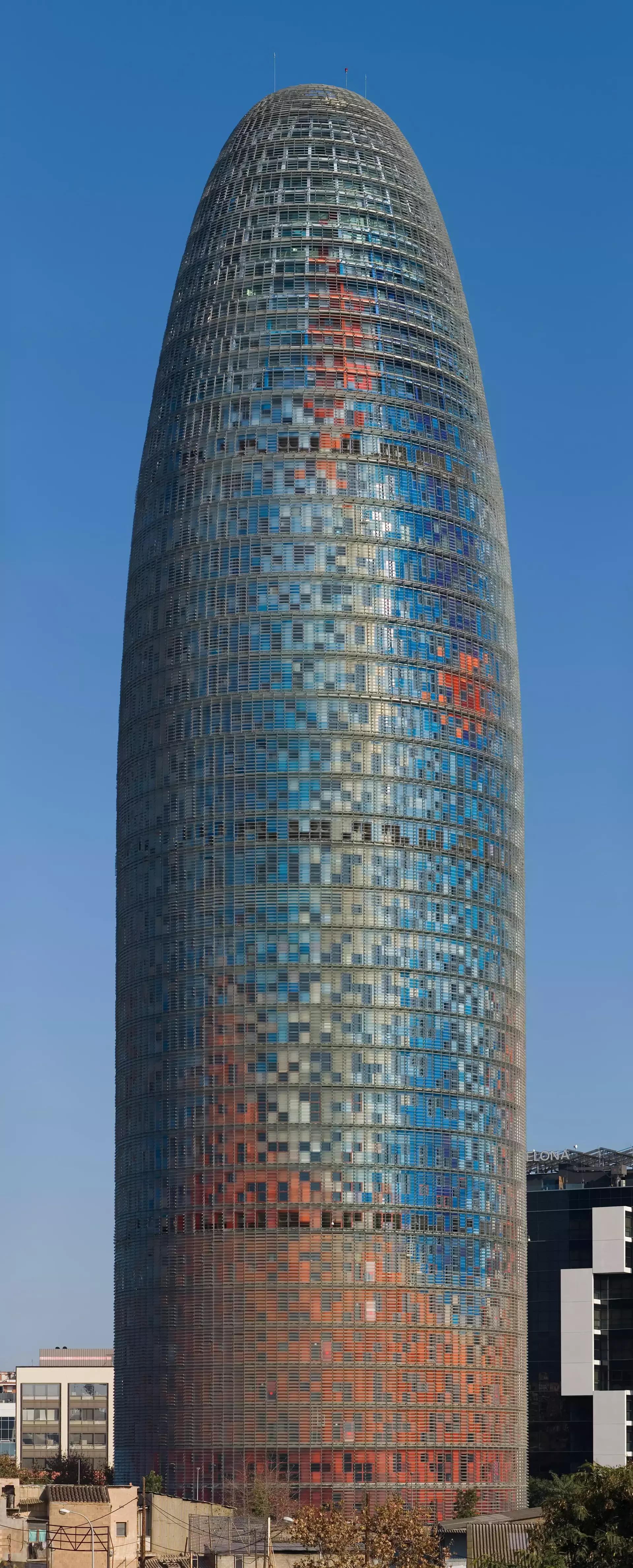
One of the most unusual landmarks in this otherwise ultra-modern area is this 19th-century (finished in 1882) brick water tower. Standing 62 metres tall, it is now overshadowed by neighbouring residential, office and hotel towers and easy to miss unless you know where to look for it.
A beautiful Gothic monastery near the university, there are a museum which depicts the monastery life, a church, and a marvelous chapel covered with medieval frescoes.
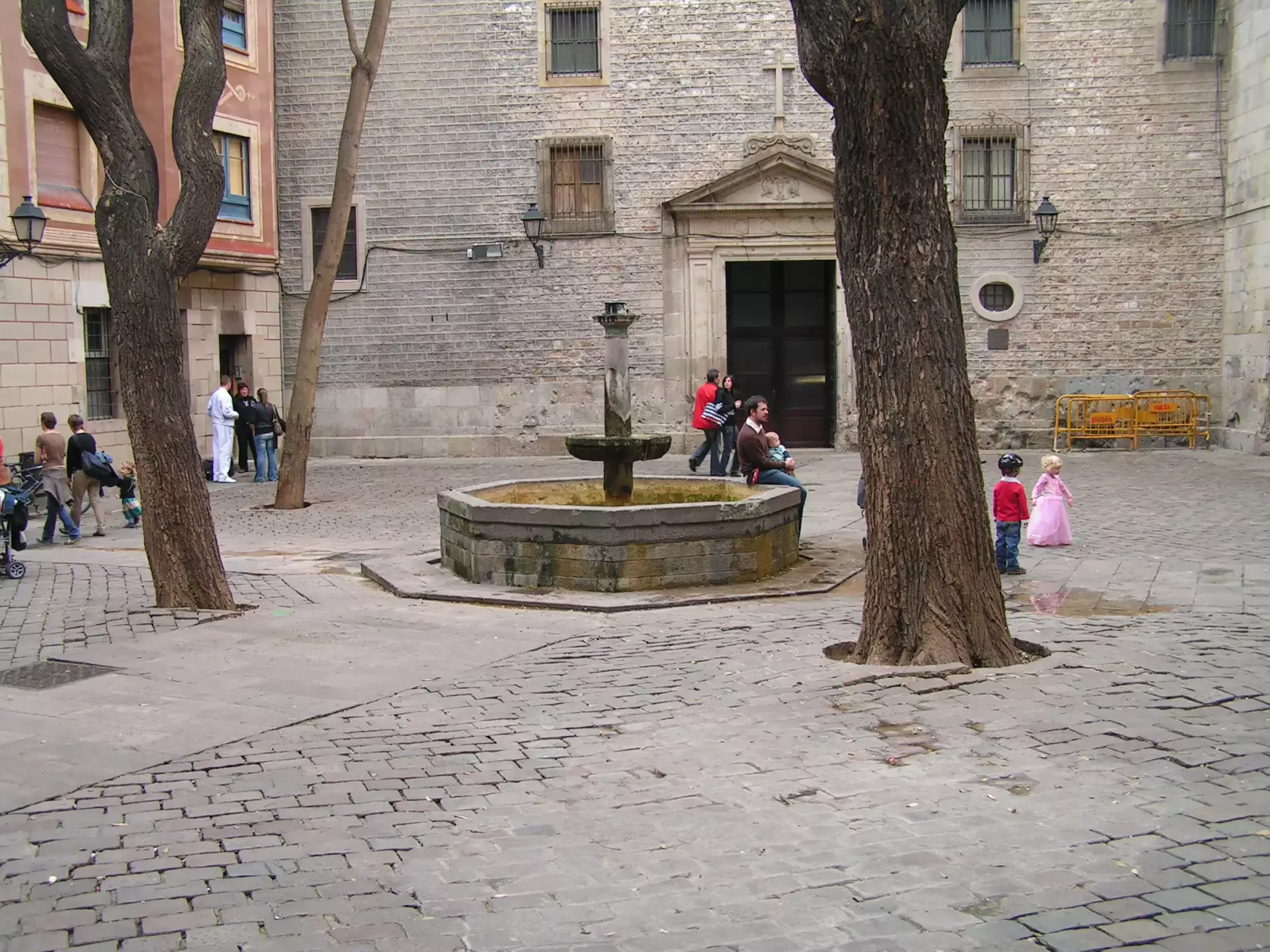
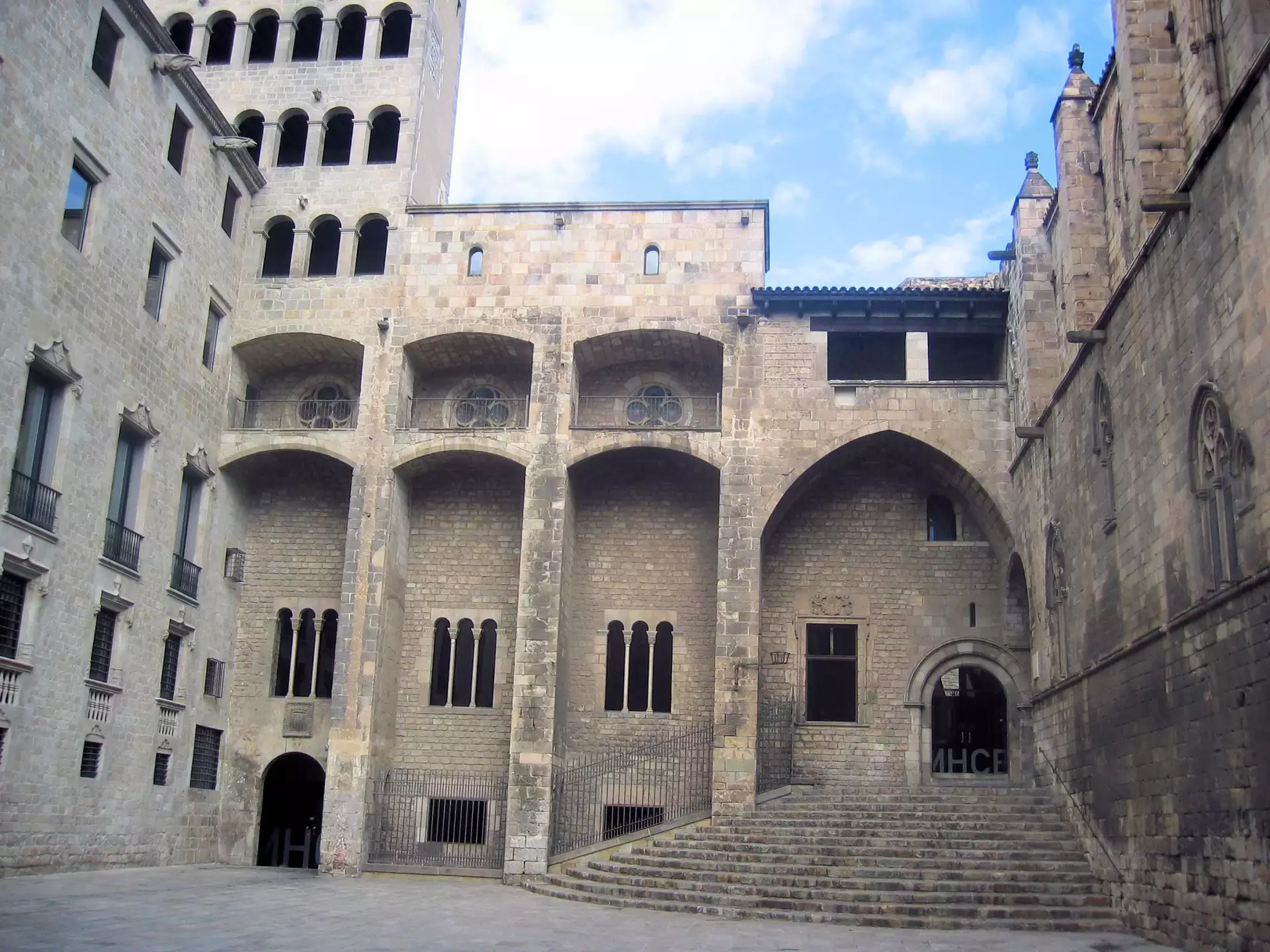
This street has the biggest collection of Gothic houses in Barcelona. In amongst these houses is the Picasso Museum, which is definitely worth a visit. There are also smaller museums along the street, and many tapas restaurants though they may be more expensive on this street.
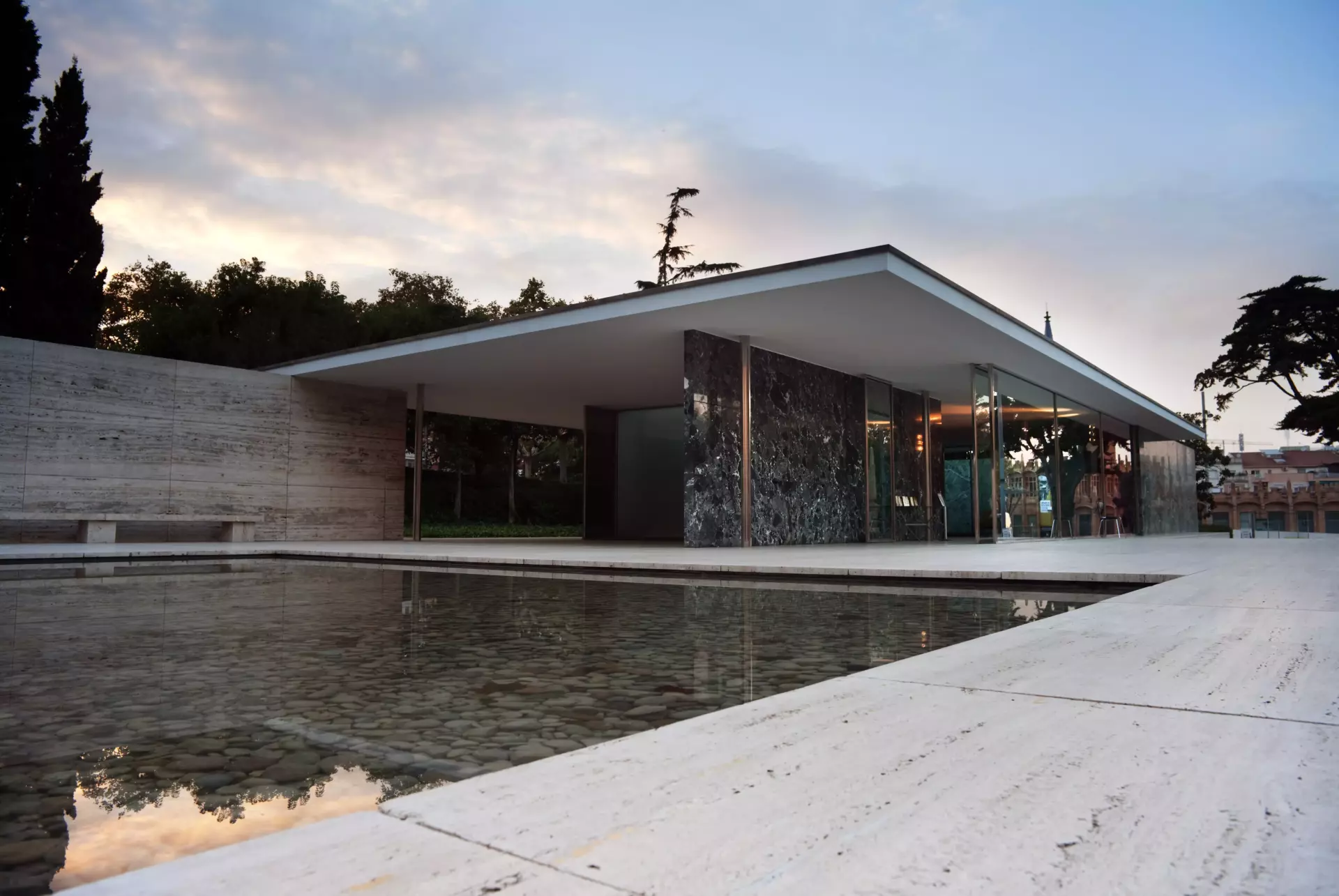
The Pavilion is one of the emblematic works of Mies van der Rohe and key reference architecture of the twentieth century. The famous German Pavilion was designed for the 1929 Barcelona International Exhibition and reconstructed in 1986 on its original site. Its innovative architectural structure marked a radical change in the layout of space and greatly influenced the development of modern architecture. Furthermore, the Pavilion exhibits the Barcelona Chair, also designed by Mies van der Rohe, along with a bronze reproduction of Georg Kolbe’s sculpture Morning. The Fundació Mies van der Rohe veils for the conservation of the Pavilion.
Distinctive pink house that Gaudi lived in for nearly 20 years (although not designed by him). It features furniture designed by Gaudi and other objects relating to Gaudi's life. The gift shop has a large selection of Gaudi-themed souvenirs that are generally better quality than what's available in the normal tourist shops.
Connecting many of the major streets in the city, the Plaça is a central location and a hub of activity. It is a favourite meeting spot for locals and a transit hub for the tourist buses. There are many fountains, statues and gardens around the plaza, and a number of benches to just sit and take it all in.
The main Gothic church in Barcelona. The cloister is maybe the most interesting part.
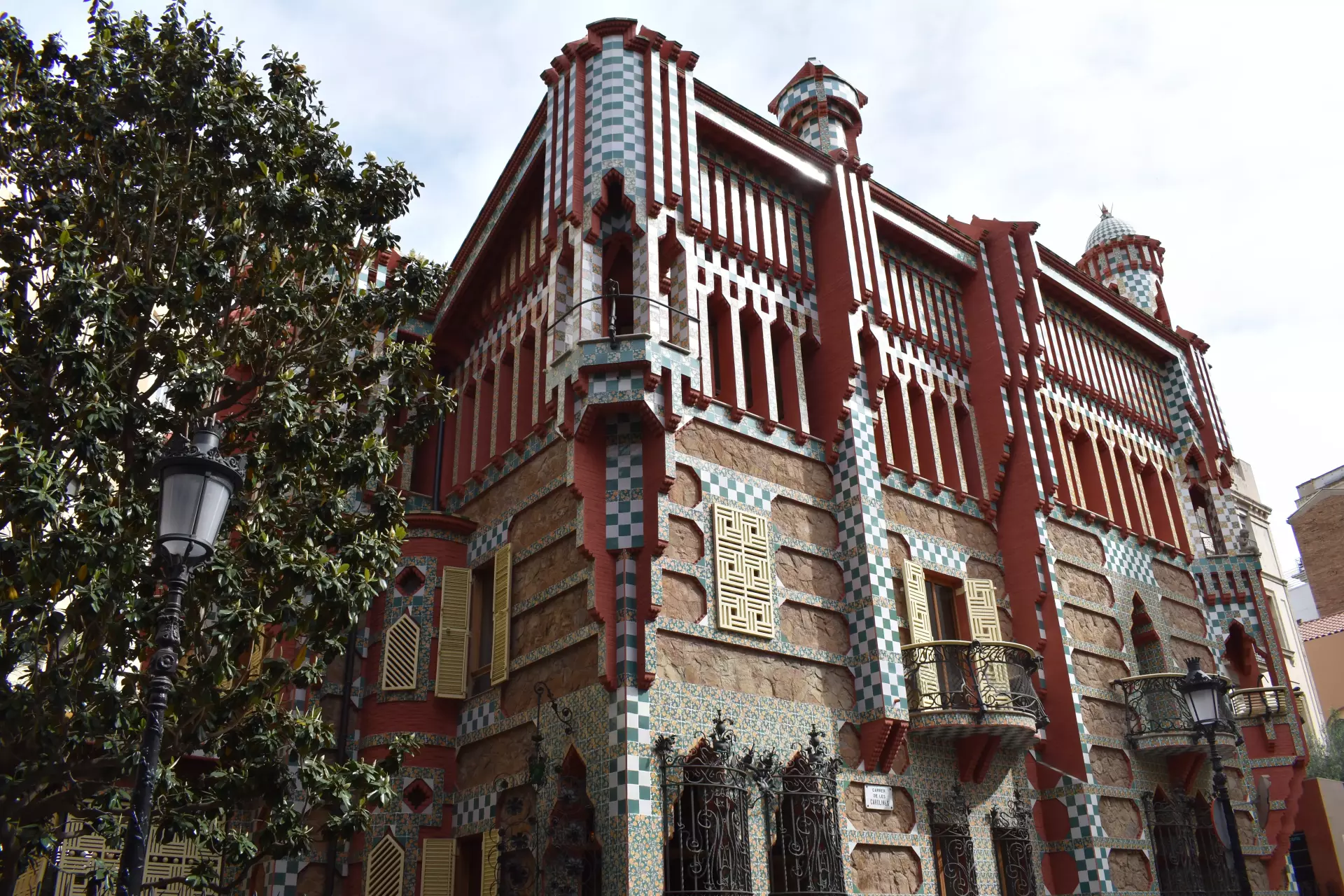
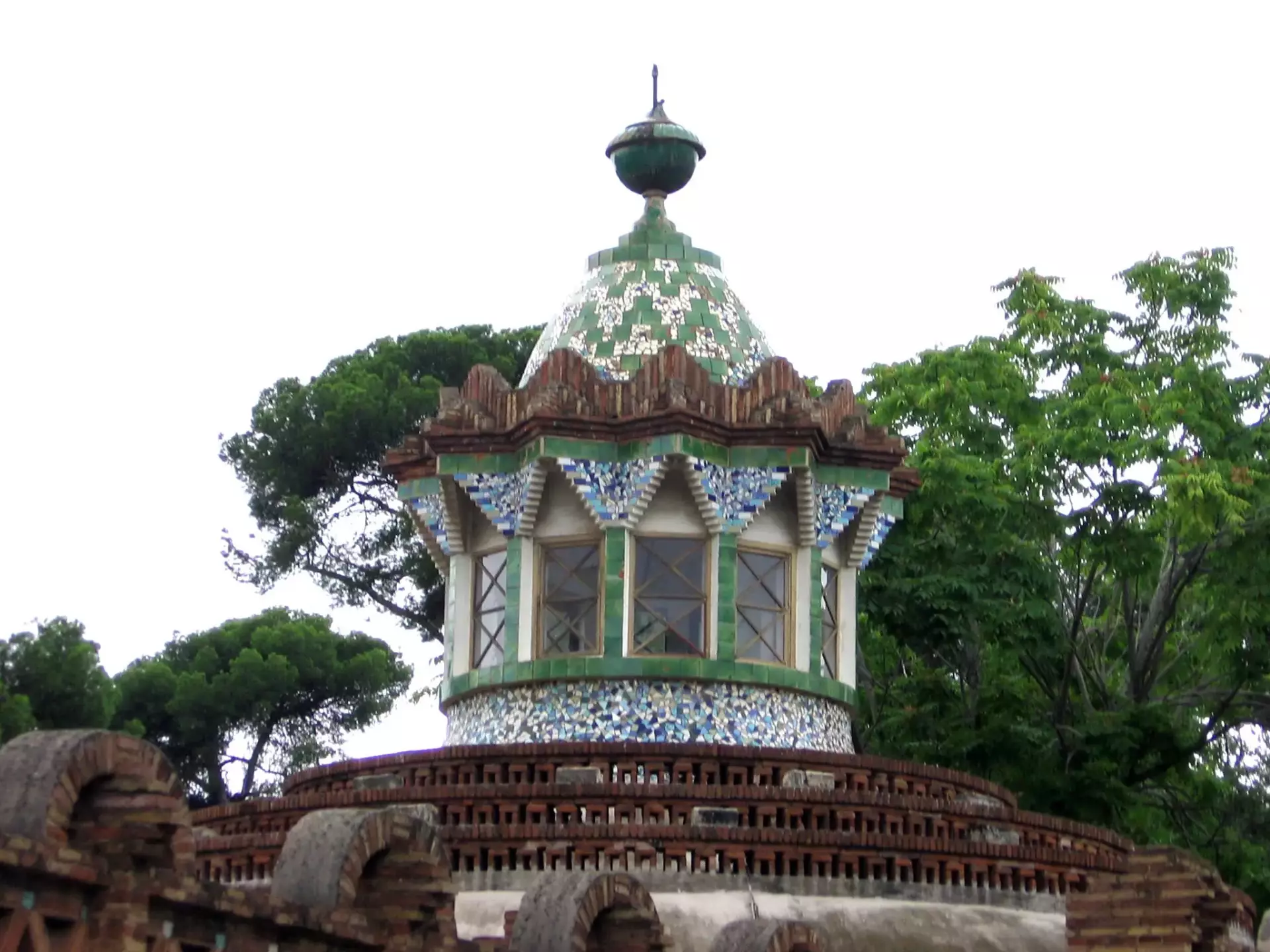
The first building Gaudi built in Barcelona. It has been opened as a museum. It's possible to walk the whole monumental enclosure, including the garden and the interior of the building. In UNESCO World Heritage Sites list since 2005.
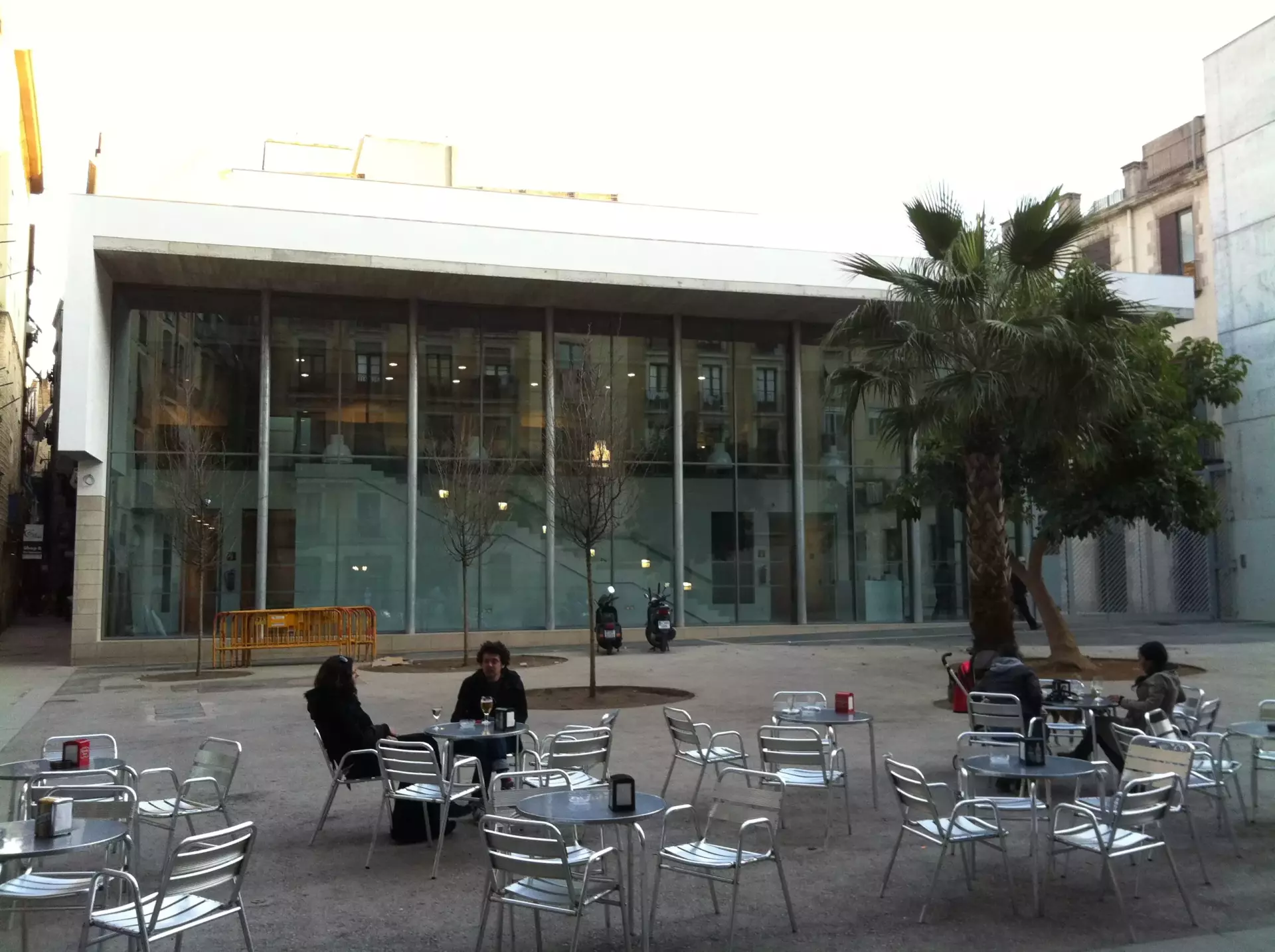
Created in 1984 by the artist Antoni Tàpies to promote the study and knowledge of modern and contemporary art.
Has a lot of art from his first period, before the cubism, but almost none of his most famous works. Pictures are described only in Spanish, but overview texts for each period are available in English. Luggage over 30x30cm needs to be left at the checkroom and there's no liability for lost valuables.
Much to the dismay of Mickey Mouse aficionados, Disseny is Catalan for "design", not "Disney". The "Disseny Hub" houses the amalgamated museums focusing on applied arts and design, including Museu de les Arts Decoratives, Museu de Ceràmica, Museu Tèxtil i d'Indumentària and Gabinet de les Arts Gràfiques. The new building has an intricate, multi-level structure, with the protruding tower overhanging the Praca de les Glories roundabout.