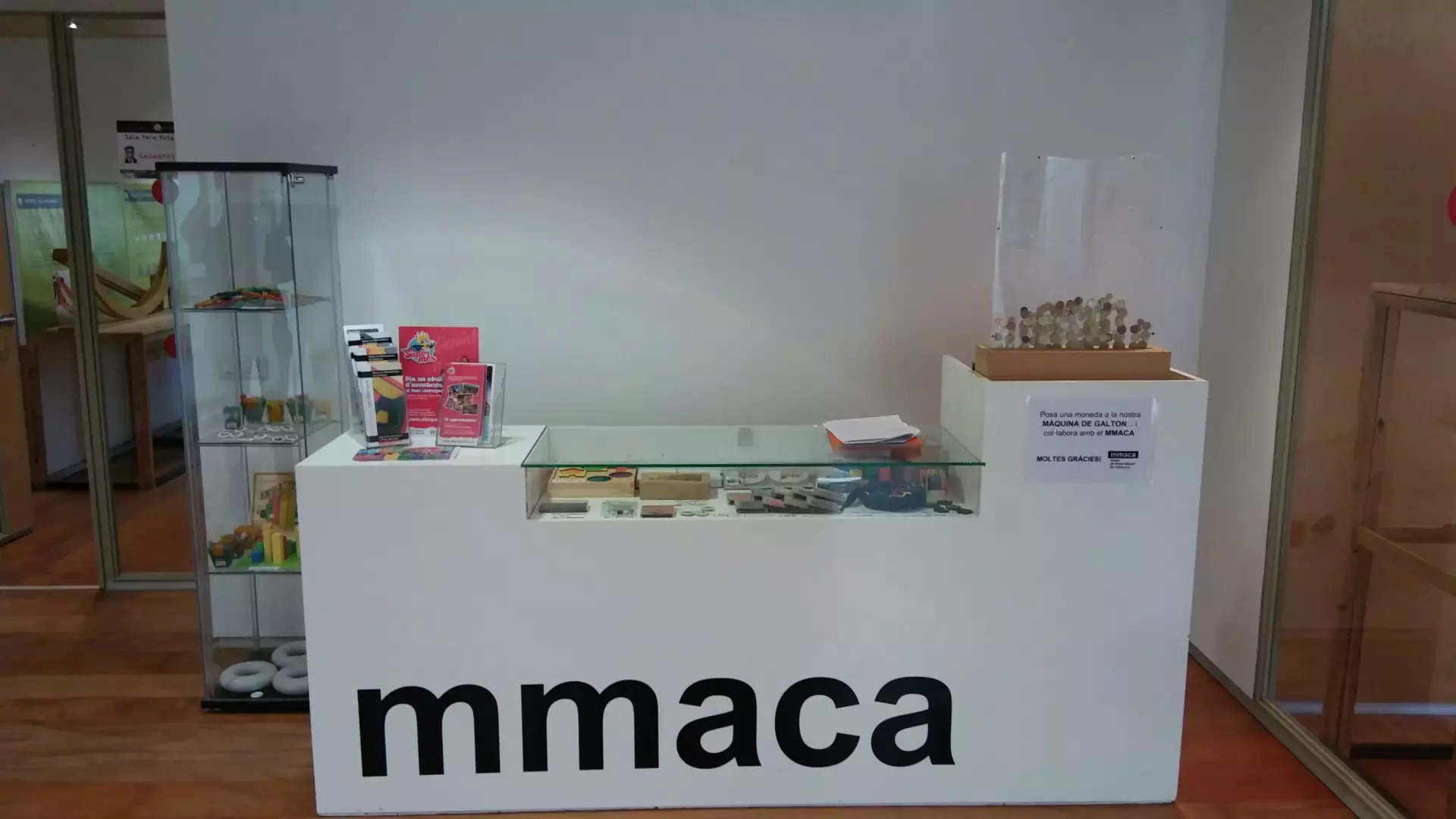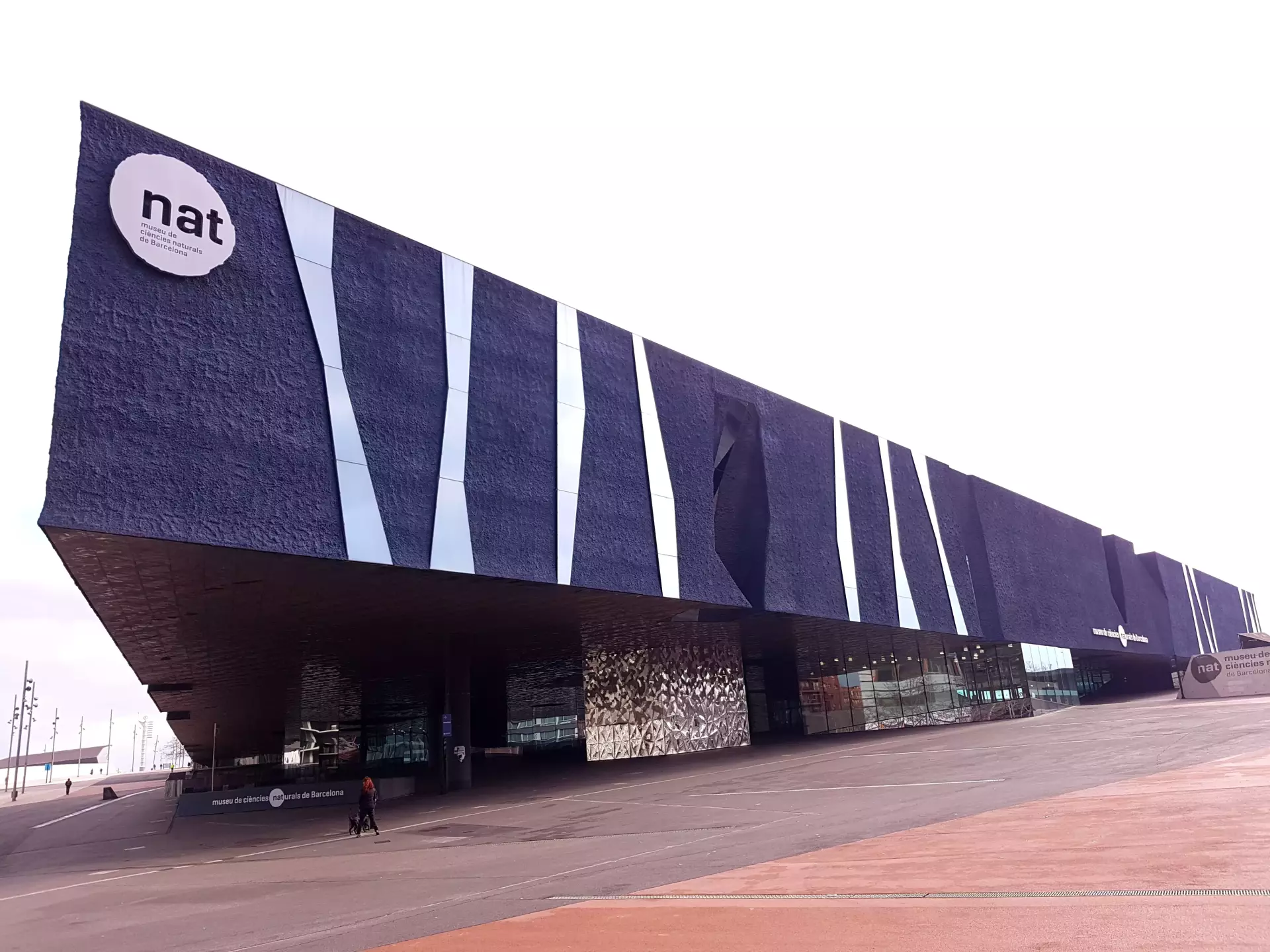
The Museu de Ciències Naturals de Barcelona offers a fascinating journey through the history of our planet and the natural world. Visitors can explore a range of exhibits that delve into the Earth's past, present, and future.
One of the key exhibitions focuses on the origin of life on Earth. This section offers insights into how life began and evolved over millions of years. Through engaging displays and informative panels, visitors can trace the development of different life forms that once roamed the planet.
Another exhibit presents the vibrant and diverse nature of life as we know it today. This part of the museum highlights various ecosystems and species that inhabit the Earth, providing a deeper understanding of the planet's rich biodiversity.
The museum also addresses the complex relationship between humans and the natural world. This exhibition explores the challenges and issues arising from human interactions with nature, inviting visitors to reflect on their role in preserving the environment.
Source - https://en.wikipedia.org/wiki/Museum_of_Natural_Sciences_of_Barcelona
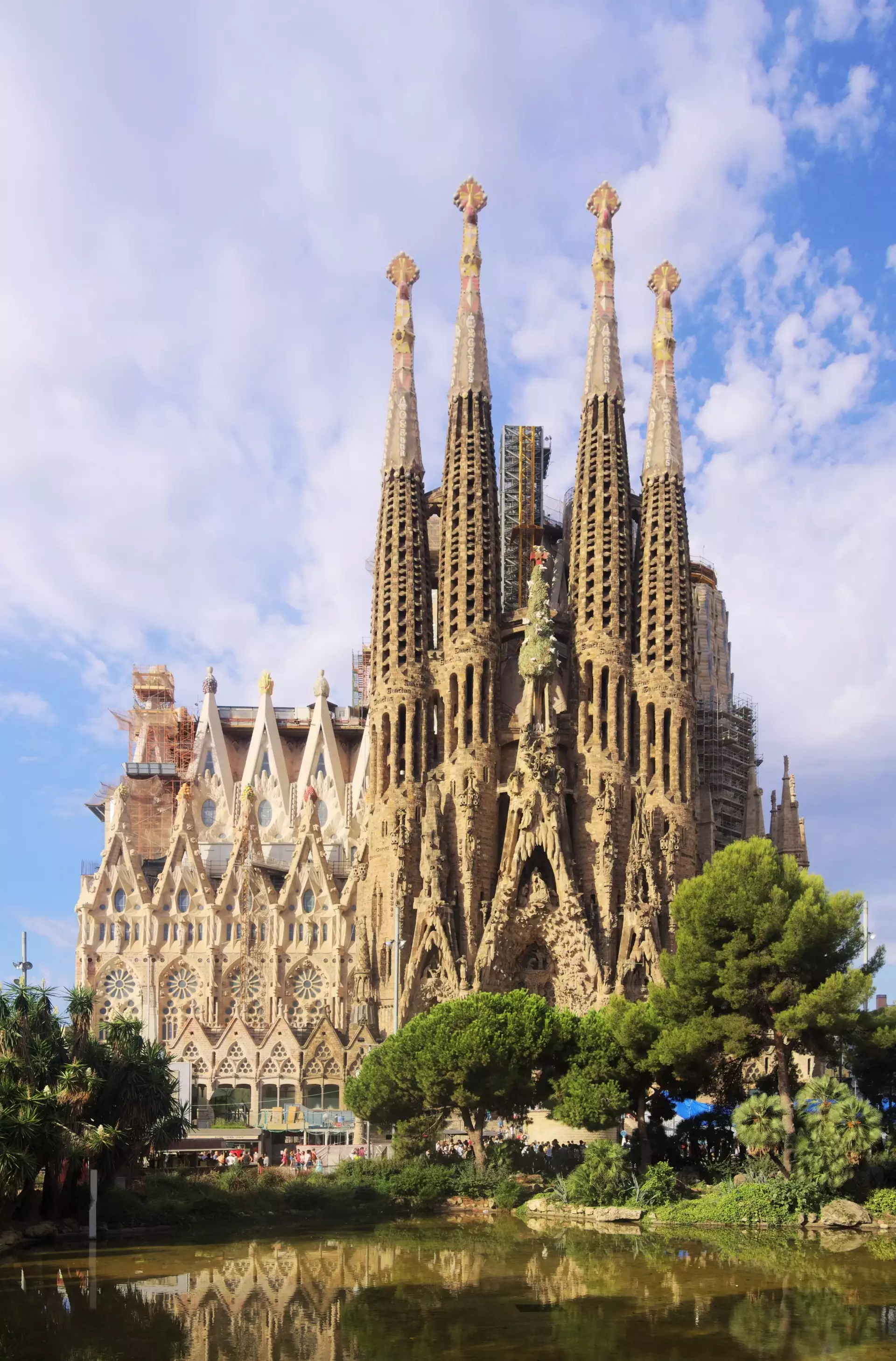
Barcelona's most popular and famous attraction, the Sagrada Família is a testament to Antonio Gaudi's modernist style and unlike any other church in the world. The texture and detail on the façades are intricate and incorporate forms seen in nature as much of Gaudi's work does. The inside is huge — it's estimated that it can hold 13,000 people — with vaulted ceilings and columns designed to be reminiscent of trees. The church is still under construction, but the central nave, apse and crypt are open. Seeing the Sagrada Família at night with lights on is impressive — this is the time when you understand why people say that it is built of bones.
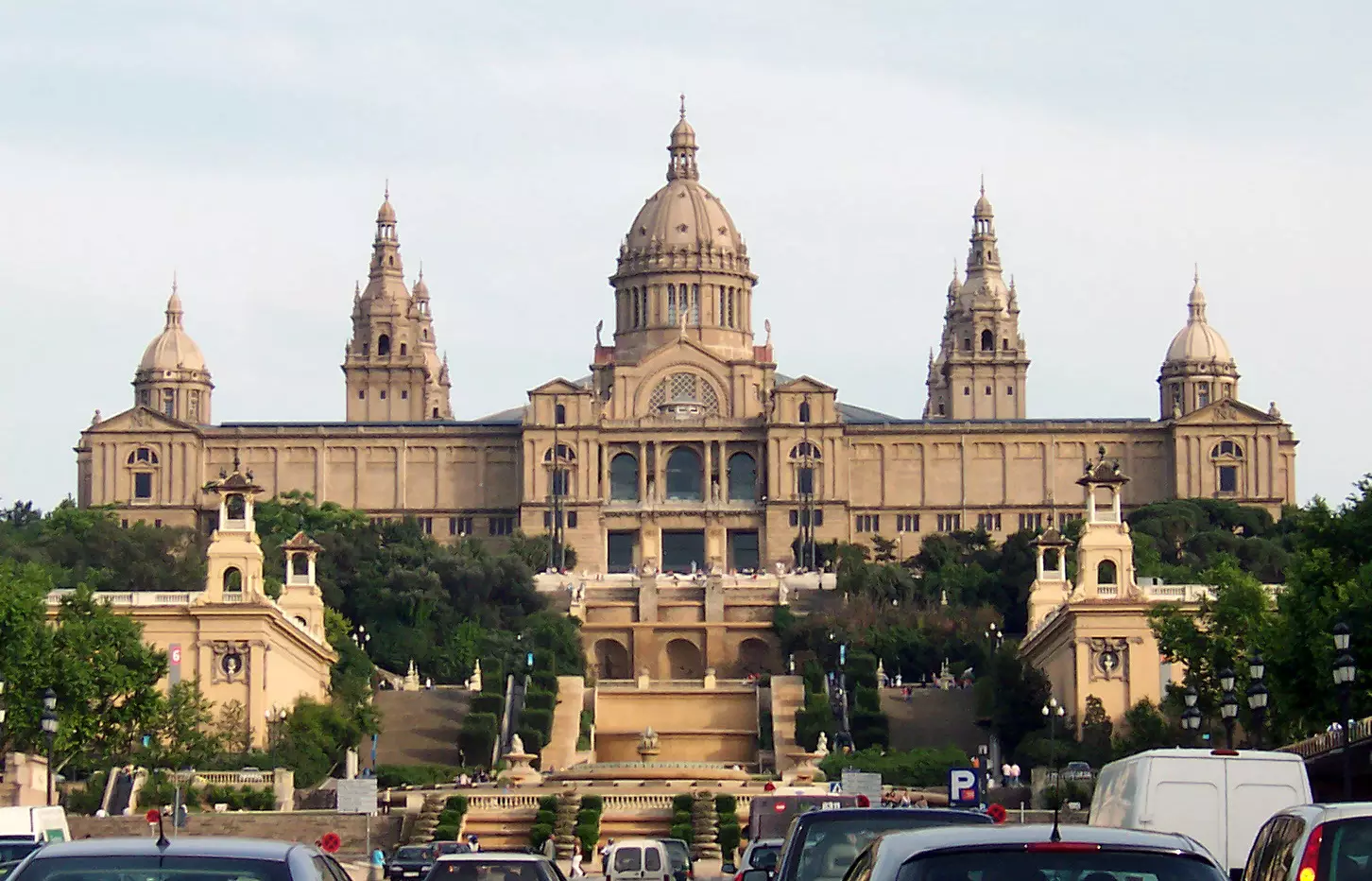
Placa d'Espanya was created for the 1929 World Exhibition, on a site once used for public hangings. The fountain in the center of the square is a great attraction and plays music during the summer. Plaça Espanya is located at the base of Montjuic hill.
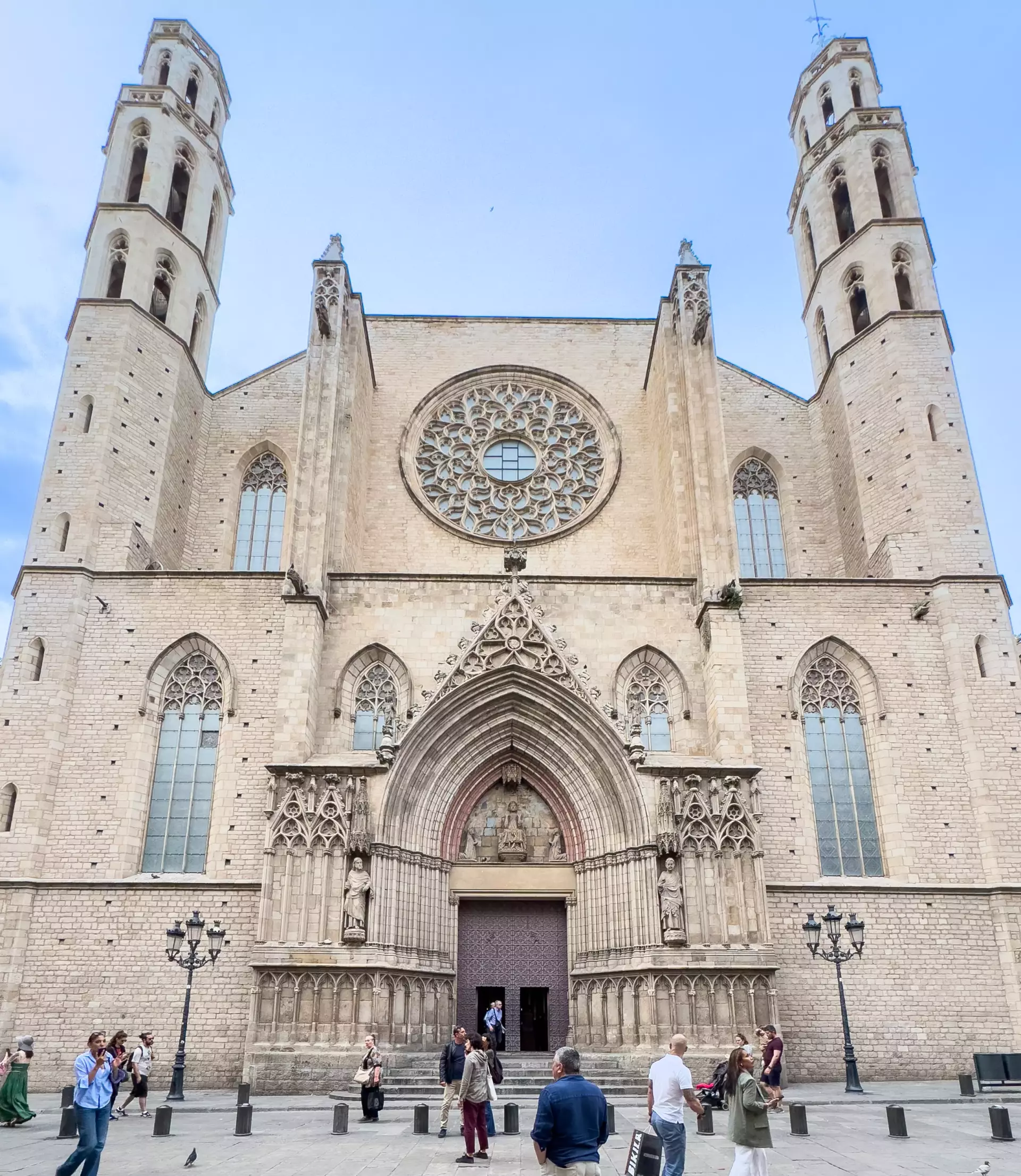
One of the most representative examples of Catalan Gothic architecture, it features a sombre but beautiful interior. The upsweeping verticality and lightness of the interior are especially surprising considering the blocky exterior surfaces. Built between 1329 and 1383, it was once was home to a Christian cult in the late 3rd century. The church is dedicated to Saint Mary of the Sea, since the quarter was dedicated to the jobs related to the sea, from sailors to harbor works, commerce, even coin exchange. The inside was burned during the civil war, but it is still very interesting. Next to the church, you can see a monument, called Fossar de les Moreres, which is the place where many fighters where buried after the Barcelona defeat in 1714, so it is an important monument for Catalan nationalism.
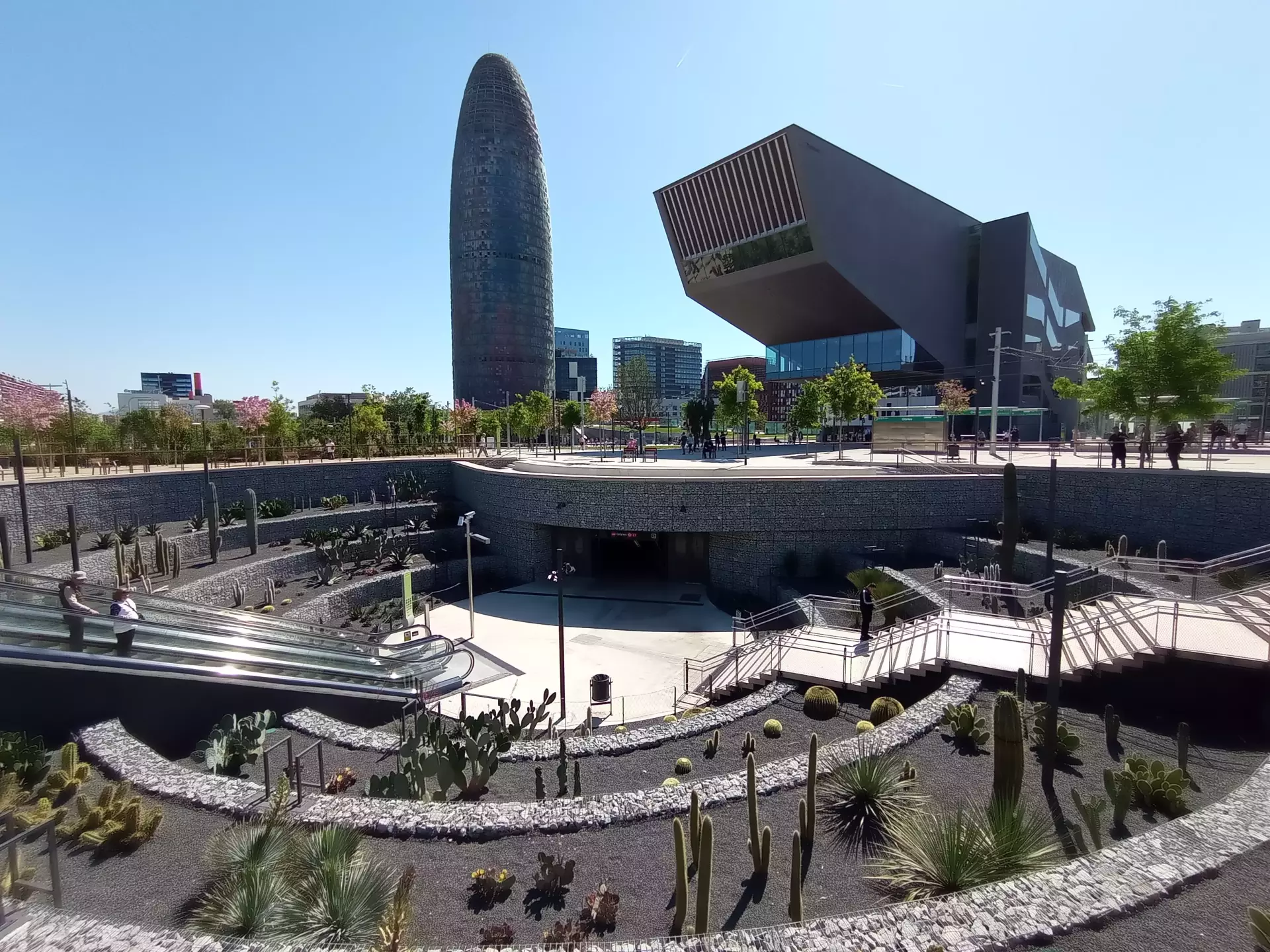
Formerly known as Torre Agbar. Distinctively-shaped office tower which stands out in the Barcelona skyline. It stands out even more Friday, Saturday and Sunday nights when it is lighted in several colours. The viewing platform on the 30th floor has views in all directions. Tickets start at €15 and come with a complimentary glass of cava and access to Hyperview Barcelona, an exhibit of the city’s real-time environmental data as an audiovisual installation, which is hosted in the tower’s lowest floor.
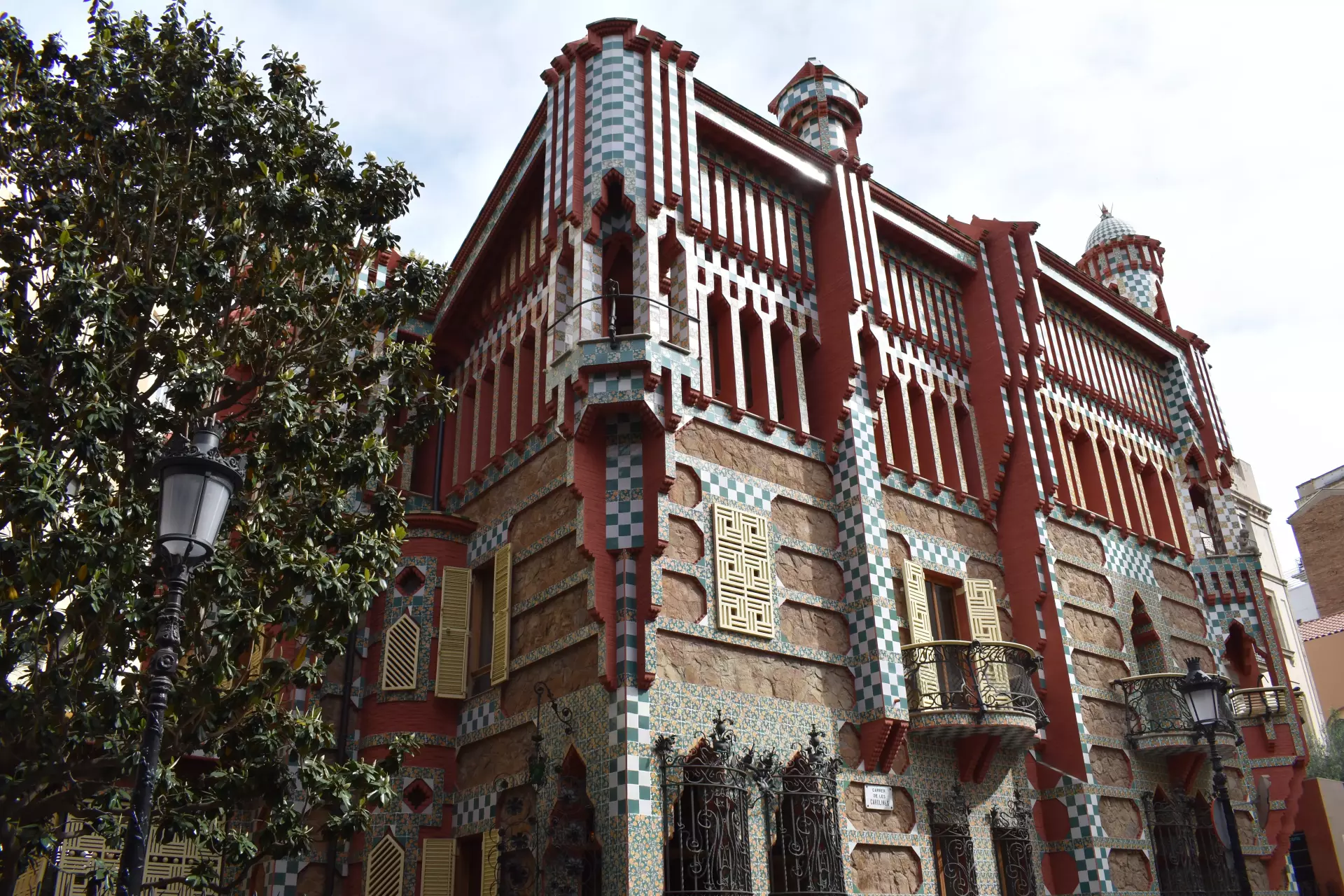
Palace designed by Gaudí for the industrial tycoon Eusebi Güell. There is a basement and three levels of the palace to explore, the highest featuring a small exhibition. It is in a different style to Gaudi's apartment blocks La Pedrera and Casa Batlló, as well as being cheaper and less crowded than those sites. The rooftop of Palau Güell features the more standard Gaudi style chimneys, and views across El Raval.
Has the single best collection of Romanesque art in the world, and a fine Gothic collection as well. Includes the Pantocrator from the Taüll Romanesque church. The building itself is also very beautiful.
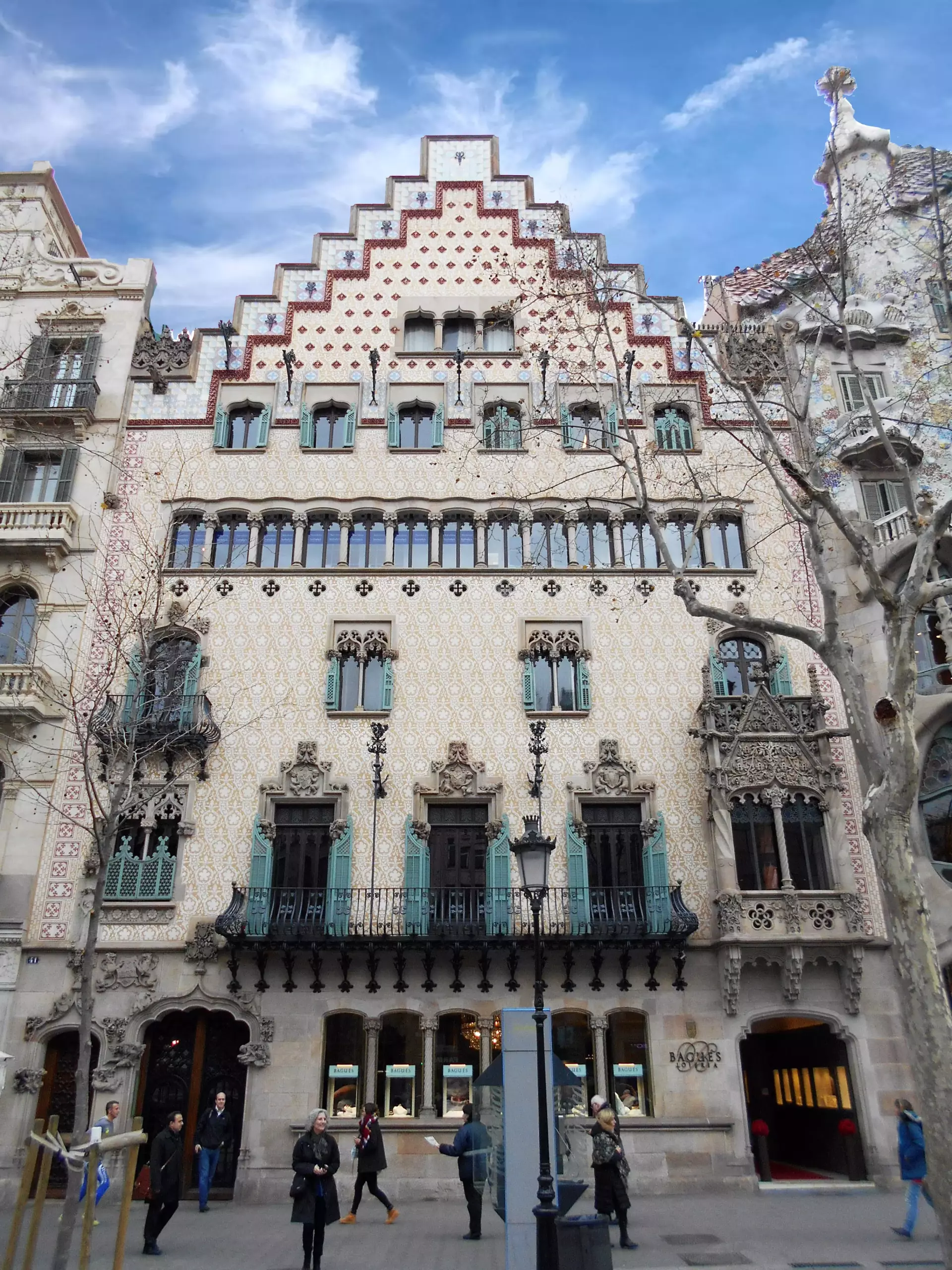
Designed by Puig i Cadafalch, the building is a fine work of Modernism. Check the detailed photos and explanation of facade sculptures. It also has a shop that sells fine chocolate (the Amatller family made its money out of cocoa).
Distinctive pink house that Gaudi lived in for nearly 20 years (although not designed by him). It features furniture designed by Gaudi and other objects relating to Gaudi's life. The gift shop has a large selection of Gaudi-themed souvenirs that are generally better quality than what's available in the normal tourist shops.
The university has many interesting buildings, libraries and courtyards.
The main Gothic church in Barcelona. The cloister is maybe the most interesting part.
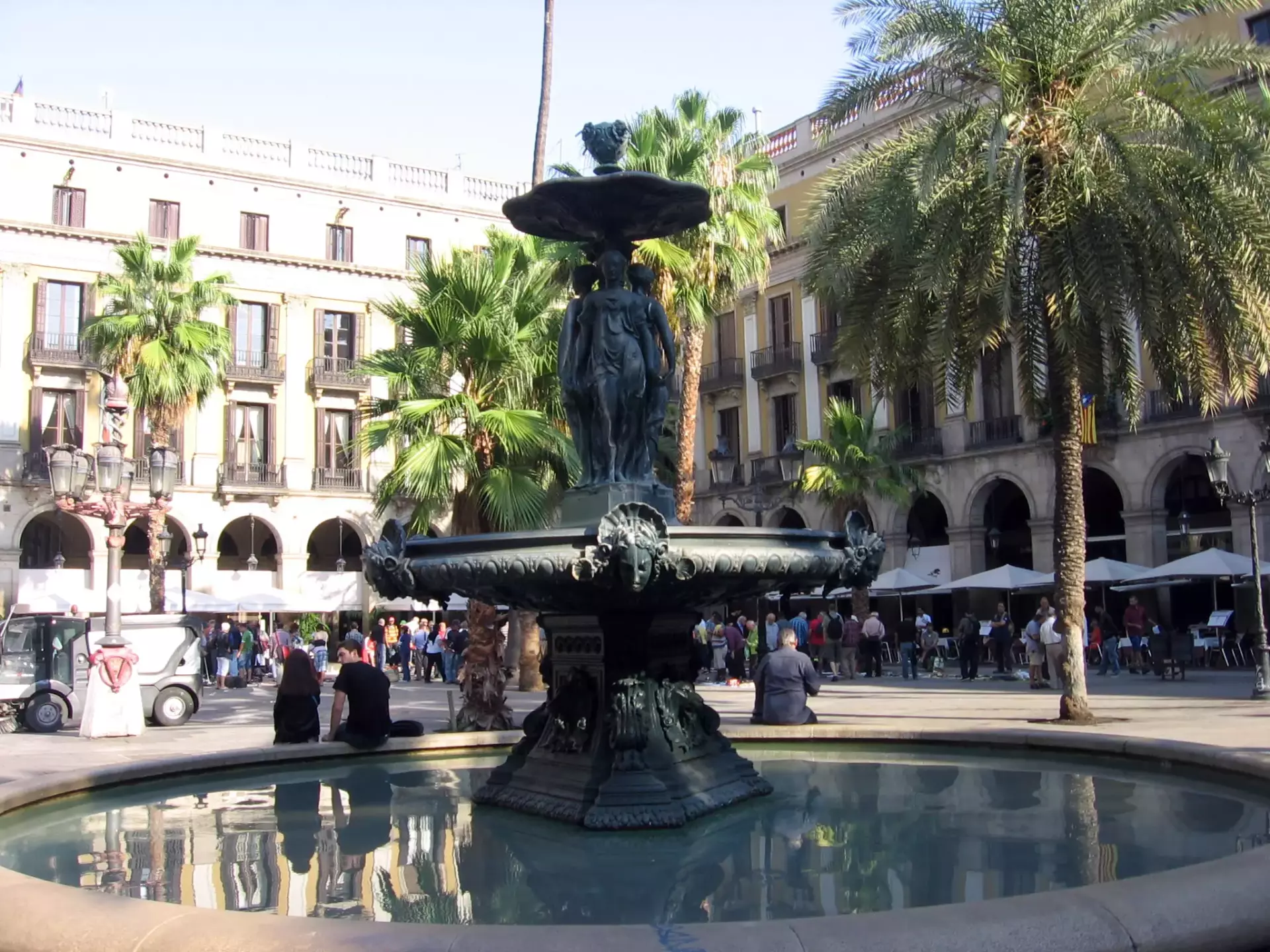
This square is famous for the nightlife and the uniform architecture, and features fountains and palm trees. It was built during the 19th century on the site of a monastery, after the Mendizábal law expelled the monks. After some years Antoni Gaudí designed the streetlights which are still there. It has lots of activity during the day, thanks to the many terraces of the bars and restaurants.
One of the most unusual landmarks in this otherwise ultra-modern area is this 19th-century (finished in 1882) brick water tower. Standing 62 metres tall, it is now overshadowed by neighbouring residential, office and hotel towers and easy to miss unless you know where to look for it.