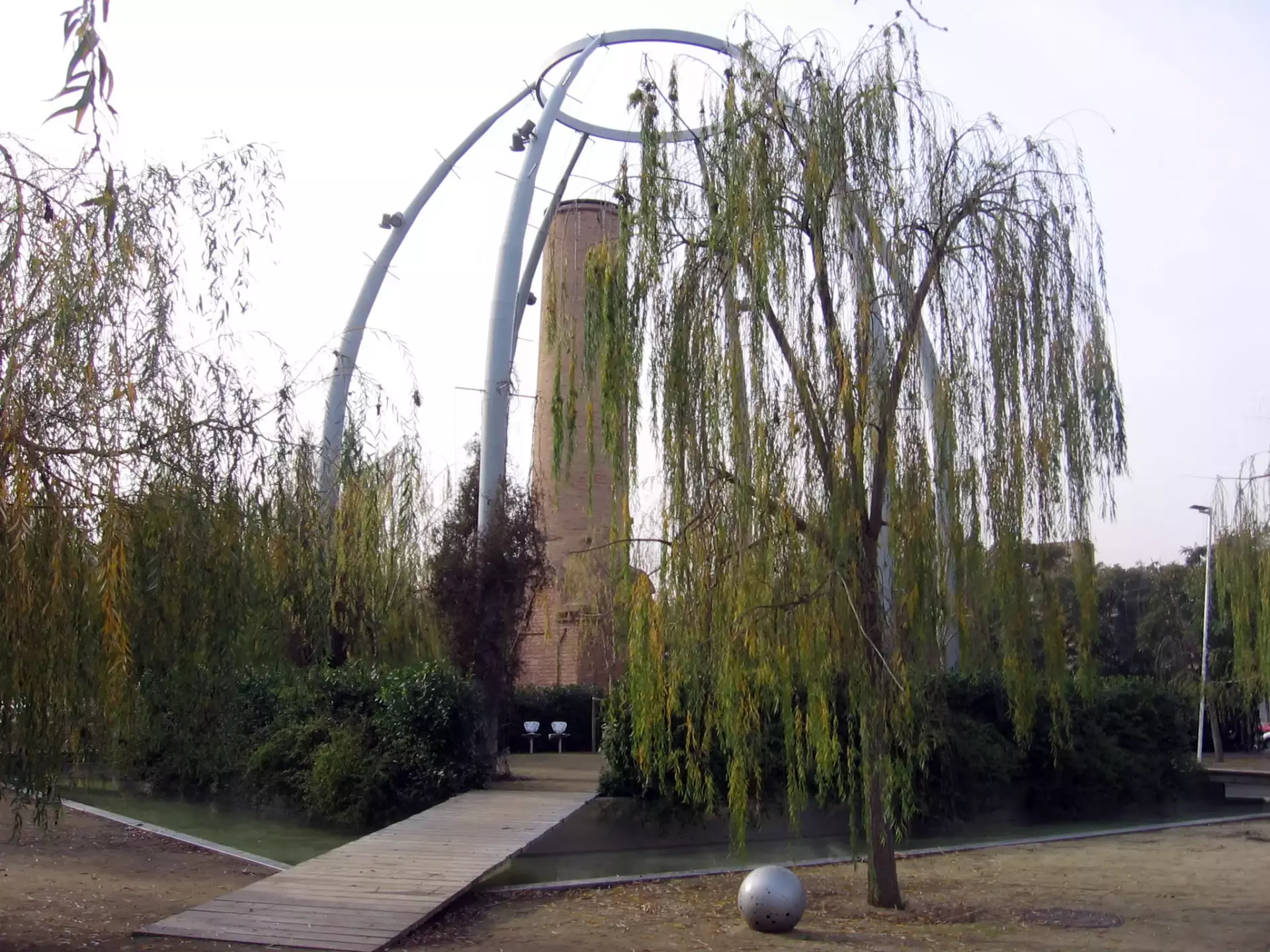
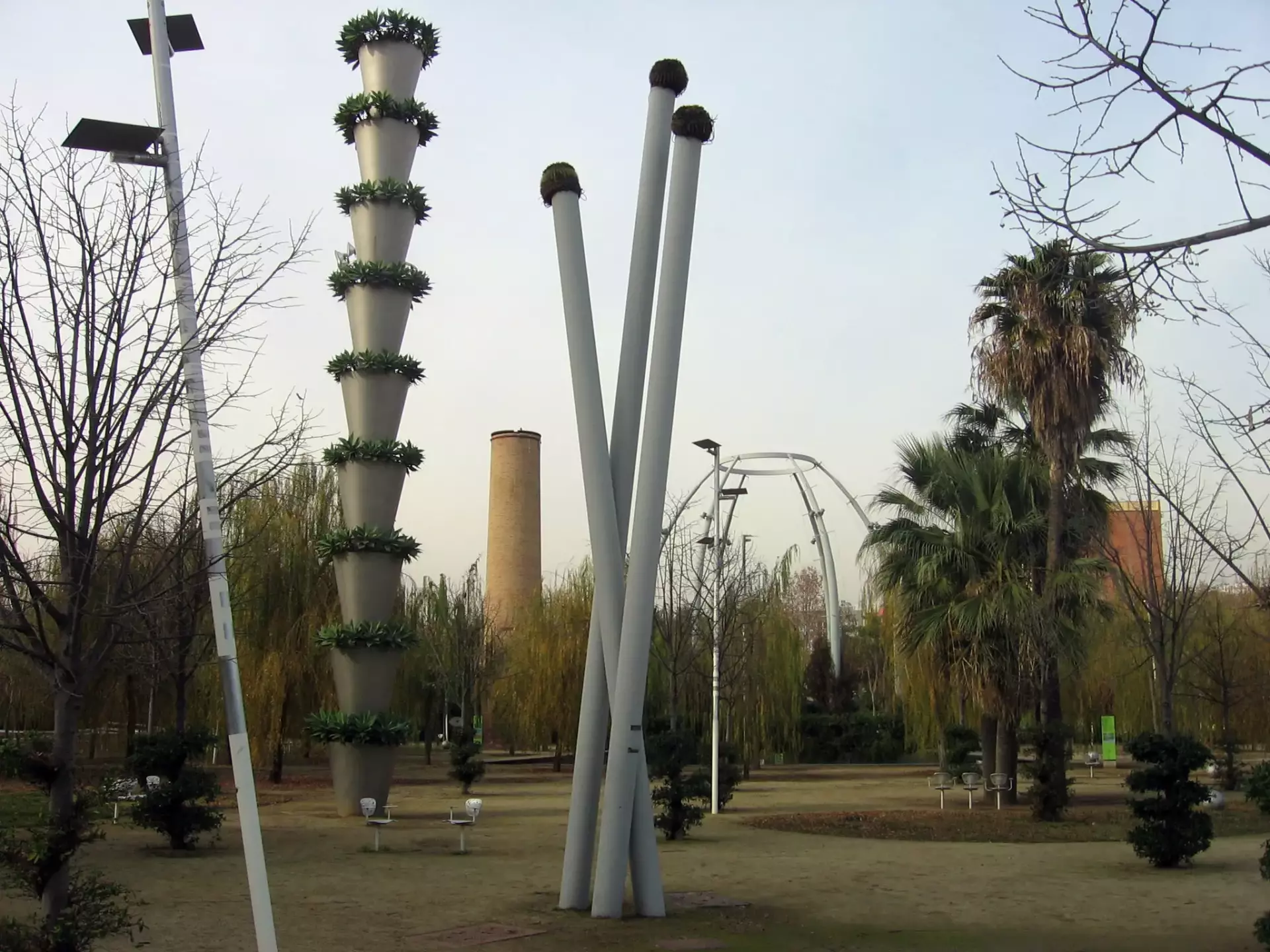
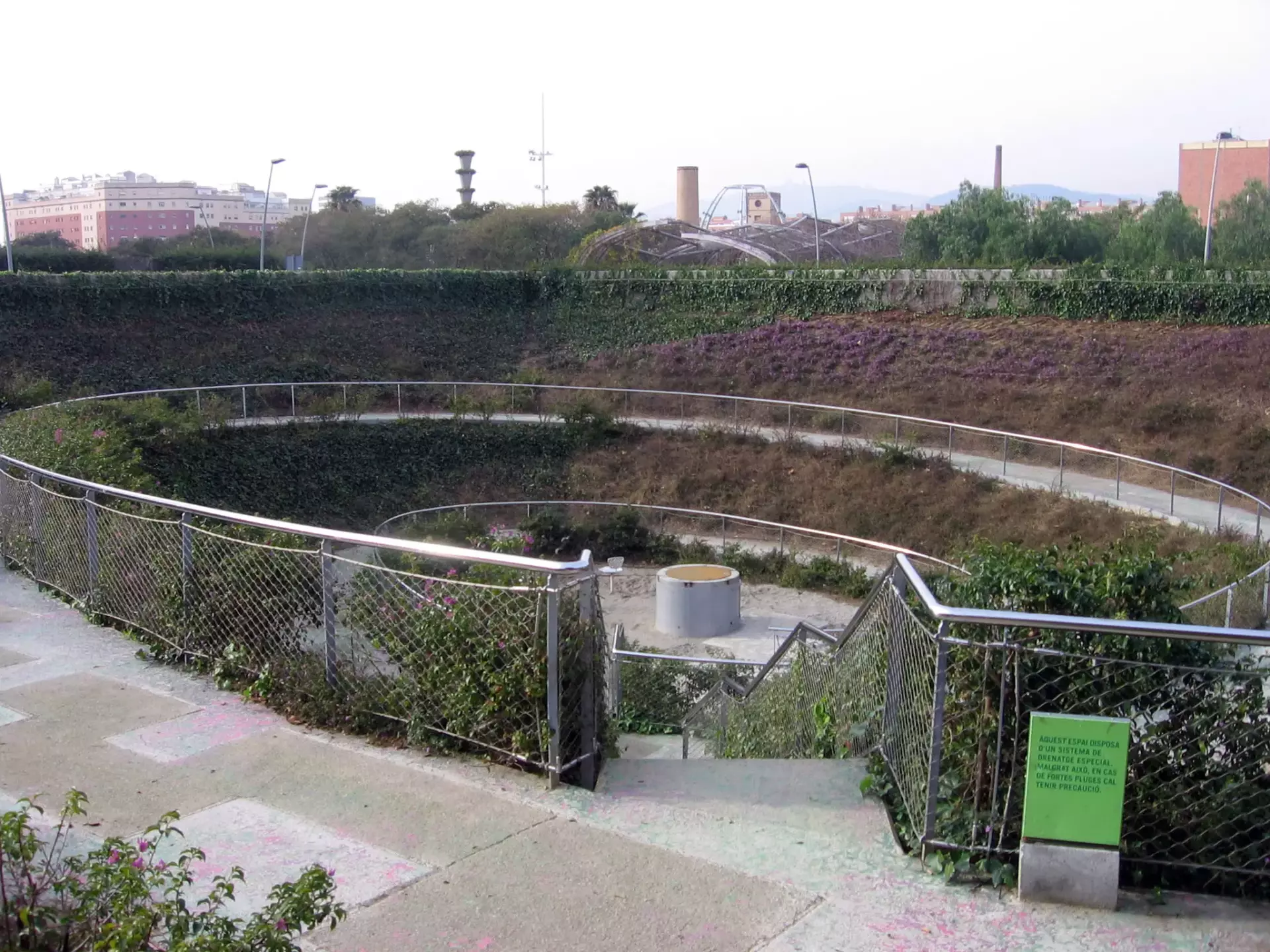
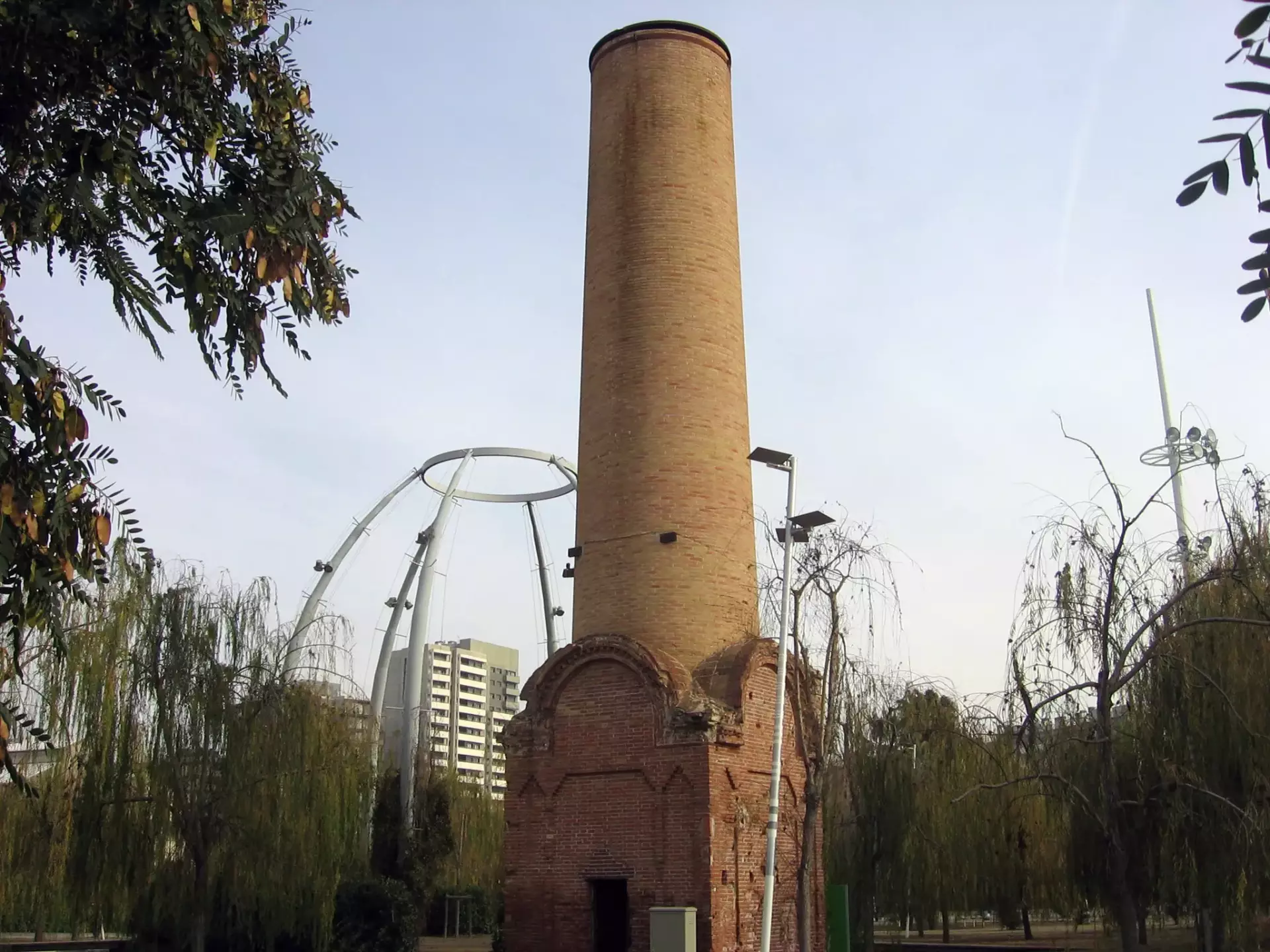
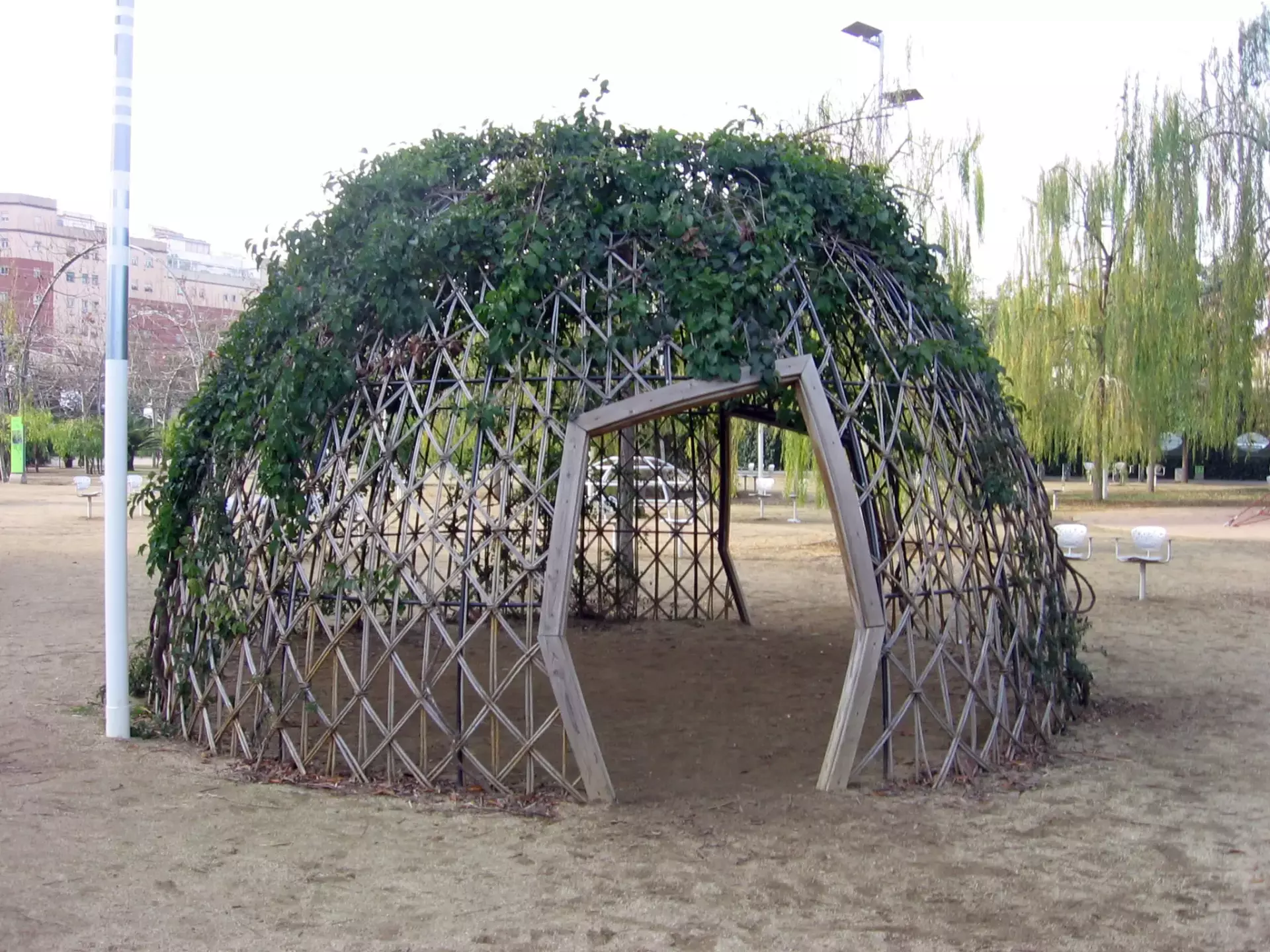
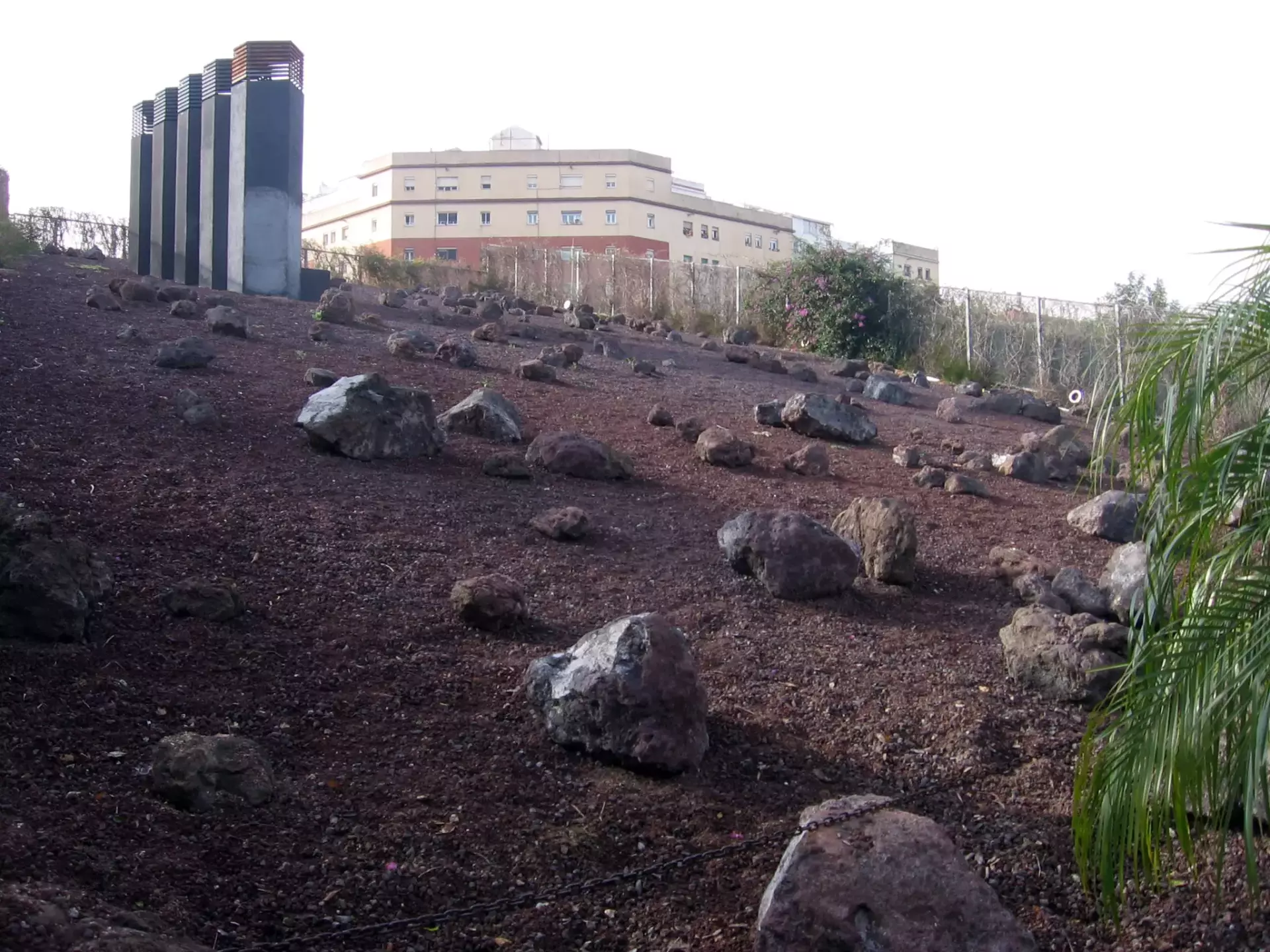
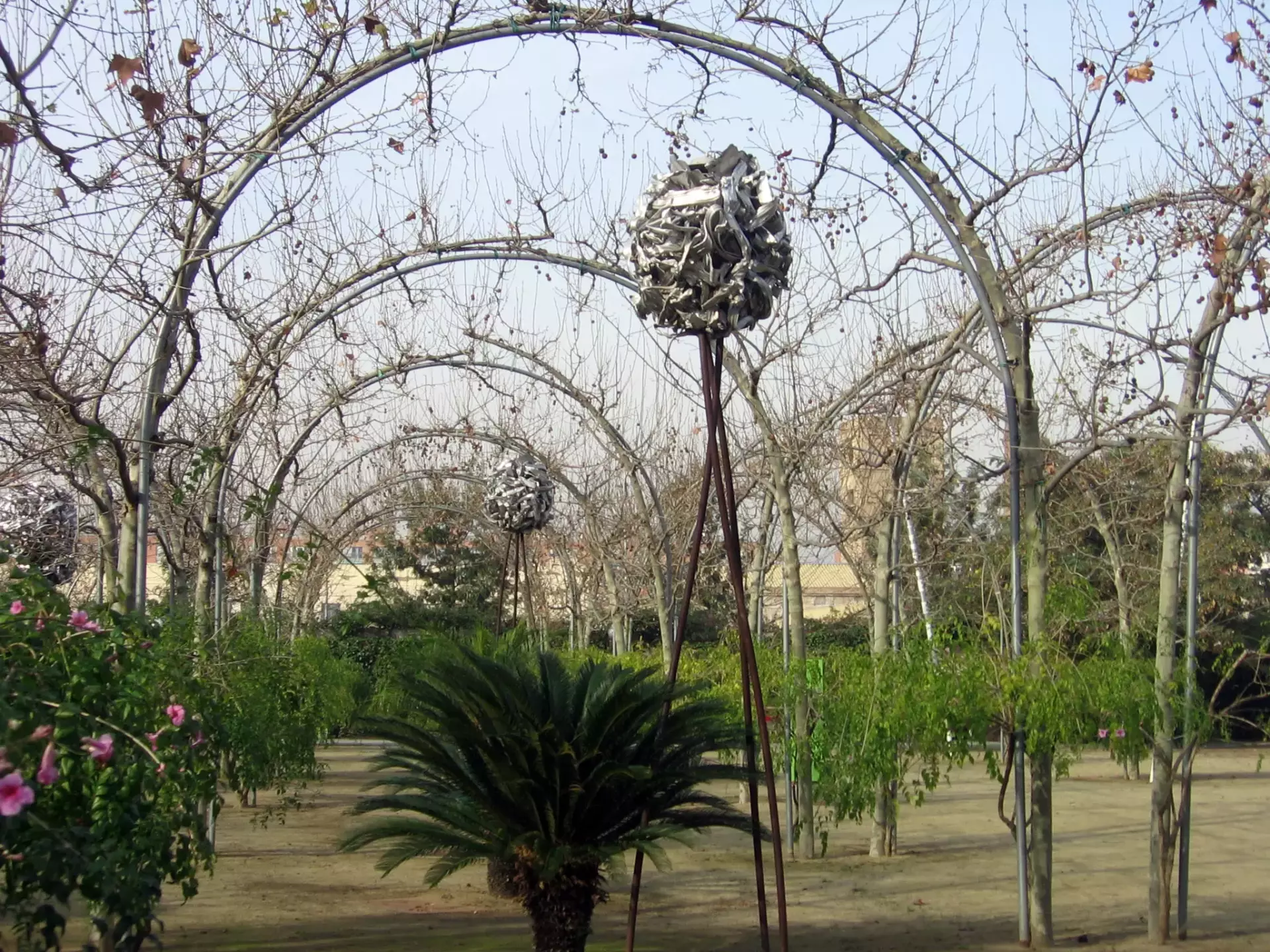
Parc de Poblenou, located in the vibrant city of Barcelona, offers a peaceful escape from the bustling urban life. This serene park is a delightful spot for both locals and tourists looking to unwind amidst greenery and beauty.
Visitors are greeted with sprawling green lawns and tree-lined pathways, perfect for a leisurely stroll or a relaxing picnic. The park's landscape is thoughtfully designed, featuring a mix of open spaces and shaded areas. It's an ideal place for families, friends, or solo visitors to enjoy a moment of tranquility.
Scattered throughout the park are unique sculptures and art installations that add a touch of creativity to the natural surroundings. These artistic elements not only enhance the park's charm but also invite reflection and admiration. Each piece tells a story, contributing to the park's cultural atmosphere.
For those seeking more active pursuits, Parc de Poblenou offers a variety of options. There are well-maintained playgrounds for children to explore and enjoy, as well as sports facilities for games like basketball and soccer. These areas provide a perfect setting for both energetic play and casual recreation.
Benches and rest areas are strategically placed throughout the park, offering visitors a chance to pause and soak in the serene environment. Whether reading a book, enjoying a quiet meditation, or simply watching the world go by, the park provides a peaceful retreat for all.
Parc de Poblenou also serves as a vibrant venue for cultural events and community gatherings. Throughout the year, the park hosts a variety of events, from outdoor concerts to art exhibitions, creating a lively and engaging atmosphere. These events bring together people from different walks of life, fostering a sense of community and shared experience.
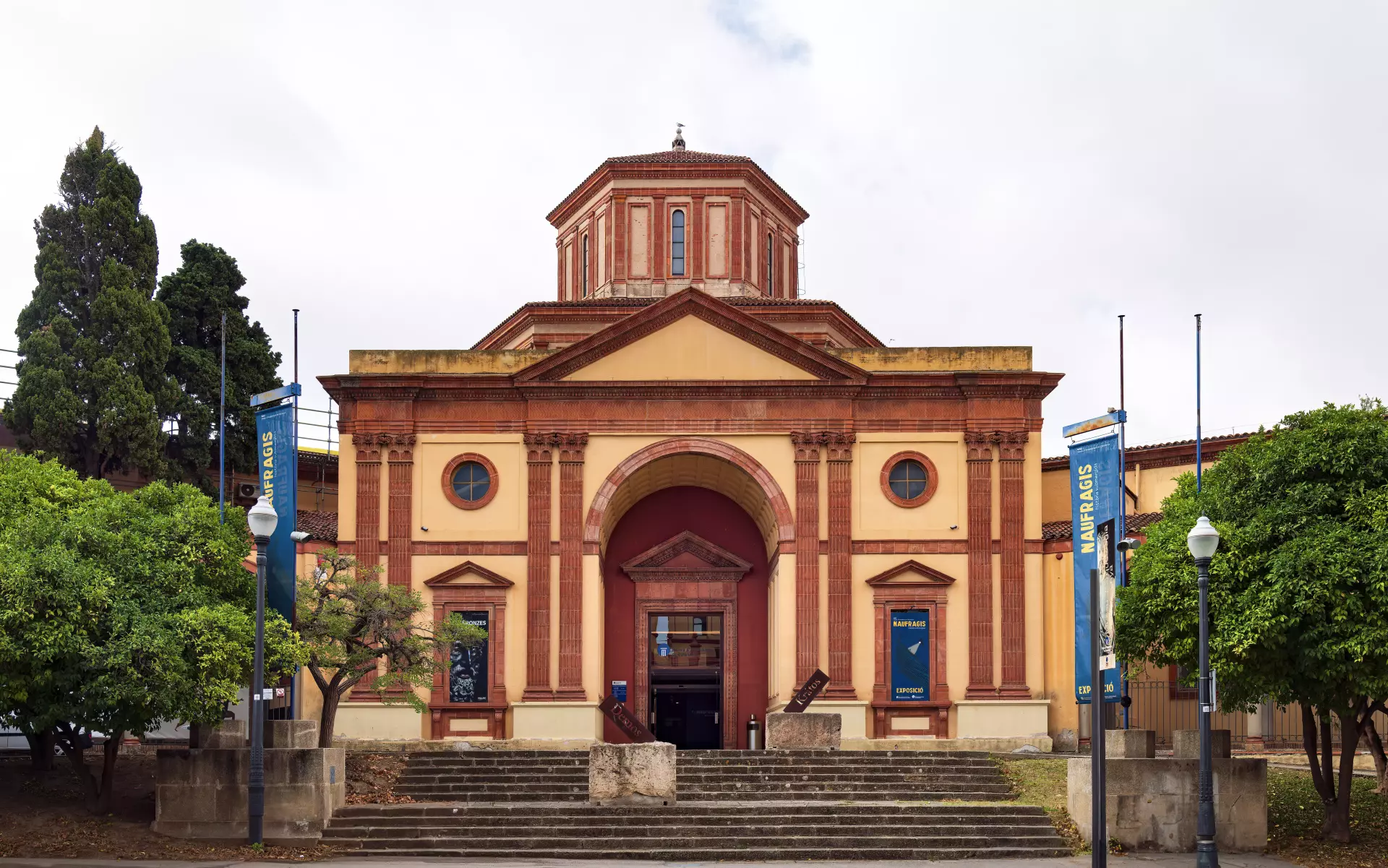
A beautiful Gothic monastery near the university, there are a museum which depicts the monastery life, a church, and a marvelous chapel covered with medieval frescoes.
The museum has limited opening hours but the park it is situated in is also interesting. Check website before going to the museum as it will eventually relocate to The Can Bagaria building.
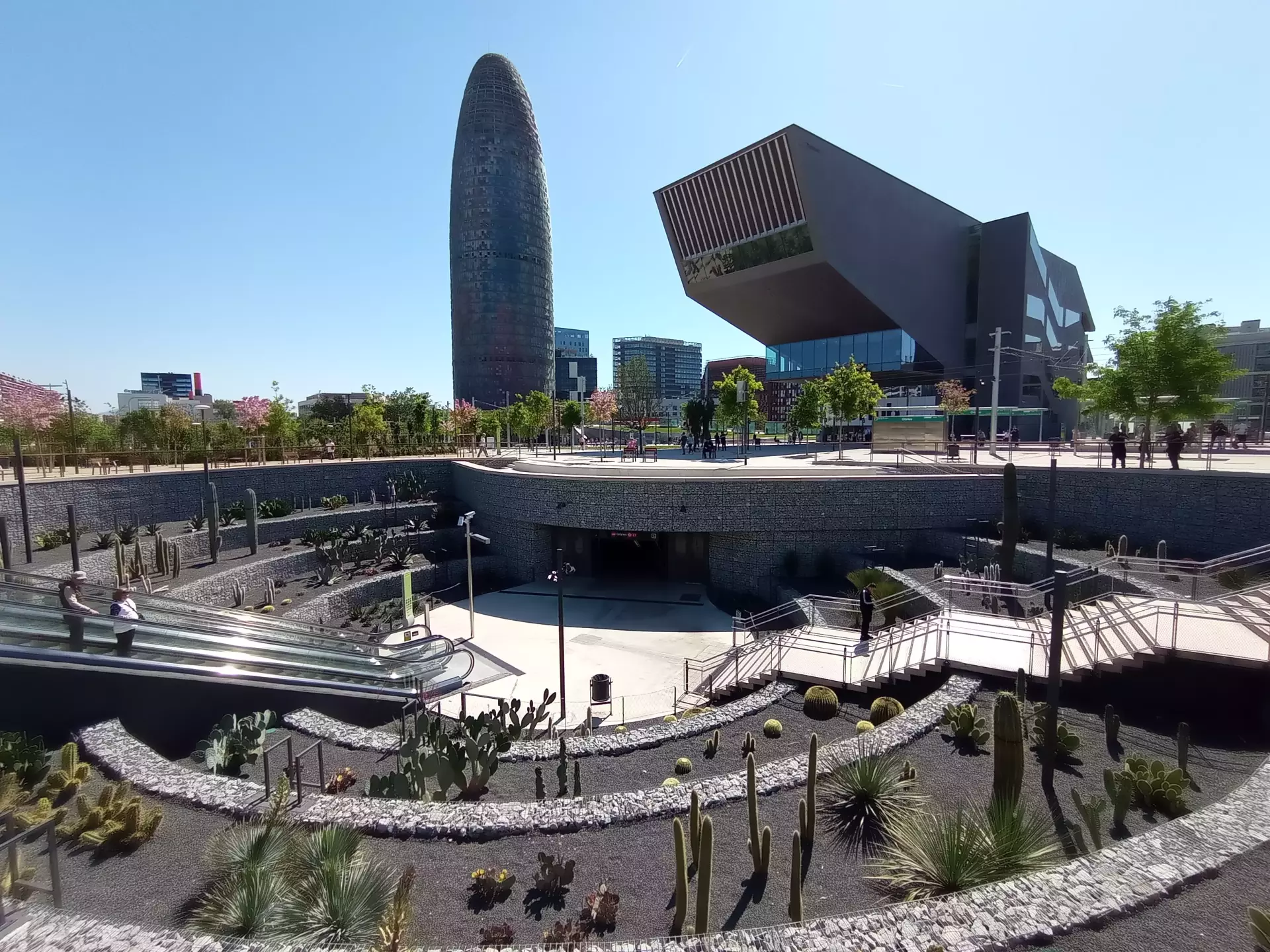
Formerly known as Torre Agbar. Distinctively-shaped office tower which stands out in the Barcelona skyline. It stands out even more Friday, Saturday and Sunday nights when it is lighted in several colours. The viewing platform on the 30th floor has views in all directions. Tickets start at €15 and come with a complimentary glass of cava and access to Hyperview Barcelona, an exhibit of the city’s real-time environmental data as an audiovisual installation, which is hosted in the tower’s lowest floor.
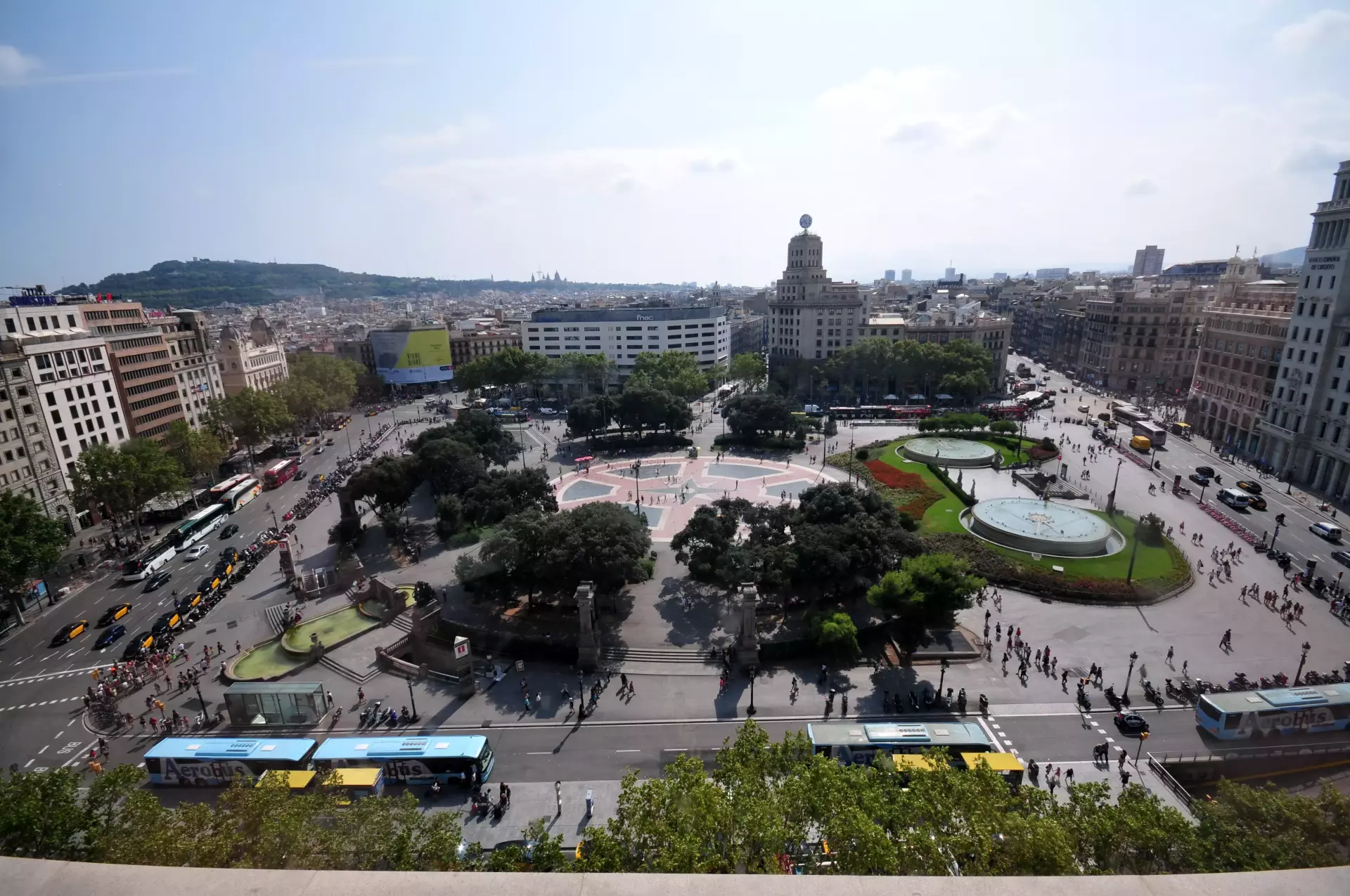
Connecting many of the major streets in the city, the Plaça is a central location and a hub of activity. It is a favourite meeting spot for locals and a transit hub for the tourist buses. There are many fountains, statues and gardens around the plaza, and a number of benches to just sit and take it all in.
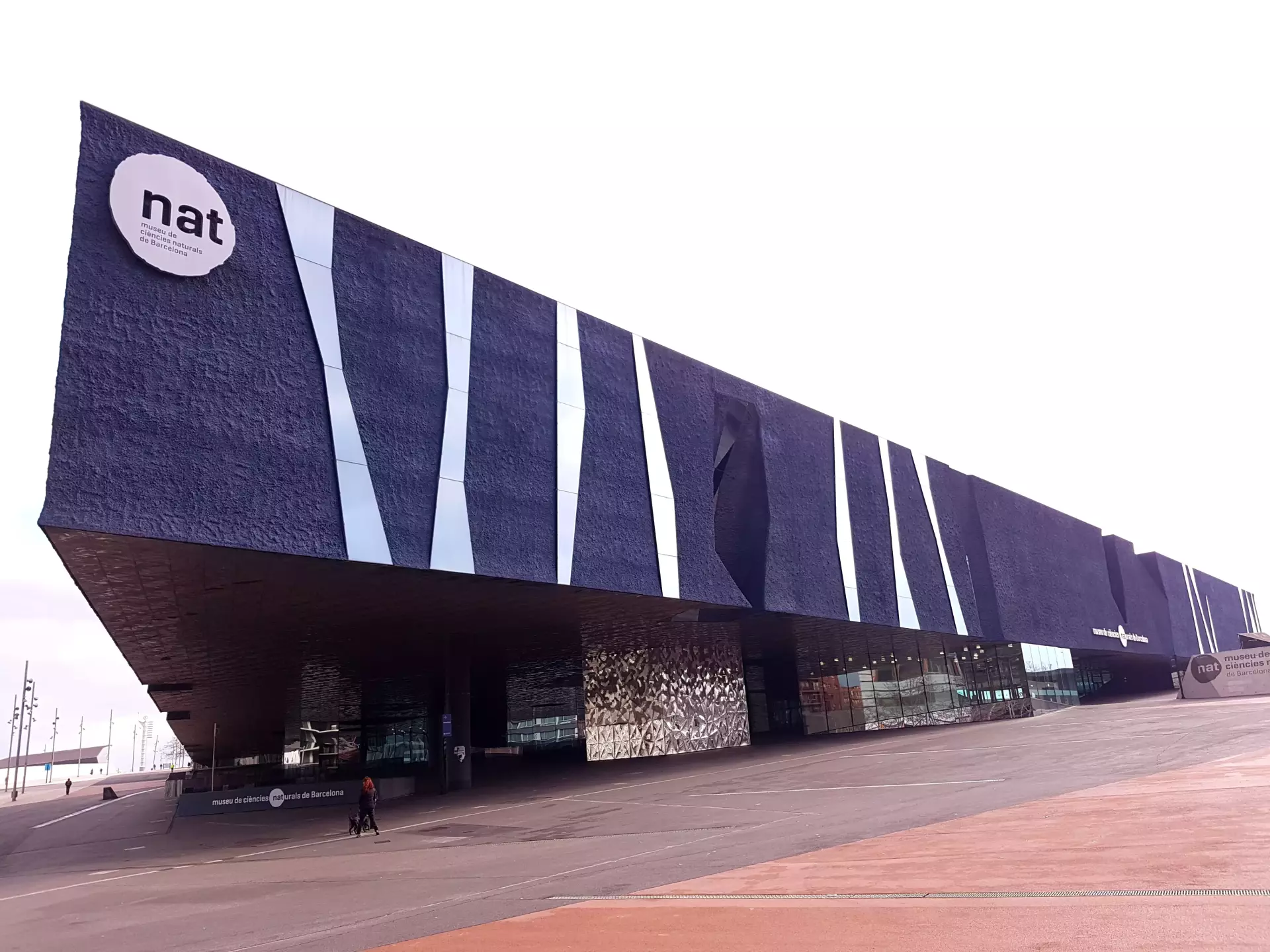
Much to the dismay of Mickey Mouse aficionados, Disseny is Catalan for "design", not "Disney". The "Disseny Hub" houses the amalgamated museums focusing on applied arts and design, including Museu de les Arts Decoratives, Museu de Ceràmica, Museu Tèxtil i d'Indumentària and Gabinet de les Arts Gràfiques. The new building has an intricate, multi-level structure, with the protruding tower overhanging the Praca de les Glories roundabout.
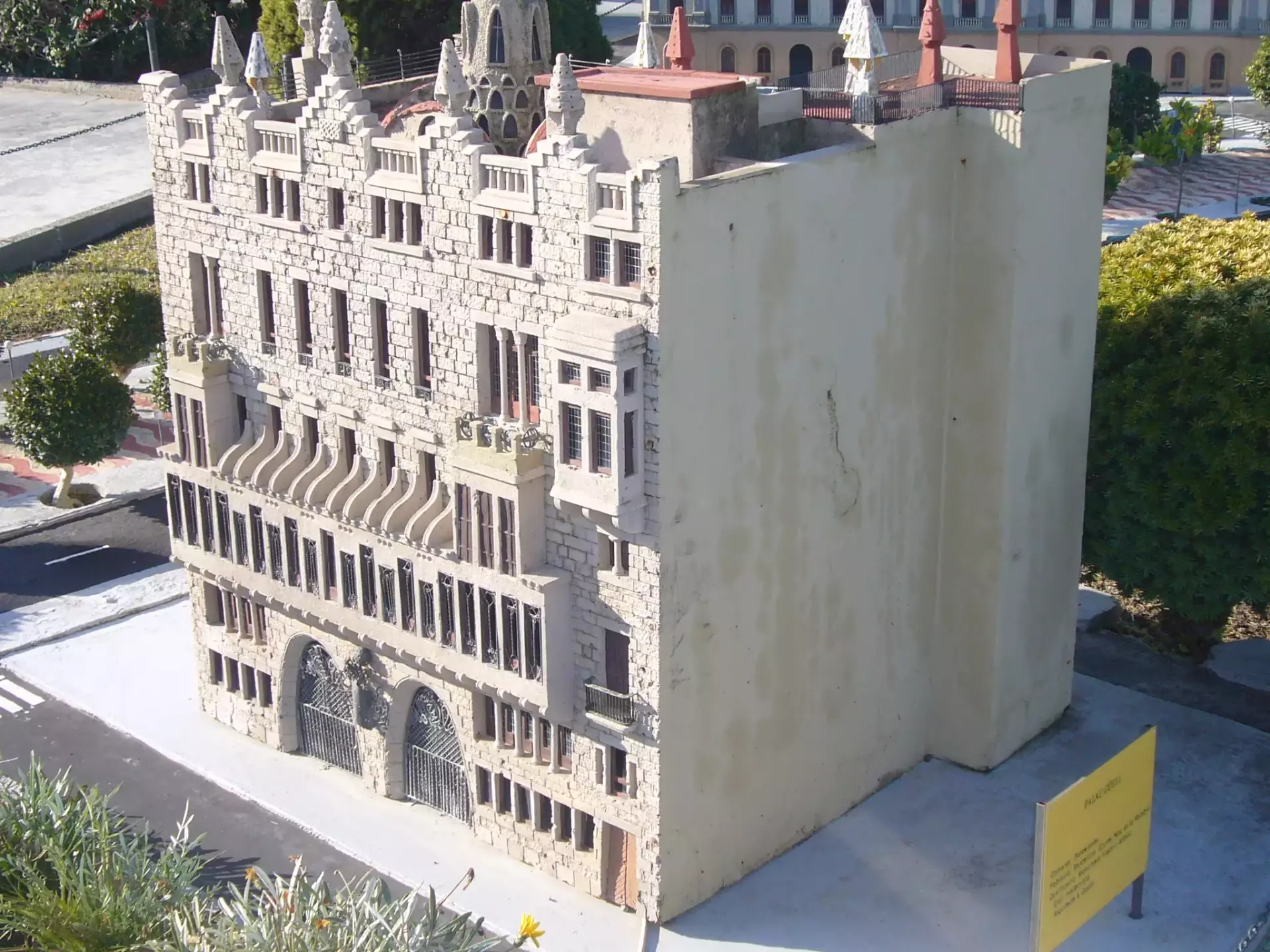
Palace designed by Gaudí for the industrial tycoon Eusebi Güell. There is a basement and three levels of the palace to explore, the highest featuring a small exhibition. It is in a different style to Gaudi's apartment blocks La Pedrera and Casa Batlló, as well as being cheaper and less crowded than those sites. The rooftop of Palau Güell features the more standard Gaudi style chimneys, and views across El Raval.
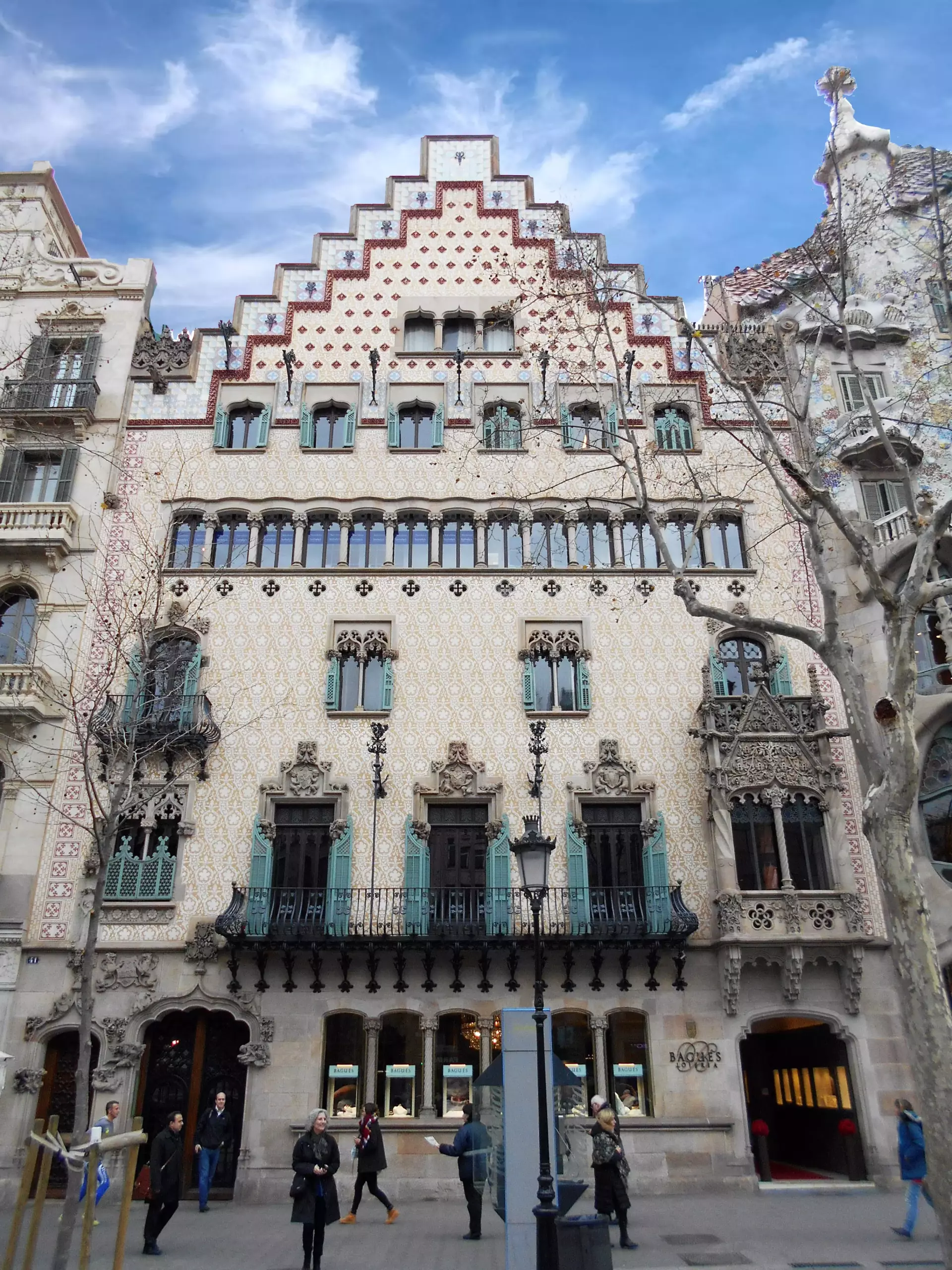
Another Gaudi masterpiece along the same avenue as La Pedrera. Open to the public. No straight line or right angles appear anywhere in the house. Often overlooked for La Pedrera, (also by Gaudi), La Casa Batlló is equally as stunning with its unique architecture and infamous two ornamental pillars in the entrance to the terrace. Open for visitors from ground floor to the roof, and down by an old-time elevator.
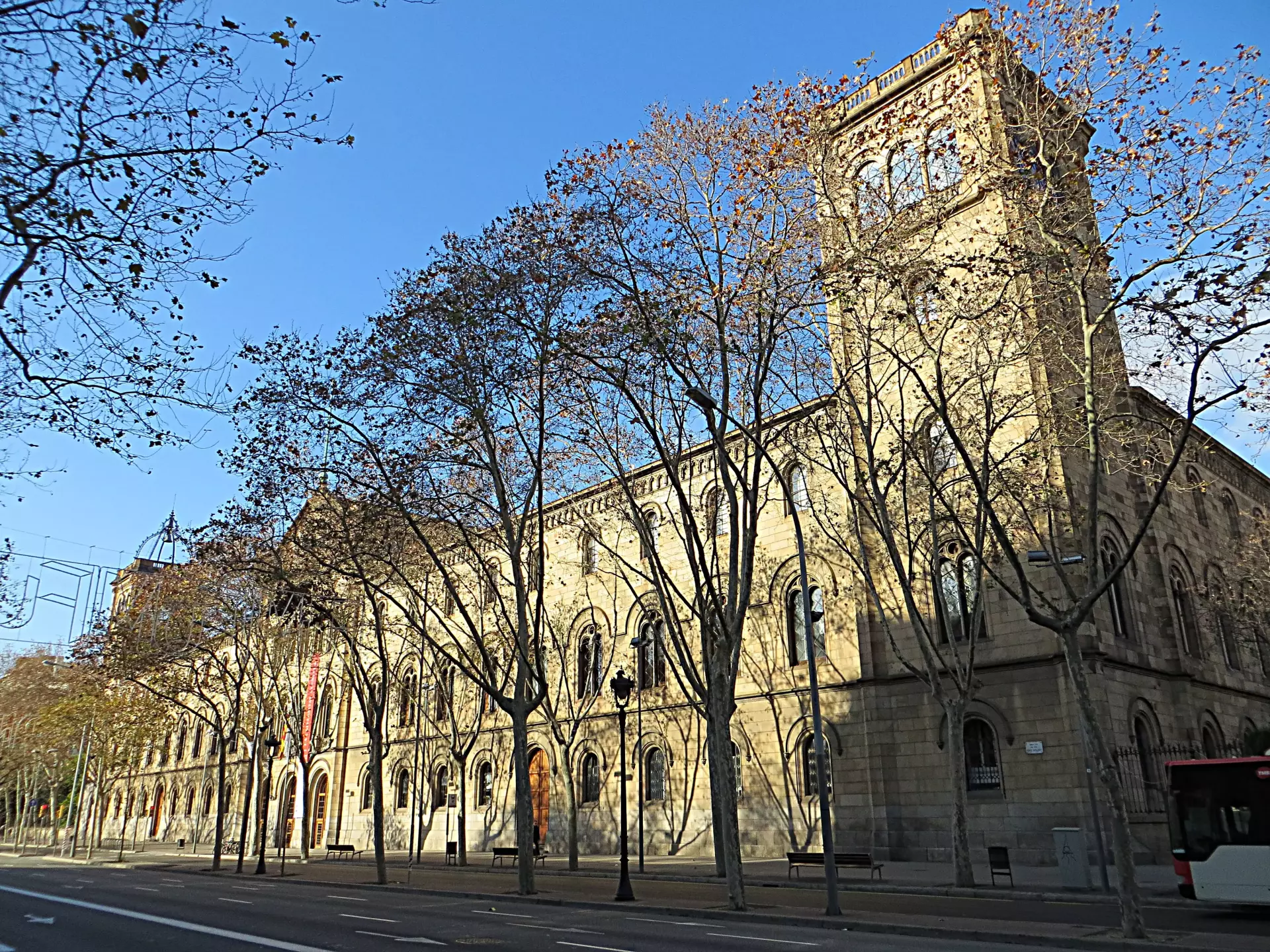
The university has many interesting buildings, libraries and courtyards.
A complex of two pavilions by Antonio Gaudi. 2024 closed for renovation.
Modernist design by Lluís Domènech i Montaner is a UNESCO World Heritage site, a masterpiece of Catalan's modernist architecture. This auditorium designed by Ramon Muntaner is the most important Modernist example in Ciutat Vella. It was the headquarters of the Orfeó Català, the oldest Catalan choir. The most beautiful part is the stalls with its fine detailing, although all the building is impressive. There are plenty of allegories about music and Catalonia, since the Orfeó Català is strongly bounded with the Catalan Renaixença, the romantic movement that tried to recuperate the Catalan history, language and traditions. It is also the best place in Barcelona to listen to symphonic music.
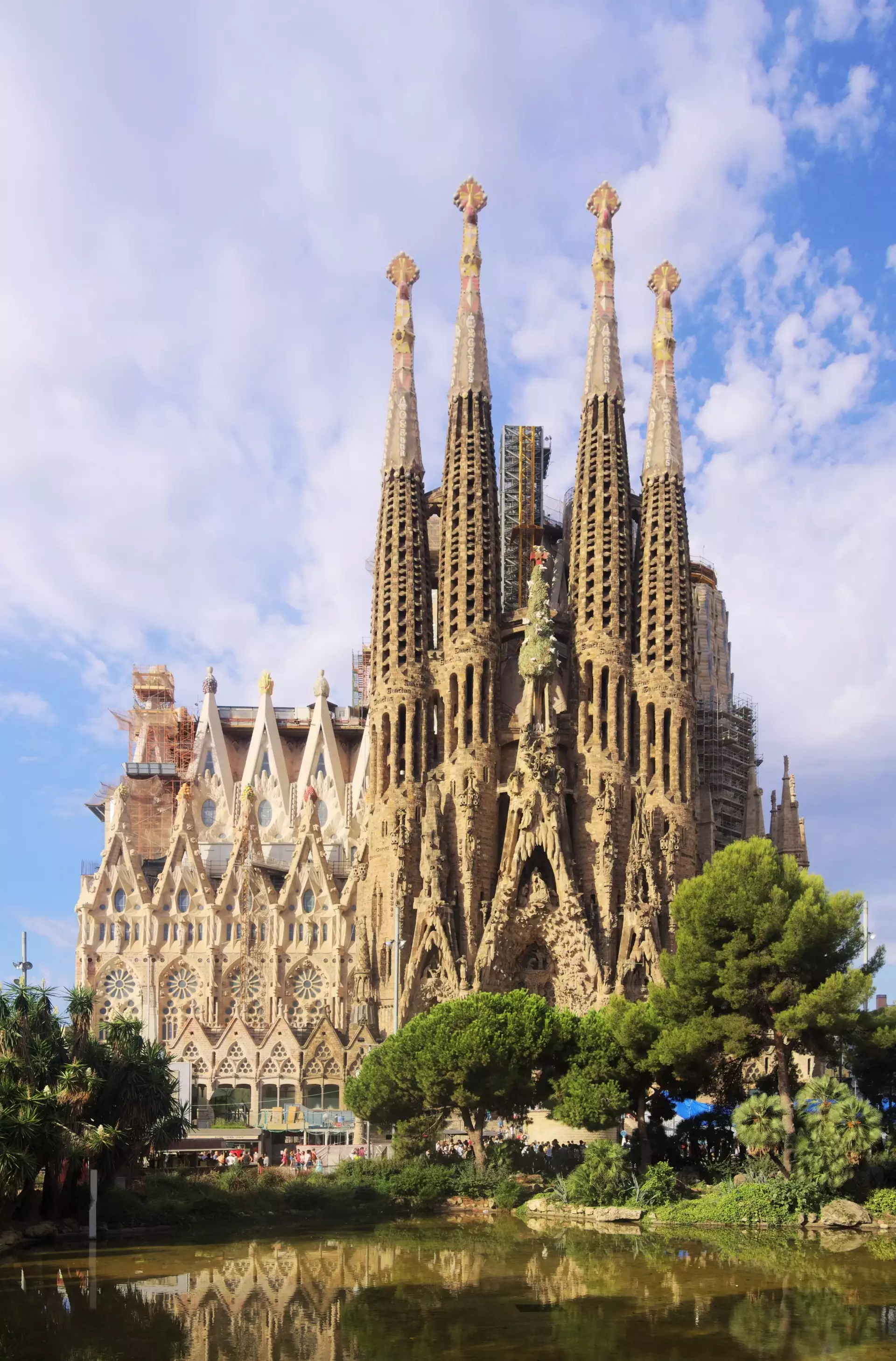
Barcelona's most popular and famous attraction, the Sagrada Família is a testament to Antonio Gaudi's modernist style and unlike any other church in the world. The texture and detail on the façades are intricate and incorporate forms seen in nature as much of Gaudi's work does. The inside is huge — it's estimated that it can hold 13,000 people — with vaulted ceilings and columns designed to be reminiscent of trees. The church is still under construction, but the central nave, apse and crypt are open. Seeing the Sagrada Família at night with lights on is impressive — this is the time when you understand why people say that it is built of bones.
This former hospital is an architectural masterpiece that is now open for visitors. Inpatient wards (and most outpatient facilities) have been moved to a new building of Nou Hospital, but in terms of touring the area, that makes it all the easier. One of "small hidden features" is a network of underground passages where small carriages can be seen, you can get there near WCs on a central square, between Banc de Sang and Quiròfans.