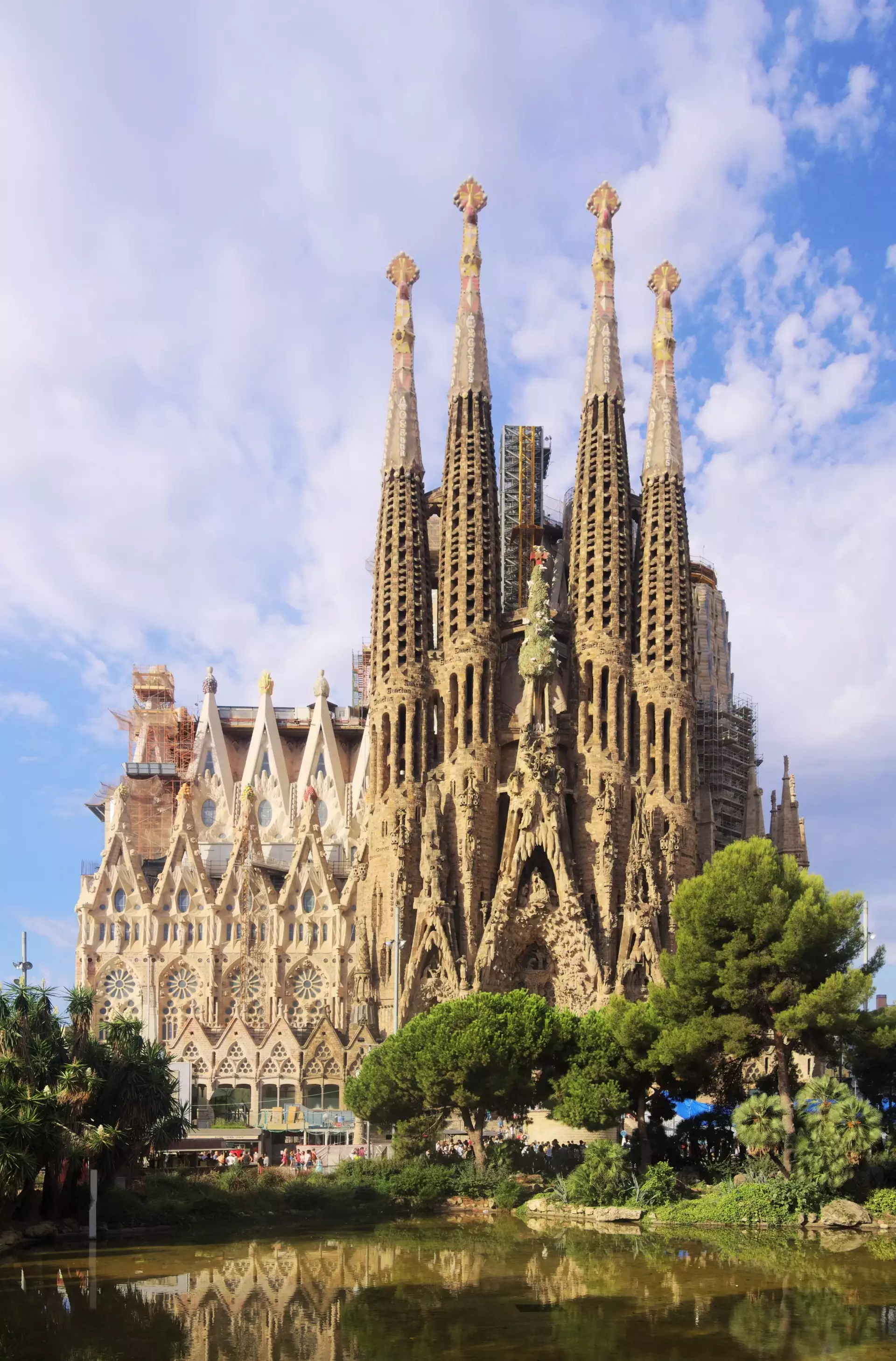
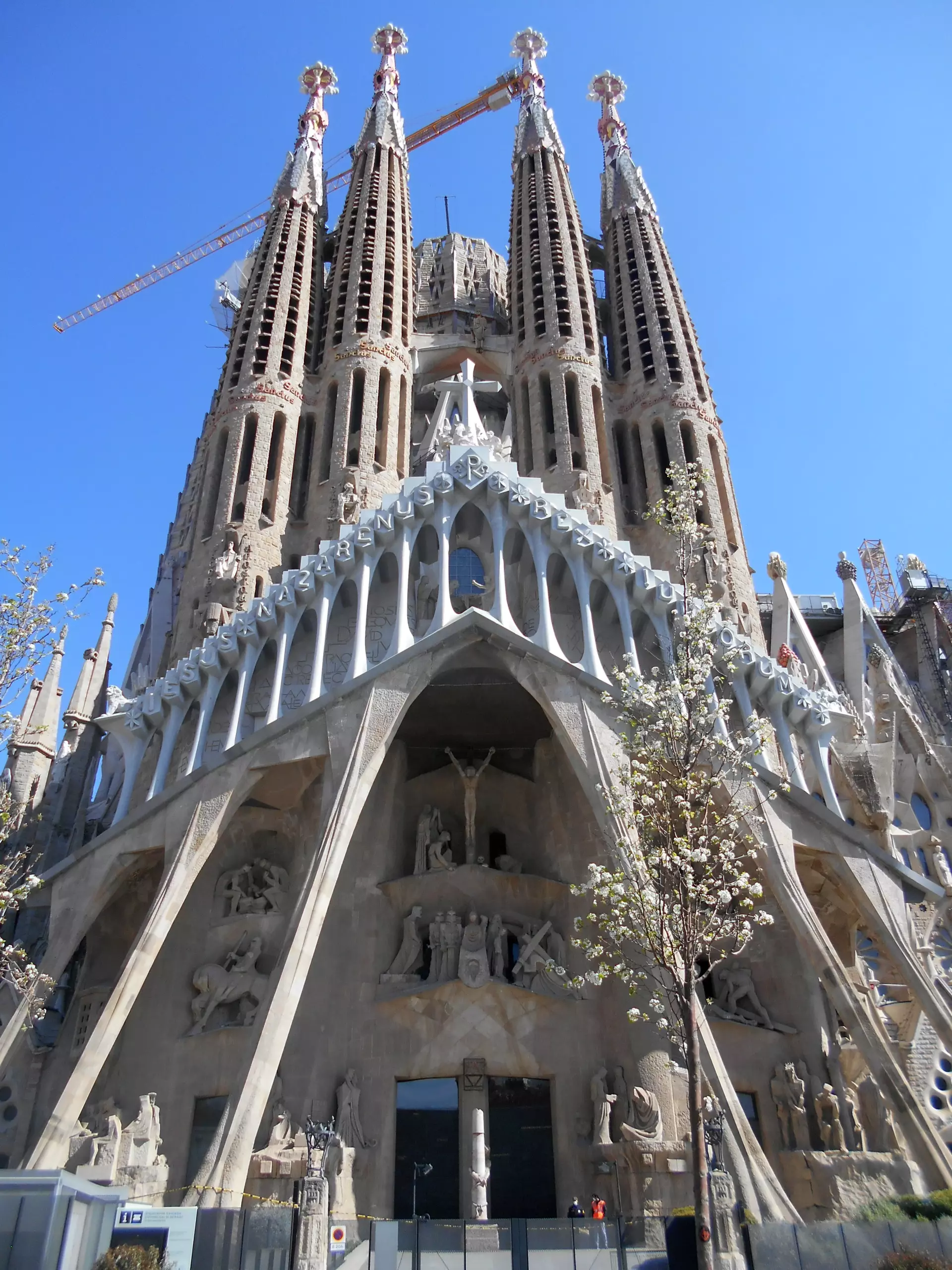
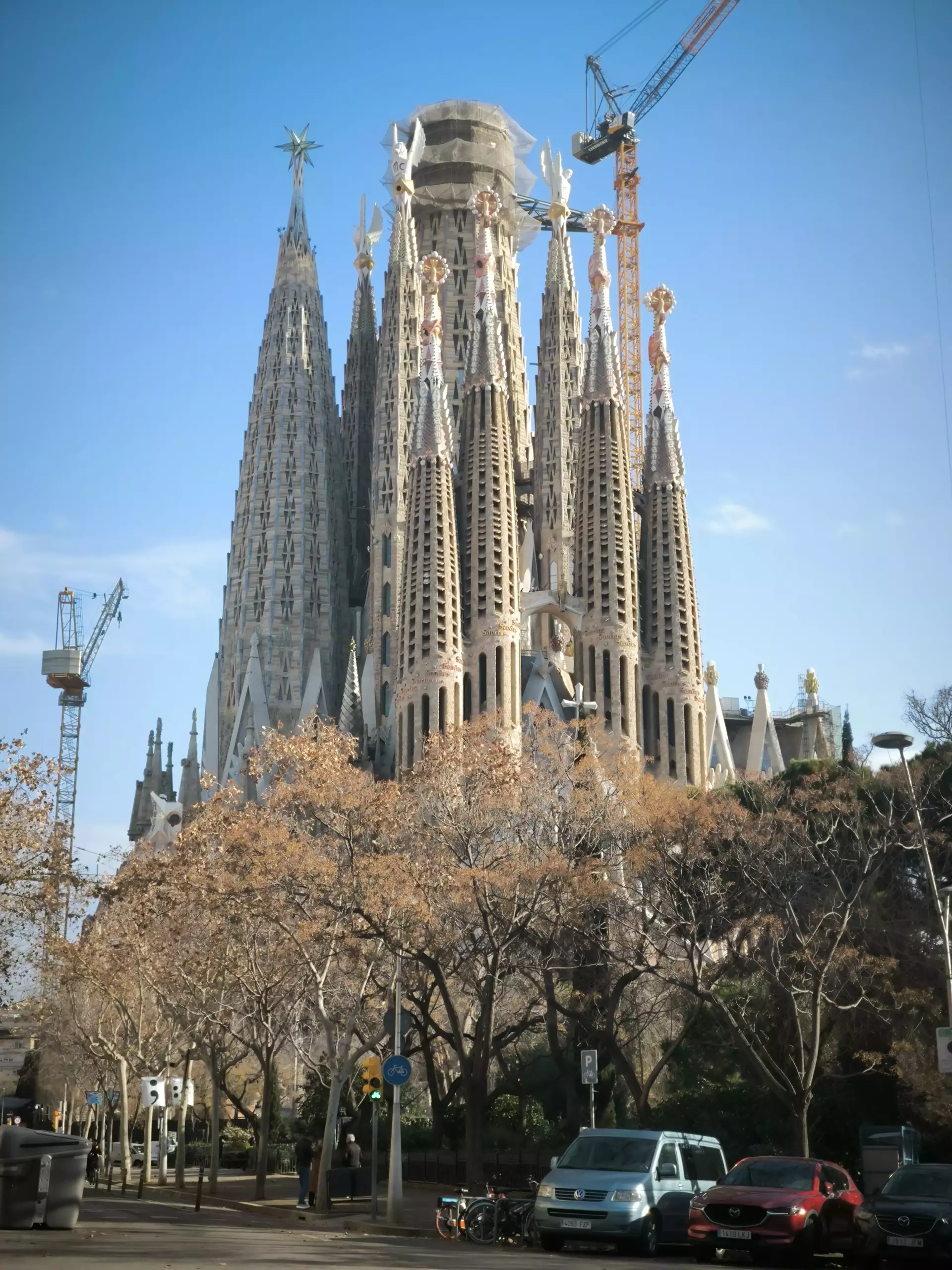
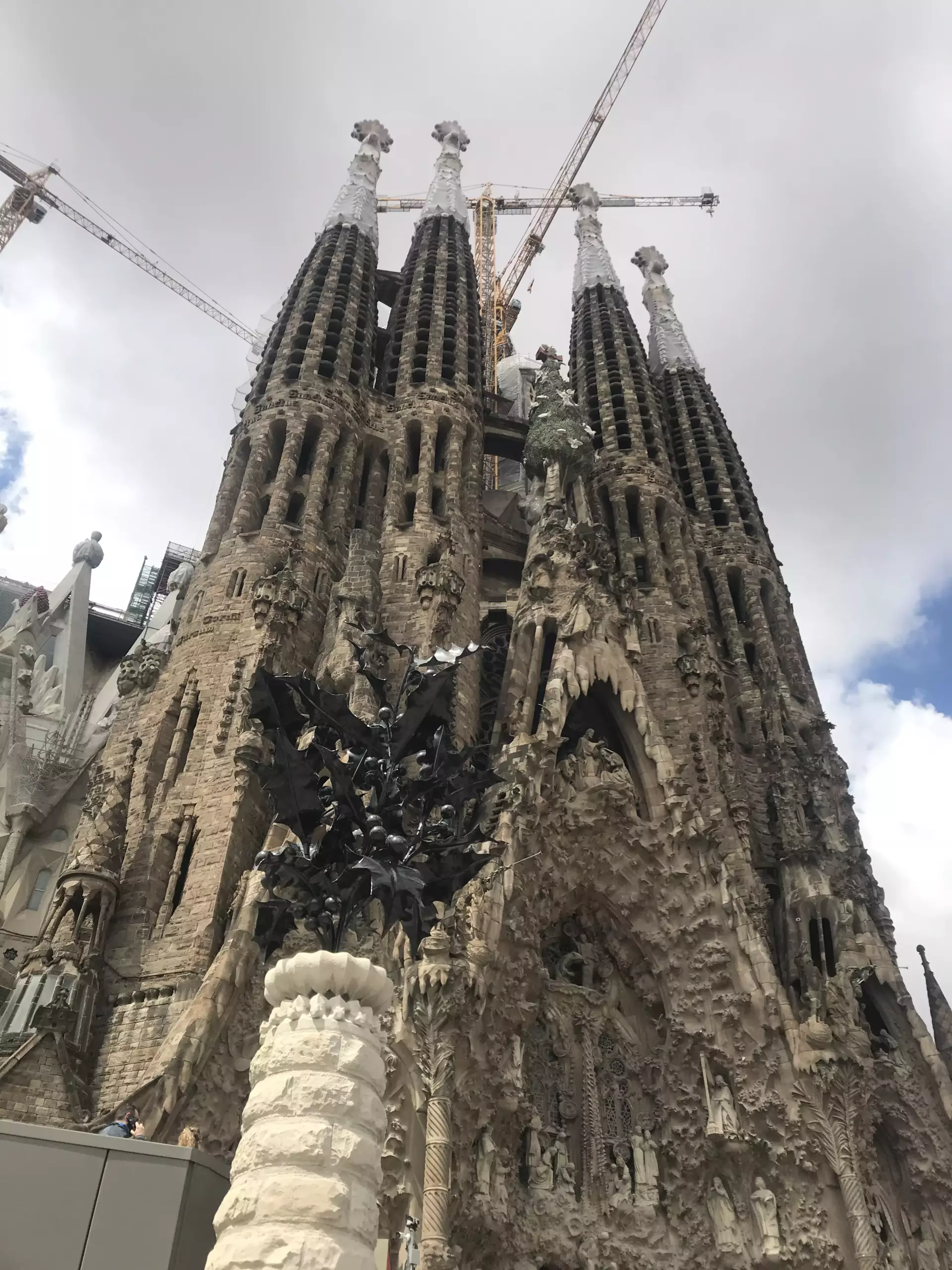
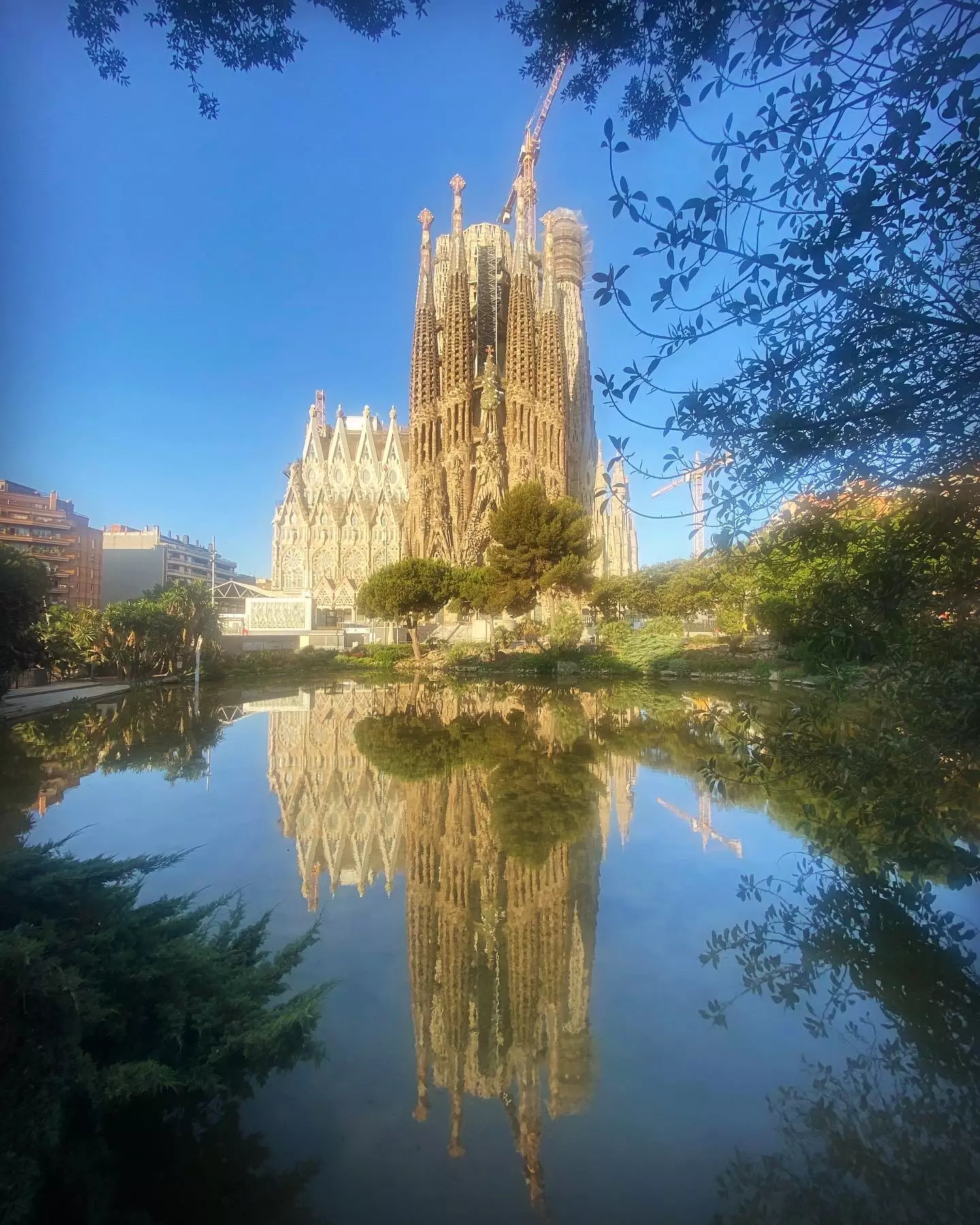
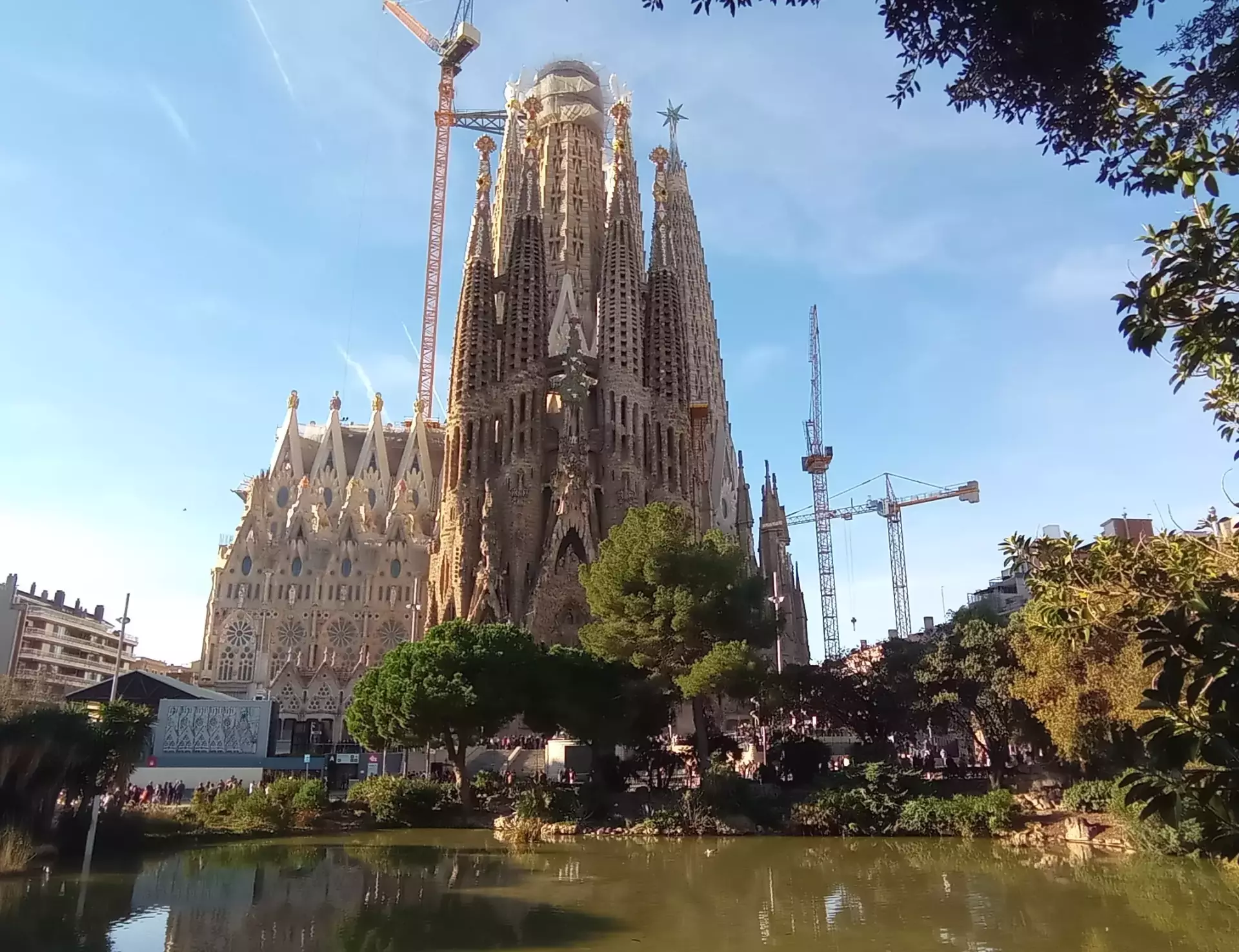
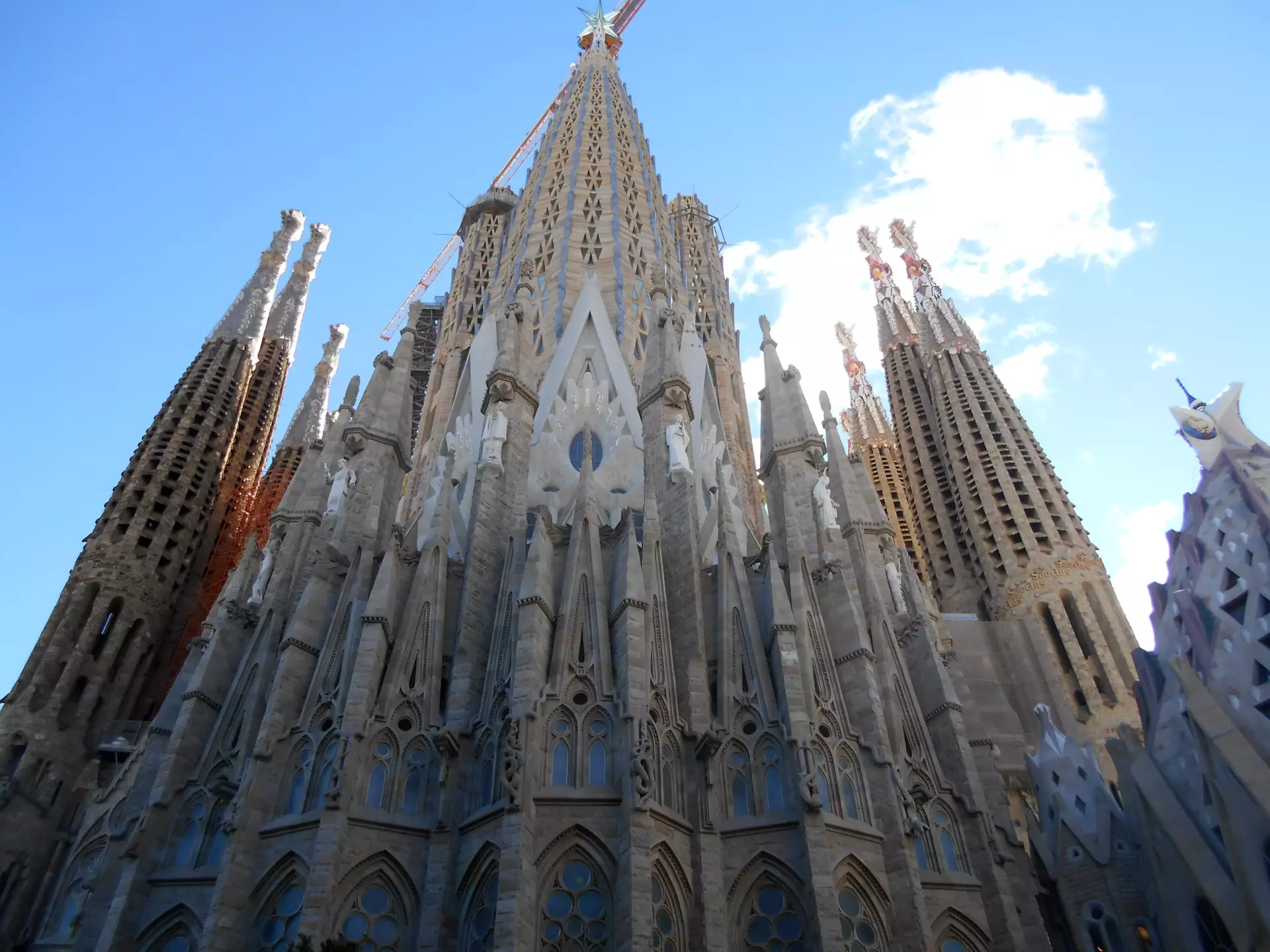
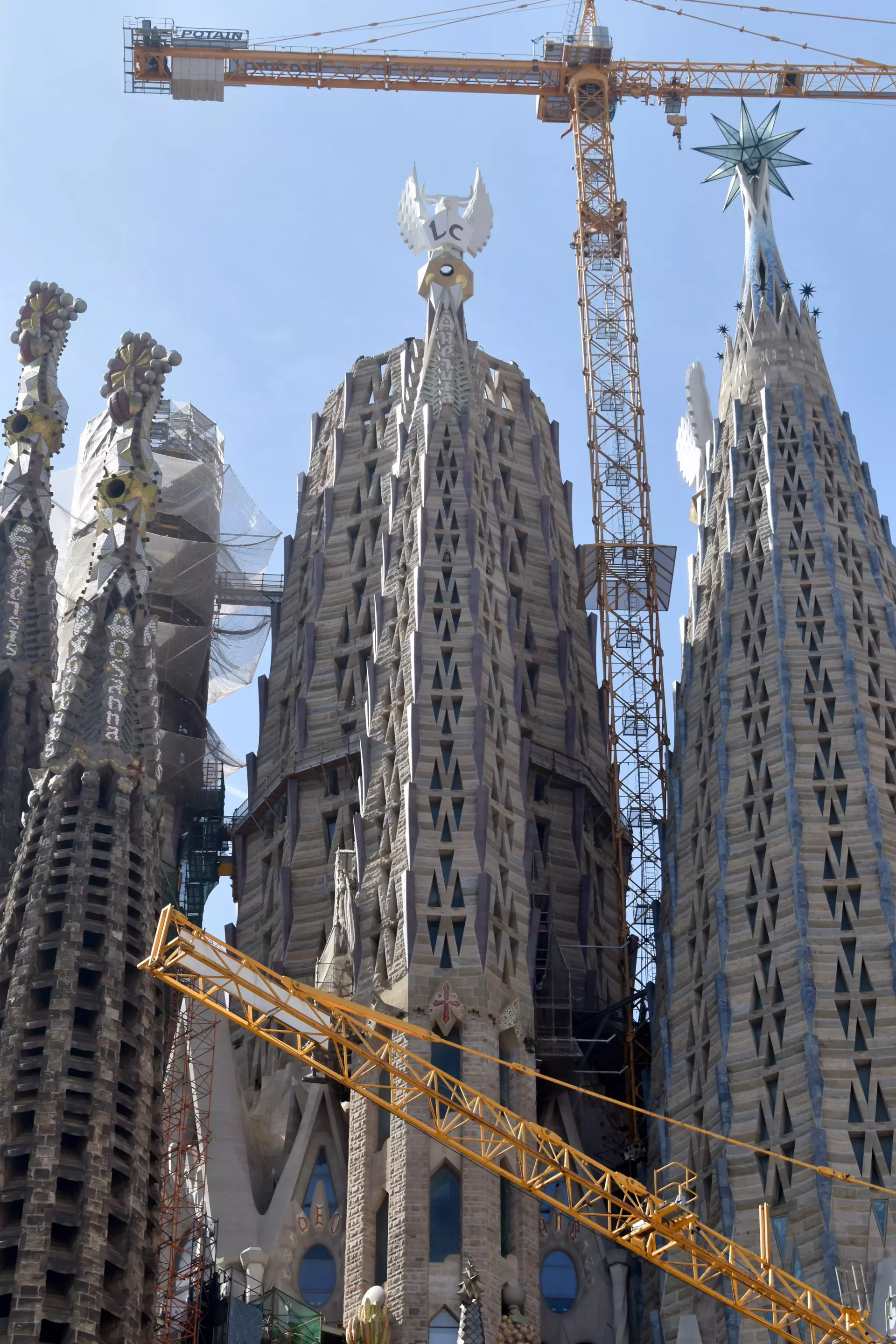
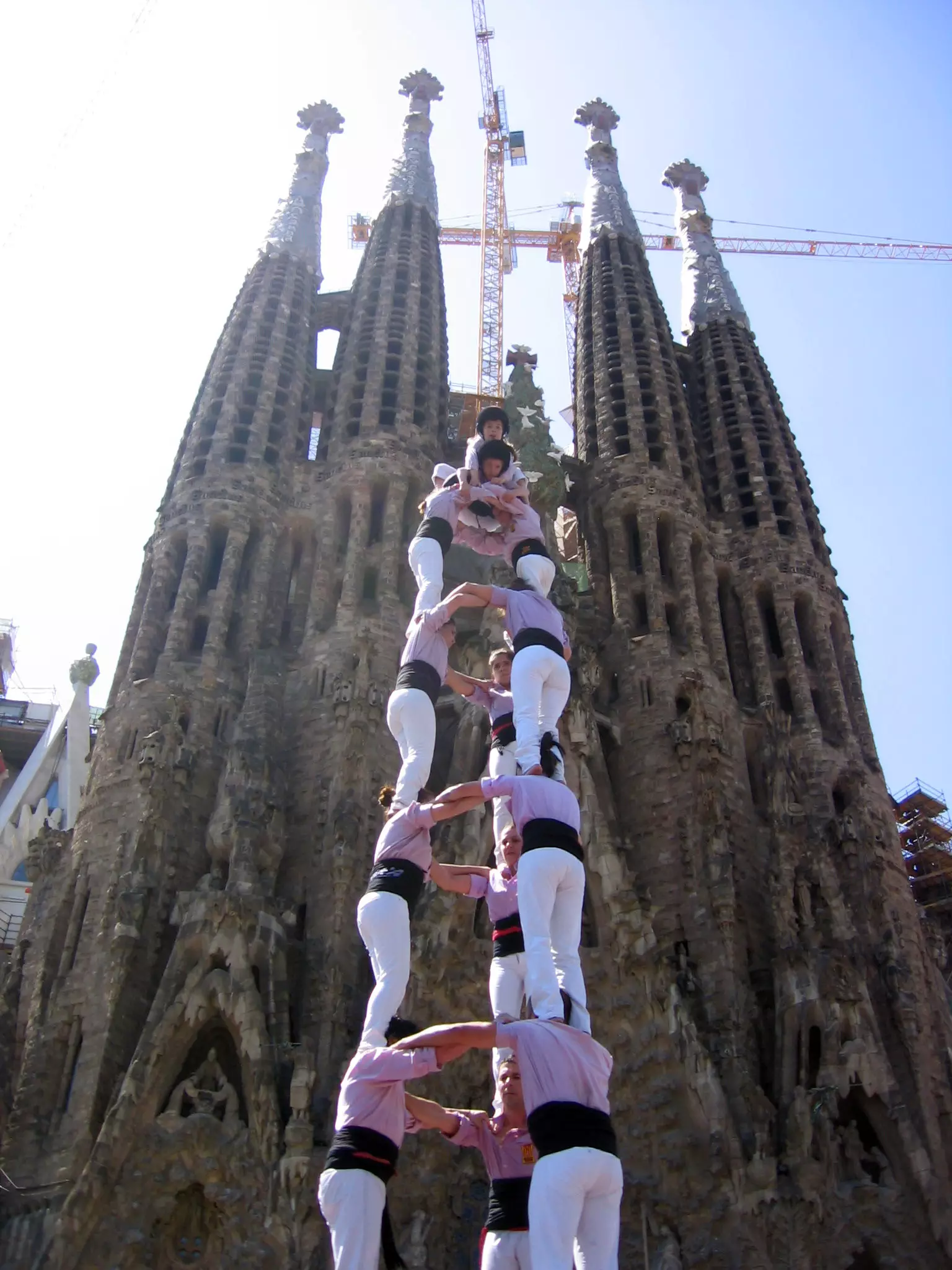
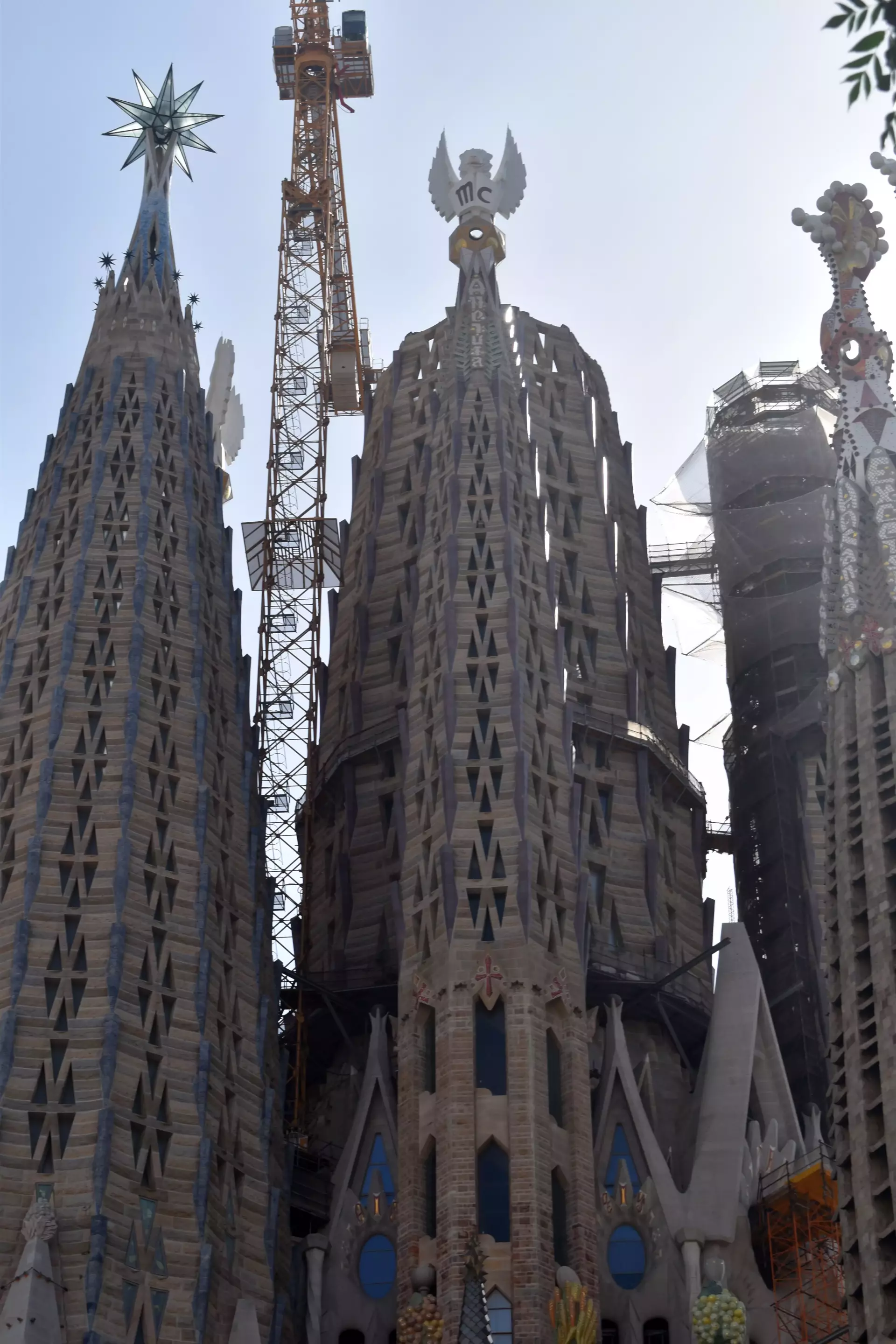
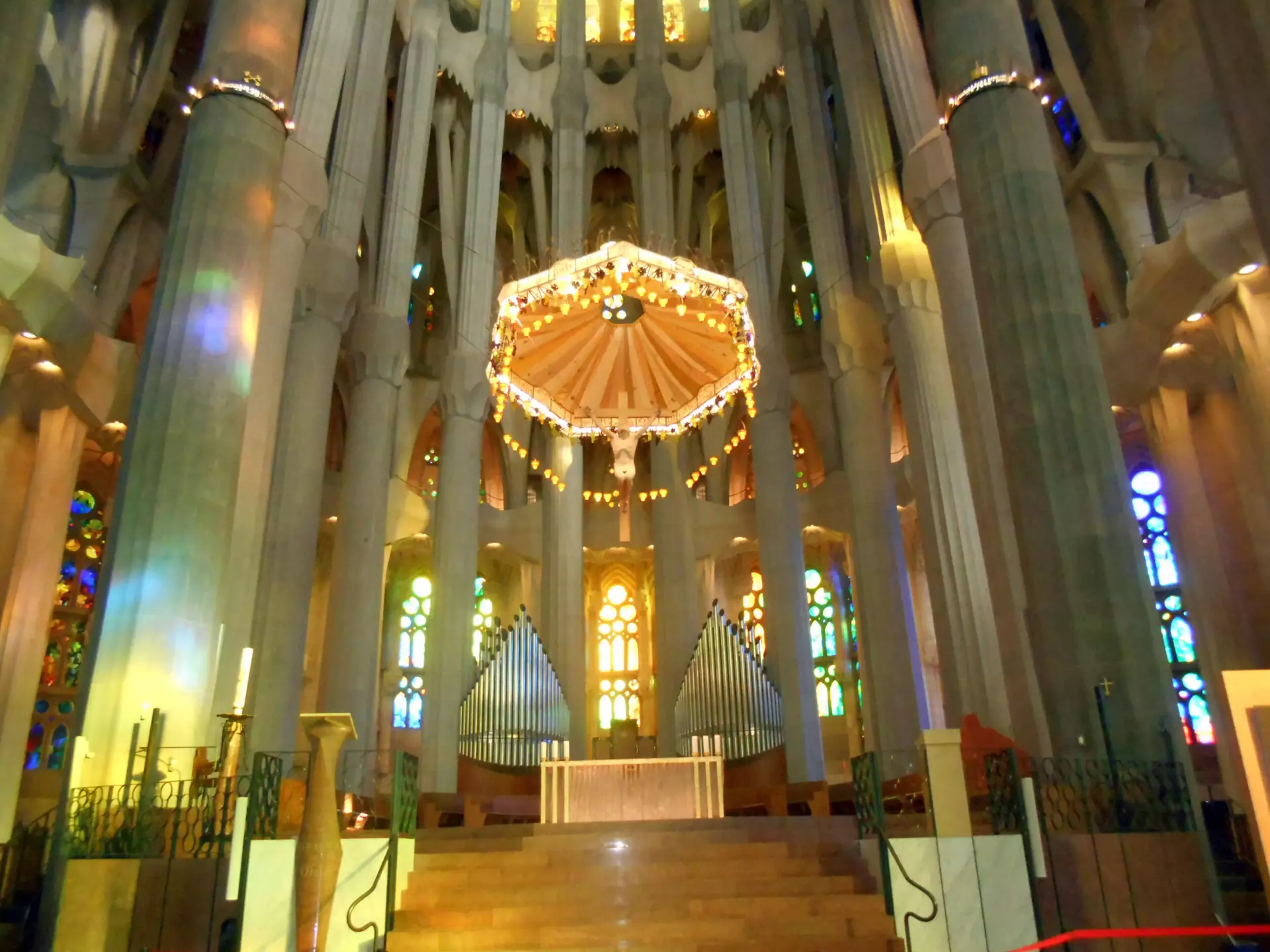
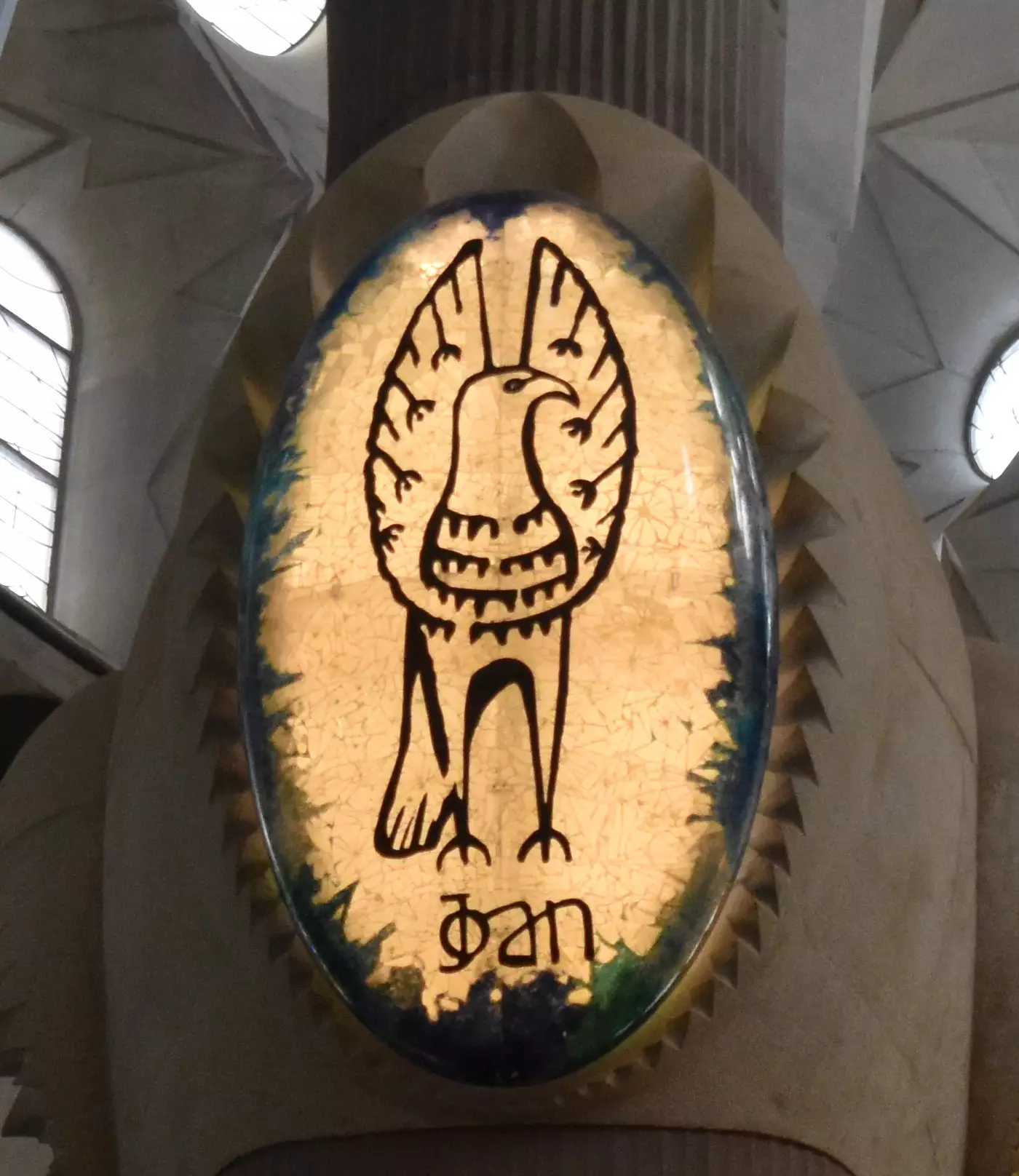
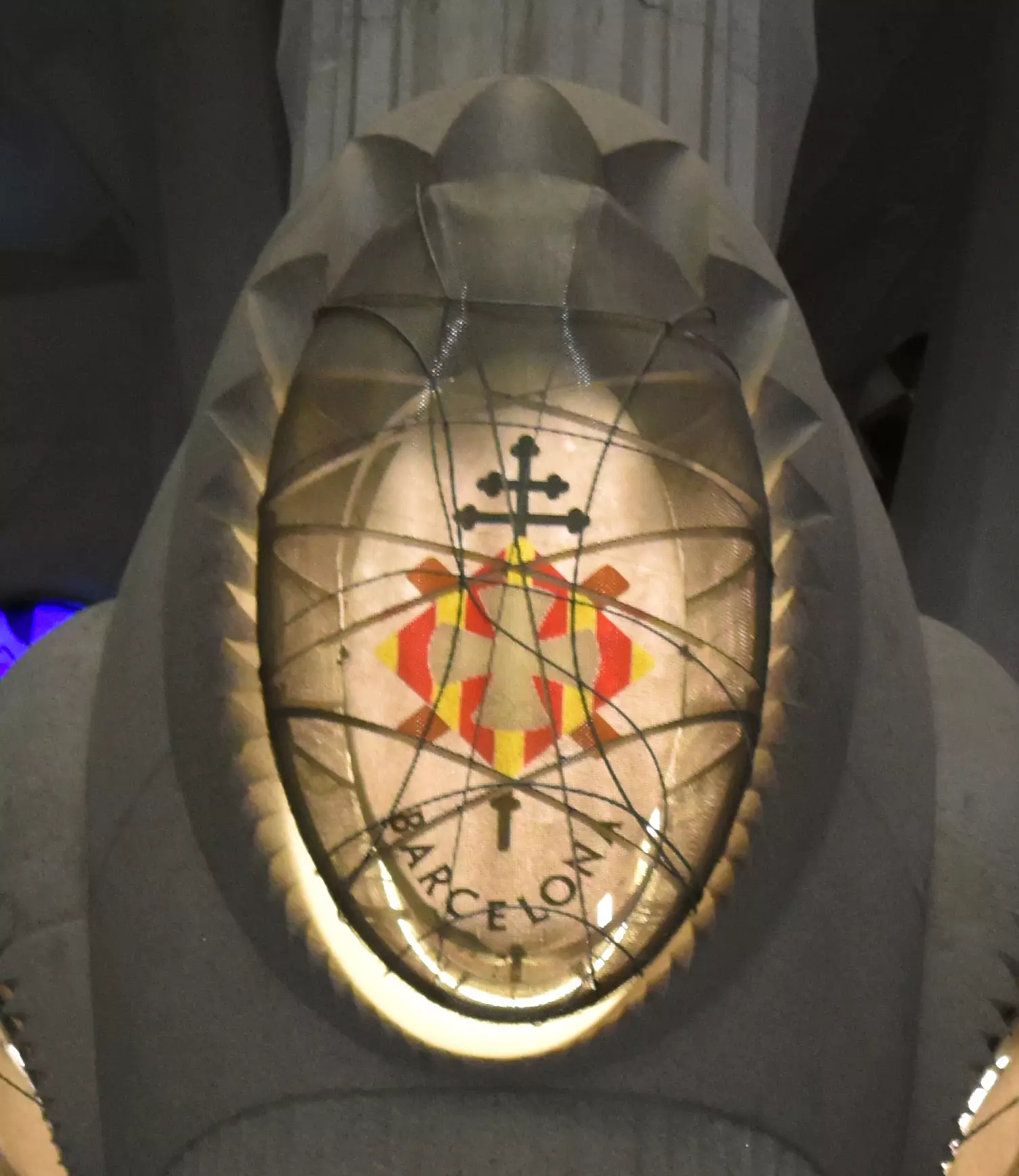
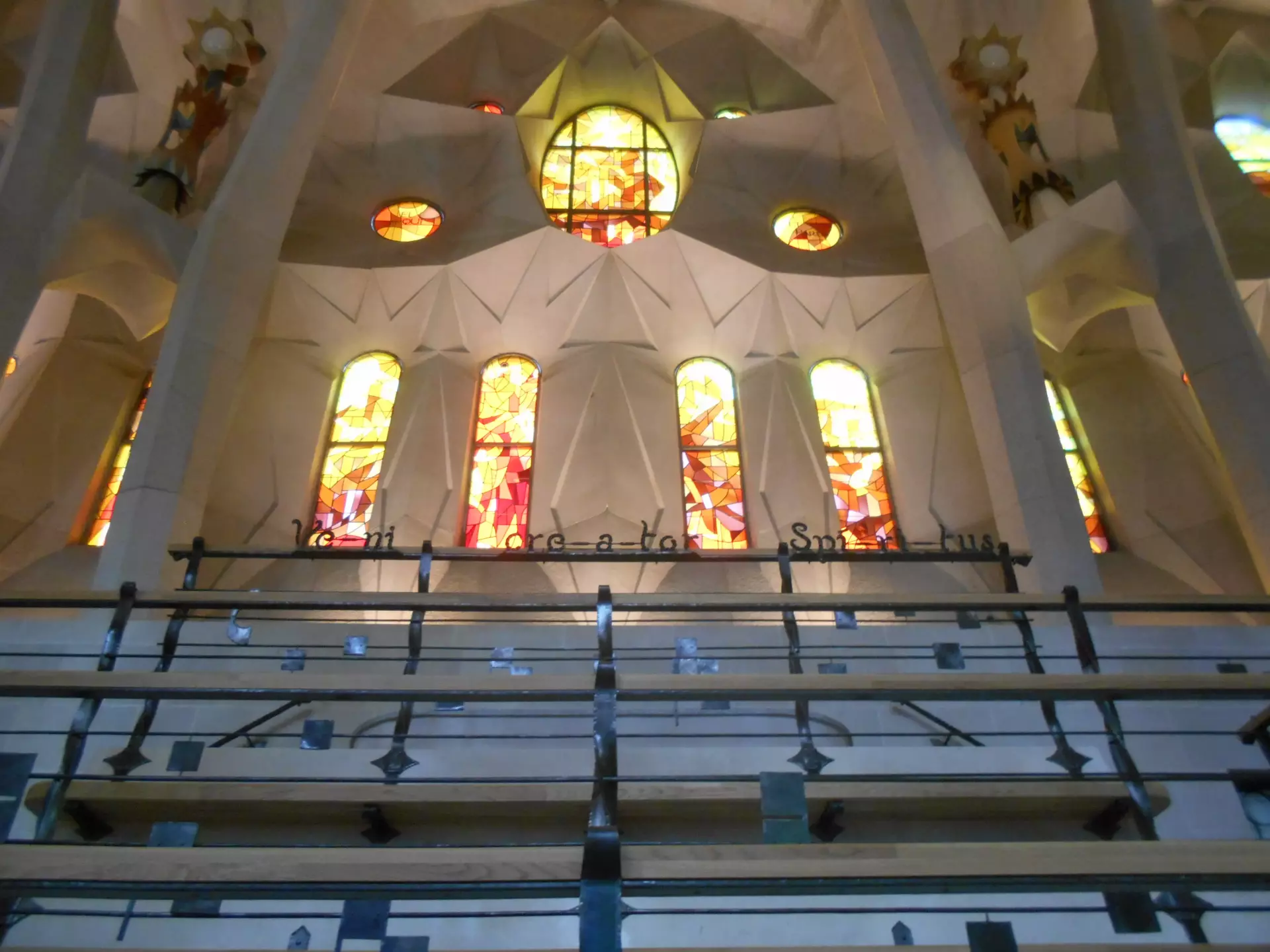
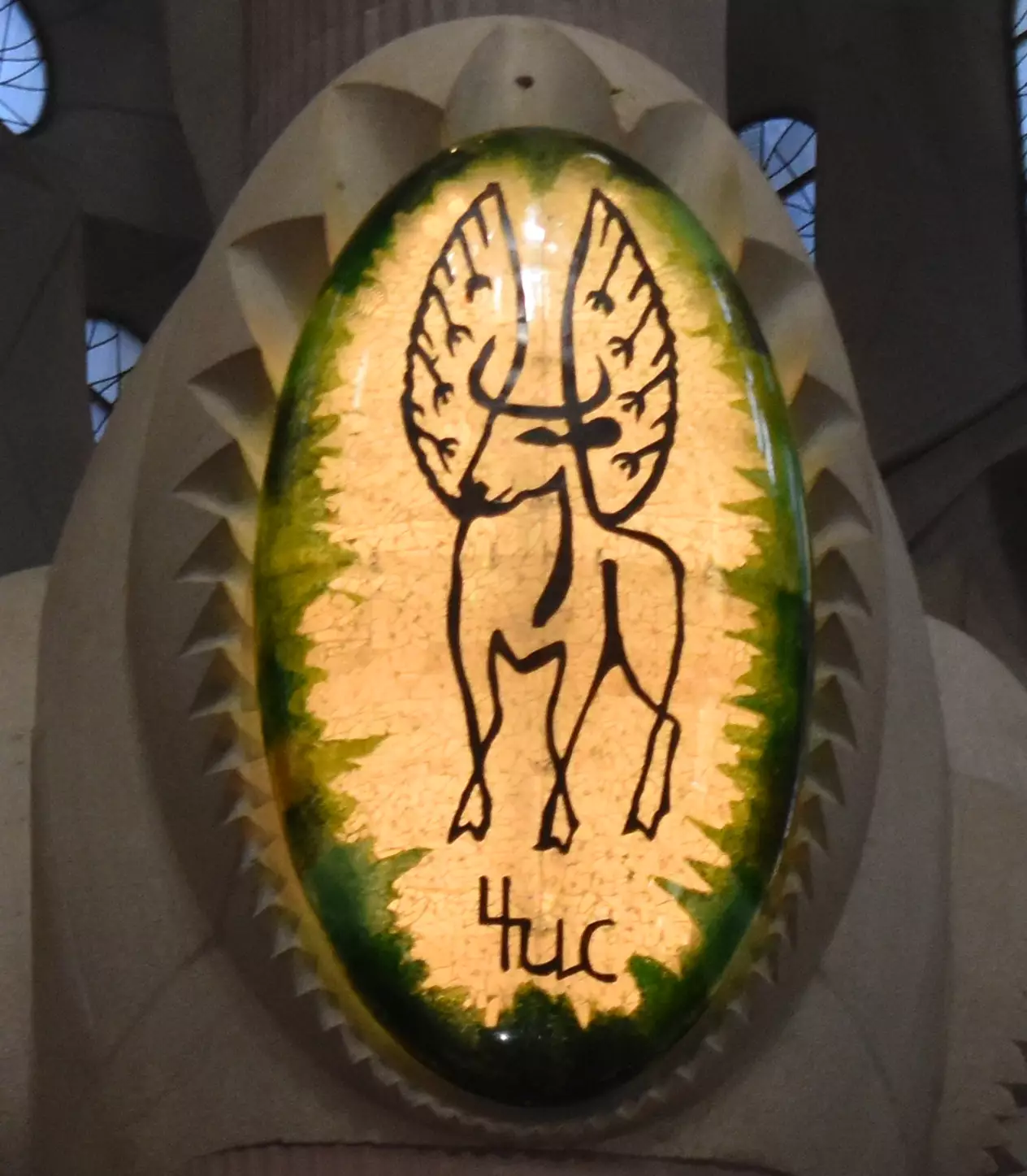
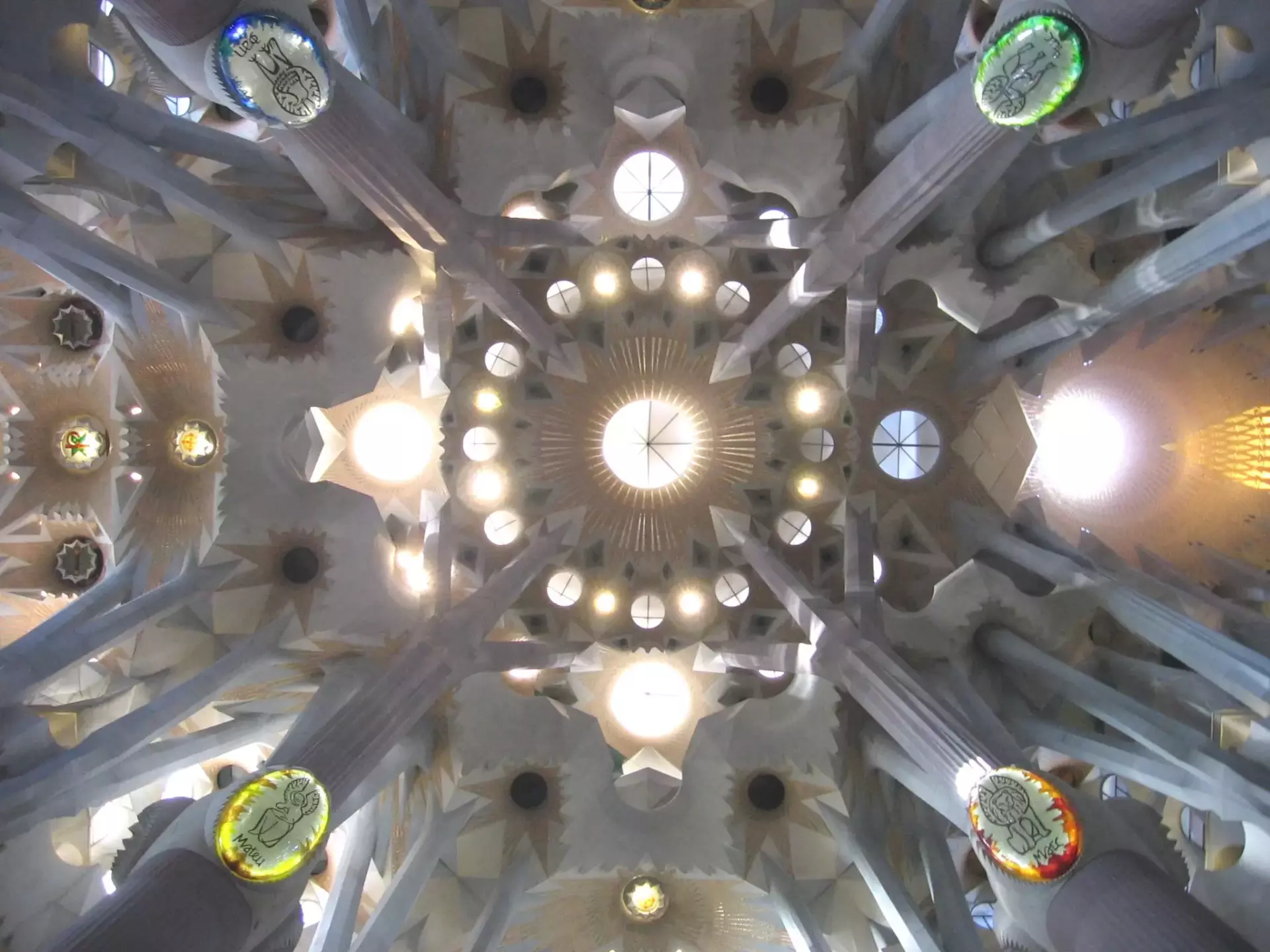
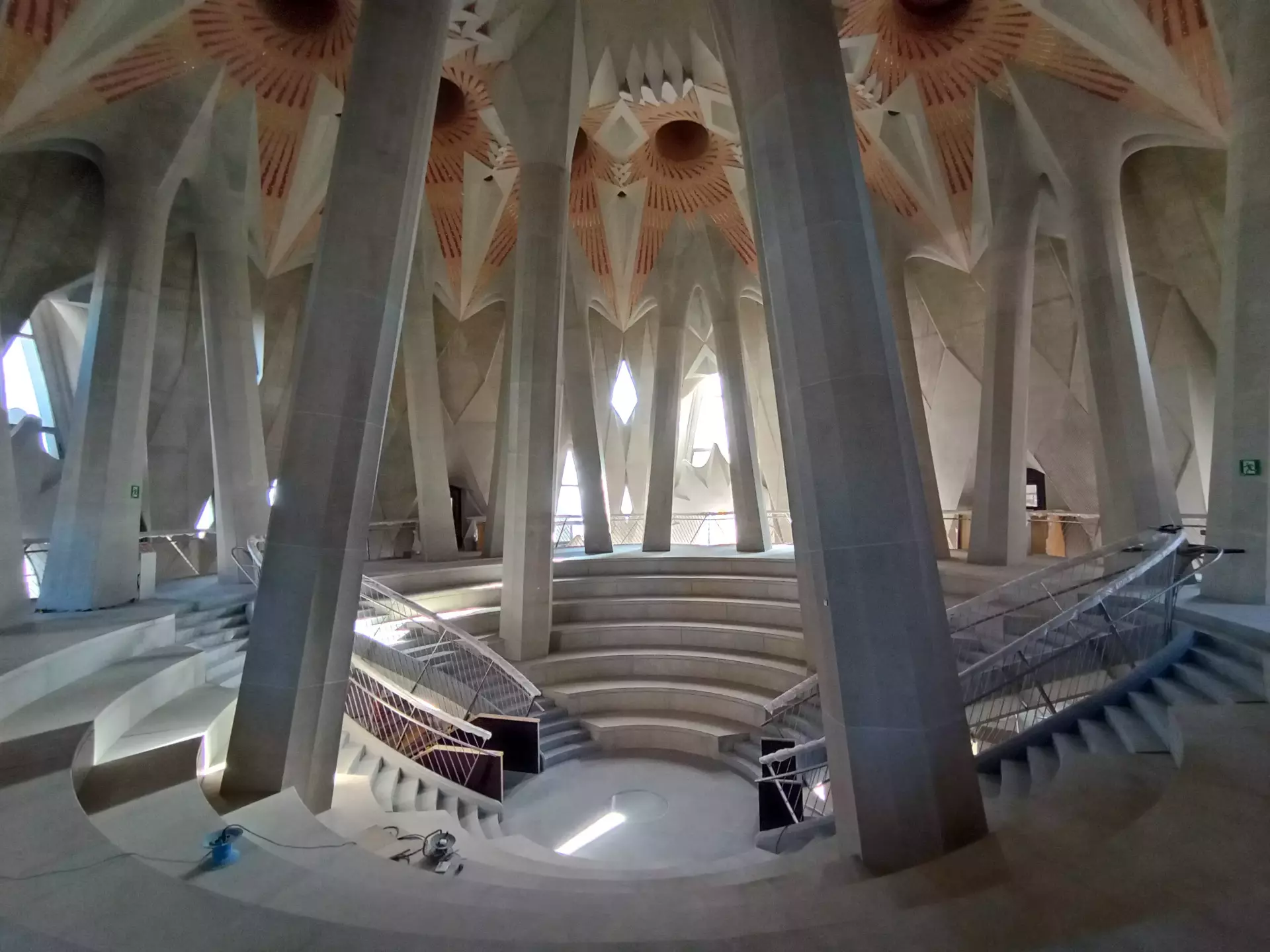
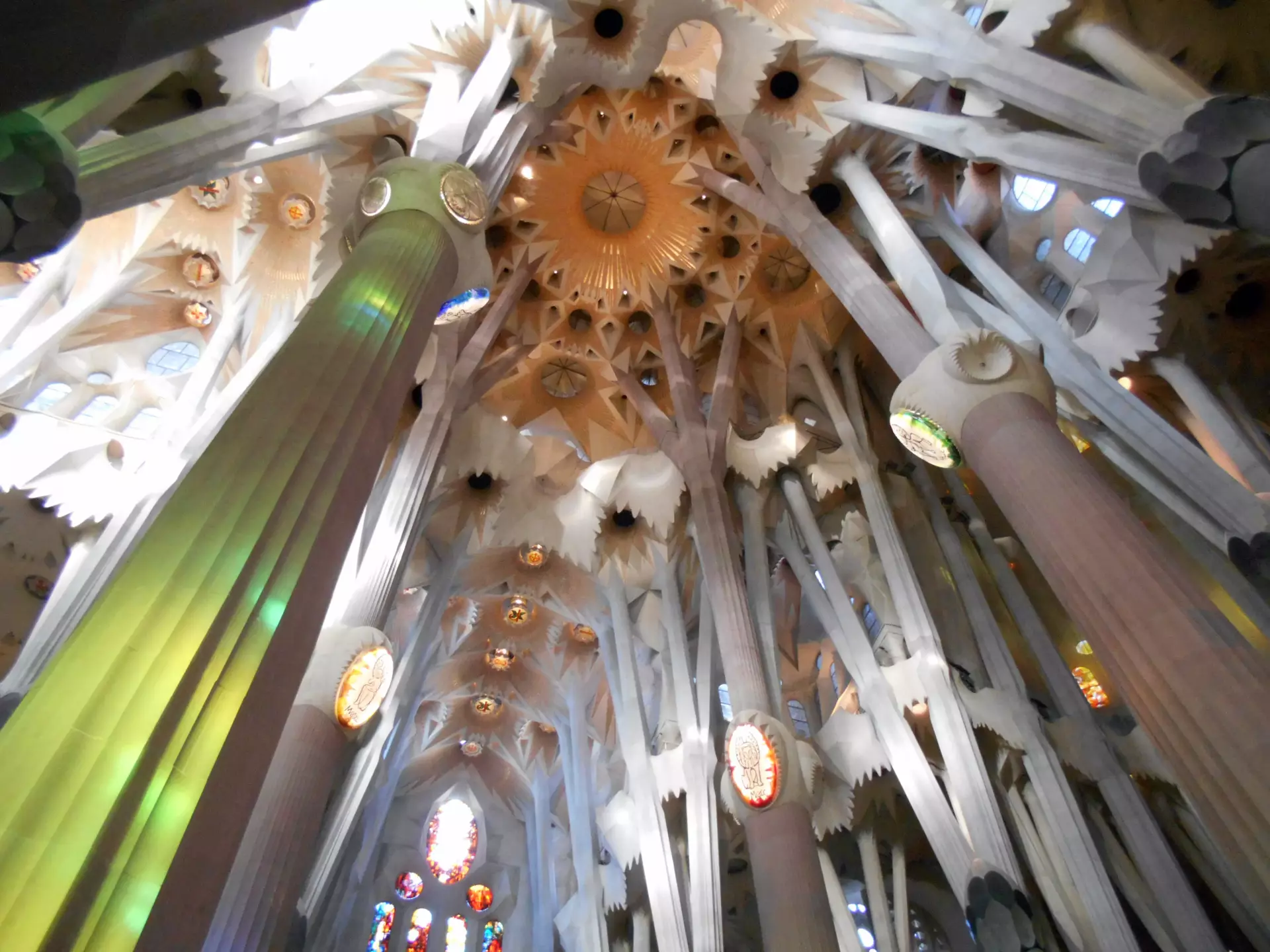
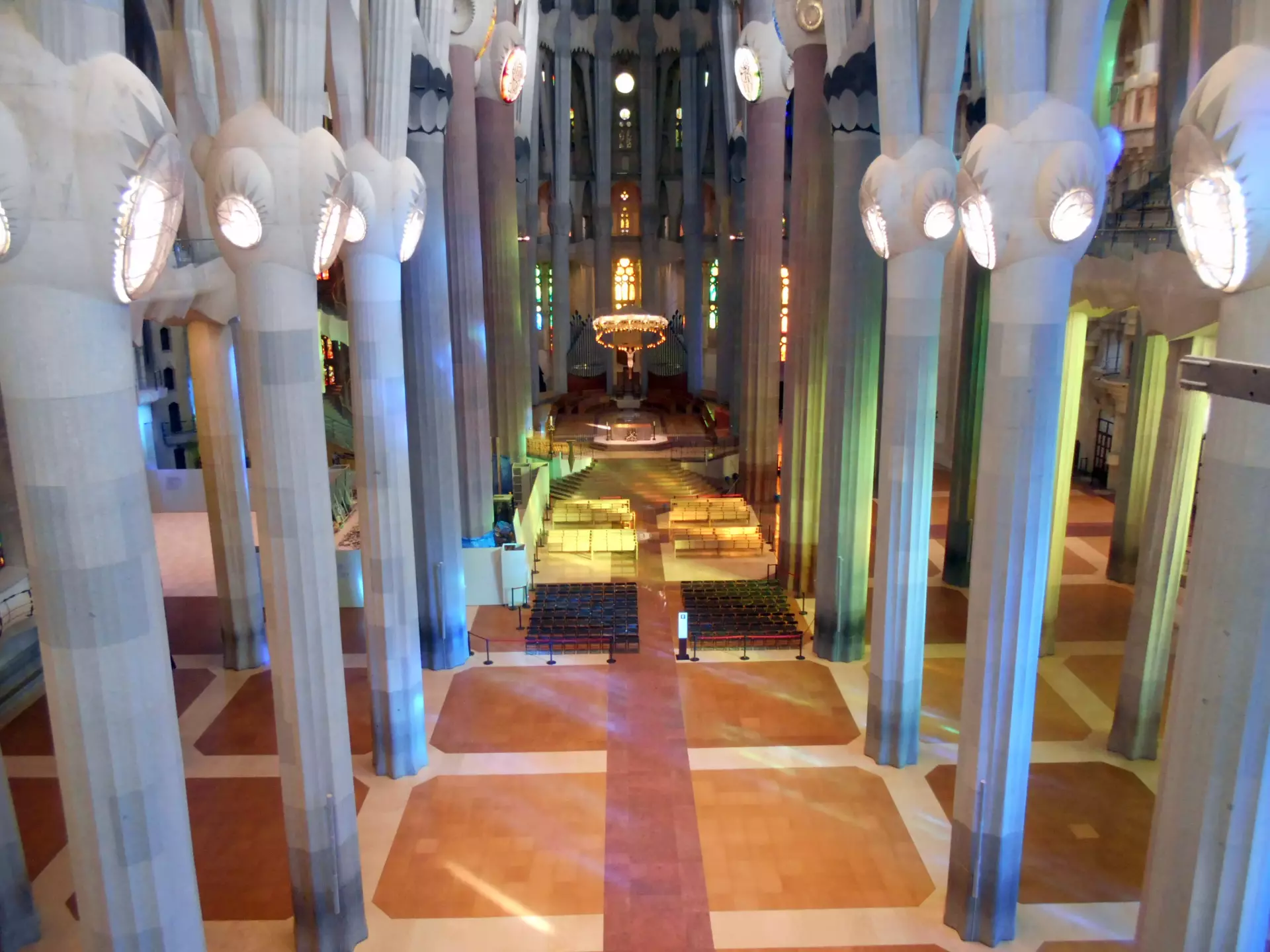
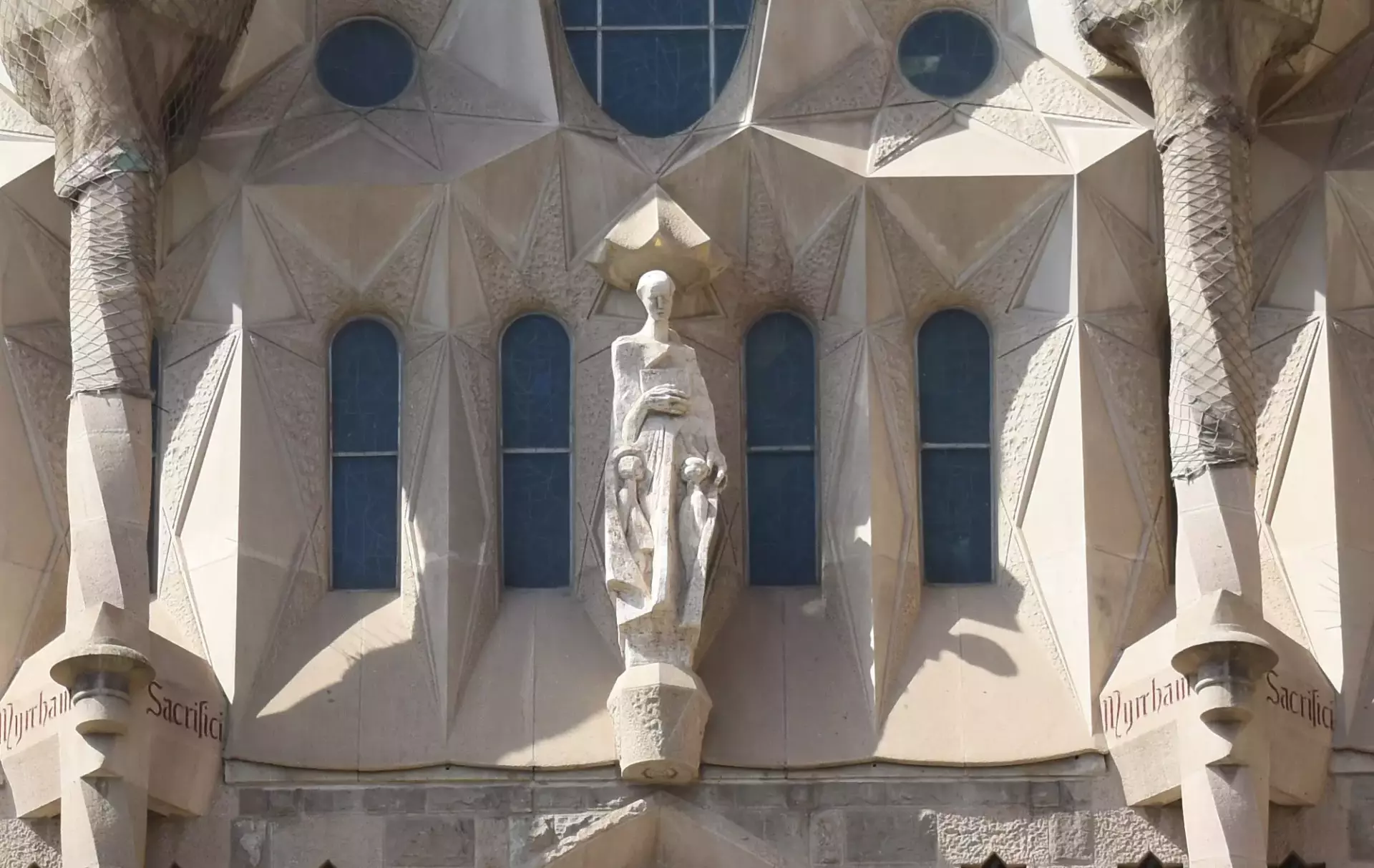
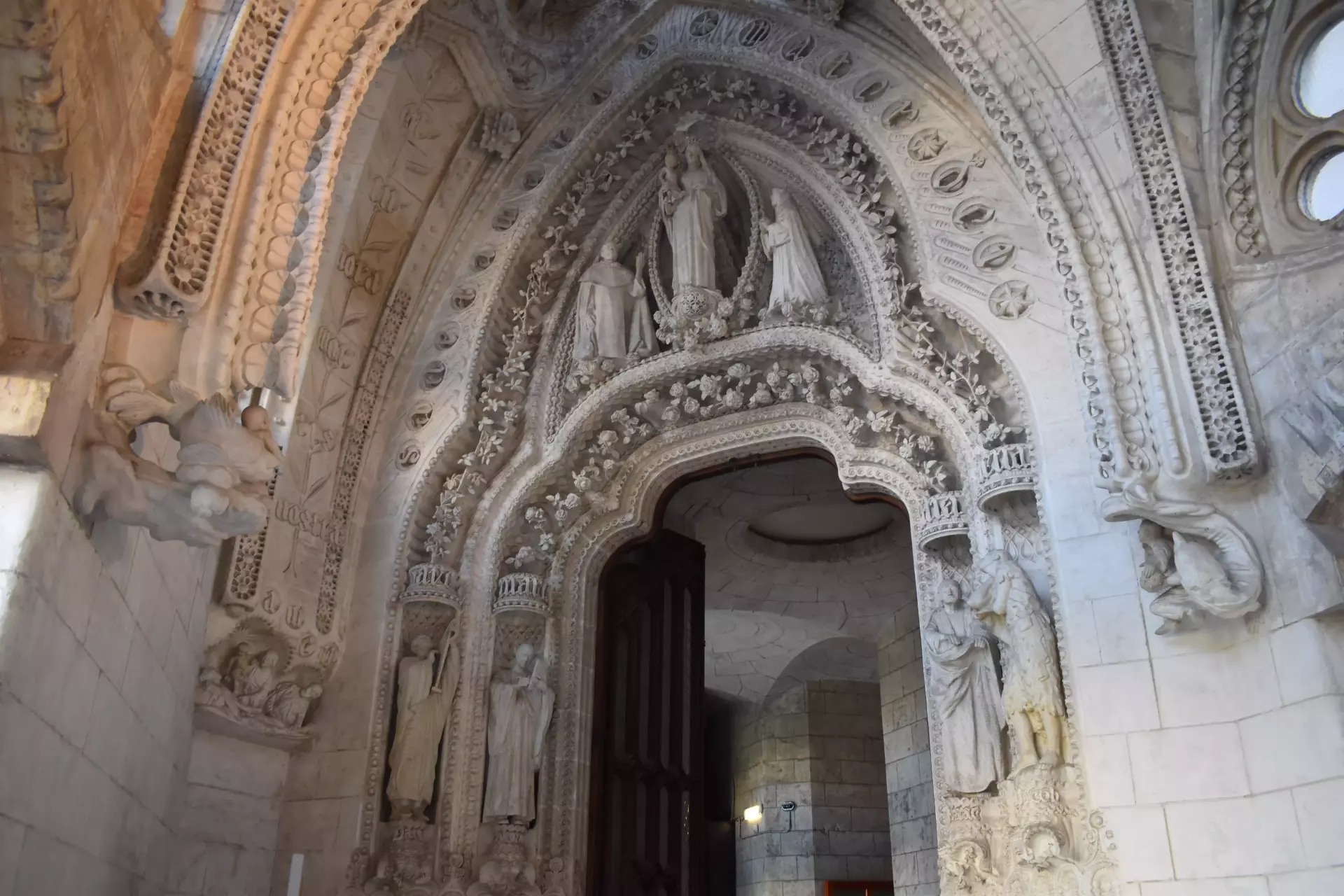
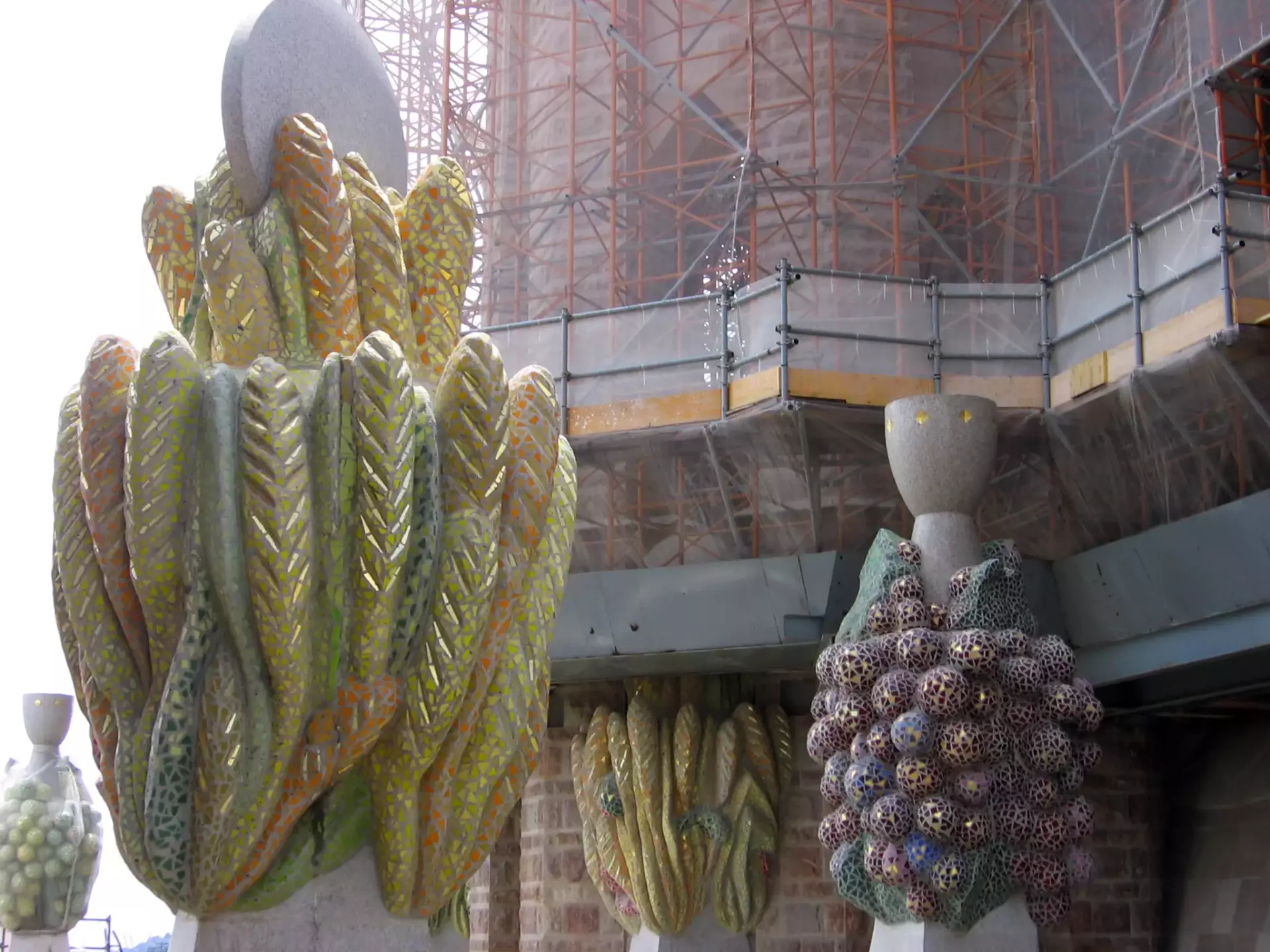
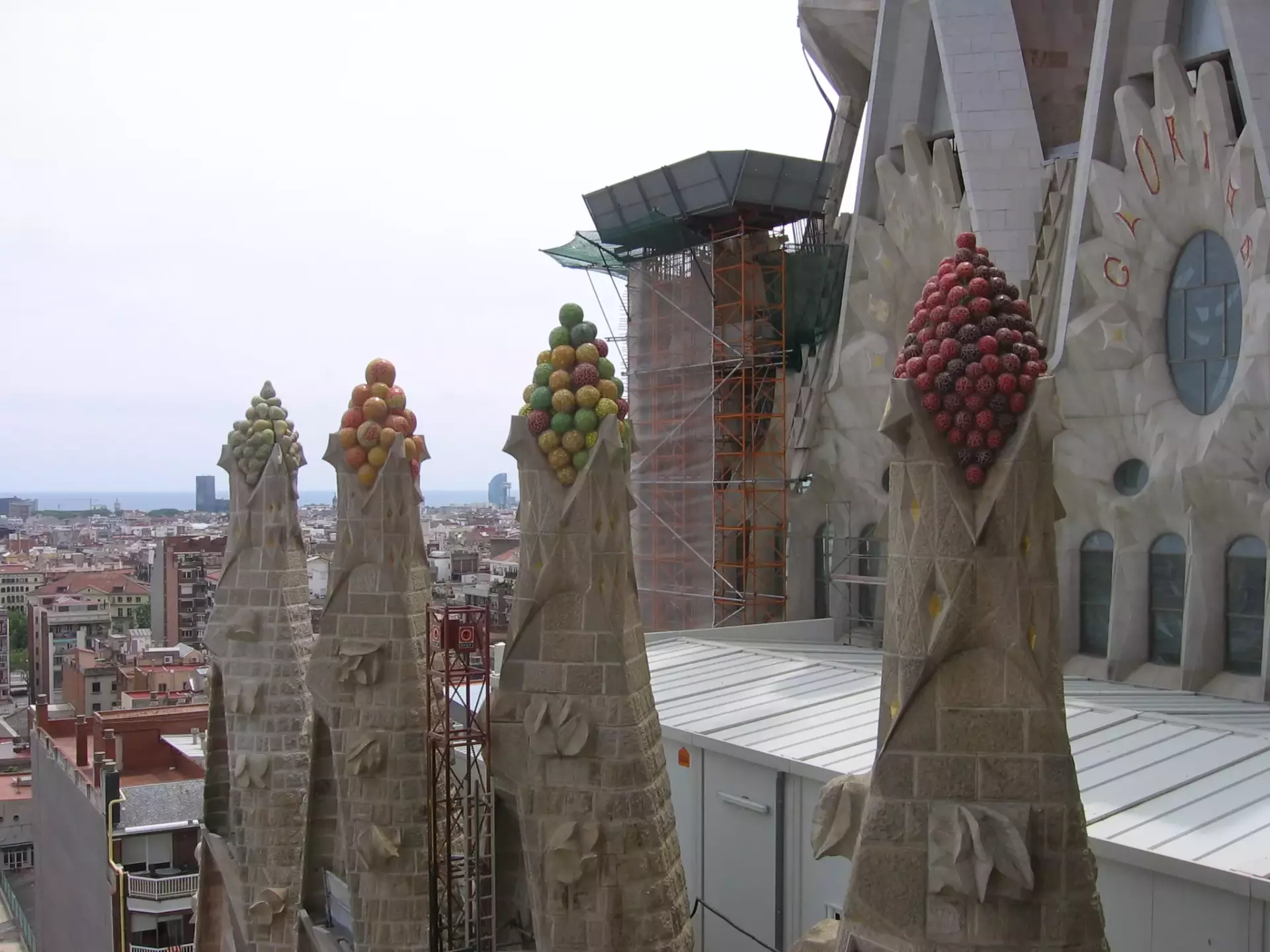
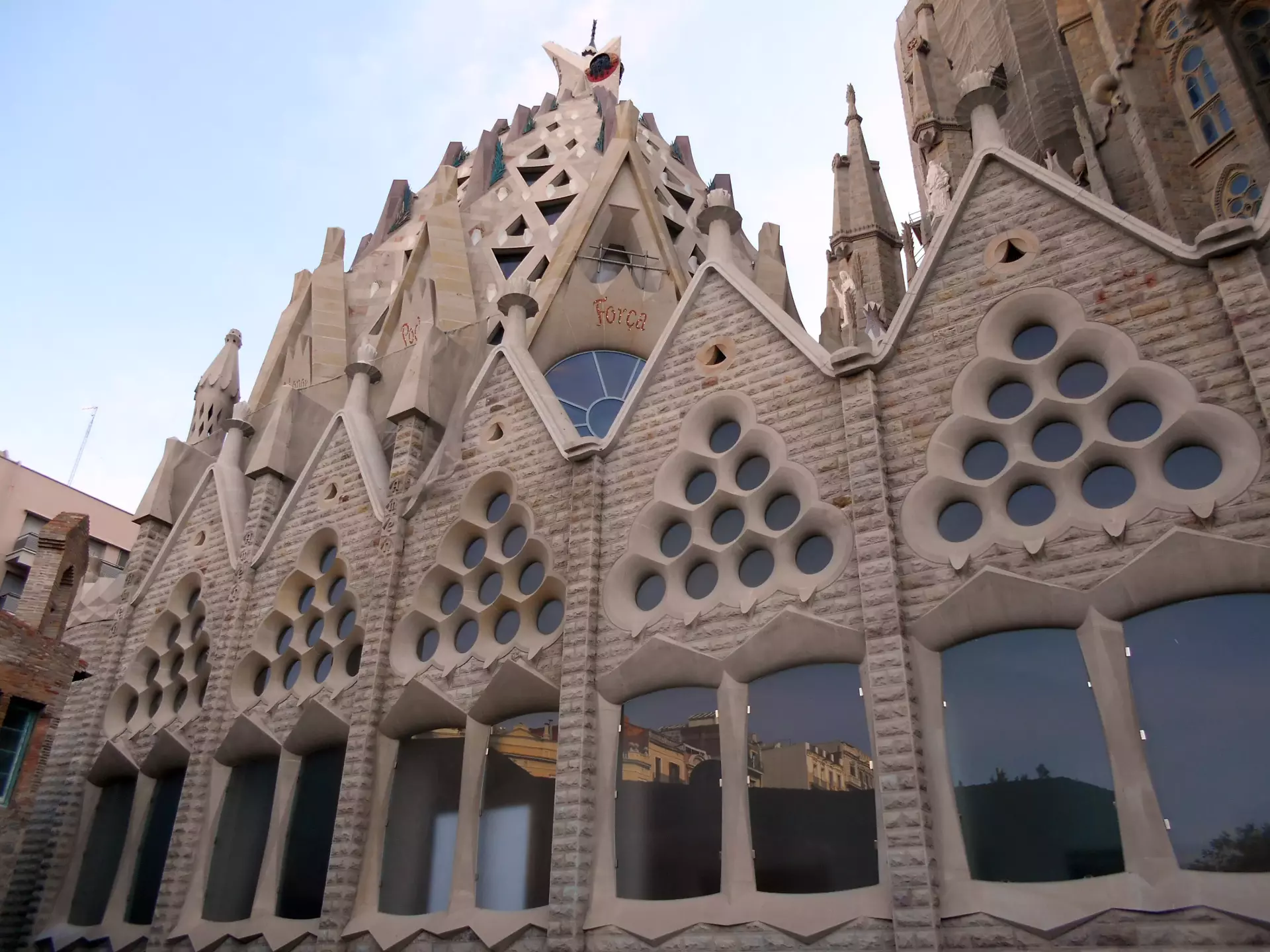
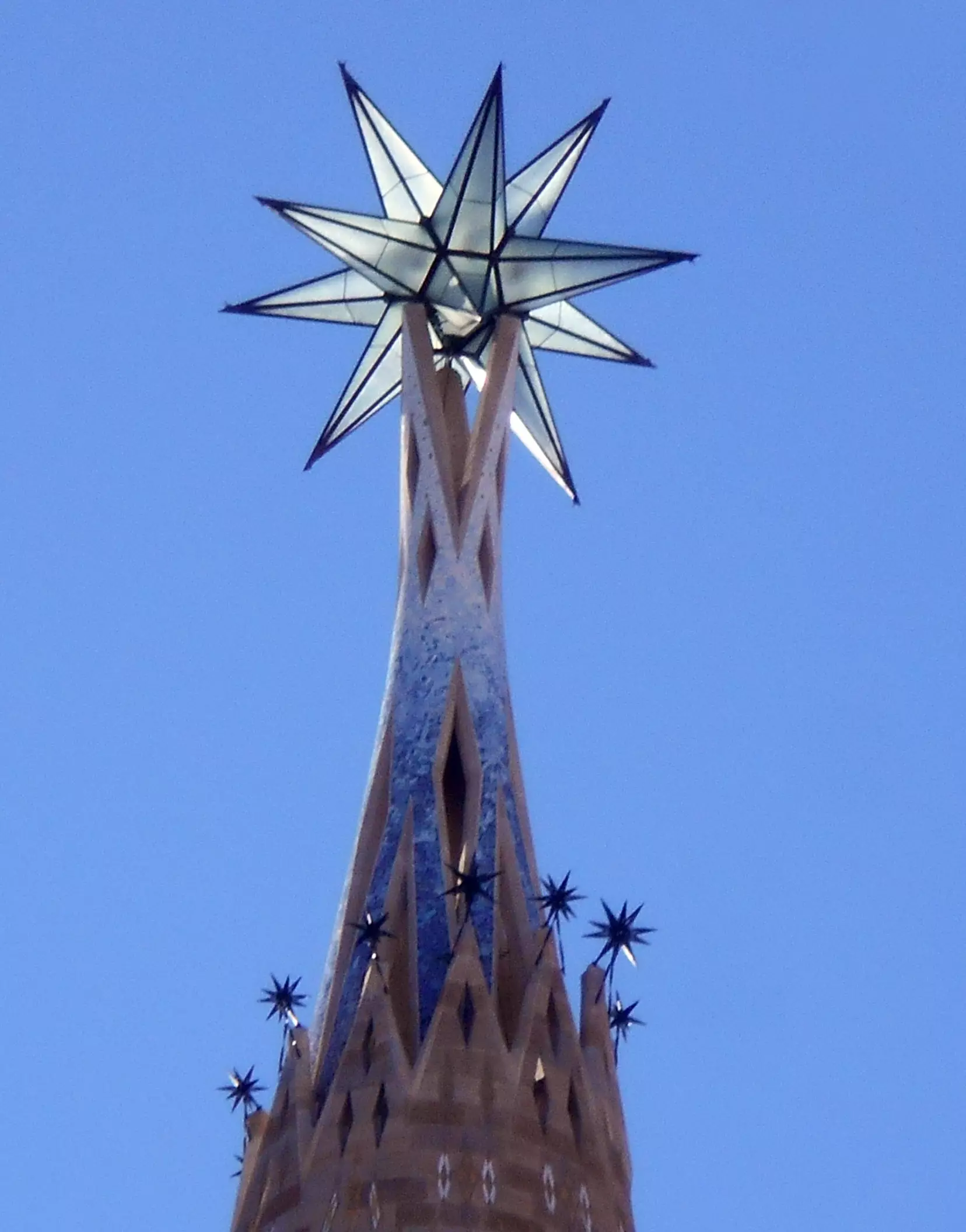
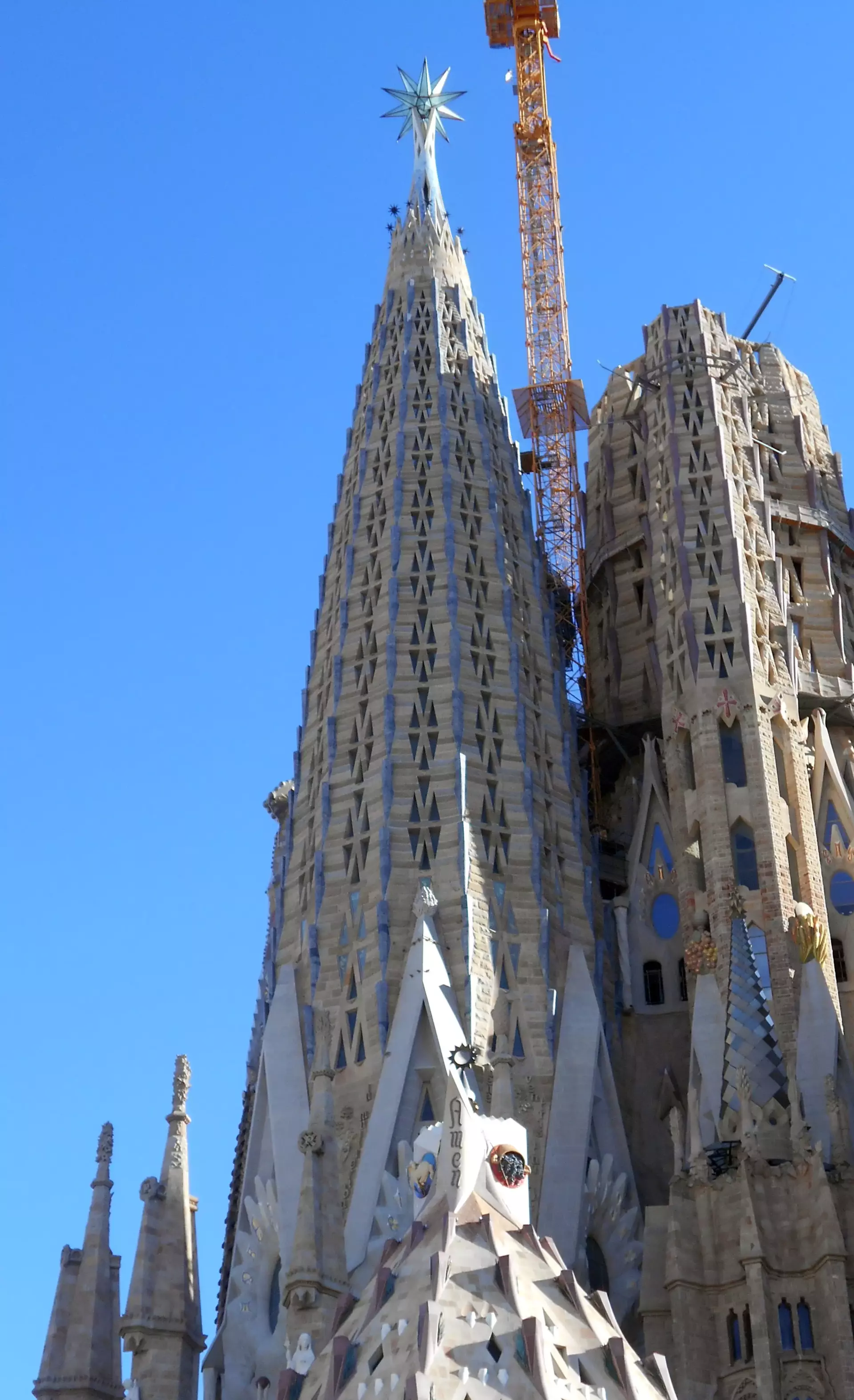
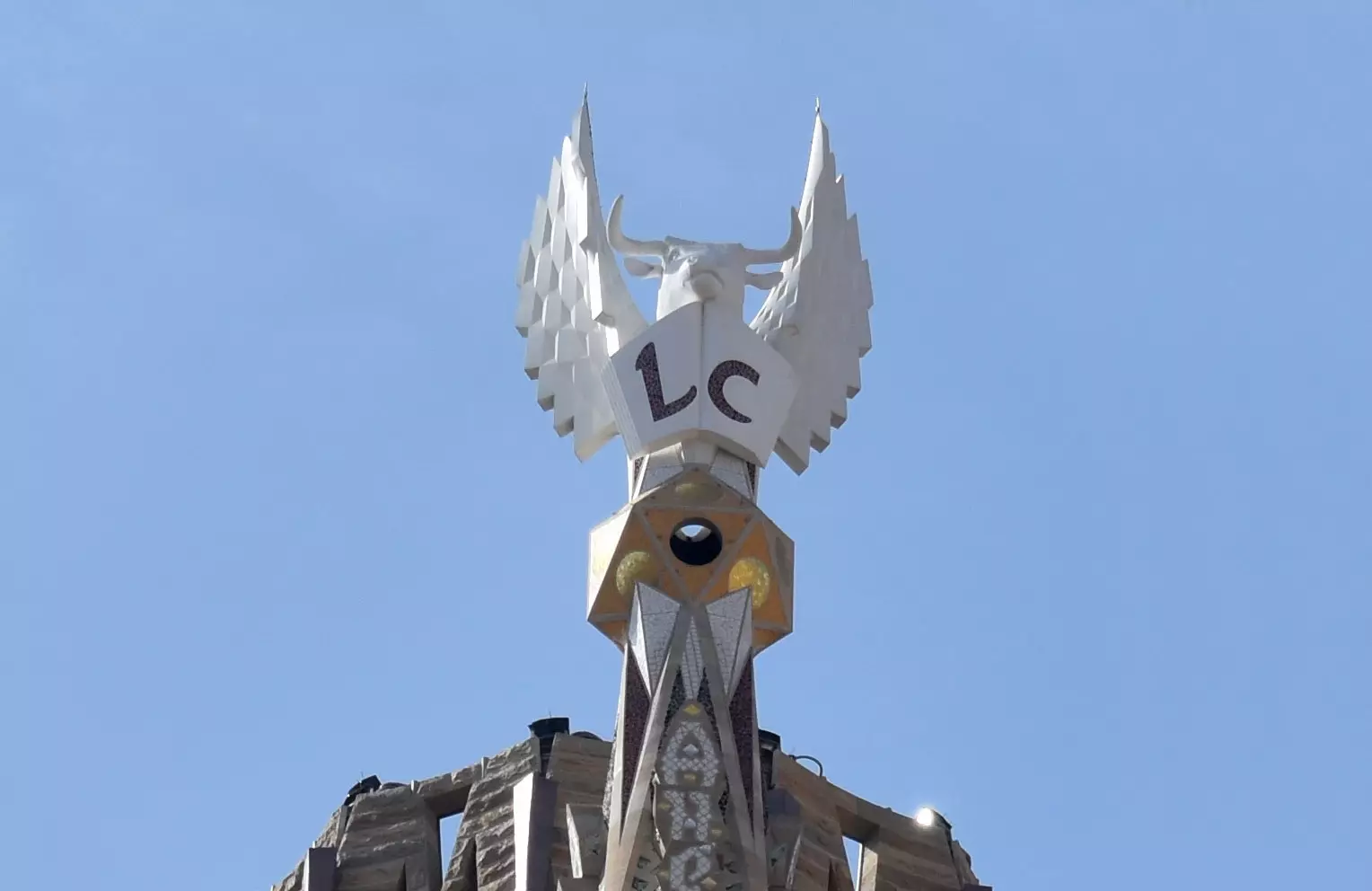
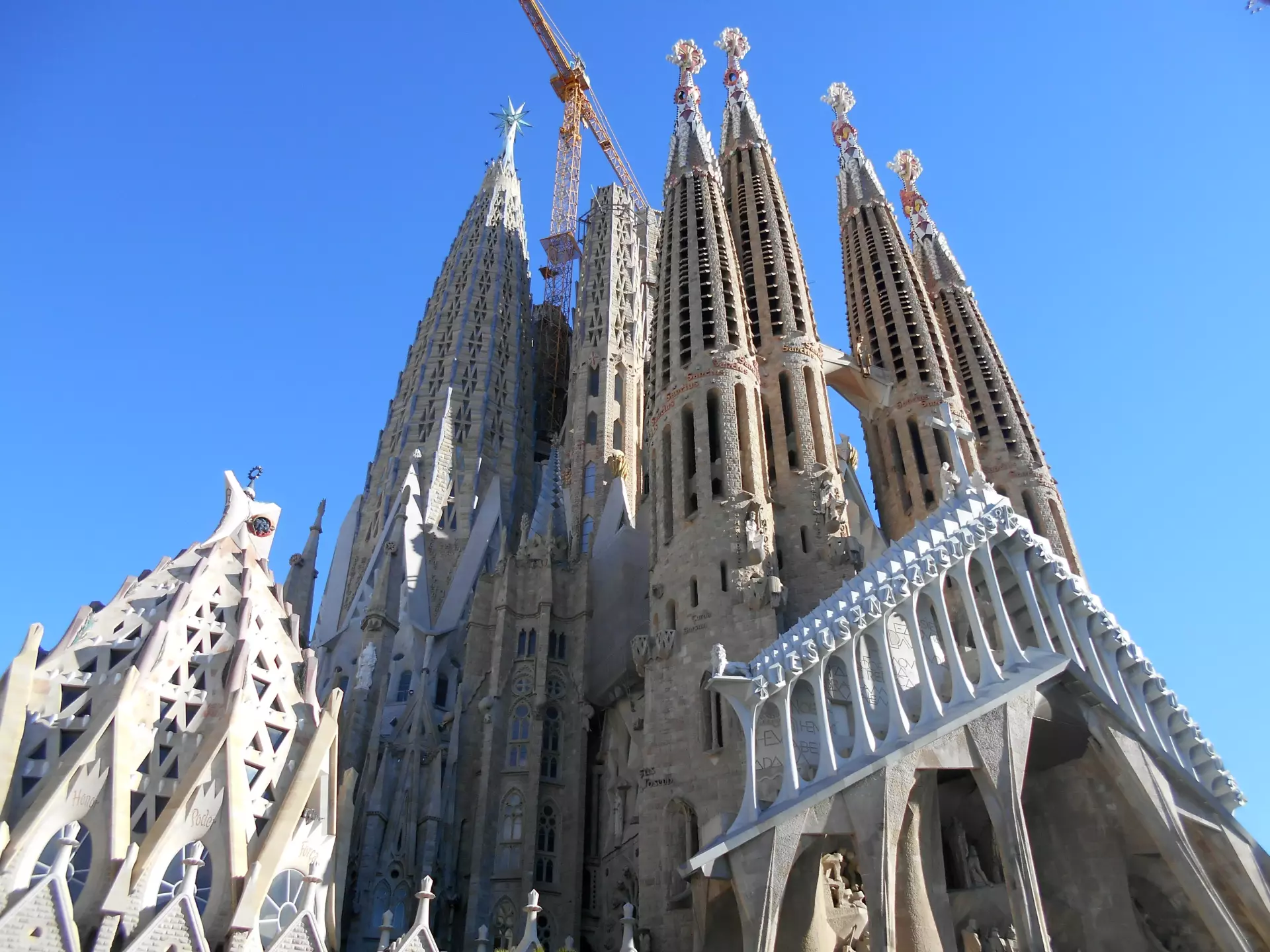
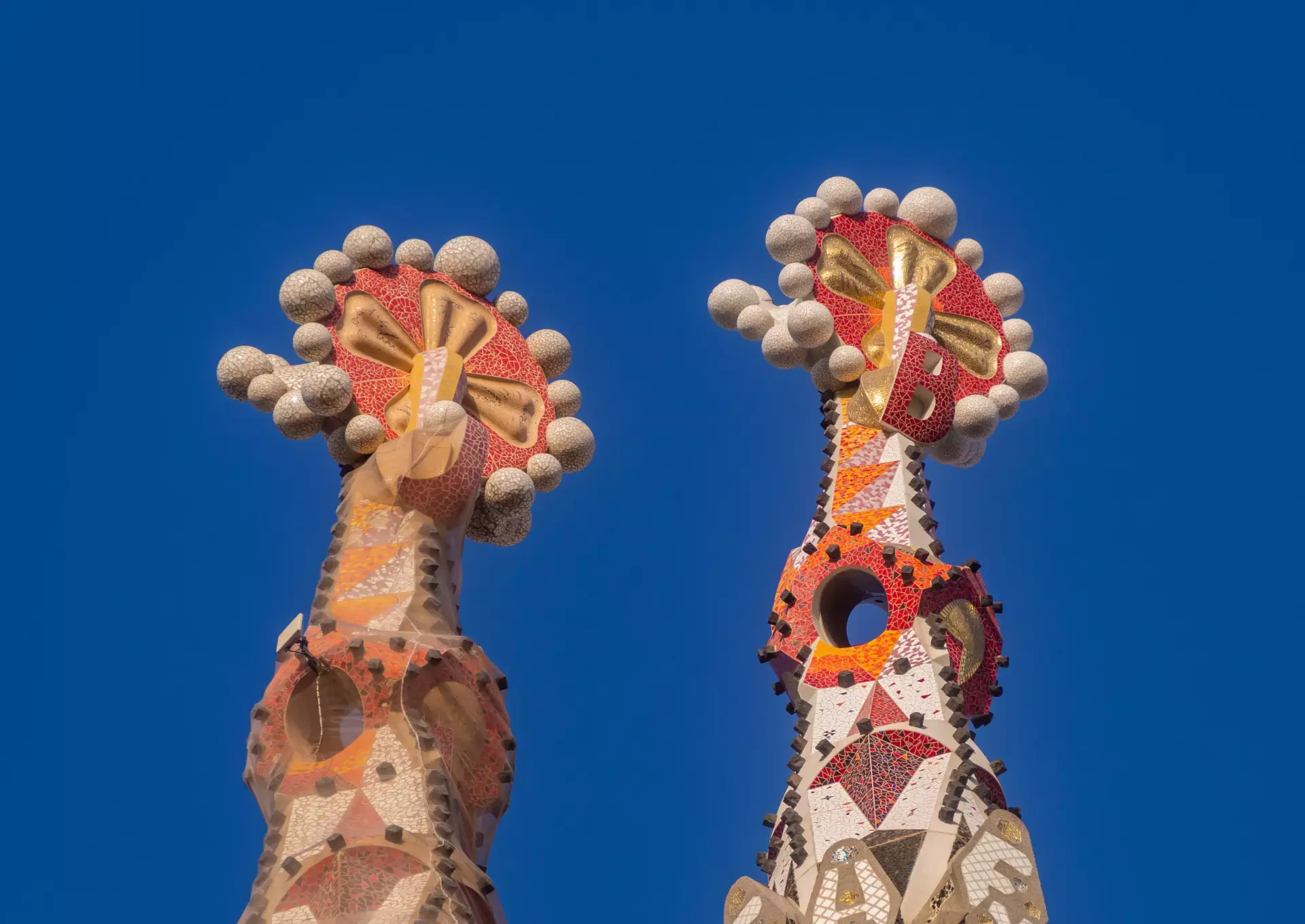
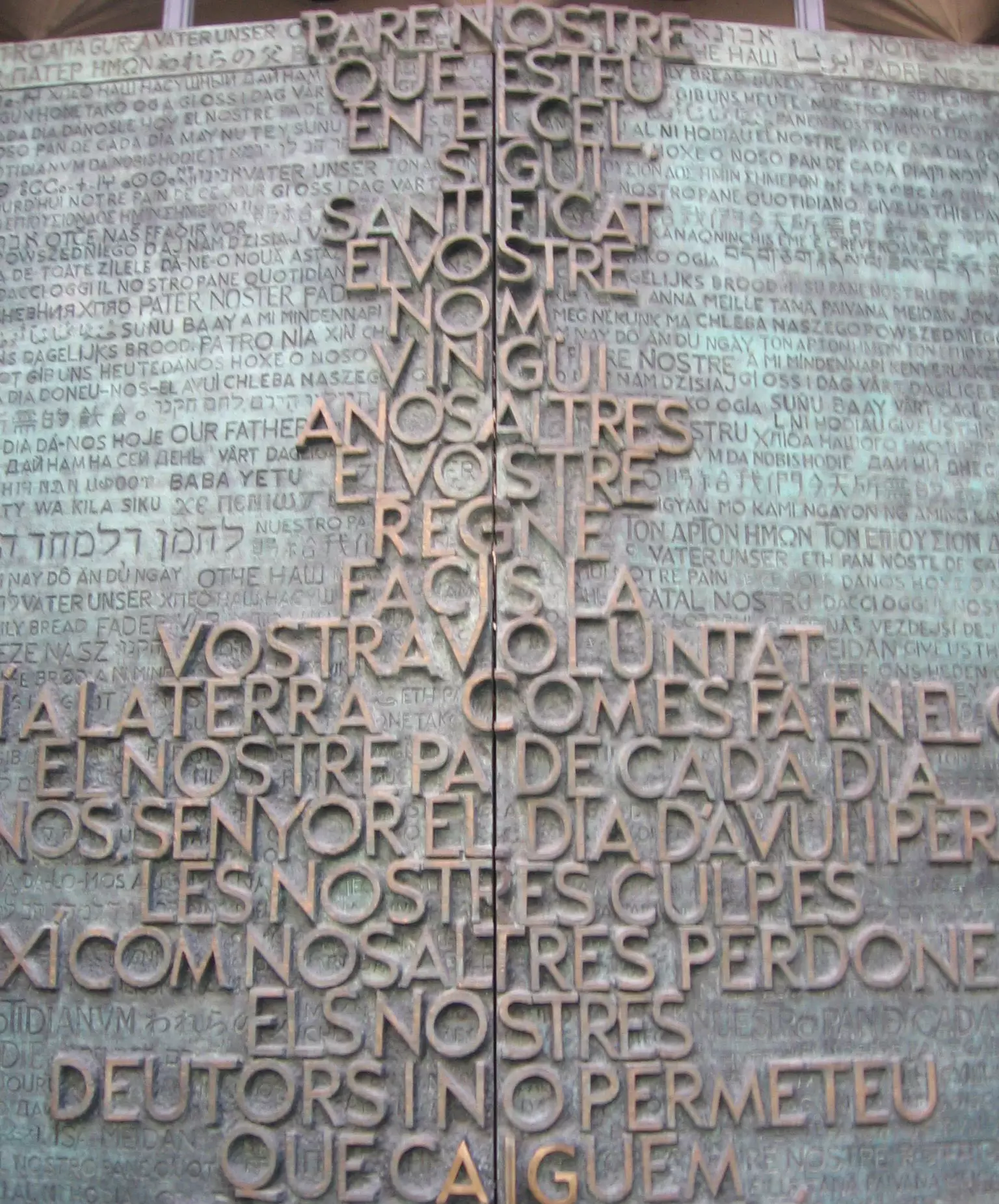
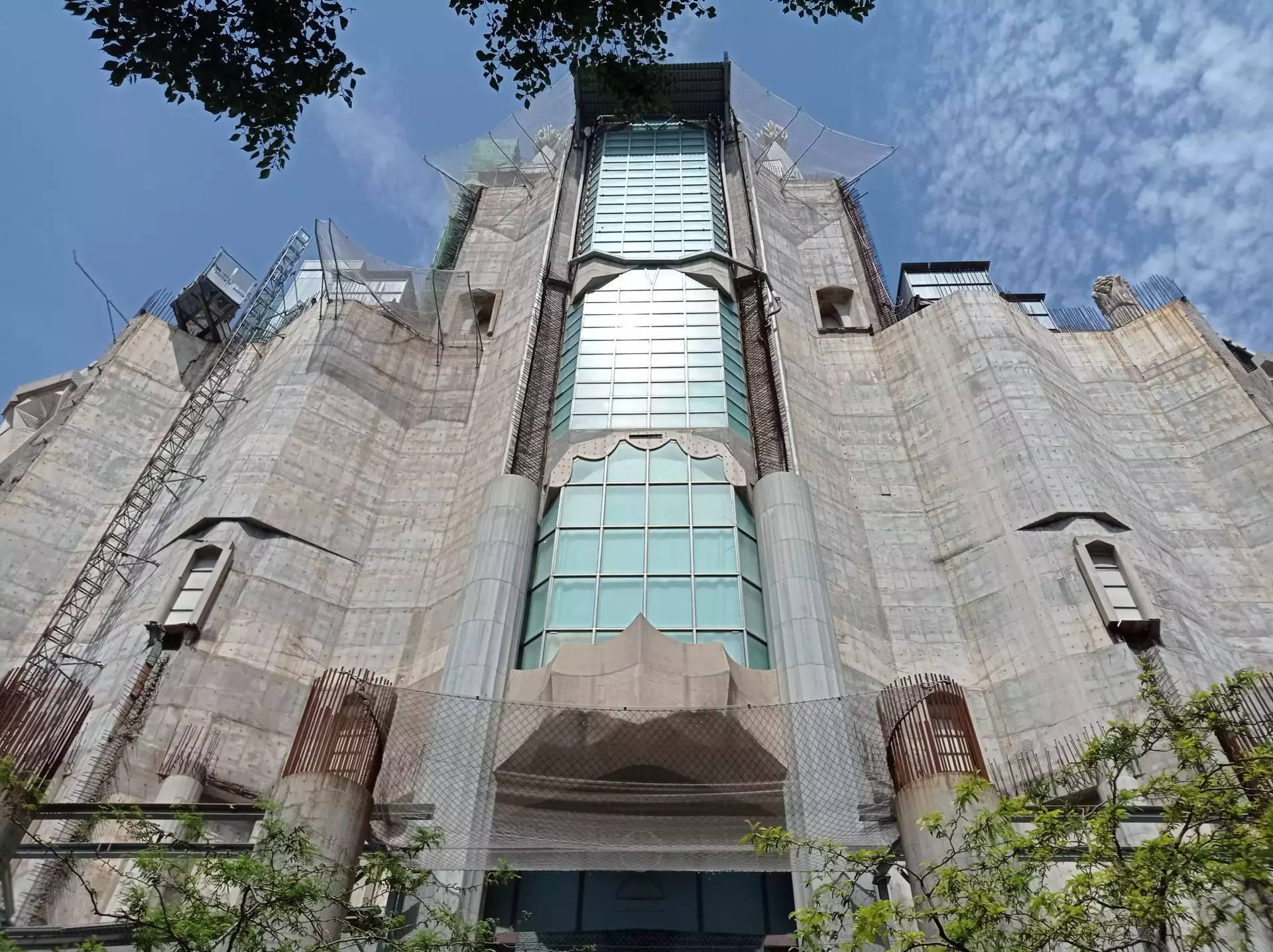
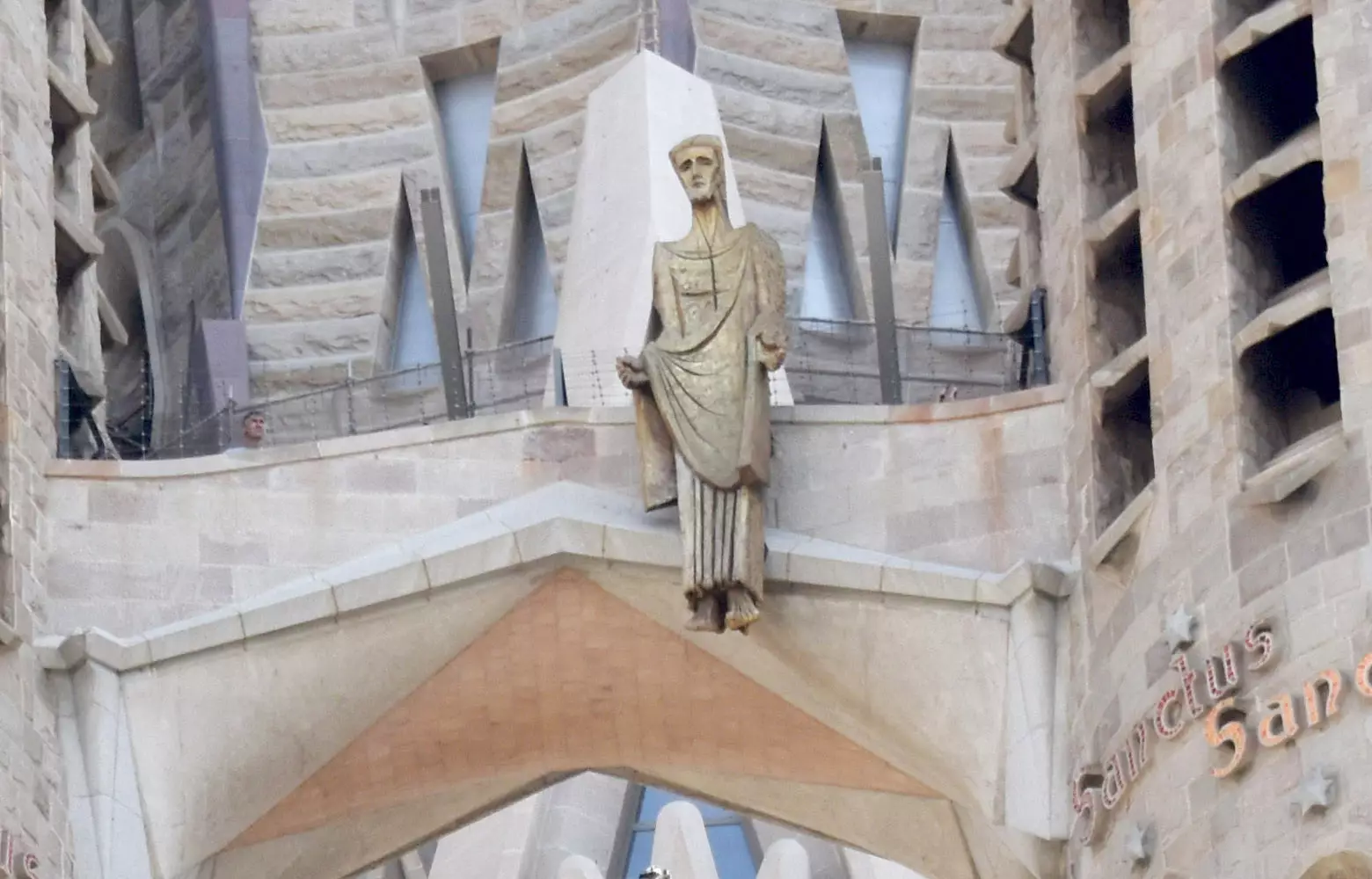
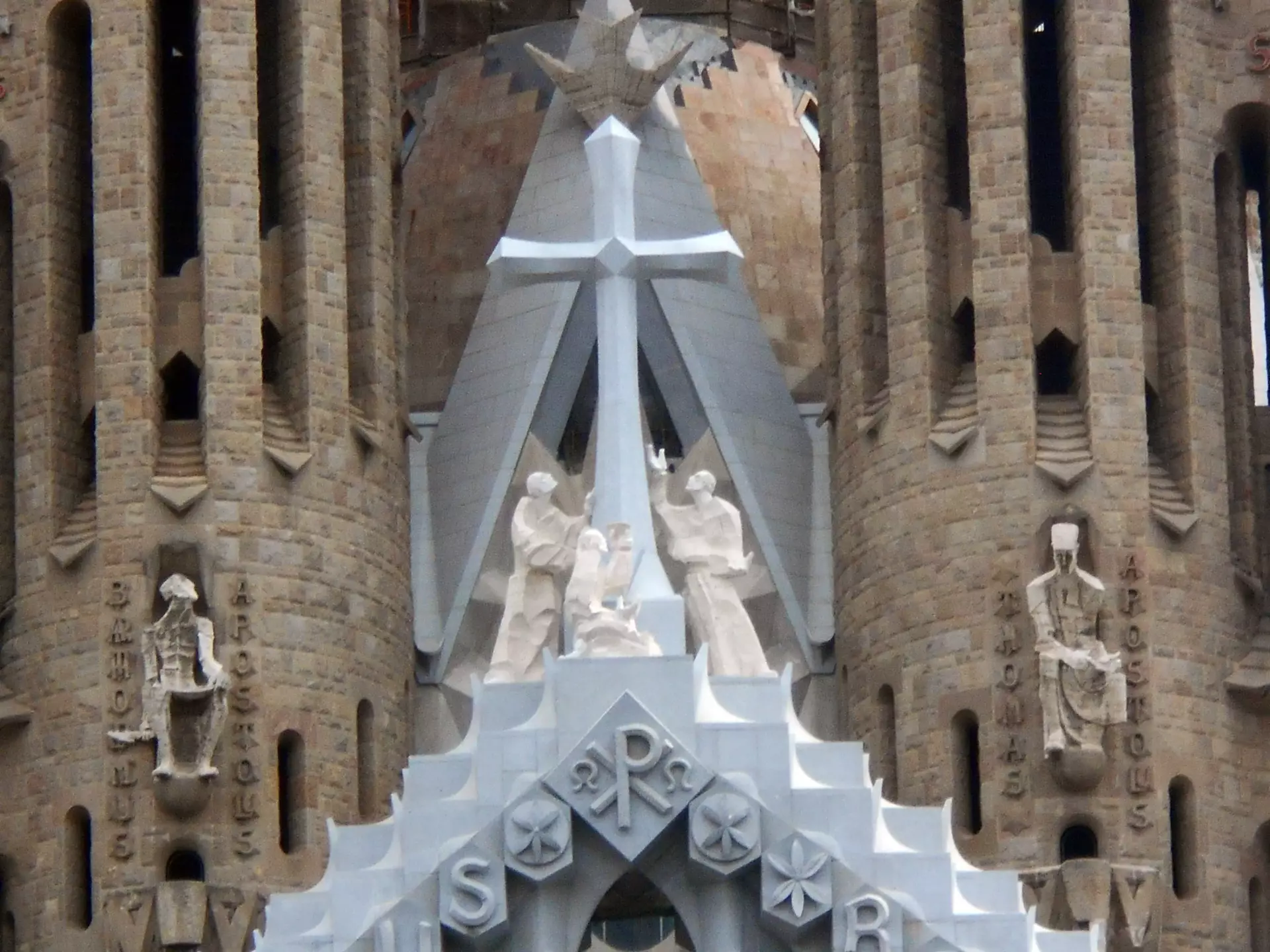
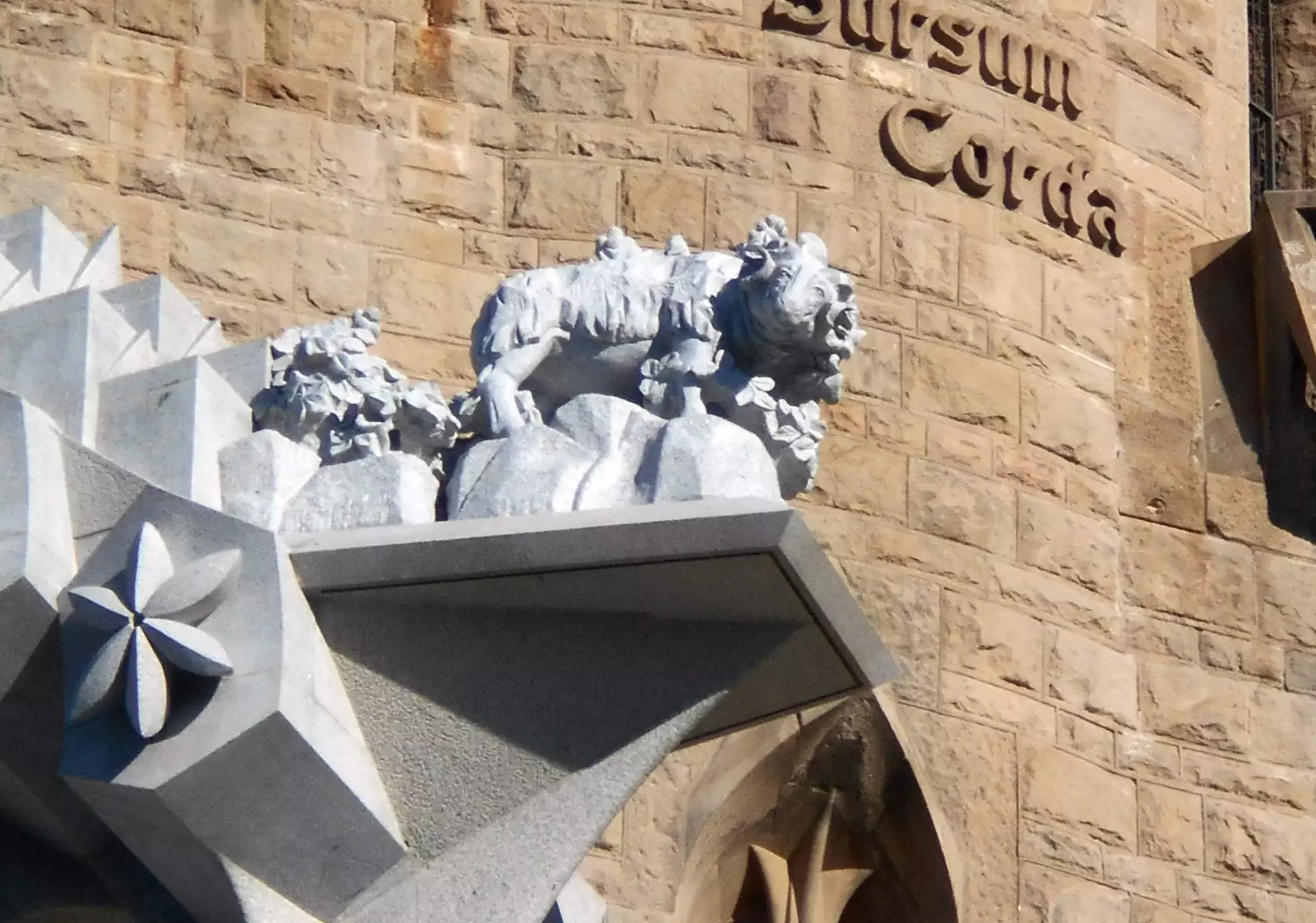
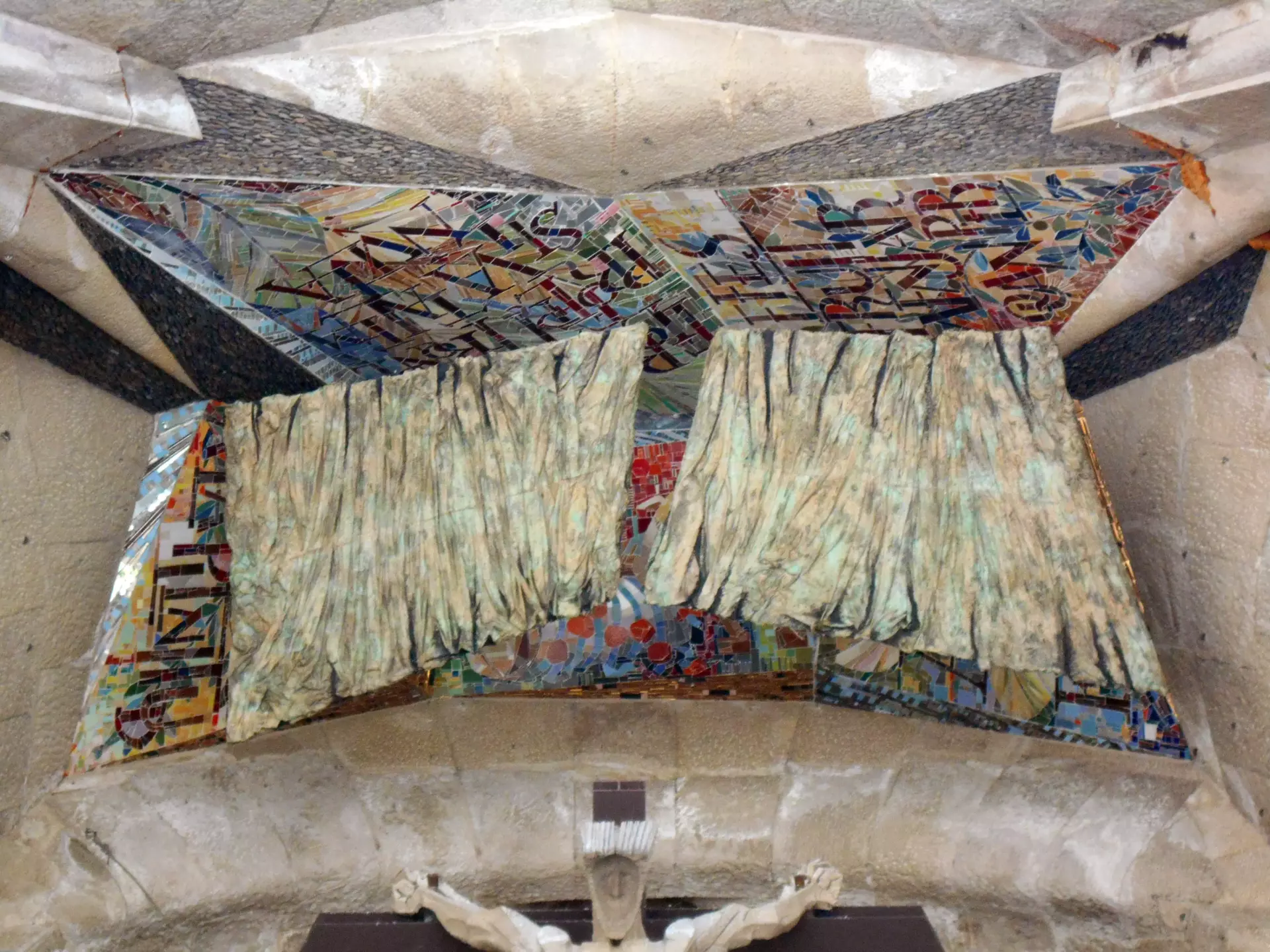
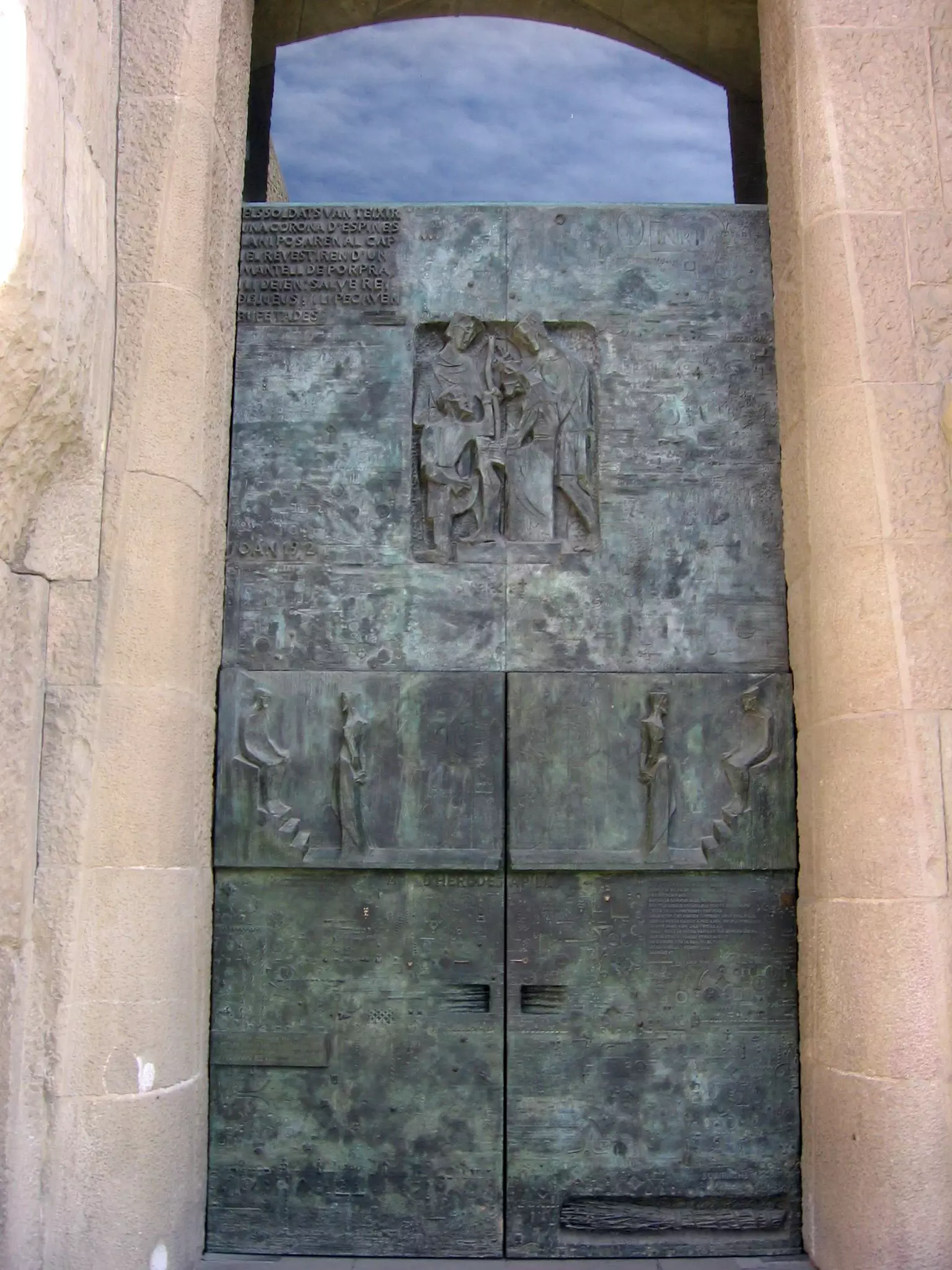
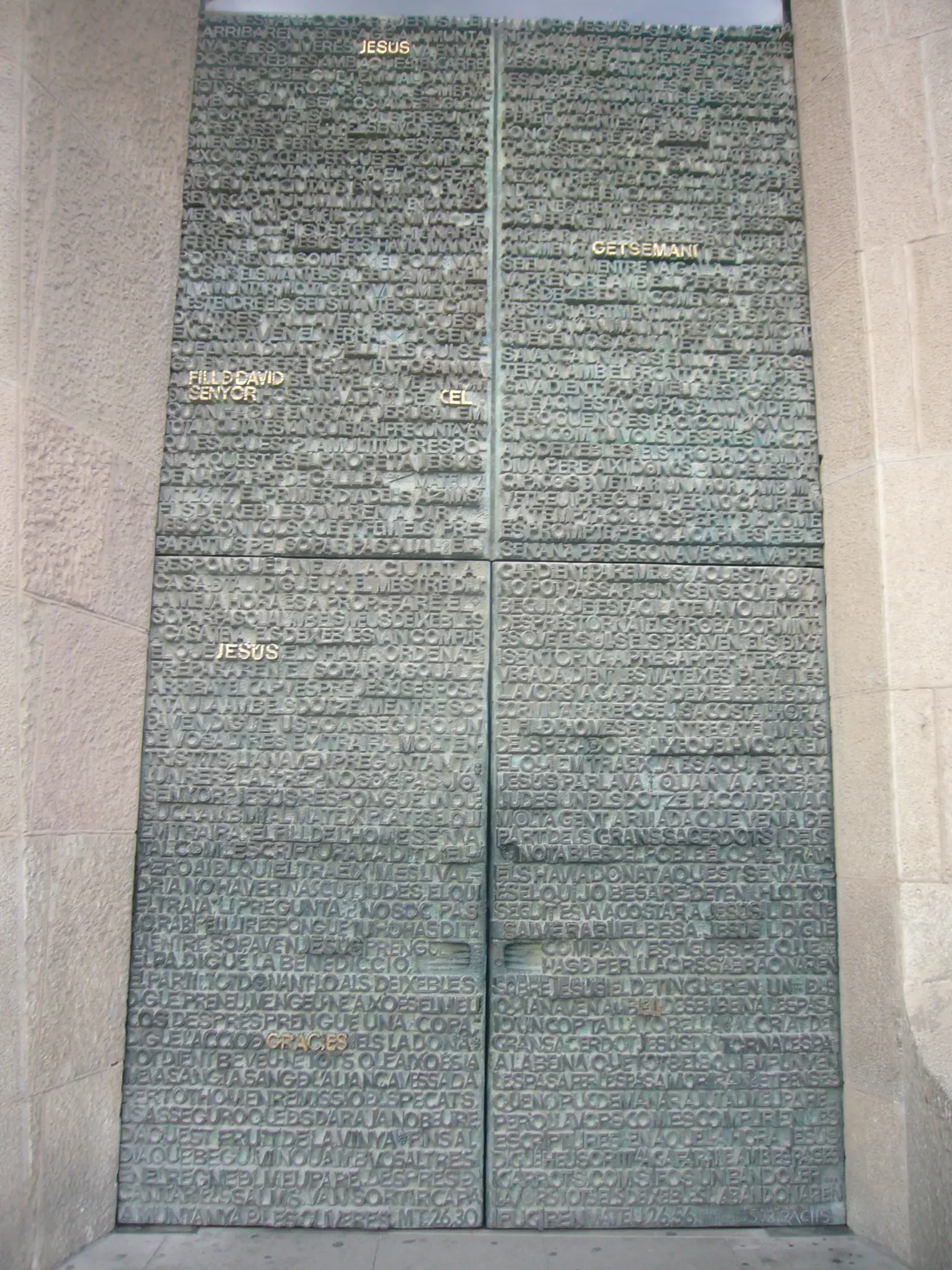
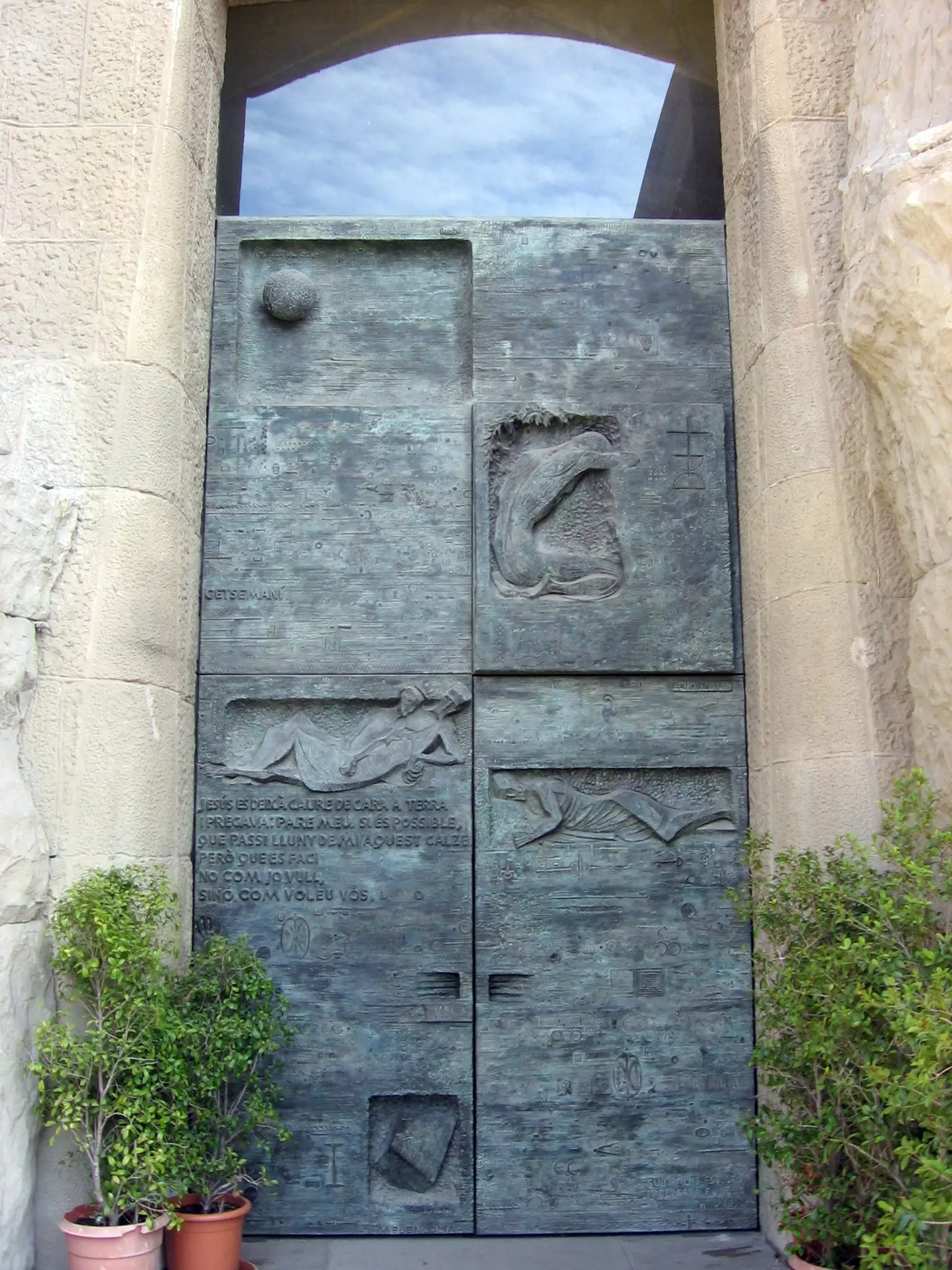
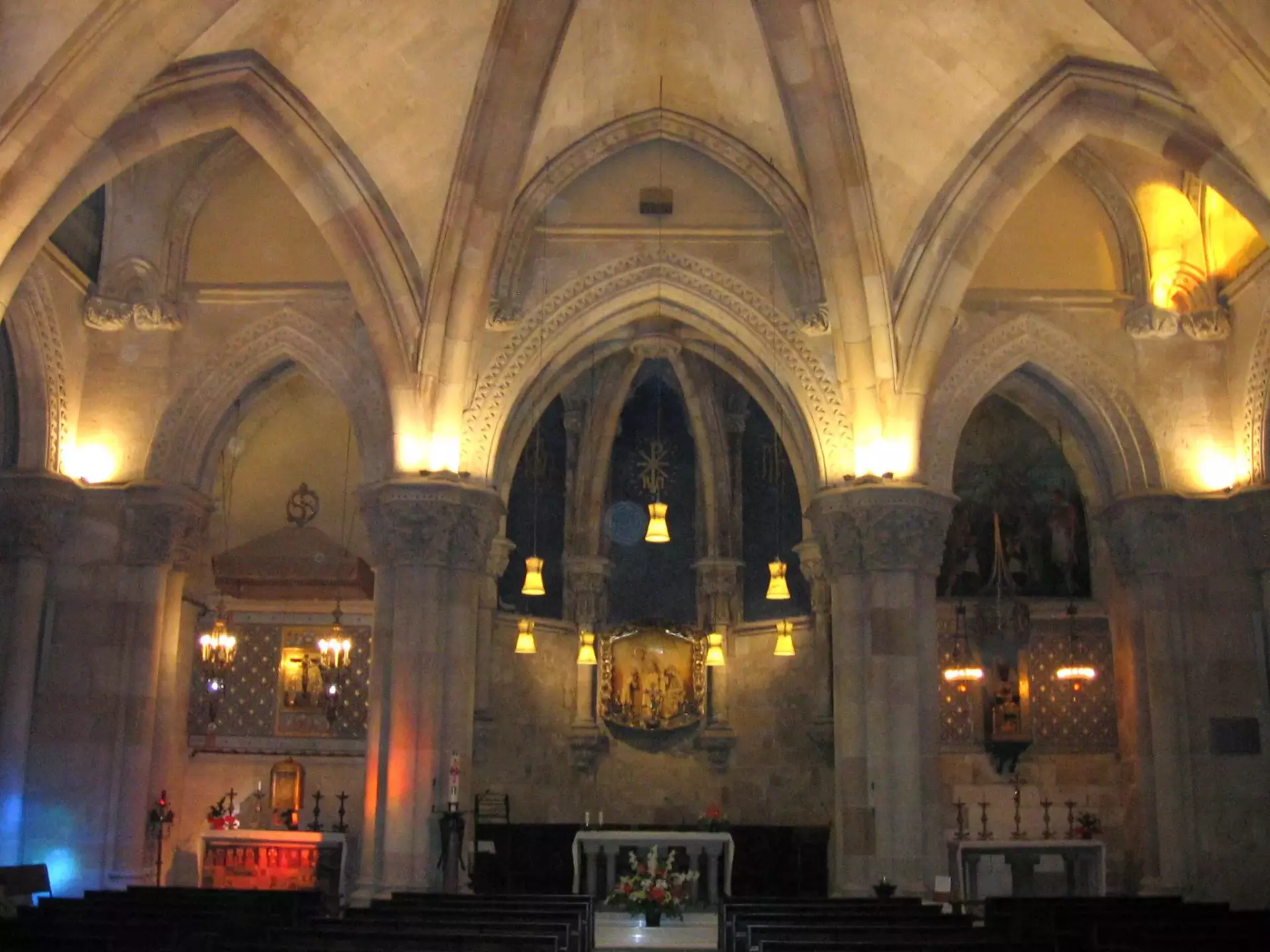
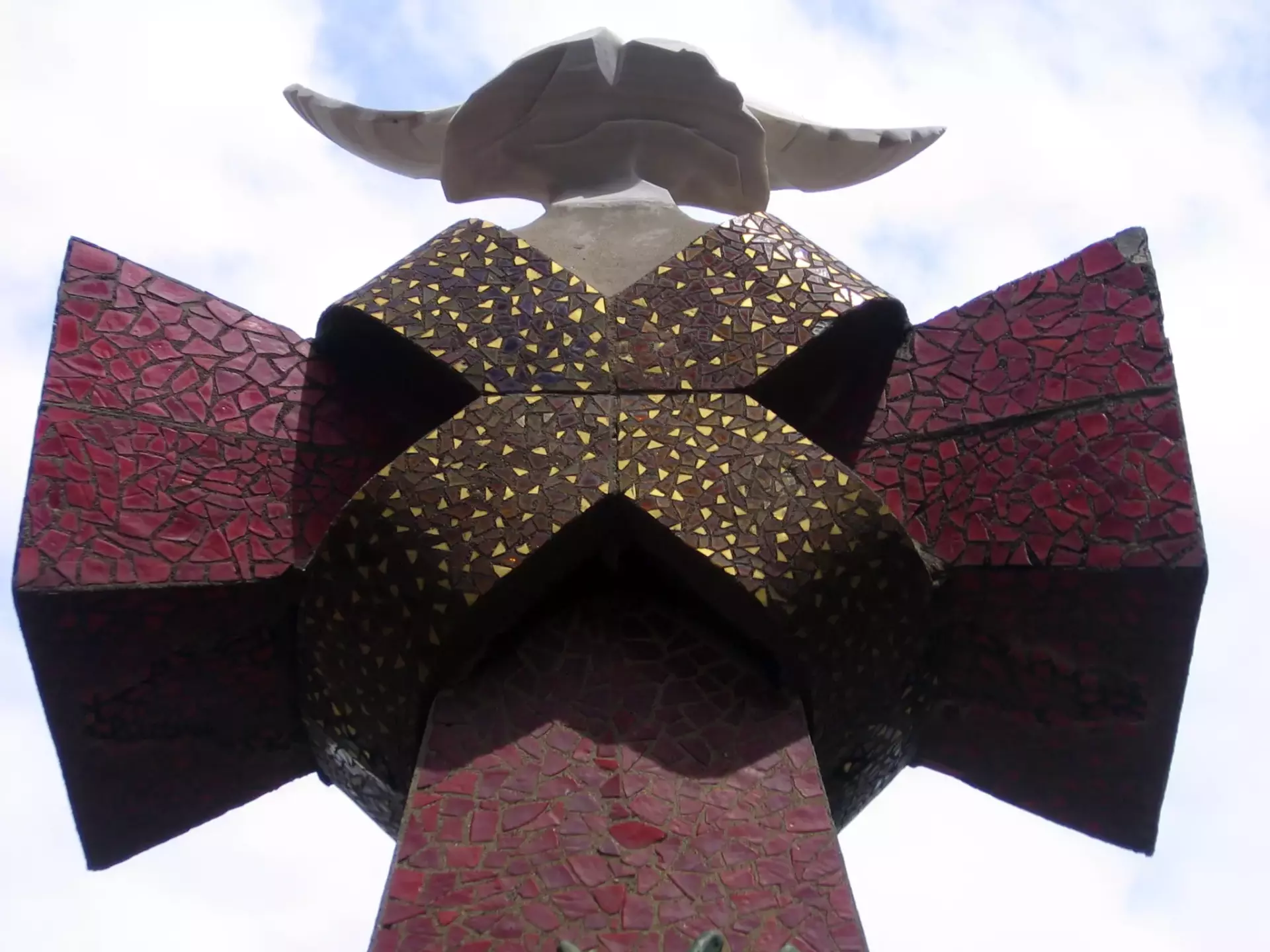
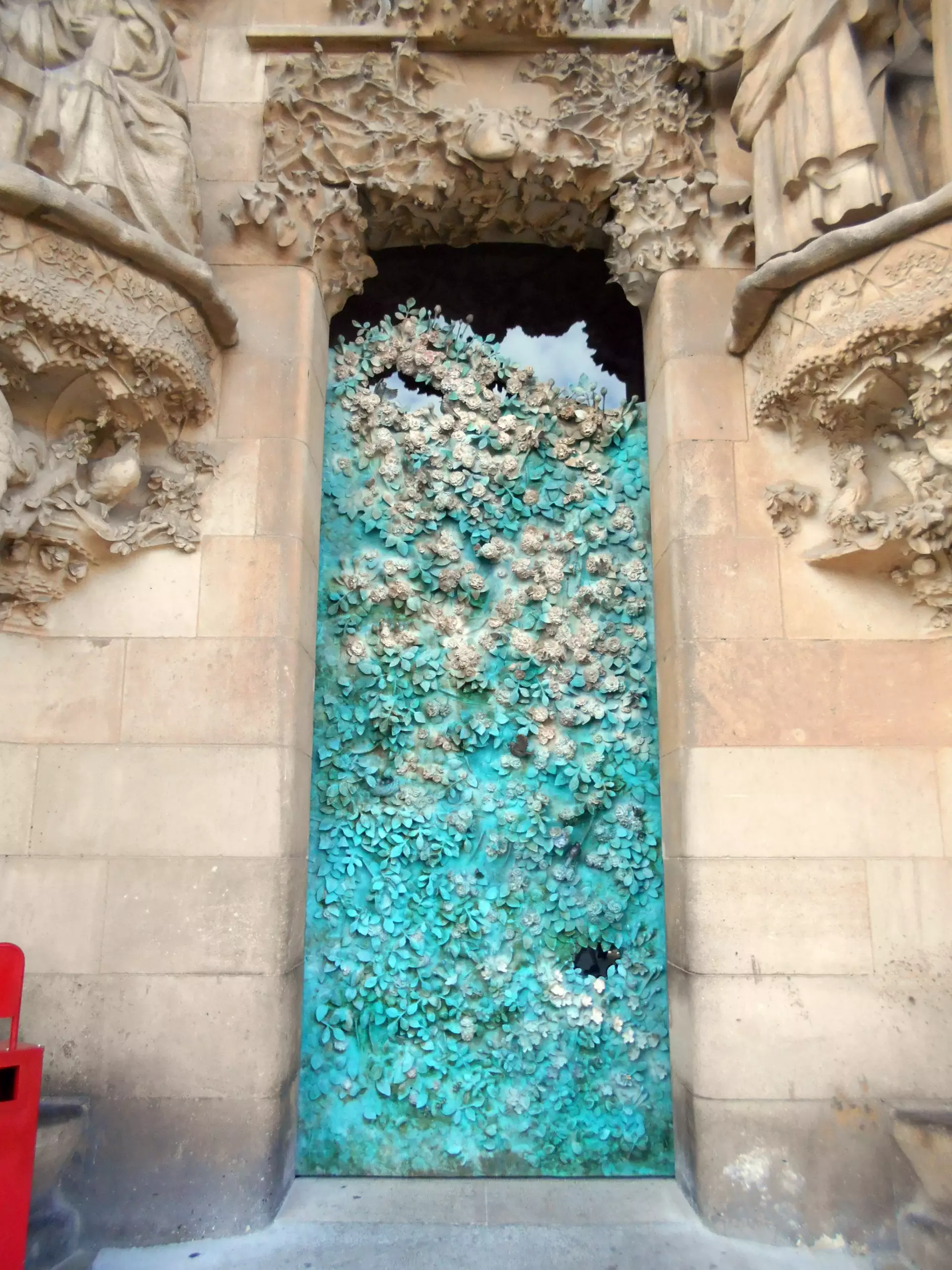
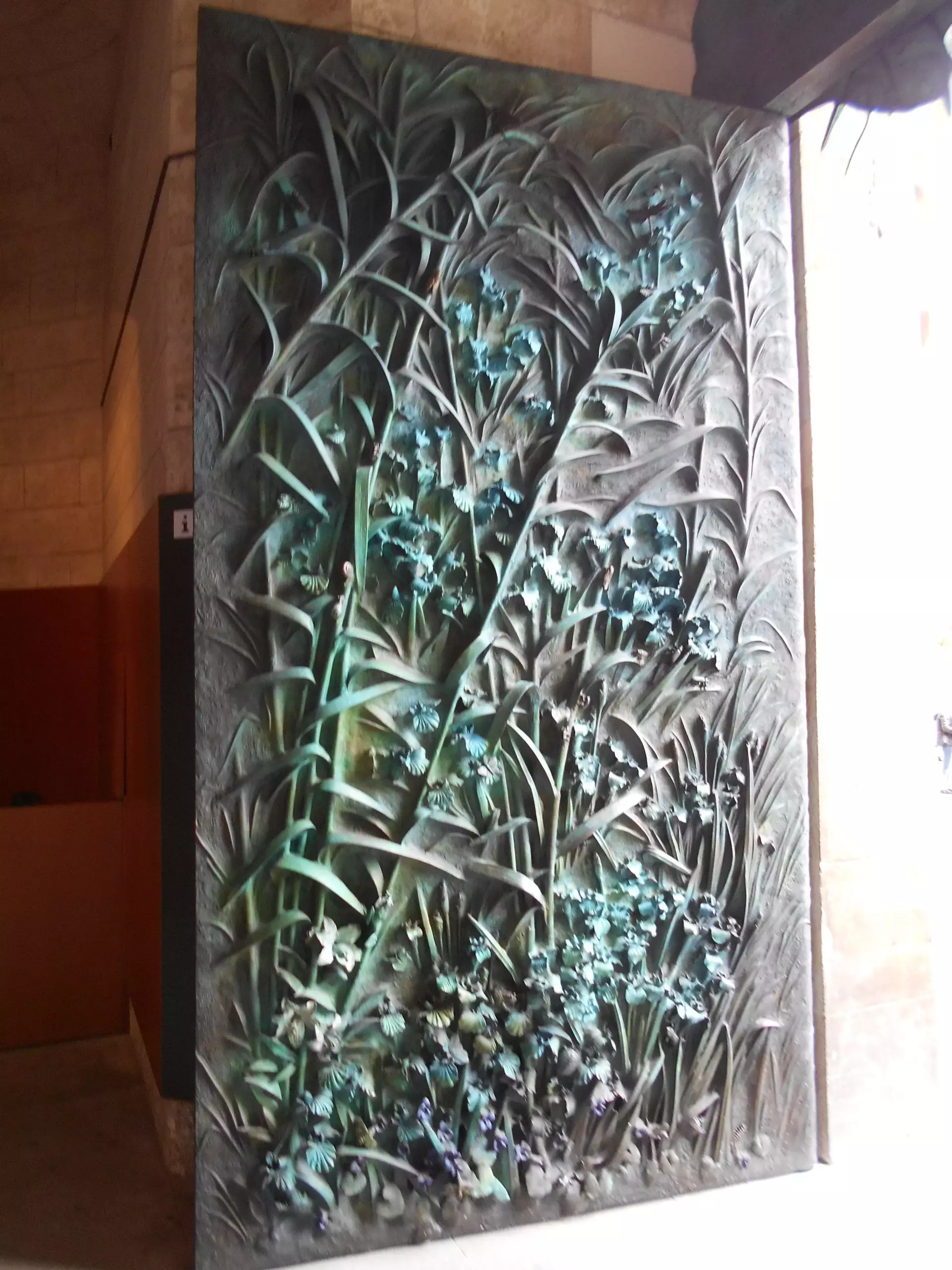
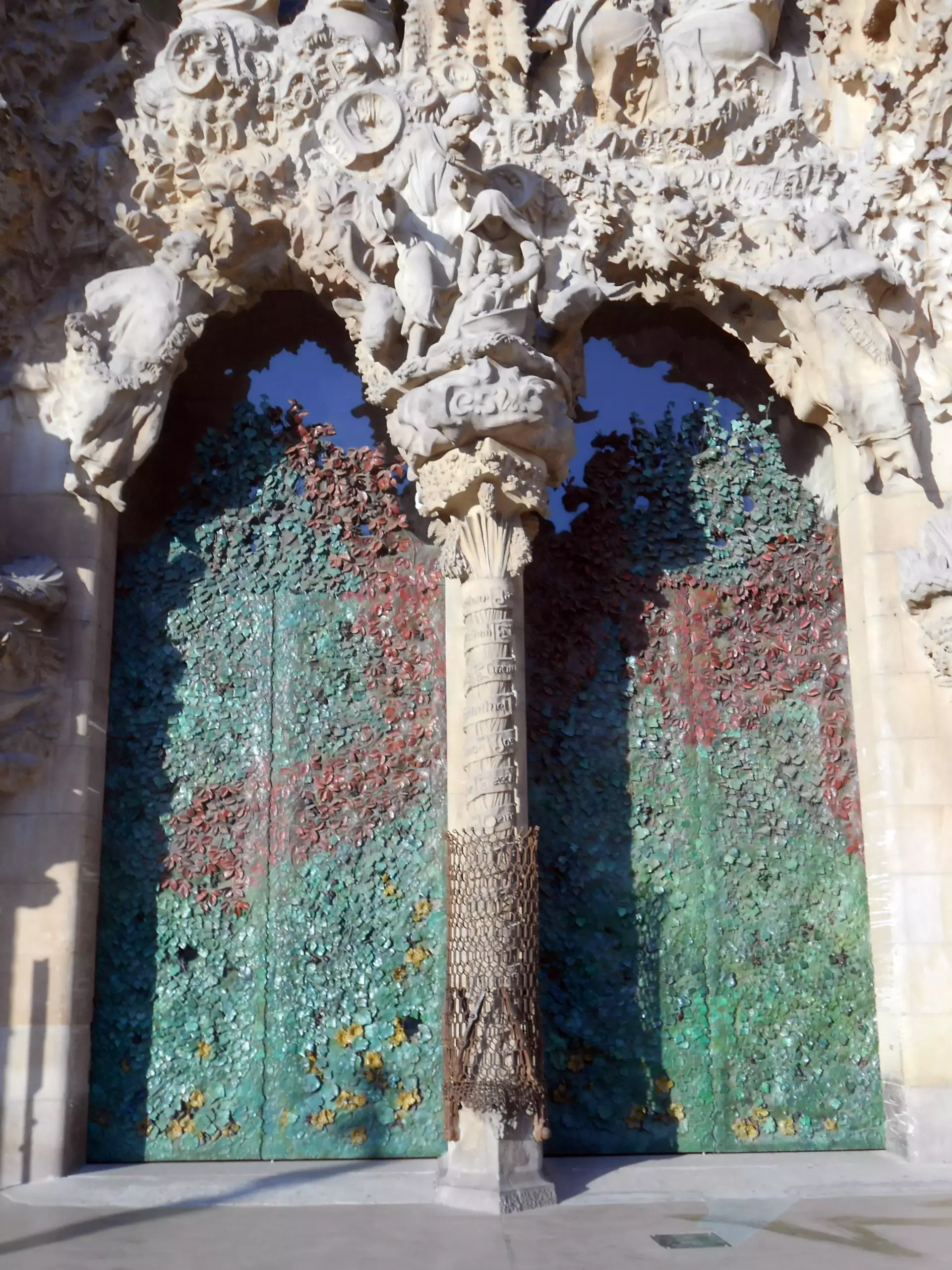
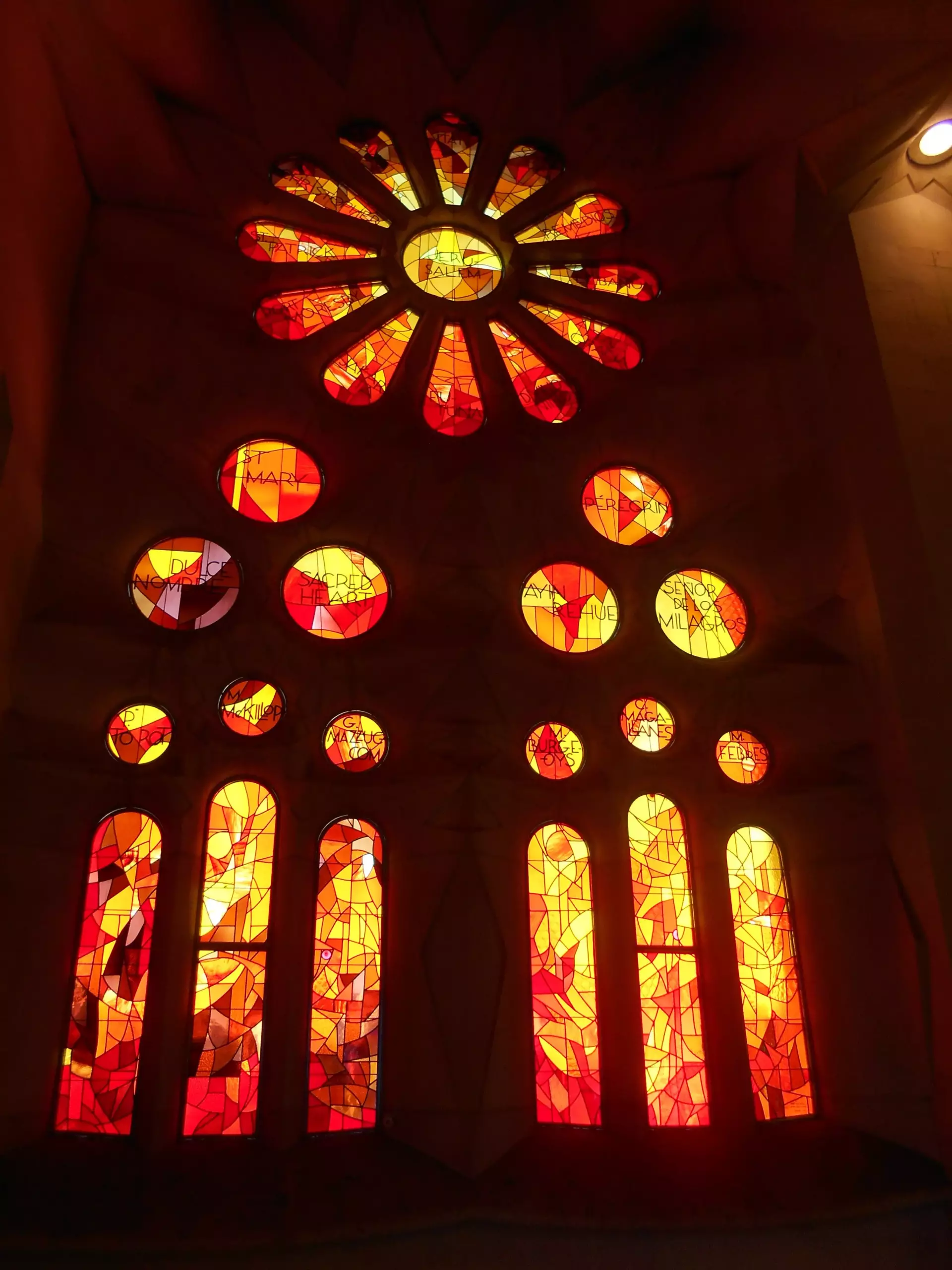
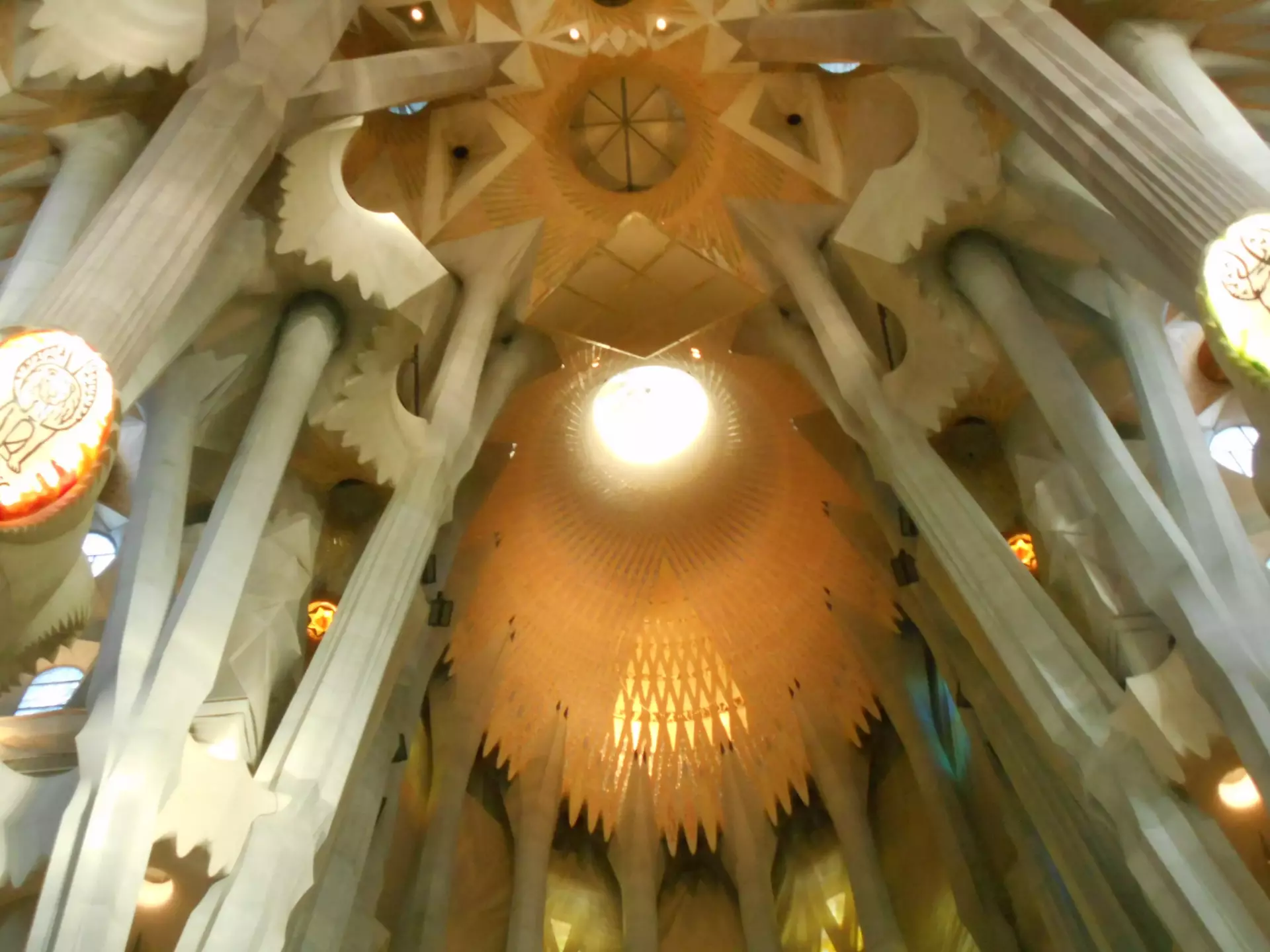
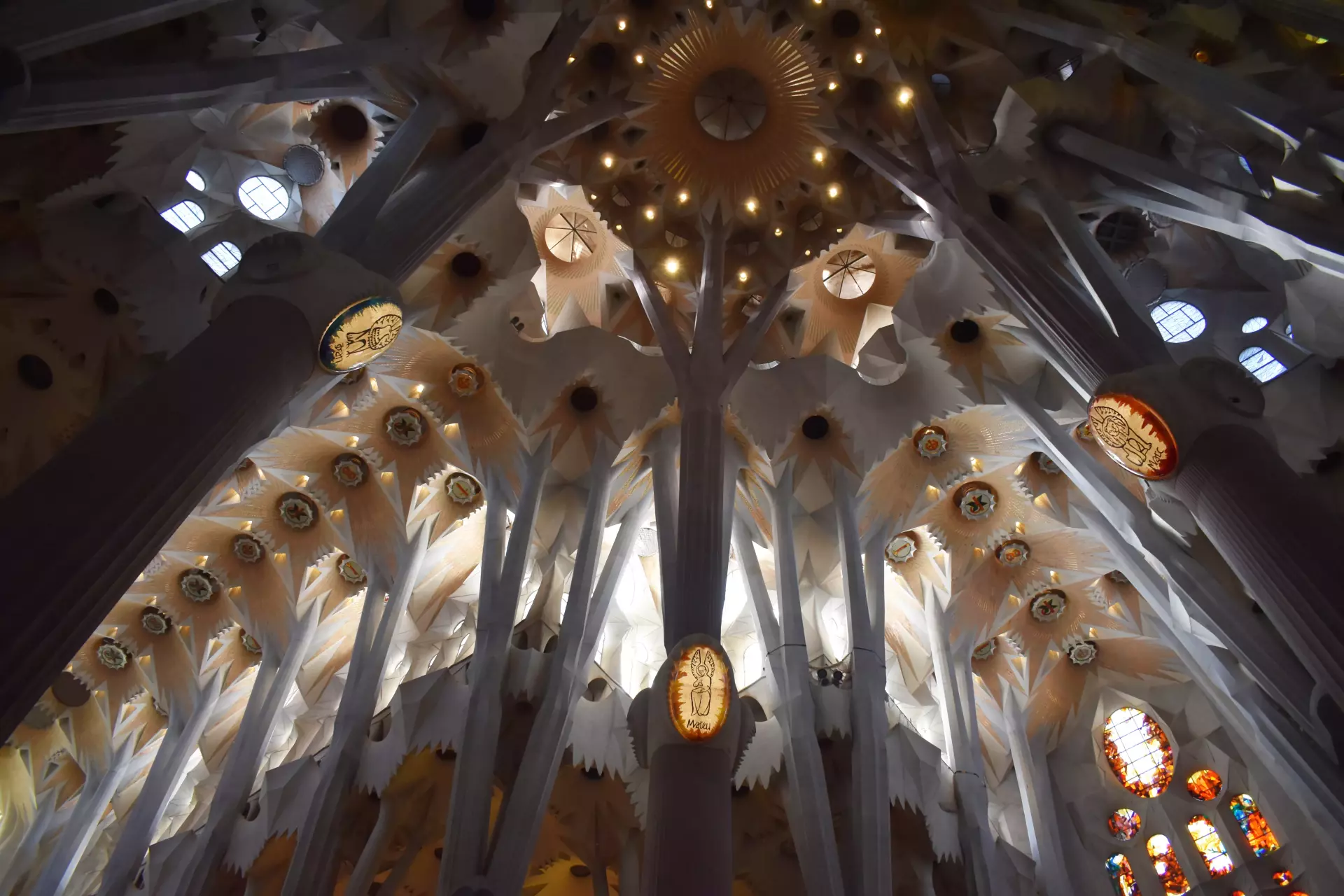
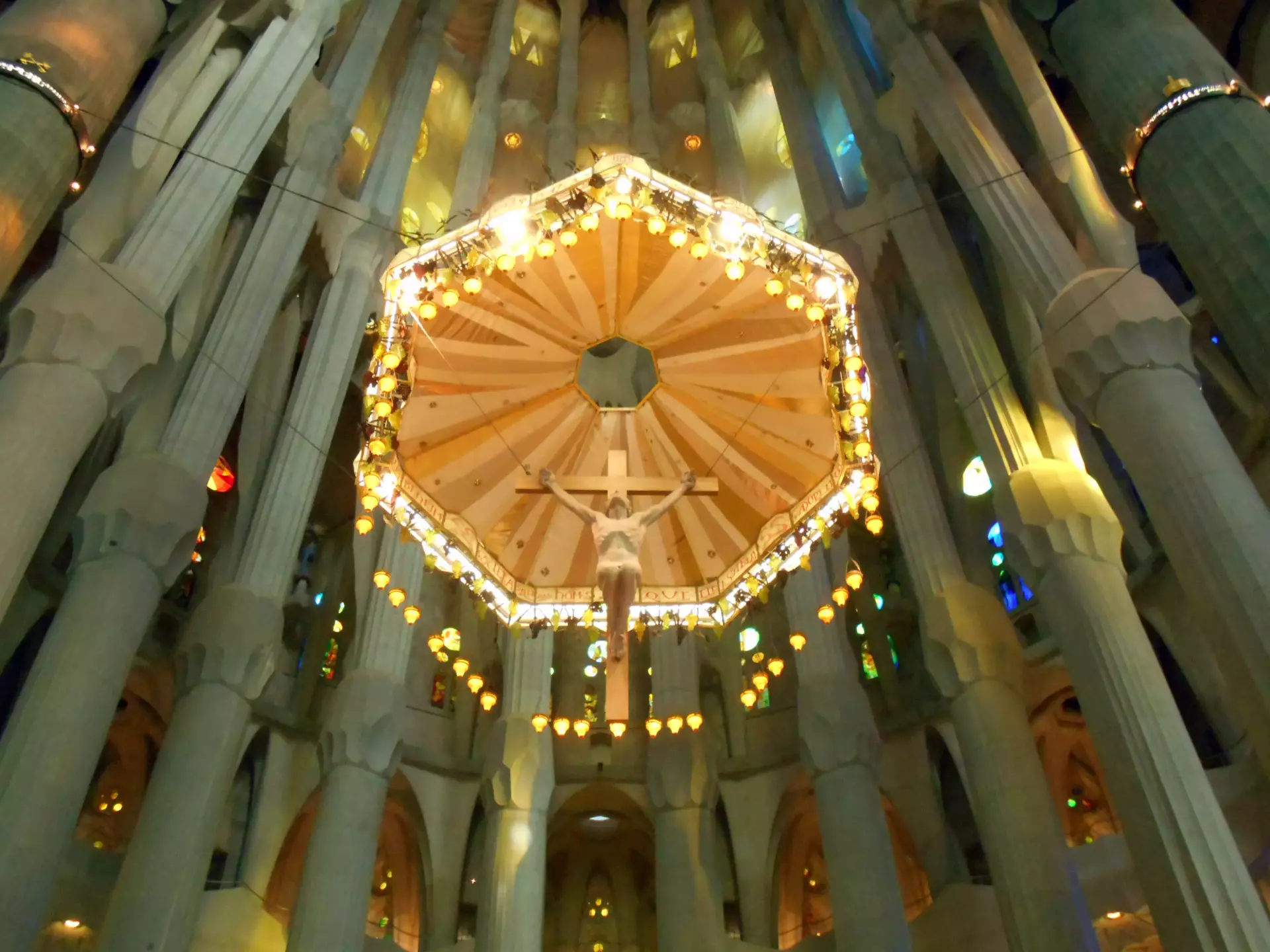
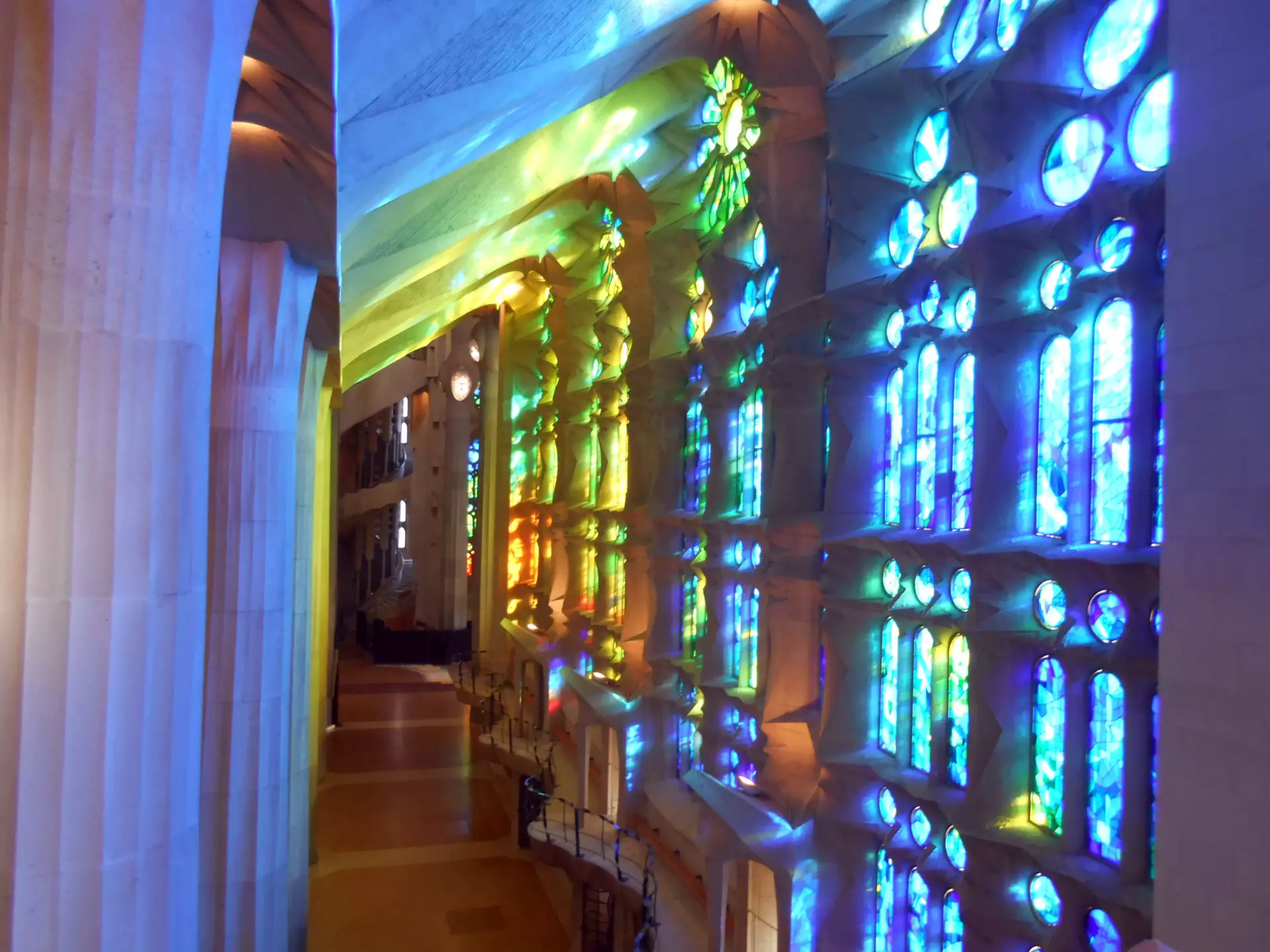
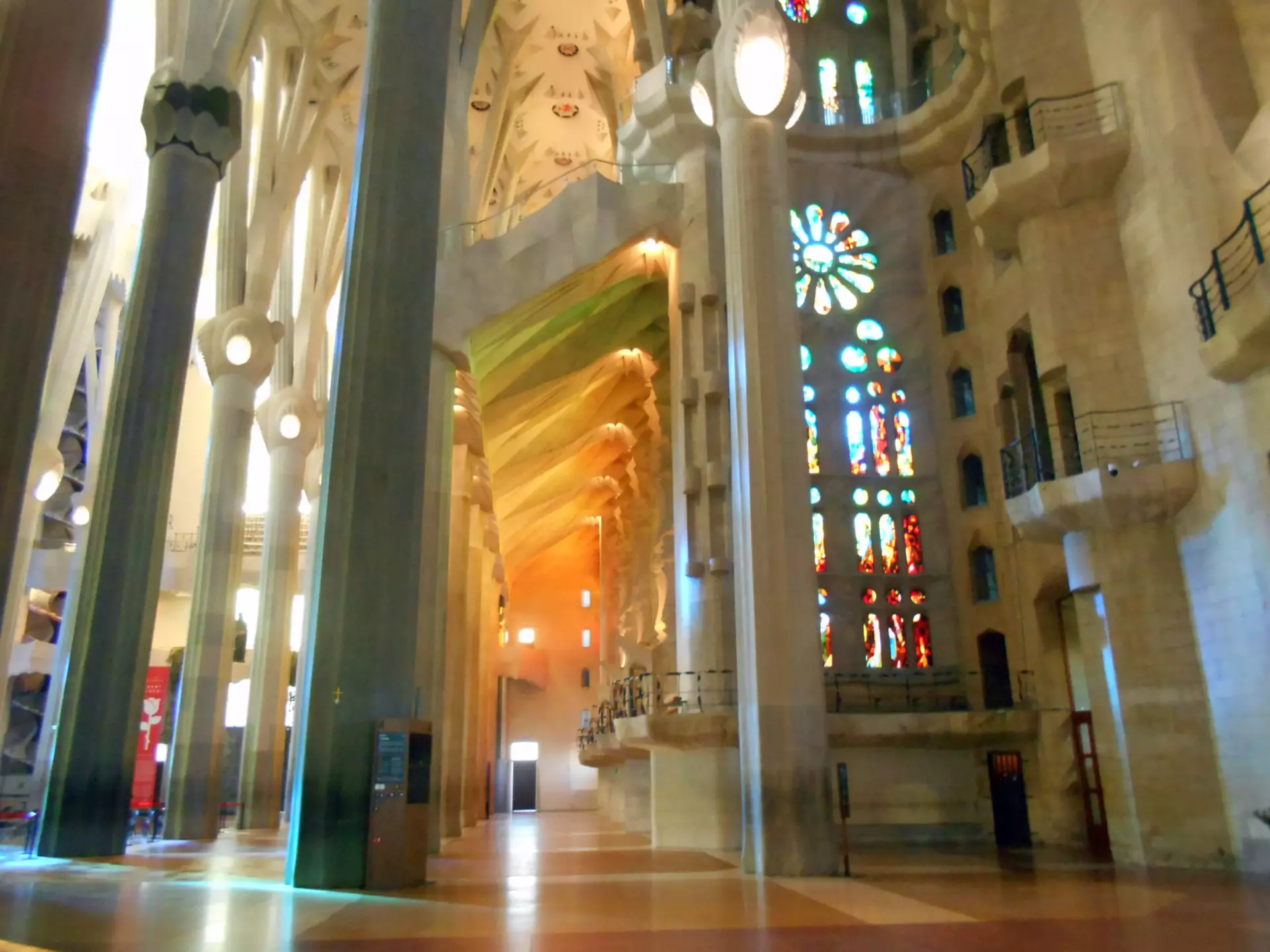
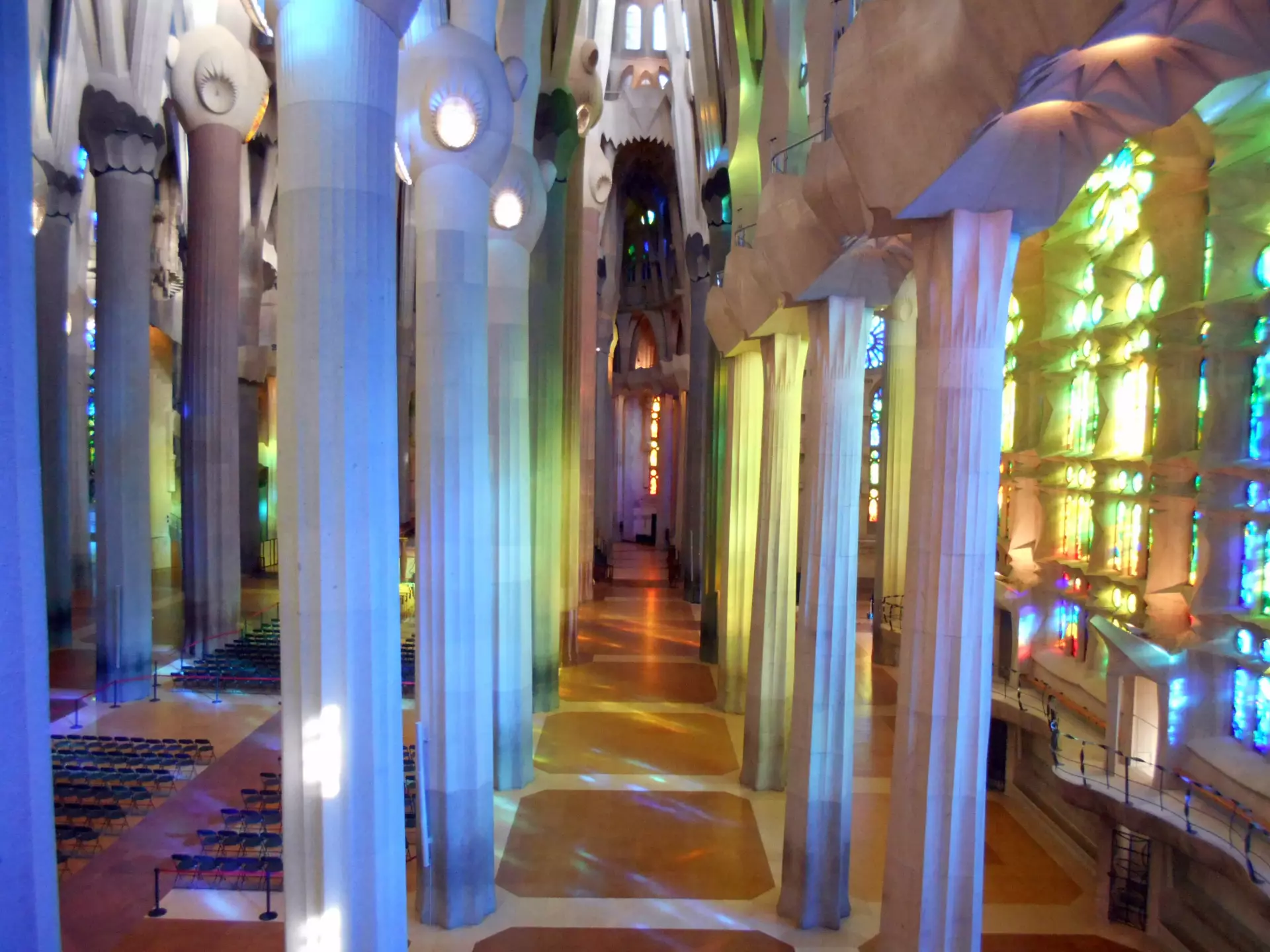
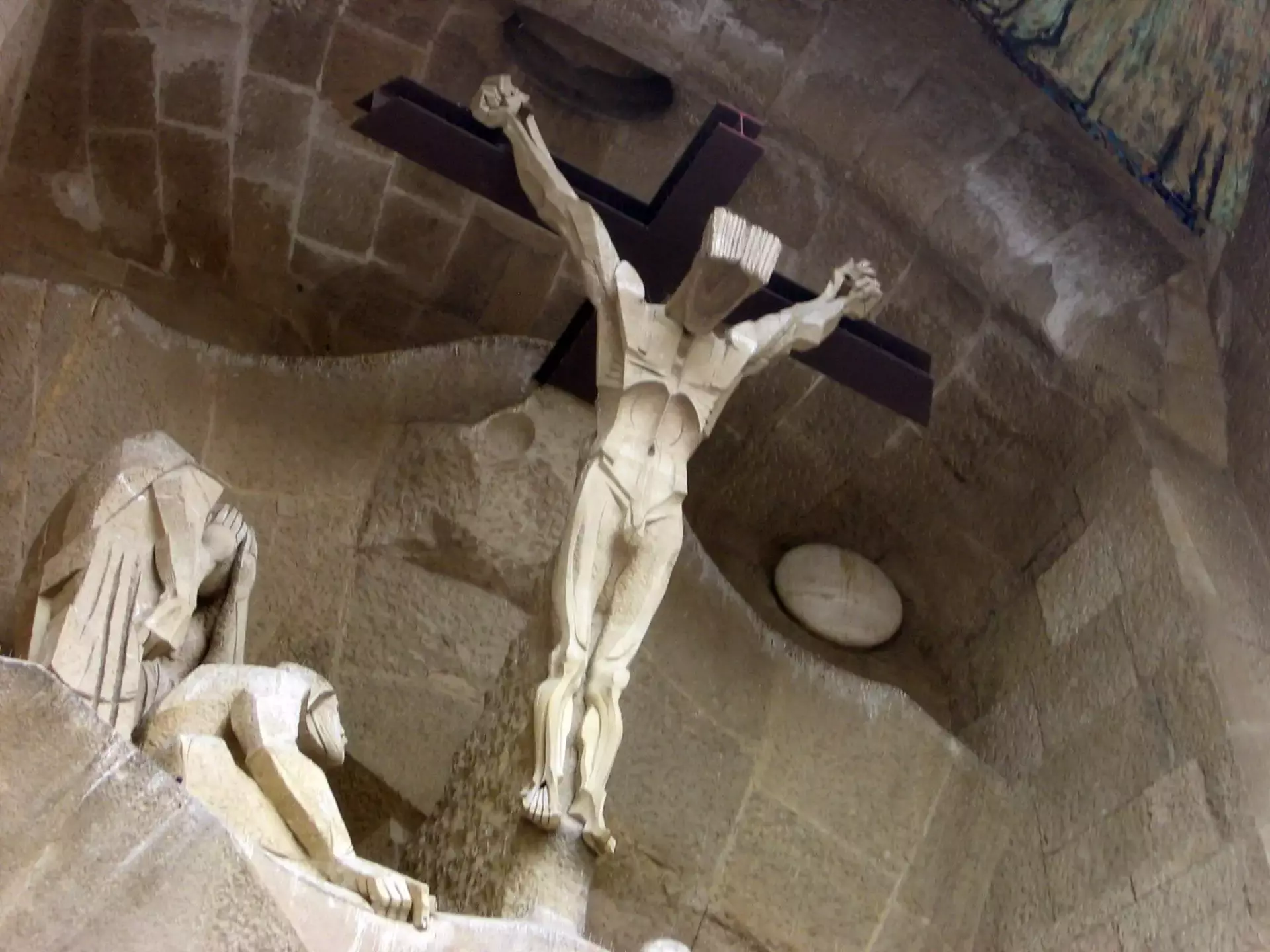
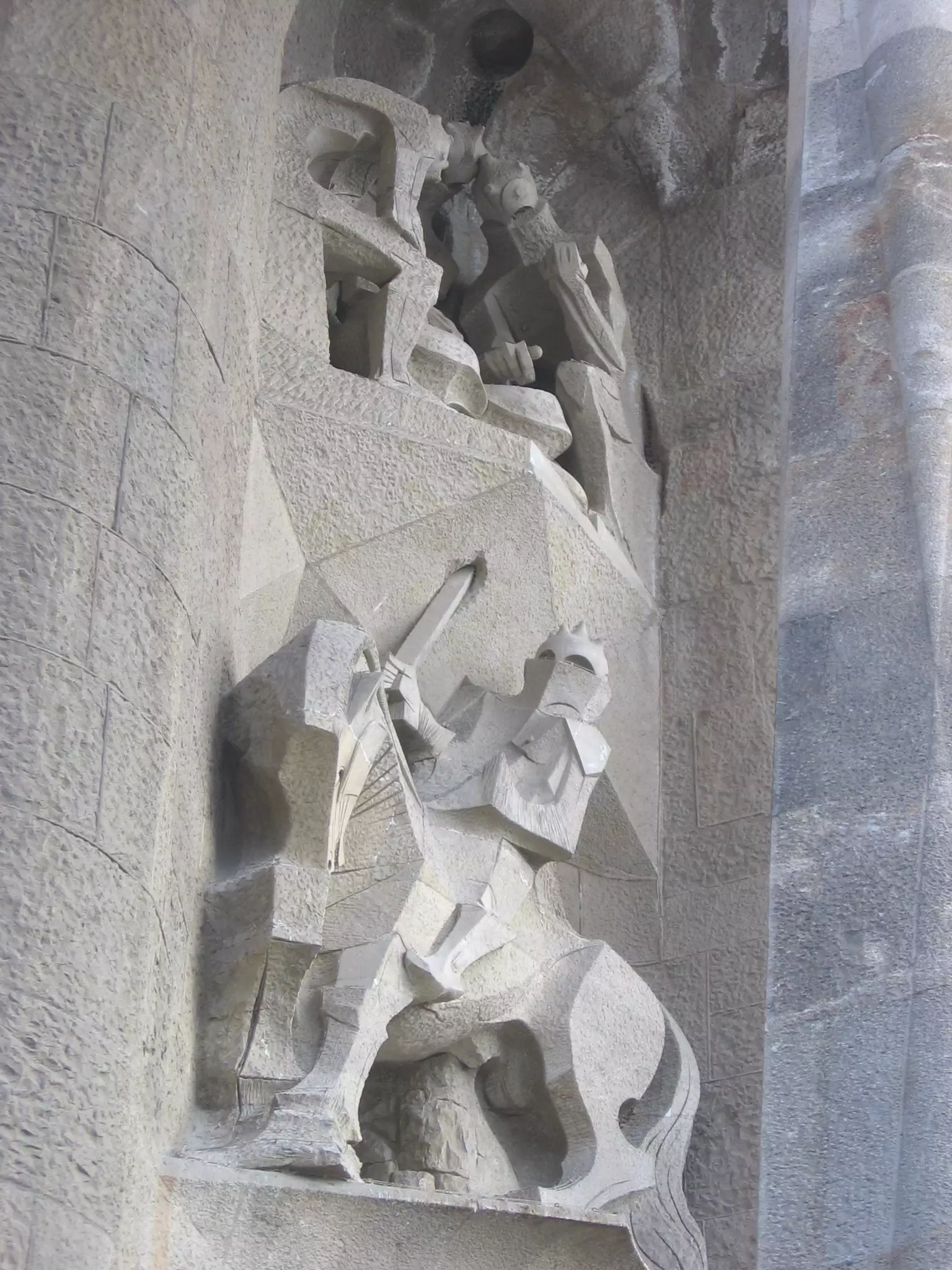
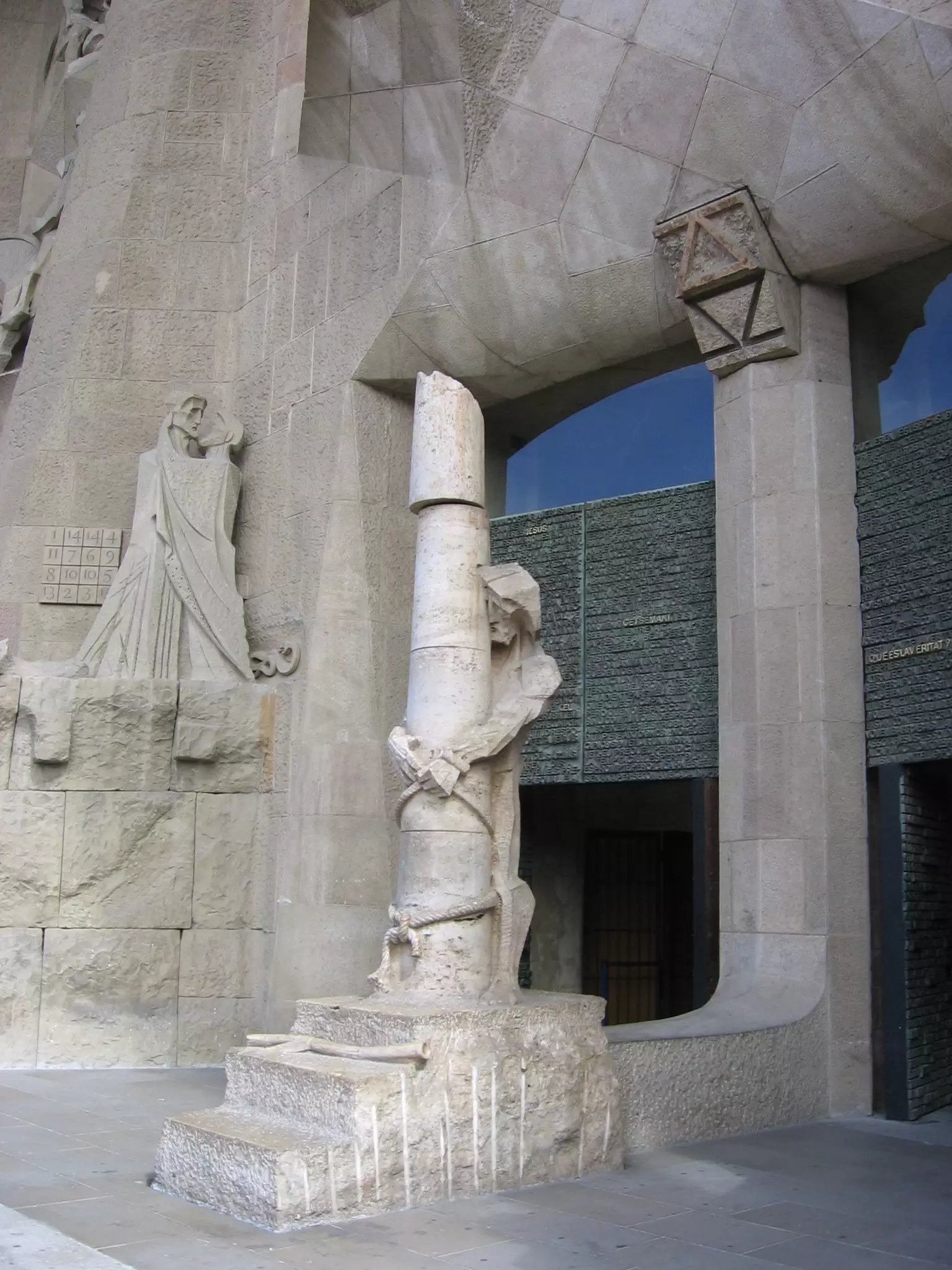
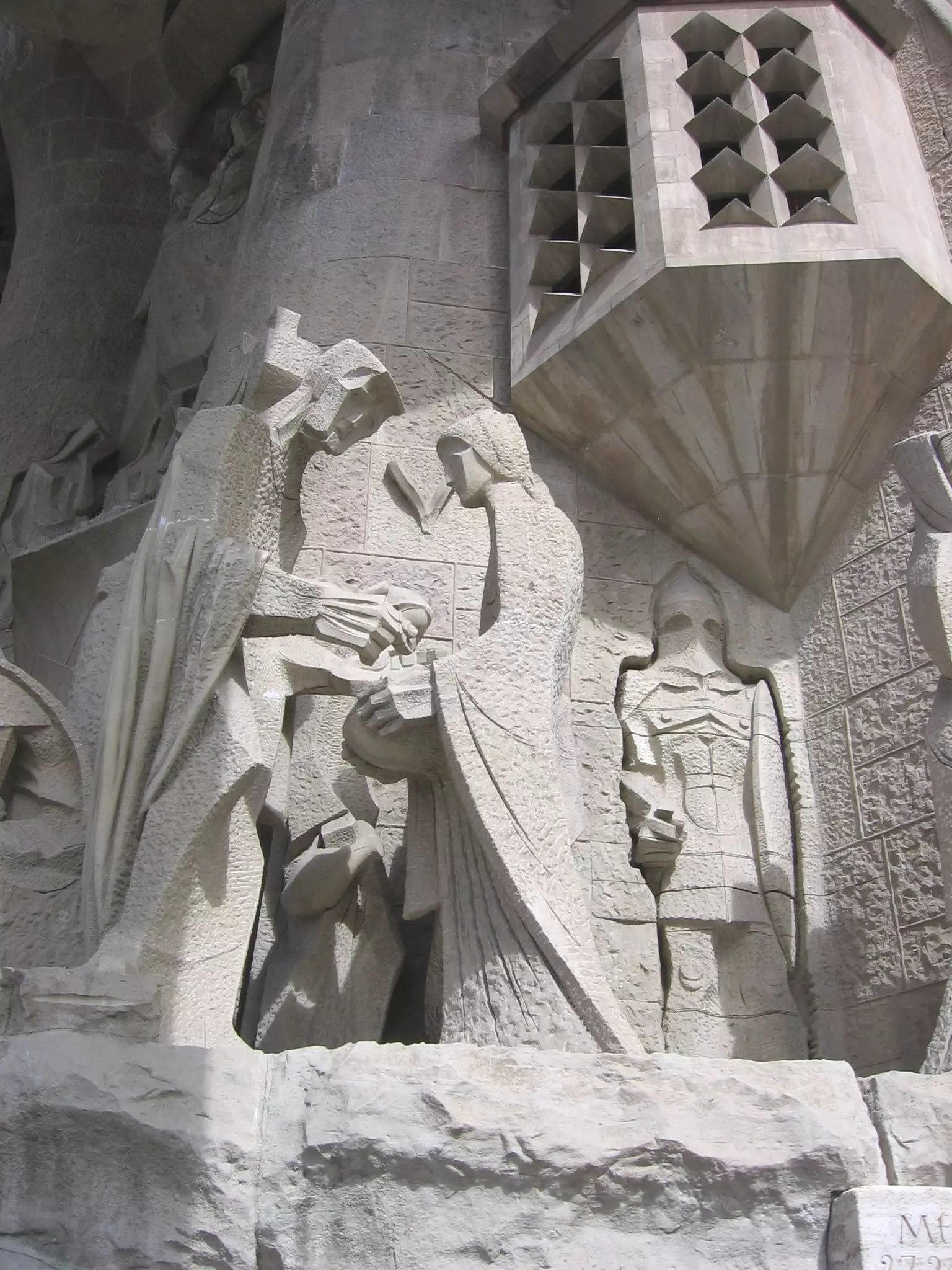
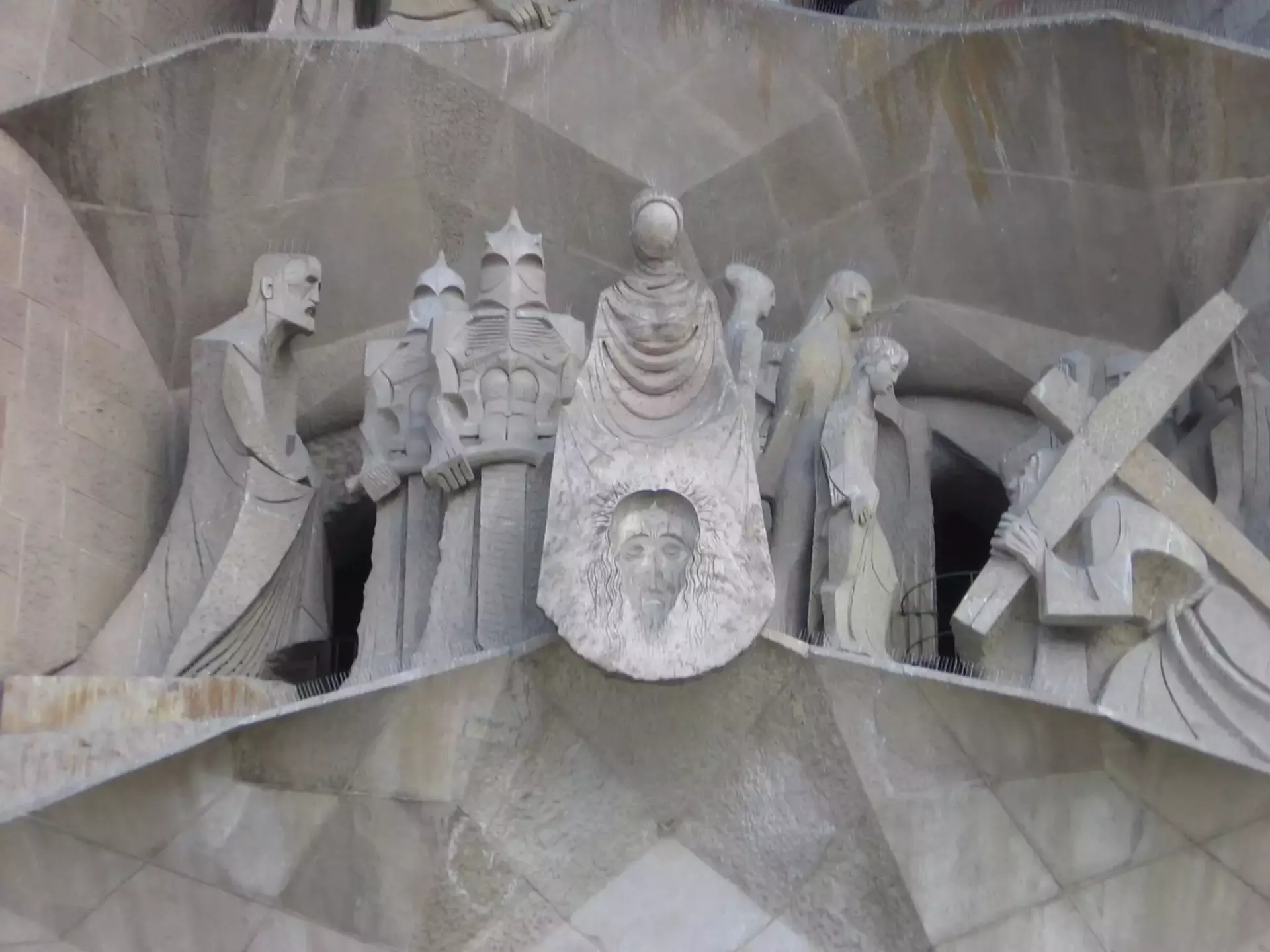
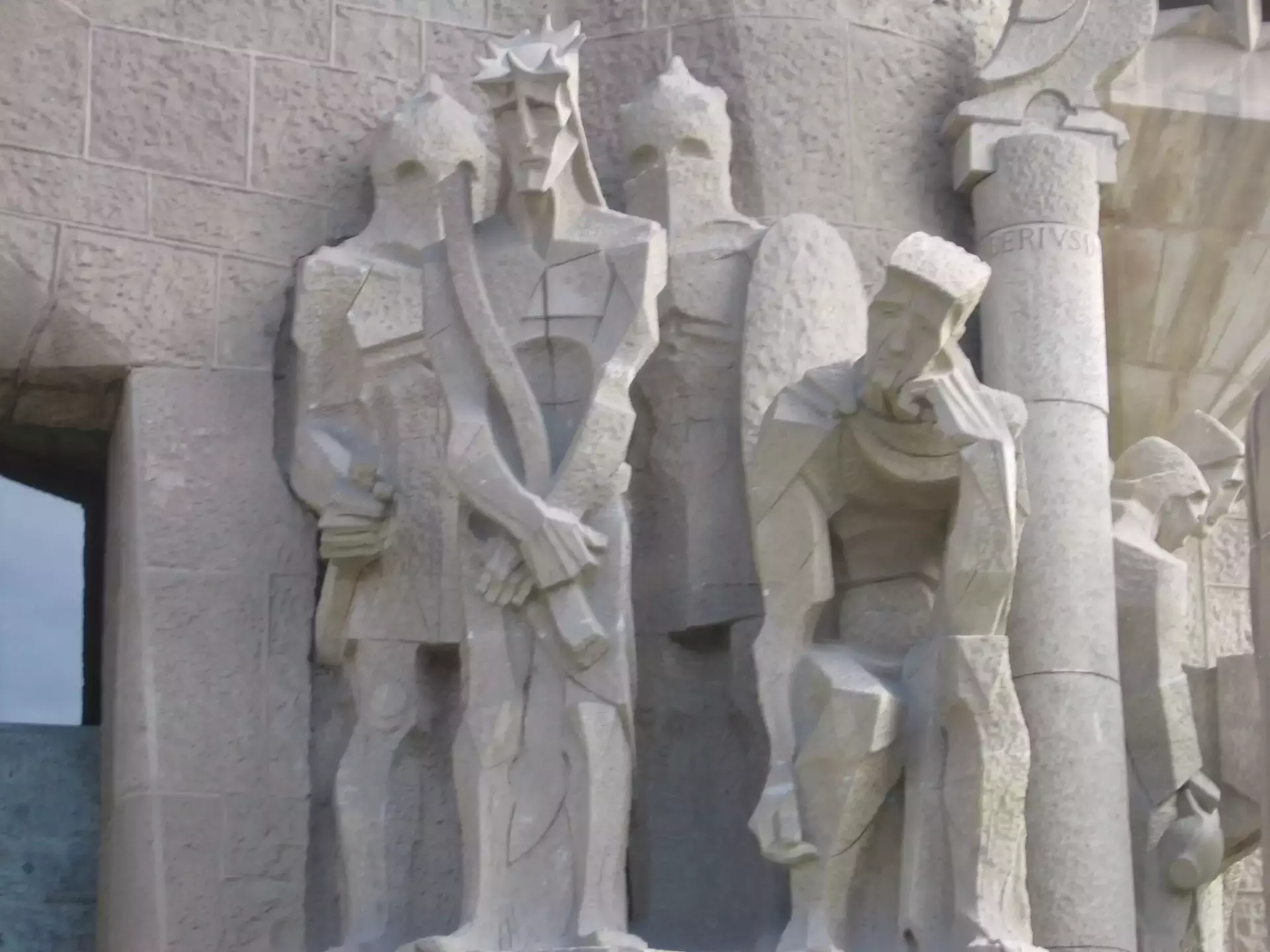
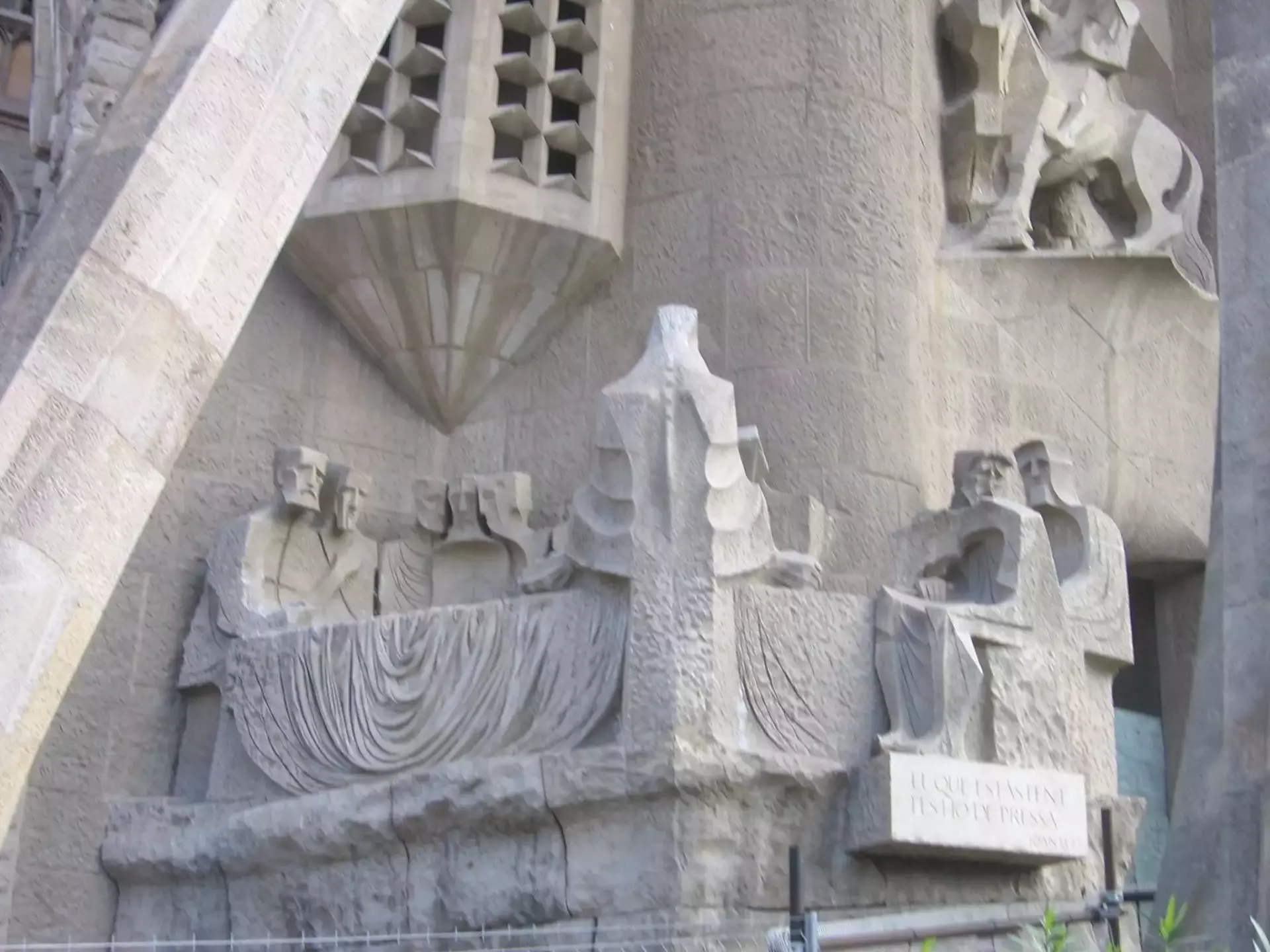
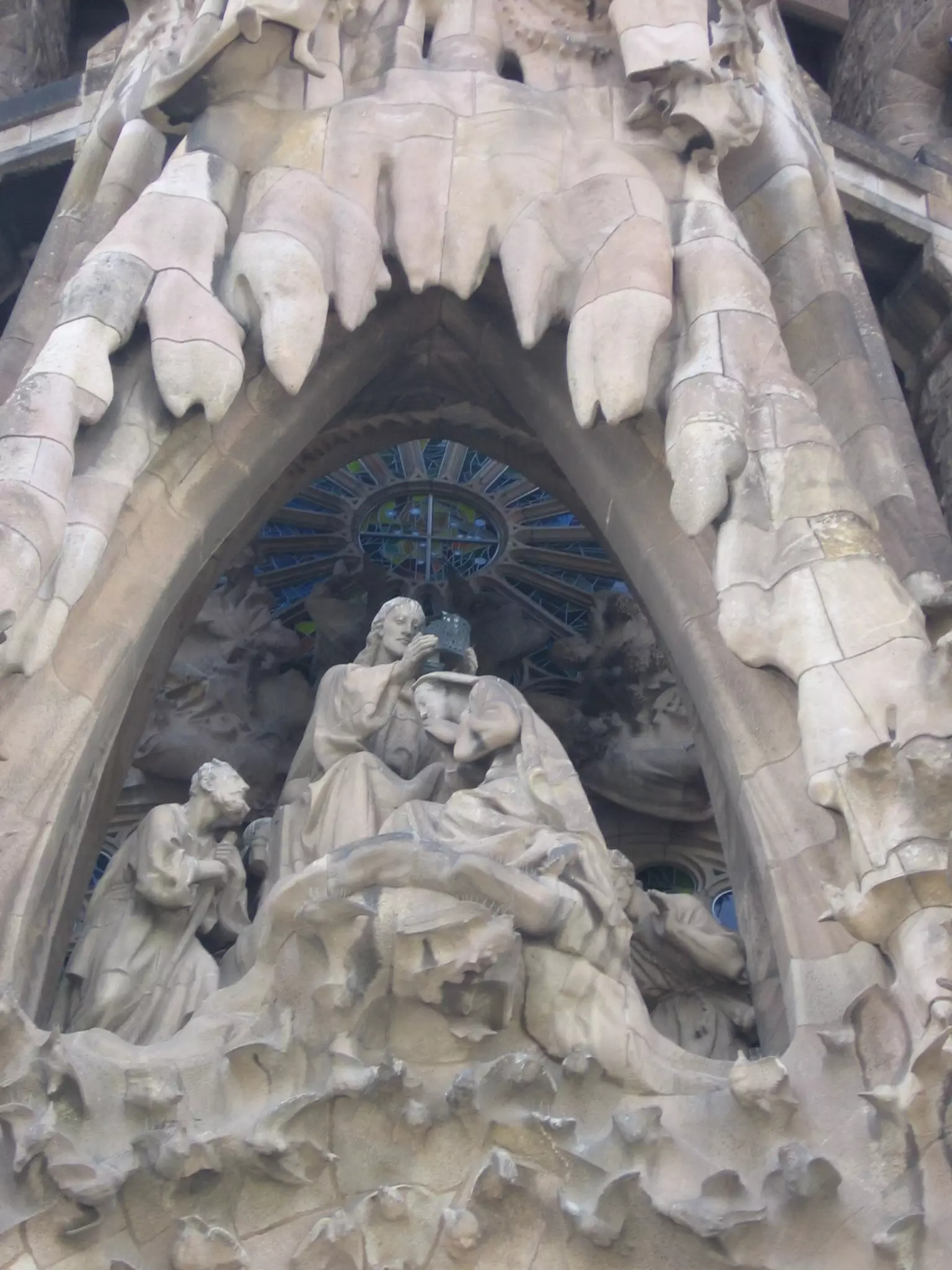
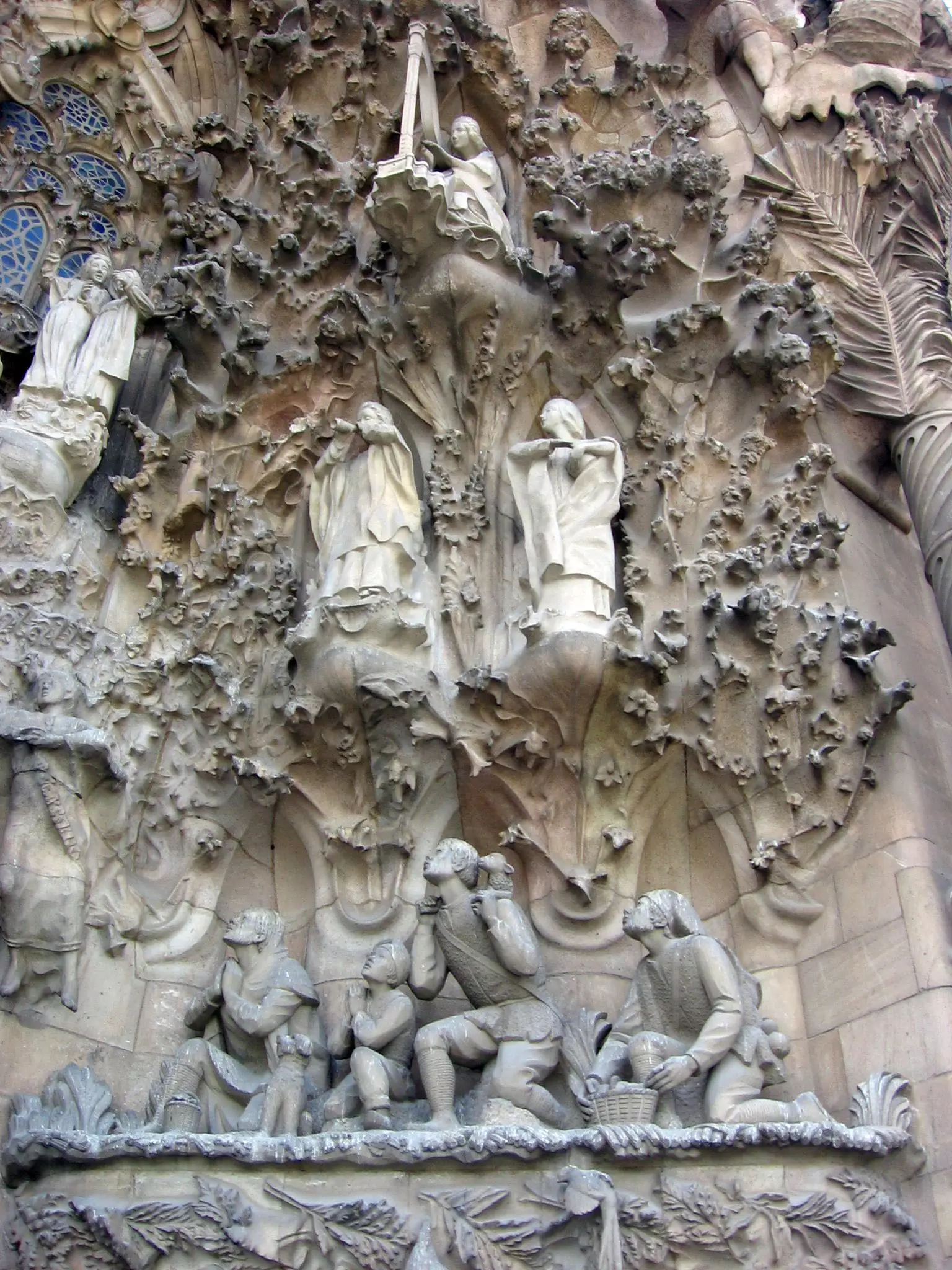
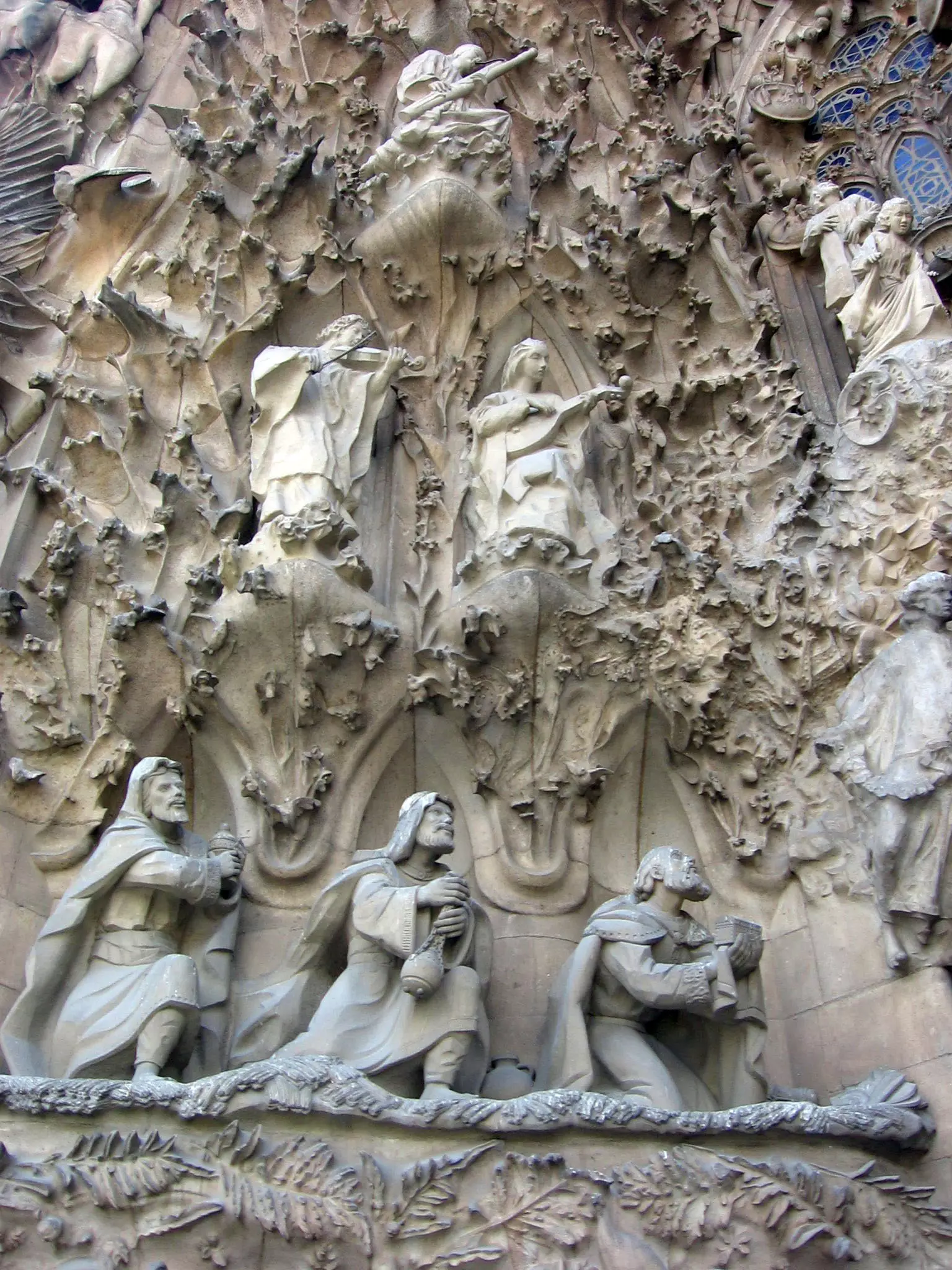
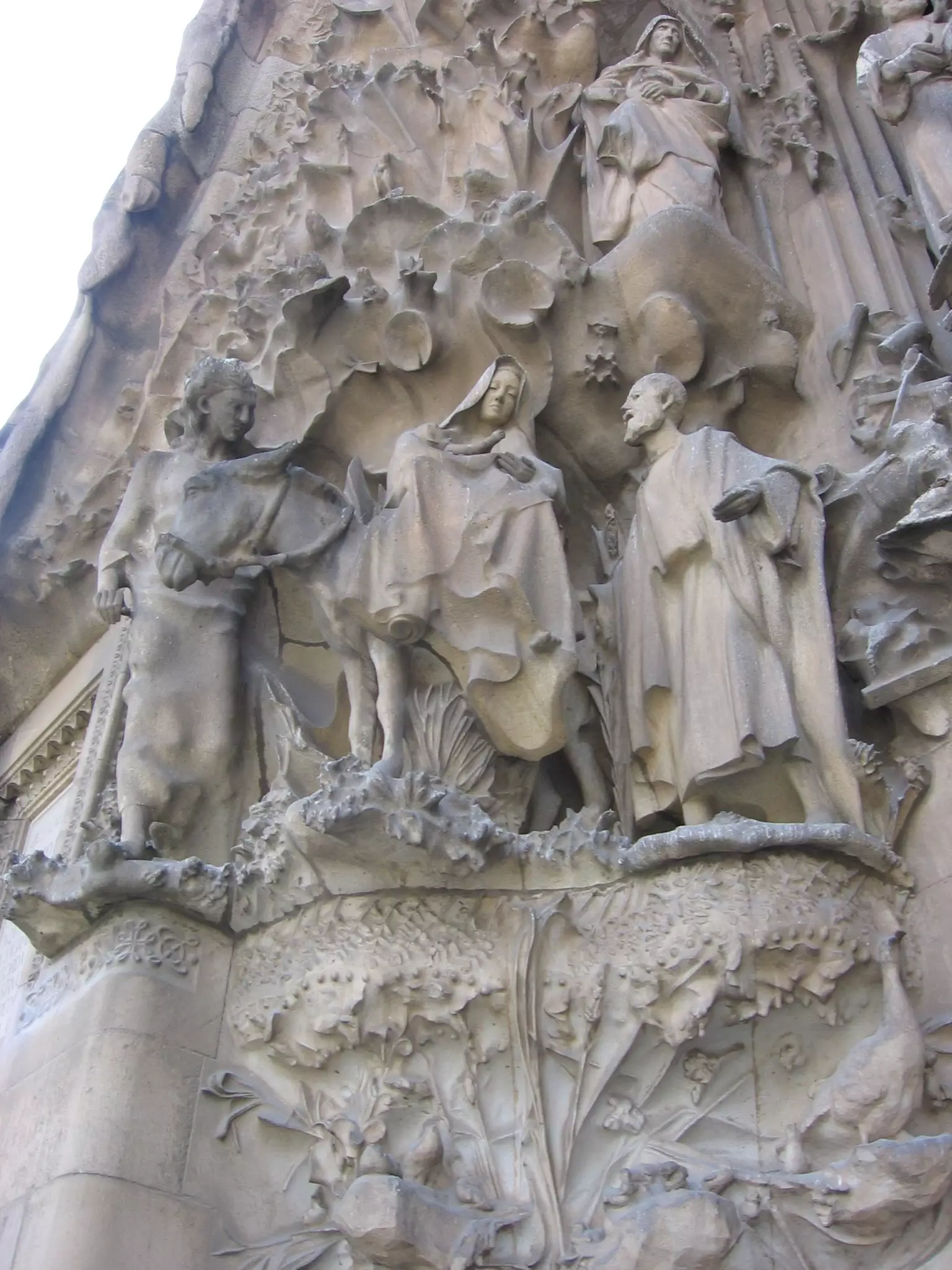
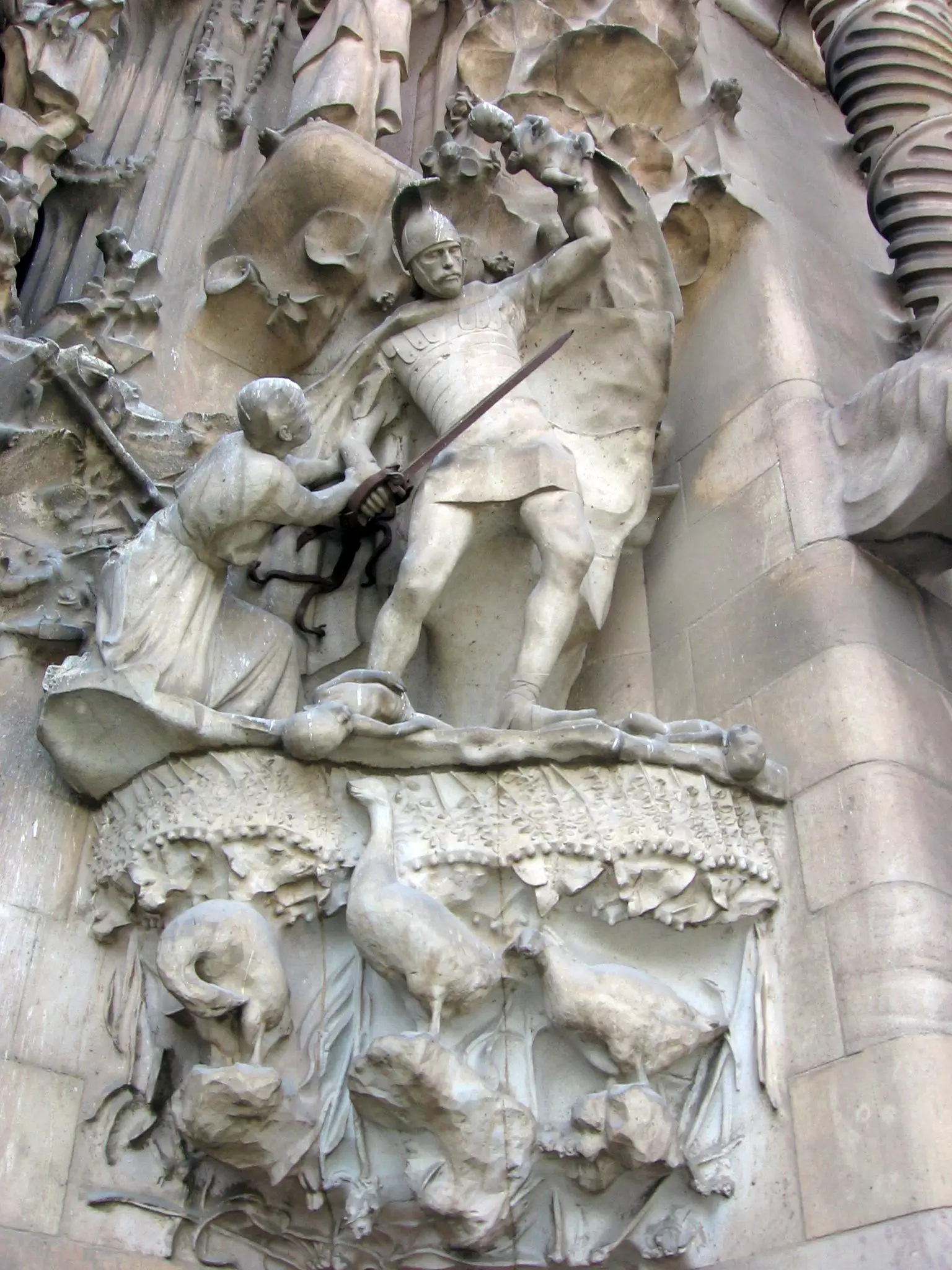
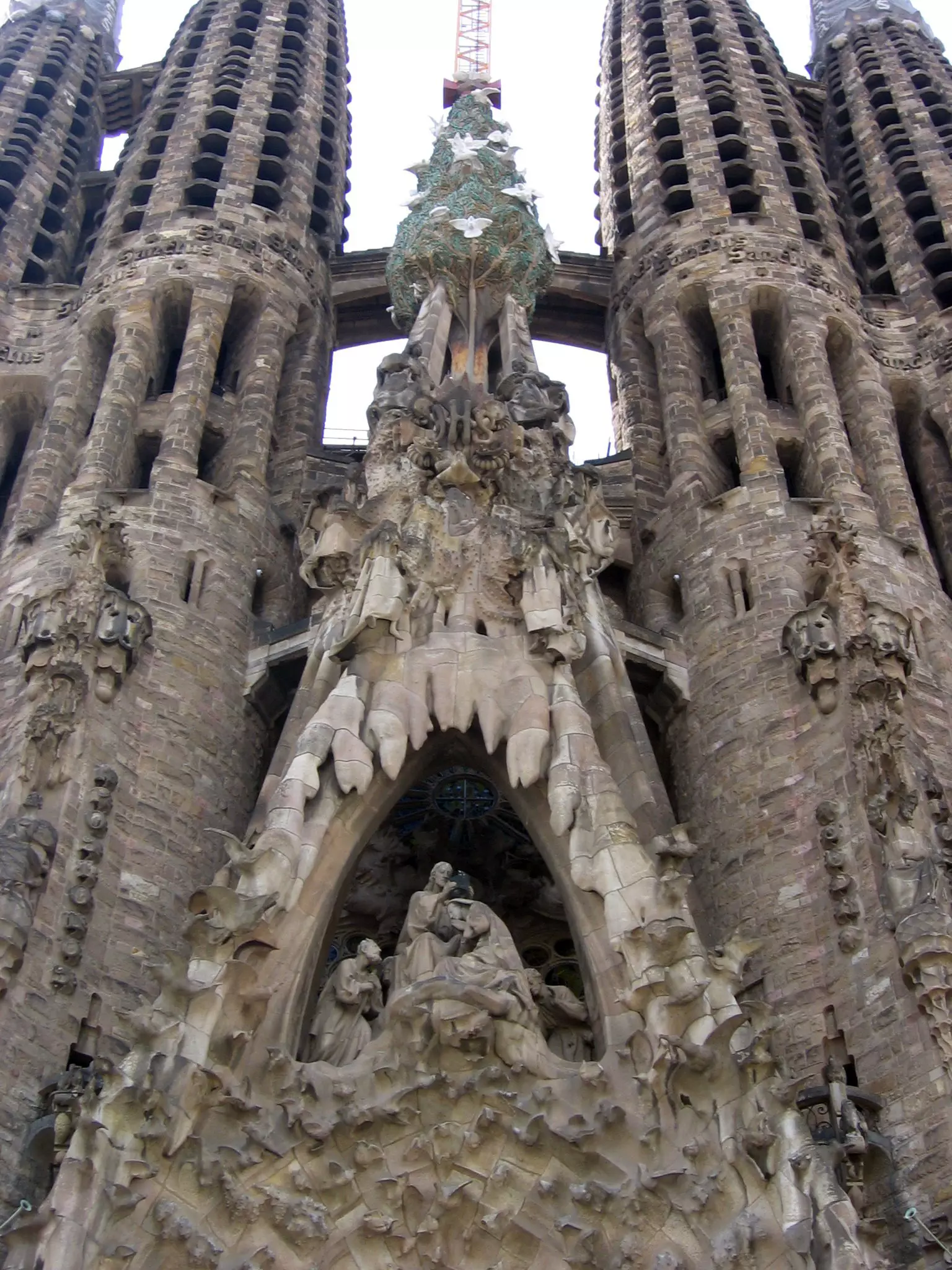
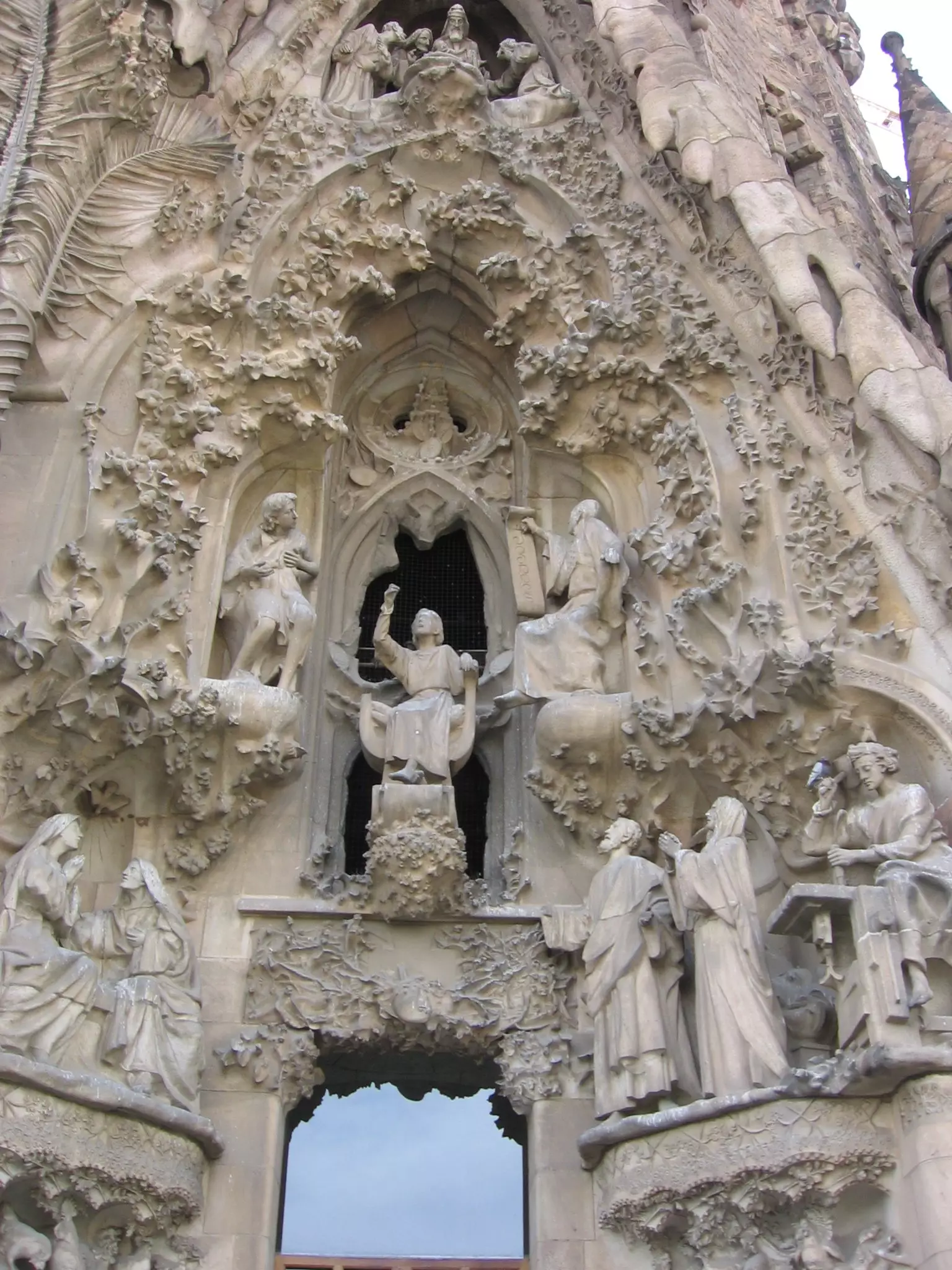
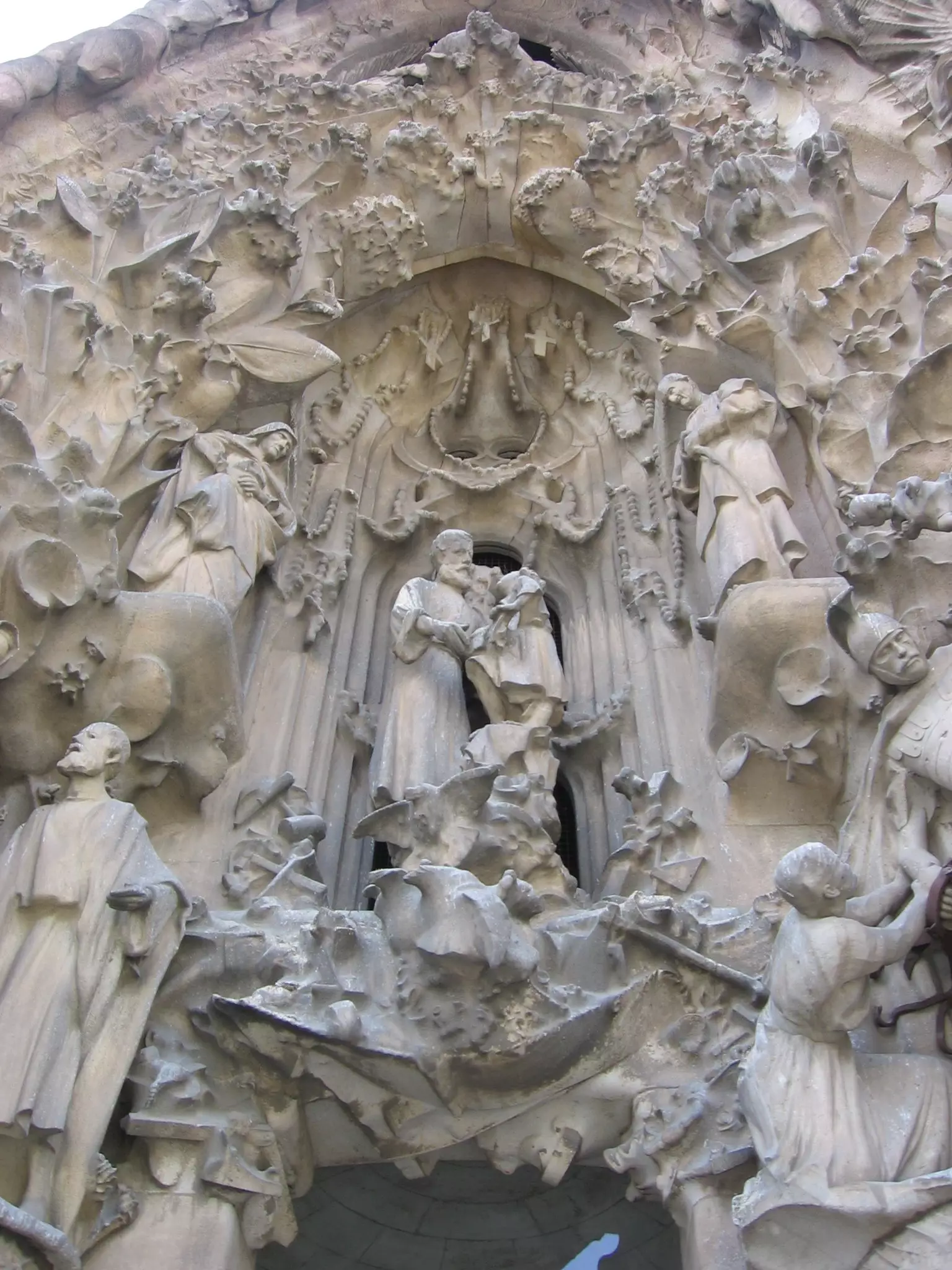
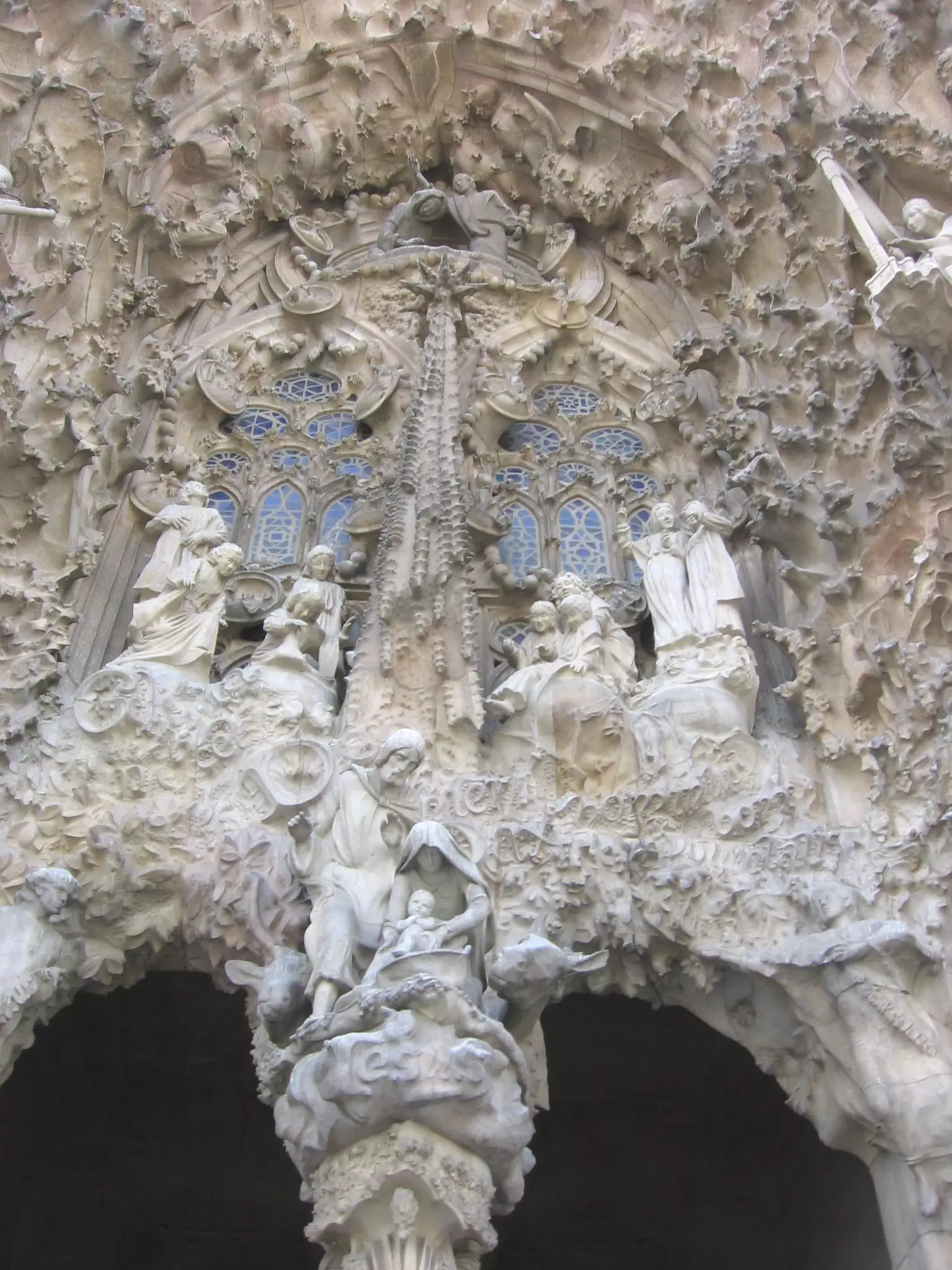
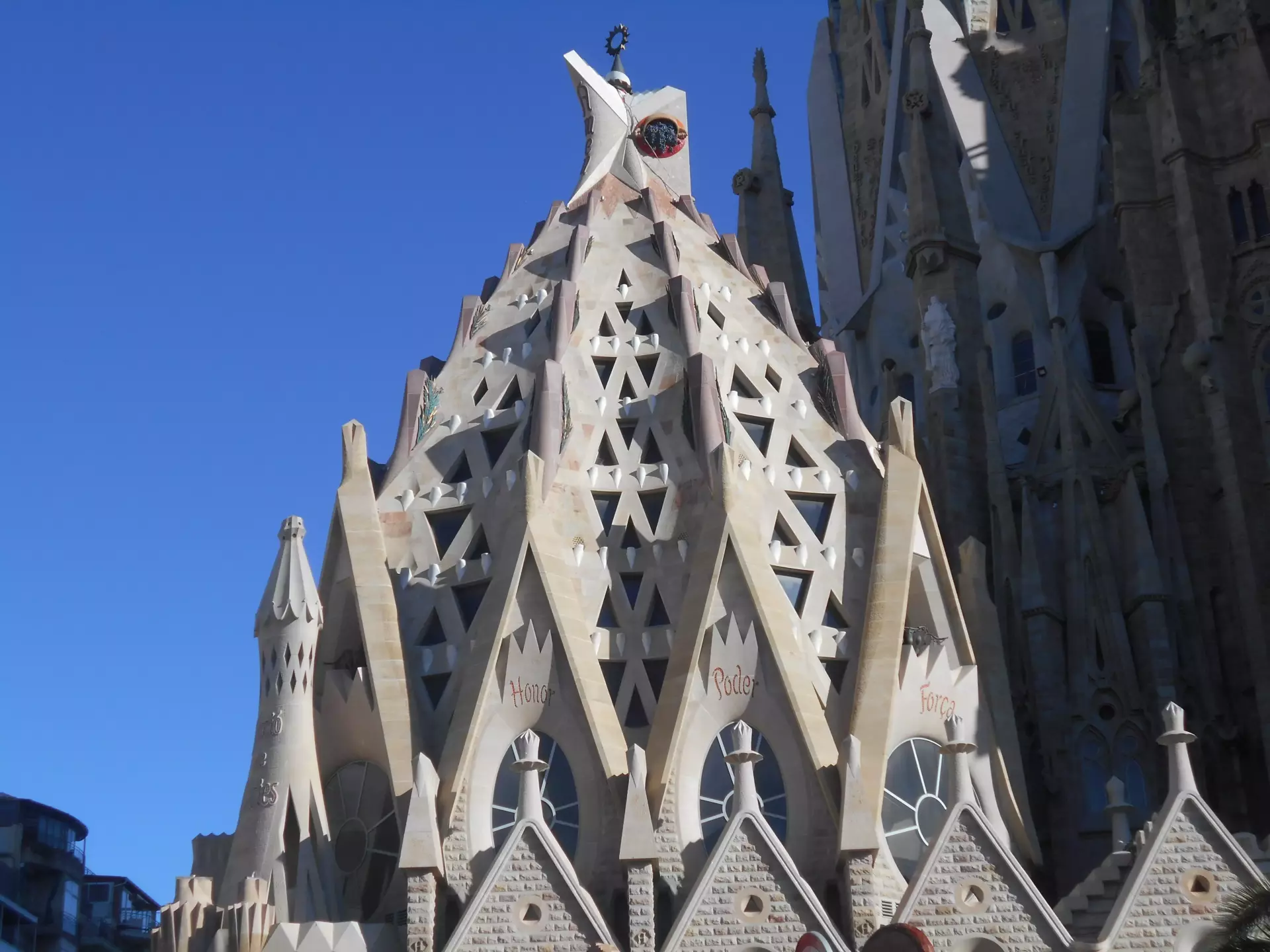
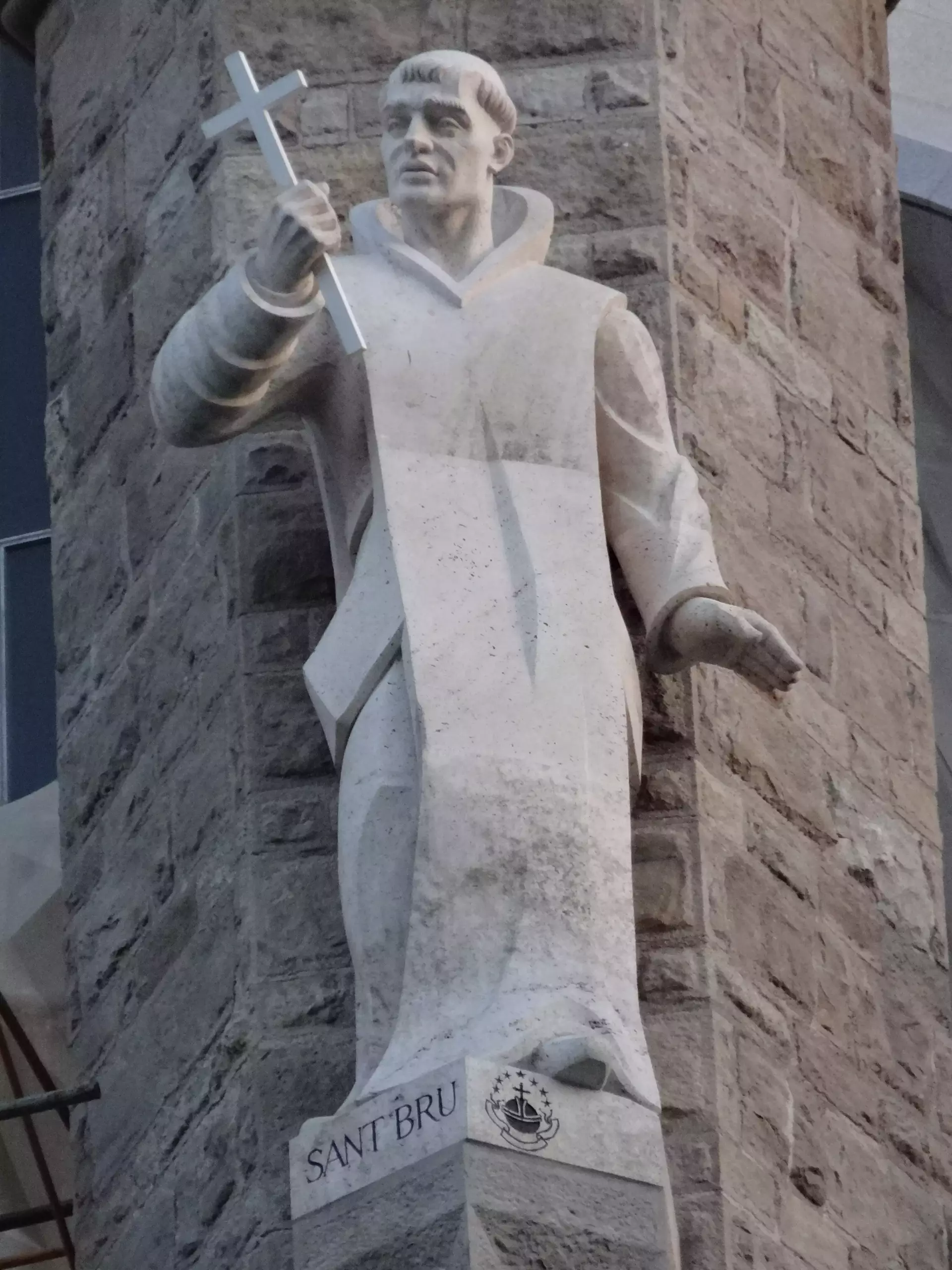
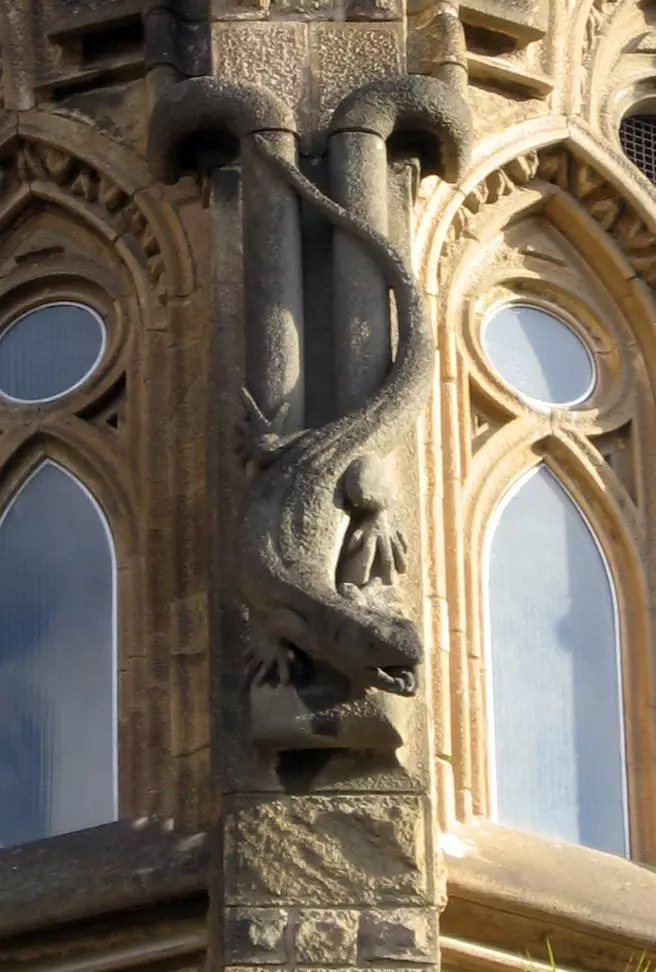
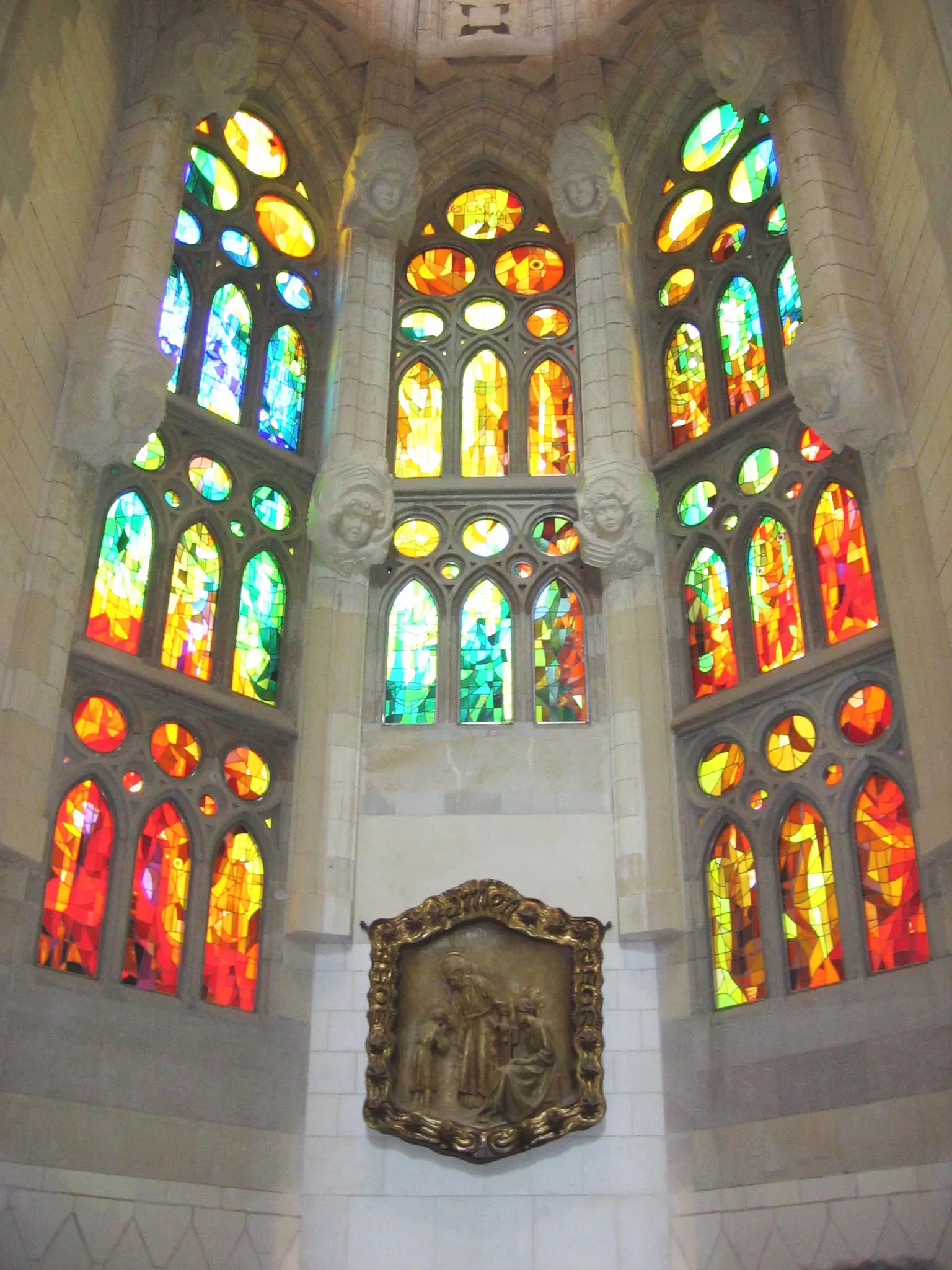
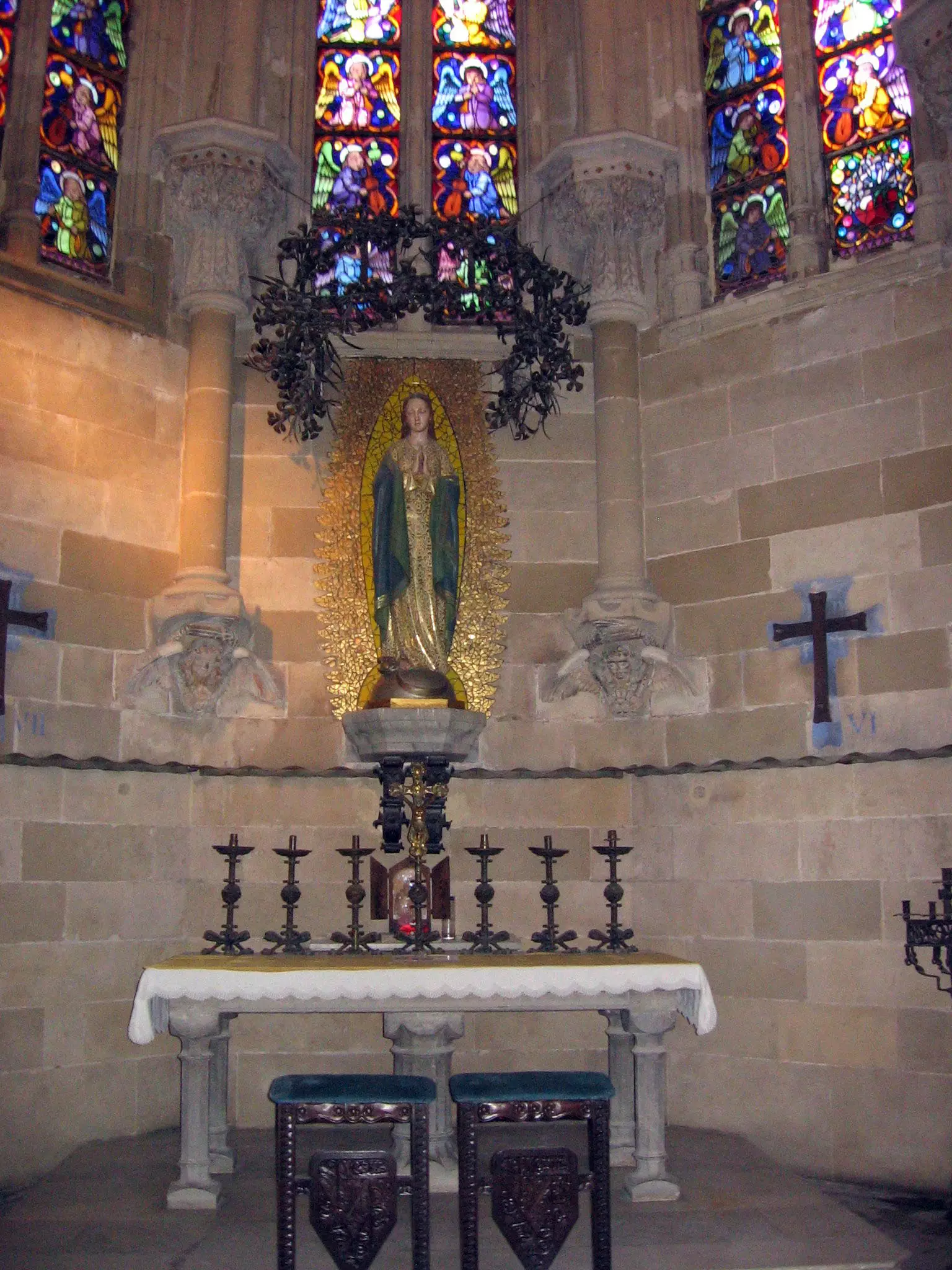
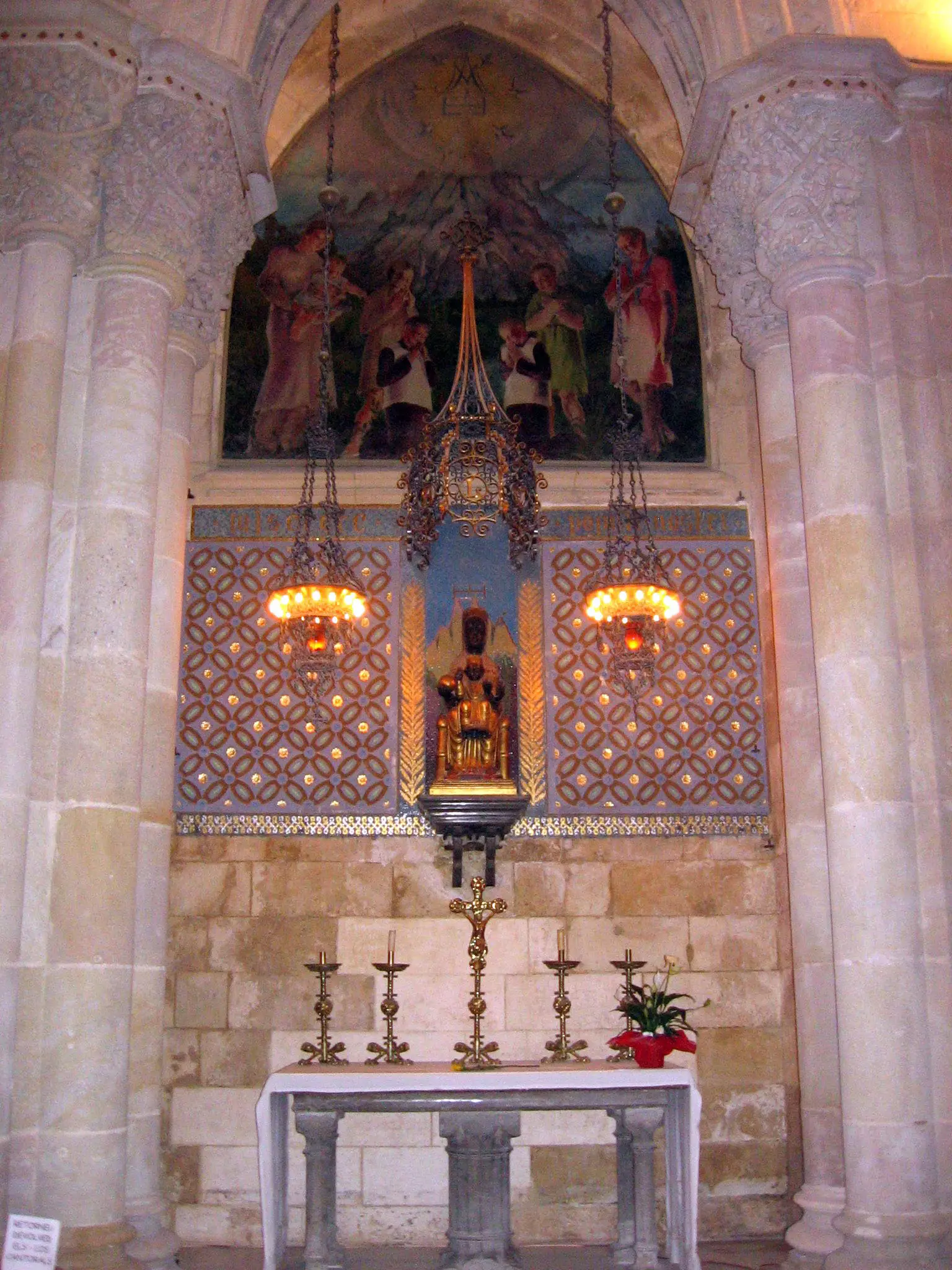
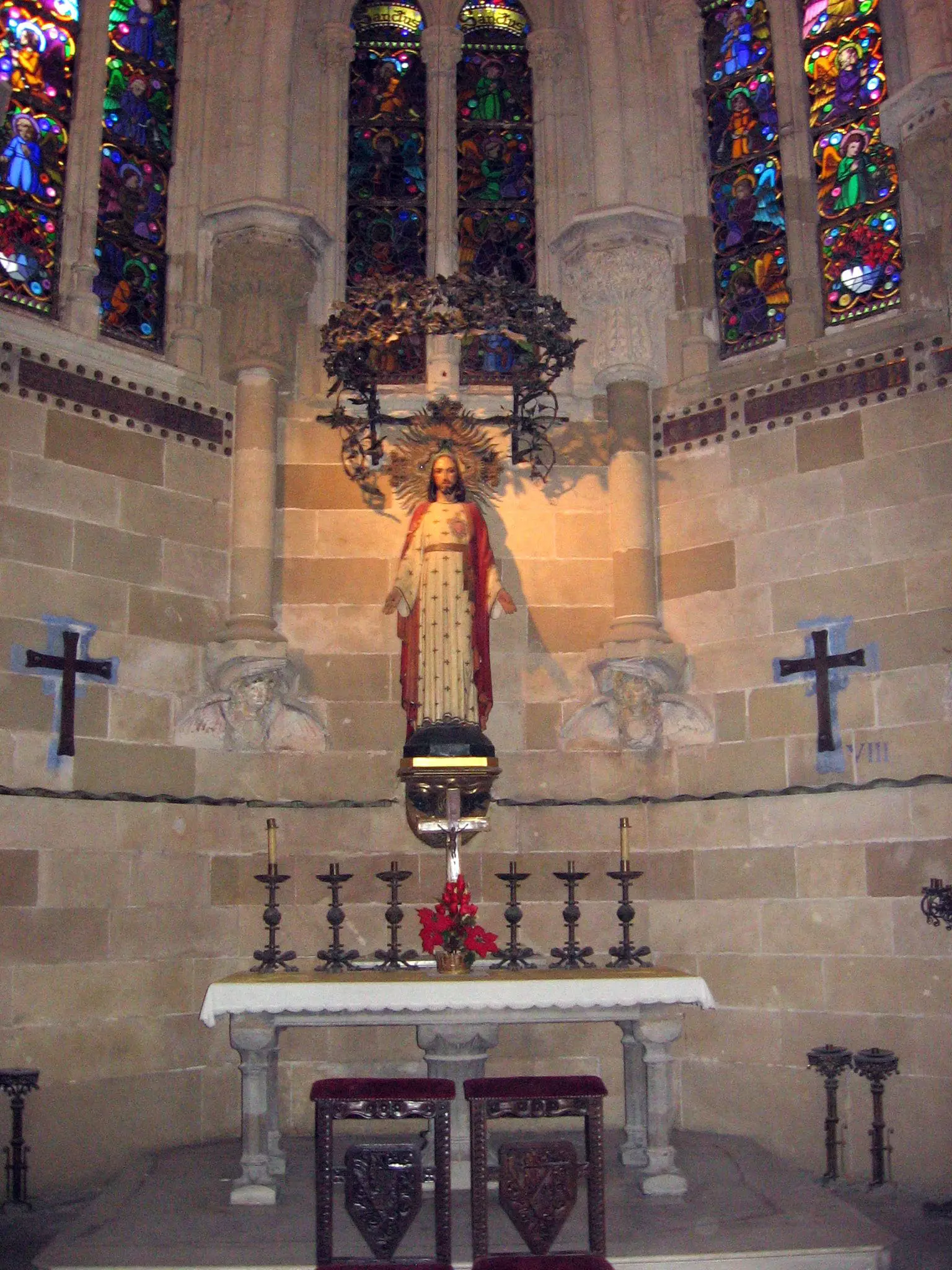
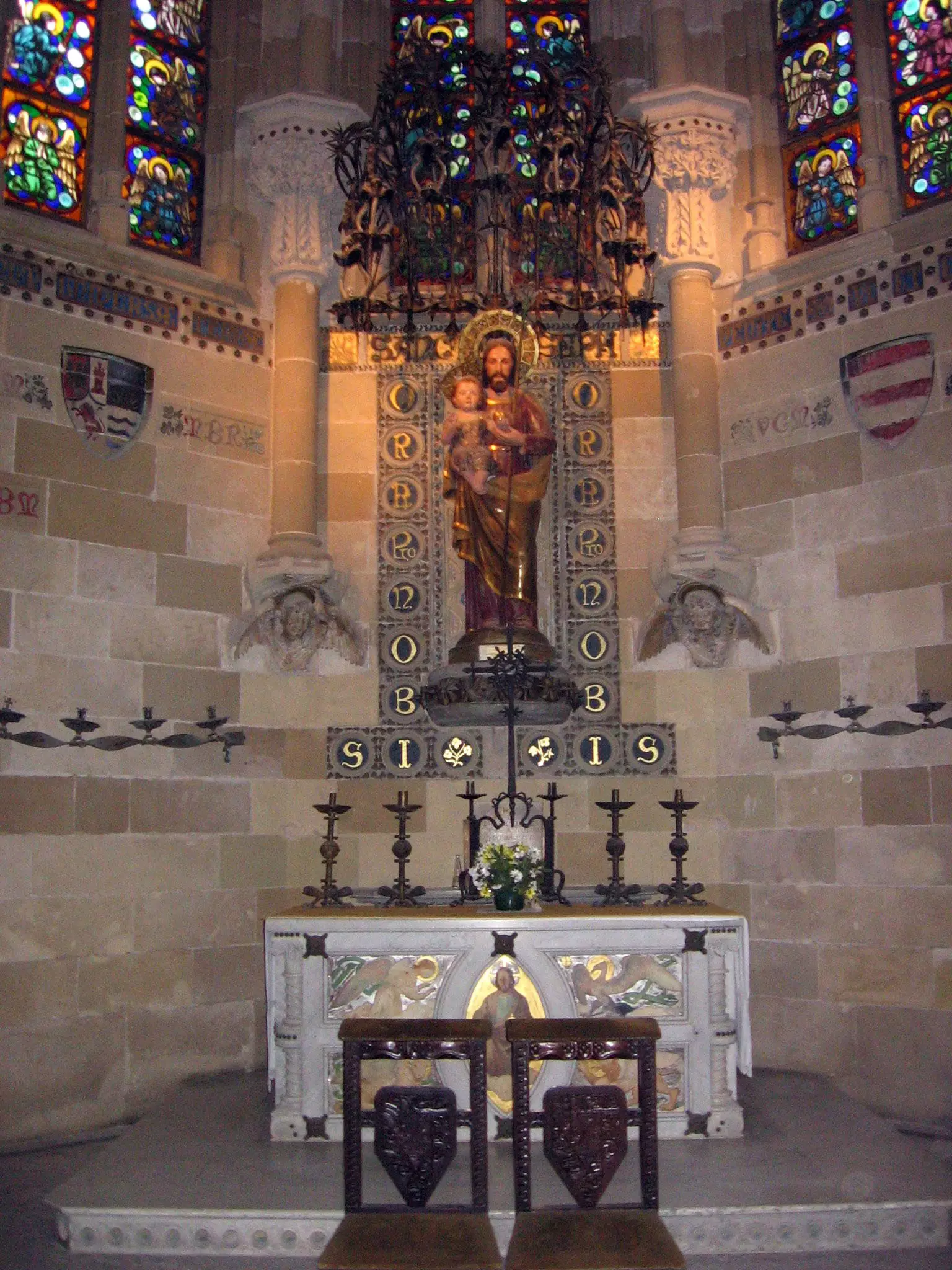
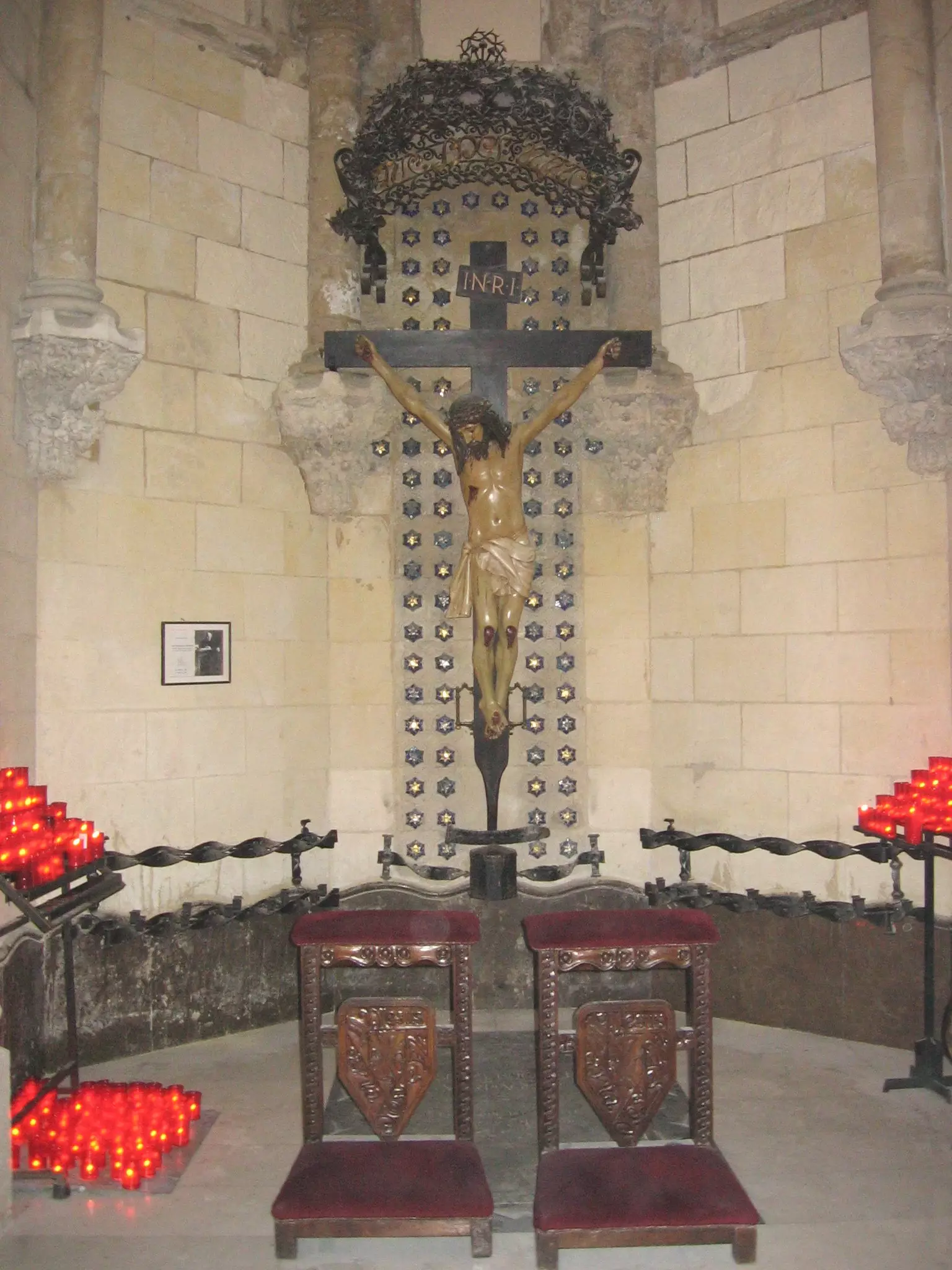
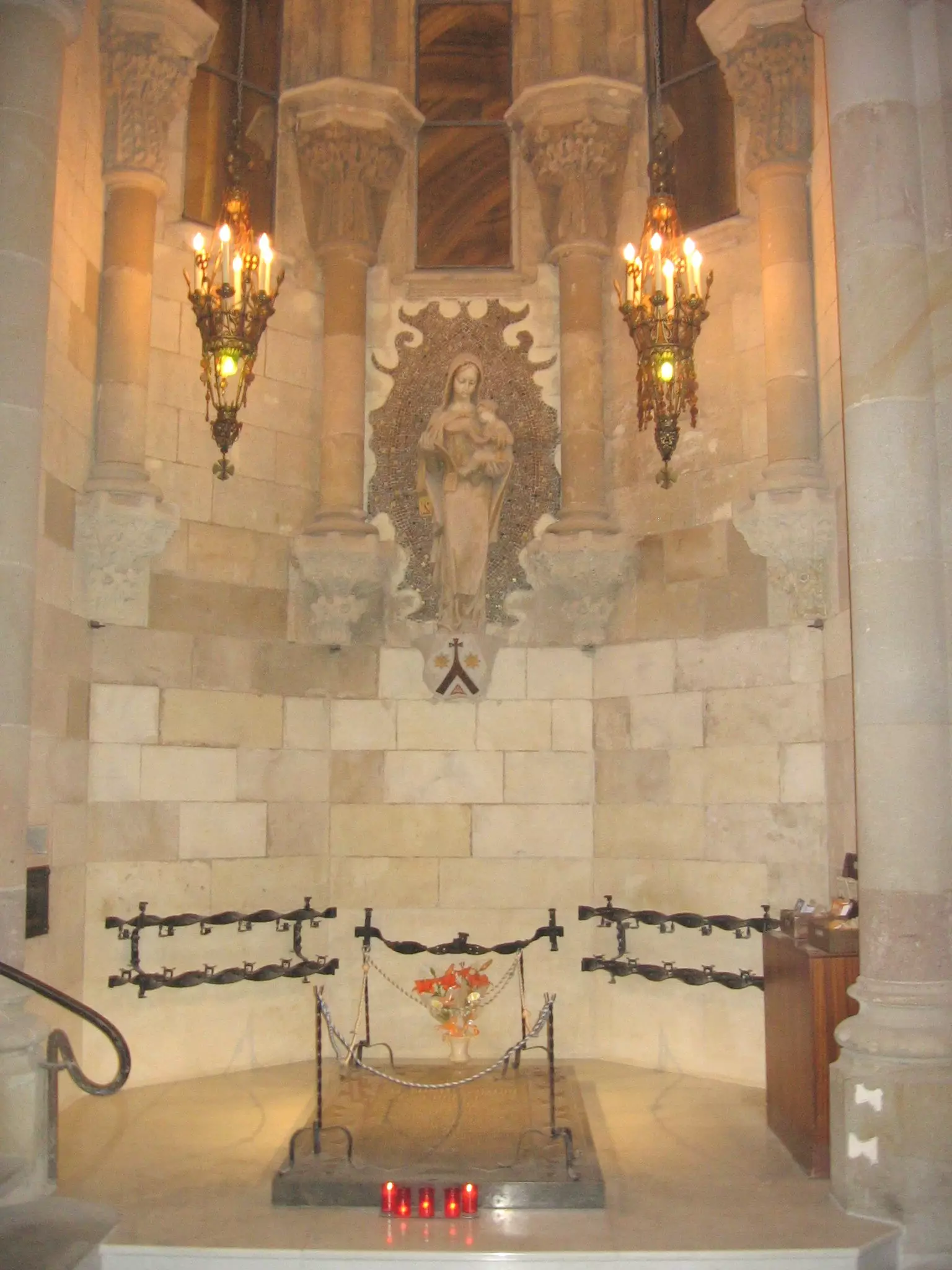
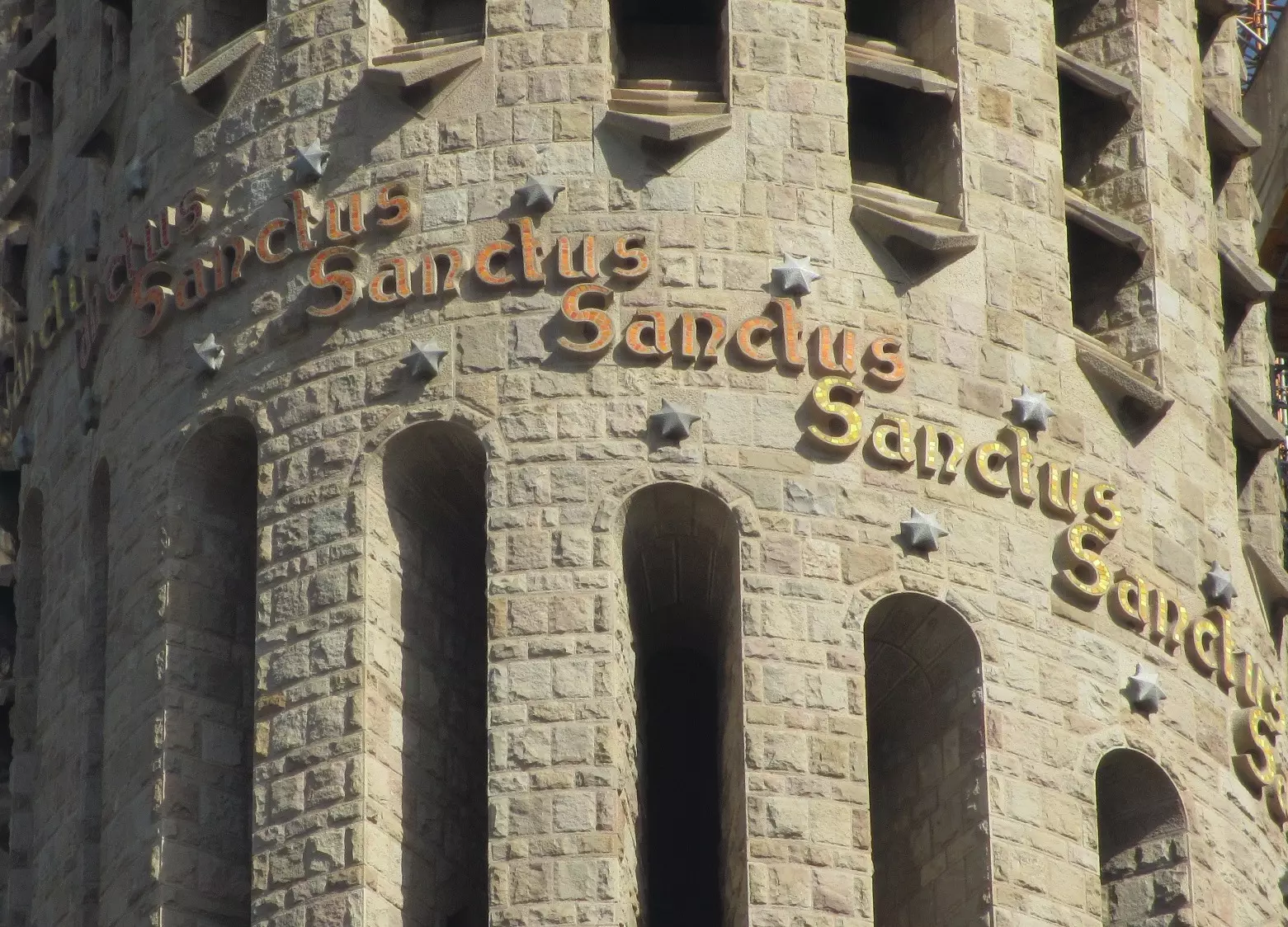
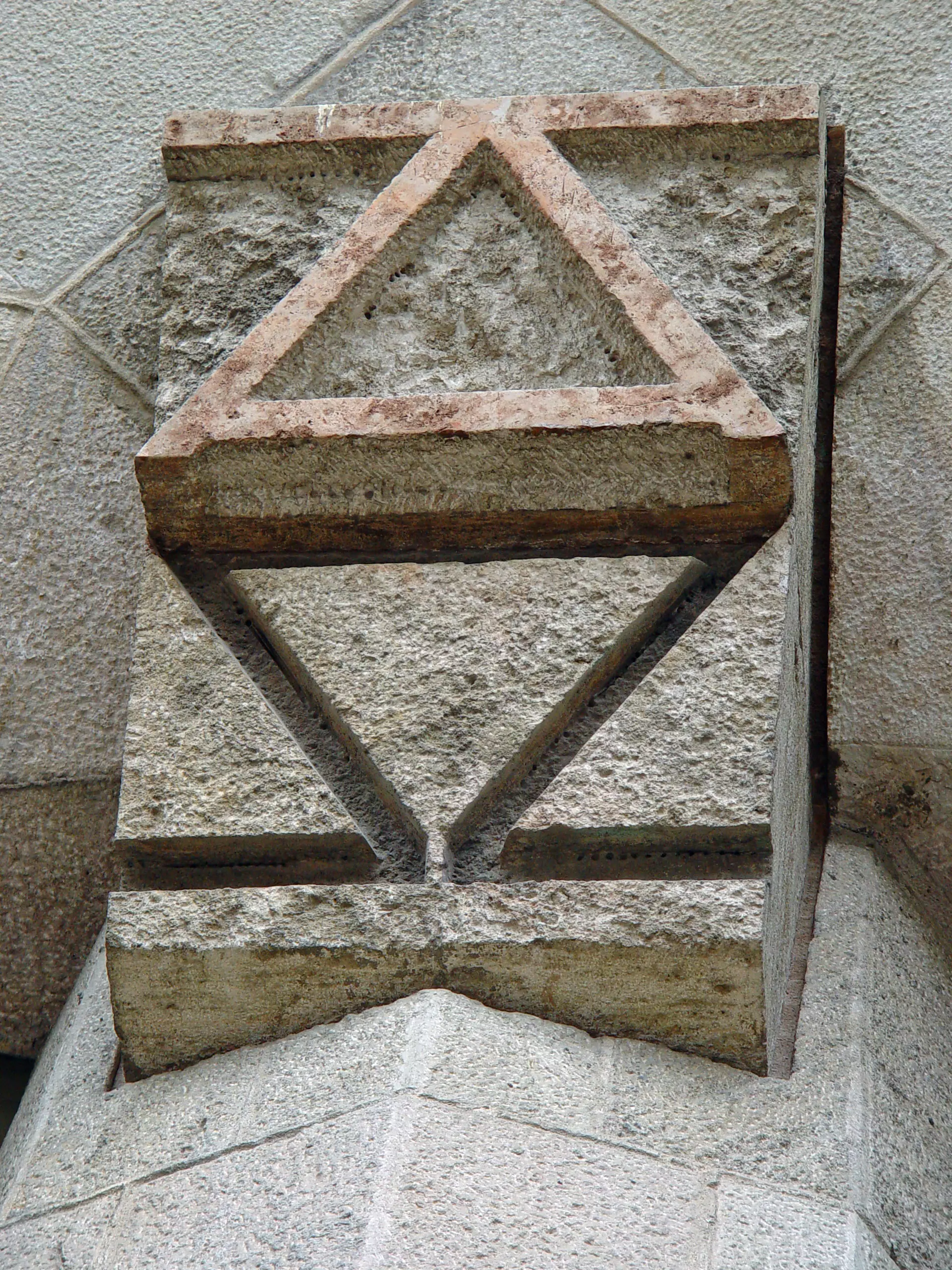
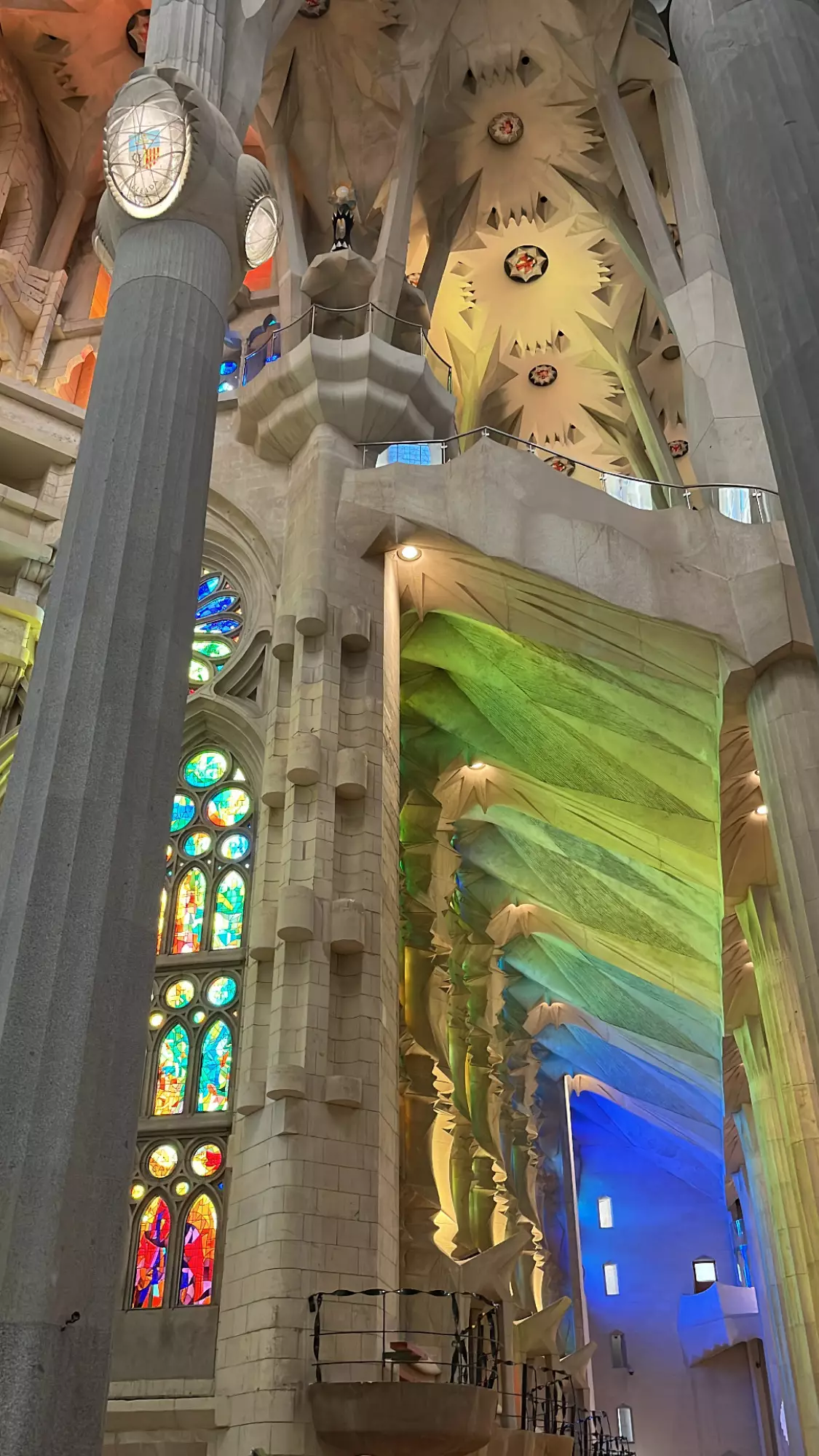
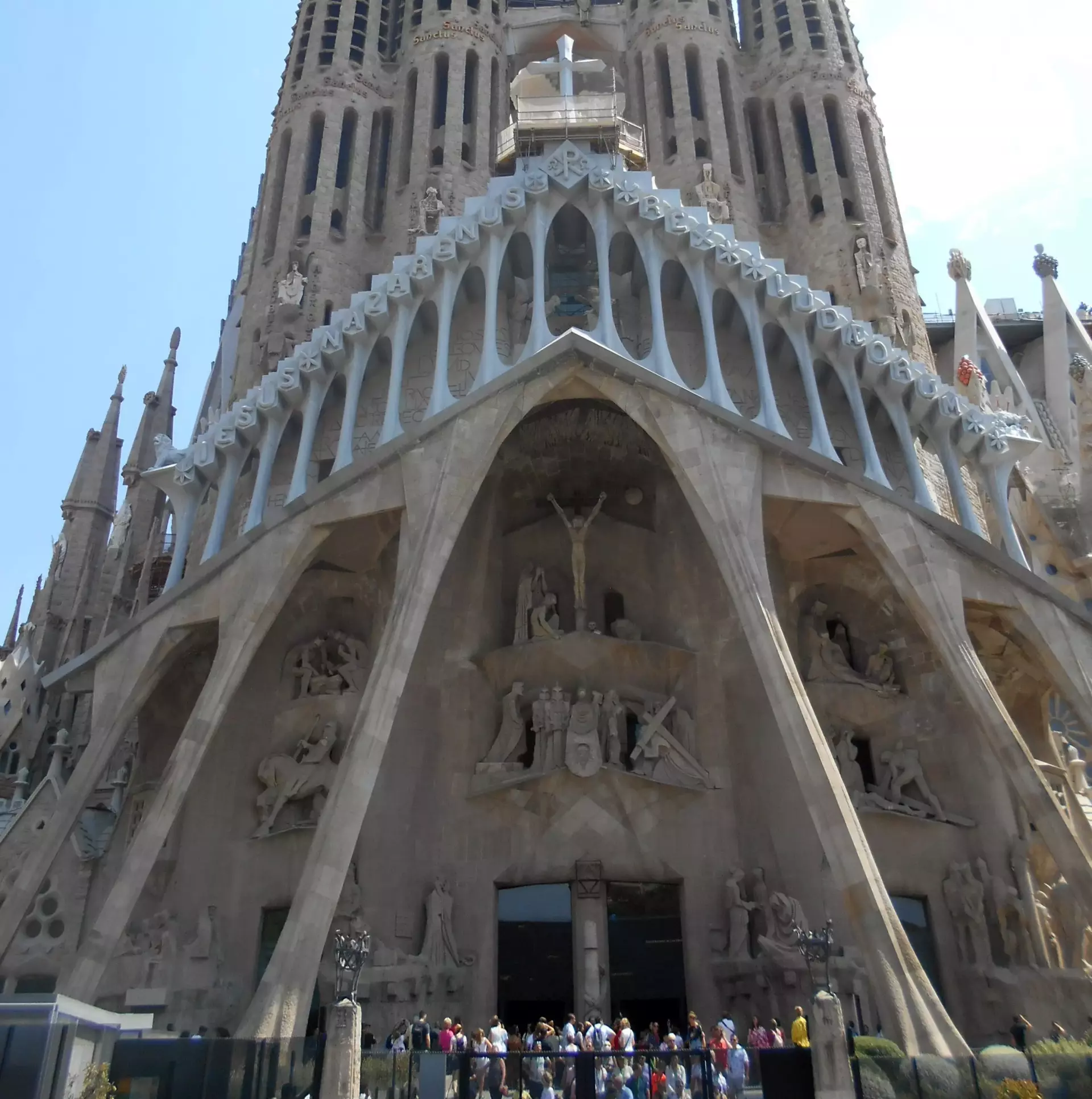
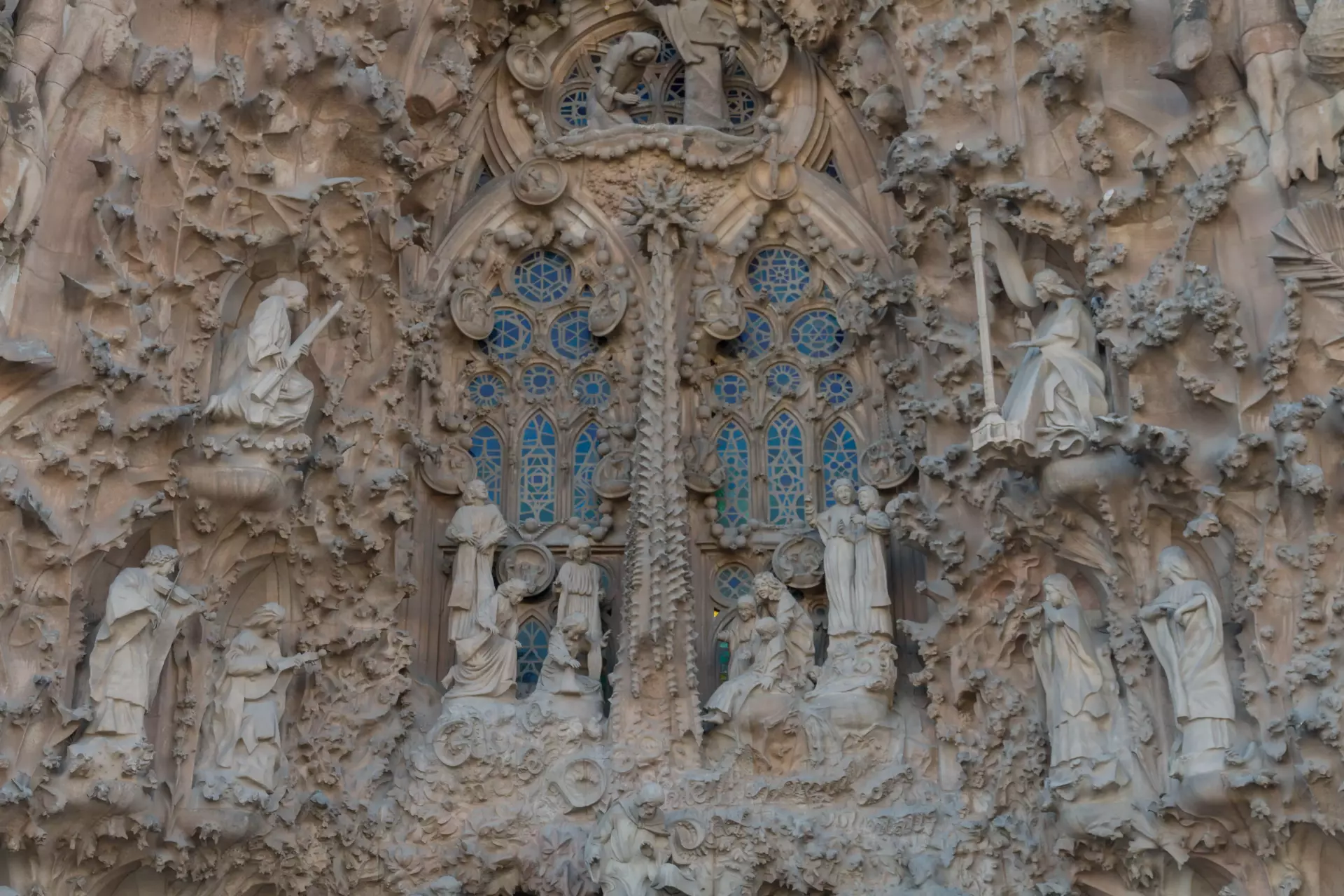
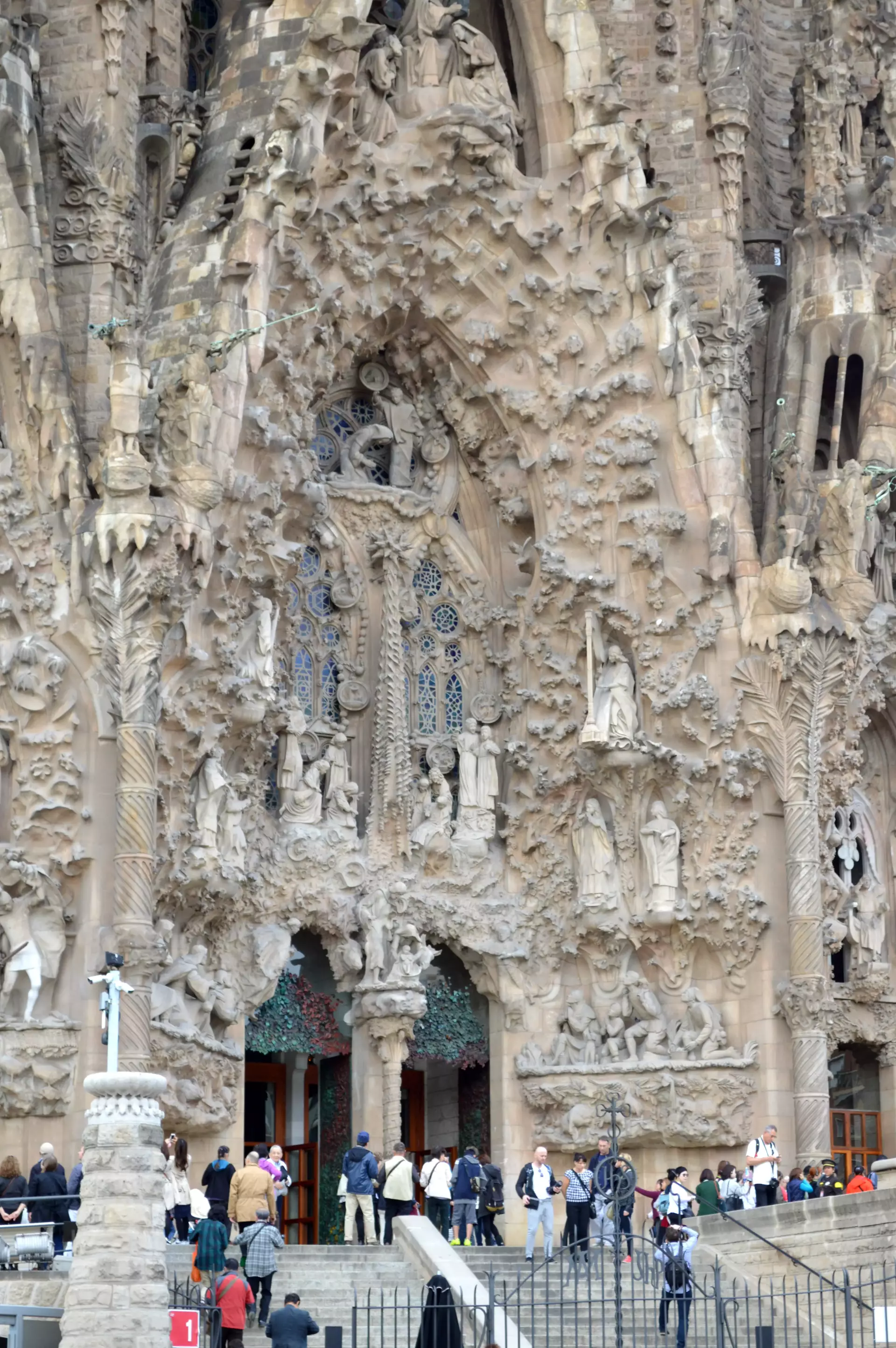
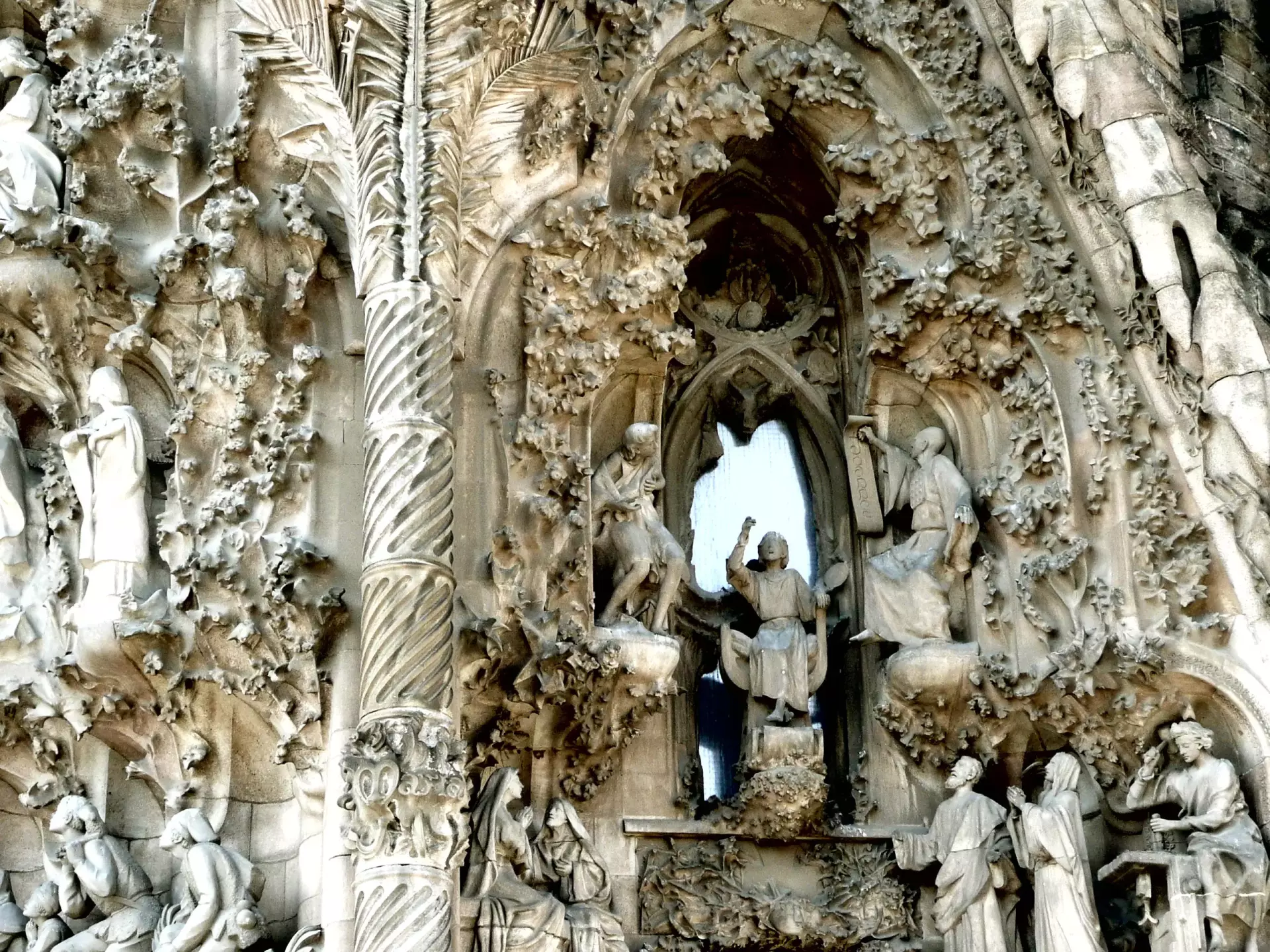
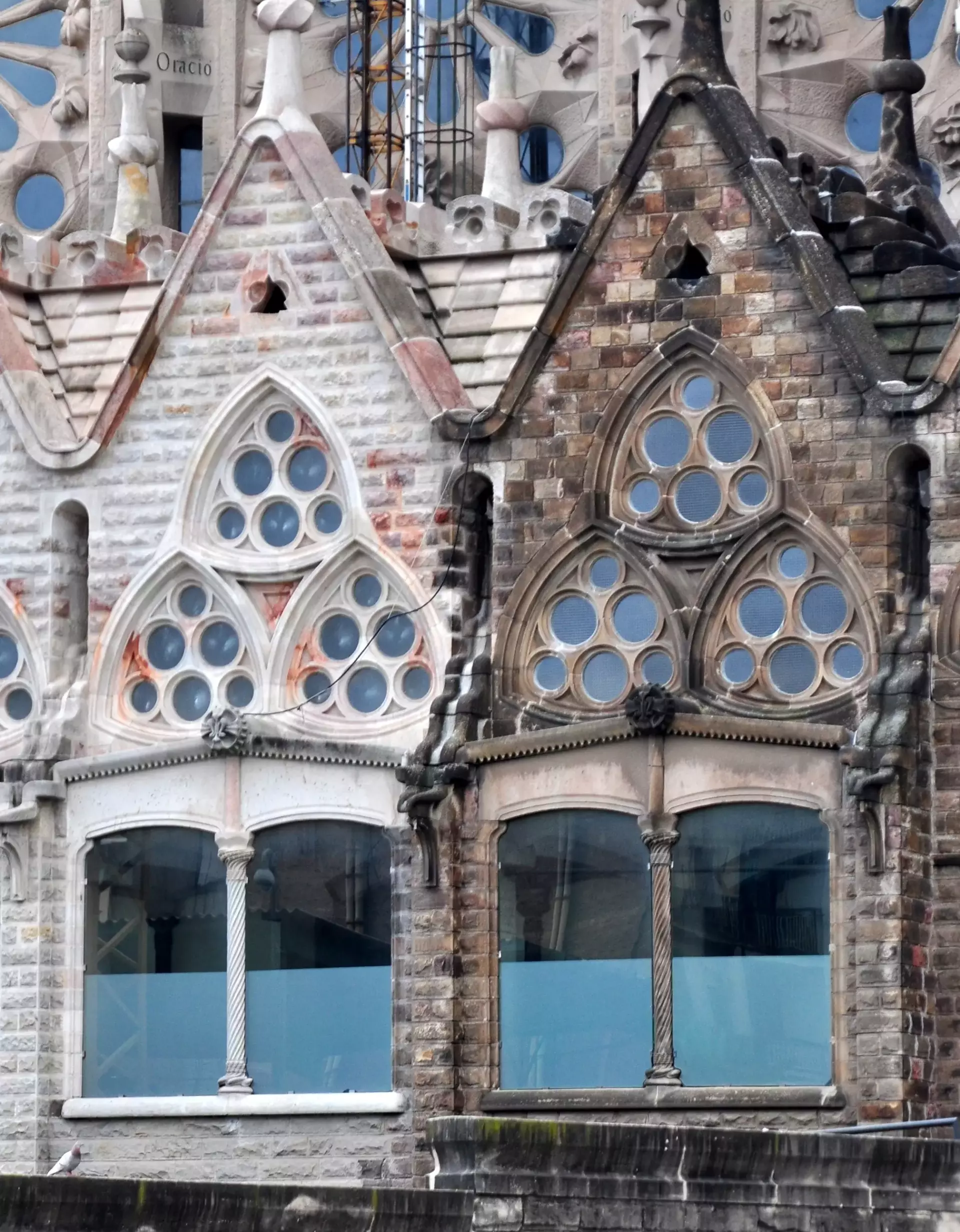
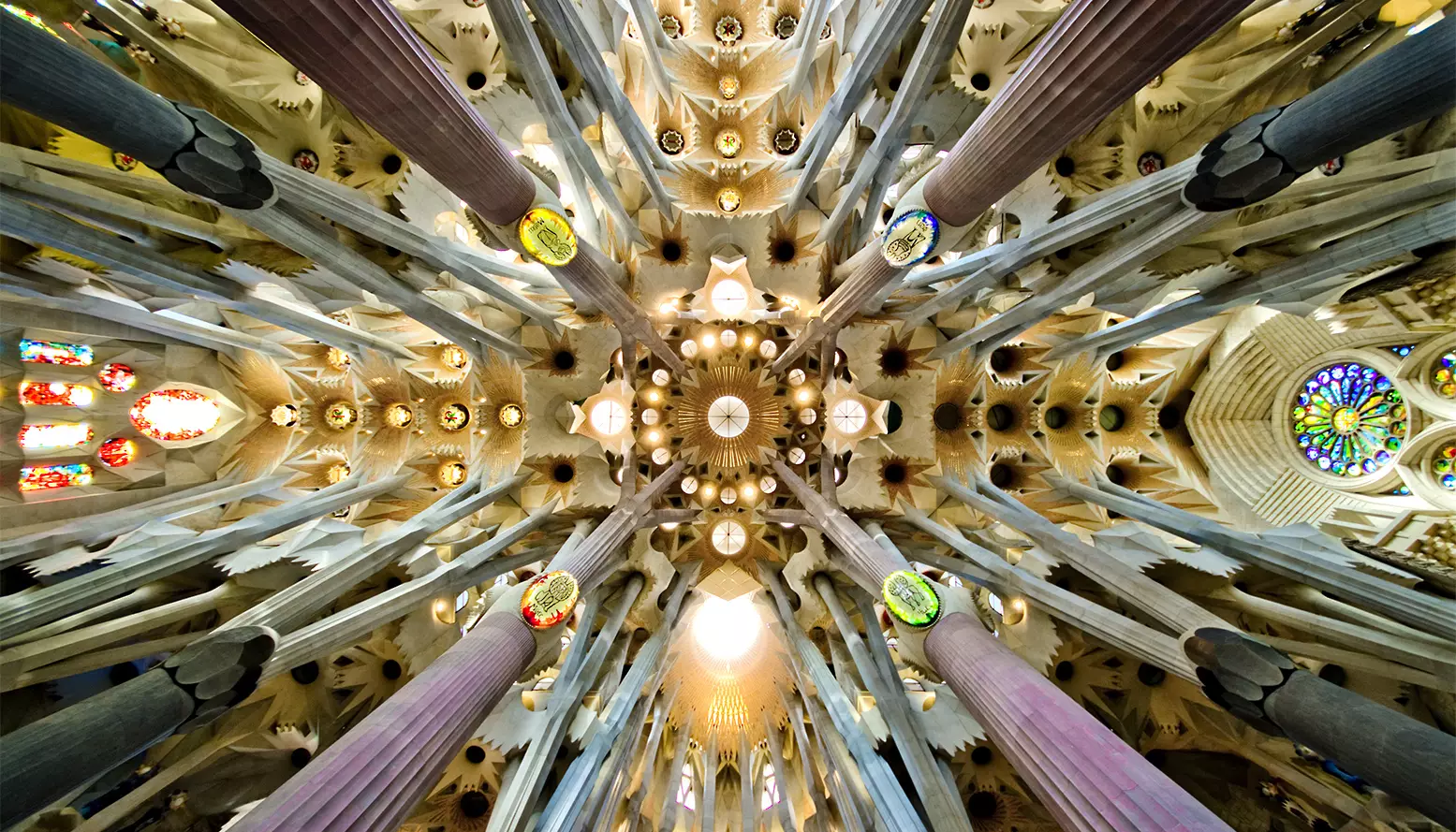
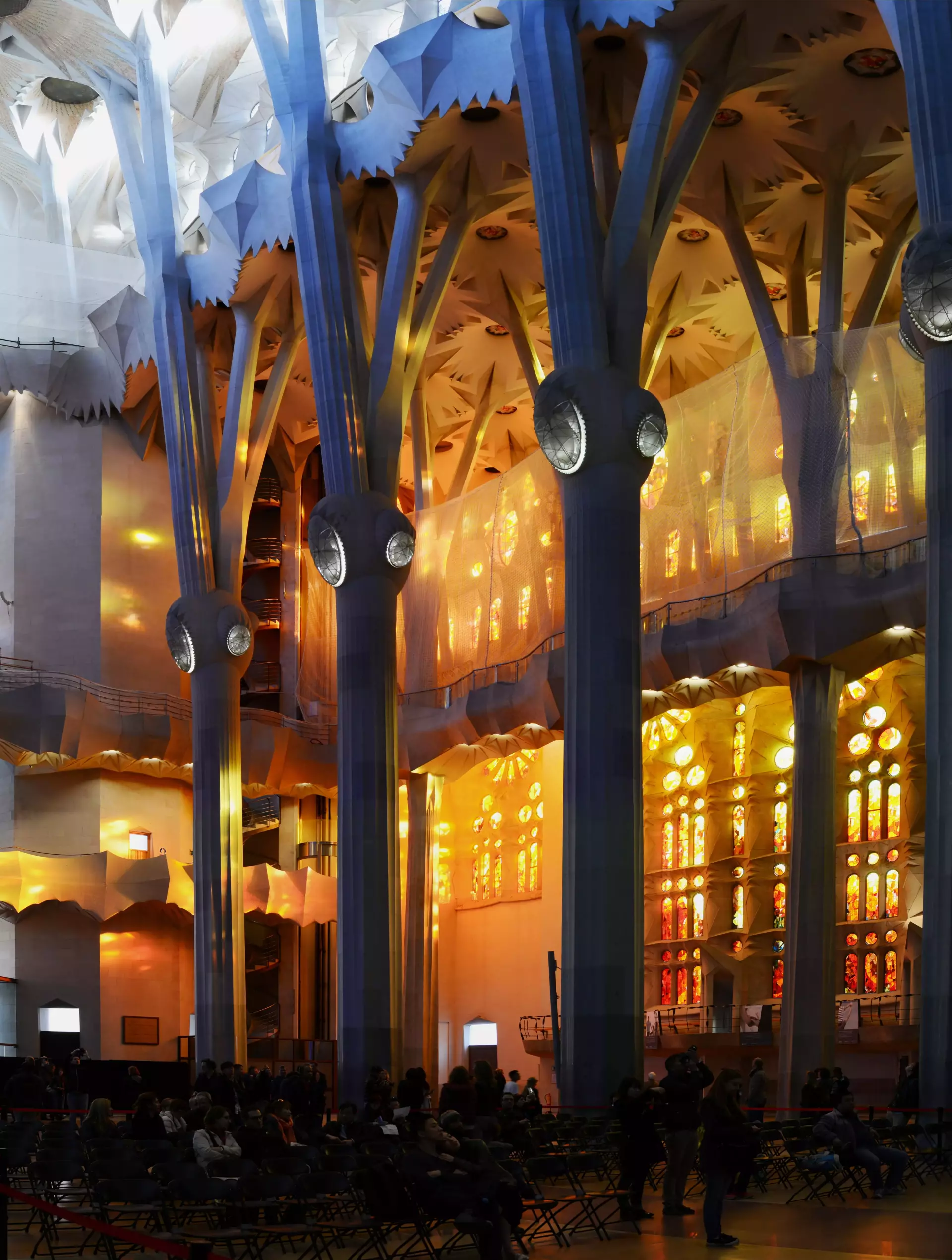
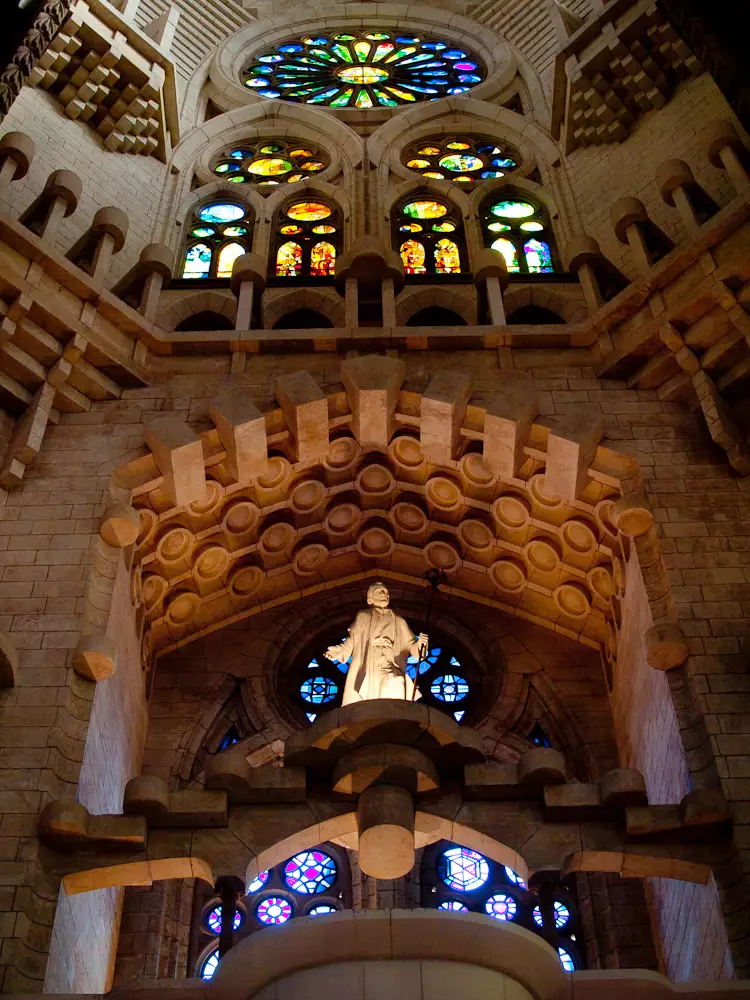
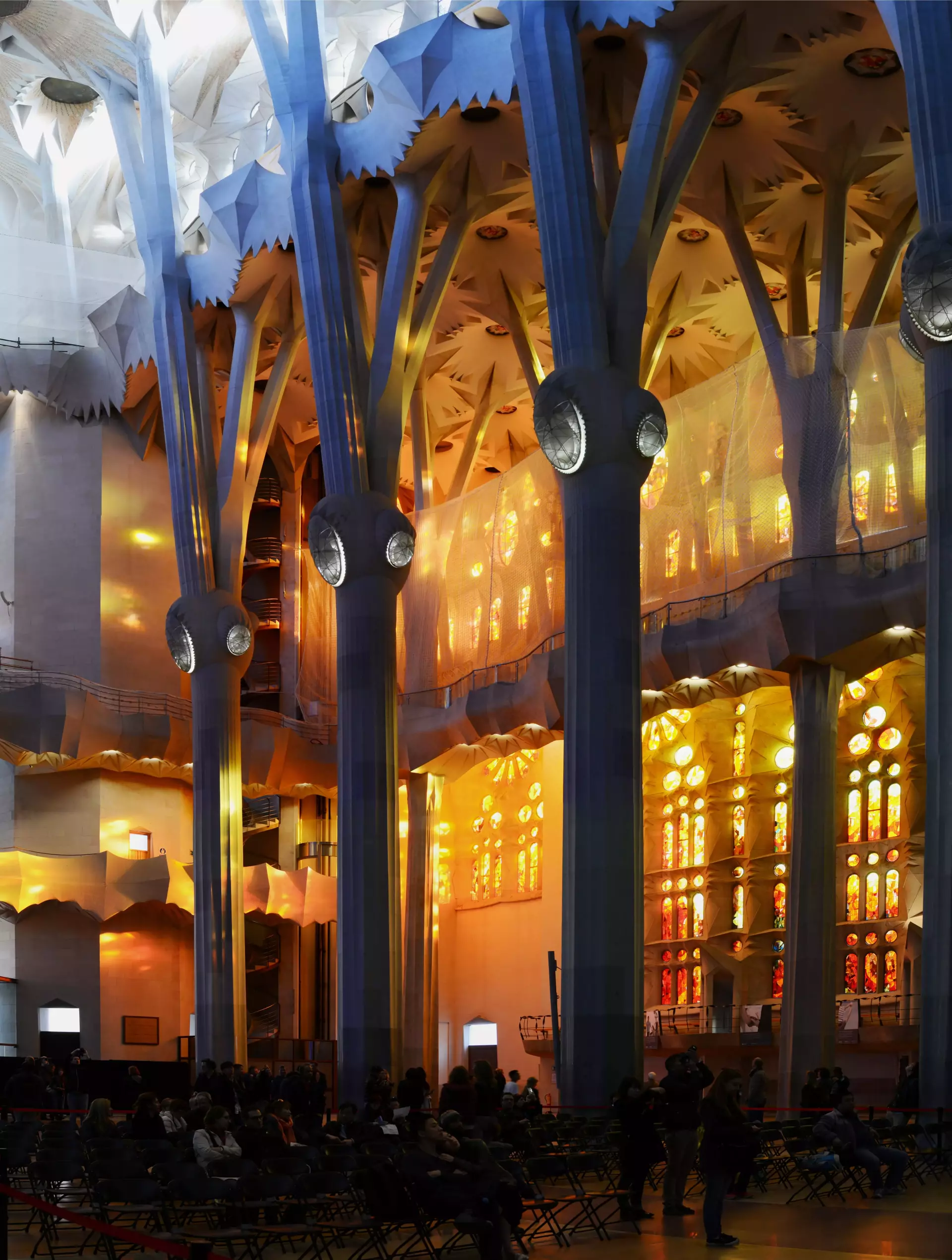
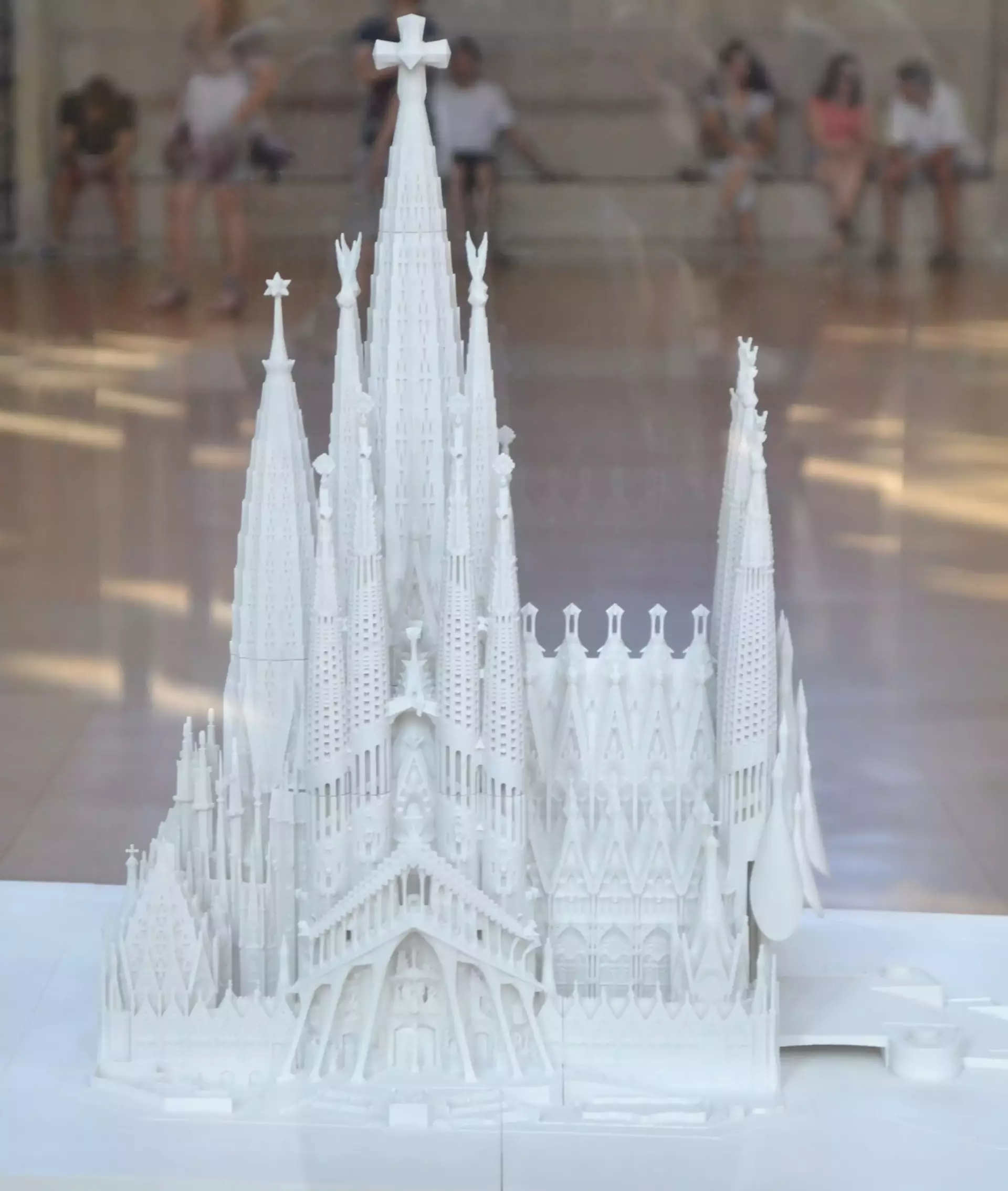
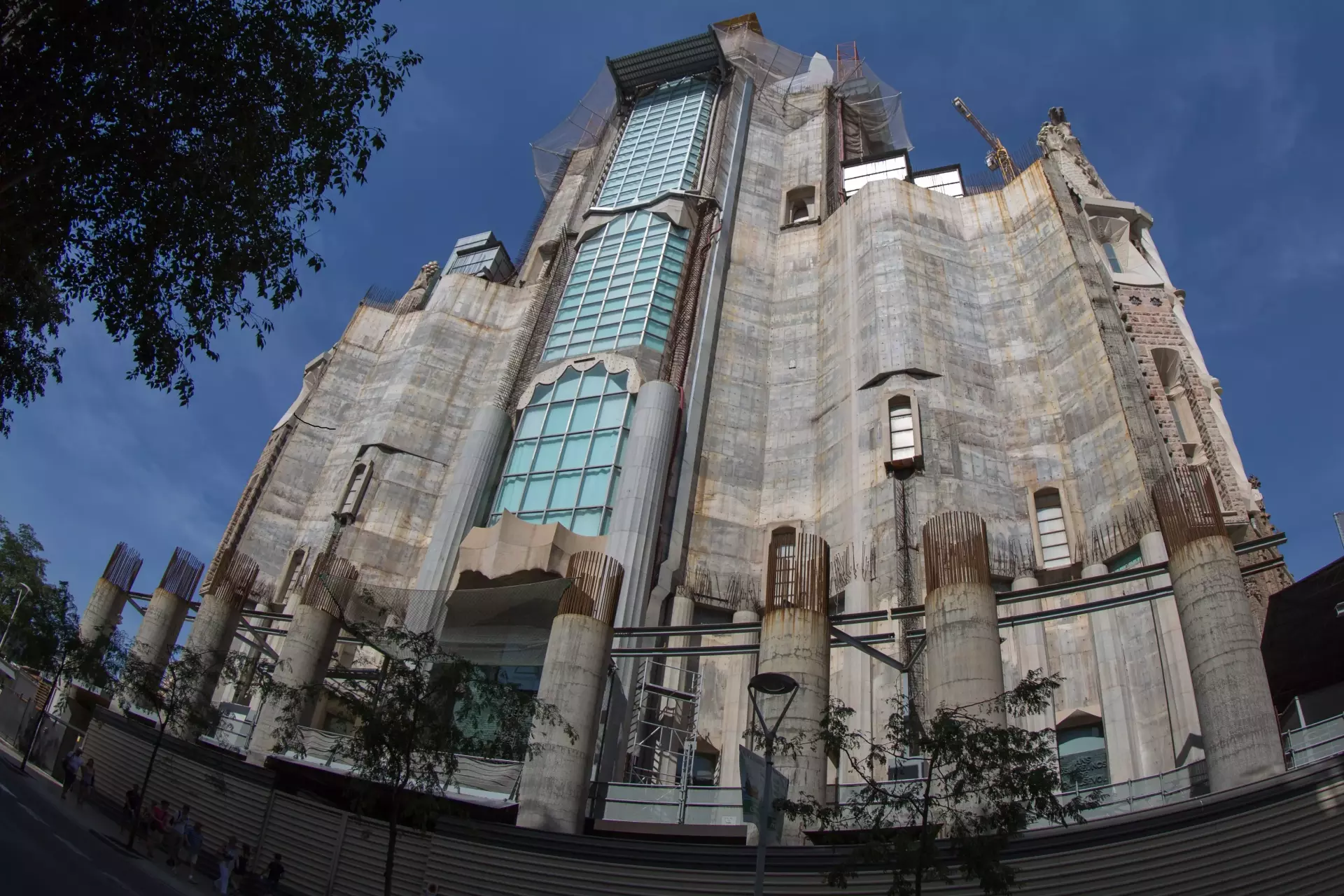
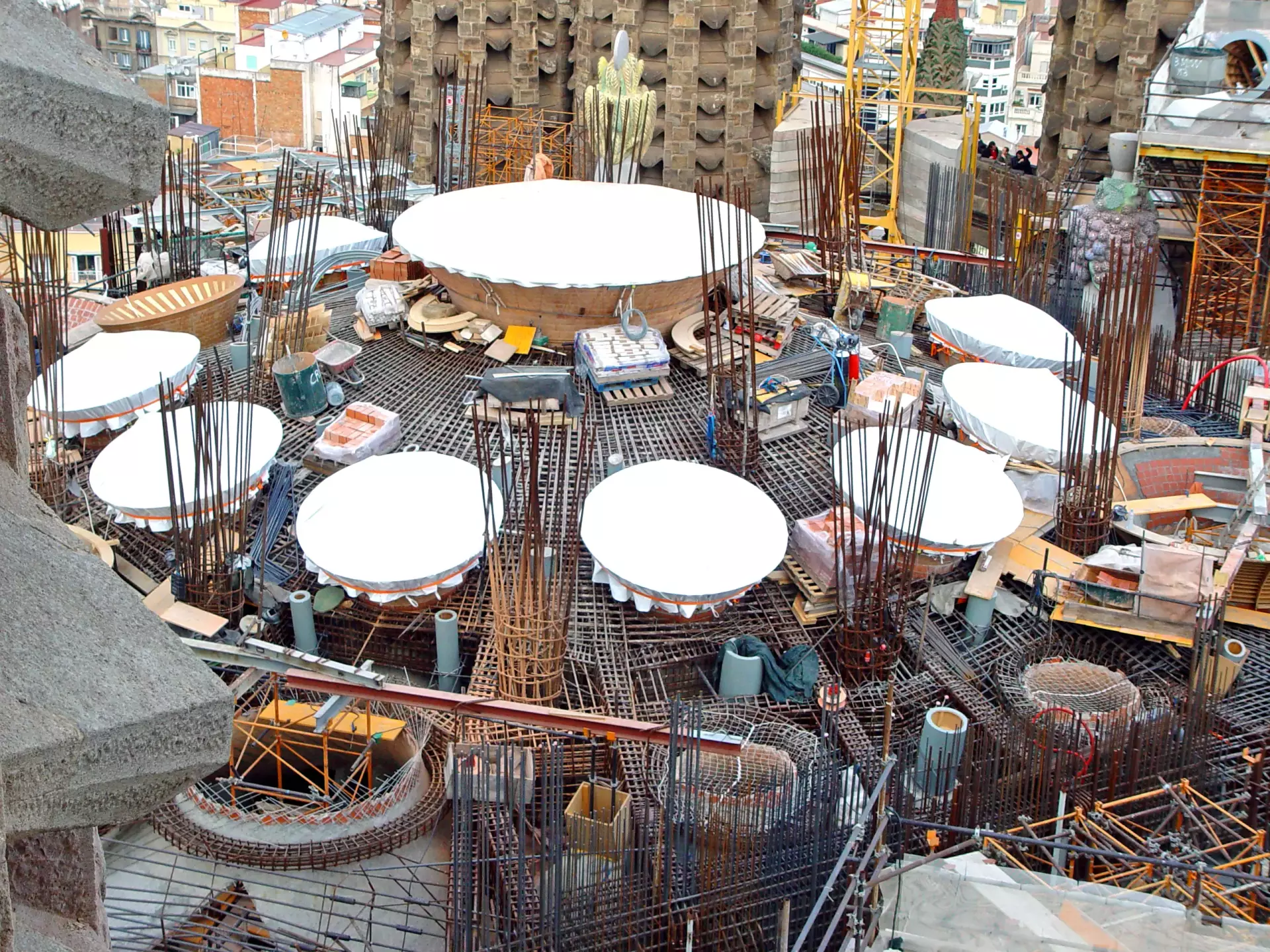
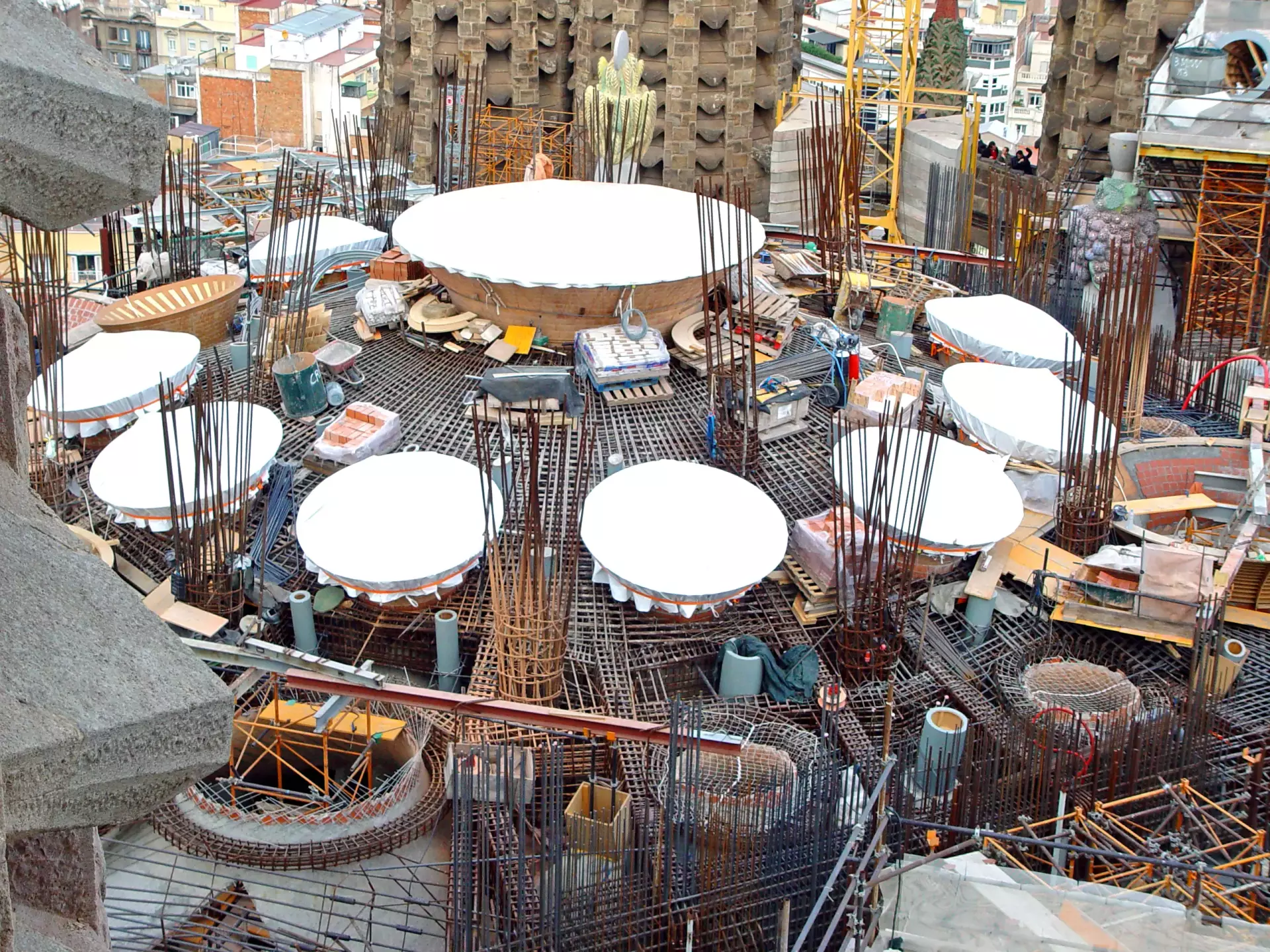
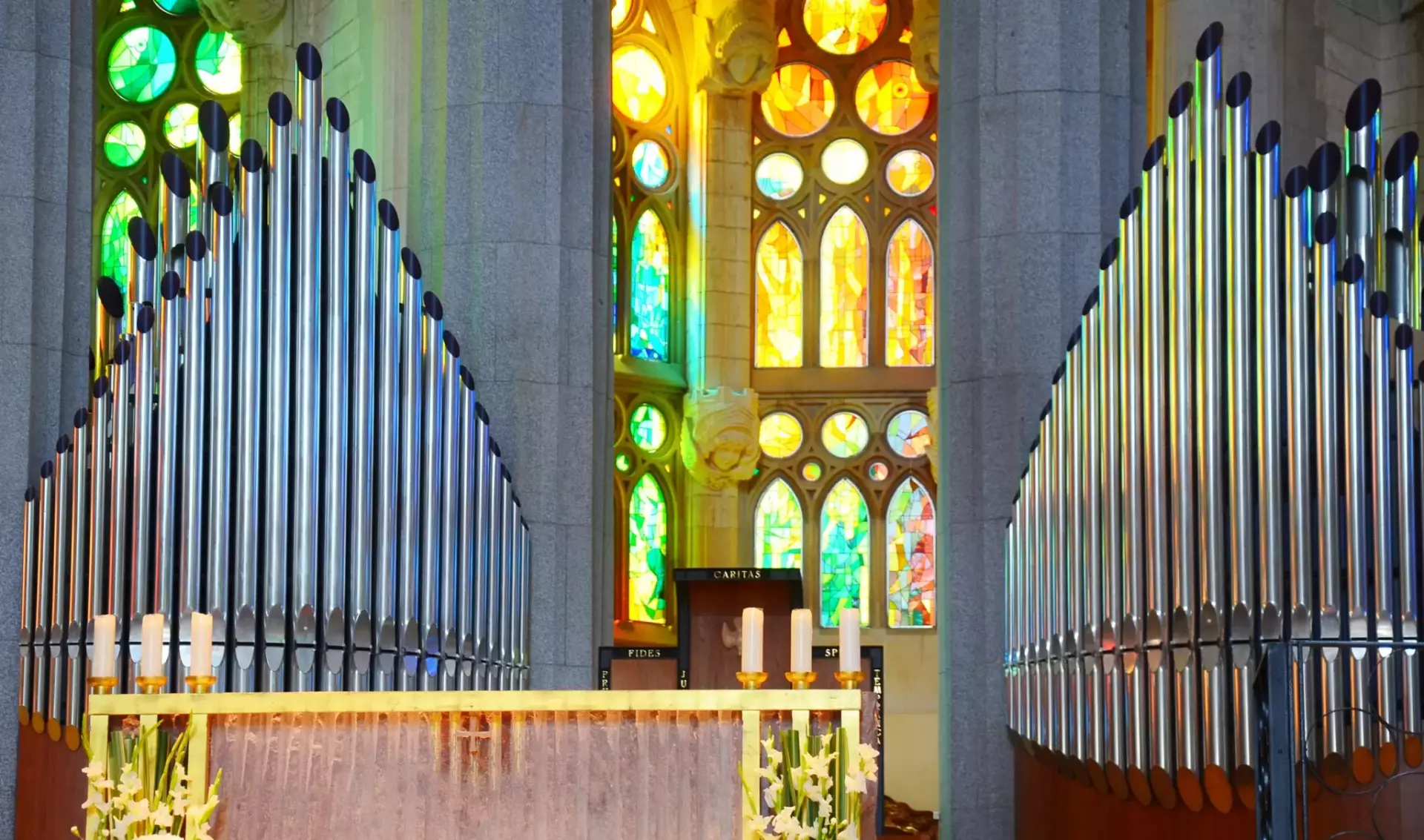
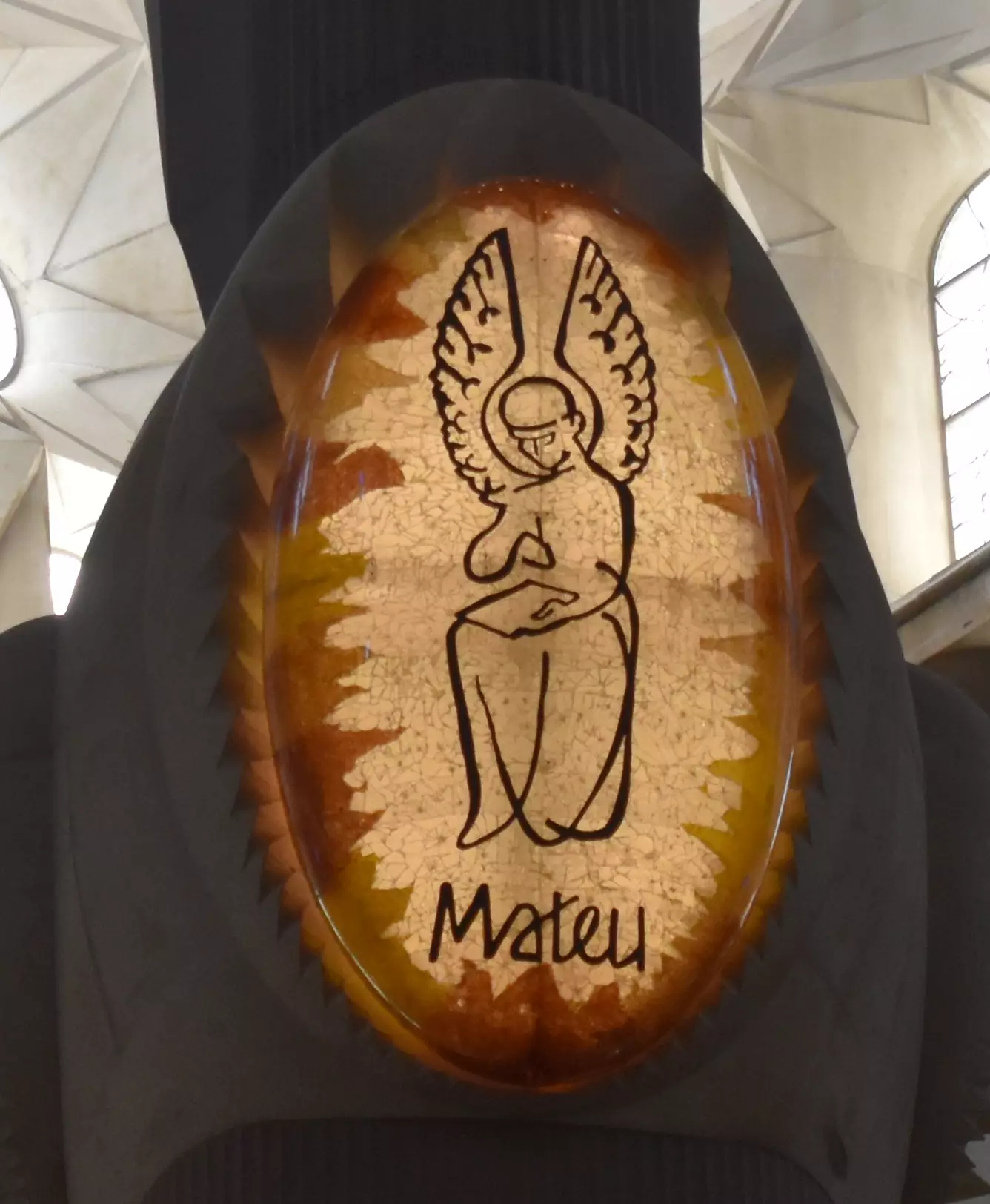
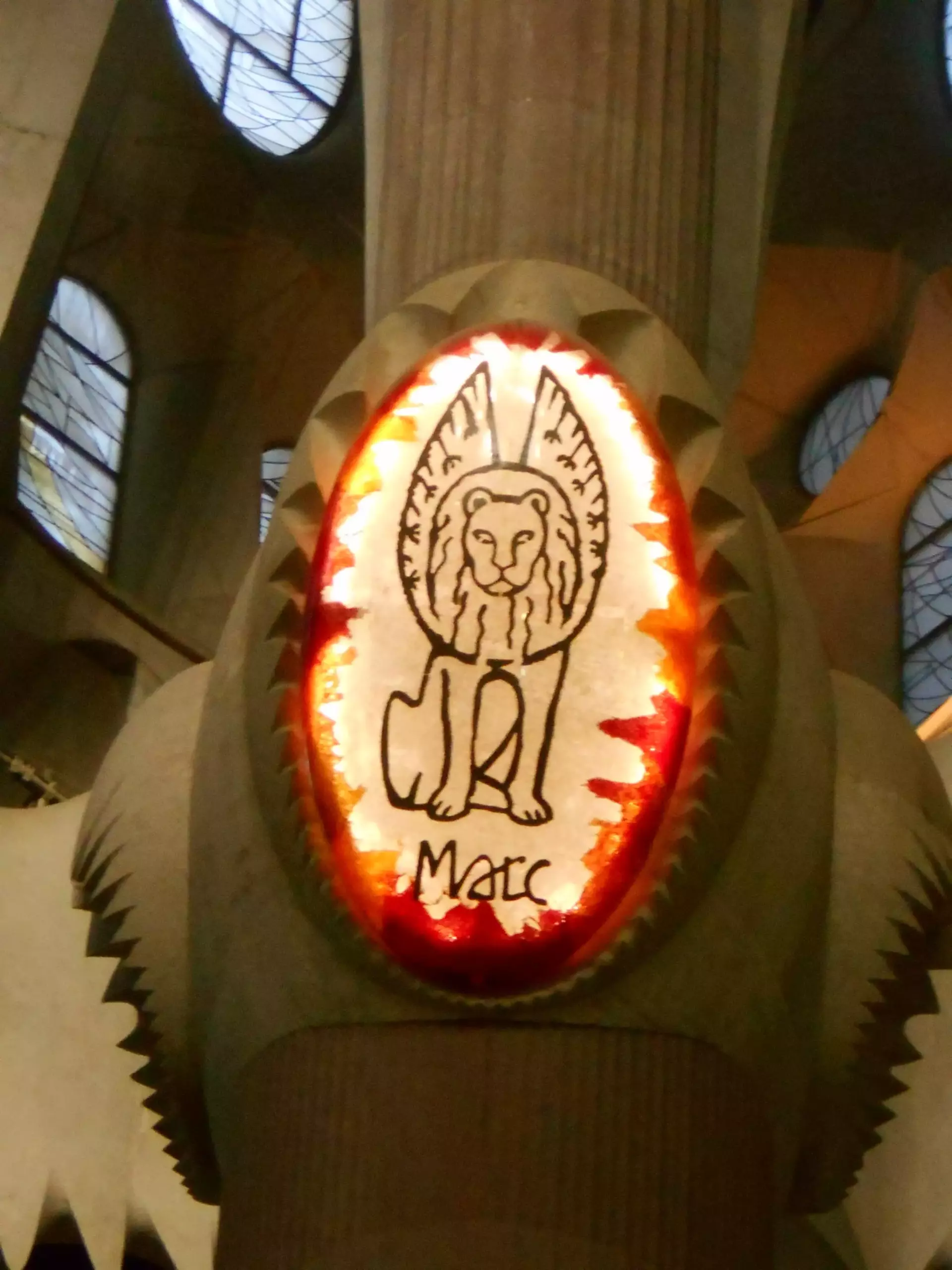
Barcelona's Sagrada Família stands as a striking testament to Antonio Gaudi's unique modernist style. Unlike any other church in the world, its design captures the imagination with intricate textures and details on its facades. These elements incorporate forms inspired by nature, reflecting much of Gaudi's artistic philosophy.
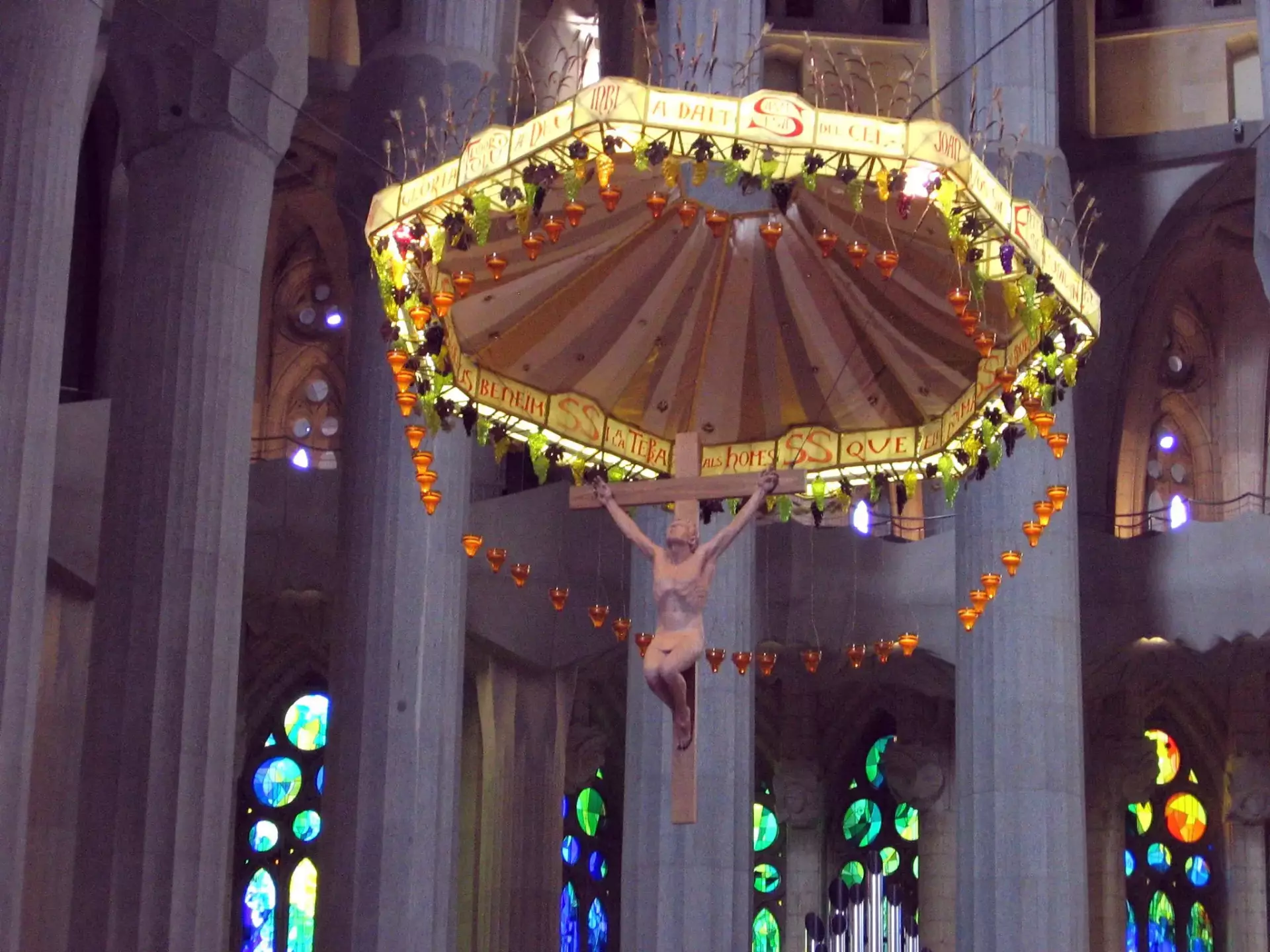
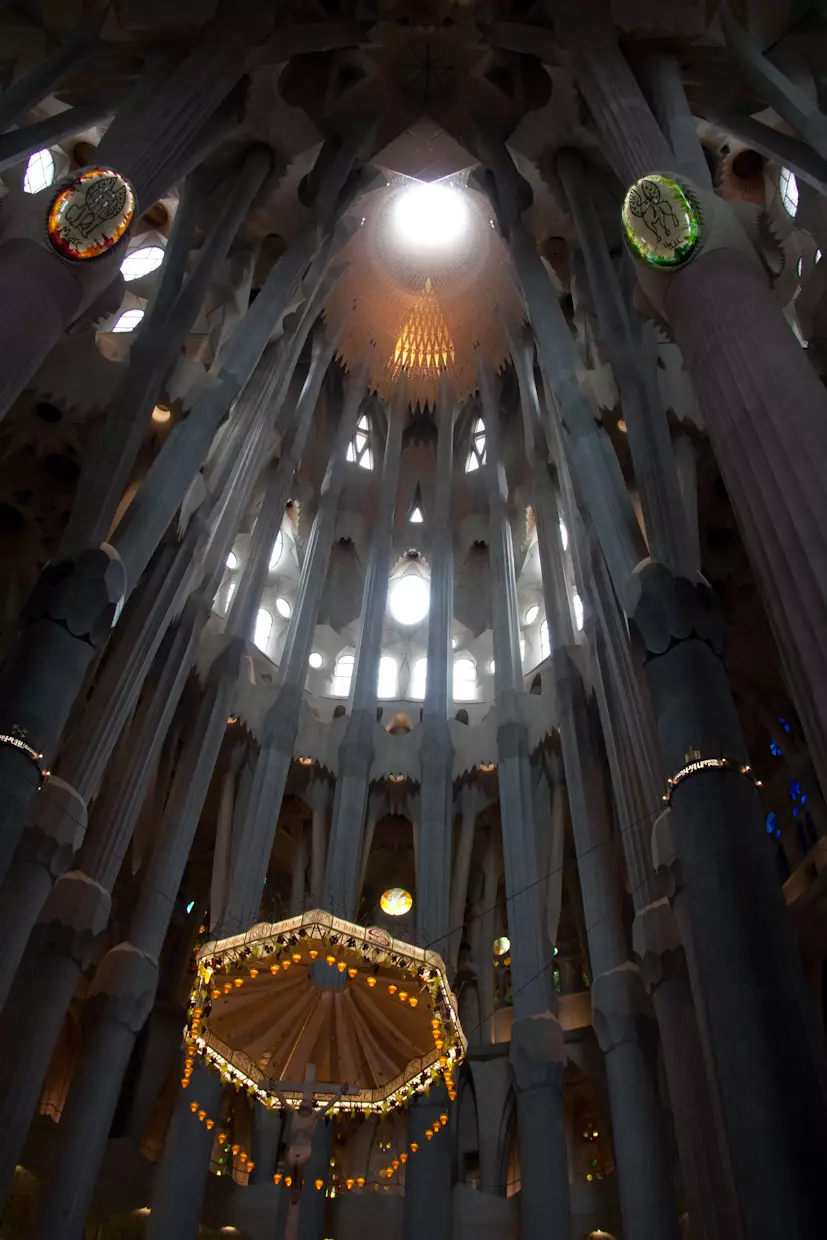
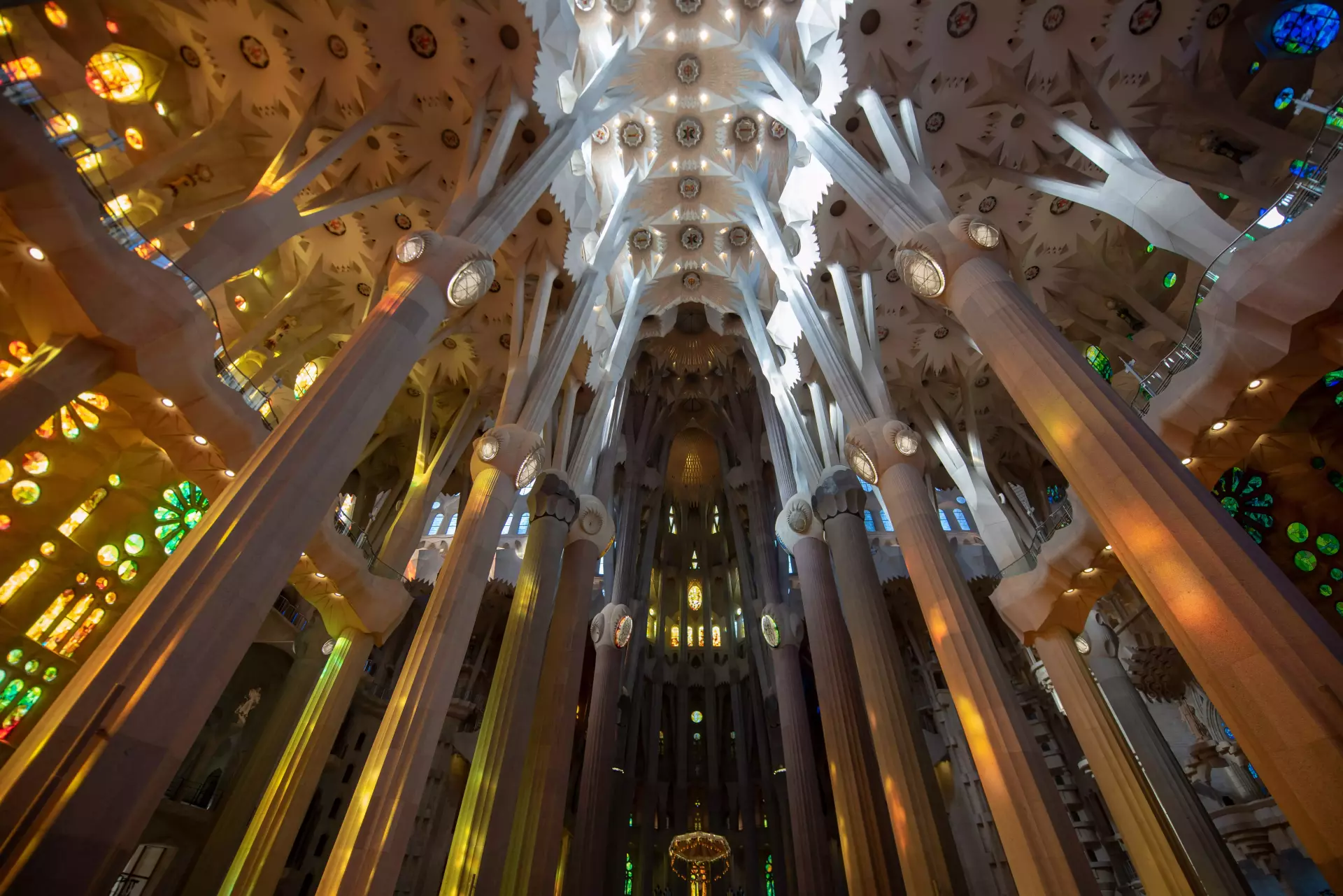
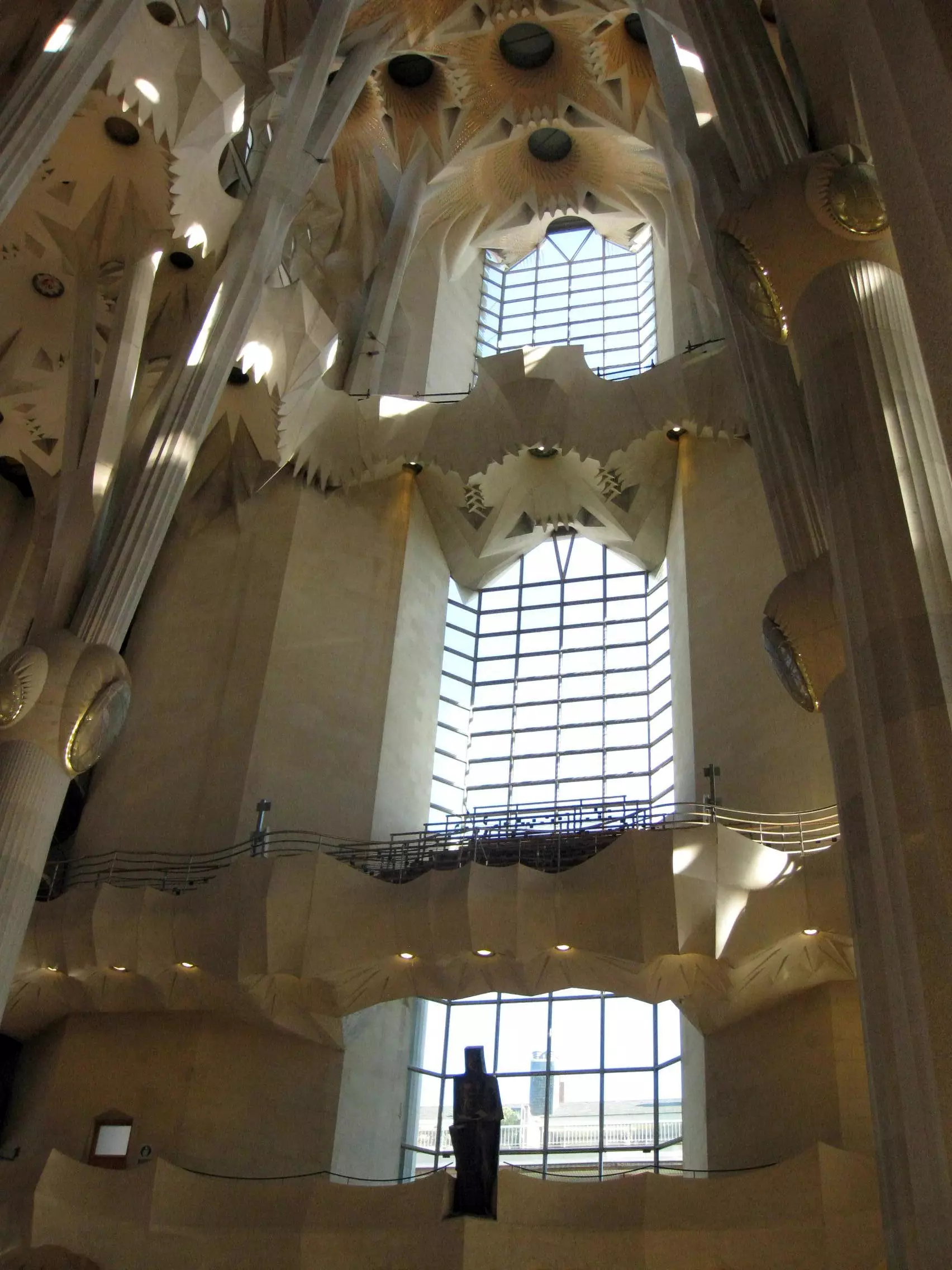
The interior of the Sagrada Família is nothing short of awe-inspiring. With its vast space capable of accommodating up to 13,000 people, the church boasts vaulted ceilings and tree-like columns that evoke a natural forest canopy. Although construction continues, the central nave, apse, and crypt are accessible to visitors, offering a glimpse into Gaudi's brilliant vision.
Visiting the Sagrada Família during the evening is particularly impressive. As the lights illuminate the structure, it becomes evident why some describe it as being built from bones. This nighttime view adds another layer of enchantment to this already mesmerizing masterpiece.
Source - https://en.wikipedia.org/wiki/Sagrada_Fam%C3%ADlia
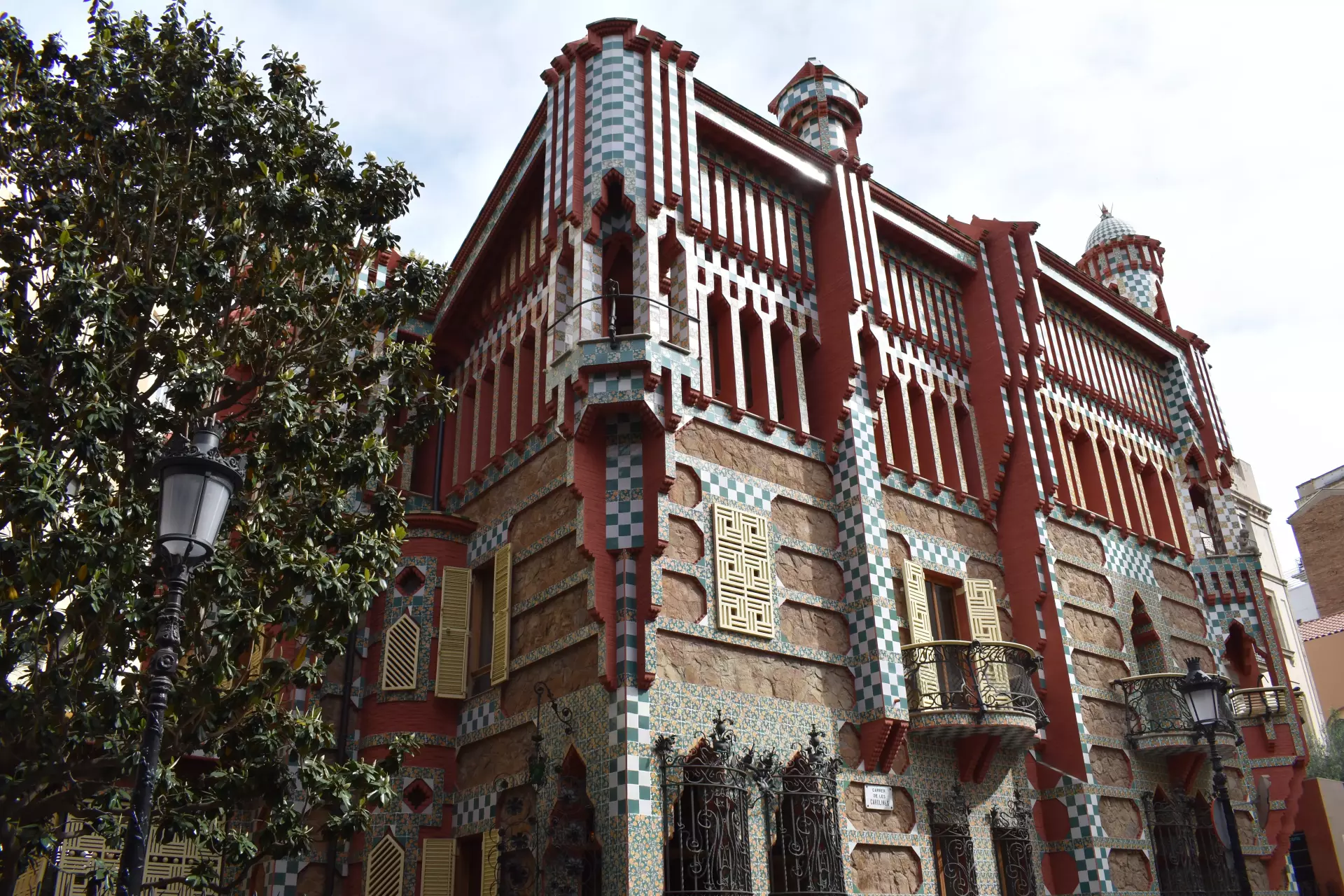
Designed by Puig i Cadafalch, the building is a fine work of Modernism. Check the detailed photos and explanation of facade sculptures. It also has a shop that sells fine chocolate (the Amatller family made its money out of cocoa).
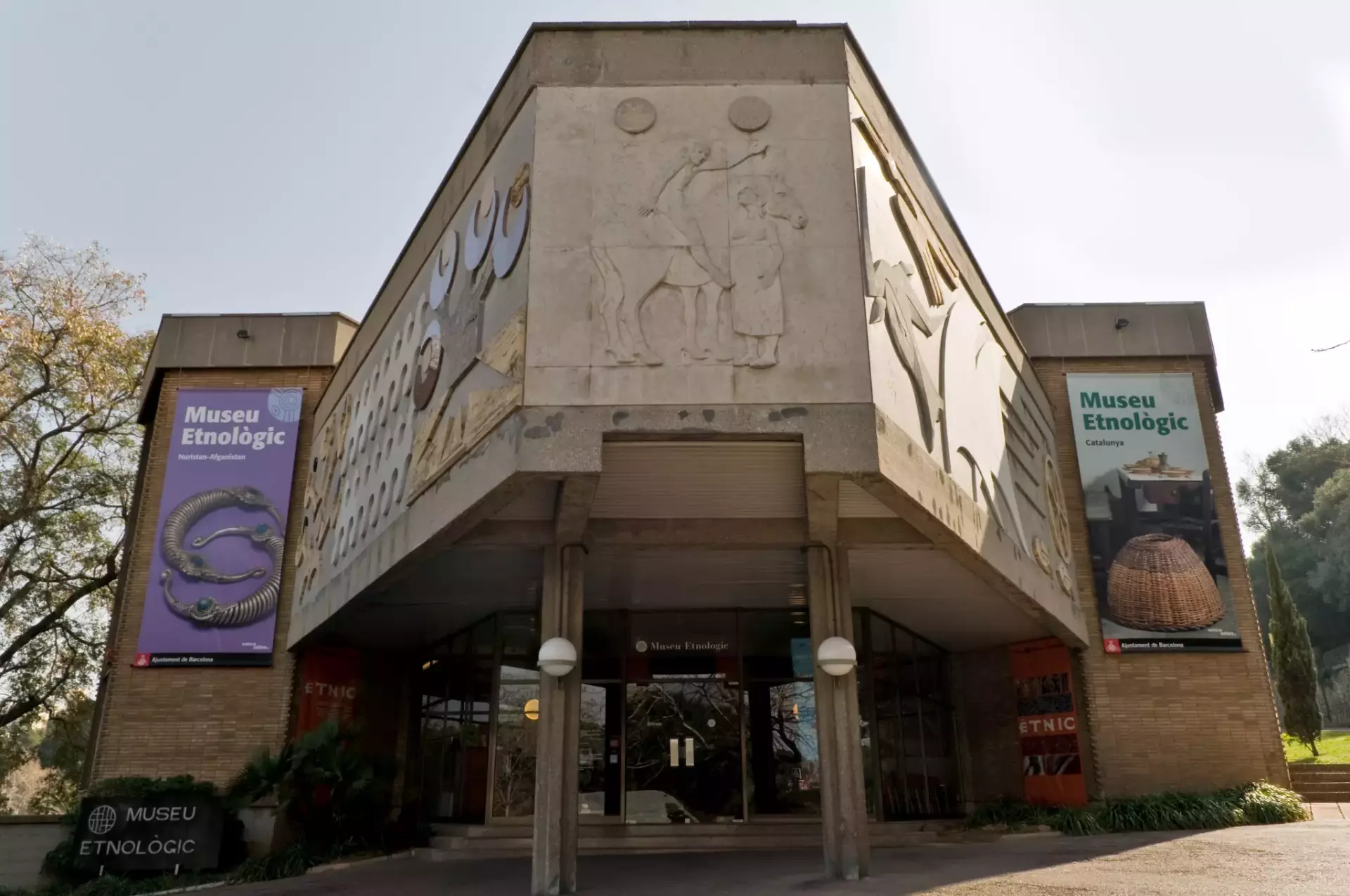
This museum mainly exhibits exponents, which were imported by Catalan sailors as they explored the new world. Free on the first Sunday each month (11:00 to 15:00)
This market was the central market for Barcelona until 1973 and its closing marked the beginning of the neighborhood's decline before its current resurgence. While undergoing renovations, whole streets and homes that had been demolished by Phillipe V's orders were discovered and archaeologists who worked to transform the market in to a cultural centre and history museum. Entrance and street level is free, but to visit the ruins requires paying for a ticket.
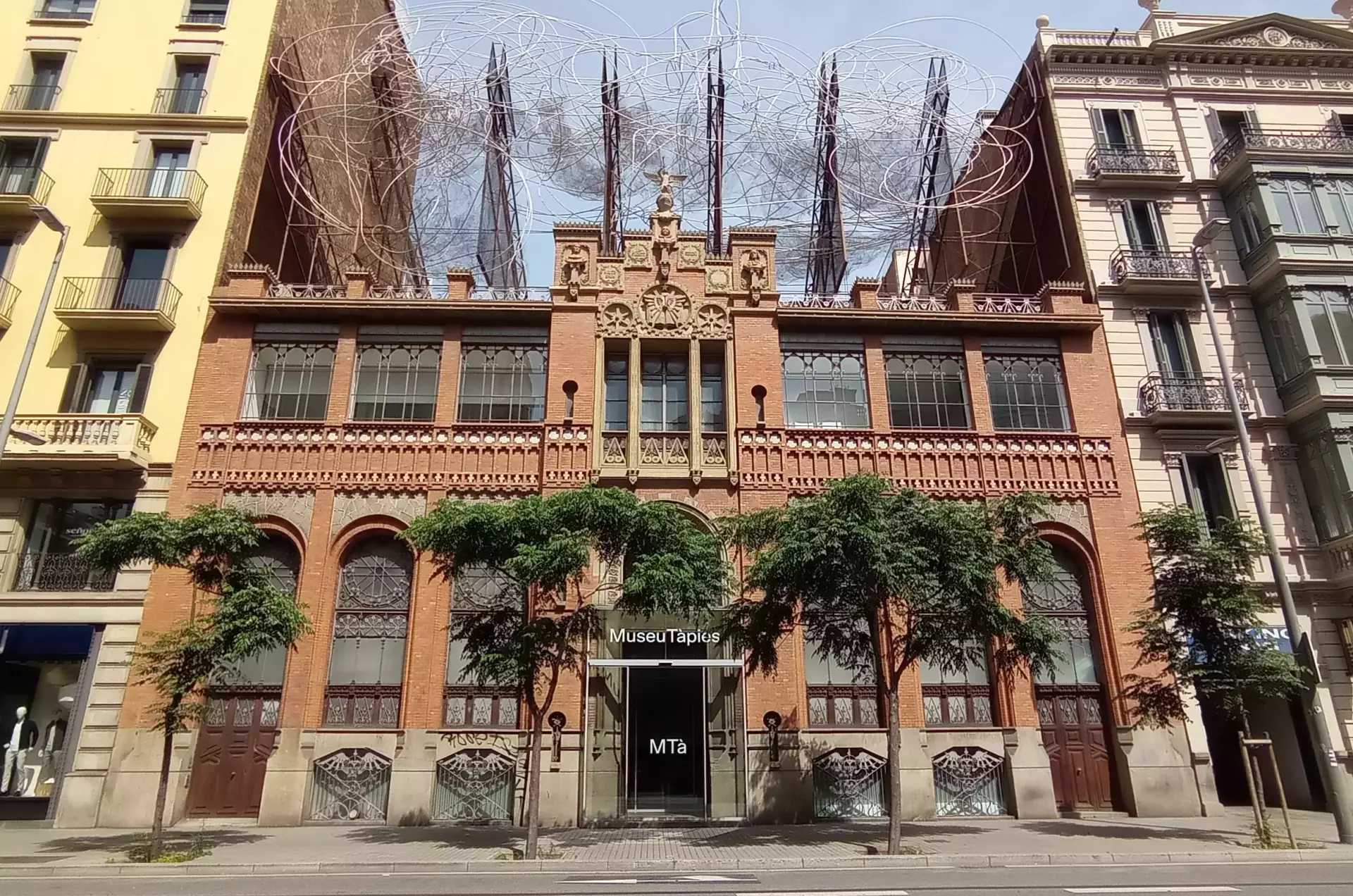
Created in 1984 by the artist Antoni Tàpies to promote the study and knowledge of modern and contemporary art.
One of the most unusual landmarks in this otherwise ultra-modern area is this 19th-century (finished in 1882) brick water tower. Standing 62 metres tall, it is now overshadowed by neighbouring residential, office and hotel towers and easy to miss unless you know where to look for it.
The main Gothic church in Barcelona. The cloister is maybe the most interesting part.
The stadium and its surroundings built in 1927 and renovated for the 1992 Summer Olympics provides nice architectonic and city views. Since it's not too crowded outside sport events, it's usually a pretty calm place.
This square is famous for the nightlife and the uniform architecture, and features fountains and palm trees. It was built during the 19th century on the site of a monastery, after the Mendizábal law expelled the monks. After some years Antoni Gaudí designed the streetlights which are still there. It has lots of activity during the day, thanks to the many terraces of the bars and restaurants.
Has a lot of art from his first period, before the cubism, but almost none of his most famous works. Pictures are described only in Spanish, but overview texts for each period are available in English. Luggage over 30x30cm needs to be left at the checkroom and there's no liability for lost valuables.
Although a botanic garden had been established in Barcelona as early as 1888, the current gardens date from 1999.
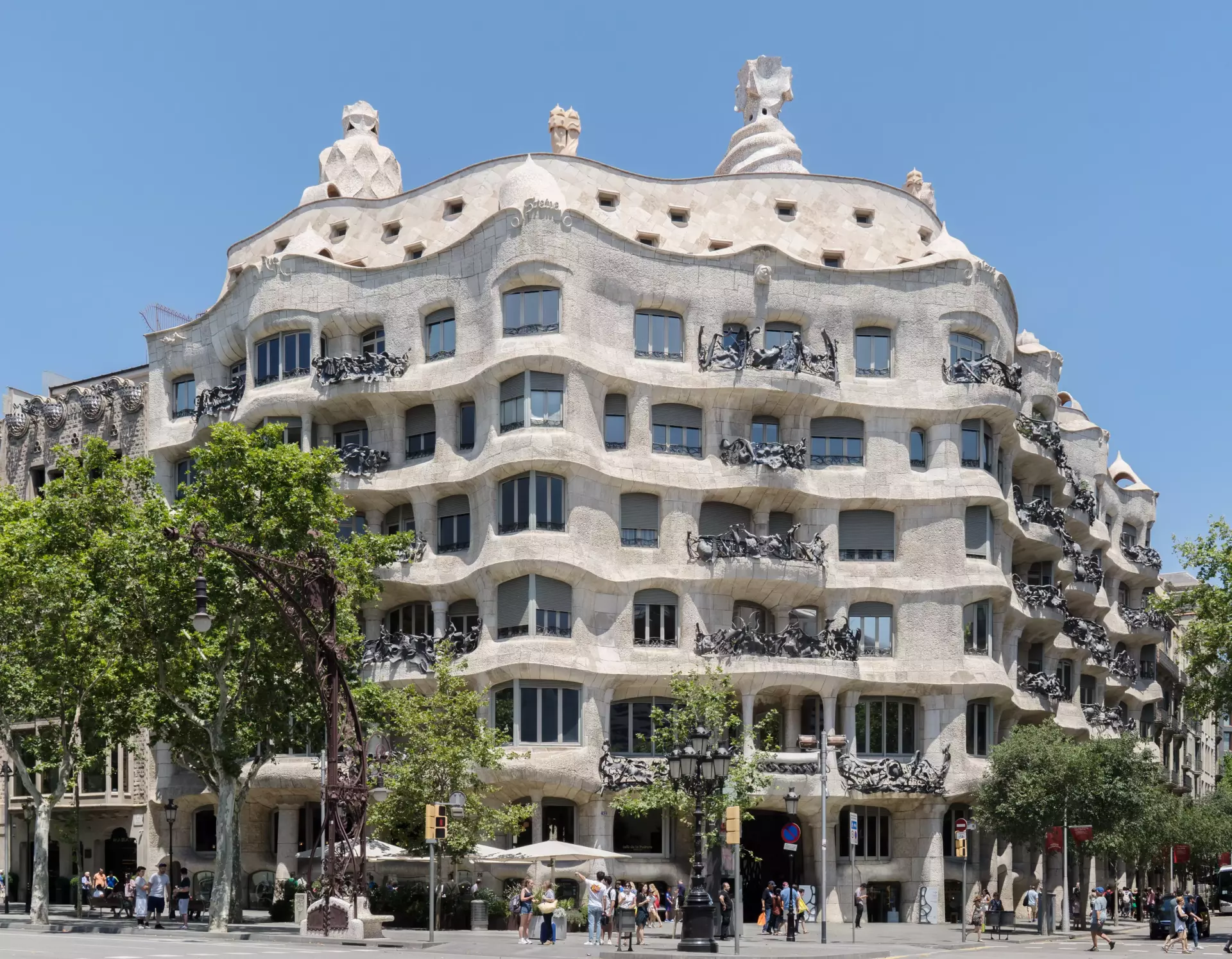
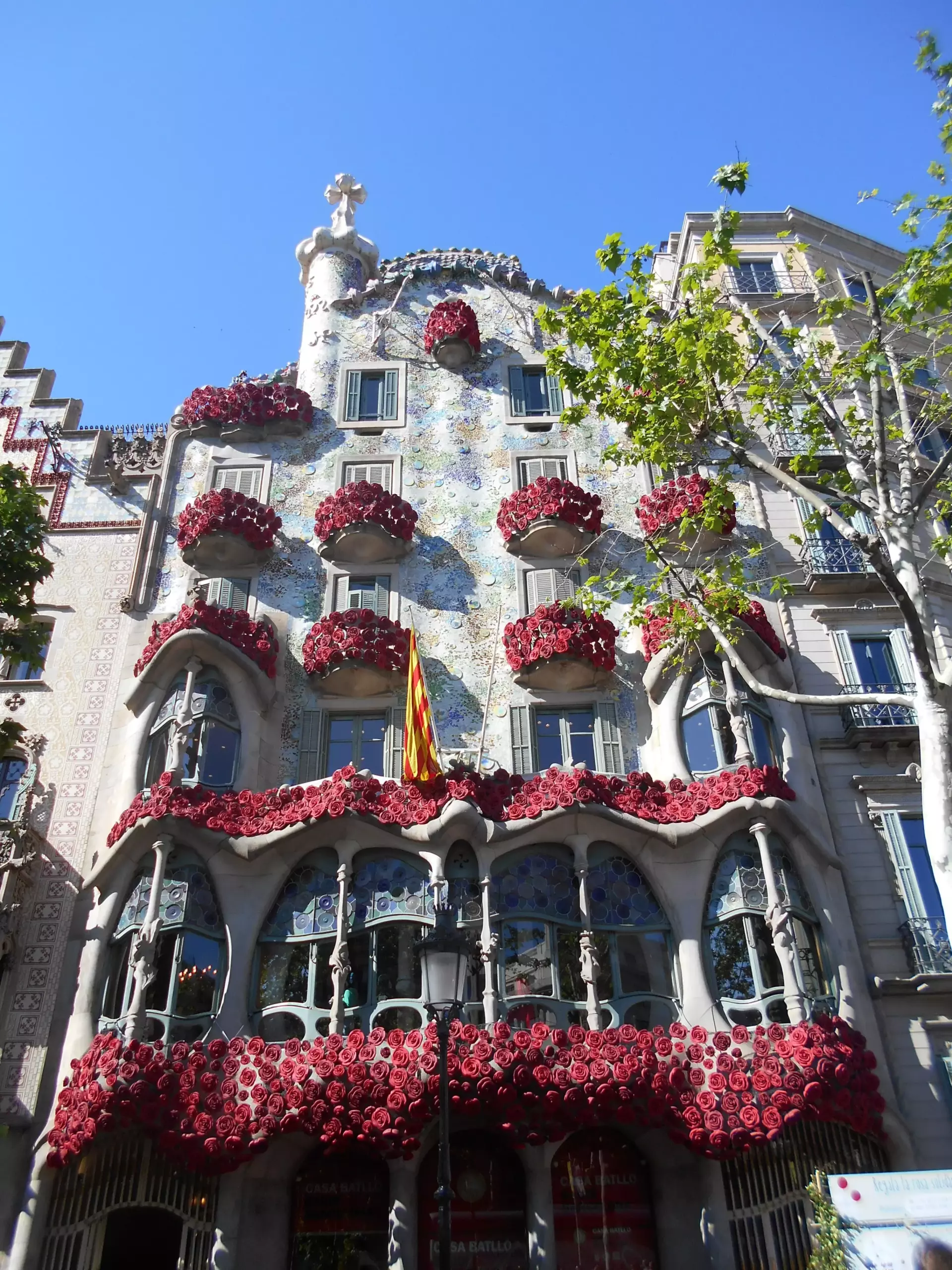
One of Gaudi's masterpieces, there is not one straight edge on the exterior and the structure is one of Gaudi’s most eccentric and enticing architectural creations. Tours of the interior and the incredible roof structures are available. Great views of the tall buildings (especially La Sagrada Familia) from the roof. Hosts a large exposition of Gaudi works, covering Sagrada Familia and Casa Batlio, not only La Pedrera itself. The exposition is a good place to start your exploration of Gaudi; it reveals many hidden details for the art novice.
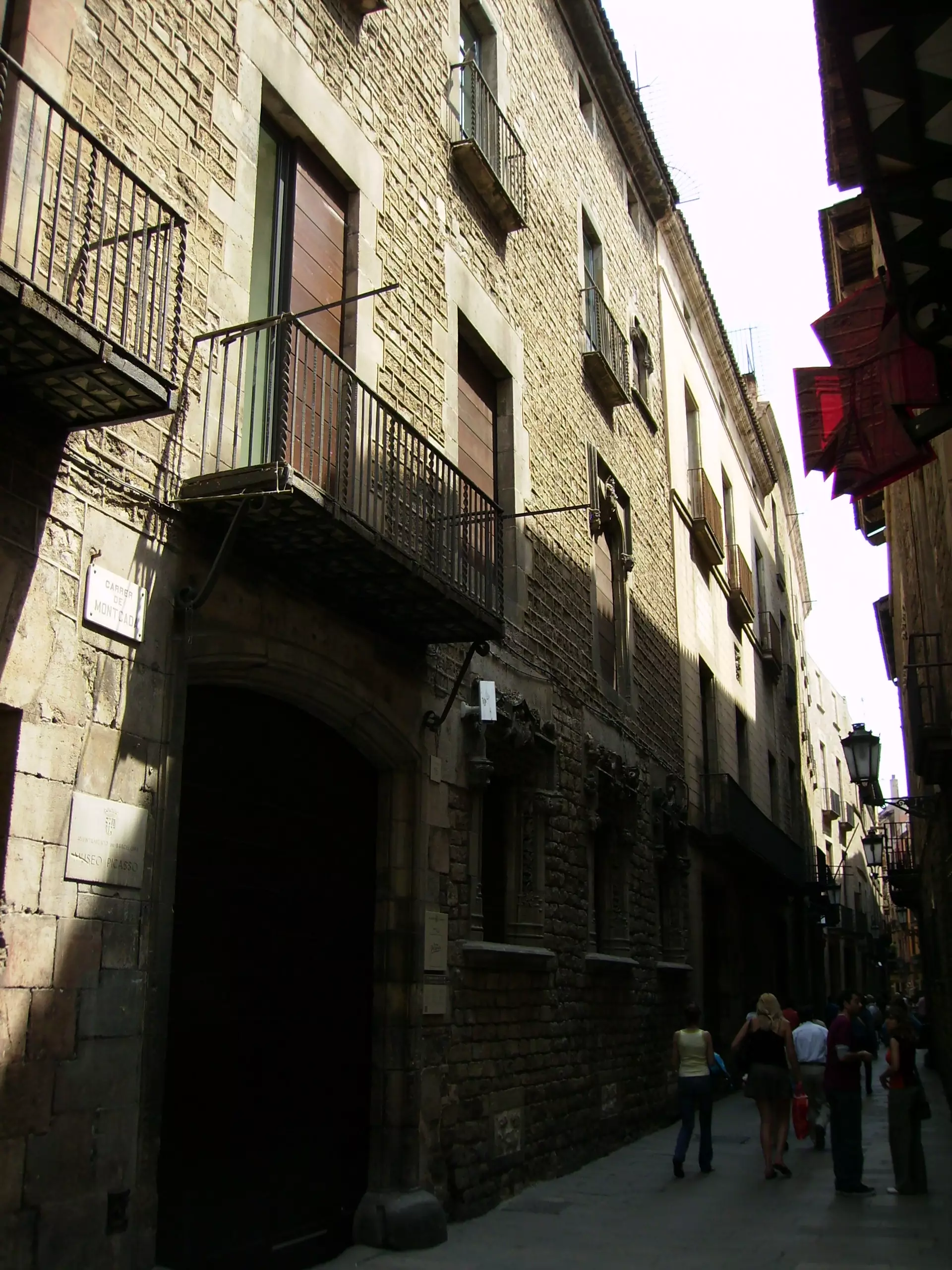
This street has the biggest collection of Gothic houses in Barcelona. In amongst these houses is the Picasso Museum, which is definitely worth a visit. There are also smaller museums along the street, and many tapas restaurants though they may be more expensive on this street.