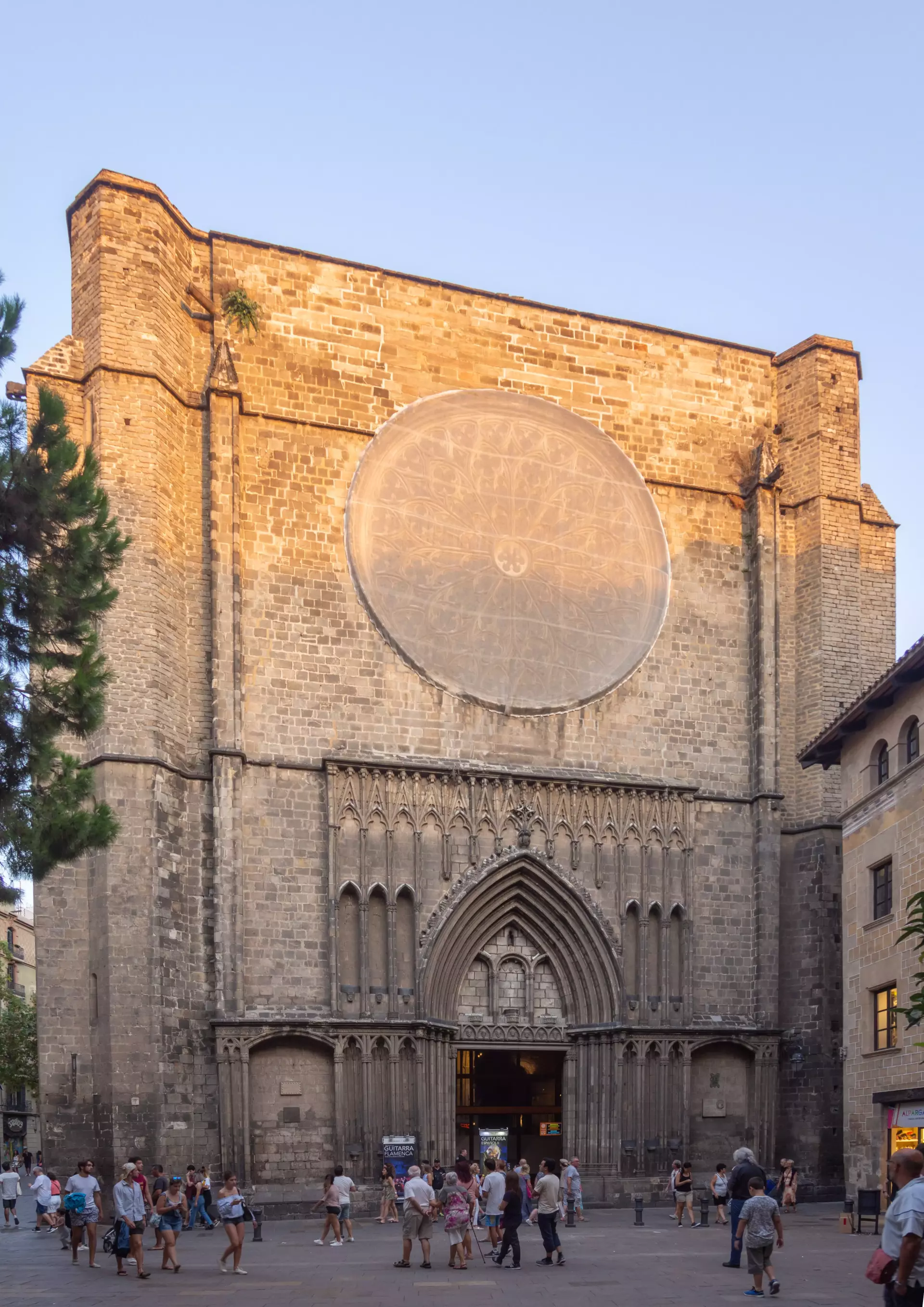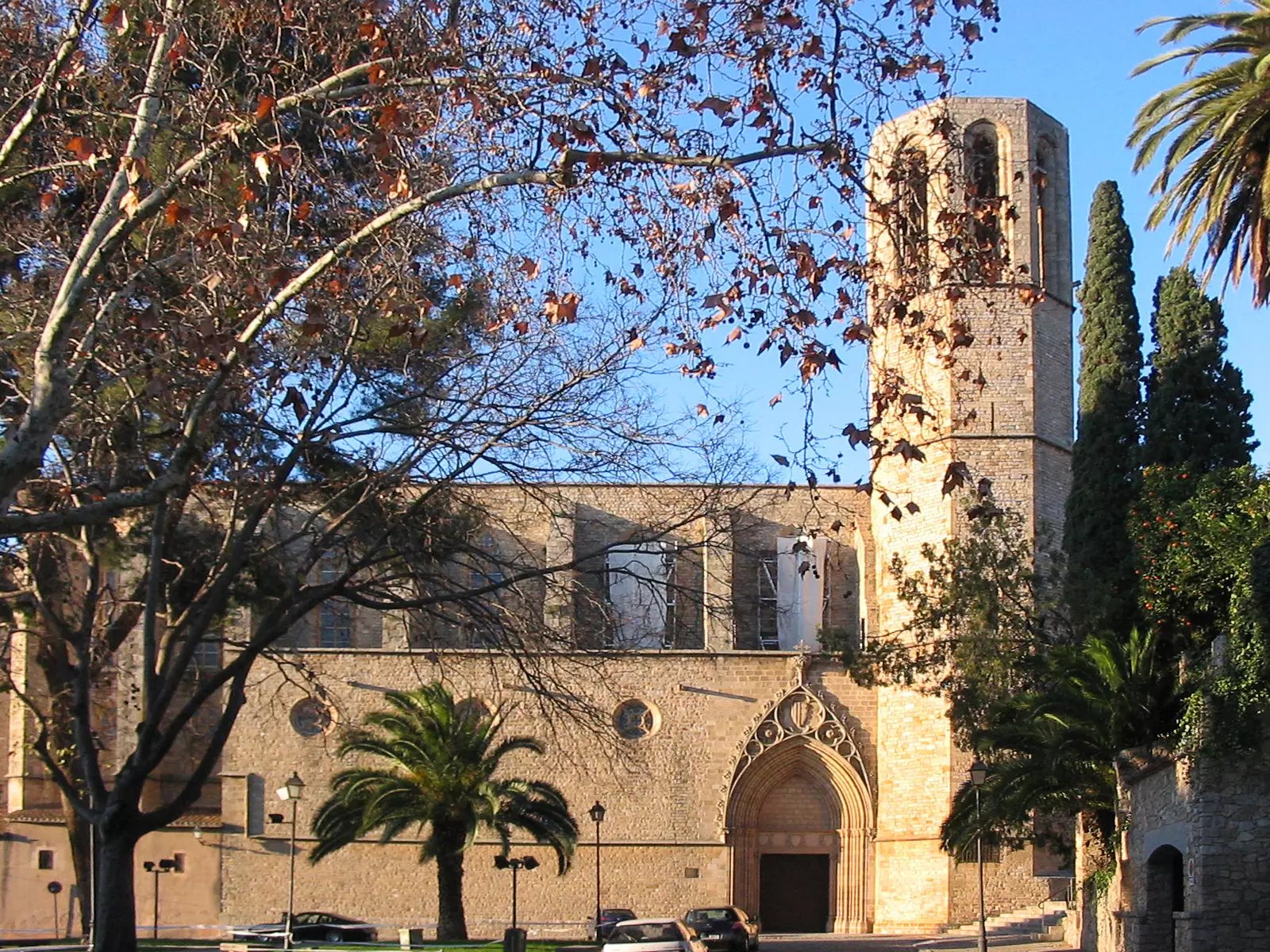
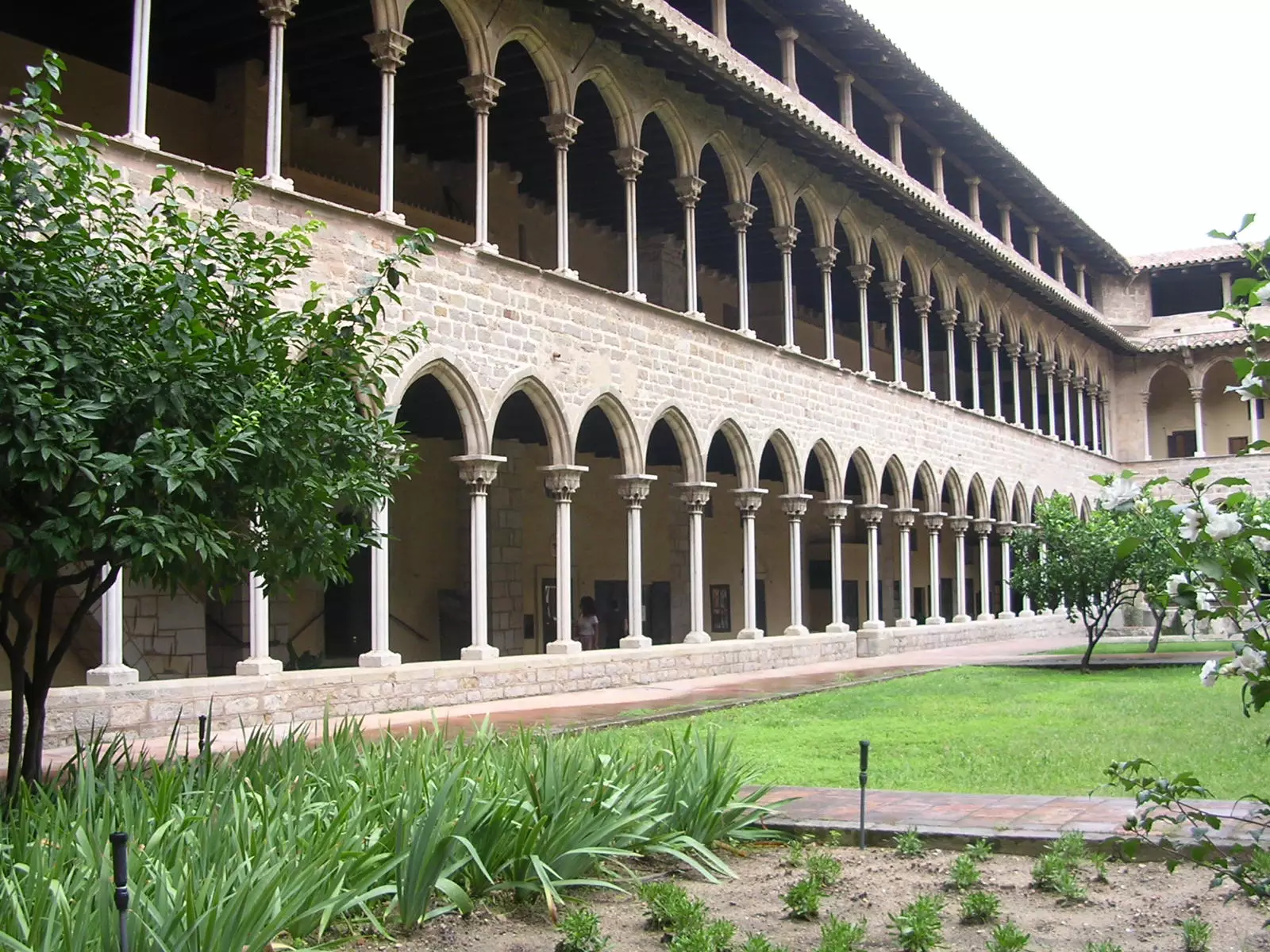
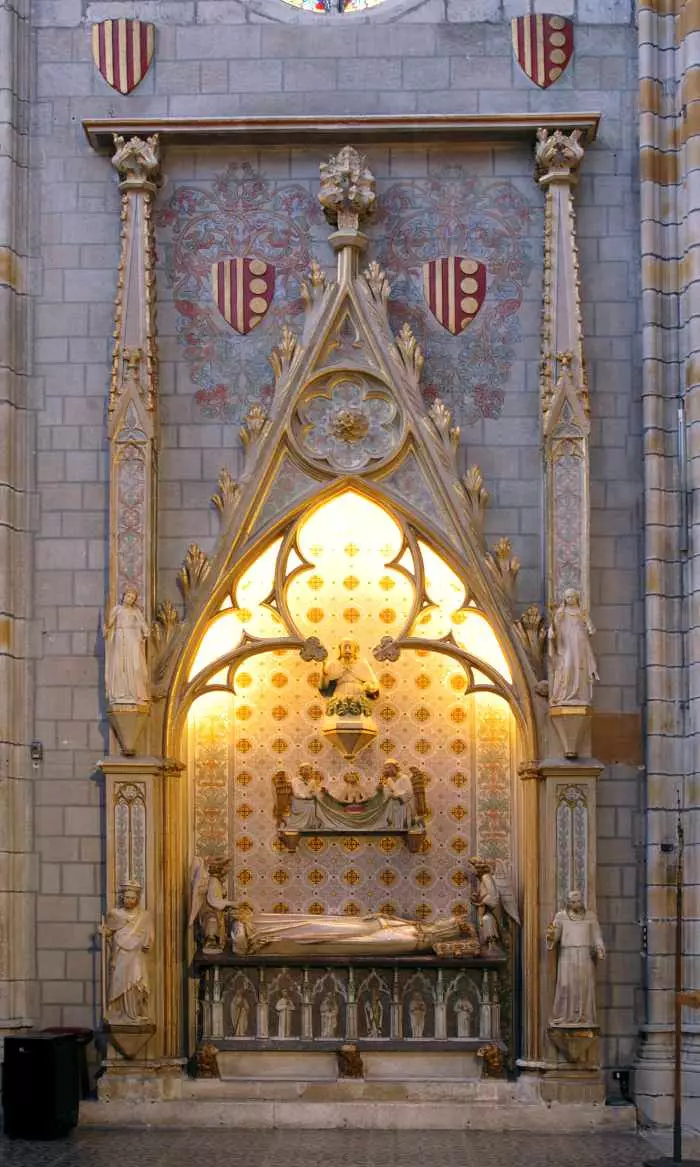
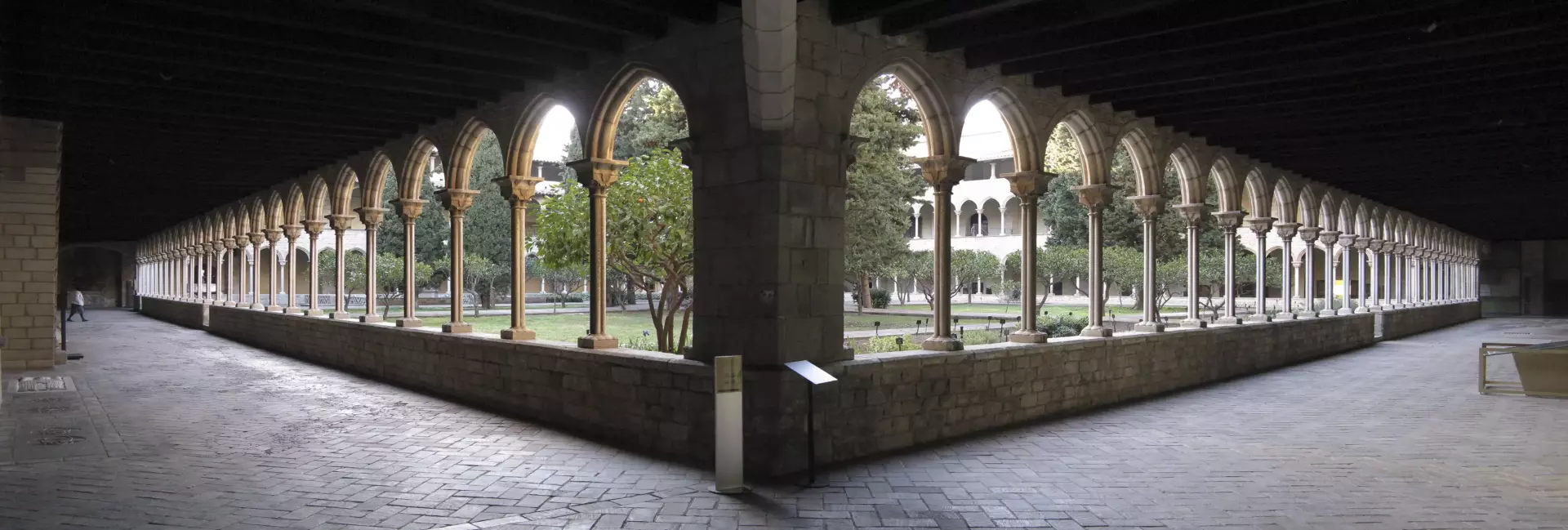
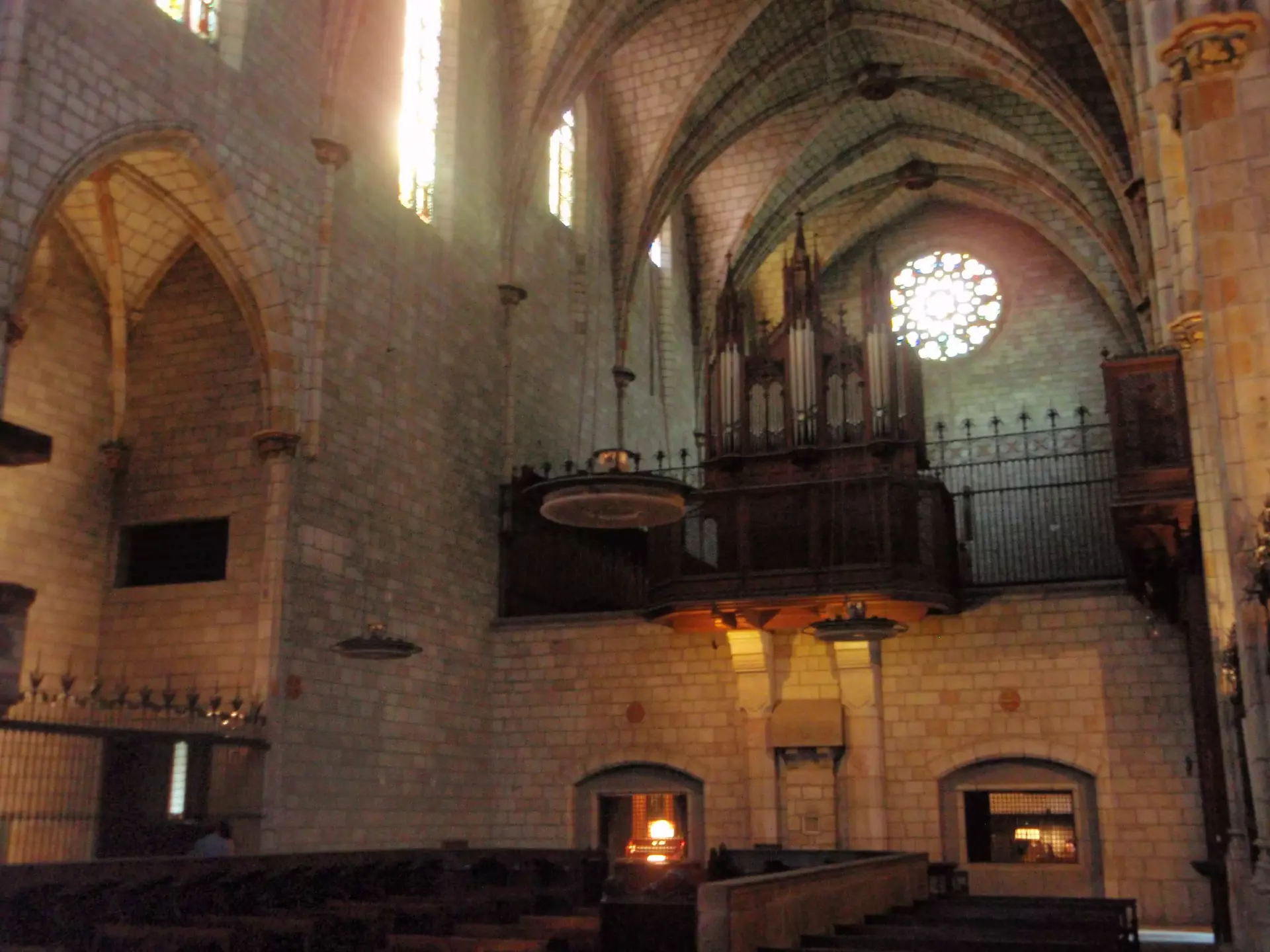
A beautiful Gothic monastery near the university stands as a testament to history and art. Its architecture captures the essence of a bygone era, offering visitors a glimpse into the past. This serene place not only houses a museum but also a church and a chapel adorned with medieval frescoes.
The museum inside the monastery reveals the details of monastic life. Each exhibit tells stories of the past, from daily routines to the spiritual practices of the monks who once lived there. Walking through, visitors can imagine the quiet, contemplative lives that unfolded within these ancient walls.
The church, with its Gothic design, invites reflection and wonder. Tall arches and intricate stonework draw the eye upward, creating a sense of awe. Visitors often find peace in the tranquil atmosphere, away from the bustle of the city outside.
Perhaps the most striking feature is the chapel, where medieval frescoes cover its walls. These vibrant paintings offer a visual feast, depicting religious scenes that have survived through centuries. The artwork provides insight into the beliefs and aesthetics of the time, captivating all who enter.
Source - https://en.wikipedia.org/wiki/Monastery_of_Pedralbes
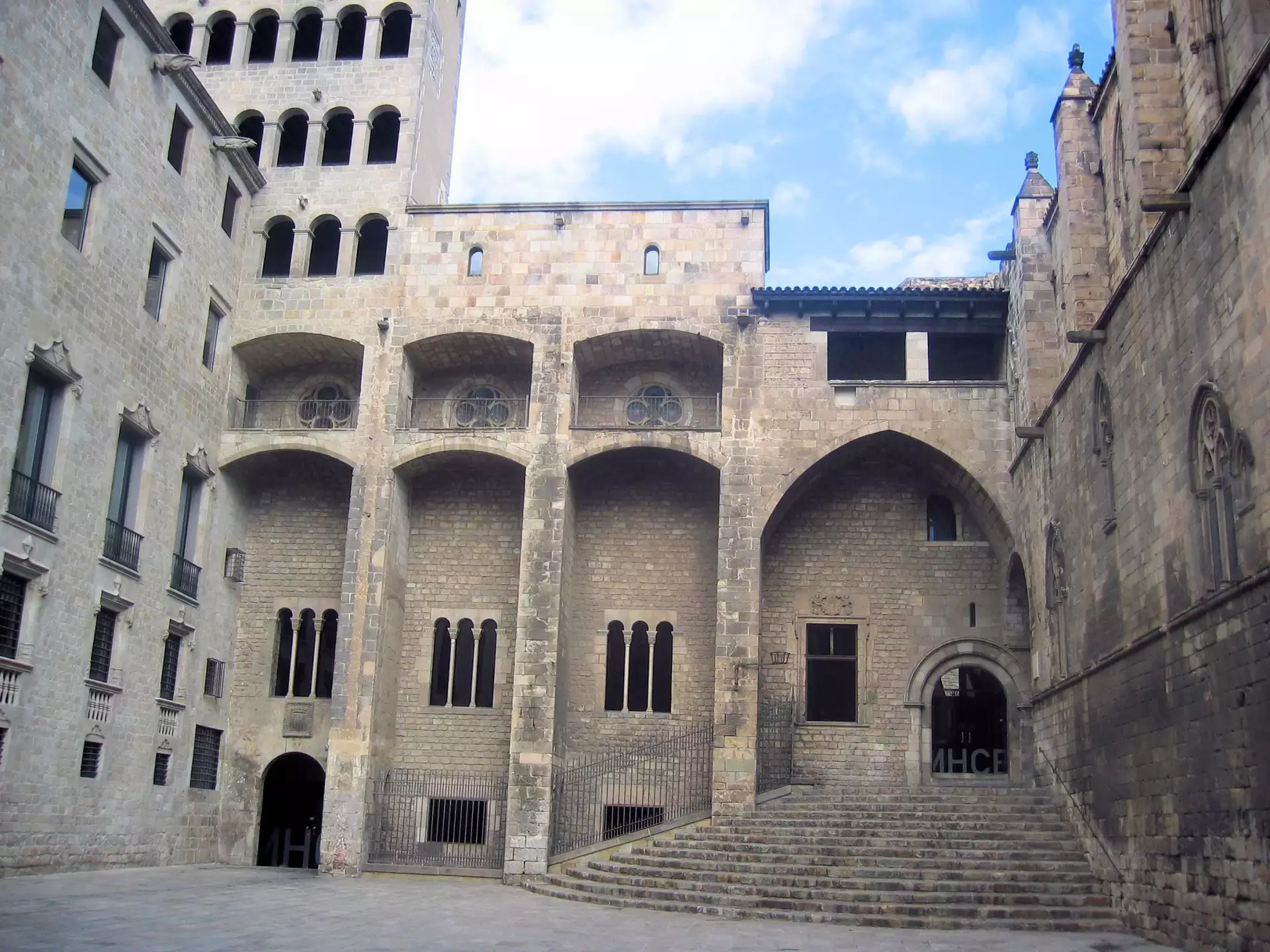
Has the single best collection of Romanesque art in the world, and a fine Gothic collection as well. Includes the Pantocrator from the Taüll Romanesque church. The building itself is also very beautiful.
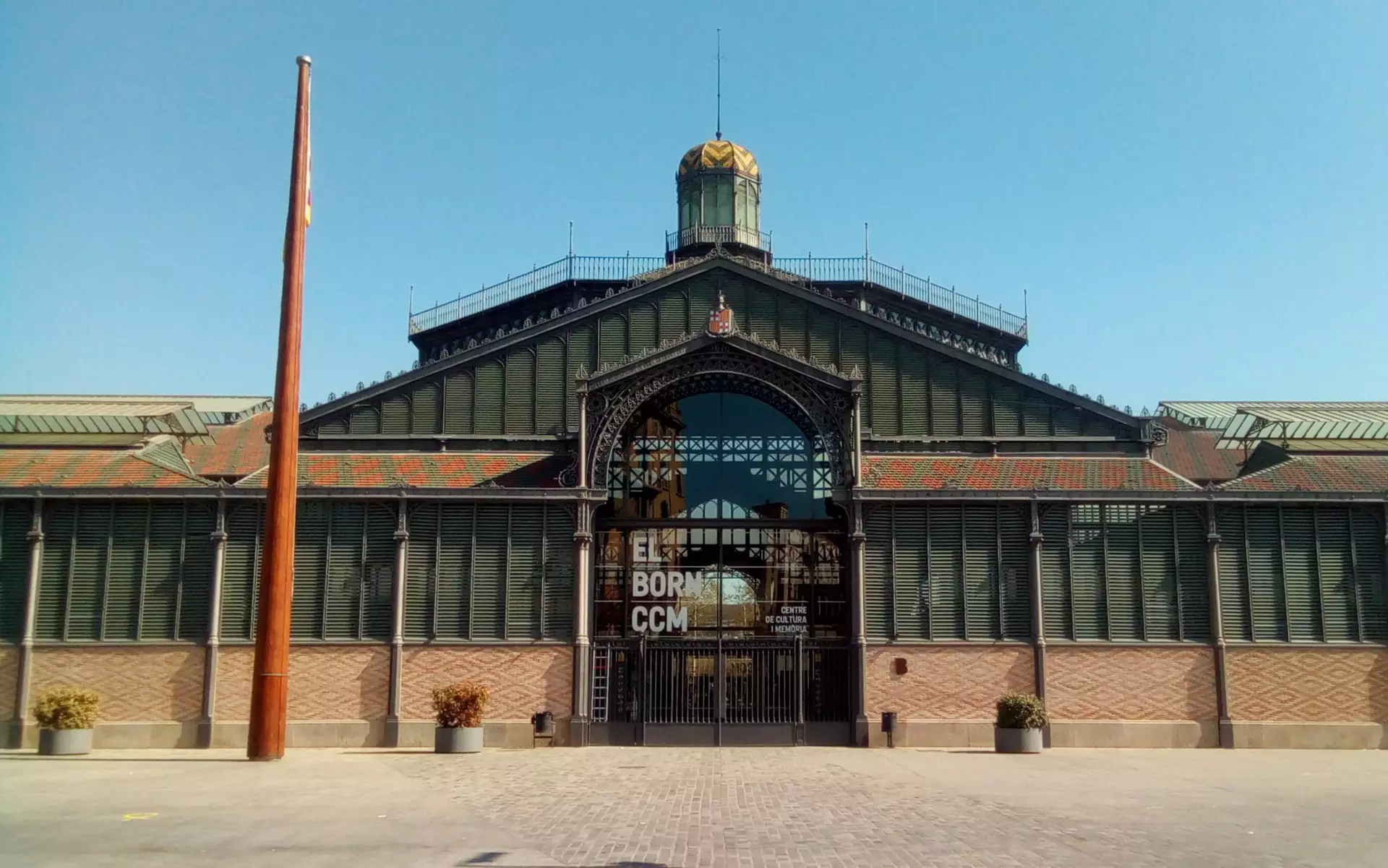
This museum mainly exhibits exponents, which were imported by Catalan sailors as they explored the new world. Free on the first Sunday each month (11:00 to 15:00)
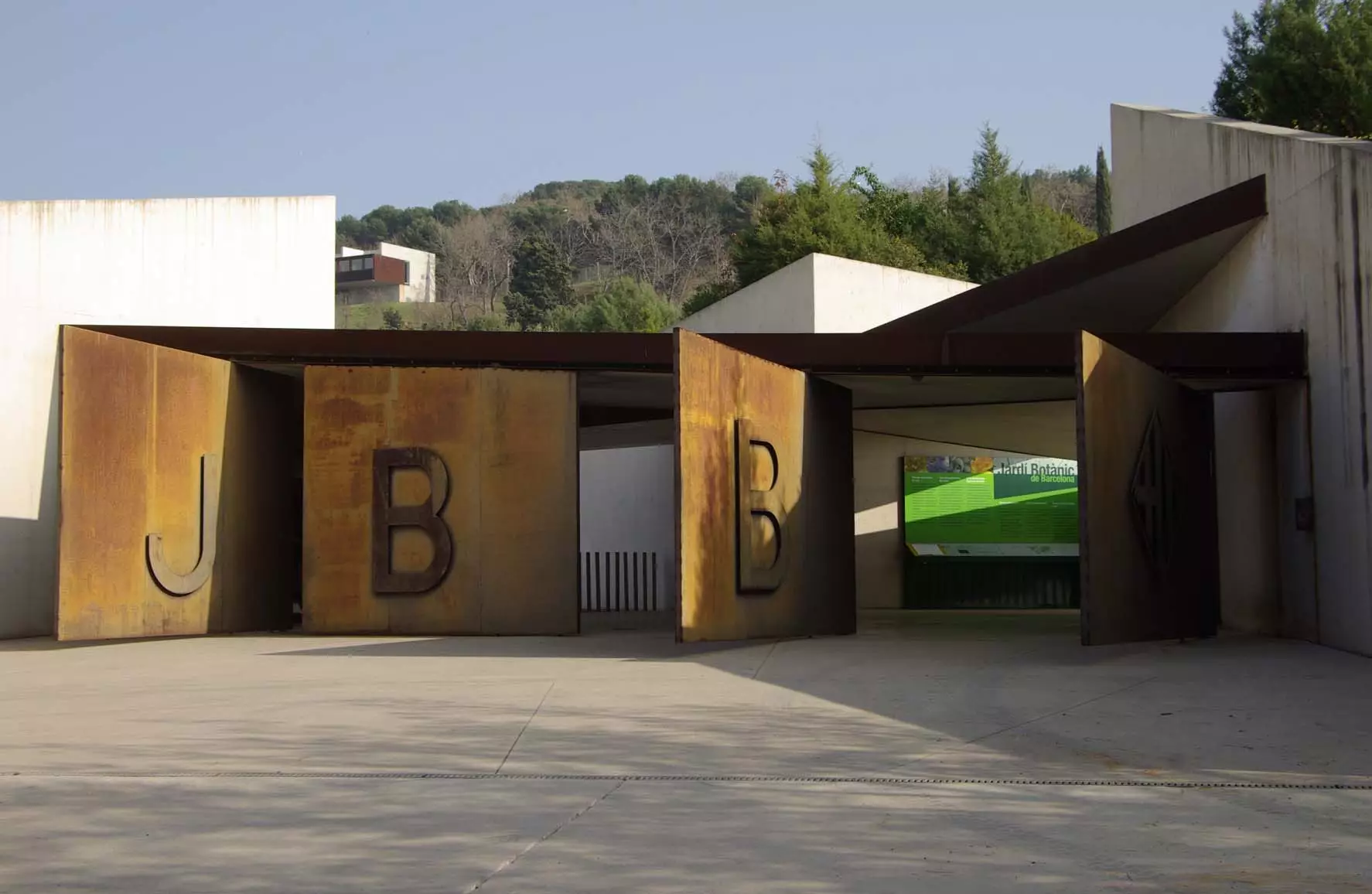
The museum has limited opening hours but the park it is situated in is also interesting. Check website before going to the museum as it will eventually relocate to The Can Bagaria building.
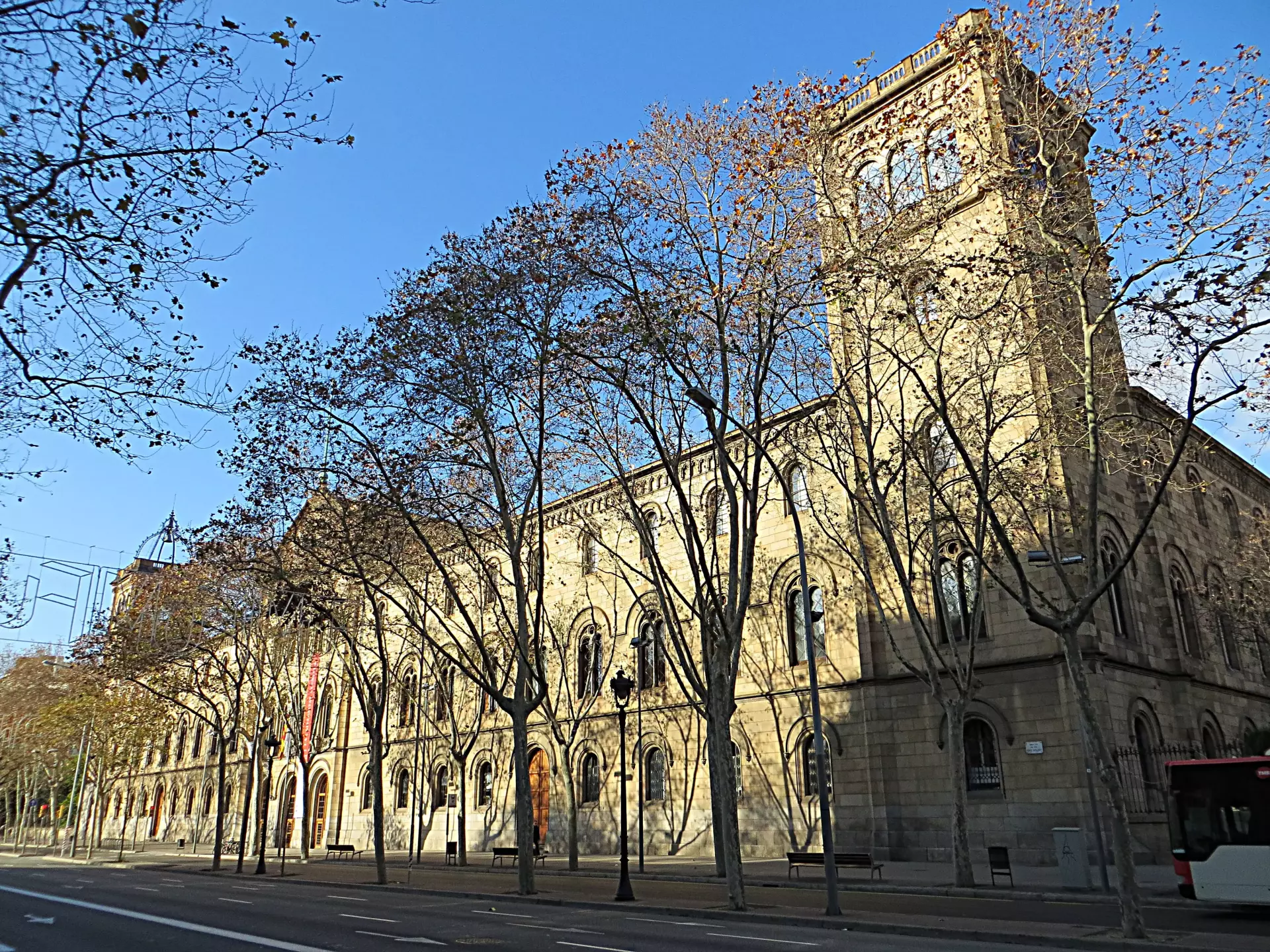
The university has many interesting buildings, libraries and courtyards.
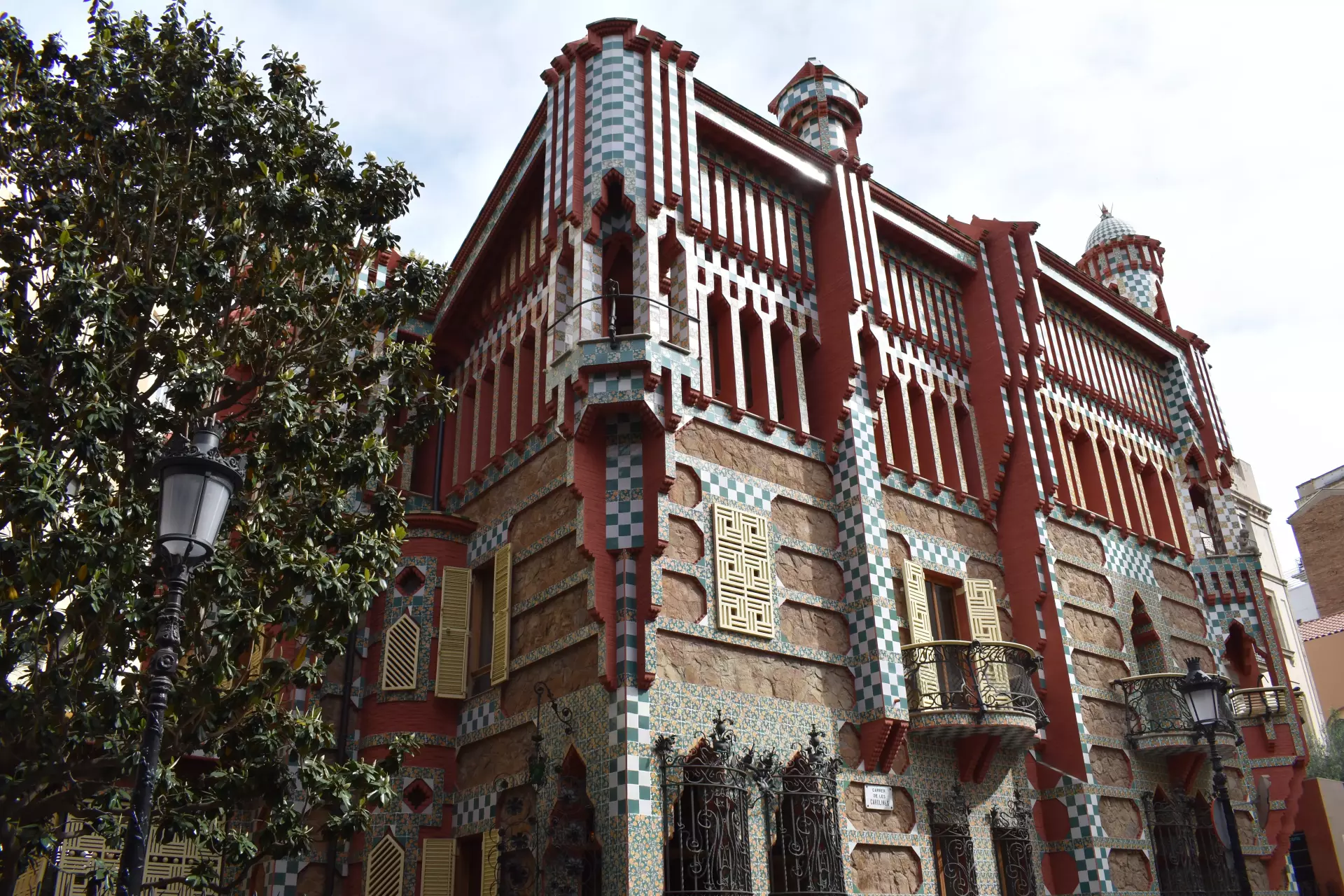
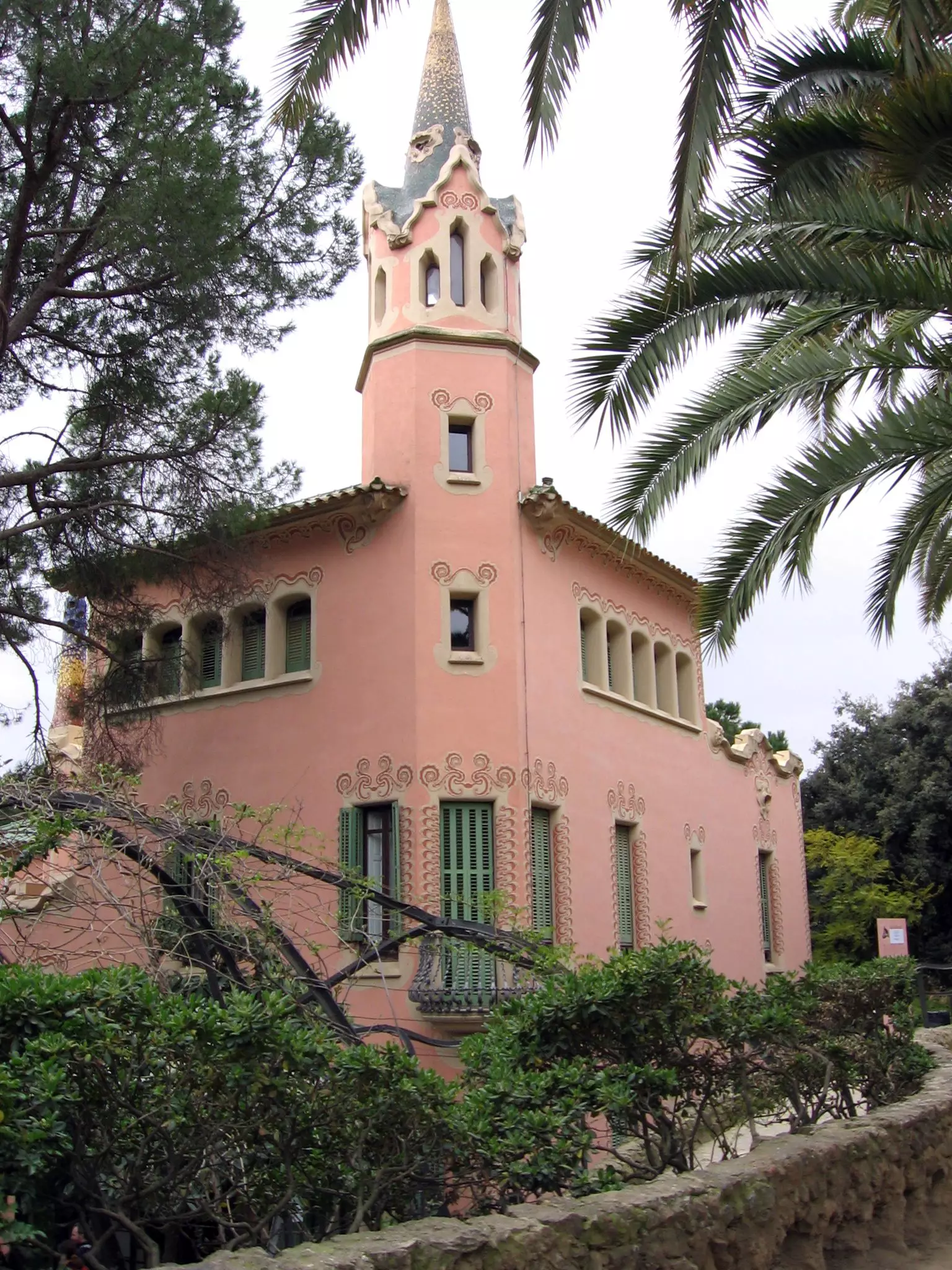
A complex of two pavilions by Antonio Gaudi. 2024 closed for renovation.
Modernist design by Lluís Domènech i Montaner is a UNESCO World Heritage site, a masterpiece of Catalan's modernist architecture. This auditorium designed by Ramon Muntaner is the most important Modernist example in Ciutat Vella. It was the headquarters of the Orfeó Català, the oldest Catalan choir. The most beautiful part is the stalls with its fine detailing, although all the building is impressive. There are plenty of allegories about music and Catalonia, since the Orfeó Català is strongly bounded with the Catalan Renaixença, the romantic movement that tried to recuperate the Catalan history, language and traditions. It is also the best place in Barcelona to listen to symphonic music.
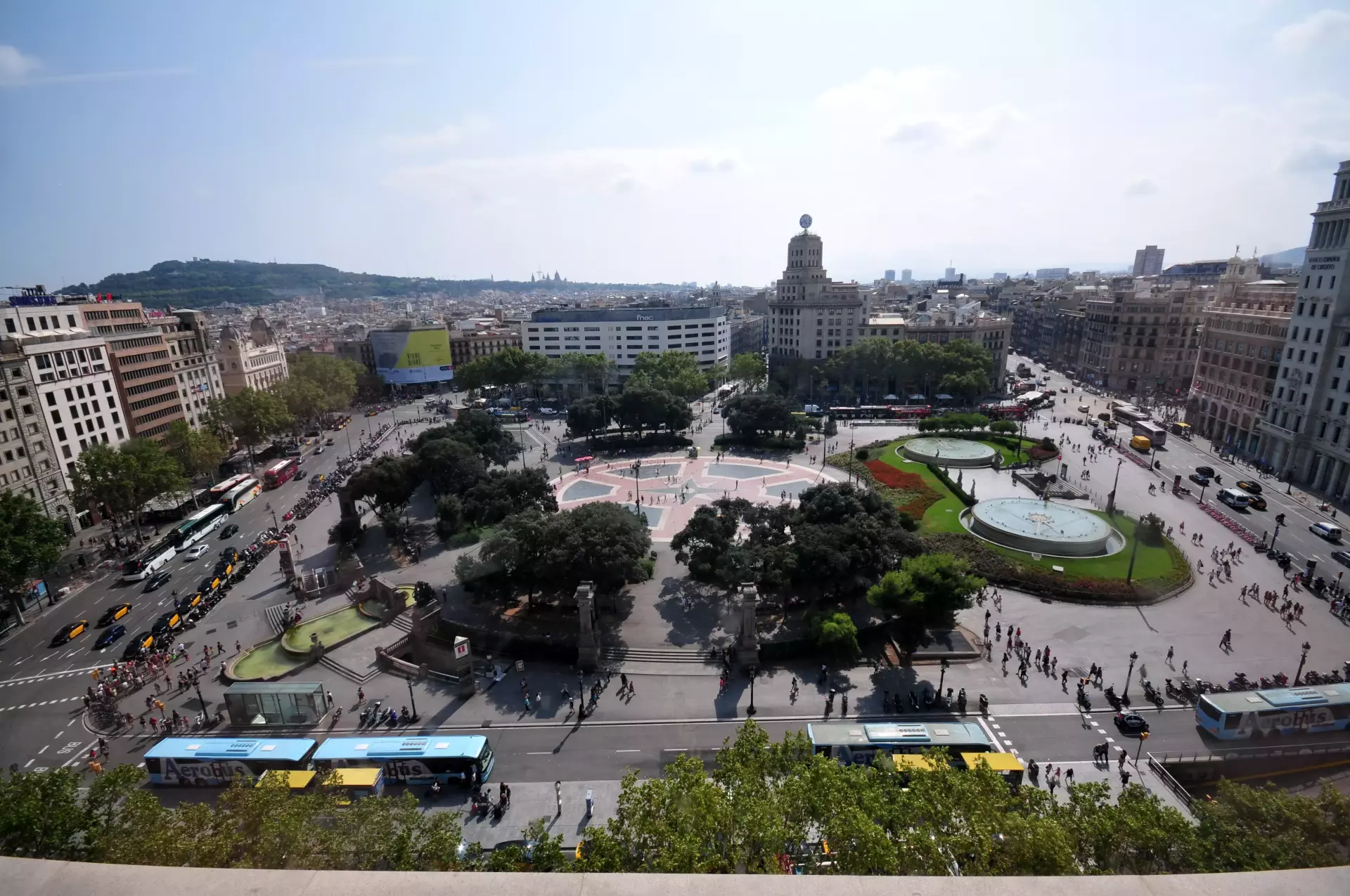
Connecting many of the major streets in the city, the Plaça is a central location and a hub of activity. It is a favourite meeting spot for locals and a transit hub for the tourist buses. There are many fountains, statues and gardens around the plaza, and a number of benches to just sit and take it all in.
Placa d'Espanya was created for the 1929 World Exhibition, on a site once used for public hangings. The fountain in the center of the square is a great attraction and plays music during the summer. Plaça Espanya is located at the base of Montjuic hill.
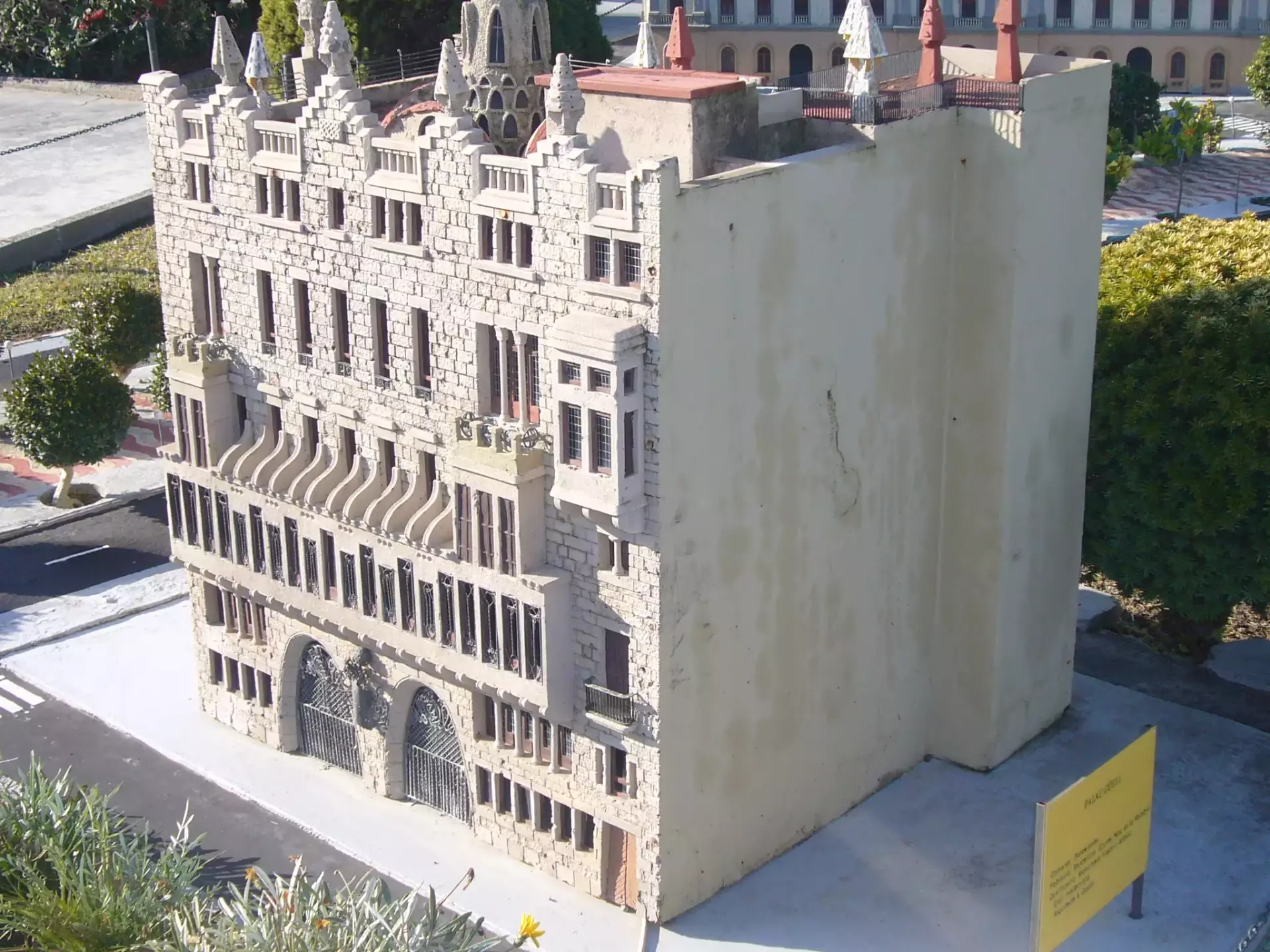
A fake village built in 1929, with replicas of characteristic buildings in Spain (like the Avila walls, the Vall-de-roures town hall, etc.). The village hosts the Fondation Fran Daurel, where you can enjoy an interesting Modern Art collection boasting Miró, Picasso, Tapiès and other, mostly Spanish and Catalan, contemporary artists. The audio tour is very worthwhile there. Also worth seeing - the flamenco show at Tablo de Carmen. You can also step into several of the workshops to see craftsmen at work such as glassblowers and leather workers.
The stadium and its surroundings built in 1927 and renovated for the 1992 Summer Olympics provides nice architectonic and city views. Since it's not too crowded outside sport events, it's usually a pretty calm place.
Provides a beautiful panorama view over the rest of the city. The Montjuic Castle is in the Montjuic hill. From the Montjuïc Castle, take the harbor cable car to Barceloneta for more splendid views.
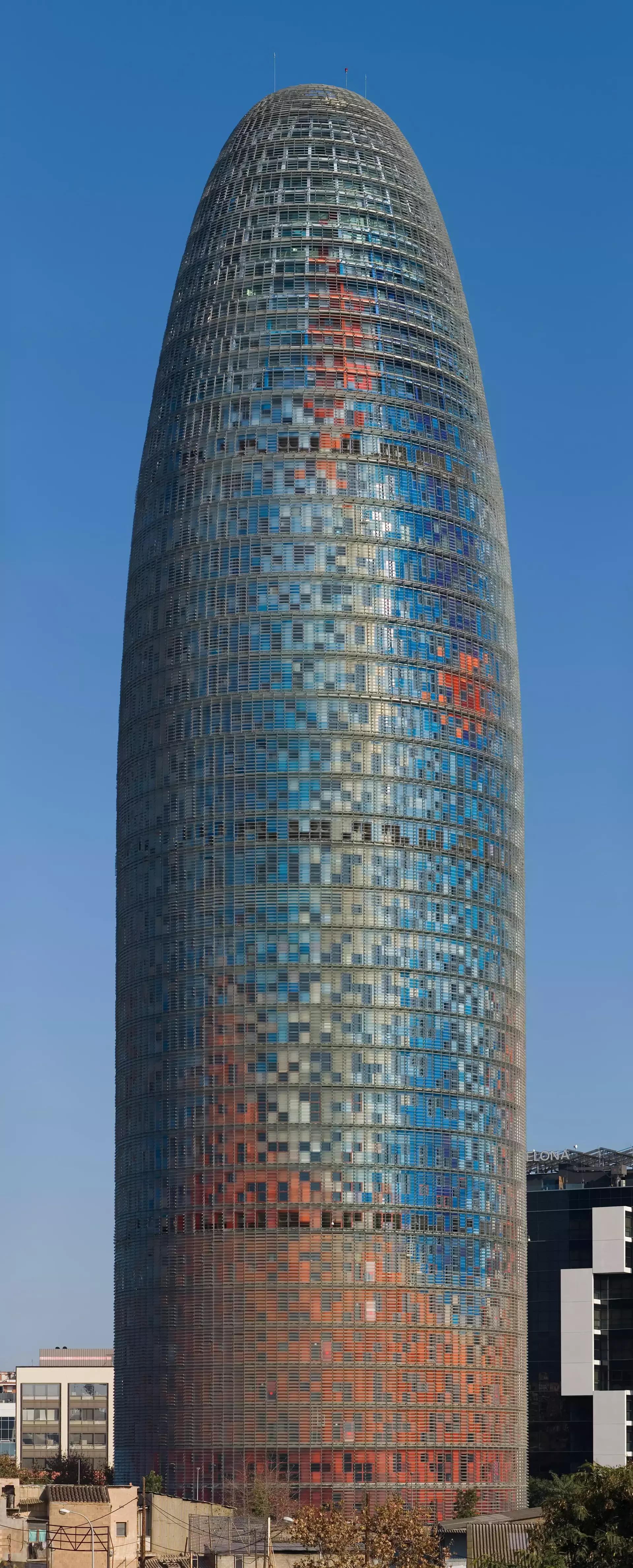
Formerly known as Torre Agbar. Distinctively-shaped office tower which stands out in the Barcelona skyline. It stands out even more Friday, Saturday and Sunday nights when it is lighted in several colours. The viewing platform on the 30th floor has views in all directions. Tickets start at €15 and come with a complimentary glass of cava and access to Hyperview Barcelona, an exhibit of the city’s real-time environmental data as an audiovisual installation, which is hosted in the tower’s lowest floor.
Created in 1984 by the artist Antoni Tàpies to promote the study and knowledge of modern and contemporary art.
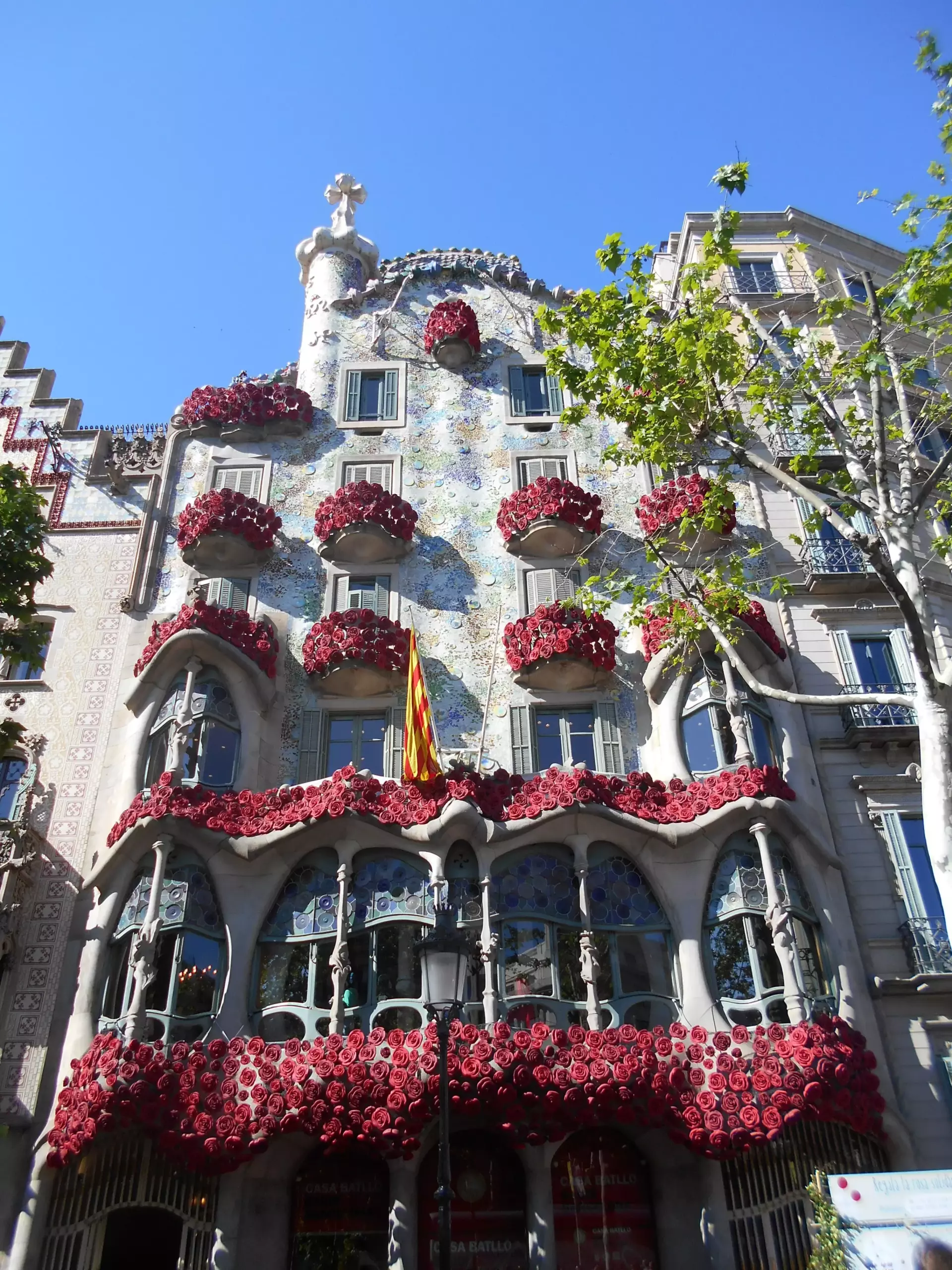
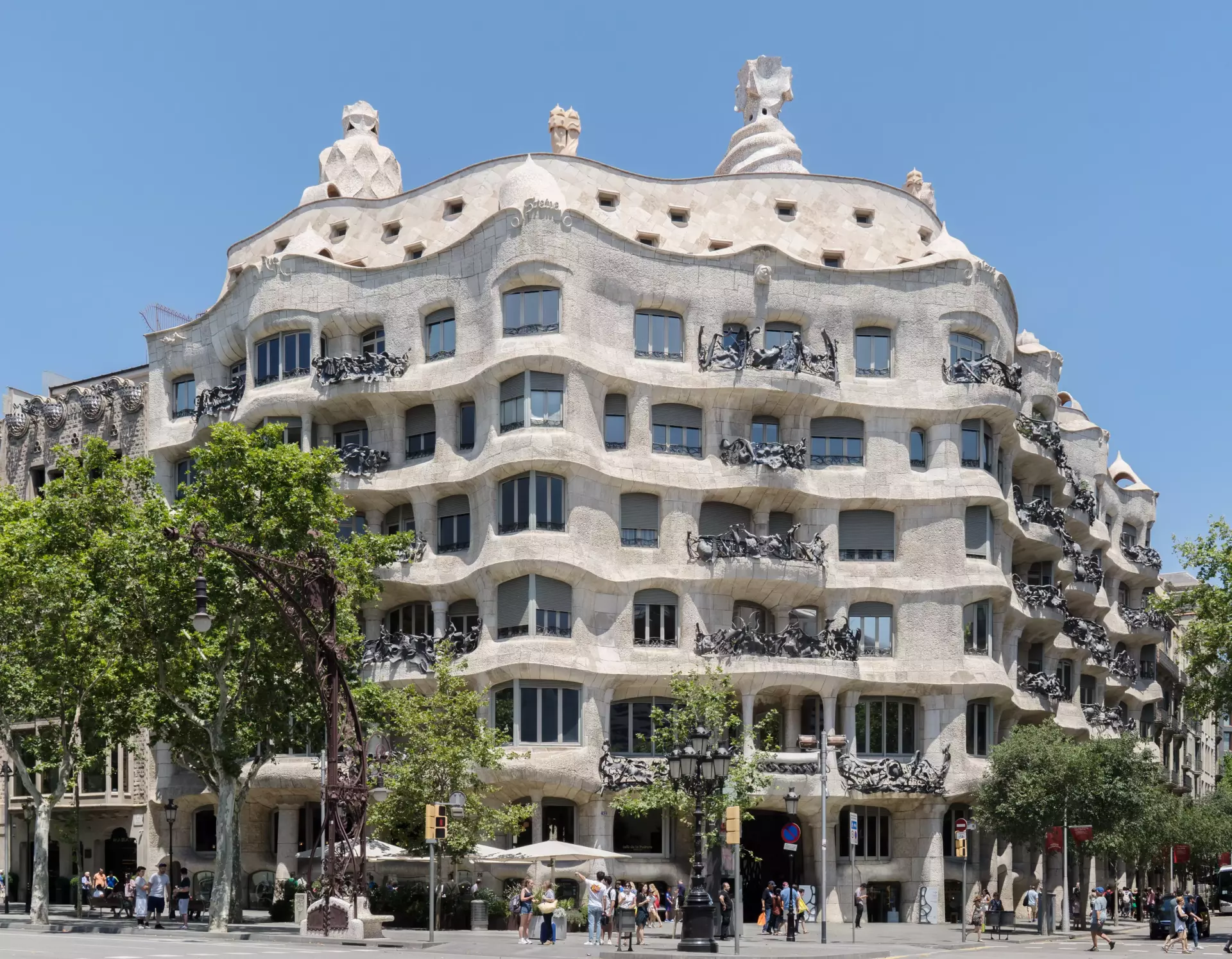
Another Gaudi masterpiece along the same avenue as La Pedrera. Open to the public. No straight line or right angles appear anywhere in the house. Often overlooked for La Pedrera, (also by Gaudi), La Casa Batlló is equally as stunning with its unique architecture and infamous two ornamental pillars in the entrance to the terrace. Open for visitors from ground floor to the roof, and down by an old-time elevator.
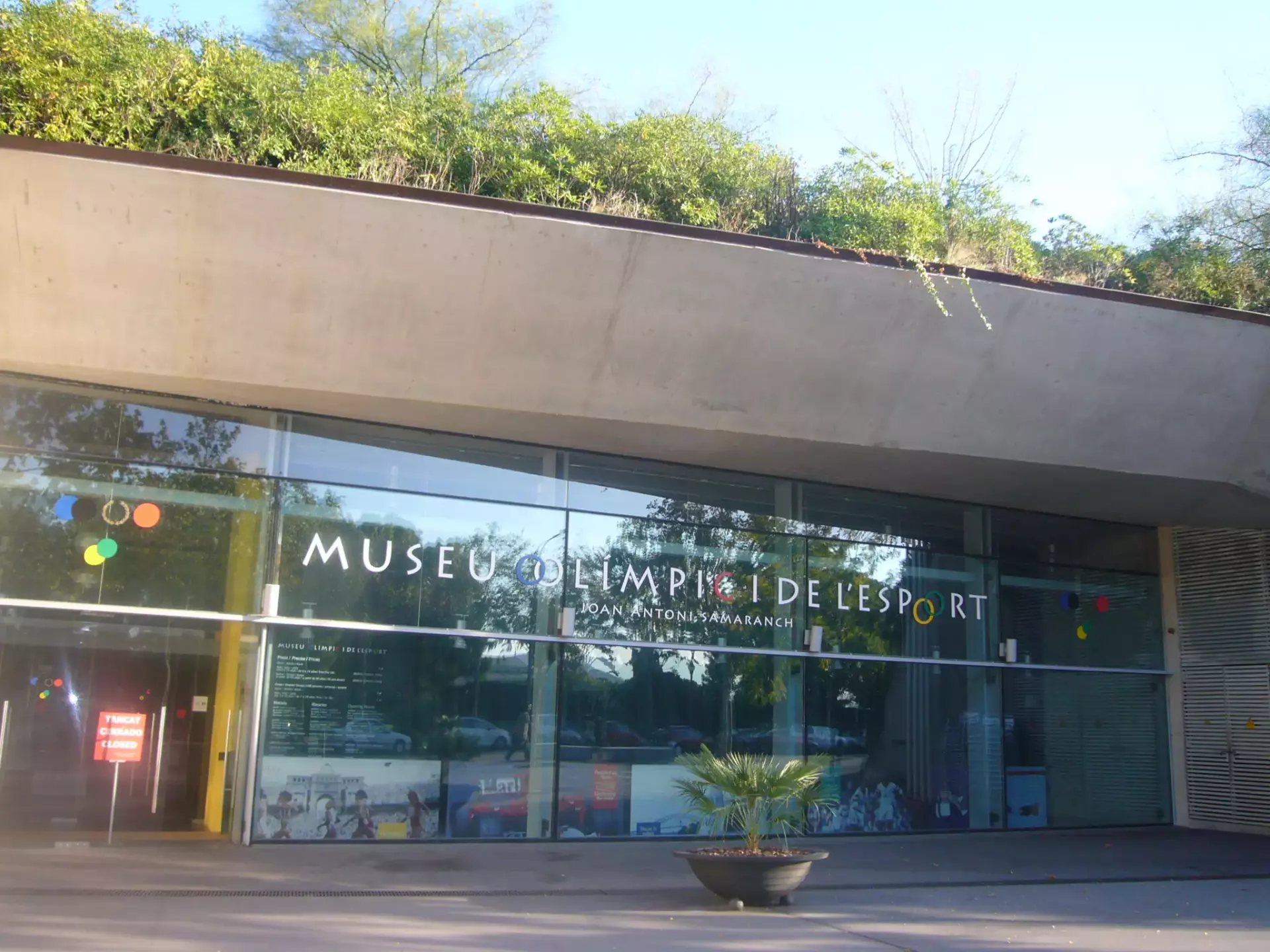
The museum displays high-performance sport competitions, recreational sports, sports in general and sports for disabled people. It shows how sport can promote values, educate, innovate and renew. The museum has a sport idols space with outstanding players.
This square is famous for the nightlife and the uniform architecture, and features fountains and palm trees. It was built during the 19th century on the site of a monastery, after the Mendizábal law expelled the monks. After some years Antoni Gaudí designed the streetlights which are still there. It has lots of activity during the day, thanks to the many terraces of the bars and restaurants.