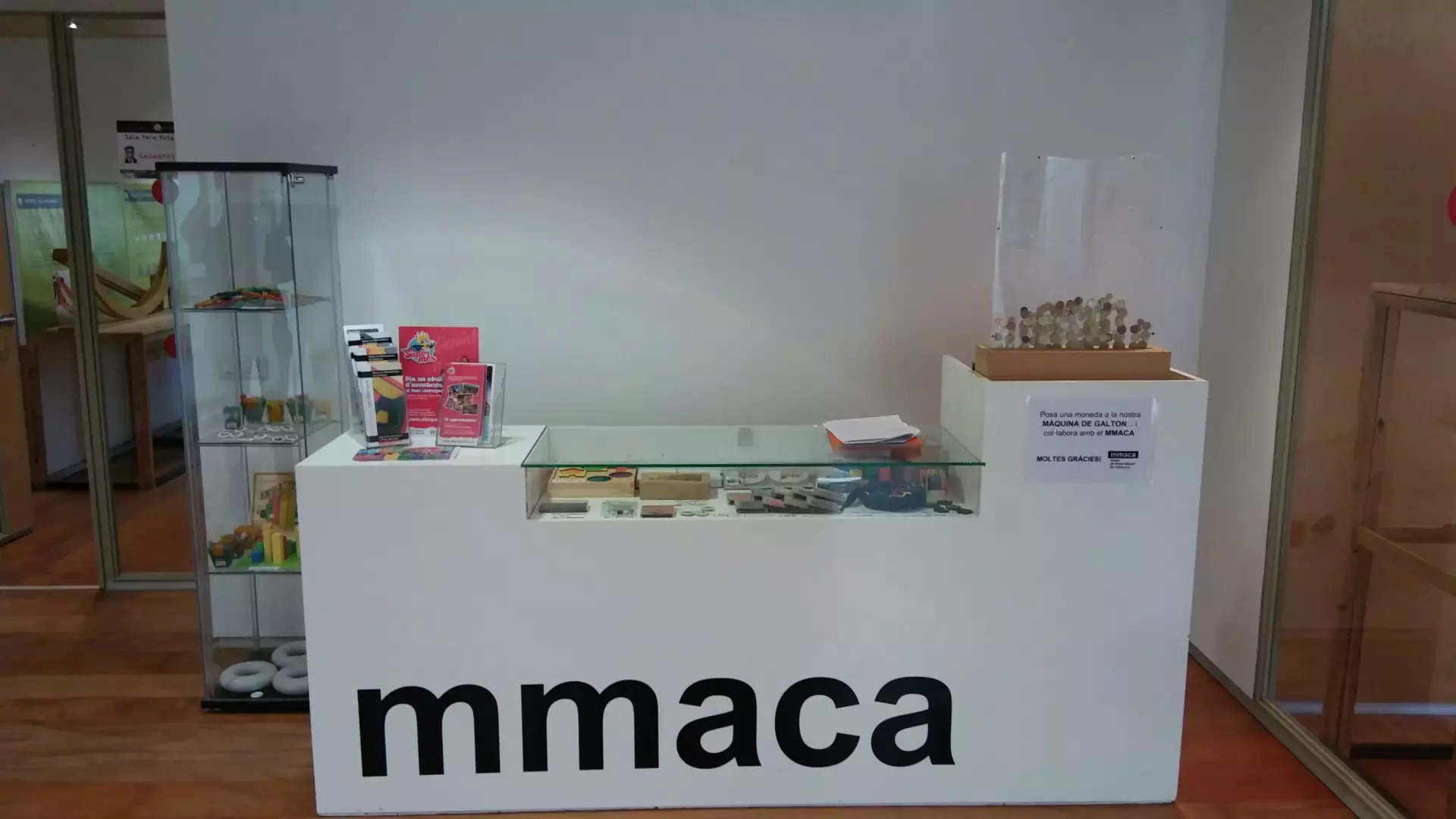
Located within a charming park, the Museu de Matemàtiques de Catalunya offers a unique experience for those intrigued by the world of numbers and calculations. Although the museum presently has limited opening hours, visitors can still enjoy the surroundings while waiting to explore the intriguing exhibits inside.
It's important to note that the museum is planning a move to the historic Can Bagaria building. Due to this upcoming relocation, it is advised to check their official website for the latest updates on opening hours and other details before planning a visit.
Source - https://en.wikipedia.org/wiki/Museum_of_Mathematics_of_Catalonia
Museum dedicated to the FC Barcelona. It occupies 3,500 m² and attracts 1.2 million visitors a year, ranking it second to the Museu Picasso, which attracts 1.3 million visitors, as the most visited museum in the city of Barcelona. All of the Barcas trophies and jerseys of many famous players of the team are exhibited. The museum can be visited by booking the Camp Nou Experience package, which includes also a stadium tour. The stadium tour is not fantastic and the audio guide is not really worth it either, but for a quick recent history of matches played there, consult the backs of the doors in the cubicles. Most have a lot of graffiti championing the team that played there. It is also unfortunate that the home team changing rooms are not open to the public, only the somewhat dated guest's team dressing rooms, which are not that impressive.
This market was the central market for Barcelona until 1973 and its closing marked the beginning of the neighborhood's decline before its current resurgence. While undergoing renovations, whole streets and homes that had been demolished by Phillipe V's orders were discovered and archaeologists who worked to transform the market in to a cultural centre and history museum. Entrance and street level is free, but to visit the ruins requires paying for a ticket.
The university has many interesting buildings, libraries and courtyards.
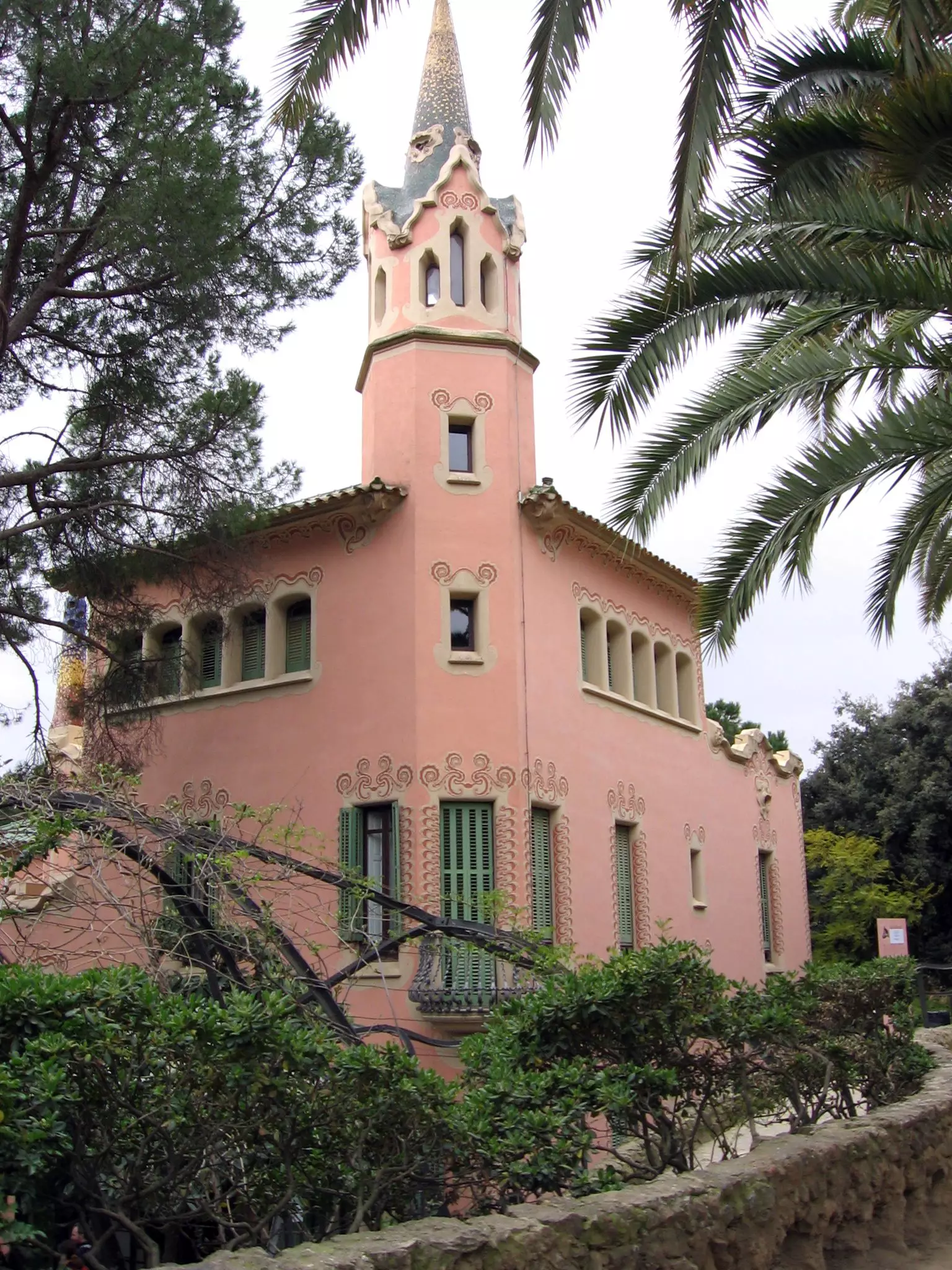
Distinctive pink house that Gaudi lived in for nearly 20 years (although not designed by him). It features furniture designed by Gaudi and other objects relating to Gaudi's life. The gift shop has a large selection of Gaudi-themed souvenirs that are generally better quality than what's available in the normal tourist shops.
One of the most representative examples of Catalan Gothic architecture, it features a sombre but beautiful interior. The upsweeping verticality and lightness of the interior are especially surprising considering the blocky exterior surfaces. Built between 1329 and 1383, it was once was home to a Christian cult in the late 3rd century. The church is dedicated to Saint Mary of the Sea, since the quarter was dedicated to the jobs related to the sea, from sailors to harbor works, commerce, even coin exchange. The inside was burned during the civil war, but it is still very interesting. Next to the church, you can see a monument, called Fossar de les Moreres, which is the place where many fighters where buried after the Barcelona defeat in 1714, so it is an important monument for Catalan nationalism.
Has a lot of art from his first period, before the cubism, but almost none of his most famous works. Pictures are described only in Spanish, but overview texts for each period are available in English. Luggage over 30x30cm needs to be left at the checkroom and there's no liability for lost valuables.
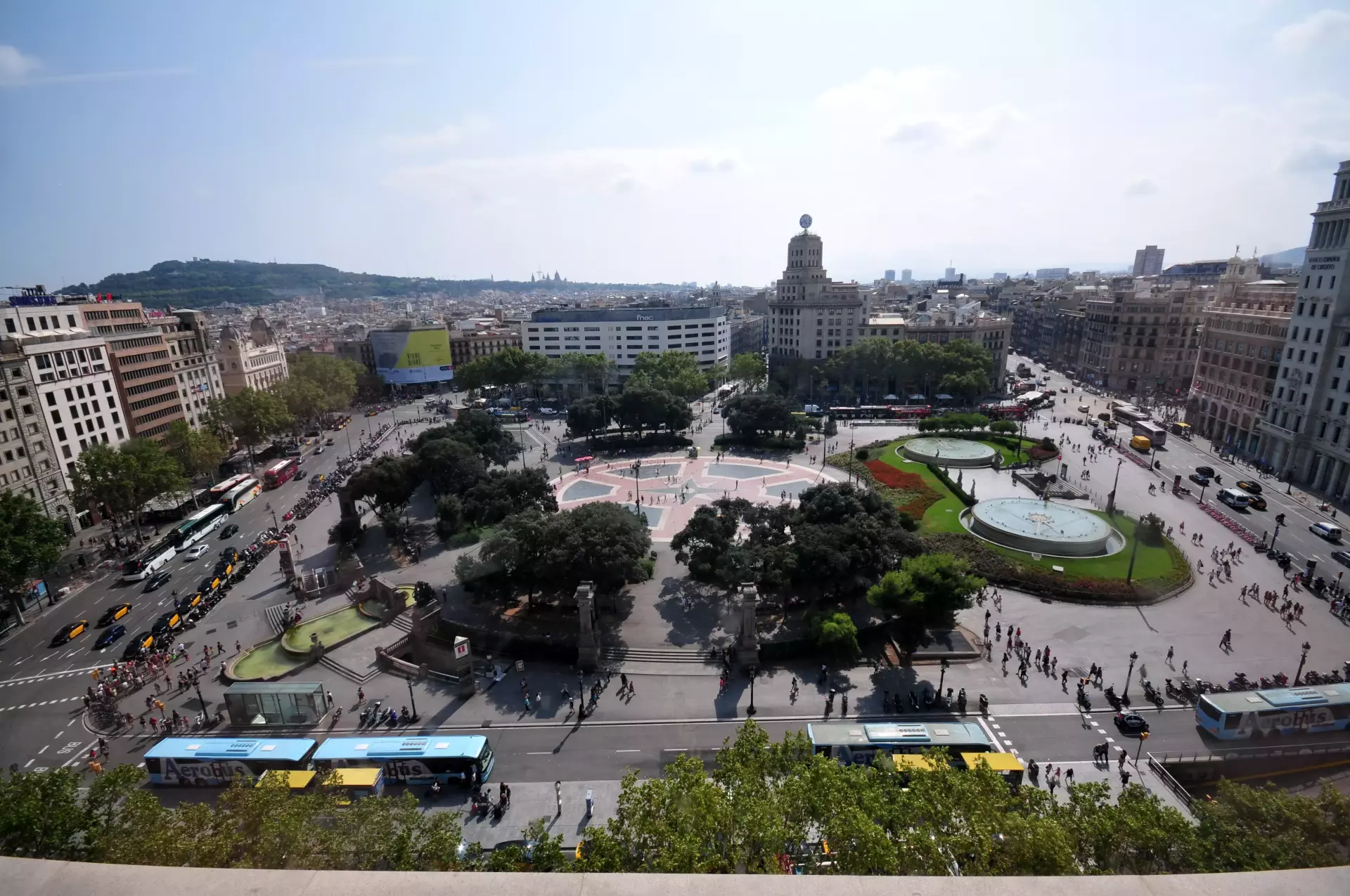
Connecting many of the major streets in the city, the Plaça is a central location and a hub of activity. It is a favourite meeting spot for locals and a transit hub for the tourist buses. There are many fountains, statues and gardens around the plaza, and a number of benches to just sit and take it all in.
A beautiful Gothic monastery near the university, there are a museum which depicts the monastery life, a church, and a marvelous chapel covered with medieval frescoes.
This museum mainly exhibits exponents, which were imported by Catalan sailors as they explored the new world. Free on the first Sunday each month (11:00 to 15:00)
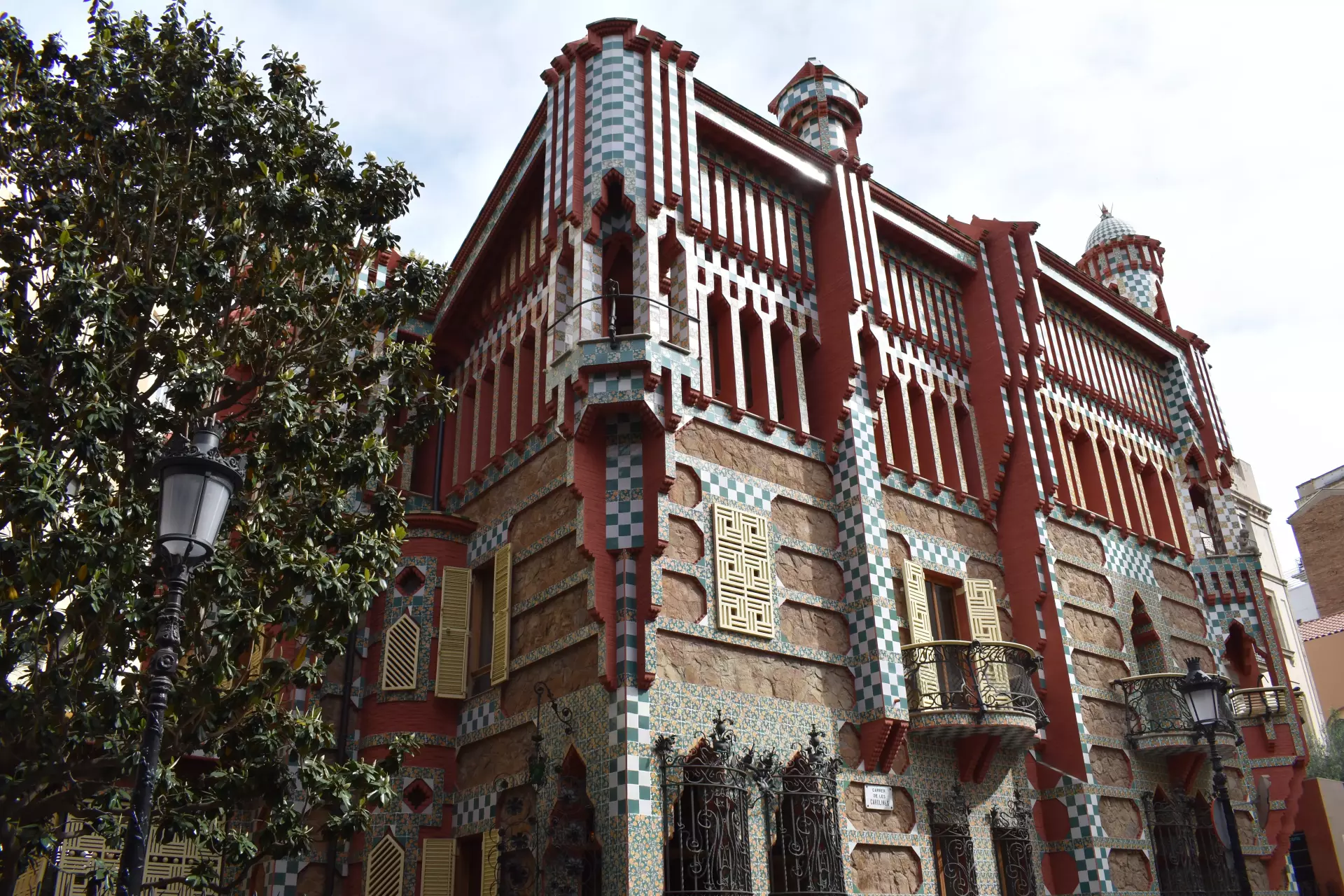
The first building Gaudi built in Barcelona. It has been opened as a museum. It's possible to walk the whole monumental enclosure, including the garden and the interior of the building. In UNESCO World Heritage Sites list since 2005.
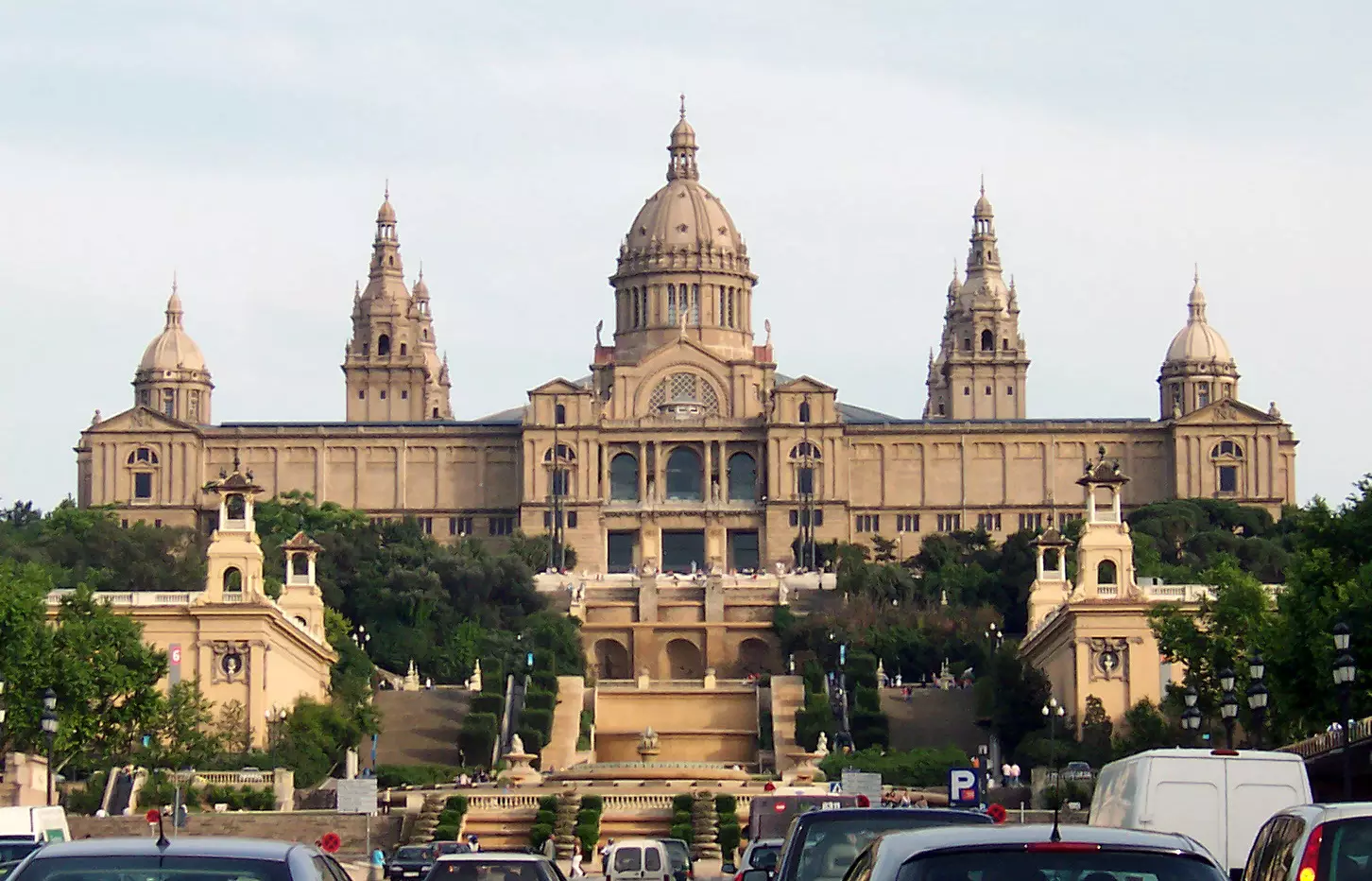
Has the single best collection of Romanesque art in the world, and a fine Gothic collection as well. Includes the Pantocrator from the Taüll Romanesque church. The building itself is also very beautiful.
Much to the dismay of Mickey Mouse aficionados, Disseny is Catalan for "design", not "Disney". The "Disseny Hub" houses the amalgamated museums focusing on applied arts and design, including Museu de les Arts Decoratives, Museu de Ceràmica, Museu Tèxtil i d'Indumentària and Gabinet de les Arts Gràfiques. The new building has an intricate, multi-level structure, with the protruding tower overhanging the Praca de les Glories roundabout.
Created in 1984 by the artist Antoni Tàpies to promote the study and knowledge of modern and contemporary art.
Although a botanic garden had been established in Barcelona as early as 1888, the current gardens date from 1999.
Modernist design by Lluís Domènech i Montaner is a UNESCO World Heritage site, a masterpiece of Catalan's modernist architecture. This auditorium designed by Ramon Muntaner is the most important Modernist example in Ciutat Vella. It was the headquarters of the Orfeó Català, the oldest Catalan choir. The most beautiful part is the stalls with its fine detailing, although all the building is impressive. There are plenty of allegories about music and Catalonia, since the Orfeó Català is strongly bounded with the Catalan Renaixença, the romantic movement that tried to recuperate the Catalan history, language and traditions. It is also the best place in Barcelona to listen to symphonic music.
This square is famous for the nightlife and the uniform architecture, and features fountains and palm trees. It was built during the 19th century on the site of a monastery, after the Mendizábal law expelled the monks. After some years Antoni Gaudí designed the streetlights which are still there. It has lots of activity during the day, thanks to the many terraces of the bars and restaurants.
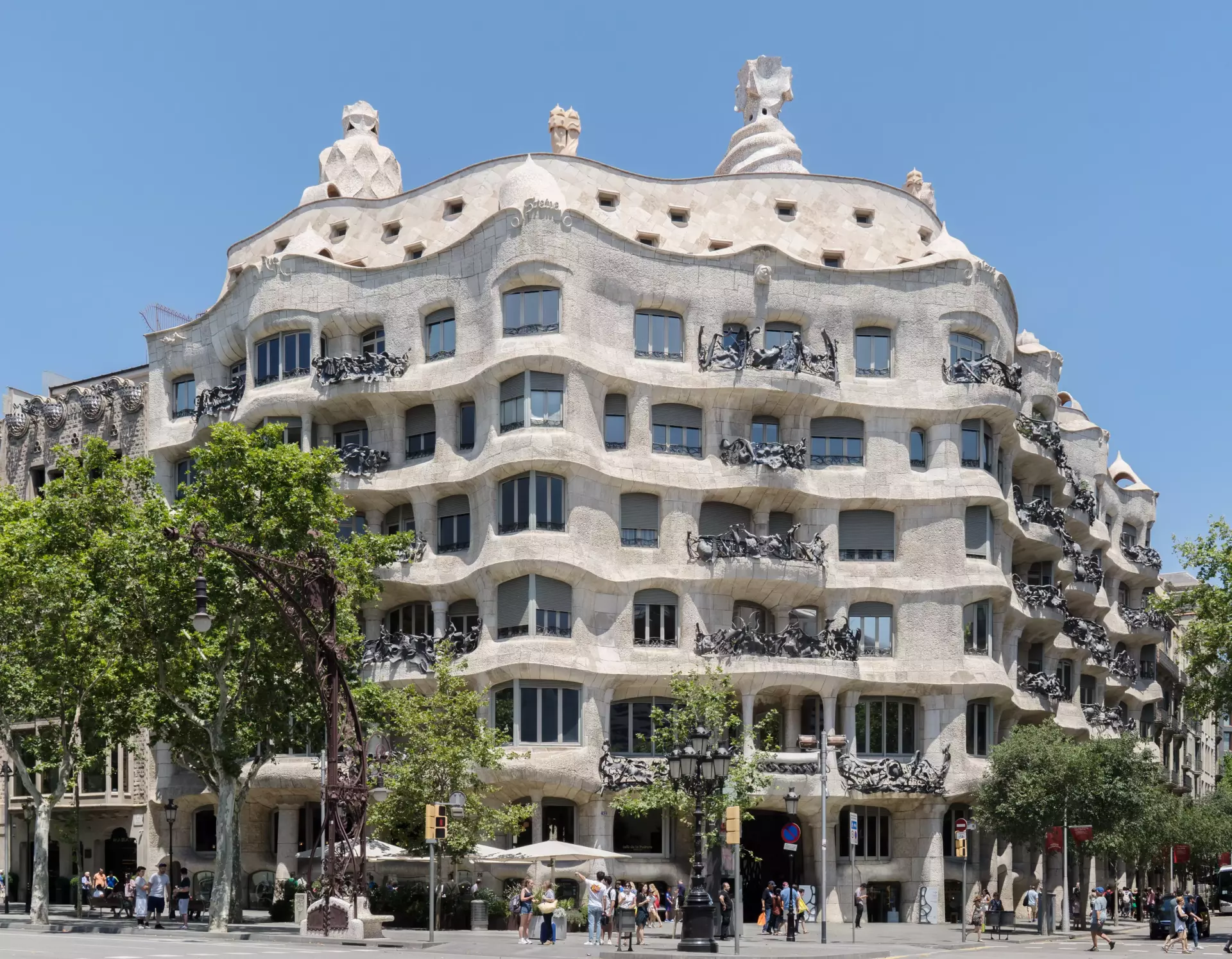
One of Gaudi's masterpieces, there is not one straight edge on the exterior and the structure is one of Gaudi’s most eccentric and enticing architectural creations. Tours of the interior and the incredible roof structures are available. Great views of the tall buildings (especially La Sagrada Familia) from the roof. Hosts a large exposition of Gaudi works, covering Sagrada Familia and Casa Batlio, not only La Pedrera itself. The exposition is a good place to start your exploration of Gaudi; it reveals many hidden details for the art novice.
Another Gaudi masterpiece along the same avenue as La Pedrera. Open to the public. No straight line or right angles appear anywhere in the house. Often overlooked for La Pedrera, (also by Gaudi), La Casa Batlló is equally as stunning with its unique architecture and infamous two ornamental pillars in the entrance to the terrace. Open for visitors from ground floor to the roof, and down by an old-time elevator.