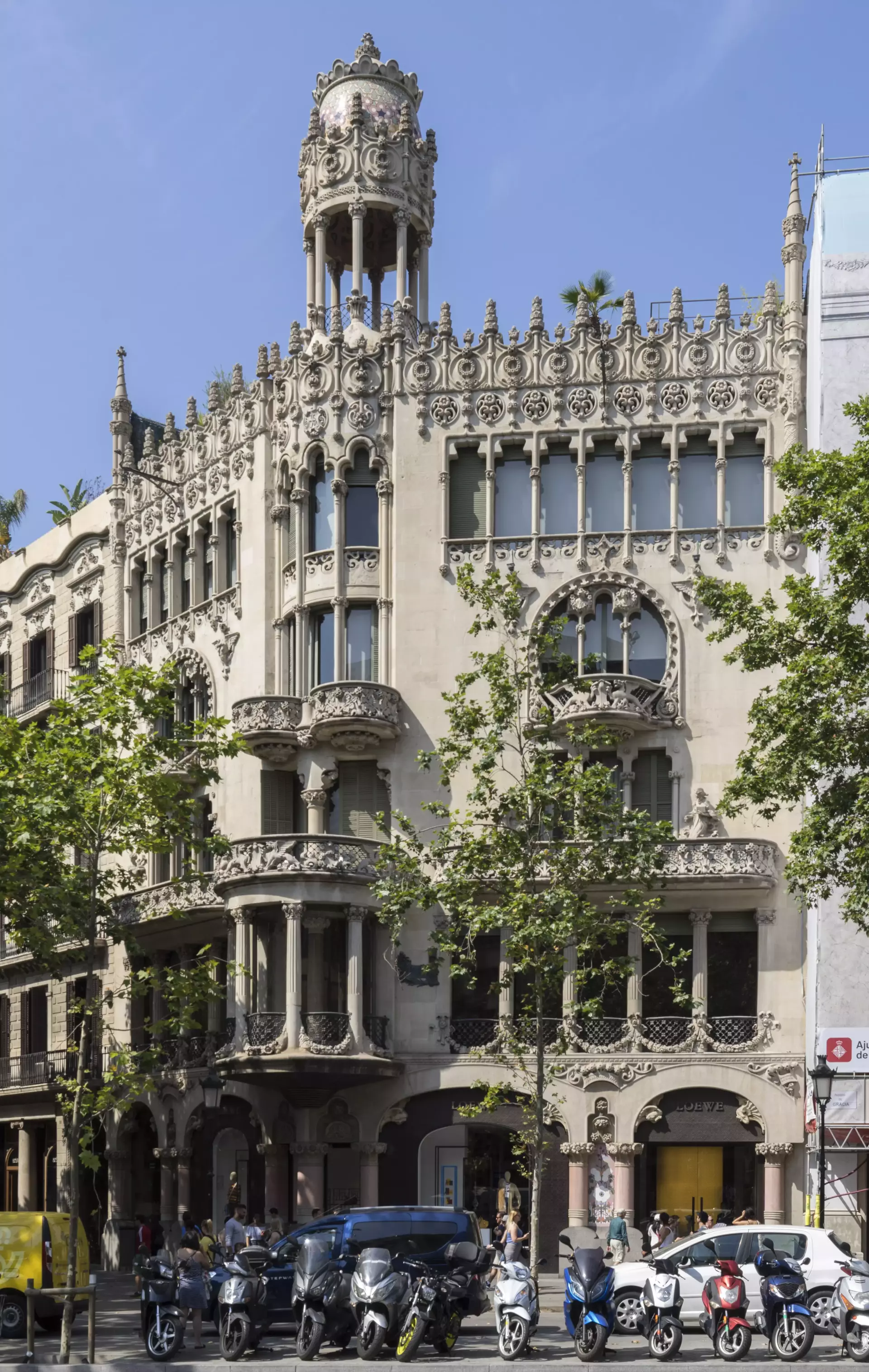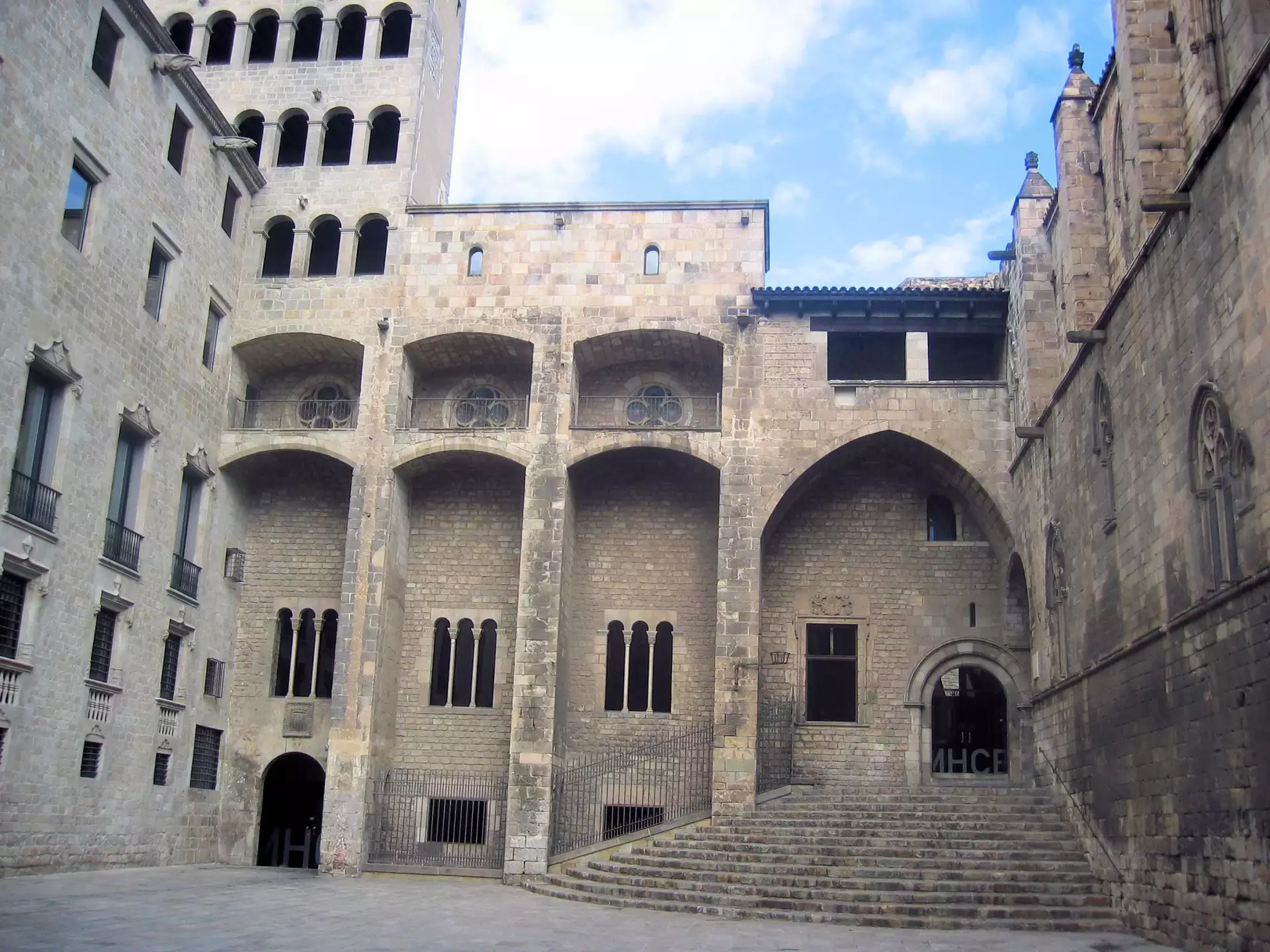
In the heart of the city's historic district lies Plaça del Rei, a square rich in history and architectural splendor. It is home to two significant buildings that offer a glimpse into the past.
The first notable structure is the Santa Àgata church. This church holds historical importance, as it is where the kings of the Aragon crown were baptized. Visitors are welcome to explore its interior and soak in the history that surrounds it.
The second building is renowned for its Saló del Tinell, a stunning example of civil Gothic architecture. This grand hall was once the site of royal receptions, marked by its broad, open space and impressive wooden ceiling supported by characteristic Catalan Gothic arches. The building also features a tower, offering visitors a wonderful view of the old town.
To fully appreciate these historic sites, an entrance ticket is required for both buildings.
Source - https://en.wikipedia.org/wiki/Pla%C3%A7a_del_Rei
Museum dedicated to the FC Barcelona. It occupies 3,500 m² and attracts 1.2 million visitors a year, ranking it second to the Museu Picasso, which attracts 1.3 million visitors, as the most visited museum in the city of Barcelona. All of the Barcas trophies and jerseys of many famous players of the team are exhibited. The museum can be visited by booking the Camp Nou Experience package, which includes also a stadium tour. The stadium tour is not fantastic and the audio guide is not really worth it either, but for a quick recent history of matches played there, consult the backs of the doors in the cubicles. Most have a lot of graffiti championing the team that played there. It is also unfortunate that the home team changing rooms are not open to the public, only the somewhat dated guest's team dressing rooms, which are not that impressive.
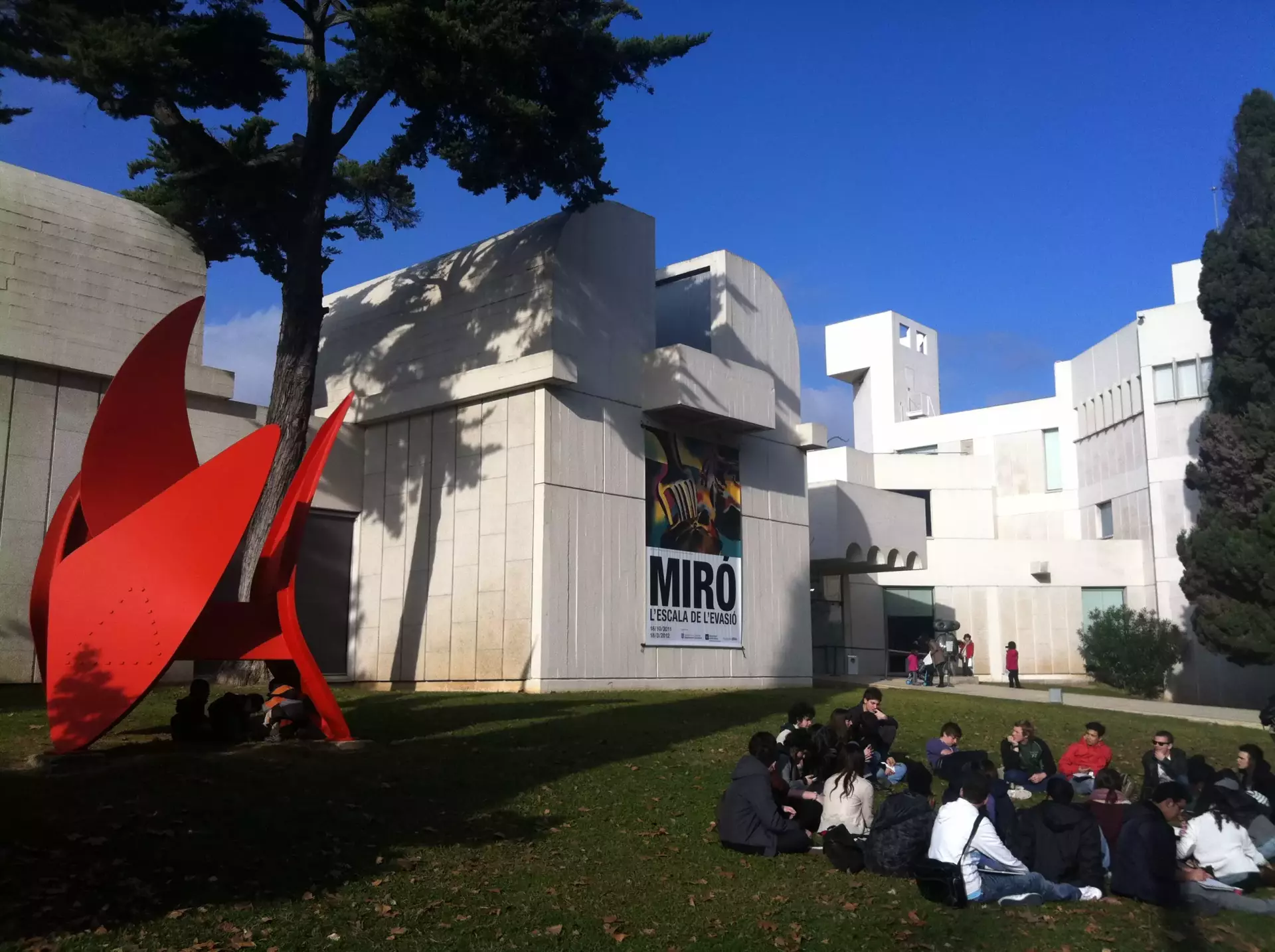
Has a lot of art from his first period, before the cubism, but almost none of his most famous works. Pictures are described only in Spanish, but overview texts for each period are available in English. Luggage over 30x30cm needs to be left at the checkroom and there's no liability for lost valuables.
Palace designed by Gaudí for the industrial tycoon Eusebi Güell. There is a basement and three levels of the palace to explore, the highest featuring a small exhibition. It is in a different style to Gaudi's apartment blocks La Pedrera and Casa Batlló, as well as being cheaper and less crowded than those sites. The rooftop of Palau Güell features the more standard Gaudi style chimneys, and views across El Raval.
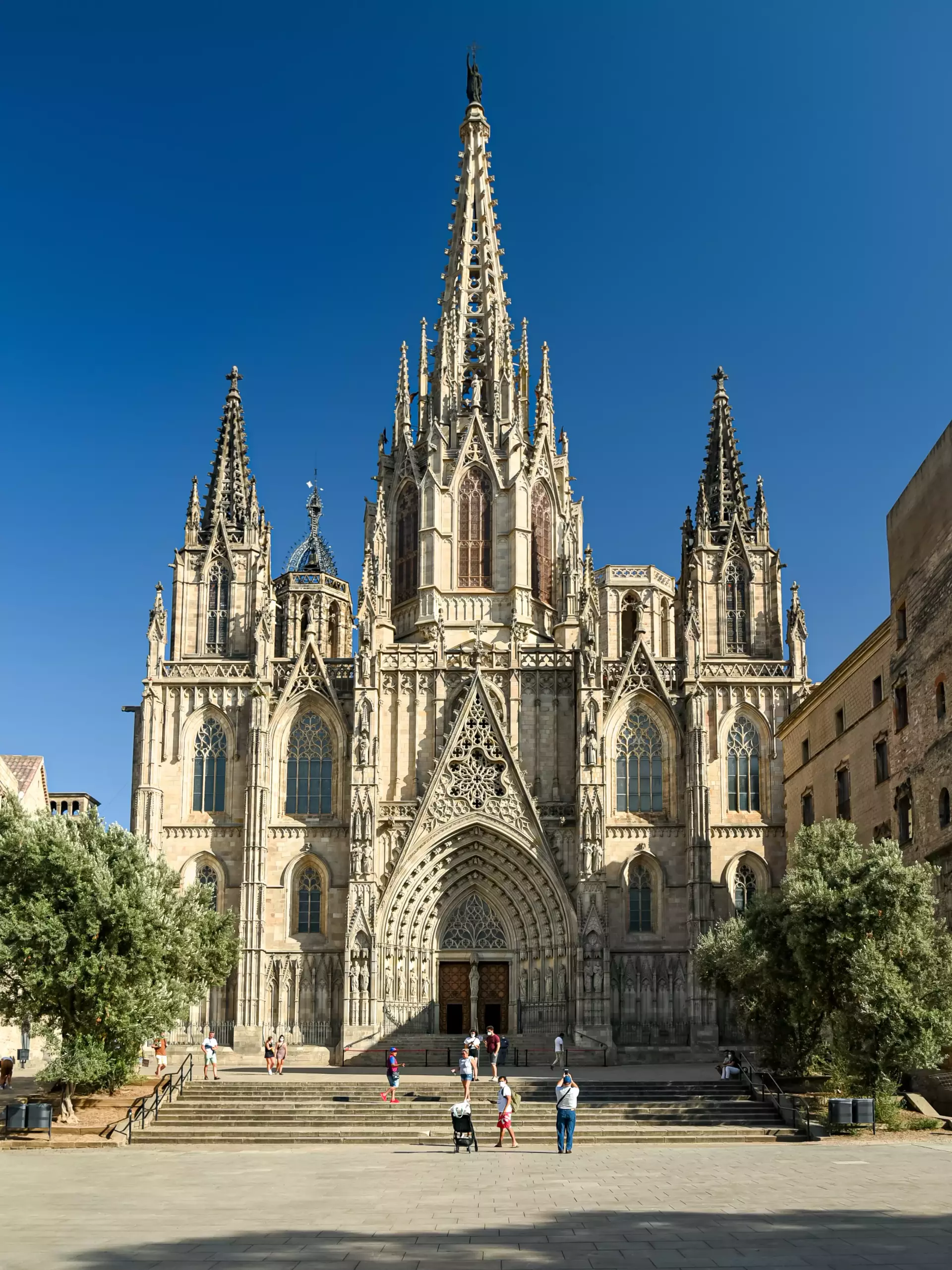
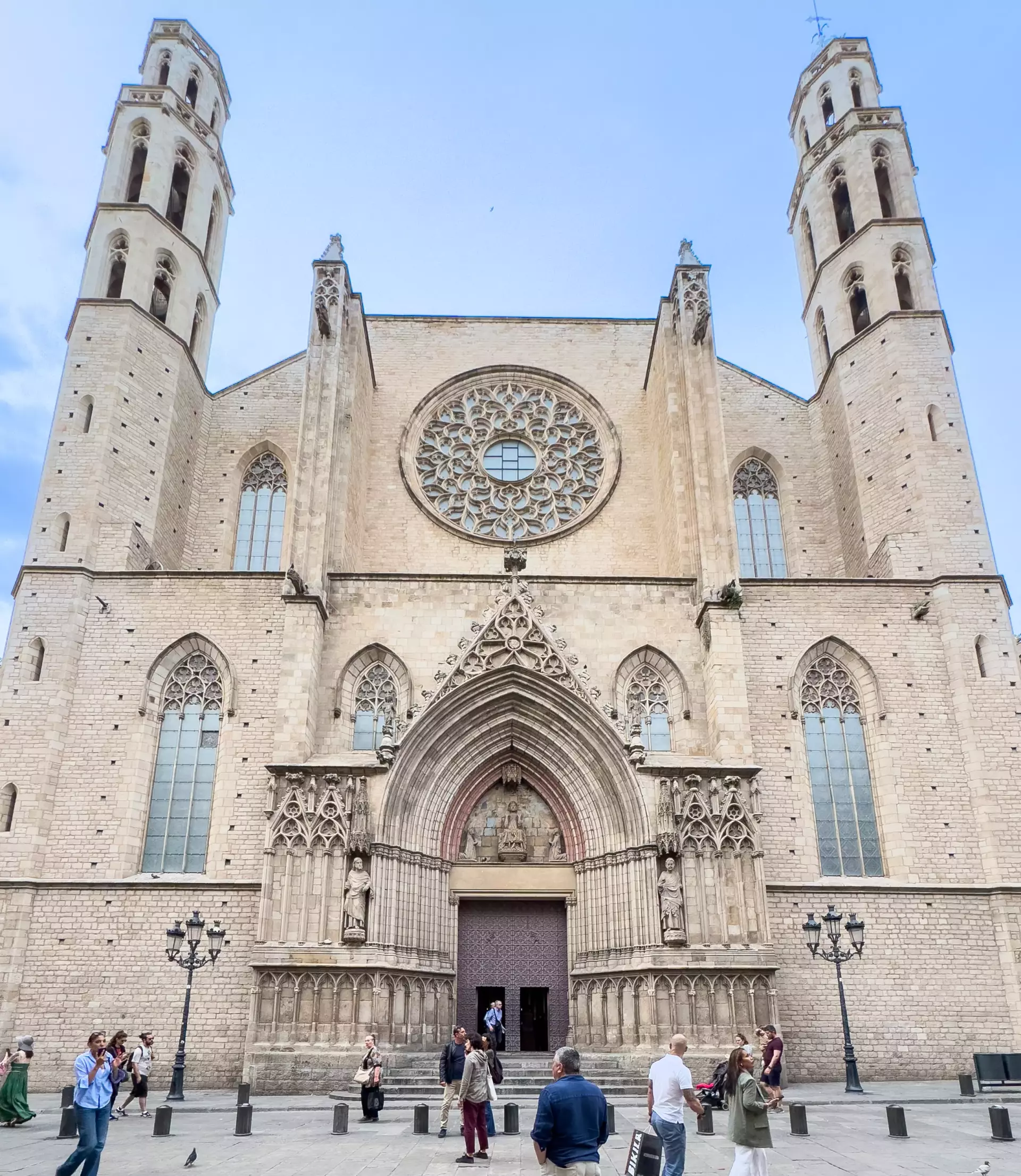
One of the most representative examples of Catalan Gothic architecture, it features a sombre but beautiful interior. The upsweeping verticality and lightness of the interior are especially surprising considering the blocky exterior surfaces. Built between 1329 and 1383, it was once was home to a Christian cult in the late 3rd century. The church is dedicated to Saint Mary of the Sea, since the quarter was dedicated to the jobs related to the sea, from sailors to harbor works, commerce, even coin exchange. The inside was burned during the civil war, but it is still very interesting. Next to the church, you can see a monument, called Fossar de les Moreres, which is the place where many fighters where buried after the Barcelona defeat in 1714, so it is an important monument for Catalan nationalism.
Much to the dismay of Mickey Mouse aficionados, Disseny is Catalan for "design", not "Disney". The "Disseny Hub" houses the amalgamated museums focusing on applied arts and design, including Museu de les Arts Decoratives, Museu de Ceràmica, Museu Tèxtil i d'Indumentària and Gabinet de les Arts Gràfiques. The new building has an intricate, multi-level structure, with the protruding tower overhanging the Praca de les Glories roundabout.
Placa d'Espanya was created for the 1929 World Exhibition, on a site once used for public hangings. The fountain in the center of the square is a great attraction and plays music during the summer. Plaça Espanya is located at the base of Montjuic hill.
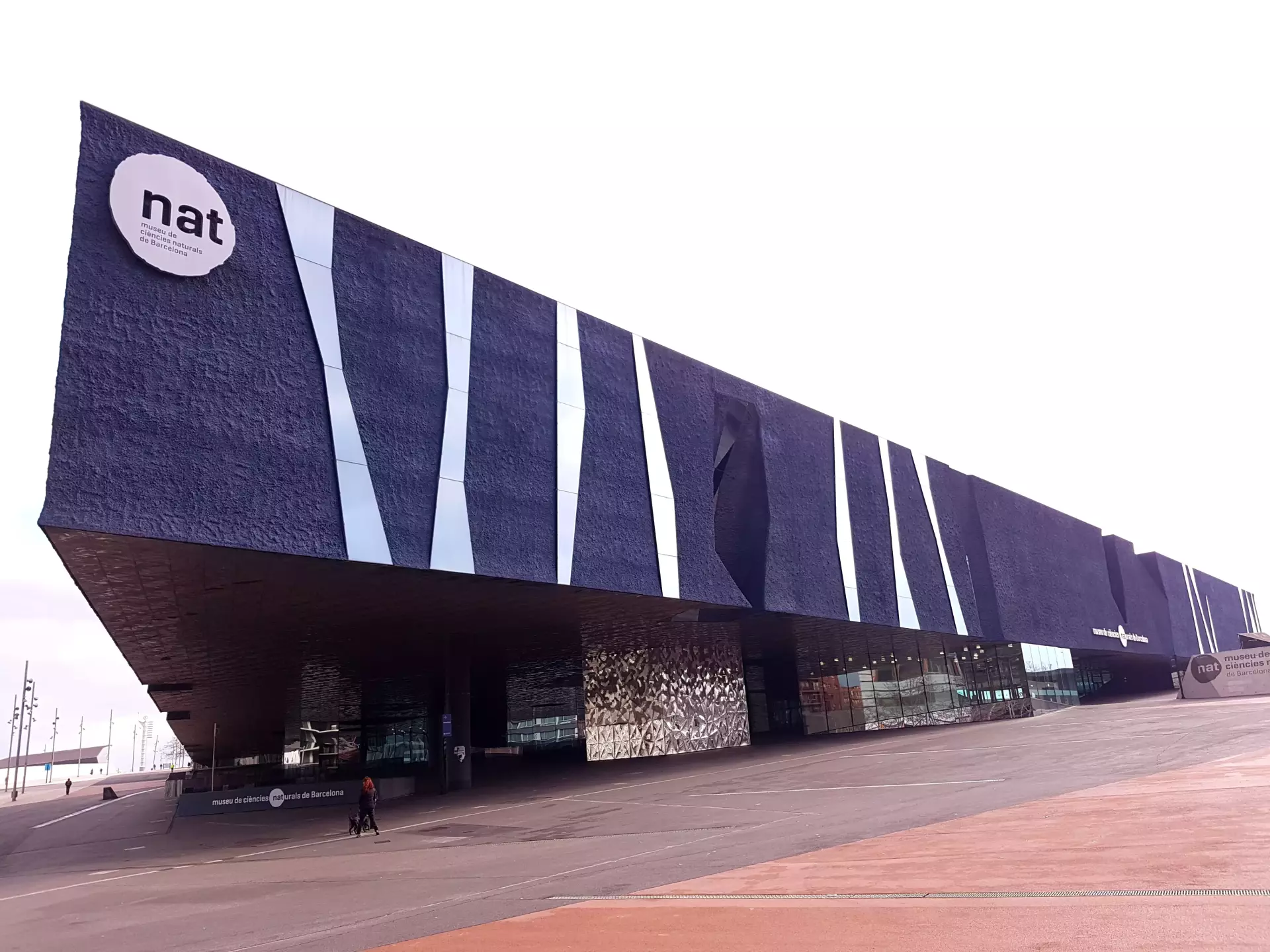
The museum has limited opening hours but the park it is situated in is also interesting. Check website before going to the museum as it will eventually relocate to The Can Bagaria building.
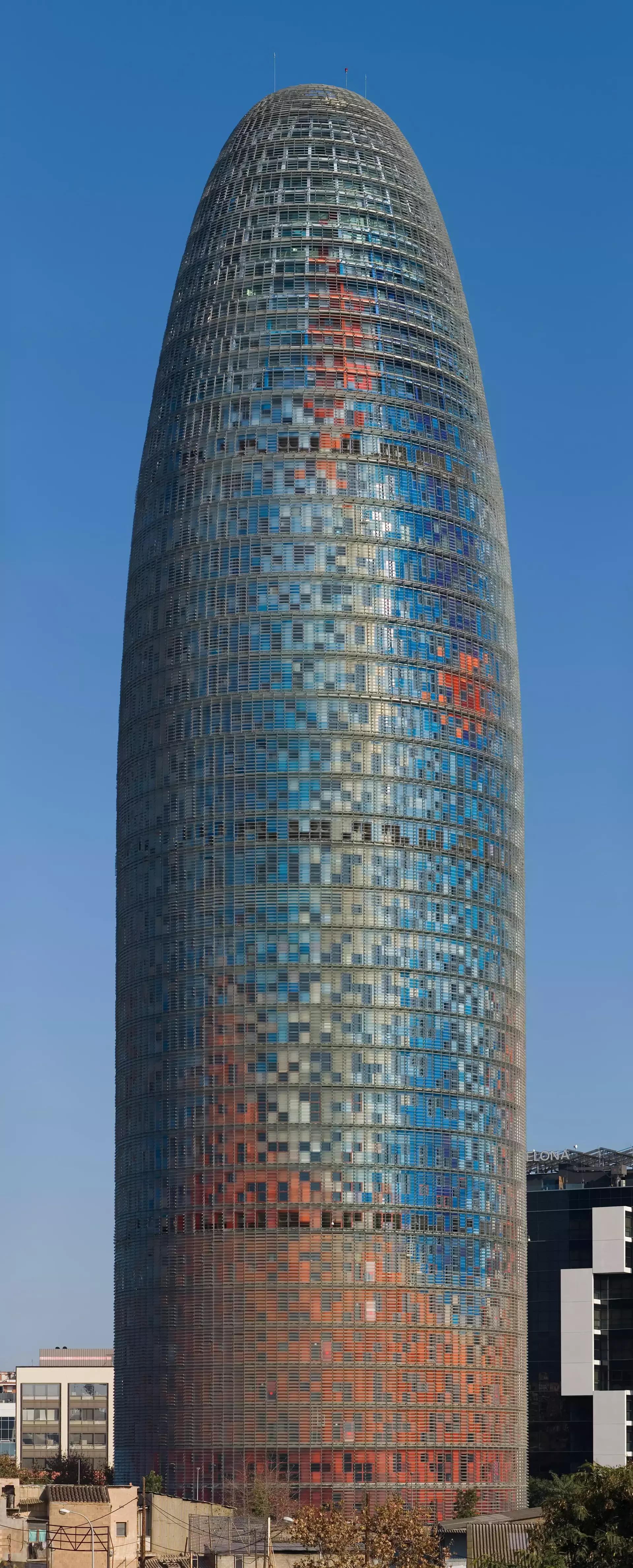
Formerly known as Torre Agbar. Distinctively-shaped office tower which stands out in the Barcelona skyline. It stands out even more Friday, Saturday and Sunday nights when it is lighted in several colours. The viewing platform on the 30th floor has views in all directions. Tickets start at €15 and come with a complimentary glass of cava and access to Hyperview Barcelona, an exhibit of the city’s real-time environmental data as an audiovisual installation, which is hosted in the tower’s lowest floor.
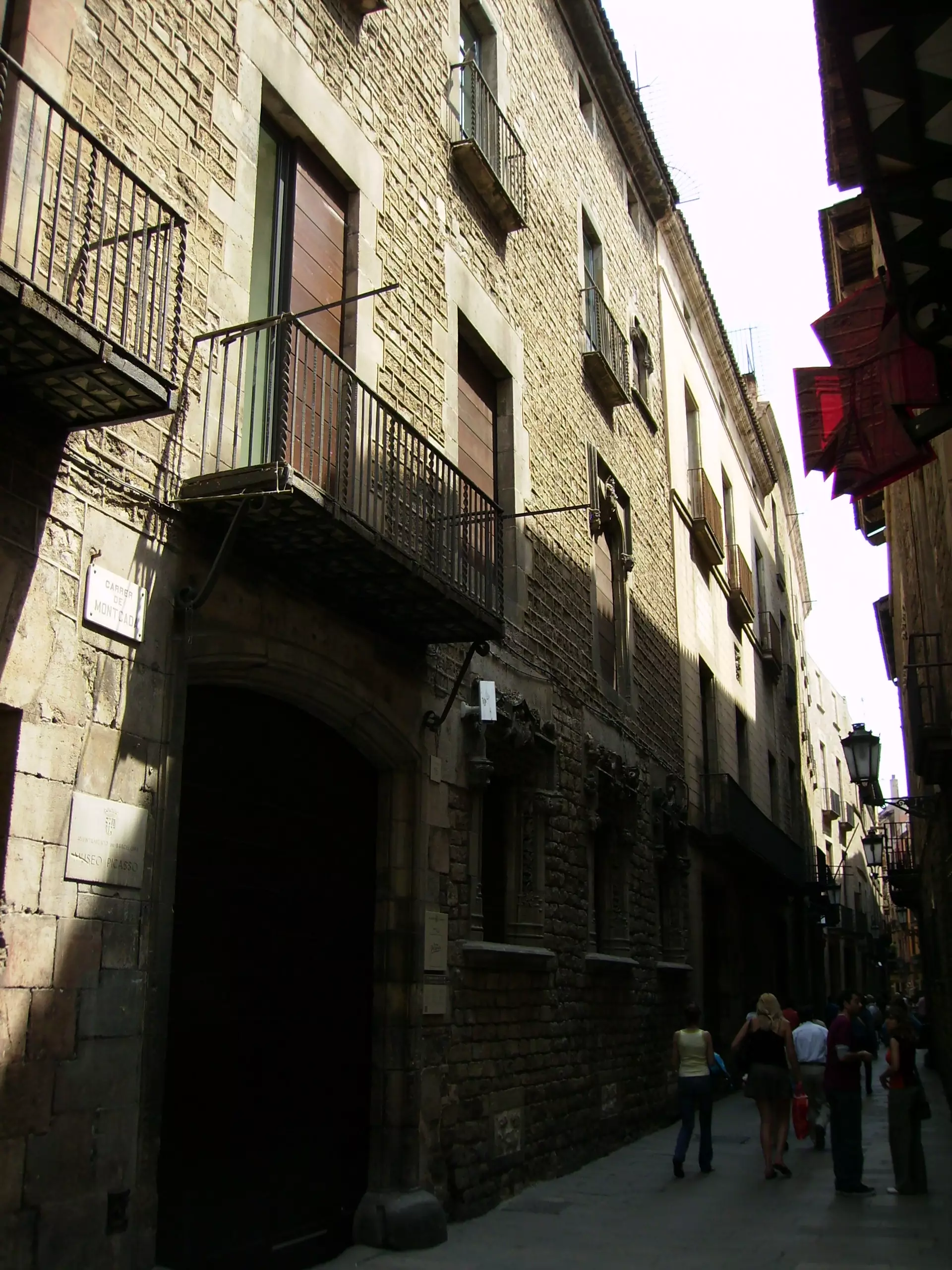
This street has the biggest collection of Gothic houses in Barcelona. In amongst these houses is the Picasso Museum, which is definitely worth a visit. There are also smaller museums along the street, and many tapas restaurants though they may be more expensive on this street.
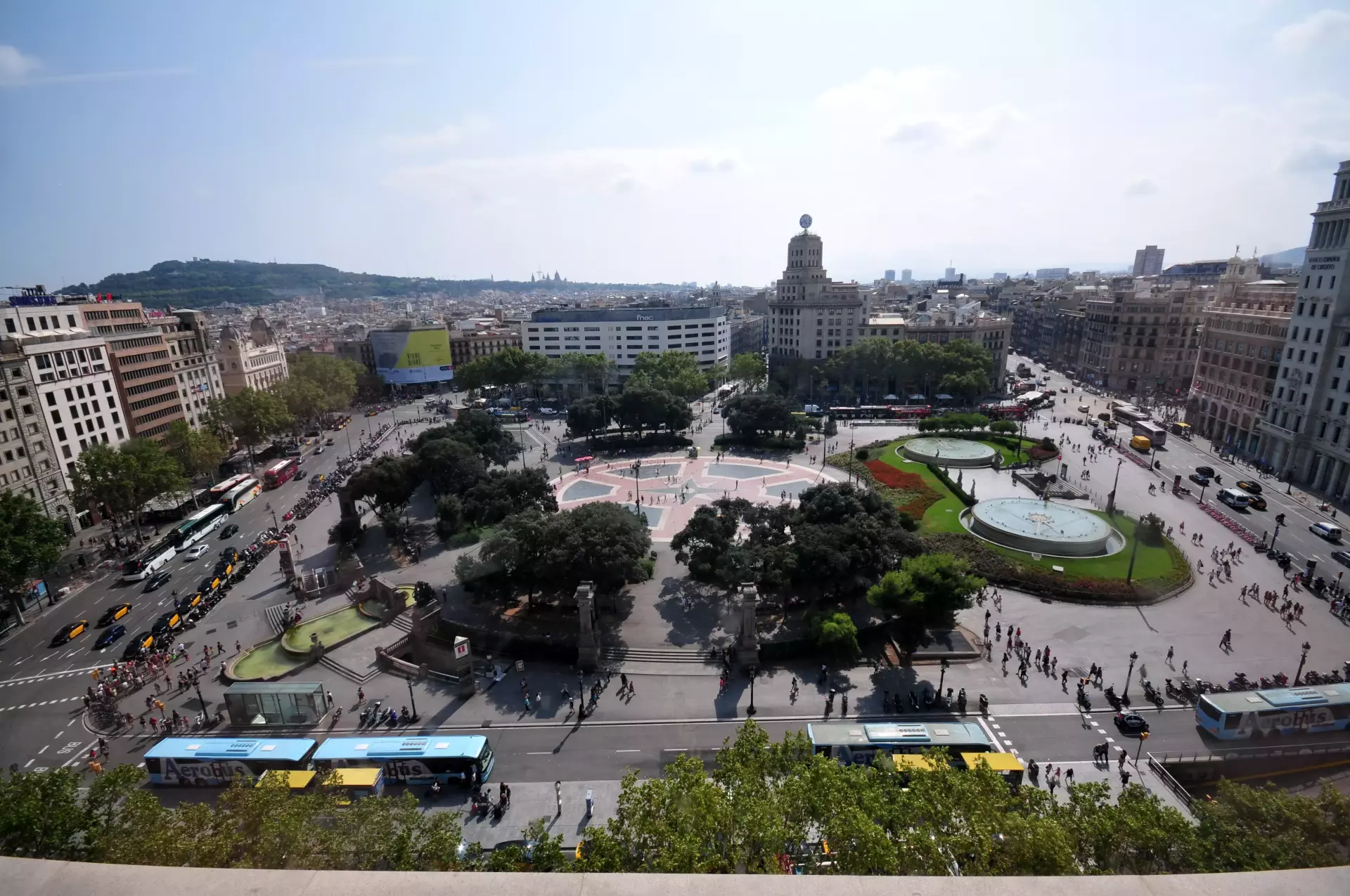
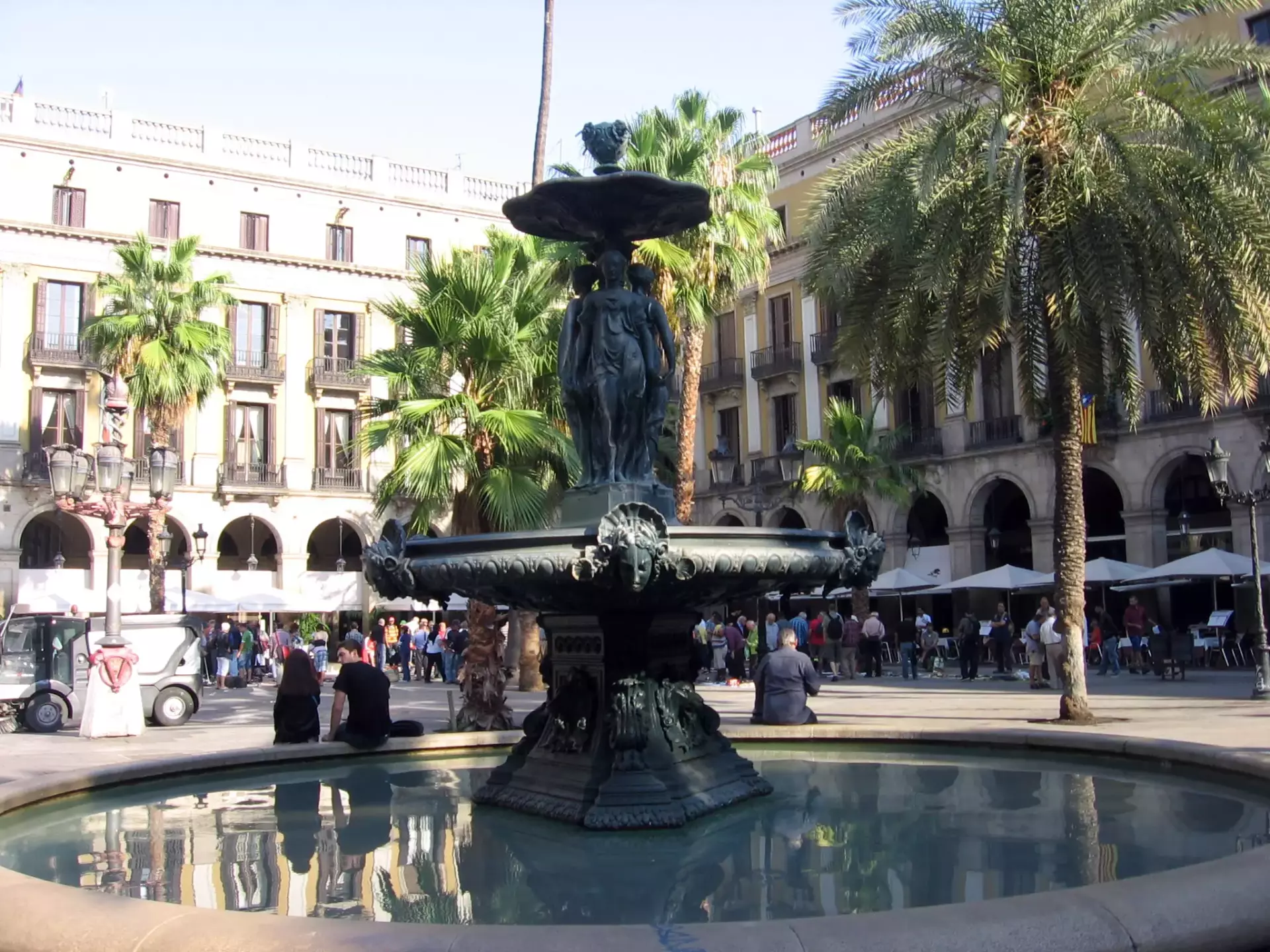
Connecting many of the major streets in the city, the Plaça is a central location and a hub of activity. It is a favourite meeting spot for locals and a transit hub for the tourist buses. There are many fountains, statues and gardens around the plaza, and a number of benches to just sit and take it all in.
One of the most unusual landmarks in this otherwise ultra-modern area is this 19th-century (finished in 1882) brick water tower. Standing 62 metres tall, it is now overshadowed by neighbouring residential, office and hotel towers and easy to miss unless you know where to look for it.
The stadium and its surroundings built in 1927 and renovated for the 1992 Summer Olympics provides nice architectonic and city views. Since it's not too crowded outside sport events, it's usually a pretty calm place.
If you're a football fanatic, then you can't miss a visit to this football temple, the home ground for Barcelona's biggest and most popular team and one of Europe's greatest footballing 'cathedrals'. During the Franco era, FCB was the only way that oppressed Catalans could vent their anger against his dictatorship. Because of that, it became and still is a symbol of Catalan identity. Camp Nou is the biggest stadium in Europe with a capacity of 98,600 people, with shops and a museum of the club's history. Match tickets start at about €42 and games hardly ever completely sell out, unless it is a match against the hated rivals Real Madrid (a match commonly dubbed El Clásico), one of the other top teams (Atlético Madrid, Valencia or Sevilla) or in the Champions League. With the quality in the current team, there are always a few goals, and it is nearly always a resounding win for Barça. For stadium tours check the entry below.
Distinctive pink house that Gaudi lived in for nearly 20 years (although not designed by him). It features furniture designed by Gaudi and other objects relating to Gaudi's life. The gift shop has a large selection of Gaudi-themed souvenirs that are generally better quality than what's available in the normal tourist shops.
Although a botanic garden had been established in Barcelona as early as 1888, the current gardens date from 1999.