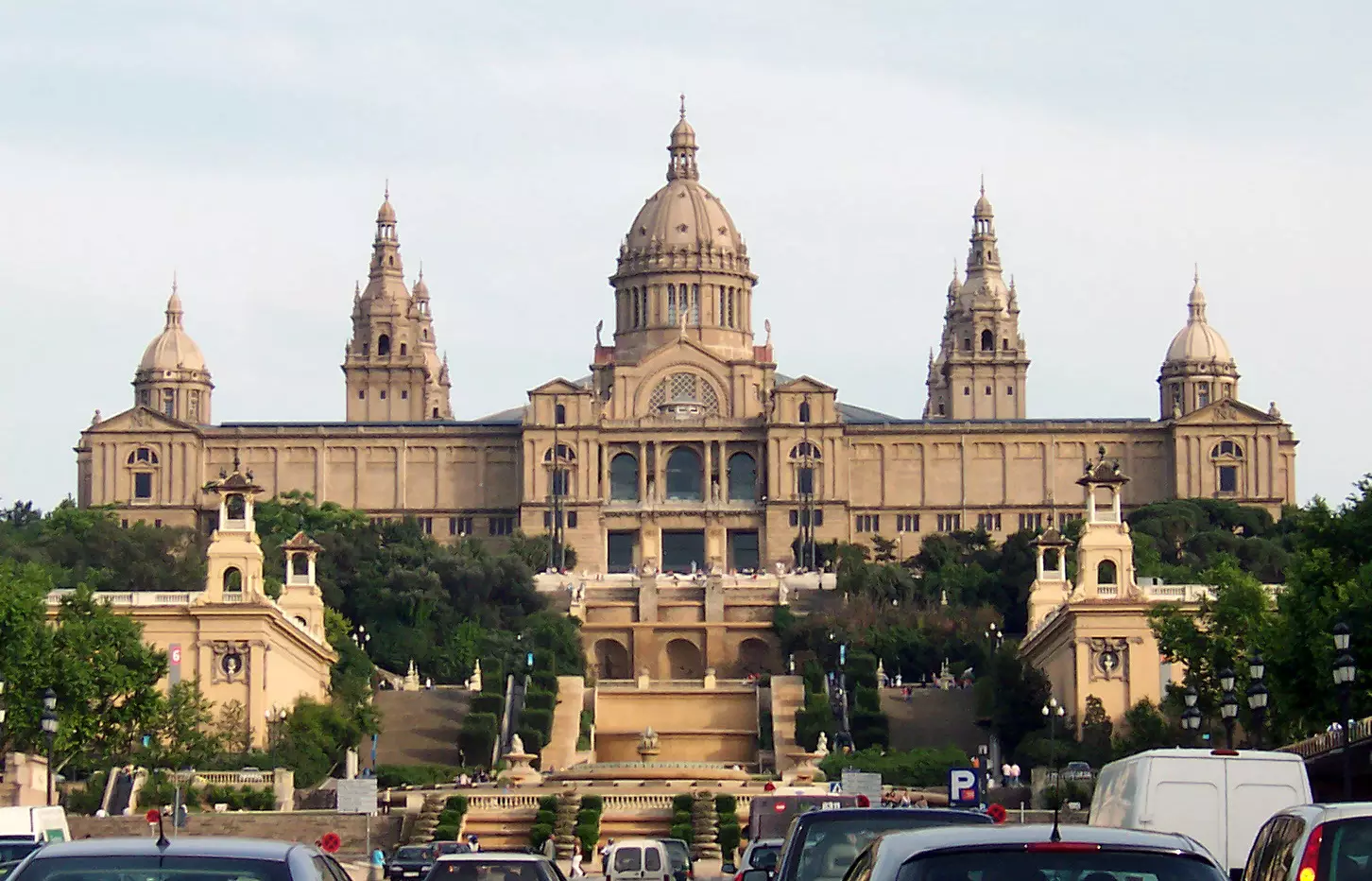
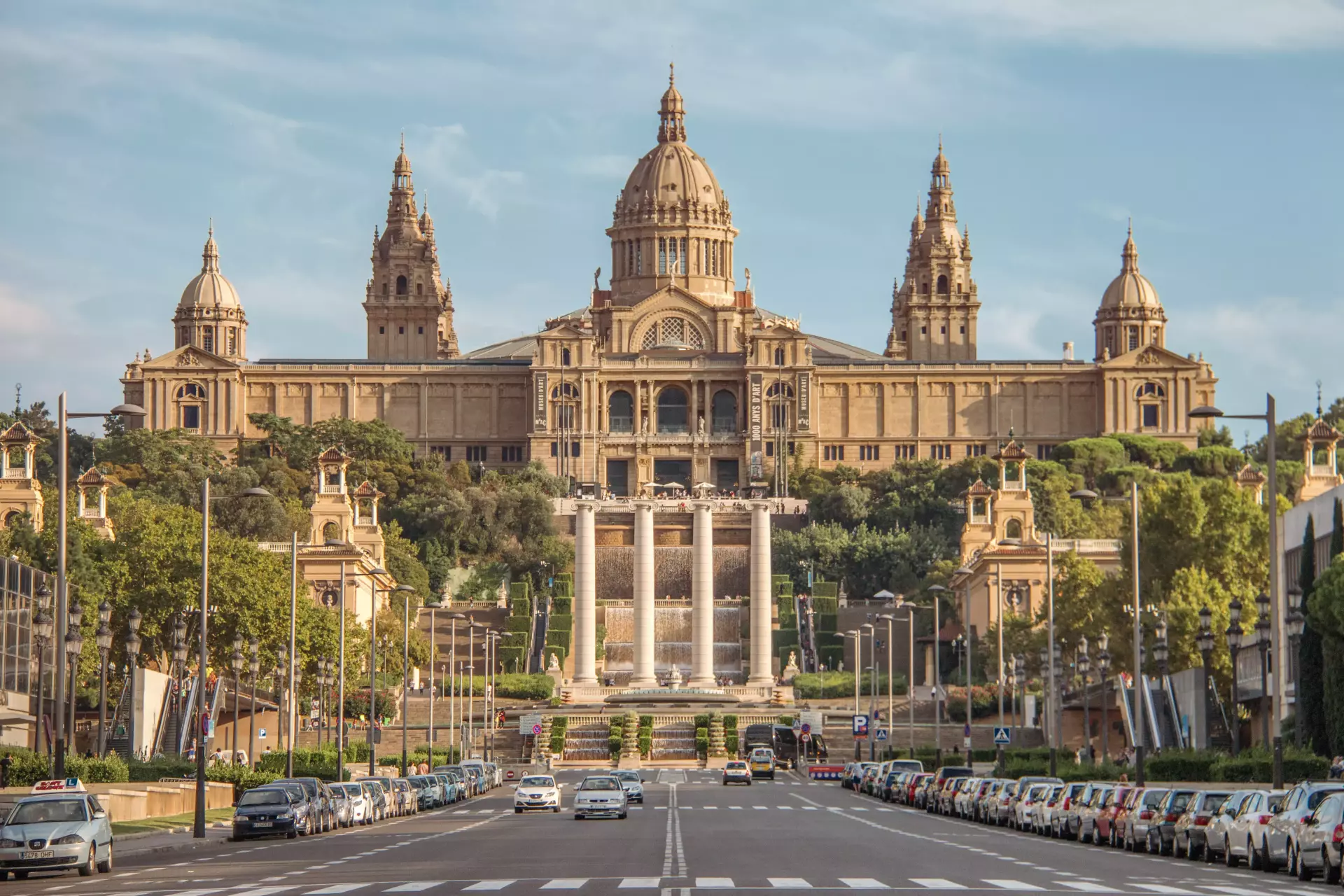
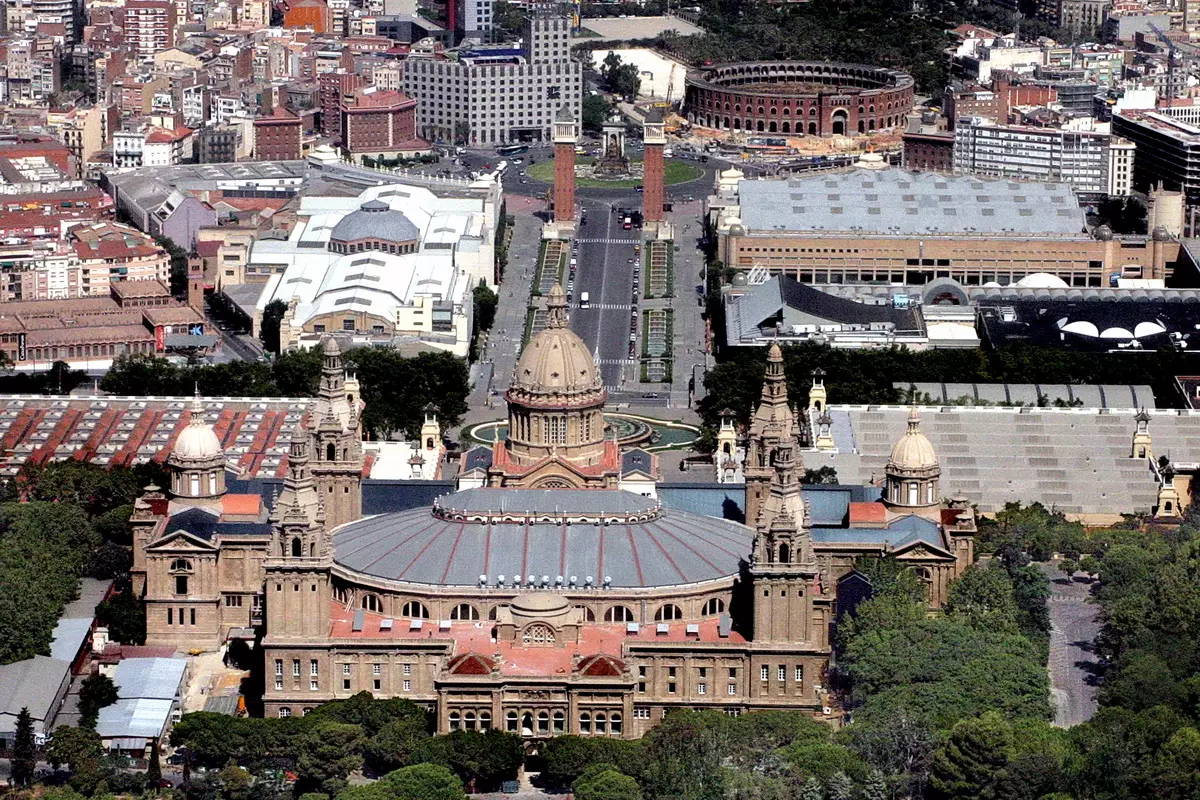
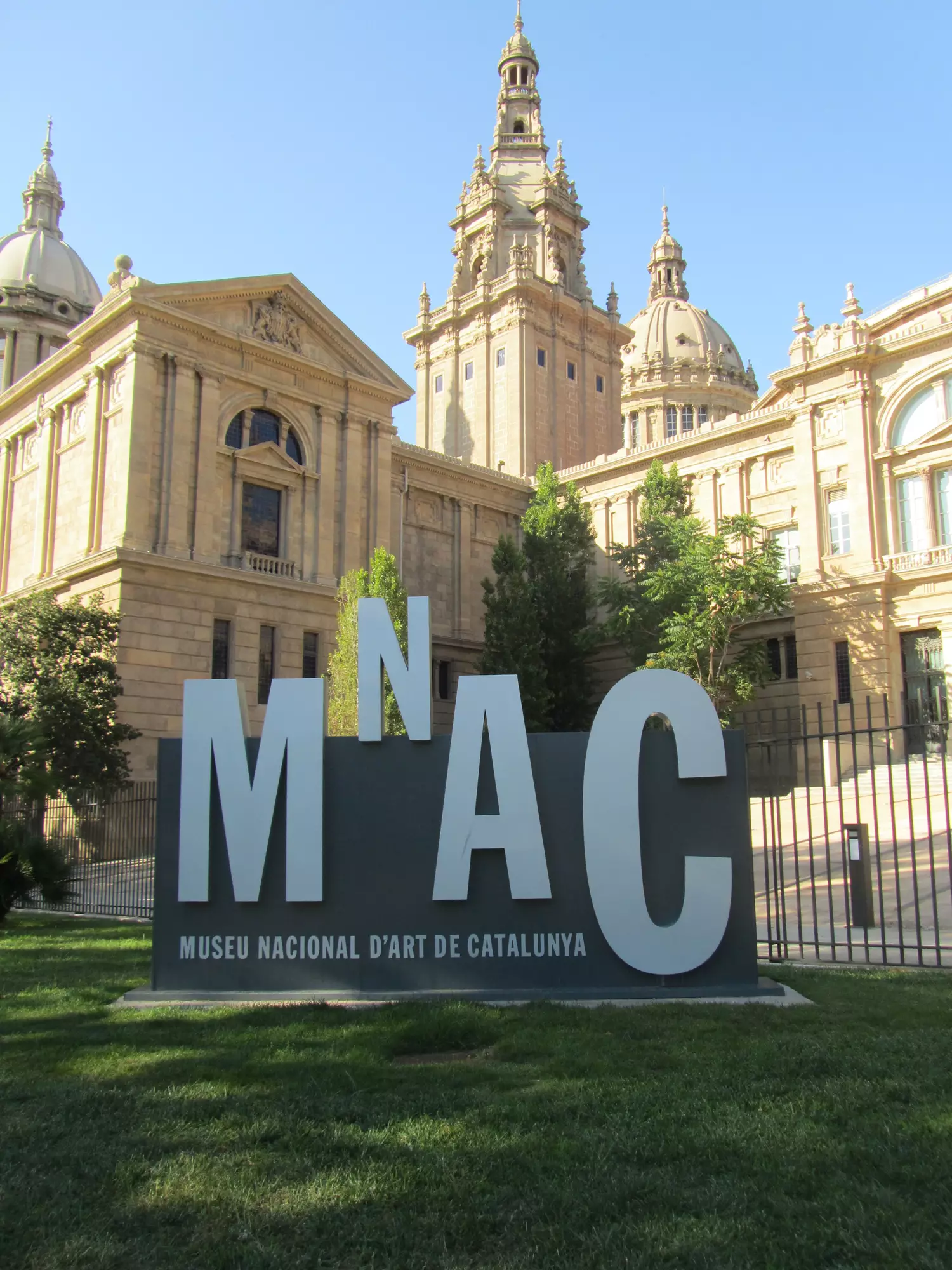
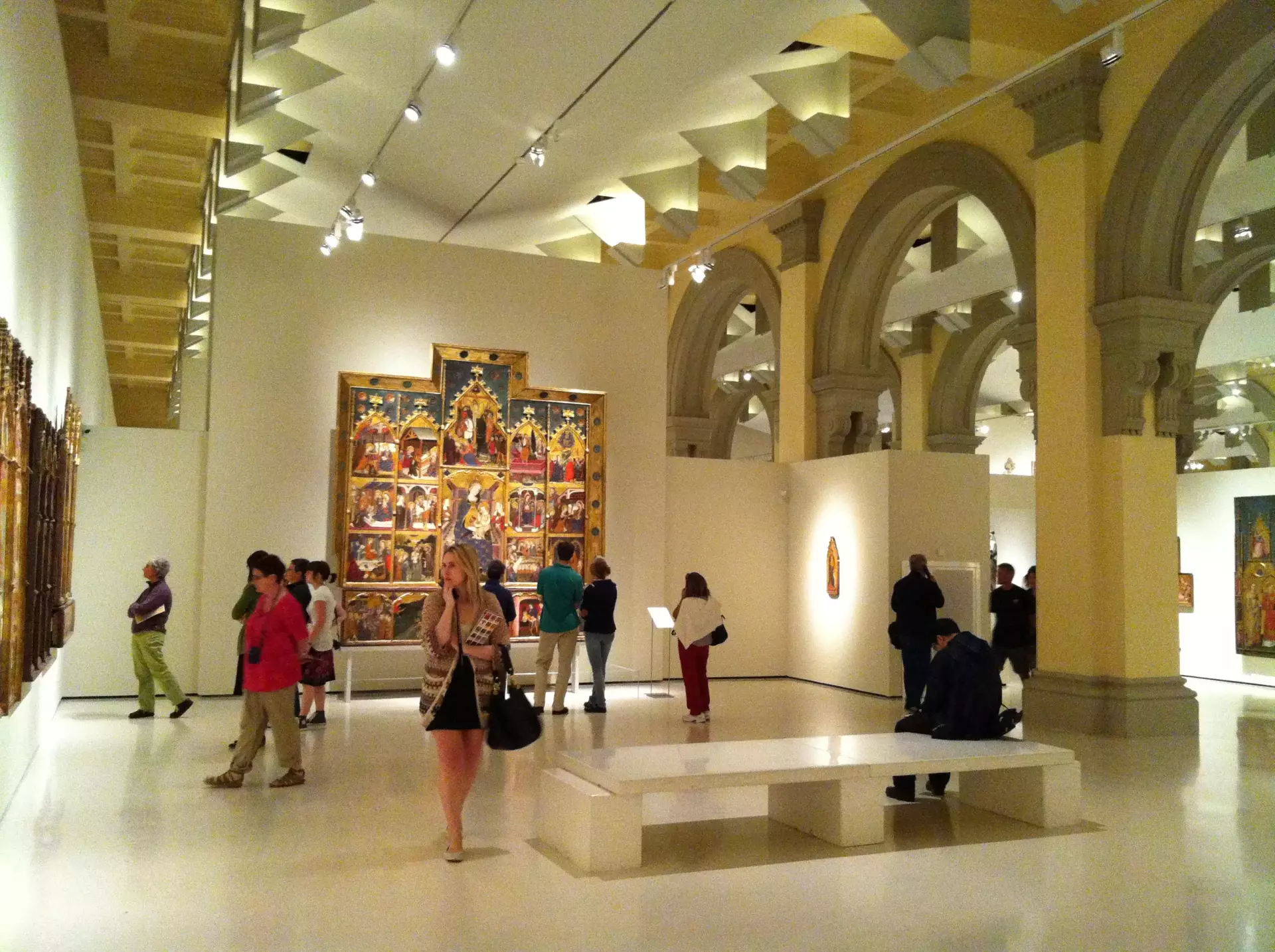
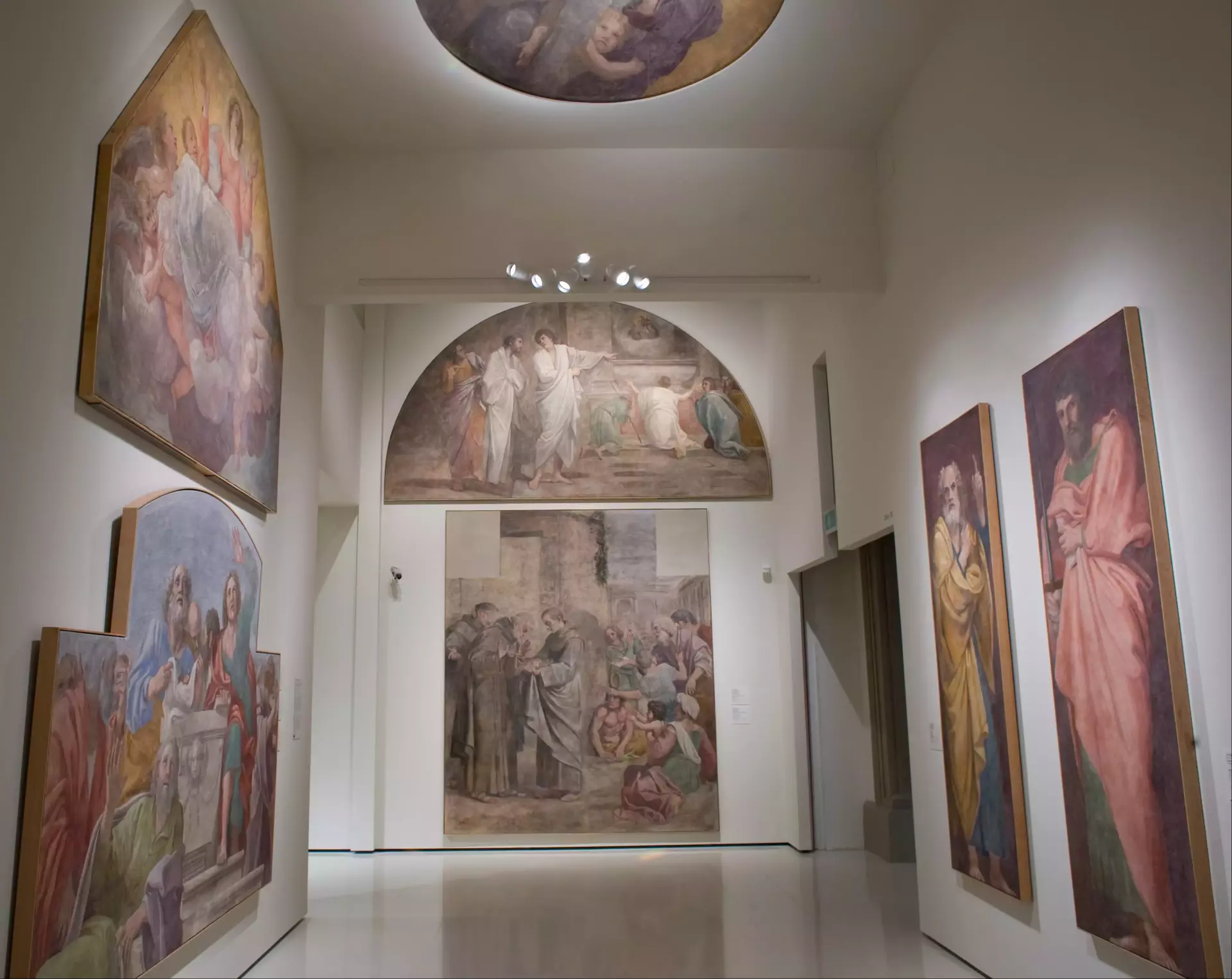
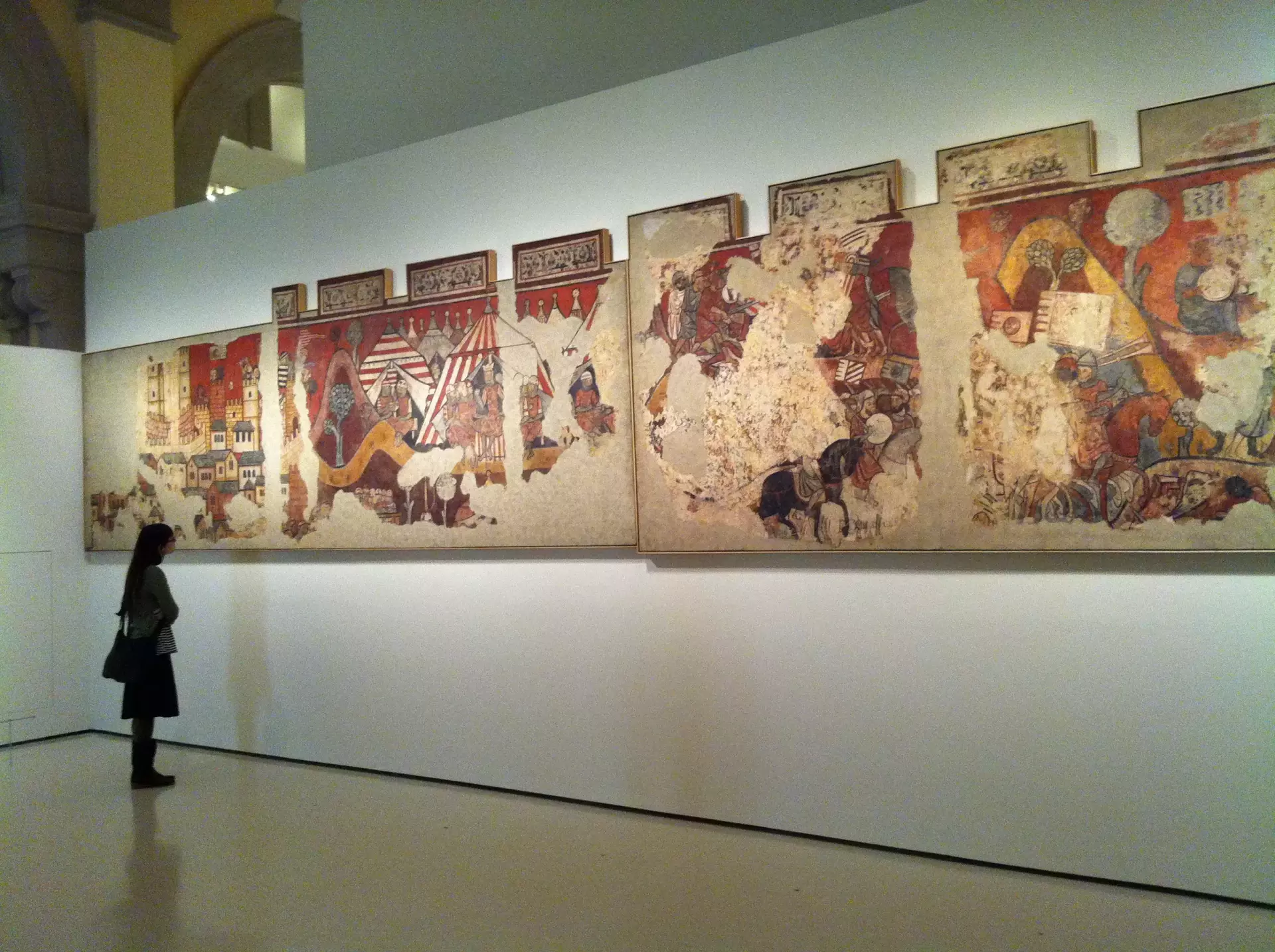
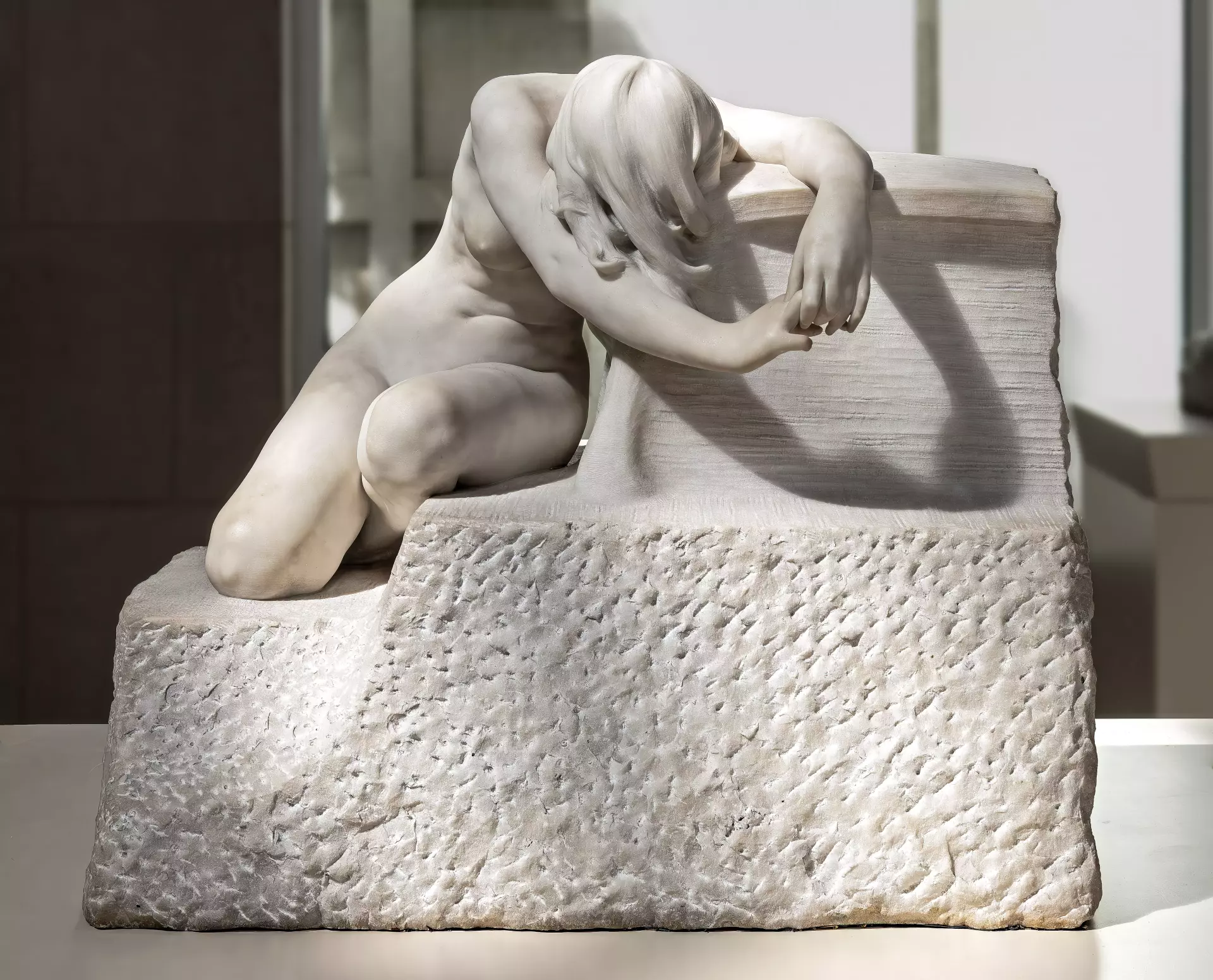
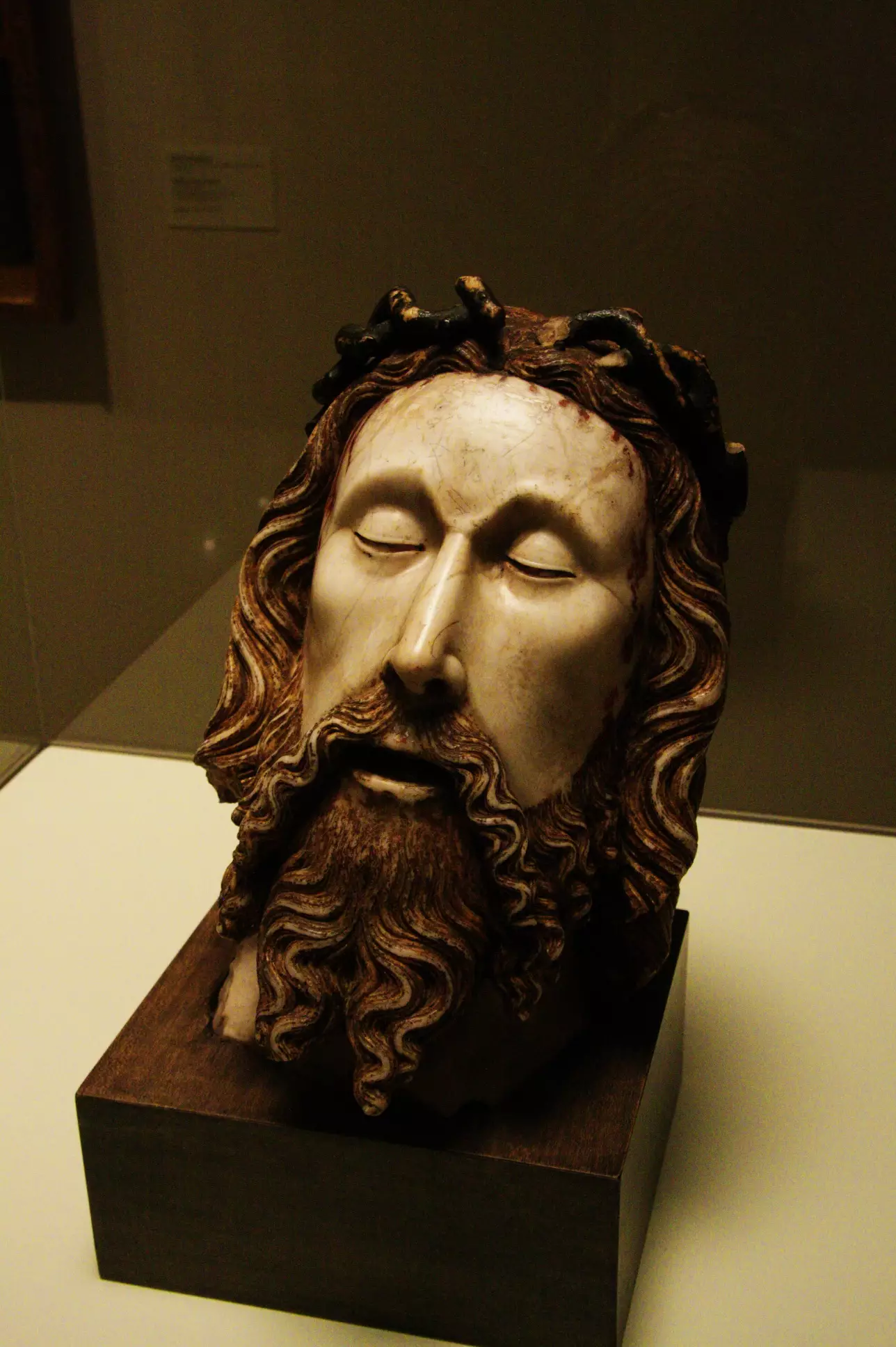
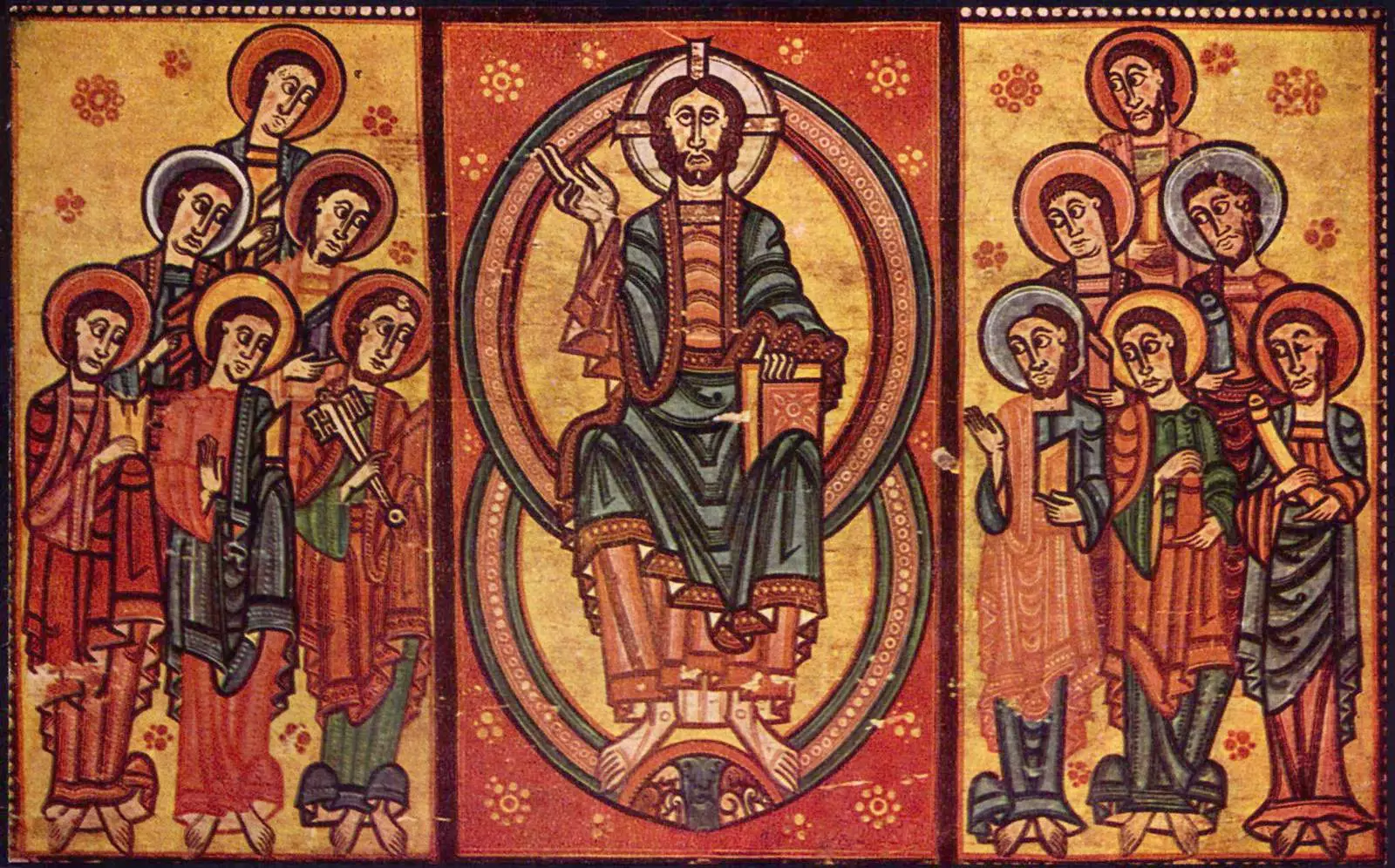
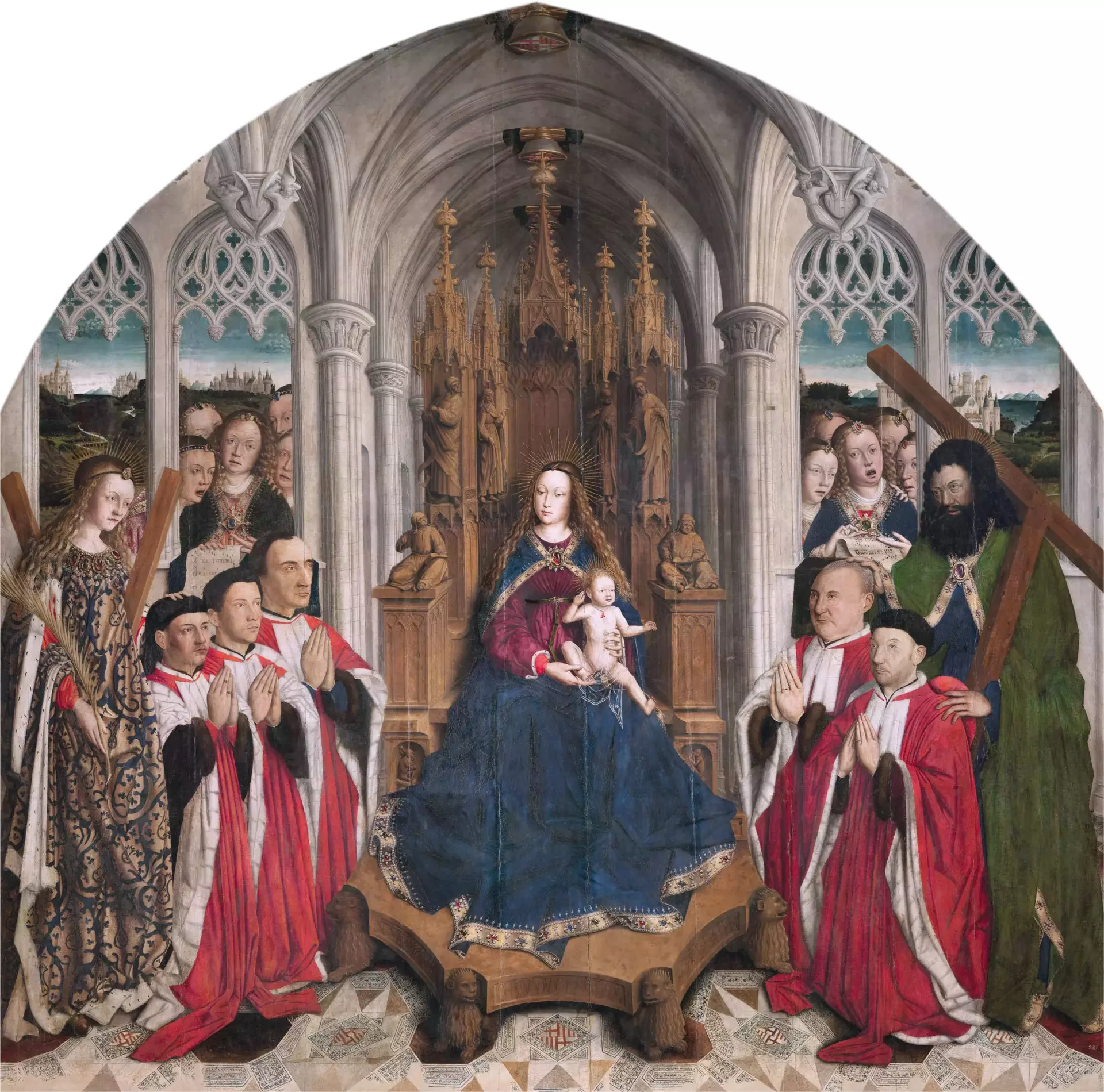
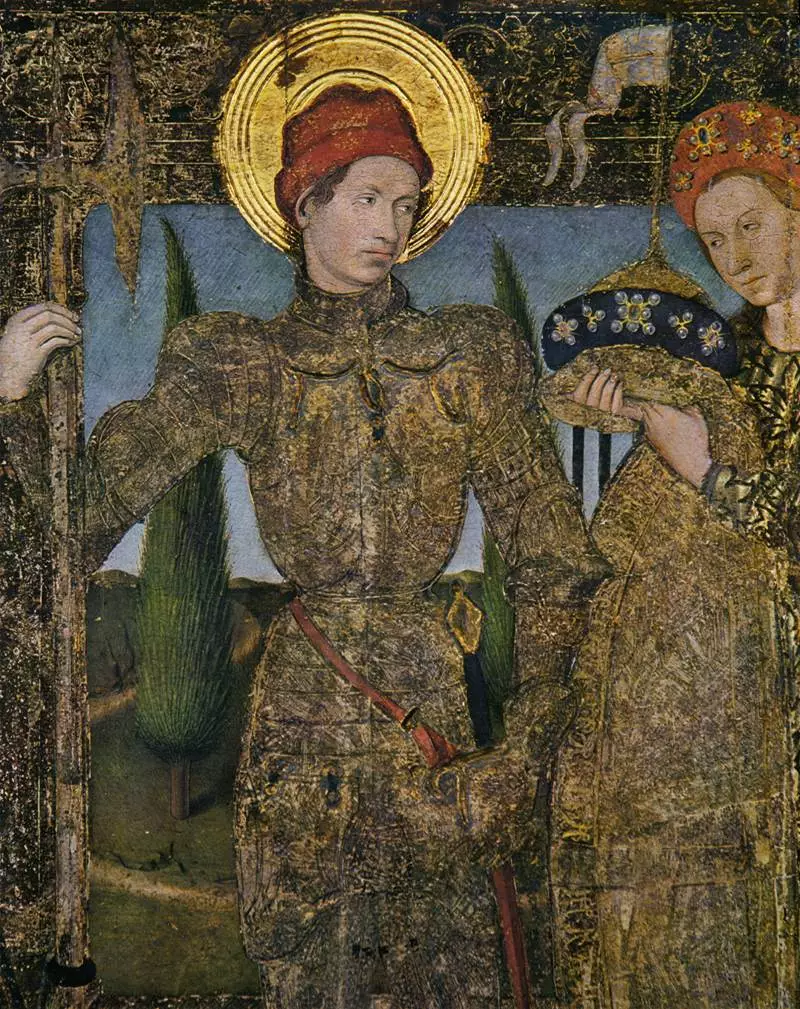
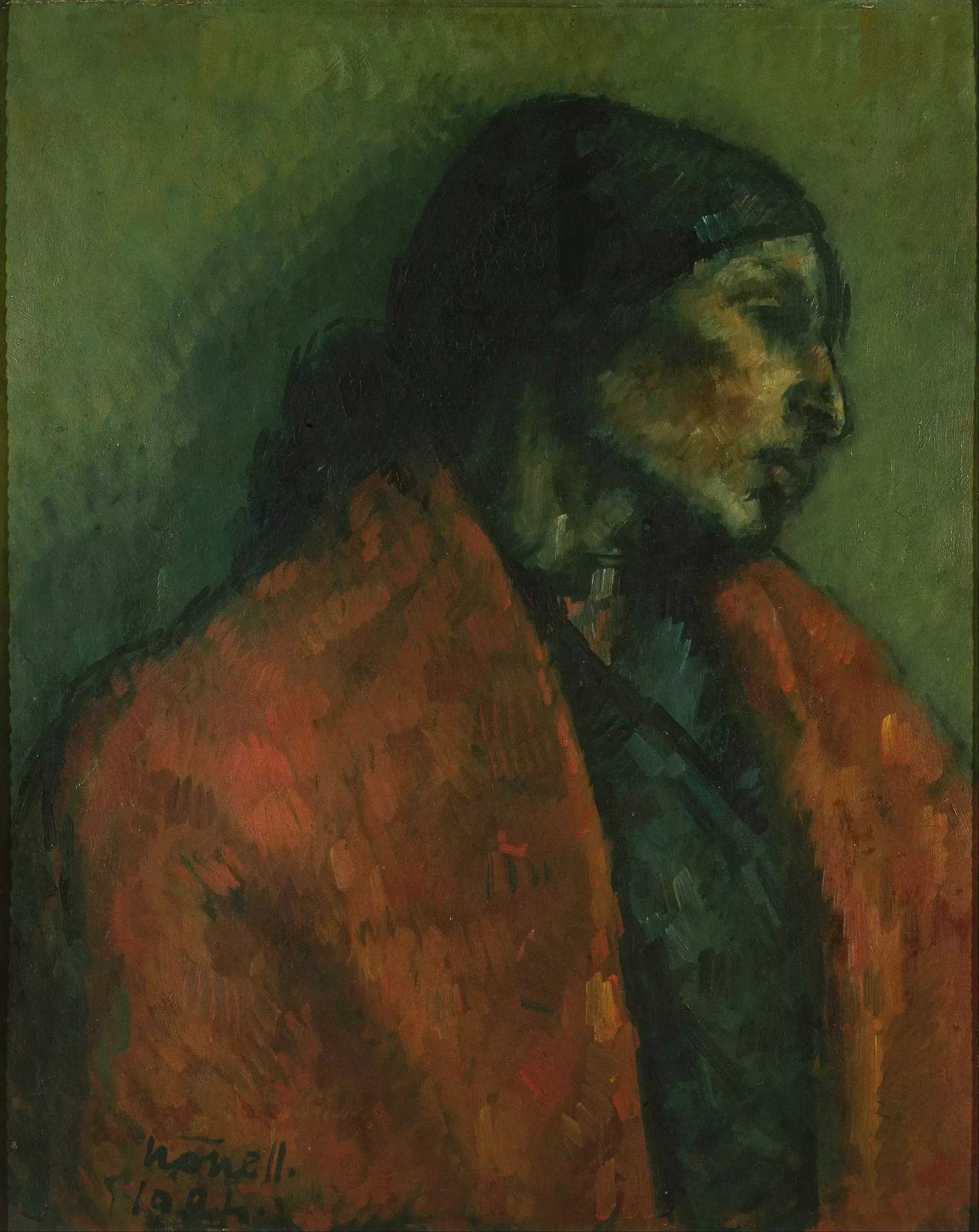
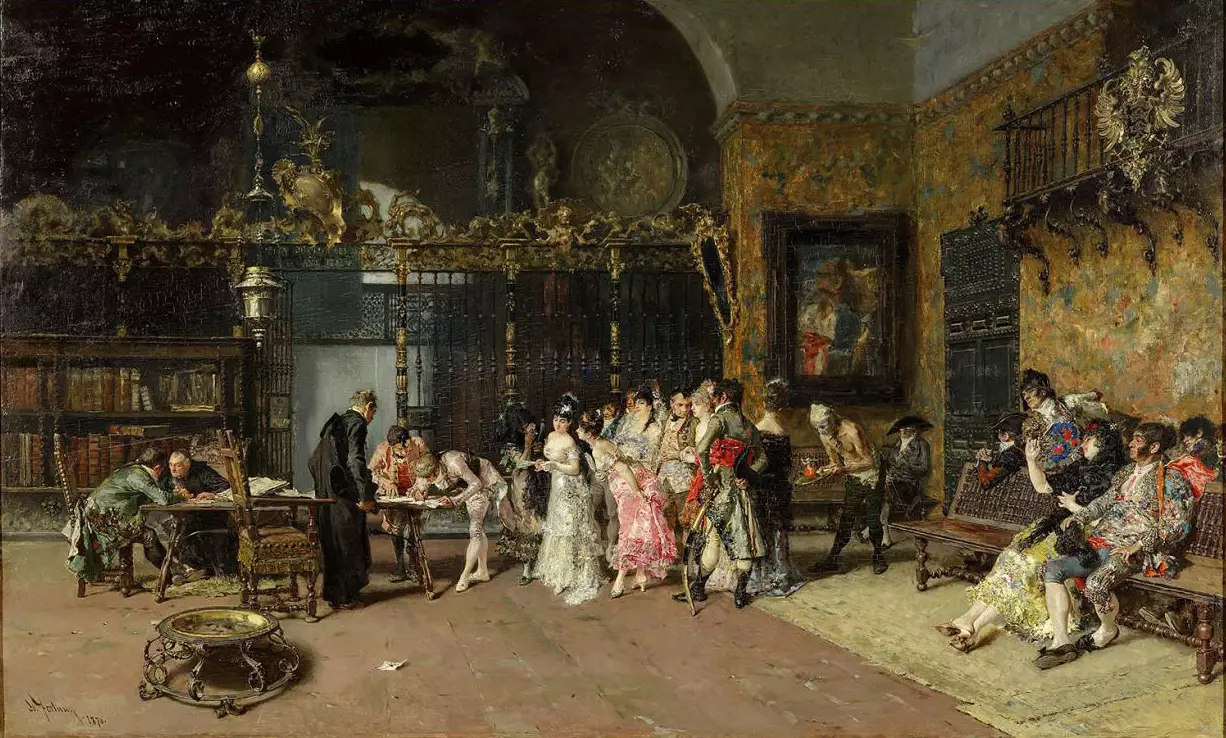
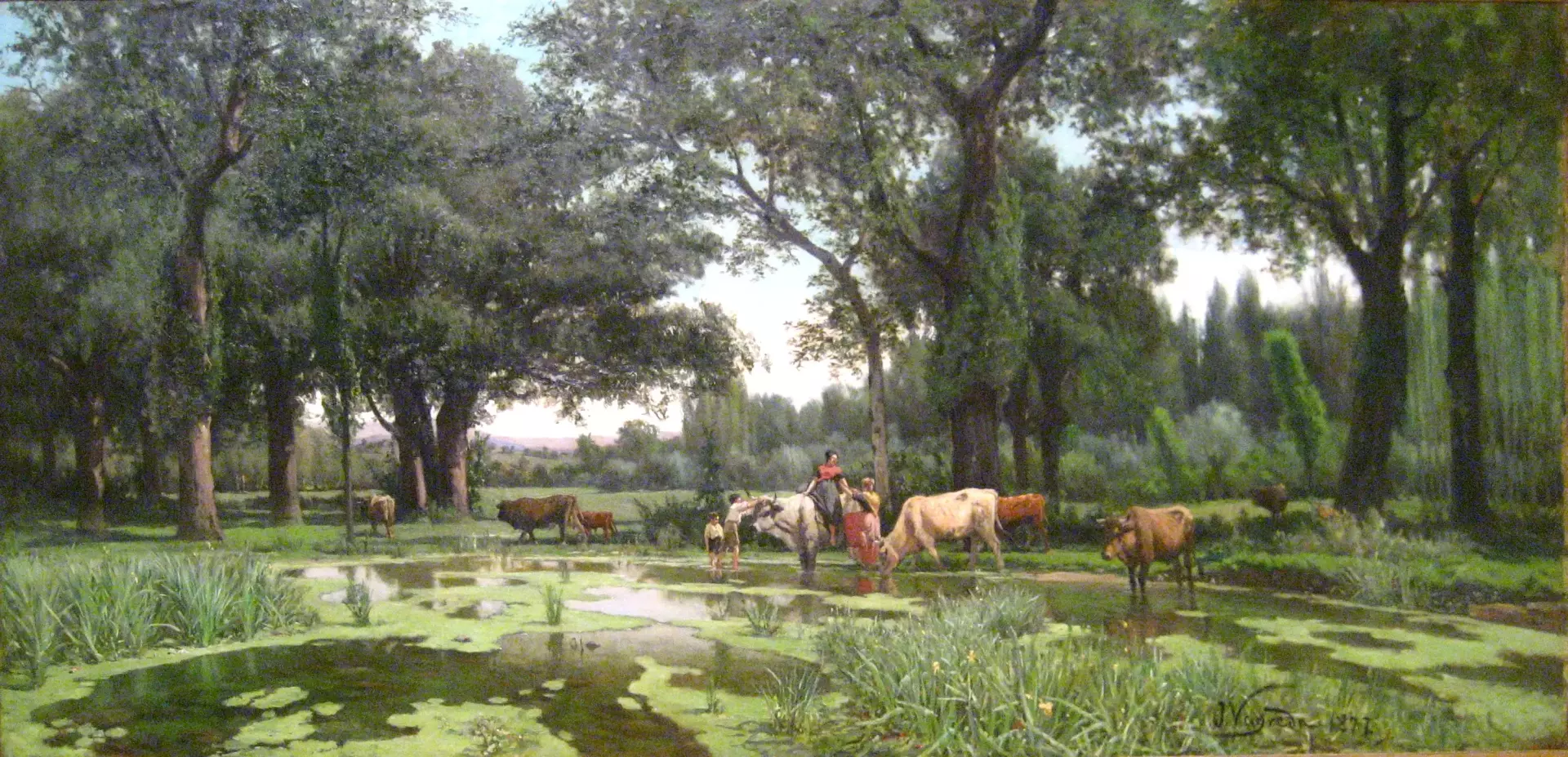
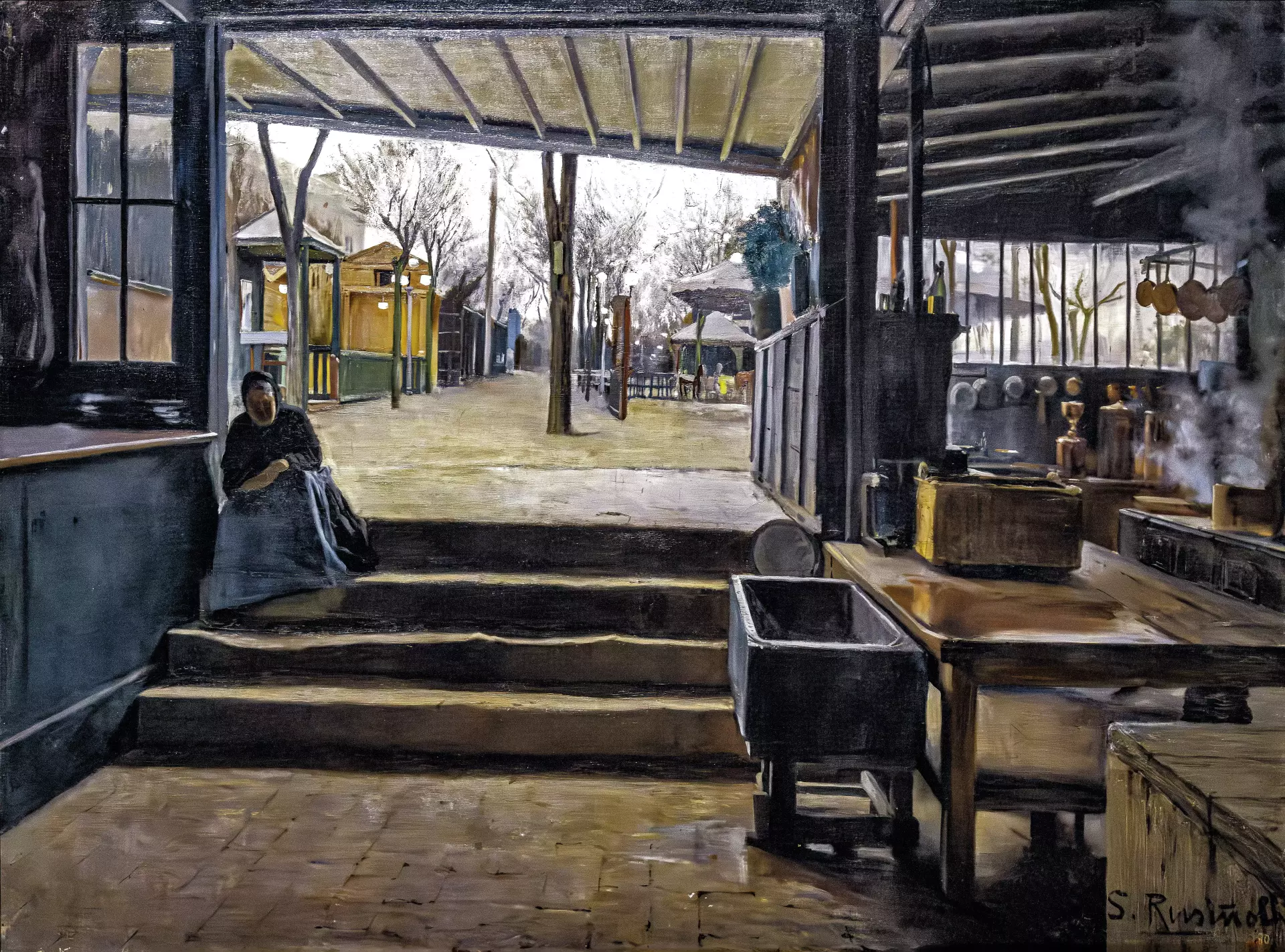
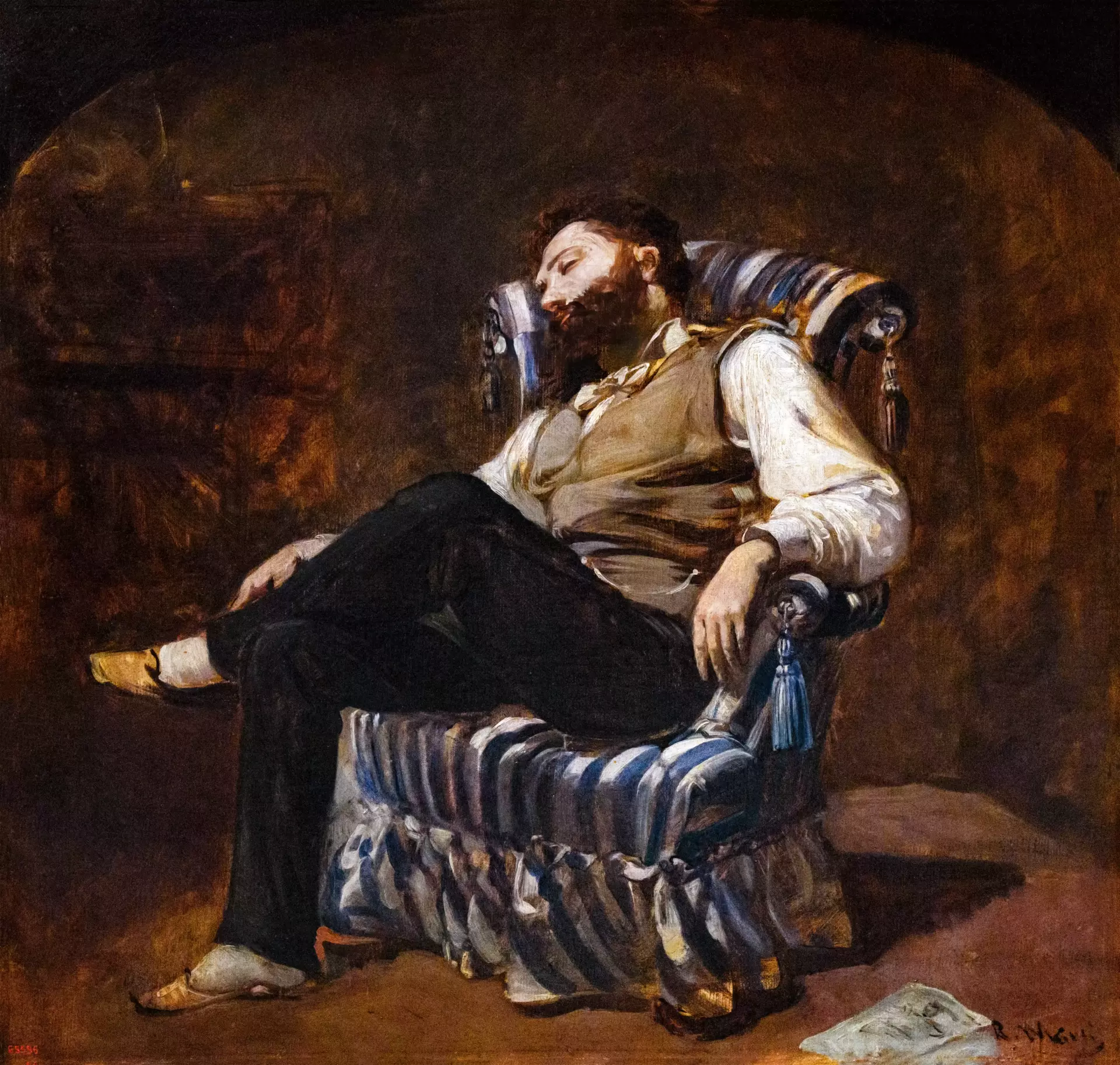
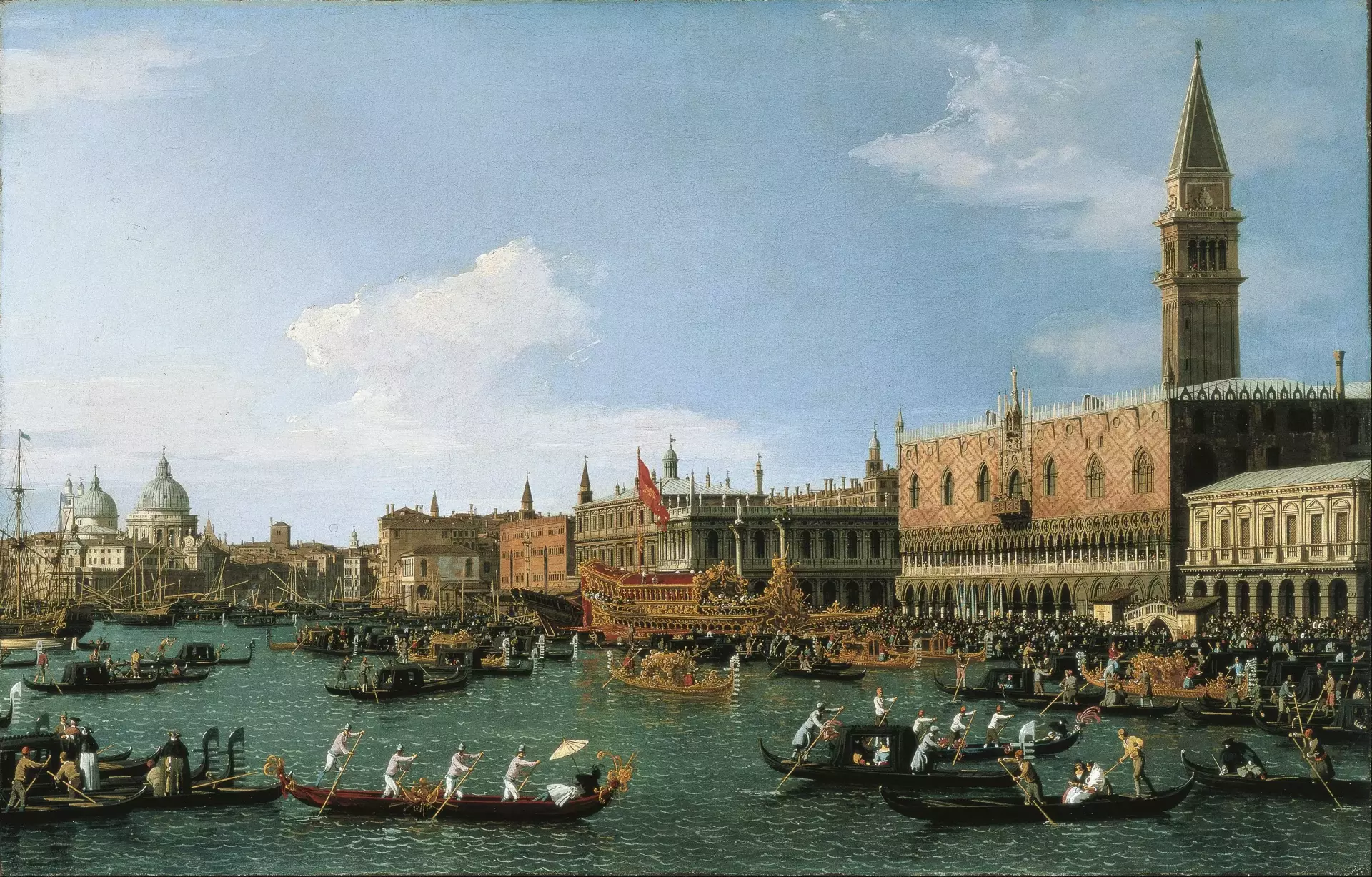
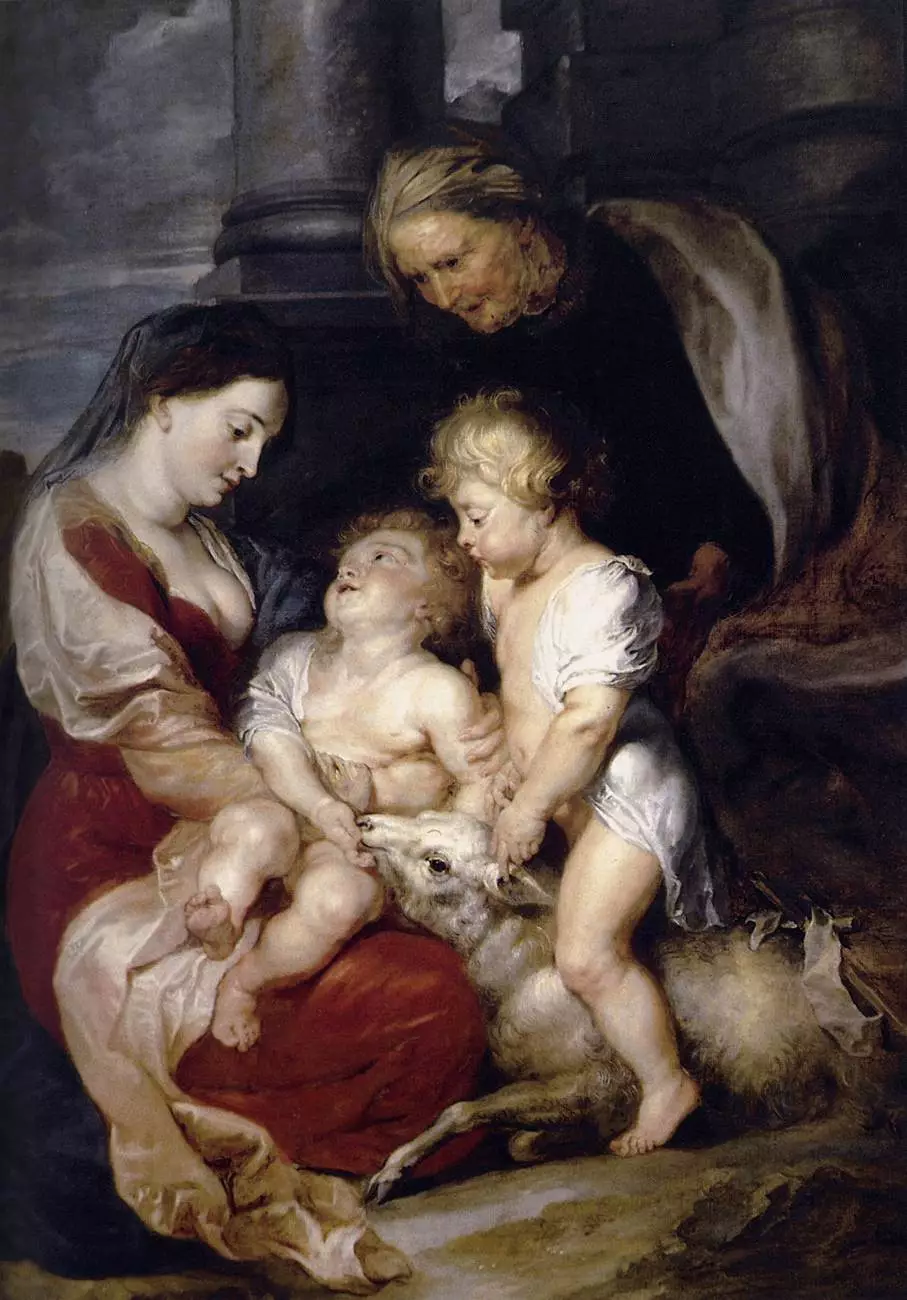
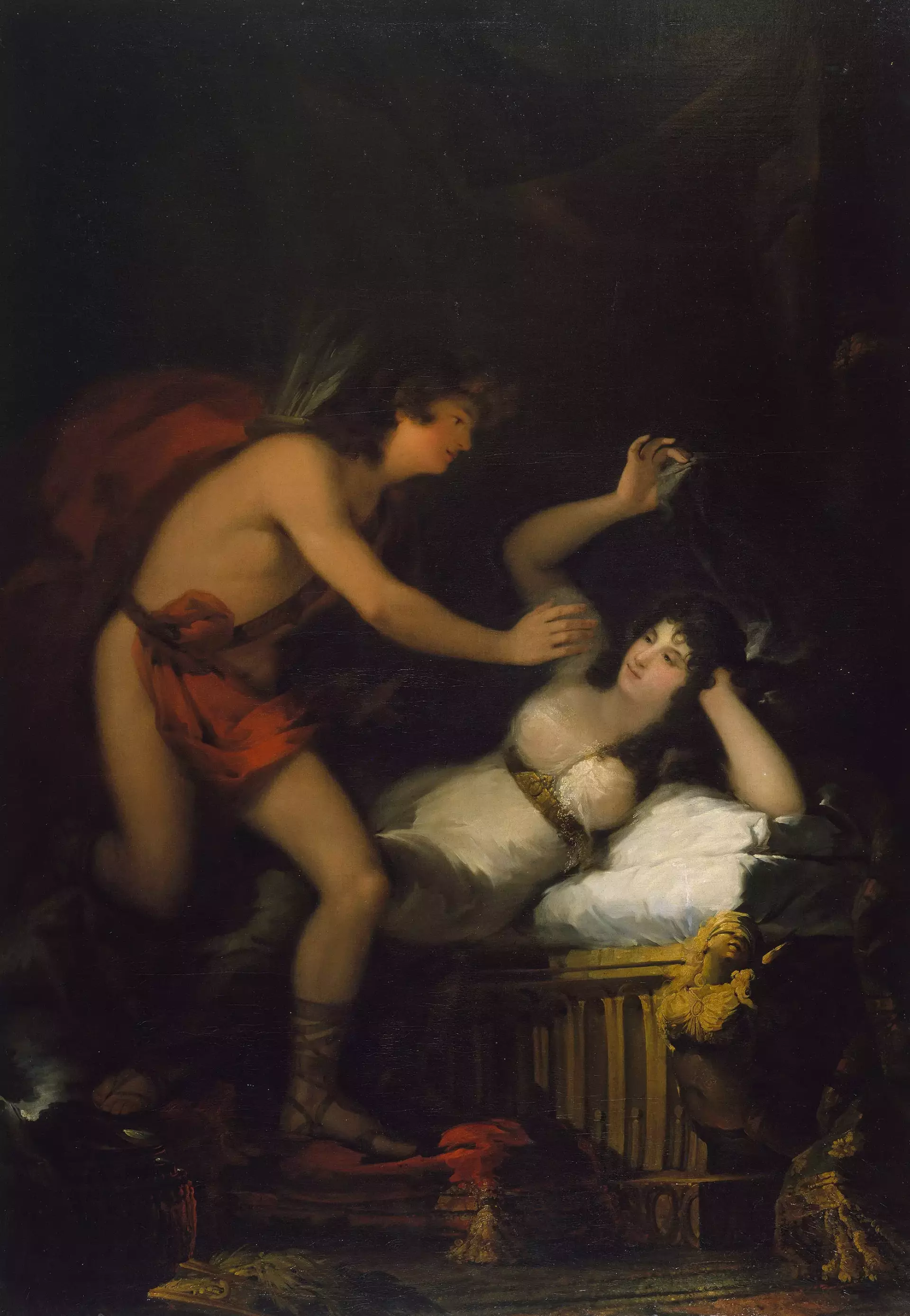
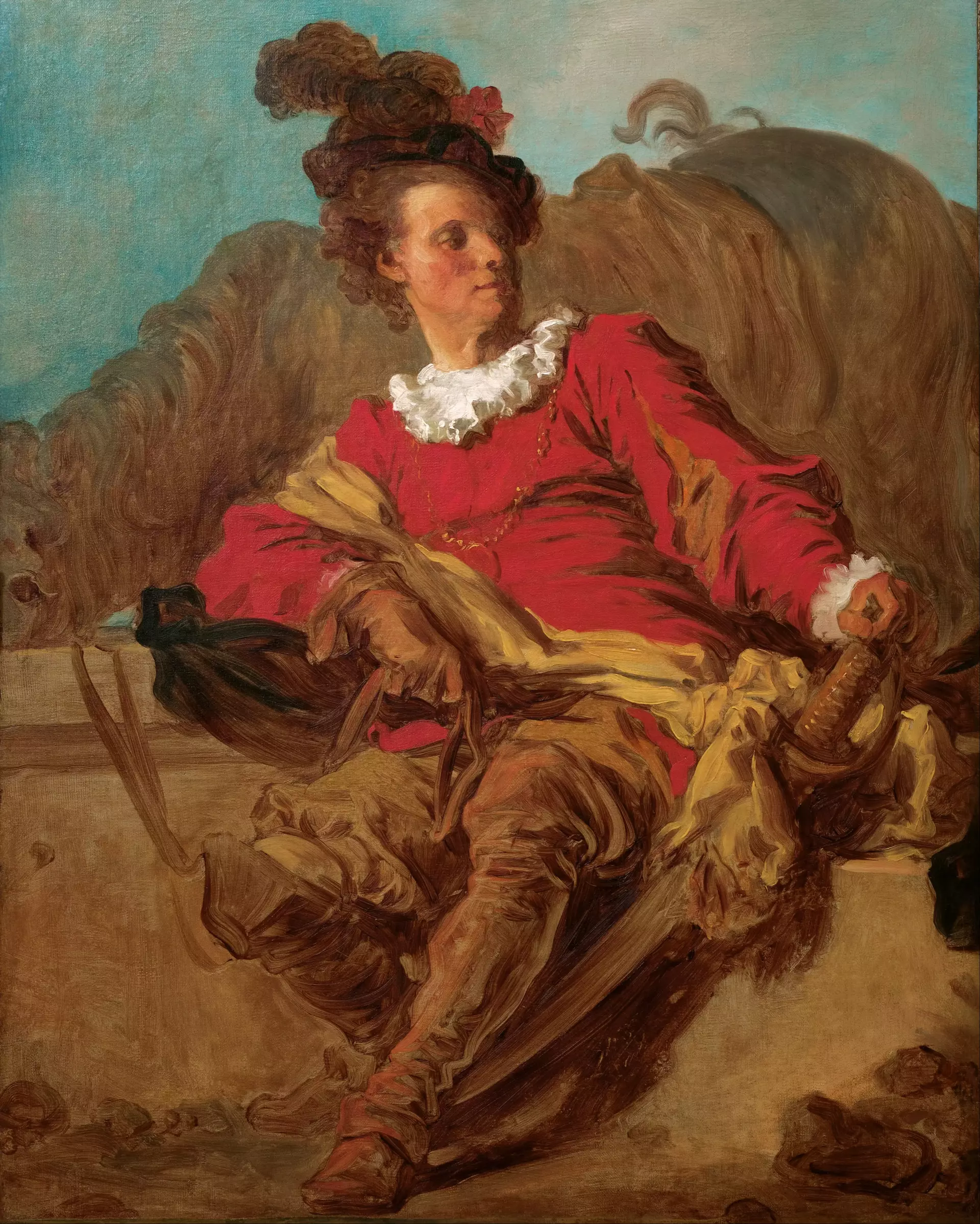
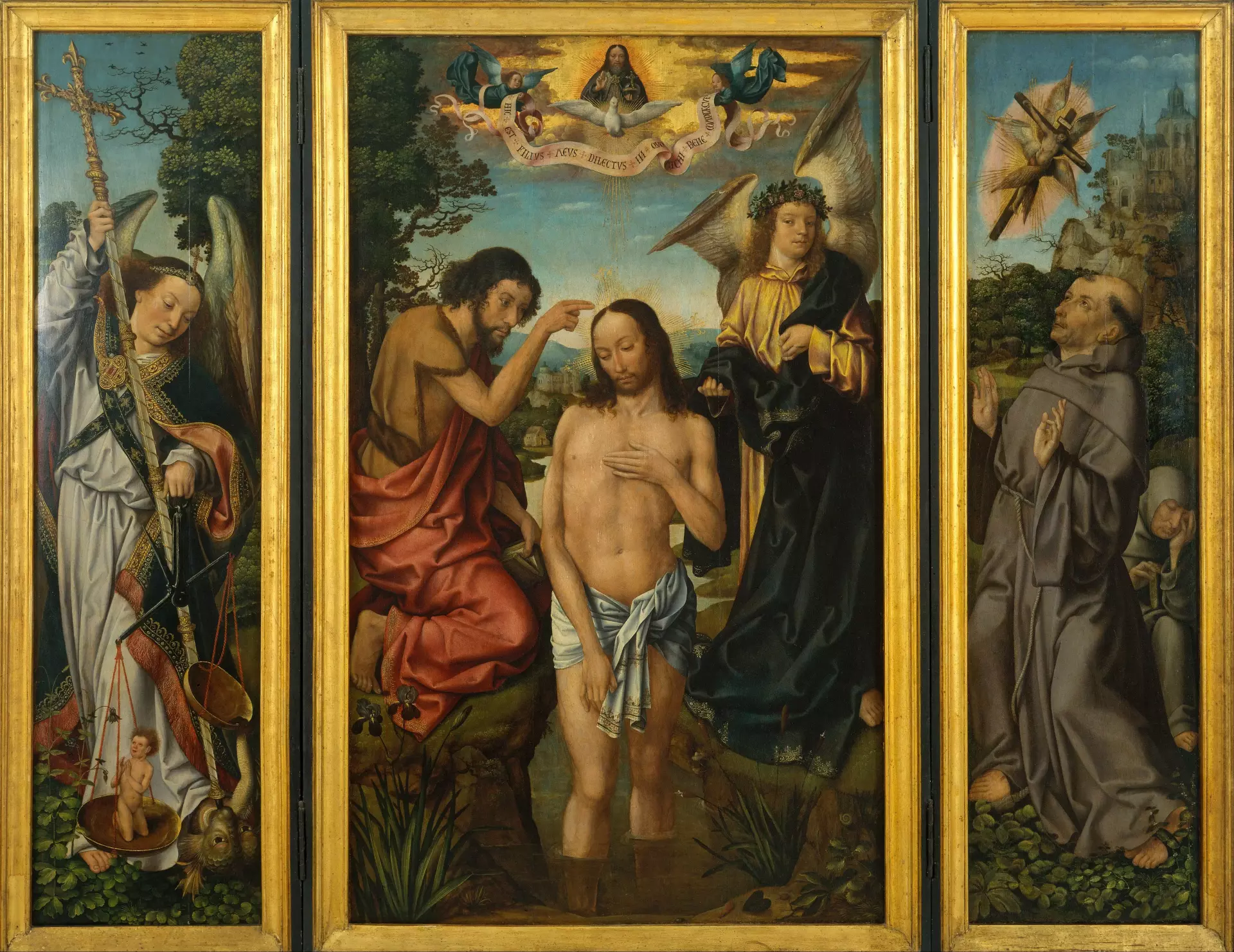
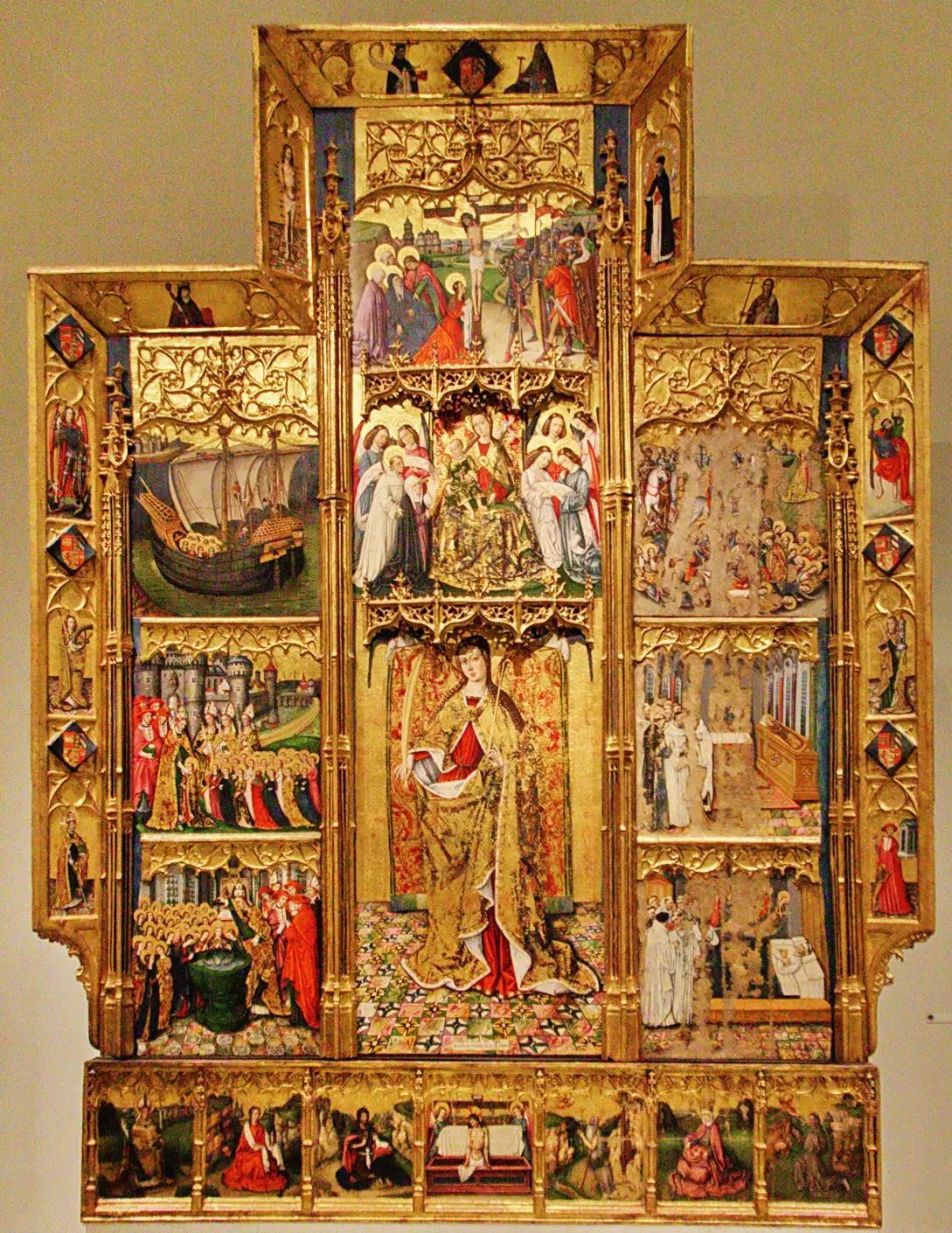
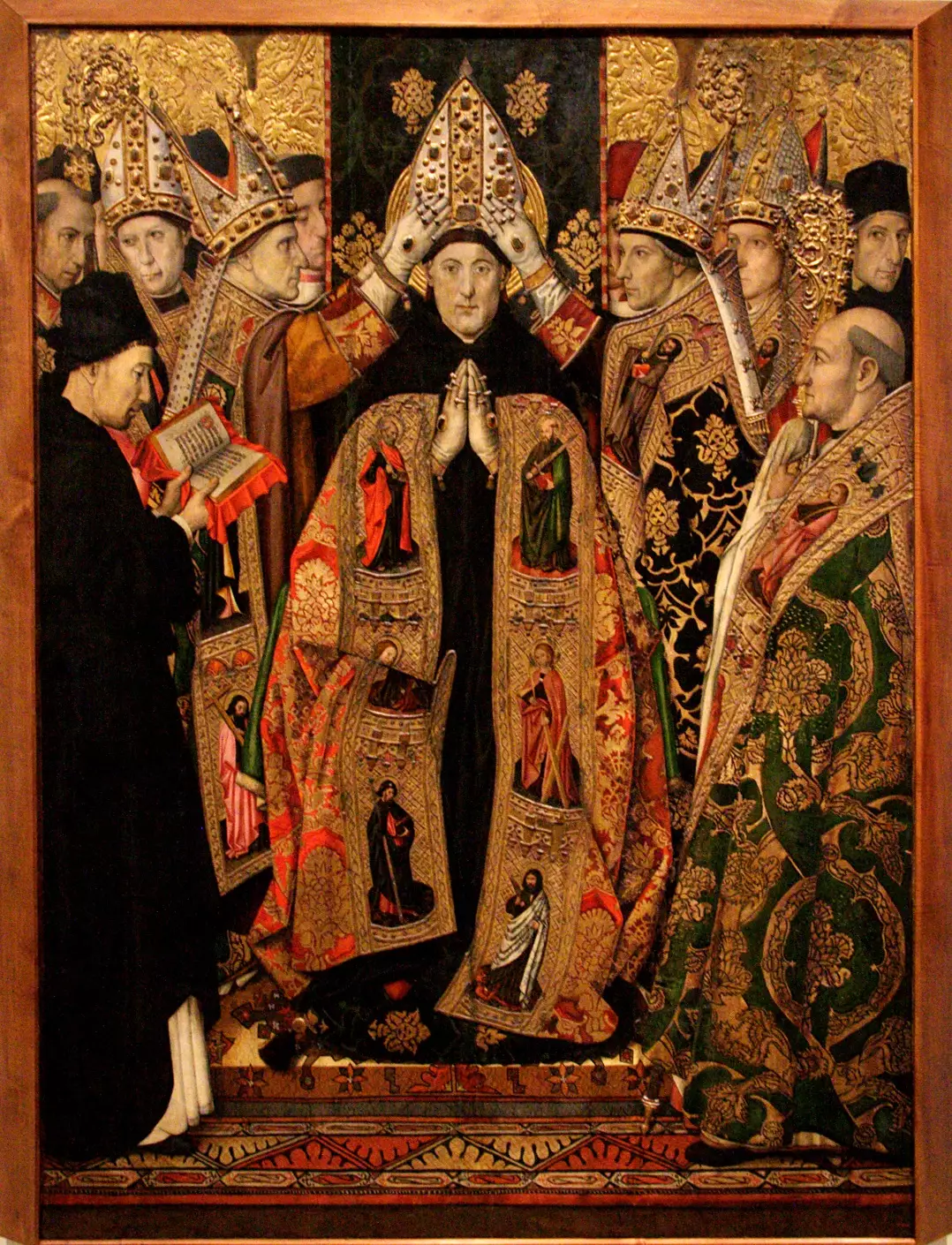
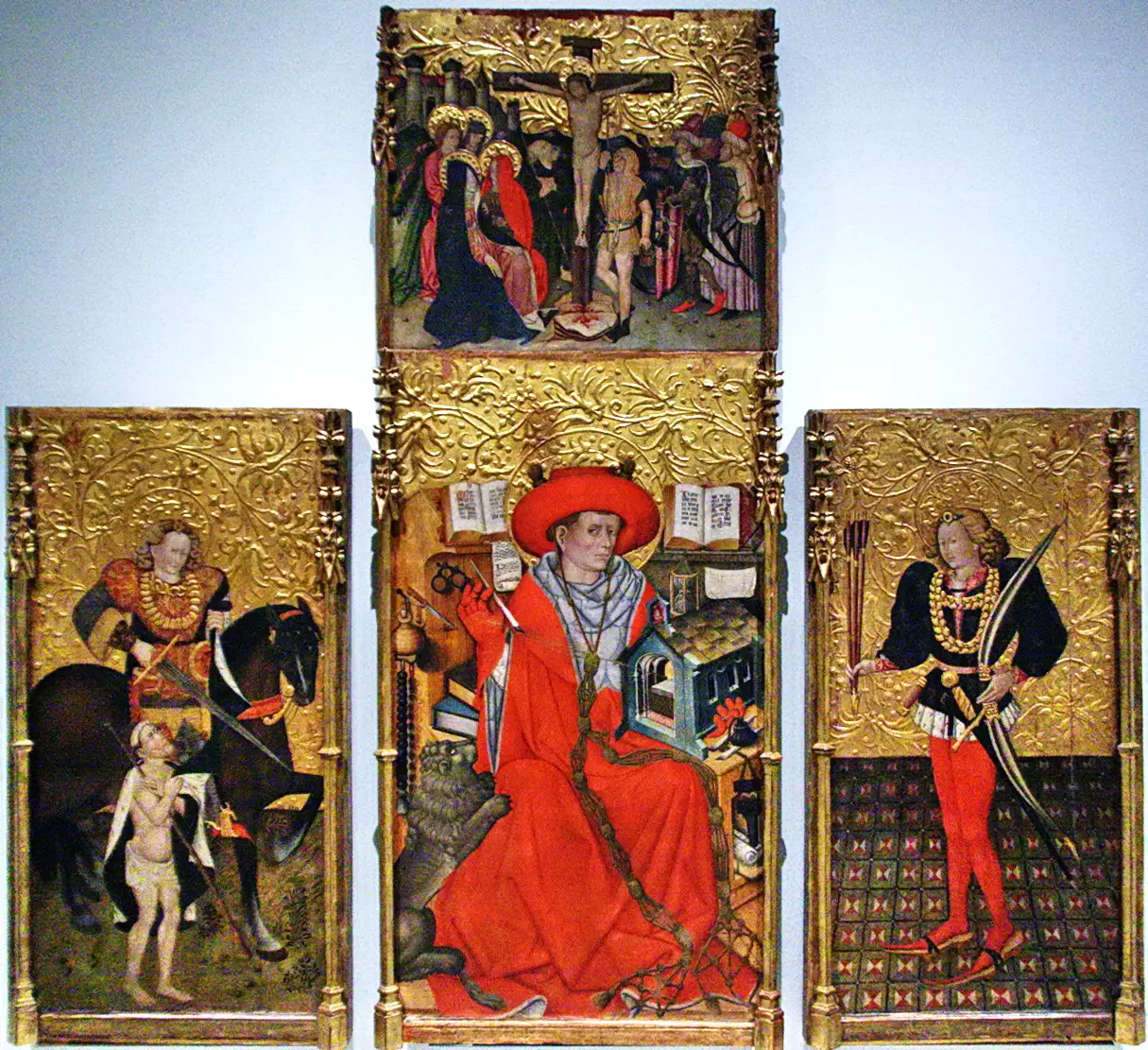
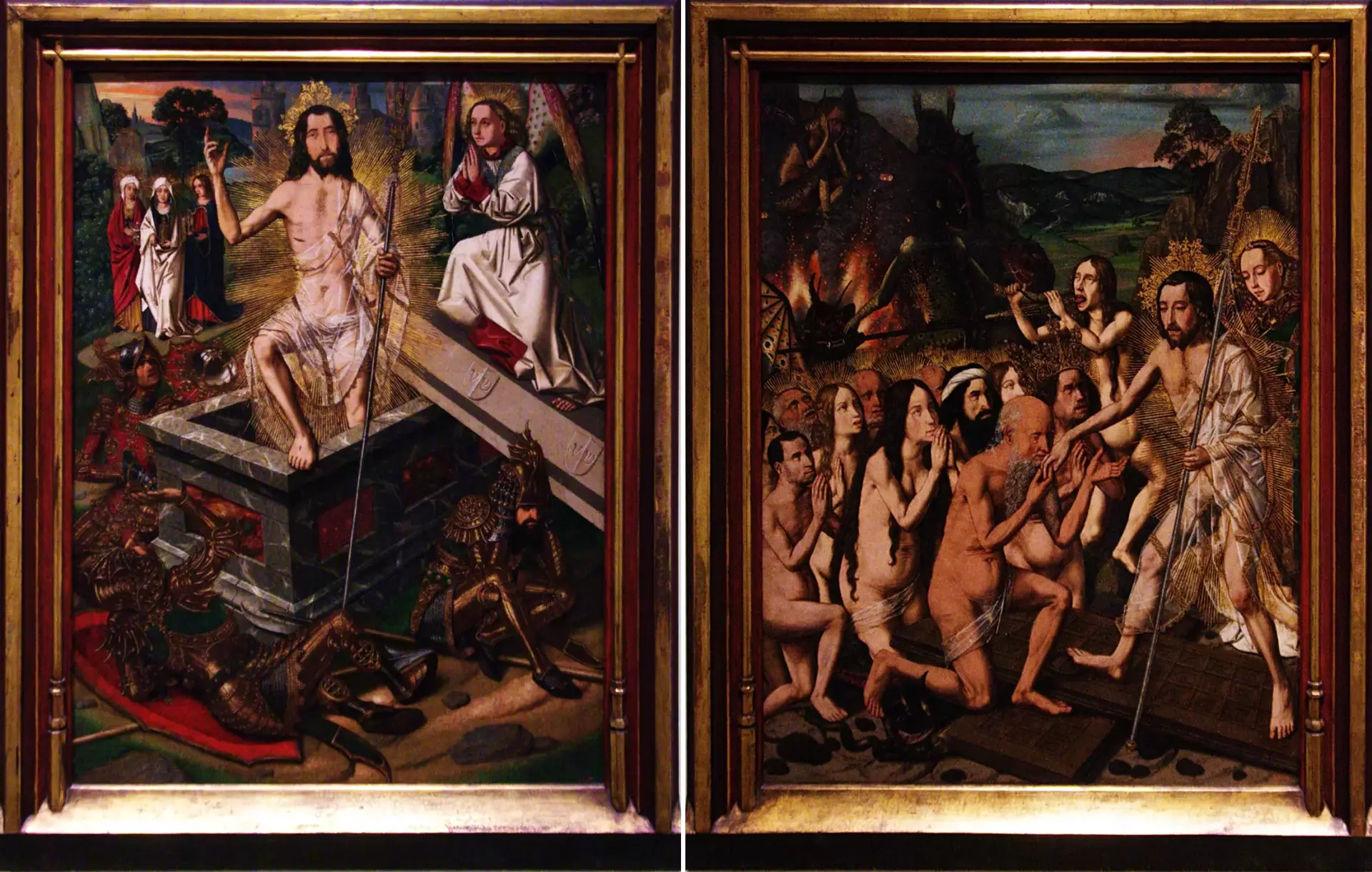
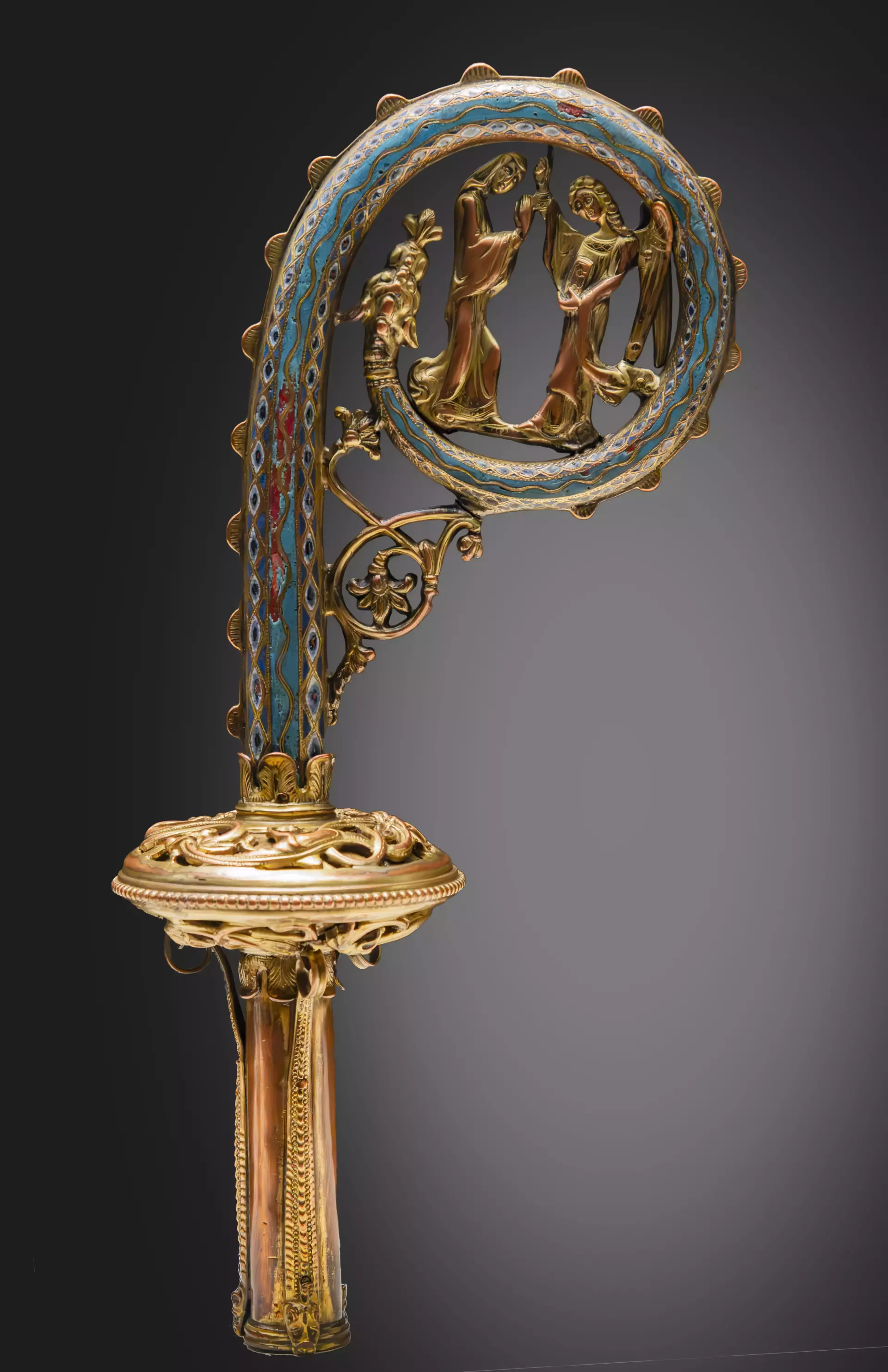
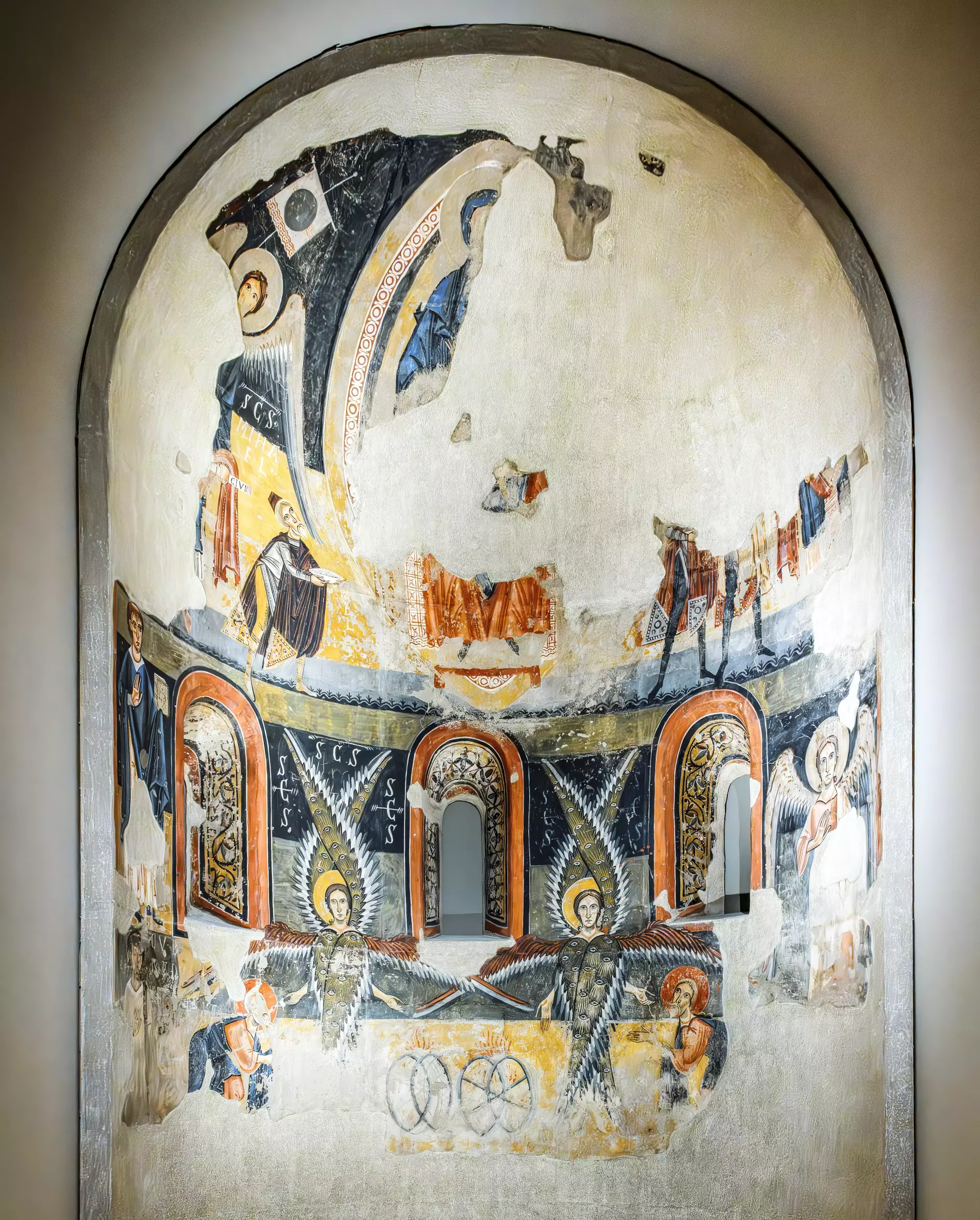
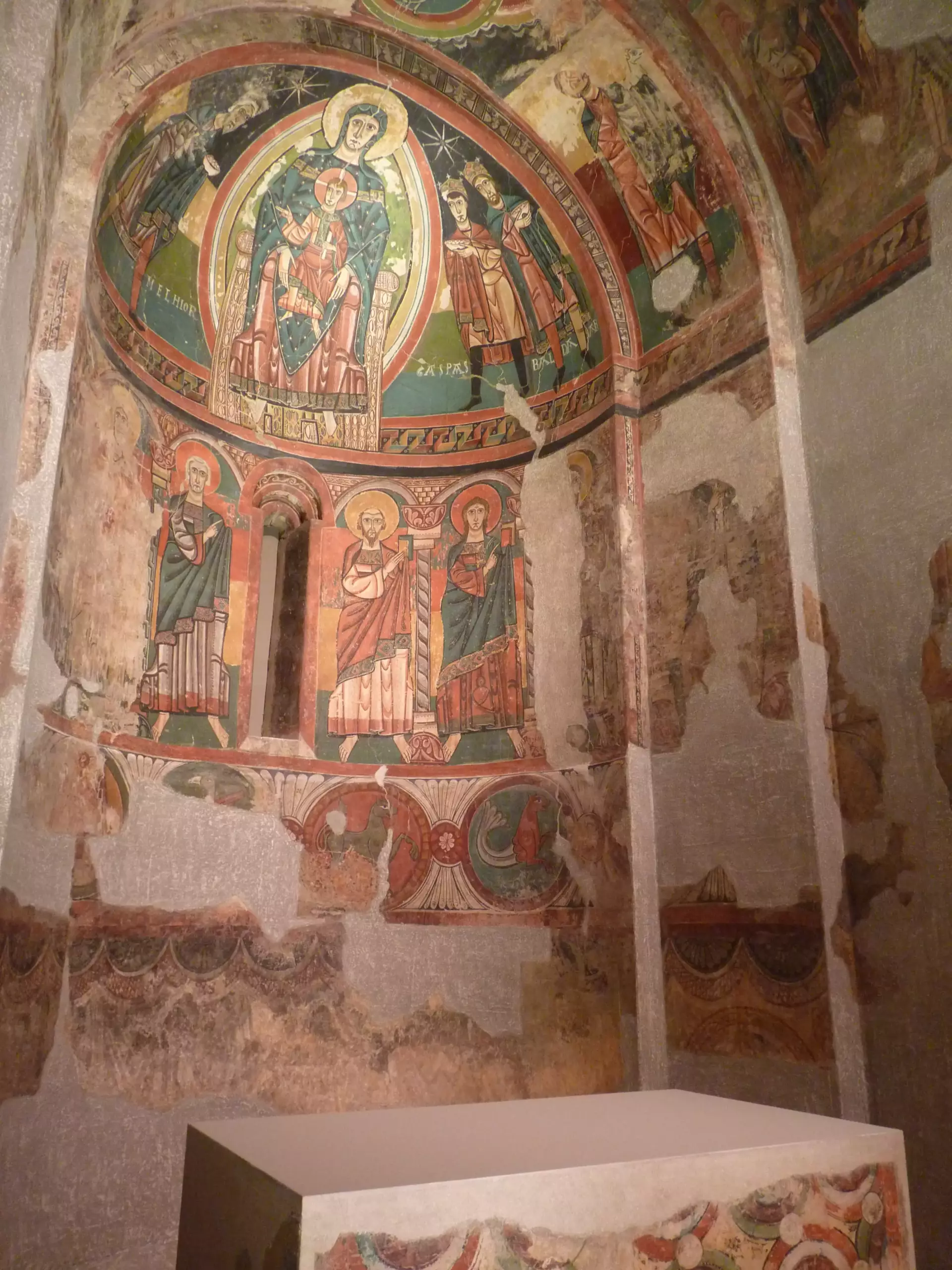
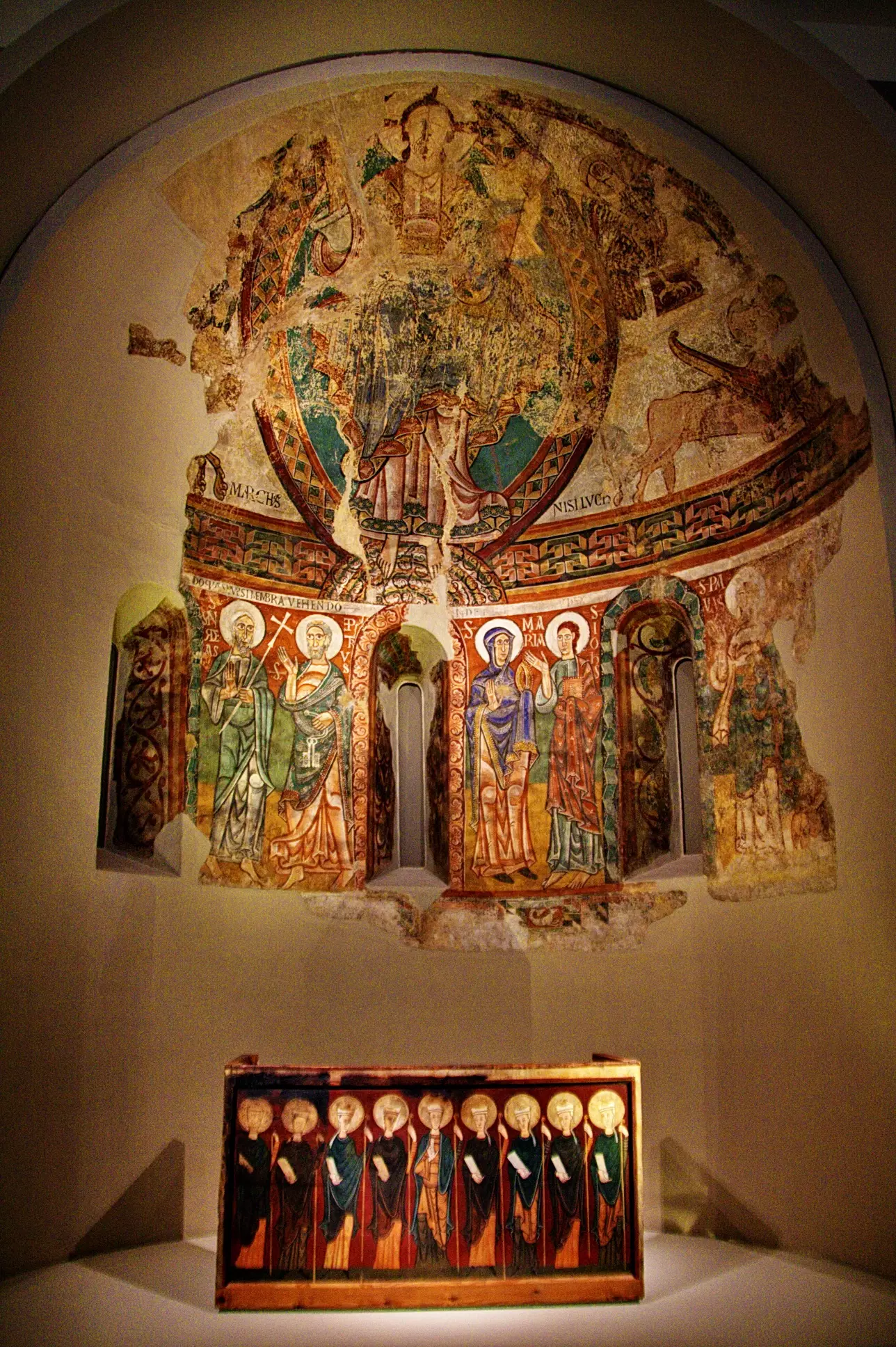
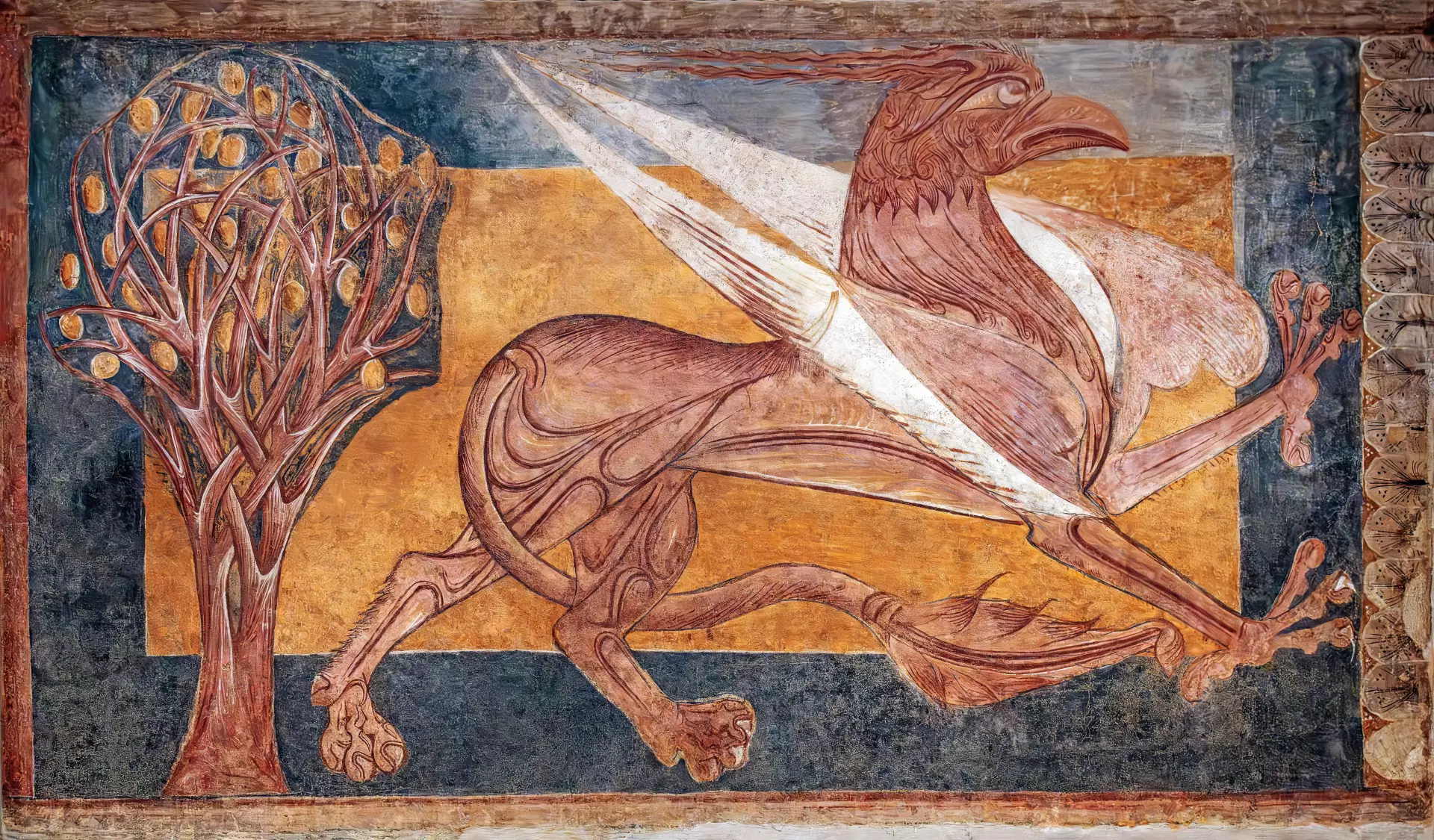
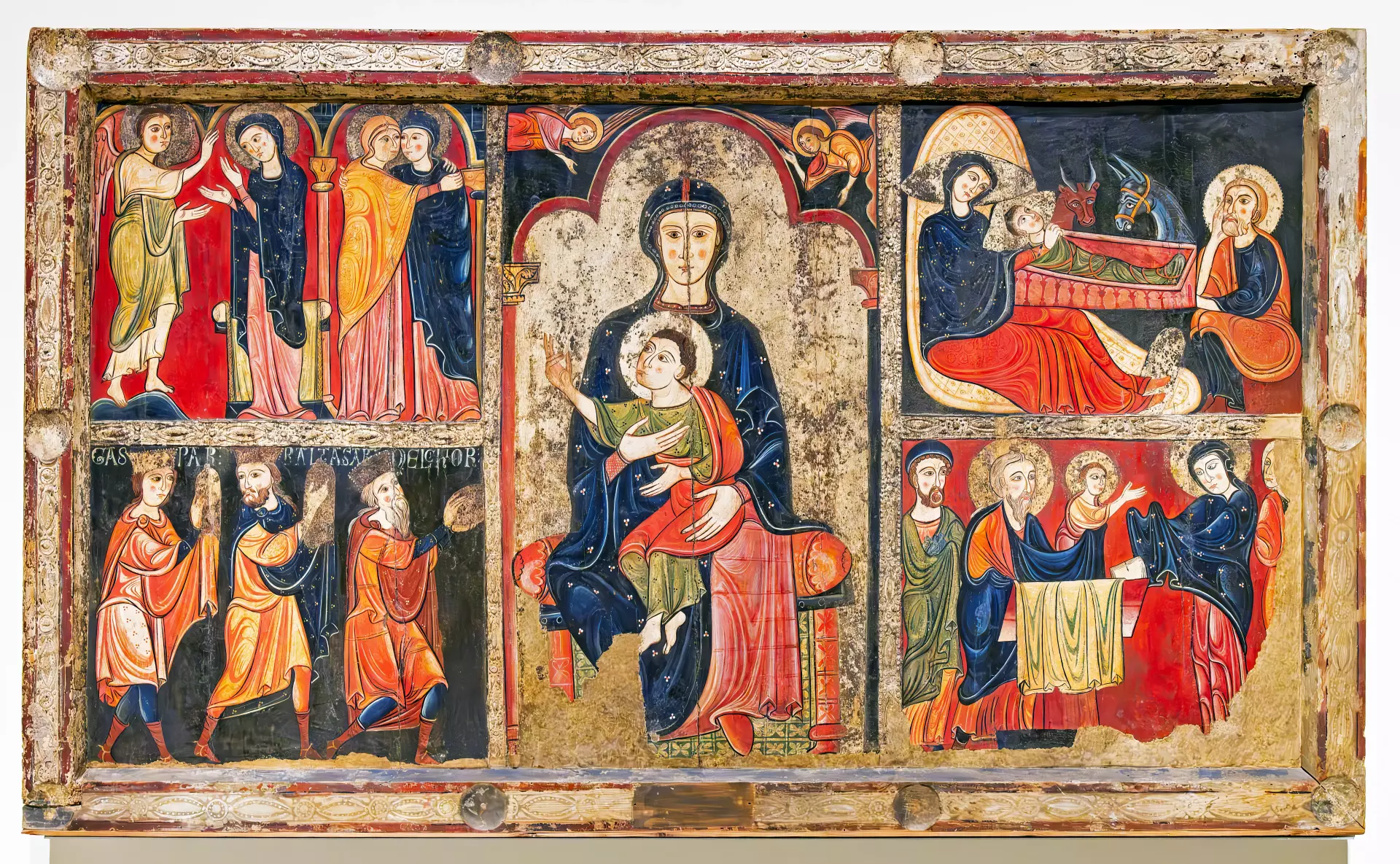
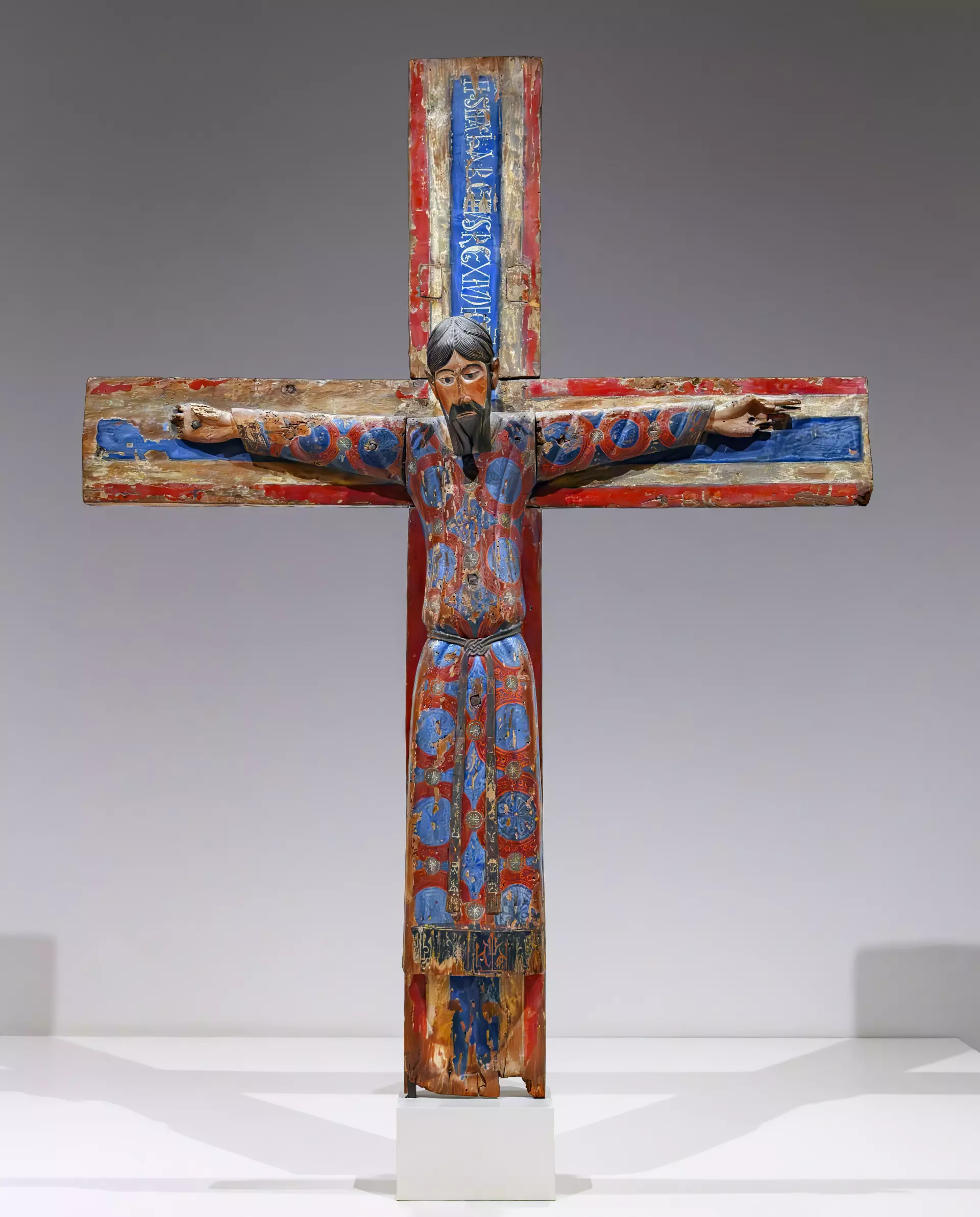
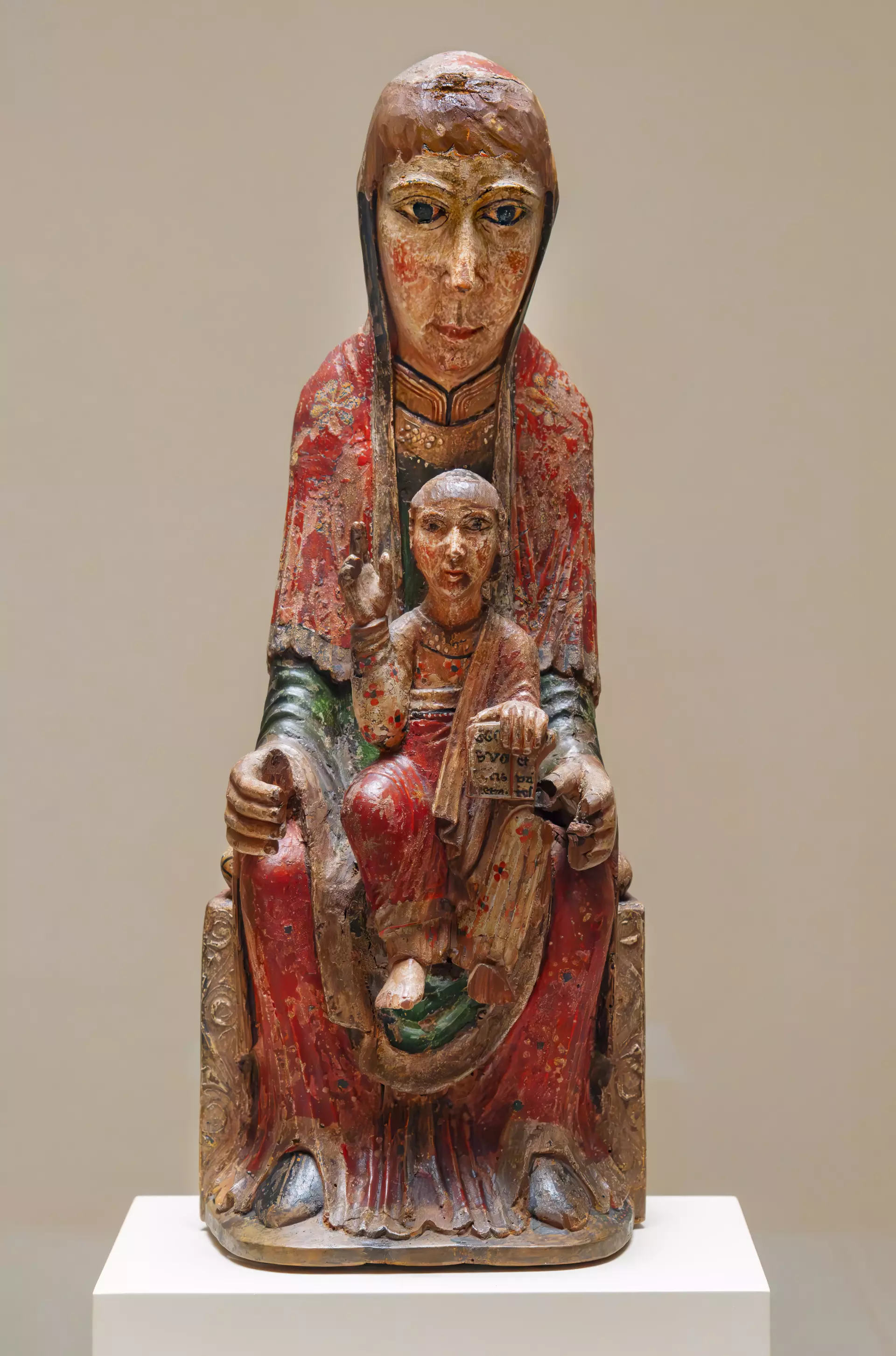
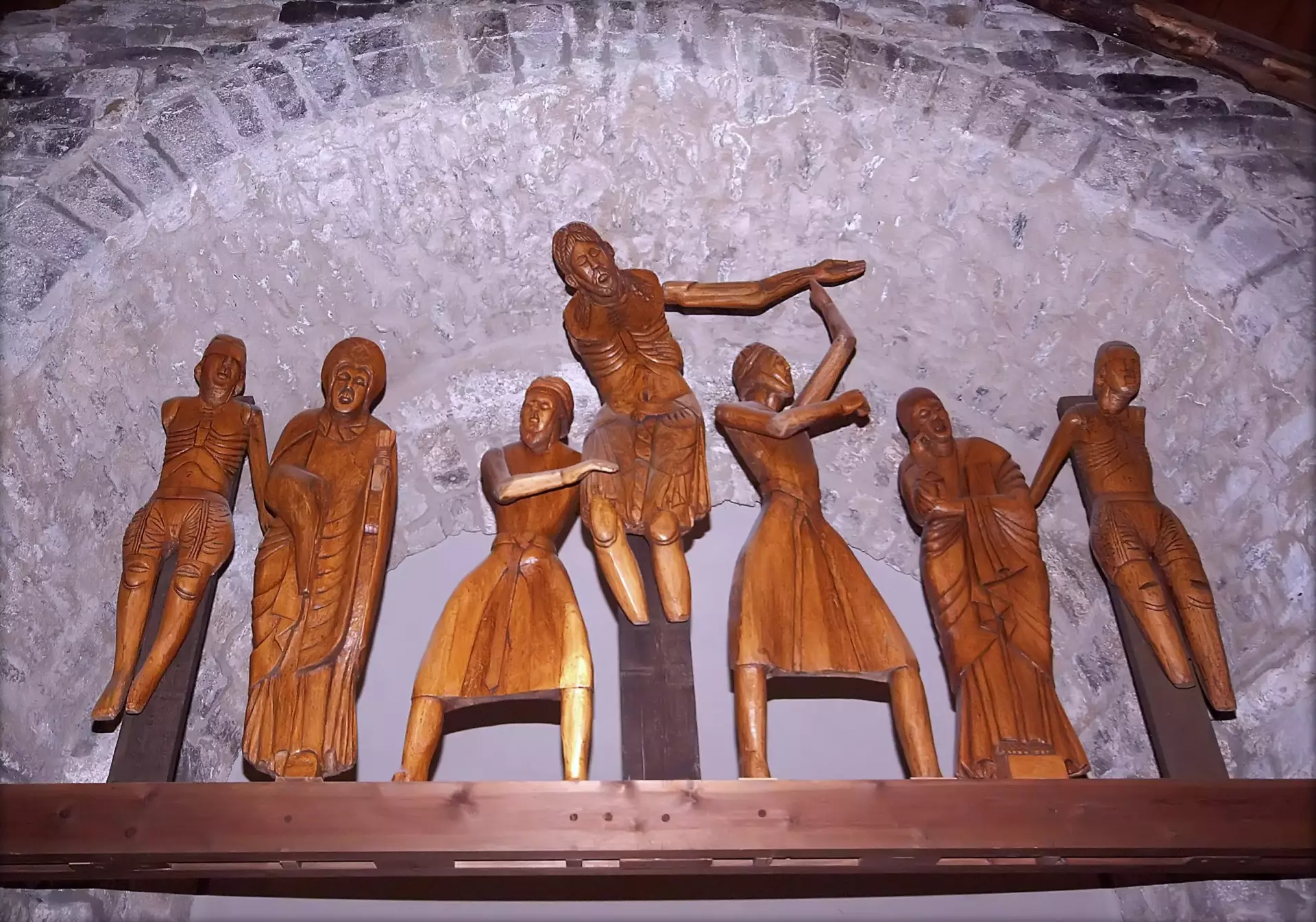
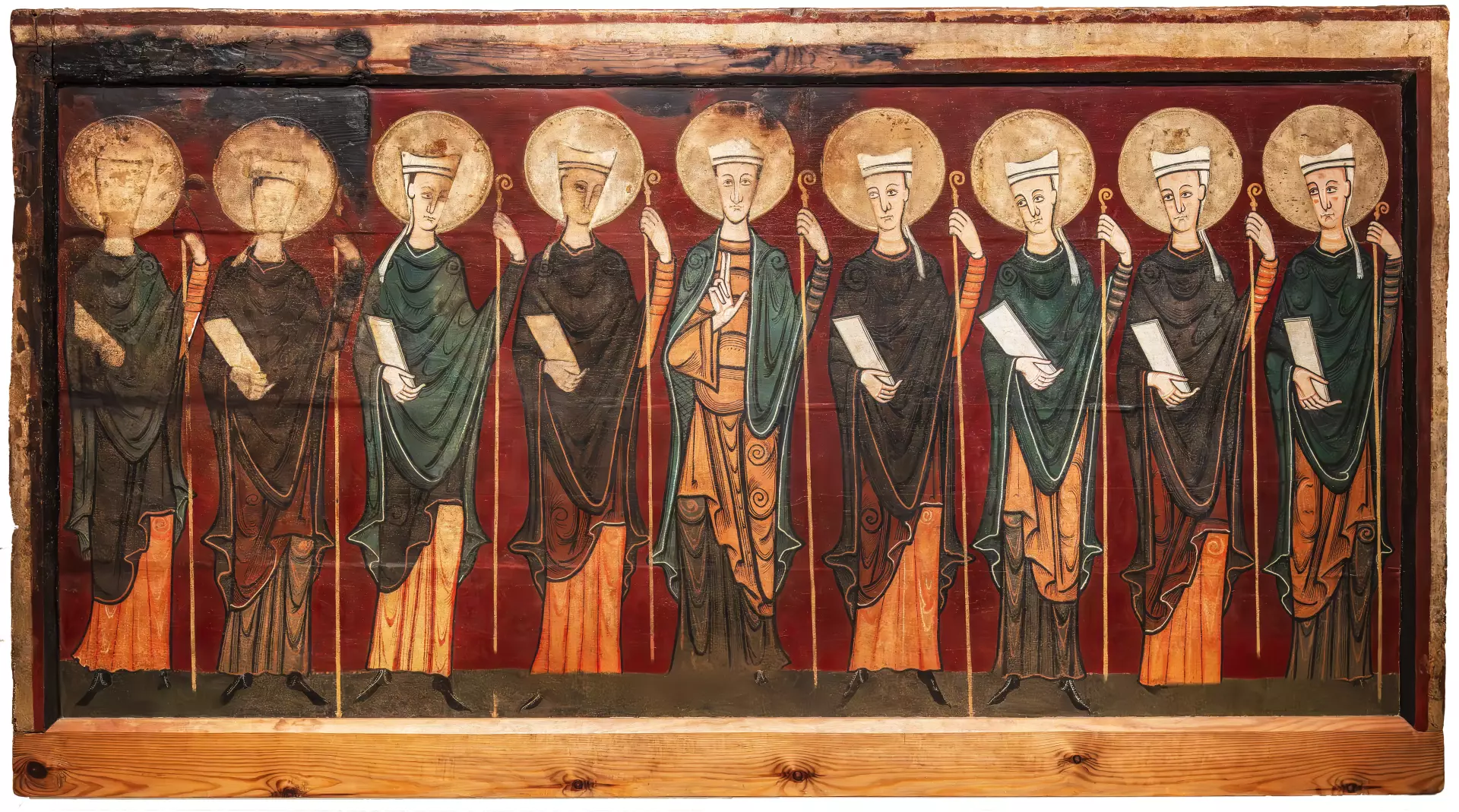
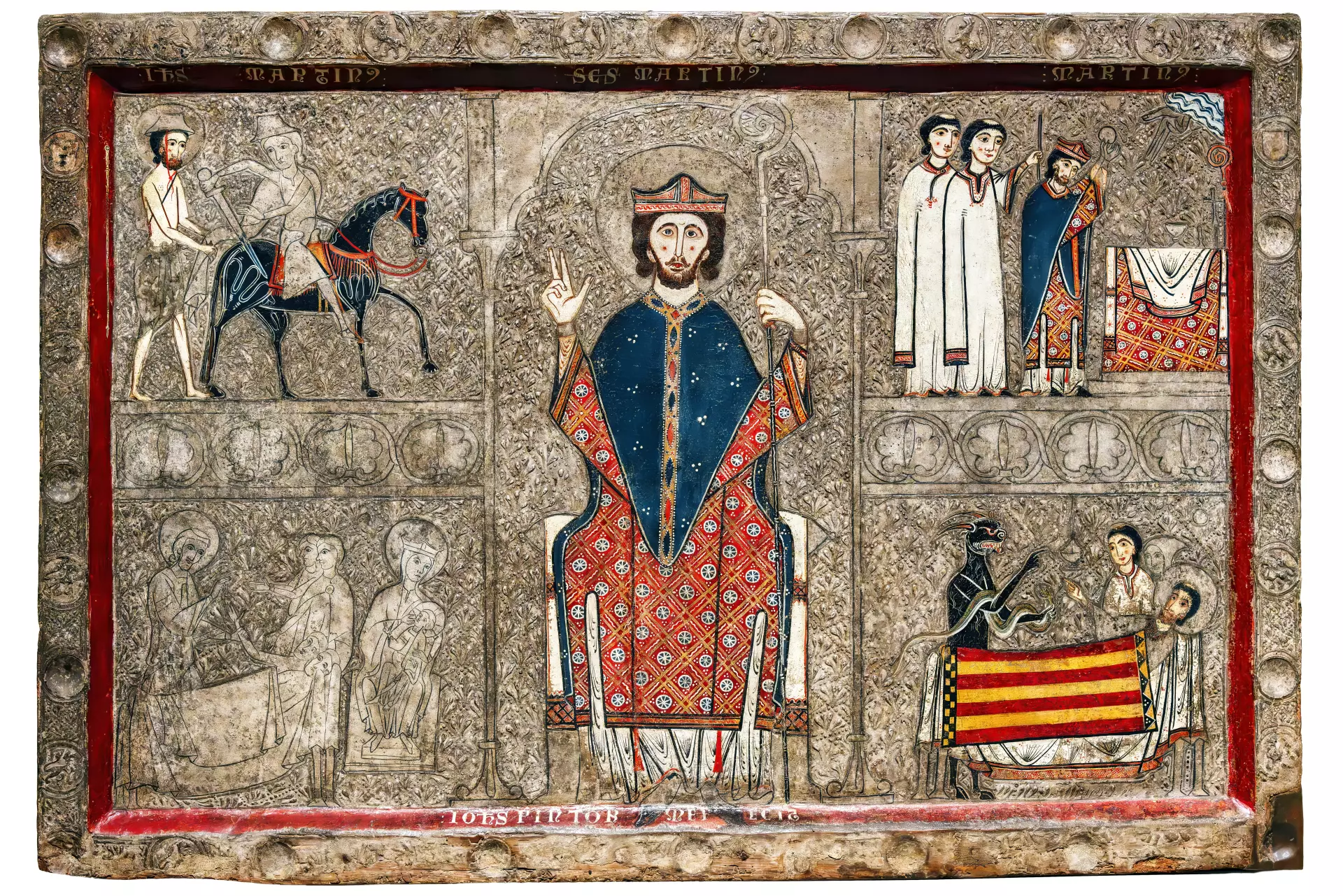
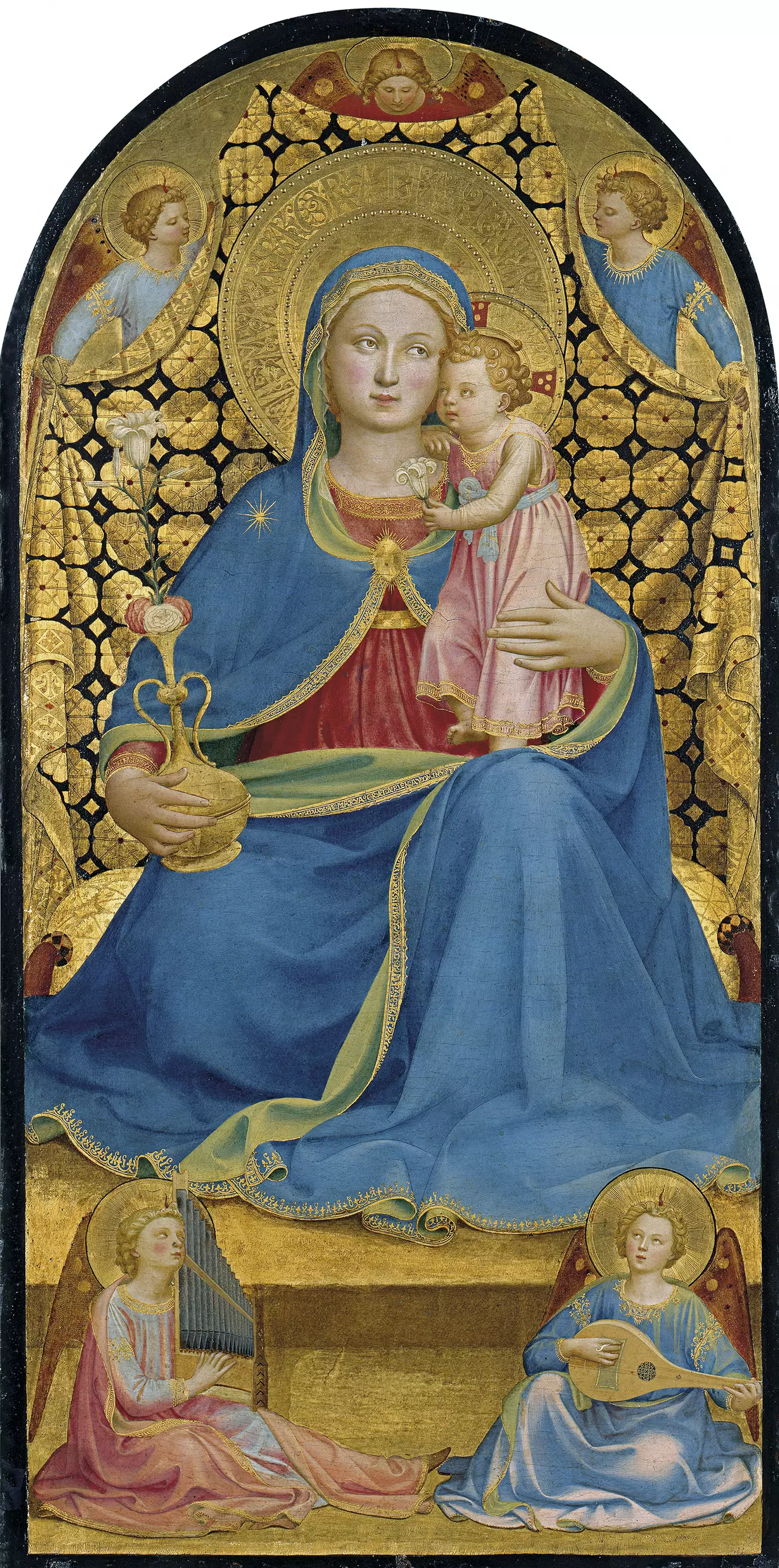
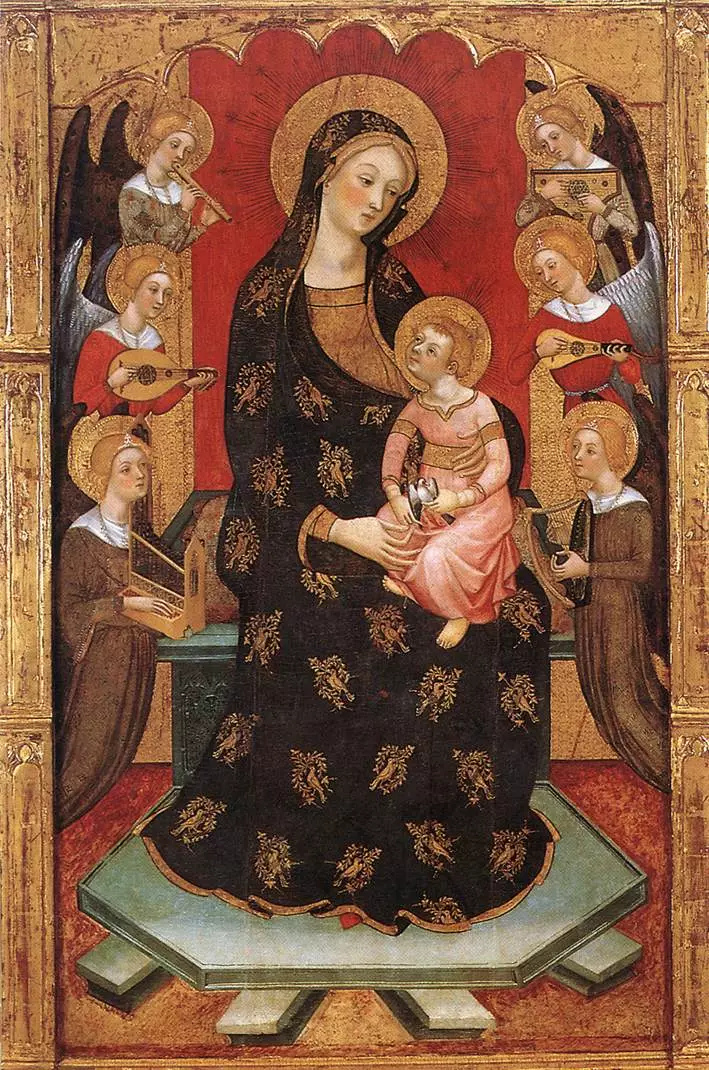
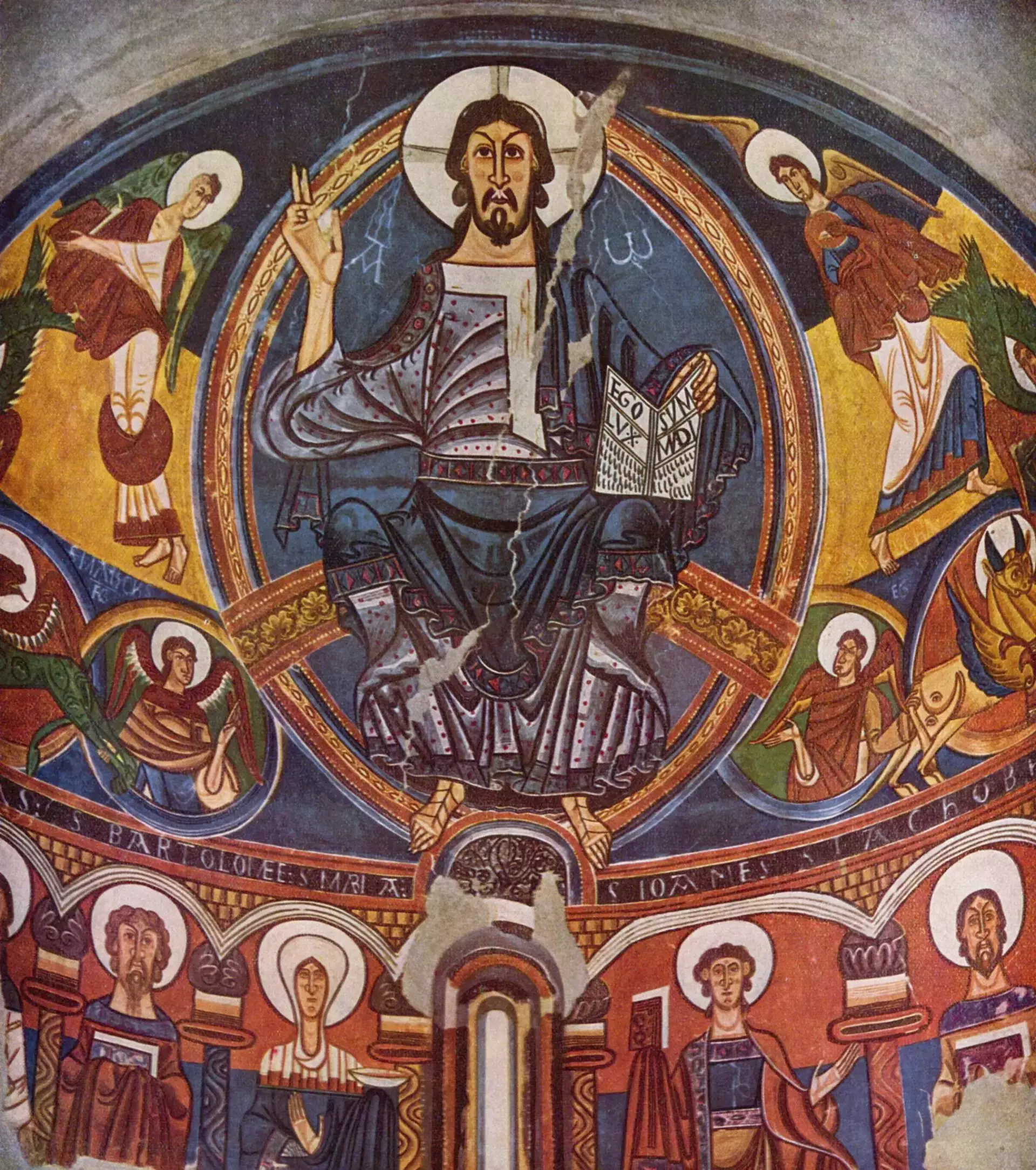
Located in the vibrant city of Barcelona, the National Art Museum of Catalonia boasts an impressive collection that stands out on a global scale. Visitors find themselves captivated by the museum's unparalleled assembly of Romanesque art, renowned as the finest in existence.
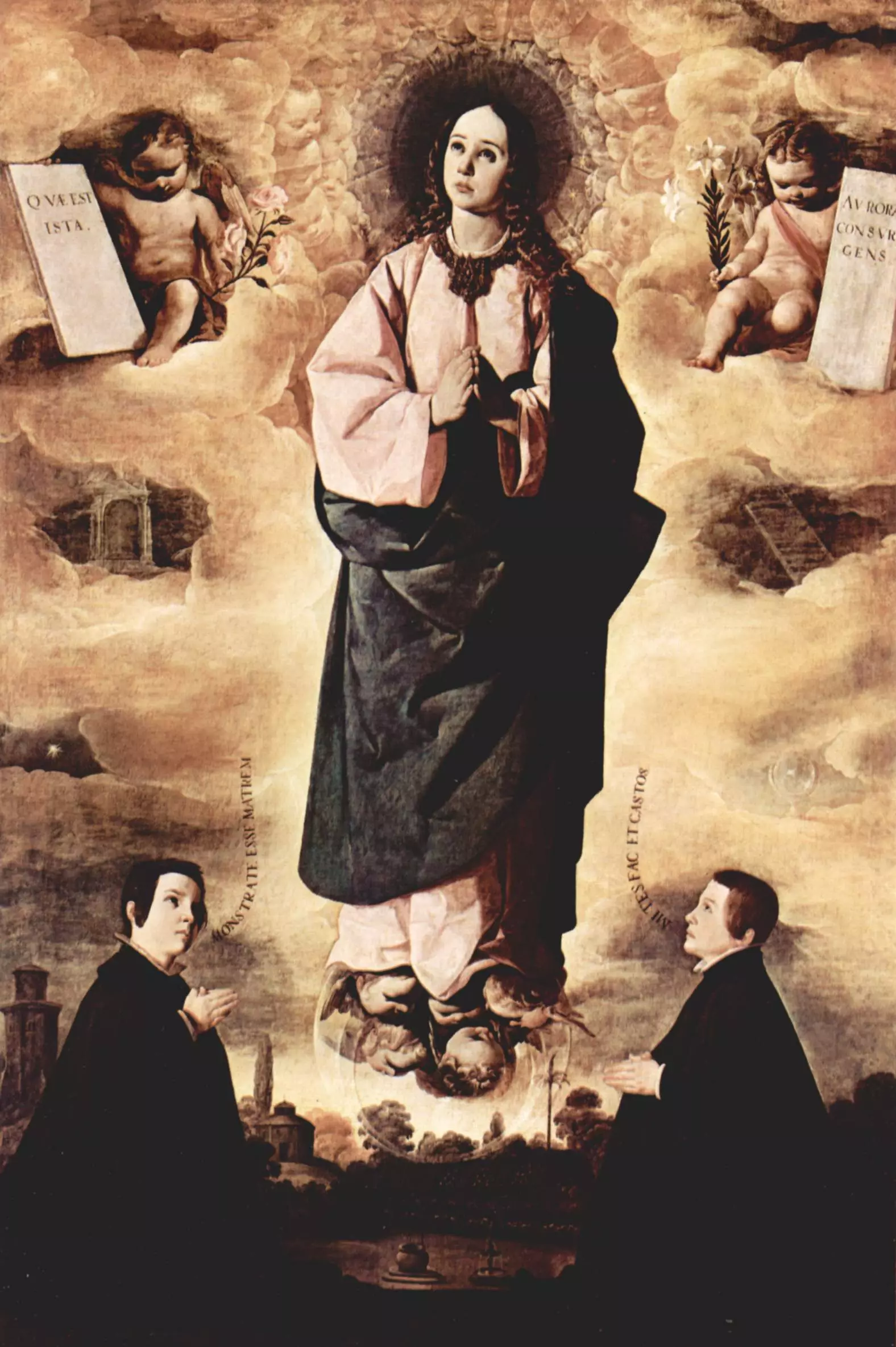
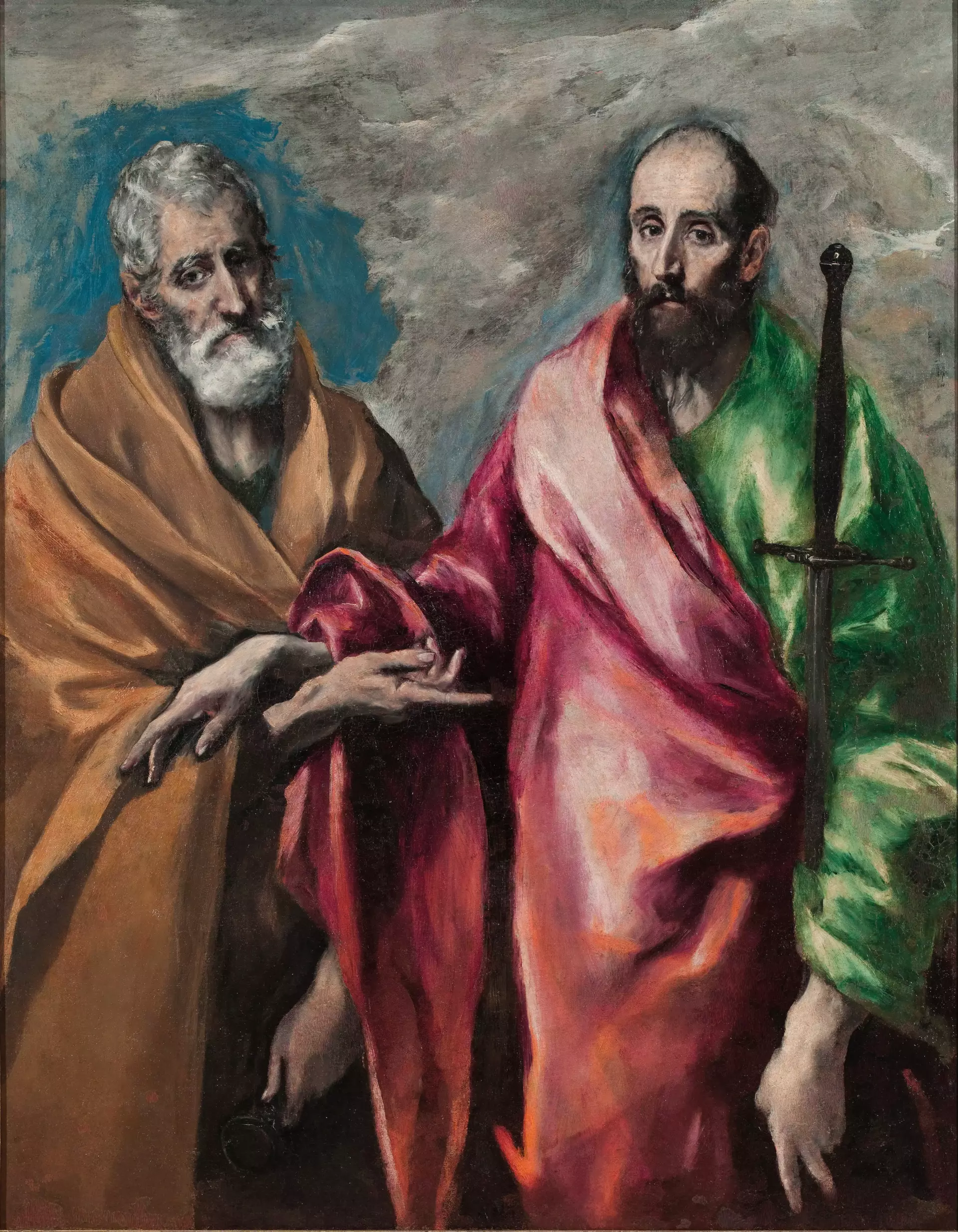
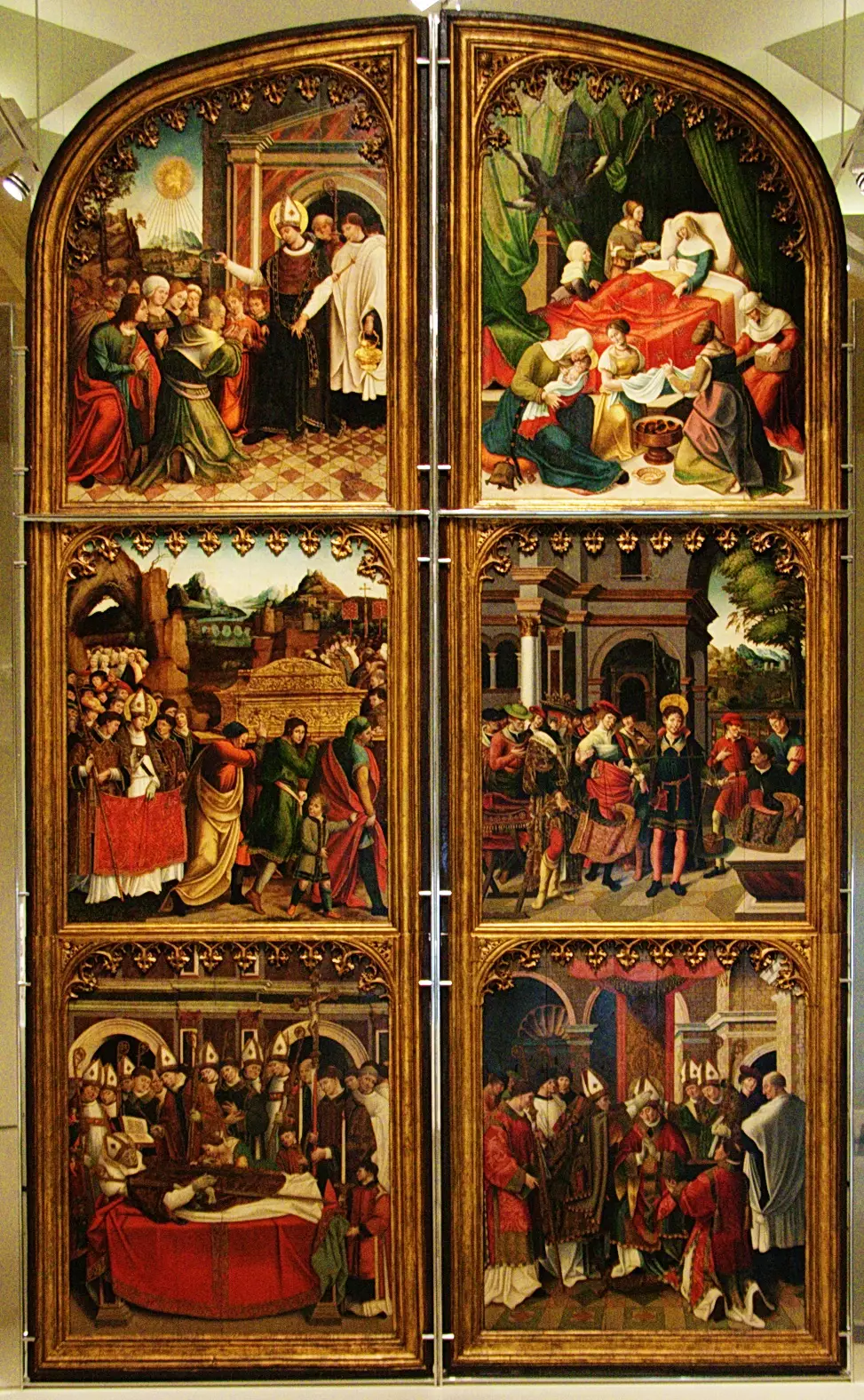
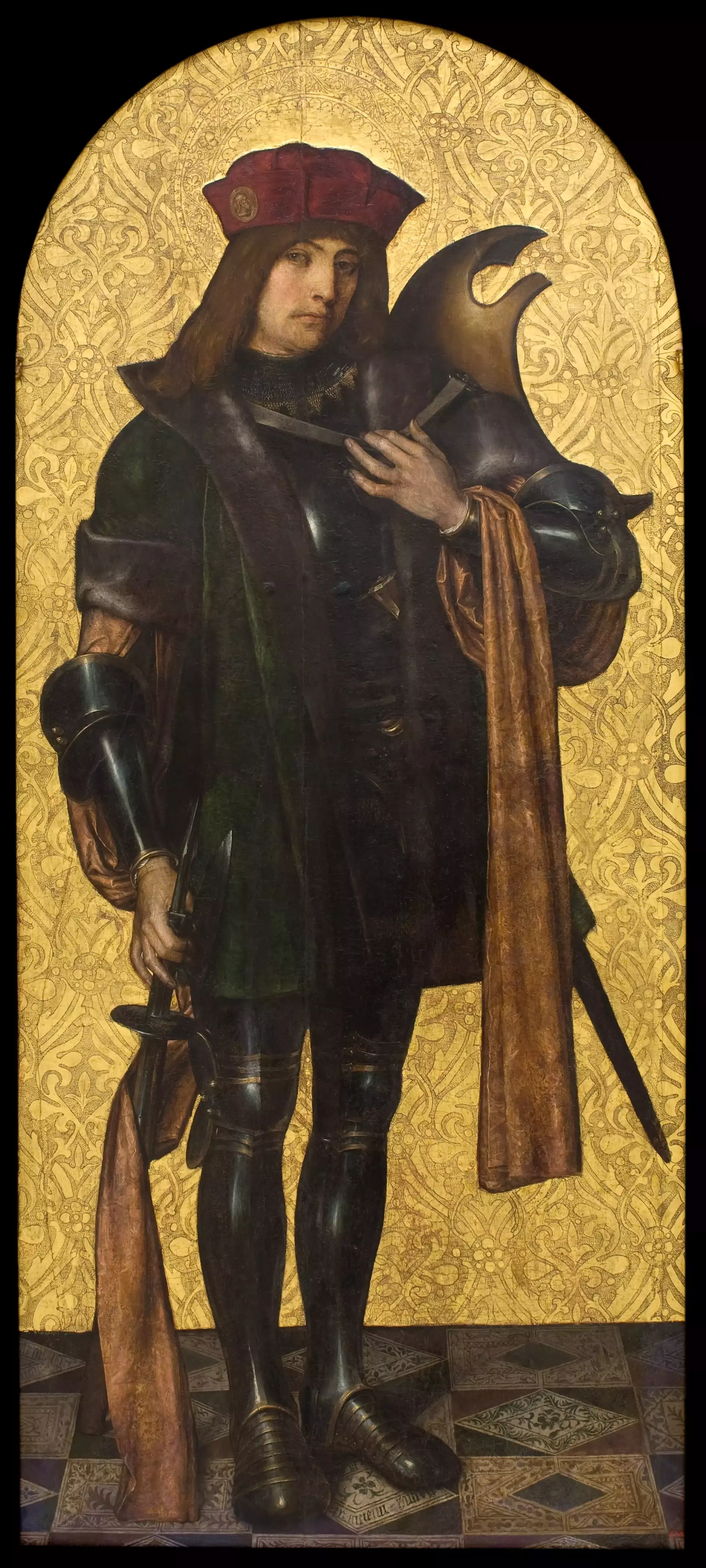
The museum houses a remarkable array of Romanesque masterpieces, including the awe-inspiring Pantocrator from the Taüll Romanesque church. Art enthusiasts will also discover a rich Gothic collection, offering a fascinating glimpse into the artistic splendor of past centuries.
The museum is not only celebrated for its collections but also for its architectural beauty. The building itself is a work of art, drawing visitors with its majestic presence and elegant design. As one explores the treasures inside, the beauty of the structure adds an extra layer of enchantment to the experience.
Source - https://en.wikipedia.org/wiki/Museu_Nacional_d%27Art_de_Catalunya
This square is famous for the nightlife and the uniform architecture, and features fountains and palm trees. It was built during the 19th century on the site of a monastery, after the Mendizábal law expelled the monks. After some years Antoni Gaudí designed the streetlights which are still there. It has lots of activity during the day, thanks to the many terraces of the bars and restaurants.
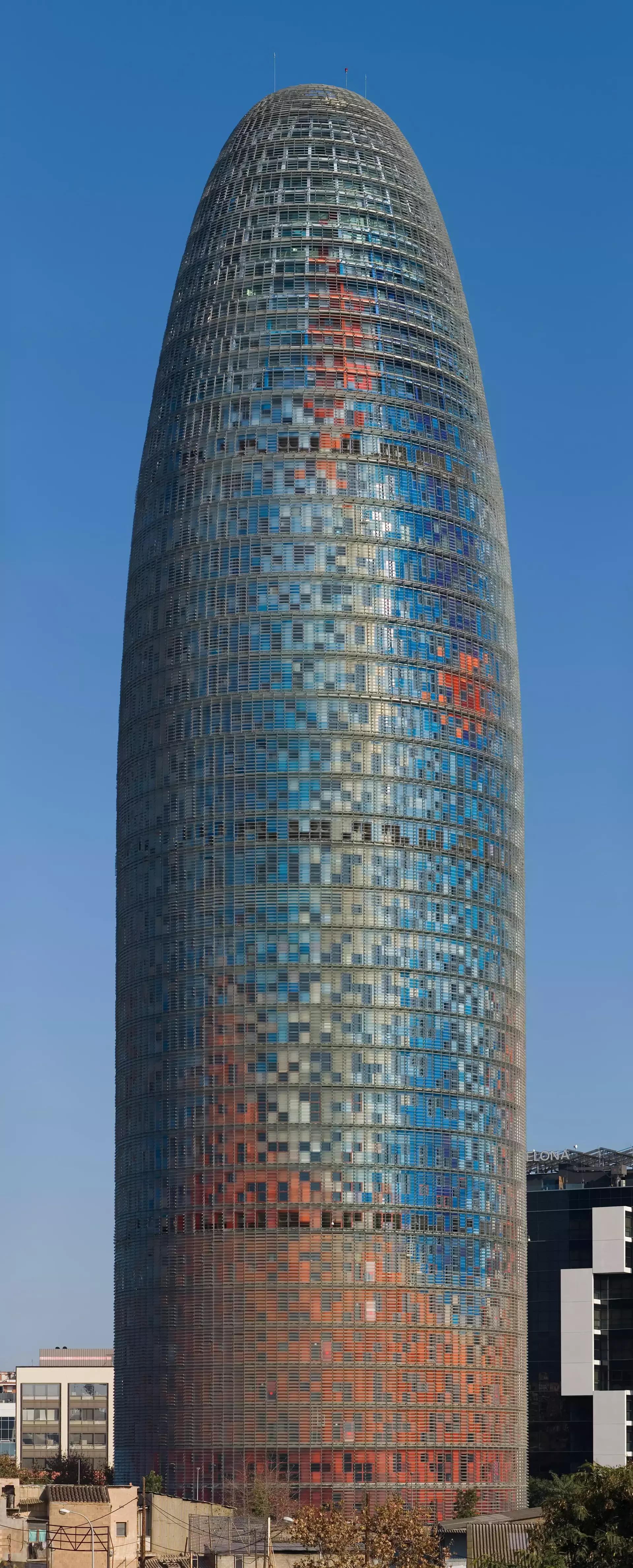
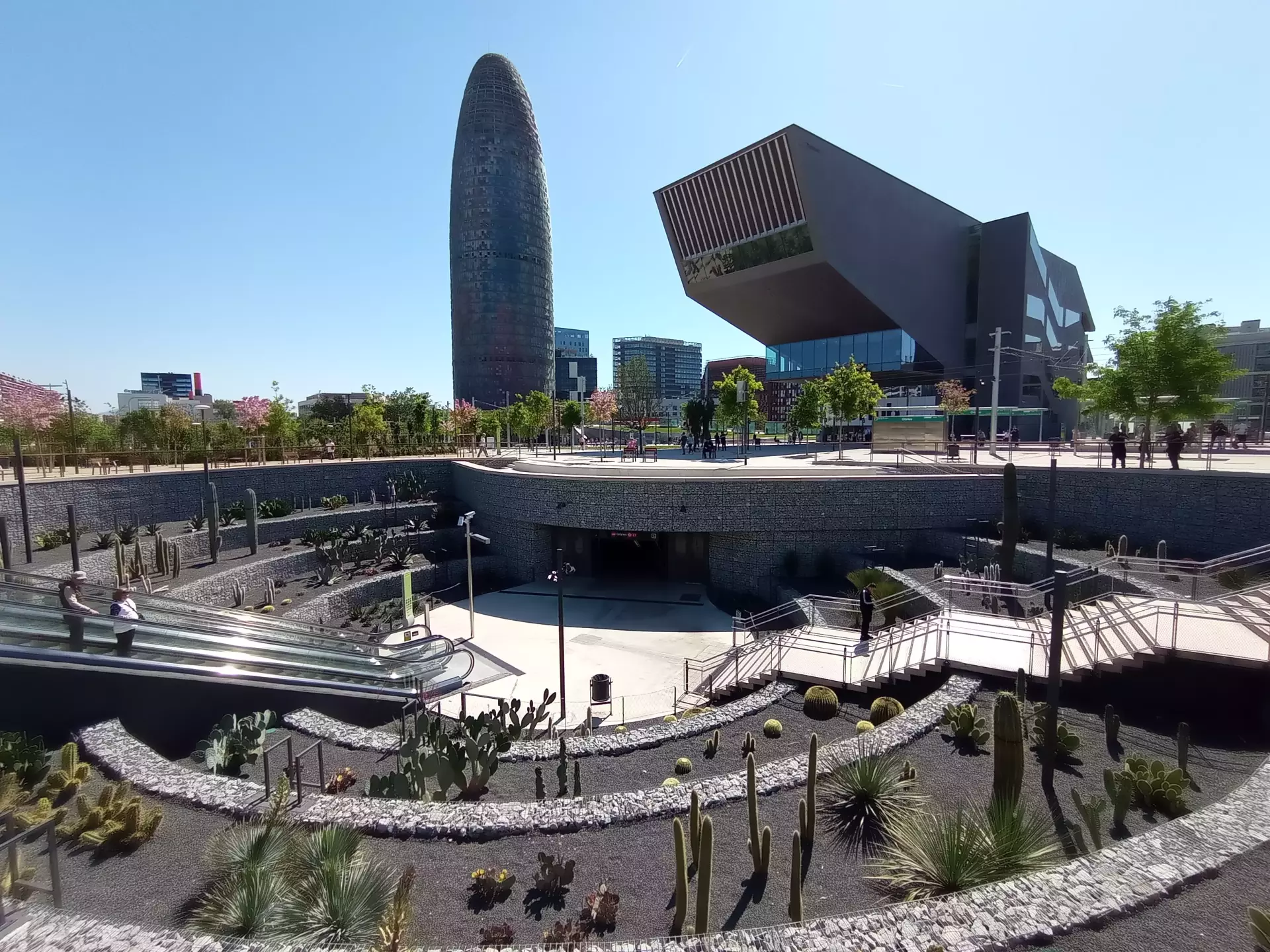
Formerly known as Torre Agbar. Distinctively-shaped office tower which stands out in the Barcelona skyline. It stands out even more Friday, Saturday and Sunday nights when it is lighted in several colours. The viewing platform on the 30th floor has views in all directions. Tickets start at €15 and come with a complimentary glass of cava and access to Hyperview Barcelona, an exhibit of the city’s real-time environmental data as an audiovisual installation, which is hosted in the tower’s lowest floor.
This market was the central market for Barcelona until 1973 and its closing marked the beginning of the neighborhood's decline before its current resurgence. While undergoing renovations, whole streets and homes that had been demolished by Phillipe V's orders were discovered and archaeologists who worked to transform the market in to a cultural centre and history museum. Entrance and street level is free, but to visit the ruins requires paying for a ticket.
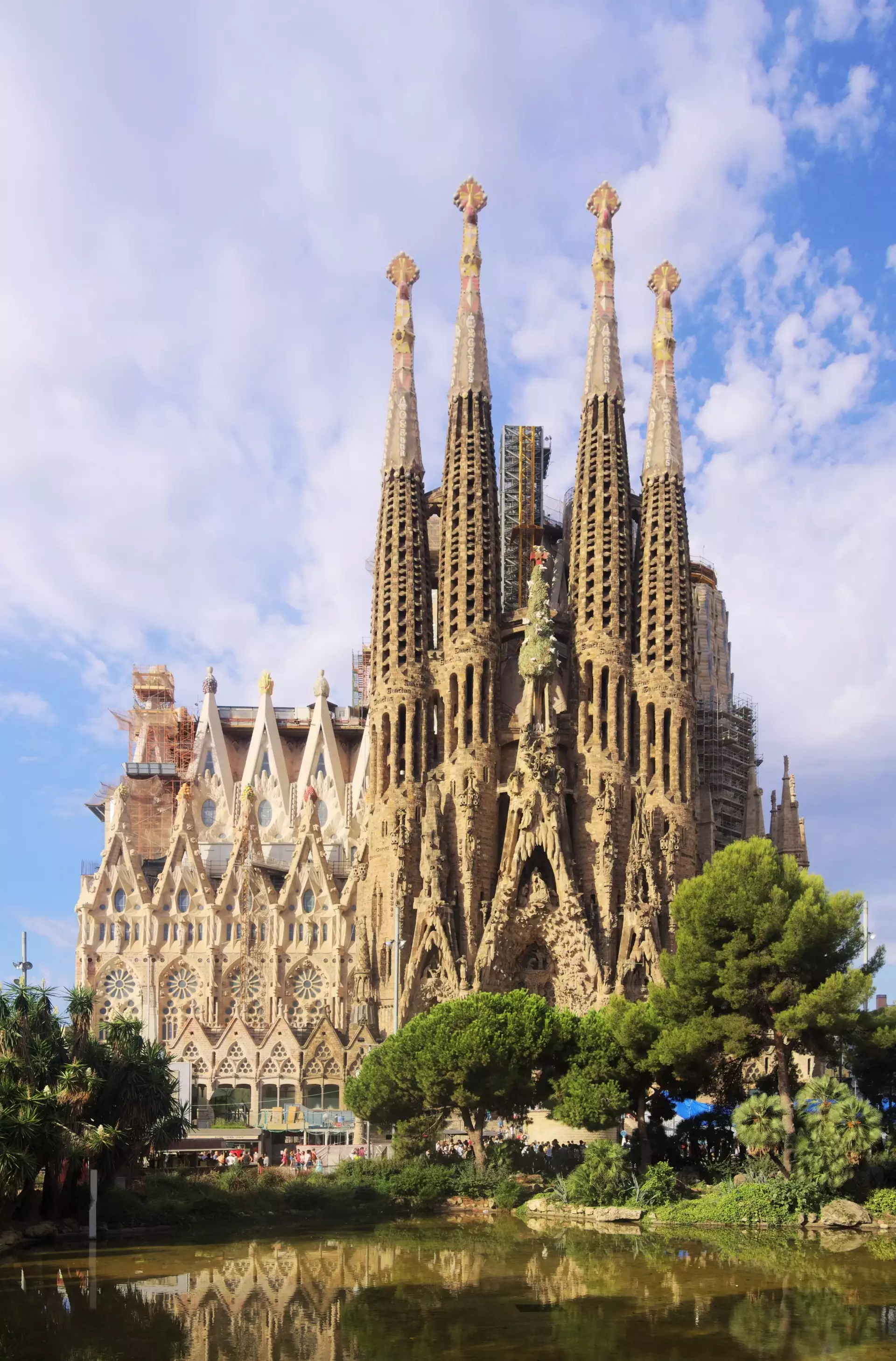
Barcelona's most popular and famous attraction, the Sagrada Família is a testament to Antonio Gaudi's modernist style and unlike any other church in the world. The texture and detail on the façades are intricate and incorporate forms seen in nature as much of Gaudi's work does. The inside is huge — it's estimated that it can hold 13,000 people — with vaulted ceilings and columns designed to be reminiscent of trees. The church is still under construction, but the central nave, apse and crypt are open. Seeing the Sagrada Família at night with lights on is impressive — this is the time when you understand why people say that it is built of bones.
If you're a football fanatic, then you can't miss a visit to this football temple, the home ground for Barcelona's biggest and most popular team and one of Europe's greatest footballing 'cathedrals'. During the Franco era, FCB was the only way that oppressed Catalans could vent their anger against his dictatorship. Because of that, it became and still is a symbol of Catalan identity. Camp Nou is the biggest stadium in Europe with a capacity of 98,600 people, with shops and a museum of the club's history. Match tickets start at about €42 and games hardly ever completely sell out, unless it is a match against the hated rivals Real Madrid (a match commonly dubbed El Clásico), one of the other top teams (Atlético Madrid, Valencia or Sevilla) or in the Champions League. With the quality in the current team, there are always a few goals, and it is nearly always a resounding win for Barça. For stadium tours check the entry below.
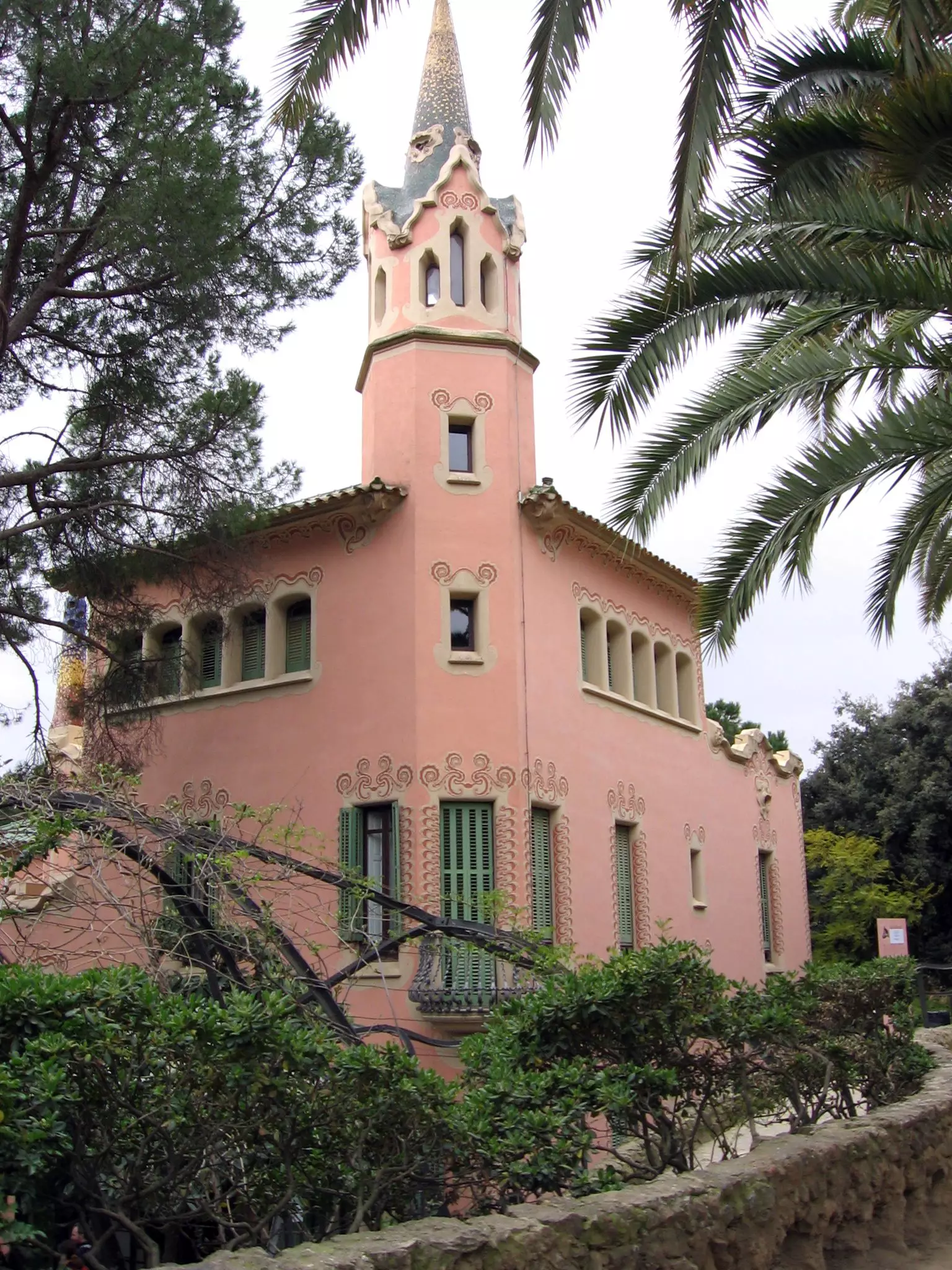
The first building Gaudi built in Barcelona. It has been opened as a museum. It's possible to walk the whole monumental enclosure, including the garden and the interior of the building. In UNESCO World Heritage Sites list since 2005.
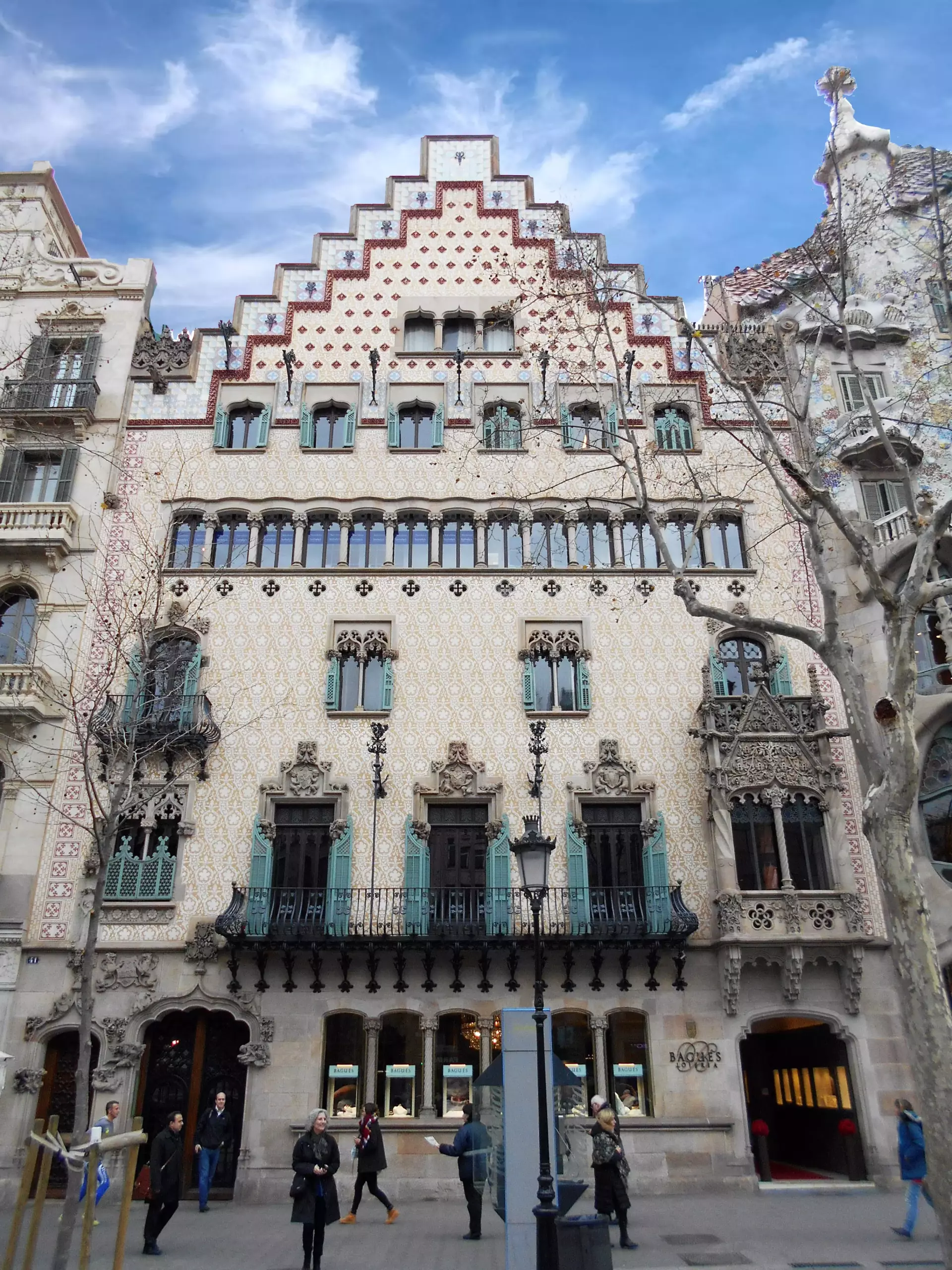
Another Gaudi masterpiece along the same avenue as La Pedrera. Open to the public. No straight line or right angles appear anywhere in the house. Often overlooked for La Pedrera, (also by Gaudi), La Casa Batlló is equally as stunning with its unique architecture and infamous two ornamental pillars in the entrance to the terrace. Open for visitors from ground floor to the roof, and down by an old-time elevator.
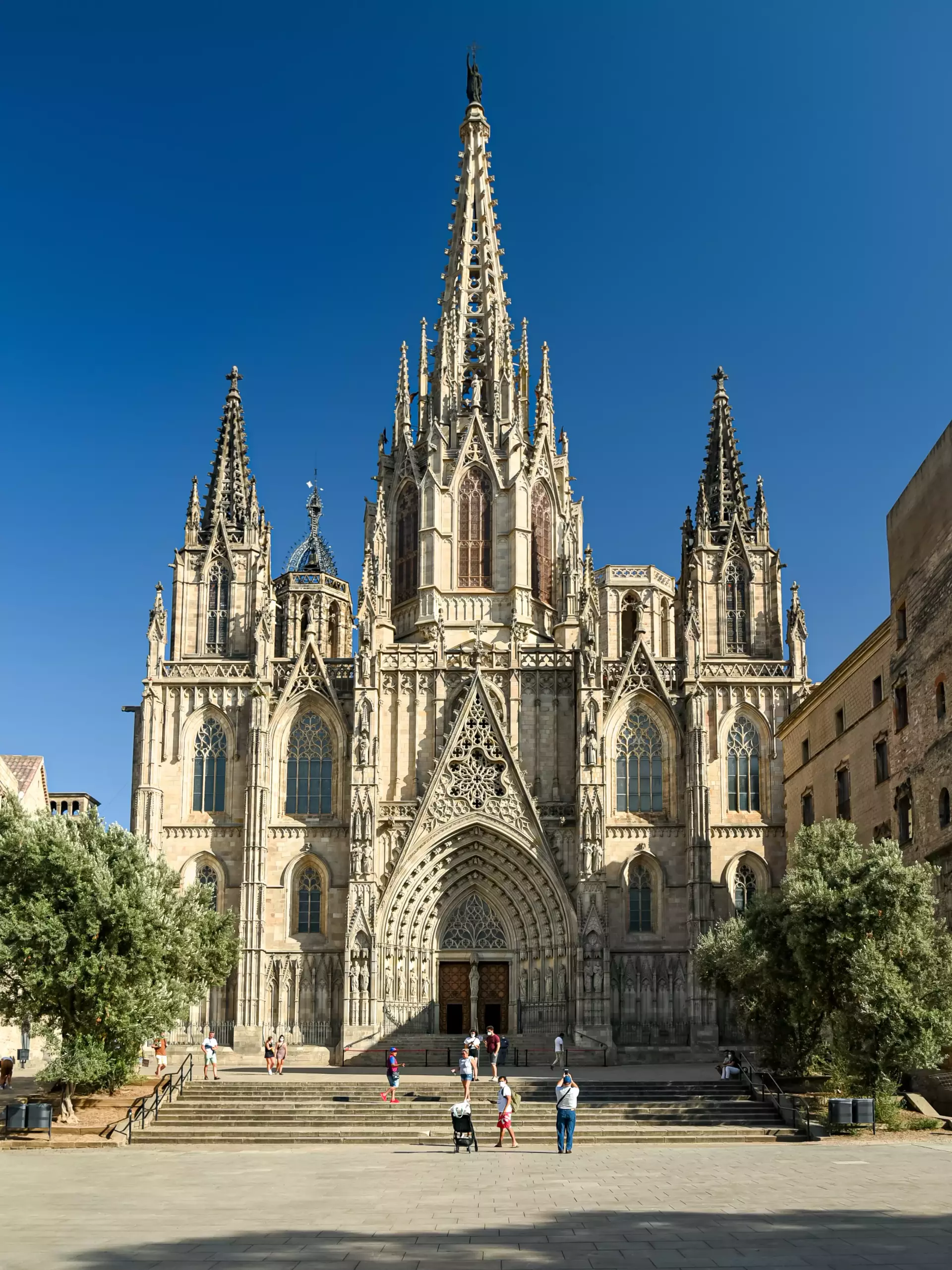
The main Gothic church in Barcelona. The cloister is maybe the most interesting part.
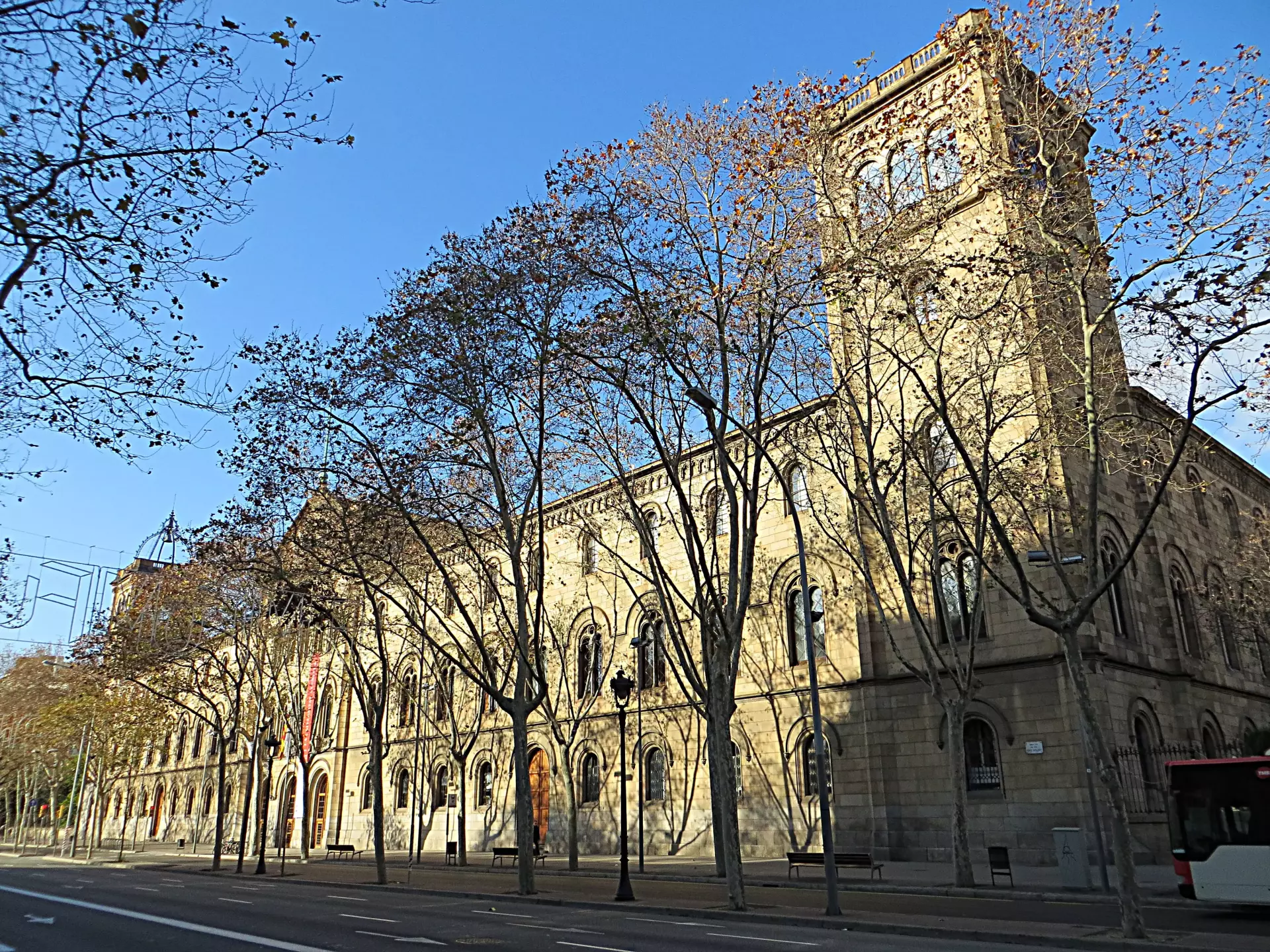
The university has many interesting buildings, libraries and courtyards.
This museum mainly exhibits exponents, which were imported by Catalan sailors as they explored the new world. Free on the first Sunday each month (11:00 to 15:00)
Much to the dismay of Mickey Mouse aficionados, Disseny is Catalan for "design", not "Disney". The "Disseny Hub" houses the amalgamated museums focusing on applied arts and design, including Museu de les Arts Decoratives, Museu de Ceràmica, Museu Tèxtil i d'Indumentària and Gabinet de les Arts Gràfiques. The new building has an intricate, multi-level structure, with the protruding tower overhanging the Praca de les Glories roundabout.
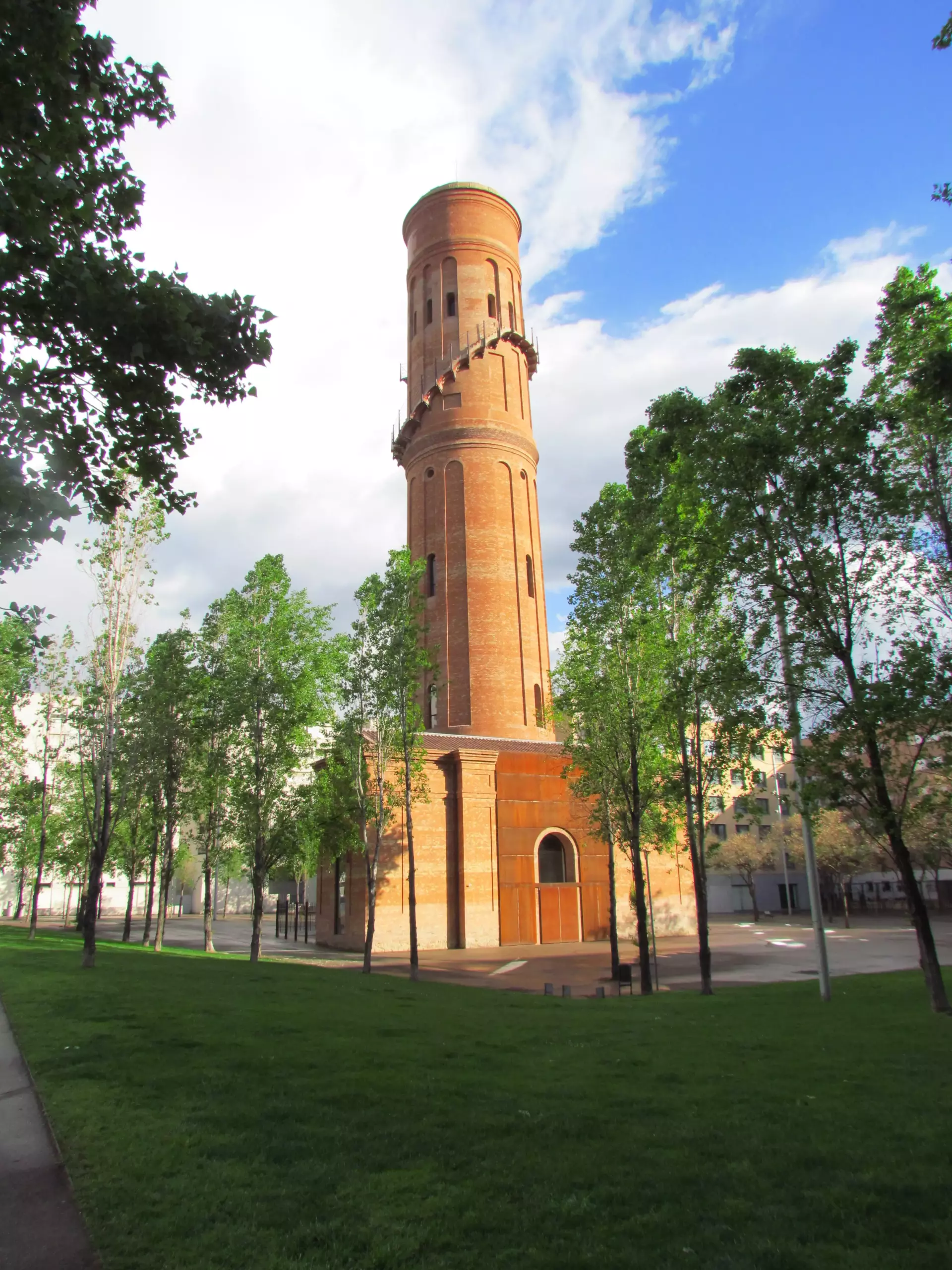
One of the most unusual landmarks in this otherwise ultra-modern area is this 19th-century (finished in 1882) brick water tower. Standing 62 metres tall, it is now overshadowed by neighbouring residential, office and hotel towers and easy to miss unless you know where to look for it.
This street has the biggest collection of Gothic houses in Barcelona. In amongst these houses is the Picasso Museum, which is definitely worth a visit. There are also smaller museums along the street, and many tapas restaurants though they may be more expensive on this street.
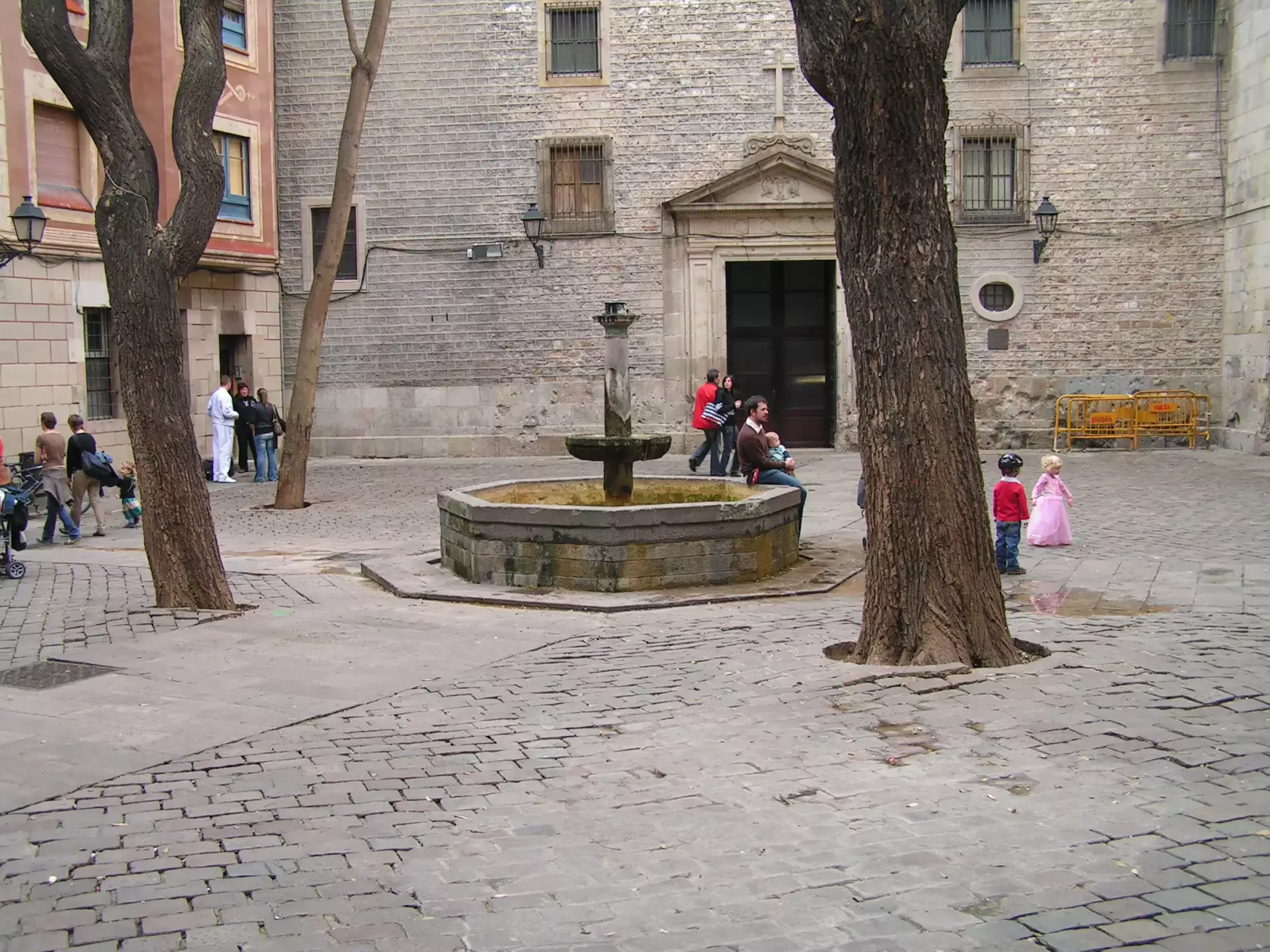
One of the most romantic squares in Barcelona, it hides a dark history in that it was built over the city's old cemetery. Barcelona's most famous architect, Antonio Gaudi, was on his way to visit the church there when he was run over and killed in 1928. There is a baroque church (Sant Felip Neri), a 14th-century palace and a fountain in the middle. To arrive, take the narrow street next to the cathedral cloister. The palace was moved from its original location in the street Via Laietana during the 1920s. If you look the front of the church, you can see some holes made by a civil war bomb. If you go out the square through the other street, you'll arrive to the street Baixada de Santa Eulàlia, where is said that the Barcelona's protector was tormented.
The museum has limited opening hours but the park it is situated in is also interesting. Check website before going to the museum as it will eventually relocate to The Can Bagaria building.
The stadium and its surroundings built in 1927 and renovated for the 1992 Summer Olympics provides nice architectonic and city views. Since it's not too crowded outside sport events, it's usually a pretty calm place.
Urban park created from redeveloping industrial land. It covers 14 hectares and includes seven areas like a children's play area, a lake with sculptures and a central plaza.
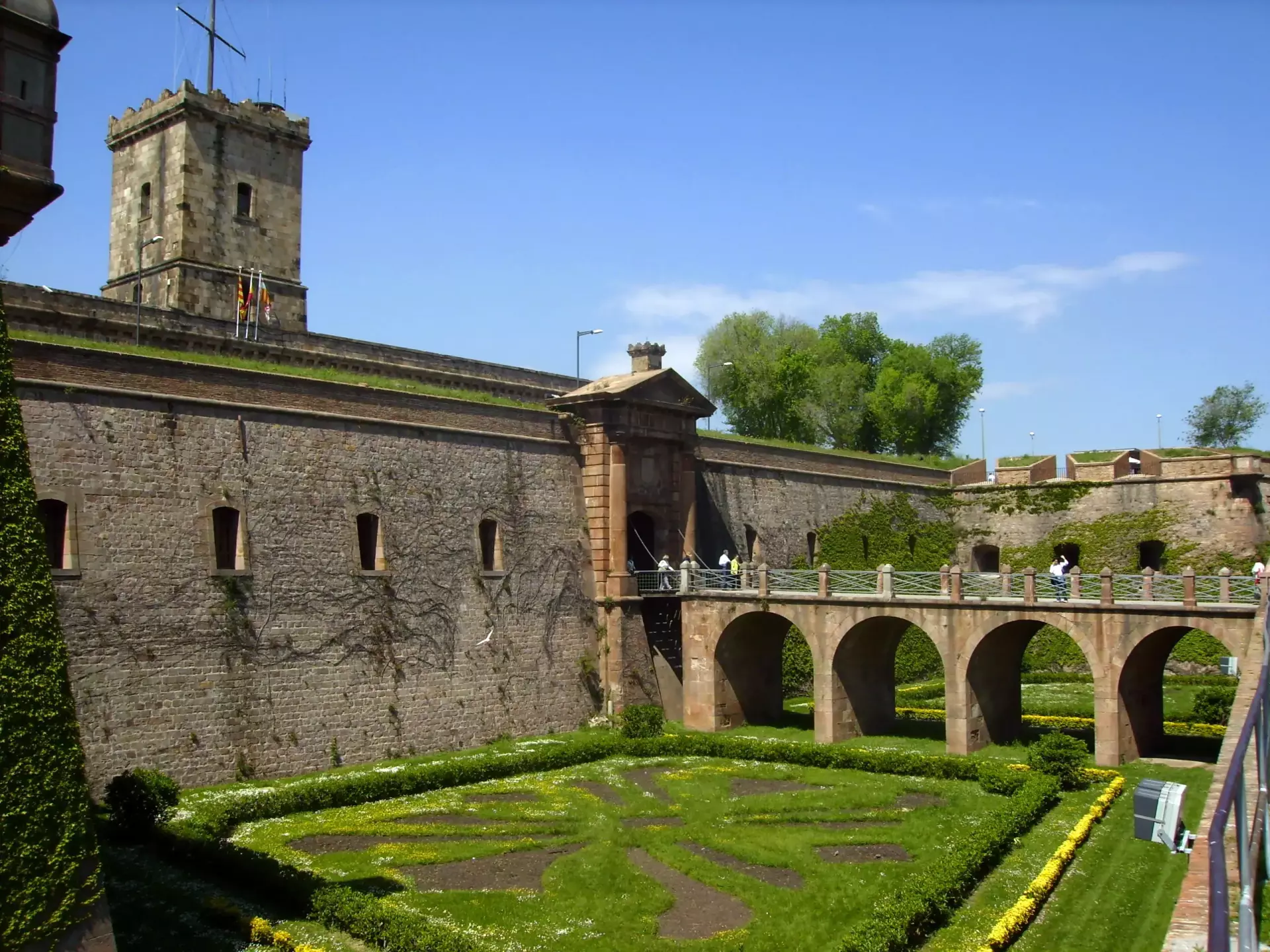
Provides a beautiful panorama view over the rest of the city. The Montjuic Castle is in the Montjuic hill. From the Montjuïc Castle, take the harbor cable car to Barceloneta for more splendid views.