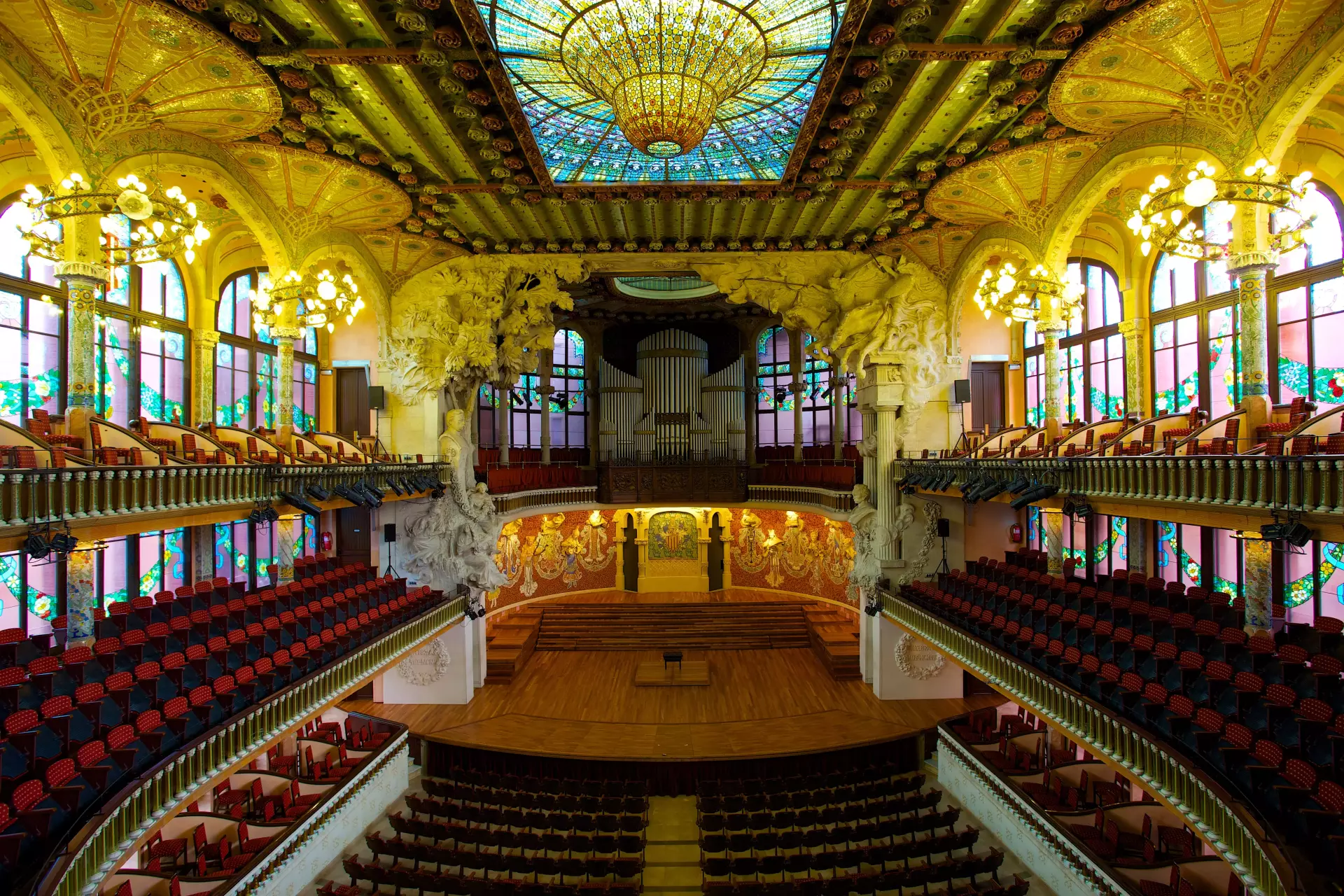
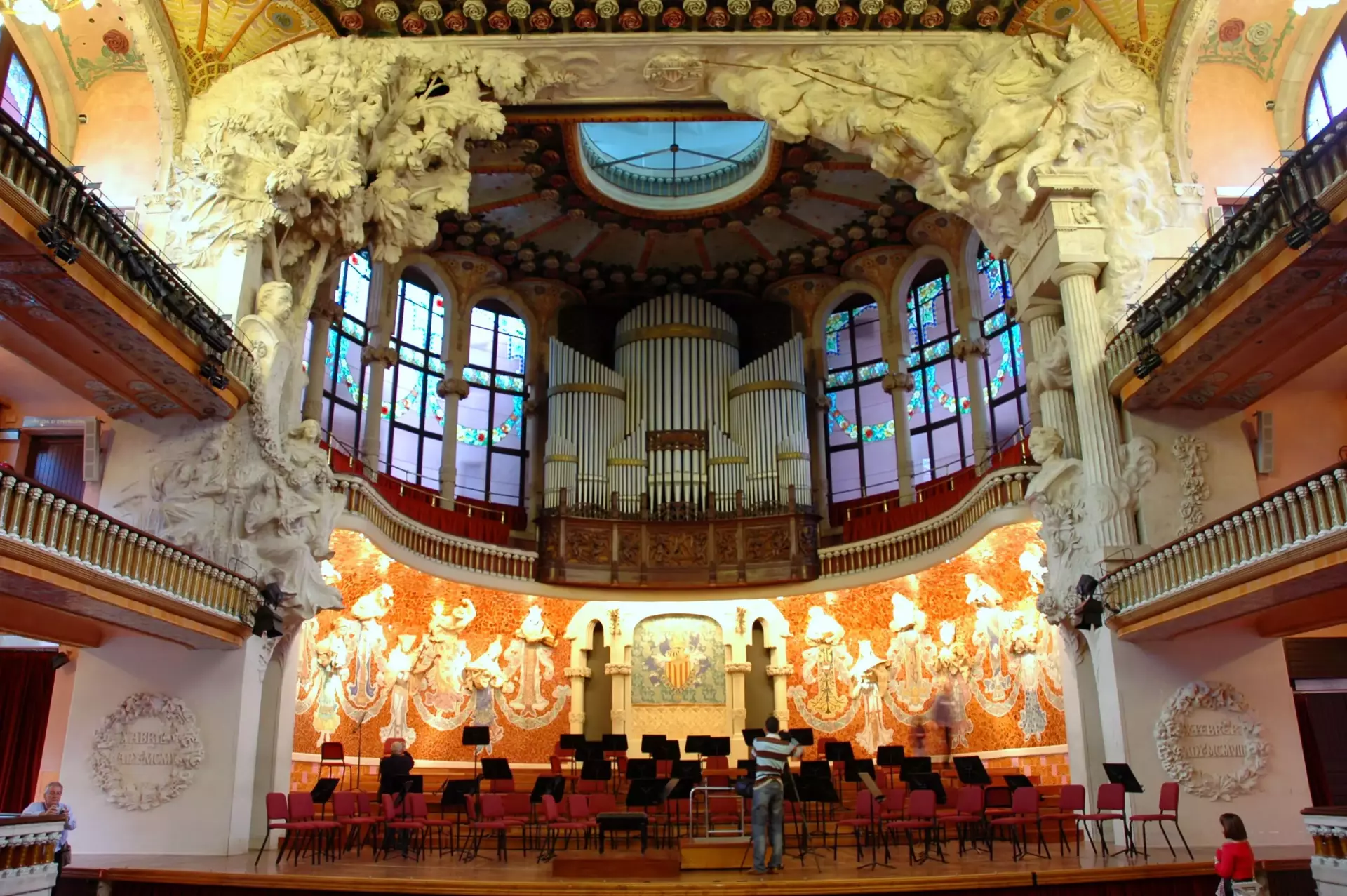
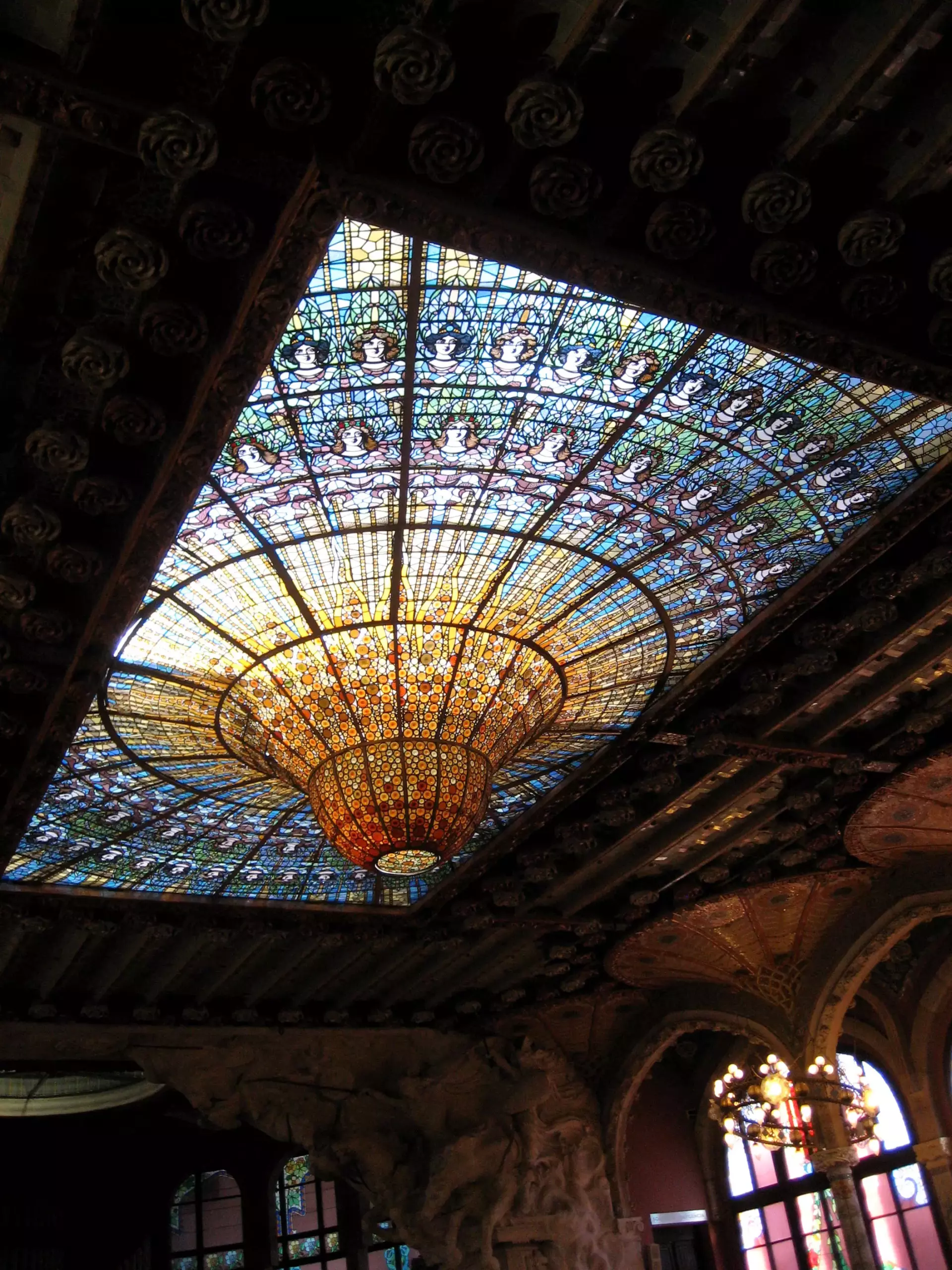
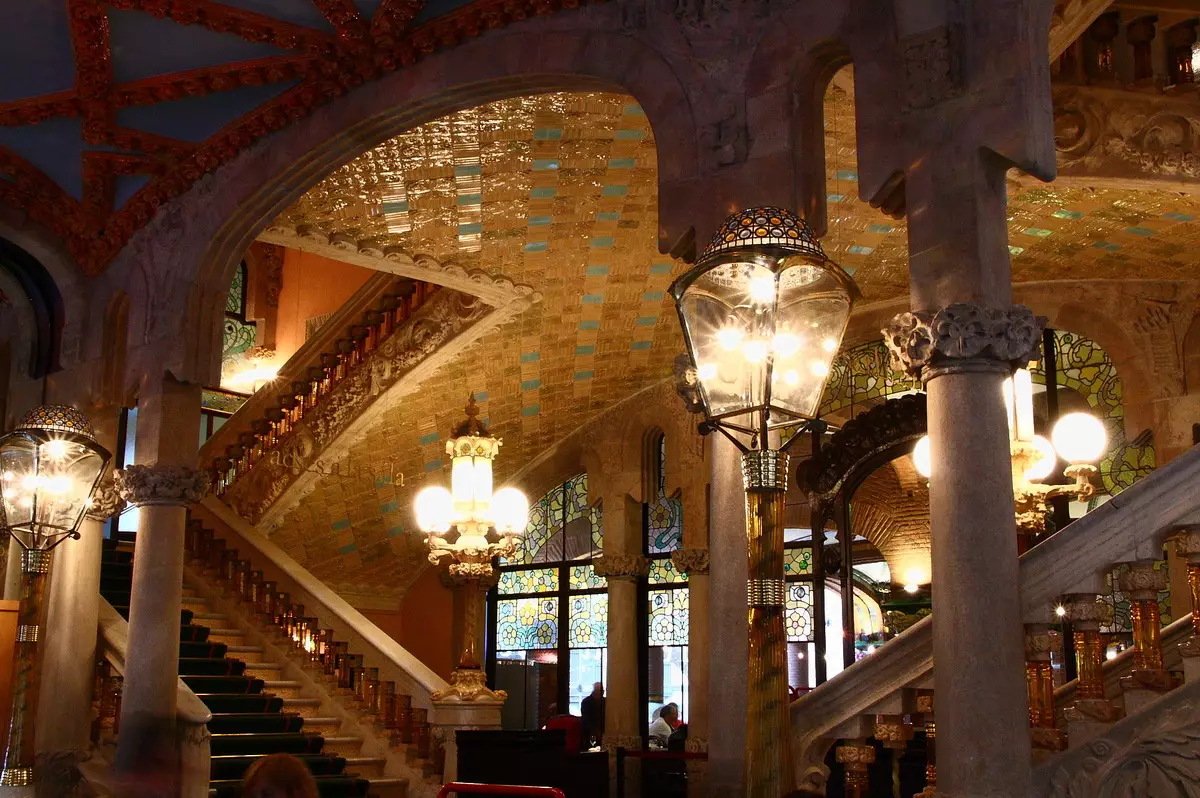
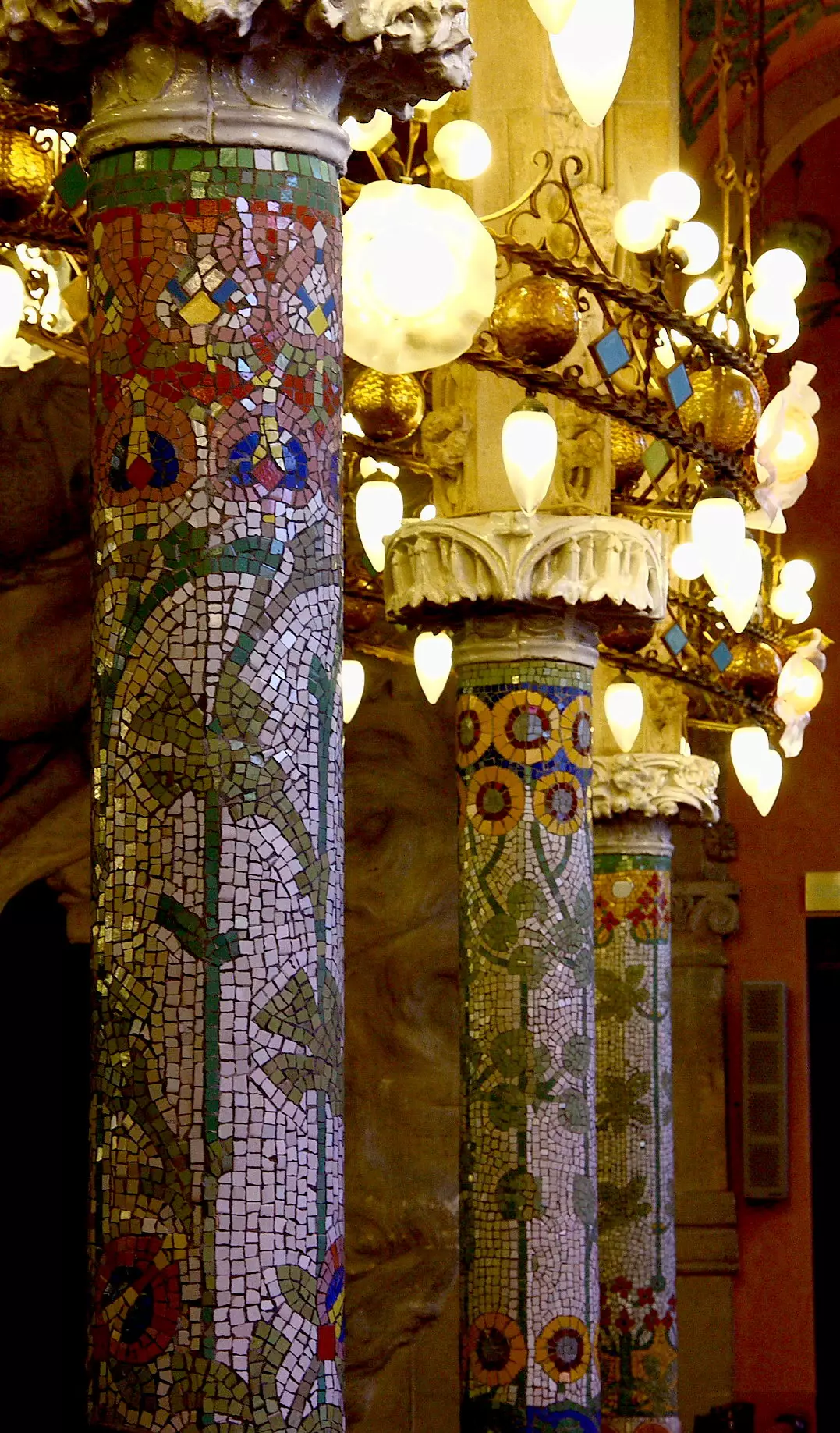
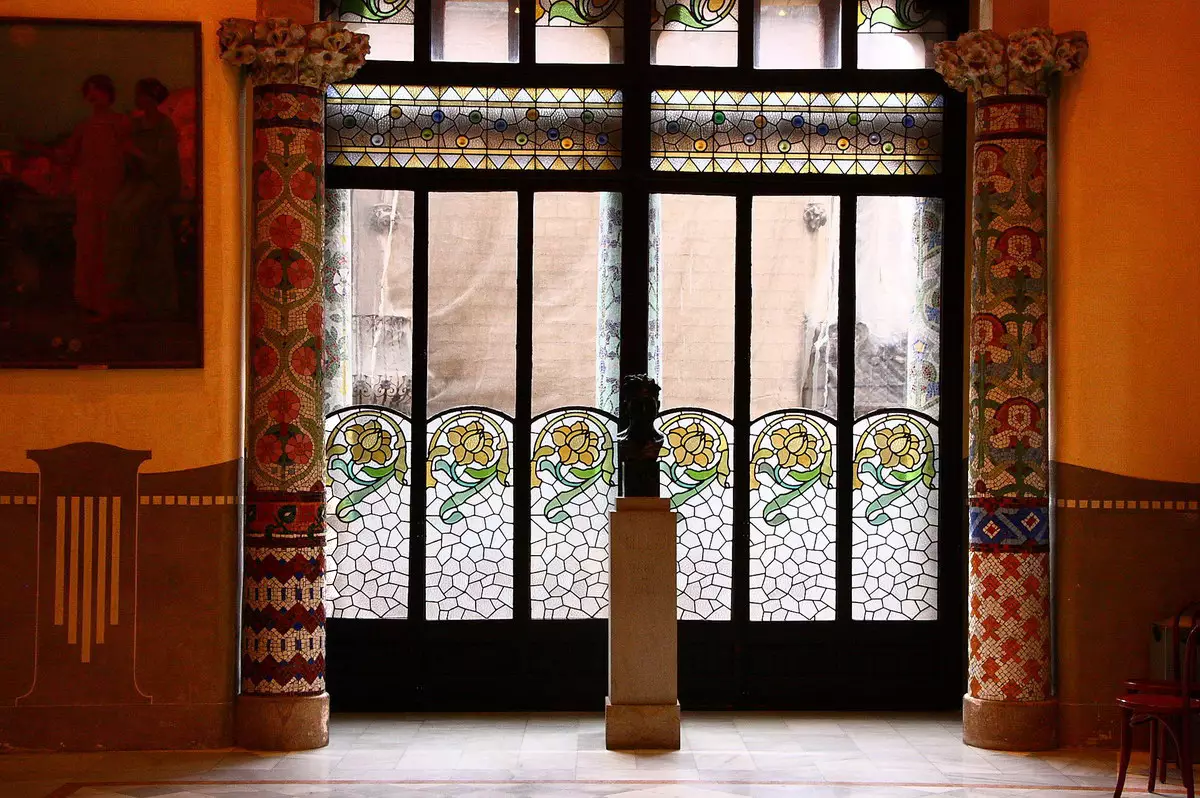
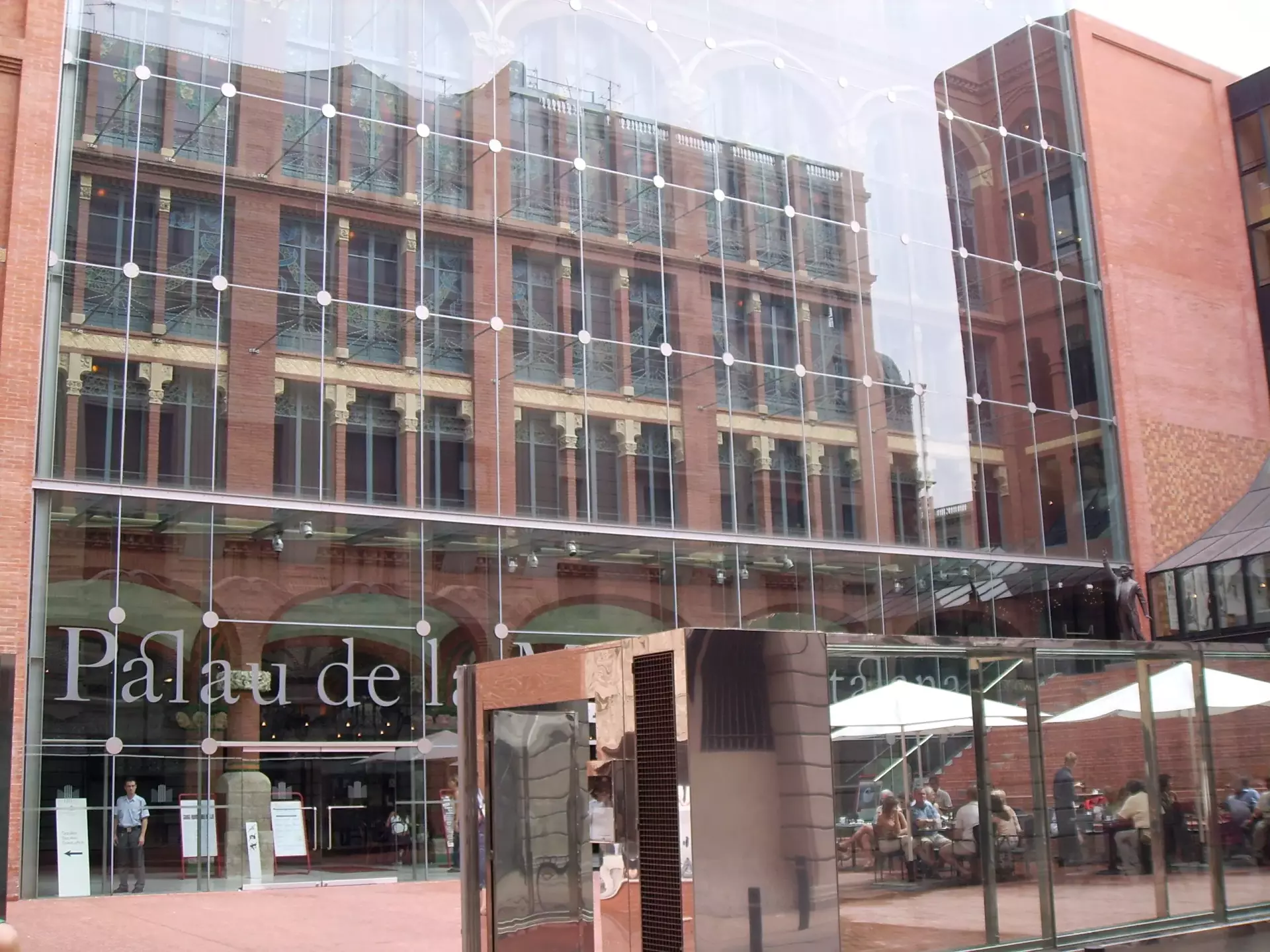
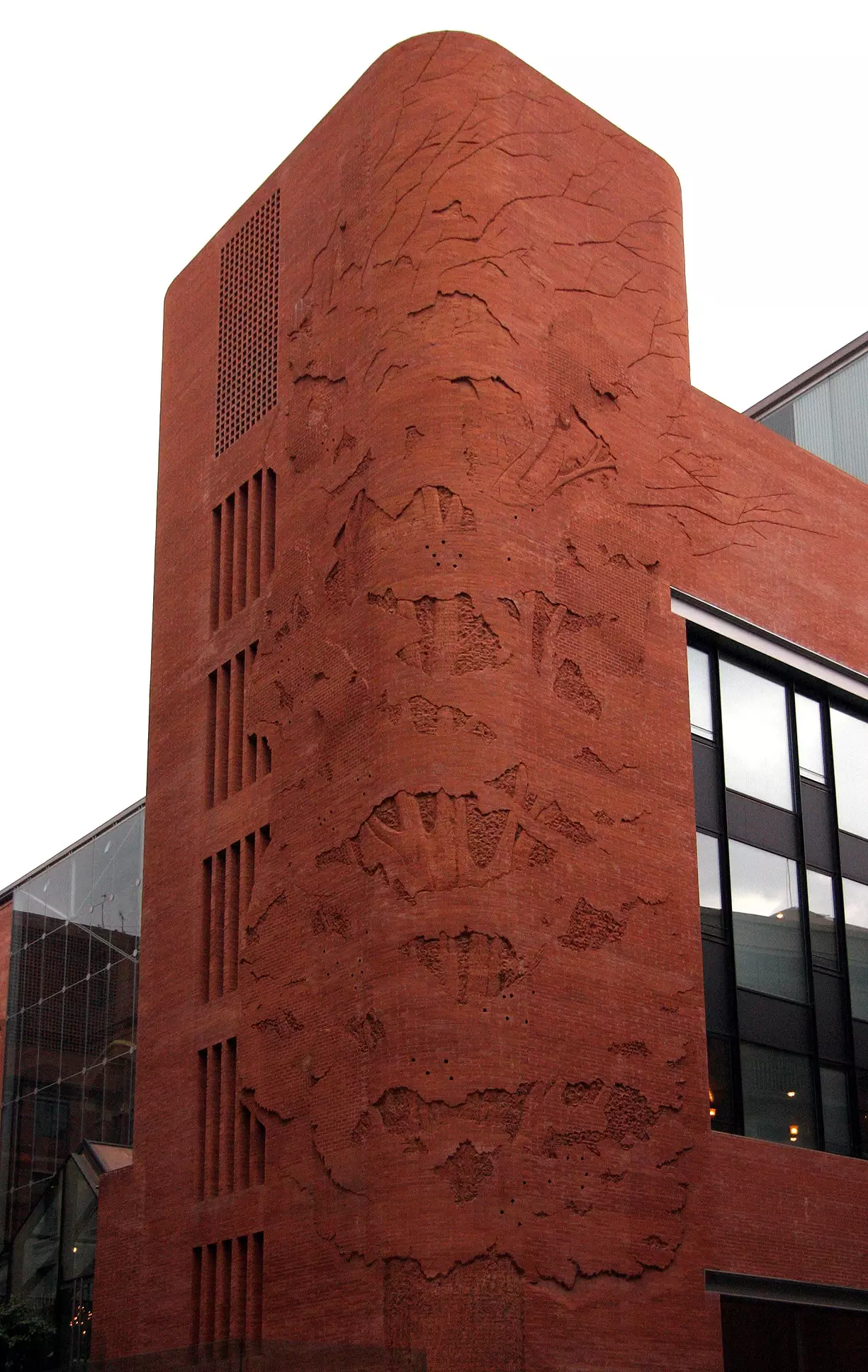
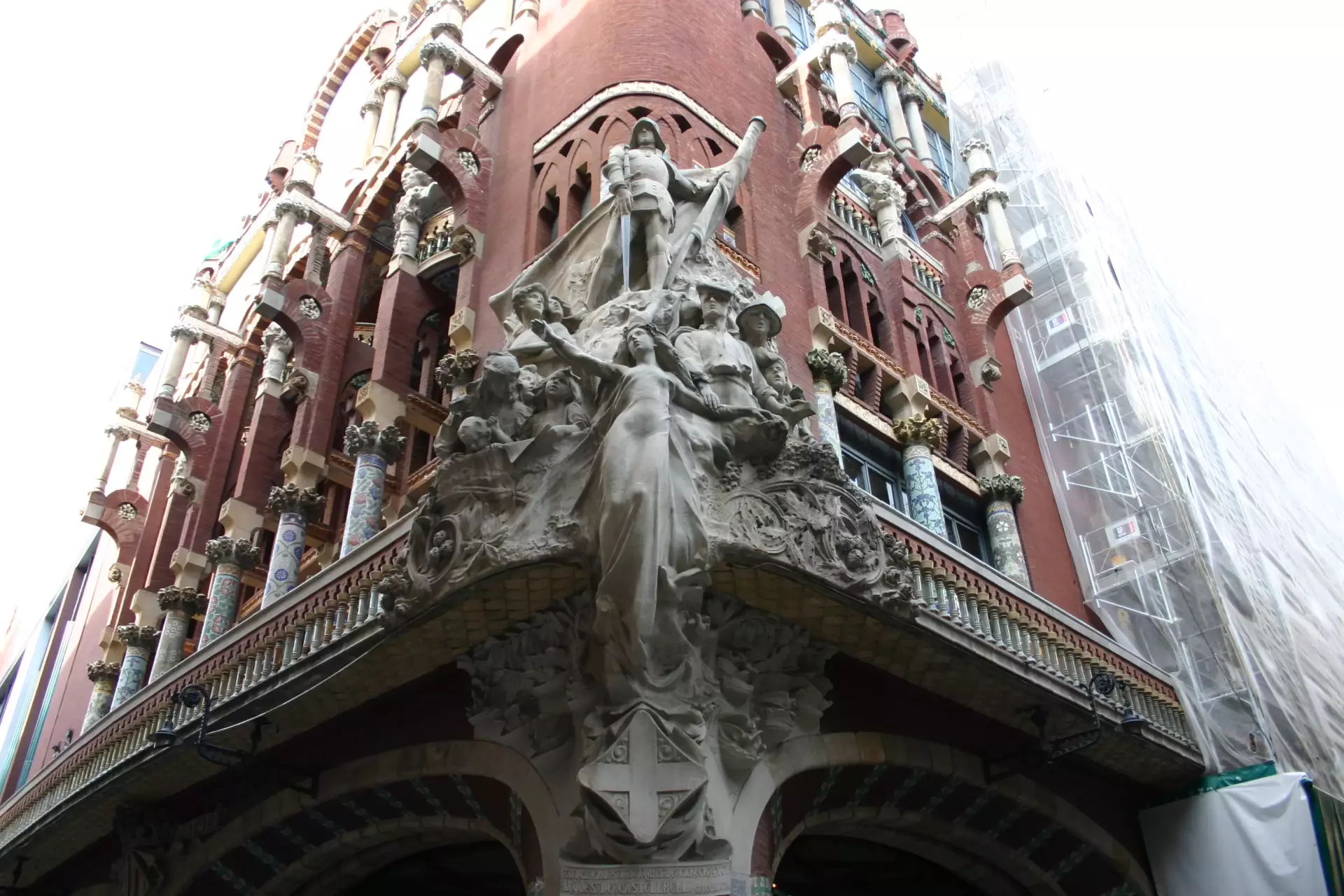
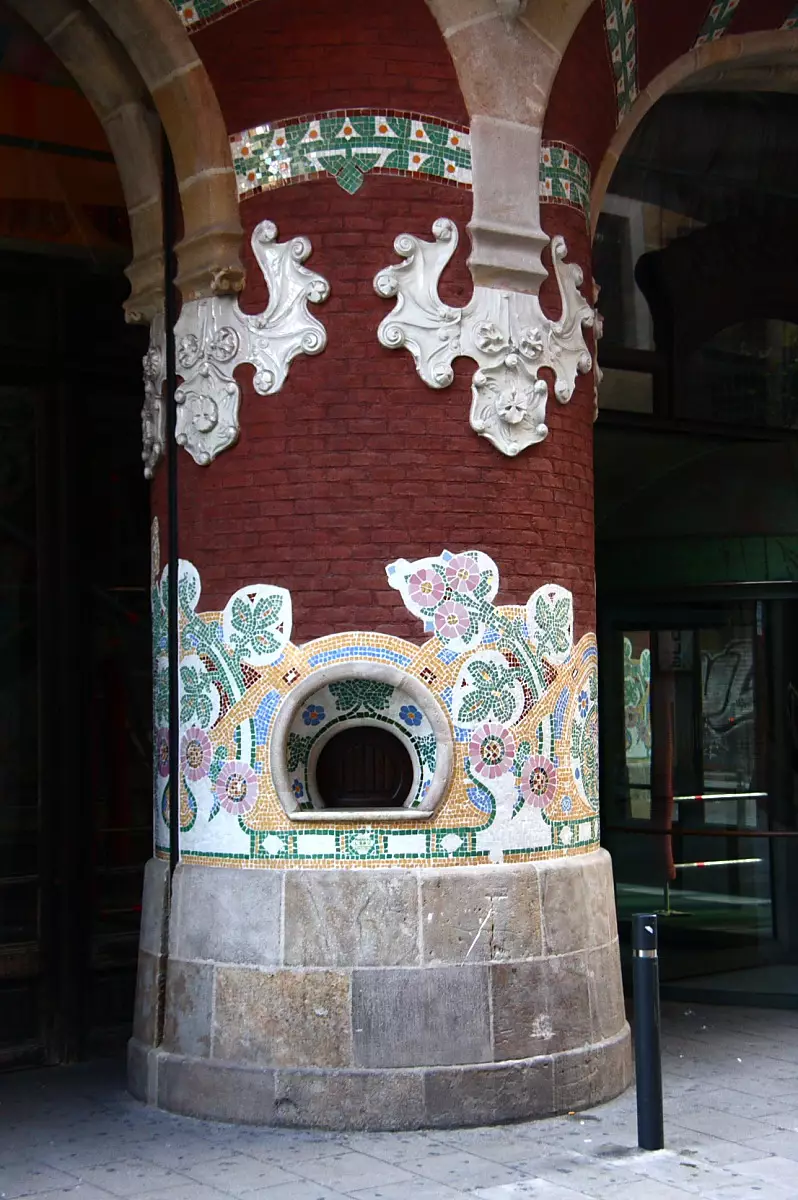
The Palau de la Música Catalana stands as a stunning tribute to modernist design by the renowned architect Lluís Domènech i Montaner. Recognized as a UNESCO World Heritage site, this architectural gem showcases the grandeur of Catalan modernism. Designed by Domènech i Montaner, it is a prominent example of Modernist style in the Sant Pere neighborhood of the Ciutat Vella district.
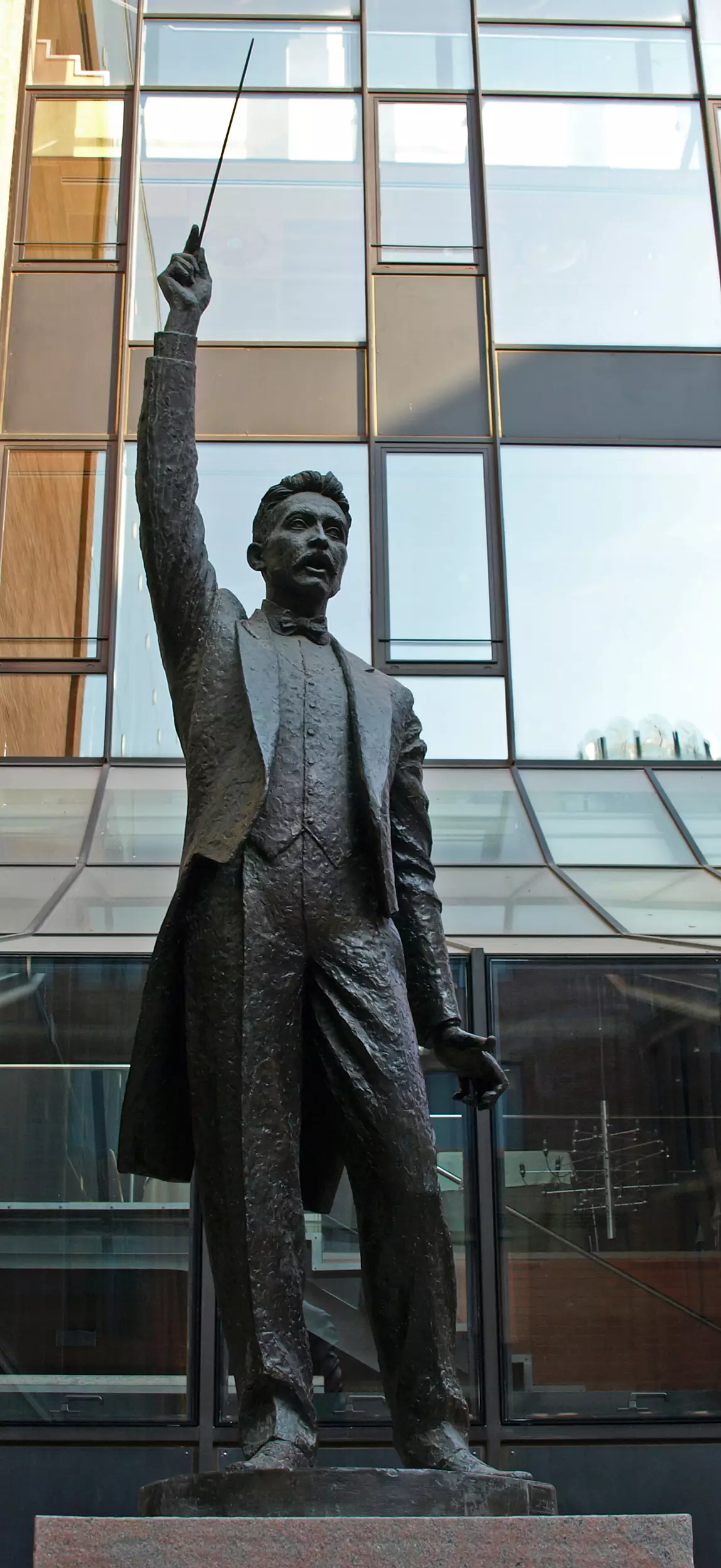
This magnificent auditorium served as the headquarters for the Orfeó Català, the oldest choir in Catalonia. The entire building captivates with its intricate detailing, but it is the stalls that truly shine with their exquisite craftsmanship. Throughout the space, visitors can find numerous allegories celebrating music and Catalonia, reflecting the deep ties between Orfeó Català and the Catalan Renaixença. This cultural movement sought to revive Catalan history, language, and traditions, infusing the building with profound symbolic significance.
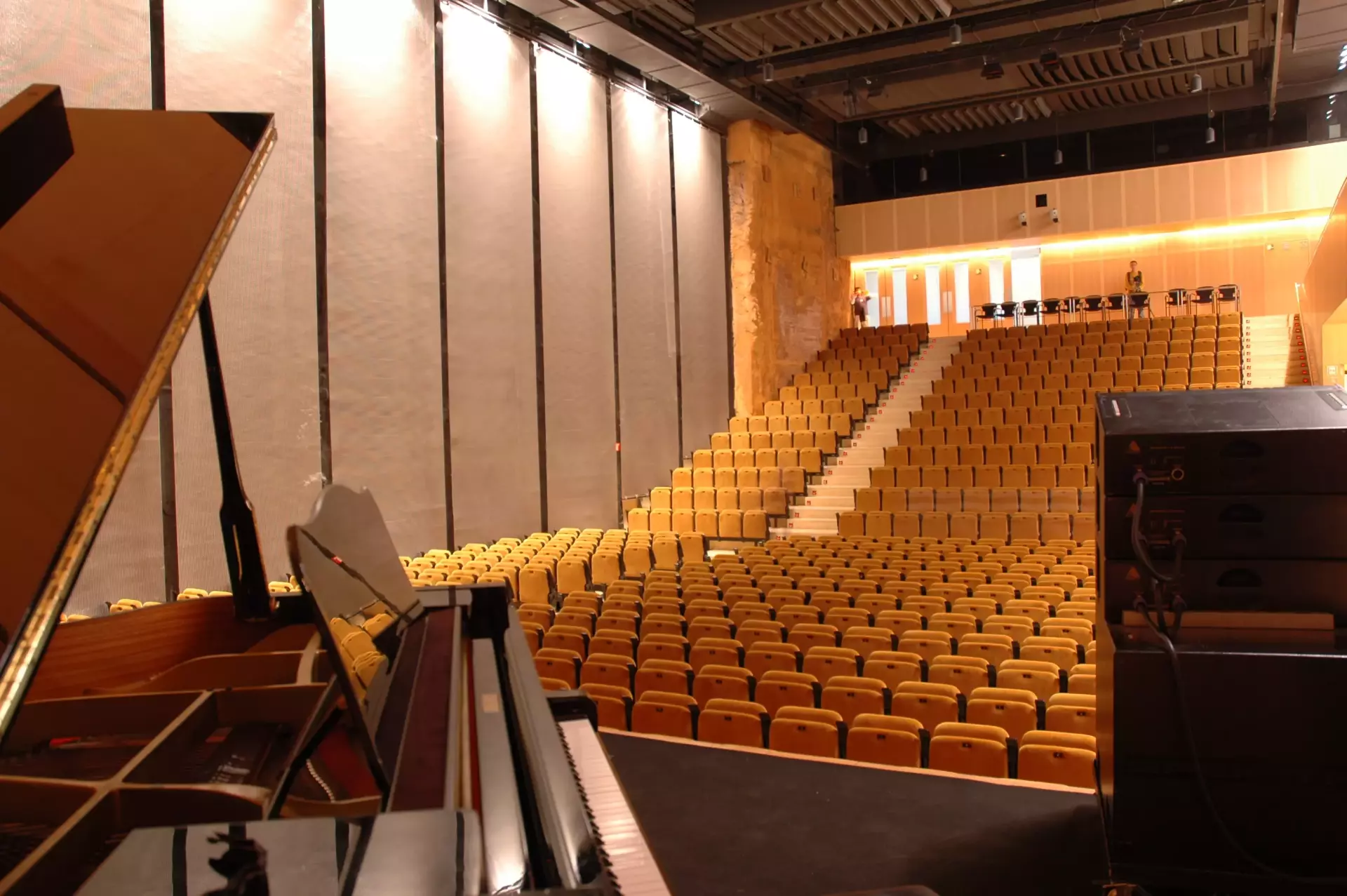
Beyond its architectural beauty, the Palau de la Música Catalana is renowned for its exceptional acoustics and is considered one of the finest venues in Barcelona for symphonic music. Music lovers can immerse themselves in world-class performances while surrounded by the grandeur of this historic hall.
Source - https://en.wikipedia.org/wiki/Palau_de_la_M%C3%BAsica_Catalana
The university has many interesting buildings, libraries and courtyards.
Provides a beautiful panorama view over the rest of the city. The Montjuic Castle is in the Montjuic hill. From the Montjuïc Castle, take the harbor cable car to Barceloneta for more splendid views.
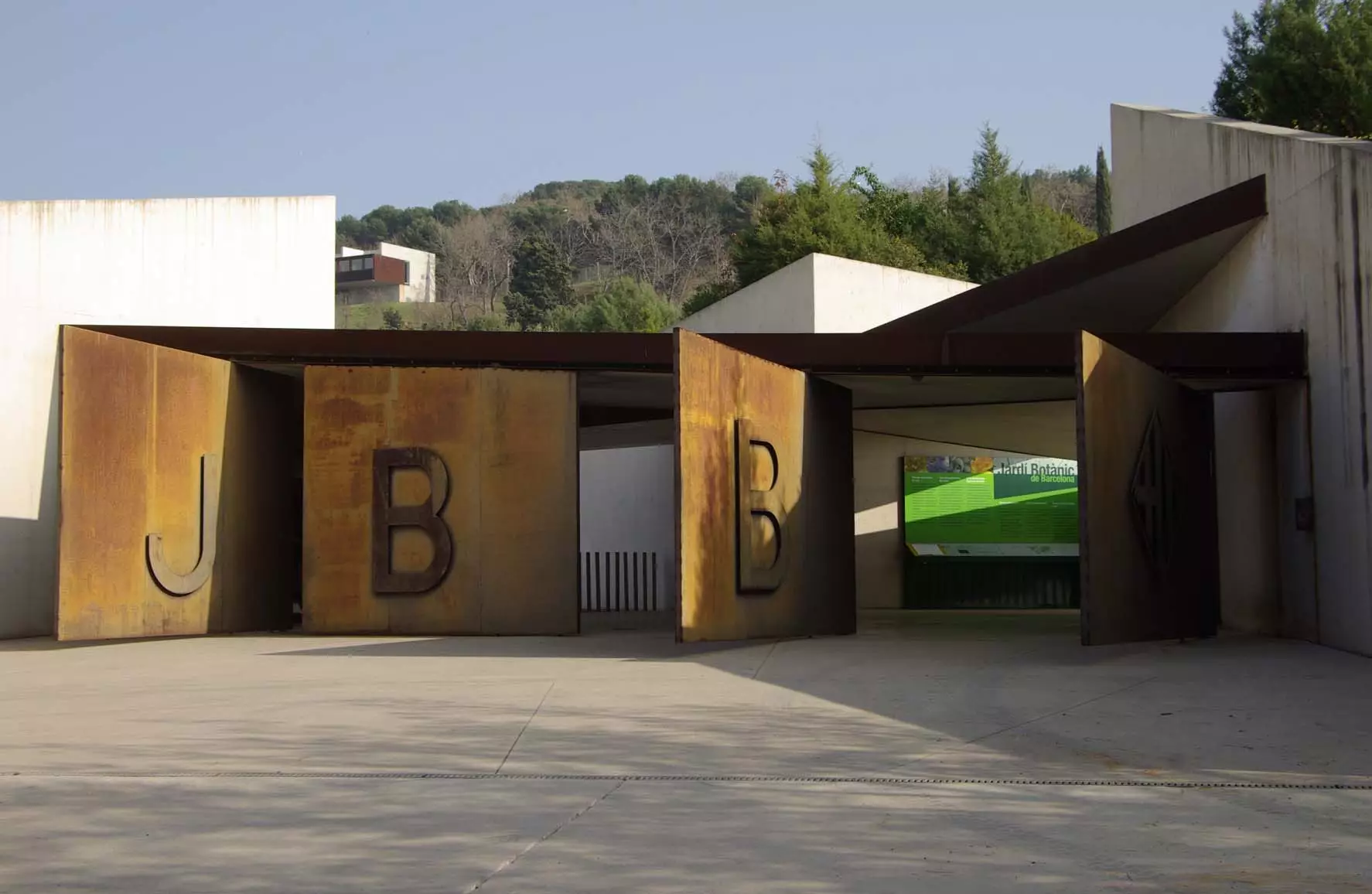
Although a botanic garden had been established in Barcelona as early as 1888, the current gardens date from 1999.
The stadium and its surroundings built in 1927 and renovated for the 1992 Summer Olympics provides nice architectonic and city views. Since it's not too crowded outside sport events, it's usually a pretty calm place.
A beautiful Gothic monastery near the university, there are a museum which depicts the monastery life, a church, and a marvelous chapel covered with medieval frescoes.
The museum has limited opening hours but the park it is situated in is also interesting. Check website before going to the museum as it will eventually relocate to The Can Bagaria building.
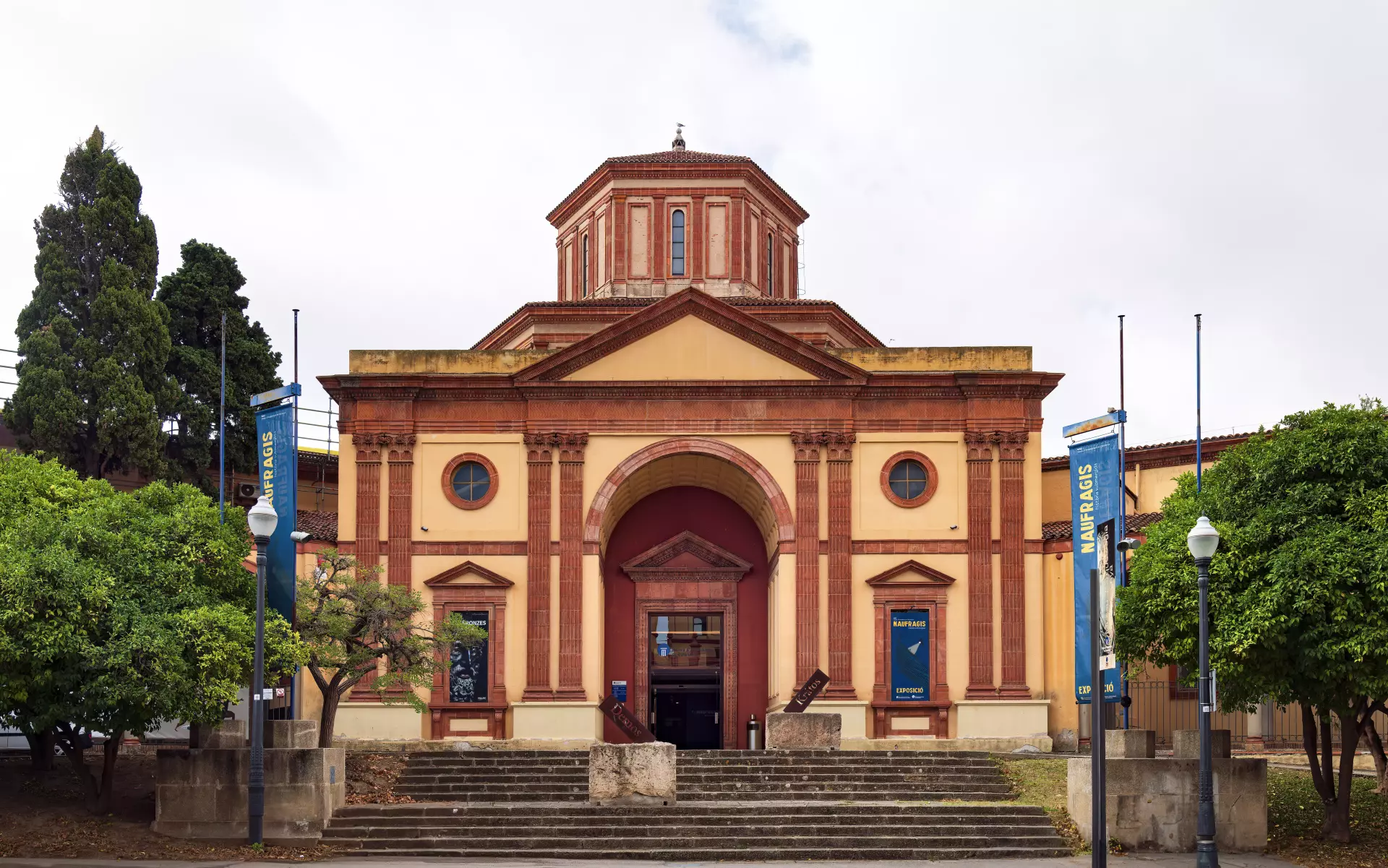
This museum mainly exhibits exponents, which were imported by Catalan sailors as they explored the new world. Free on the first Sunday each month (11:00 to 15:00)
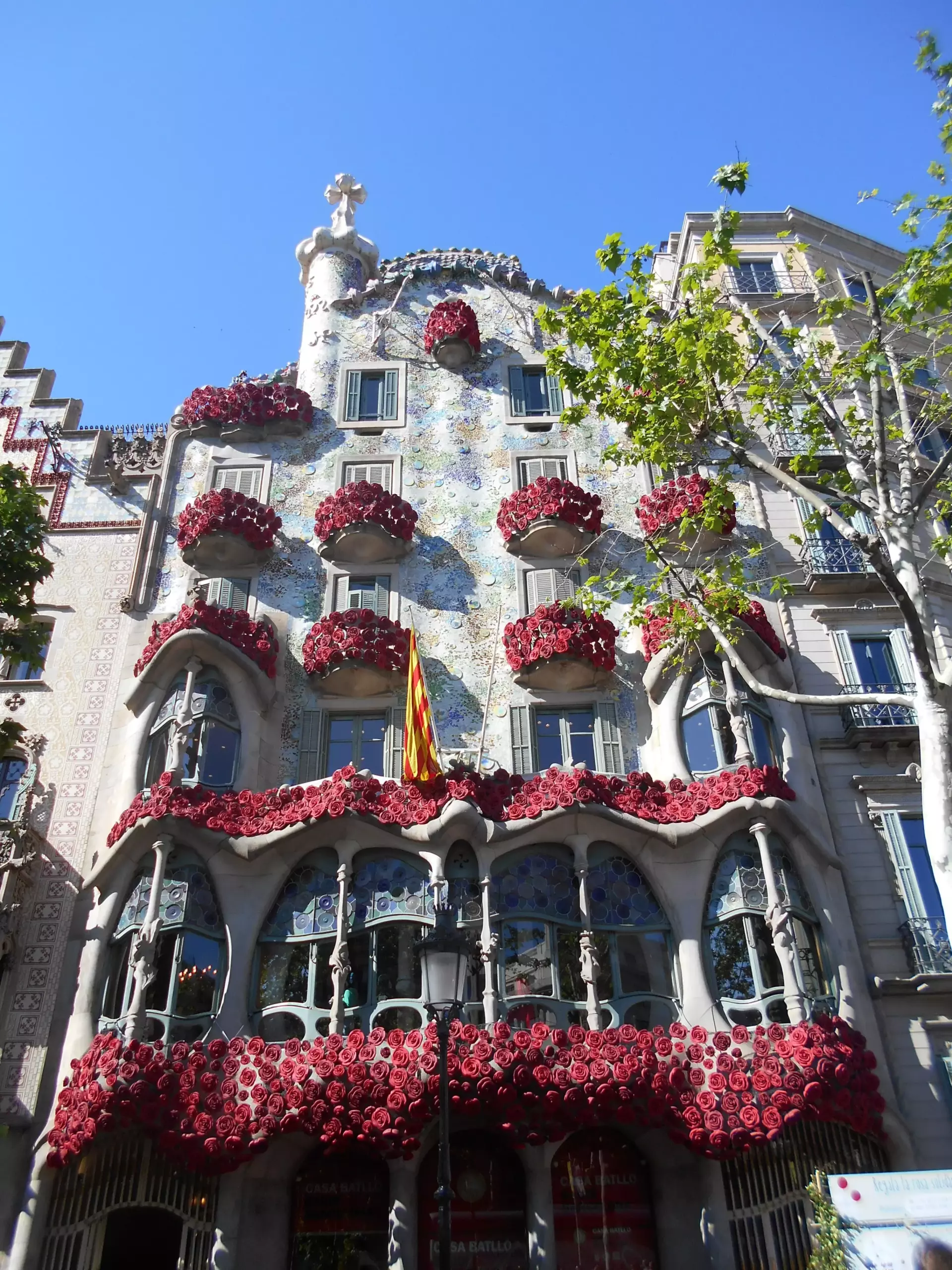
Distinctive pink house that Gaudi lived in for nearly 20 years (although not designed by him). It features furniture designed by Gaudi and other objects relating to Gaudi's life. The gift shop has a large selection of Gaudi-themed souvenirs that are generally better quality than what's available in the normal tourist shops.
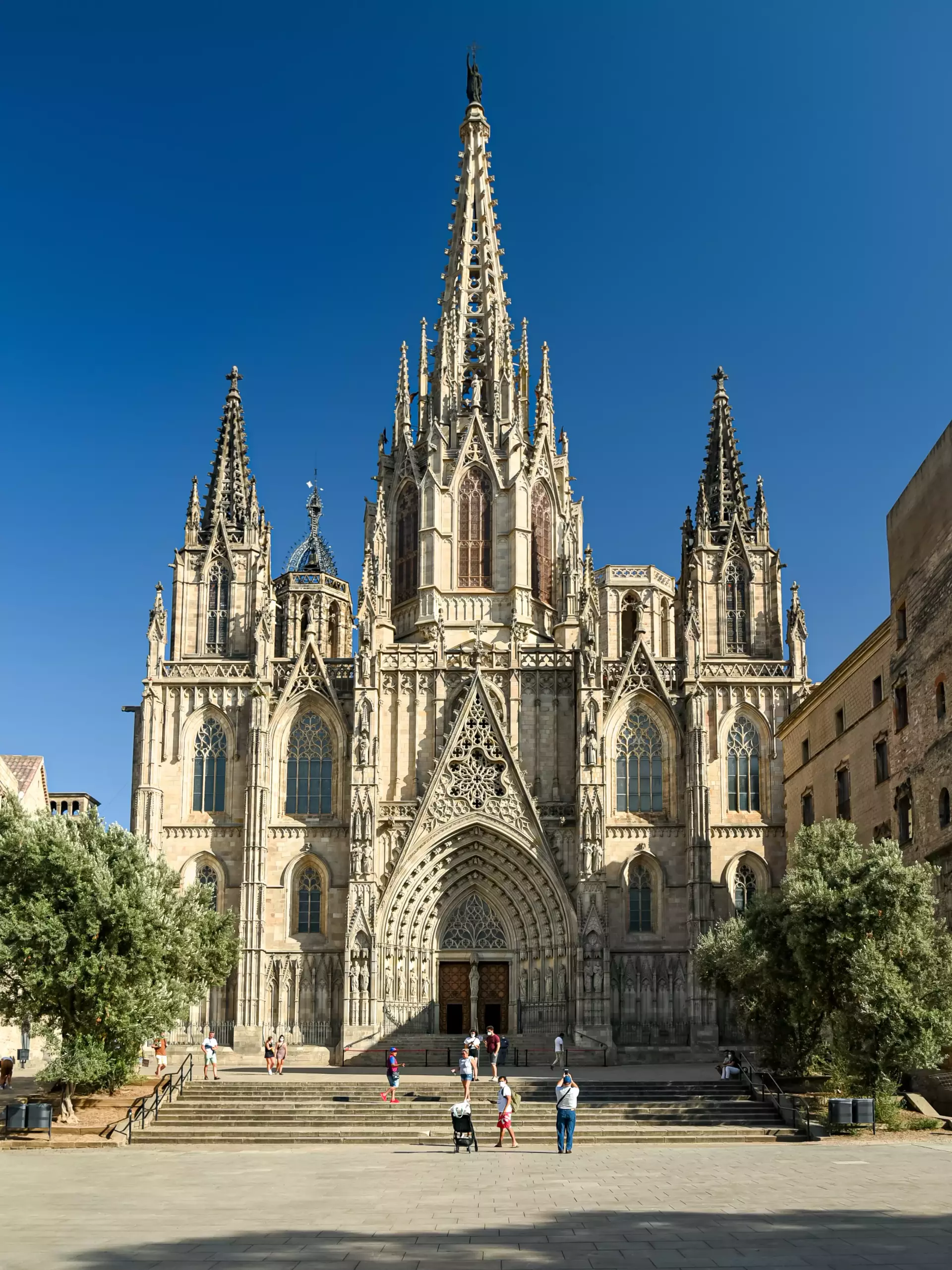
The main Gothic church in Barcelona. The cloister is maybe the most interesting part.
Formerly known as Torre Agbar. Distinctively-shaped office tower which stands out in the Barcelona skyline. It stands out even more Friday, Saturday and Sunday nights when it is lighted in several colours. The viewing platform on the 30th floor has views in all directions. Tickets start at €15 and come with a complimentary glass of cava and access to Hyperview Barcelona, an exhibit of the city’s real-time environmental data as an audiovisual installation, which is hosted in the tower’s lowest floor.
The Pavilion is one of the emblematic works of Mies van der Rohe and key reference architecture of the twentieth century. The famous German Pavilion was designed for the 1929 Barcelona International Exhibition and reconstructed in 1986 on its original site. Its innovative architectural structure marked a radical change in the layout of space and greatly influenced the development of modern architecture. Furthermore, the Pavilion exhibits the Barcelona Chair, also designed by Mies van der Rohe, along with a bronze reproduction of Georg Kolbe’s sculpture Morning. The Fundació Mies van der Rohe veils for the conservation of the Pavilion.
This street has the biggest collection of Gothic houses in Barcelona. In amongst these houses is the Picasso Museum, which is definitely worth a visit. There are also smaller museums along the street, and many tapas restaurants though they may be more expensive on this street.
Urban park created from redeveloping industrial land. It covers 14 hectares and includes seven areas like a children's play area, a lake with sculptures and a central plaza.
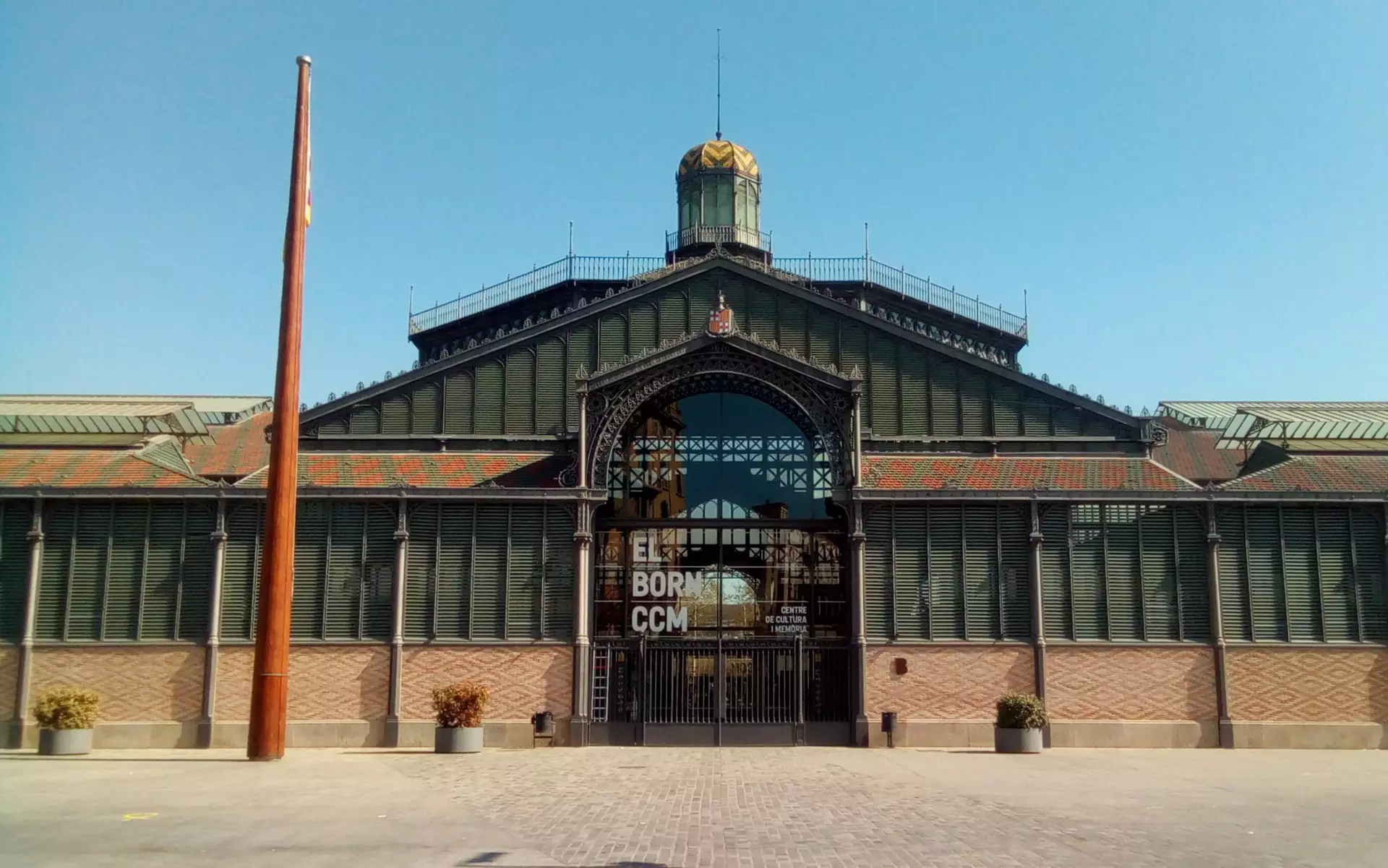
This market was the central market for Barcelona until 1973 and its closing marked the beginning of the neighborhood's decline before its current resurgence. While undergoing renovations, whole streets and homes that had been demolished by Phillipe V's orders were discovered and archaeologists who worked to transform the market in to a cultural centre and history museum. Entrance and street level is free, but to visit the ruins requires paying for a ticket.
This square is famous for the nightlife and the uniform architecture, and features fountains and palm trees. It was built during the 19th century on the site of a monastery, after the Mendizábal law expelled the monks. After some years Antoni Gaudí designed the streetlights which are still there. It has lots of activity during the day, thanks to the many terraces of the bars and restaurants.