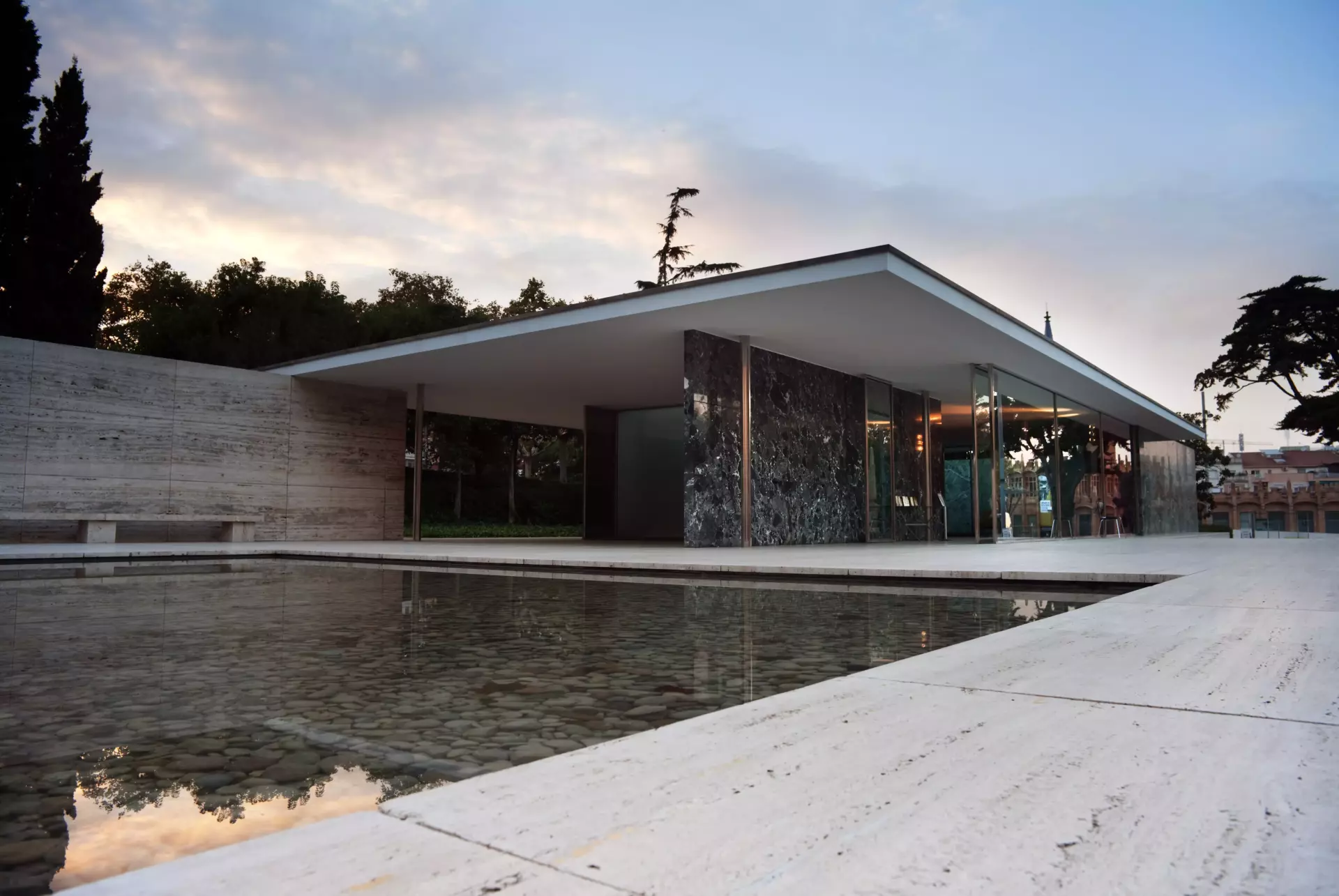
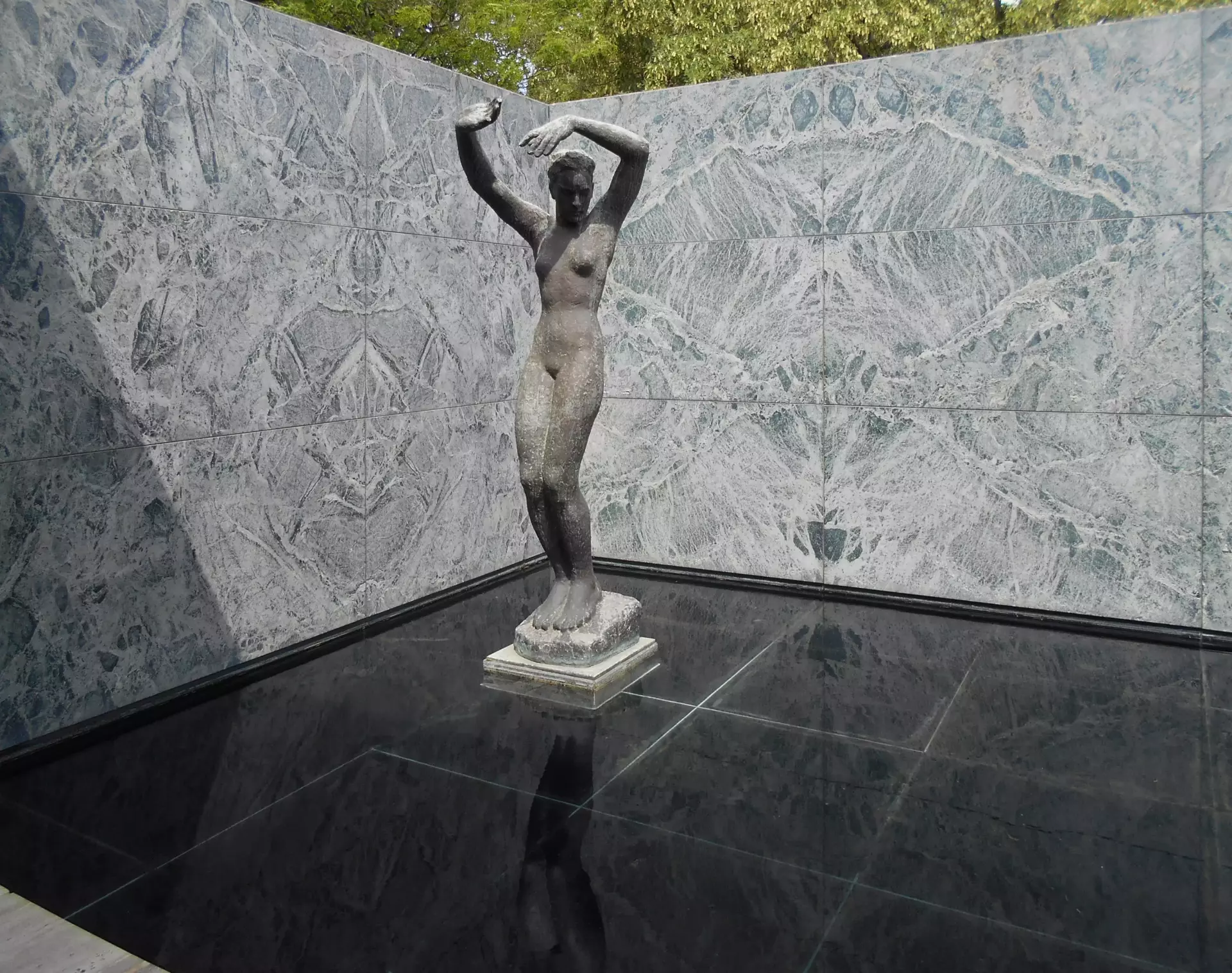
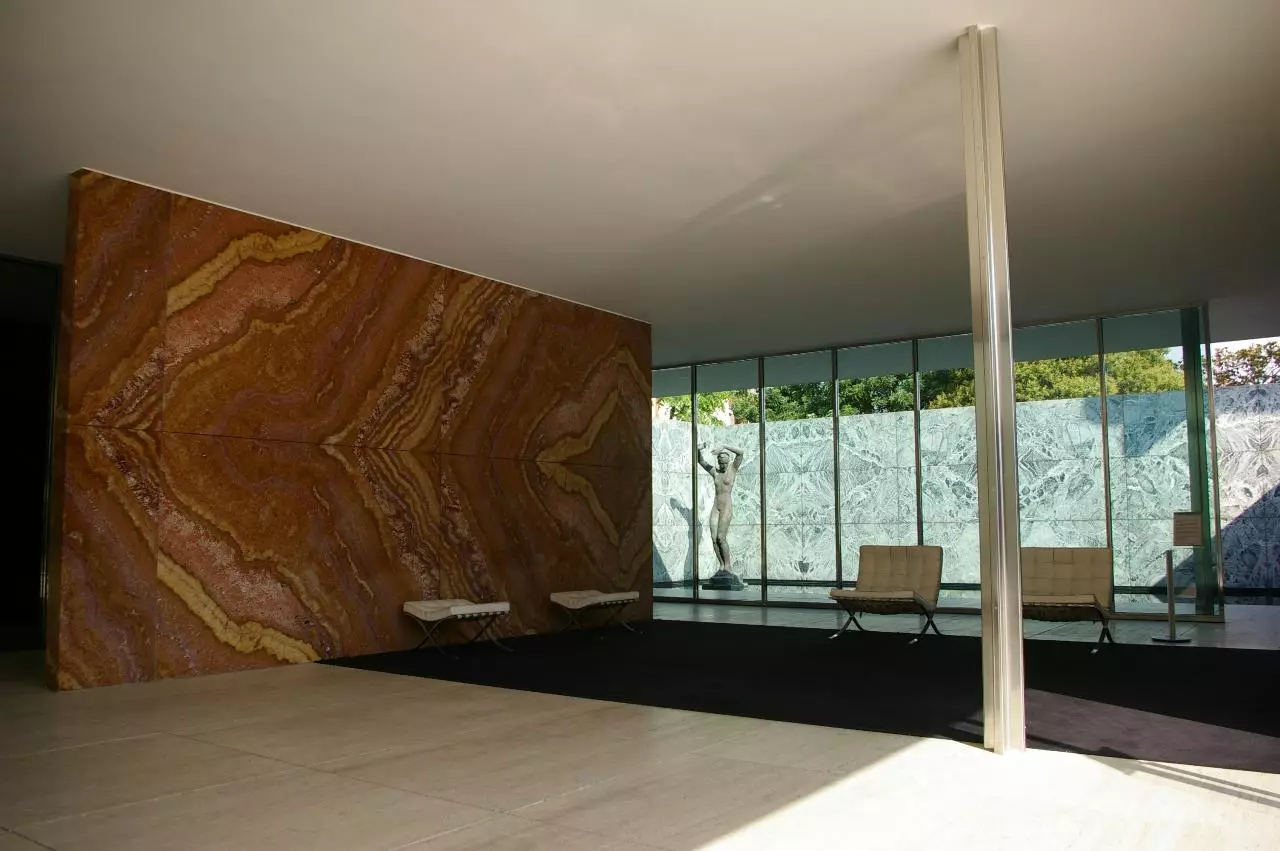
The Barcelona Pavilion stands as a landmark of modern architecture, showcasing the genius of Mies van der Rohe. Originally created for the 1929 Barcelona International Exhibition, this iconic structure was reconstructed in 1986 on its original site, allowing visitors to experience its groundbreaking design.
This architectural masterpiece introduced a new way of thinking about space. Mies van der Rohe's innovative design marked a significant shift in architectural trends, influencing the course of modern architecture throughout the 20th century. The Pavilion's open and fluid layout challenged traditional architectural norms, offering a fresh perspective on how spaces can be designed and experienced.
Within the Pavilion, visitors can admire the renowned Barcelona Chair, another creation by Mies van der Rohe that has become a symbol of modern furniture design. Alongside this, a bronze reproduction of Georg Kolbe’s sculpture "Morning" adds an artistic touch to the space, complementing the Pavilion's elegant simplicity.
The Fundació Mies van der Rohe is dedicated to the Pavilion's preservation, ensuring that this architectural treasure remains intact for future generations to explore and appreciate. Through their efforts, the Pavilion continues to inspire architects, designers, and visitors from around the world.
Source - https://en.wikipedia.org/wiki/Barcelona_Pavilion
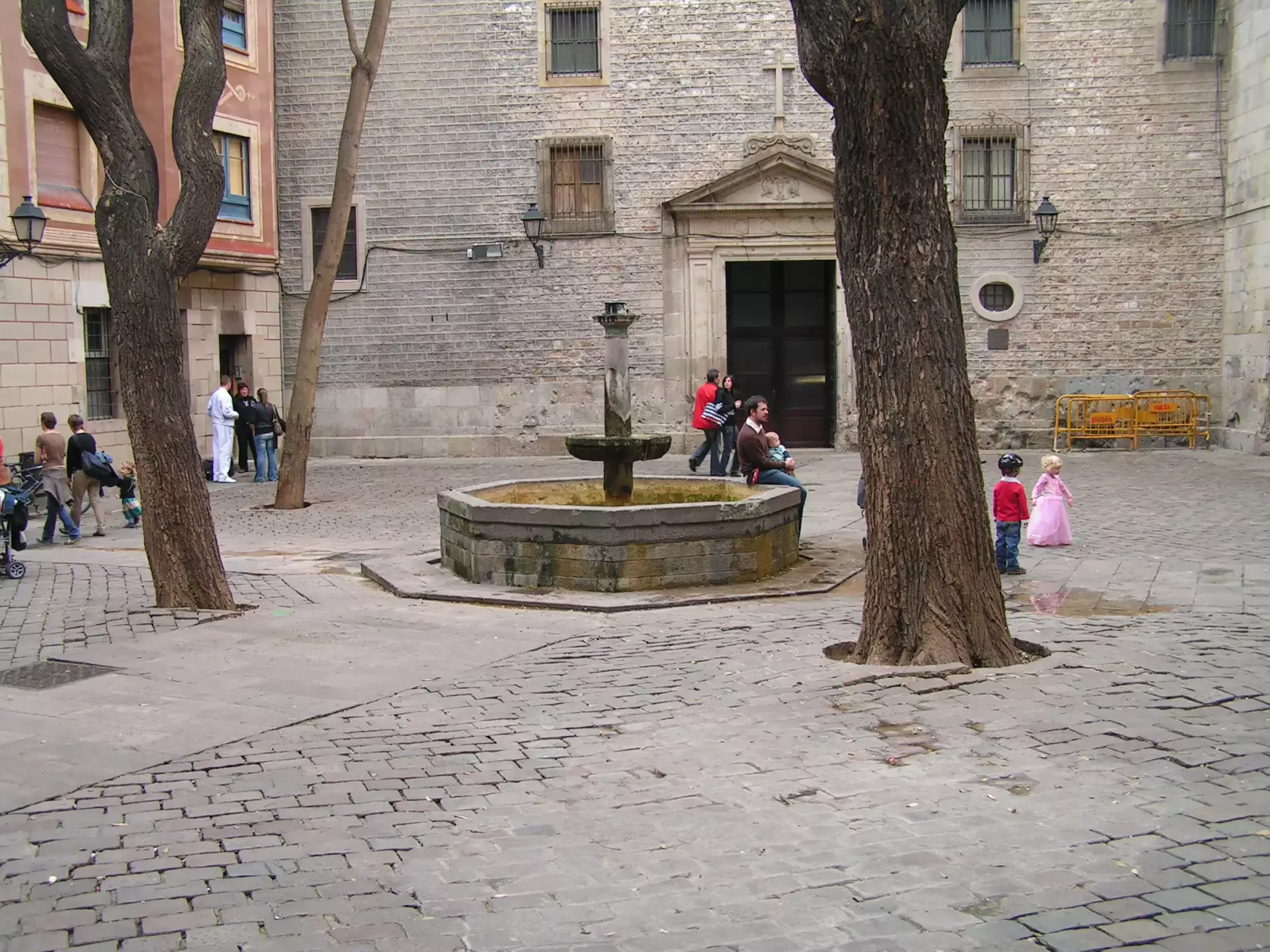
This street has the biggest collection of Gothic houses in Barcelona. In amongst these houses is the Picasso Museum, which is definitely worth a visit. There are also smaller museums along the street, and many tapas restaurants though they may be more expensive on this street.
The university has many interesting buildings, libraries and courtyards.
This market was the central market for Barcelona until 1973 and its closing marked the beginning of the neighborhood's decline before its current resurgence. While undergoing renovations, whole streets and homes that had been demolished by Phillipe V's orders were discovered and archaeologists who worked to transform the market in to a cultural centre and history museum. Entrance and street level is free, but to visit the ruins requires paying for a ticket.
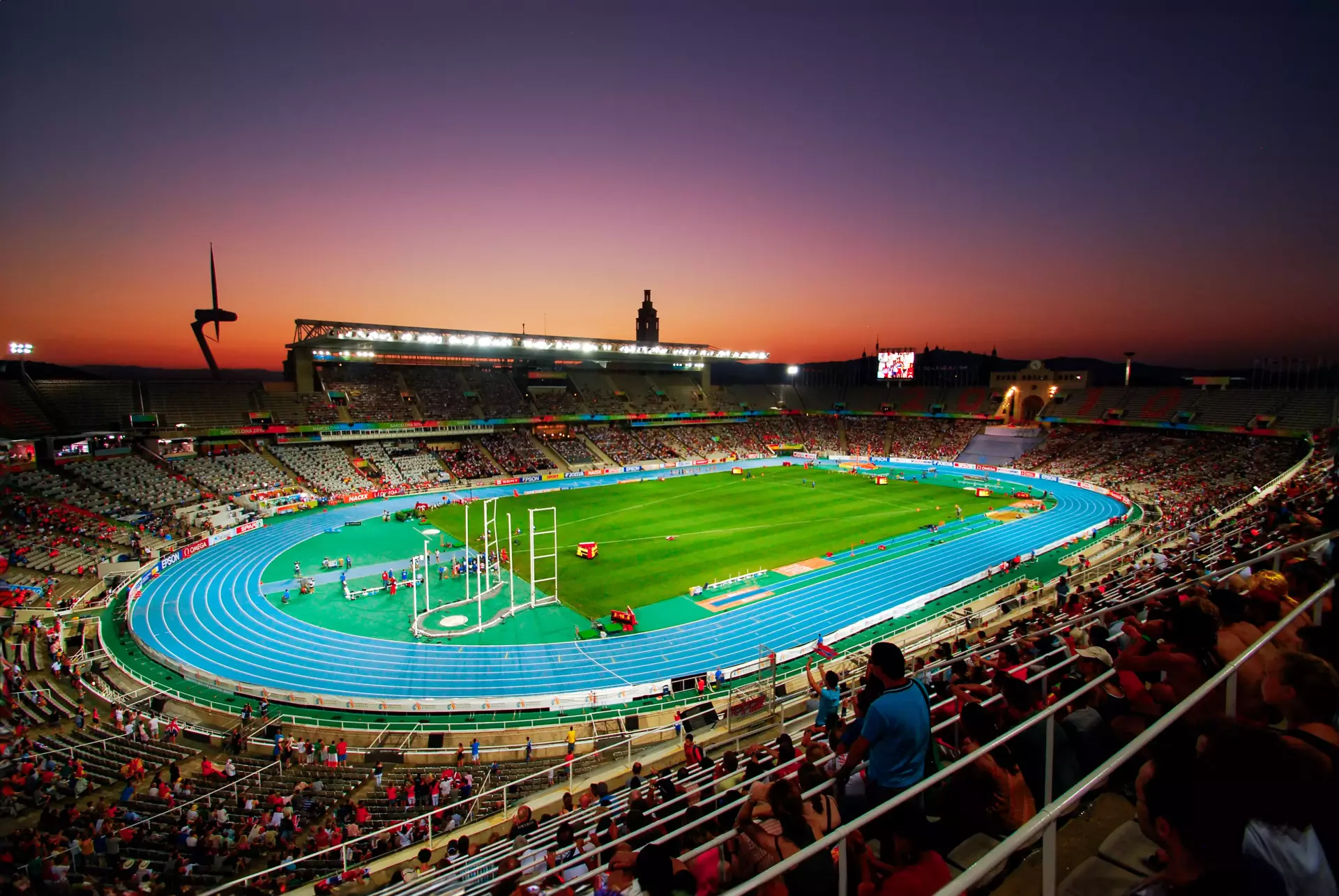
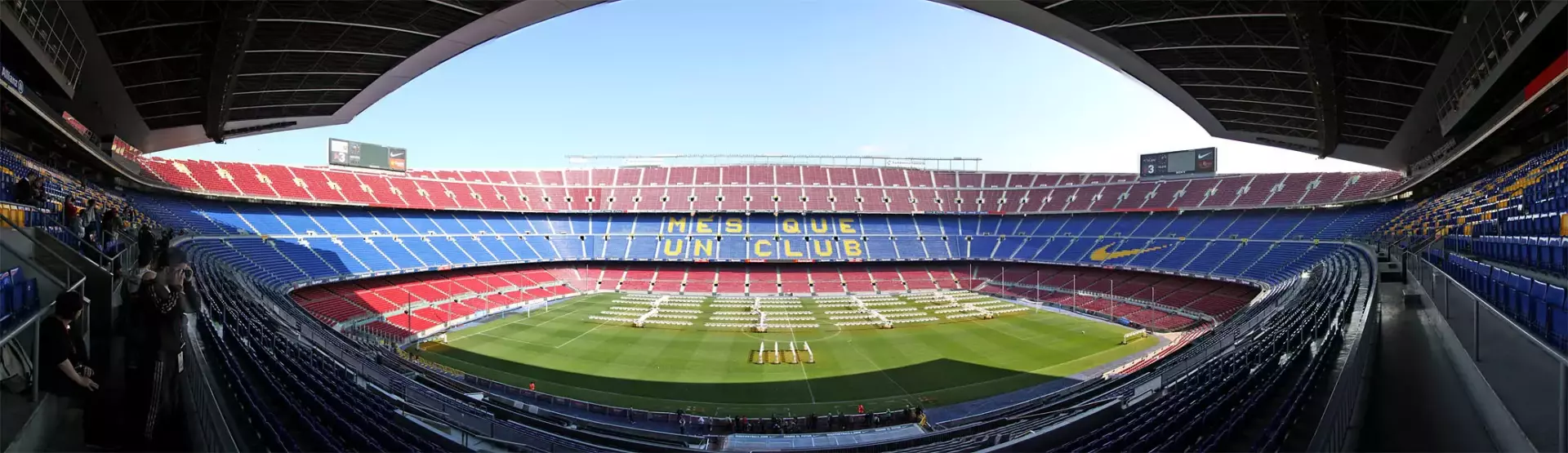
Museum dedicated to the FC Barcelona. It occupies 3,500 m² and attracts 1.2 million visitors a year, ranking it second to the Museu Picasso, which attracts 1.3 million visitors, as the most visited museum in the city of Barcelona. All of the Barcas trophies and jerseys of many famous players of the team are exhibited. The museum can be visited by booking the Camp Nou Experience package, which includes also a stadium tour. The stadium tour is not fantastic and the audio guide is not really worth it either, but for a quick recent history of matches played there, consult the backs of the doors in the cubicles. Most have a lot of graffiti championing the team that played there. It is also unfortunate that the home team changing rooms are not open to the public, only the somewhat dated guest's team dressing rooms, which are not that impressive.
Placa d'Espanya was created for the 1929 World Exhibition, on a site once used for public hangings. The fountain in the center of the square is a great attraction and plays music during the summer. Plaça Espanya is located at the base of Montjuic hill.
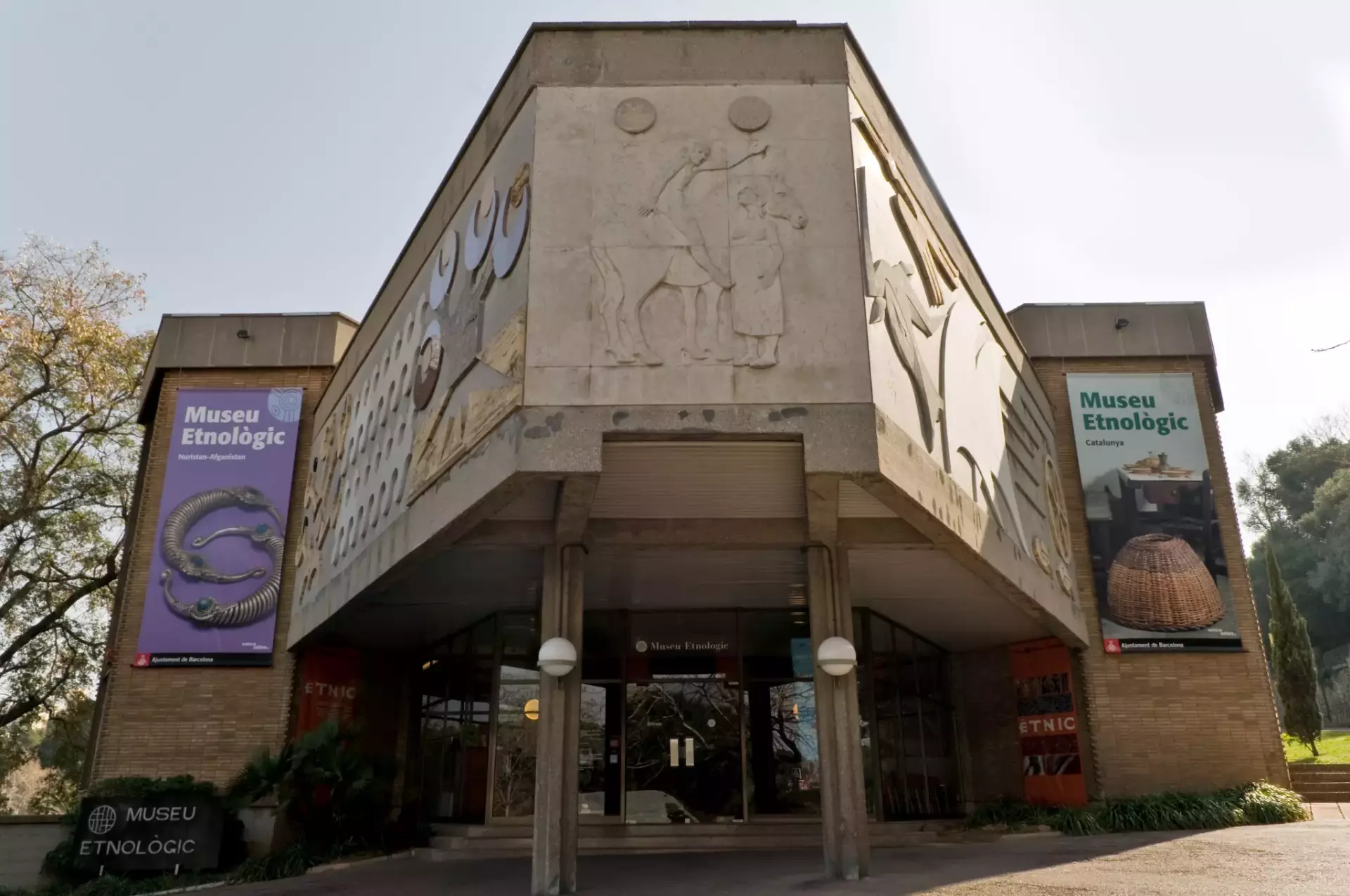
Situated on the Montjuic, it exhibits archaeological findings from Catalunia from different periods. Under 16 and 65+ free. €3 for others. Special discounts for other groups.
Modernist design by Lluís Domènech i Montaner is a UNESCO World Heritage site, a masterpiece of Catalan's modernist architecture. This auditorium designed by Ramon Muntaner is the most important Modernist example in Ciutat Vella. It was the headquarters of the Orfeó Català, the oldest Catalan choir. The most beautiful part is the stalls with its fine detailing, although all the building is impressive. There are plenty of allegories about music and Catalonia, since the Orfeó Català is strongly bounded with the Catalan Renaixença, the romantic movement that tried to recuperate the Catalan history, language and traditions. It is also the best place in Barcelona to listen to symphonic music.
Much to the dismay of Mickey Mouse aficionados, Disseny is Catalan for "design", not "Disney". The "Disseny Hub" houses the amalgamated museums focusing on applied arts and design, including Museu de les Arts Decoratives, Museu de Ceràmica, Museu Tèxtil i d'Indumentària and Gabinet de les Arts Gràfiques. The new building has an intricate, multi-level structure, with the protruding tower overhanging the Praca de les Glories roundabout.
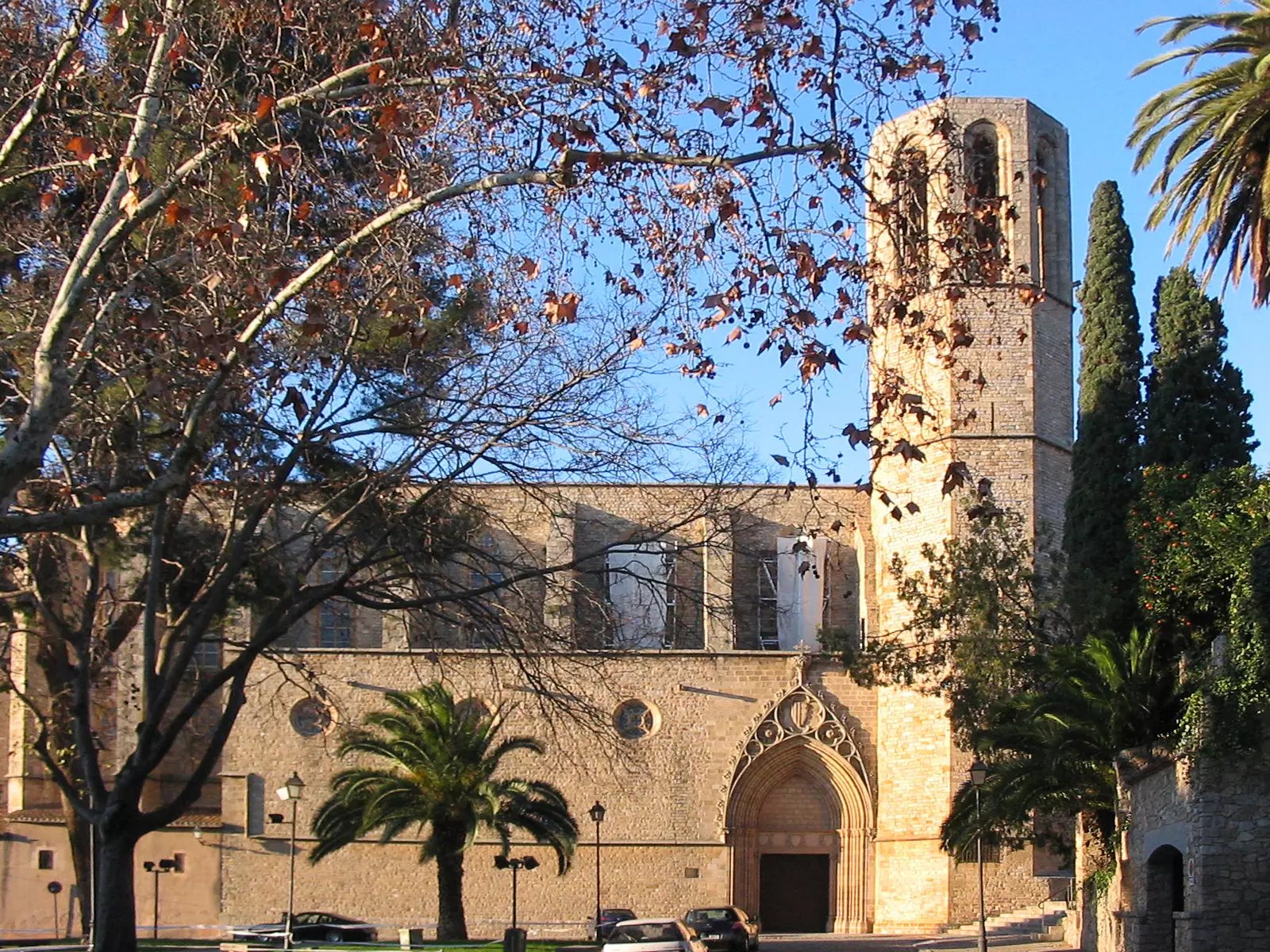
A beautiful Gothic monastery near the university, there are a museum which depicts the monastery life, a church, and a marvelous chapel covered with medieval frescoes.
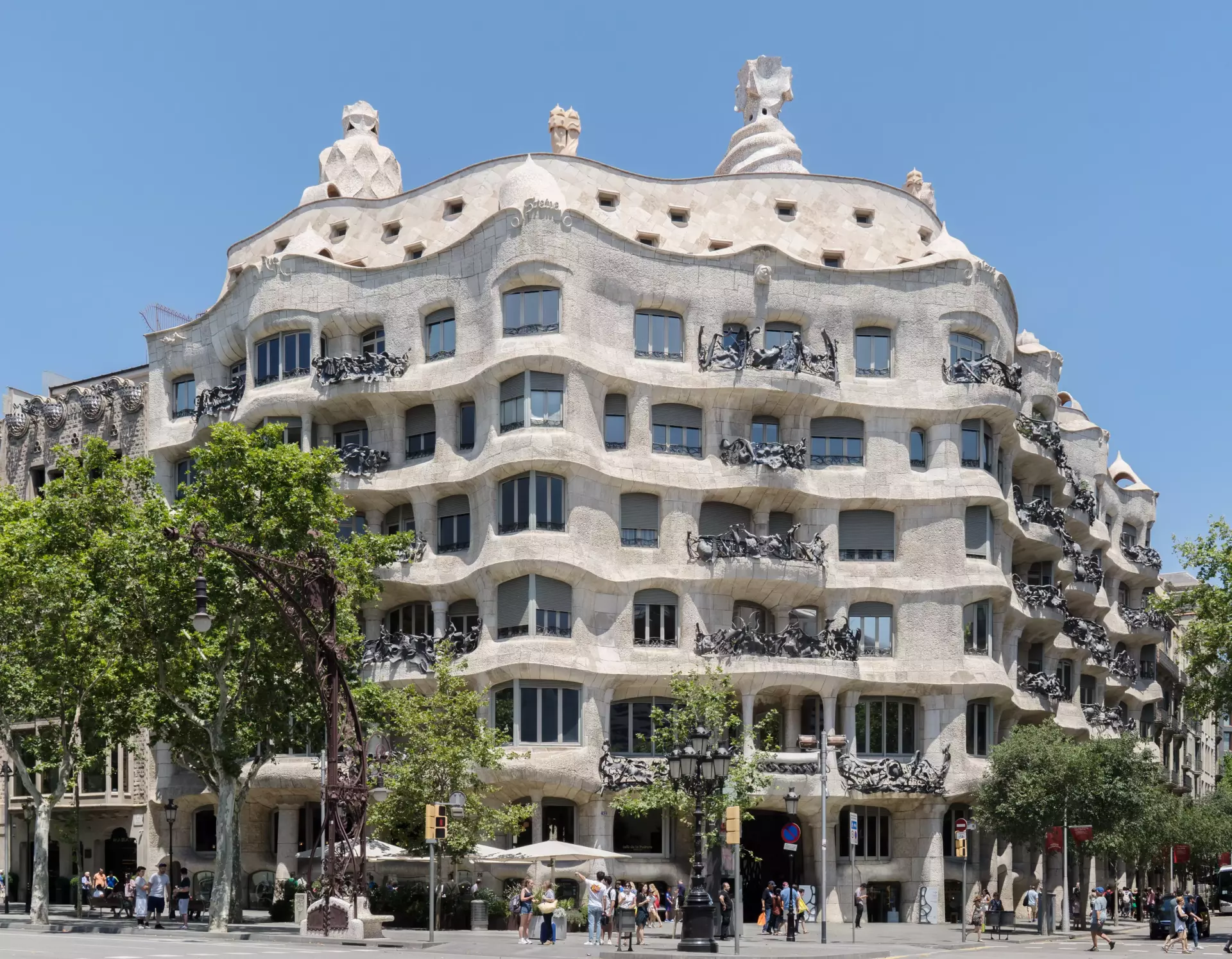
One of Gaudi's masterpieces, there is not one straight edge on the exterior and the structure is one of Gaudi’s most eccentric and enticing architectural creations. Tours of the interior and the incredible roof structures are available. Great views of the tall buildings (especially La Sagrada Familia) from the roof. Hosts a large exposition of Gaudi works, covering Sagrada Familia and Casa Batlio, not only La Pedrera itself. The exposition is a good place to start your exploration of Gaudi; it reveals many hidden details for the art novice.
One of the most unusual landmarks in this otherwise ultra-modern area is this 19th-century (finished in 1882) brick water tower. Standing 62 metres tall, it is now overshadowed by neighbouring residential, office and hotel towers and easy to miss unless you know where to look for it.
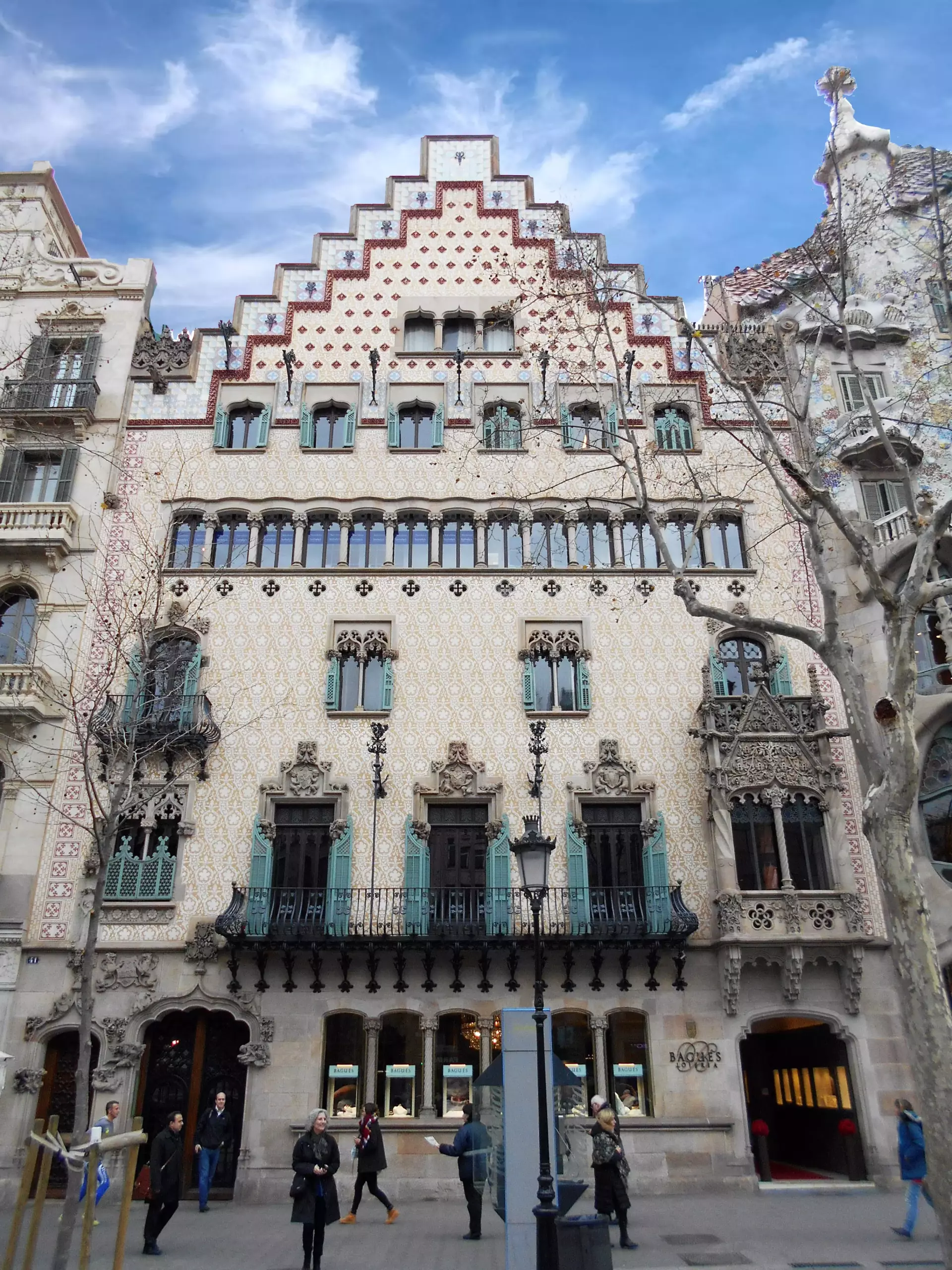
Designed by Puig i Cadafalch, the building is a fine work of Modernism. Check the detailed photos and explanation of facade sculptures. It also has a shop that sells fine chocolate (the Amatller family made its money out of cocoa).
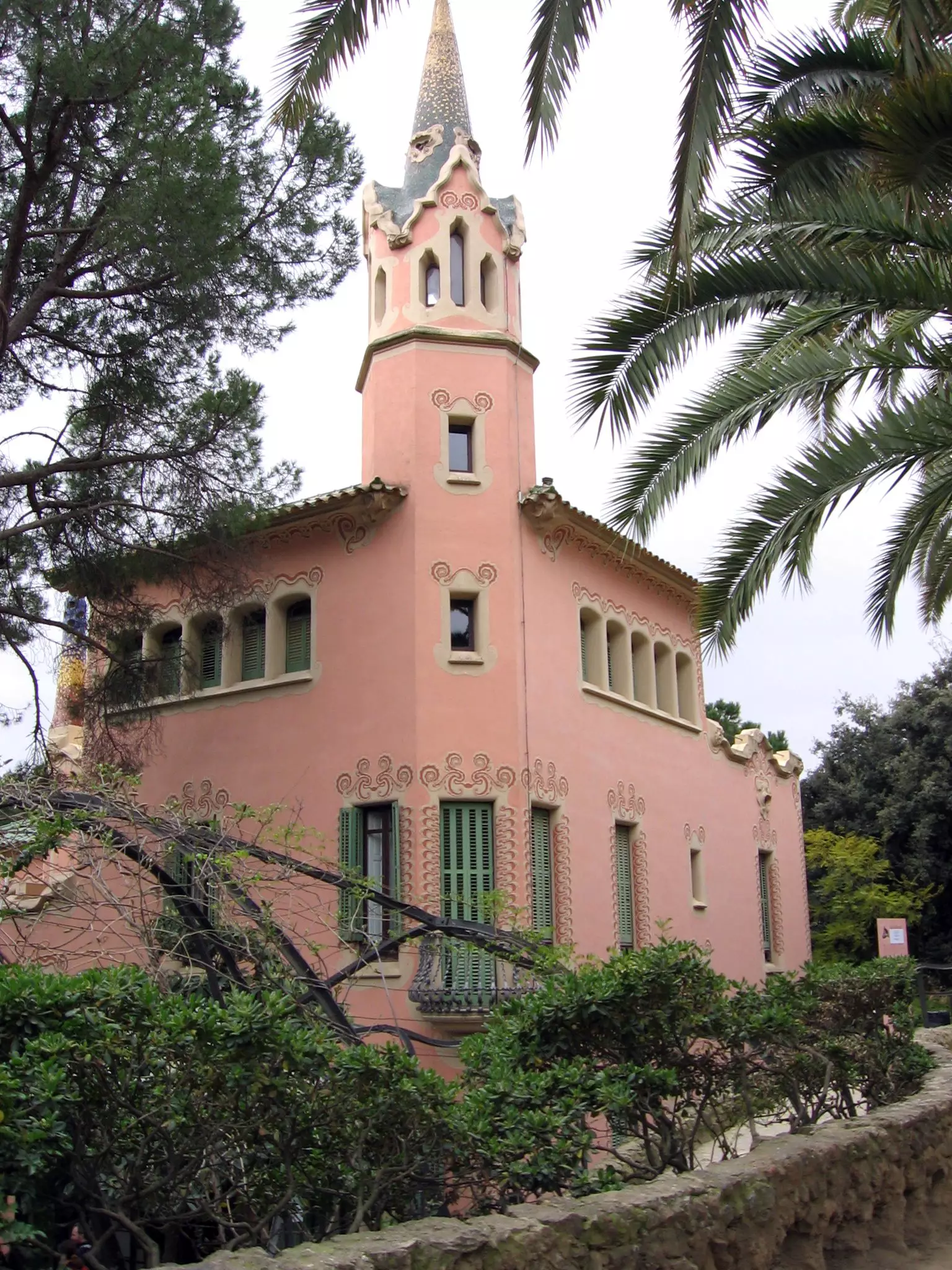
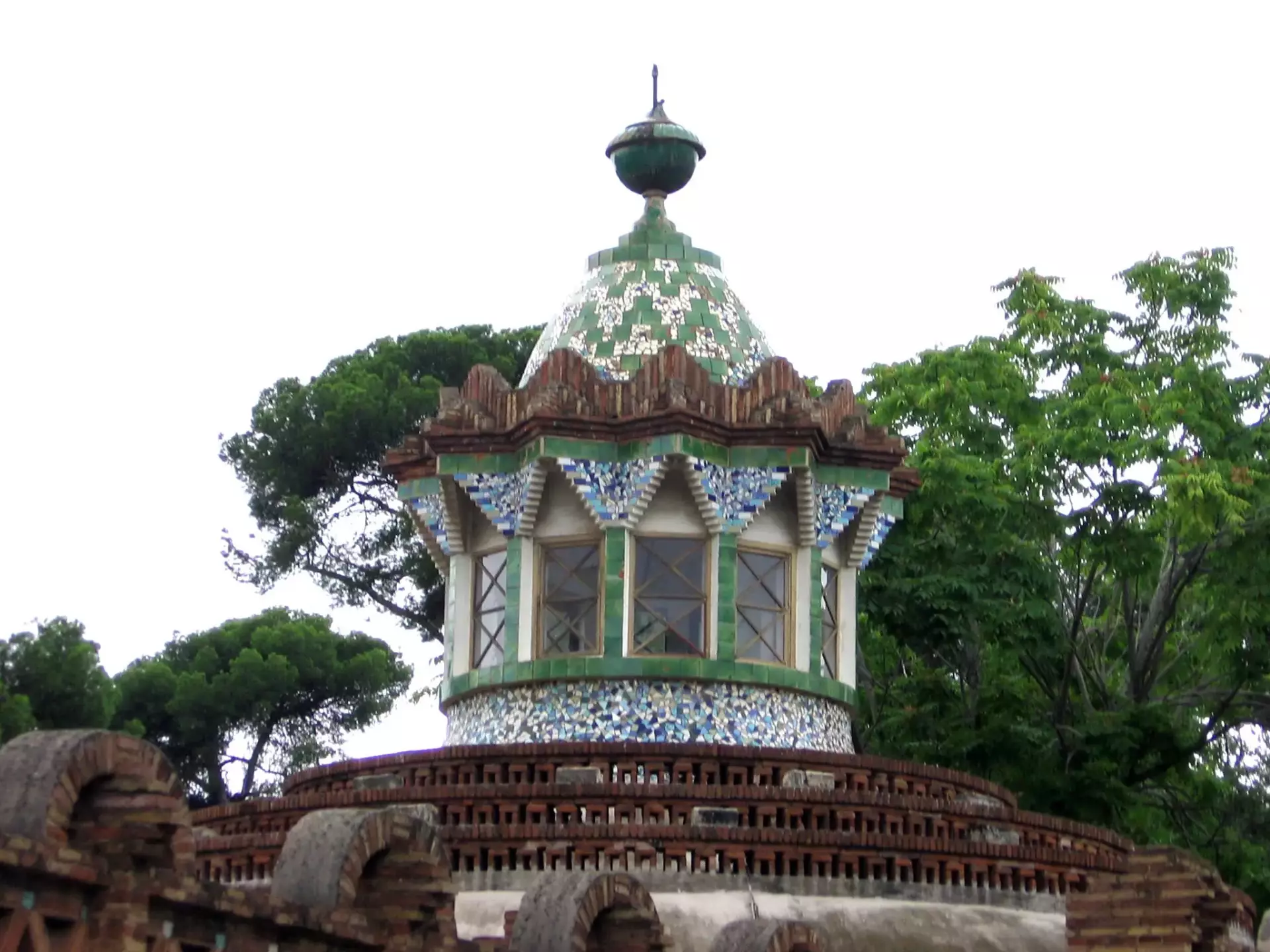
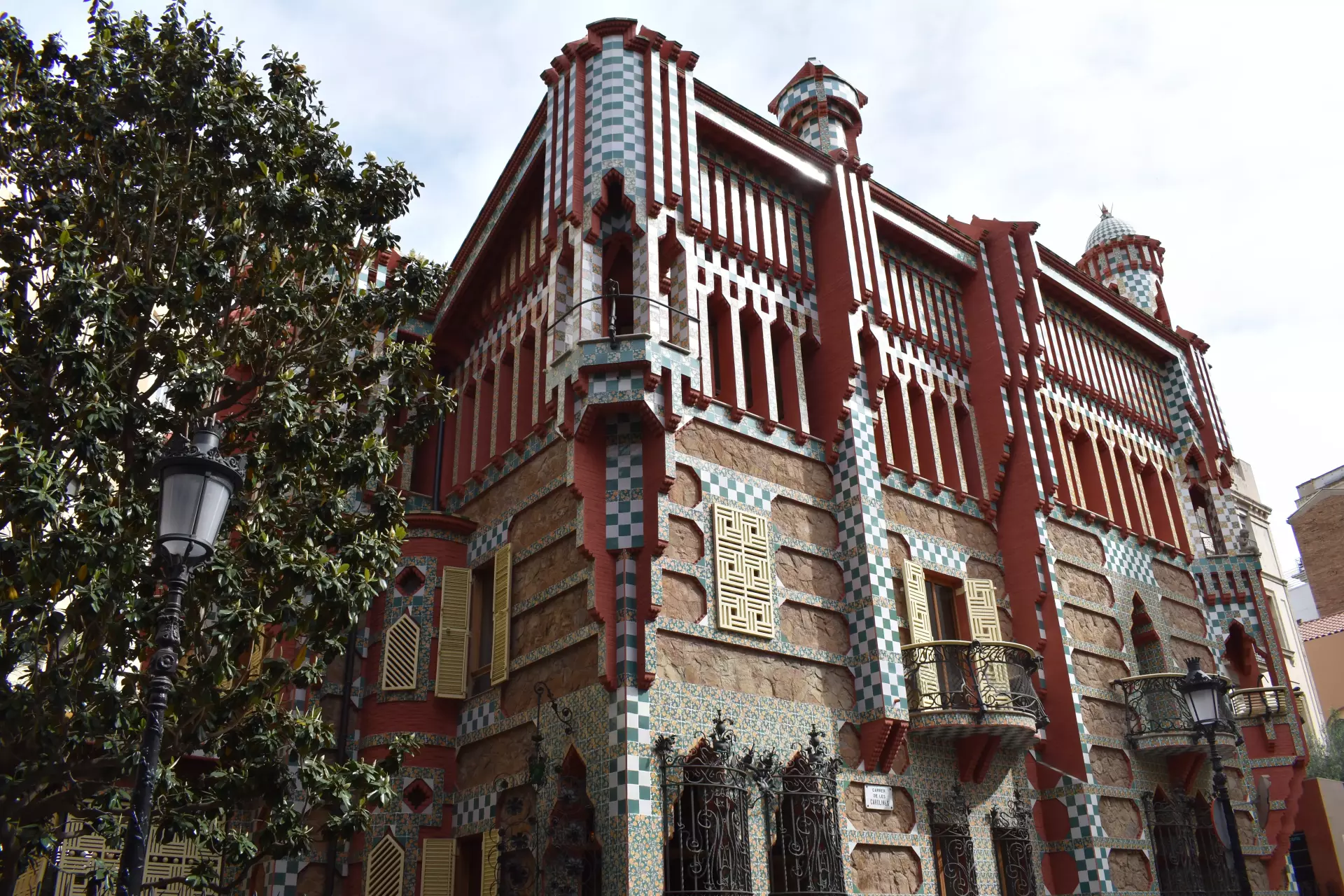
The first building Gaudi built in Barcelona. It has been opened as a museum. It's possible to walk the whole monumental enclosure, including the garden and the interior of the building. In UNESCO World Heritage Sites list since 2005.