

Brücke-Museum
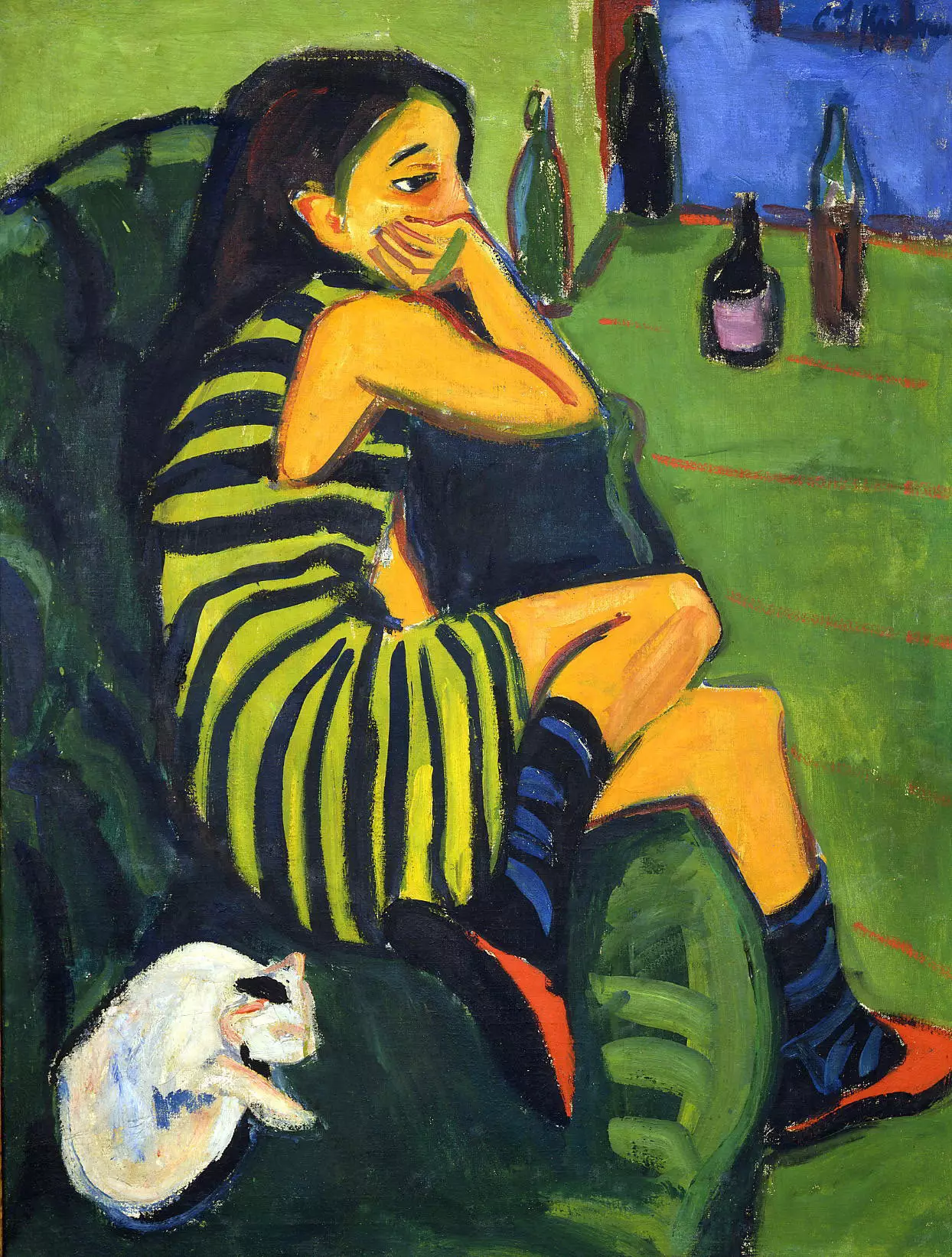
Brücke-Museum presents works from the Dresden art collaborative known as Die Brücke, a group that helped shape early modern art in Germany. Founded in 1905 by young architecture students, the collective sought bold color, raw emotion, and a break from academic rules. The museum gathers paintings, prints, drawings, and sculpture that reflect this intense energy and experimentation.
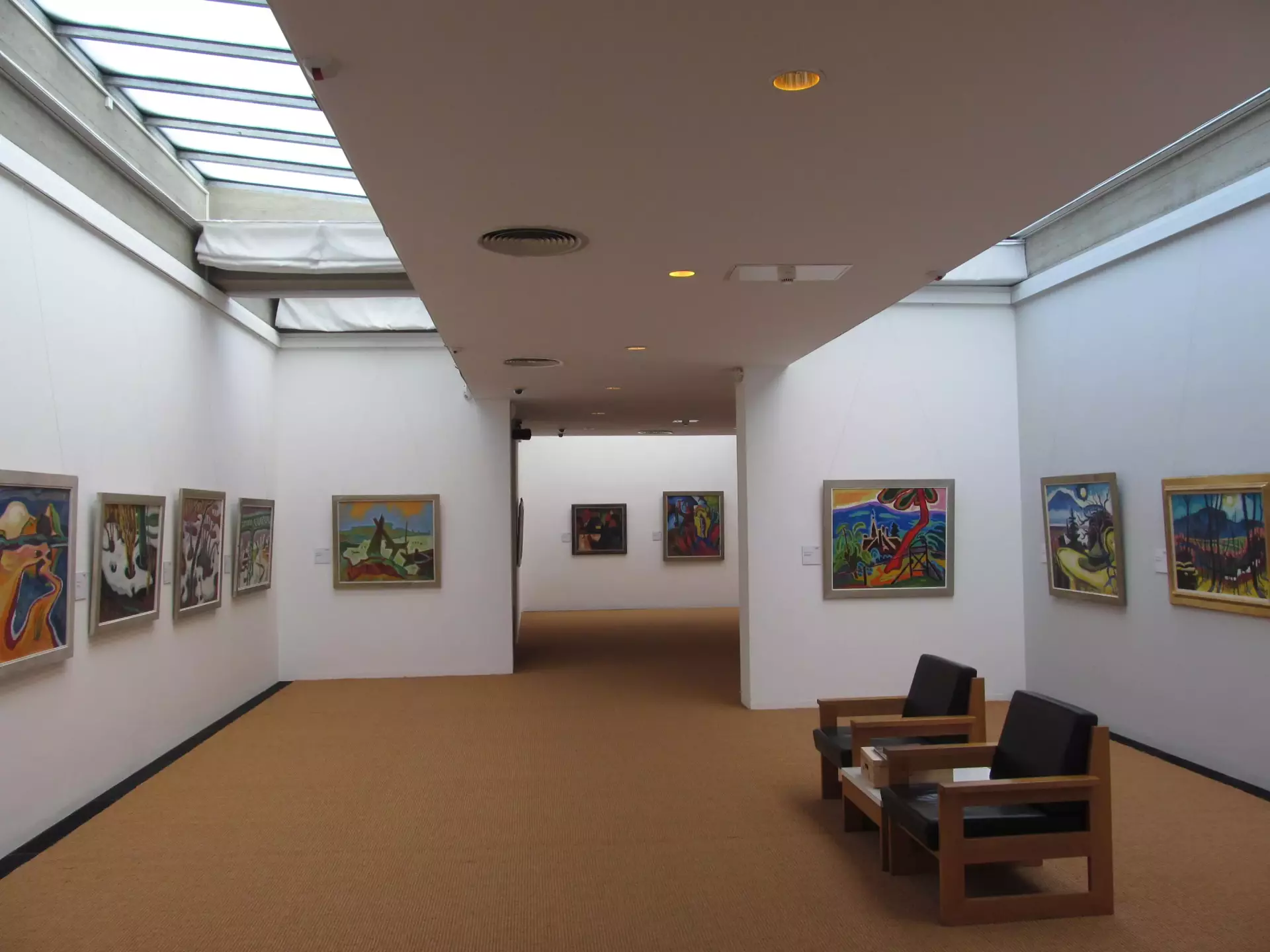
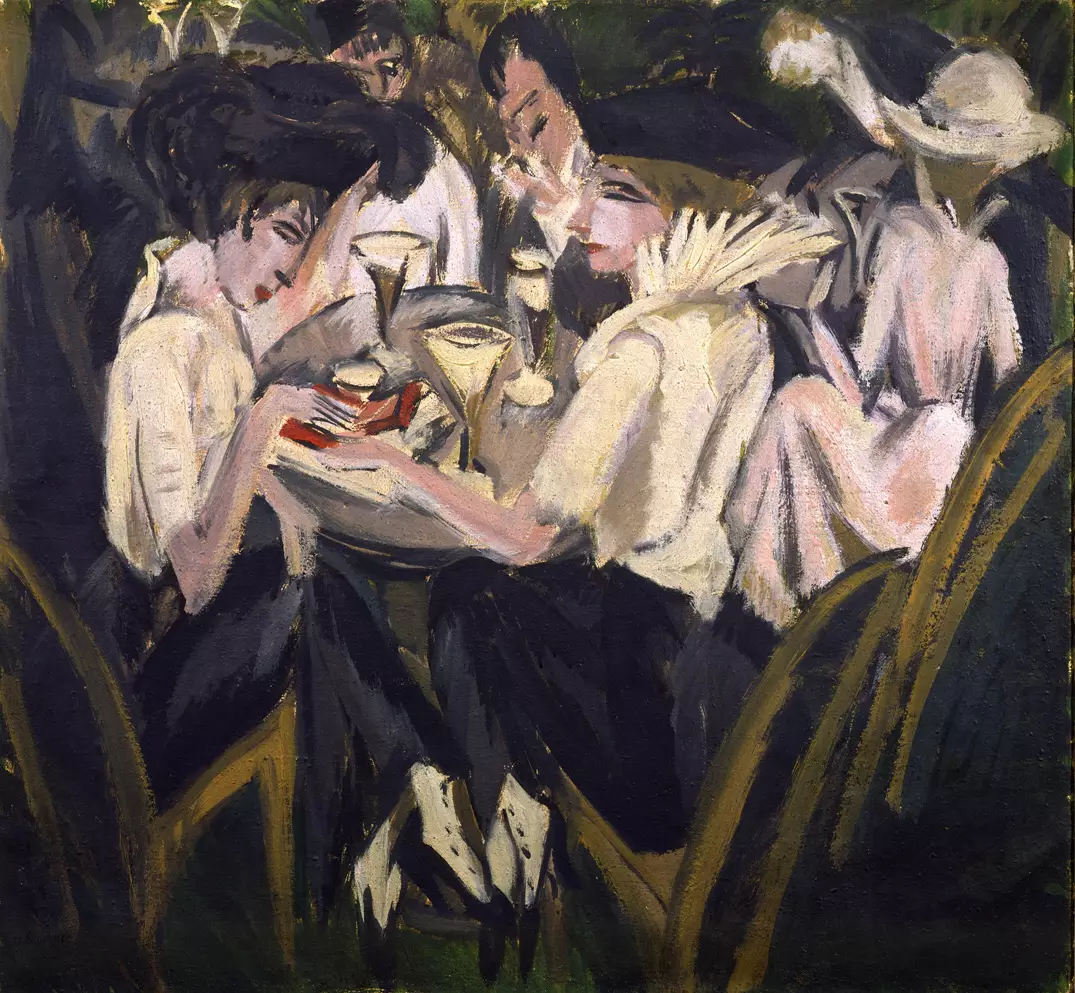
Visitors encounter vivid city scenes, restless portraits, and daring landscapes, often painted with strong outlines and striking contrasts. Woodcuts and lithographs show how the artists pushed graphic techniques to convey movement and feeling. The collection highlights the group’s short but powerful years together, as well as the artists’ later paths once the collective dissolved.
The story of Die Brücke
Die Brücke formed in Dresden before moving its center of gravity to Berlin. Members like Ernst Ludwig Kirchner, Erich Heckel, Karl Schmidt-Rottluff, and Fritz Bleyl shared studios, staged independent shows, and published portfolios. Their work reacted to industrial growth and changing city life, drawing on non-European art forms, folk traditions, and the spontaneity of direct observation. The group disbanded in 1913, but its ideas continued to influence Expressionism across Europe.
What the museum holds
The museum’s holdings include large canvases with thick, expressive brushwork, intimate sketchbooks, and rare first-state prints. Seasonal exhibitions often focus on a theme—such as coastal summers on the Baltic, urban nightlife in Berlin, or the evolution of the woodcut. Archival material, posters, and letters add context, revealing how exhibitions were organized and how the artists debated style and purpose.
Setting and atmosphere
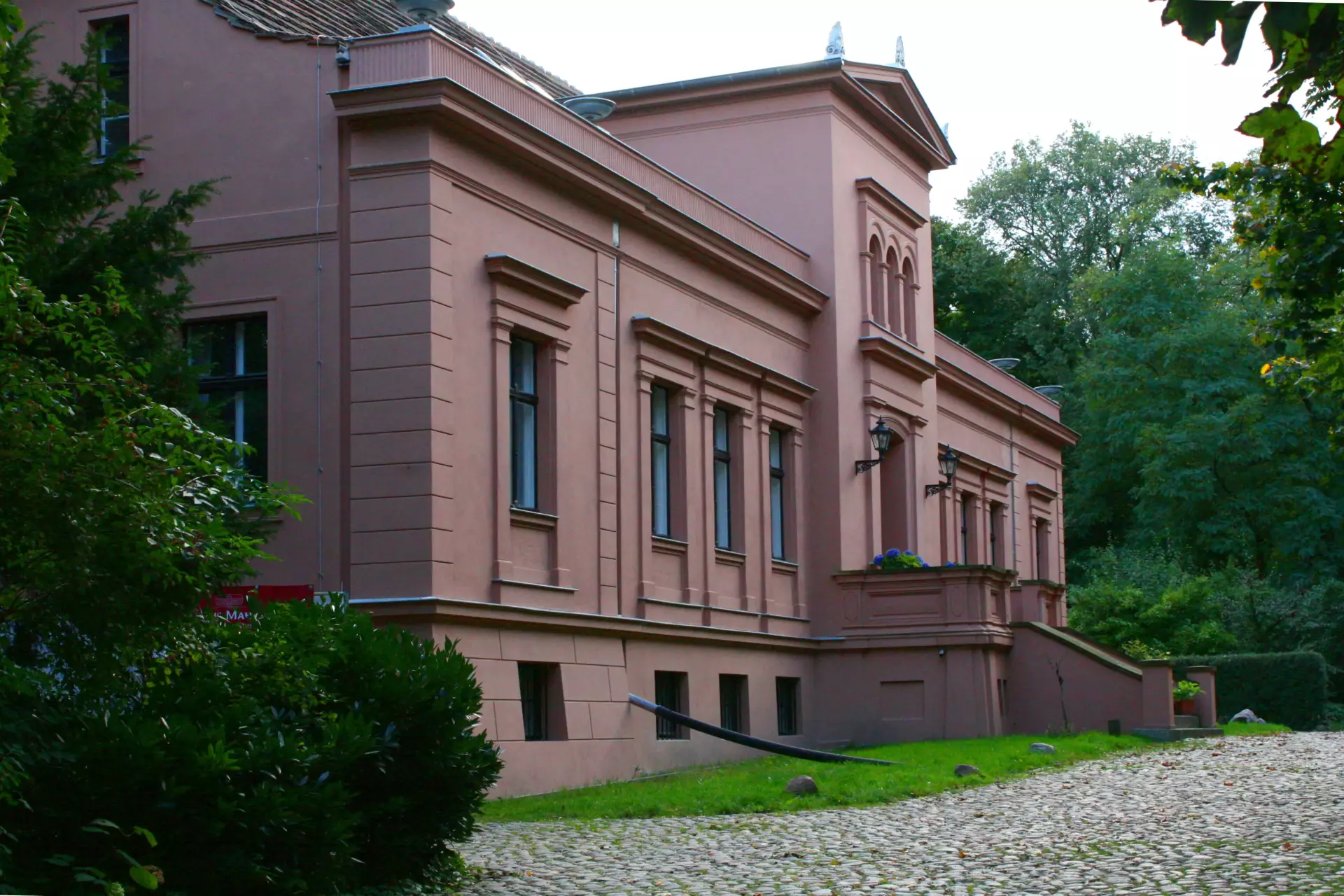
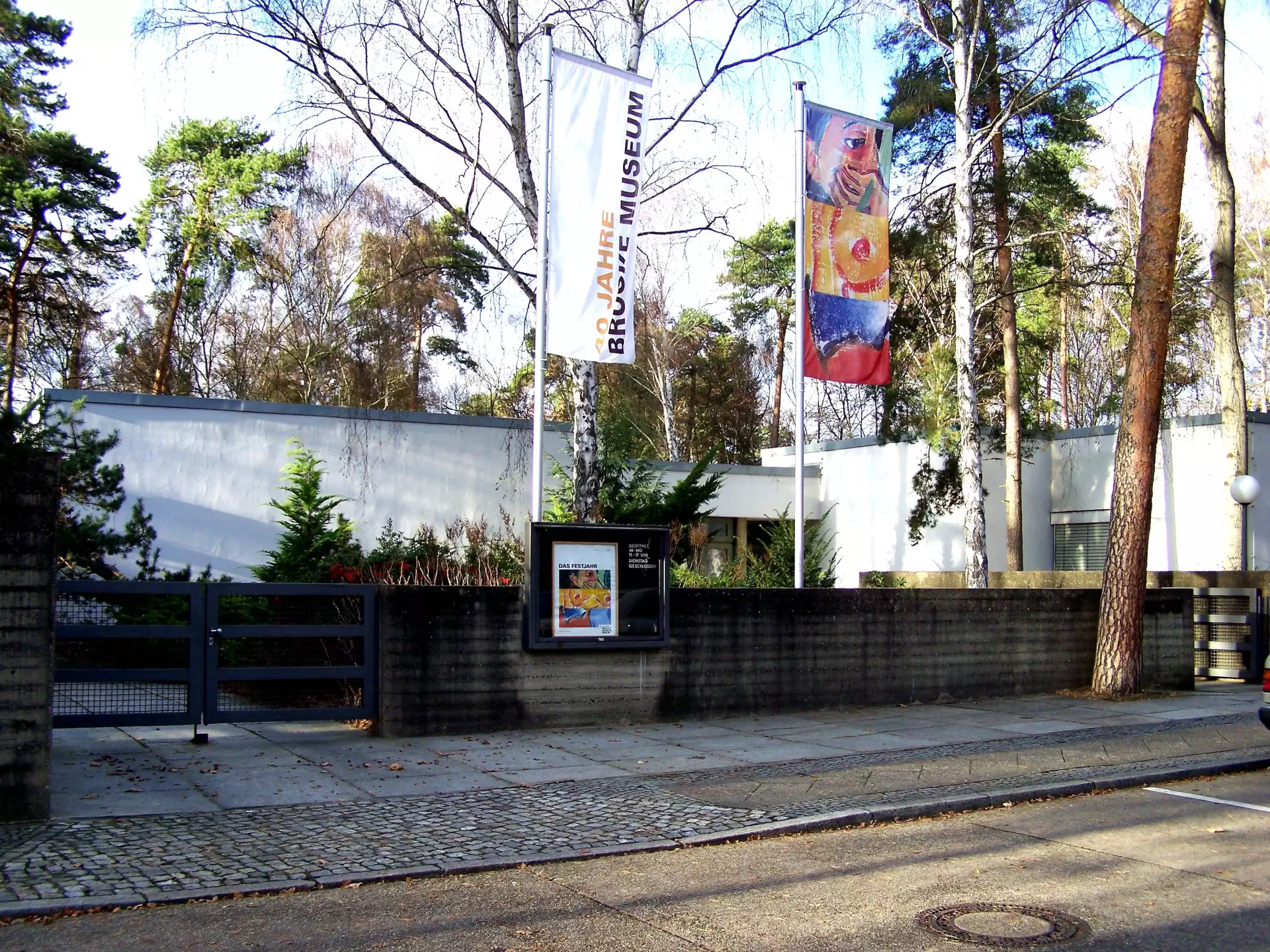
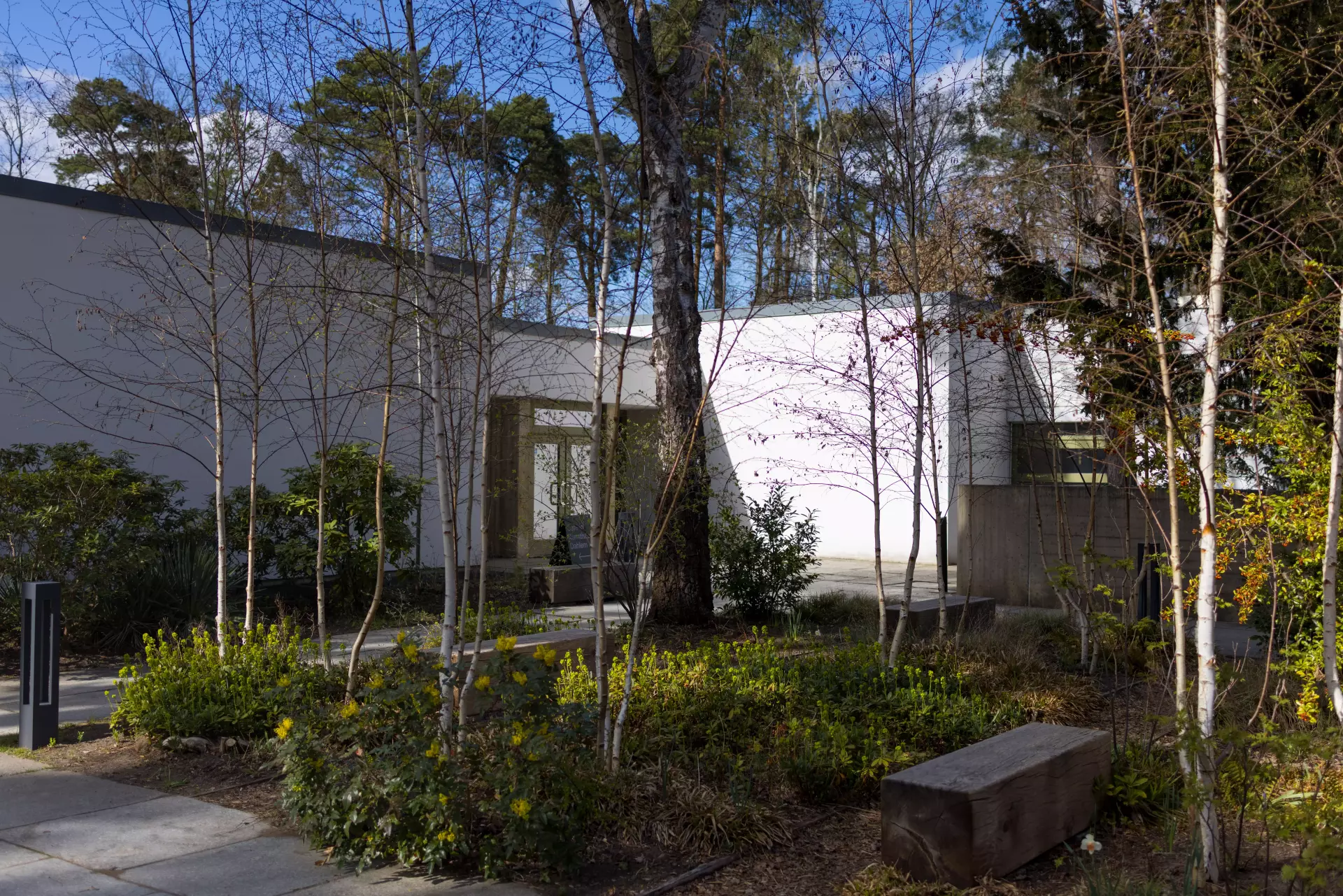
Located near Grunewald forest, the museum offers a calm setting that contrasts with the art’s intensity. Natural light and simple galleries allow colors and forms to stand out. Outdoor areas sometimes feature sculpture and give a pause between rooms, keeping the focus on line, rhythm, and color, which were central to Die Brücke’s language.
Programs and research
Public programs introduce visitors to techniques like woodcut printing and color reduction. Talks and catalogs explore key topics, from the artists’ travels to their engagement with contemporary theater and dance. The museum also supports research into provenance and historical context, acknowledging the complex histories of collecting in the 20th century.
Source - https://en.wikipedia.org/wiki/Br%C3%BCcke_Museum