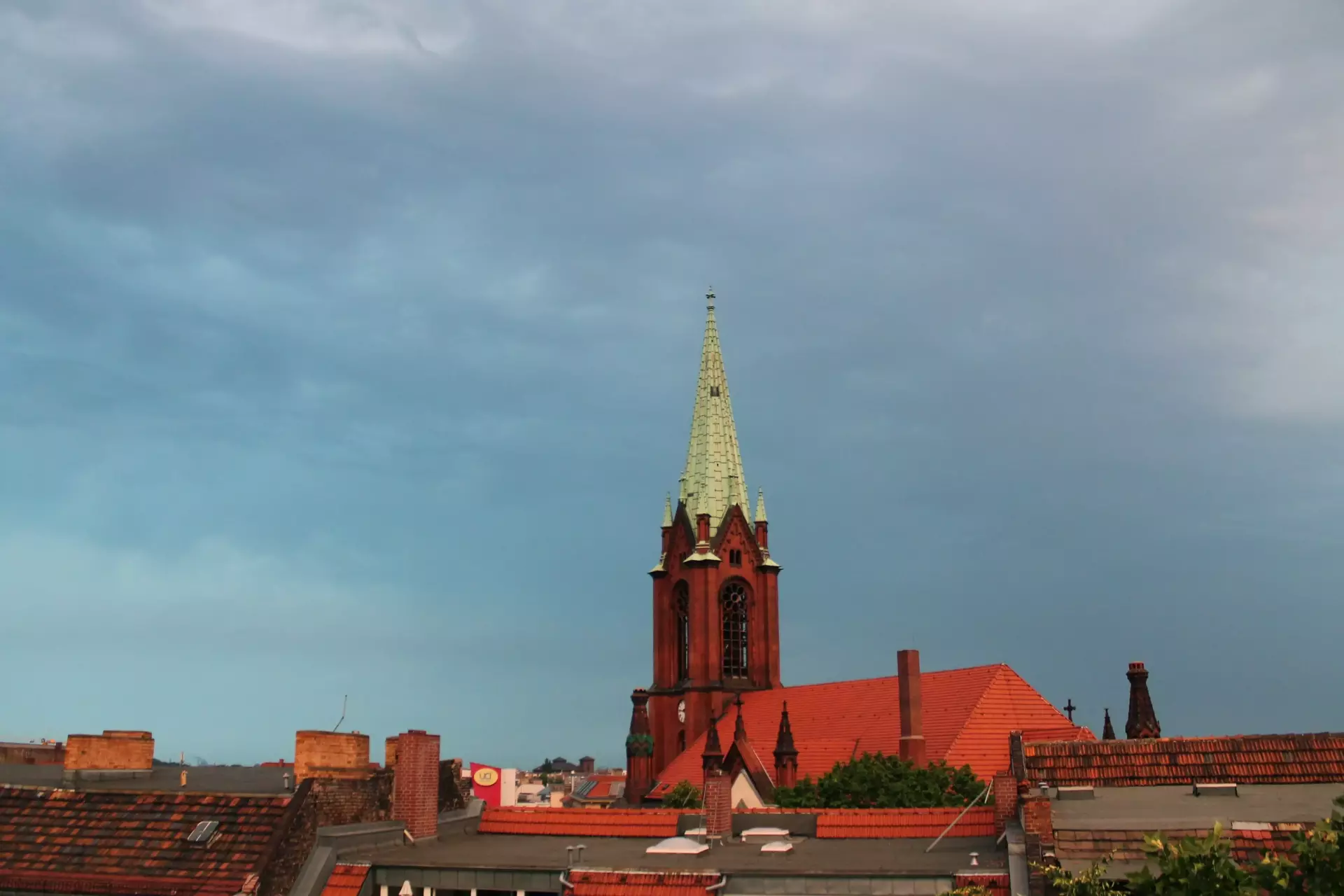
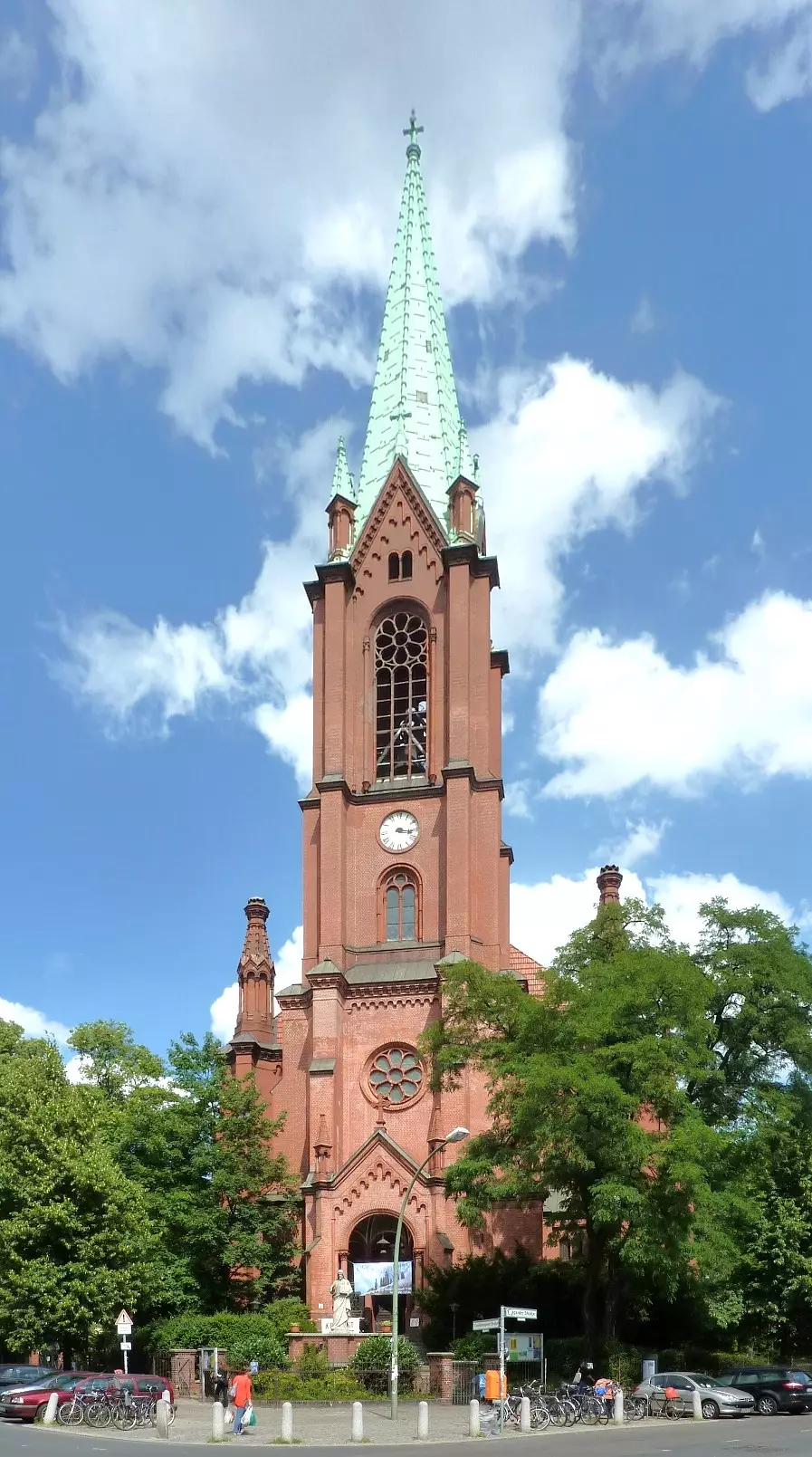
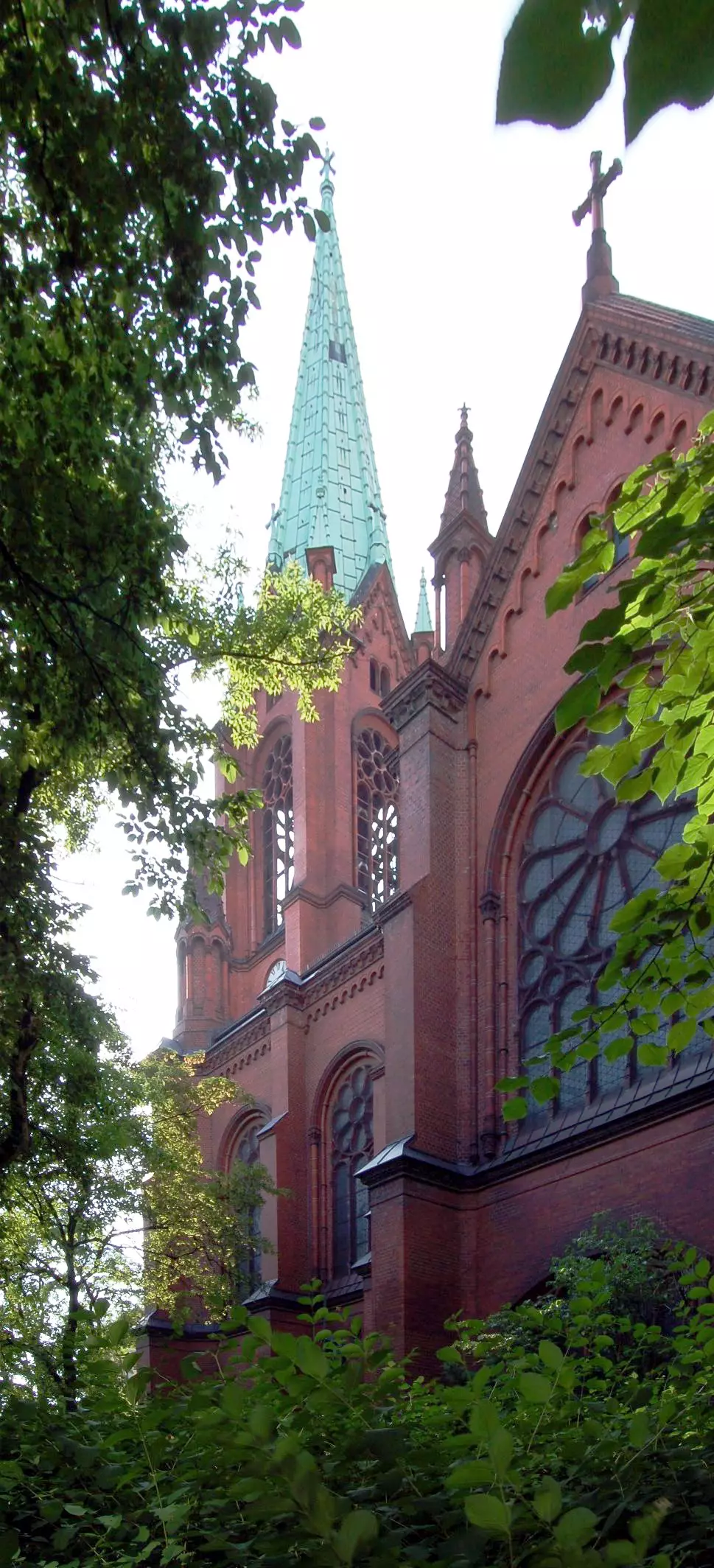
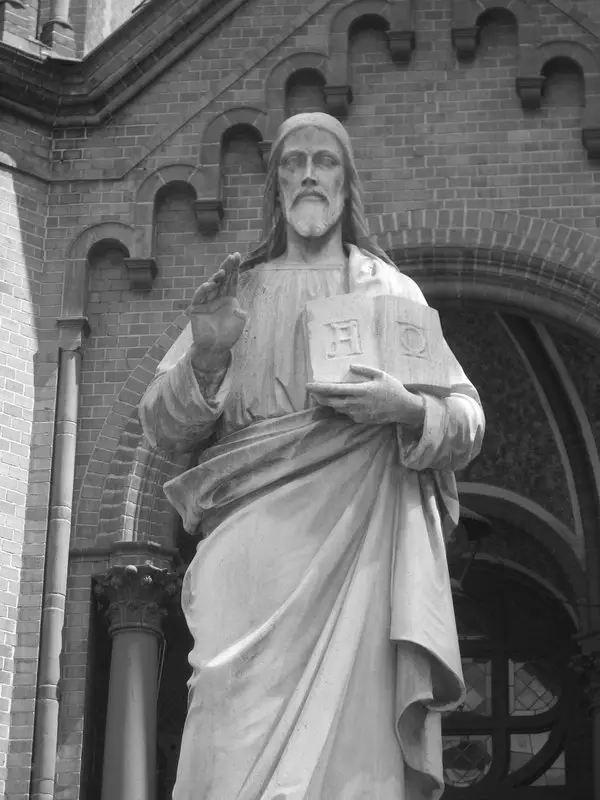
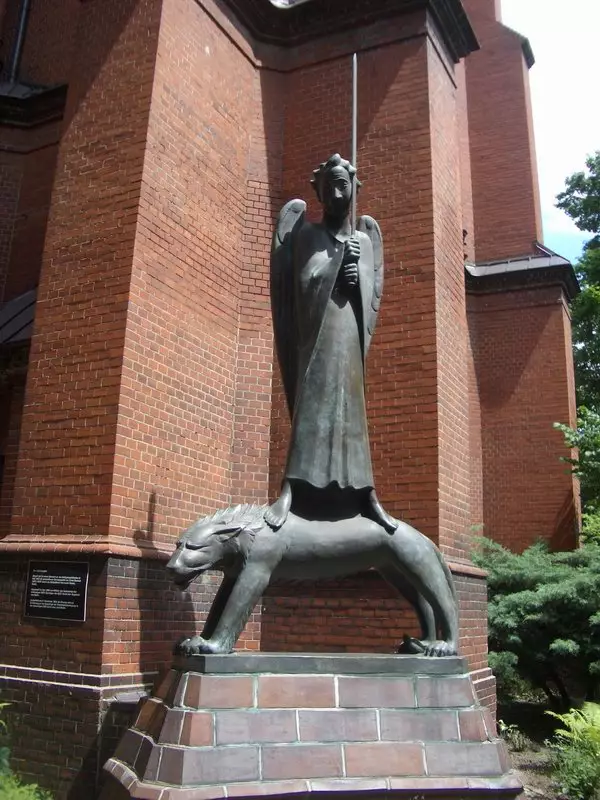
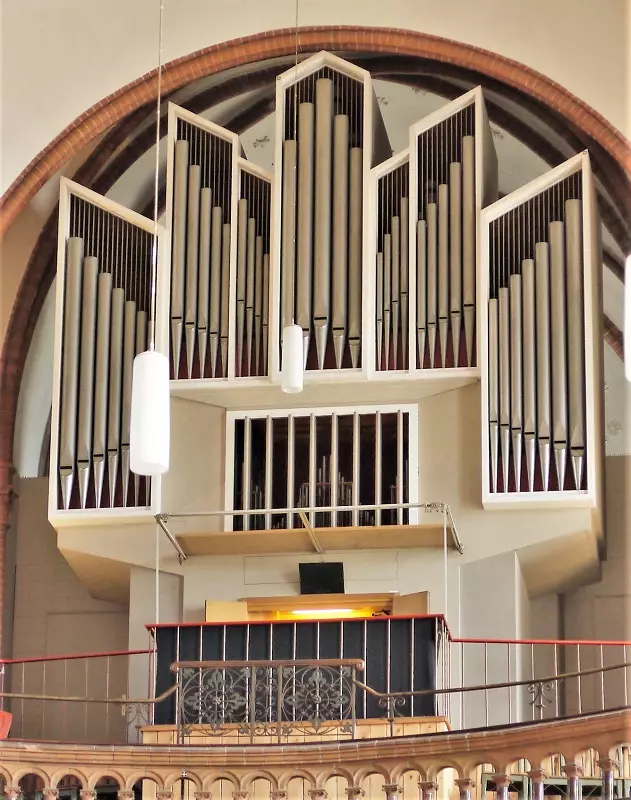
Gethsemanekirche stands as both a striking Neo-Gothic church and a landmark of recent German history. Its tall brick façade and pointed arches reflect 19th-century design, while its story reaches deep into the late years of the GDR.
In the final phase of the East German regime, the church became a meeting point for one of the leading opposition movements. People gathered here for peace prayers, vigils, and open discussions when few public spaces allowed free speech. The building offered shelter and visibility, and the events inside helped shape the peaceful momentum that led to change in 1989.
Gethsemanekirche is also remembered for a unique moment in church life. In 2003, it hosted an ecumenical Lord’s Supper shared by Protestants and Catholics together. This joint celebration, unusual in its time, symbolized a step toward unity between Christian traditions.
Source - https://en.wikipedia.org/wiki/Gethsemane_Church
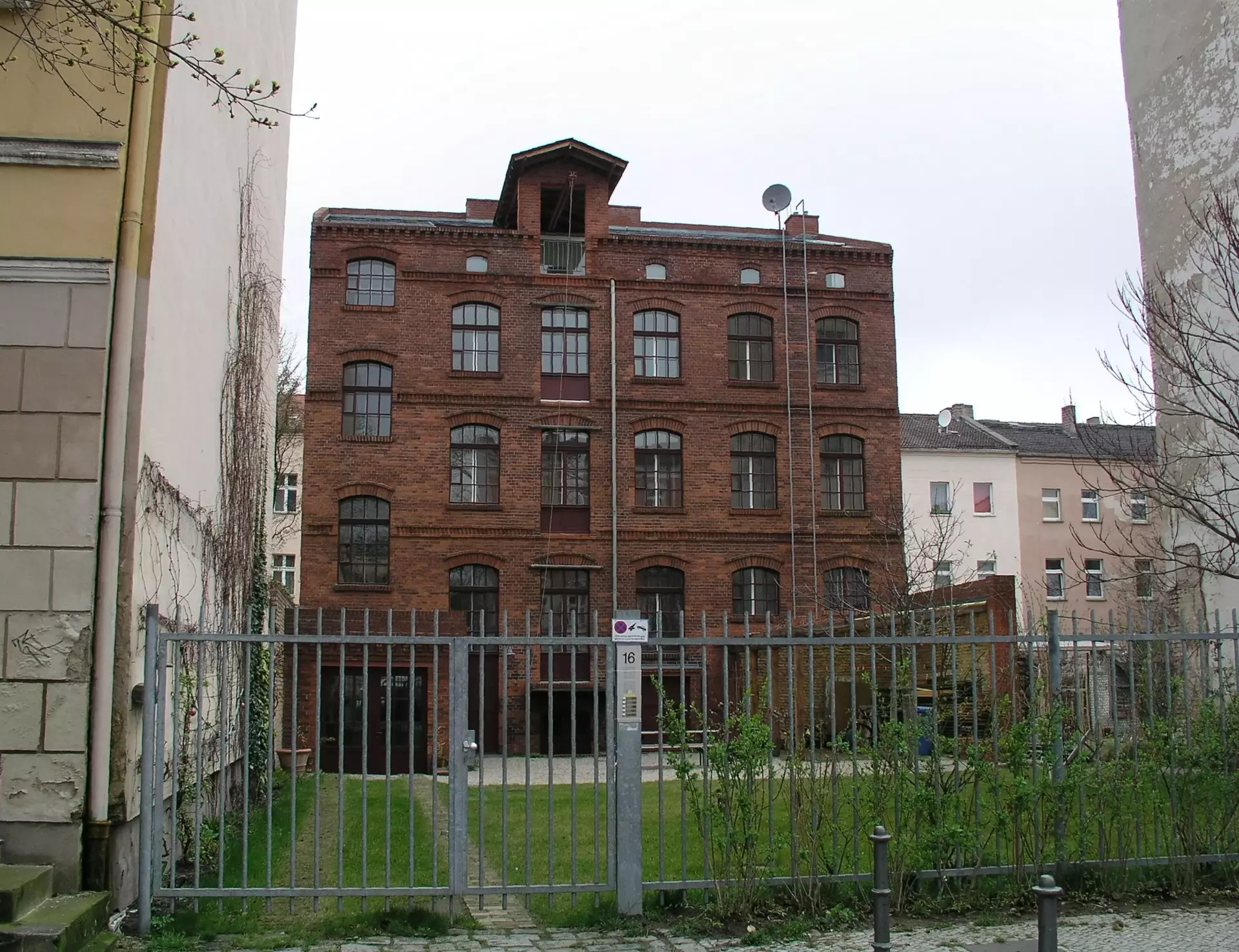
The synagogue in the backyard of an apartment house is one of the biggest in Germany.
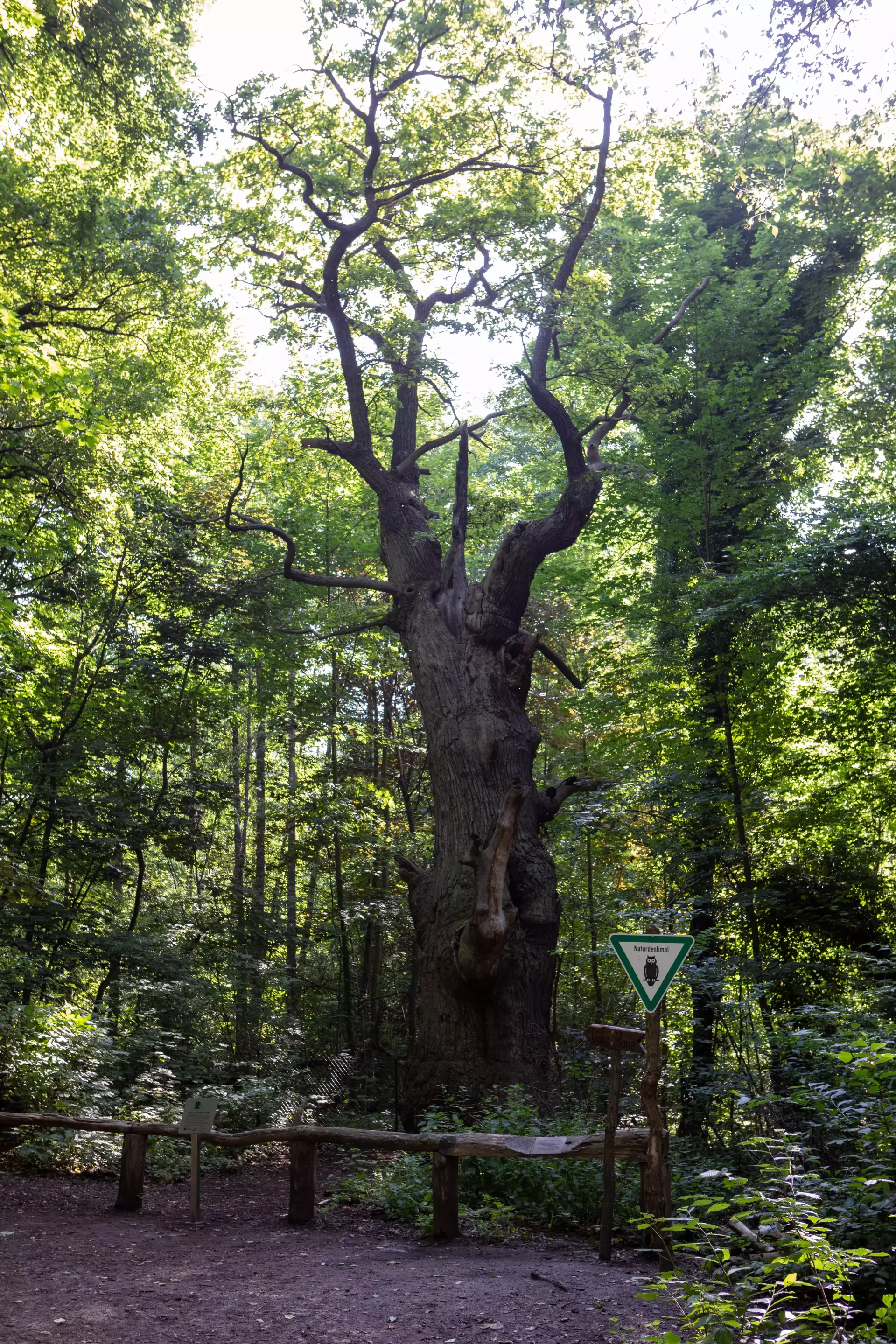
Not far away from Schloss Tegel (at the "große Malche") you can take a look at the oldest tree in Berlin, an oak which has been growing there since about 1192 (so it's actually older than Berlin itself). The name ("fat Mary") allegedly stems from the brother Humboldt who named the tree after their overweight cook.
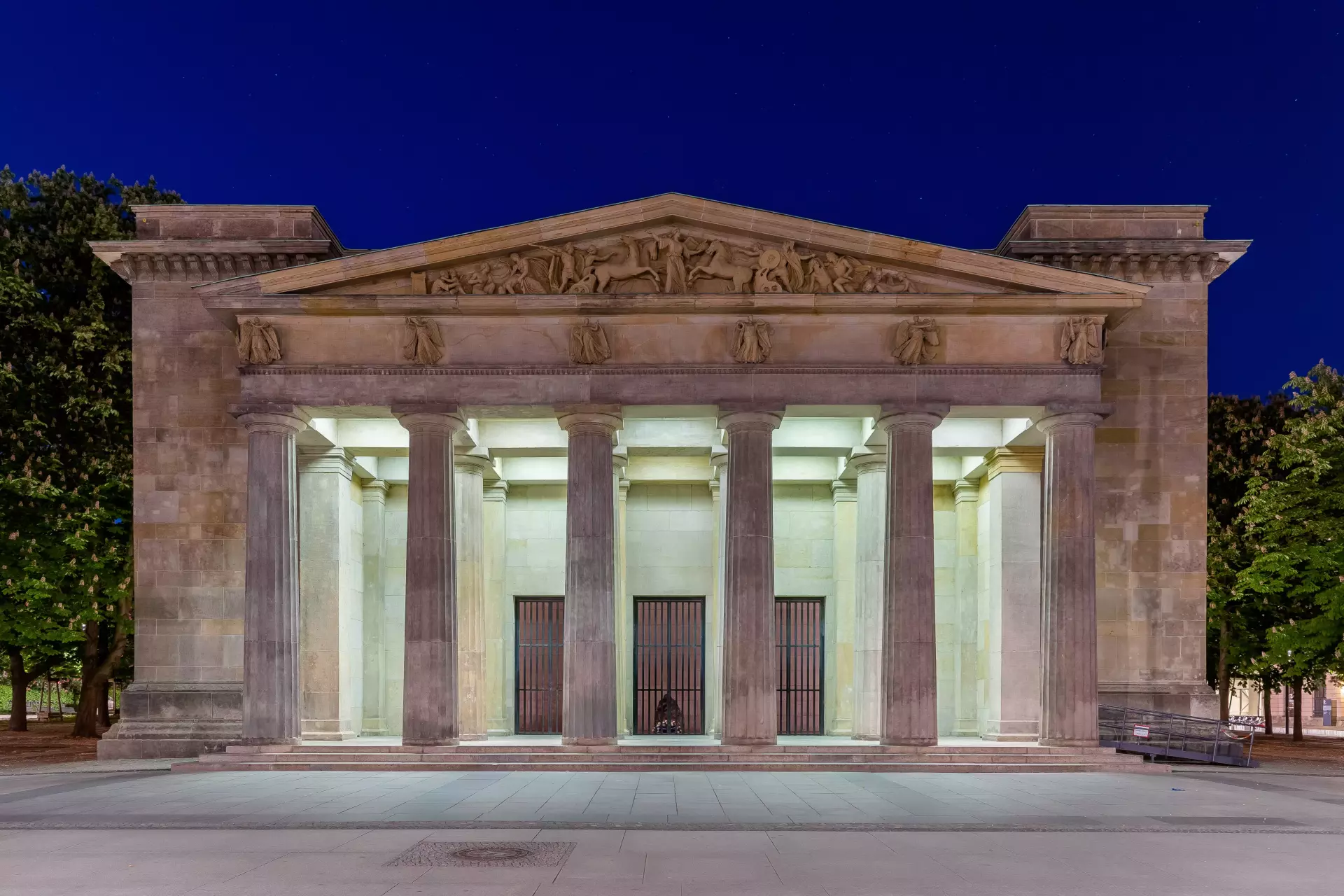
Erected in 1818 to a classically-inspired design by Karl Friedrich Schinkel as a guardhouse for the imperial palace, since 1993 this compact building has housed a small, but extremely powerful war cenotaph, the Central Memorial of the Federal Republic of Germany, continuing its use under East German rule as the primary "Memorial to the Victims of Fascism and Militarism". The interior of the Doric column-fronted building is intentionally empty, but for a small but moving sculpture by Käthe Kollwitz depicting a mother cradling a dead child. The statue is positioned beneath a round hole in the ceiling, exposing the figures to the rain and snow.
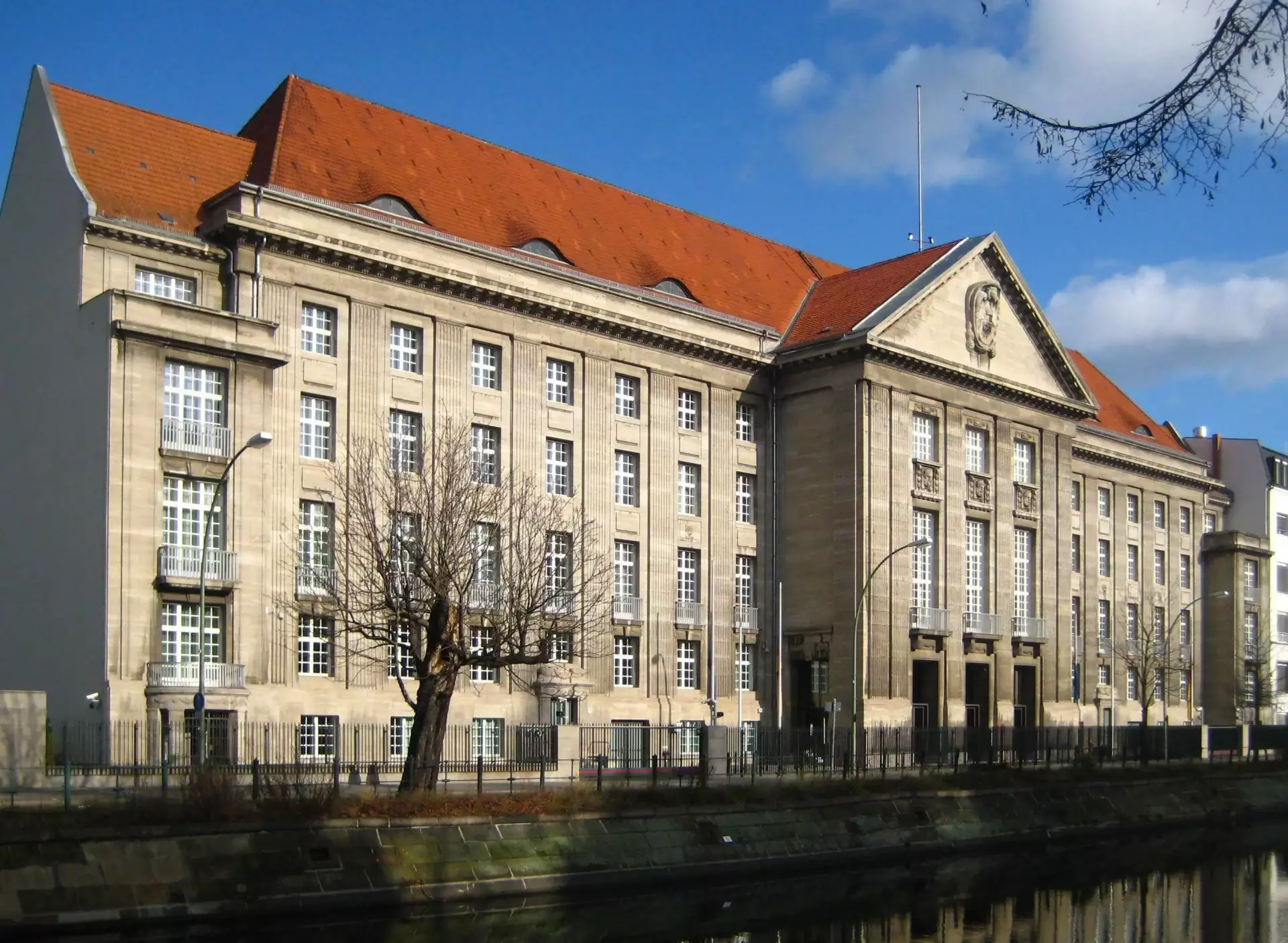
The Bendlerblock building complex has long held ties to the German military, first serving as the offices of the Imperial German Navy and today housing the Berlin offices of the Ministry of Defense. It was here where, on 20 July 1944, Colonel Claus von Stauffenberg and other officers led a coup that sought to remove Hitler and the Nazis from power. They failed and were summarily executed in the courtyard, where a memorial stands for these men who are considered German heroes by many. Inside the building you'll find the German Resistance Memorial Center, a permanent exhibit dedicated to the July 20 plot and other individuals in the German resistance.
Take a stroll for a few kilometers along this canal which runs right through the heart of Kreuzberg. It's peaceful and mostly traffic-free, but full of life in summer. Some parts are lined with bars and restaurants with terraces. Sit on a bench or terrace and watch the world go by on a summer evening.
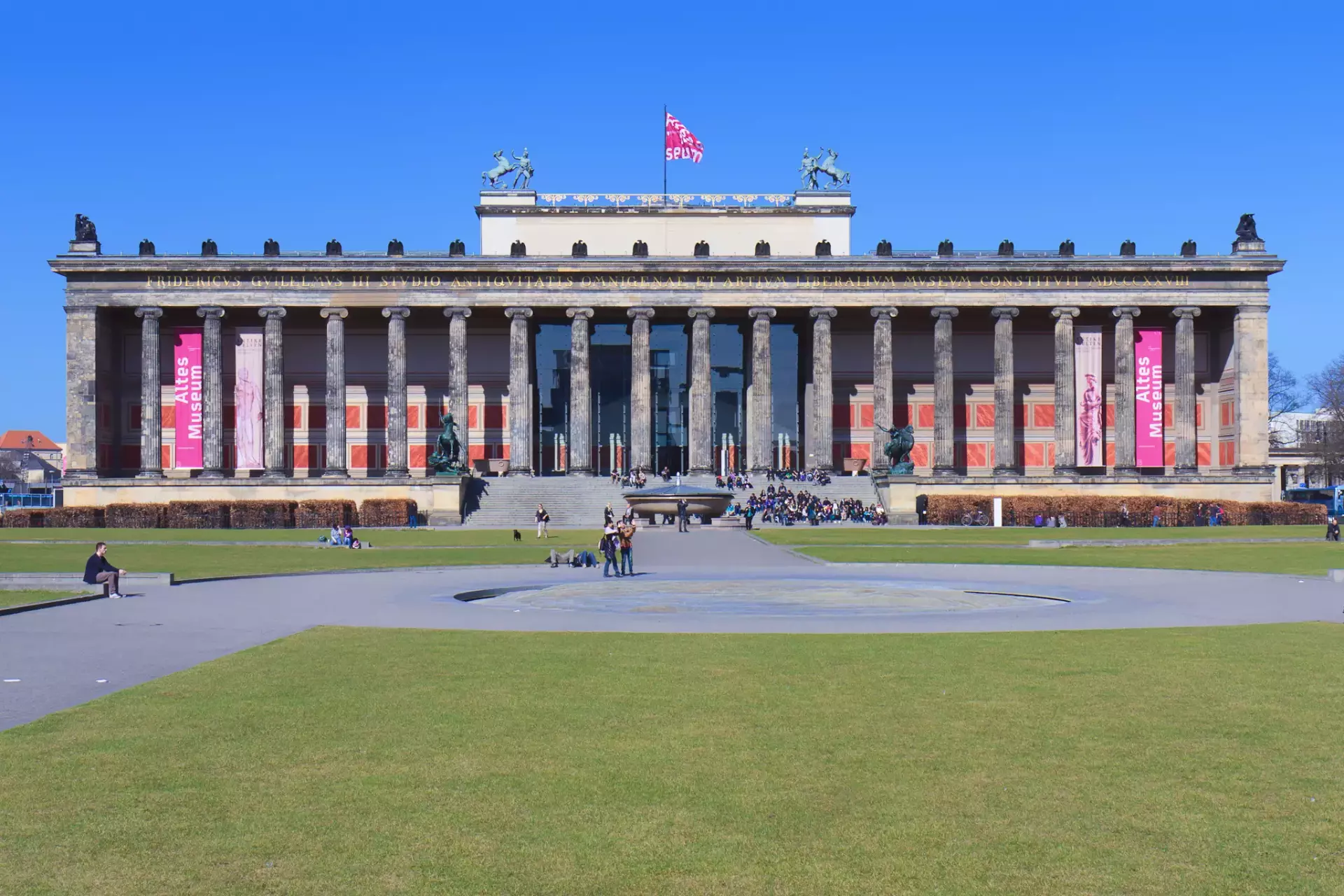
The main floor houses the antiquities collection in an ongoing exhibit called "Neue Antike im Alten Museum" (New Antiquities in the Old Museum). Directly through the front door, entering from the Lustgarten (Pleasure Garden, now under reconstruction), there is a domed rotunda with red and white cameos, Greek-style, with statues of the gods. To reach the Hildesheim silver collection, go to the back of the rotunda, turn left, walk through the long gallery and turn left into a small room at the end.
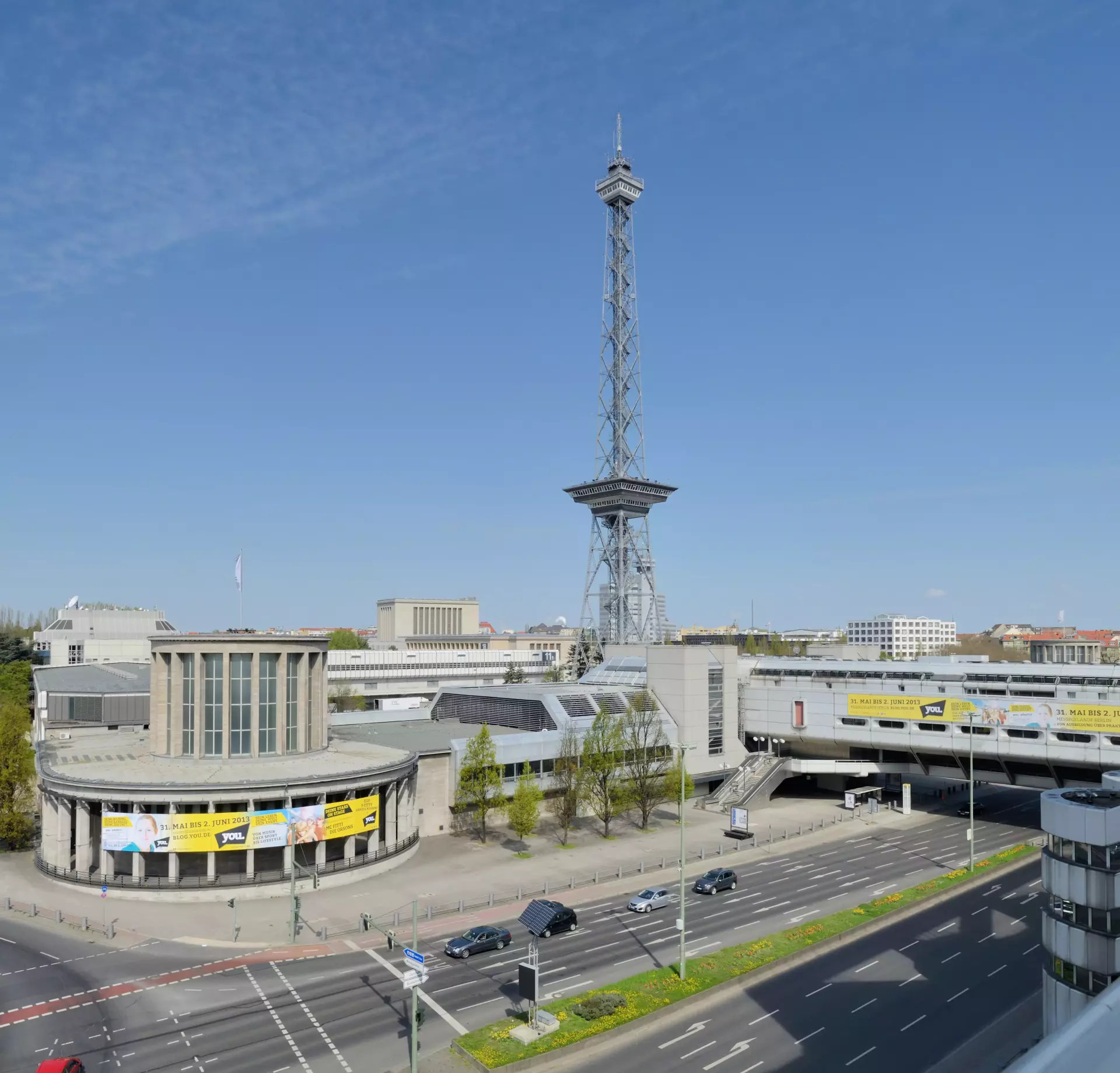
150 m high lattice tower with open-air observation deck 124 m above ground.
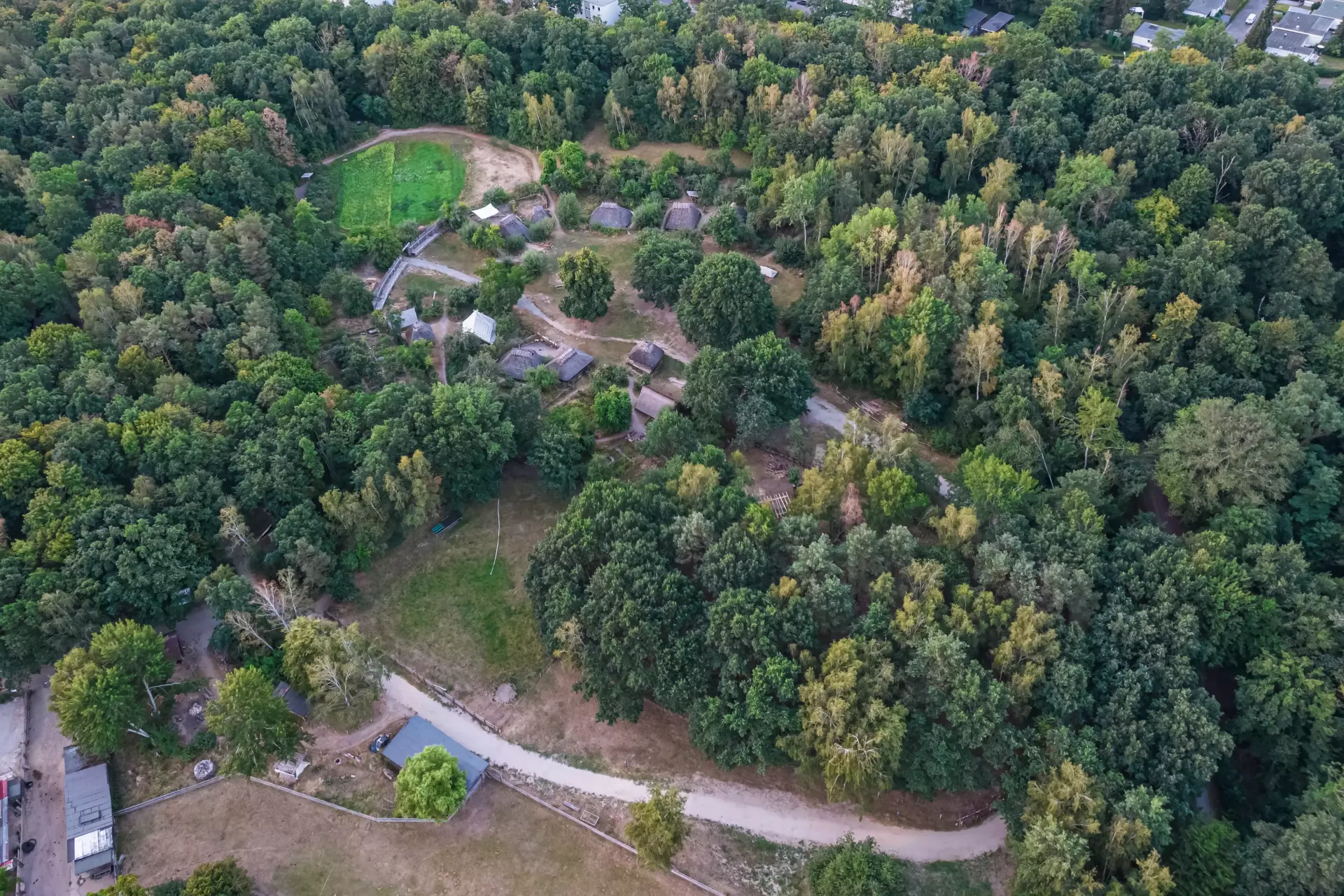
This museum is perhaps something you wouldn't expect in a major metropolis and truth be told it owes its existence in part to partition (when West Berlin schoolkids couldn't go to the surrounding Brandenburg countryside to experience rural life). Opened in 1975 it is an attempt to recreate as faithfully as feasible a medieval farming village from roughly the era of Berlin's founding (12th or 13th century). The village that existed at this place 800 years ago was not called "Düppel" back then as that name was only applied in the 1860s after the Prussian victory over Denmark at Dybbøl which was rendered into German as "Düppel" and applied to the area to honor a member of the Prussian royal family who owned land there.
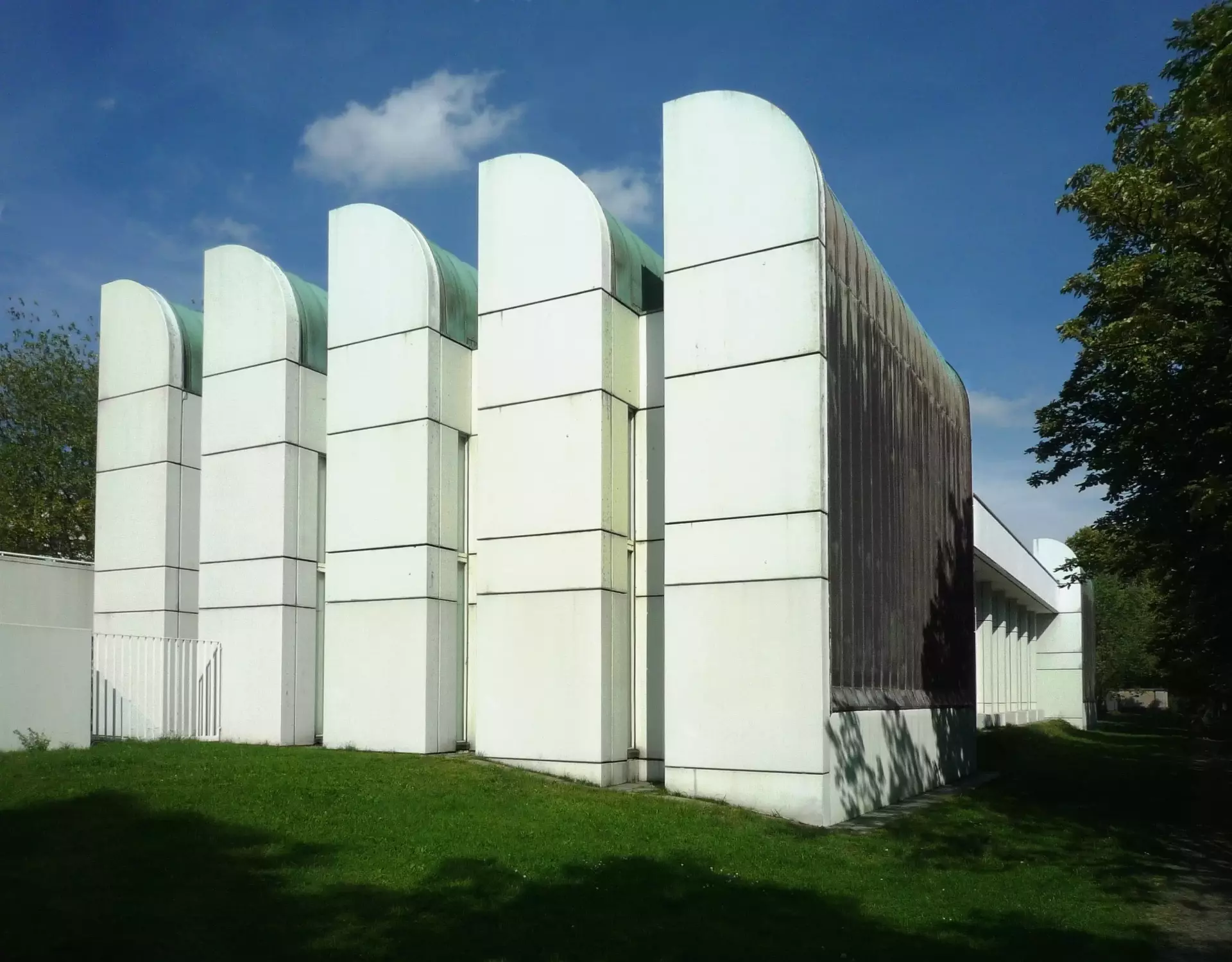
Closed for renovations; the temporary Bauhaus-Archiv is at Knesebeckstraße 1-2 in Charlottenburg. Building designed by Walter Gropius. Inside a museum, library, cafe and shop.
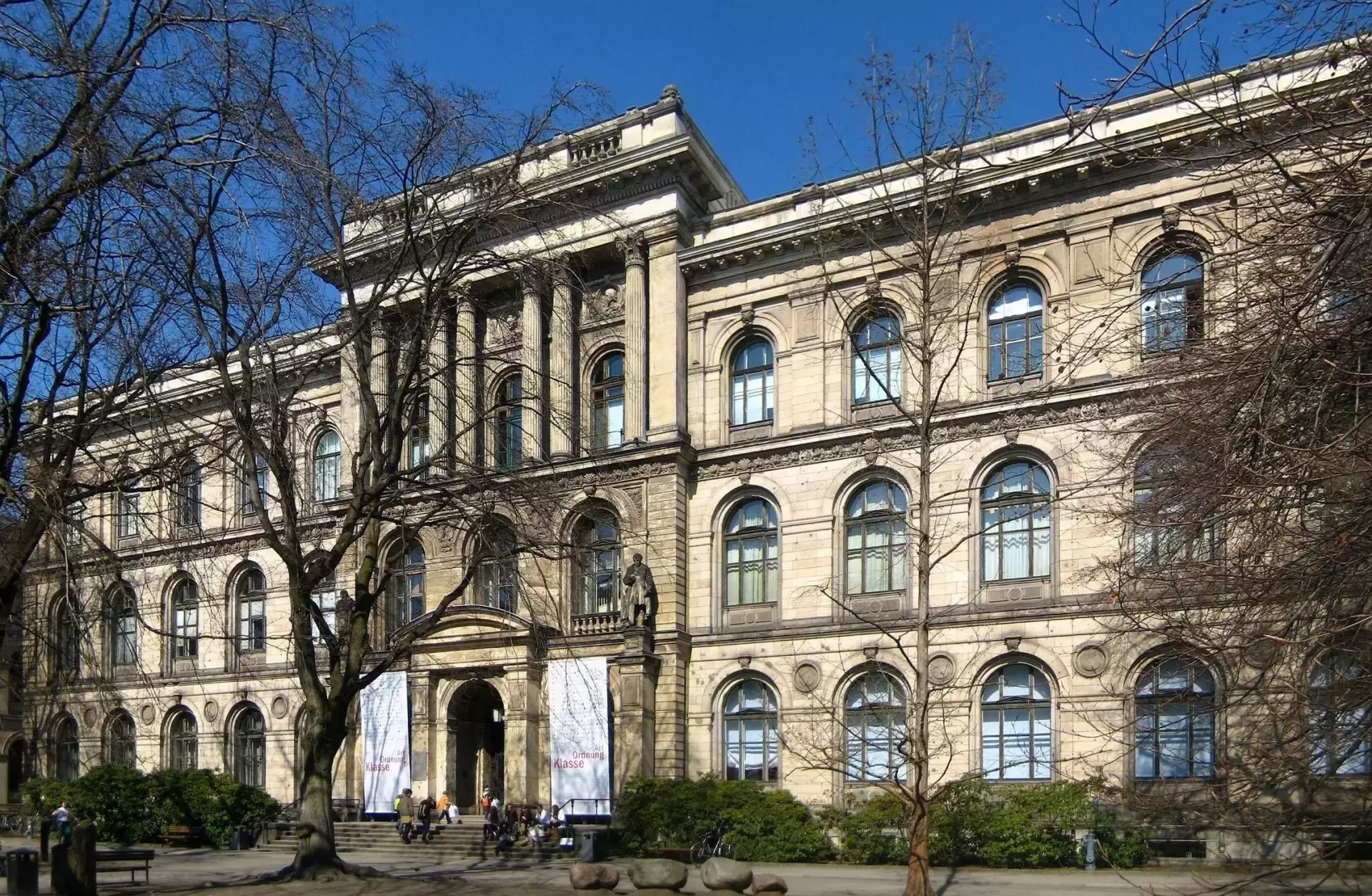
More than 30 million objects in the scientific collection and a fascinating exhibition in one of the most significant institutions of its kind in the world. Some parts still under construction.
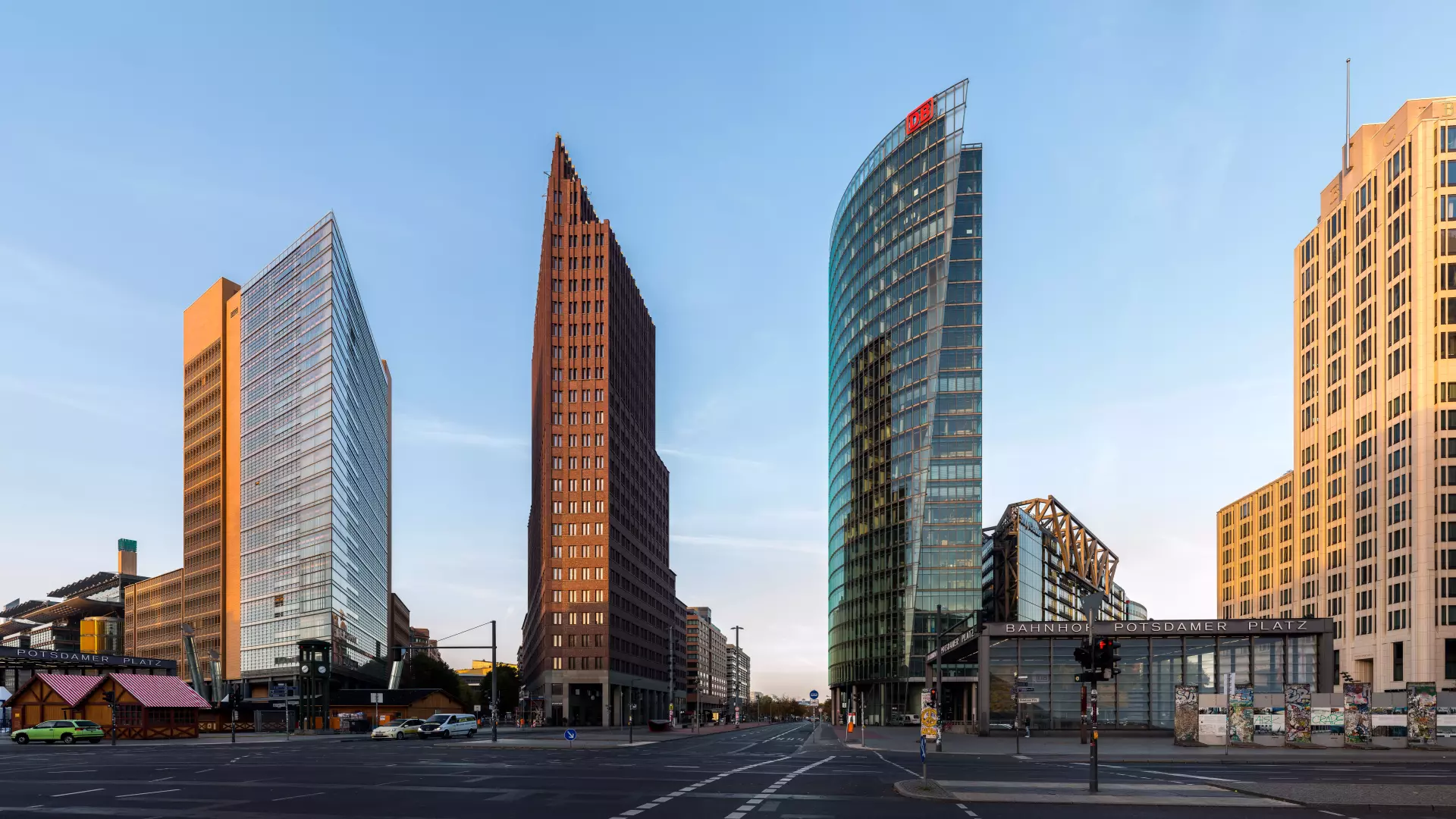
Includes the Panoramapunkt, the viewing terrace located 101 metres above ground, accessible by Europe's fastest elevator.