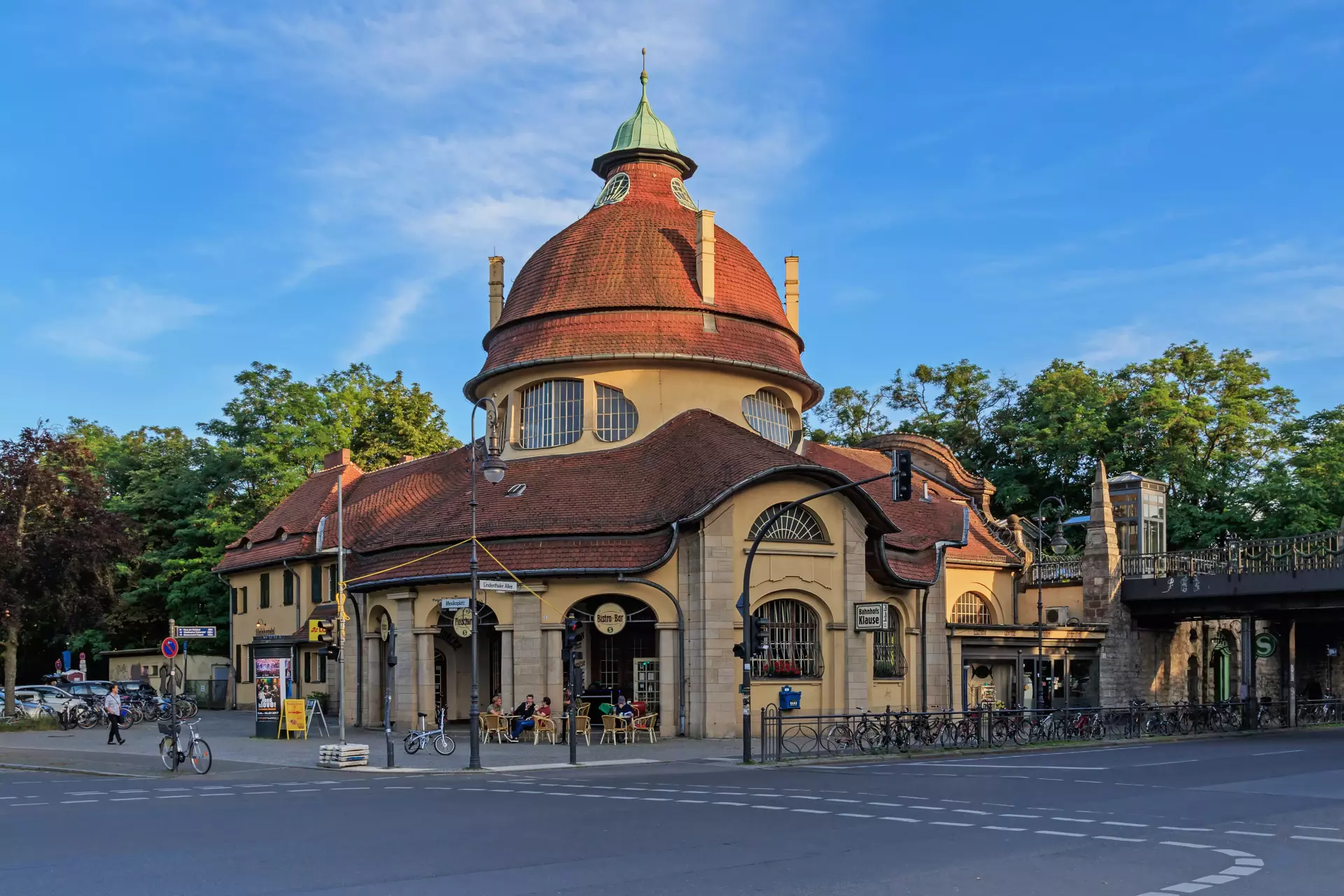
Mexikoplatz presents a graceful meeting of history and daily life. At its center stands a heritage-listed Art Nouveau railway station, a landmark with elegant lines, ornate details, and carefully crafted materials that speak to a proud architectural era. The station’s façade and ironwork recall the early 20th century, while its clock, arches, and decorative motifs add a touch of theater to an otherwise practical building.
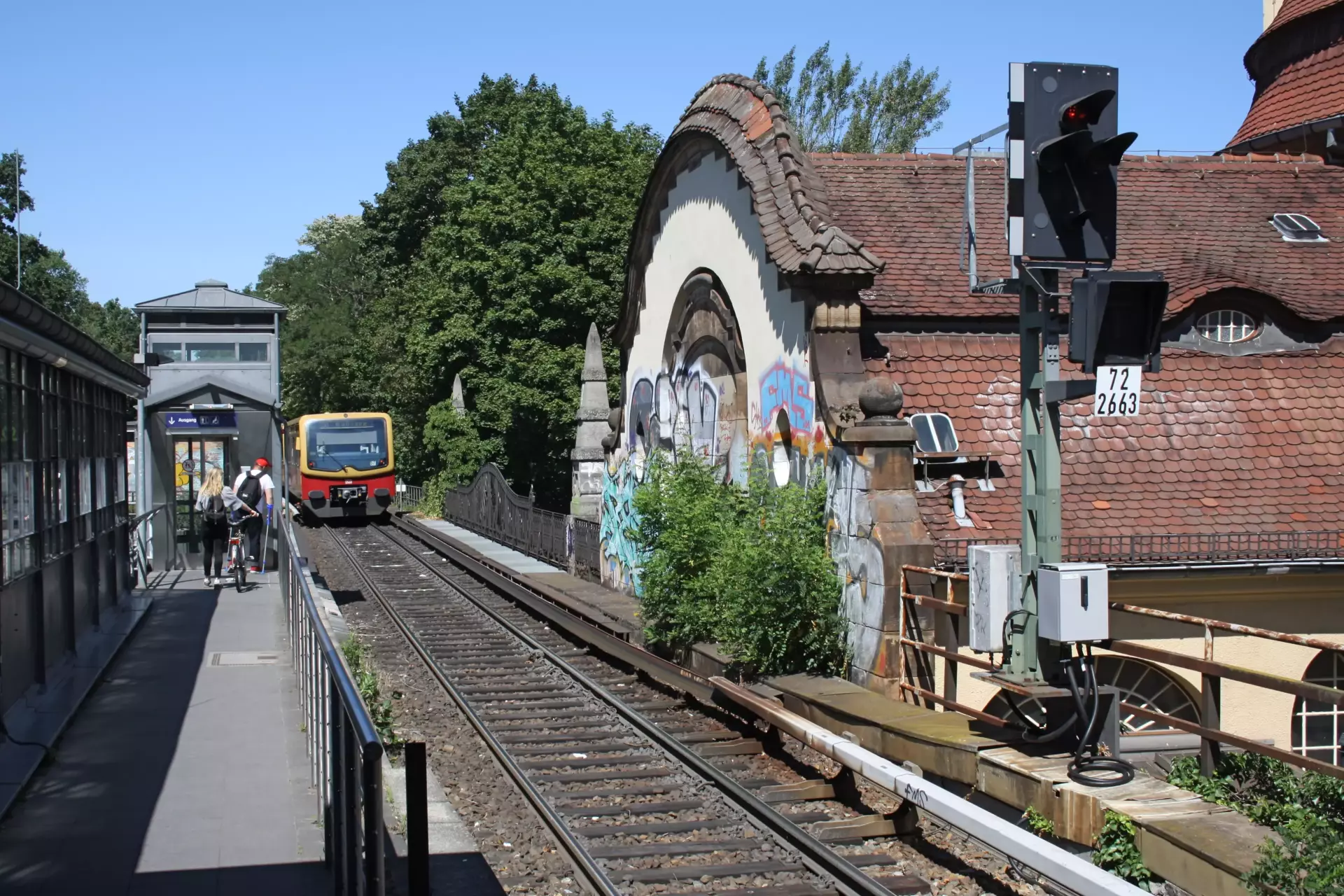
The station is more than a stop on a map. Light filters across curved windows, and subtle floral patterns soften the structure’s strong geometry. The design balances utility with beauty: platforms sit beneath sweeping canopies, signage is restrained and legible, and the overall composition feels composed rather than crowded. Trains come and go, but the building anchors the scene with composure, serving as a reminder that public transport can be a stage for craftsmanship.
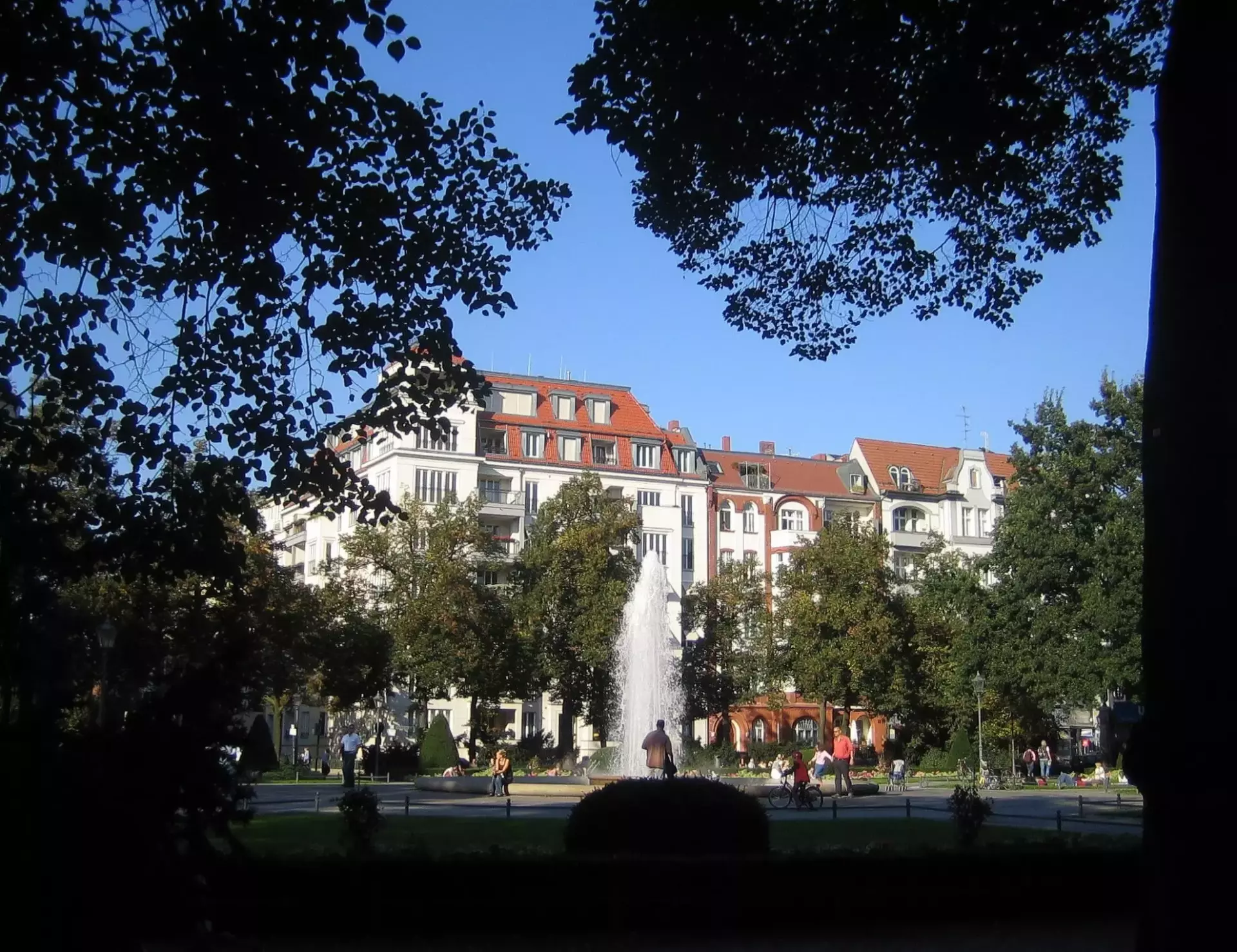
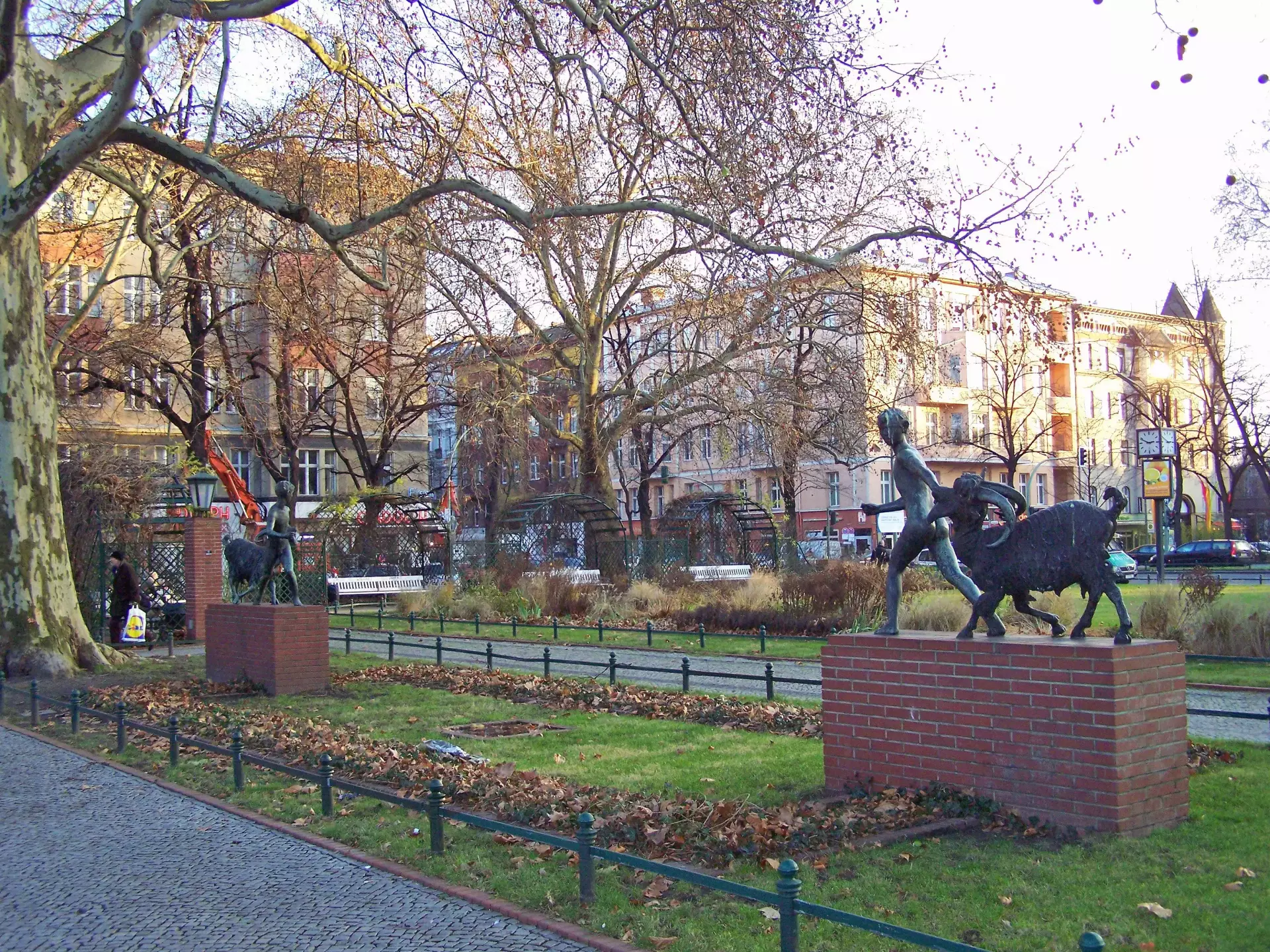
Beyond the entrance, the city square opens up with a generous, neighborly atmosphere. Trees provide shade, and benches invite a pause. Cafés and small shops frame the edges, their storefronts reflecting a local rhythm of people meeting, reading, and chatting. Streets radiate from the square, guiding foot traffic toward residential blocks and pocket parks. Bicycles lean against railings, and the pace feels unhurried.
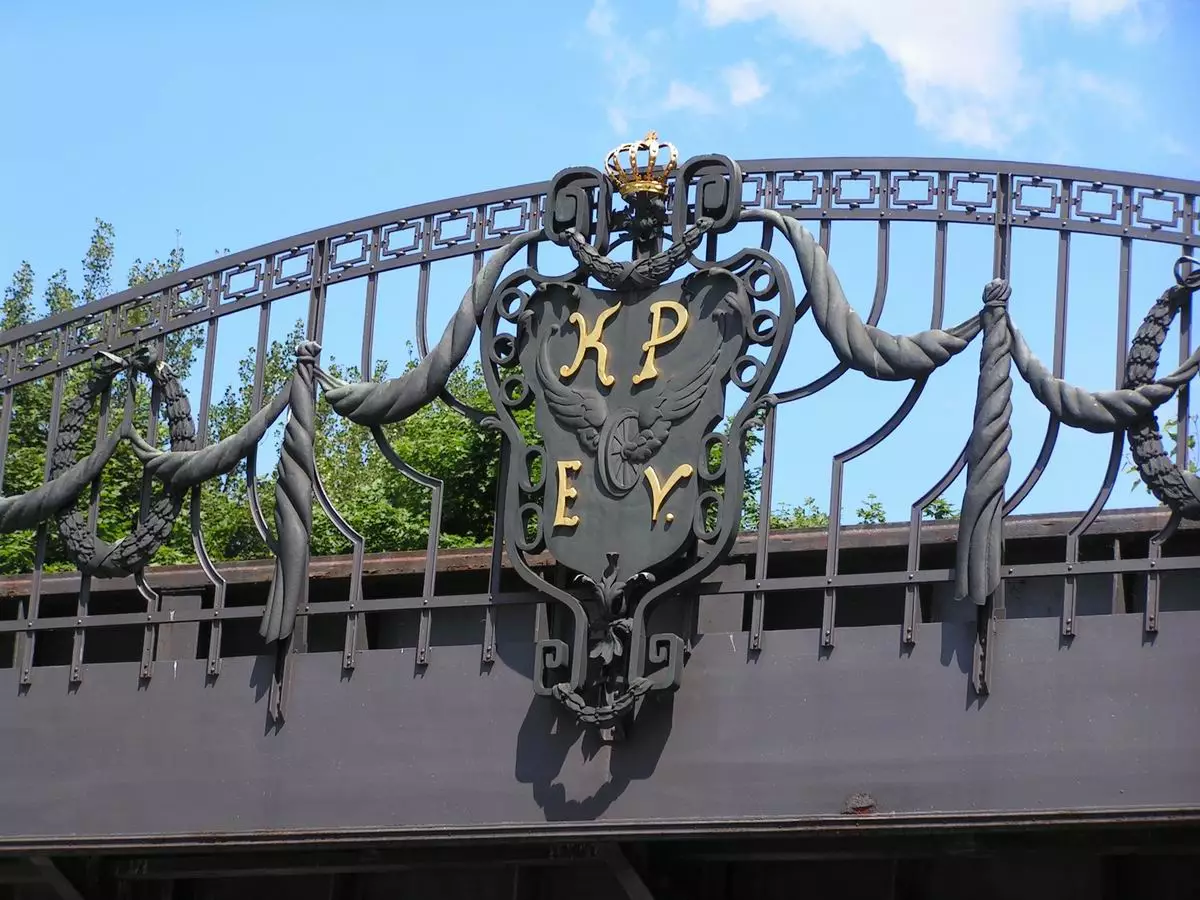
Close inspection reveals tiles with subtle color shifts, wrought-iron railings with looping patterns, and stonework that catches late-afternoon light. Plaques and street signs note the site’s protected status, underlining the care taken to preserve original elements. Seasonal touches—planters in spring, soft lighting in winter—keep the area lively throughout the year, and market stalls occasionally appear, bringing fresh produce, flowers, and conversation to the square.
Commuters pass through in a steady flow, joined by families, cyclists, and visitors who pause for photos of the station’s façade. The soundscape mixes railway announcements with the clink of cups and a low hum of conversation. It is a place that functions smoothly while maintaining a distinct identity, where architecture and urban space come together in a calm, inviting scene.
Source - https://en.wikipedia.org/wiki/Berlin_Mexikoplatz_station
The building houses the personal offices of the Chancellor and the Chancellery staff. The Berlin Chancellery is one of the largest government headquarters buildings in the world. By comparison, the new Chancellery building is ten times the size of the White House. A semi official Chancellor's apartment is on the top floor of the building. The 200-m², two-room flat has thus far only been occupied by Gerhard Schröder chancellors since then have lived elsewhere. It is usually not possible to visit the building, but on occasion there are tours, usually around August. The building was deliberately designed in a way to symbolize the German constitutional system - it's in the line of sight of the Bundestag and lower in height, symbolizing the role of parliament in controlling government and "the people's house" being the higher power in the relationship between the two. Or at least that's the idea.
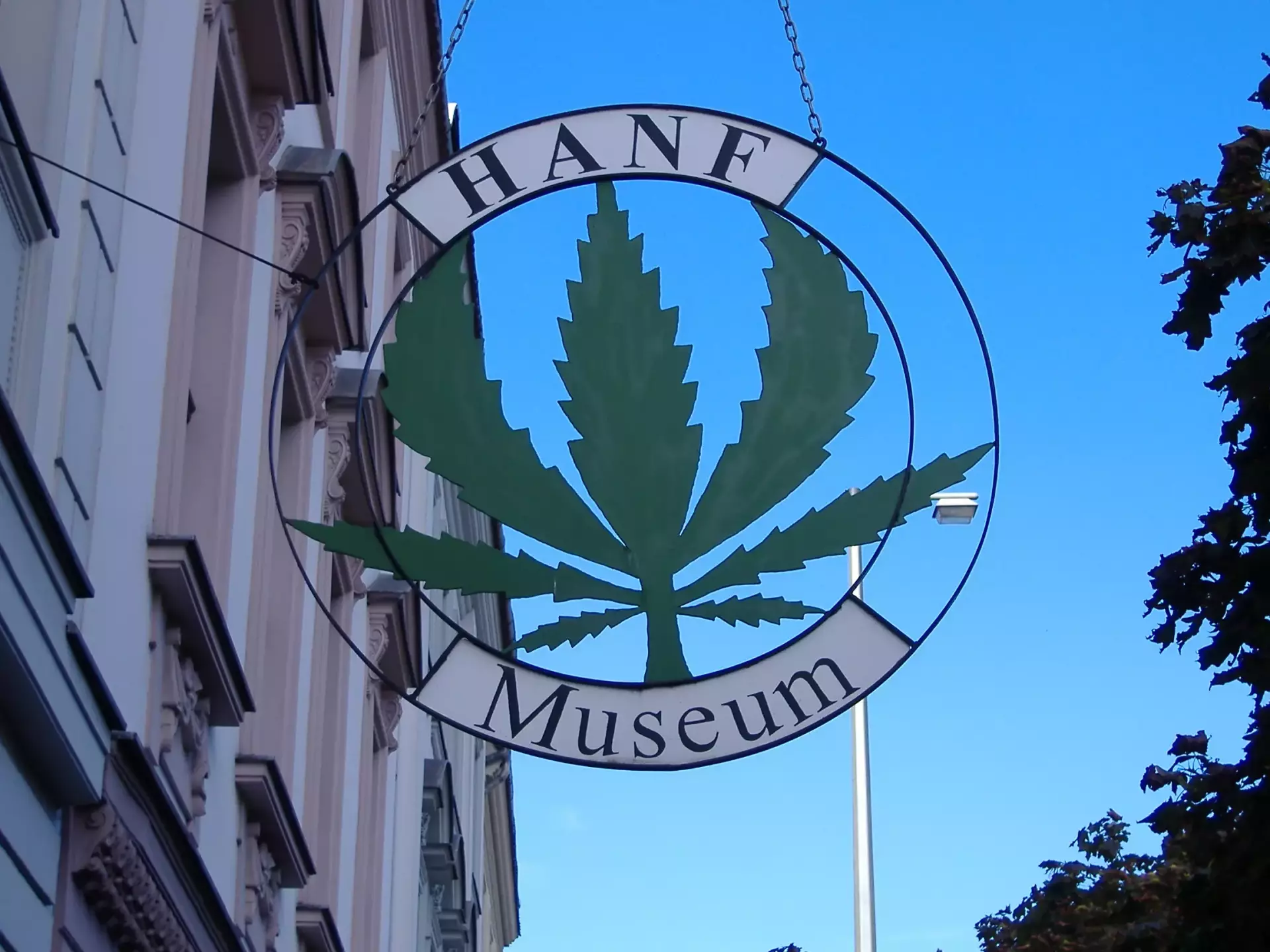
It is the only hemp museum in Germany; you can see the history of hemp, the culture and use of it. You can see hemp grow. There is a cafe downstairs, with an open WiFi access. Everything going on here is legal - including the hemp growing under artificial light (a low THC strain grown with a special permit) - but they do not refrain from political commentary on the legal situation of cannabis in their exhibits.
Not far away from Schloss Tegel (at the "große Malche") you can take a look at the oldest tree in Berlin, an oak which has been growing there since about 1192 (so it's actually older than Berlin itself). The name ("fat Mary") allegedly stems from the brother Humboldt who named the tree after their overweight cook.
A small but interesting collection of decorative arts from the Art Nouveau and Art Deco periods
Also known as "der hohle Zahn" (the Hollow Tooth), this church in Breitscheidplatz is a memorial to Kaiser Wilhelm, and one of Berlin's most famous landmarks. Thick walls and plain decor mark it as neo-Romanesque, but with what's left of the Gedächtniskirche, it's tough to distinguish it as any one style. Allied bombing left only one tower standing on 22 November 1943, but a new location for worship designed by Egon Eiermann was completed in December 1961 (it's the octagonal structure with blue stained glass windows). There is a small memorial museum beneath the tower filled with artifacts from the original church, which was built from 1891-95 to architect Franz Schwechten's specifications.Controversy arose after the war over the various options presented by the half-ruined cathedral - should it be torn down completely and rebuilt? Or should the destroyed sections be left standing as a memorial? The four major sections of the Kaiser-Wilhelm-Gedächtniskirche (central space, foyer, new tower and chapel) surround the ruined tower of the old church bridge and show the time gap between old and new. Mosaics and other remnants from the old church serve as a monument against war.
The synagogue in the backyard of an apartment house is one of the biggest in Germany.
A beautiful landscape of water canals and vegetation with charming little fish restaurants.
Again one of the world's most comprehensive ones. At the museum district of Dahlem.
The longest stretch of the Berlin Wall still in existence, painted by artists in 1991 and restored in 2009, after years of decay. At Mühlenstraße, next to the river Spree. The murals are painted on the east side of the wall after the fall of Communism; so they are not from the Cold War, during which murals could only be painted on the west side. Make sure not to miss the famous mural of a car seemingly crashing through the wall with Leonid Brezhnev and Erich Honecker kissing above it. It is actually on the back side of the gallery (it is facing away from the street.) It is just inside the entrance of the Eastern Comfort Hostel, near the east end of the gallery.
Huge technical museum, on a former railroad depot, featuring from ancient water and wind mills to computer pioneer Konrad Zuse's inventions, a collection of old to new vehicles of all types -bicycles, boats, trains, etc - and the interactive Spectrum science center with various hands-on experiments. There's an actual C-17 "Candy Bomber" airplane hanging on its façade. The railroad and aeronautical sections are hard to beat.
The former Imperial General Post Office, now Museum for telecommunication and post with many interesting historical objects.
150-200 m along the Wiener Straße (bypassing the fire house and the public swimming pool) from U-Bahn Görlitzer Bahnhof, the park is famous for the Turkish families barbecuing on summer weekends, failed contemporary art and relaxed atmosphere of students. It does have a reputation of being full of pickpockets and drug dealers though and the police makes regular visits to this place to check on the situation.
This imposing building houses the Federal German Parliament or "Bundestag" and was completed in 1894 to meet the need of the newly-unified German Empire of the Kaisers for a larger parliamentary building. The Reichstag was intended to resemble a Renaissance palace, and its architect, Paul Wallot, dedicated the building to the German people. The massive inscription in front still reads: "Dem Deutschen Volke" - 'For the German people'. The Nazi leader Adolf Hitler exploited the fire which gutted the Reichstag building in 1933 by blaming the Communists for the arson and for attempted revolution. There is good evidence to suggest, however, that his followers were actually responsible and that this was a manufactured crisis. The iconic photo symbolizing the Soviet victory over Nazi Germany shows a Soviet soldier planting the Soviet flag on top of the building and there are to this day graffiti left by Soviet soldiers on some walls of the Reichstag which were deliberately preserved by the new Germany as a memento of the war. It's perhaps the only national parliament to have traces left by a foreign army deliberately preserved. When German reunification became a reality, the new republic was proclaimed here at midnight on 2 October 1990. The Reichstag building is well-known in the art world thanks to Paris-based Bulgarian artist Christo's mammoth 'Wrapped Reichstag' project in 1995. The entire building was swathed in silver cloth for two weeks that summer.The Reichstag has undergone considerable restoration and alteration, including the addition of a spectacular glass dome designed by the British architect Norman Foster completed in 1999. You can visit the Reichstag building proper and even listen to a parliamentary debate but you need to book on their website sometimes weeks or even months in advance. Fortunately its much easier to visit the glass dome. You can reserve a visiting time and date on their website or in the small building across Scheidmannstrasse, except during the high season you should be able to arrange a time later the same day or the next day. Photo ID or passport is required to make the booking. A passsport is required during your visit. This is a very popular tourist attraction in Berlin and can get quite crowded however it is worth the effort. The helical path up the inside of the dome is a lot of fun and the 360 degree views at the top are splendid.
Spectacular building by Mies van der Rohe contains its own collection and temporary exhibitions.
The Bayerischer Platz is the centre of the Bayerisches Viertel ("Bavarian district", with many streets named after Bavarian cities), which was destroyed a lot more during World War II (about 60%). Somewhere around there Albert Einstein lived once. You’ll find several memorial signs providing information about the Nazi regime's persecution of gays and Jews.