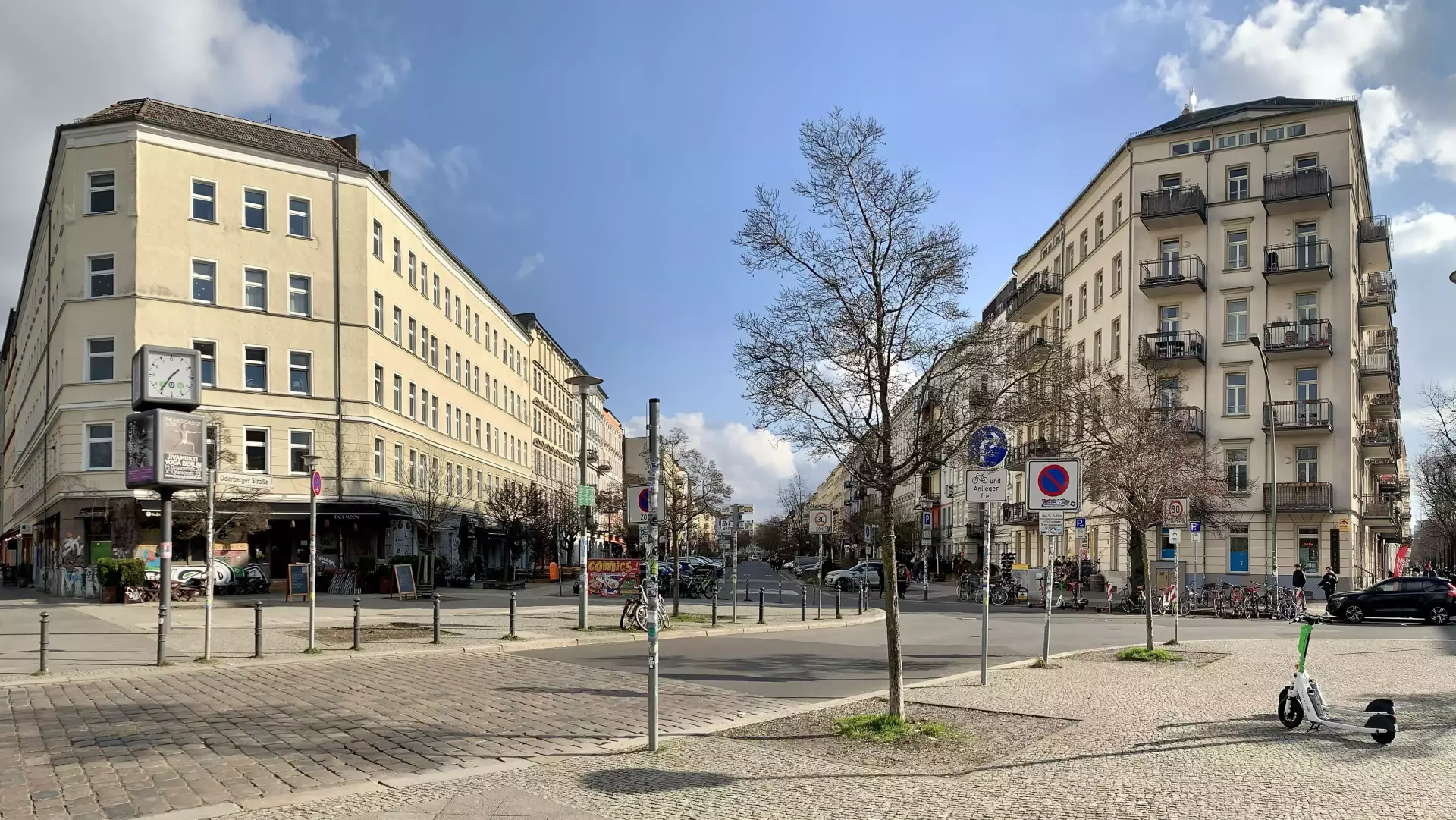
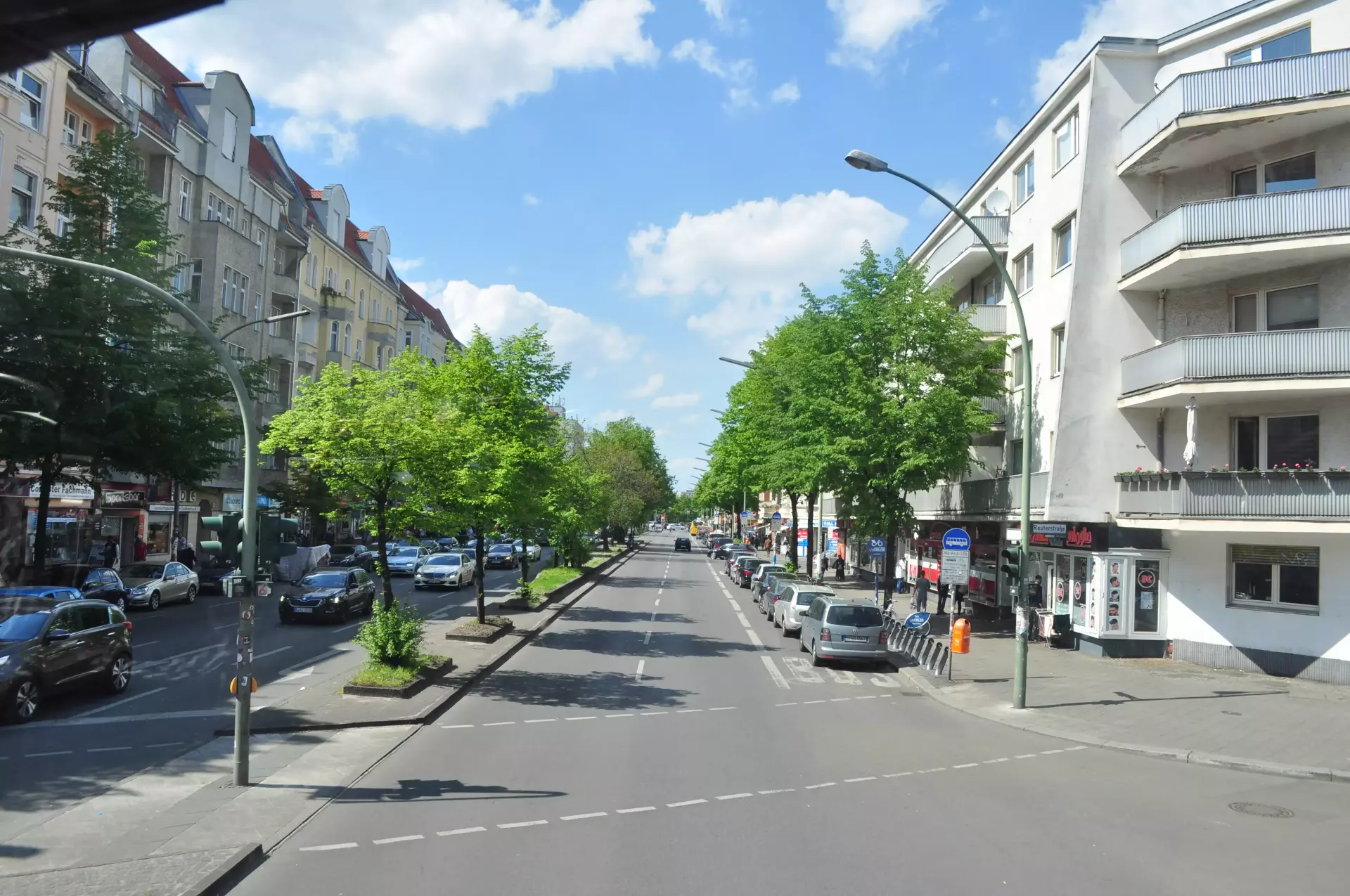
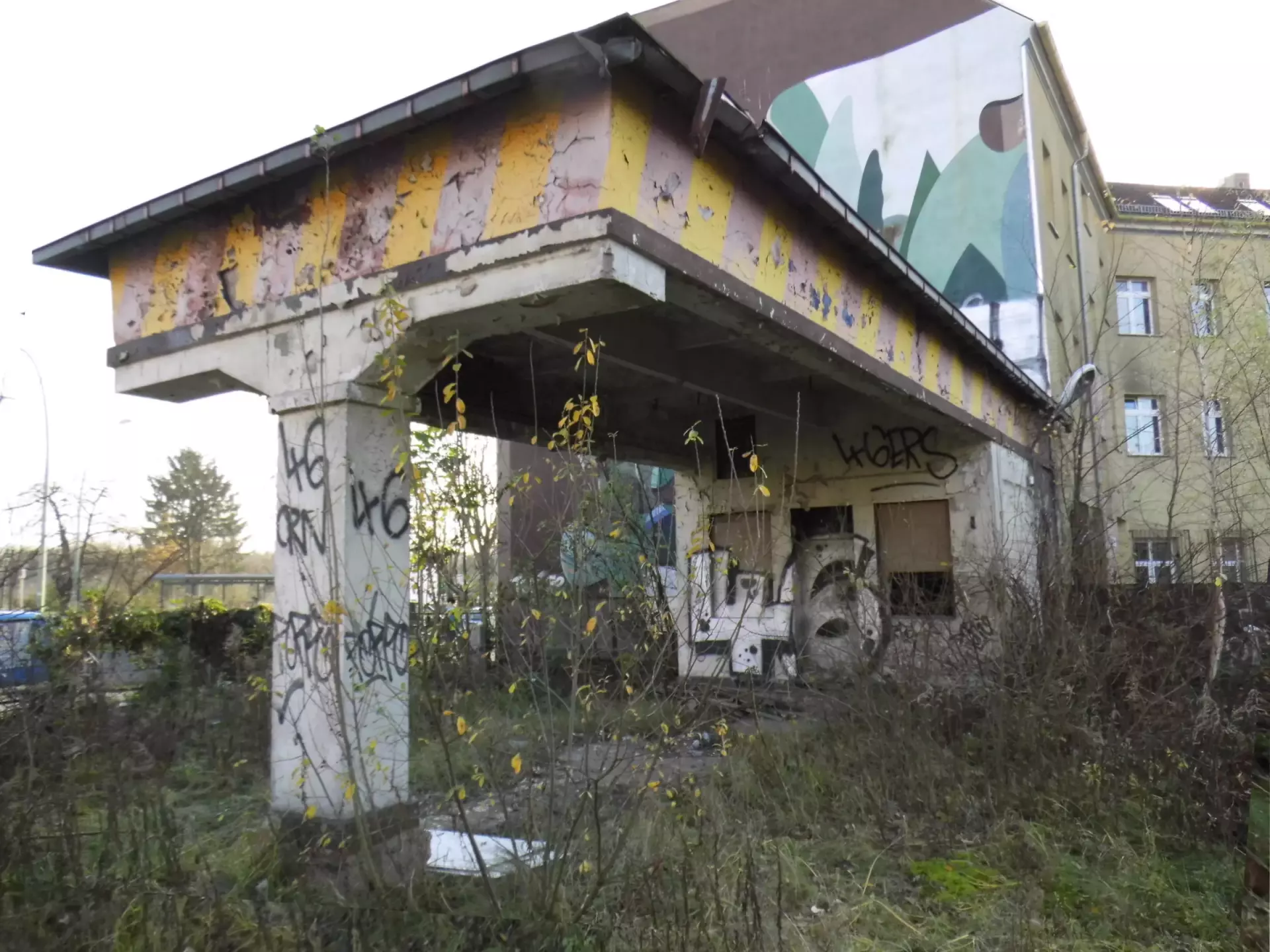
Sonnenallee is a long boulevard in Berlin that became widely known after a film took its name. The movie brought the street into popular culture, turning an everyday roadway into a recognizable landmark.
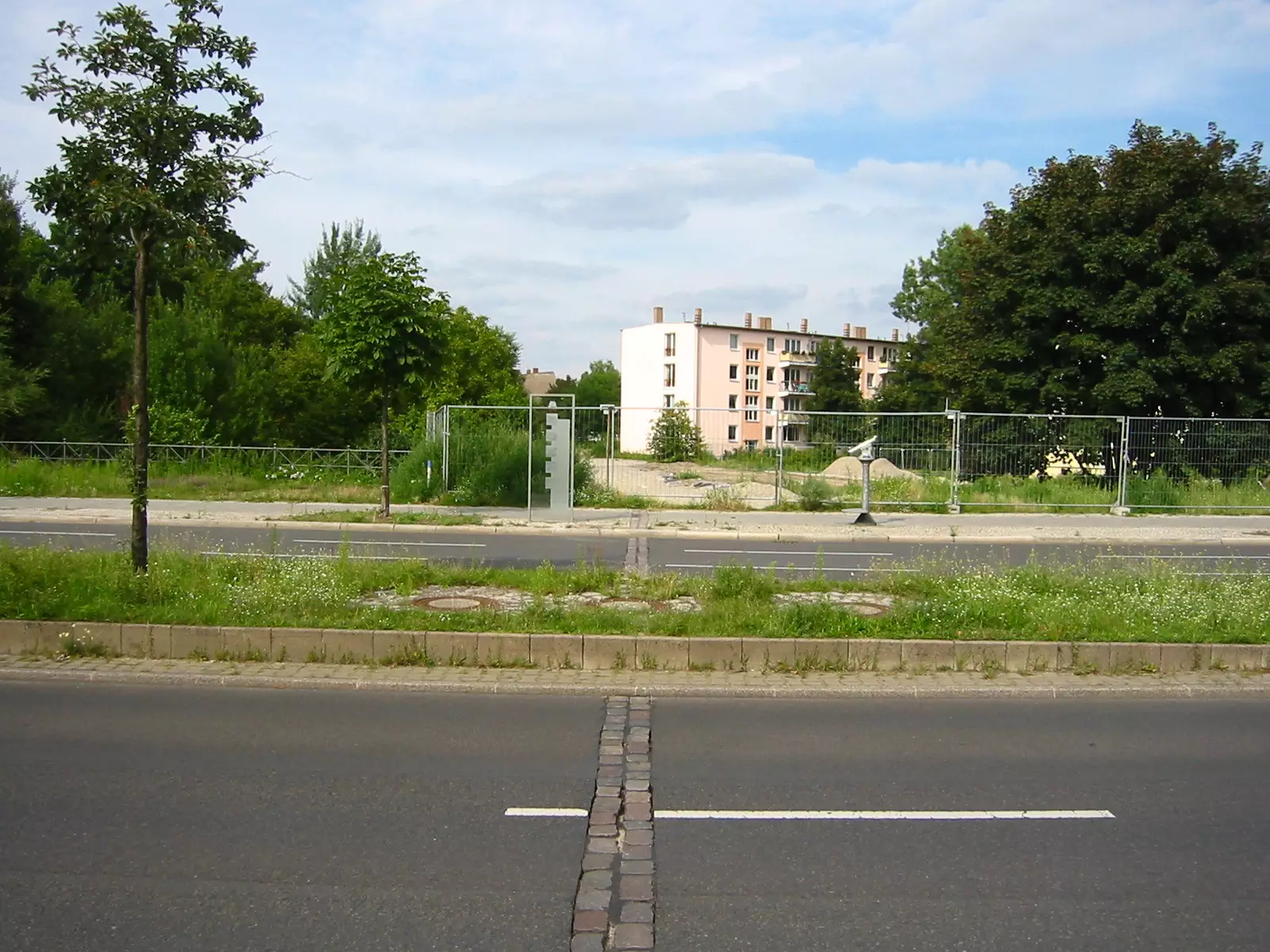
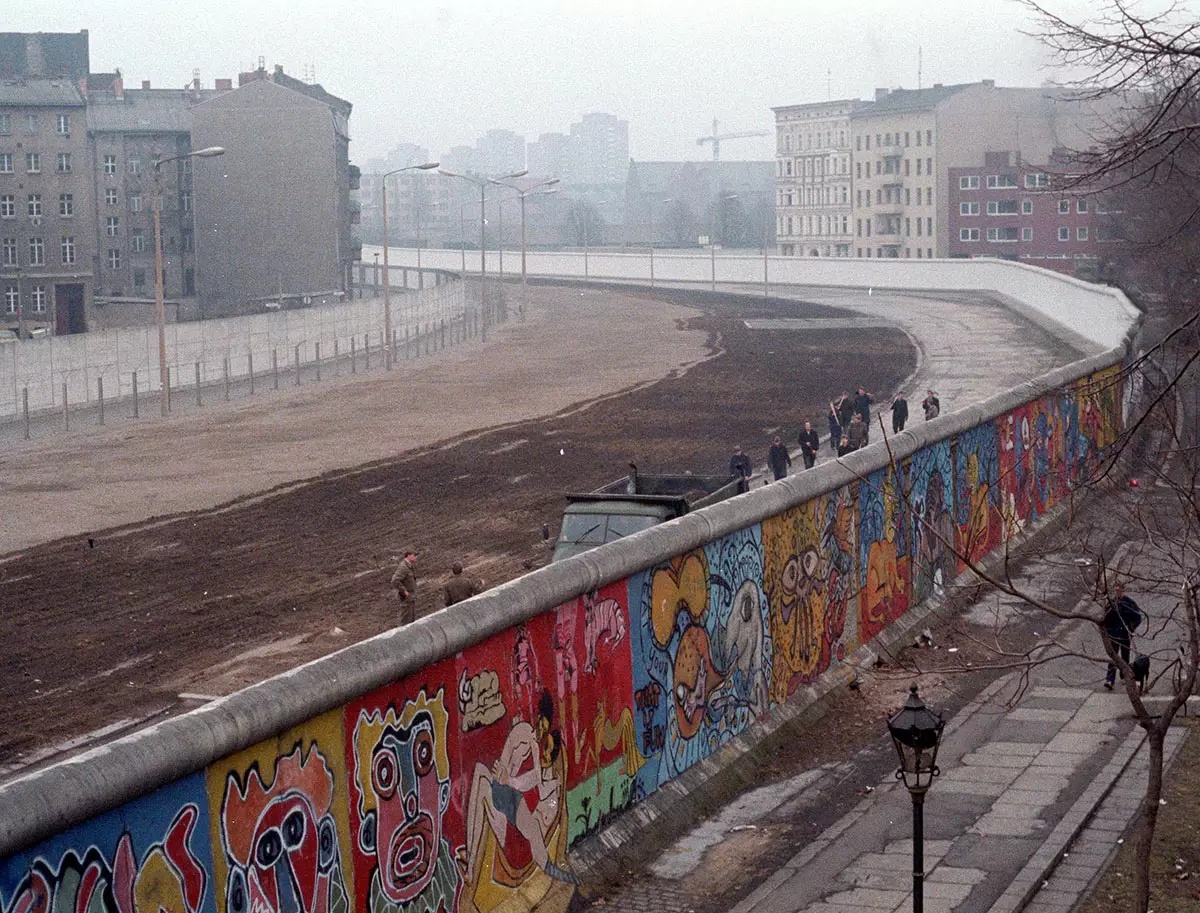
During the Cold War, Sonnenallee was cut in two by the Berlin Wall. One section lay in East Berlin, the other in West Berlin. Everyday routines were shaped by checkpoints, watchtowers, and border controls. Shops, homes, and tram lines that once connected neighbors ended abruptly at barriers. The street carried the feeling of separation, with different rules, currencies, and rhythms of life on each side.
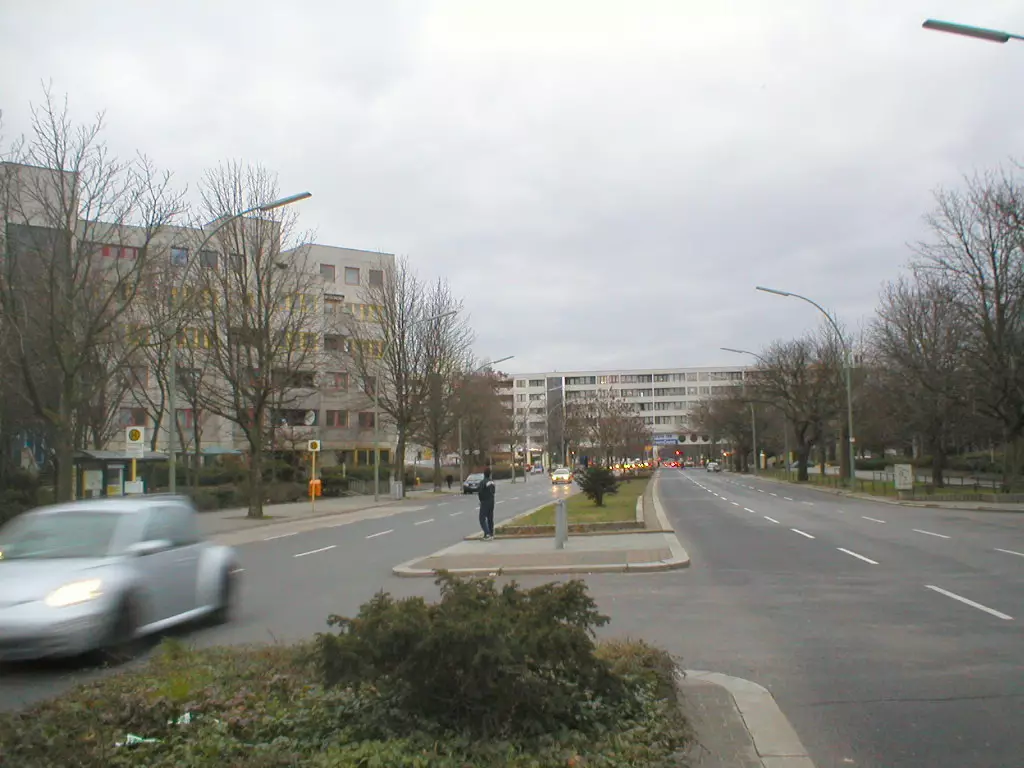
Despite the division, the boulevard remained a busy corridor. Traffic, local markets, and apartment blocks continued on both sides, reflecting the contrast between two political systems standing face to face. Street signs, architecture, and surviving segments of border infrastructure still hint at that past, making Sonnenallee a place where history and city life meet in plain view.
Source - https://en.wikipedia.org/wiki/Sonnenallee_(Berlin)
This imposing building houses the Federal German Parliament or "Bundestag" and was completed in 1894 to meet the need of the newly-unified German Empire of the Kaisers for a larger parliamentary building. The Reichstag was intended to resemble a Renaissance palace, and its architect, Paul Wallot, dedicated the building to the German people. The massive inscription in front still reads: "Dem Deutschen Volke" - 'For the German people'. The Nazi leader Adolf Hitler exploited the fire which gutted the Reichstag building in 1933 by blaming the Communists for the arson and for attempted revolution. There is good evidence to suggest, however, that his followers were actually responsible and that this was a manufactured crisis. The iconic photo symbolizing the Soviet victory over Nazi Germany shows a Soviet soldier planting the Soviet flag on top of the building and there are to this day graffiti left by Soviet soldiers on some walls of the Reichstag which were deliberately preserved by the new Germany as a memento of the war. It's perhaps the only national parliament to have traces left by a foreign army deliberately preserved. When German reunification became a reality, the new republic was proclaimed here at midnight on 2 October 1990. The Reichstag building is well-known in the art world thanks to Paris-based Bulgarian artist Christo's mammoth 'Wrapped Reichstag' project in 1995. The entire building was swathed in silver cloth for two weeks that summer.The Reichstag has undergone considerable restoration and alteration, including the addition of a spectacular glass dome designed by the British architect Norman Foster completed in 1999. You can visit the Reichstag building proper and even listen to a parliamentary debate but you need to book on their website sometimes weeks or even months in advance. Fortunately its much easier to visit the glass dome. You can reserve a visiting time and date on their website or in the small building across Scheidmannstrasse, except during the high season you should be able to arrange a time later the same day or the next day. Photo ID or passport is required to make the booking. A passsport is required during your visit. This is a very popular tourist attraction in Berlin and can get quite crowded however it is worth the effort. The helical path up the inside of the dome is a lot of fun and the 360 degree views at the top are splendid.
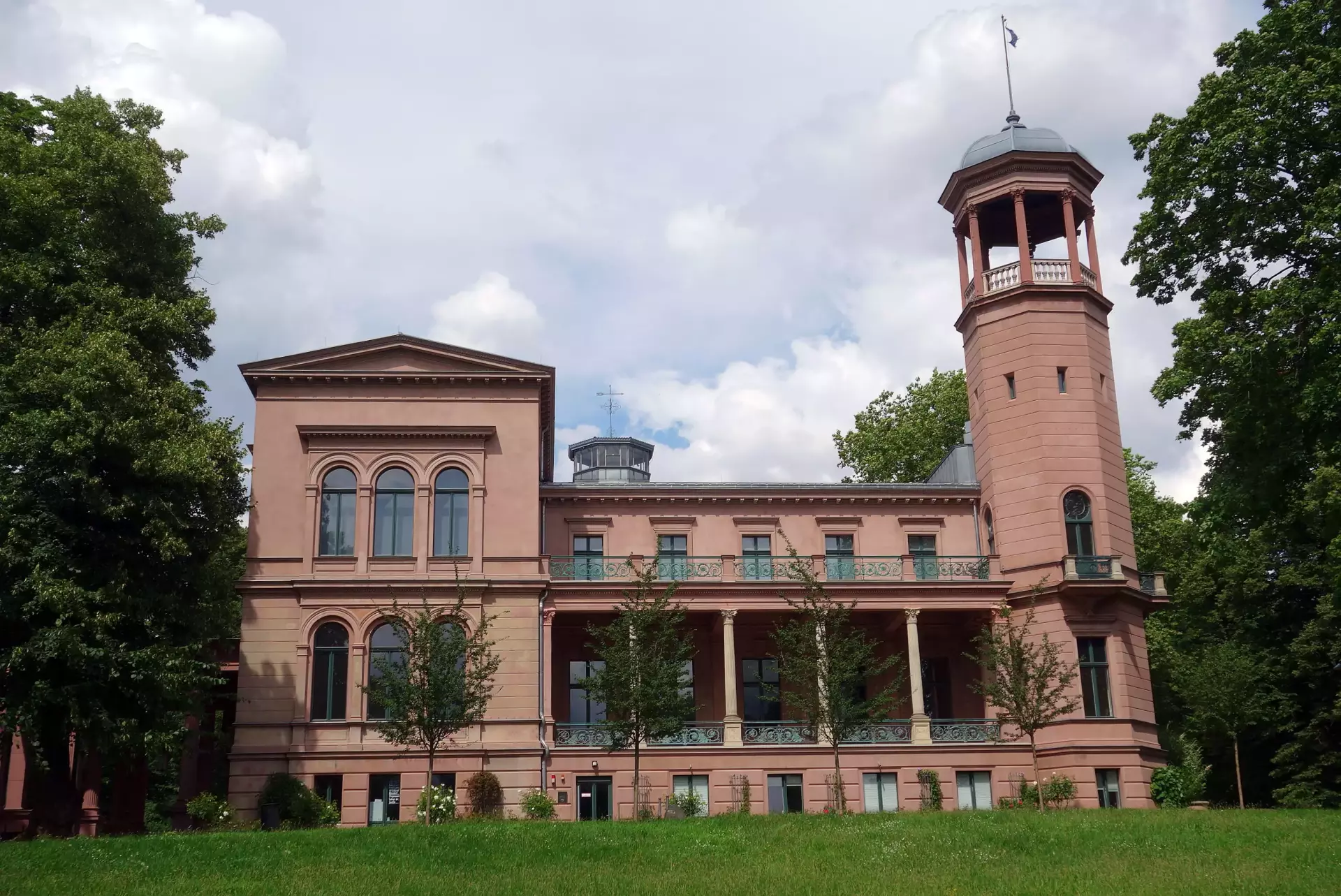
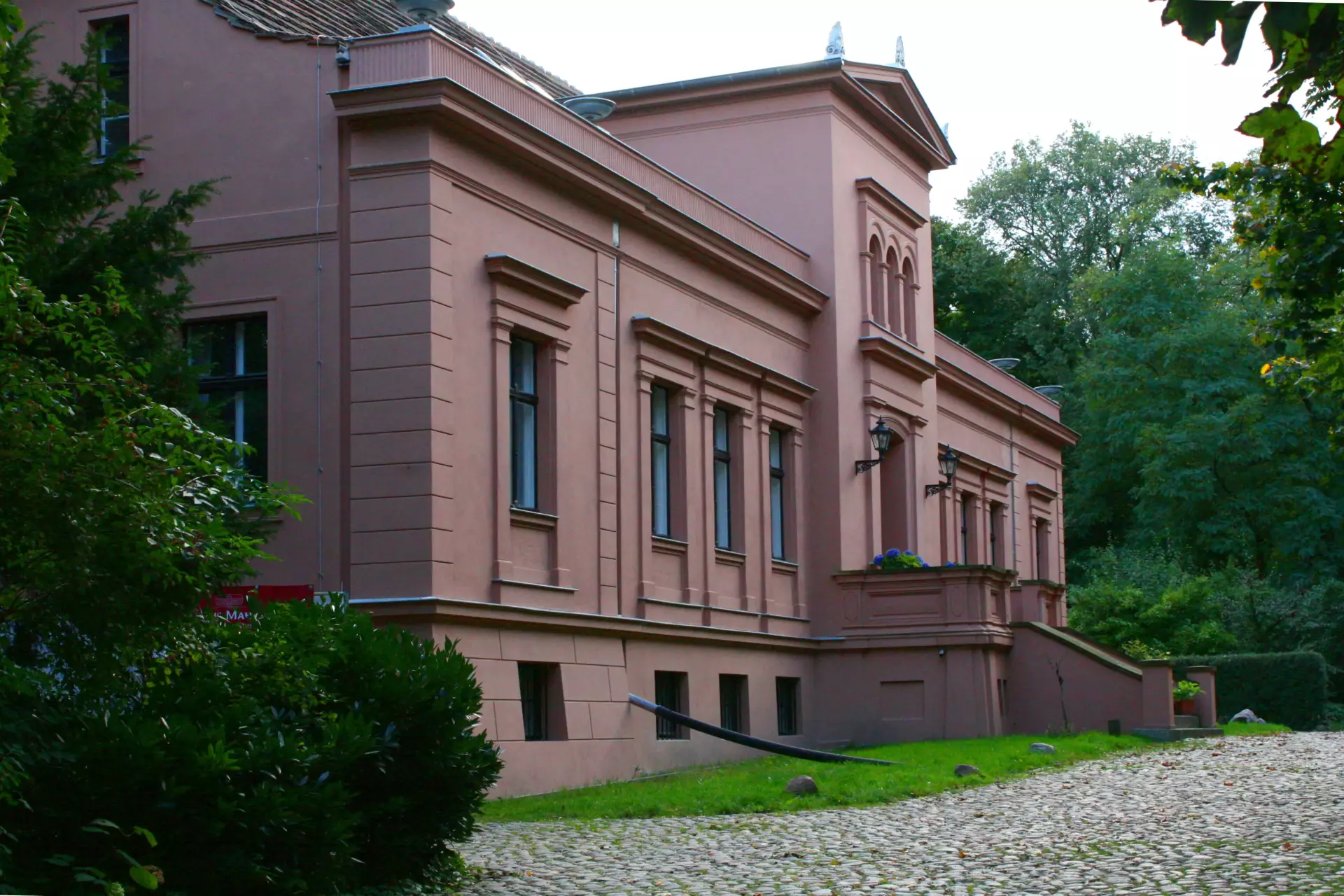
House museum on Max Liebermann, German painter and printmaker. Has about 15 Lieberman paintings.
Built by Hitler for the 1936 Olympic Games, this is one of the better examples of Nazi neoclassical architecture (laying claim to the legacy of Rome, fasces and all) and is still used for sporting events. At those Olympics, African-American athlete Jesse Owens won four gold medals, a party-spoiler for Aryan superiority. It's the home of soccer team Hertha BSC - they were relegated in 2023 and now play in 2. Bundesliga the second tier. In 2024 this stadium hosted games in the UEFA Euro Finals, including the final itself. For a glimpse of the Olympiastadion in its original state, seek out Leni Riefenstahl's movie Olympia - clips are shown in the Kinemathek and elsewhere.
Specializes in 19th-century painting and sculpture; Monet, Manet, Cézanne, C. David Friedrich and other important 18th- and 19th-century artists are well-represented.
Built 1859-1866 this is one of the most architecturally stunning synagogues in Germany to survive both the Nazi era and the war.
Berlin's biggest lake and popular resort for bathing and watersports. You can also travel there by tram, which is an experience by itself.
The museum’s treasures include the sculpture collection with works of art from the middle ages to the 18th century. The Bode museum is best known for its Byzantine art collection and the coin cabinet.
Not far away from Schloss Tegel (at the "große Malche") you can take a look at the oldest tree in Berlin, an oak which has been growing there since about 1192 (so it's actually older than Berlin itself). The name ("fat Mary") allegedly stems from the brother Humboldt who named the tree after their overweight cook.
Started in the 15th century and finished in the mid-18th century, the baroque palace was the residence of electors, kings and emperors until 1918, when it became a museum. The palace was badly damaged during World War II and later razed in 1950, replaced by the GDR with a modernist Palast der Republik. The Palast was in turn gradually dismantled at the turn of the century, as it was discovered to contain asbestos and its former function of housing the GDR parliament became obsolete. Berlin has started in June 2013 construction on a new version of its historic Stadtschloss. The Schlüterhof, an inner courtyard, was also rebuilt. The building opened with a delay in 2021 with museums inside and a roof terrace with a good view. Among the Berlin museums this is perhaps the most controversial due to reconstruction of a monarchist palace being seen as a questionable political statement and due to the fact that many of the exhibits were sourced from German colonies under ethically questionable circumstances leading to demands to return some or all of them to their places of origin.
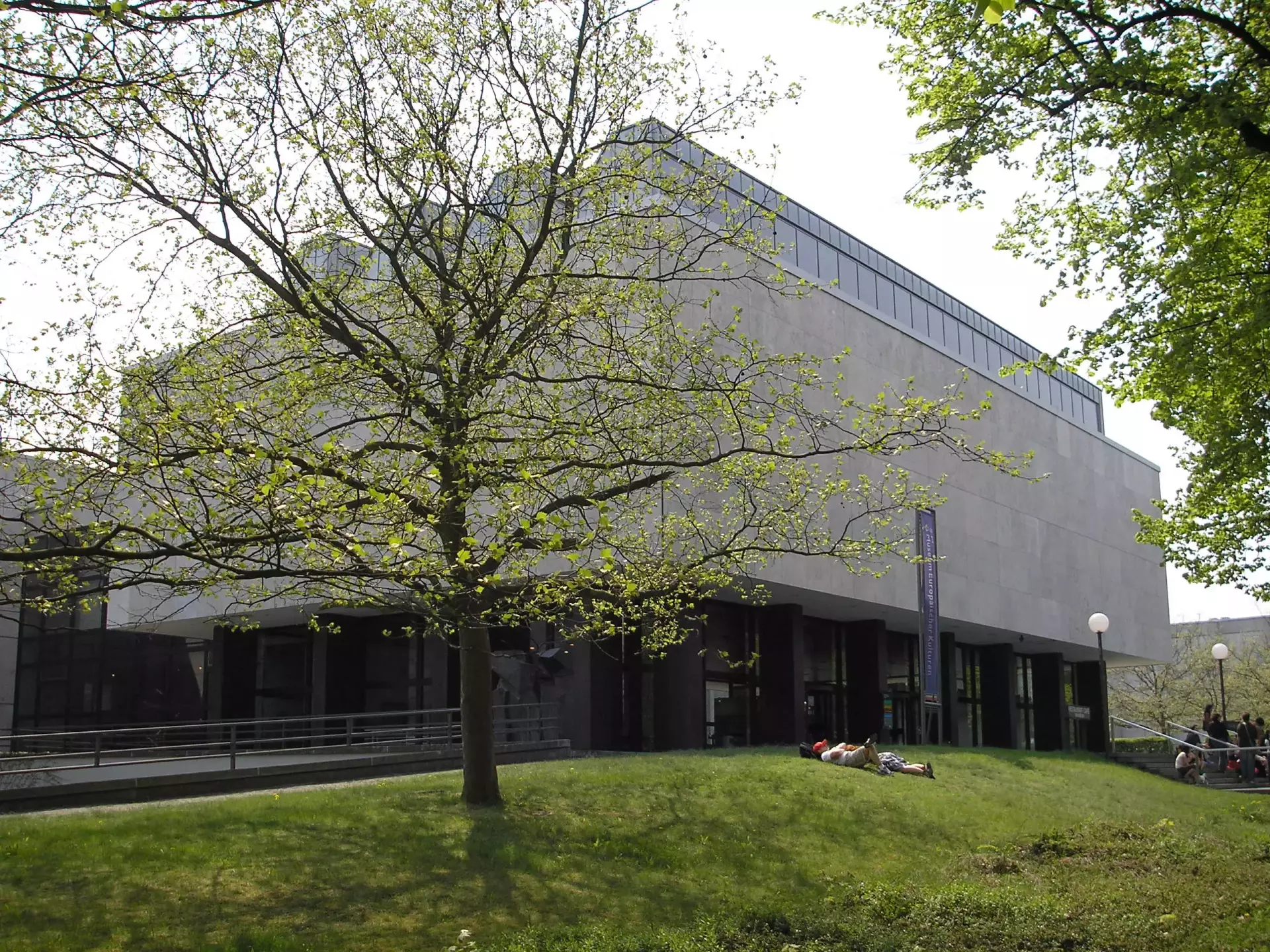
Germany's national centre for contemporary non-European art. The house is a leading centre for the contemporary arts and a venue for projects breaking through artistic boundaries. This architectural landmark was an American contribution to the international building exhibition INTERBAU 1957 as an embodiment of the free exchange of ideas. Colloquially called Schwangere Auster (Pregnant Oyster).
The only surviving Berlin city gate and a potent symbol of the city. This is the point where Straße des 17. Juni becomes Unter den Linden. The gate was designed by Carl Gotthard Langhans in 1791 and was intended to resemble the Acropolis in Athens. The Brandenburg Gate now symbolizes reunification, after dividing East and West Berlin for decades. This is the site of Reagan's "Mr. Gorbachev open this gate, Mr. Gorbachev tear down this wall" speech.
German historical museum covering everything from pre-history up to the present day. One can spend many, many hours here! The building from 1695/1730 was the Zeughaus (Arsenal) until 1876.
Includes the Panoramapunkt, the viewing terrace located 101 metres above ground, accessible by Europe's fastest elevator.
With the Kreuzberg, a hill in Kreuzberg 61, the Prussian National Monument by Schinkel and a waterfall. Superb panoramic views across south Berlin.