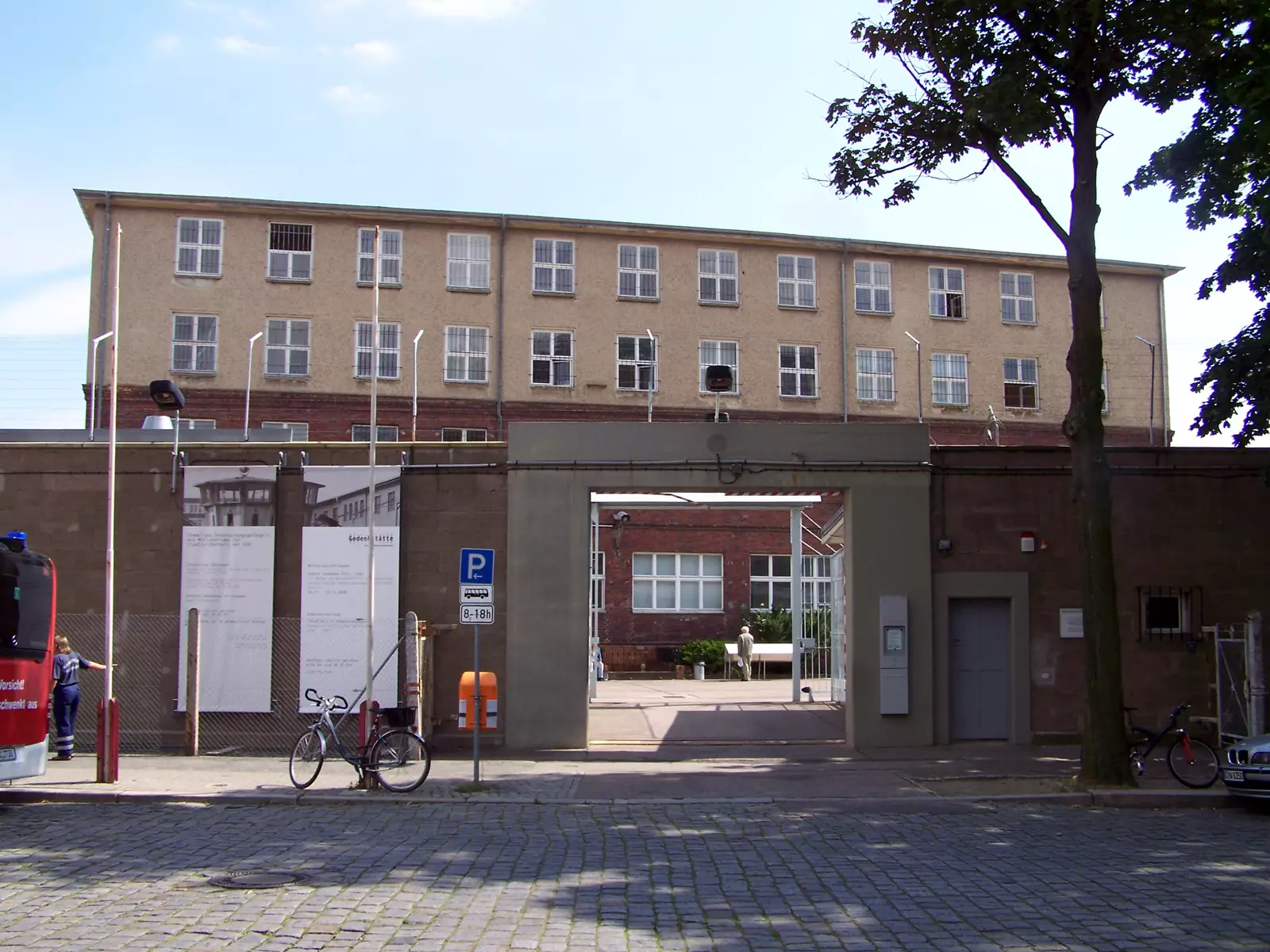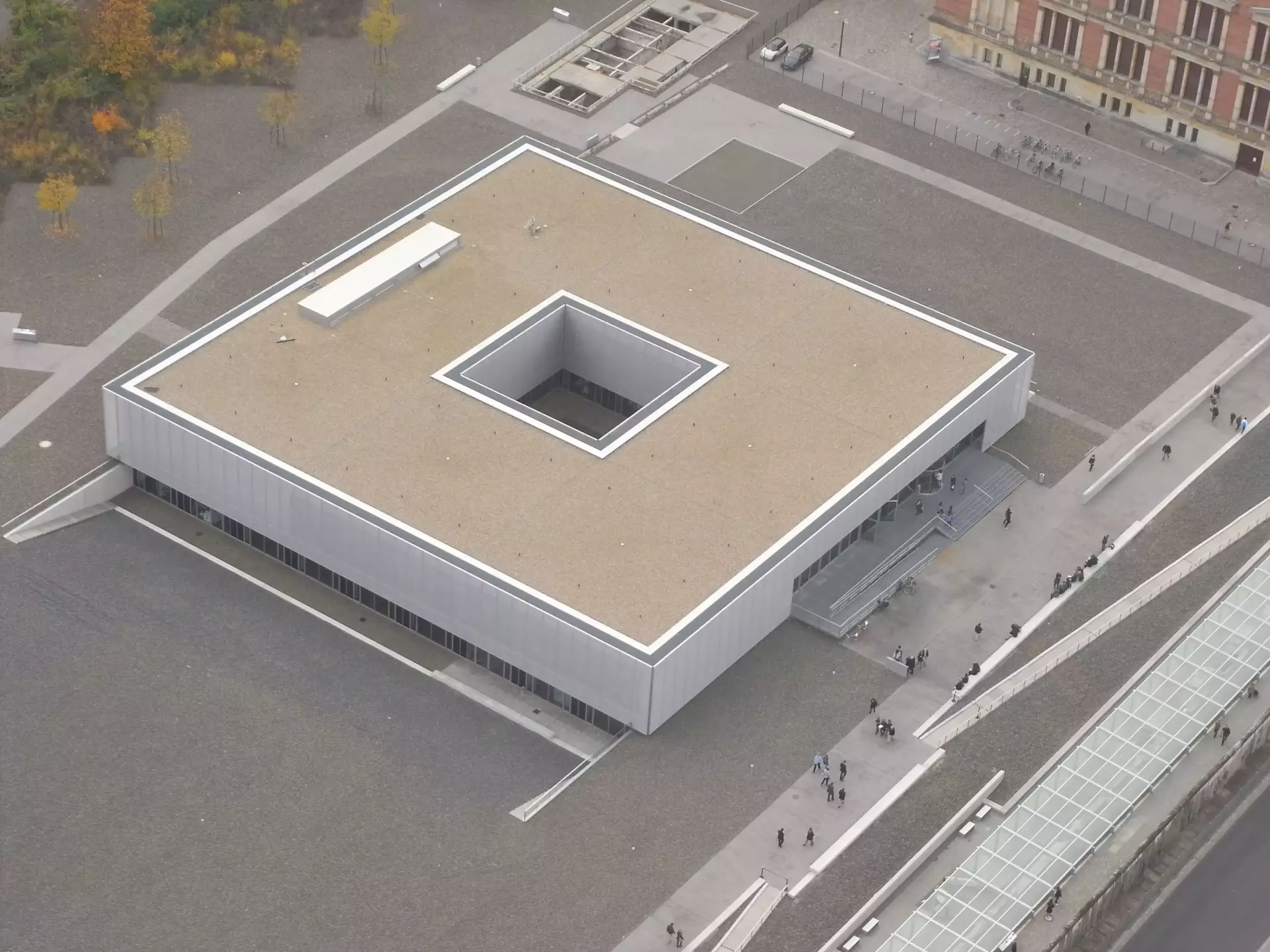
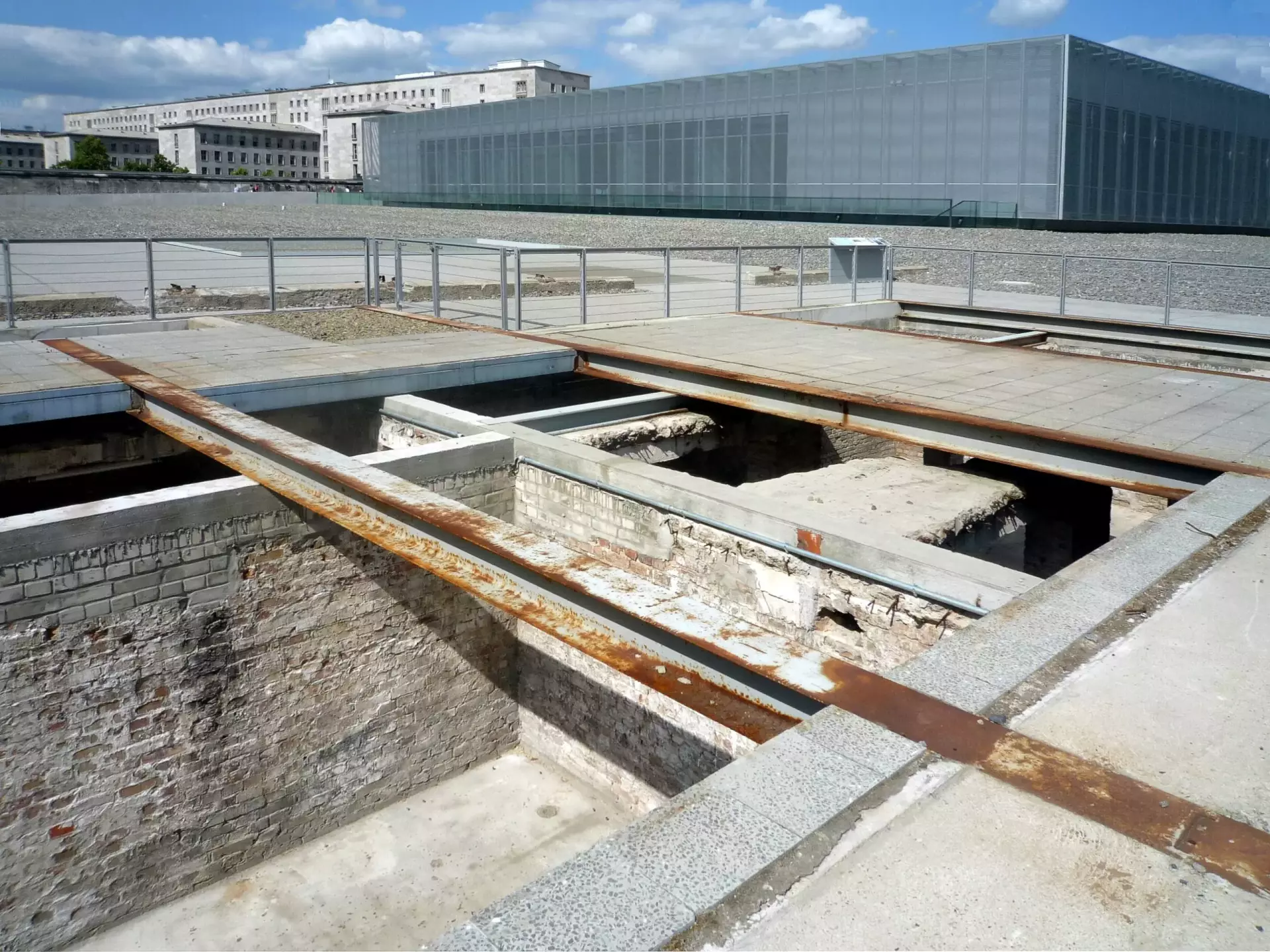
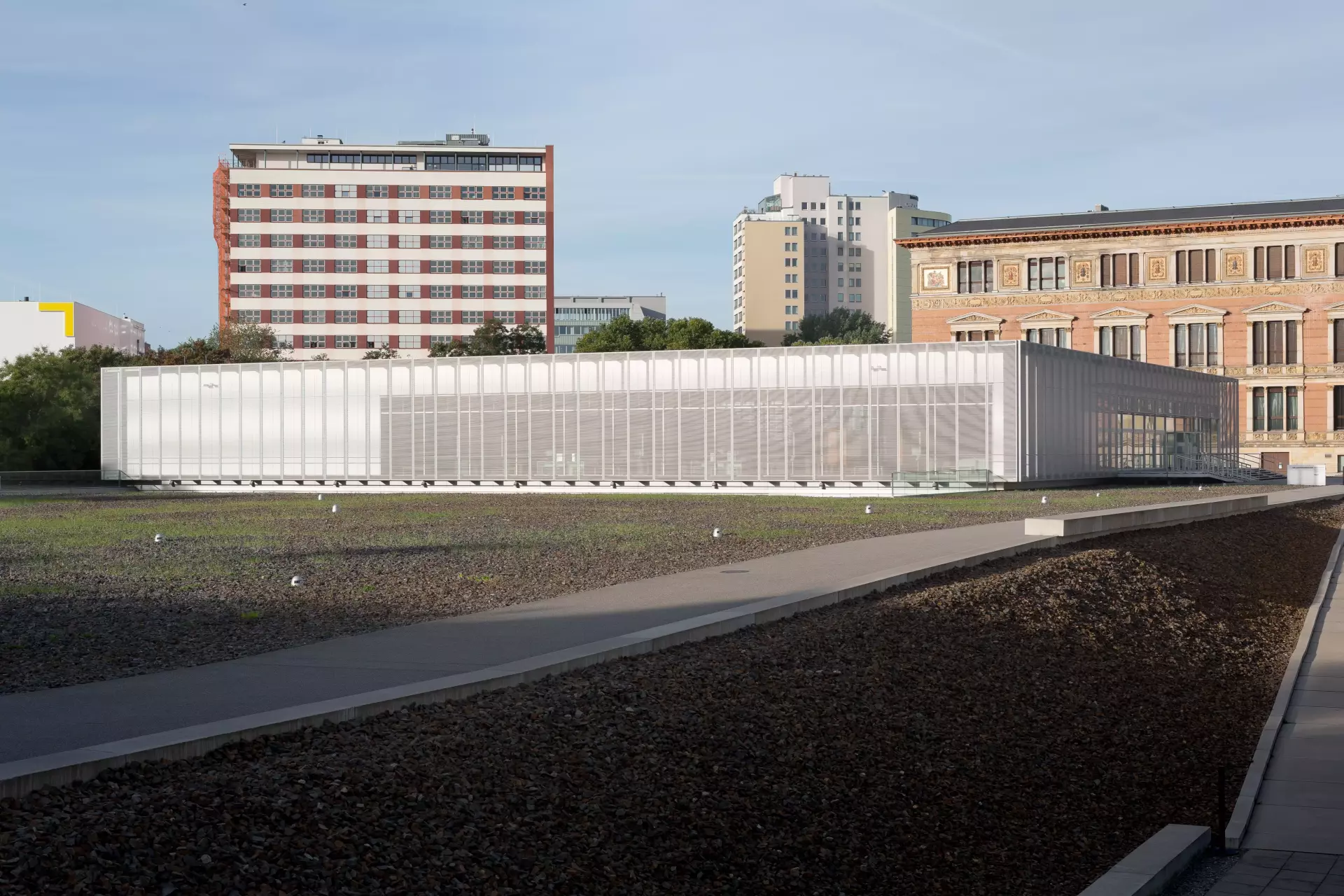
This outdoor and indoor history museum explores how the Nazi regime used terror to control Germany and occupied Europe. It stands on the original grounds where, from 1933 to 1945, the Gestapo and the SS directed surveillance, persecution, and violence. The location itself is part of the story, with fragments of foundations and exposed ruins that bring the past into sharp focus.
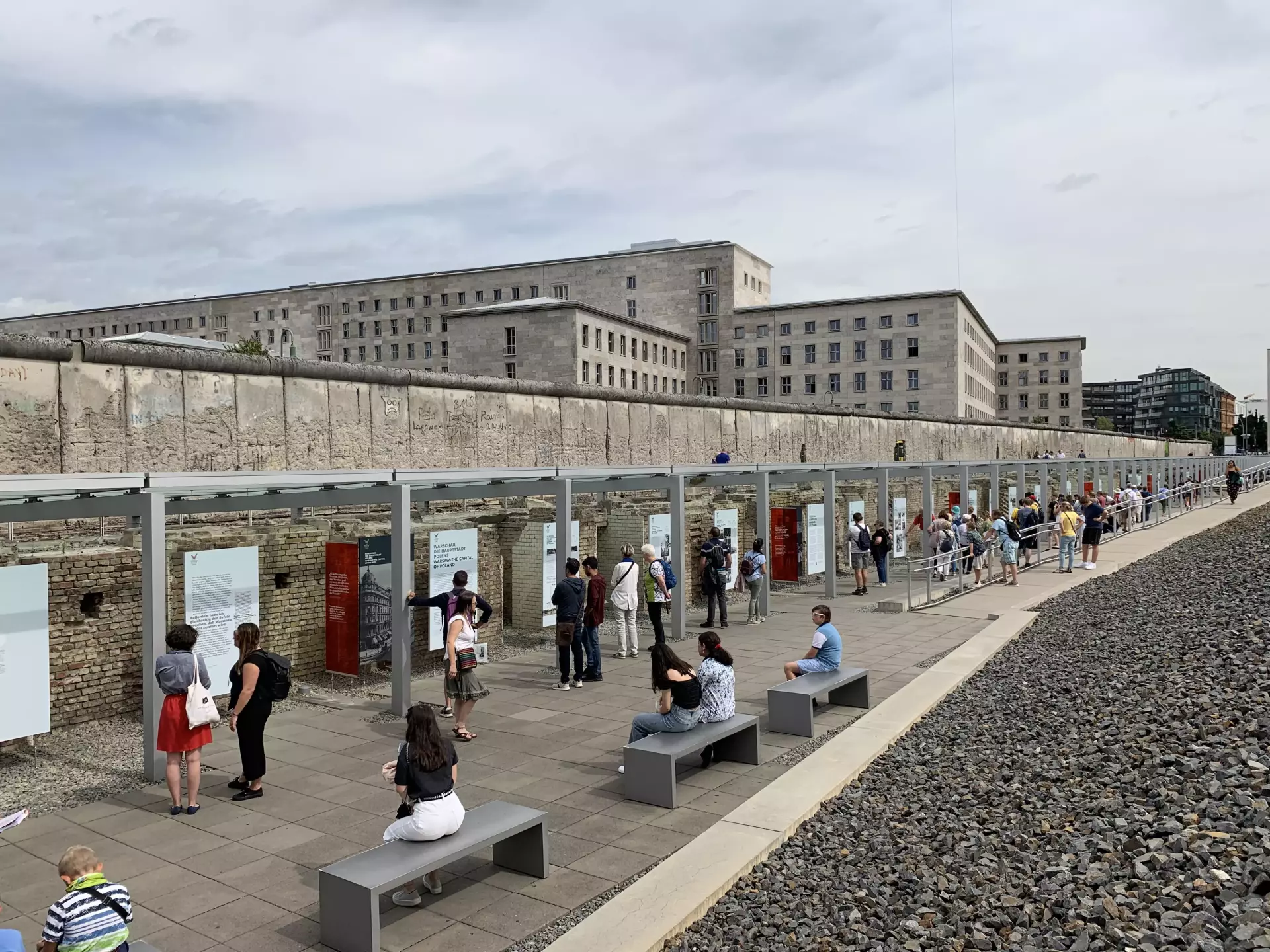
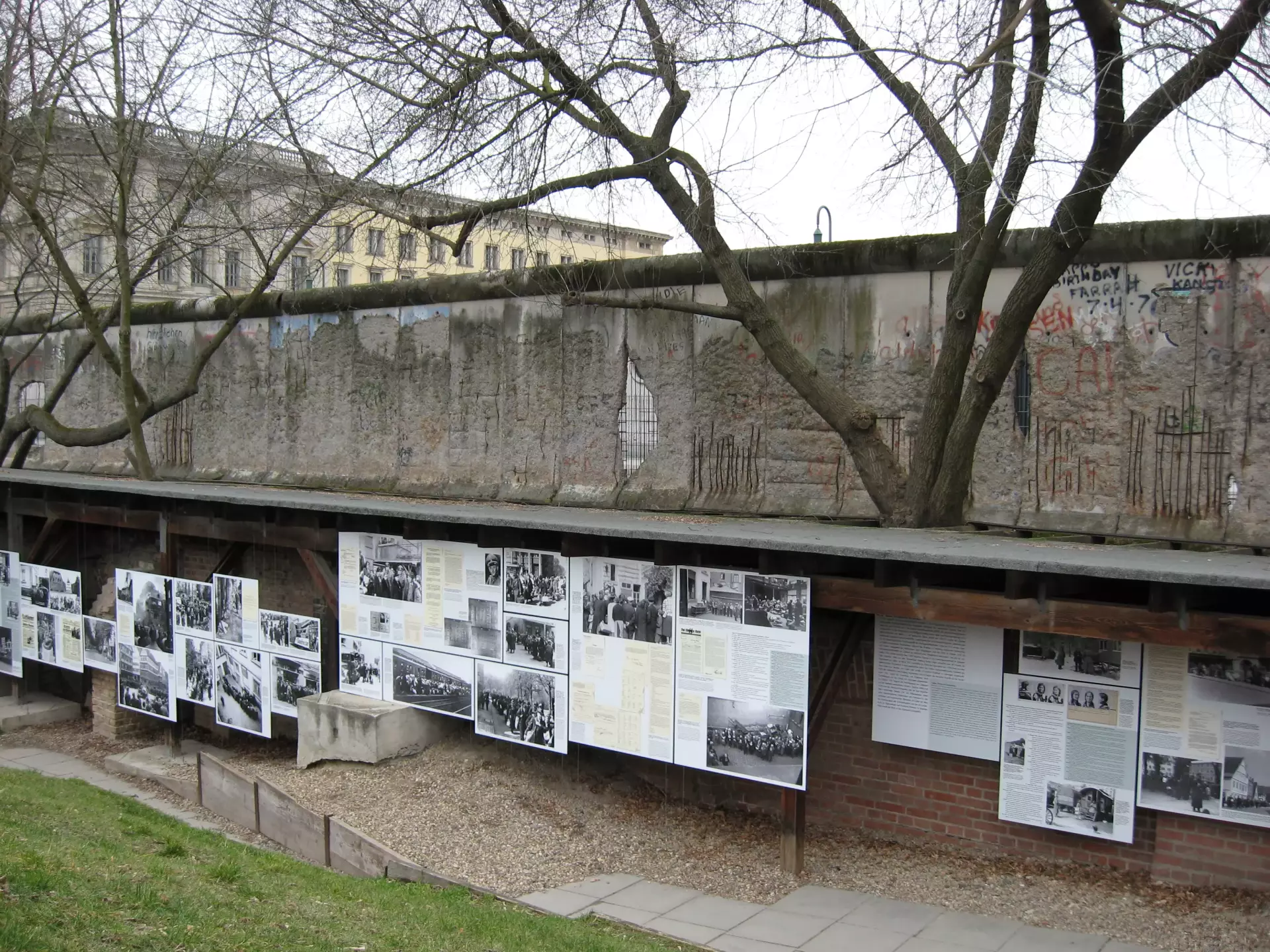
Open-air displays run alongside preserved segments of the site, including remnants of former prison cells and administrative buildings. Clear panels, photographs, and maps guide visitors through the rise of the dictatorship, the machinery of state terror, and the everyday mechanisms of control. The setting—half archaeological site, half exhibition—connects historical documents to the place where decisions and orders were carried out.
Indoor galleries present a detailed chronology of the regime’s expansion of power. Archival images, personal testimonies, and official records reveal how the Gestapo and the SS operated, how laws were weaponized, and how persecution escalated into mass violence. The exhibits are designed for careful reading, with bilingual captions and timelines that encourage a step-by-step understanding.
The design is restrained and purposeful. Steel, glass, and concrete frame the ruins without overshadowing them. Natural light and open walkways create a contemplative atmosphere, while the straightforward layout keeps the focus on evidence and context. The contrast between modern structures and scarred ground underscores the weight of what happened here.
The site sits within Berlin’s central band of memorials and museums, close to the former Berlin Wall and other landmarks of the twentieth century. Outdoor panels also explain how the district changed before, during, and after the war, linking this address to wider urban transformations and the continuing work of remembrance.
Source - https://en.wikipedia.org/wiki/Topography_of_Terror
It was the only border crossing between East and West Berlin that permitted foreigners passage. Residents of East and West Berlin were not allowed to use it. This contributed to Checkpoint Charlie's mythological status as a meeting place for spies and other shady individuals. Checkpoint Charlie gained its name from the phonetic alphabet; checkpoints "Alpha" and "Bravo" were at the autobahn checkpoints Helmstedt and Dreilinden respectively. Checkpoint Charlie's atmosphere was not improved at all on 27 Oct 1961 when the two Cold War superpowers chose to face each other down for a day. Soviet and American tanks stood approximately 200 m apart, making an already tense situation worse. Now the remains of the Berlin Wall have been moved to permit building, including construction of the American Business Center and other institutions.At the intersection of Zimmerstraße and Friedrichstraße (U-Bahn Kochstraße U6) is the famous "You Are Leaving the American Sector" sign. The actual guardhouse from Checkpoint Charlie is now housed at the Allied Museum on Clayallee. For a more interesting exhibit go to the Haus am Checkpoint Charlie. This is a private museum with kitschy memorabilia from the Wall and the devices GDR residents used to escape the East (including a tiny submarine!). There are also people who set up booths here offering to stamp your passport with souvenir stamps in exchange for a small fee. You are highly advised not to put these stamps in your passport, as these are not official stamps and could invalidate it. Instead, bring along an expired passport or a small booklet to put the stamps in.
Official residence of the (largely ceremonial) President of Germany since 1994. Only Roman Herzog (president 1994-1999) actually lived here, his successors have preferred a quiet apartment on the outskirts of Berlin, but this is where the president will usually host guests and do public events. Guided tours are possible, but plan to book up to nine months ahead and be prepared for having to reschedule if the president decides to hold an event on short notice which preempts tours.
The building of one of Berlin’s oldest breweries is a ravishingly beautiful and heritage-protected industrial monument.
The Bierpinsel ("beer brush") is a building in Steglitz which resembles an observation tower and is famous for its pop-art appearance. The futuristic, landmarked building was built from 1972 to 1976 and has since been used as restaurant, night club, bar, radio station and art café.
The largest aquarium in Germany with over 9000 animals that are presented on three storeys in a historic building. Aquarium Berlin is found on the premises of the Zoo, but can also be visited separately. One of the best places on a rainy day with children.
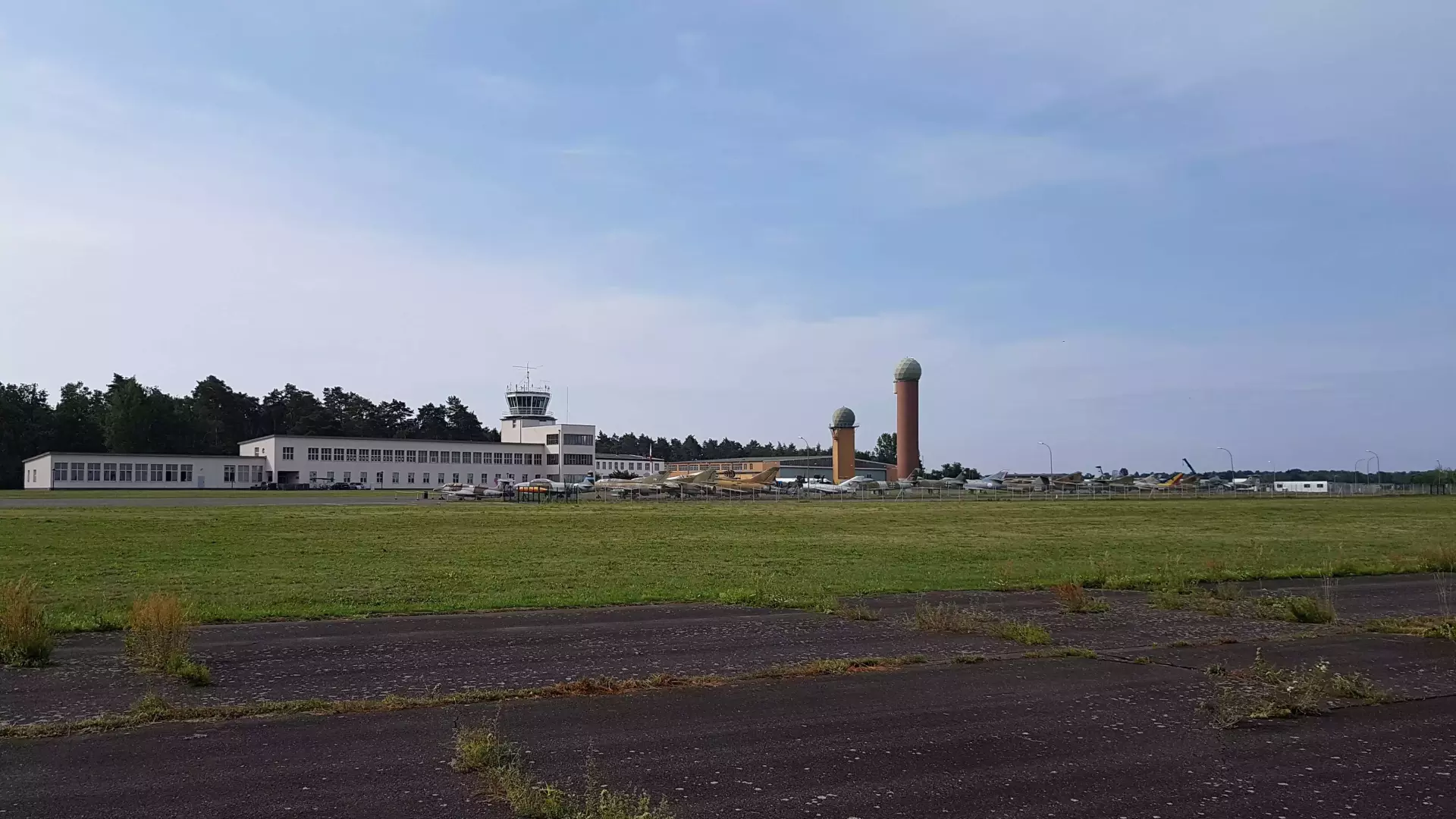
This aeronautical experimental park on the grounds of Germany's first air field Johannisthal consists of a group of several individual technical monuments such as the walkable Großer Windkanal (High-speed wind channel, 1932–34), the Trudelturm (Fatty tower), a vertical wind tunnel for spinning tests (1934–36), the Schallgedämpfter Motorenprüfstand (Sound-insulated engine test bed, 1933–35) and the Isothermische Kugellabore (Adlershofer Busen, Isothermal spheric laboratories, 1959–1961), which are about 500 metres away from the other monuments.
Small park in the heart of West Berlin. Great place to chill on a sunny day. There are many great cafés and restaurants nearby. Linger over a coffee here and watch people passing by.
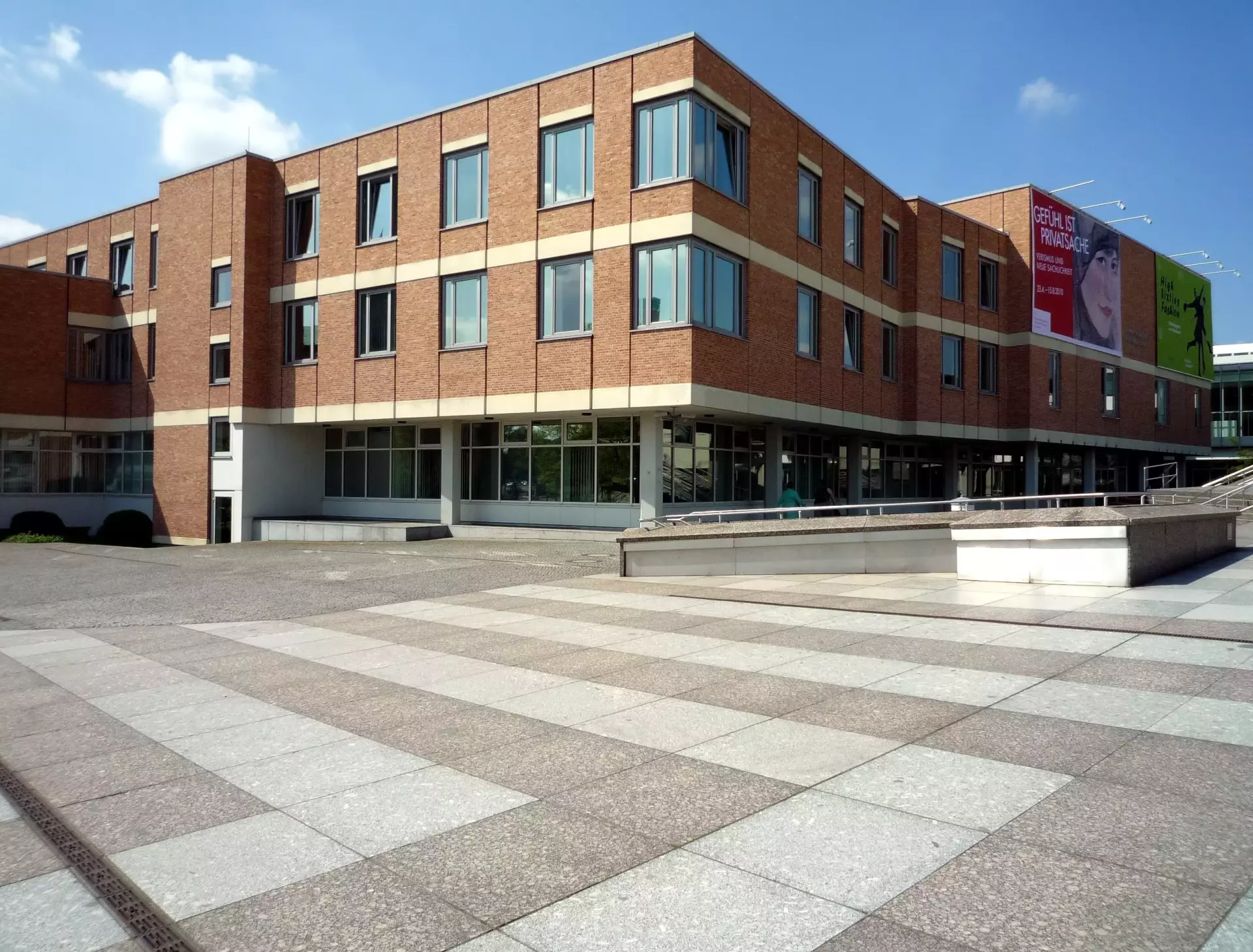
The oldest museum of its kind in Germany which, despite great losses during the World War II, still possesses one of the world's primary collections of European applied art. There are two sections to the collection: one located at the Kulturforum in Tiergarten, the other at Köpenick Palace.
Closed for renovations; the temporary Bauhaus-Archiv is at Knesebeckstraße 1-2 in Charlottenburg. Building designed by Walter Gropius. Inside a museum, library, cafe and shop.
The longest stretch of the Berlin Wall still in existence, painted by artists in 1991 and restored in 2009, after years of decay. At Mühlenstraße, next to the river Spree. The murals are painted on the east side of the wall after the fall of Communism; so they are not from the Cold War, during which murals could only be painted on the west side. Make sure not to miss the famous mural of a car seemingly crashing through the wall with Leonid Brezhnev and Erich Honecker kissing above it. It is actually on the back side of the gallery (it is facing away from the street.) It is just inside the entrance of the Eastern Comfort Hostel, near the east end of the gallery.
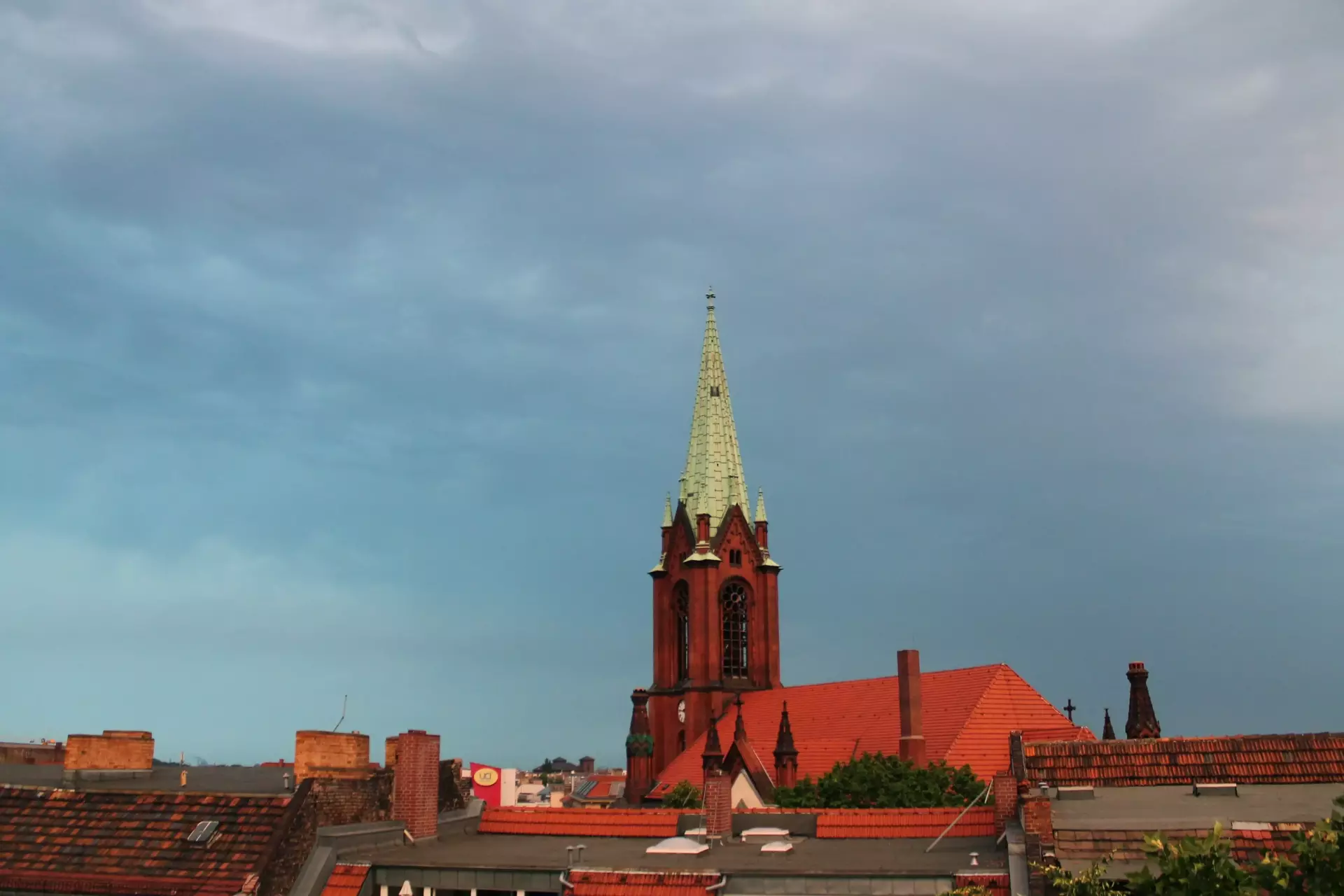
Gothic church, the second oldest (built in late 13th century) of the historical centre of Berlin. It's the highest church tower of Berlin (about 90 m), but seems rather small beneath the gigantic TV tower. The church tower was built in the late 18th century by Carl Gotthard Langhans, the architect of the Brandenburg Gate.
Also known as "Picasso und seine Zeit", this not so large, but precious museum hosts a very good collection of paintings and sculptures signed by Picasso, Klee, Matisse, Giacometti, and others from the first decades of the 20th century.
One of the oldest buildings in Charlottenburg and actually the reason for the whole city to be built.
This museum is perhaps something you wouldn't expect in a major metropolis and truth be told it owes its existence in part to partition (when West Berlin schoolkids couldn't go to the surrounding Brandenburg countryside to experience rural life). Opened in 1975 it is an attempt to recreate as faithfully as feasible a medieval farming village from roughly the era of Berlin's founding (12th or 13th century). The village that existed at this place 800 years ago was not called "Düppel" back then as that name was only applied in the 1860s after the Prussian victory over Denmark at Dybbøl which was rendered into German as "Düppel" and applied to the area to honor a member of the Prussian royal family who owned land there.
It was a museum of applied arts and a listed historical monument since 1966, and it is now a well-known Berlin exhibition hall.