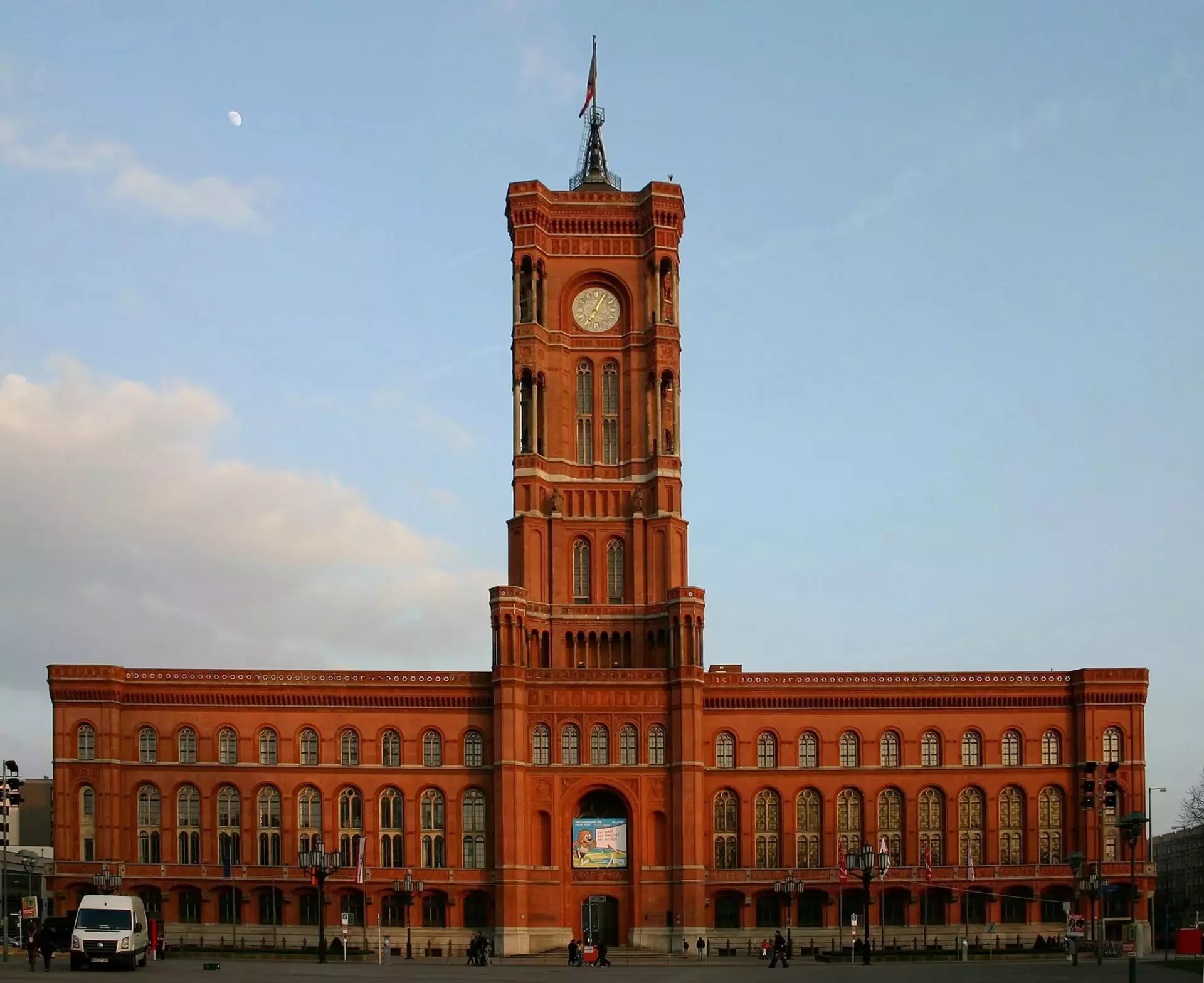
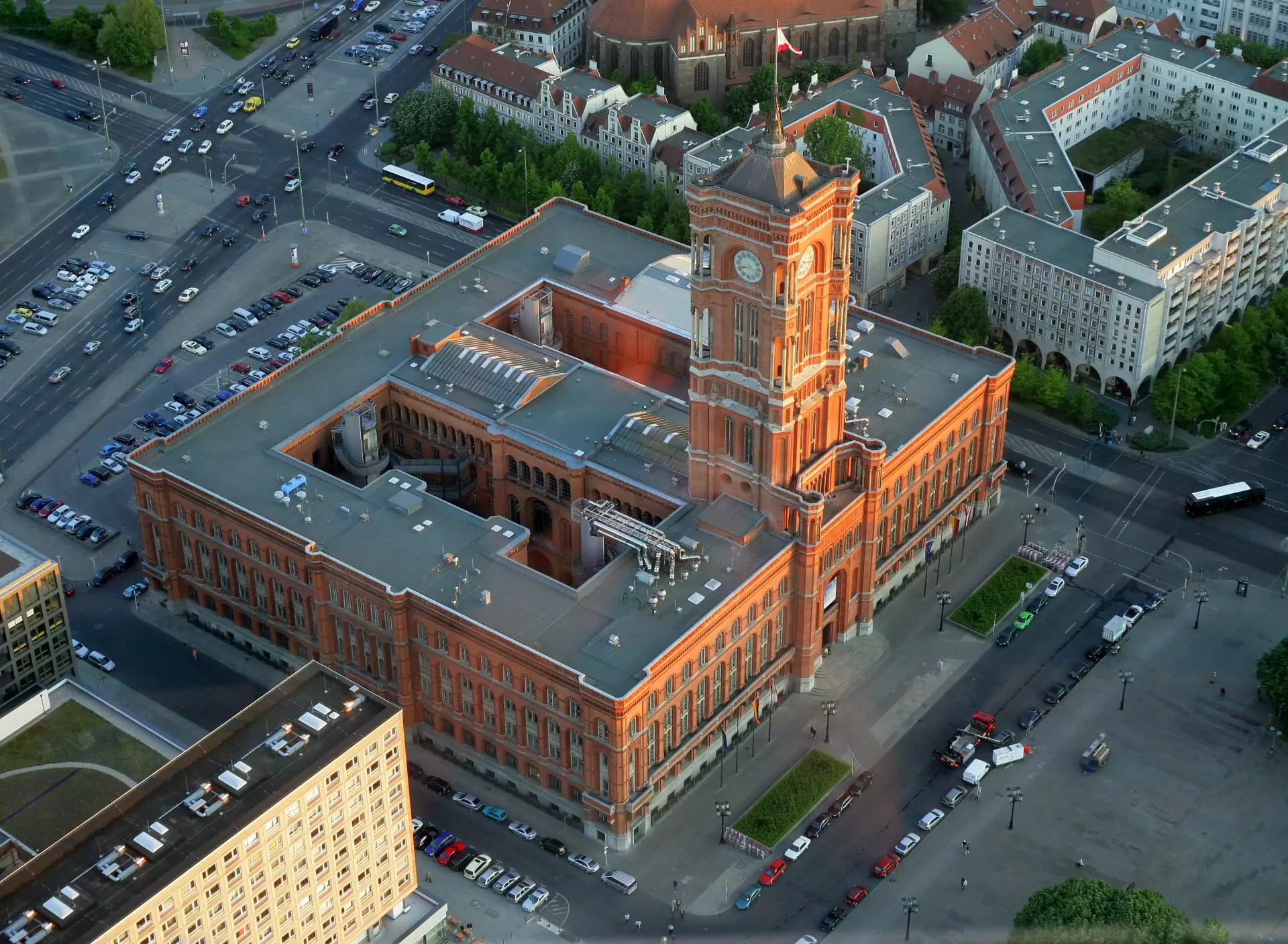
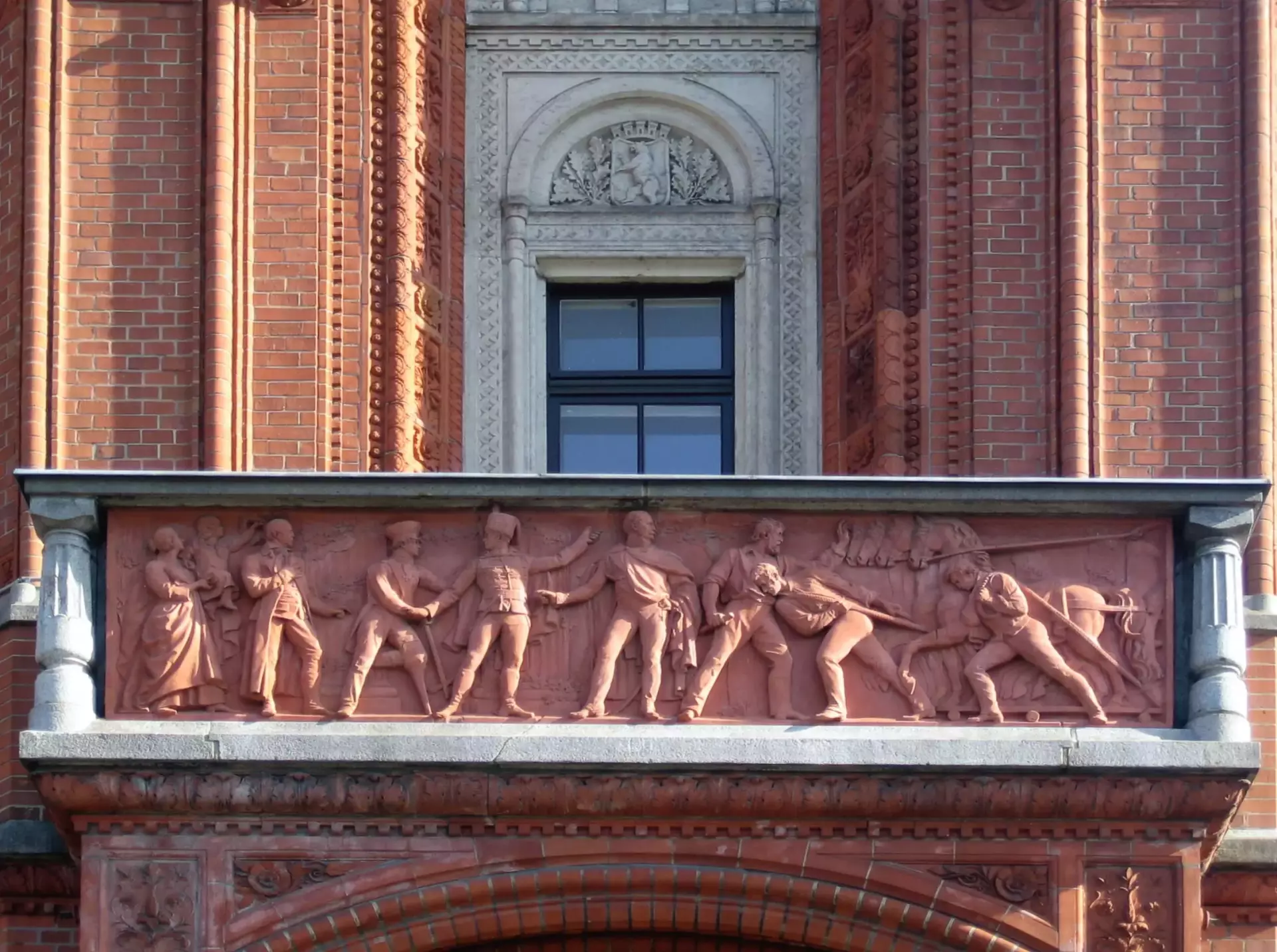
Berlin’s town hall carries the name “Red Town Hall” for a simple reason: its façade is built from striking red brick. The color comes from the material itself, not from any past political leaning. Standing on Alexanderstraße, the building is a landmark of the city’s 19th-century architecture, with a tall clock tower and long rows of arched windows that give it a formal, civic presence.
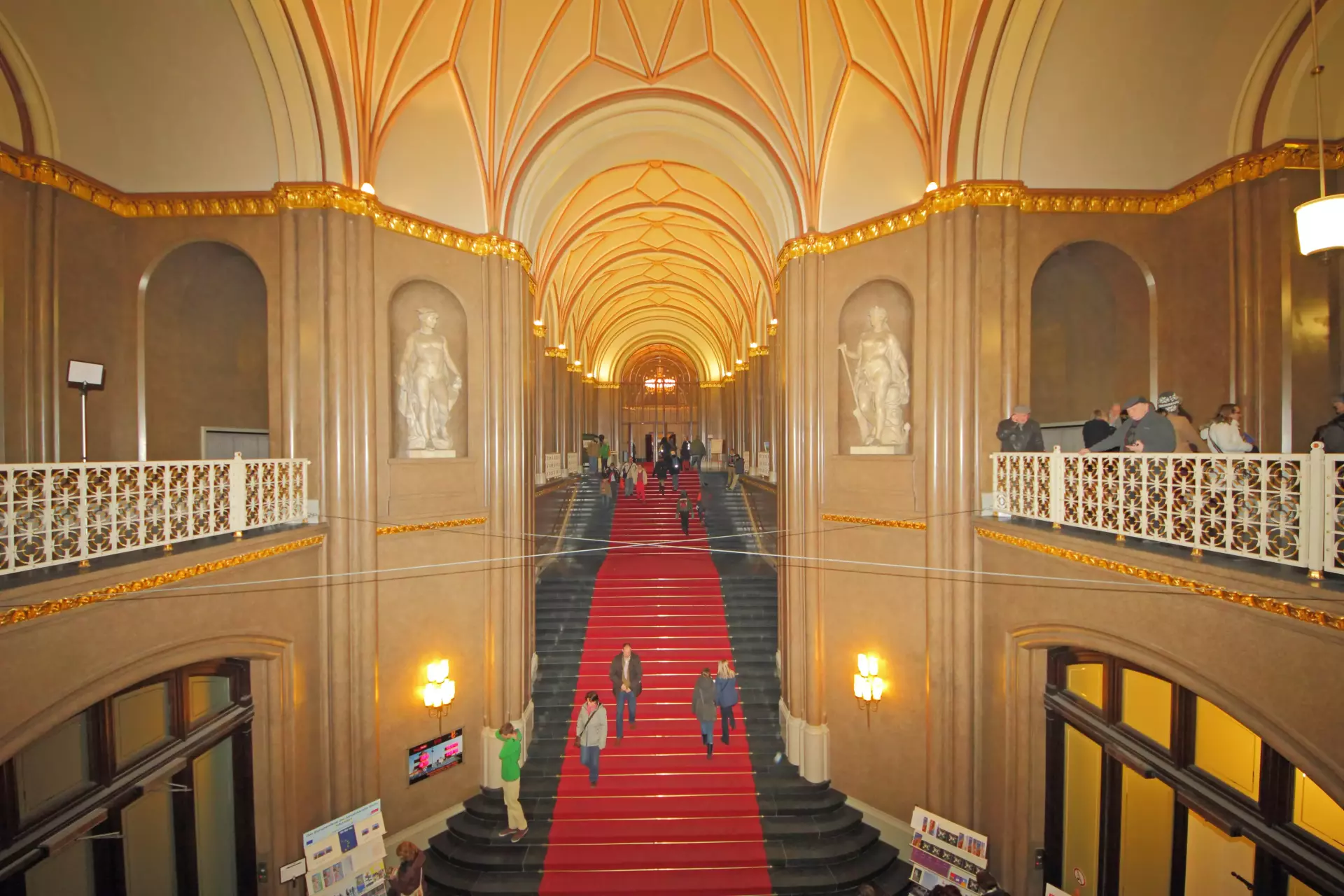
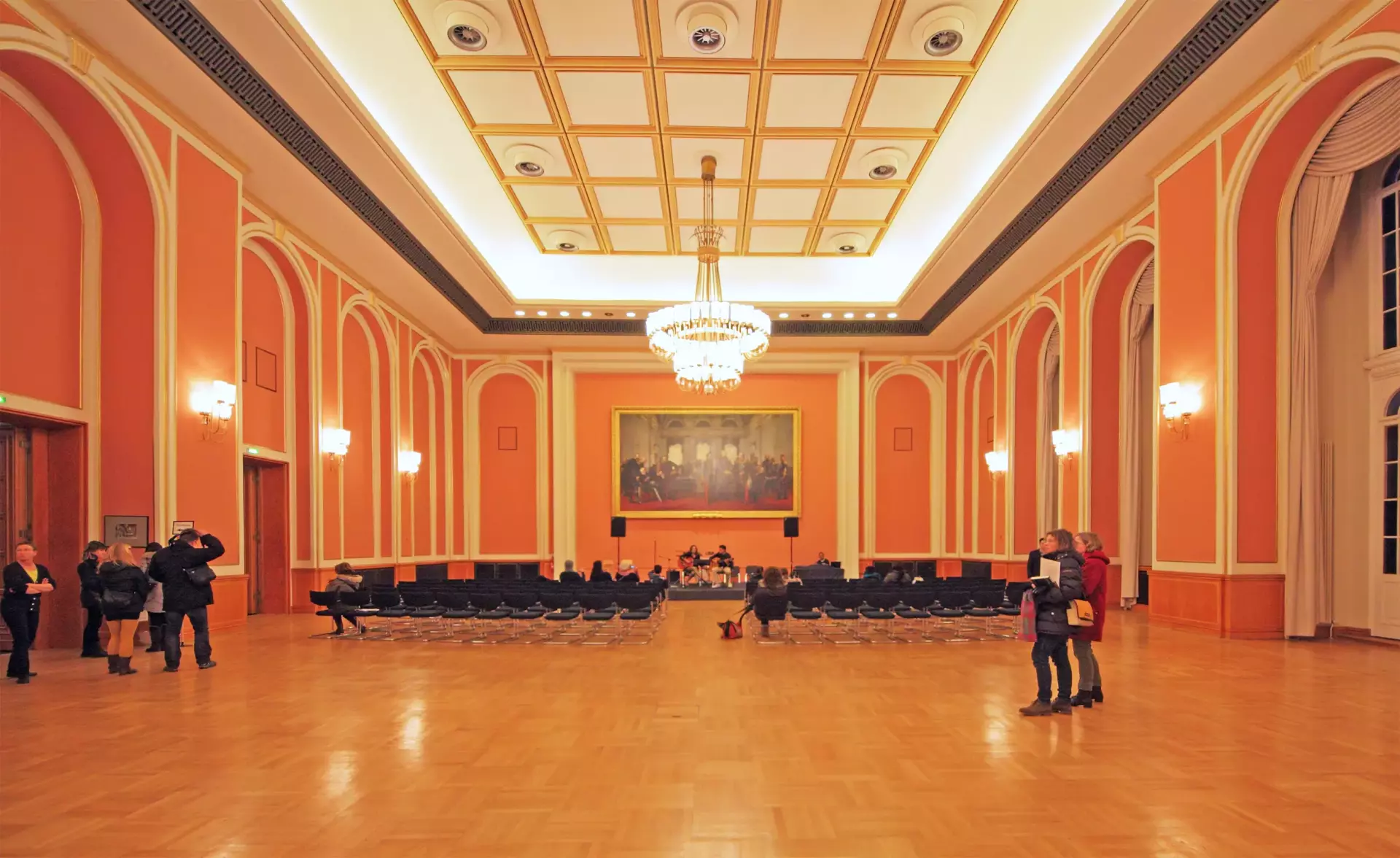
Beyond the grand exterior, the interior holds several Prussian-era rooms that reflect the tastes and traditions of the time. Tall ceilings, careful woodwork, and classical detailing create a dignified atmosphere. These rooms, often used for official events, offer a glimpse into the city’s administrative history and the aesthetics that shaped it.
From ceremonial halls to quieter corridors, the spaces are designed with symmetry and order in mind. The materials—polished stone, decorative plaster, and dark woods—speak to the building’s role as a center of government. Together, they form a setting that is both practical and stately, making the historic Prussian rooms a point of interest for anyone curious about Berlin’s civic past.
Source - https://en.wikipedia.org/wiki/Red_Town_Hall_(Berlin)
A small but interesting collection of decorative arts from the Art Nouveau and Art Deco periods
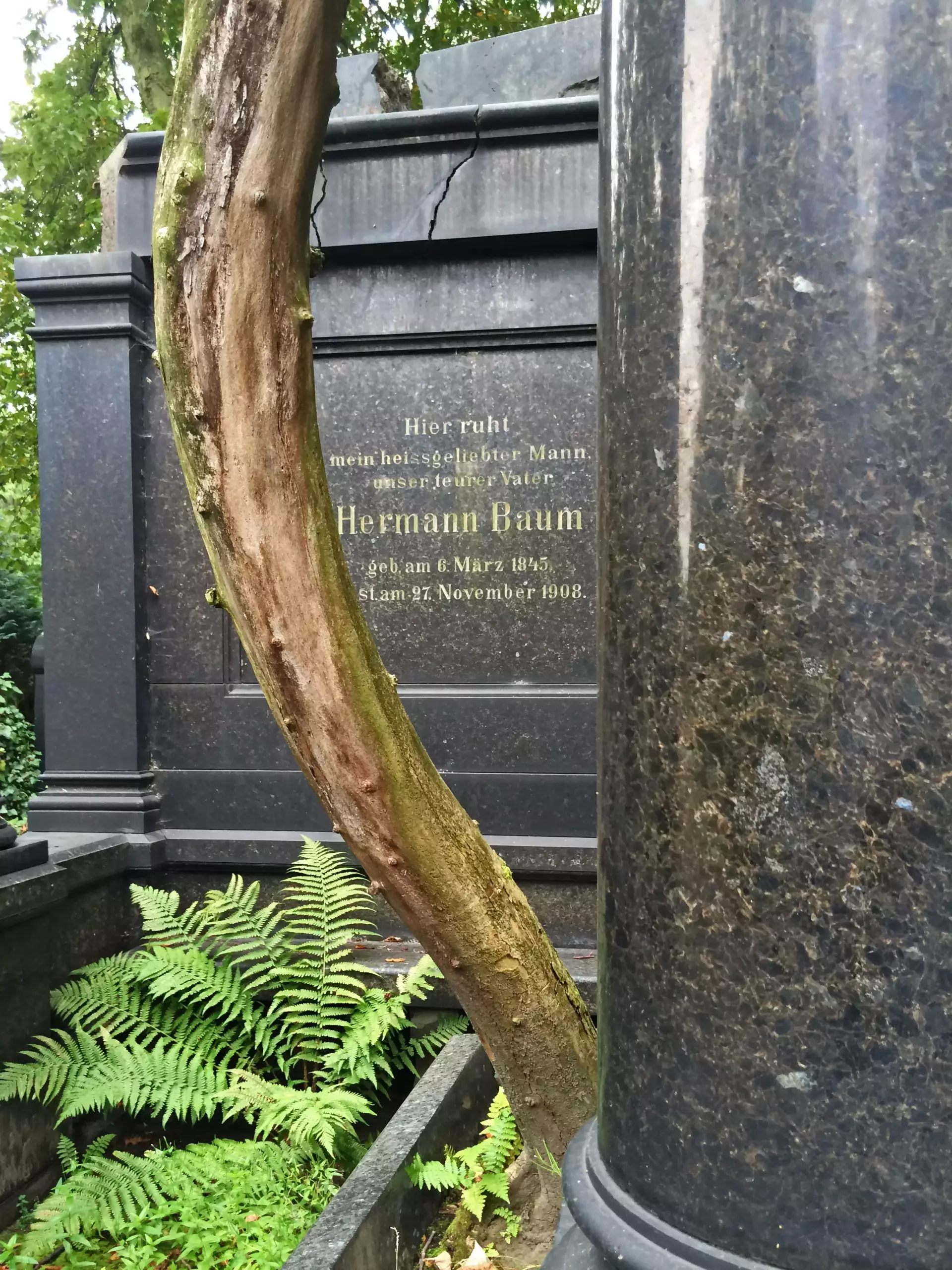
Jewish cemetery and lapidarium with old tombstones.
The Bayerischer Platz is the centre of the Bayerisches Viertel ("Bavarian district", with many streets named after Bavarian cities), which was destroyed a lot more during World War II (about 60%). Somewhere around there Albert Einstein lived once. You’ll find several memorial signs providing information about the Nazi regime's persecution of gays and Jews.
Specializes in 19th-century painting and sculpture; Monet, Manet, Cézanne, C. David Friedrich and other important 18th- and 19th-century artists are well-represented.
It was a museum of applied arts and a listed historical monument since 1966, and it is now a well-known Berlin exhibition hall.
The longest stretch of the Berlin Wall still in existence, painted by artists in 1991 and restored in 2009, after years of decay. At Mühlenstraße, next to the river Spree. The murals are painted on the east side of the wall after the fall of Communism; so they are not from the Cold War, during which murals could only be painted on the west side. Make sure not to miss the famous mural of a car seemingly crashing through the wall with Leonid Brezhnev and Erich Honecker kissing above it. It is actually on the back side of the gallery (it is facing away from the street.) It is just inside the entrance of the Eastern Comfort Hostel, near the east end of the gallery.
Germany's national centre for contemporary non-European art. The house is a leading centre for the contemporary arts and a venue for projects breaking through artistic boundaries. This architectural landmark was an American contribution to the international building exhibition INTERBAU 1957 as an embodiment of the free exchange of ideas. Colloquially called Schwangere Auster (Pregnant Oyster).
Nice church near Unter den Linden/Museum Island, finished in 1830 by Schinkel in English Neogothic style. Nice exhibition inside (neoclassical statues and an exhibition about Schinkel's life and work upstairs).
The synagogue in the backyard of an apartment house is one of the biggest in Germany.
Features many objects and even whole rooms in Wilhelminian style. Only accessible by guided tour (English tours can be arranged).
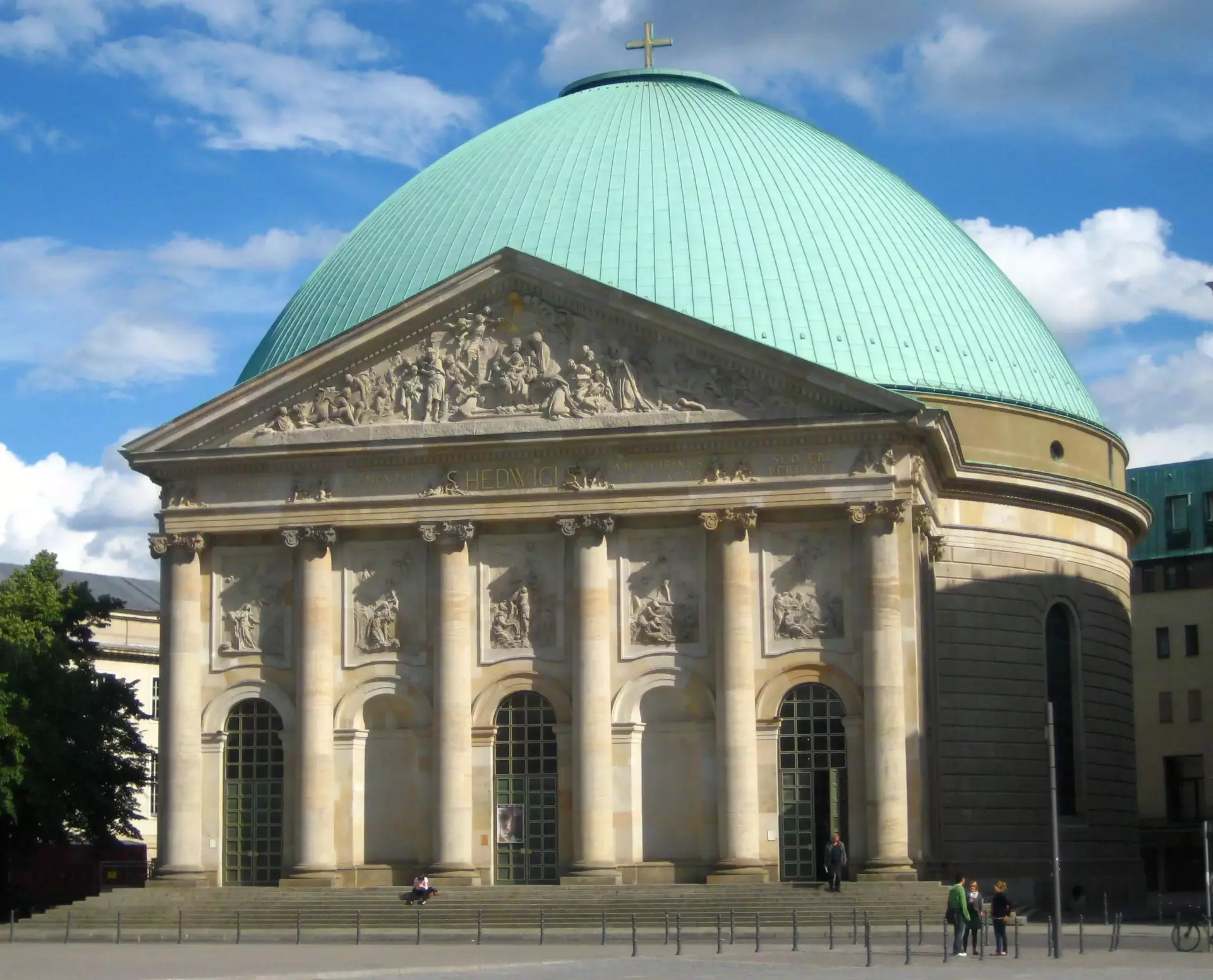
A domed church at Bebelplatz/Unter den Linden, the oldest (mid-18th century) and one of the biggest Catholic churches in Berlin. Interior was redesigned in a modern style in the 1950s, but there are still many treasure chambers in the basement.