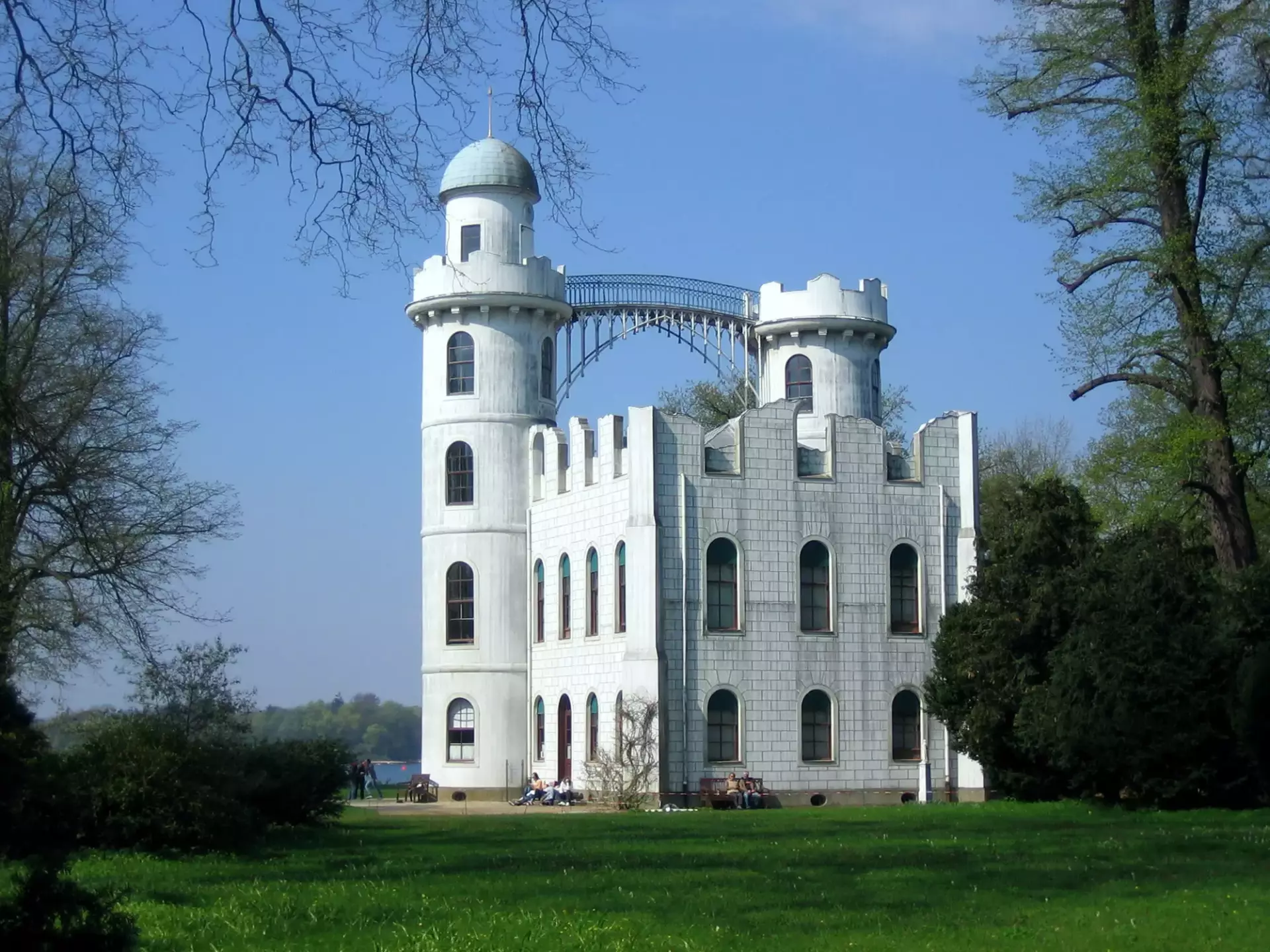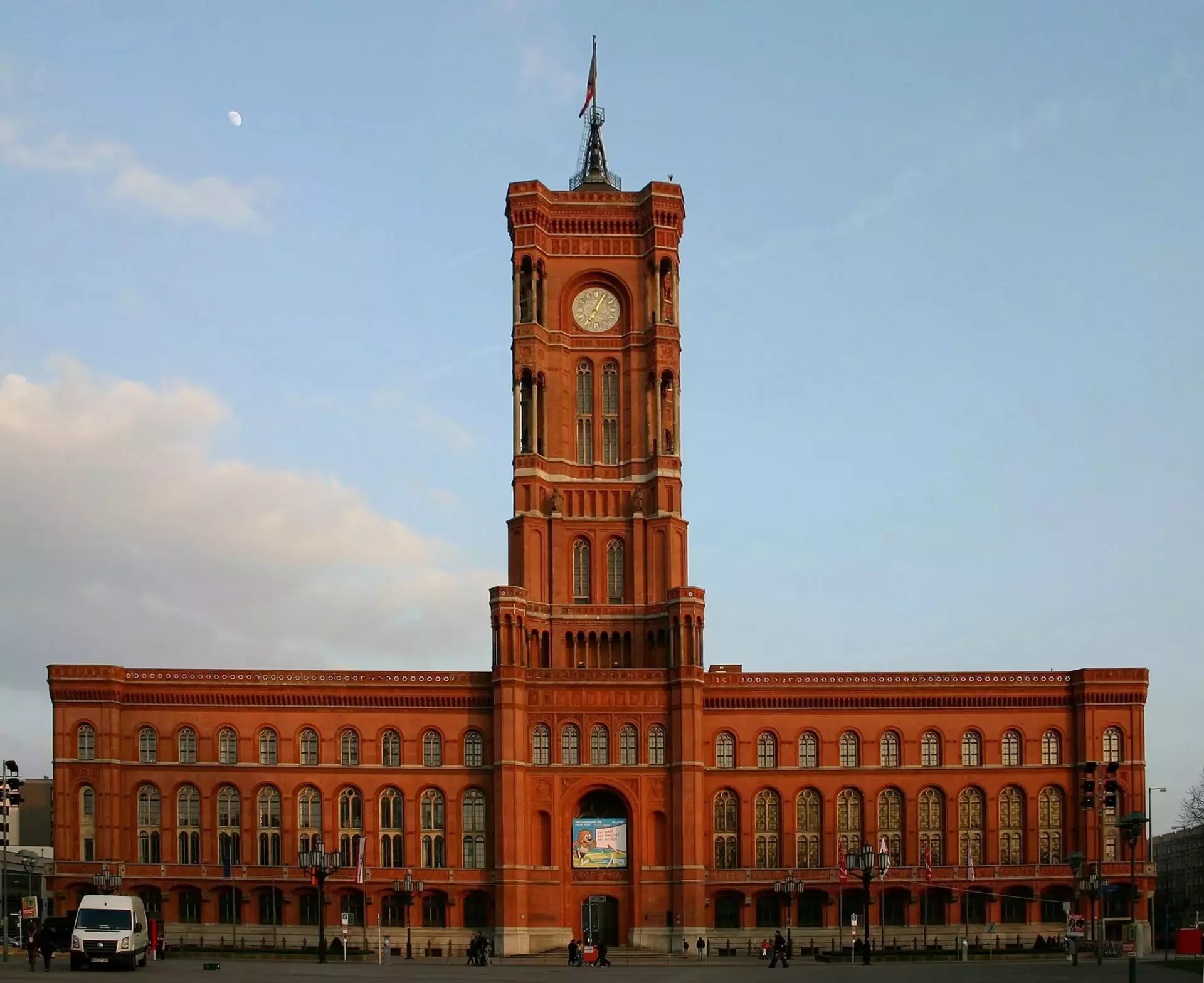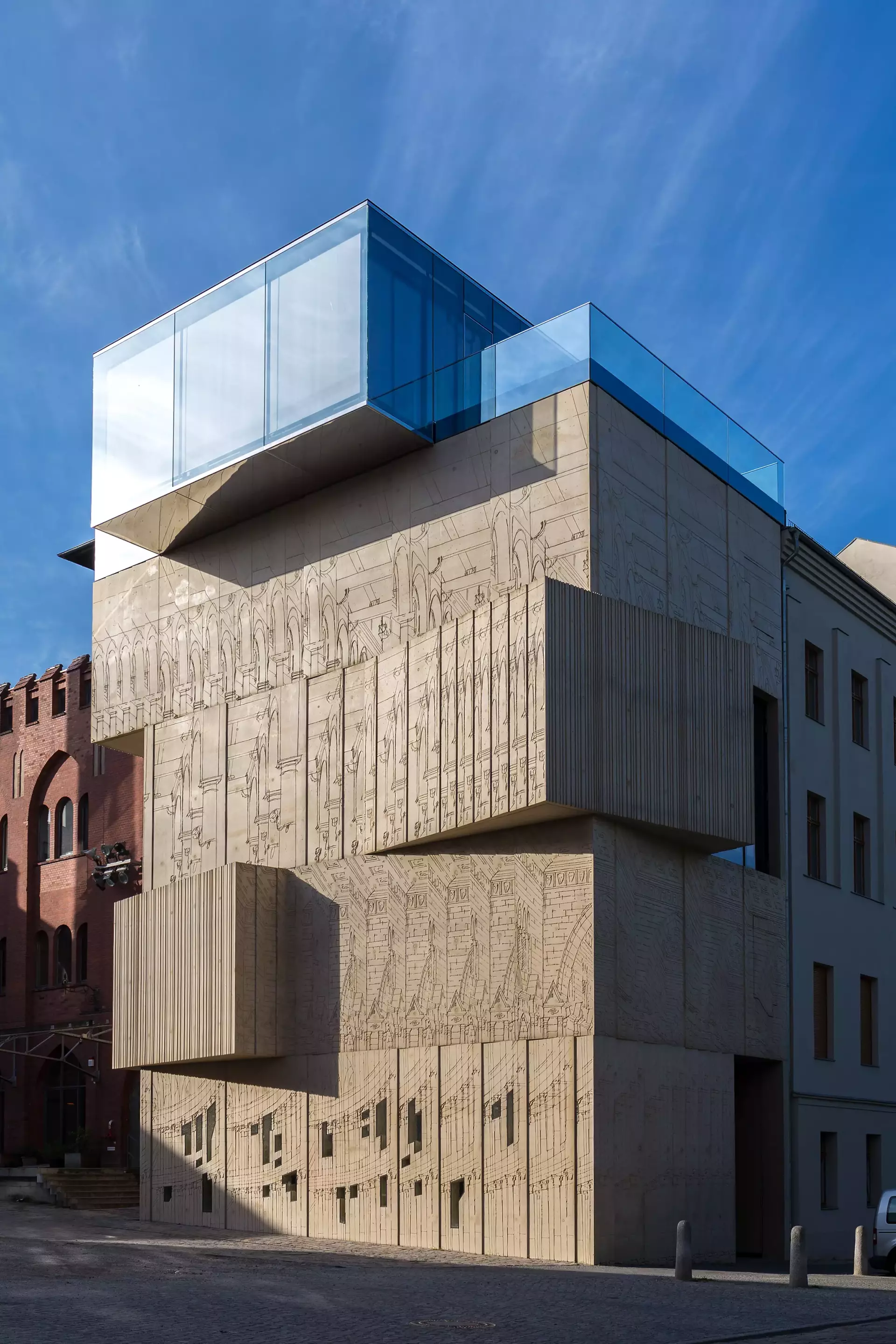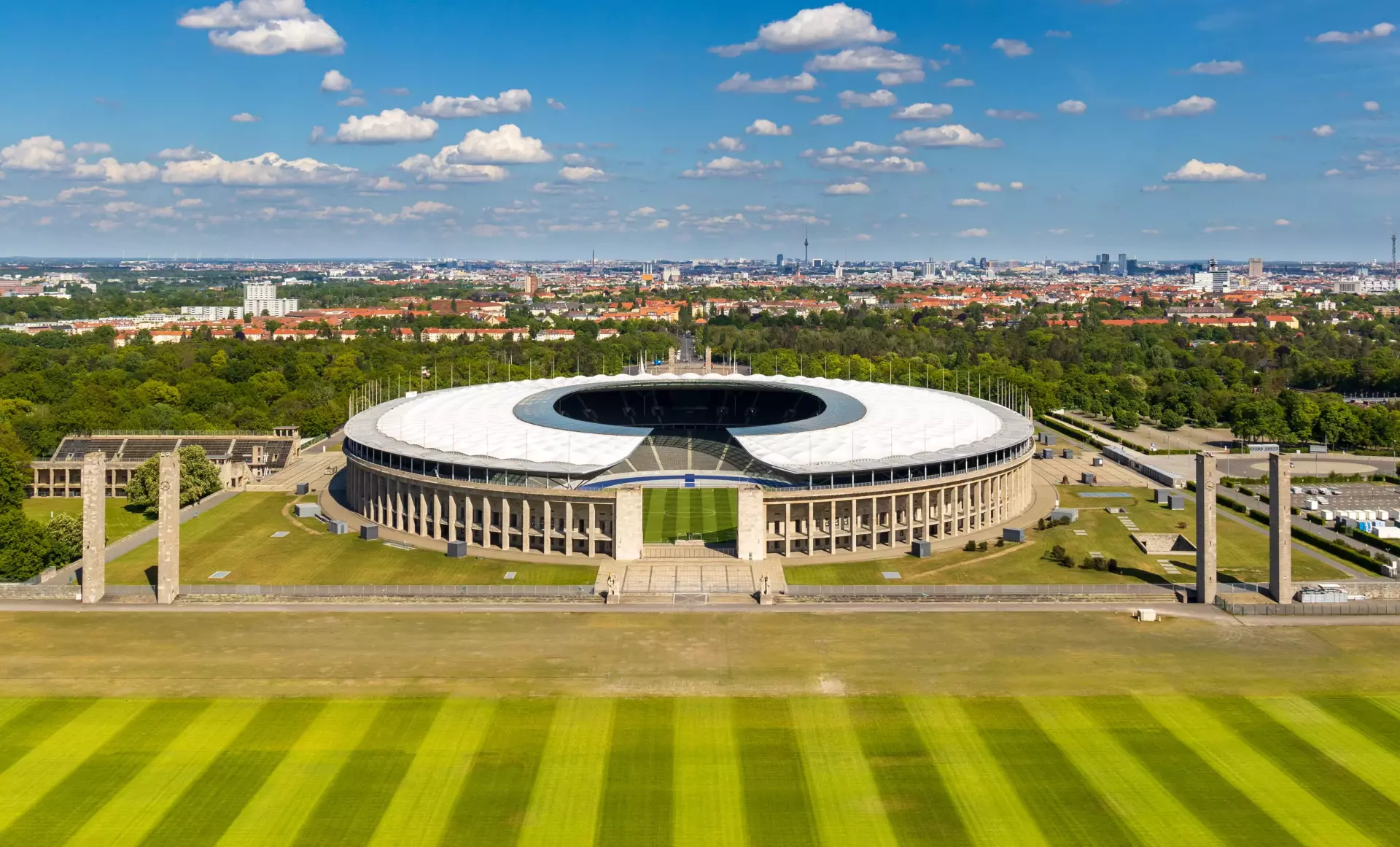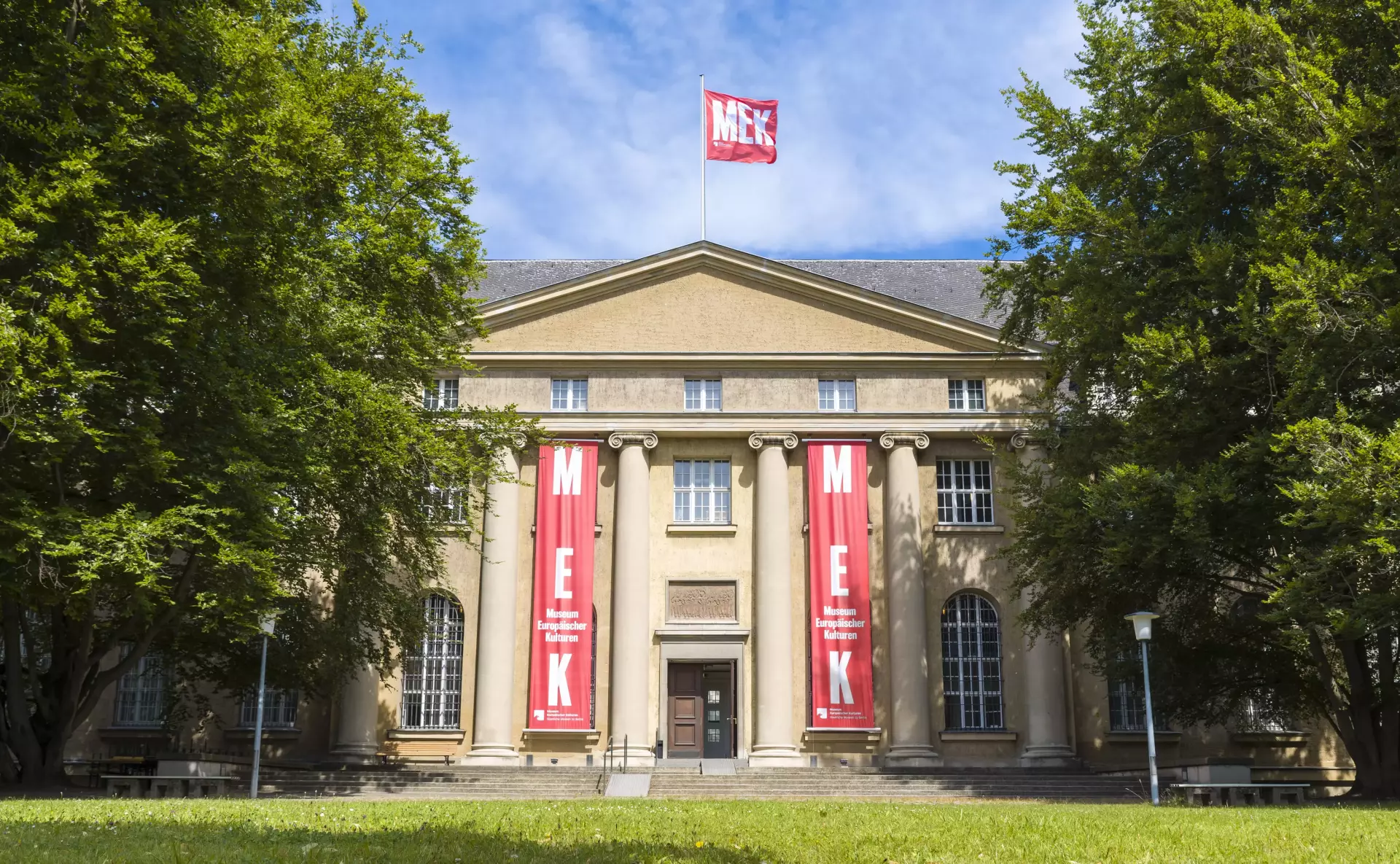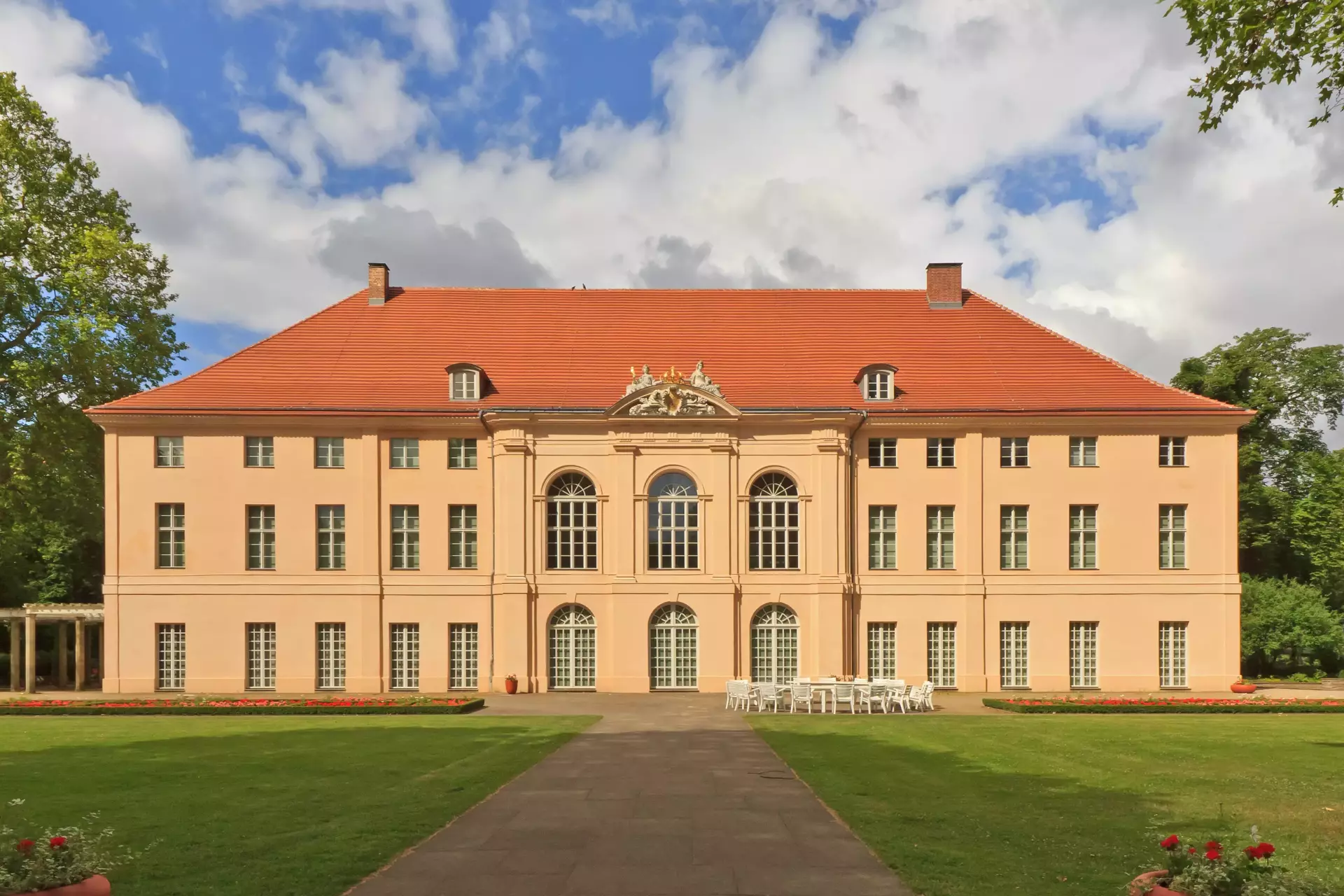
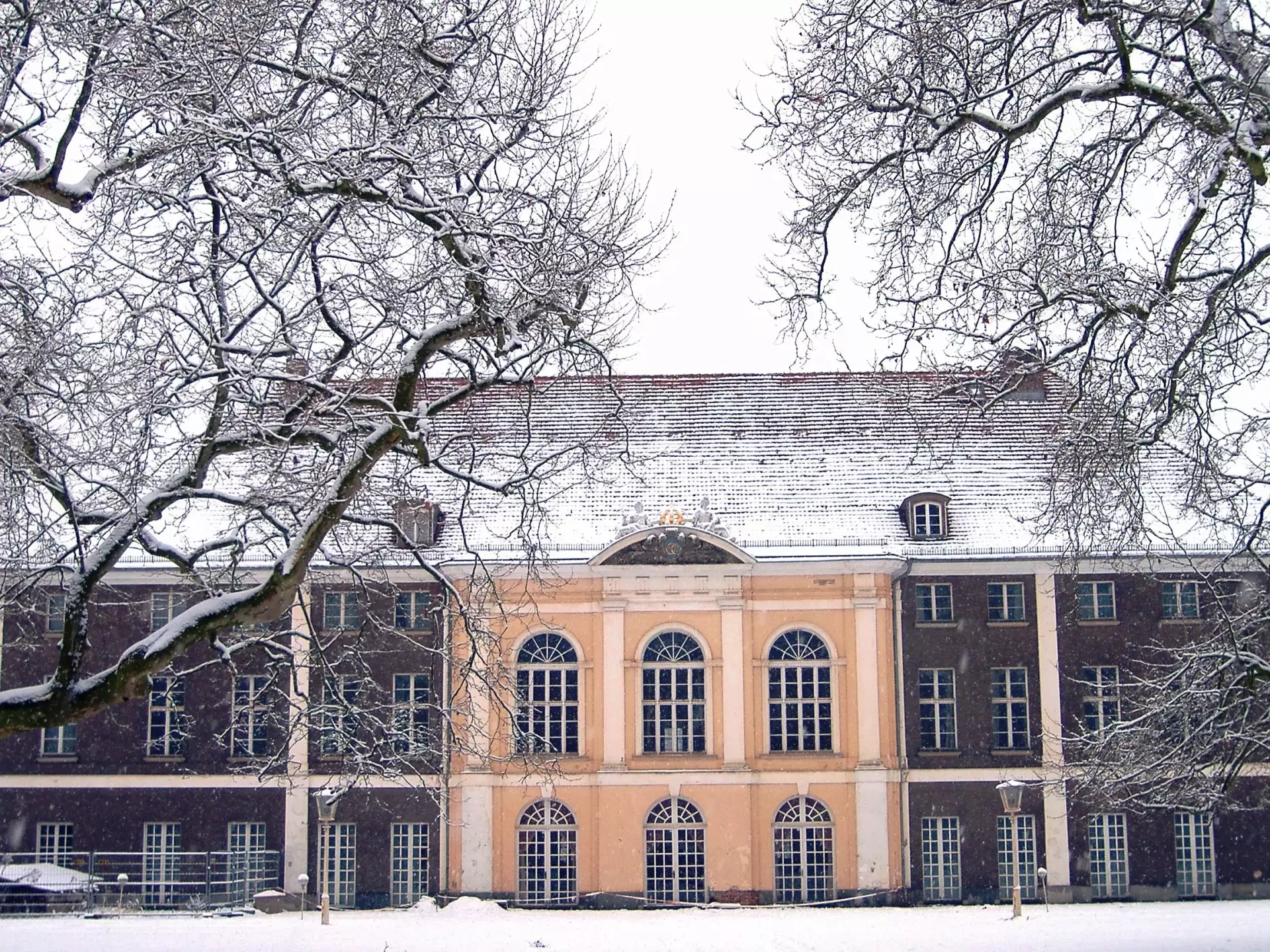
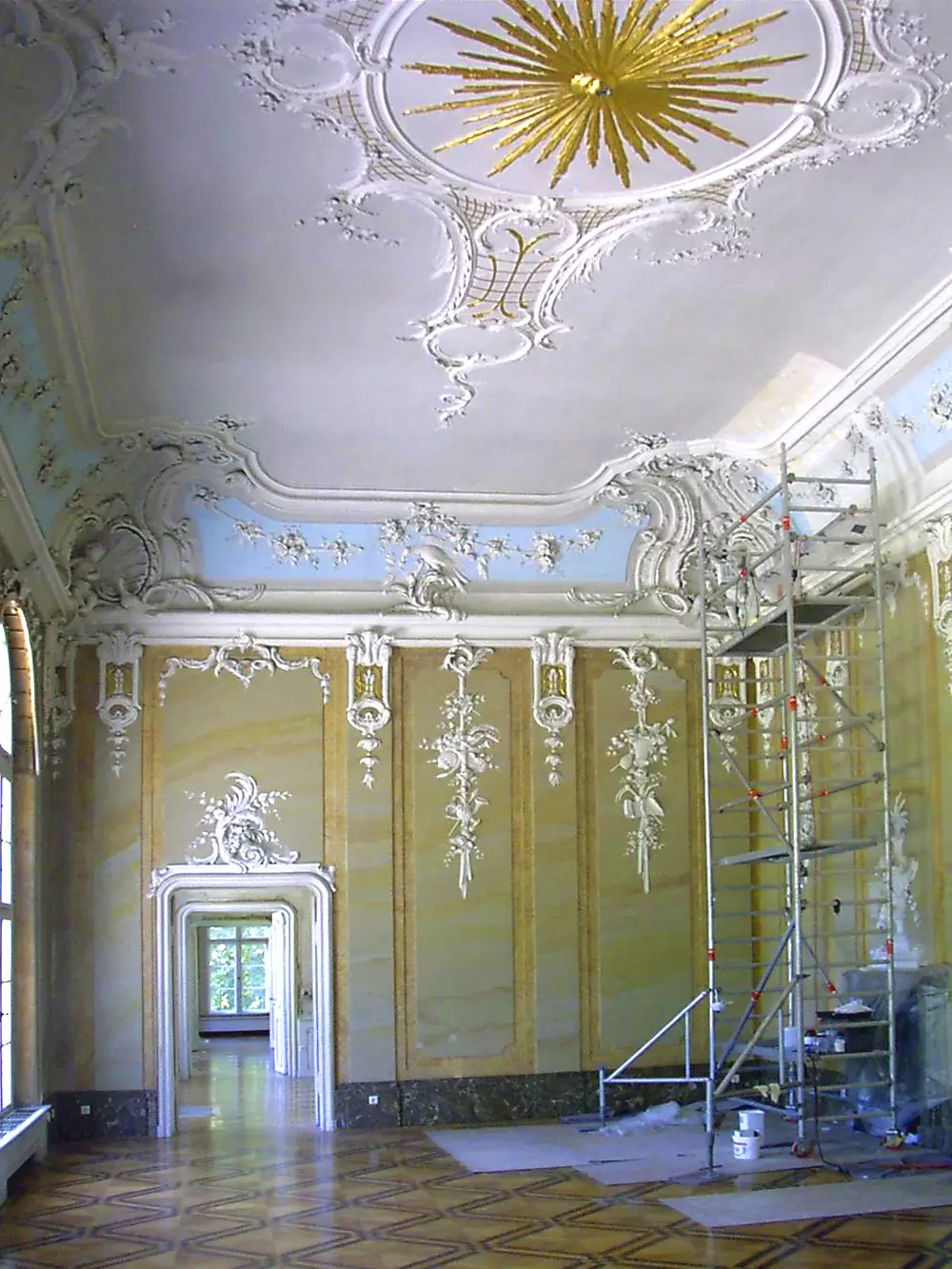
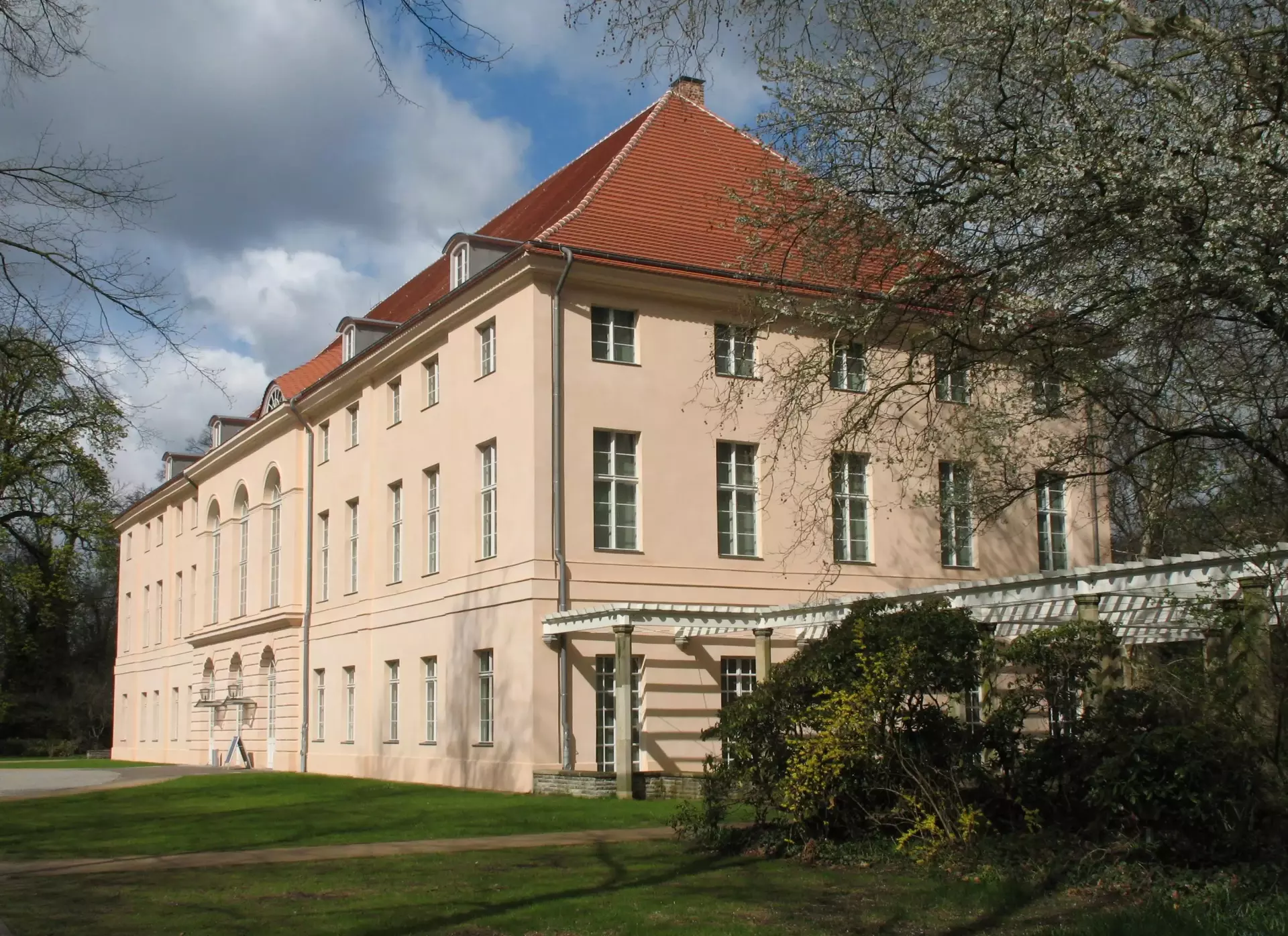
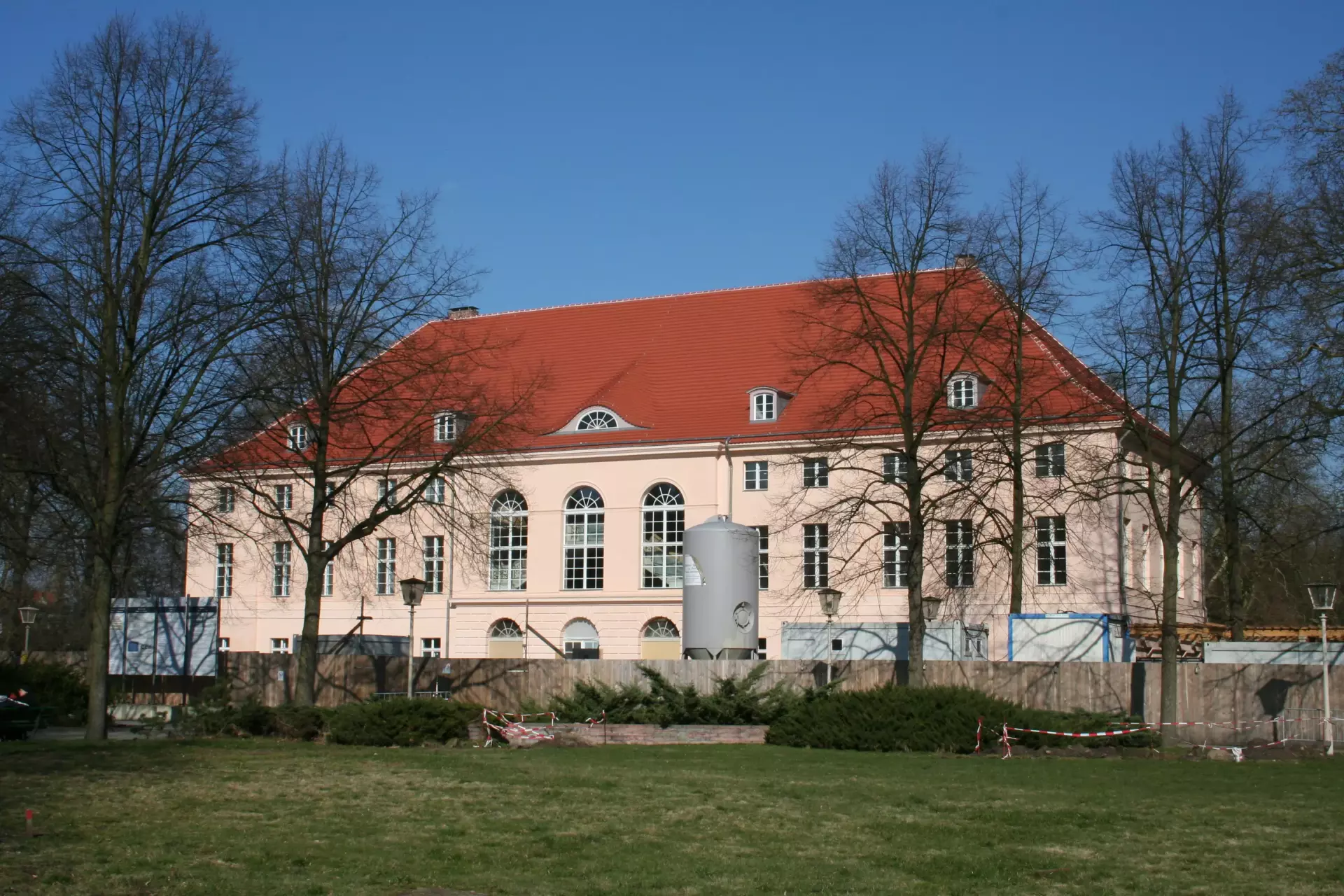
Schönhausen Palace stands as a carefully restored Baroque residence, brought back to full splendor in 2009. Its elegant facades, balanced proportions, and ornamental details reflect the style and ceremony of the era, while the restoration work highlights fine craftsmanship throughout the building.
The palace showcases classic Baroque features: grand staircases, symmetrical layouts, and richly framed windows. Inside, rooms are arranged for both display and function, with decorative plasterwork, painted ceilings, and period-inspired finishes. The 2009 restoration focused on historical accuracy, reviving original color schemes where possible and preserving surviving materials. Modern systems were discreetly integrated to maintain the historic look without interrupting the atmosphere.
Schönhausen Palace is tied to centuries of political and cultural life. Its halls once hosted courtly gatherings, and later chapters of history left their mark in subtle architectural layers. The surrounding grounds echo formal garden traditions, with pathways and sightlines that guide the eye toward the palace facade.
Approaching the palace, the setting unfolds gradually: tree-lined avenues, orderly lawns, and the crisp outline of the building at the center. The exterior invites close viewing of stonework and stucco details, while the windows hint at ceremonial rooms within. The restored surfaces and careful landscaping create a calm, composed scene that emphasizes the building’s Baroque character.
Source - https://en.wikipedia.org/wiki/Sch%C3%B6nhausen_Palace
Want to feel like one of the angels in Wim Wenders' classic film Der Himmel über Berlin (a.k.a. Wings of Desire)? Climb to the top of Gold-Else, as the statue of Victory on the top of the Victory Column is known. Just don't jump off if you're not actually an angel. Unfortunately there is no elevator, so be prepared for 285 steps to the platform at 50.7 m.Else was built to commemorate Prussian military prowess in the wars against Denmark (1864), Austria (1866) and France (1870-71), and moved to her present location by the Nazis. Five roads run into a traffic circle called Grosser Stern, in the centre of which is the Siegessäule. Else is visible from much of the city district known as Tiergarten. At the base of the statue are reliefs of war scenes representing the conflicts which this monument memorializes. The Allies forced Germany to take those panels down in 1945, but they were remounted in 1984 and 1987. It also served as a backdrop for a speech by then senator Obama in 2008, after his request to speak in front of Brandenburger Tor caused a political debate in Germany.
The Bierpinsel ("beer brush") is a building in Steglitz which resembles an observation tower and is famous for its pop-art appearance. The futuristic, landmarked building was built from 1972 to 1976 and has since been used as restaurant, night club, bar, radio station and art café.
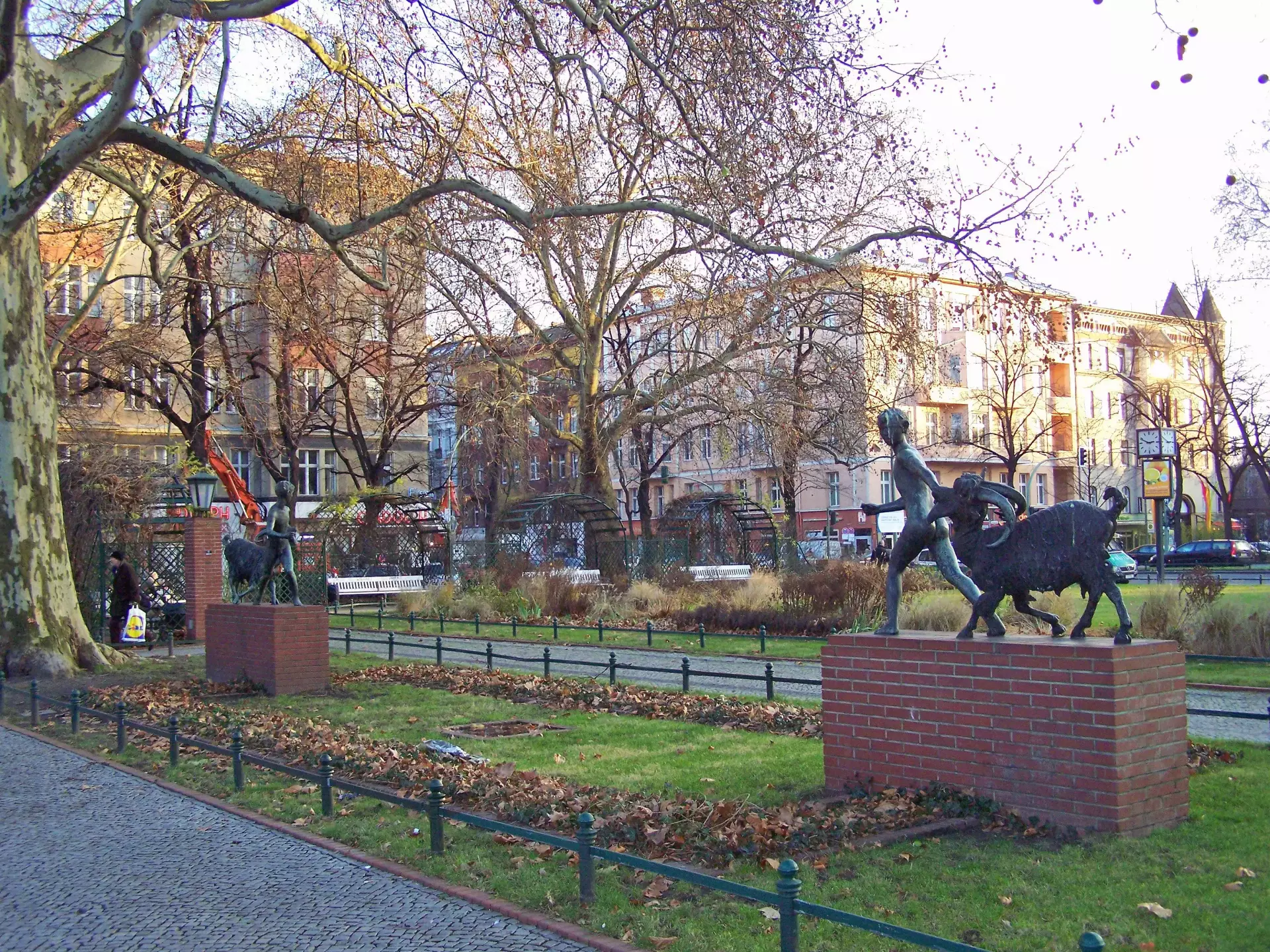
Places with markets on Wednesdays and Saturdays are popular with locals at Winterfeldplatz. Buy a coffee and browse amongst the stalls; this is a place to unearth hidden gems. Breakfast is served usually until 14:00-15:00.
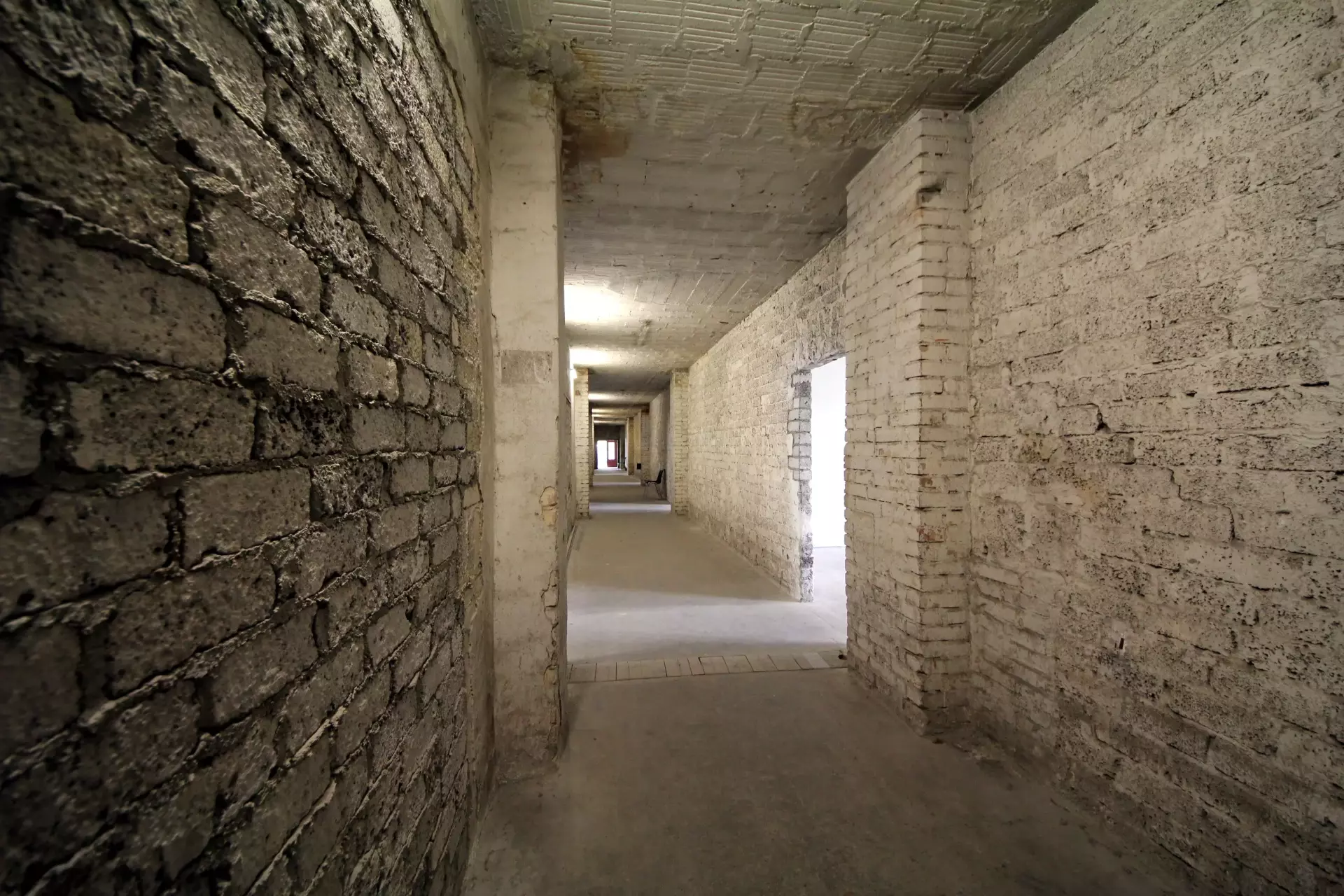
From 1941, 12,000 tons of concrete in a 15-m-high and 20-m-diameter cylinder were built to test the load-bearing capacity of the Berlin soils (turns out glacial sands are no good basis for gargantuan architecture) for Albert Speer's Germania buildings. Too massive for later blasting, this is one of the more bizarre remains of the Third Reich.
The building houses the personal offices of the Chancellor and the Chancellery staff. The Berlin Chancellery is one of the largest government headquarters buildings in the world. By comparison, the new Chancellery building is ten times the size of the White House. A semi official Chancellor's apartment is on the top floor of the building. The 200-m², two-room flat has thus far only been occupied by Gerhard Schröder chancellors since then have lived elsewhere. It is usually not possible to visit the building, but on occasion there are tours, usually around August. The building was deliberately designed in a way to symbolize the German constitutional system - it's in the line of sight of the Bundestag and lower in height, symbolizing the role of parliament in controlling government and "the people's house" being the higher power in the relationship between the two. Or at least that's the idea.
Features many objects and even whole rooms in Wilhelminian style. Only accessible by guided tour (English tours can be arranged).
The synagogue in the backyard of an apartment house is one of the biggest in Germany.
Oderberger Straße is known for its beautiful and generous Gründerzeit architecture, as well as its cafés and restaurants. Since before Germany's reunification the street has been the desired place for alternative folks and avant-gardists, but the area has seen continual gentrification since the early 2000s.
Berlin's oldest church (1230) is a 3-nave hall church. It is in the centre of an area destroyed by bombs in the war which was then turned into a faux "old town" by the East German authorities called Nikolaiviertel. The area is more a hodge-podge of relocated buildings than an authentic reproduction, and the newly-built 1988 apartments that attempt to "harmonize" with the older buildings are embarrassing. The church is one of the only structures that was renovated rather than rebuilt. It is best known for a sandstone sculpture called the Spandauer Madonna (1290), but there are other interesting pieces here. When the church was destroyed in 1938 and rebuilt in the 1970s, the communist officials intended to use it as a museum, which did not open until 1987. The museum includes sacred textiles and religious sculpture from the fourteenth to the sixteenth centuries. The Nikolaikirche is the showplace of the Nikolaiviertel, which isn't saying much.
Museum of Contemporary Art located in former Hamburger Bahnhof train station. Big halls filled with artworks made since 1960s. In 2004 Rieckhallen, former Lehrter Bahnhof, was opened and now provides exhibition space for the Friedrich Christian Flick Collection. Free public guided tours (in English): Sa and Su at 12:00.
The Gemäldegalerie contains an astounding array of paintings, including works by Rembrandt, Rubens, Botticelli, Raphael, Titian, Goya, Velasquez and Watteau. The collection contains works from the old Bodemuseum on Museumsinsel in the East, now closed, and the former Gemäldegalerie in Dahlem. Its strong points are German paintings of the 13-16th centuries, Netherlandish painting of the 15th and 16th centuries, Flemish paintings of the 17th century, and miniature paintings of the 16th-19th centuries. In the newer section of the museum, designed by architects Heinz Hilmer and Christoph Sattler, there is enough space to display 1,150 masterpieces in the main gallery and 350 in the studio gallery - of the almost 2,900 pieces in the European painting collections. Established in 1830, the newly built gallery from 1998 has about 7,000 sq m of exhibition space (a complete tour of the 72 rooms covers almost 2 km).