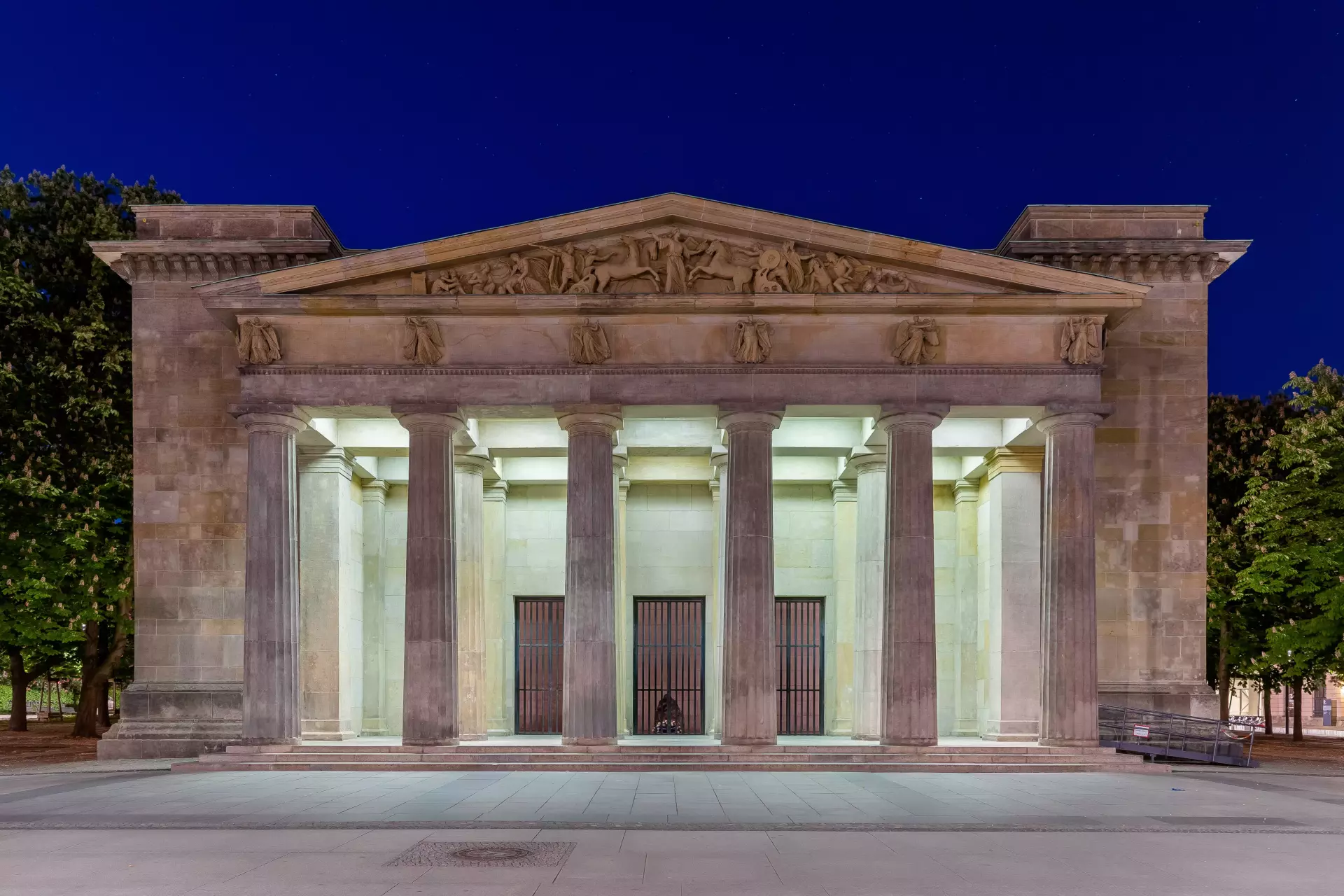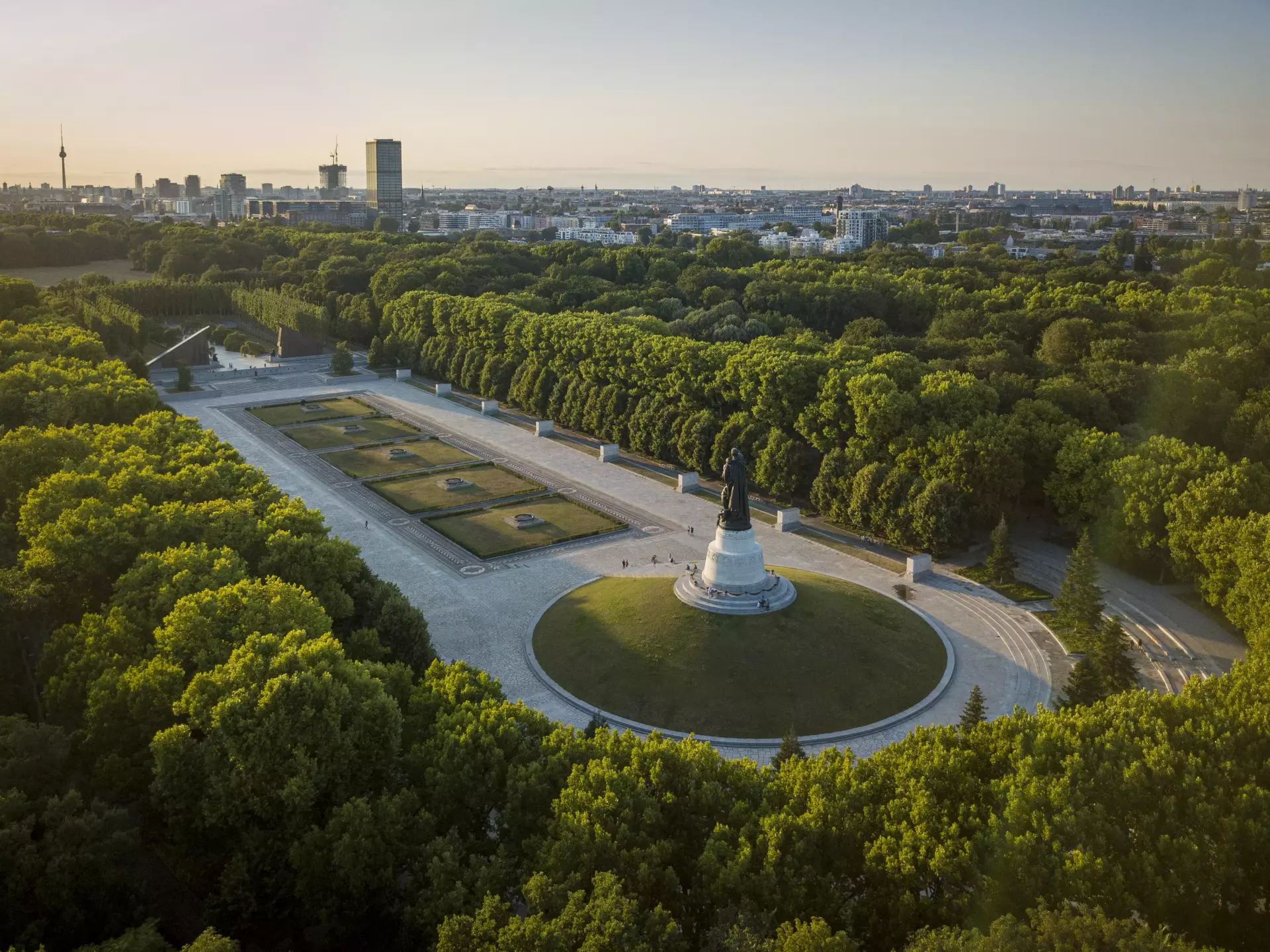
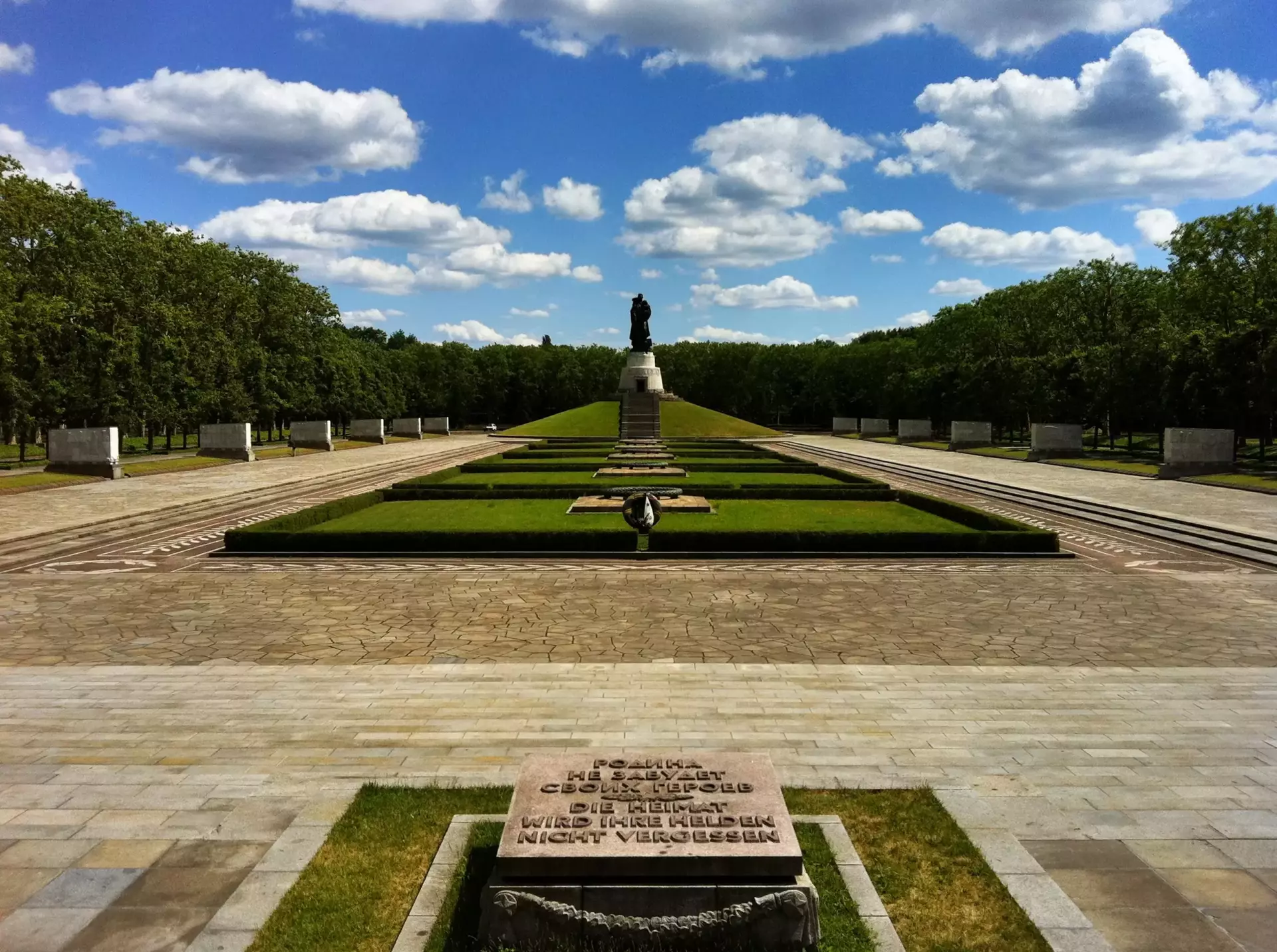
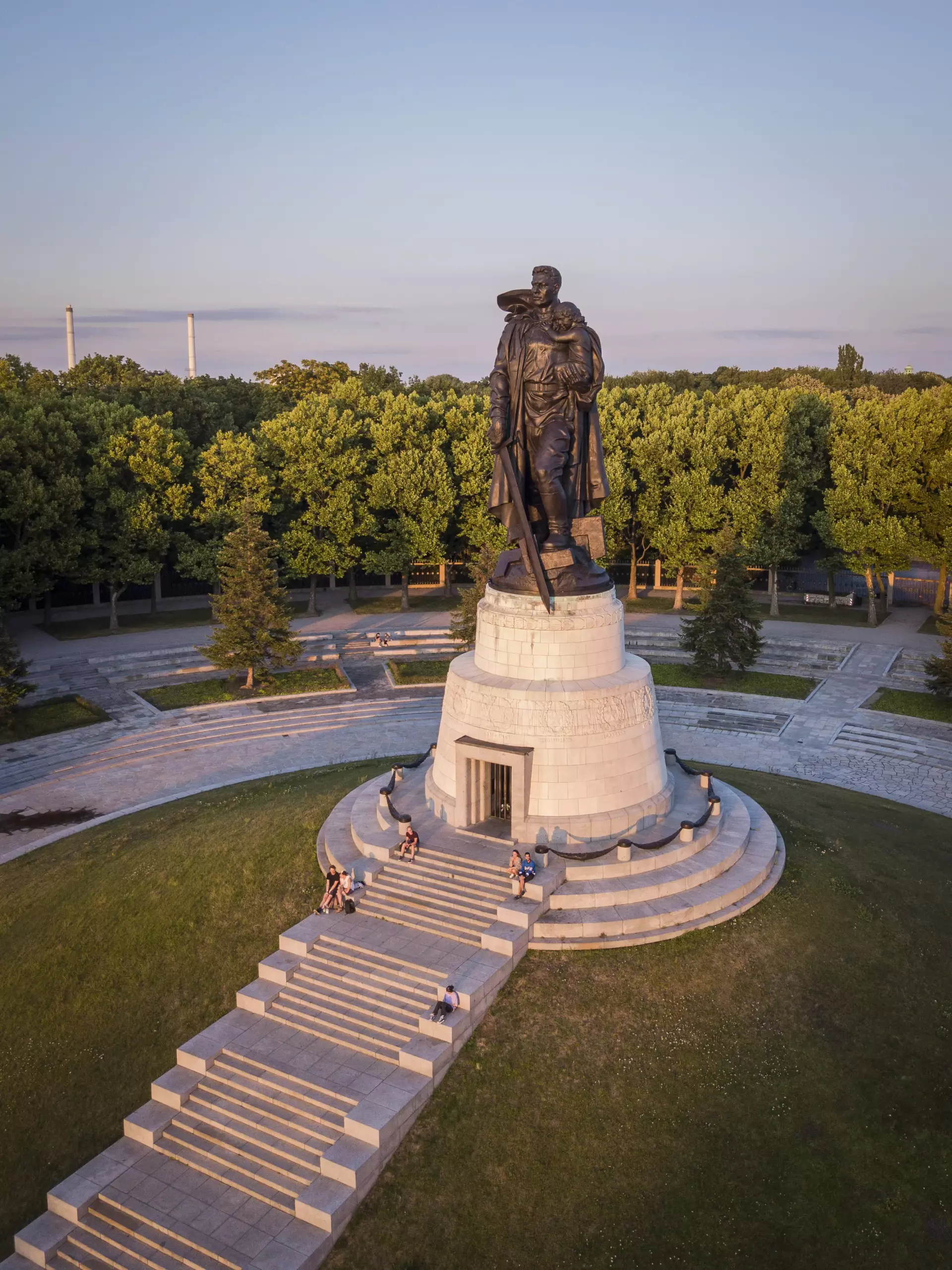
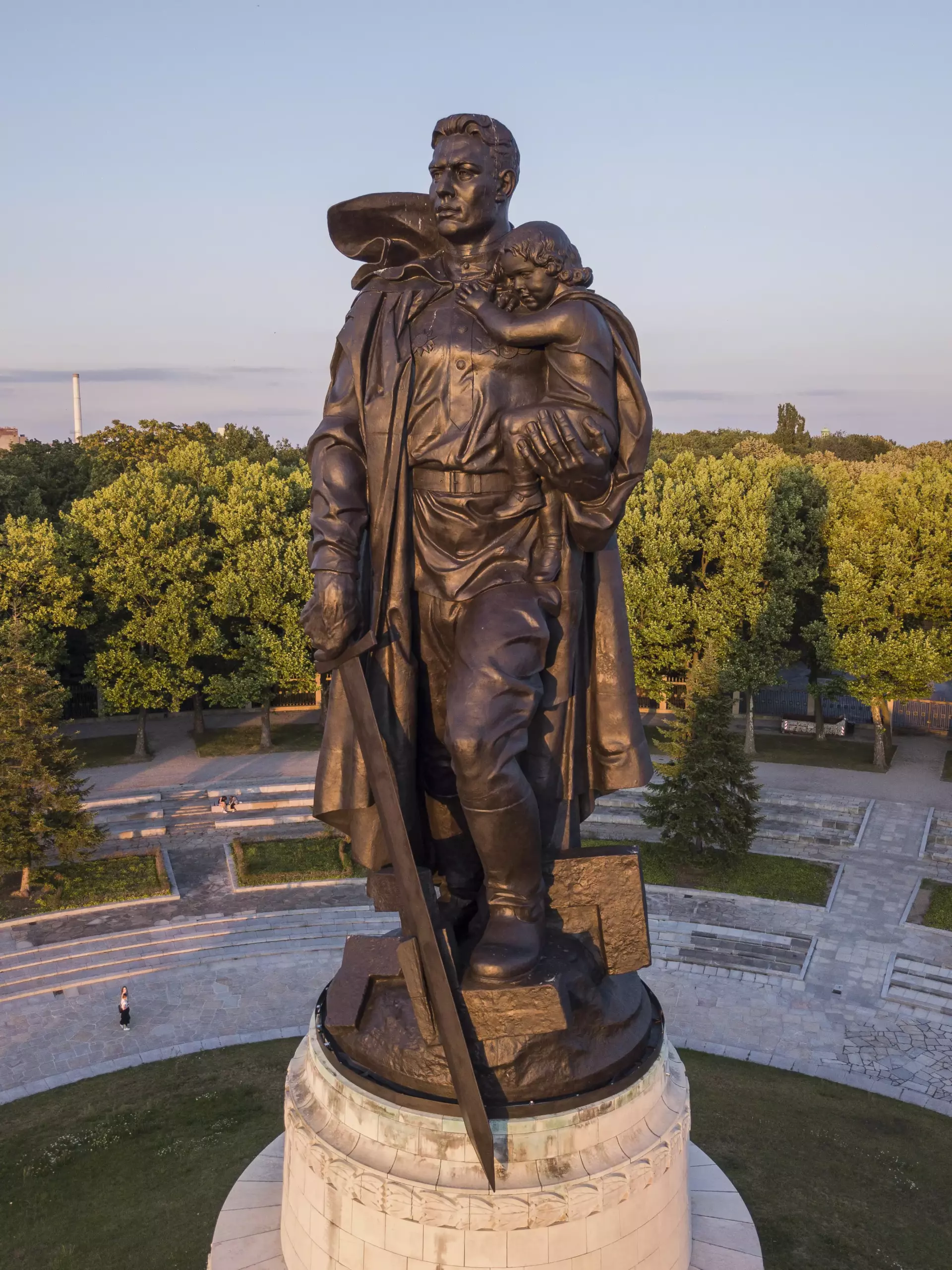
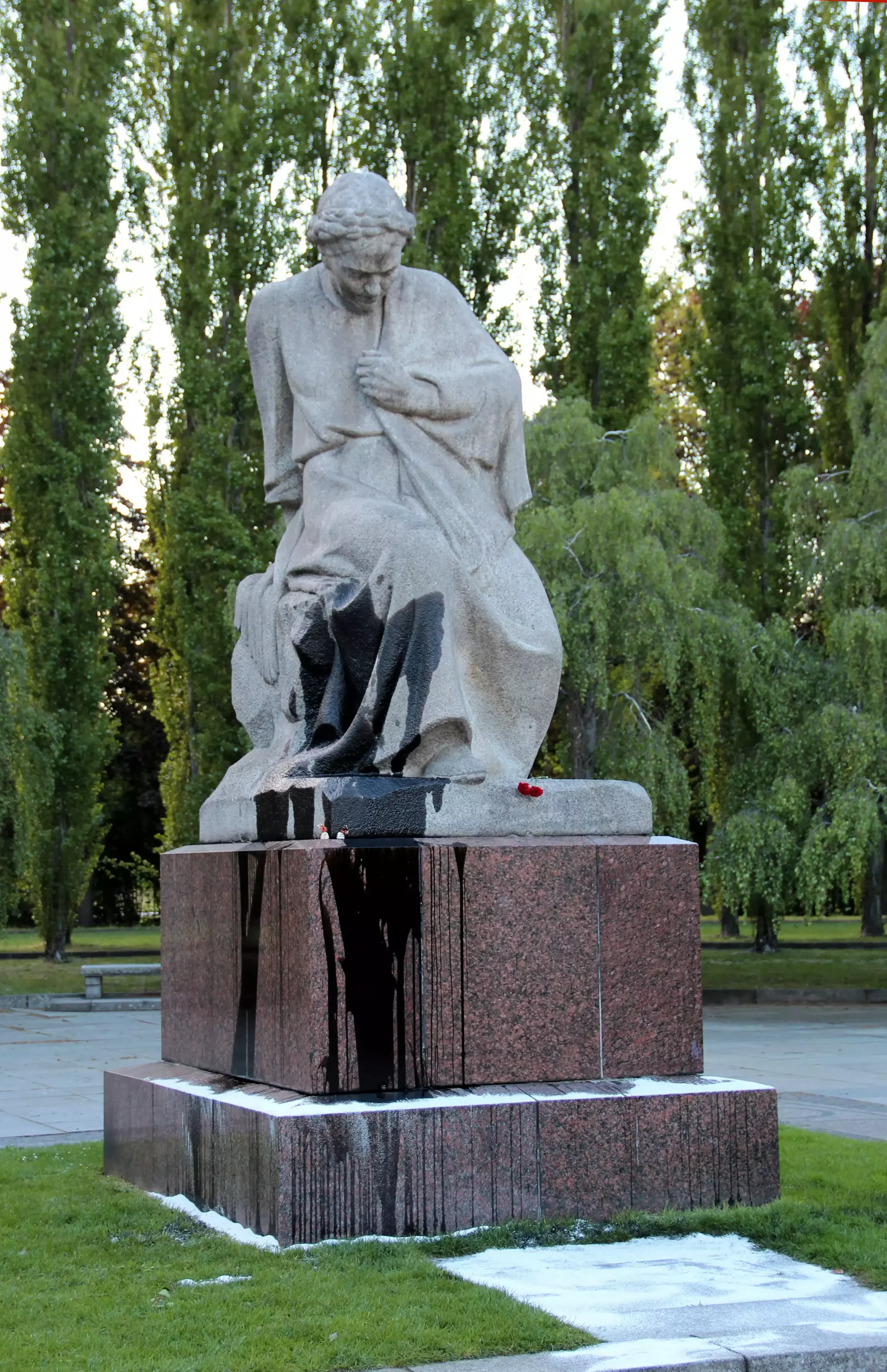
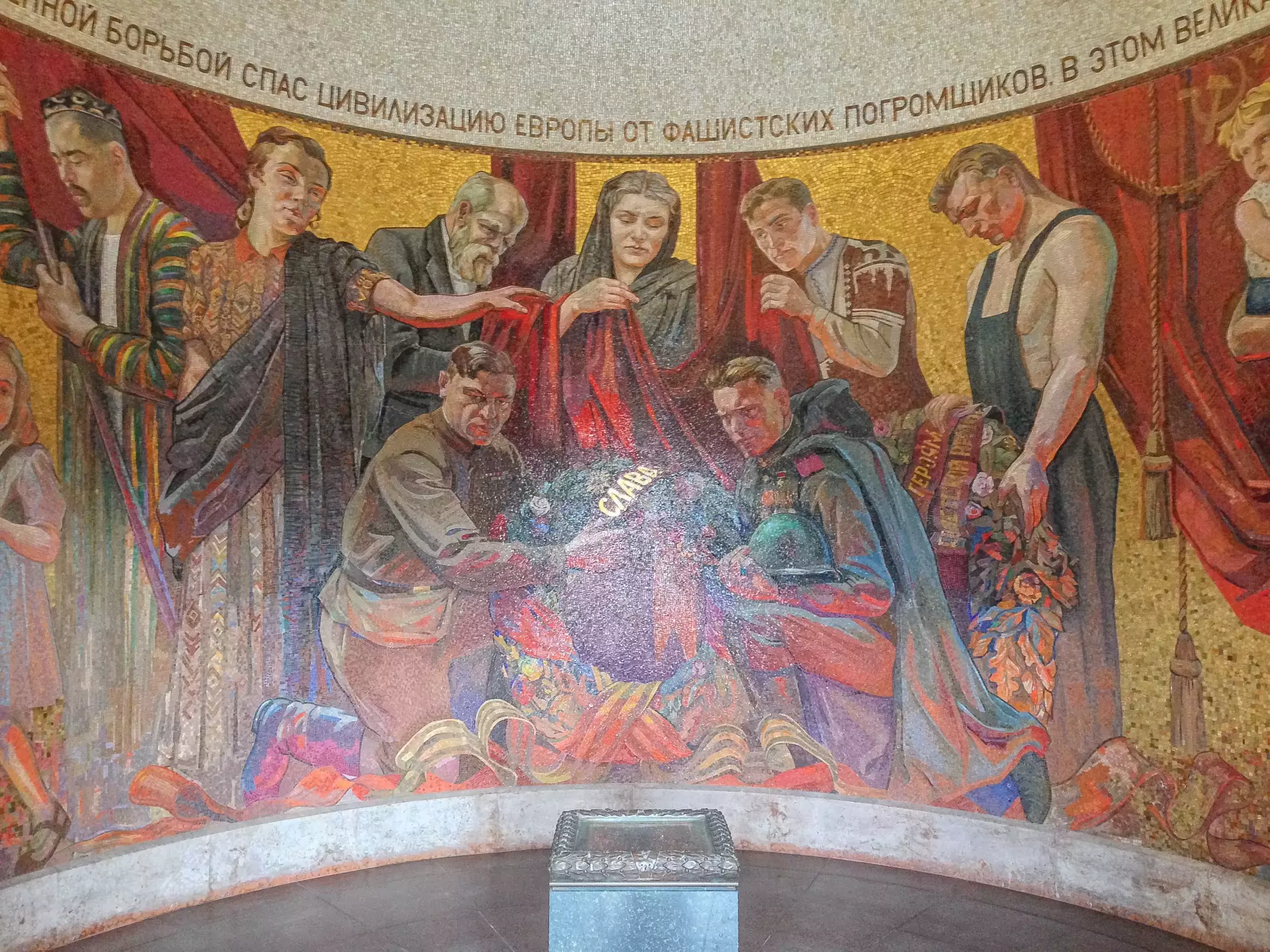
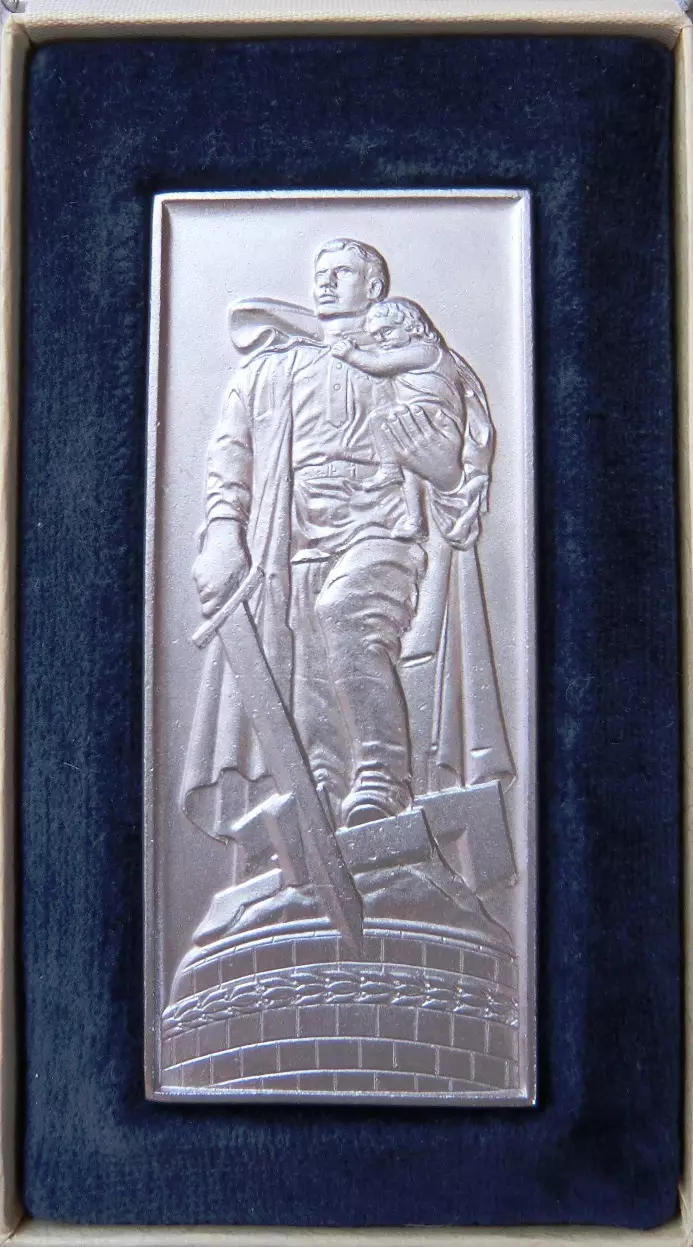
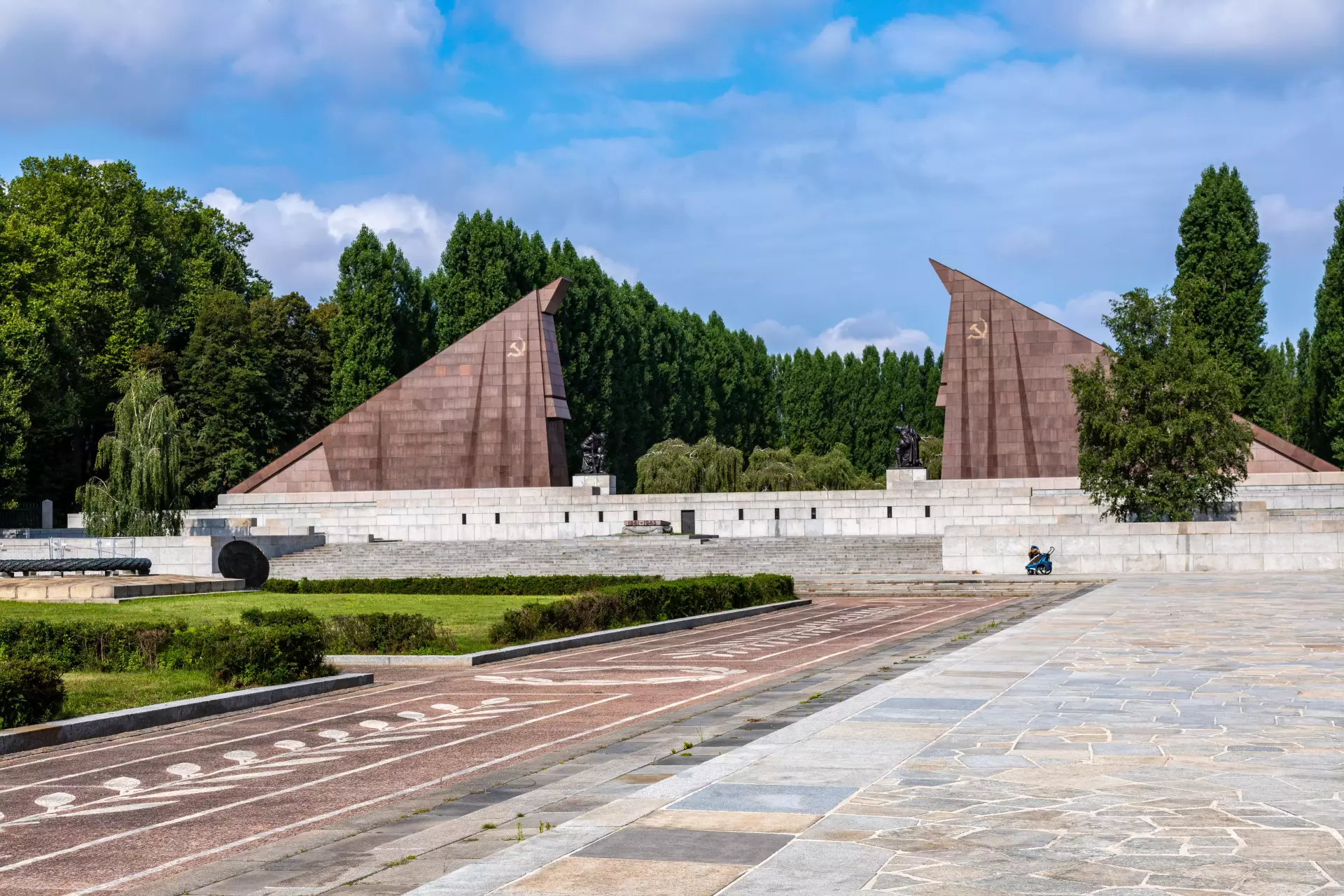
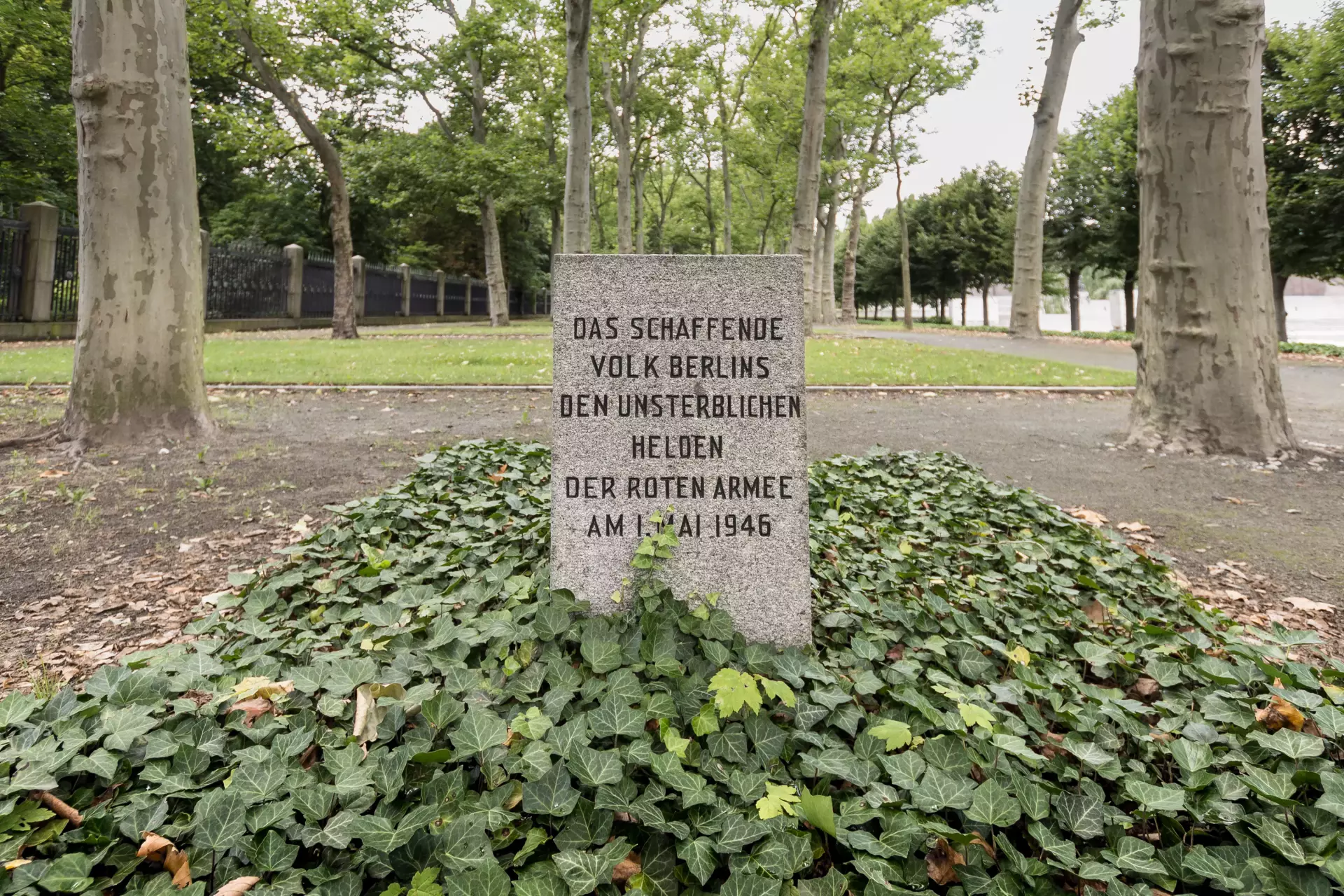
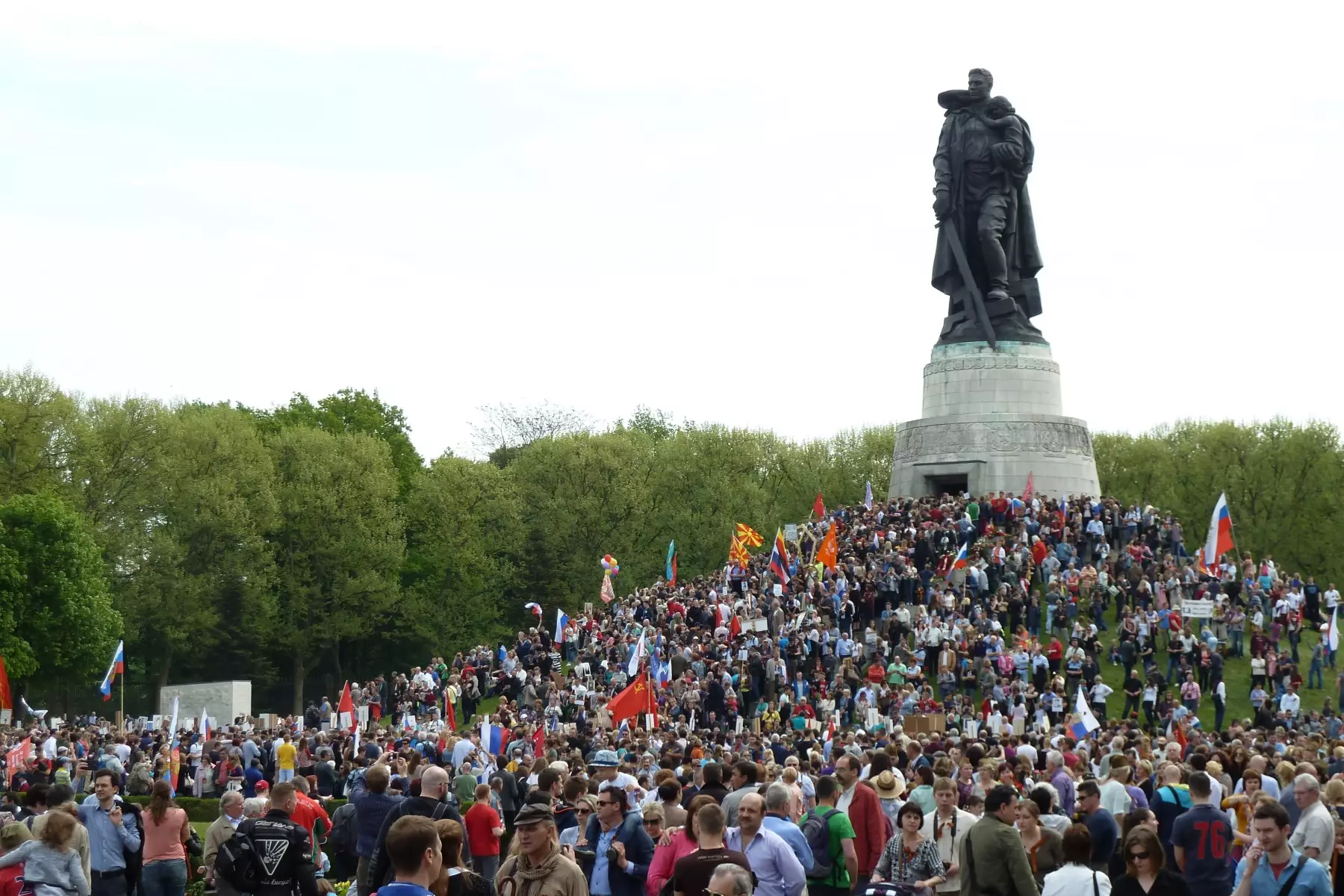
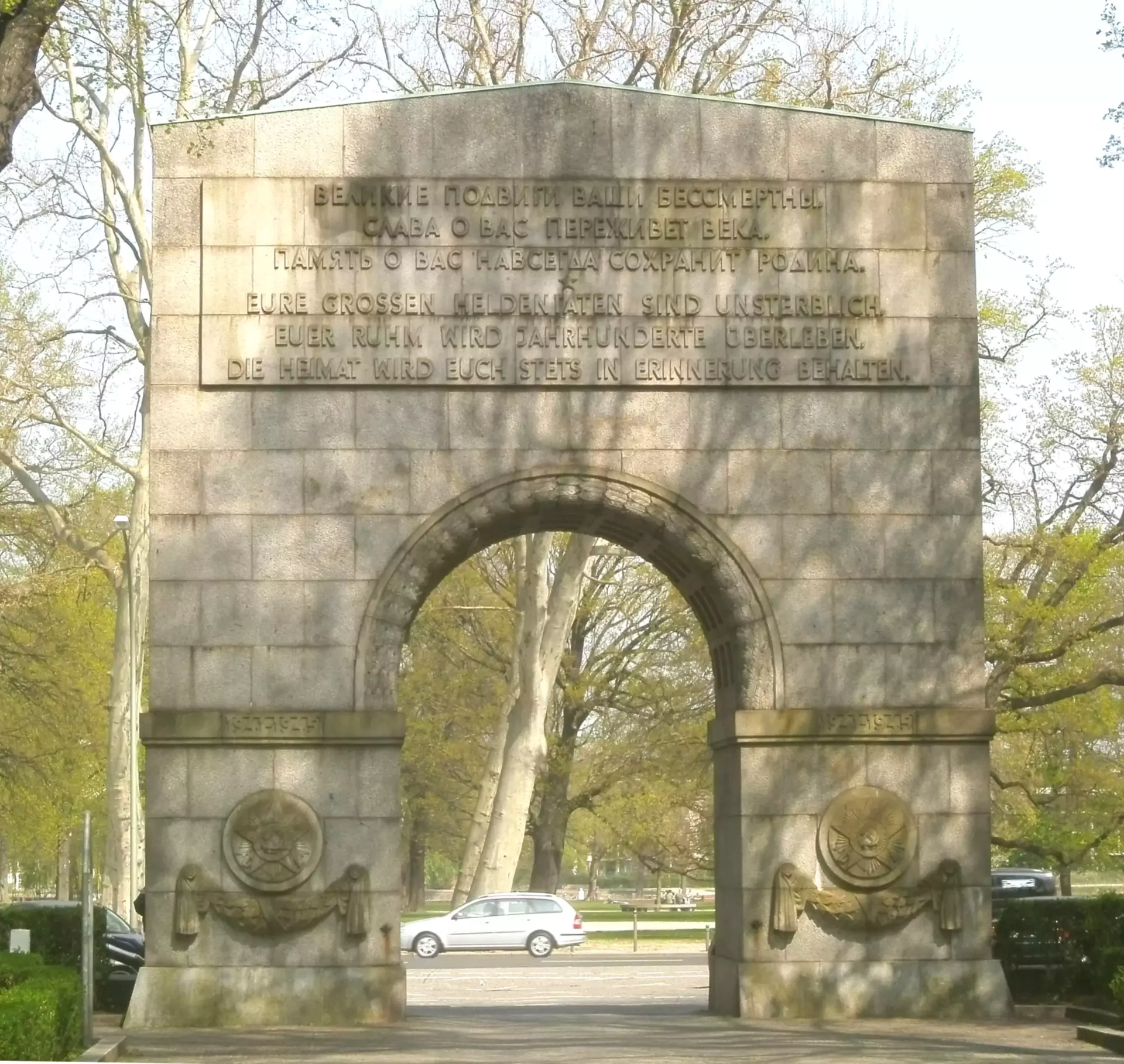
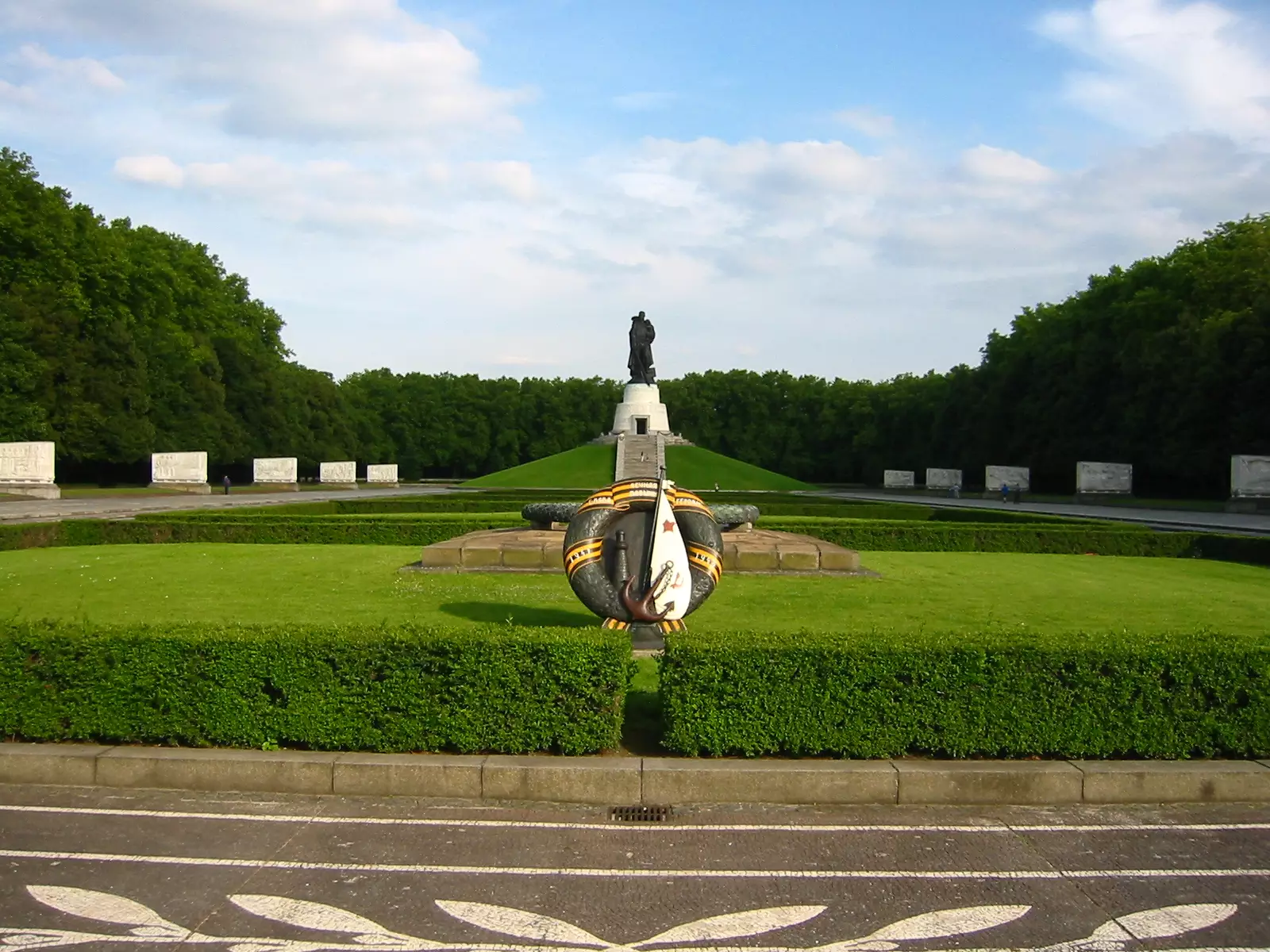
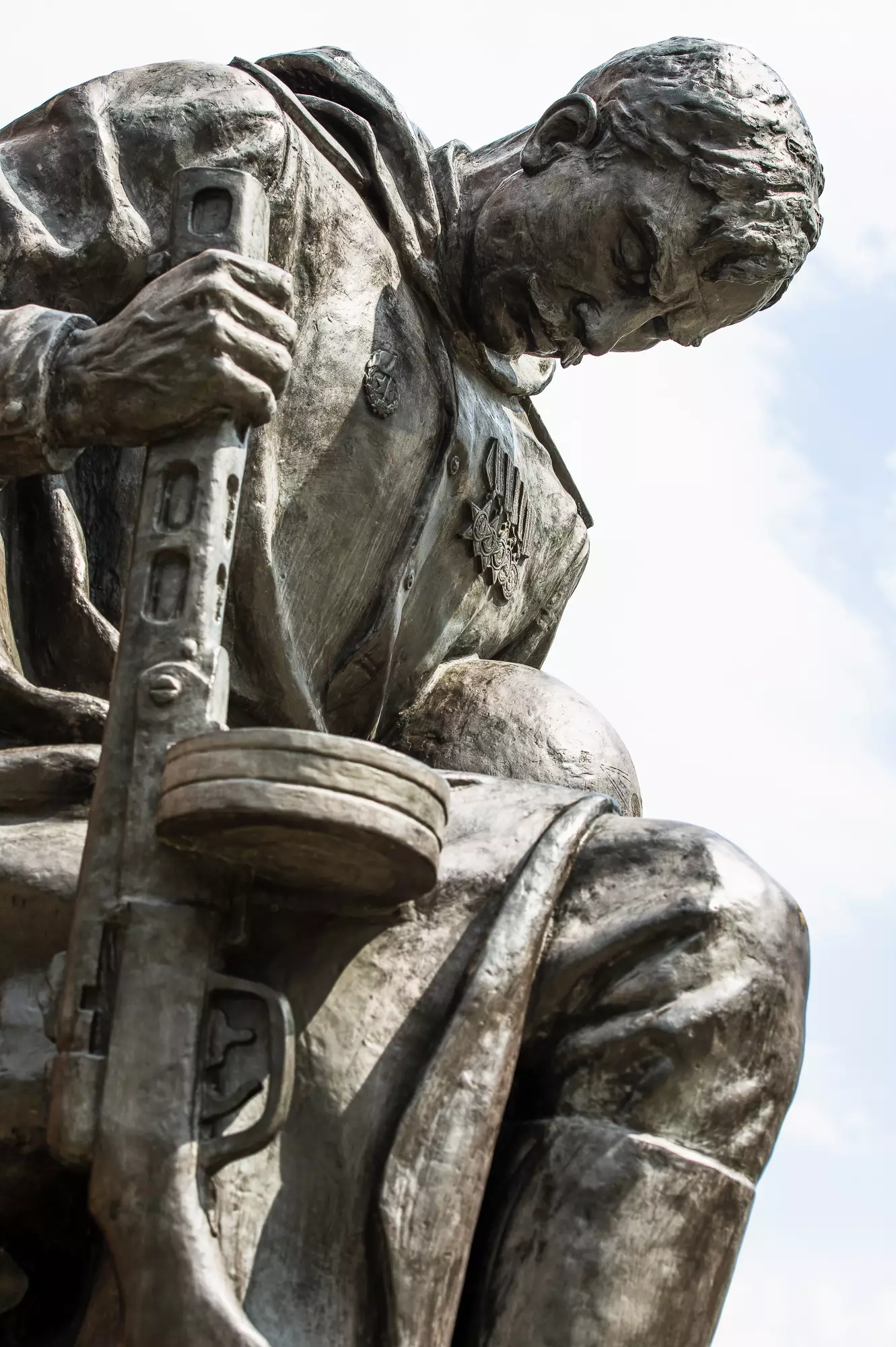
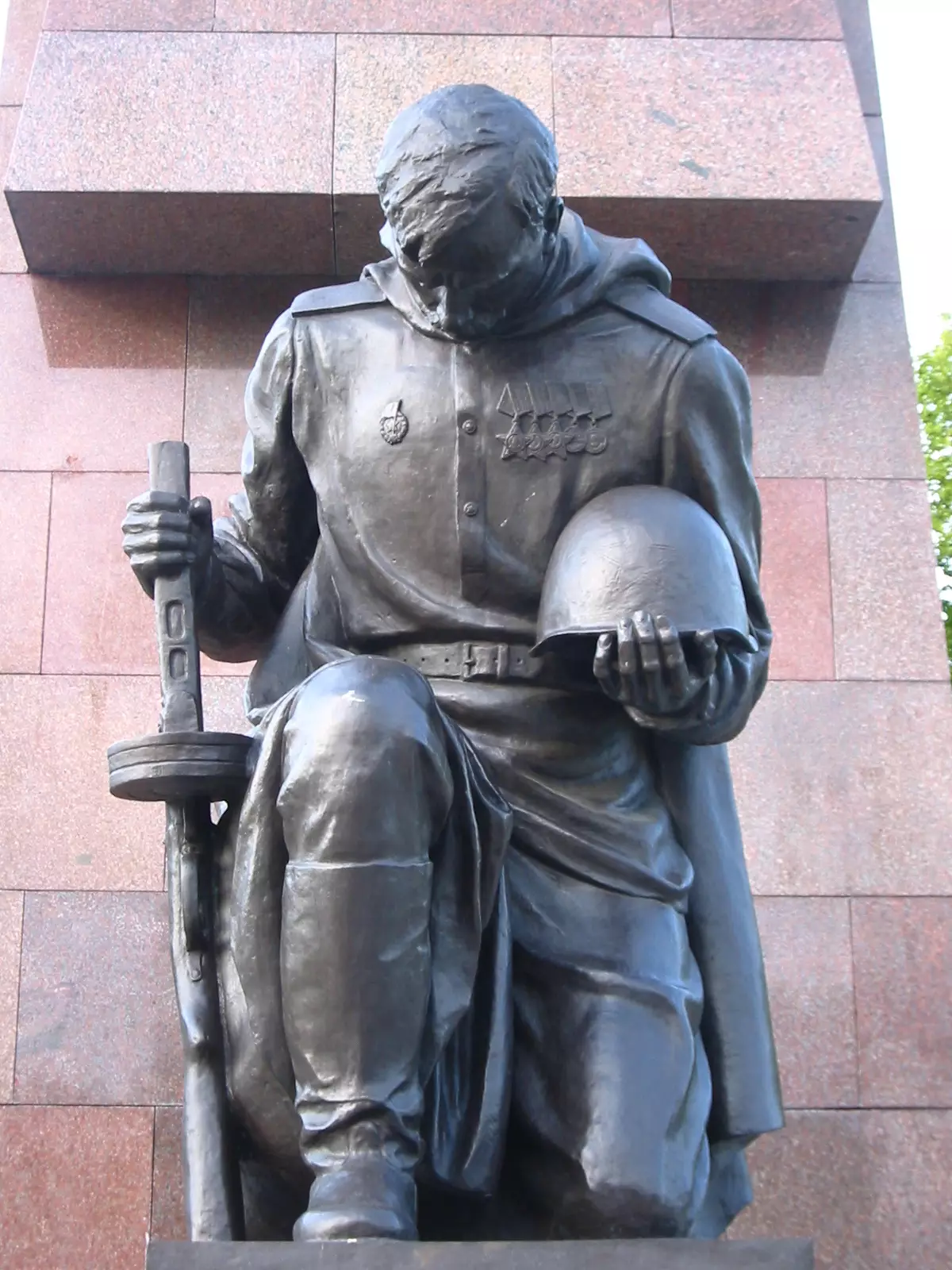
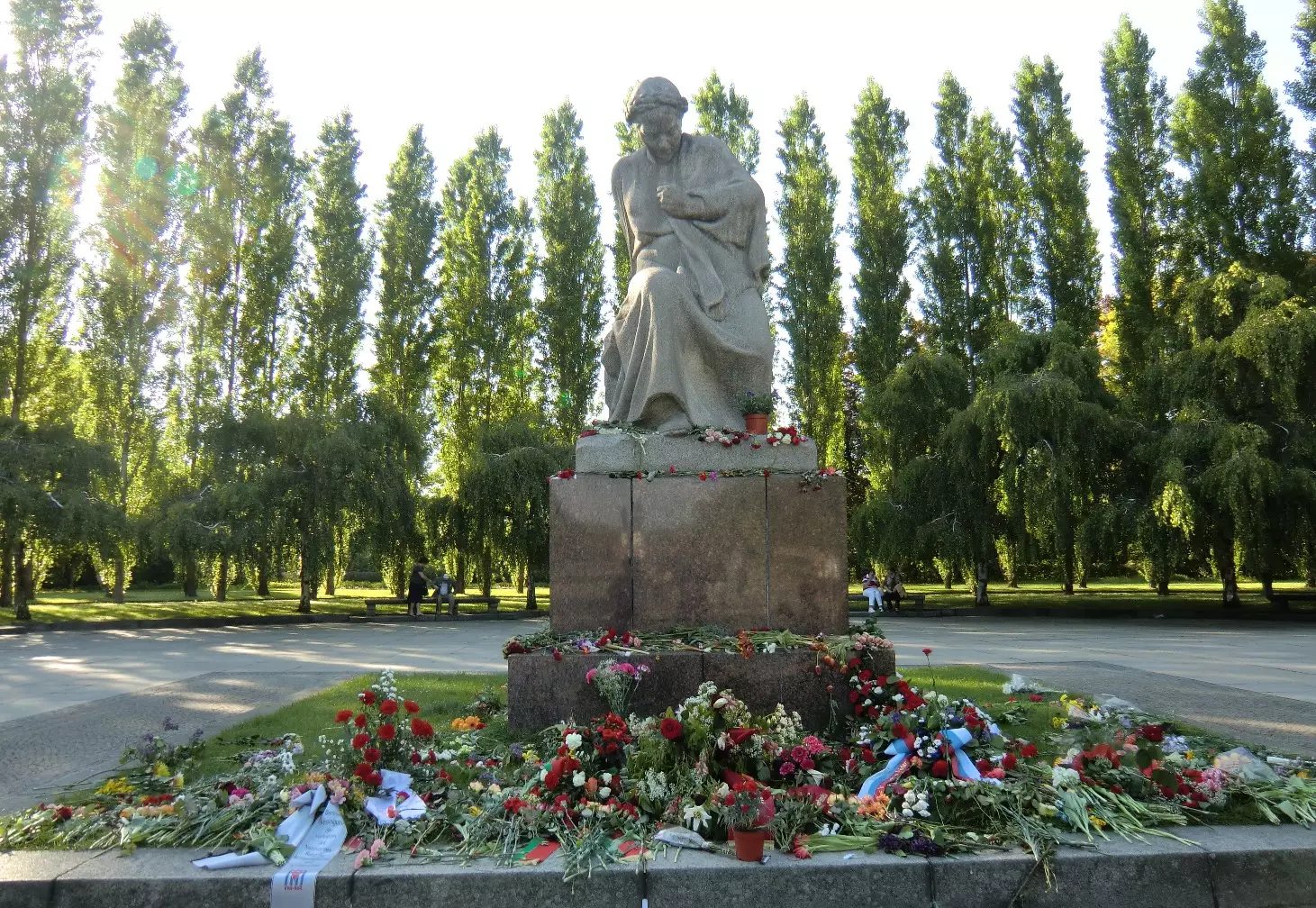
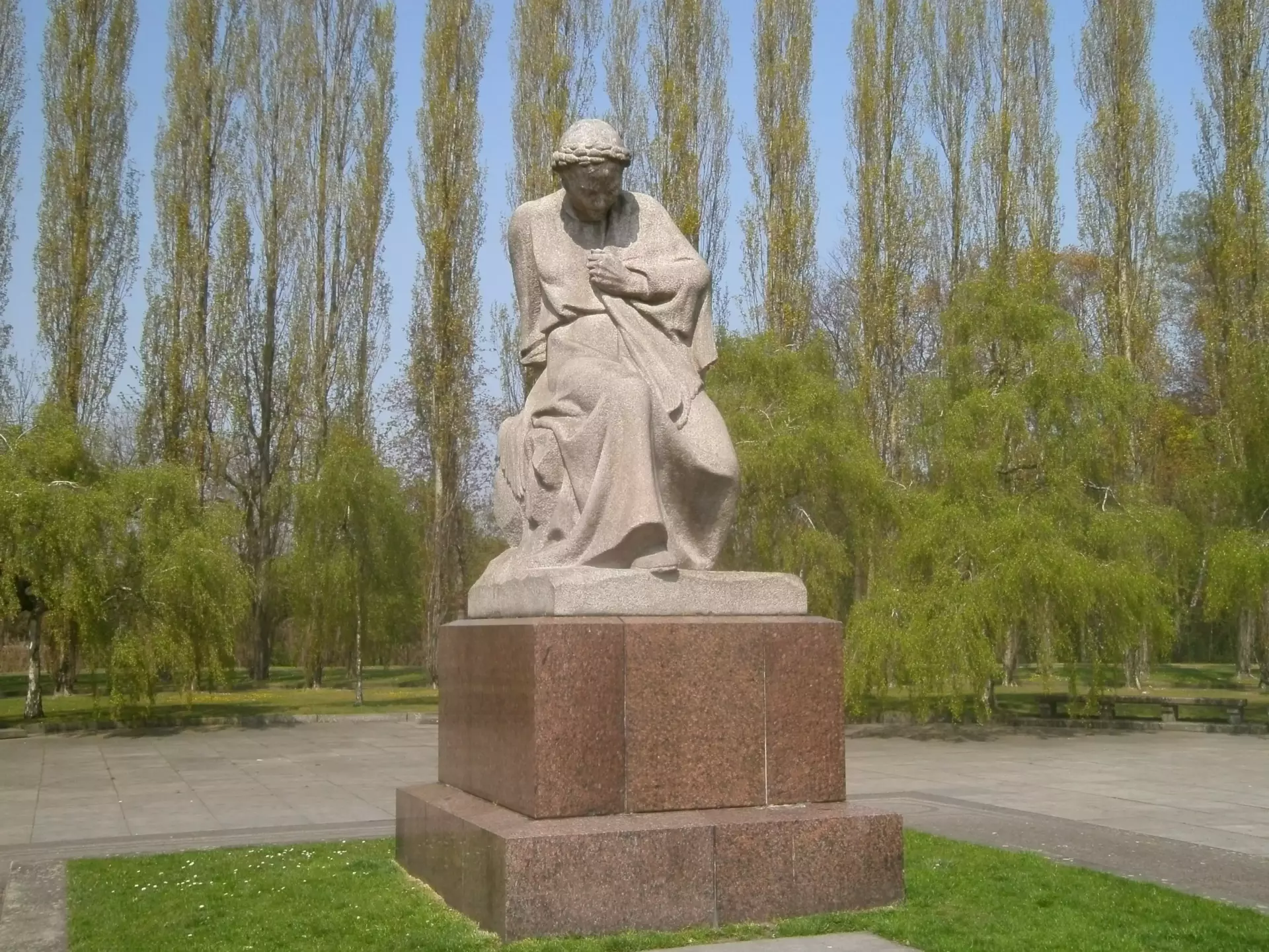
The Soviet War Memorial in Berlin stands as one of three monuments built by the Soviet Union to honor its fallen soldiers. It especially commemorates the estimated 80,000 members of the Soviet Armed Forces who died during the Battle of Berlin in April and May 1945.
The memorial sits in what was once the British sector of the divided city. During the years of Berlin’s partition, Soviet troops guarded the site, which has led to a common belief that it enjoyed extraterritorial status. In fact, it did not. The memorial remained under local jurisdiction despite the continuous Soviet presence.
Today, its upkeep is governed by a bilateral treaty between Germany and Russia. Under this agreement, Germany is responsible for maintaining the monument and ensuring it remains in good condition.
Source - https://en.wikipedia.org/wiki/Soviet_War_Memorial_(Tiergarten)
The longest stretch of the Berlin Wall still in existence, painted by artists in 1991 and restored in 2009, after years of decay. At Mühlenstraße, next to the river Spree. The murals are painted on the east side of the wall after the fall of Communism; so they are not from the Cold War, during which murals could only be painted on the west side. Make sure not to miss the famous mural of a car seemingly crashing through the wall with Leonid Brezhnev and Erich Honecker kissing above it. It is actually on the back side of the gallery (it is facing away from the street.) It is just inside the entrance of the Eastern Comfort Hostel, near the east end of the gallery.
The Bierpinsel ("beer brush") is a building in Steglitz which resembles an observation tower and is famous for its pop-art appearance. The futuristic, landmarked building was built from 1972 to 1976 and has since been used as restaurant, night club, bar, radio station and art café.
Museum of Contemporary Art located in former Hamburger Bahnhof train station. Big halls filled with artworks made since 1960s. In 2004 Rieckhallen, former Lehrter Bahnhof, was opened and now provides exhibition space for the Friedrich Christian Flick Collection. Free public guided tours (in English): Sa and Su at 12:00.
The Bayerischer Platz is the centre of the Bayerisches Viertel ("Bavarian district", with many streets named after Bavarian cities), which was destroyed a lot more during World War II (about 60%). Somewhere around there Albert Einstein lived once. You’ll find several memorial signs providing information about the Nazi regime's persecution of gays and Jews.
Includes the Panoramapunkt, the viewing terrace located 101 metres above ground, accessible by Europe's fastest elevator.
One of the most authentic and oldest villages (1247) in the outskirts of Berlin, it looks the same way it did some hundred years ago. Take S-Bahn 1 to Waidmannslust and then bus 222 to Alt-Lübars.
Features a nice fountain, stately old houses and a good night time hot spot. Many people hang out in the platz in good weather.
This area was Gay Central during the Weimar Republic, and it is today. But of course all are welcome. There is a diverse mix of restaurants and stores, several of which are open till midnight or later every day. The U-Bahn station has a superstructure and towers that echo the appearance of the Art Nouveau Neues Schauspielhaus across the street, now the Metropol, where radical left-wing dramas used to be presented in the 20s and 30s, and it is lit in rainbow colors.
A cuboid made of concrete. On the front side of the cuboid is a window, through which visitors can see a short film of two kissing men. The video will be changed every two years and will also show kissing lesbians.