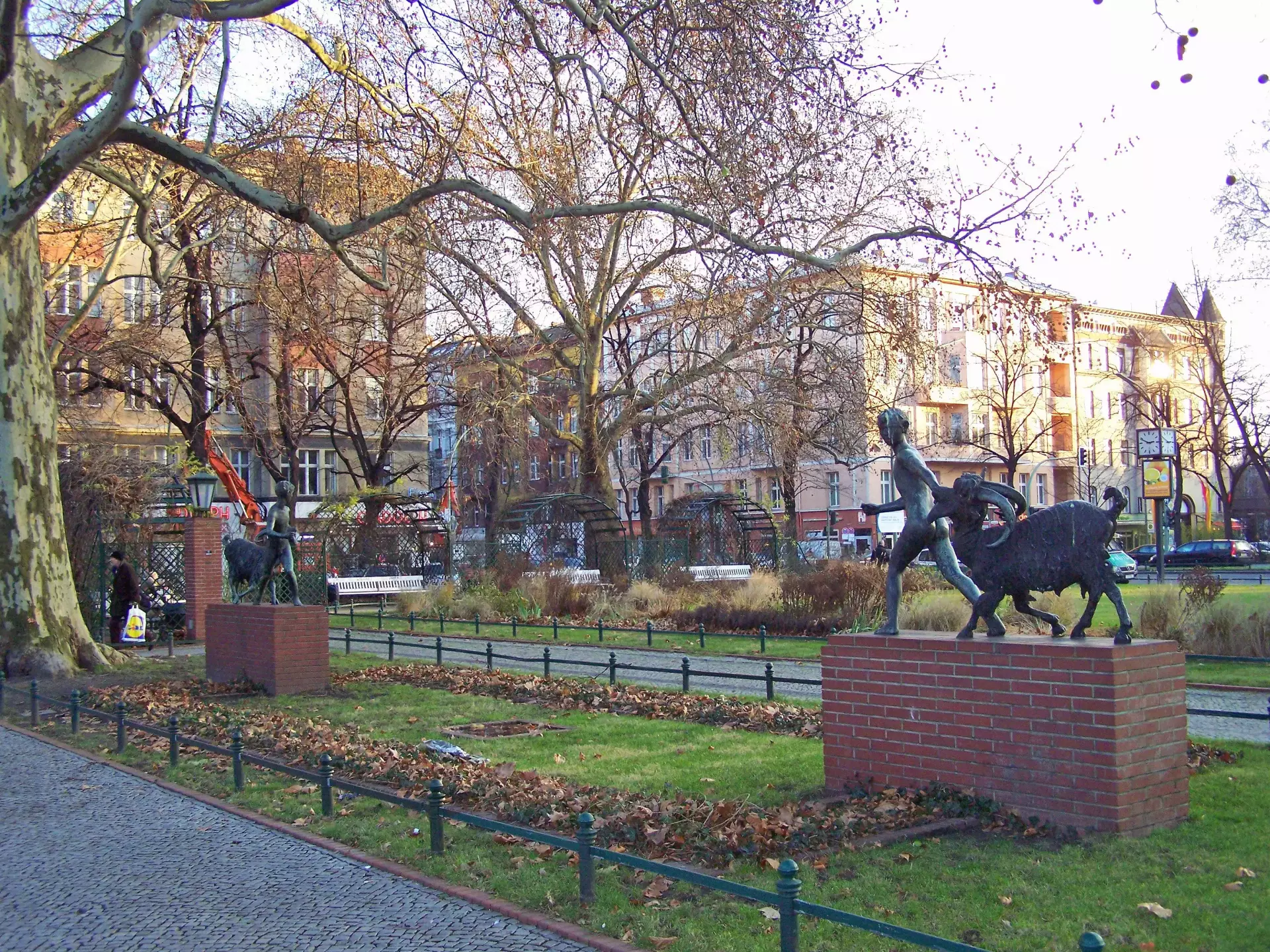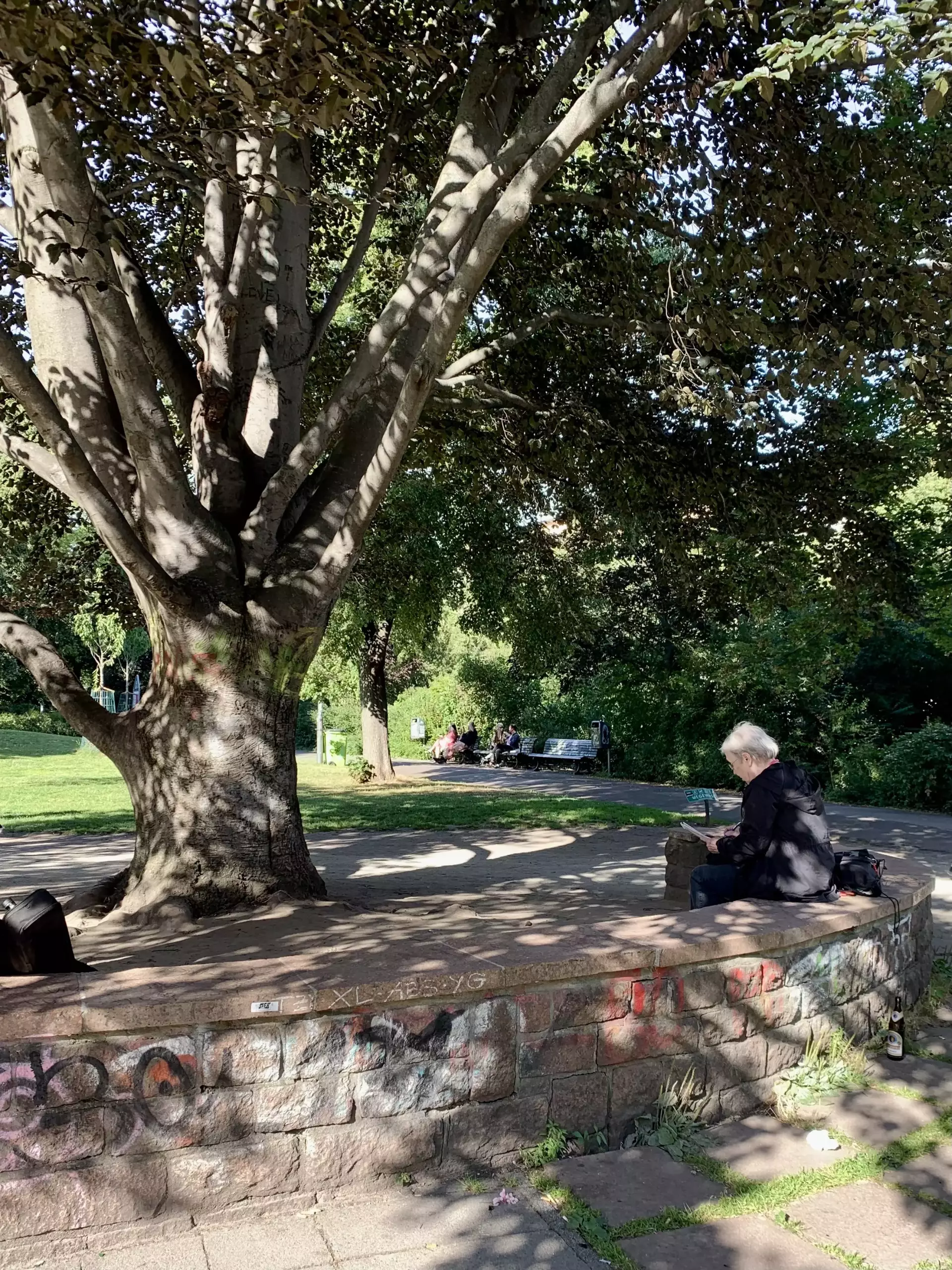
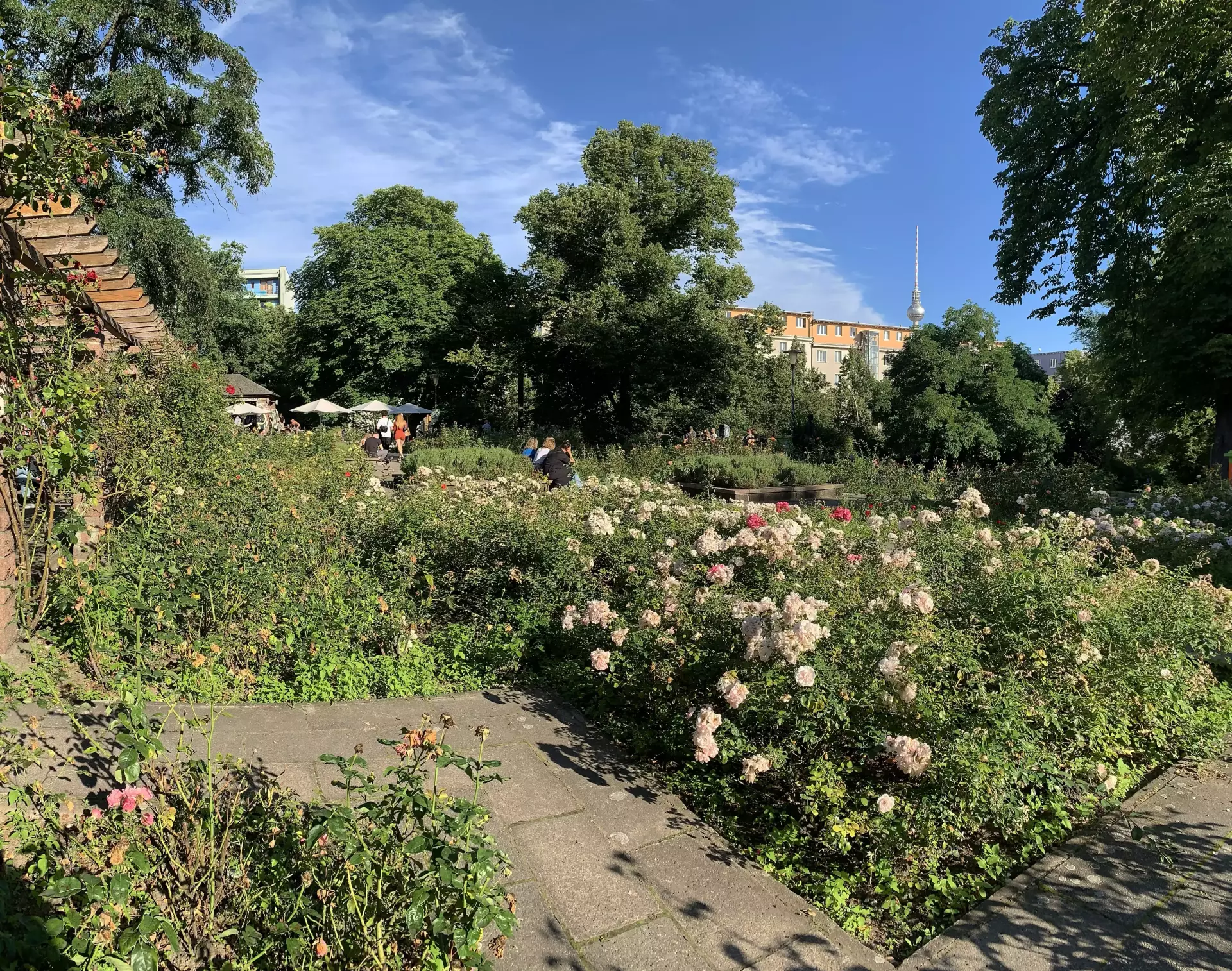
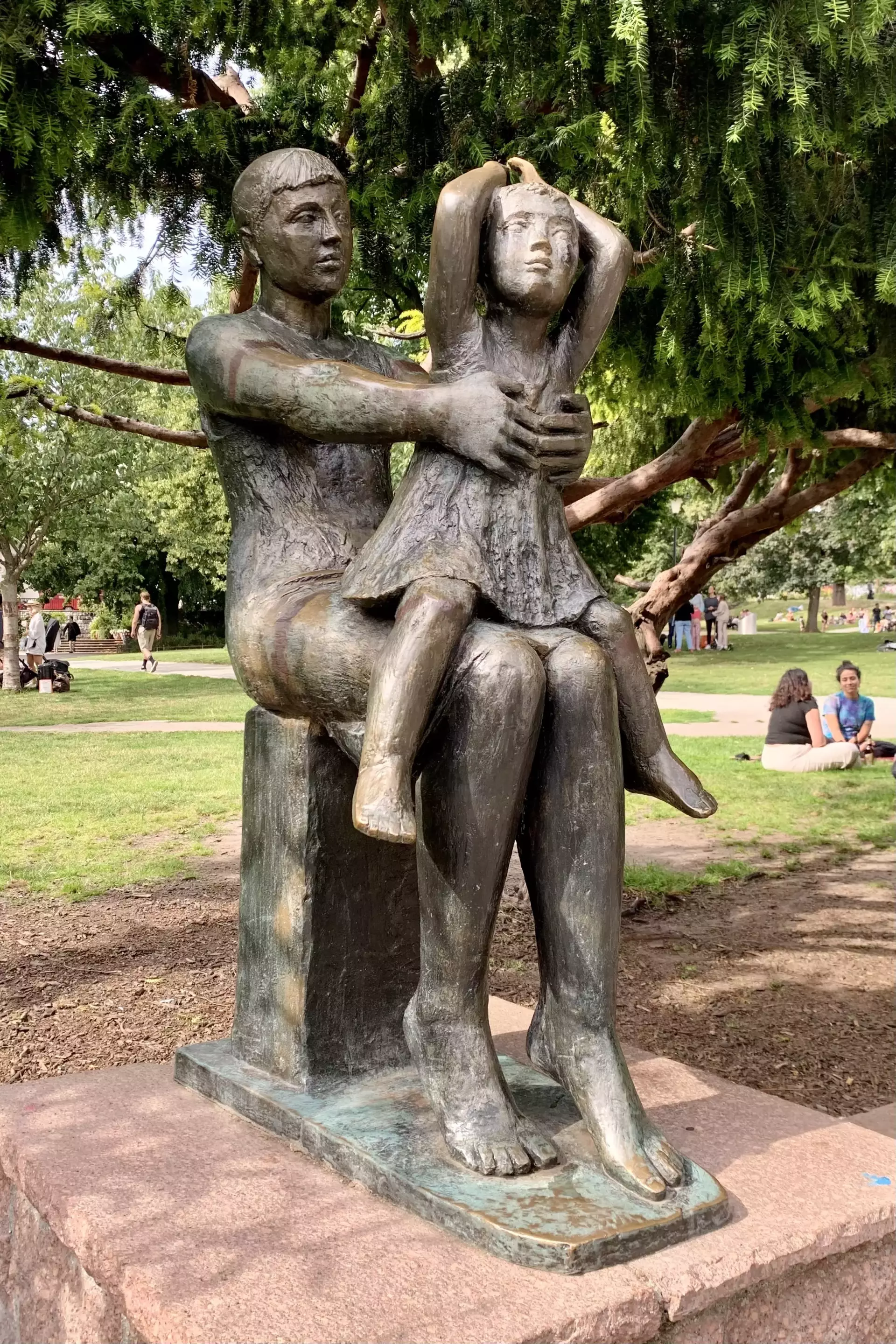
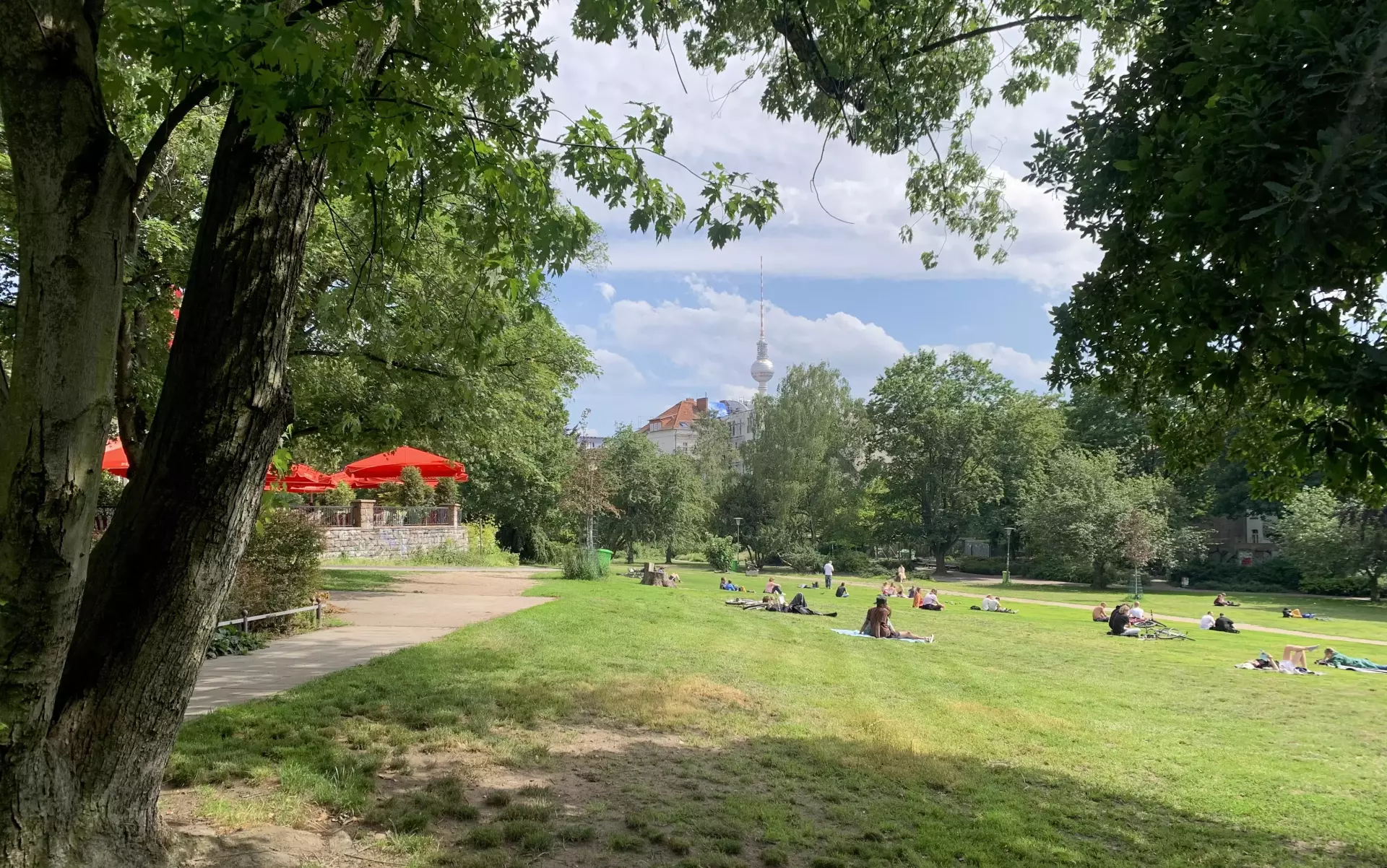
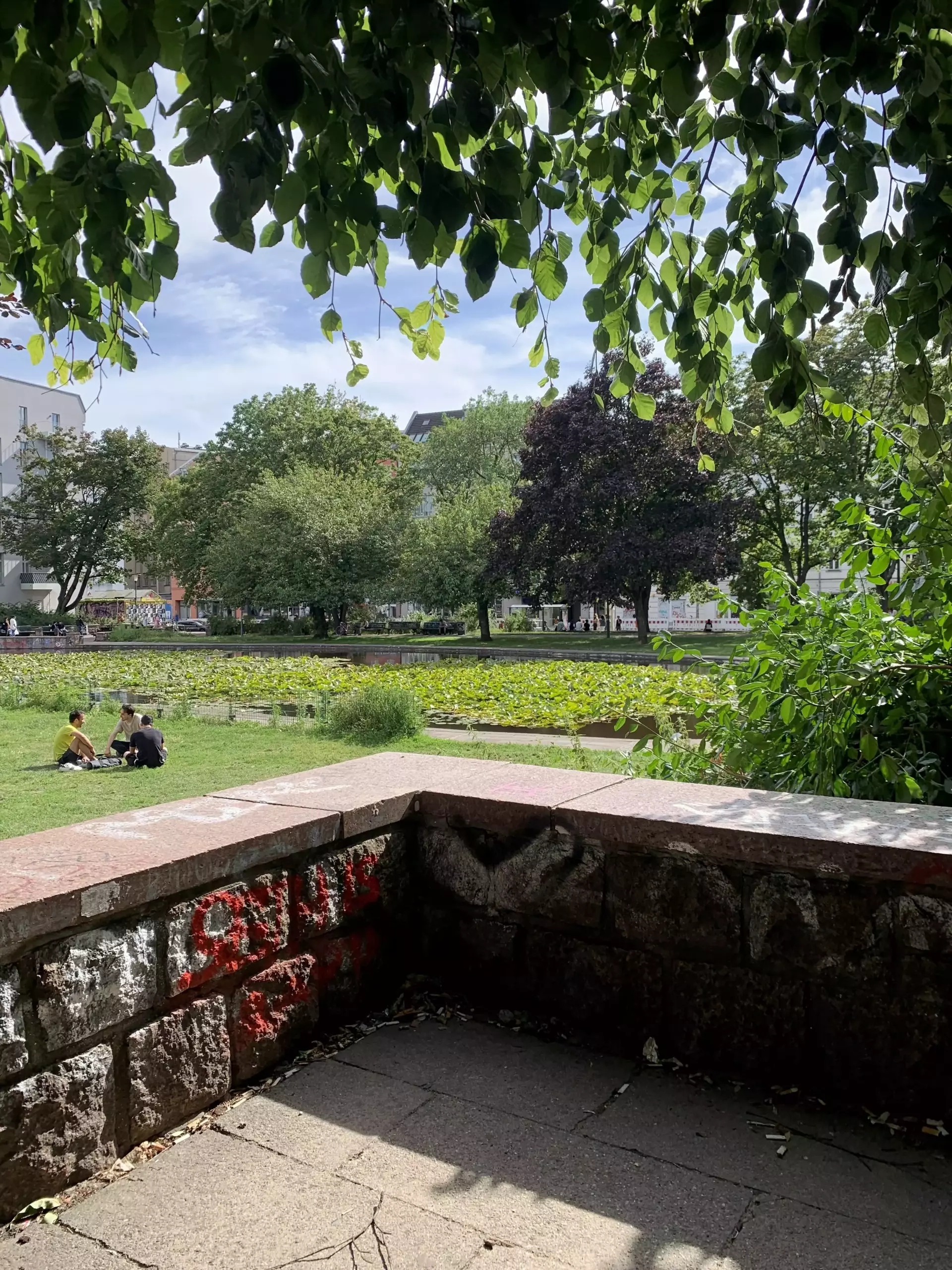
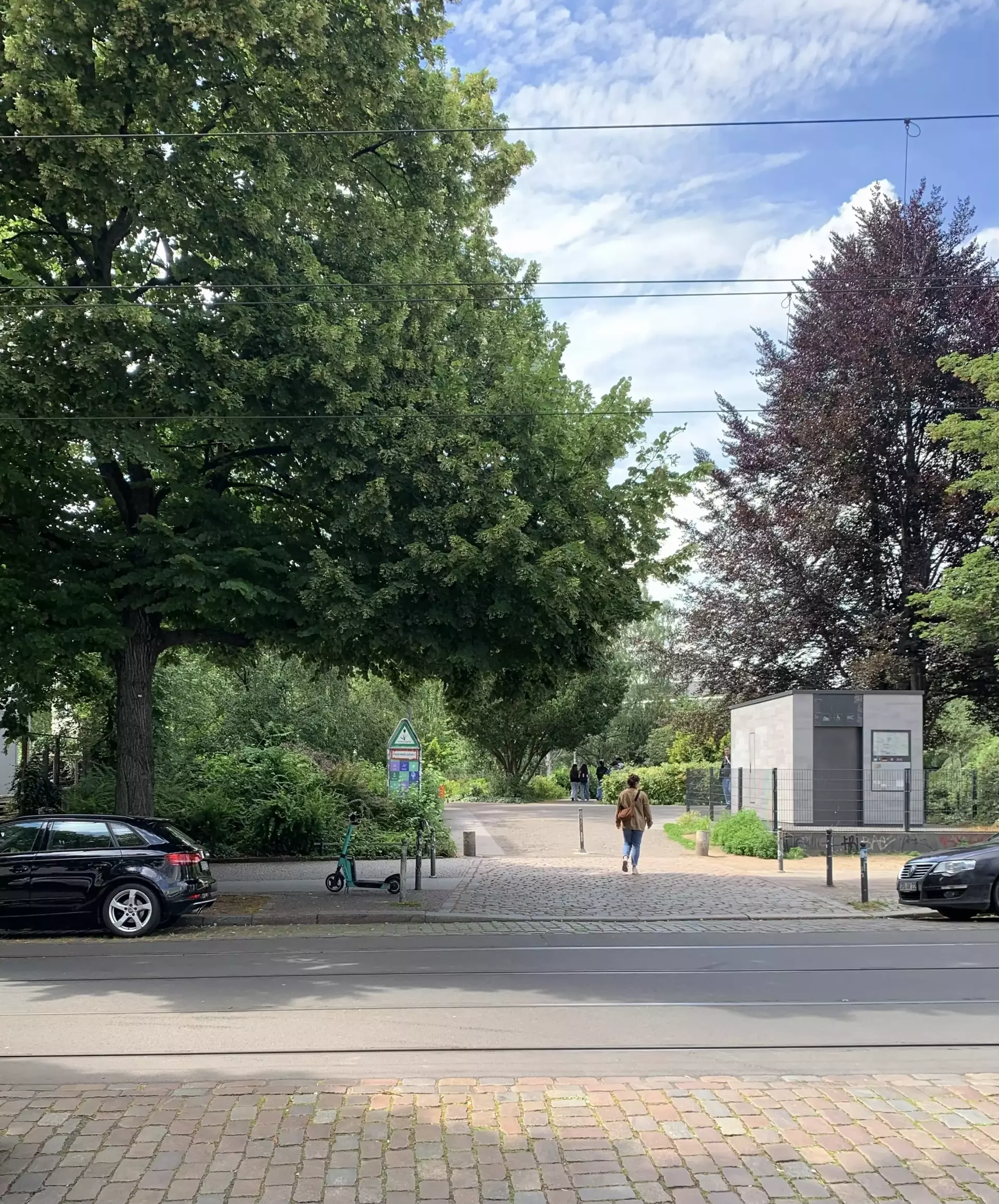
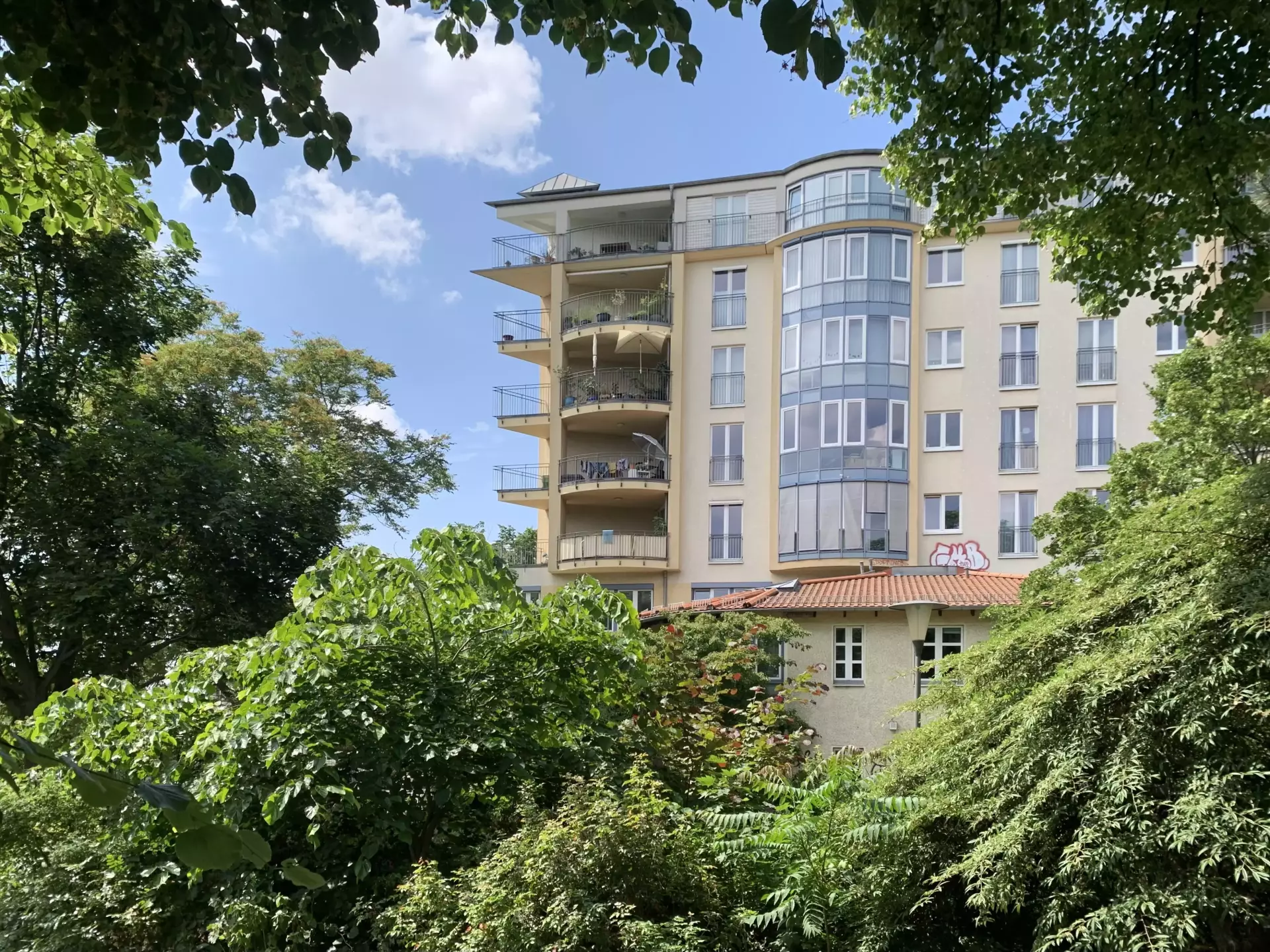
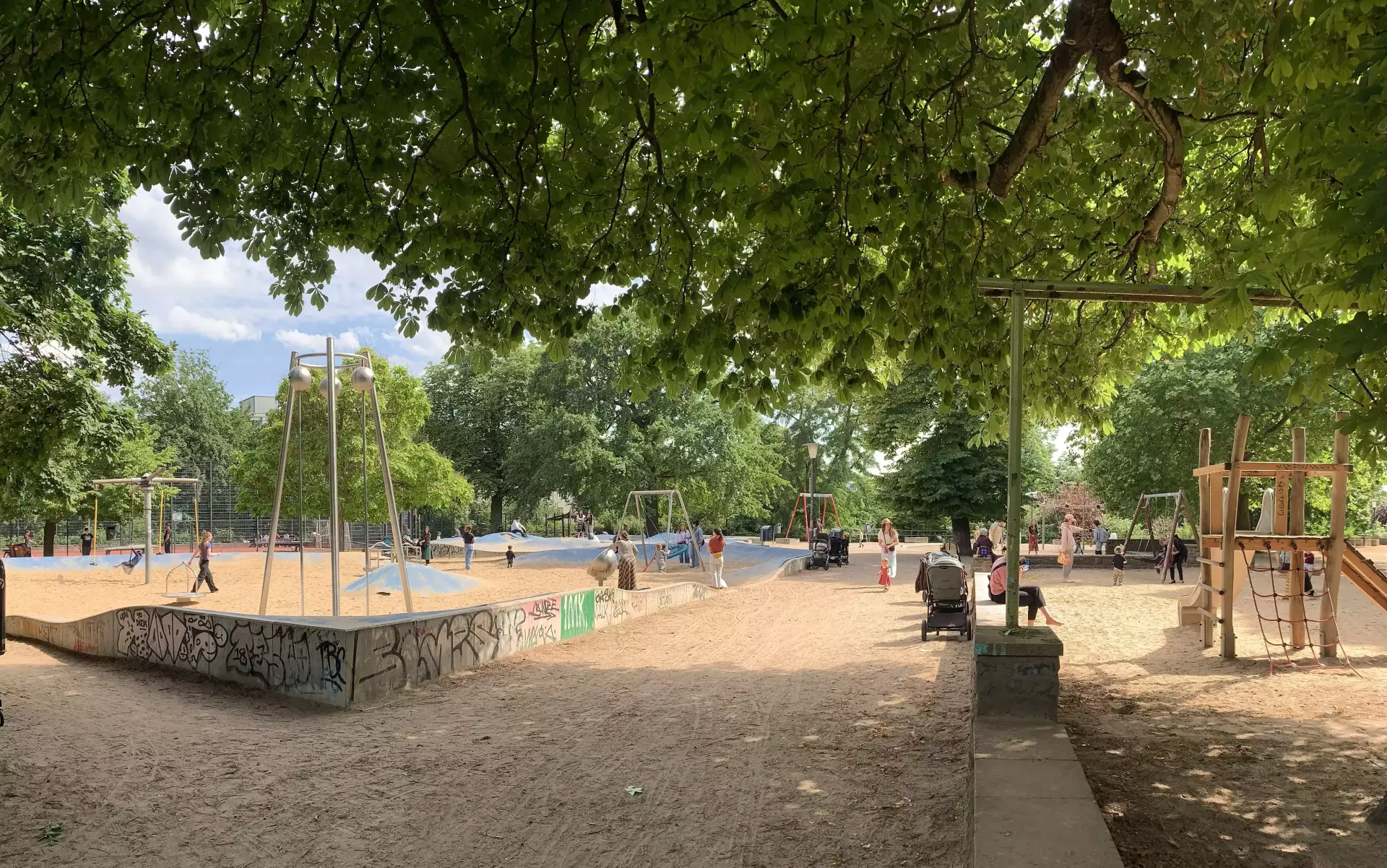
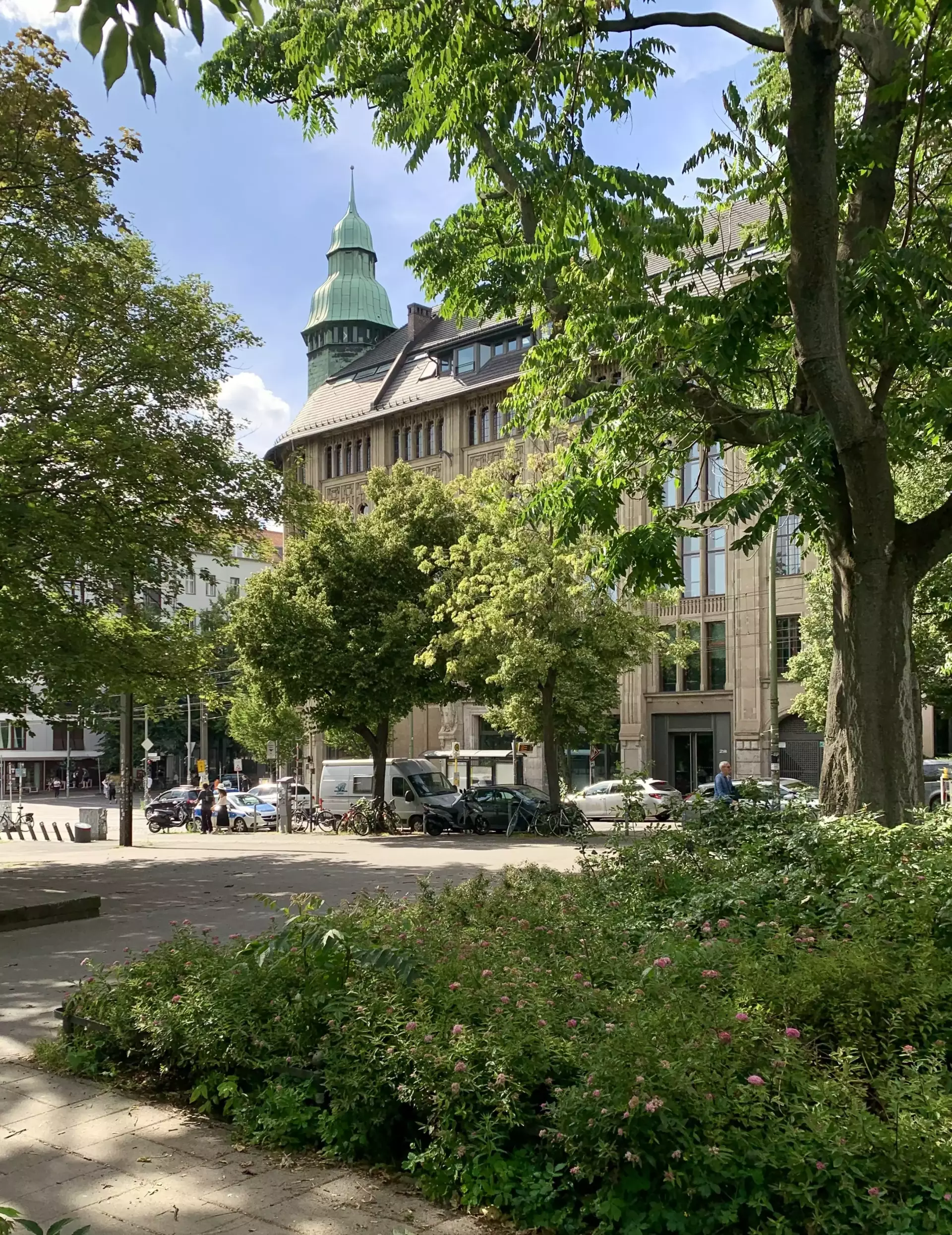
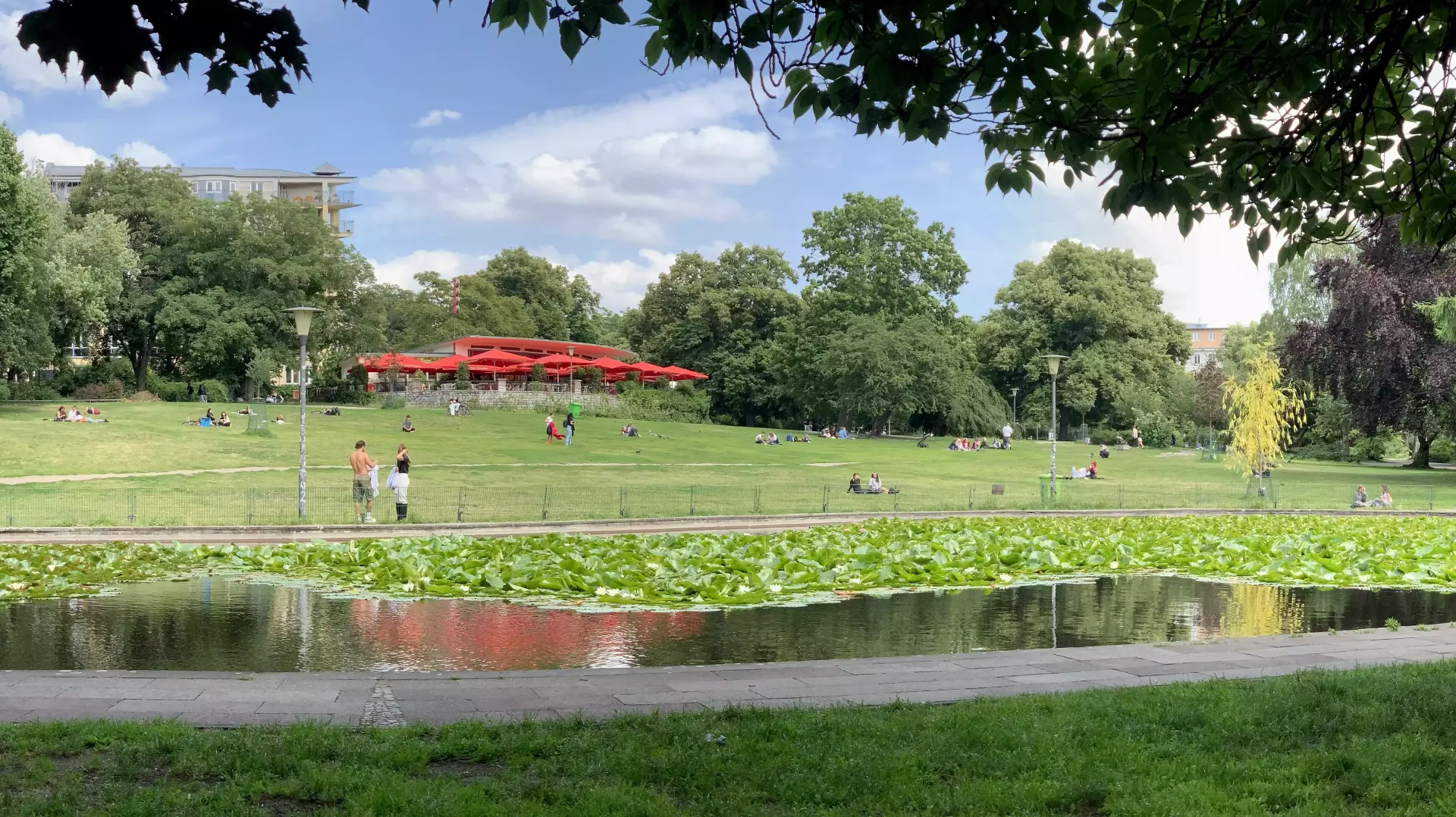
Volkspark am Weinberg is a sloping public park where city life slows down. People spread blankets on the grass, lean back on the hillside, and let the afternoon drift by. It is a casual, open space that draws a steady mix of friends, families, and solo visitors throughout the day.
On sunny days, the lawns fill with sunbathers enjoying the warmth. Some bring simple picnics—fresh bread, fruit, and cold drinks—while others pick a quiet corner to read. Groups gather in circles, talking and laughing, while a few carry small speakers for soft background music. The sloped terrain turns even a short rest into a comfortable lounge, with views of the park’s gentle bustle below.
Acoustic guitars are a familiar soundtrack here. A couple of chords drift across the grass as players practice or share songs with friends. Nearby, people juggle a football, toss a frisbee, or play easy lawn games. The mood stays unhurried, and there is enough space for both lively company and quiet time.
Source - https://en.wikipedia.org/wiki/Volkspark_am_Weinberg
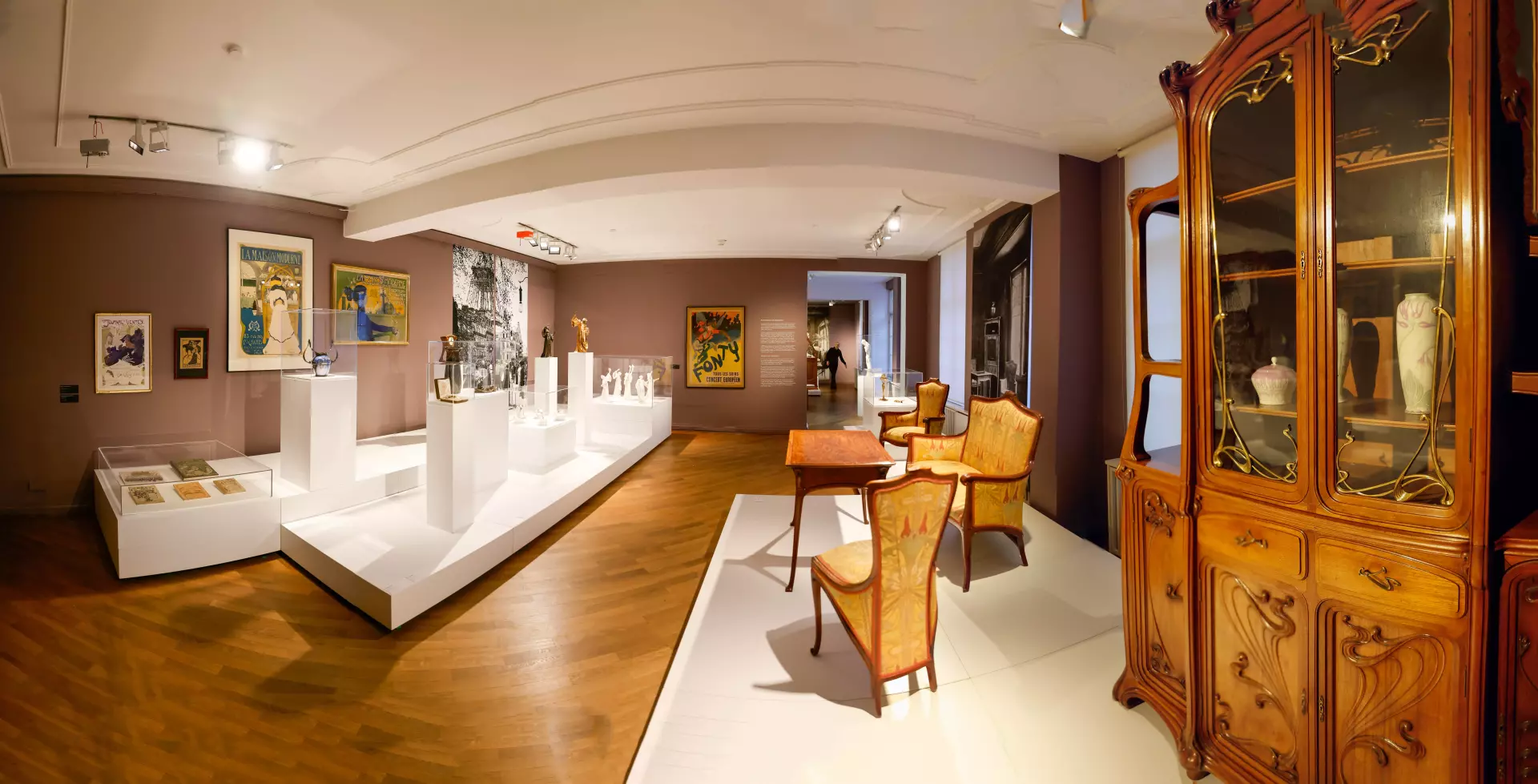
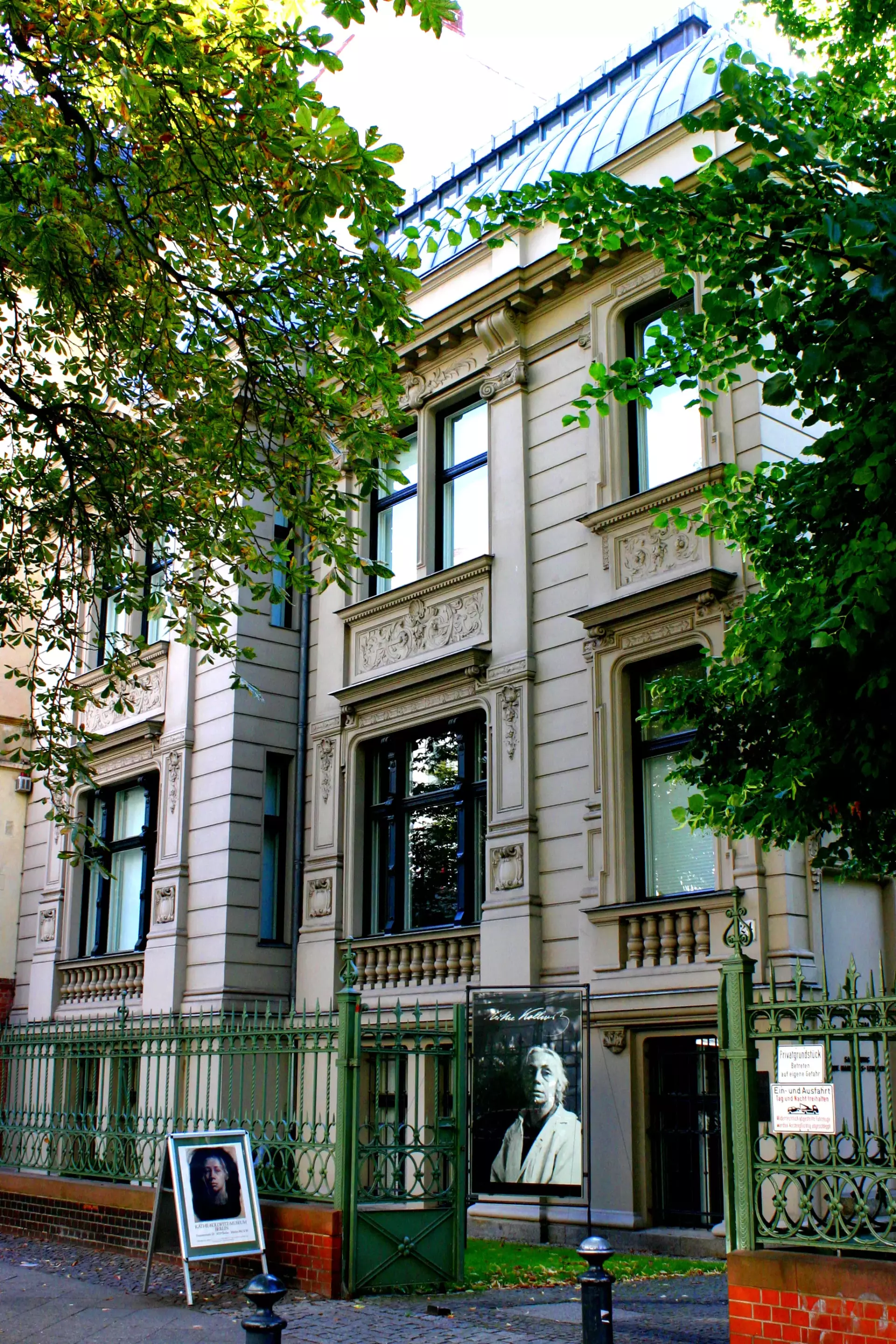
A small but interesting collection of decorative arts from the Art Nouveau and Art Deco periods
Nazi Propaganda Minister Josef Goebbels made Bebelplatz (then called Opernplatz) infamous on 10 May 1933, when he used the square across from Humboldt University to burn 20,000 books by "immoral" authors of whom the Nazis did not approve. Their list included Thomas and Heinrich Mann, Arnold Zweig, Kurt Tucholsky and Sigmund Freud. Today a monument is the reminder, though it blames Nazi students for the episode. When entering the square it's easy to miss the monument. It is in that part of Bebelplatz bounded on one side by the Opera House and on the other side by Humboldt University. Look dead centre: the monument is underground. A piece of plexiglass allows the viewer to look underground into a large, white room, filled with entirely empty, blank white bookcases. The room is large enough to hold the 20,000 books that were burnt. The absence of books reminds the viewer just what was lost here: ideas. But the event did reveal things to come, as ethnically Jewish author and philosopher Heinrich Heine, whose books were burned, let one of his characters say in an 1821 play: "This was only the foreplay. Where they burn books, they will also burn people." He was correct.
Berlin's biggest lake and popular resort for bathing and watersports. You can also travel there by tram, which is an experience by itself.
With the Kreuzberg, a hill in Kreuzberg 61, the Prussian National Monument by Schinkel and a waterfall. Superb panoramic views across south Berlin.
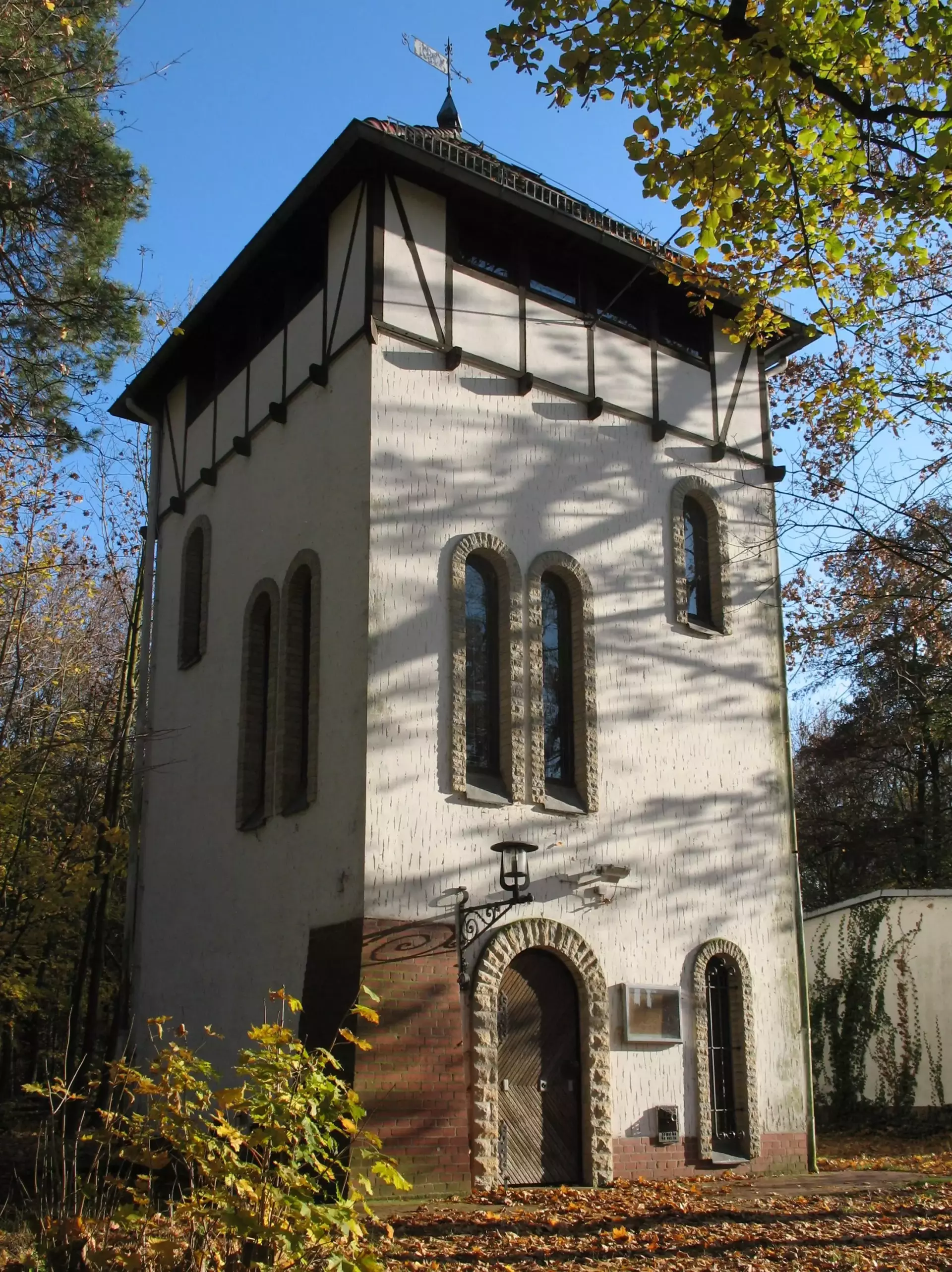
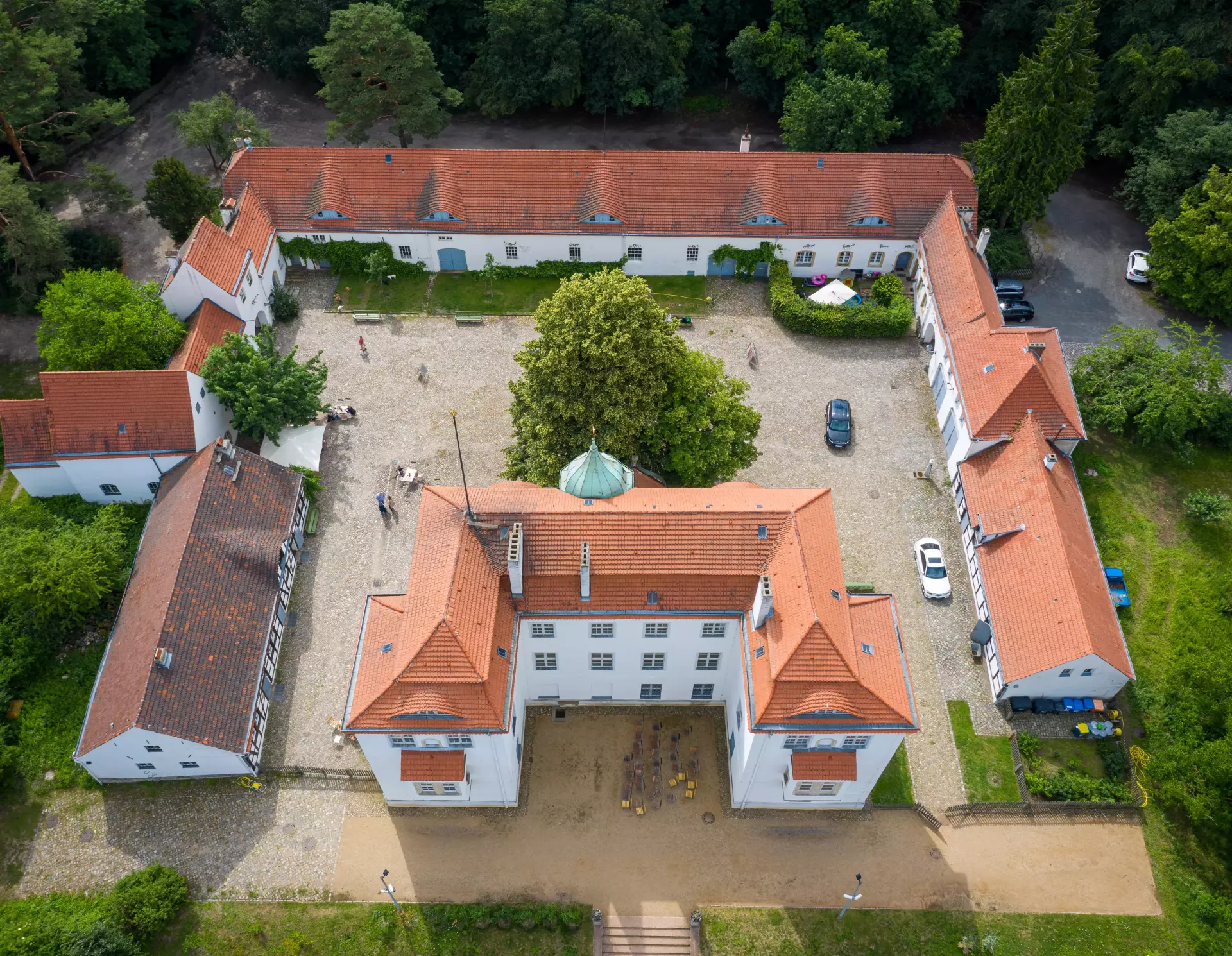
Built in 1542. An impressive traditional country estate with stately architecture, it is an enclave of untouched regional cultural history and architectonic epochs. The 80-hectare mixed forest also provides a wide network of paths for walking and rambling.
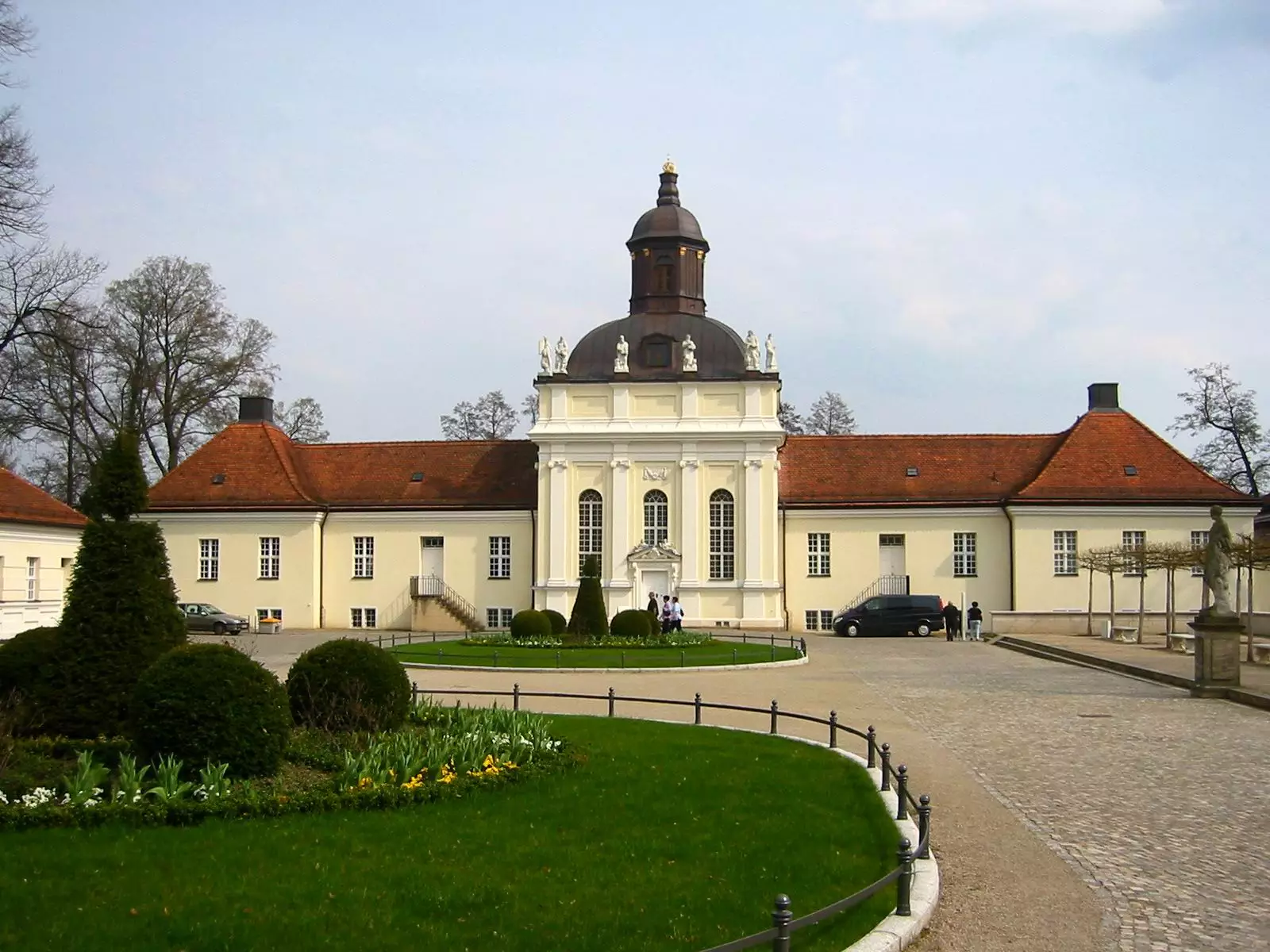
The charming Baroque water palace of the Hohenzollern electors surrounded by the Dahme river and an English garden.
This heritage-protected public bathing beach which opened in 1907 is one of the largest inland lidos in Europe and has a 1275-m-long sand beach, a capacity for up to 30,000 guests and a popular nudist area.
Includes the Panoramapunkt, the viewing terrace located 101 metres above ground, accessible by Europe's fastest elevator.
Became famous from the film named after this street. During the Cold War, the street was split, with one section belonging to East Berlin and one to West Berlin.
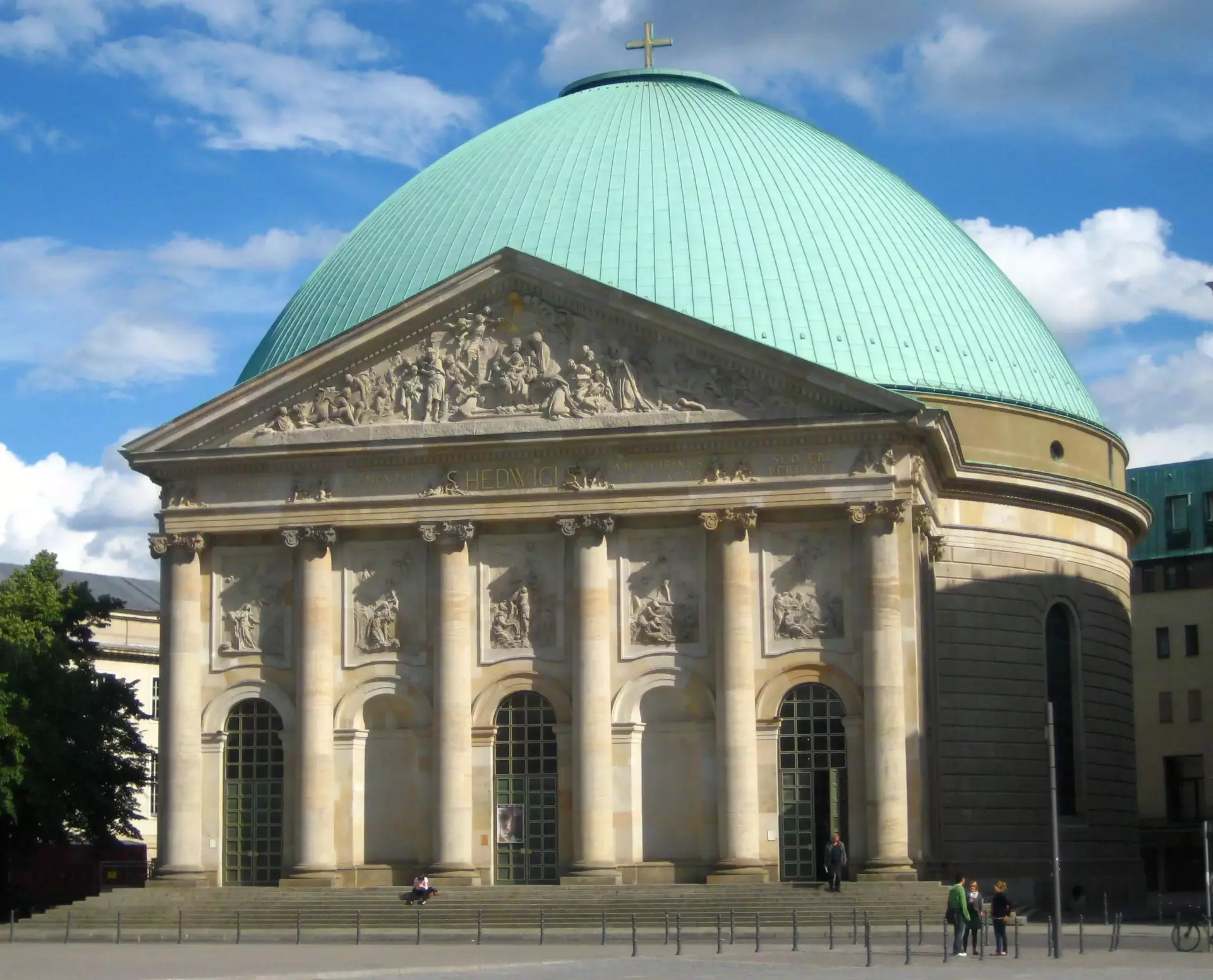
A domed church at Bebelplatz/Unter den Linden, the oldest (mid-18th century) and one of the biggest Catholic churches in Berlin. Interior was redesigned in a modern style in the 1950s, but there are still many treasure chambers in the basement.
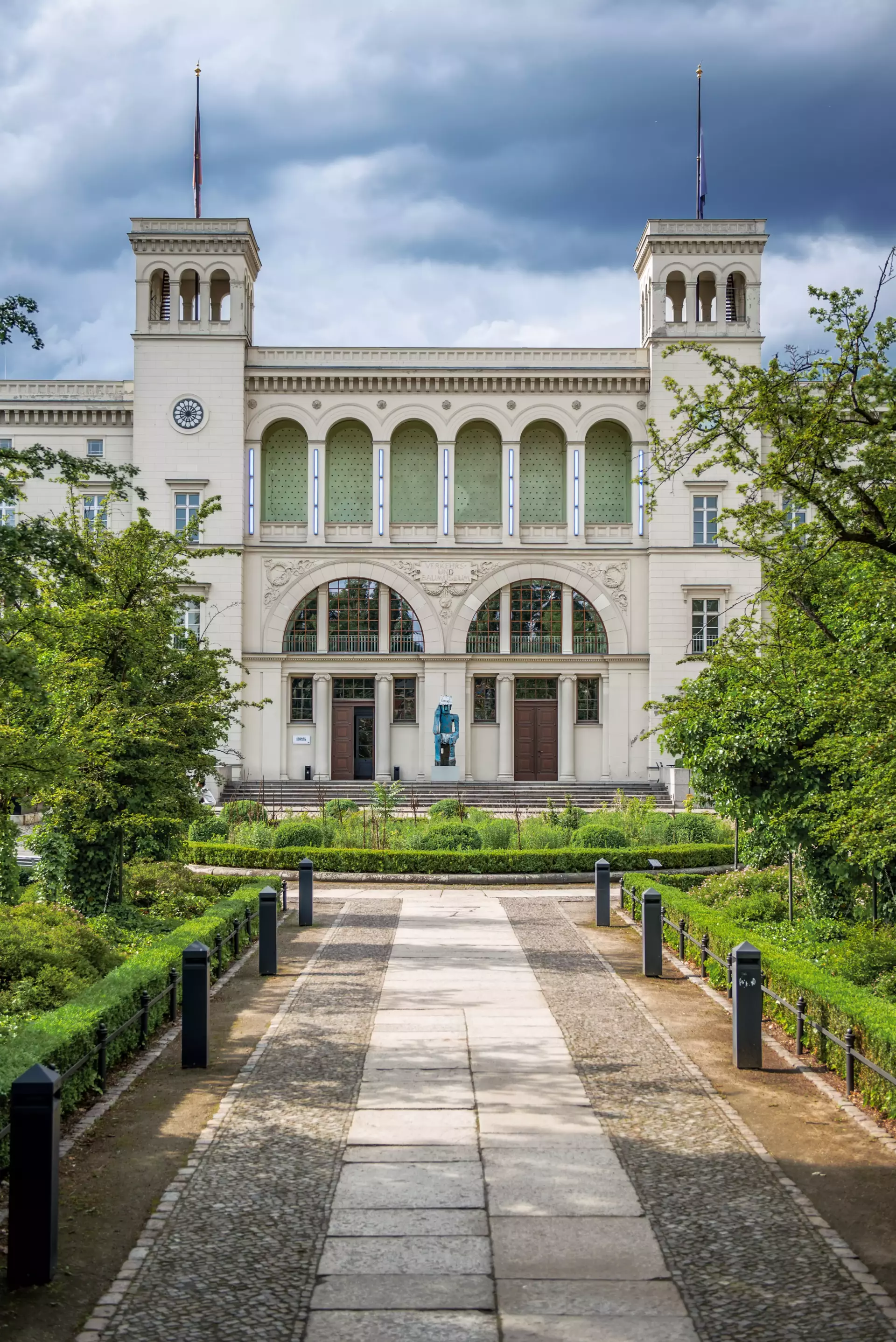
Museum of Contemporary Art located in former Hamburger Bahnhof train station. Big halls filled with artworks made since 1960s. In 2004 Rieckhallen, former Lehrter Bahnhof, was opened and now provides exhibition space for the Friedrich Christian Flick Collection. Free public guided tours (in English): Sa and Su at 12:00.
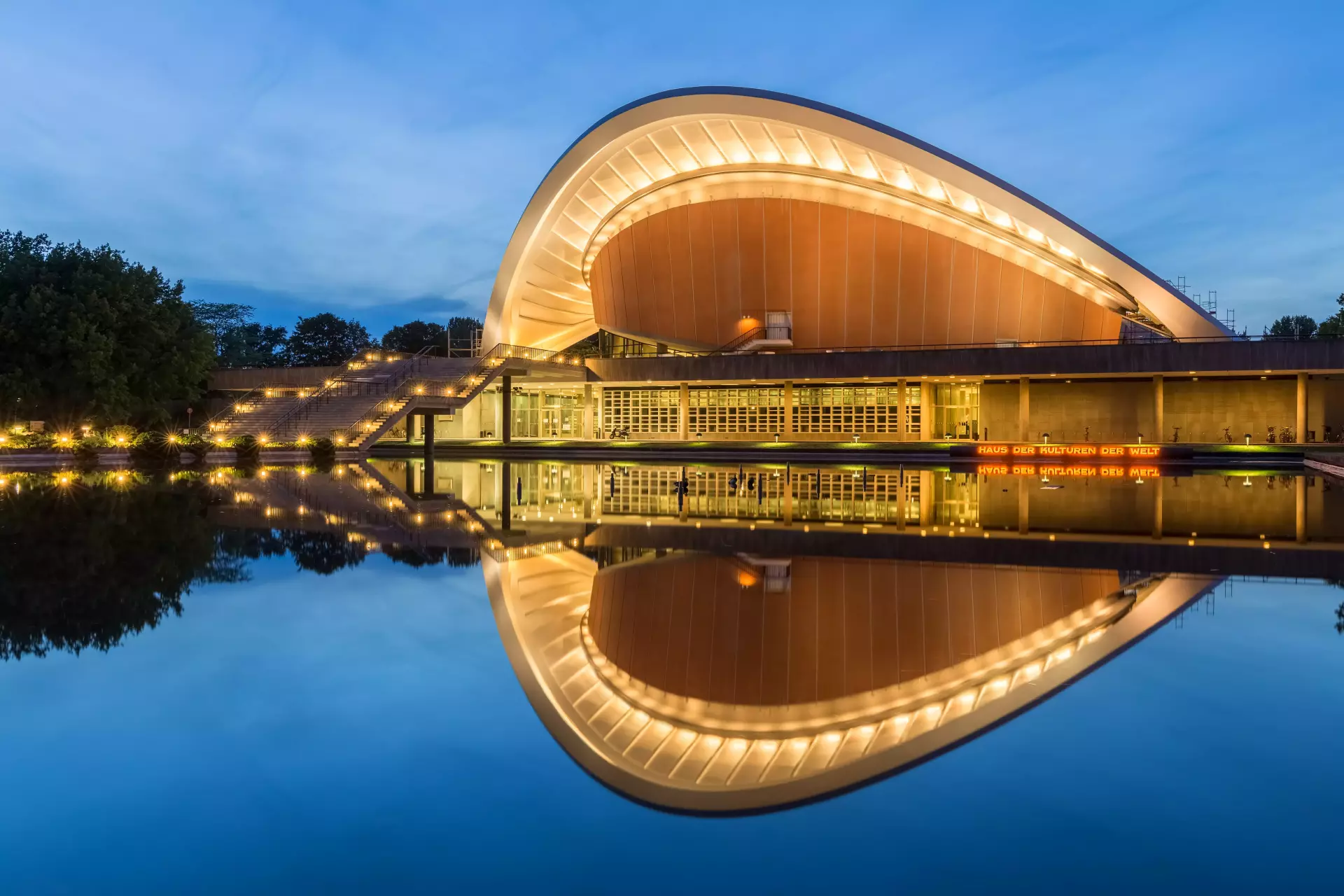
Germany's national centre for contemporary non-European art. The house is a leading centre for the contemporary arts and a venue for projects breaking through artistic boundaries. This architectural landmark was an American contribution to the international building exhibition INTERBAU 1957 as an embodiment of the free exchange of ideas. Colloquially called Schwangere Auster (Pregnant Oyster).
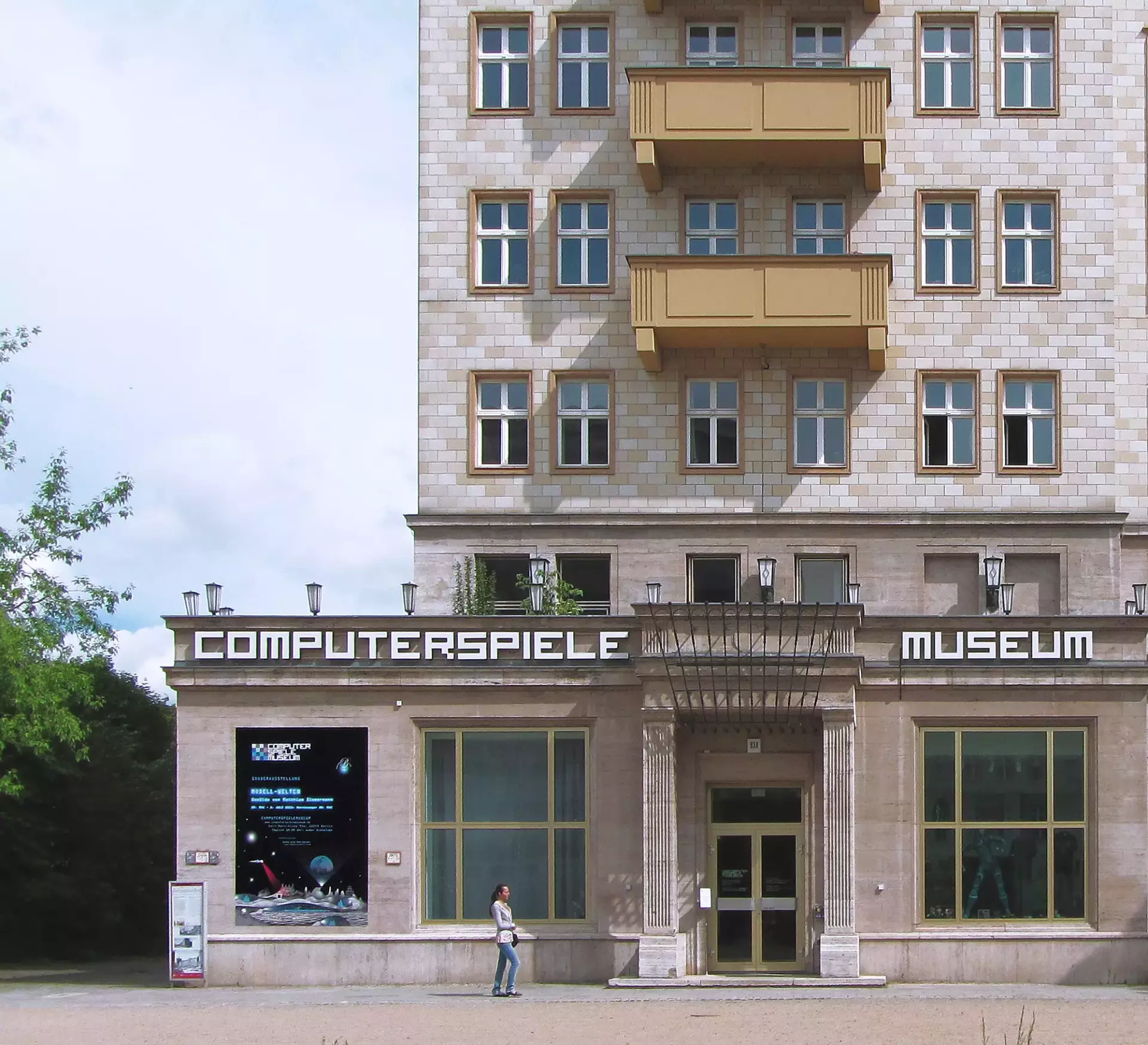
Exhibition of digital interactive entertainment culture. You can actually play almost all of the exhibits making it a more "hands on" museum than most.
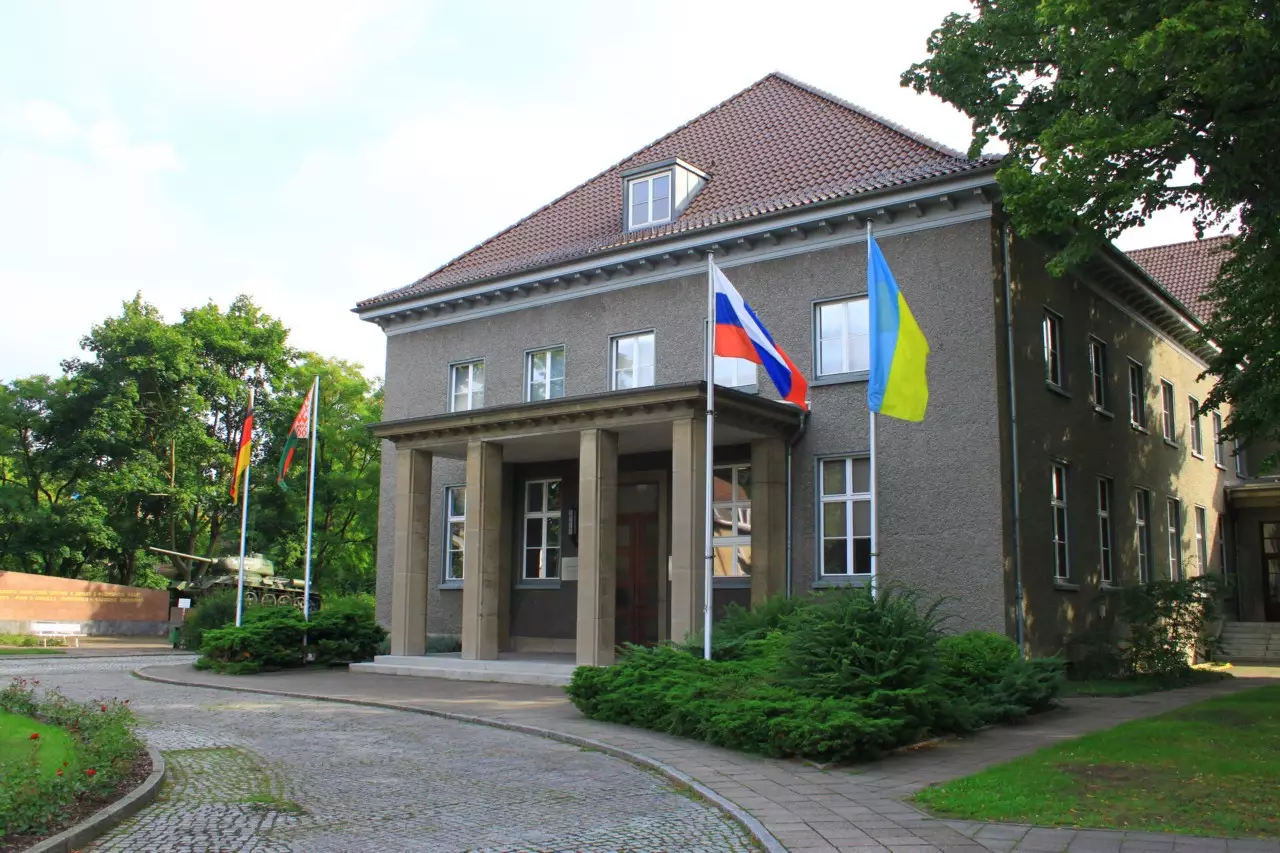
In this house the surrender of Germany was signed on May 9th, 1945, ending WWII in Europe. This museum describes the history of the war between Germany and the Soviet Union between 1941 and 1945 and the GDR/German-Russian relationship ever since. Historic rooms, permanent exhibition and special exhibits.
Small park in the heart of West Berlin. Great place to chill on a sunny day. There are many great cafés and restaurants nearby. Linger over a coffee here and watch people passing by.