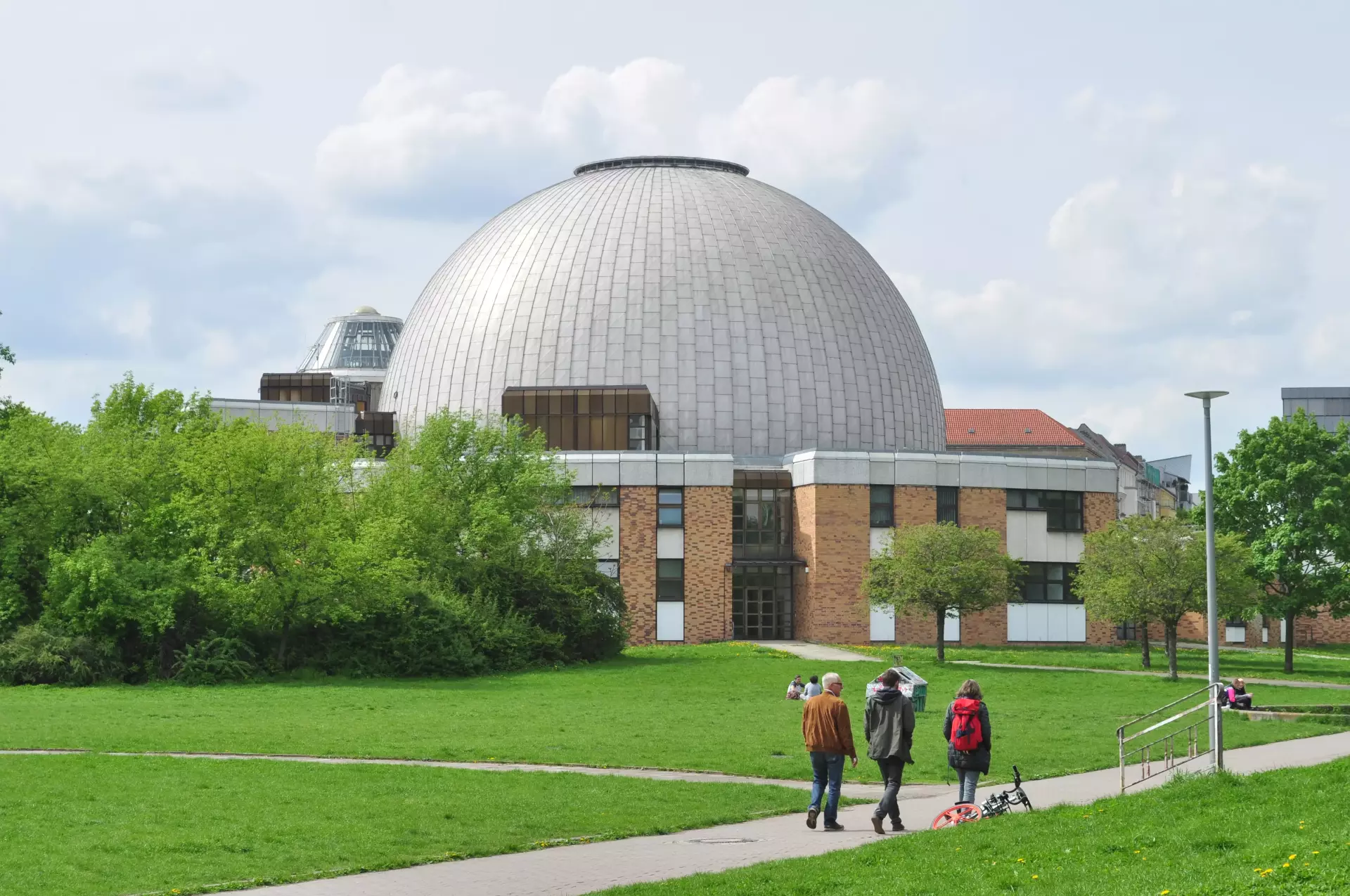
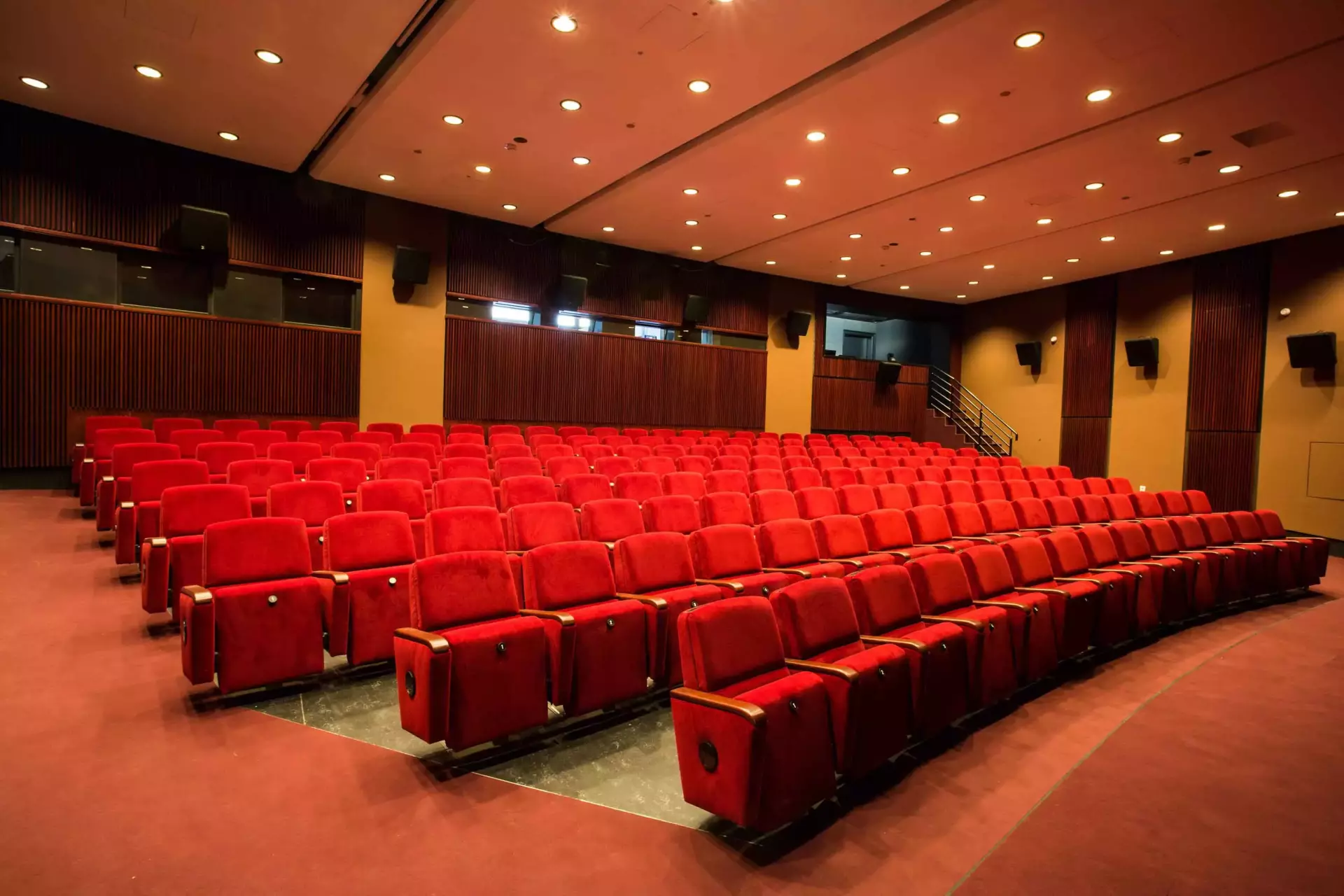
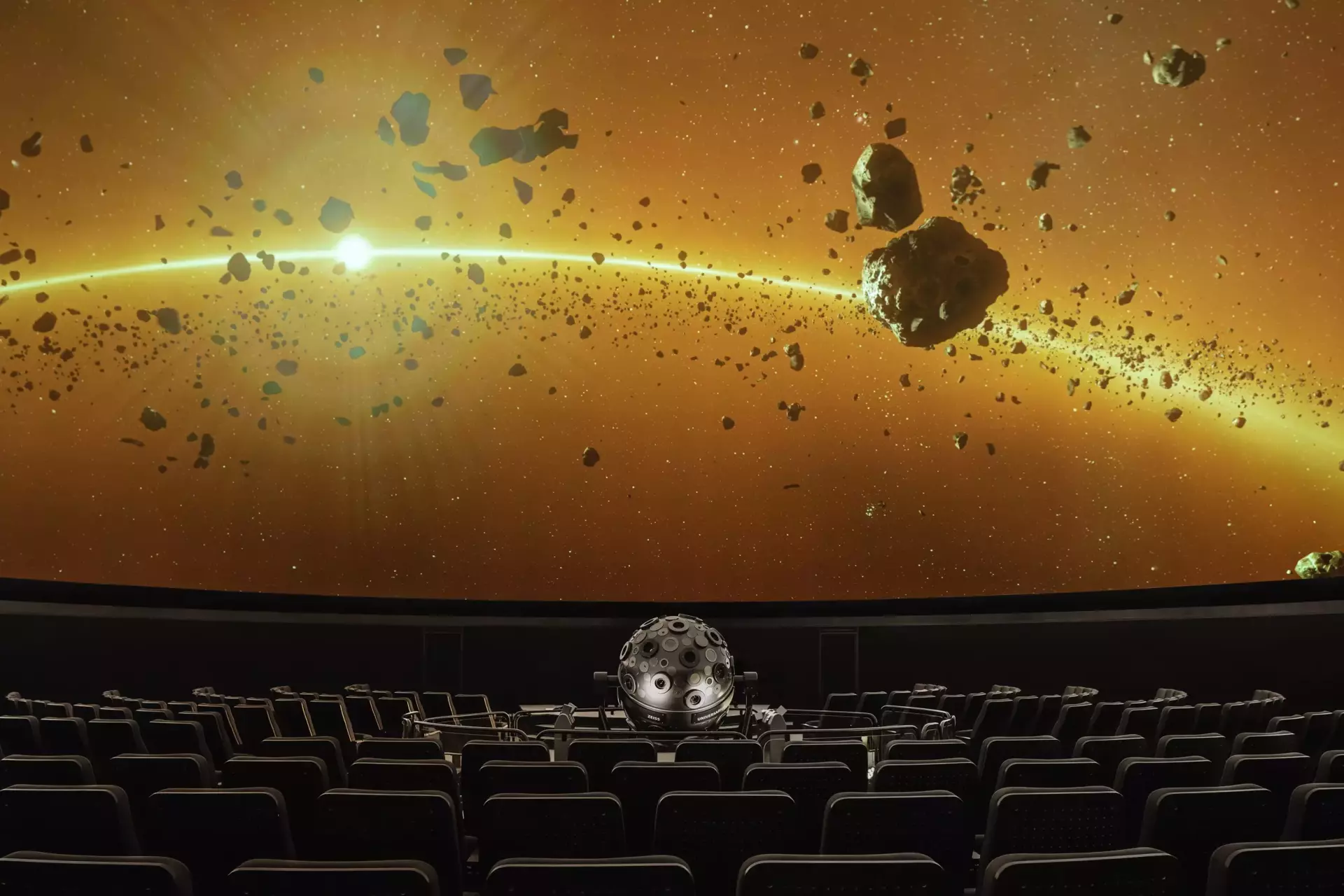
Zeiss-Großplanetarium in Berlin is one of Europe’s most advanced planetariums, combining astronomy shows, cinema-quality visuals, and science programming under a striking dome. Set in the Prenzlauer Berg district, it draws visitors with immersive journeys through space, live lectures, and family-friendly events that explore the night sky in vivid detail.
The building stands out with a large silver dome that houses the main projection room. Inside, seats recline beneath a 23-meter dome screen where high-resolution projectors create a realistic sky. Stars, planets, and galaxies appear with crisp clarity, timed to music and guided by narrators who explain what unfolds overhead. Lighting and sound are carefully tuned, giving the feeling of drifting among constellations.
The program changes regularly, offering themed shows for different ages and interests. Some focus on current space missions and discoveries, while others trace the history of astronomy or explain how telescopes work. Live presentations often feature astronomers or science communicators who answer questions and point out seasonal stars. Children’s shows use simple language and playful storytelling, while evening sessions may include more in-depth science and full-dome films.
Beyond astronomy, the planetarium hosts concerts, audio-visual performances, and cultural events that make use of the dome’s panoramic screen and surround sound. Music programs sync visuals to orchestral or electronic soundscapes, turning the ceiling into a moving canvas. Special collaborations with festivals and museums bring in guest artists, scientists, and filmmakers for one-off events.
The venue includes a modern foyer, a ticket counter, and a small shop with astronomy books, posters, and educational kits. Multilingual options are common, with many shows offered in German and selected sessions in English. Seating is spacious, and the building provides wheelchair access and reserved spaces in the dome.
Zeiss-Großplanetarium sits along Prenzlauer Allee, close to green spaces and cafés. Public transport links are convenient, with tram and S-Bahn stops a short walk away. The neighborhood makes it easy to combine a show with time in nearby parks or a visit to other Berlin cultural sites.
Source - https://en.wikipedia.org/wiki/Zeiss_Major_Planetarium
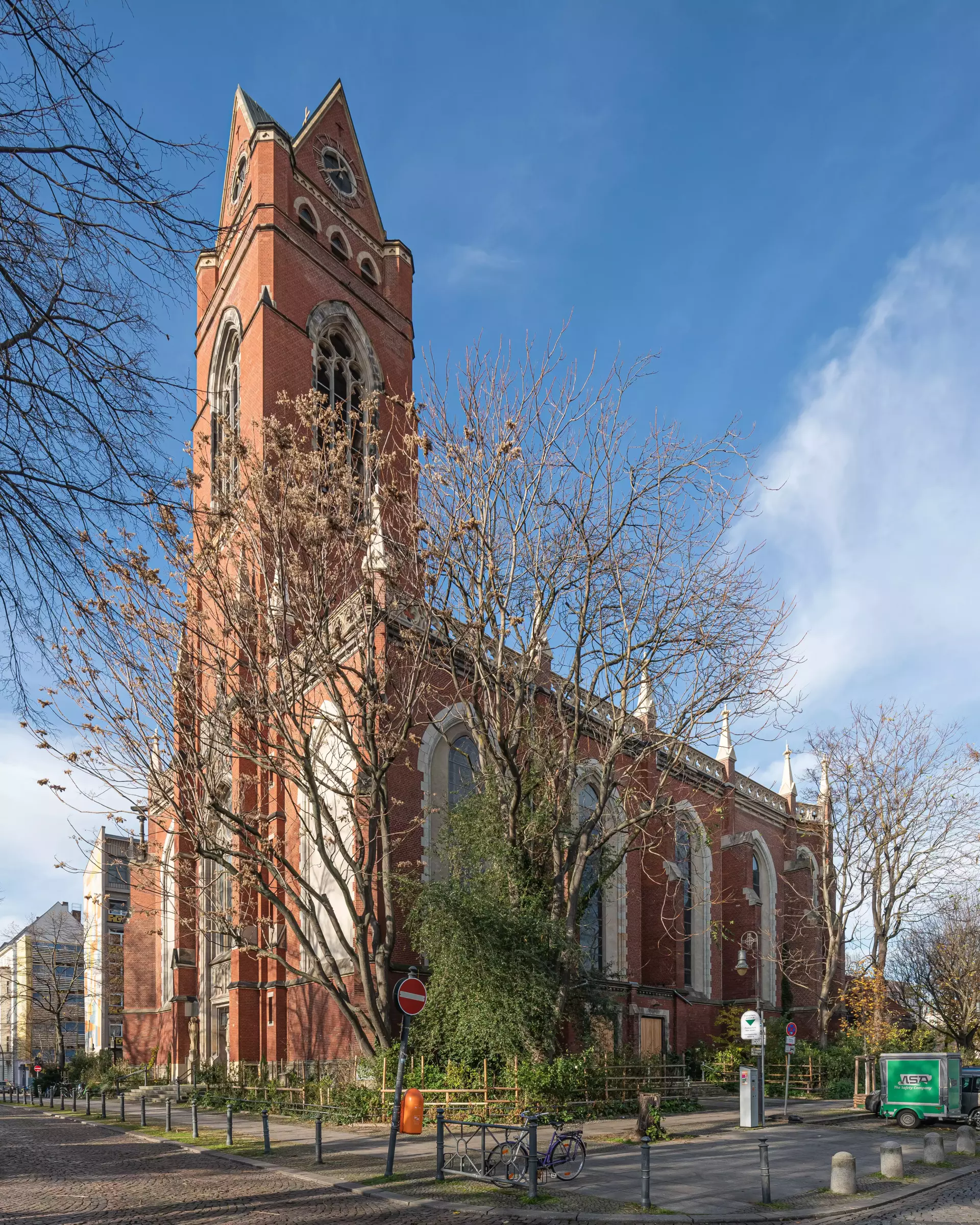
This chapel was built on the site of a church built in 1894 which sat on the "death strip" and was thus blown up by the GDR authorities in 1985. The chapel is the site of occasional memorial services for victims of the wall.
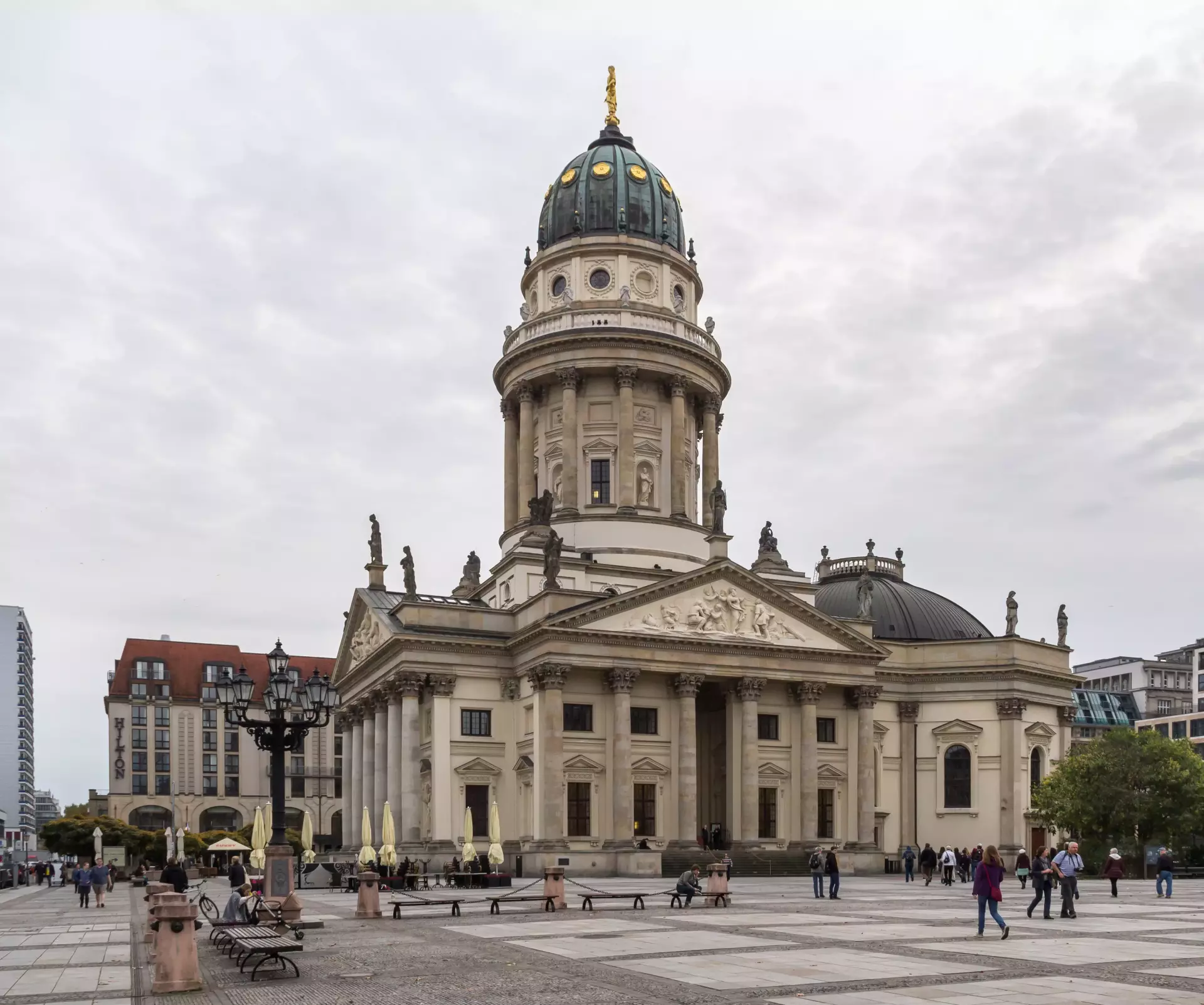
Nice church near Unter den Linden/Museum Island, finished in 1830 by Schinkel in English Neogothic style. Nice exhibition inside (neoclassical statues and an exhibition about Schinkel's life and work upstairs).
The zoo in the former East Berlin is more spacious than its West Berlin counterpart, the historic Berlin Zoo and has been open for some 50 years. The Tierpark has nearly as many animals, but fewer reptiles and aquatic animals. It appears rather like a park with animals than a classic zoo, in fact it is one of the biggest zoos in Europe. There is an old castle from the late 17th century in the northeast of the Tierpark (Schloss Friedrichsfelde).
Exhibition of digital interactive entertainment culture. You can actually play almost all of the exhibits making it a more "hands on" museum than most.
The last Mies van der Rohe building (a dwelling house) in Germany before his emigration to the U.S. (1938). Now there are small contemporary/modern art exhibitions.
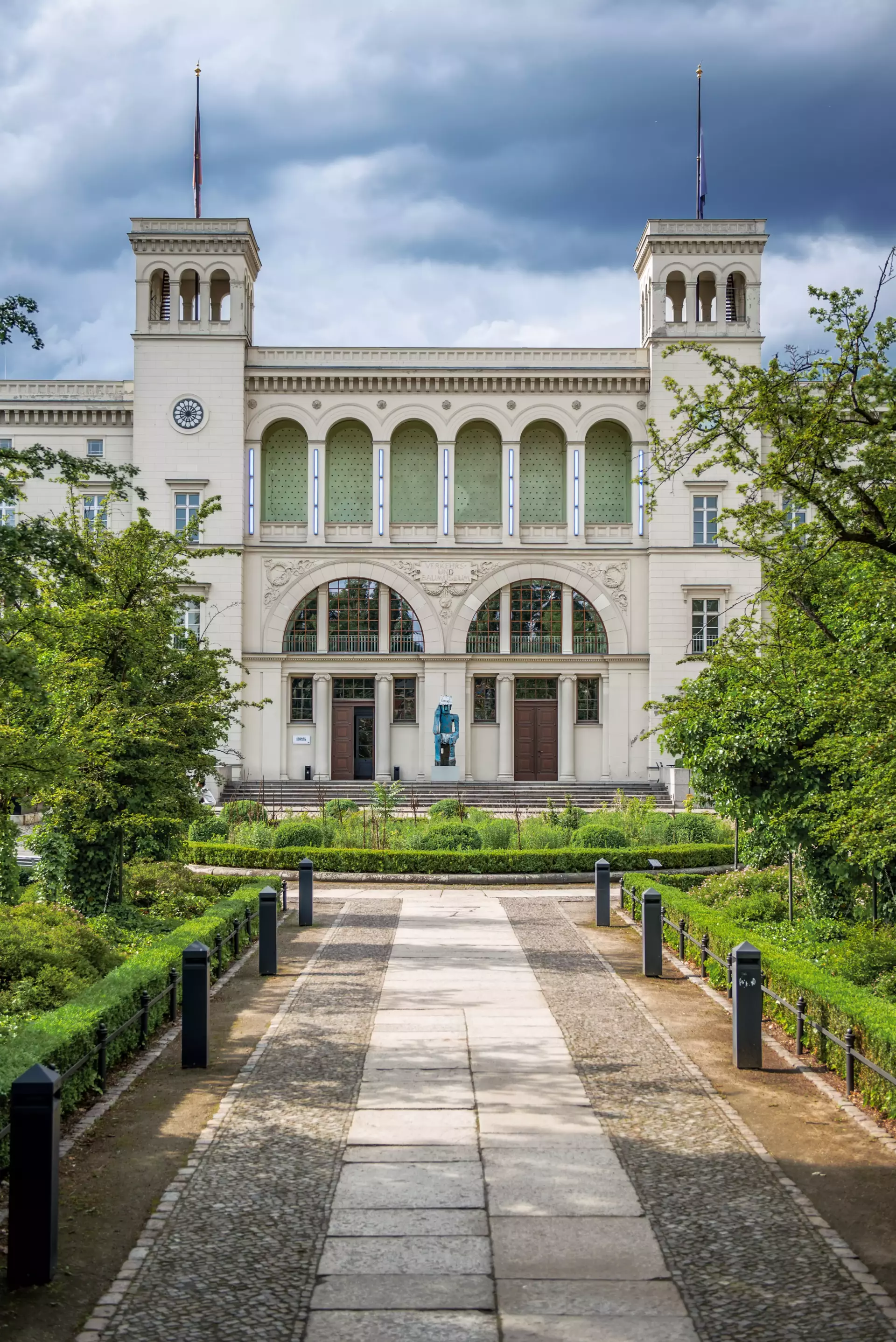
Museum of Contemporary Art located in former Hamburger Bahnhof train station. Big halls filled with artworks made since 1960s. In 2004 Rieckhallen, former Lehrter Bahnhof, was opened and now provides exhibition space for the Friedrich Christian Flick Collection. Free public guided tours (in English): Sa and Su at 12:00.
Also known as "Picasso und seine Zeit", this not so large, but precious museum hosts a very good collection of paintings and sculptures signed by Picasso, Klee, Matisse, Giacometti, and others from the first decades of the 20th century.
The Bierpinsel ("beer brush") is a building in Steglitz which resembles an observation tower and is famous for its pop-art appearance. The futuristic, landmarked building was built from 1972 to 1976 and has since been used as restaurant, night club, bar, radio station and art café.
Built 1859-1866 this is one of the most architecturally stunning synagogues in Germany to survive both the Nazi era and the war.
Spectacular building by Mies van der Rohe contains its own collection and temporary exhibitions.
The Gemäldegalerie contains an astounding array of paintings, including works by Rembrandt, Rubens, Botticelli, Raphael, Titian, Goya, Velasquez and Watteau. The collection contains works from the old Bodemuseum on Museumsinsel in the East, now closed, and the former Gemäldegalerie in Dahlem. Its strong points are German paintings of the 13-16th centuries, Netherlandish painting of the 15th and 16th centuries, Flemish paintings of the 17th century, and miniature paintings of the 16th-19th centuries. In the newer section of the museum, designed by architects Heinz Hilmer and Christoph Sattler, there is enough space to display 1,150 masterpieces in the main gallery and 350 in the studio gallery - of the almost 2,900 pieces in the European painting collections. Established in 1830, the newly built gallery from 1998 has about 7,000 sq m of exhibition space (a complete tour of the 72 rooms covers almost 2 km).
This castle is one of Berlin's oldest castles and where Prince Carl used to reside. Be sure to check out Glienicke Bridge, the bridge that became renowned for the exchange of Western and Eastern secret agents. You can also visit Glienicke Park.