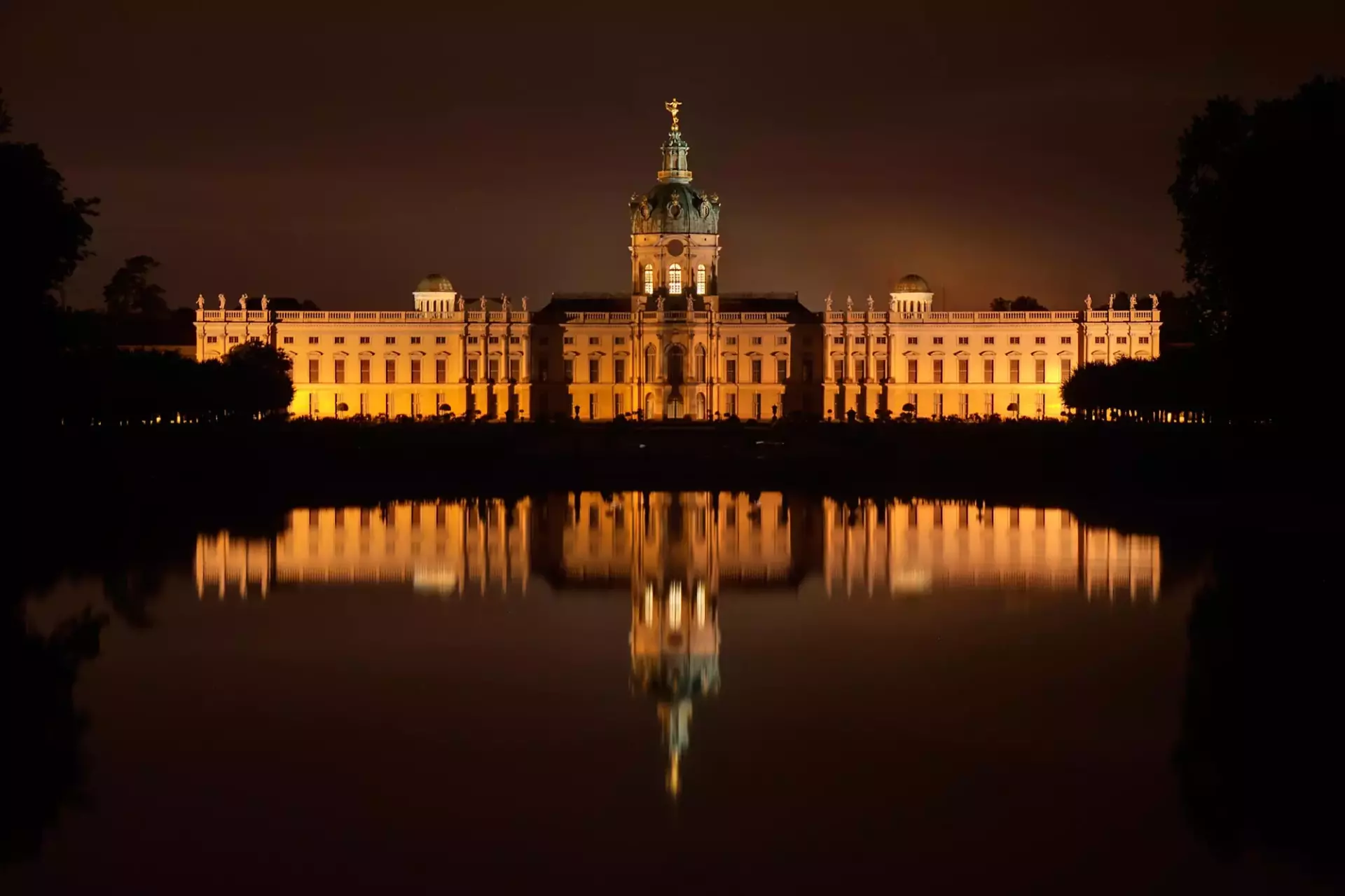
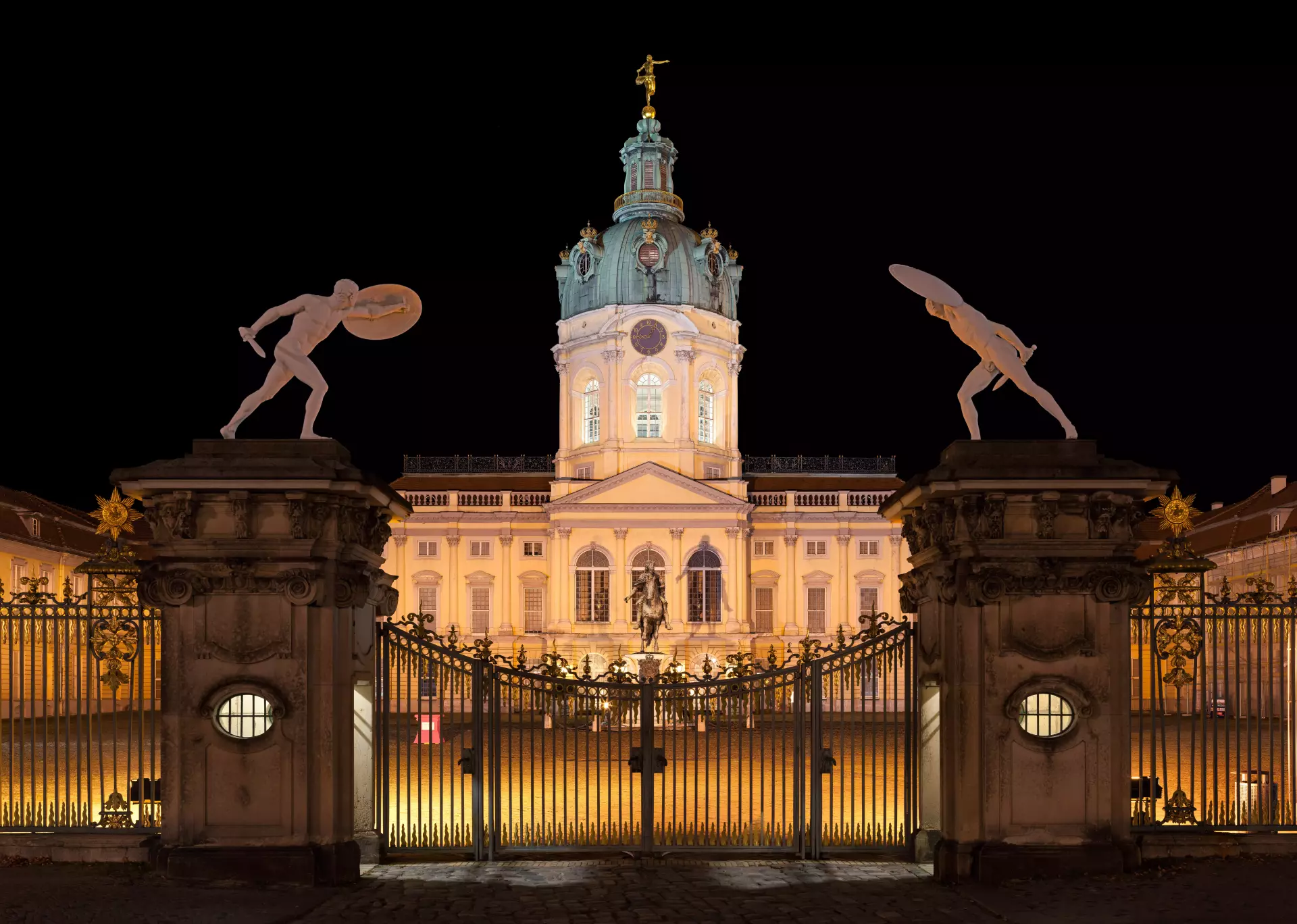
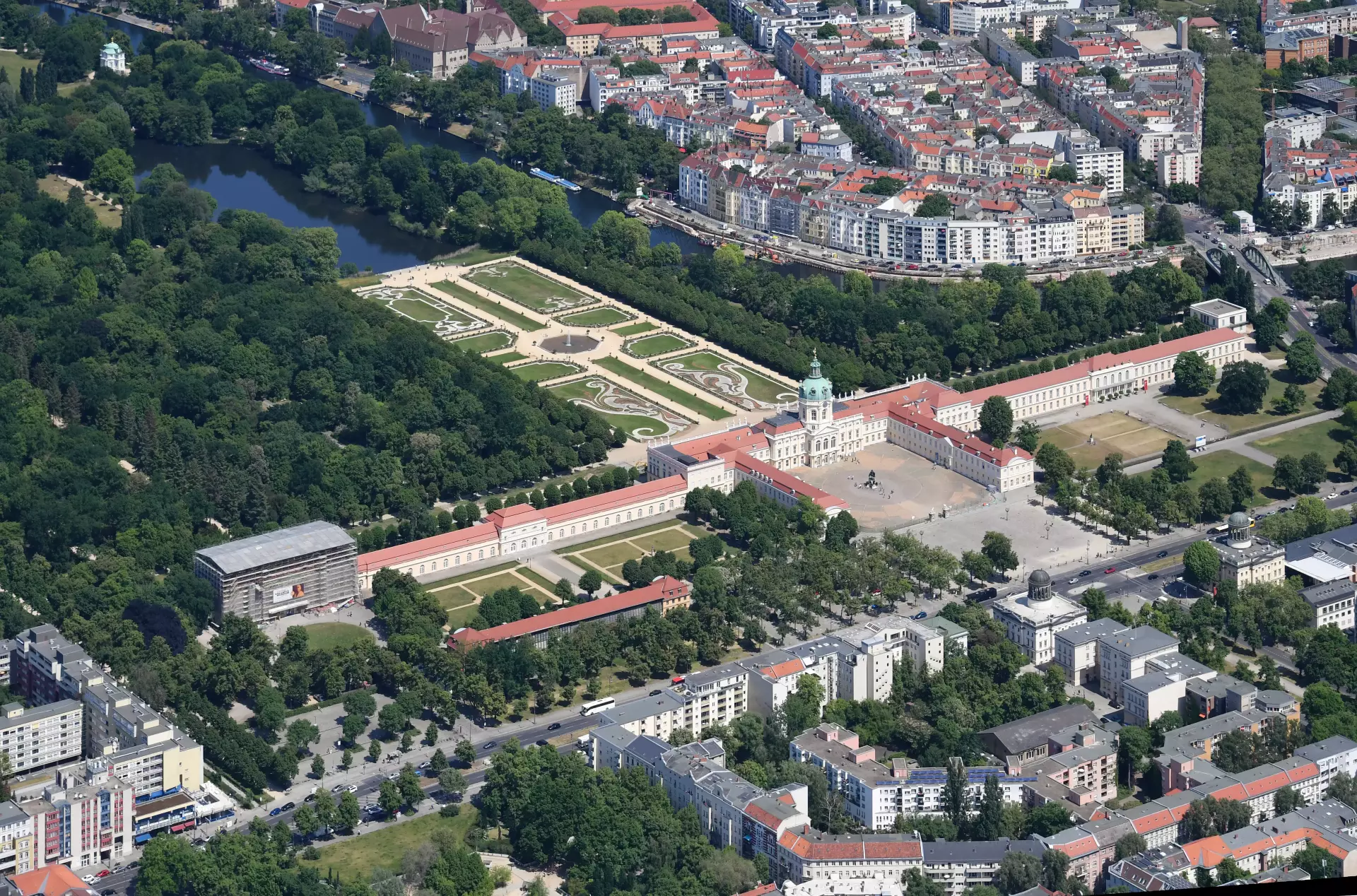
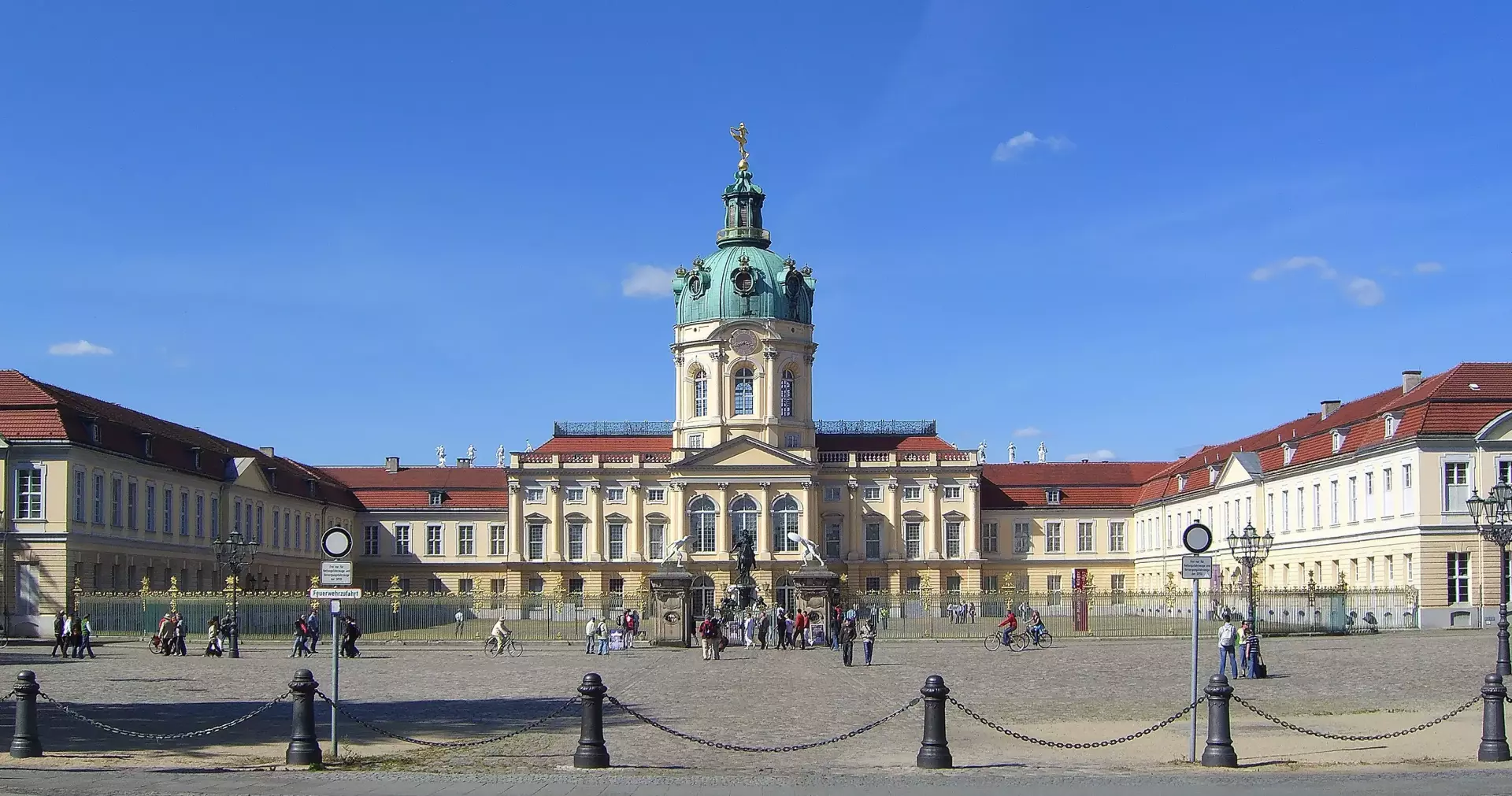
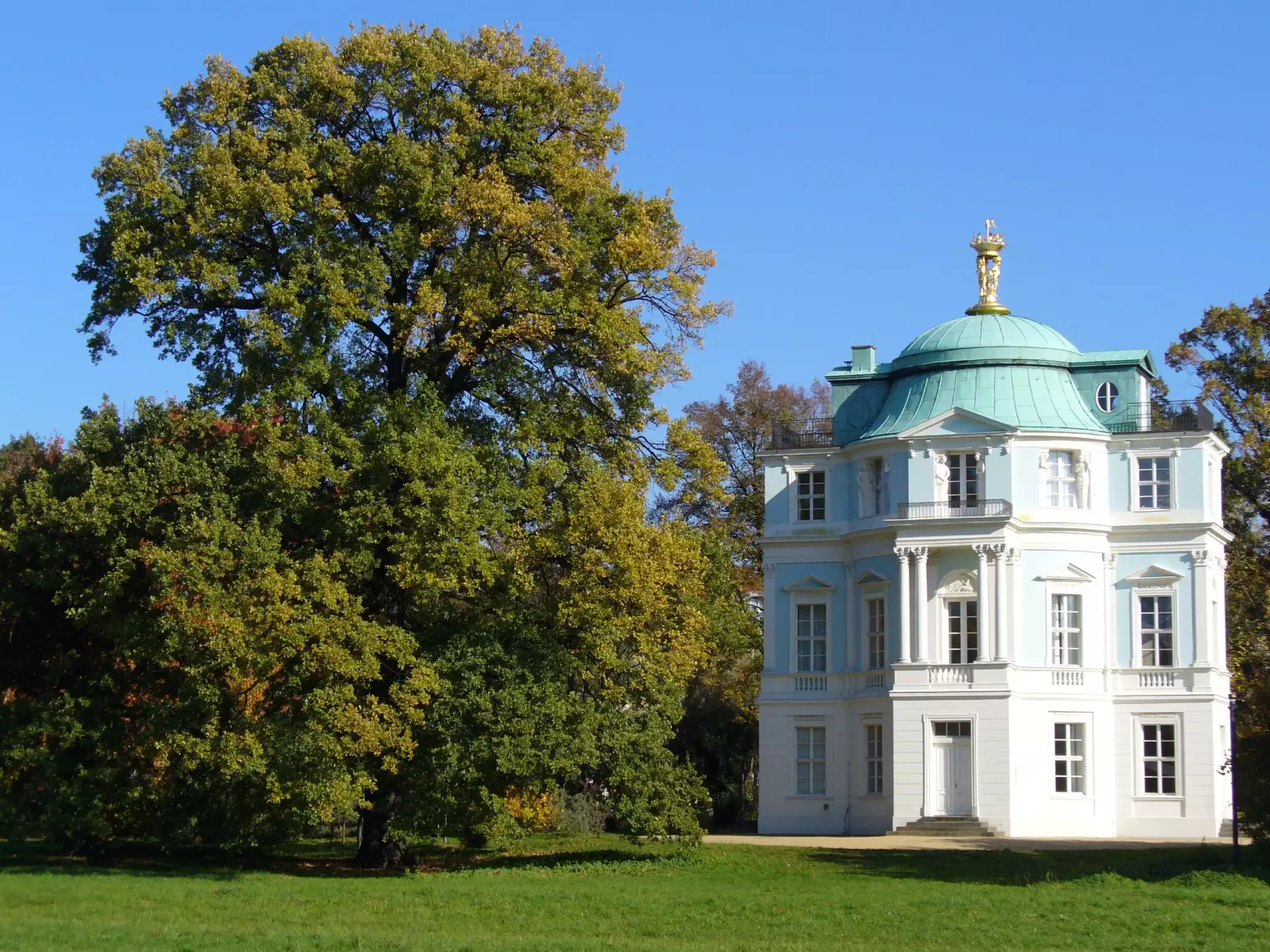
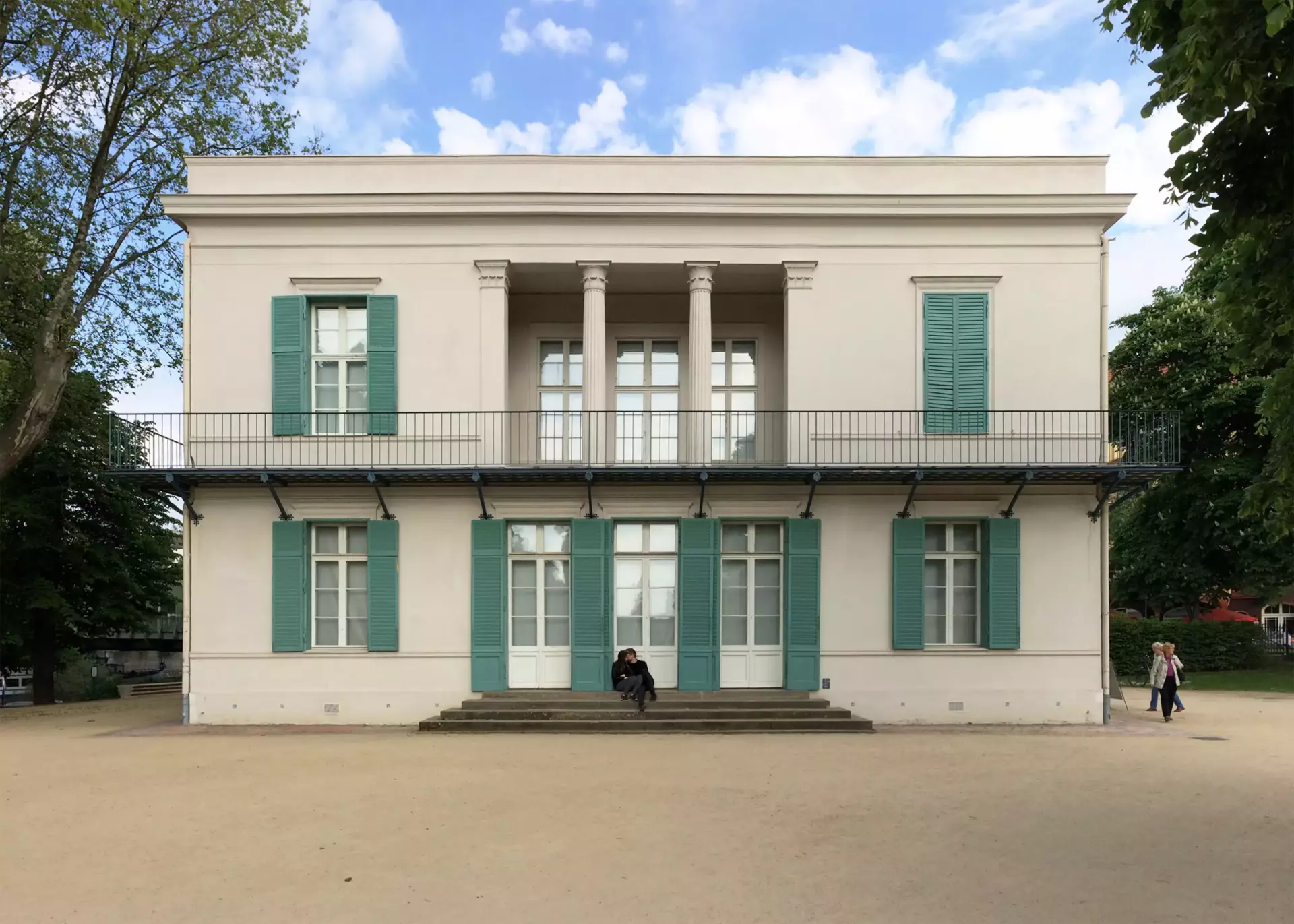
Charlottenburg Palace stands as one of the oldest landmarks in the district that shares its name. More than a grand residence, it is the original spark that led to the creation of Charlottenburg as a city. The palace’s presence drew people, trade, and culture to the area, shaping a new urban center around its gardens and courtyards.
The palace began as a royal retreat and quickly became a symbol of power and taste. As craftsmen, merchants, and workers settled nearby to serve the growing court, streets and neighborhoods formed in its shadow. Over time, what started as an estate evolved into a town, and later a thriving district of Berlin.
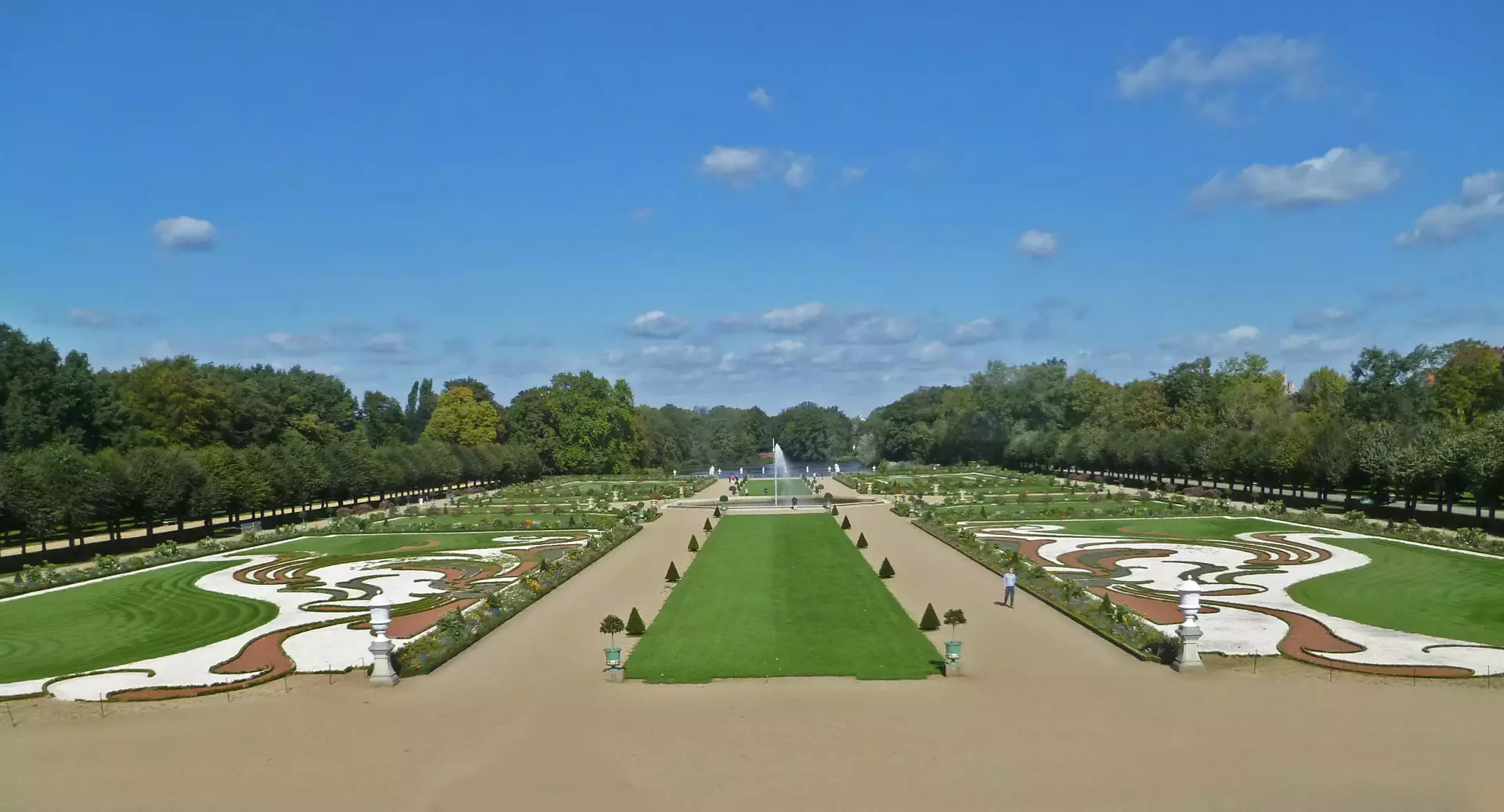
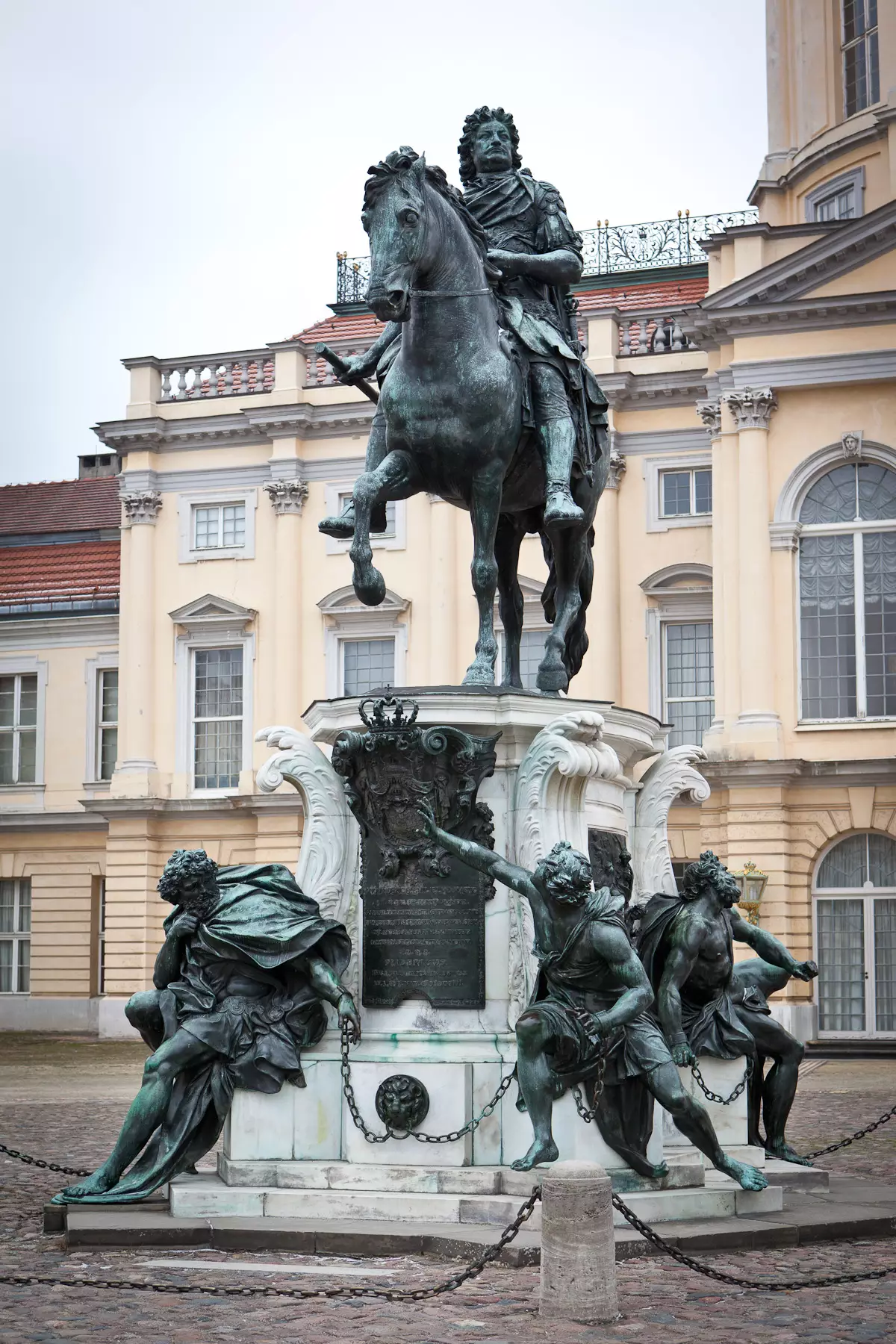
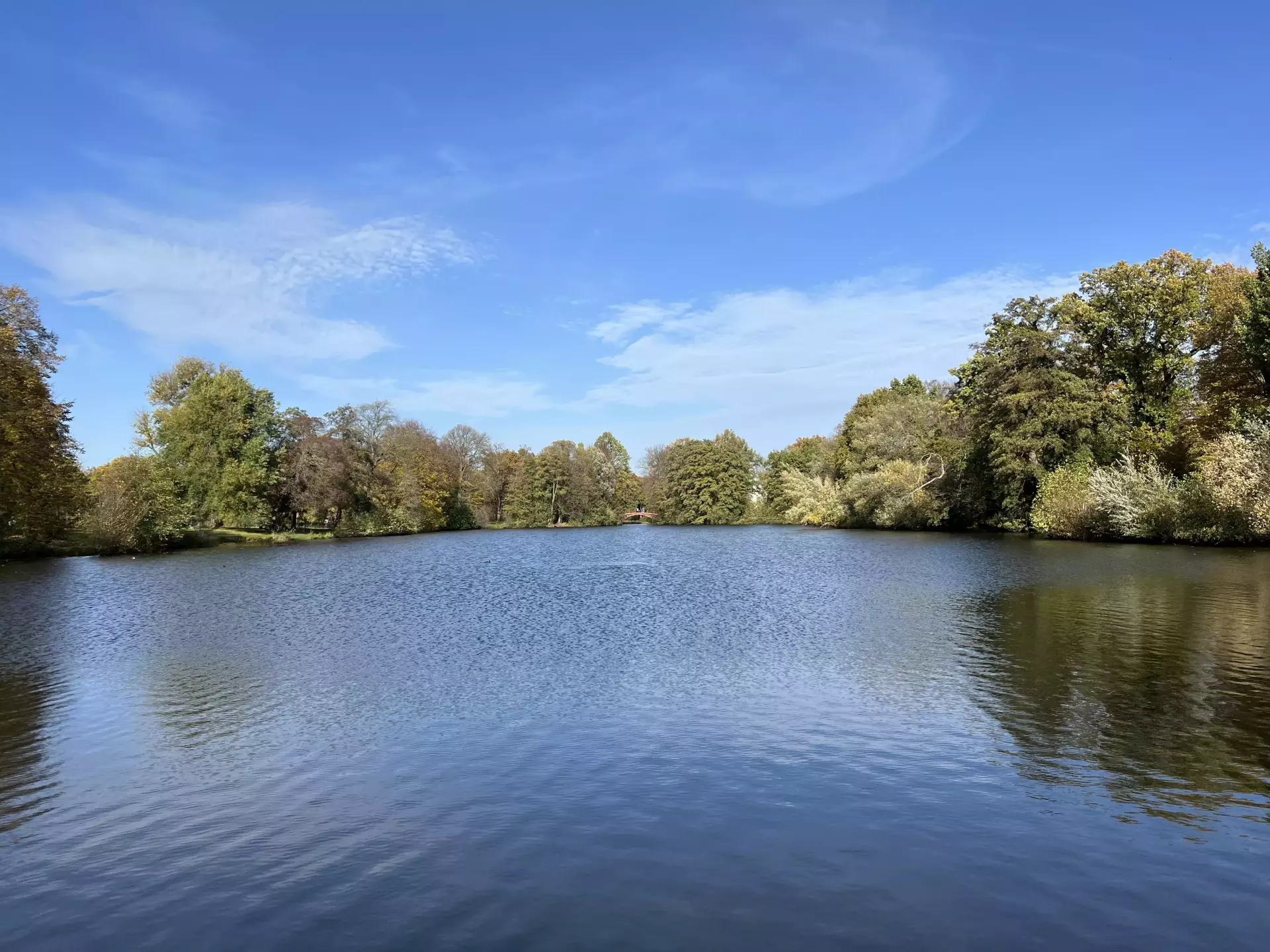
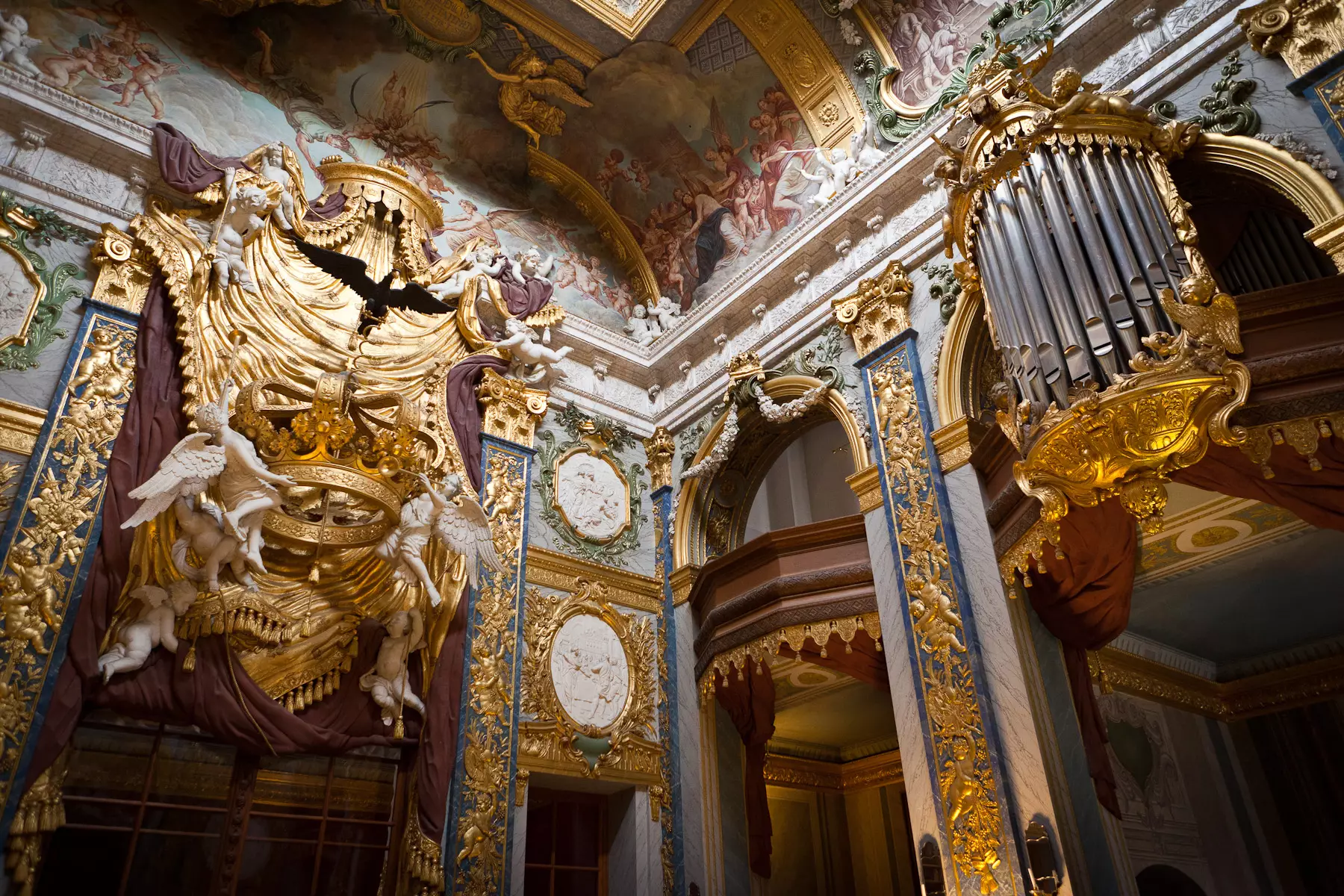
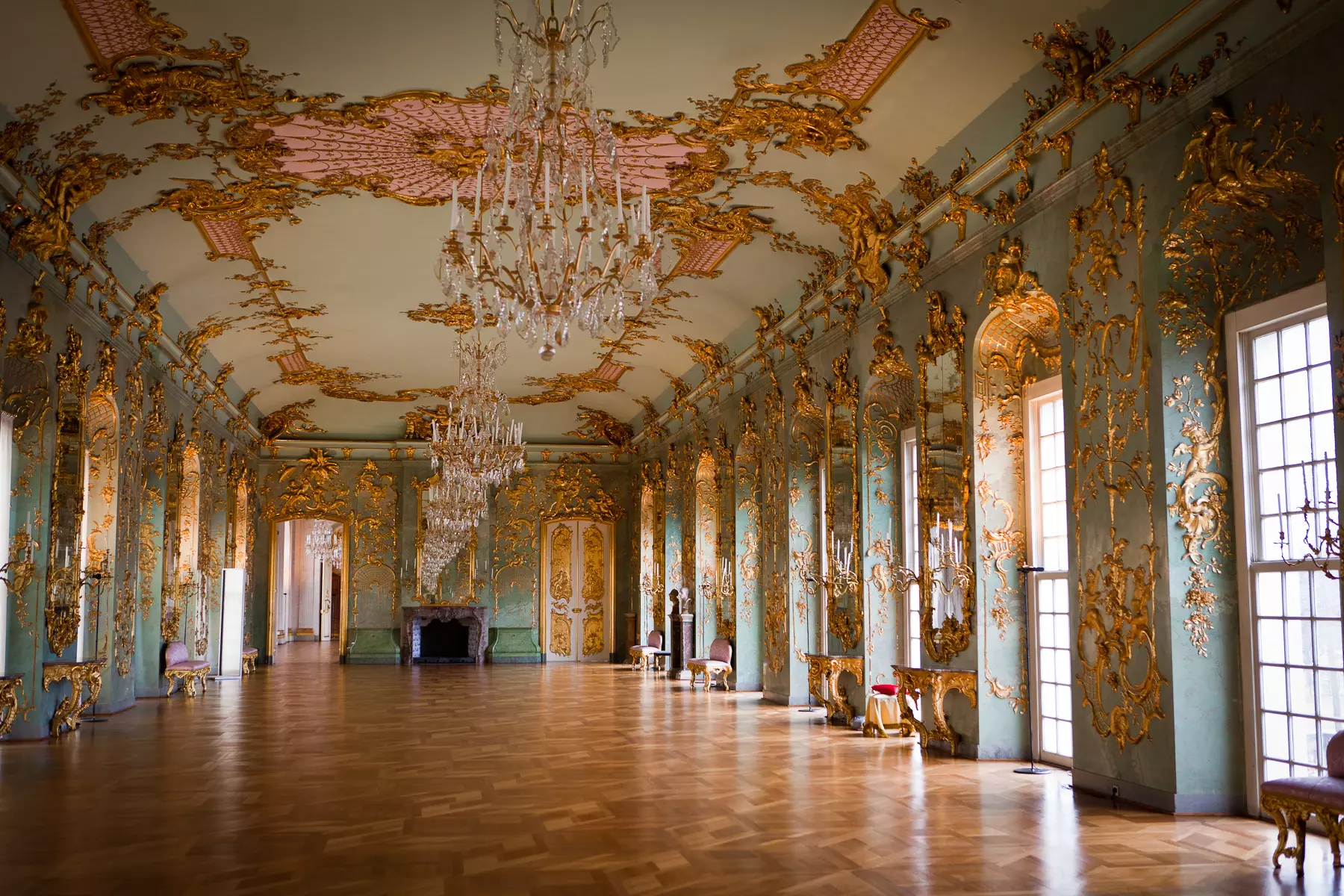
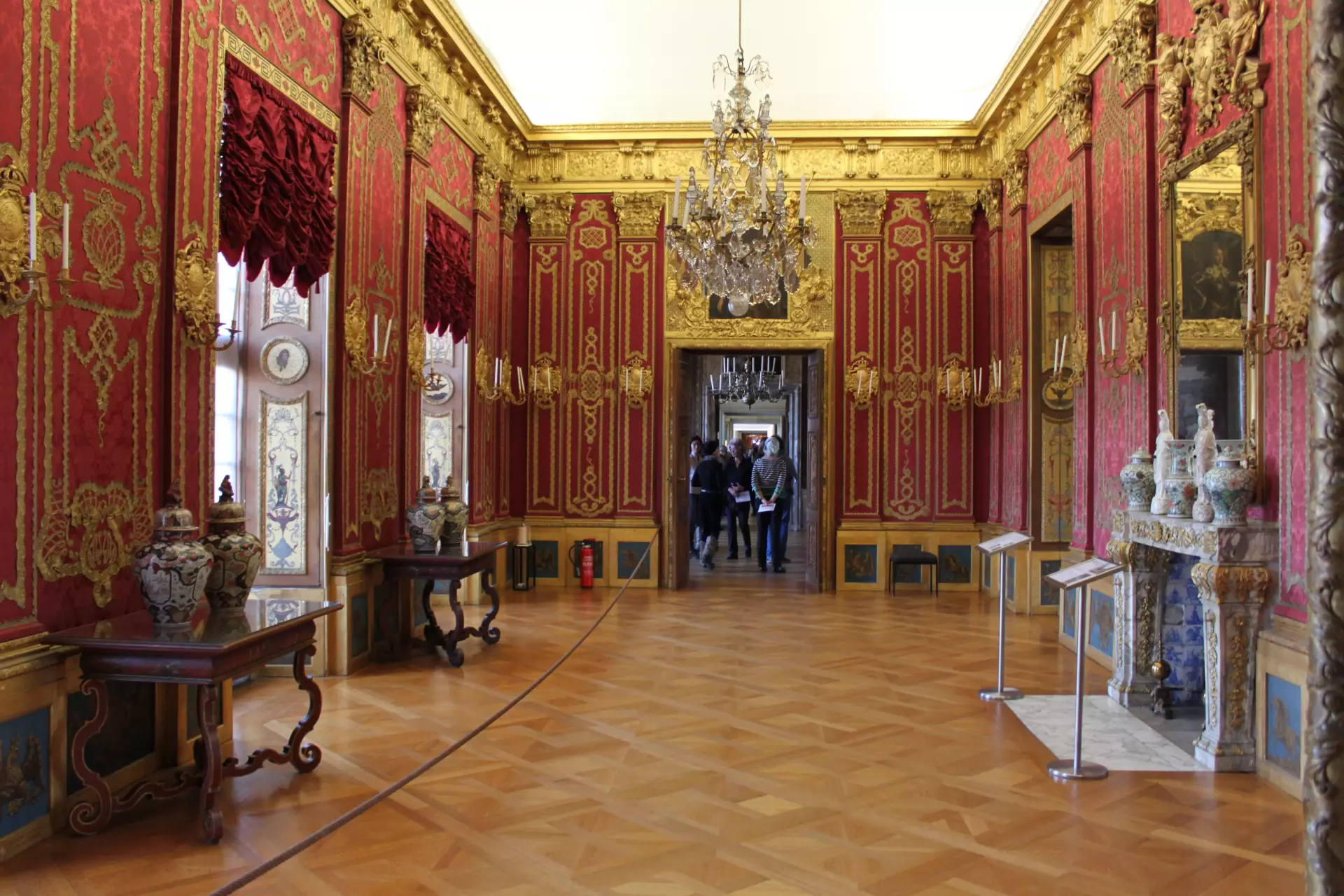
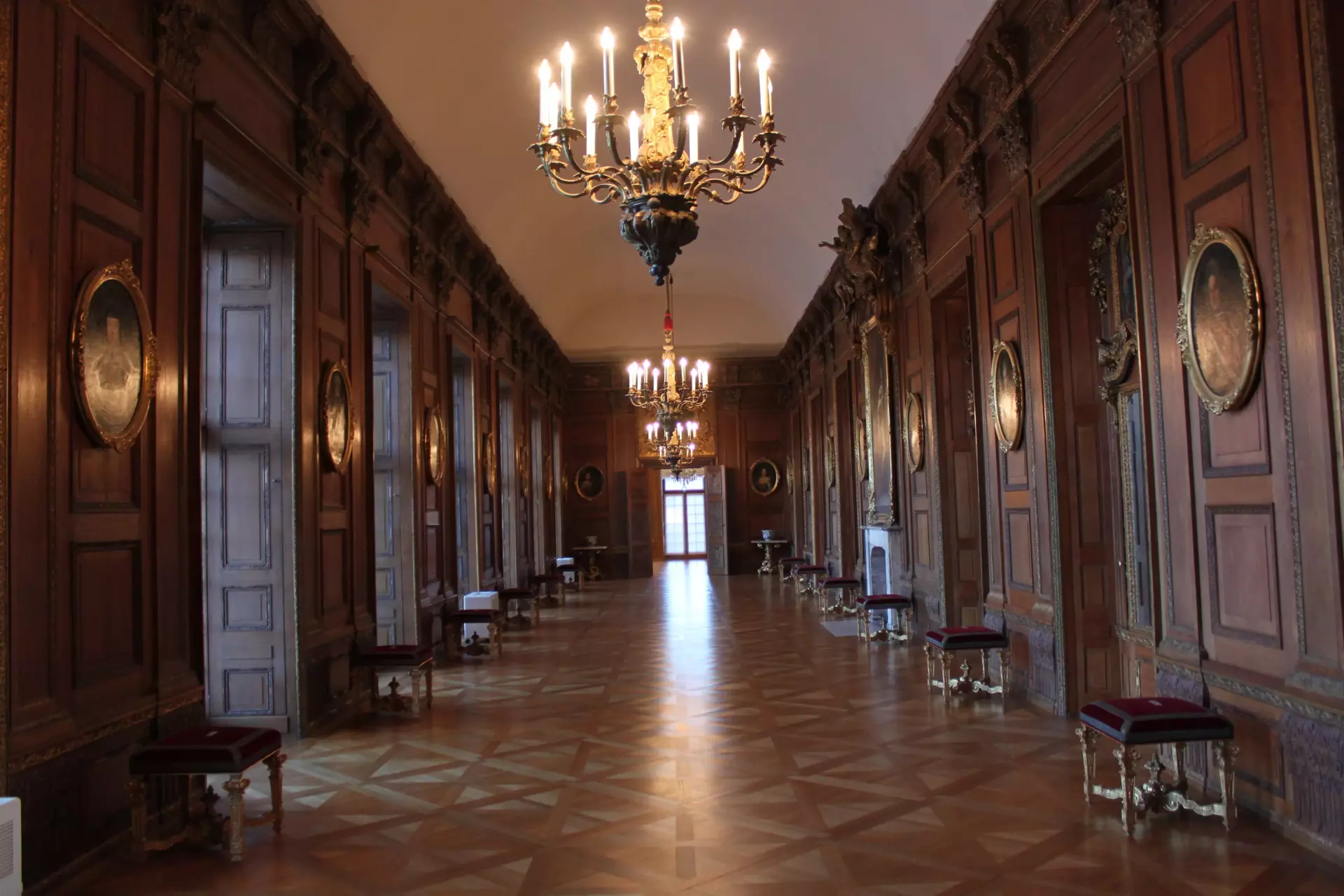
Charlottenburg Palace is known for its Baroque and later Rococo elements, with a central dome that rises above formal gardens laid out in geometric patterns. Inside, gilded halls, mirrored galleries, and richly decorated rooms reflect changing artistic styles across centuries. Outside, the landscaped park connects fountains, statues, and tree-lined paths, creating a calm contrast to the city beyond.
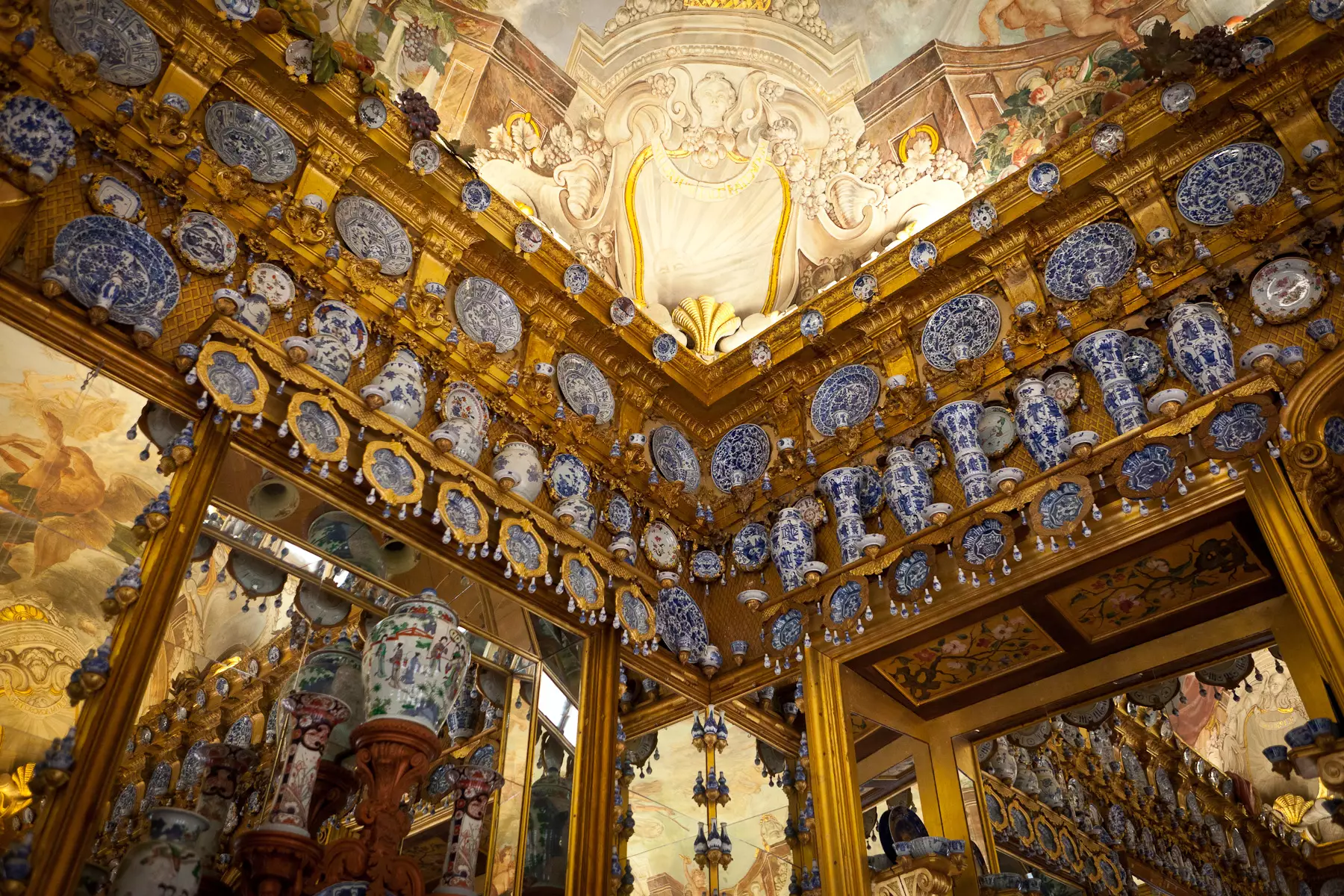
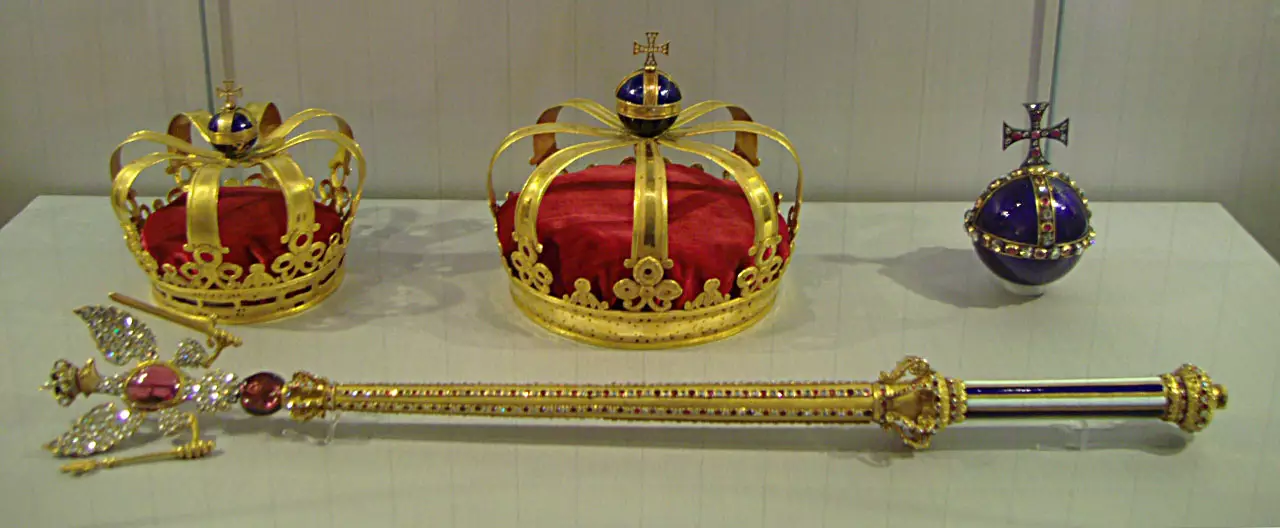
The site has witnessed major turns in Berlin’s history, from royal ceremonies to wartime damage and careful restoration. Each restoration step aimed to preserve original details while making the complex accessible to the public. Today, its museums and galleries display art, decorative objects, and historic furnishings that trace the story of the palace and the people who shaped it.
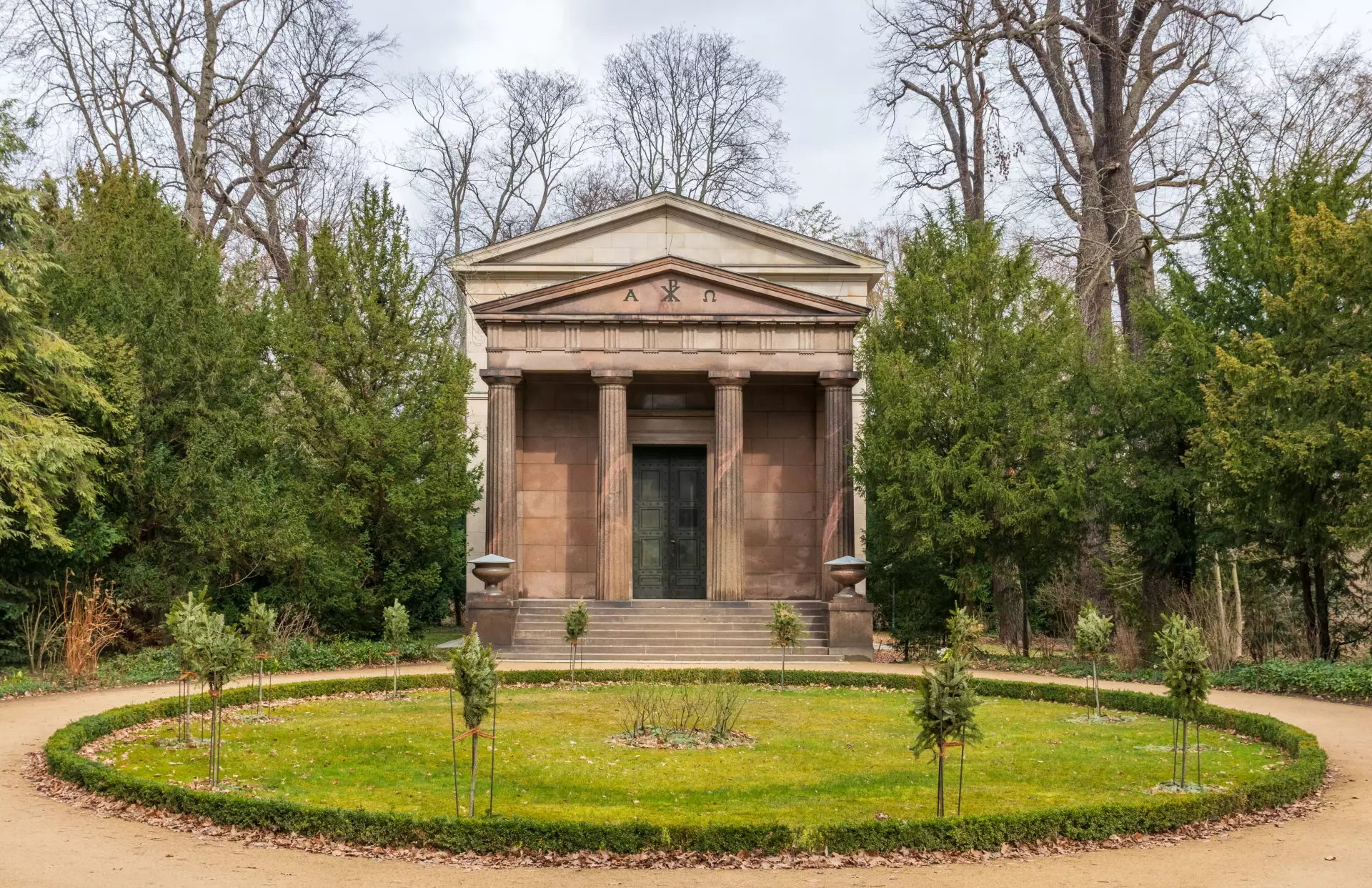
The palace grounds host exhibitions, seasonal markets, and cultural events that draw visitors and locals alike. Gardens open for strolls, guided tours, and educational programs link past and present, keeping the palace at the center of community life—just as it was when Charlottenburg first began to grow around it.
Source - https://en.wikipedia.org/wiki/Schloss_Charlottenburg
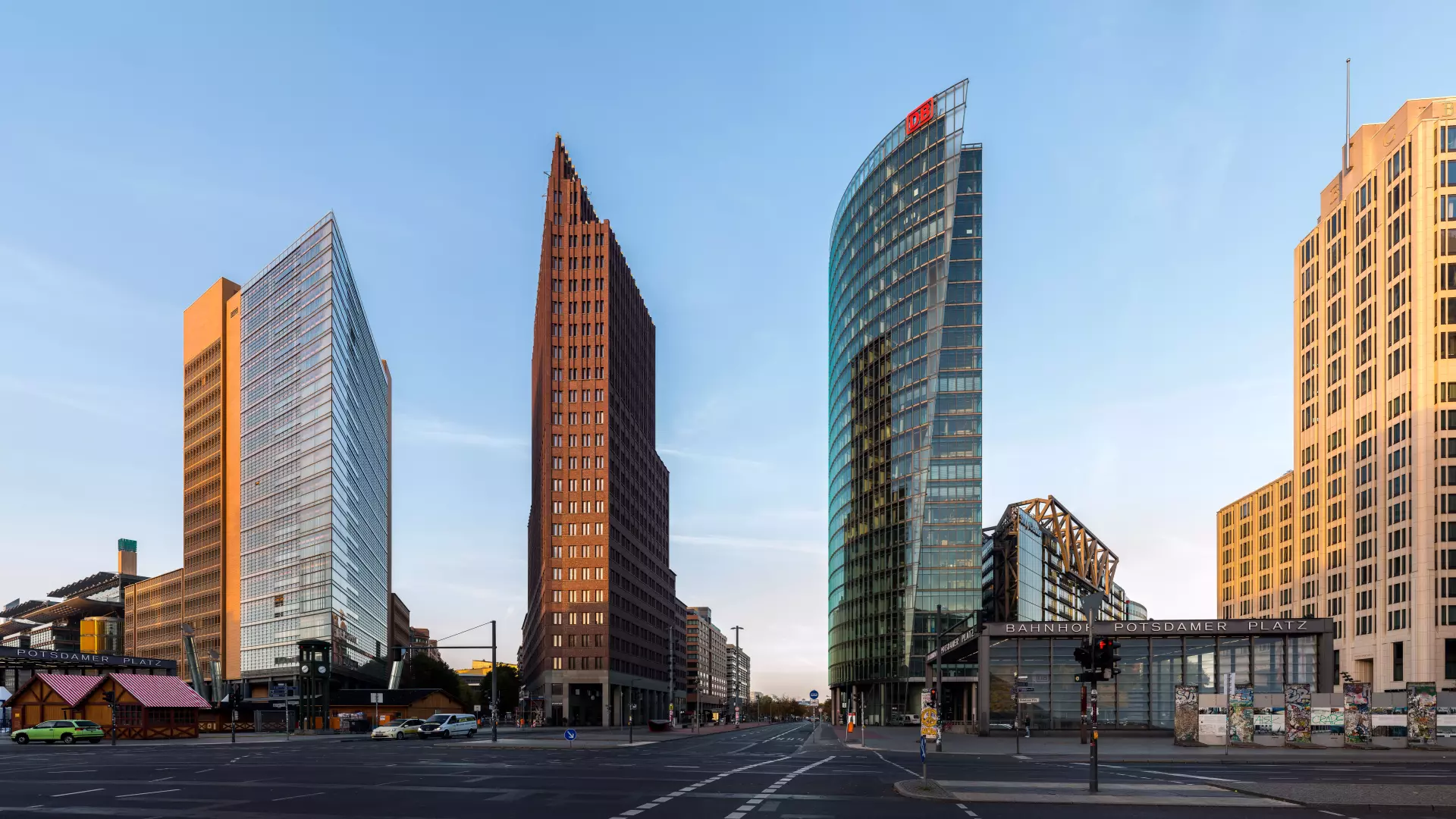
Includes the Panoramapunkt, the viewing terrace located 101 metres above ground, accessible by Europe's fastest elevator.
One of the most authentic and oldest villages (1247) in the outskirts of Berlin, it looks the same way it did some hundred years ago. Take S-Bahn 1 to Waidmannslust and then bus 222 to Alt-Lübars.
It is the only hemp museum in Germany; you can see the history of hemp, the culture and use of it. You can see hemp grow. There is a cafe downstairs, with an open WiFi access. Everything going on here is legal - including the hemp growing under artificial light (a low THC strain grown with a special permit) - but they do not refrain from political commentary on the legal situation of cannabis in their exhibits.
The city's Protestant cathedral and the burial place of the Prussian kings. You can climb to the top and get a view of the city.
The former Imperial General Post Office, now Museum for telecommunication and post with many interesting historical objects.
A splendid 15th-century Gothic church with many fine accoutrements.
Museum established in 1888, with a collection of 3,500 instruments.
The only surviving Berlin city gate and a potent symbol of the city. This is the point where Straße des 17. Juni becomes Unter den Linden. The gate was designed by Carl Gotthard Langhans in 1791 and was intended to resemble the Acropolis in Athens. The Brandenburg Gate now symbolizes reunification, after dividing East and West Berlin for decades. This is the site of Reagan's "Mr. Gorbachev open this gate, Mr. Gorbachev tear down this wall" speech.
Germany's national centre for contemporary non-European art. The house is a leading centre for the contemporary arts and a venue for projects breaking through artistic boundaries. This architectural landmark was an American contribution to the international building exhibition INTERBAU 1957 as an embodiment of the free exchange of ideas. Colloquially called Schwangere Auster (Pregnant Oyster).
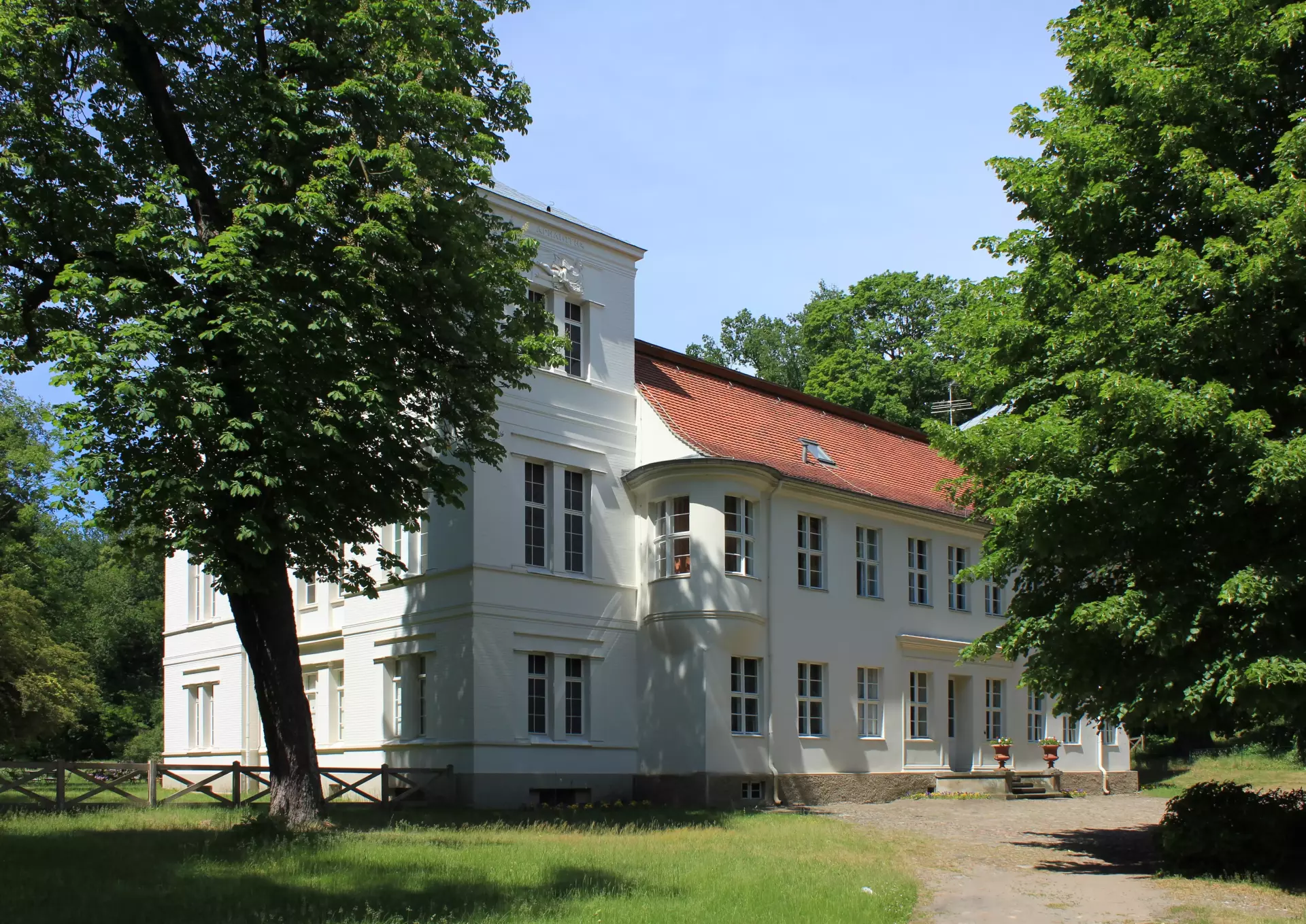
Built in 1542. An impressive traditional country estate with stately architecture, it is an enclave of untouched regional cultural history and architectonic epochs. The 80-hectare mixed forest also provides a wide network of paths for walking and rambling.
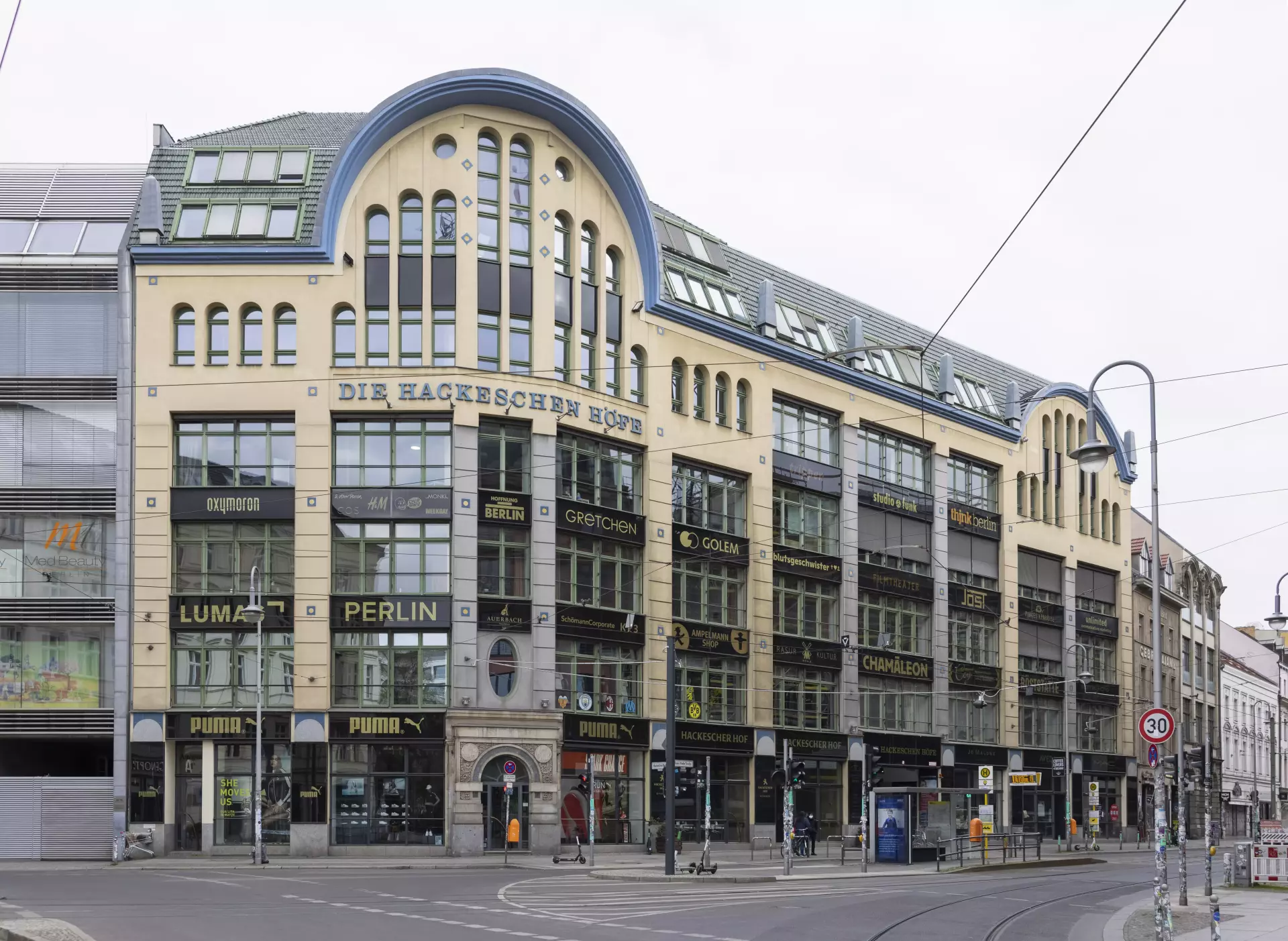
The complex consists of eight interconnected courtyards. Plenty of designer boutiques can be found here.
150-200 m along the Wiener Straße (bypassing the fire house and the public swimming pool) from U-Bahn Görlitzer Bahnhof, the park is famous for the Turkish families barbecuing on summer weekends, failed contemporary art and relaxed atmosphere of students. It does have a reputation of being full of pickpockets and drug dealers though and the police makes regular visits to this place to check on the situation.