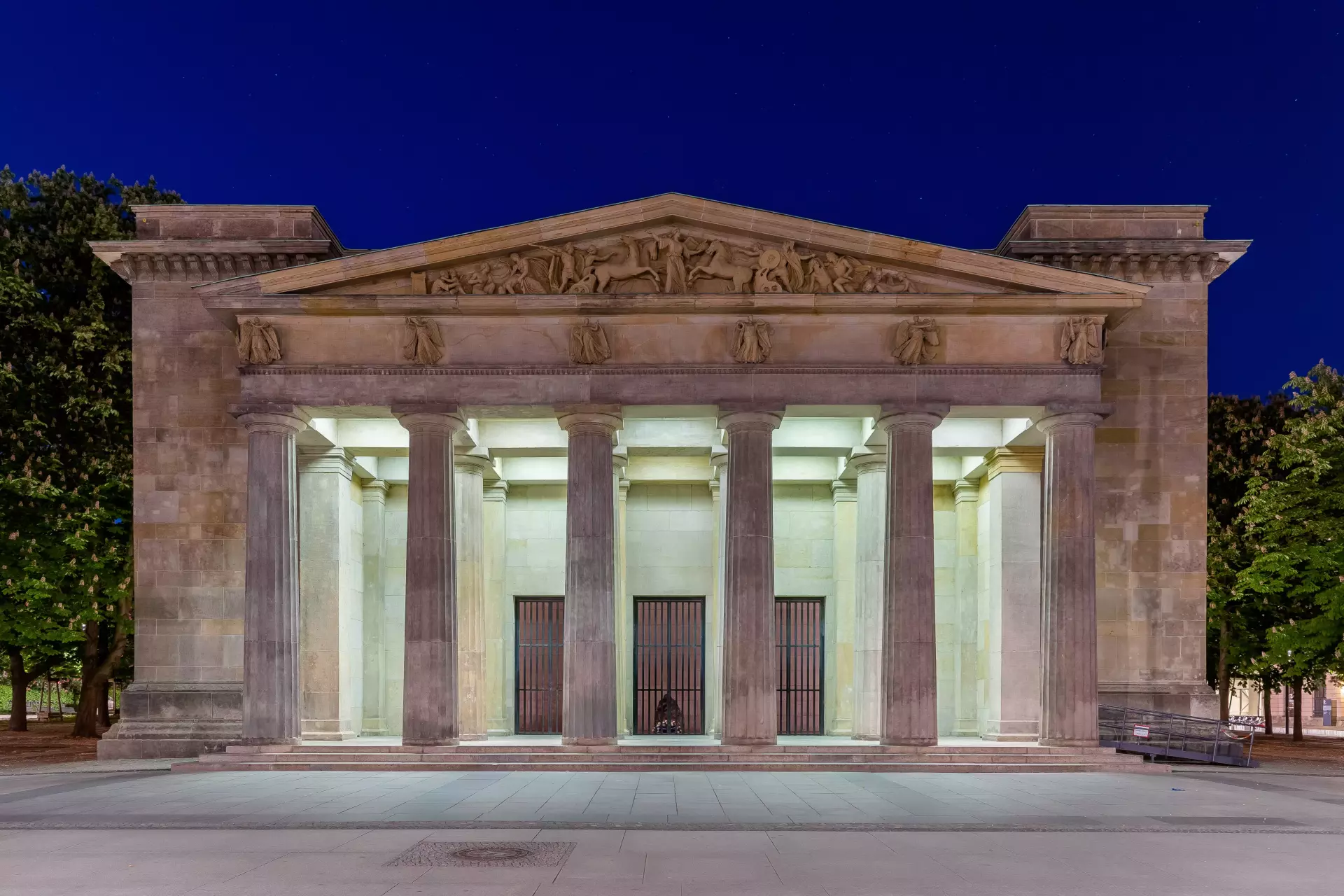
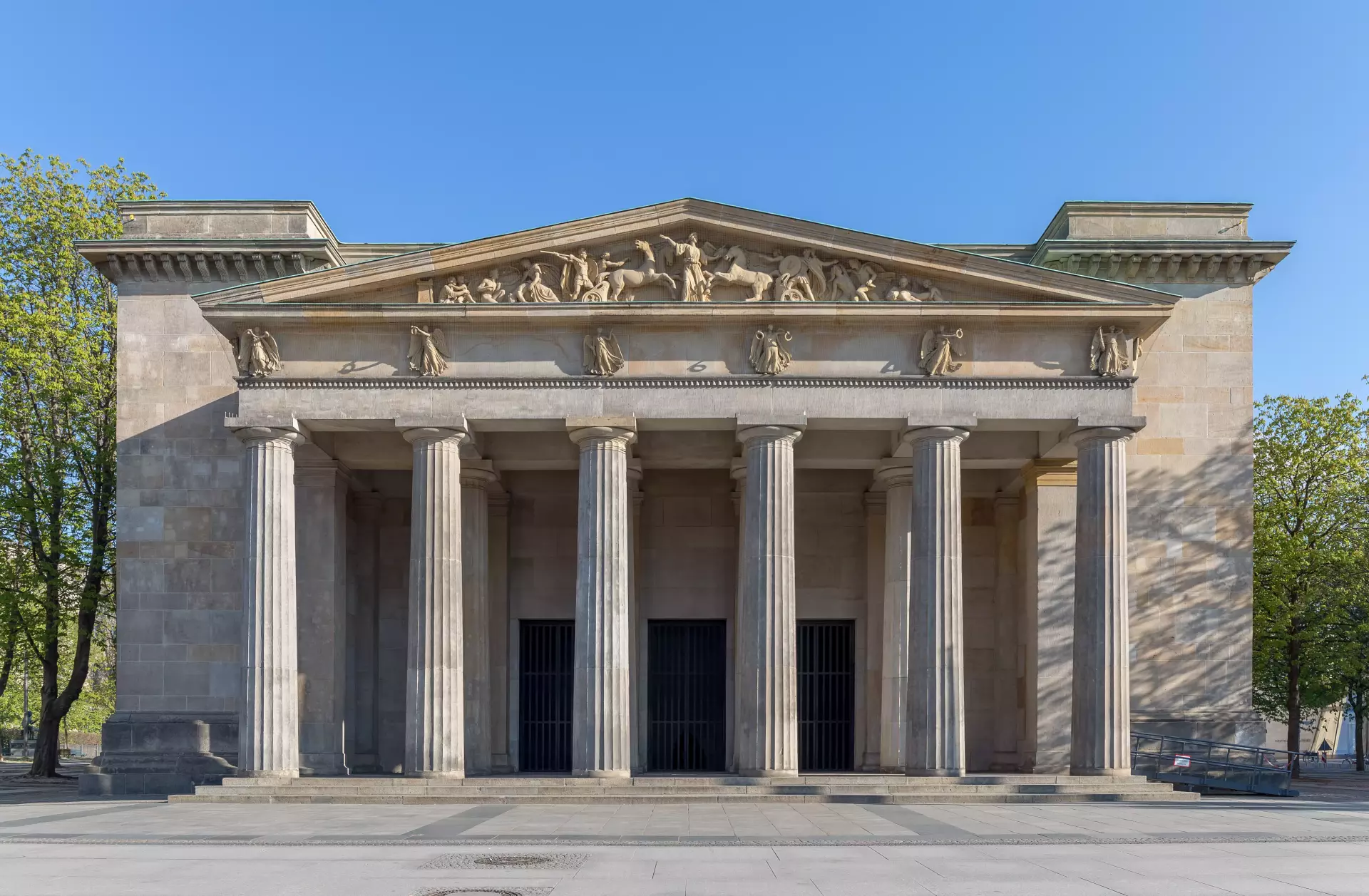
In the heart of Berlin, a small yet emotionally powerful monument stands as a testament to history. Constructed in 1818, this building was originally designed by Karl Friedrich Schinkel as a guardhouse for the imperial palace. The structure reflects a classical design, complete with Doric columns at the front, showcasing the architectural elegance of the period.
Since 1993, the compact structure has served as the Central Memorial of the Federal Republic of Germany. Before this transition, under East German rule, it was recognized as the primary "Memorial to the Victims of Fascism and Militarism". Through these shifts, the building has consistently stood as a poignant reminder of the past.
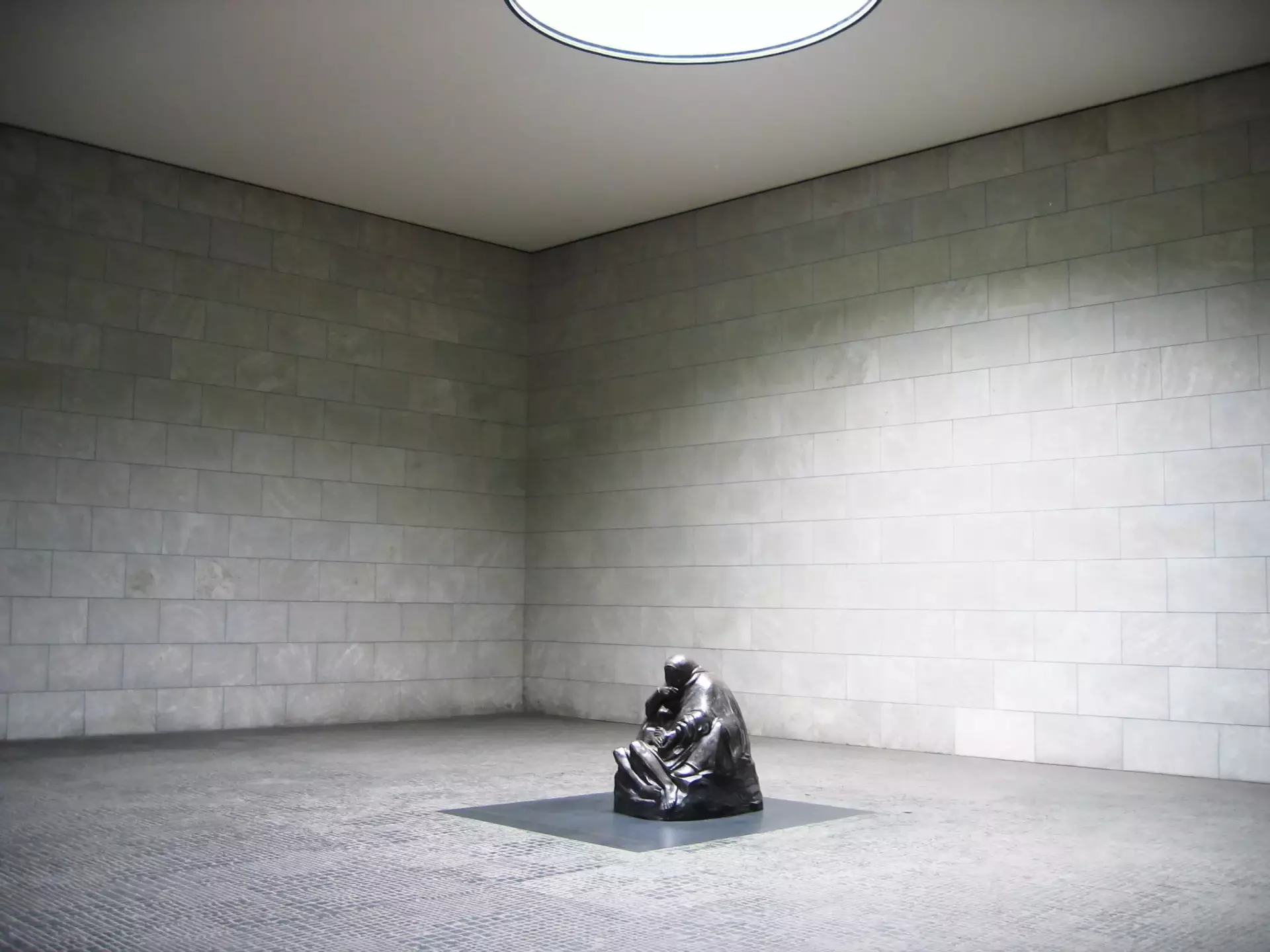
Step inside and find an intentionally empty space, save for a deeply moving sculpture crafted by Käthe Kollwitz. This artwork, a profound depiction of a mother holding her deceased child, captures both grief and resilience. Positioned beneath an open circular skylight in the ceiling, the figures are exposed to the elements, allowing rain and snow to fall upon them, adding a layer of natural poignancy to the scene.
Source - https://en.wikipedia.org/wiki/Neue_Wache
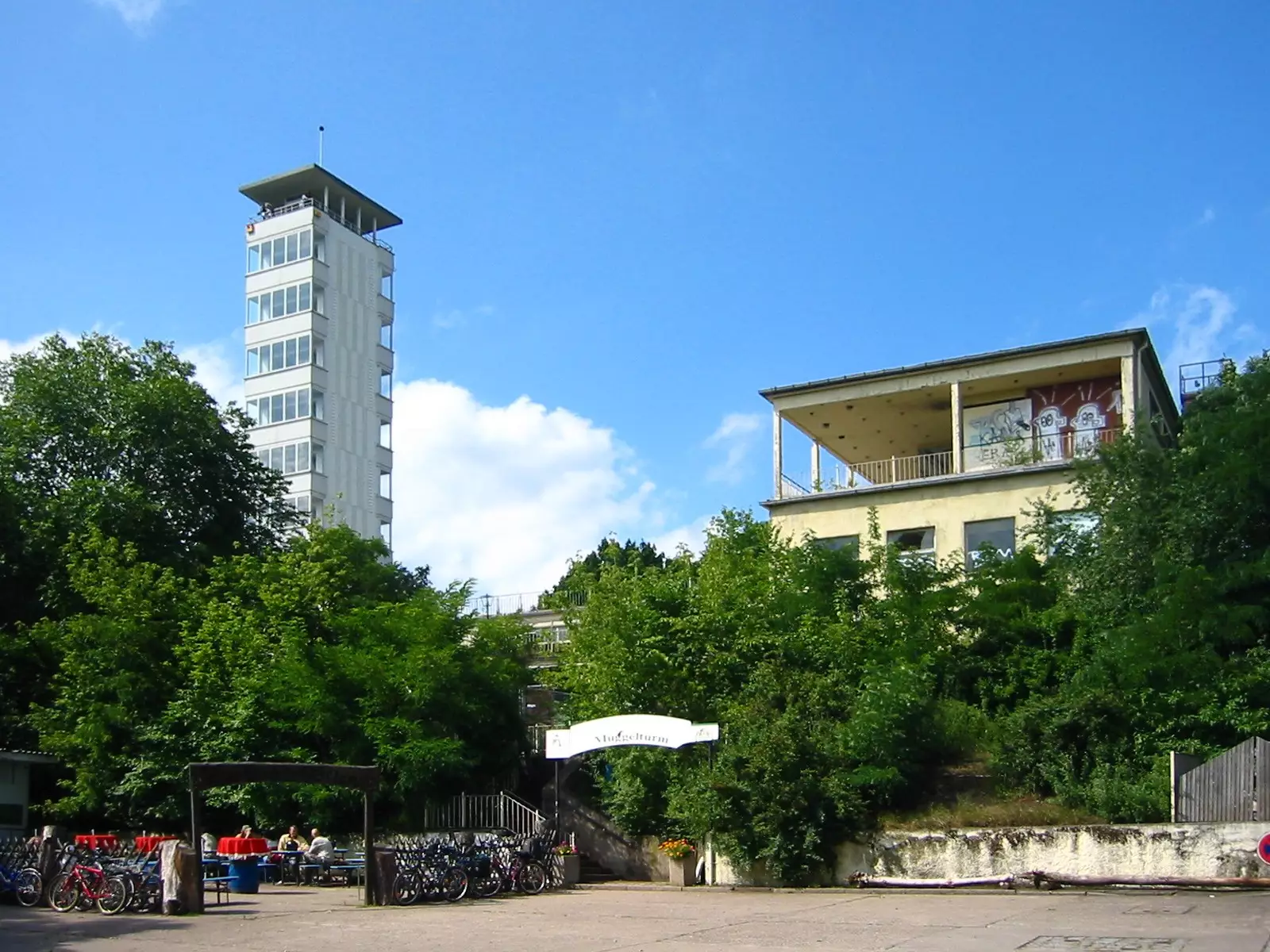
150 m high lattice tower with open-air observation deck 124 m above ground.
Built by Hitler for the 1936 Olympic Games, this is one of the better examples of Nazi neoclassical architecture (laying claim to the legacy of Rome, fasces and all) and is still used for sporting events. At those Olympics, African-American athlete Jesse Owens won four gold medals, a party-spoiler for Aryan superiority. It's the home of soccer team Hertha BSC - they were relegated in 2023 and now play in 2. Bundesliga the second tier. In 2024 this stadium hosted games in the UEFA Euro Finals, including the final itself. For a glimpse of the Olympiastadion in its original state, seek out Leni Riefenstahl's movie Olympia - clips are shown in the Kinemathek and elsewhere.
The Bayerischer Platz is the centre of the Bayerisches Viertel ("Bavarian district", with many streets named after Bavarian cities), which was destroyed a lot more during World War II (about 60%). Somewhere around there Albert Einstein lived once. You’ll find several memorial signs providing information about the Nazi regime's persecution of gays and Jews.
Heritage listed Art Nouveau railway station and charming surrounding city square.
Arguably the most beautiful bridge in Berlin and the only connection between Friedrichshain and Kreuzberg. As signage on the bridge indicates, it was built twice - once in the 1890s and once in the 1990s. Before reunification the border ran where the bridge now is.
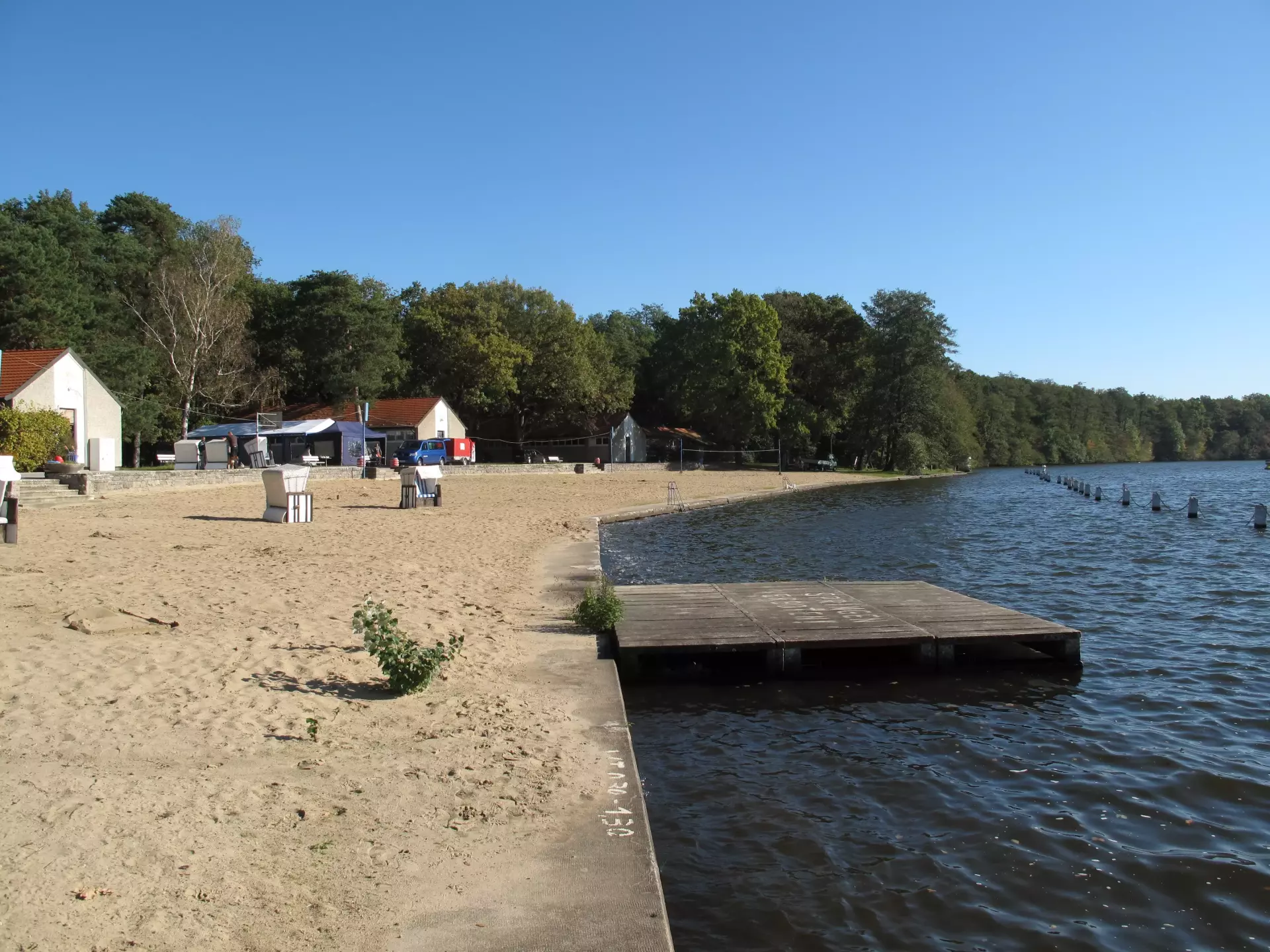
This heritage-protected public bathing beach which opened in 1907 is one of the largest inland lidos in Europe and has a 1275-m-long sand beach, a capacity for up to 30,000 guests and a popular nudist area.
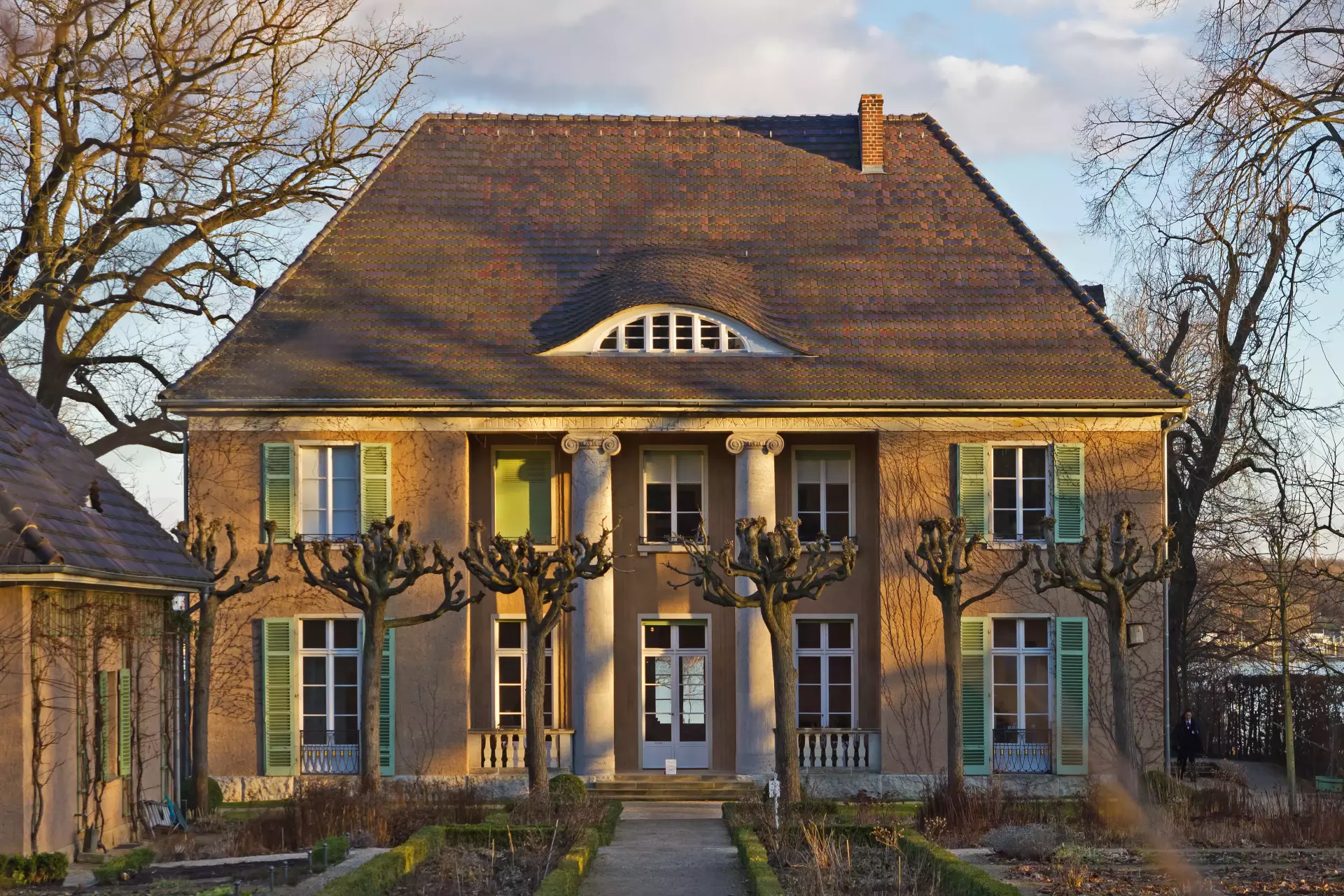
House museum on Max Liebermann, German painter and printmaker. Has about 15 Lieberman paintings.
Gothic church, the second oldest (built in late 13th century) of the historical centre of Berlin. It's the highest church tower of Berlin (about 90 m), but seems rather small beneath the gigantic TV tower. The church tower was built in the late 18th century by Carl Gotthard Langhans, the architect of the Brandenburg Gate.
Features many objects and even whole rooms in Wilhelminian style. Only accessible by guided tour (English tours can be arranged).
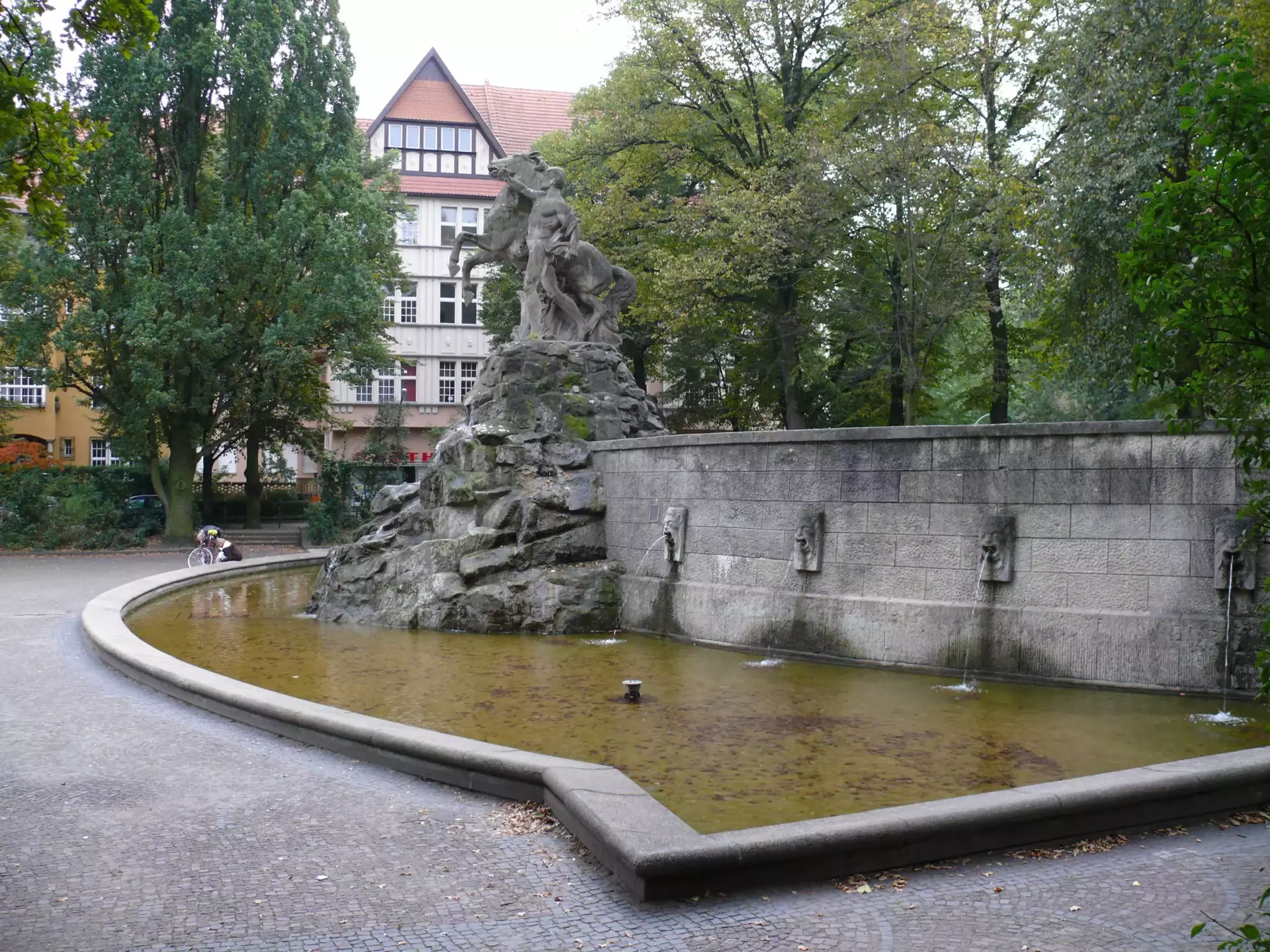
Features a nice fountain, stately old houses and a good night time hot spot. Many people hang out in the platz in good weather.