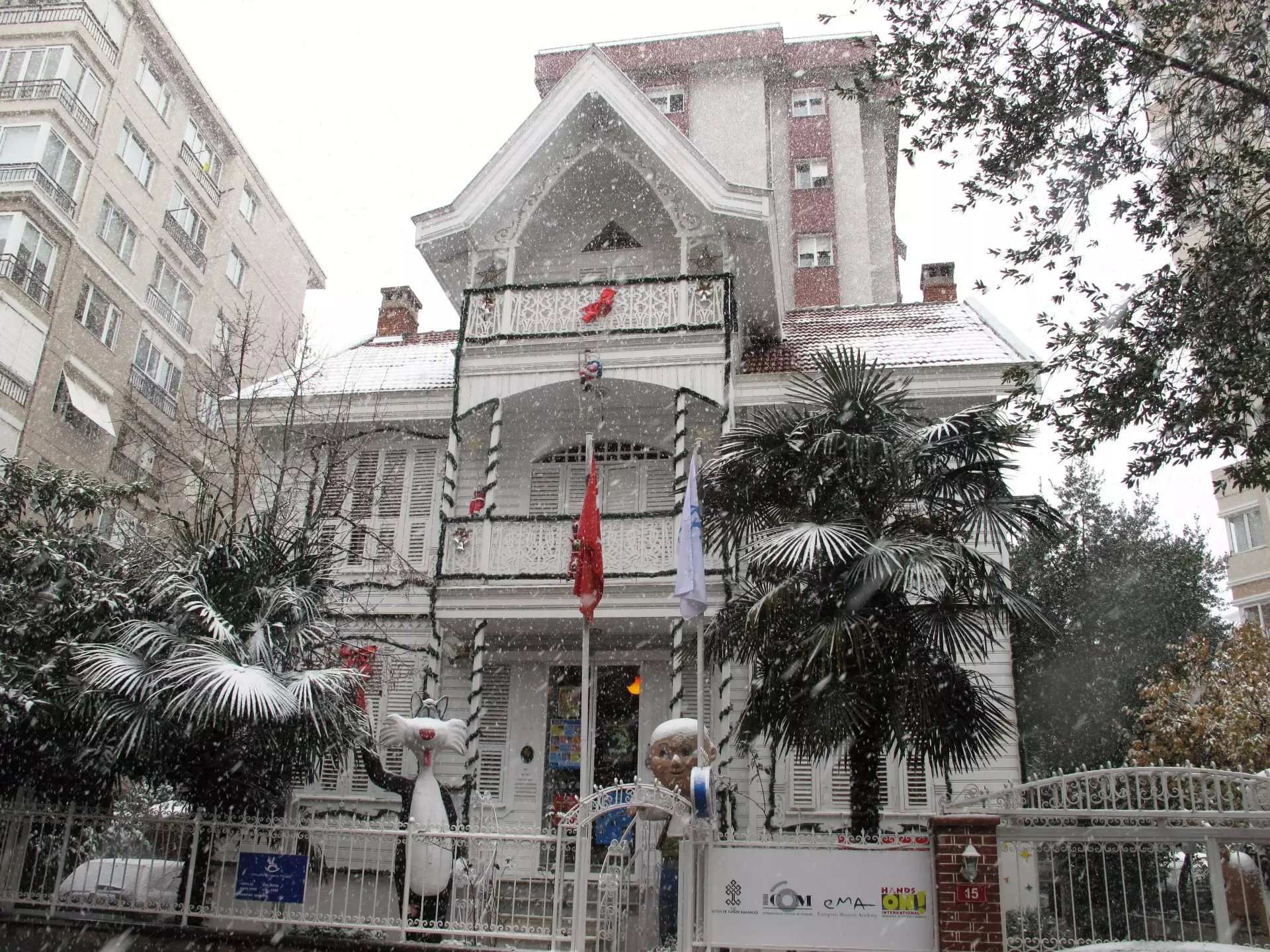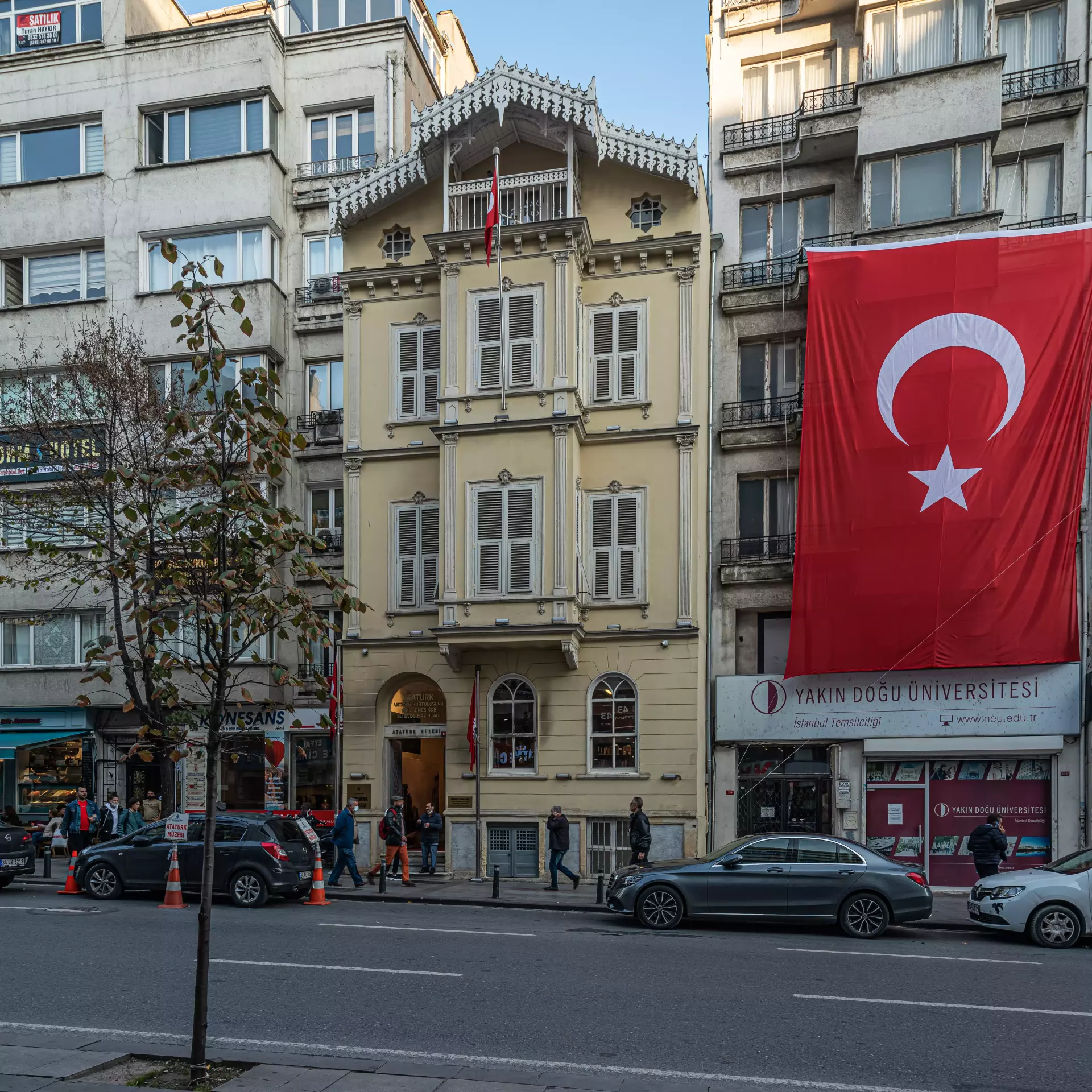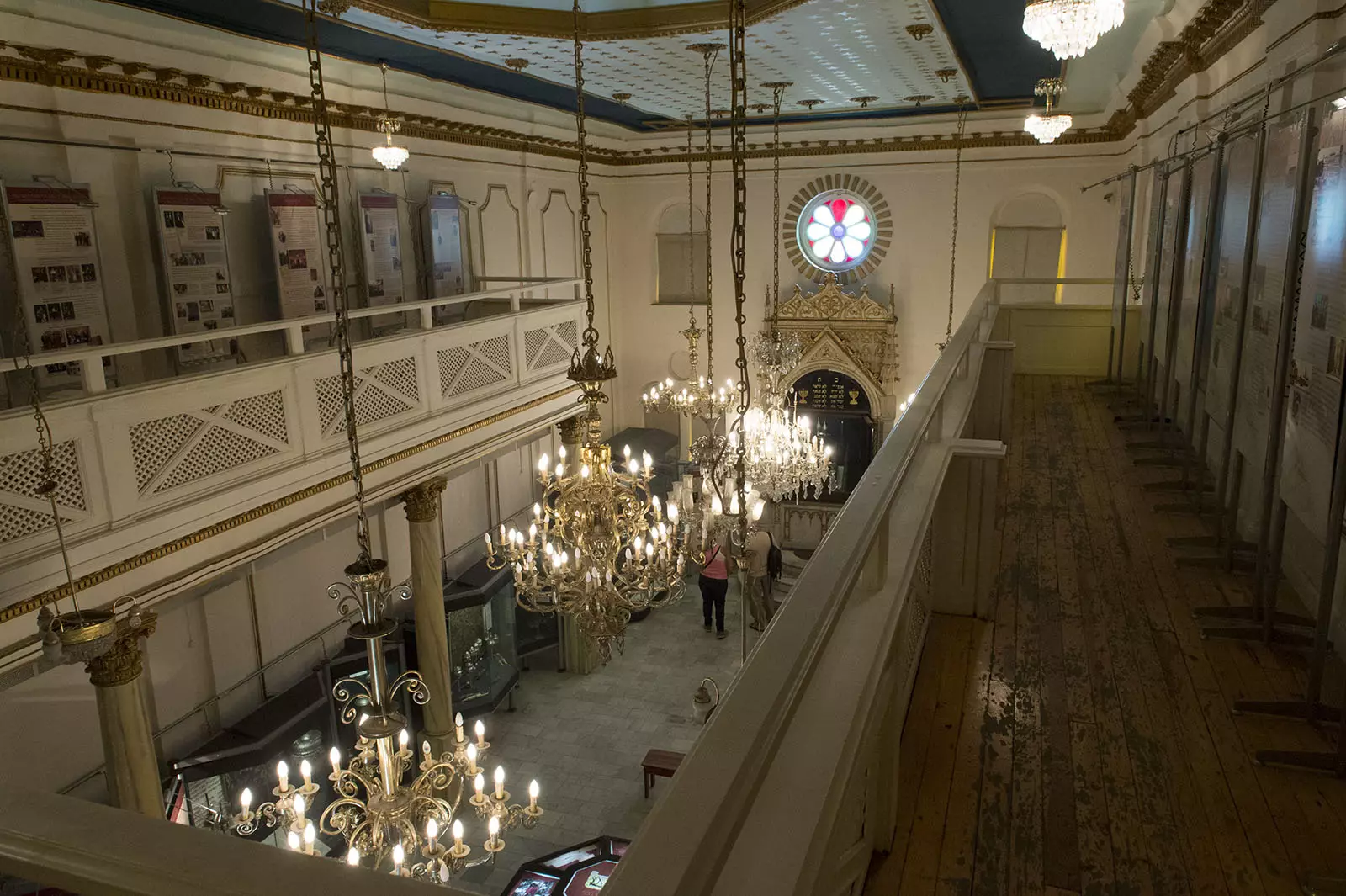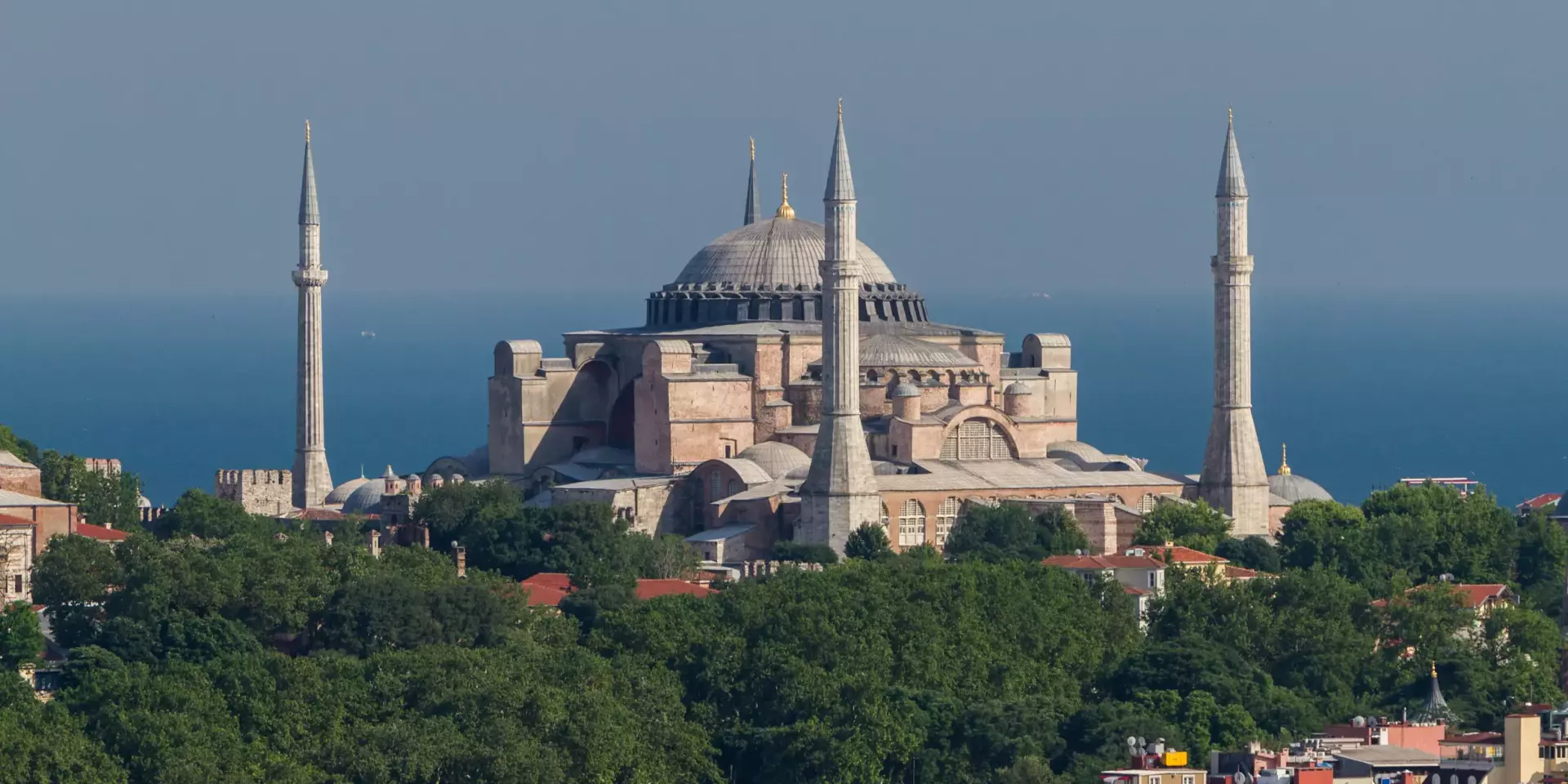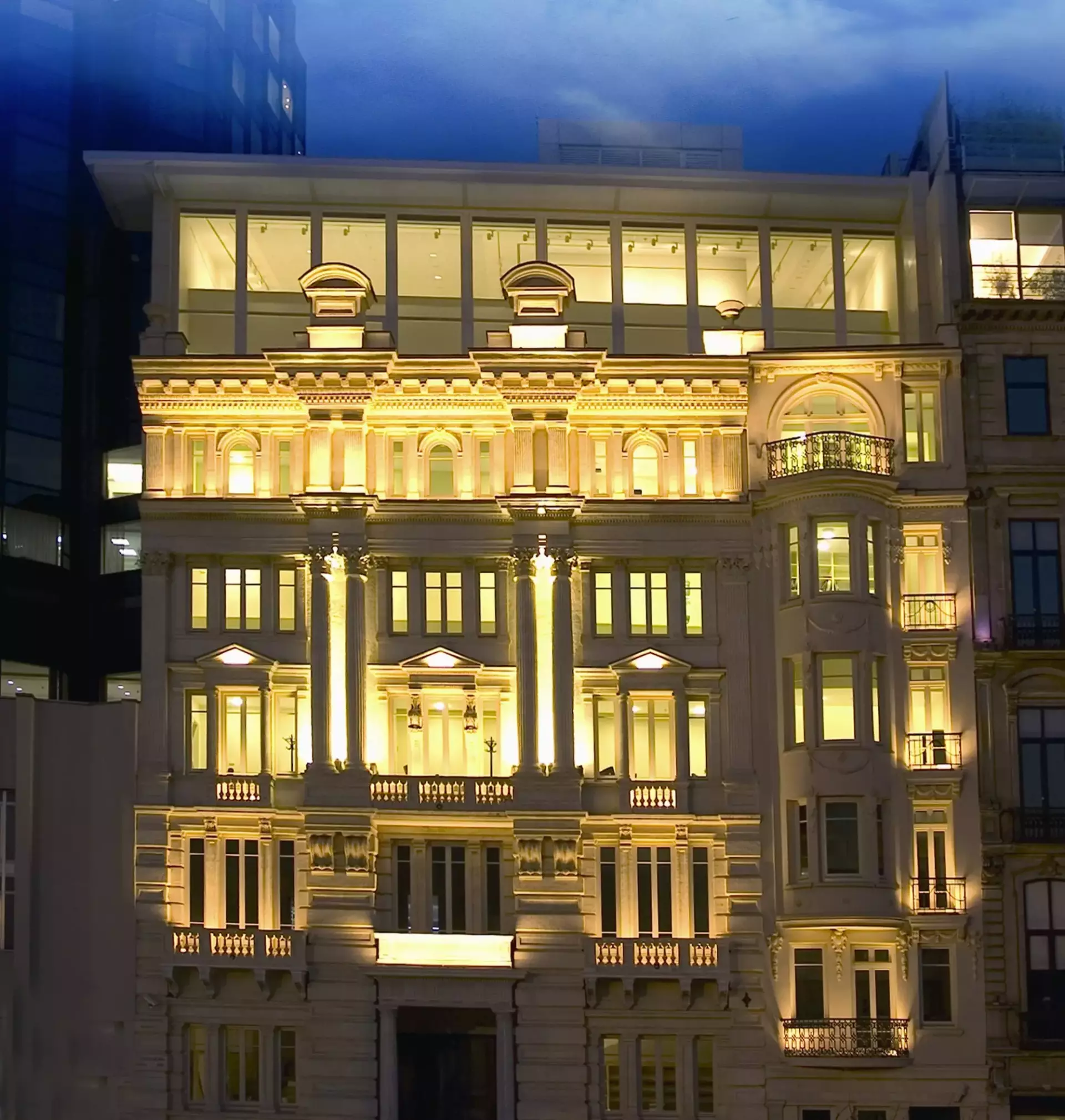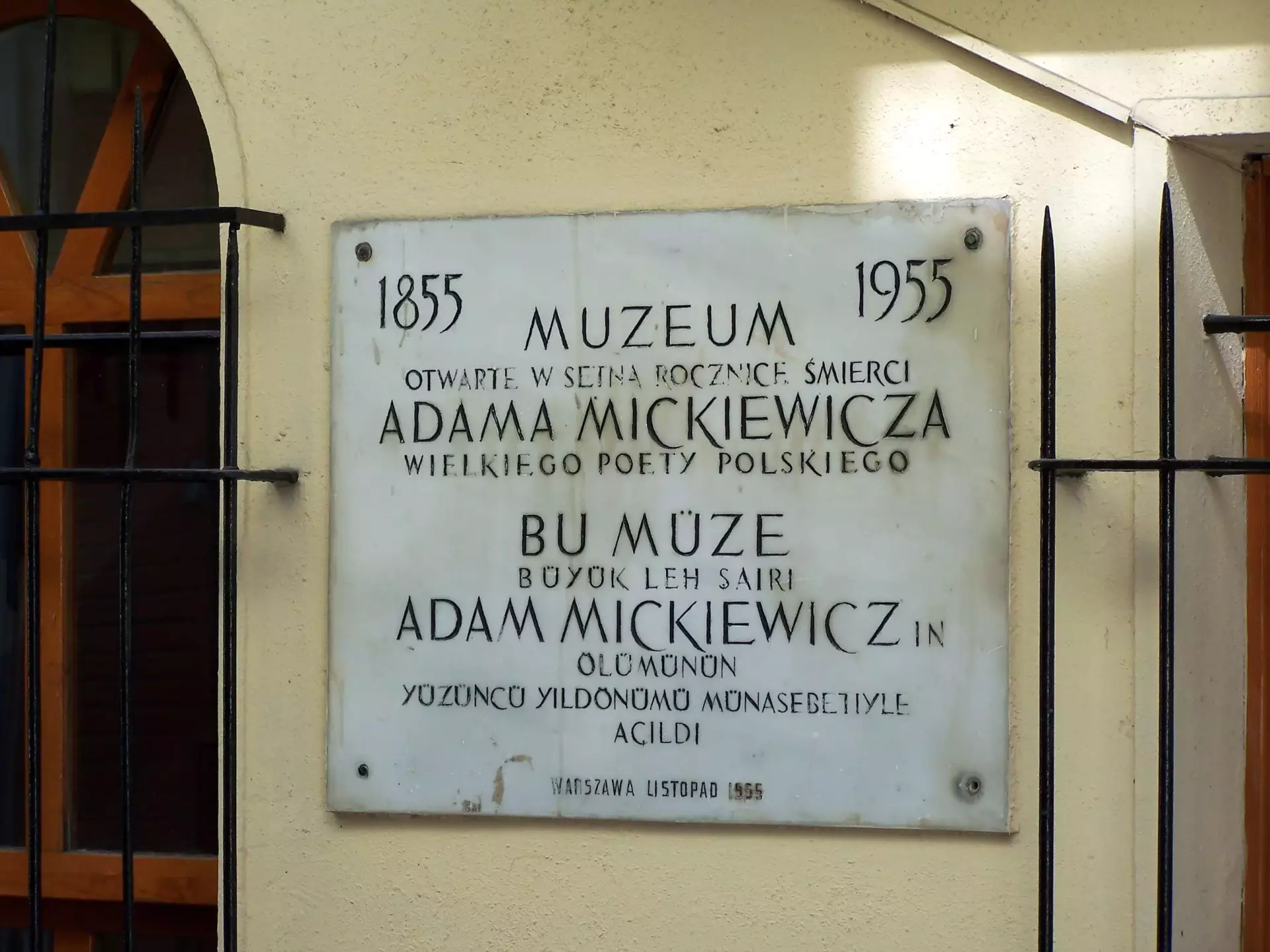
The Adam Mickiewicz Museum is a historic house museum that honors the life and legacy of Adam Mickiewicz, a celebrated Polish poet. The museum is set in the very place where Mickiewicz spent his final months while living in Turkey.
Adam Mickiewicz arrived in Turkey in September 1855. The house that now serves as the museum was his residence during this period. Mickiewicz lived here until his death from illness on November 26, 1855. The museum preserves the memory of his time in Turkey and offers insight into his final days.
Source - https://en.wikipedia.org/wiki/Adam_Mickiewicz_Museum,_Istanbul
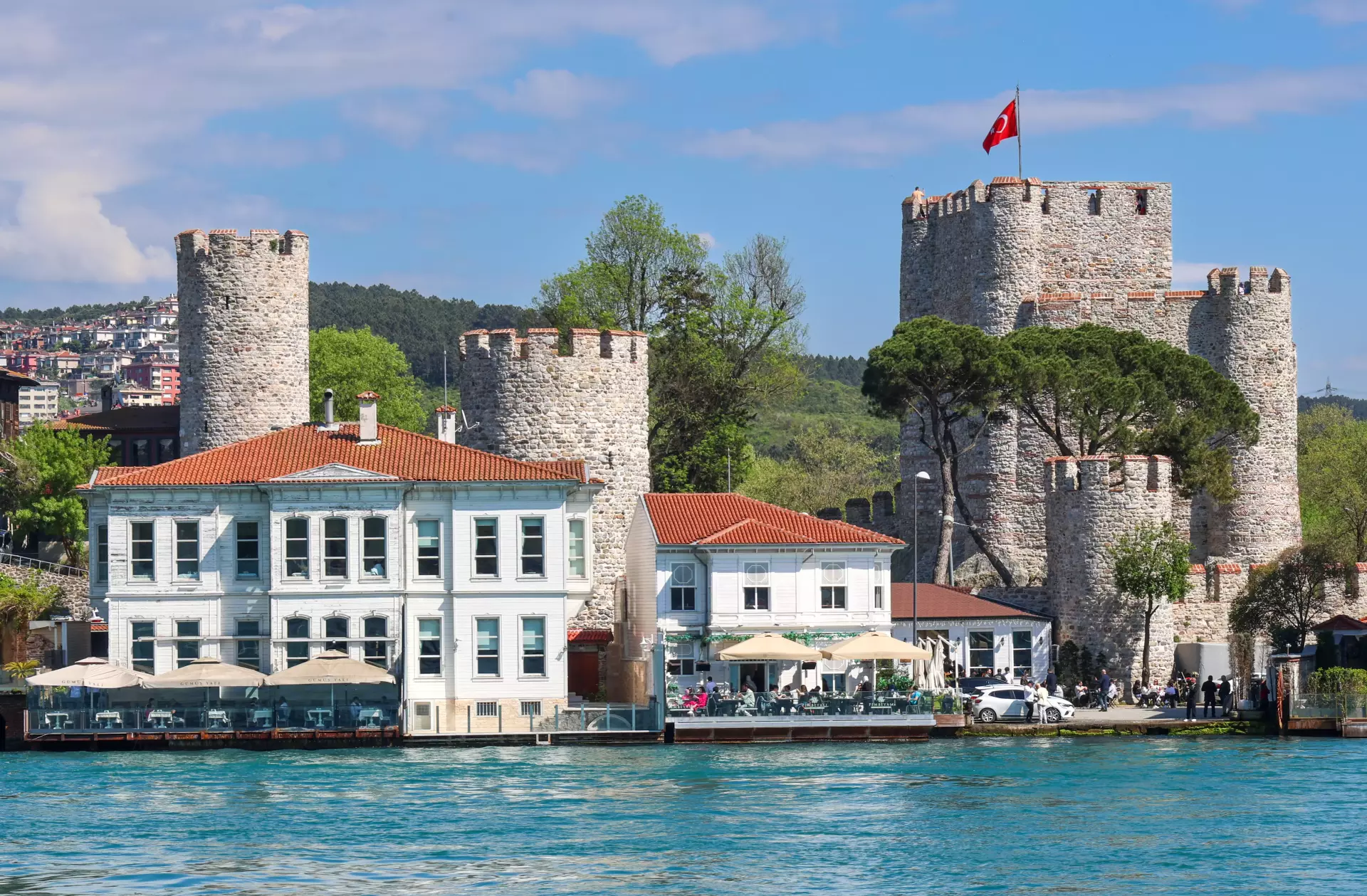
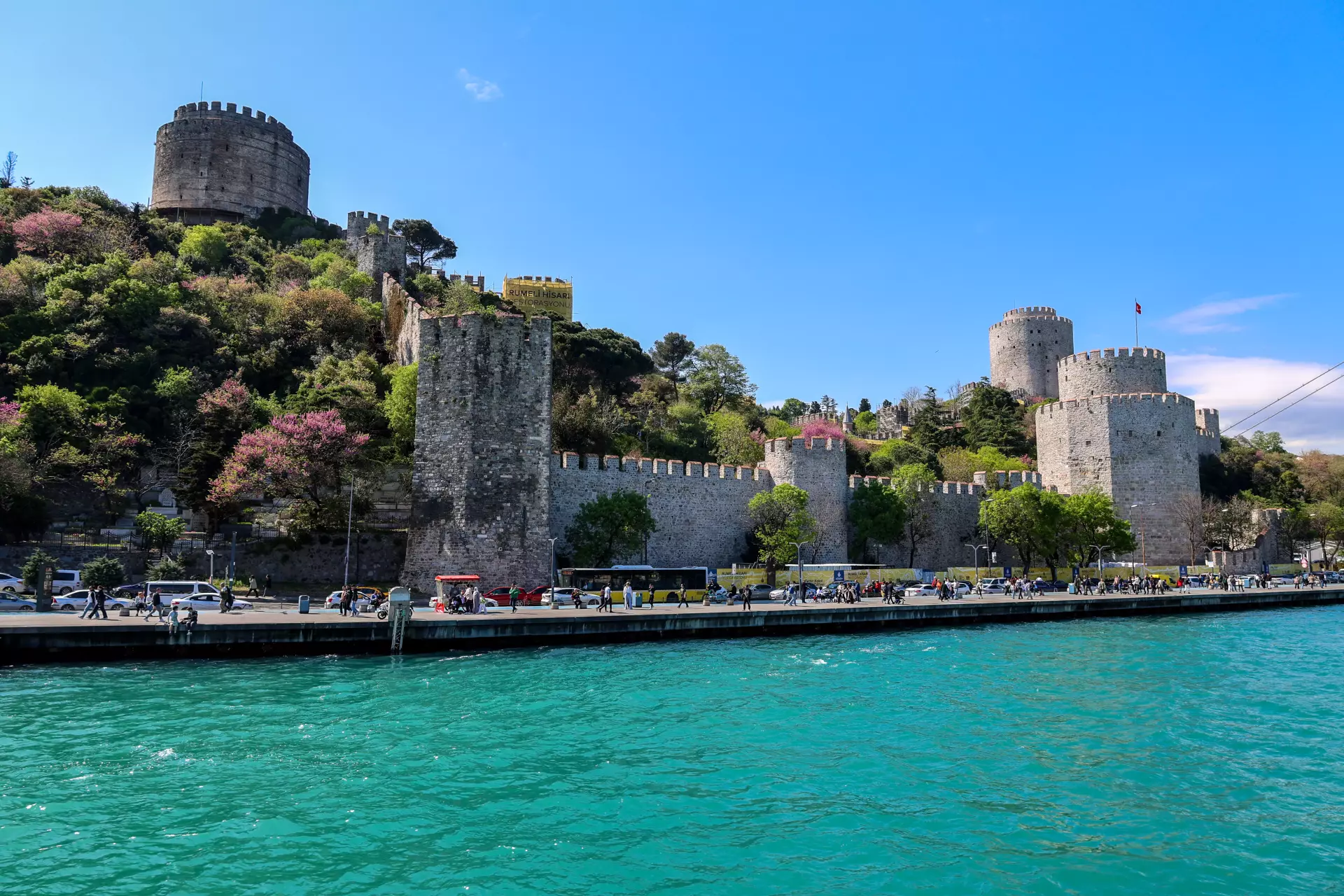
Built in first half of the 15th century, this is the large medieval castle under the Second Bosphorus Bridge. Its former name Boğazkesen (Turkish)/Laimokopia (Greek) means both "strait-blocker" and "throat-cutter" in both languages and denotes the reason of its building—to shut the supply routes from the Black Sea in the north into the slowly falling apart Byzantine Empire through the Bosphorus. Rumeli, literally "the Roman land", was the name of the European half of the Ottoman Empire, and as is usual with some other structures and villages along the Bosphorus, used as a prefix to differentiate Rumeli Hisarı from its counterpart in the Asian Side, the much smaller Anadolu Hisarı just across the Bosphorus.
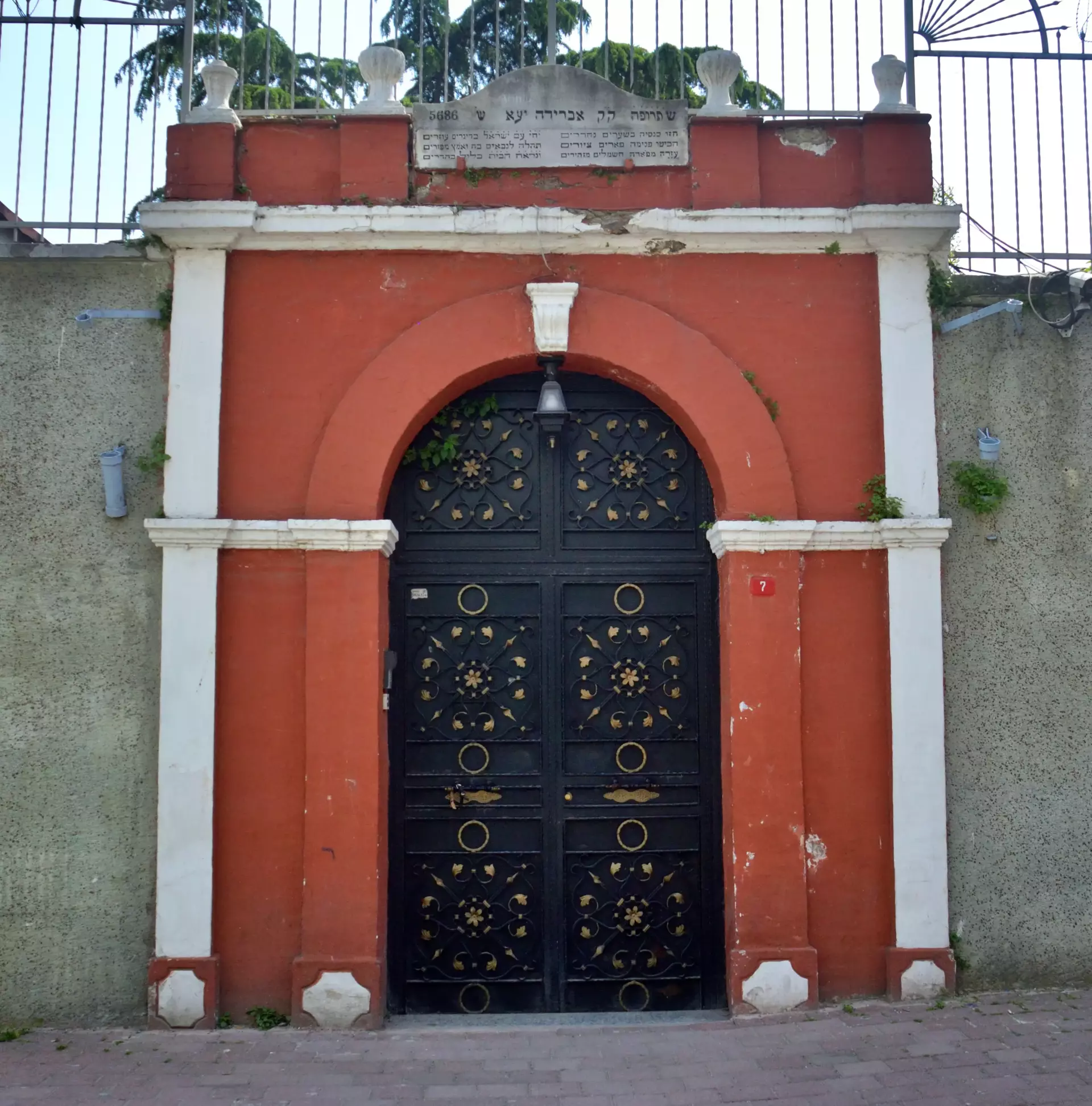
The only active Ashkenazi Synagogue open to visits and prayers.
Tiny house museum on the life of Turkish novelist Orhan Kemal (1914–1970).
The Golden Gate was the ceremonial entrance through the Theodosian city walls. After the Ottomans captured the city in 1453, Mehmed II needed a stronghold for his treasures and documents. The gate was therefore bricked up and the walls reinforced into a fortress, with valuables stored in its seven towers, hence yedi kule. In the following century the treasury moved to Topkapi Palace and the fort became a prison for high-level detainees - Osman II was strangled here in 1622. It remained in use until 1837, whereupon the Golden Gate was re-opened.
A small town 40 km west of central Istanbul and 15 km north of Büyükçekmece that had a substantial Greek population until the 1920s transfers. Spared from destruction in the Balkan wars which foreshadowed the Great War, the old quarter has many historic wooden buildings and fountains in leafy squares. A short stretch of the old town walls still stand just north of the centre. In the outer areas, bunkers of the WW2 'Çakmak Line' and remnants of the Byzantine Anastasios Walls could be observed. The town's main sight, housed in a red brick neoclassical building erected as a Greek tavern, this museum commemorates the forced population transfer of 1922–26, whereby Greeks living in Turkey were expelled to Greece, while the Turks of Greece were expelled to Turkey.
A former synagogue, the museum's exhibit details how the cultures mixed with and influenced each other in the past 500+ years since the Spanish expulsion.
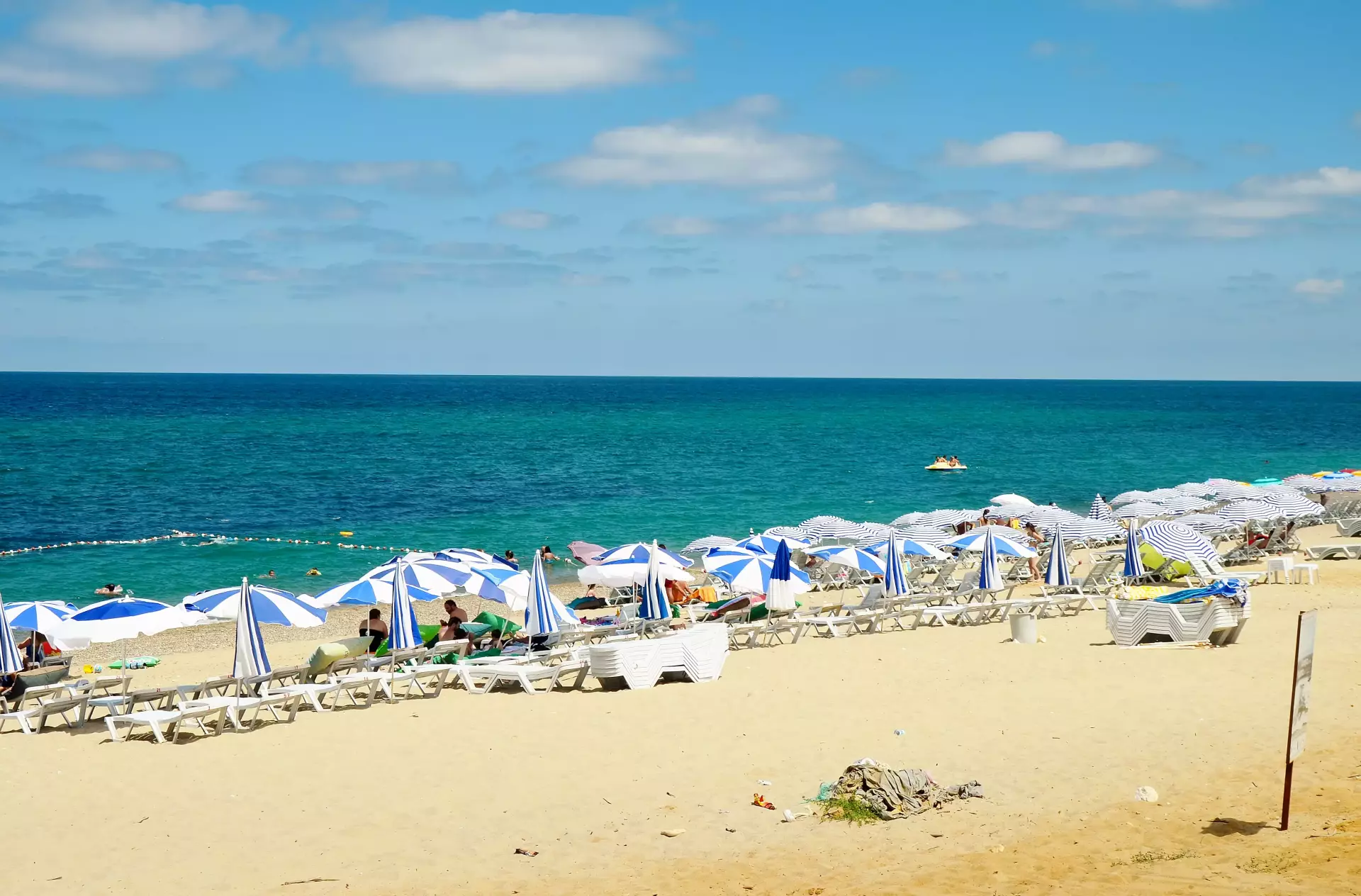
A resort on the Marmara coast. It's the westernmost part of Istanbul, between Çatalca and the province of Tekirdağ. There are some remnants of the Anastasian wall here, the scrappy ruins of a castle, an ancient cistern, the Piri Paşa Mosque, and Uzunköprü the long aqueduct.
The "Polish village" was founded in 1842 by Polish settlers in the wake of the failed uprising against Russian Imperial rule, and reinforced by more settlers after every subsequent civil upheaval until Poland's independence in 1918. Most then returned, but several stayed on, adopting Turkish citizenship but maintaining their Polish language and culture. The village has houses in traditional Polish style, a 1914 little Catholic chapel, and the Church of Matka Boska Częstochowska. It's set in woodland (a nature park) and is a popular day-trip from the city. There's four restaurants and half a dozen small hotels, plus more of each in nearby Beykoz.
This is the main attraction around this part of the city. The holiest Islamic shrine in the city, the complex includes, right next to the mosque, the tomb of Abu Ayyub al-Ansari (Eyüp Ensari Türbesi), the standard bearer of Prophet Mohammad, died and buried here during the first Muslim siege of Constantinople (674-678 AD). The neighbourhood was named after him. Muslims flock here (in such huge numbers that sometimes you have to queue for a few minutes before entering the tomb) also to see a rather uninteresting plaque made of plastic, which is purported to be Mohammad's footprint. The interior of the tomb, covered with fine tiles/faience, is nonetheless well worth a look, however. It is also interesting to see the devout Muslims leaving the place by walking backwards through its exit hallway, as not to turn their backs to al-Ansari's catafalque, though obviously no one expects everyone to quit the place in the same manner.
Built 1748-55, this launched the style we call Ottoman Baroque, with its grand central dome and pencil-thin minarets. It was copied throughout their empire and is replicated in new mosques even today. The name means "light of the Ottomans," and the interior uses light powdery decor, bathed with much more natural light than its gloomier classical predecessors. The complex also has a madrasa and the imaret (public soup kitchen).
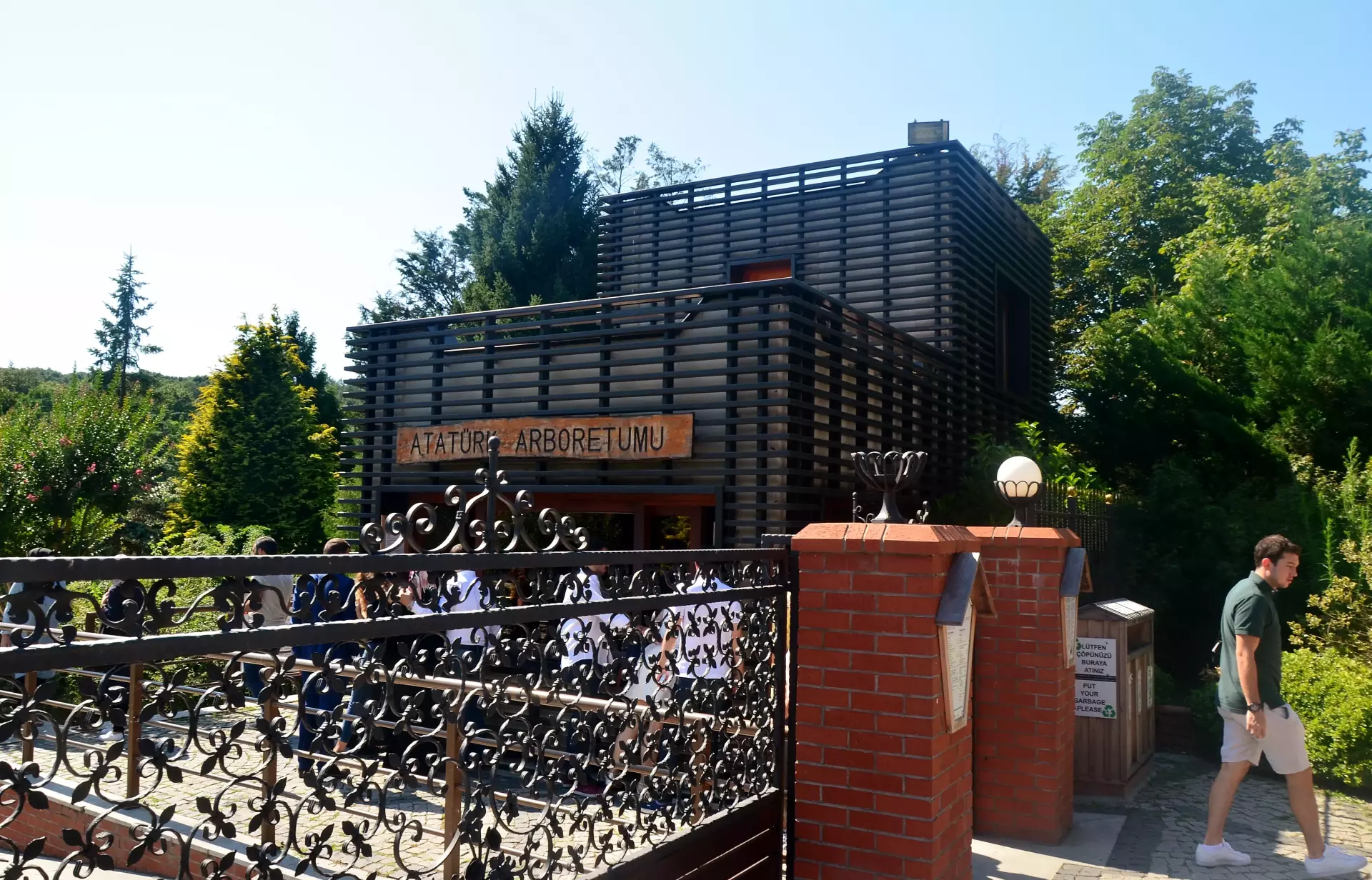
Named after a 16th-century village, founded by Serbs deported from Belgrade when it fell to the Ottomans. The village was popular as a forest resort, but its inhabitants were resettled in the 19th century and it's now a bosky ruin. The forest is mostly primordial and deciduous, predominantly oak. It's dotted with ancient aqueducts and dams as this area was a water catchment for Constantinople / Istanbul, and has lots of walking jogging and cycling trails and picnic areas. The two main ways in are via Bahçeköy (near the Arboretum entrance) and Kemerburgaz (which has the best aqueducts). There's a small access toll. The forest is supposedly a protected area but is being encroached on by highways and suburbs: this is likely to get worse as the access route to Istanbul's new airport leads right through it.
Istanbul's former Asia-side railway station nowadays has no trains, but is worth a look. It was built by the Germans in 1908 in a distinctive Teutonic-castle style - to make an impact on travellers from Asia about to step into Europe, and a counterpoint to Sirkeci station (also closed) on the European side which is modelled in Oriental style. It's intended eventually to make this the terminus for the high speed rail network.
A neo-gothic Anglican cathedral which would not be out of place in northwestern Europe, the Crimean Memorial Church was built for the Protestant community of the city by Britain in the late 19th century. It was named in honour of the soldiers died in the Crimean War of 1856, fought against Russia by the allied Ottoman and British Empires. The congregation of the church today mostly consists of Anglican East Asians and Sri Lankans resident in Istanbul.
The imperial enclave of the Ottoman emperors for four centuries. Lavishly decorated, with exhibitions of fine craftmanship and four courts of increasing grandeur. The second court has the Harem and the State Treasury, housing a weaponry display. The third court has the Imperial Treasury, with Islamic and Christian relics. The views from the Fourth Court over the Bosphorus are spectacular. Reckon on spending several hours here and bring water as the museum kiosk is overpriced.
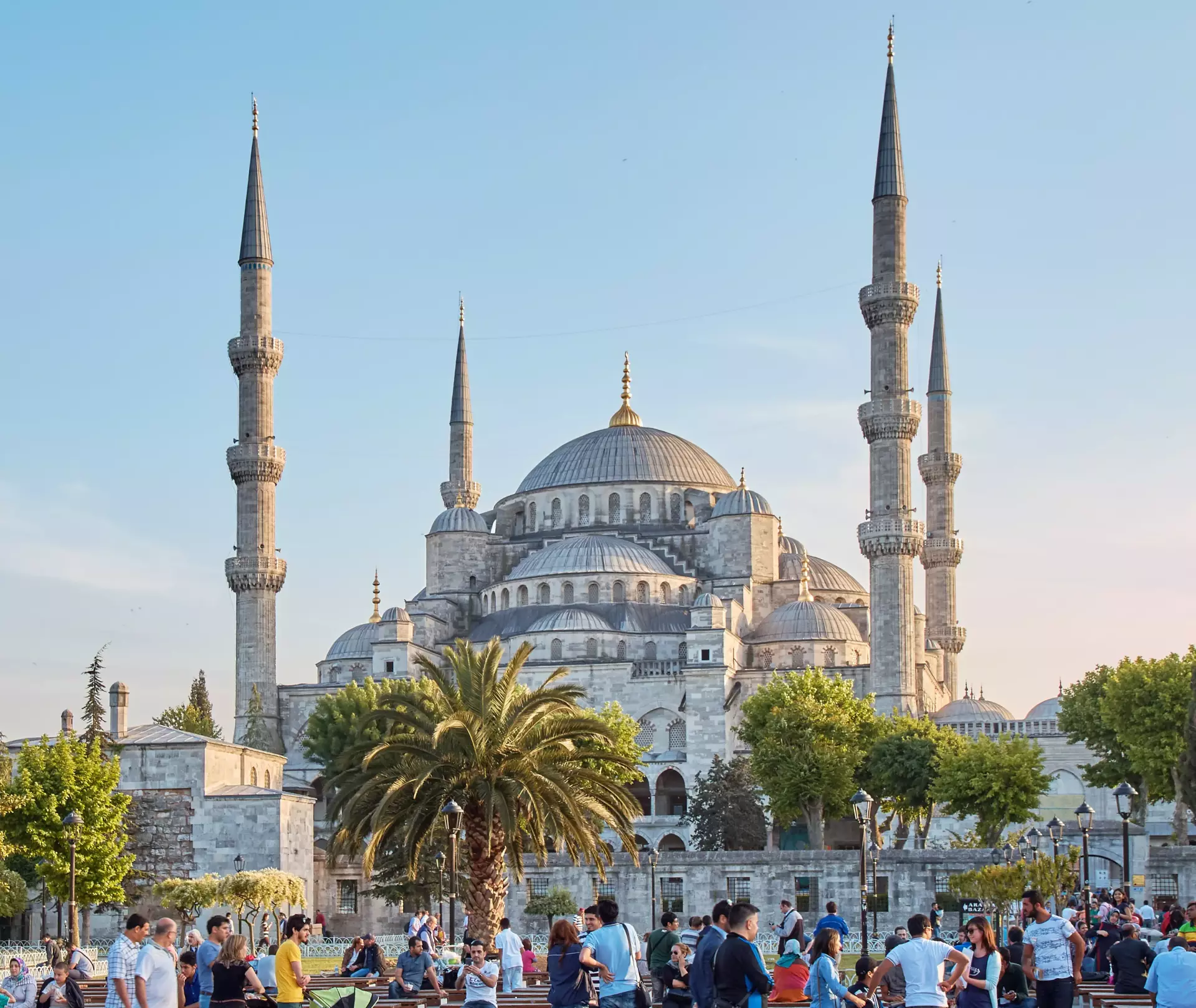
The defining image of Istanbul, dominating the skyline with its great dome and six minarets. Completed in 1617 for Sultan Ahmed I, it's still a working mosque, so dress appropriately and avoid prayer times. Enter via the courtyard on the SW side. You step (shoeless) into the blue-tiled prayer hall beneath the main dome and its semi-domes. The mihrab is of finely carved marble, well-lit, and the minbar (pulpit) next to it is visible from almost all parts.