
Tourist attractions in Istanbul

Hagia Sophia
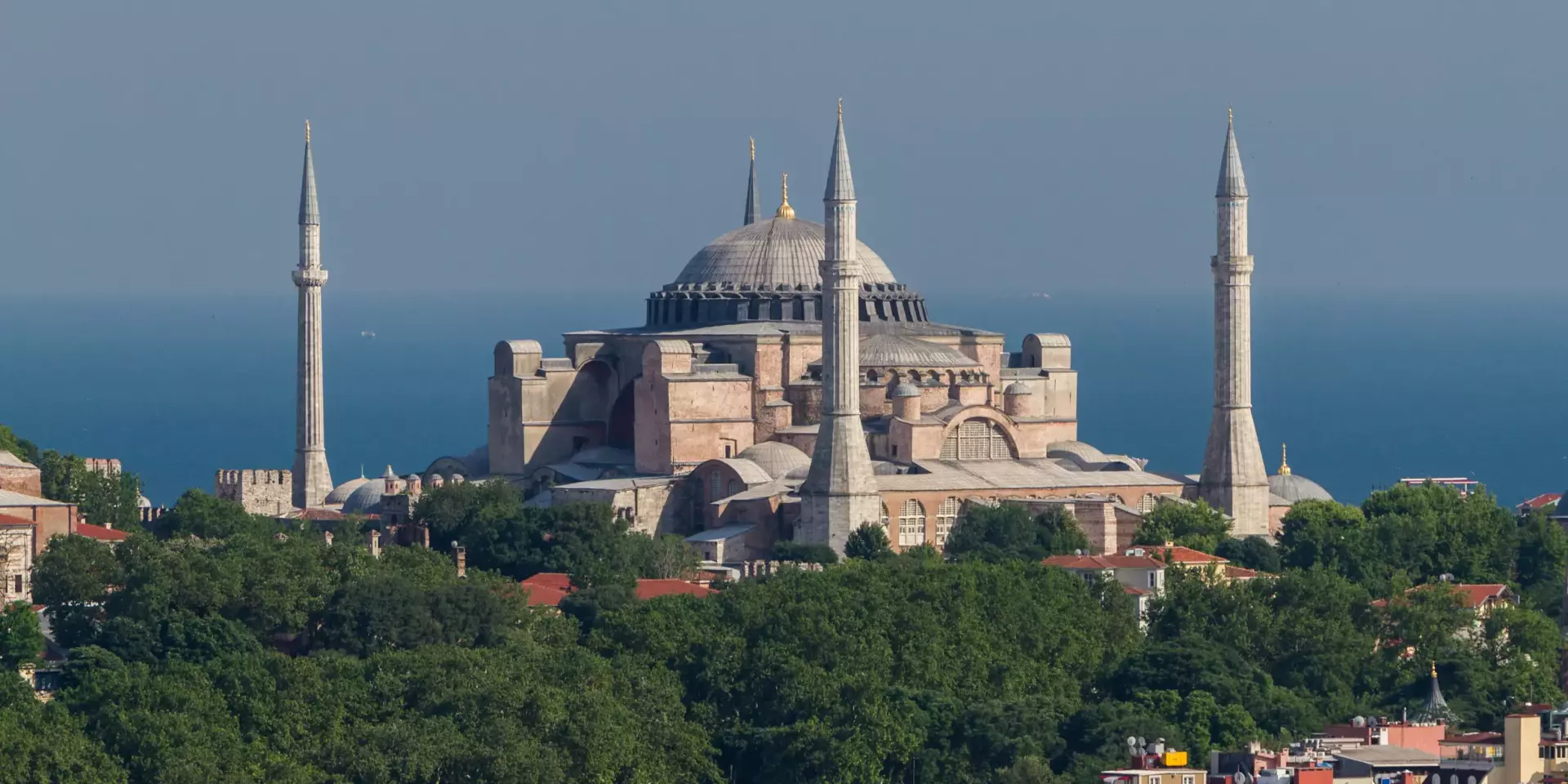
Istanbul, TurkeyThe third and grandest of the churches on this site, completed in 537 AD. The 30-m diameter dome covers what was for over 1000 years the largest enclosed space in the world, only surpassed in 1520 by Seville cathedral. It used "pendentive" architecture to throw the dome's weight onto four stout pillars, a design that inspired many Eastern Orthodox churches and Ottoman mosques. It became a mosque after the Ottoman conquest in 1453, remaining so until 1931. It was then a museum until 2020 when it was again proclaimed a mosque. That means you must work around prayer times and dress appropriately.

Topkapı Palace
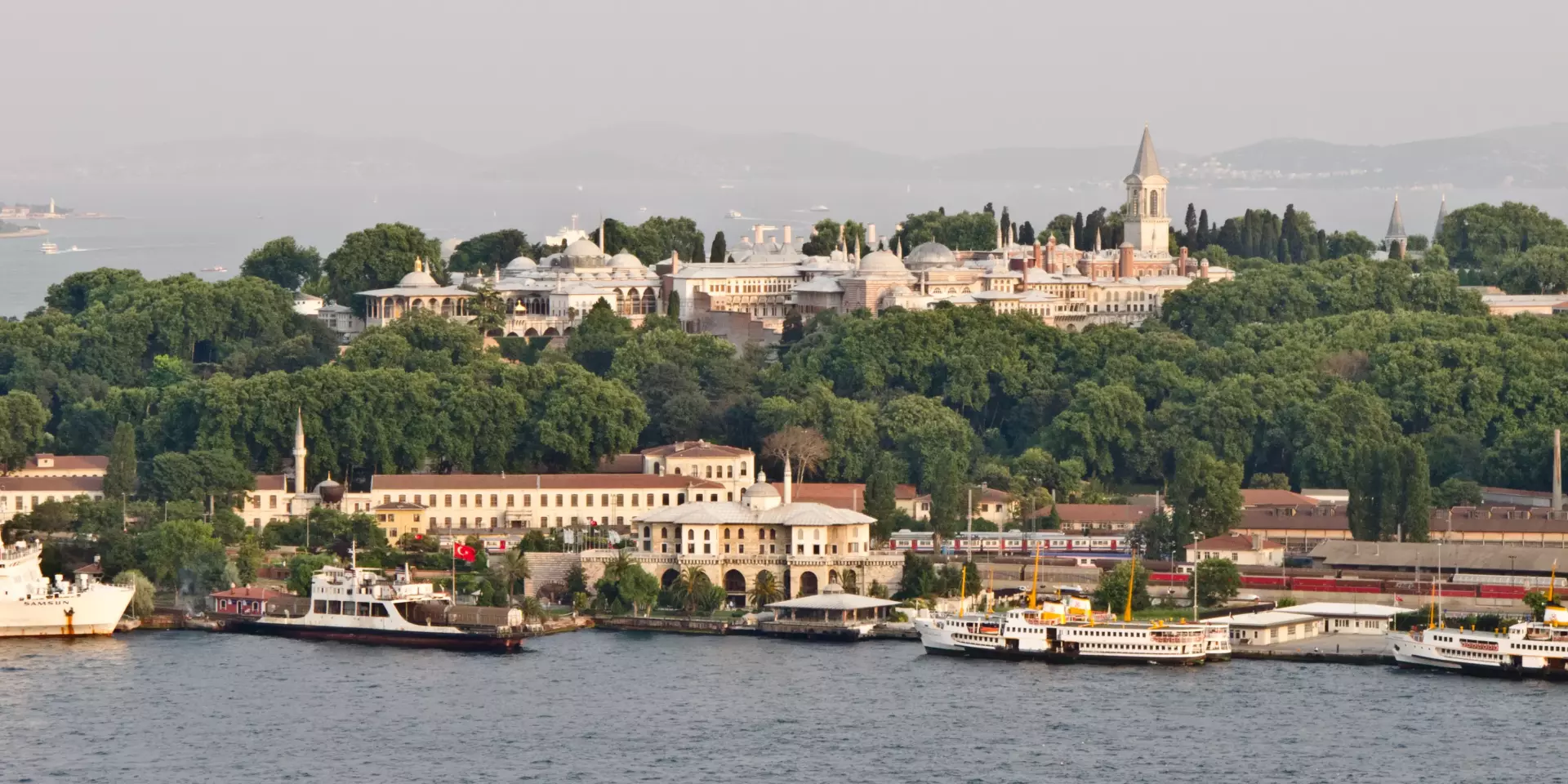
Istanbul, TurkeyThe imperial enclave of the Ottoman emperors for four centuries. Lavishly decorated, with exhibitions of fine craftmanship and four courts of increasing grandeur. The second court has the Harem and the State Treasury, housing a weaponry display. The third court has the Imperial Treasury, with Islamic and Christian relics. The views from the Fourth Court over the Bosphorus are spectacular. Reckon on spending several hours here and bring water as the museum kiosk is overpriced.

Basilica Cistern
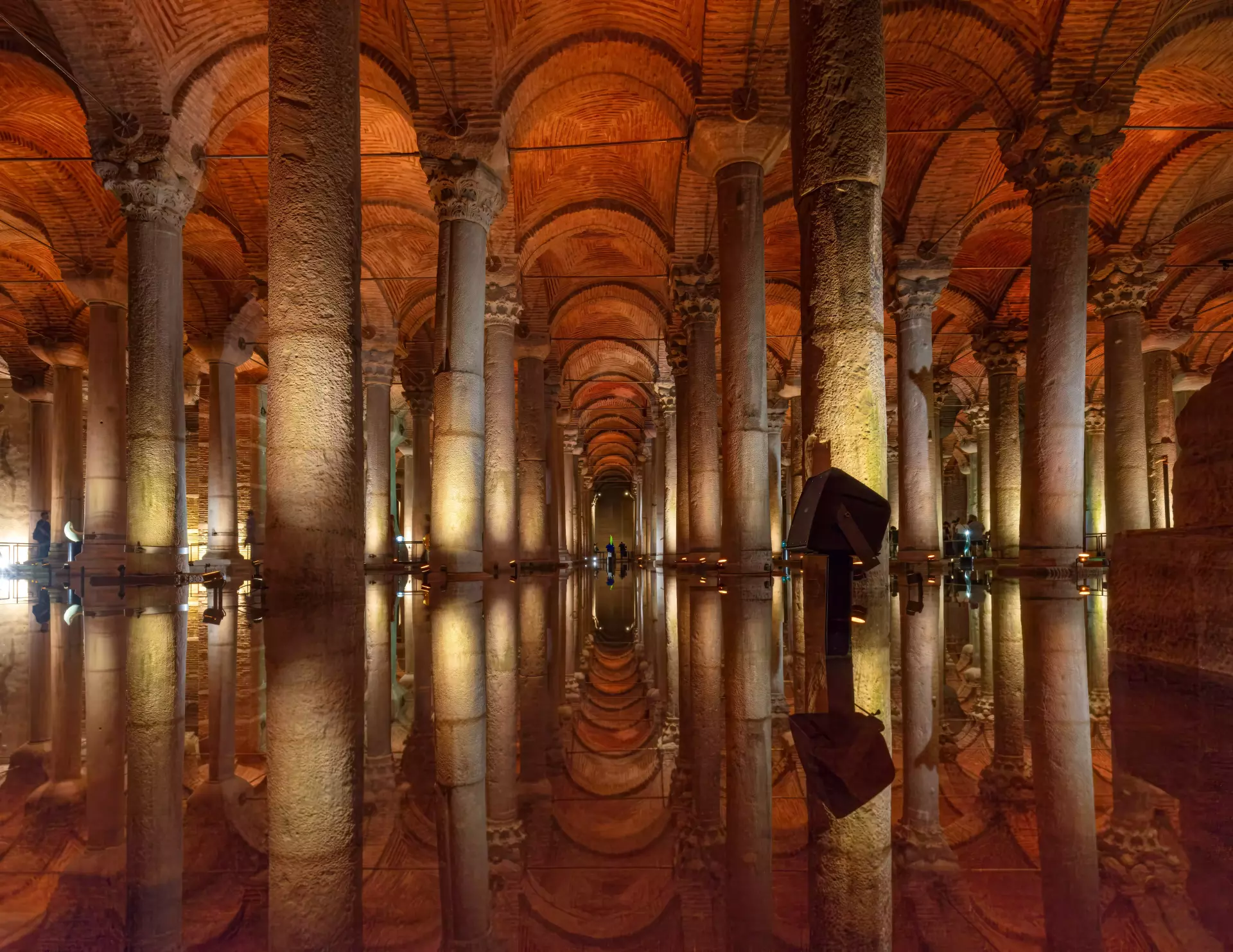
Istanbul, TurkeyVast underground cistern built by Justinian in 532 to store the city's water, the largest and best-known of the hundreds constructed. It's a cathedral-like space with 336 richly decorated columns. Time was you explored in a little rowing boat, but tourist numbers have soared and water levels have dropped, so now you follow a boardwalk, with lights, piped music and art installations. It's sometimes a film location, and stages concerts. But the crowds rob it of atmosphere and you might prefer to seek out one of the less-visited cisterns.

Galata Tower
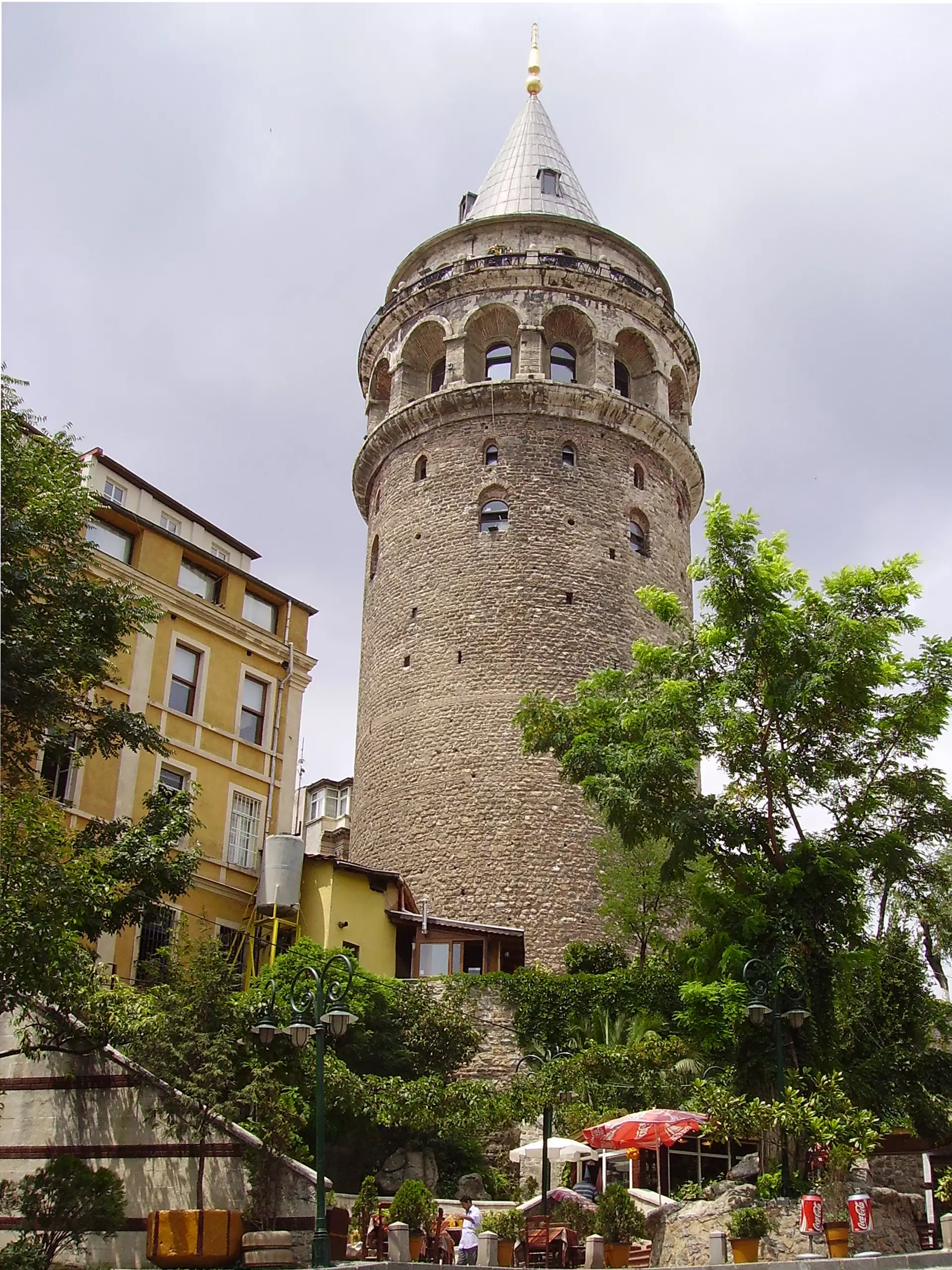
Istanbul, TurkeyIt was built by the Genoese in the 14th century on the city walls of Galata, marking the highest point of their territory. Ride an elevator and take two flights of stairs to the top, then walk the parapet for a 360°-view of Istanbul, including the entire Sultanahmet peninsula: crowned by Topkapı Palace, the Blue Mosque and Hagia Sophia. A beautiful spot worthy of a lot of pictures.

Dolmabahçe Palace
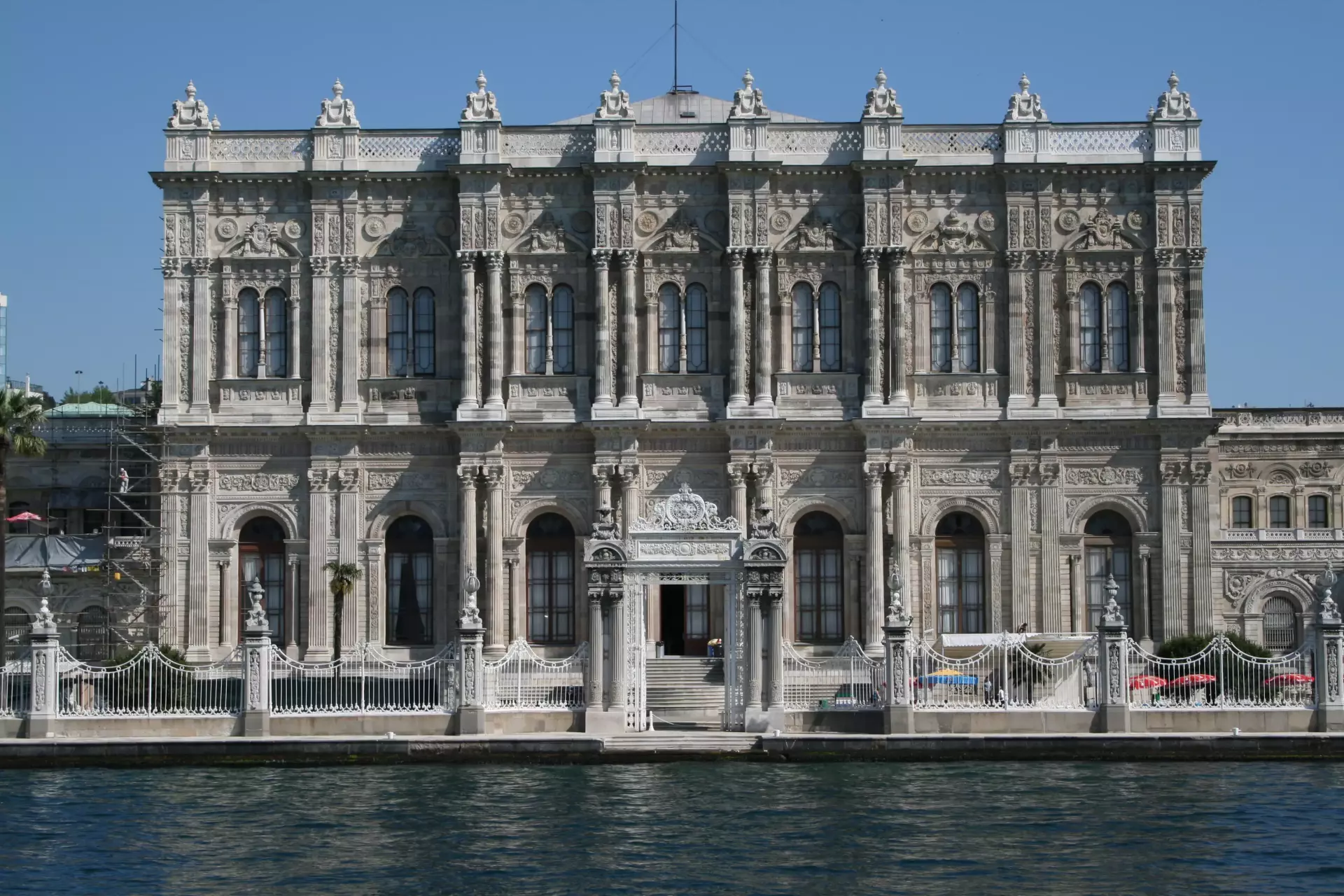
Istanbul, TurkeyThis lavish palace with 285 rooms and 43 halls was the admin centre for the Ottoman Empire in its last 60 years. The palace government block (Selamlık) includes the Imperial Mabeyn (State Apartments) and Muayede Hall (Ceremonial Hall), while the Imperial Harem was the sultan's private quarters. Also here are the Painting Gallery, Music Museum, Clock Museum and Museum of Palace Collections. Free audio guide in several languages available by the ticket office. No photography inside, no backpacks but you can leave them in the cloakroom. Allow 3 hours to see everything.

Süleymaniye Mosque
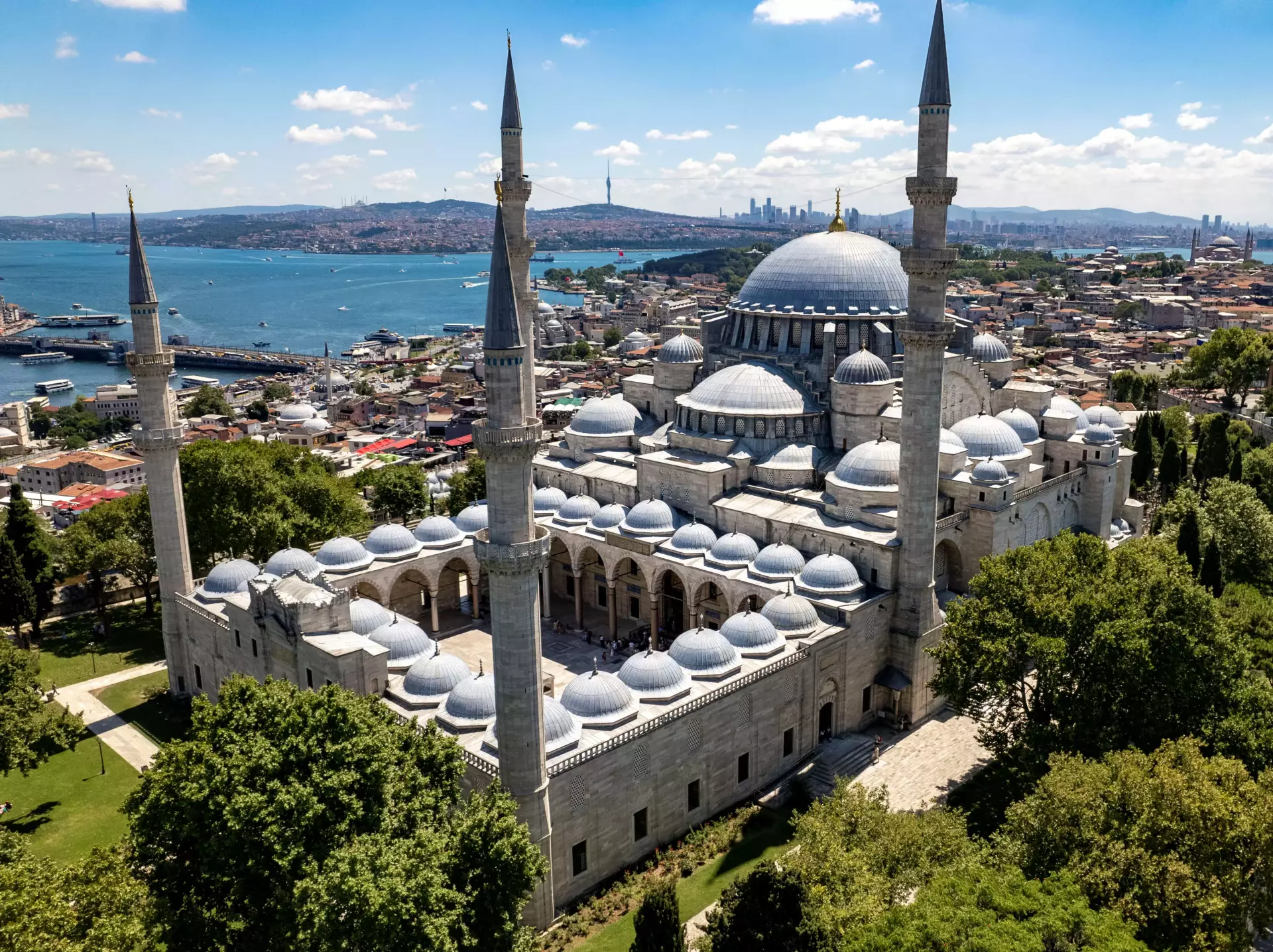
Istanbul, TurkeyOn top of a hill overlooking the Golden Horn, this is a magnificent mosque built by Sinan in the 1550s. It was centrepiece of a large külliye, a religious complex which included madrasas, a public kitchen and a hospital.. The small cemetery east has the mausoleums of Suleiman the Magnificent and of his wife Hurrem Sultan or Roxelana.

Maiden's Tower
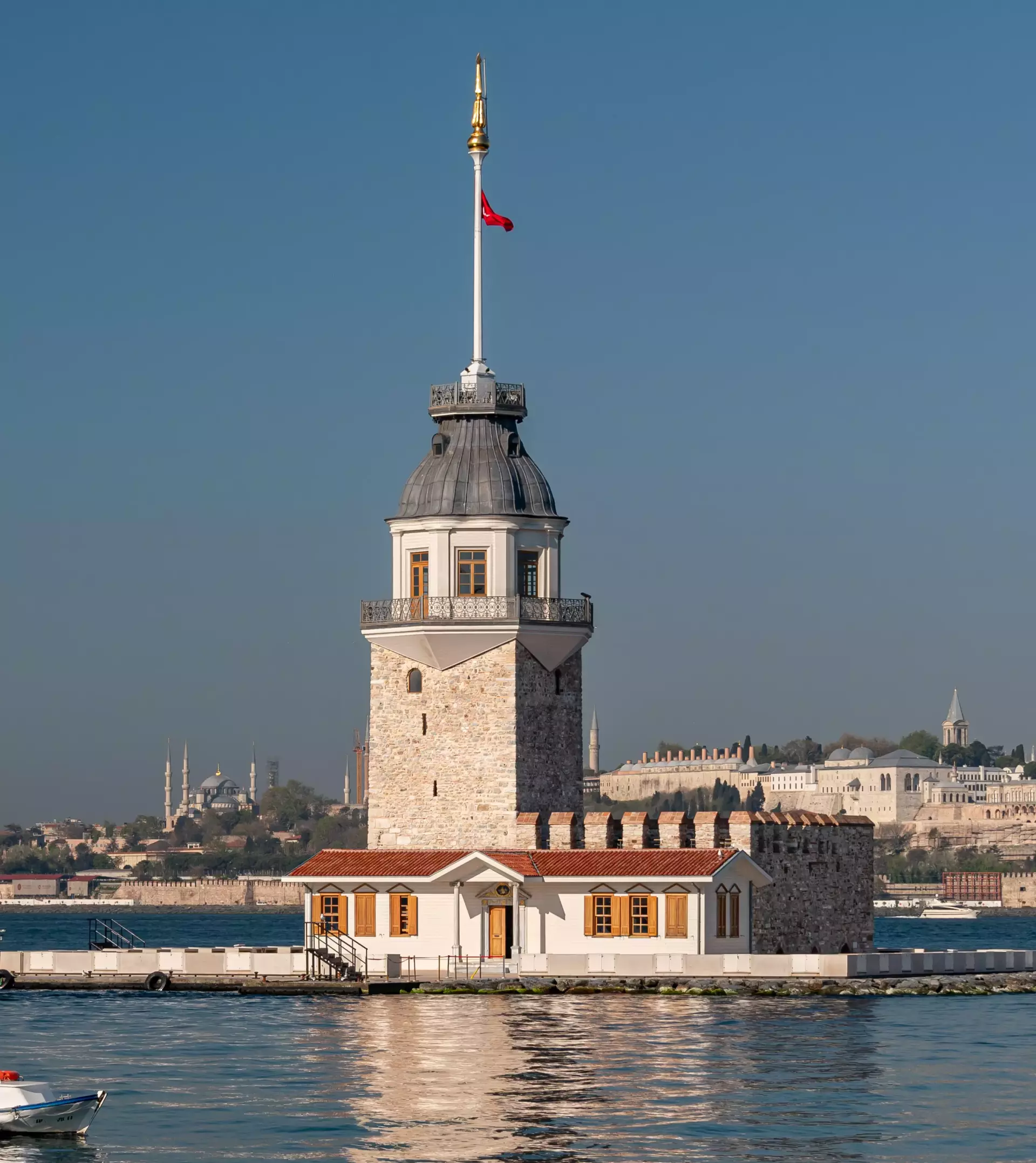
Istanbul, TurkeyOne of the icons of the city is also called the Leander's Tower, on a Bosphorus islet off Salacak. The local myth ascribes its name to a princess, whose father wanted to protect her in this offshore tower from a prophecy that she would be killed by a snakebite on her birthday, but the snake found its way inside a basket of fruits — ironically a birthday present from her father — and you've probably already guessed the rest of the story. In actual timeline, it served as a defensive structure (there was a wall connecting it to the Asian mainland, and the Byzantines used to stretch a chain from here to the European mainland across the mouth of the Bosphorus to shut it to adversary shipping in times of conflict, but they didn't during the final Ottoman siege in 1453), as a customs and quarantine station, as a lighthouse, as a warehouse of various sorts of goods, and as a high-end restaurant before the last restoration finished in 2023 dedicated it as a museum. There is a light show viewable from the mainland every day at 21:00.

Rumelihisarı
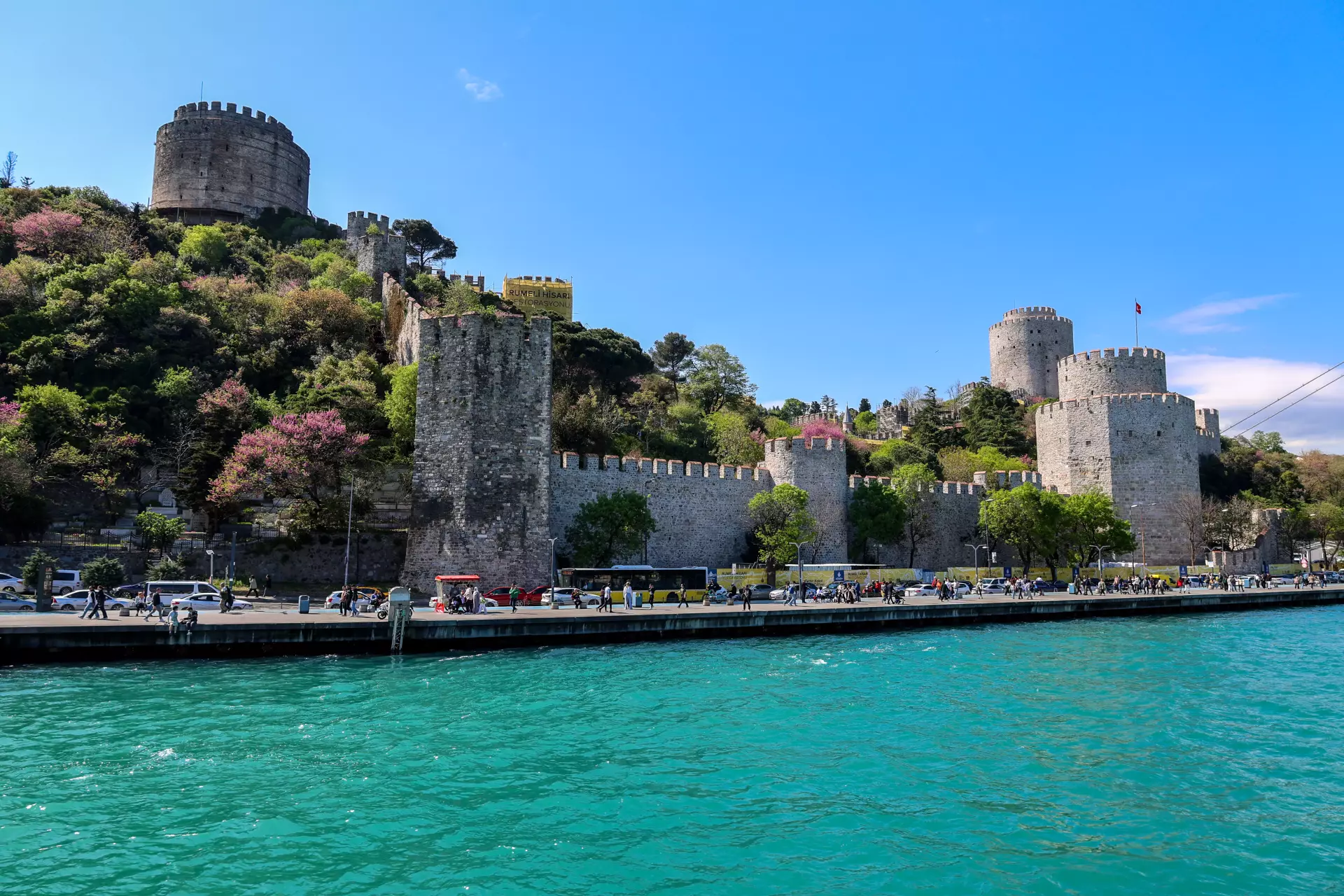
Istanbul, TurkeyBuilt in first half of the 15th century, this is the large medieval castle under the Second Bosphorus Bridge. Its former name Boğazkesen (Turkish)/Laimokopia (Greek) means both "strait-blocker" and "throat-cutter" in both languages and denotes the reason of its building—to shut the supply routes from the Black Sea in the north into the slowly falling apart Byzantine Empire through the Bosphorus. Rumeli, literally "the Roman land", was the name of the European half of the Ottoman Empire, and as is usual with some other structures and villages along the Bosphorus, used as a prefix to differentiate Rumeli Hisarı from its counterpart in the Asian Side, the much smaller Anadolu Hisarı just across the Bosphorus.

Sultan Ahmed Mosque
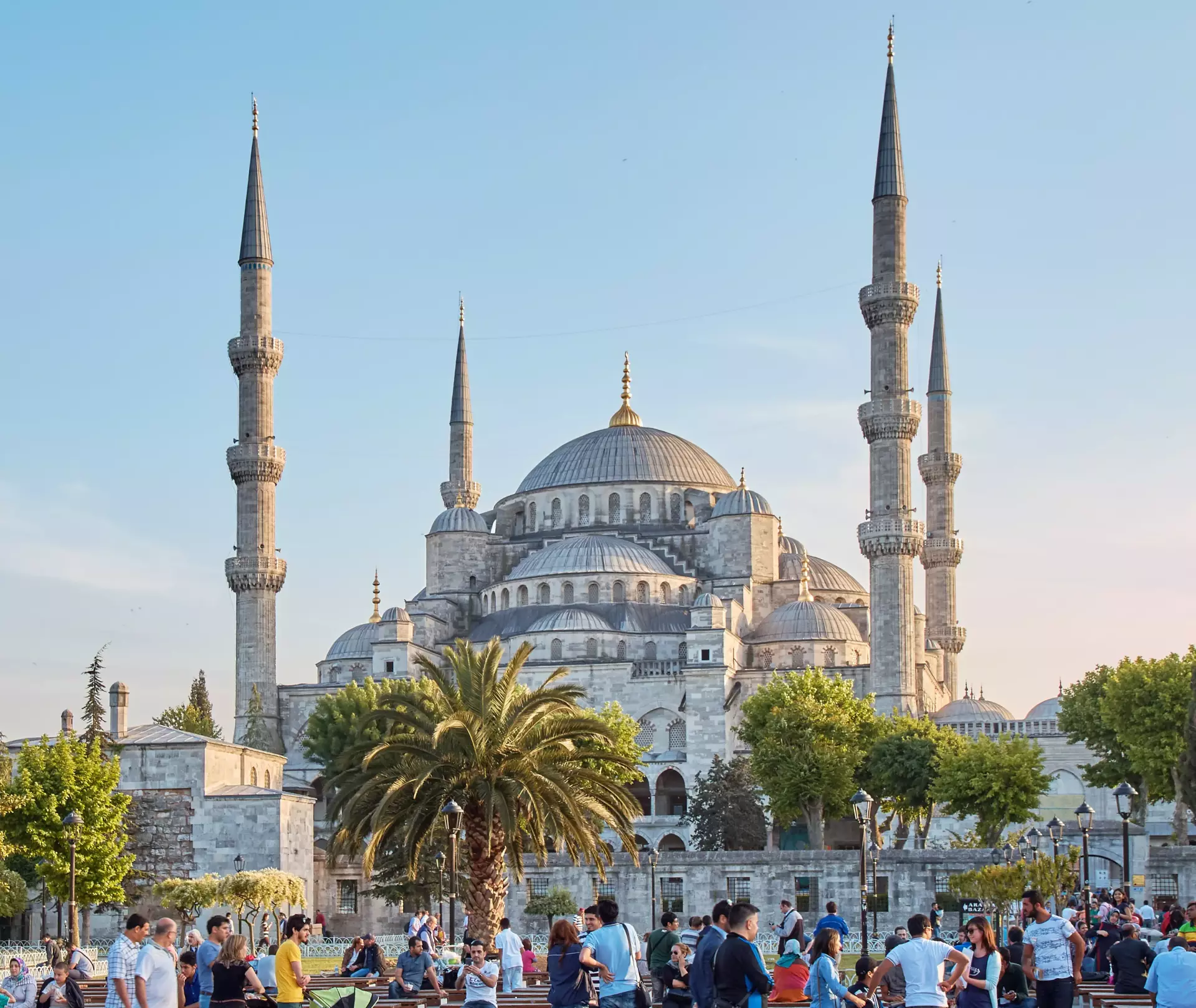
Istanbul, TurkeyThe defining image of Istanbul, dominating the skyline with its great dome and six minarets. Completed in 1617 for Sultan Ahmed I, it's still a working mosque, so dress appropriately and avoid prayer times. Enter via the courtyard on the SW side. You step (shoeless) into the blue-tiled prayer hall beneath the main dome and its semi-domes. The mihrab is of finely carved marble, well-lit, and the minbar (pulpit) next to it is visible from almost all parts.

Pammakaristos Church
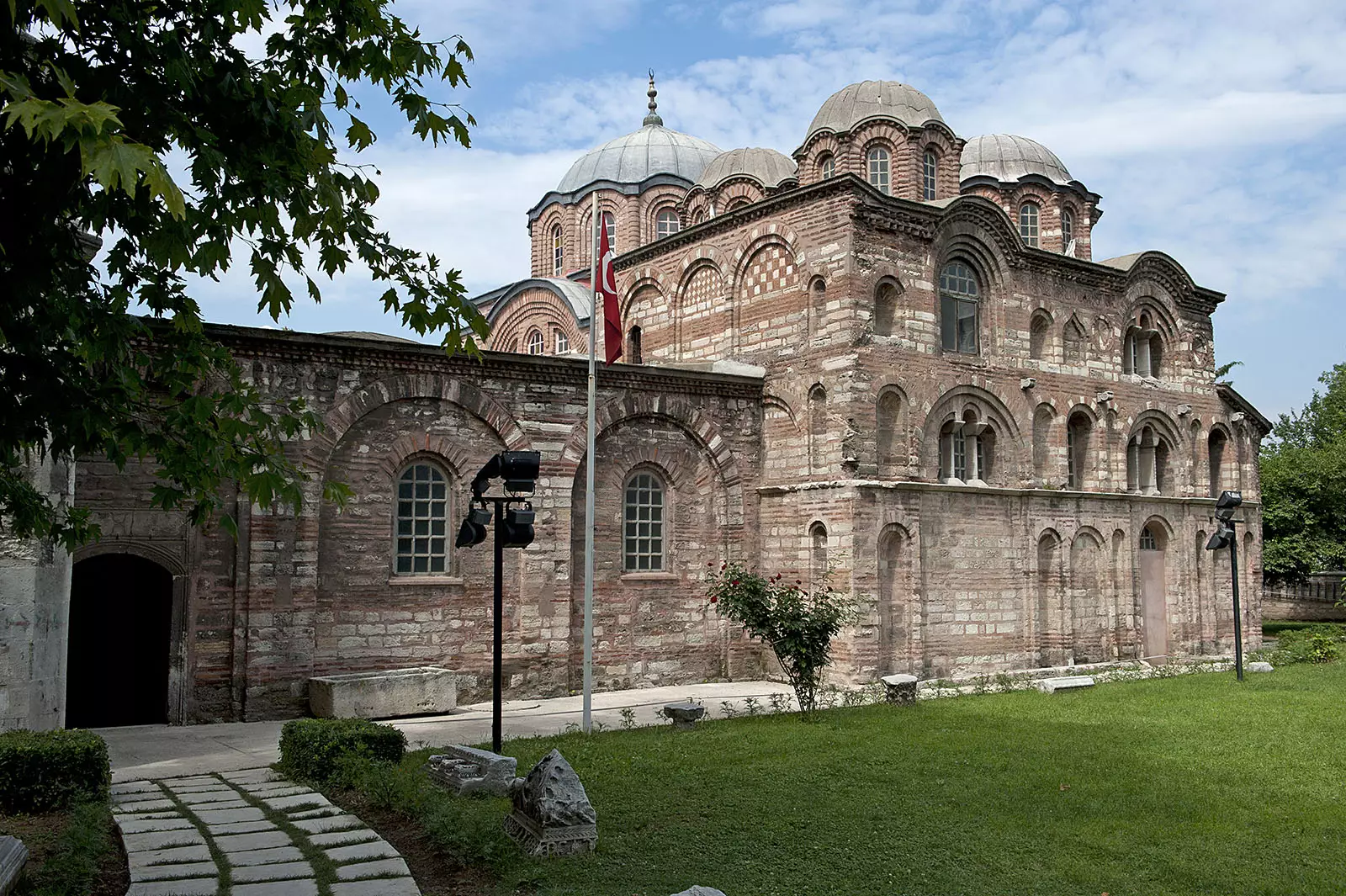
Istanbul, TurkeyThe Church of Theotokos Pammakaristos ("All-Blessed Mother of God") was built between the 11th and 12th centuries. The parekklesion or side-chapel was added maybe 1300, with rich mosaics. The main building became a mosque in 1591, named for Sultan Murad III's conquest (fetih, hence Fethiye) of Georgia and Azerbaijan: the interior was opened up, but the chapel was undisturbed and in modern times became a museum. In 2020 the entire building was proclaimed a mosque, and every scrap of Byzantine artistry was covered up, so now there's nothing worth seeing.

Istanbul Archaeology Museums
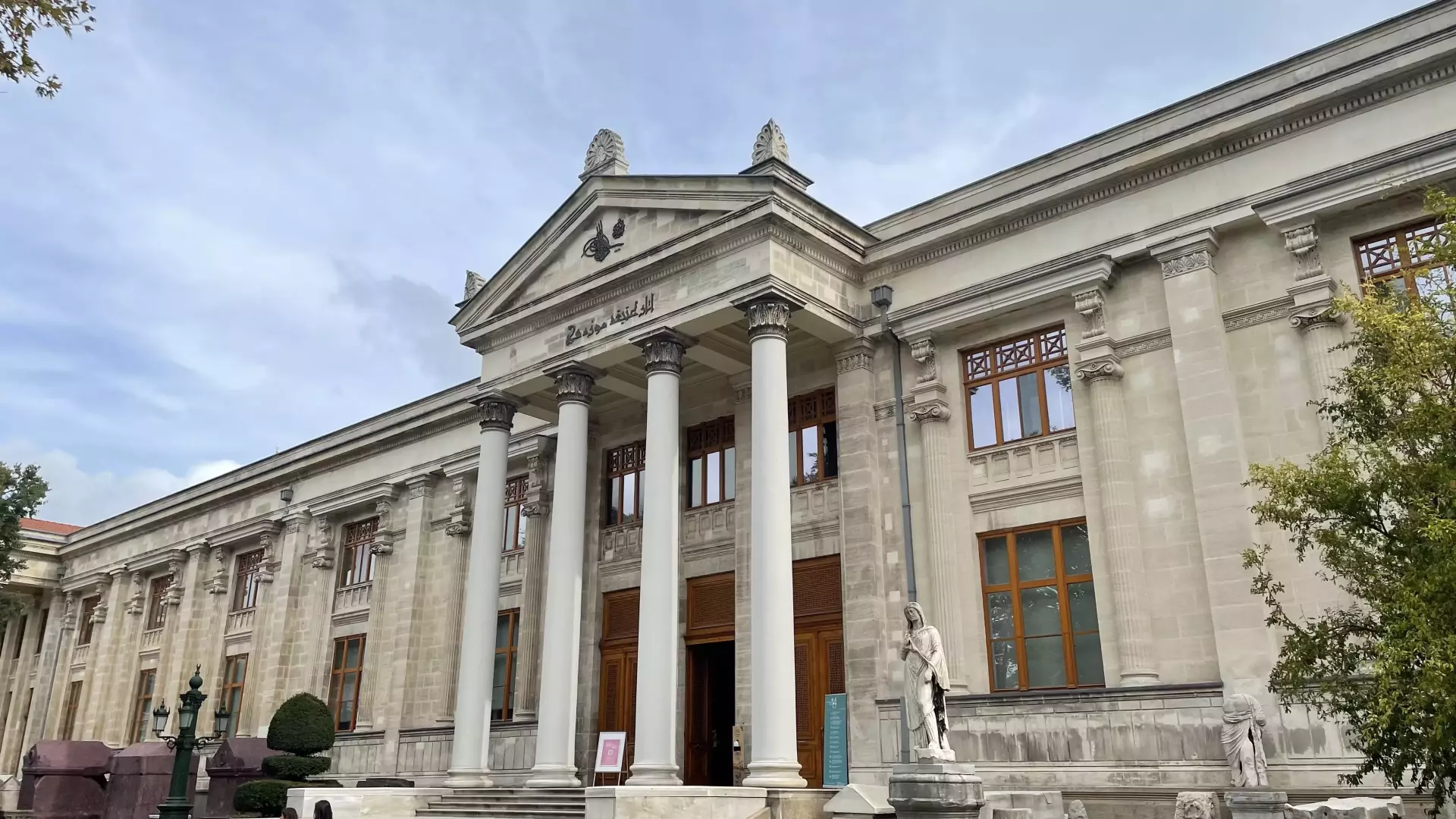
Istanbul, TurkeyTurkey was slow to protect its antiquities and to display them properly, but in 1867 Sultan Abdülaziz toured the museums of Paris, London and Vienna and saw what was needed. The main collection is in a grand neo-classical building of 1891, with two annexes for ancient art and Islamic art. Exhibits include Sumerian tablets, pieces of the wall of Babylon, Roman statues, and the sarcophagus of Alexander the Great, which he never lay in.

Eyüp Sultan Mosque
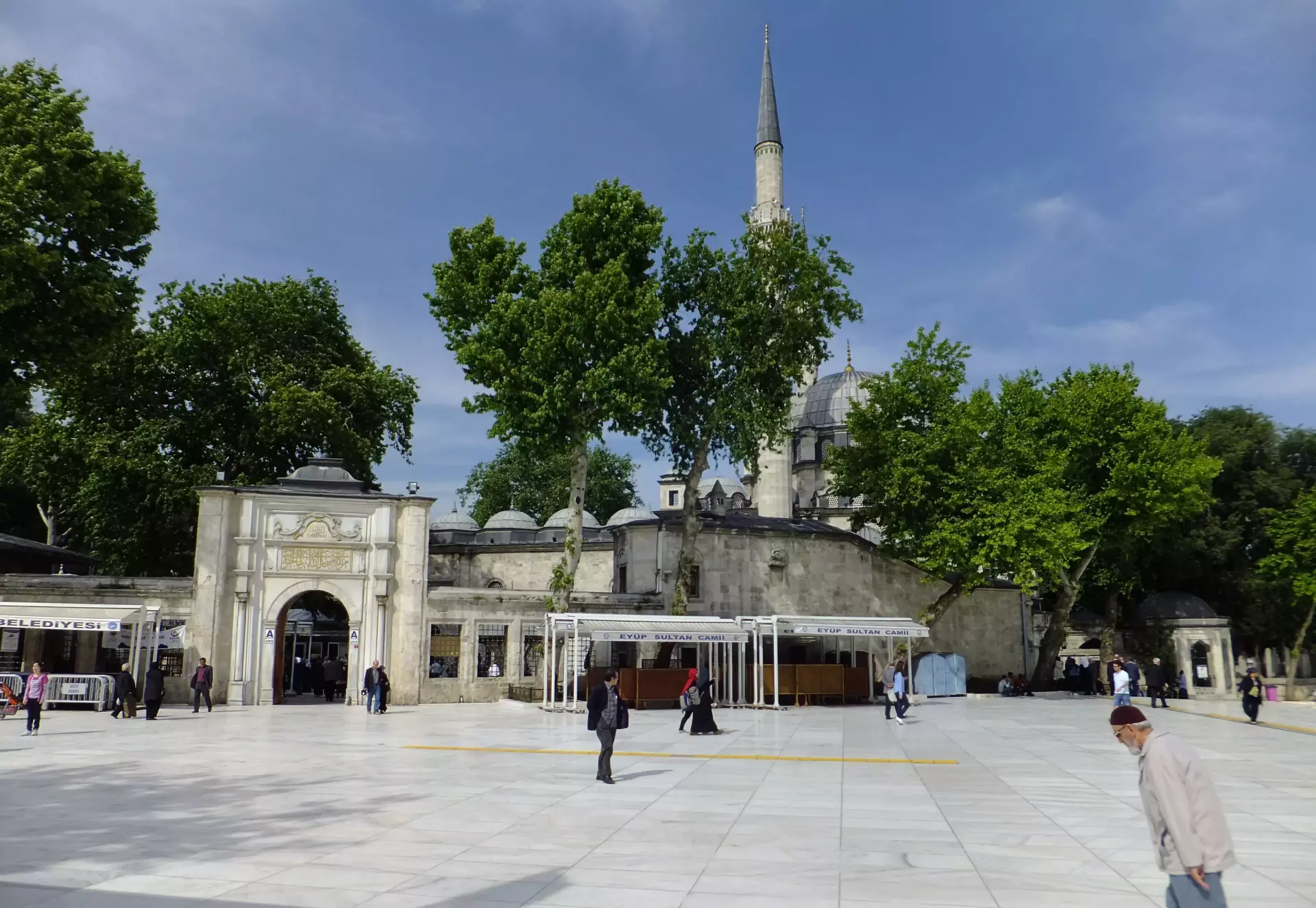
Istanbul, TurkeyThis is the main attraction around this part of the city. The holiest Islamic shrine in the city, the complex includes, right next to the mosque, the tomb of Abu Ayyub al-Ansari (Eyüp Ensari Türbesi), the standard bearer of Prophet Mohammad, died and buried here during the first Muslim siege of Constantinople (674-678 AD). The neighbourhood was named after him. Muslims flock here (in such huge numbers that sometimes you have to queue for a few minutes before entering the tomb) also to see a rather uninteresting plaque made of plastic, which is purported to be Mohammad's footprint. The interior of the tomb, covered with fine tiles/faience, is nonetheless well worth a look, however. It is also interesting to see the devout Muslims leaving the place by walking backwards through its exit hallway, as not to turn their backs to al-Ansari's catafalque, though obviously no one expects everyone to quit the place in the same manner.

The Museum of Innocence
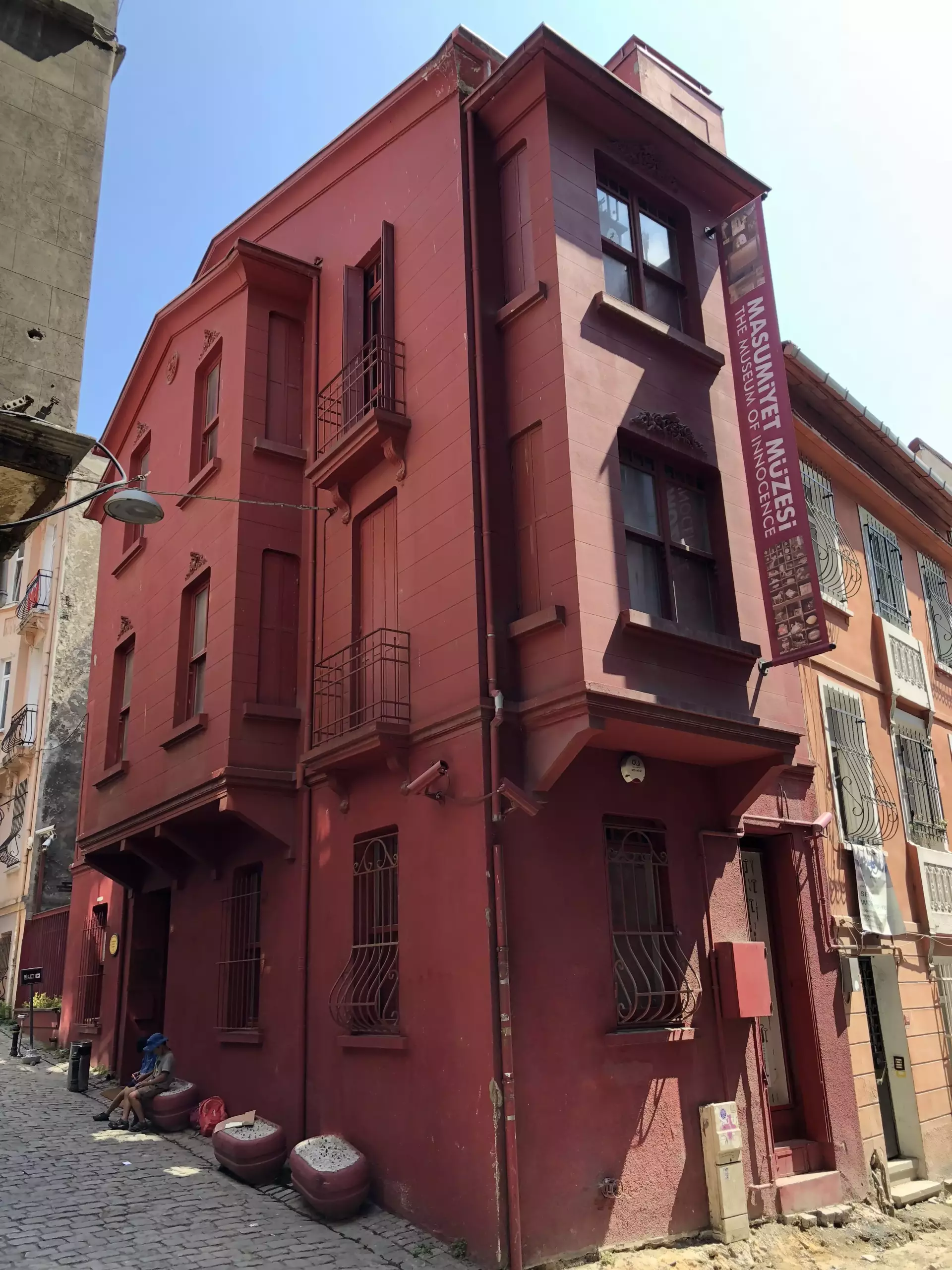
Istanbul, TurkeyOpened in 2012, this museum is unique and a must-see when you are in the Beyoğlu area. It was created by Turkish Nobel laureate Orhan Pamuk alongside a novel of the same name. It tells the love story of the two main characters from the novel, and represents life in Istanbul during the late 1970s to early 1980s, as it exhibits thousands of objects from that era.

Little Hagia Sophia
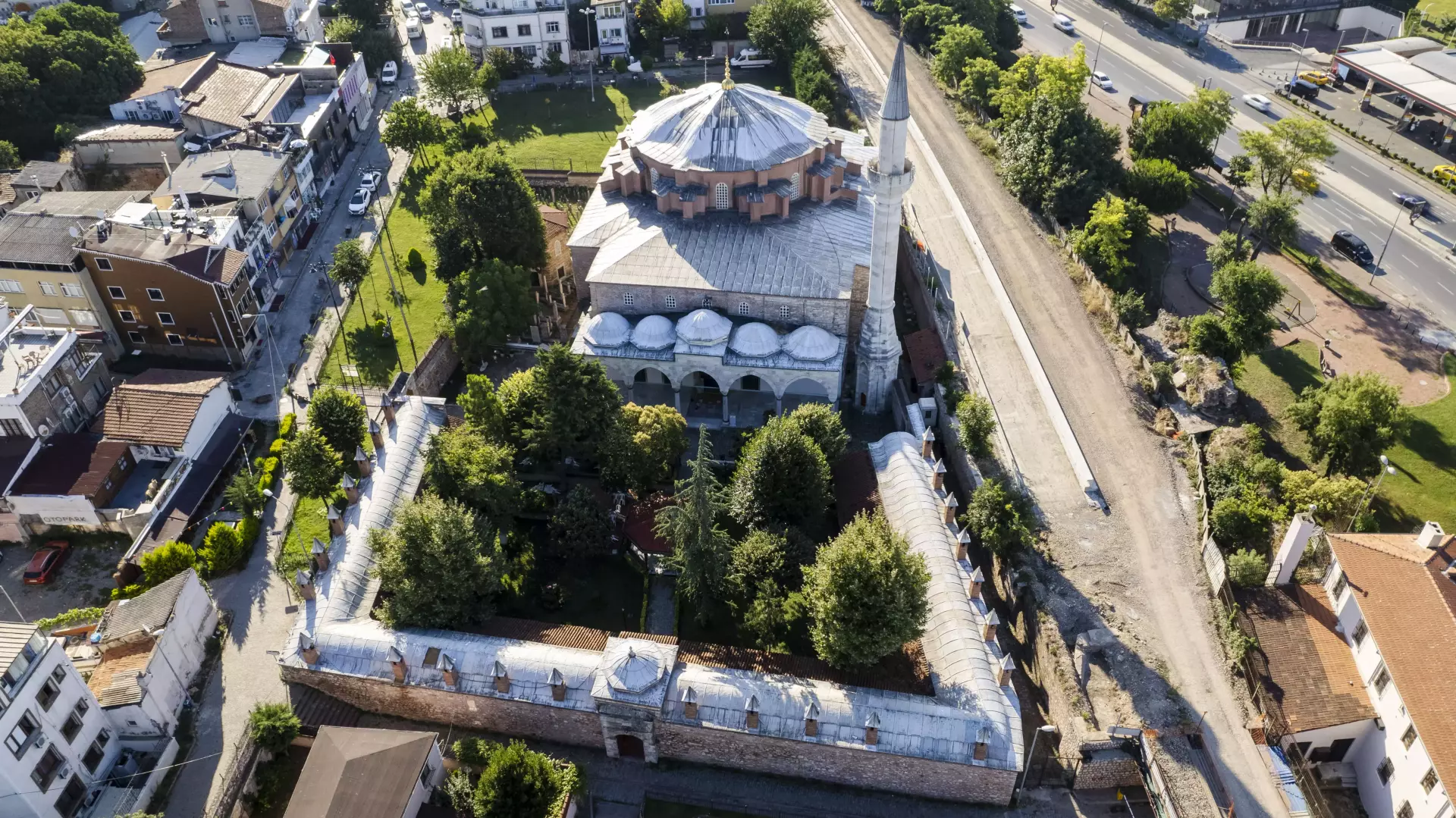
Istanbul, TurkeyBuilt as the Church of Saints Sergius and Bacchus around 530 AD, the same time as Hagia Sophia, but their styles differ. Transformed into a mosque in the early 1500s, it's beautifully decorated, with fine marble details, and has a pleasanter atmosphere than the larger busy mosques. The adjoining madrasa houses craft shops.

Zeyrek Mosque
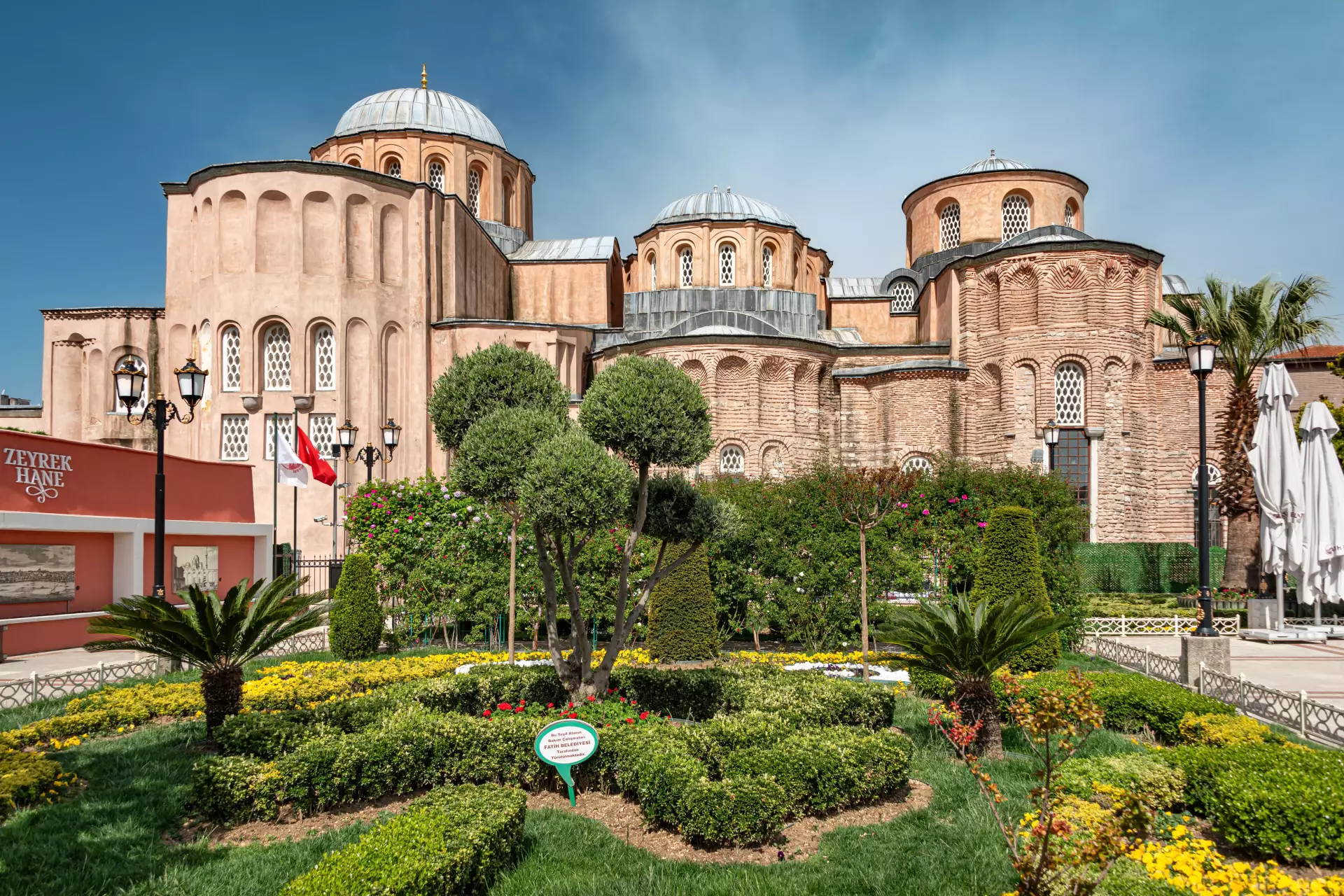
Istanbul, TurkeyThis is a triple structure: the church of the Monastery of Pantokrator built 1118, then a public church circa 1136 plus a chapel that served as a royal mausoleum. It became a mosque and medresse in Ottoman times, but without massive alteration so it's a prime example of middle-Byzantine architecture. It's nowadays again a mosque, photogenic by day or dusk but the area should be avoided at night.

Silivri
Istanbul, TurkeyA resort on the Marmara coast. It's the westernmost part of Istanbul, between Çatalca and the province of Tekirdağ. There are some remnants of the Anastasian wall here, the scrappy ruins of a castle, an ancient cistern, the Piri Paşa Mosque, and Uzunköprü the long aqueduct.

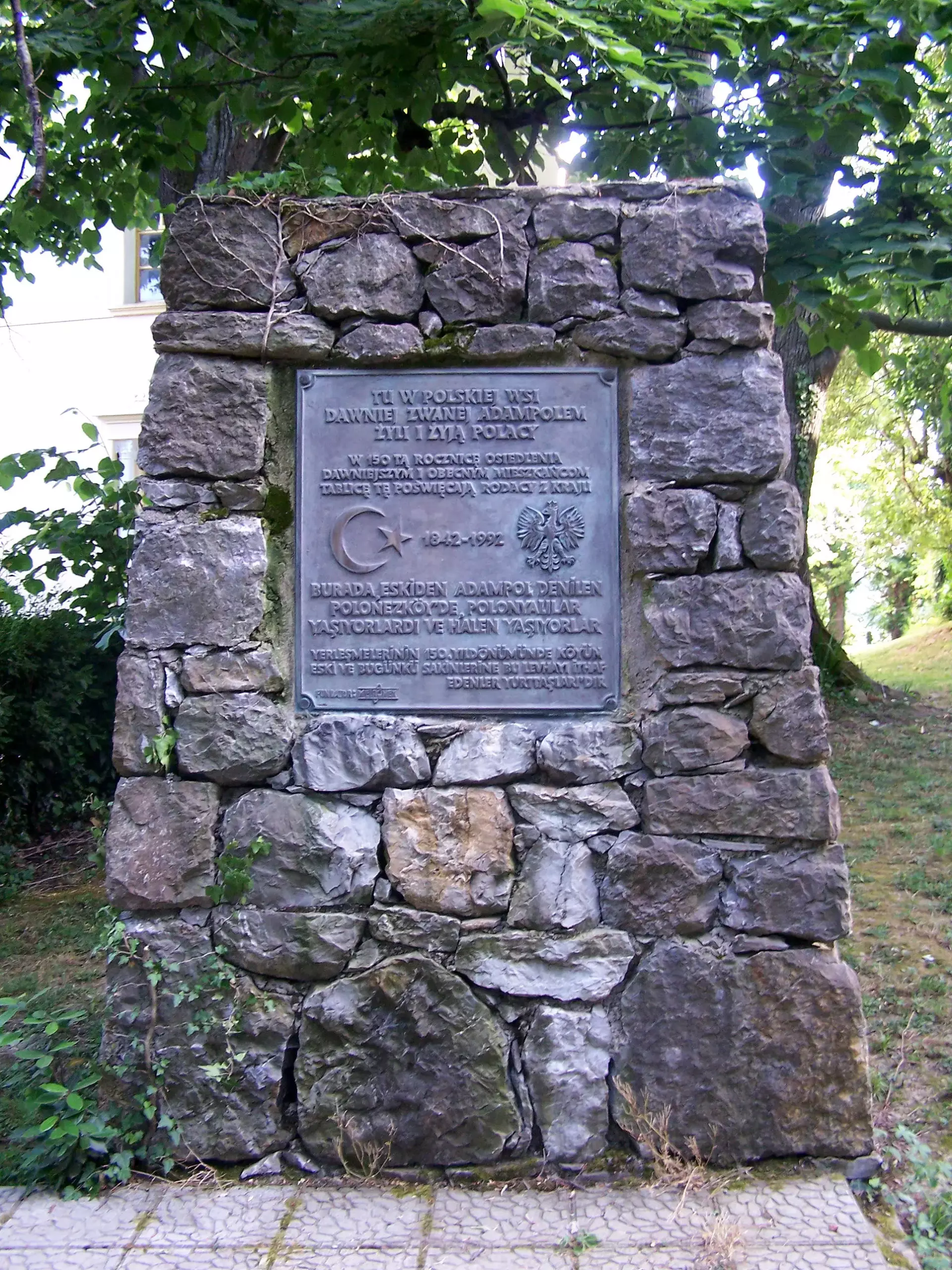
Polonezköy
Istanbul, TurkeyThe "Polish village" was founded in 1842 by Polish settlers in the wake of the failed uprising against Russian Imperial rule, and reinforced by more settlers after every subsequent civil upheaval until Poland's independence in 1918. Most then returned, but several stayed on, adopting Turkish citizenship but maintaining their Polish language and culture. The village has houses in traditional Polish style, a 1914 little Catholic chapel, and the Church of Matka Boska Częstochowska. It's set in woodland (a nature park) and is a popular day-trip from the city. There's four restaurants and half a dozen small hotels, plus more of each in nearby Beykoz.

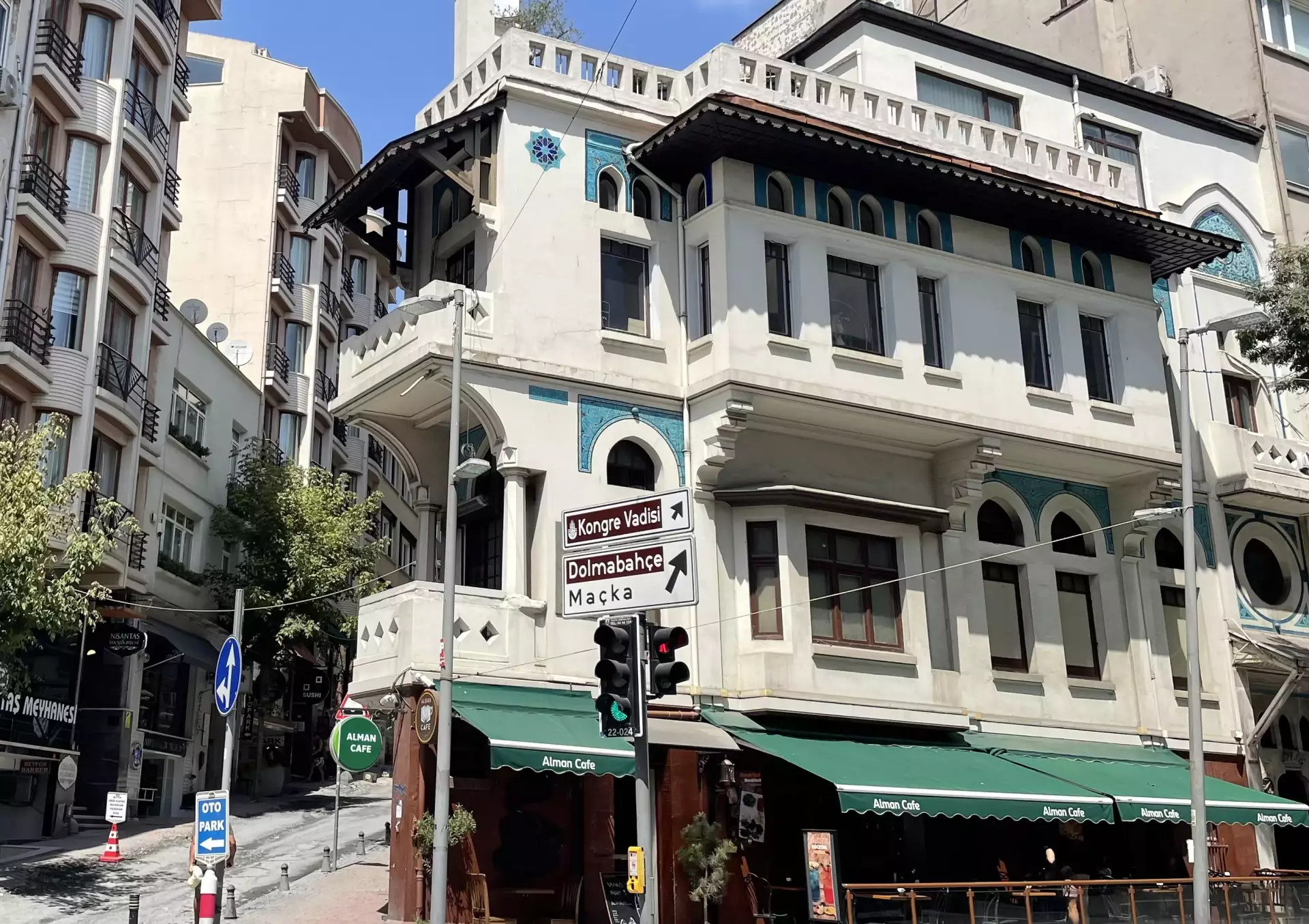
Nişantaşı
Istanbul, TurkeyA neighbourhood east of Şişli known for its Art Nouveau apartment buildings, the ground floors of many of which are upmarket restaurants, cafes, pubs, and garment stores lining the sidewalks. Nobel laureate Orhan Pamuk, well-known Turkish novelist, is a lifelong resident of the neighbourhood which formed the background of several of his novels.

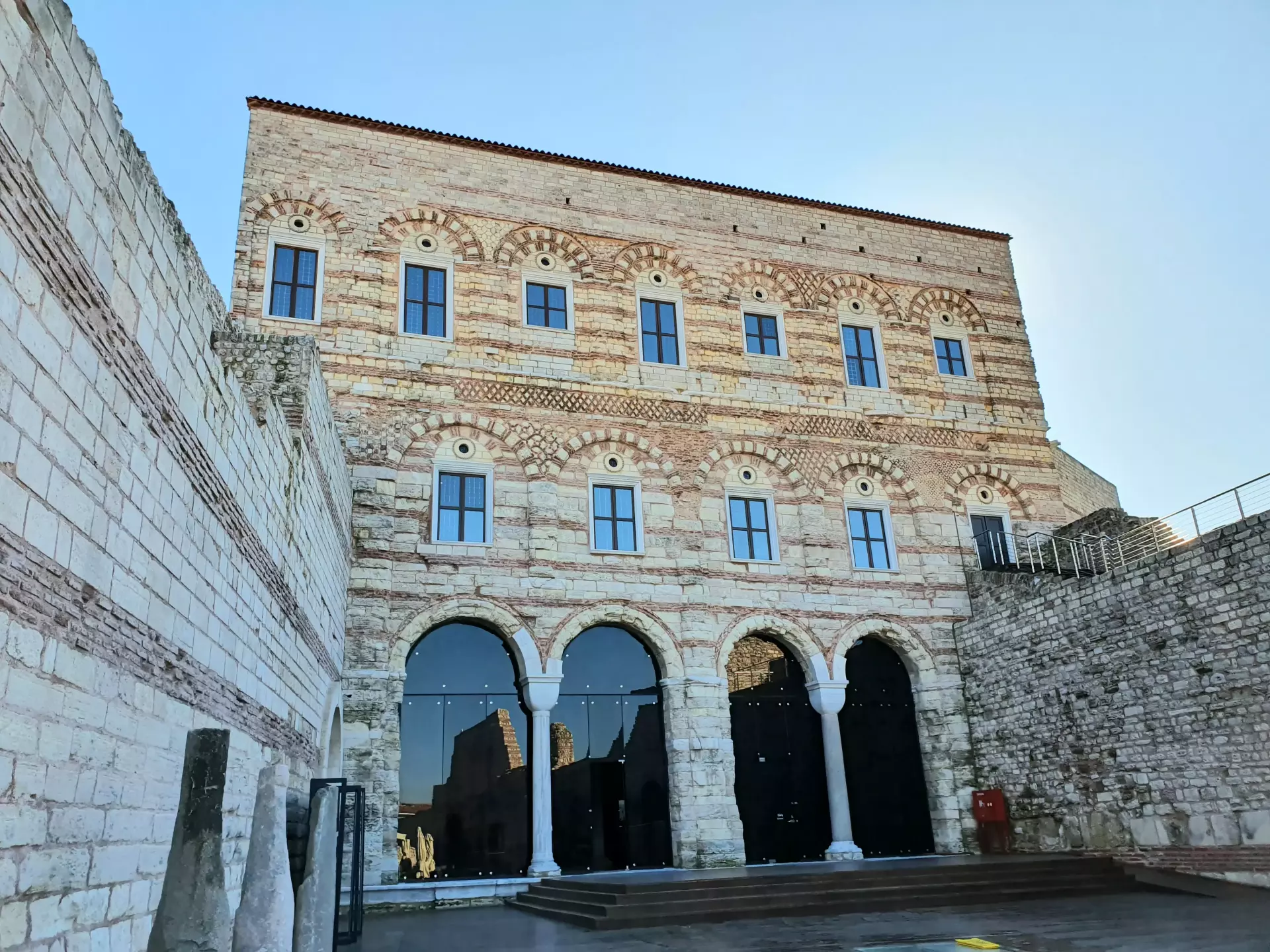
Palace of the Porphyrogenitus
Istanbul, TurkeyThe Byzantines built several great palaces in Constantinople and this is the only one to survive almost intact. It's from the late 13th century, in typical alternating marble and red-brick rows, and was an imperial residence: Porphyrogenitus means "born to the purple" indicating the heir to the crown. Yet it was merely an annex or pavilion within the much greater Palace of Blachernae, of which nothing else remains. It's set within the north end of the Theodosian Walls and was much bashed during the Ottoman capture. Later it was variously a menagerie, brothel, pottery, poorhouse and bottle works, then fell derelict in the 20th century. In 2021 it re-opened as a museum.

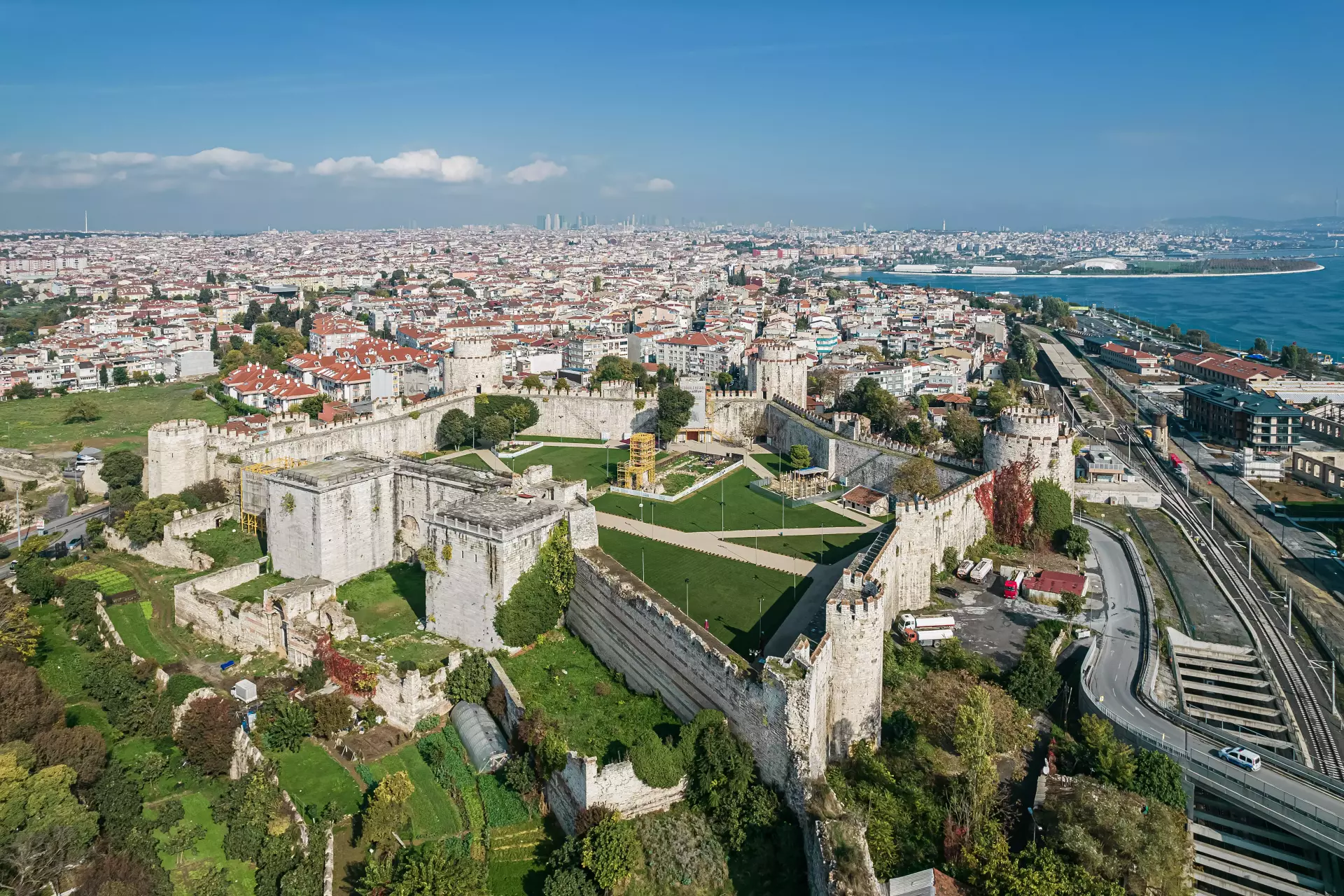
Yedikule Fortress
Istanbul, TurkeyThe Golden Gate was the ceremonial entrance through the Theodosian city walls. After the Ottomans captured the city in 1453, Mehmed II needed a stronghold for his treasures and documents. The gate was therefore bricked up and the walls reinforced into a fortress, with valuables stored in its seven towers, hence yedi kule. In the following century the treasury moved to Topkapi Palace and the fort became a prison for high-level detainees - Osman II was strangled here in 1622. It remained in use until 1837, whereupon the Golden Gate was re-opened.

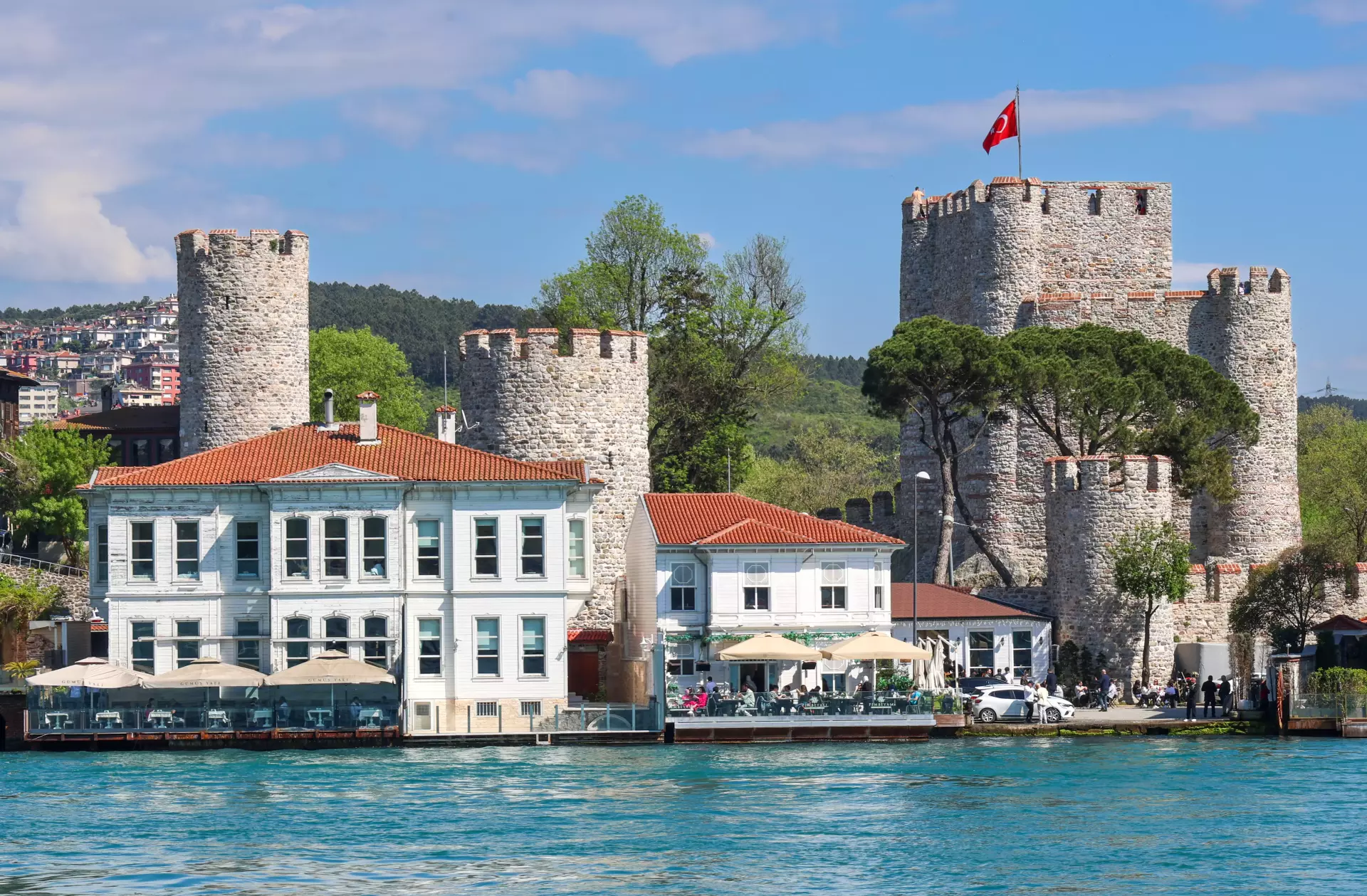
Anadoluhisarı
Istanbul, TurkeyA medieval citadel on the Bosphorus at the mouth of the Göksu creek. It was built in the late 14th century to control (polite word for "choke off") shipping along the Bosphorus, which narrows to 660 m at this point. It worked in tandem with Rumeli Citadel, built some 50 years later on the European bank. It fell into disrepair but was restored in the 1990s. You can't go in, but it's a pleasant setting; the entire village is named Anadolu Hisarı after the fort and has many traditional wooden houses (yalı). Ferries along the Bosphorus call here.

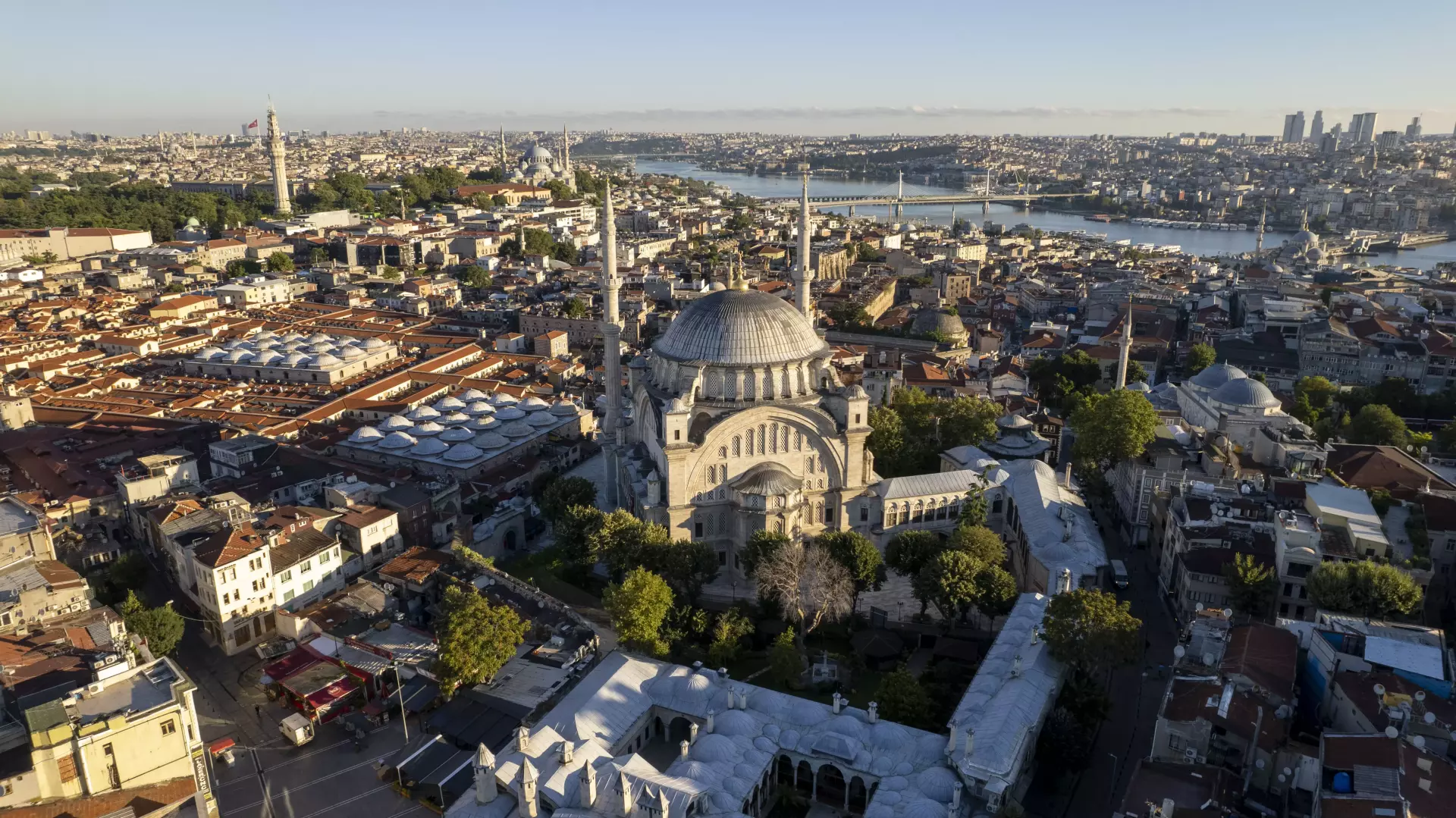
Nuruosmaniye Mosque
Istanbul, TurkeyBuilt 1748-55, this launched the style we call Ottoman Baroque, with its grand central dome and pencil-thin minarets. It was copied throughout their empire and is replicated in new mosques even today. The name means "light of the Ottomans," and the interior uses light powdery decor, bathed with much more natural light than its gloomier classical predecessors. The complex also has a madrasa and the imaret (public soup kitchen).

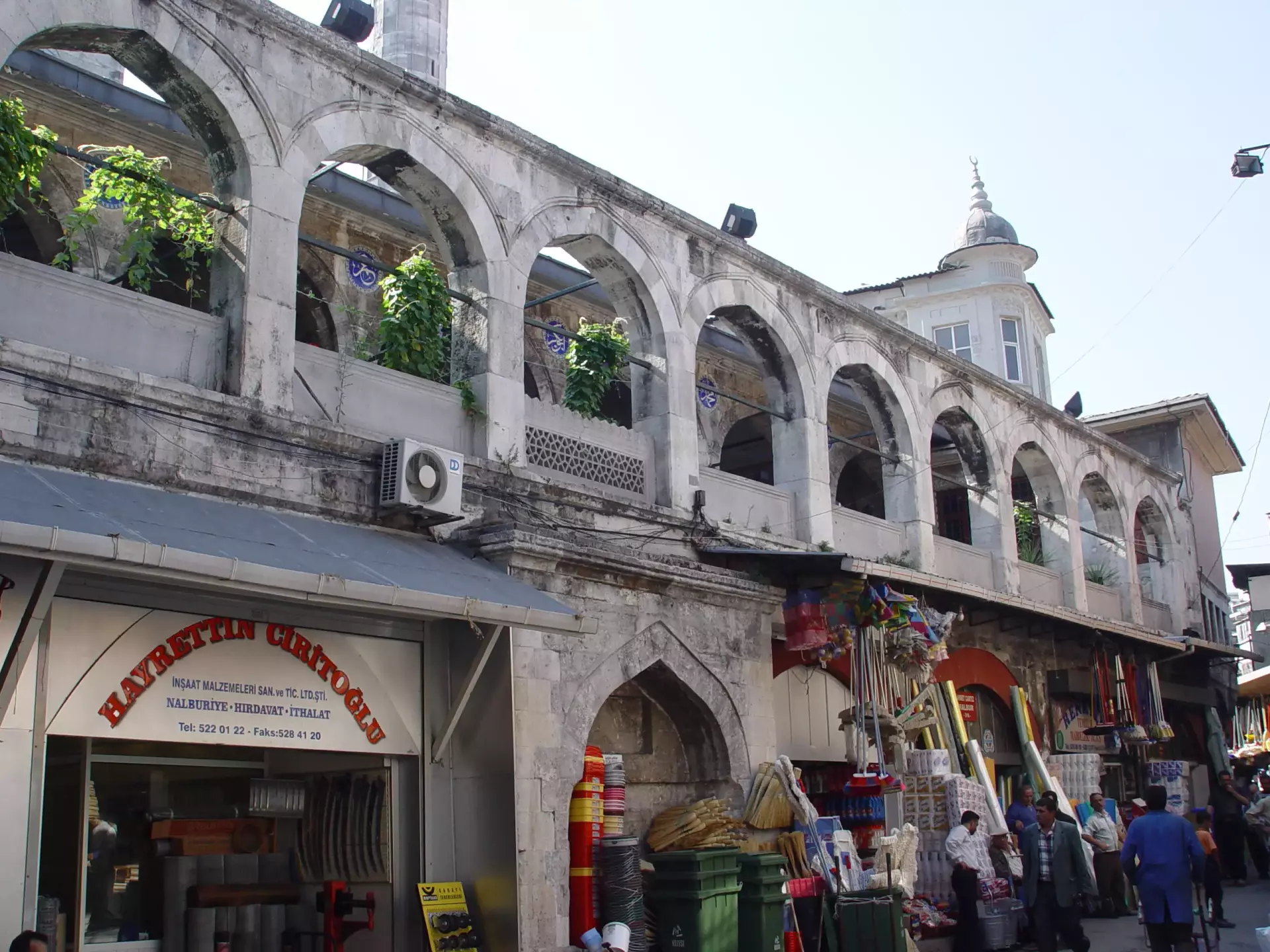
Rüstem Pasha Mosque
Istanbul, TurkeyBuilt in 1564 by Mimar Sinan for Rüstem Pasha, Grand Vizier of Suleiman the Magnificent, this small mosque has an interior covered by beautiful Iznik pottery, then at its zenith.

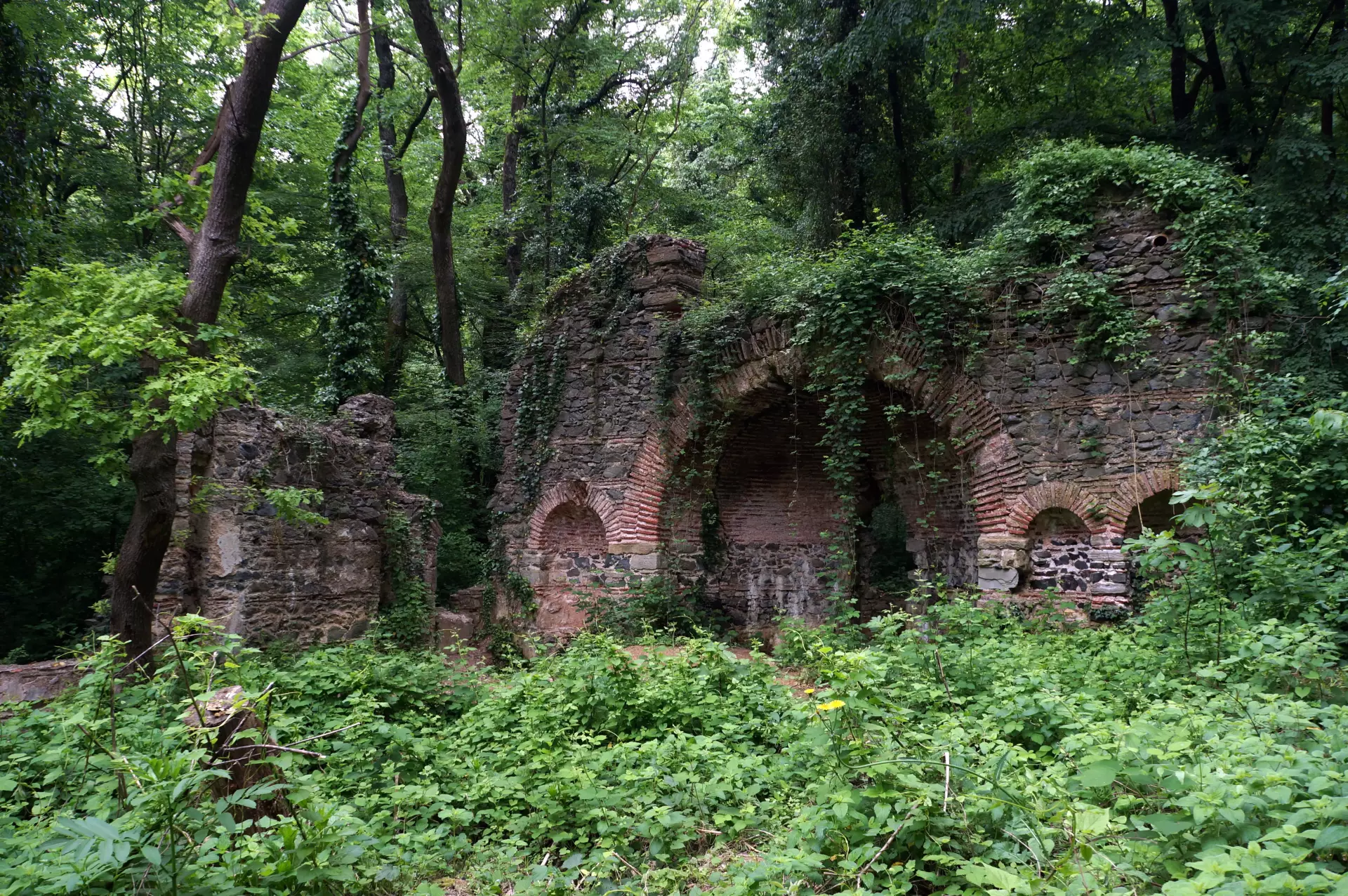
Belgrad Forest
Istanbul, TurkeyNamed after a 16th-century village, founded by Serbs deported from Belgrade when it fell to the Ottomans. The village was popular as a forest resort, but its inhabitants were resettled in the 19th century and it's now a bosky ruin. The forest is mostly primordial and deciduous, predominantly oak. It's dotted with ancient aqueducts and dams as this area was a water catchment for Constantinople / Istanbul, and has lots of walking jogging and cycling trails and picnic areas. The two main ways in are via Bahçeköy (near the Arboretum entrance) and Kemerburgaz (which has the best aqueducts). There's a small access toll. The forest is supposedly a protected area but is being encroached on by highways and suburbs: this is likely to get worse as the access route to Istanbul's new airport leads right through it.

