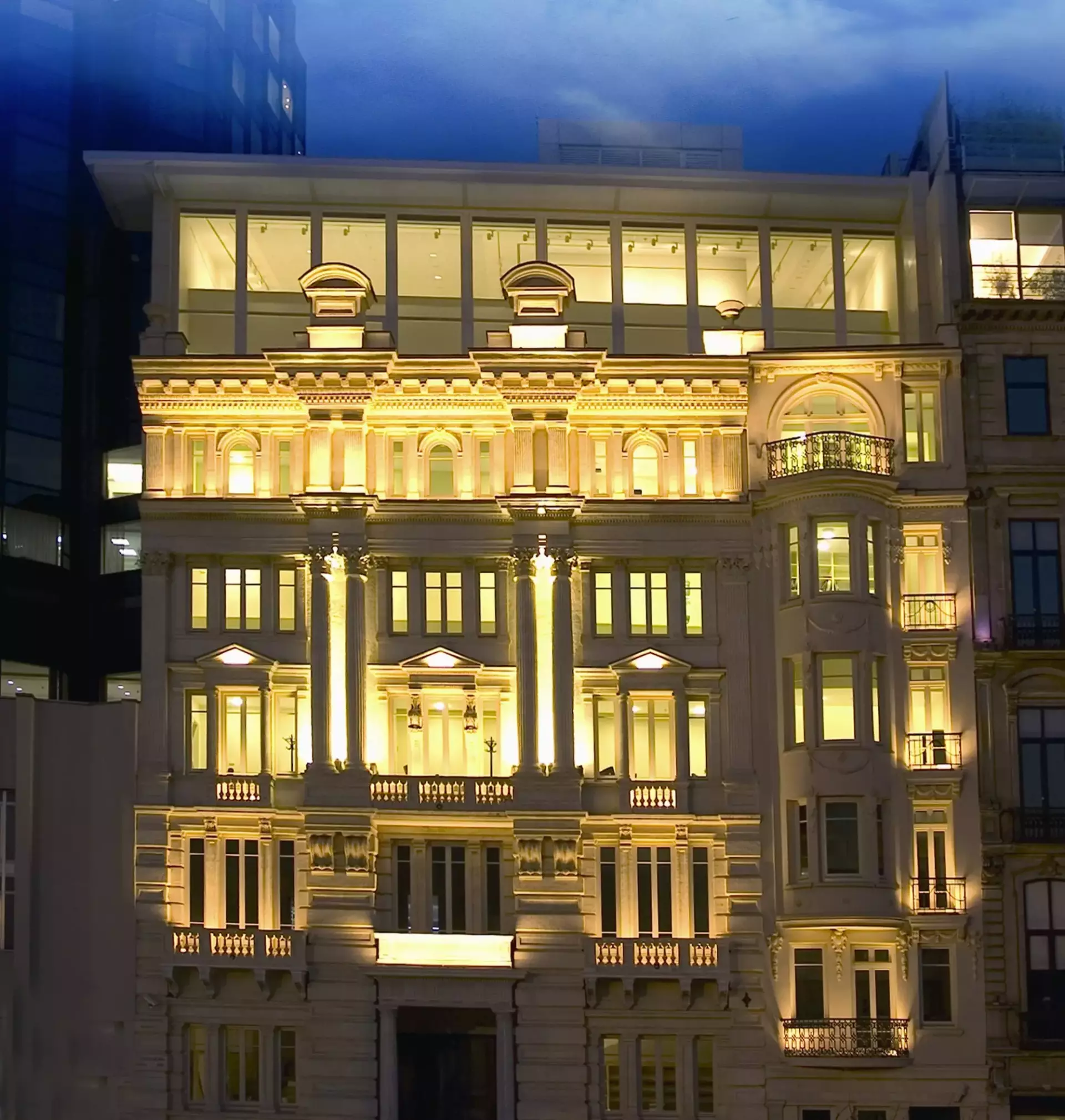
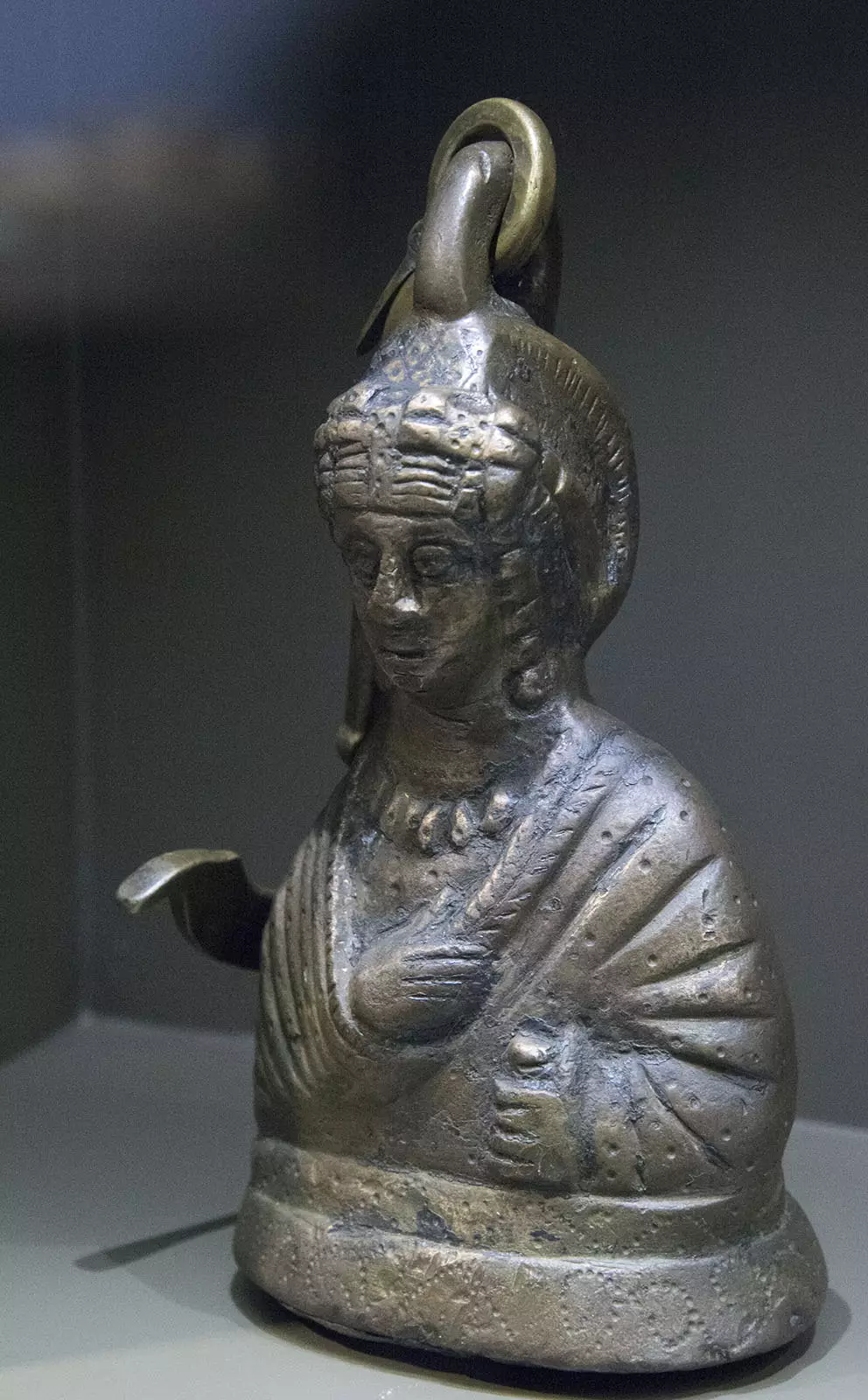
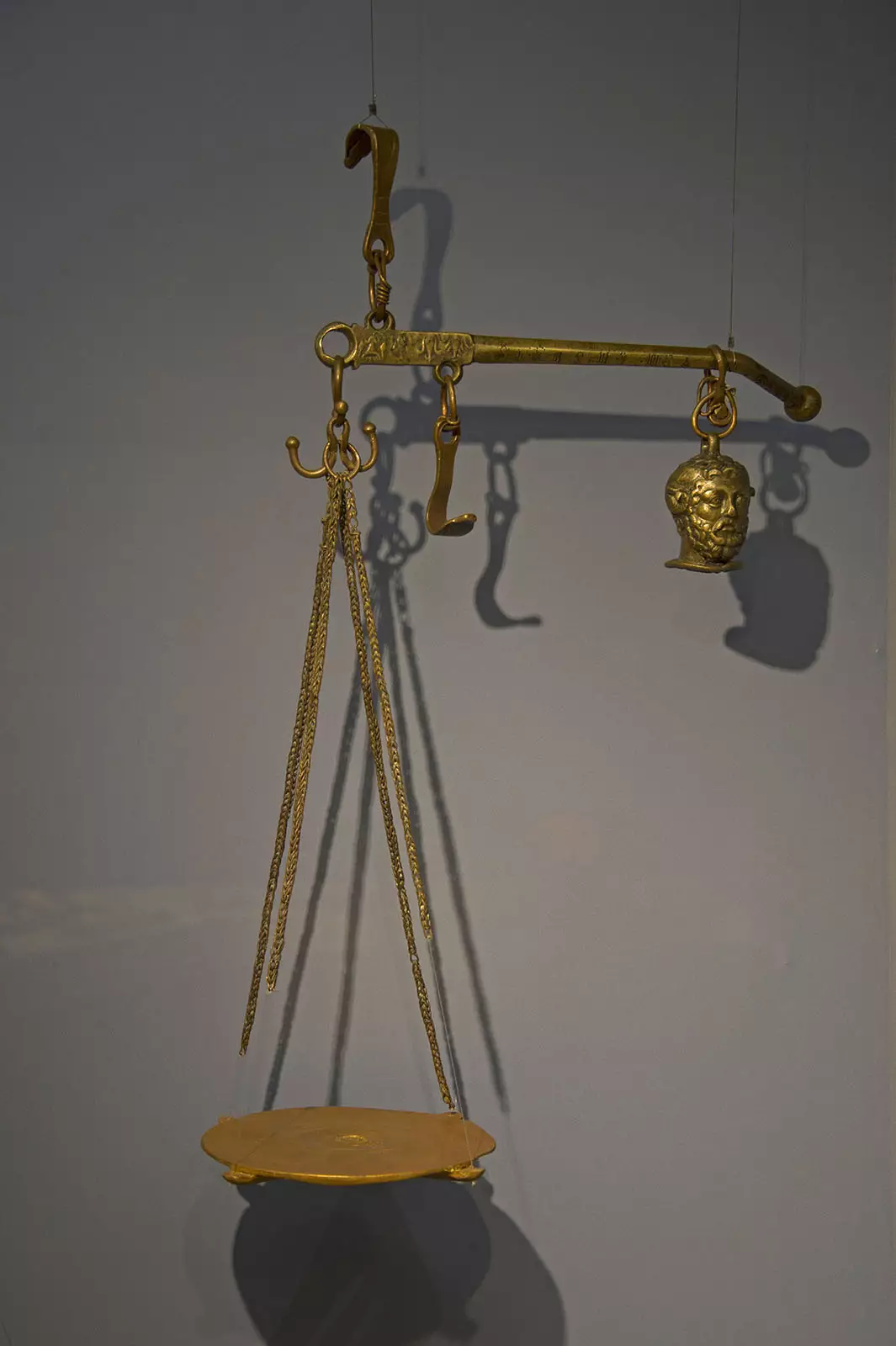
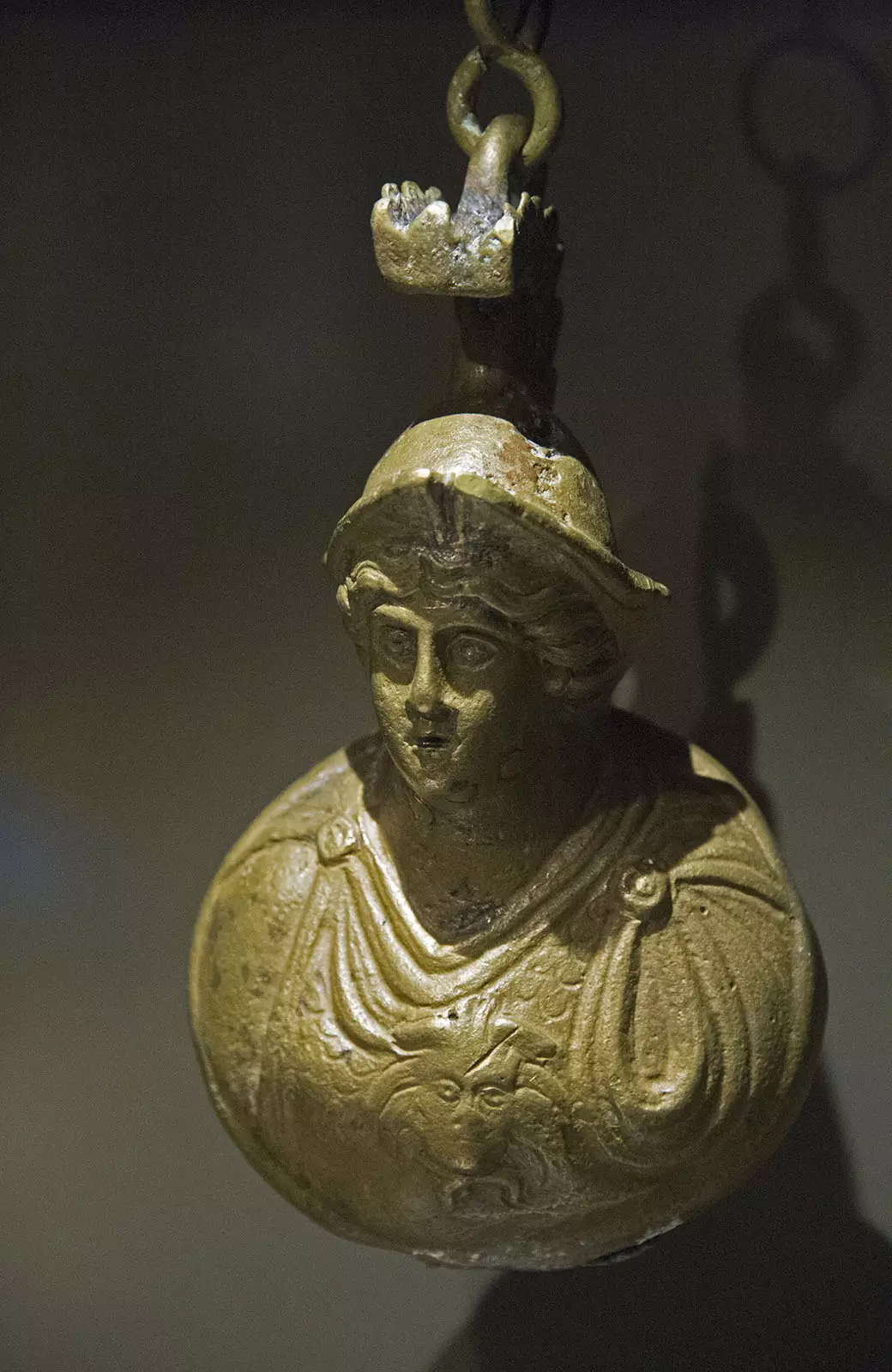
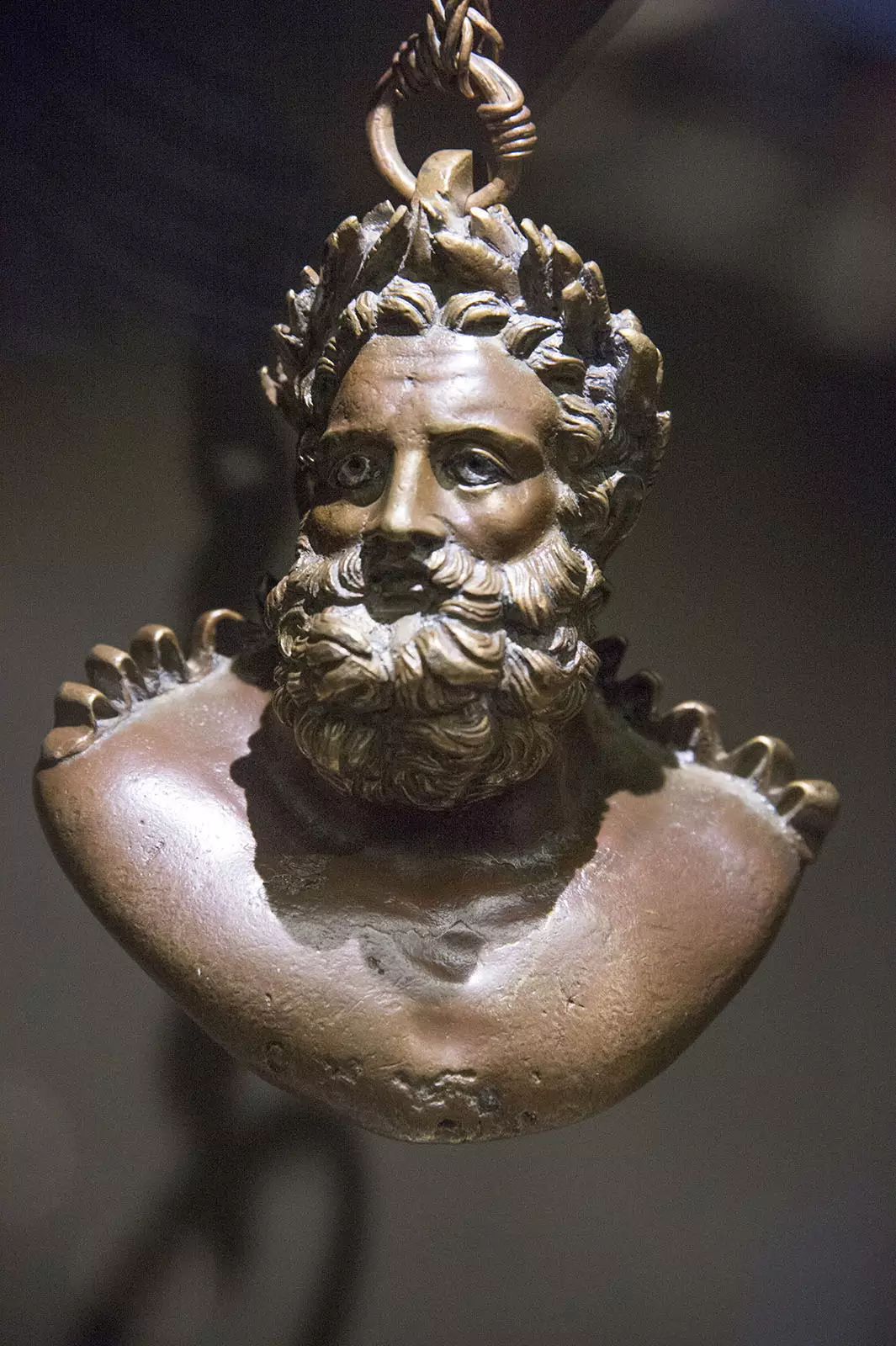
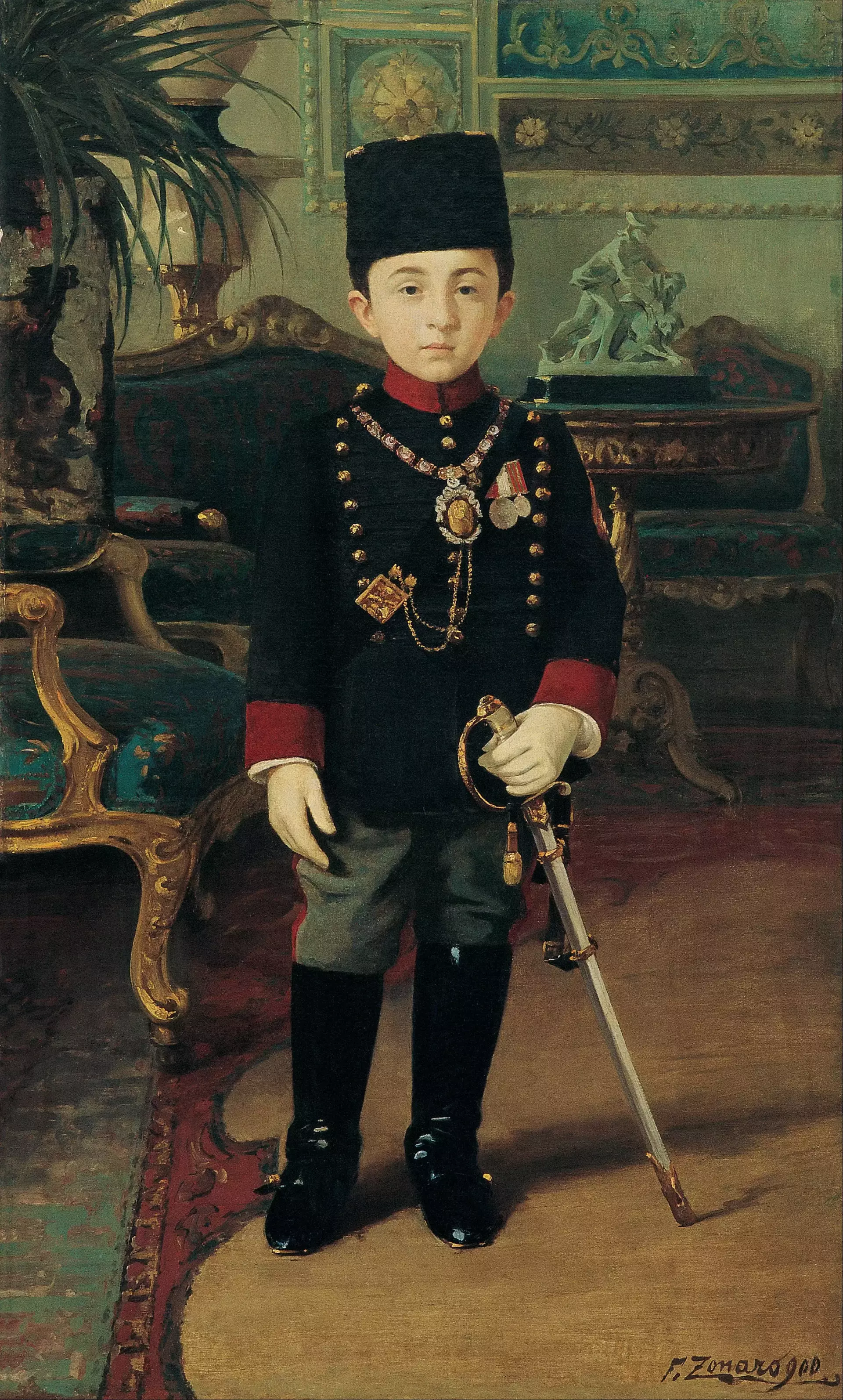
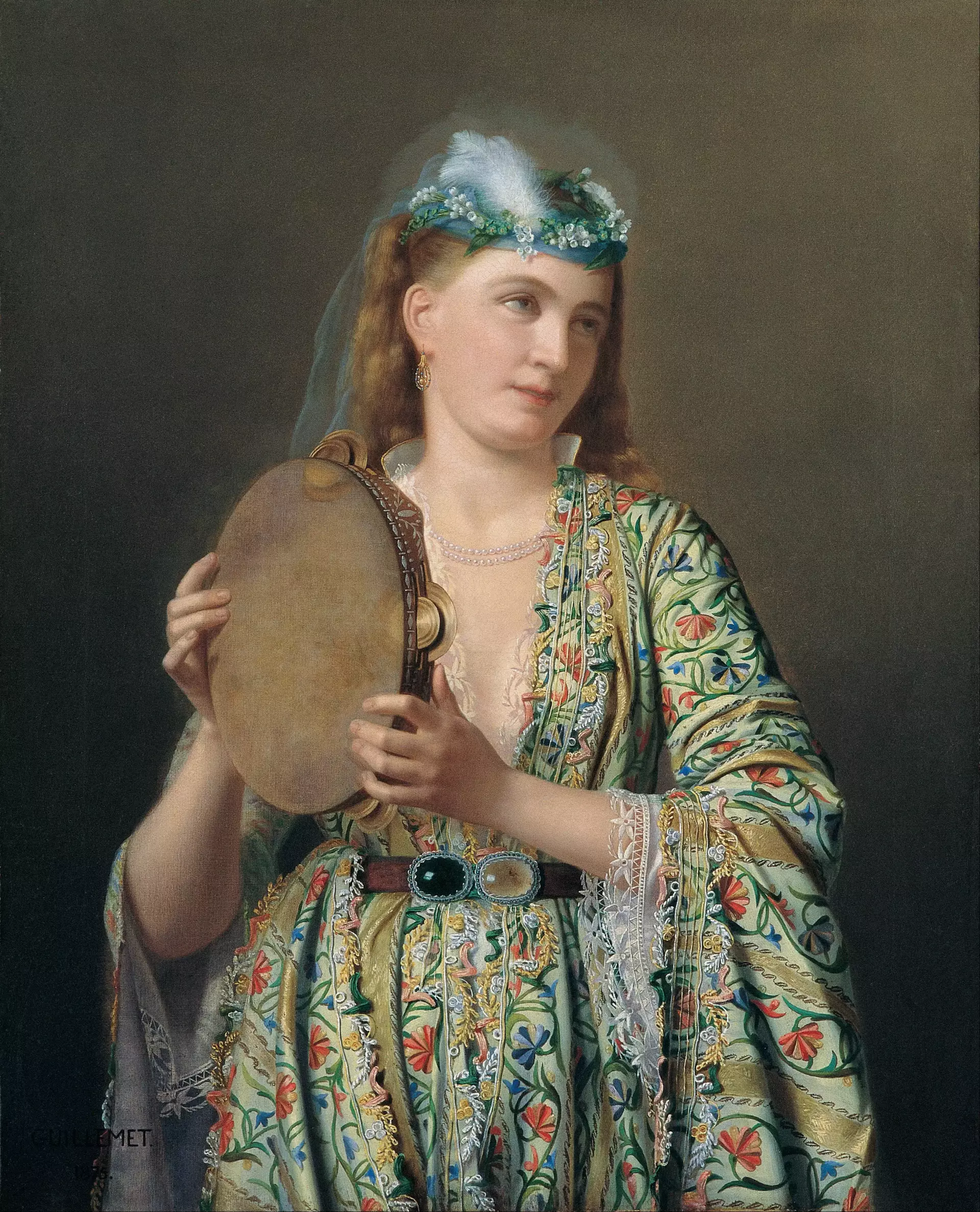
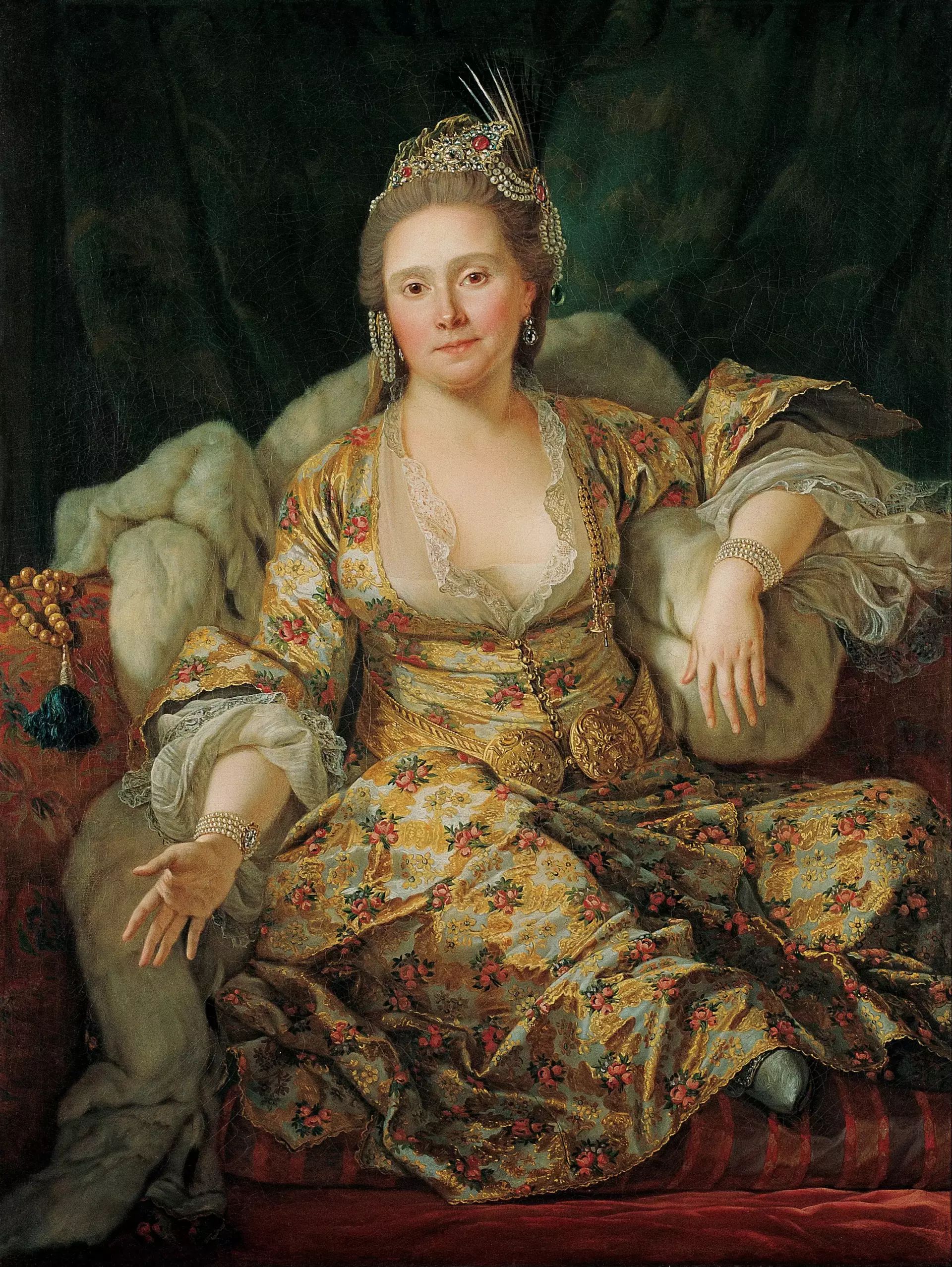
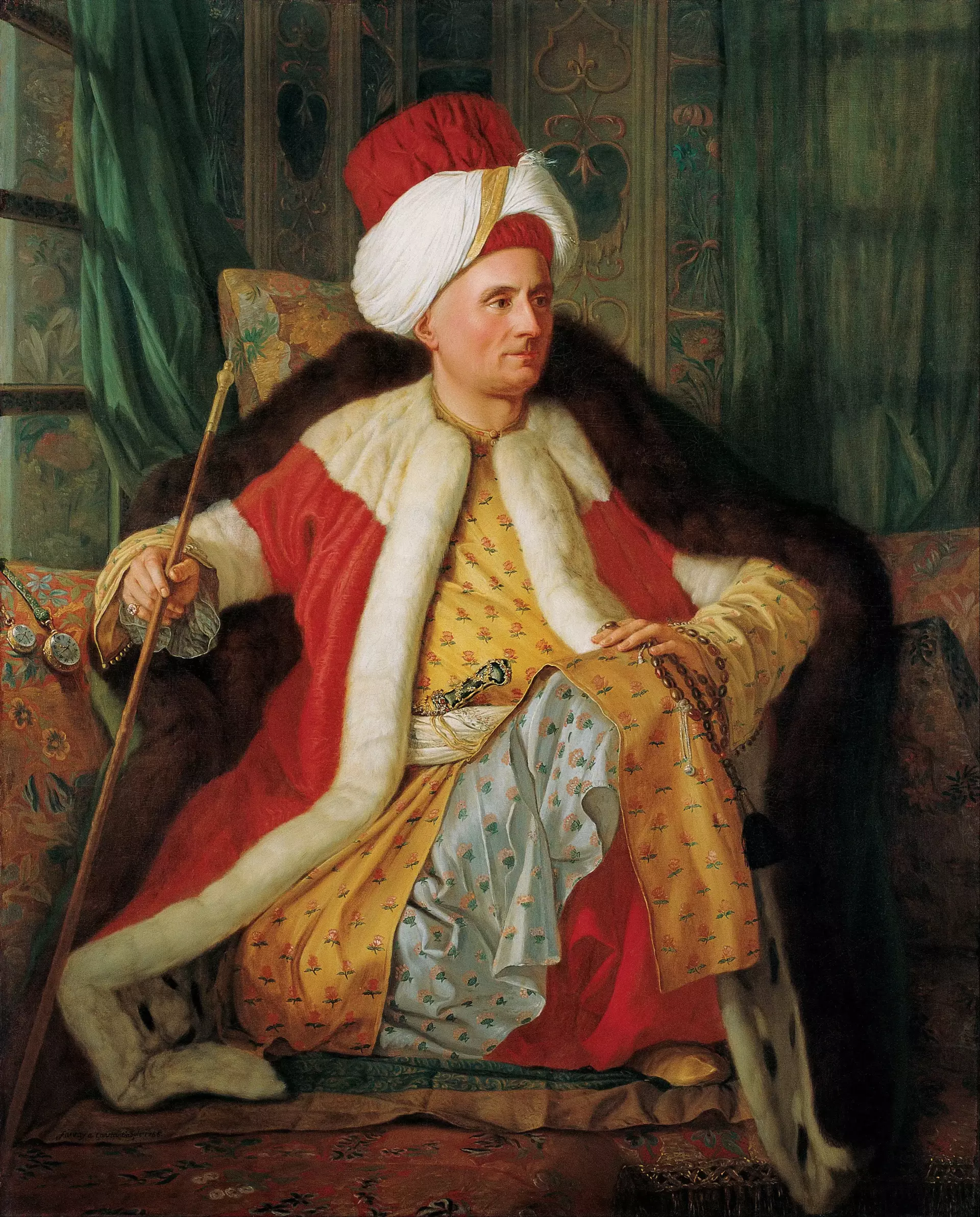
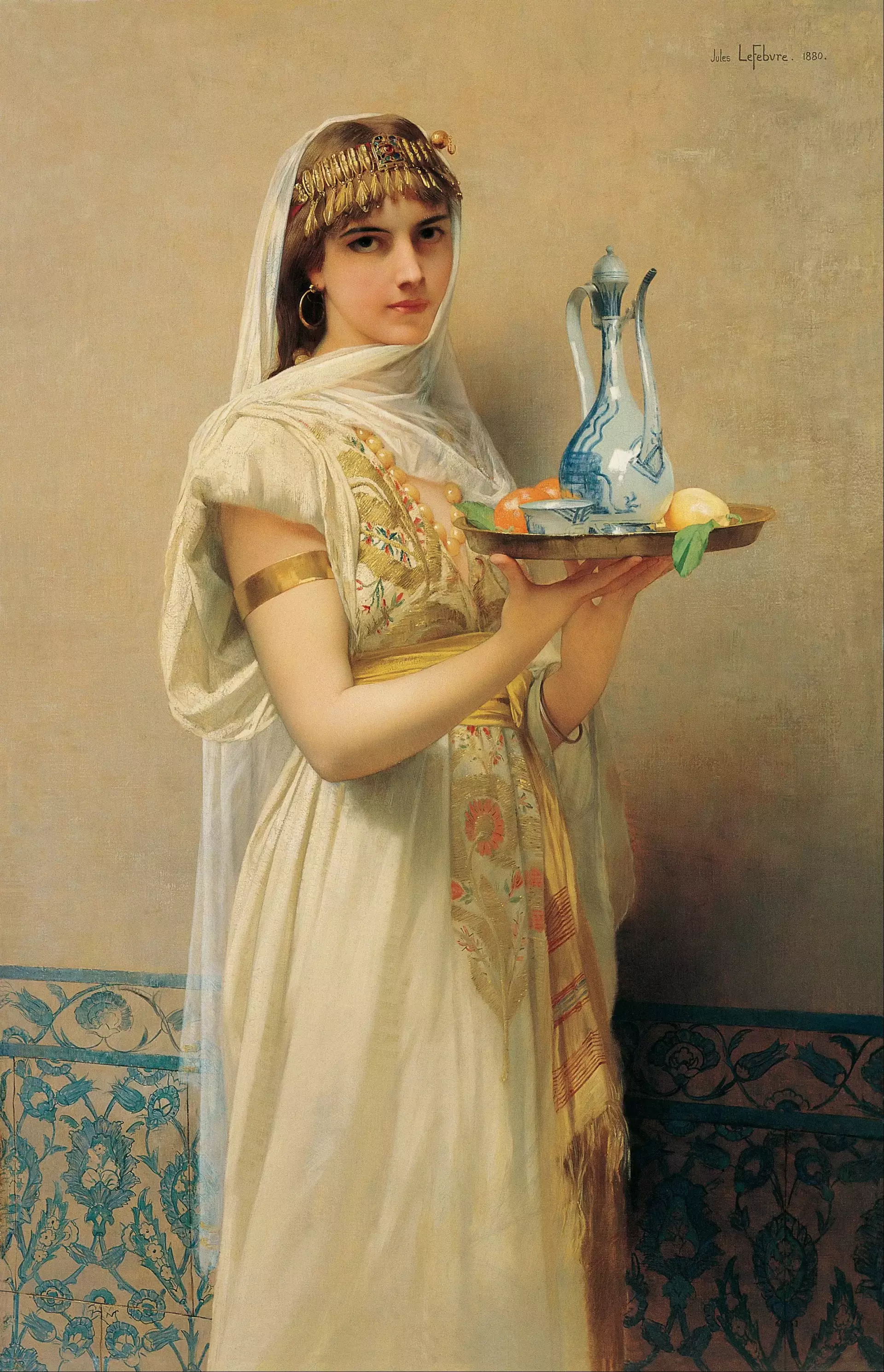
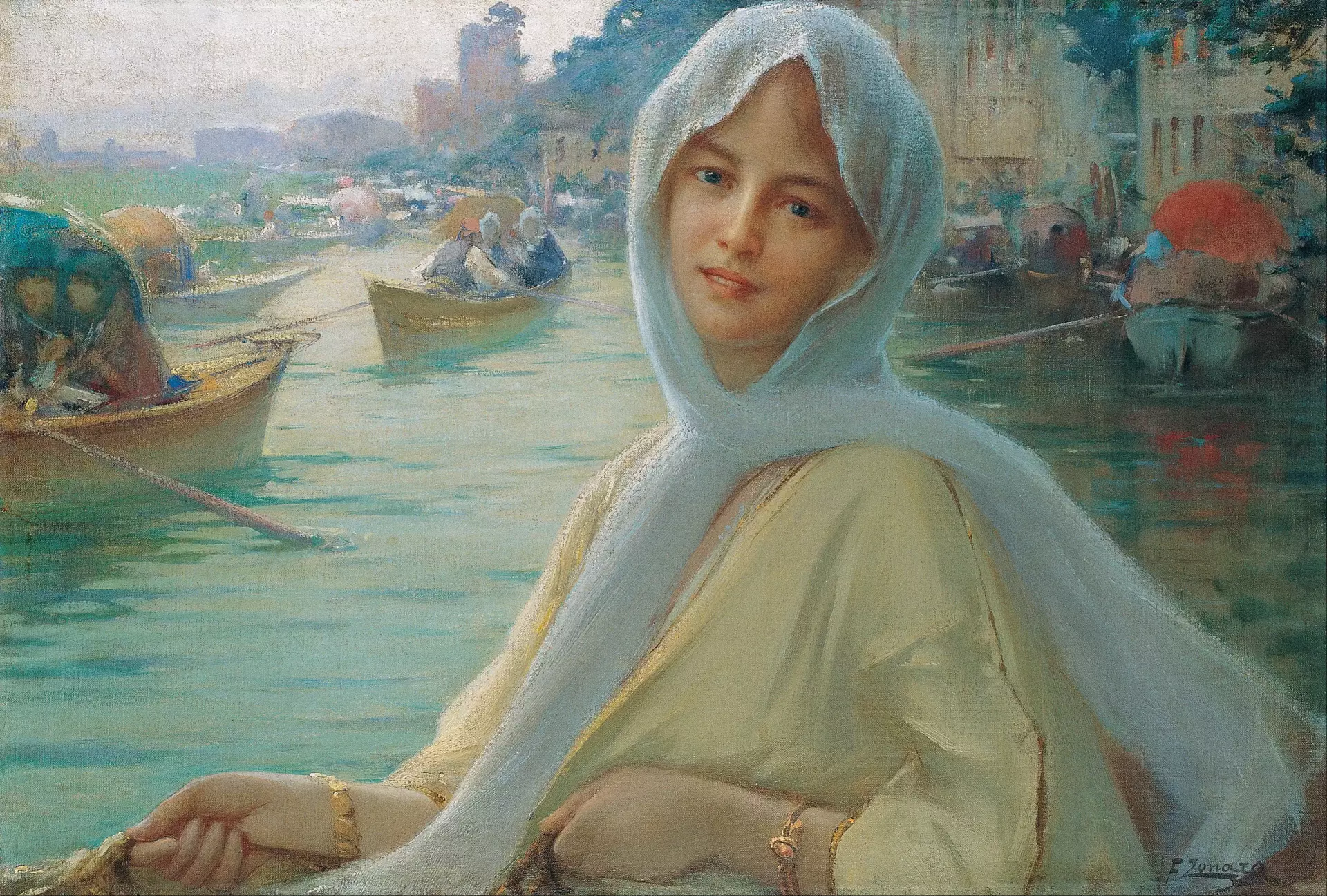
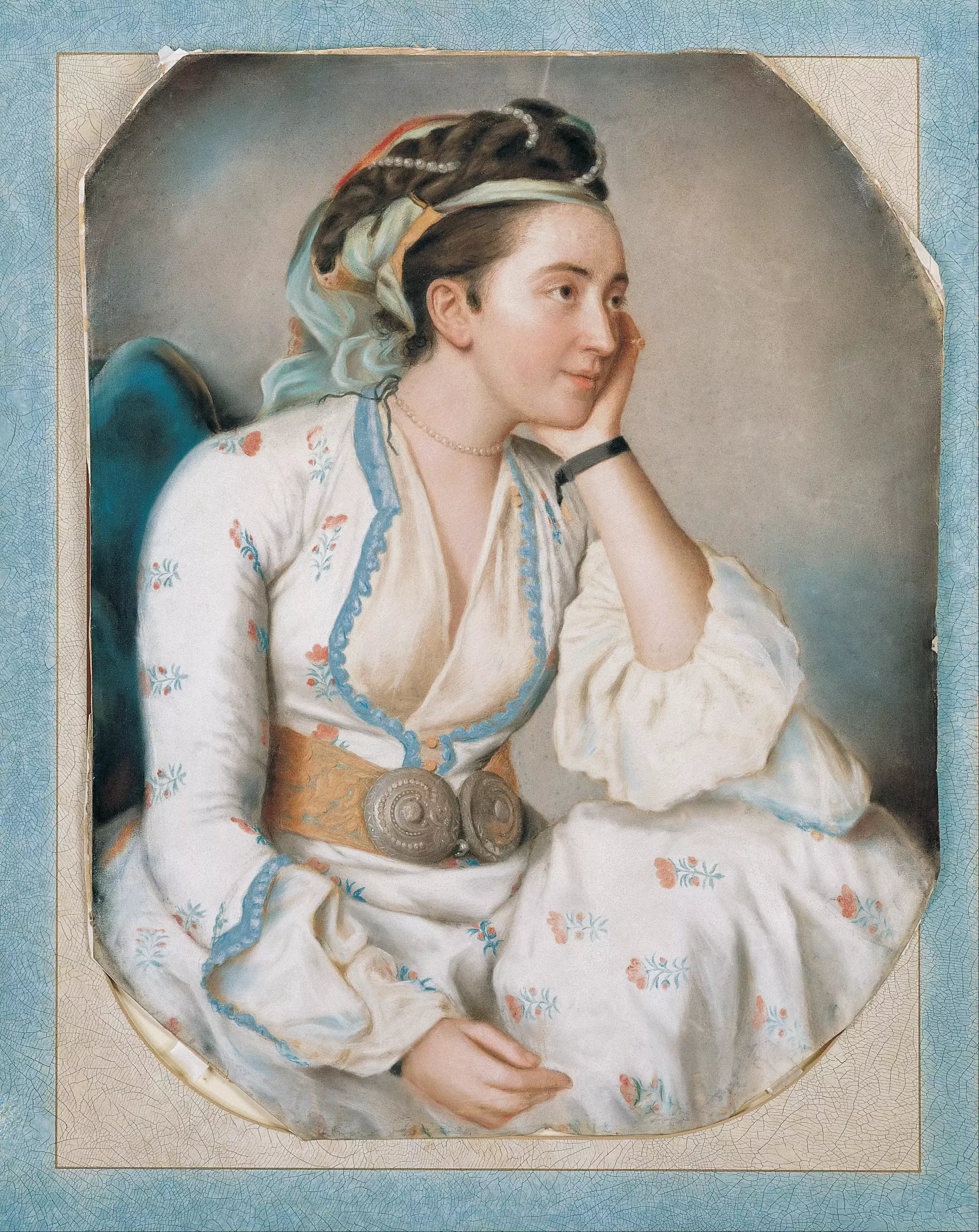
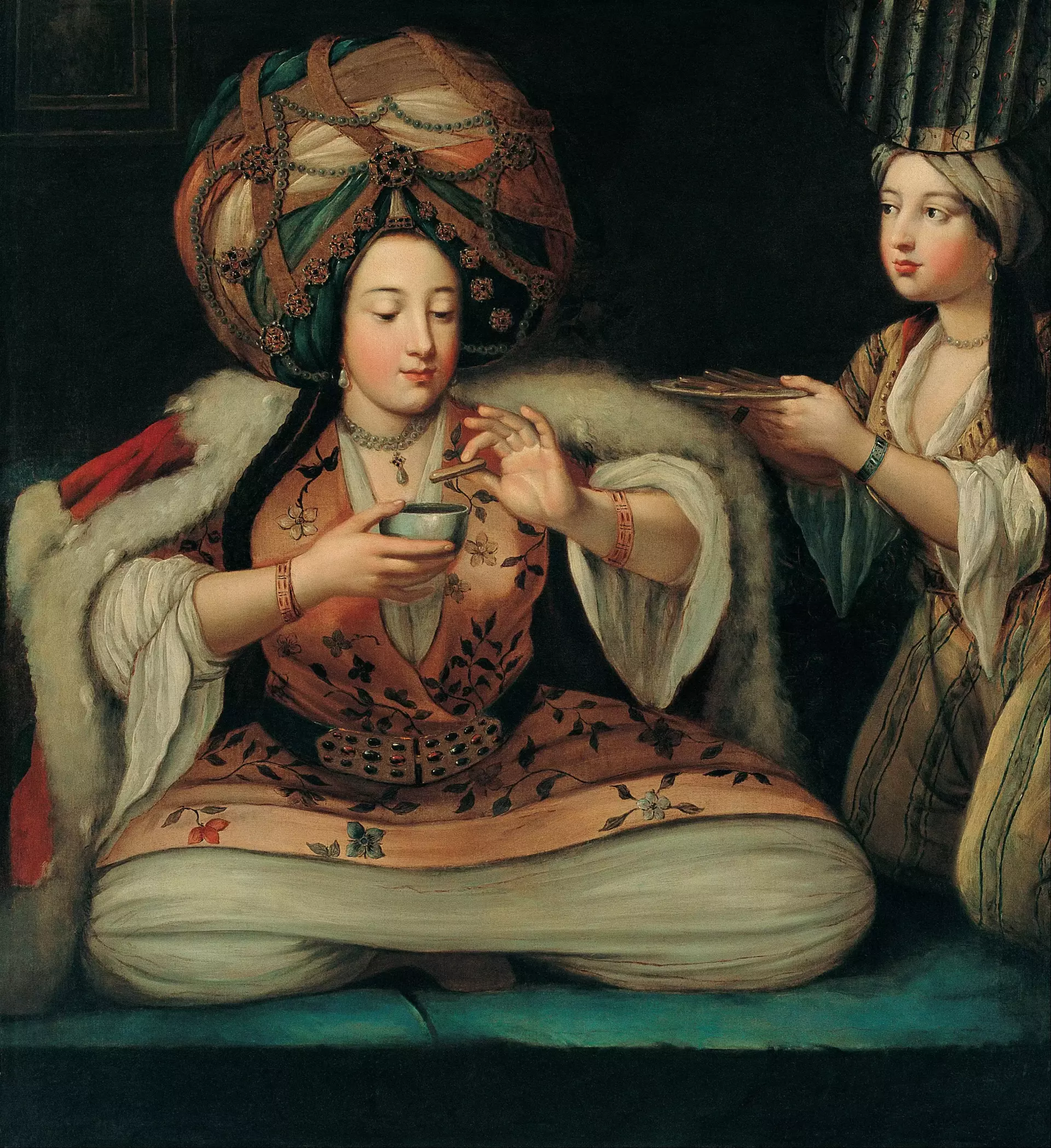
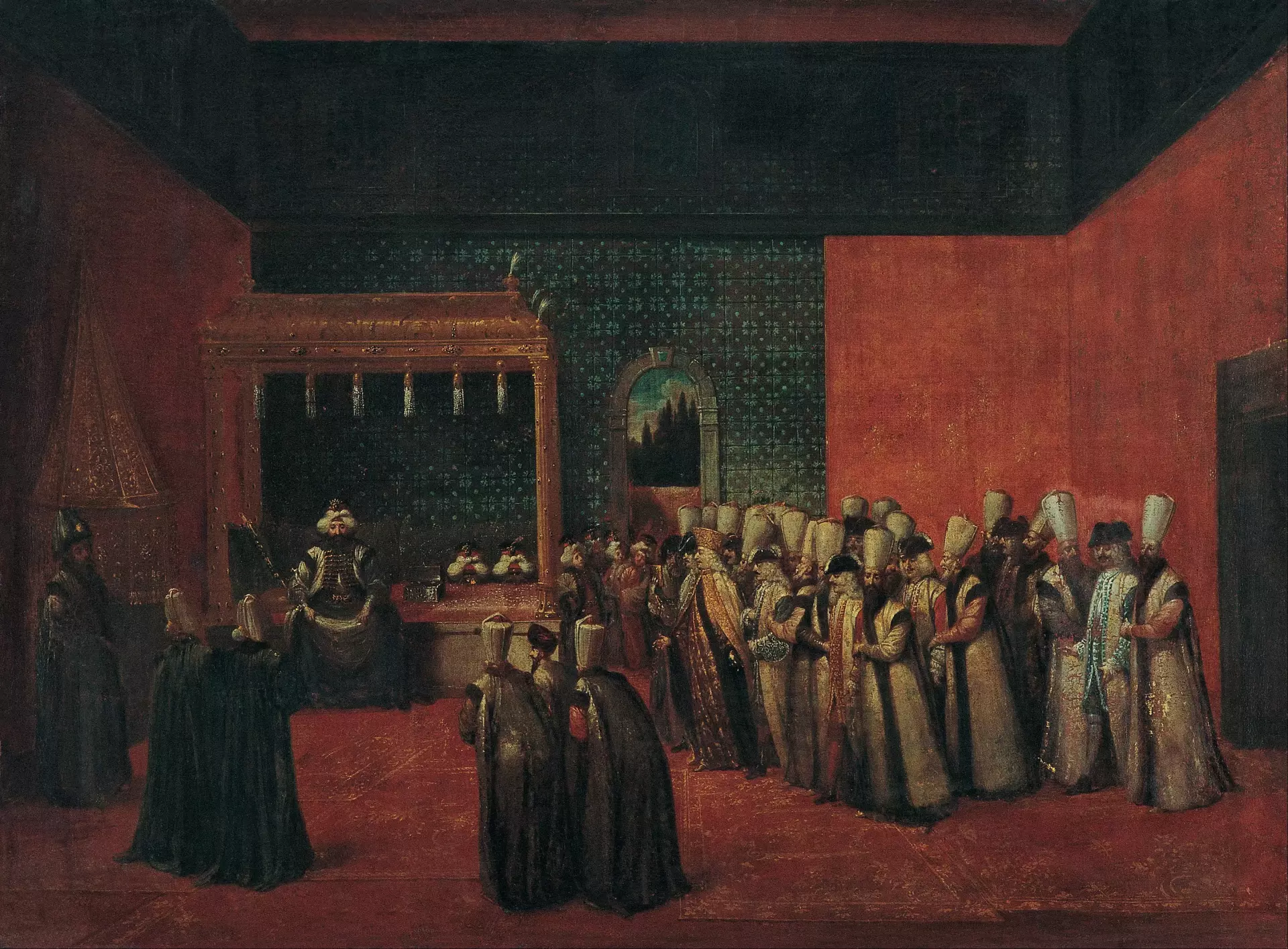
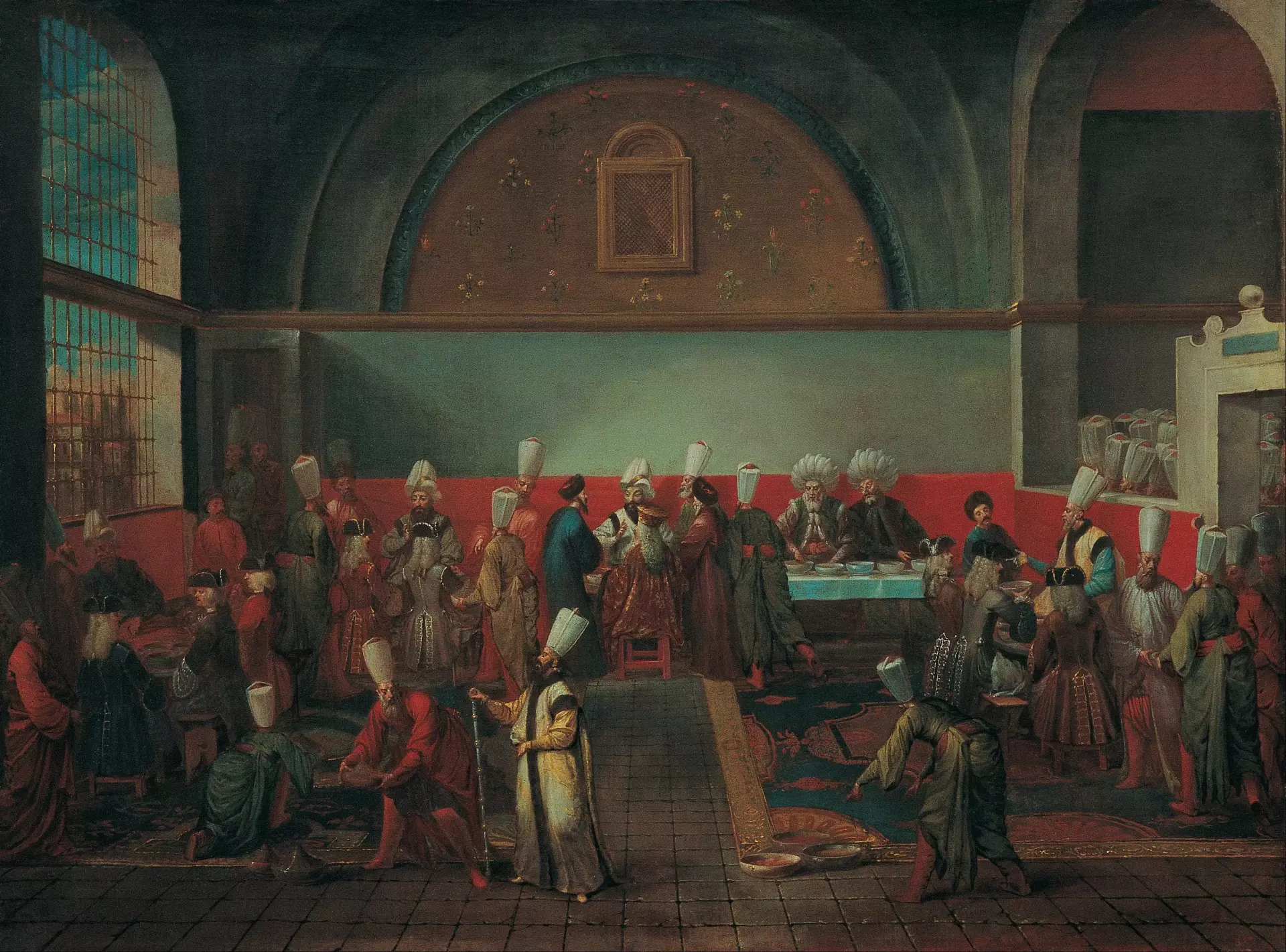
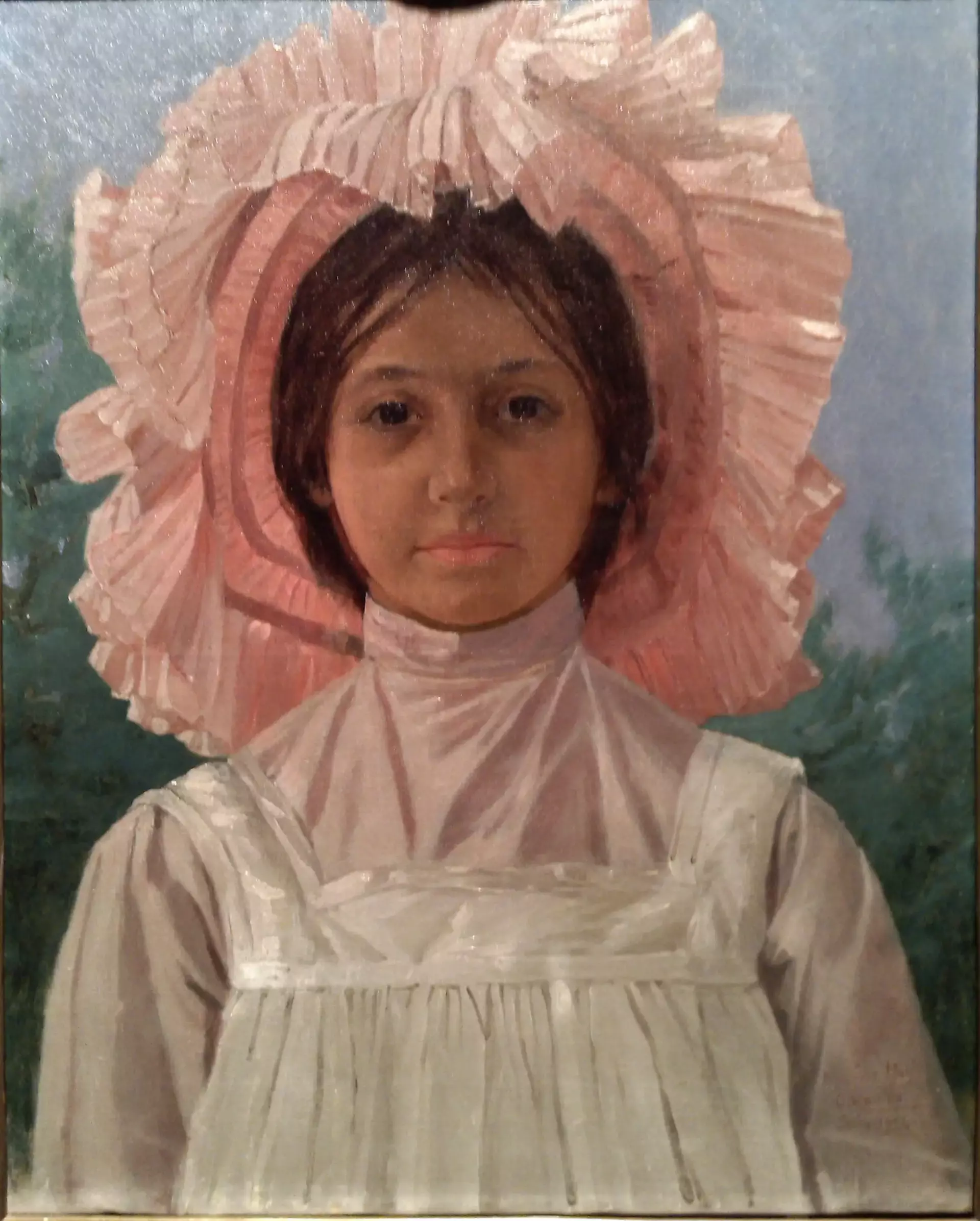
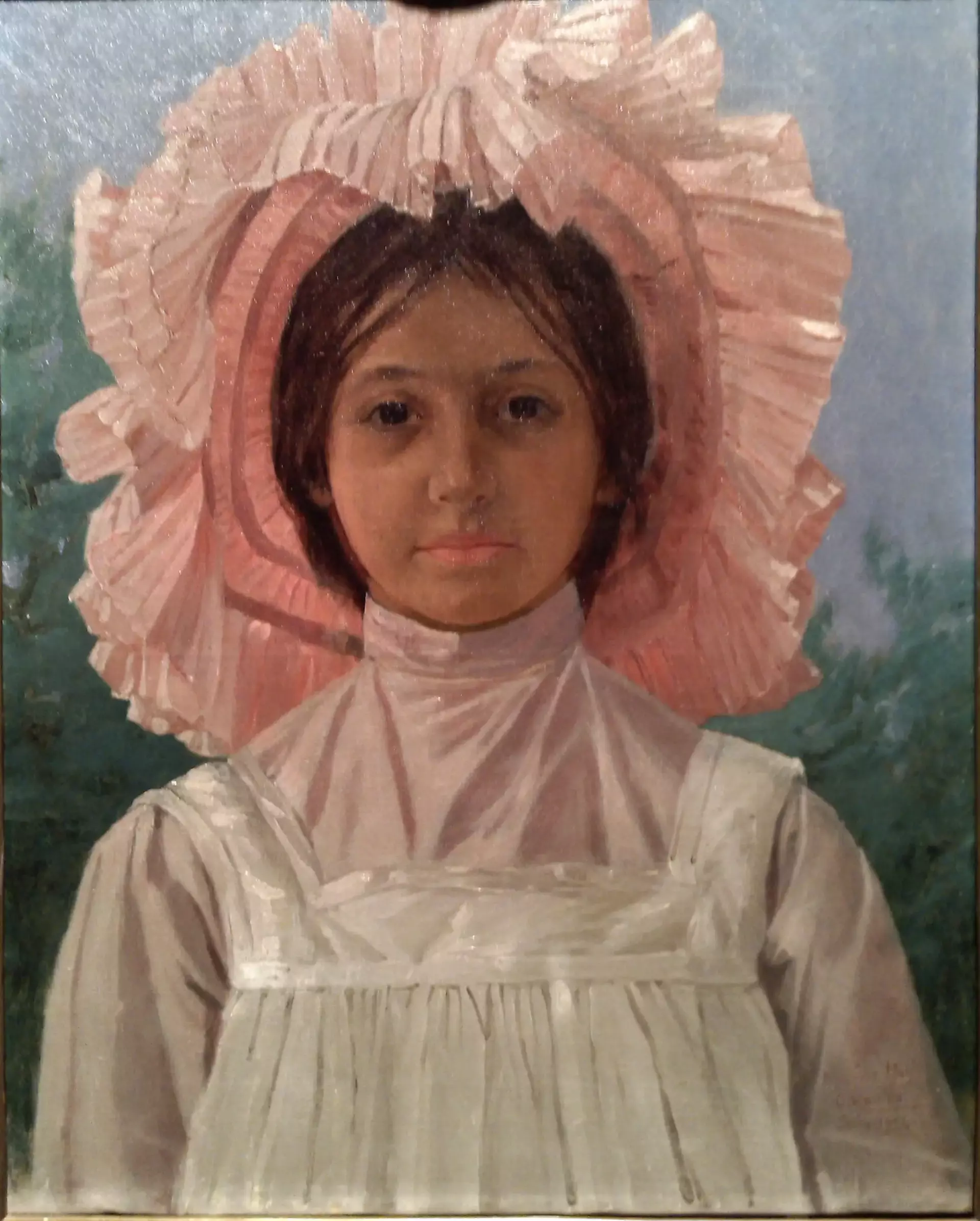
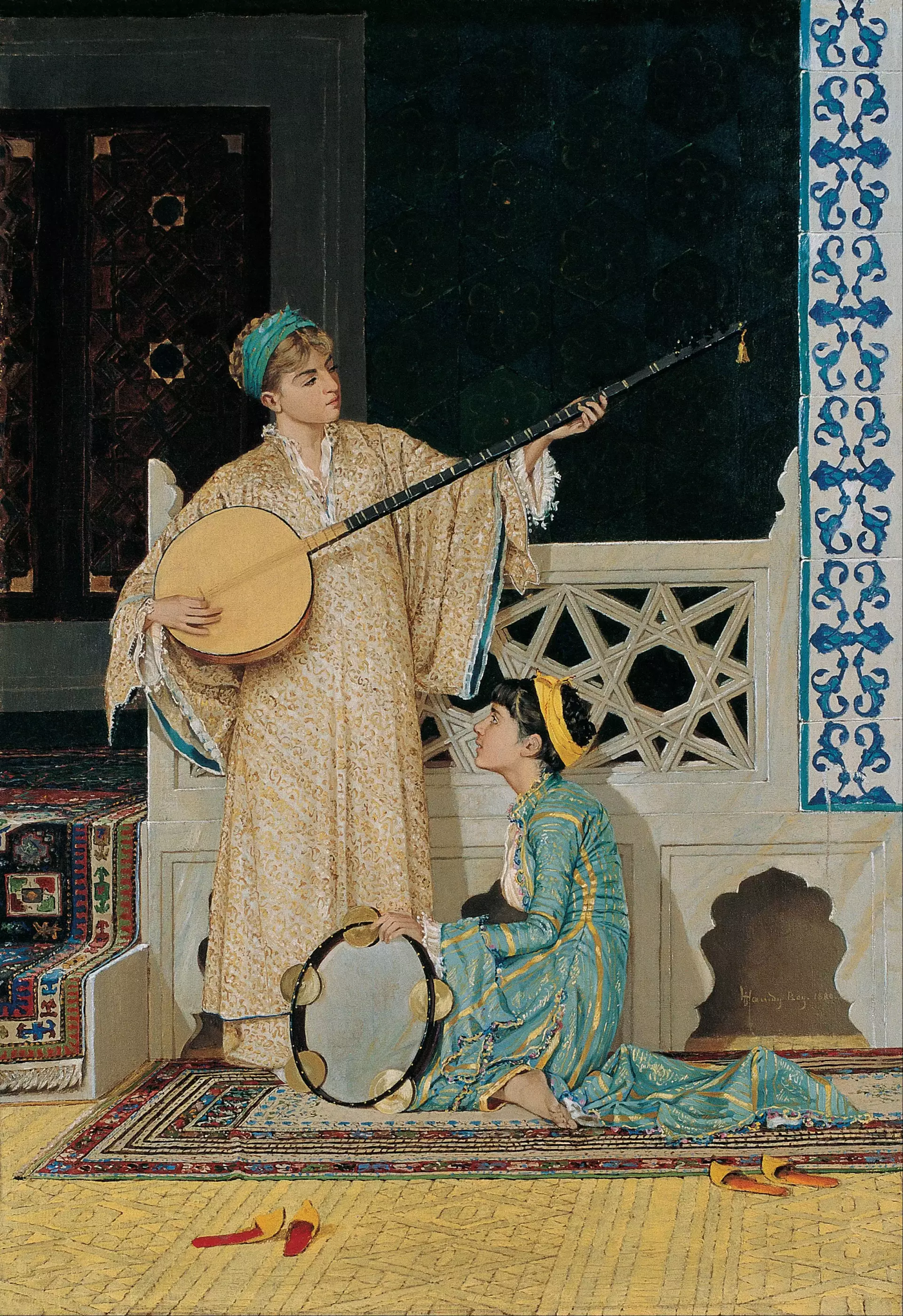
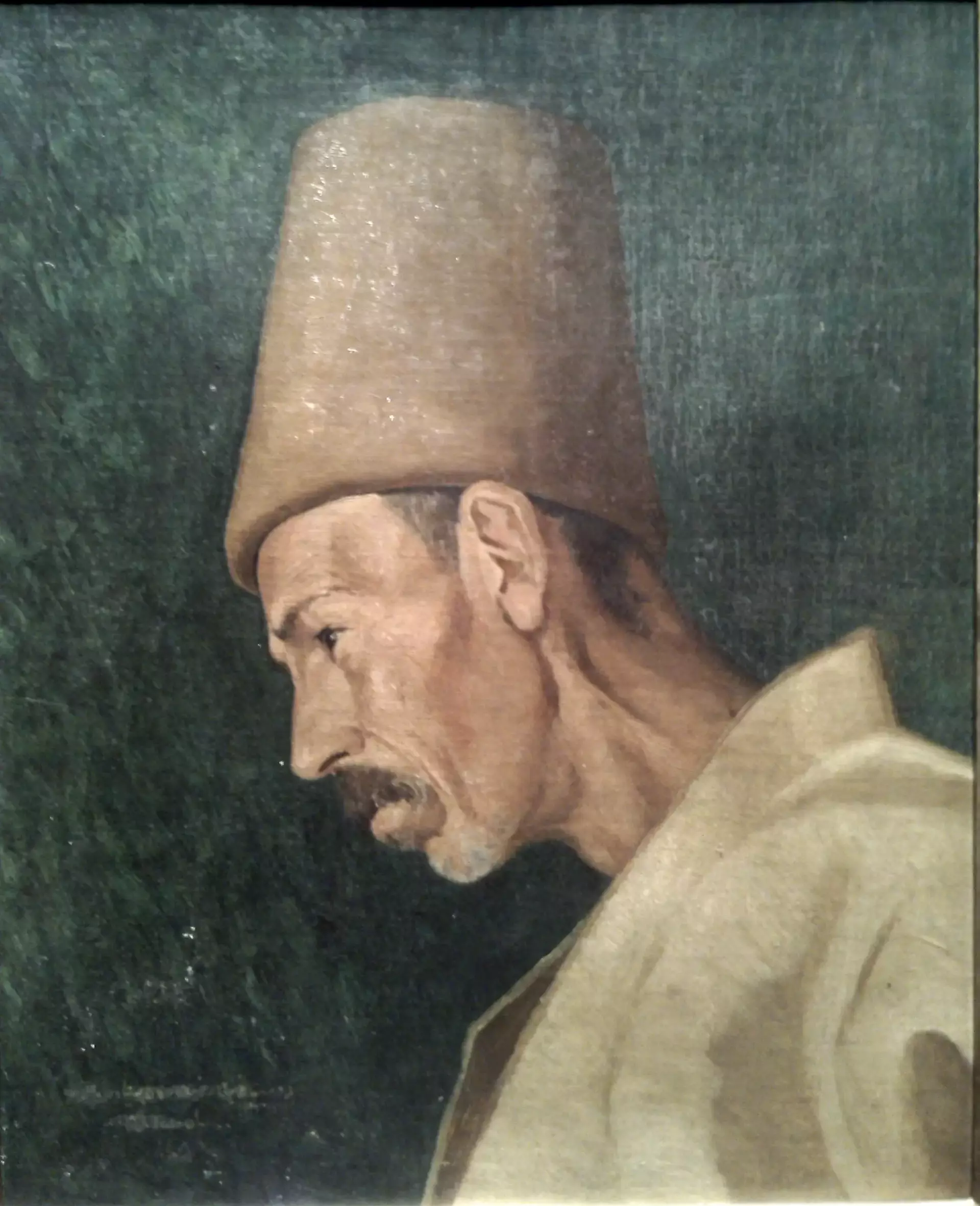
The Pera Museum is a private institution known for its impressive painting collection. Visitors can explore works from various periods and styles, offering a journey through the history of art.
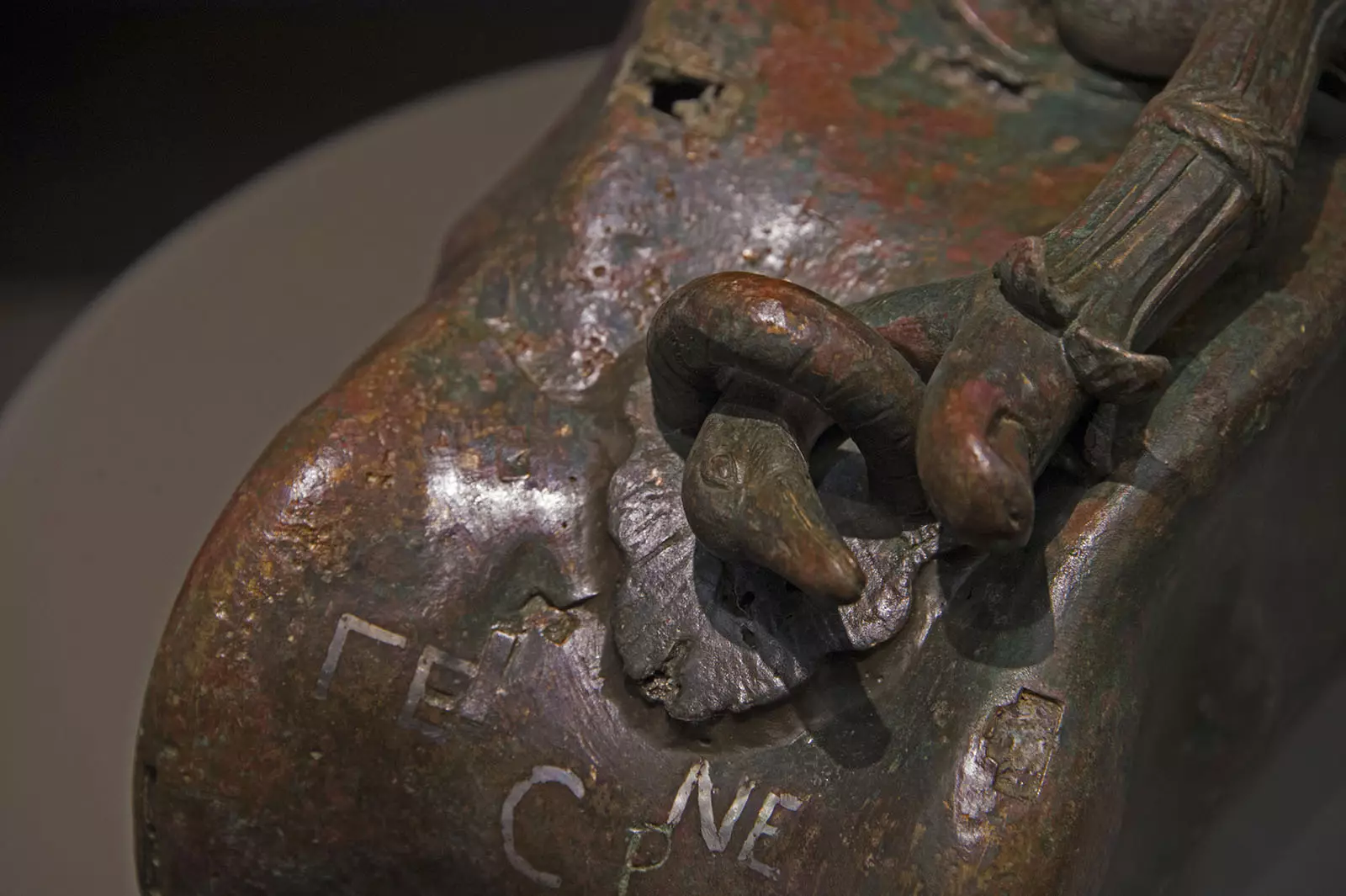
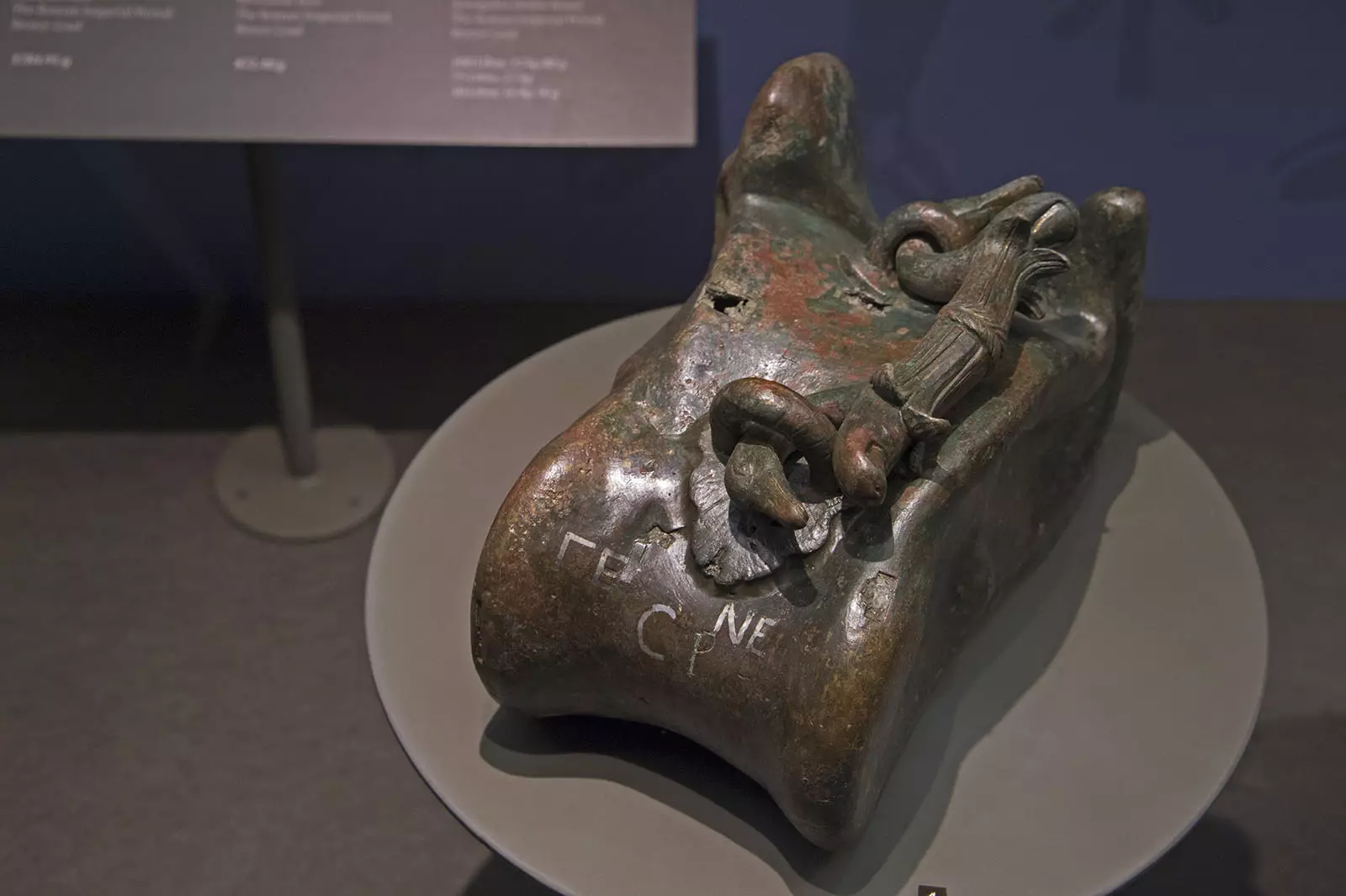
Beyond its paintings, the museum features archaeological collections centered on measurement units and tools. These artifacts were used in Asia Minor since antiquity, giving a glimpse into how past civilizations approached science and daily life.
The museum also showcases beautiful faiences from Kütahya. These decorative ceramics highlight the region’s rich tradition of craftsmanship, presenting colorful examples of artistry that have been admired for generations.
Source - https://en.wikipedia.org/wiki/Pera_Museum
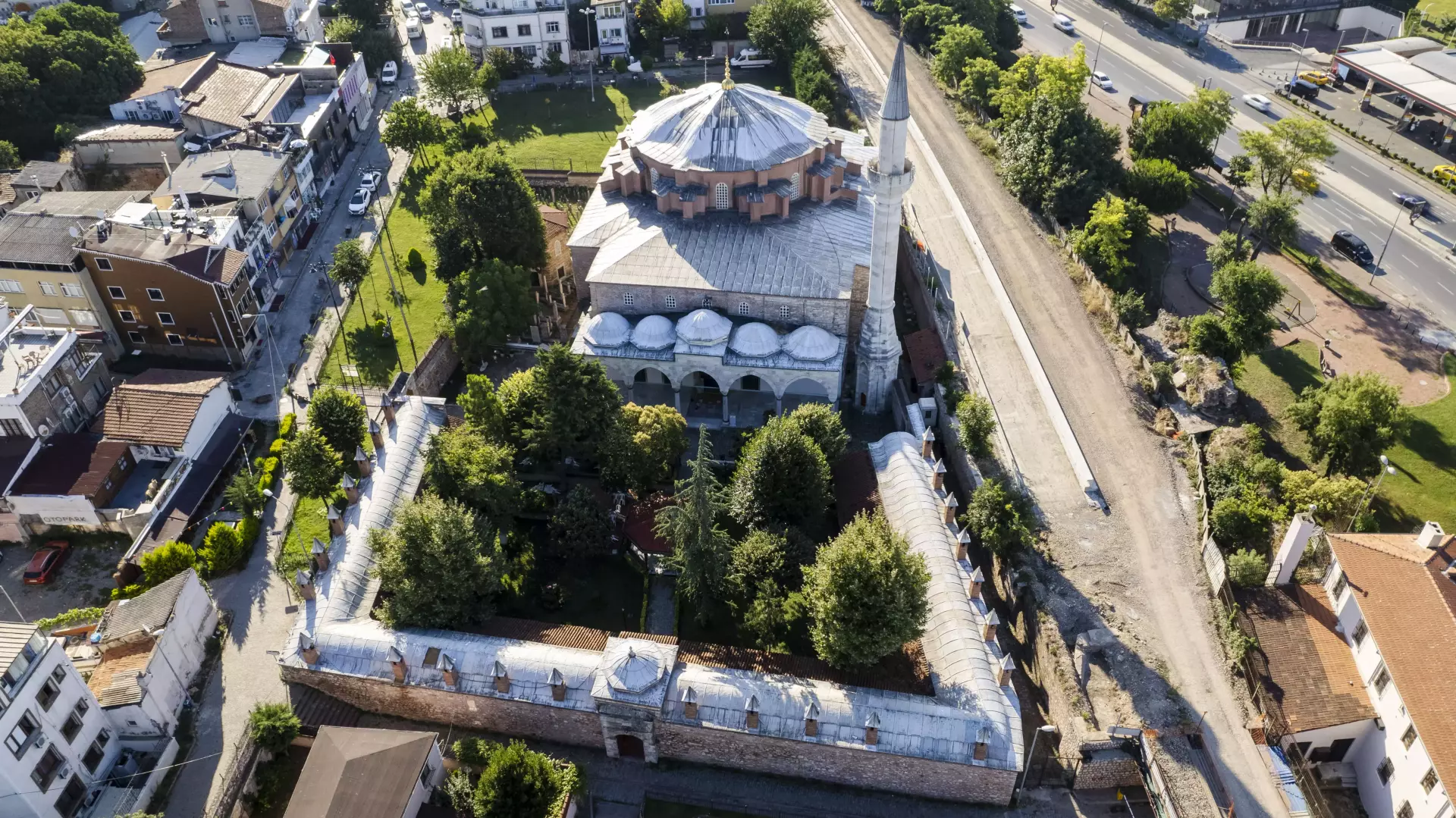
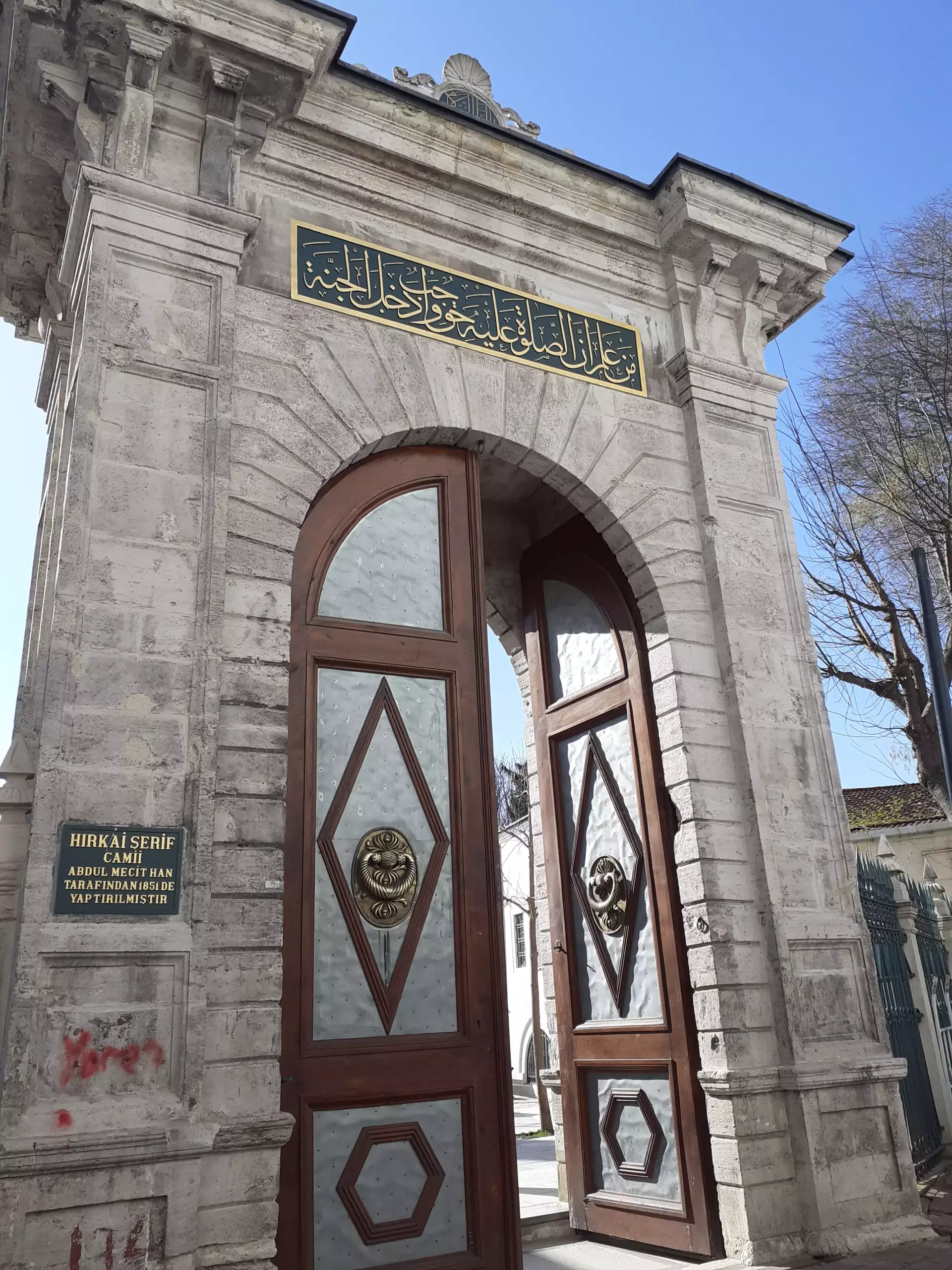
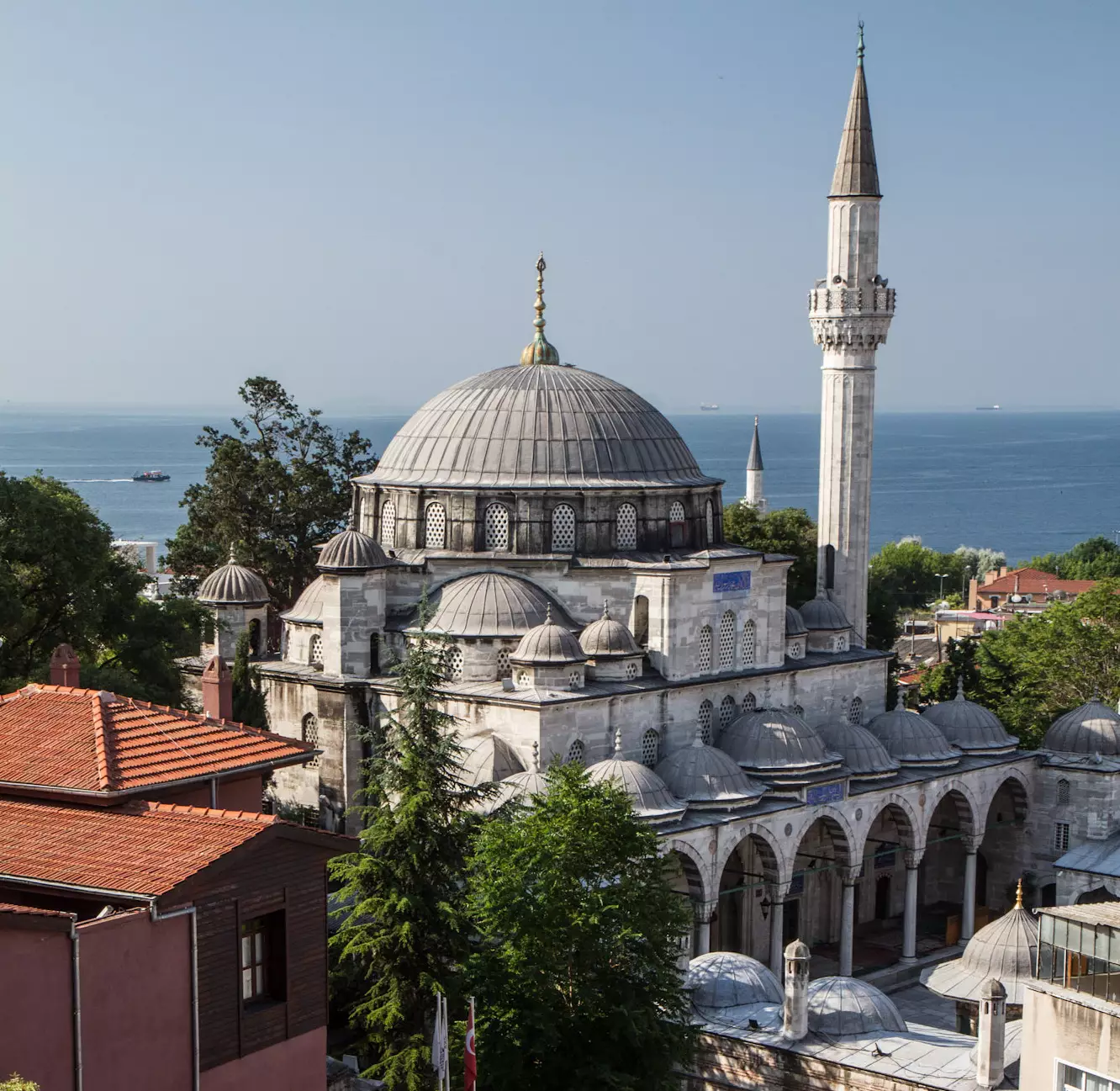
Sokollu Mehmet Pasha was the grand vizier and de facto ruler of the Ottoman Empire during its 16th century golden age. He commissioned this mosque, one of three in the city to bear his name, but the sloping site was a challenge. He hired the best, Mimar Sinan, who completed it in 979 AH / 1571 AD, with the slope resolved by a fronting courtyard above shops and a medrese. The interior has outstanding İznik blue tiles, and three fragments of the Black Stone (Hajar al-Aswad) of the Kaaba: above the main entrance, minbar and mihrab.
Opened in 2012, this museum is unique and a must-see when you are in the Beyoğlu area. It was created by Turkish Nobel laureate Orhan Pamuk alongside a novel of the same name. It tells the love story of the two main characters from the novel, and represents life in Istanbul during the late 1970s to early 1980s, as it exhibits thousands of objects from that era.
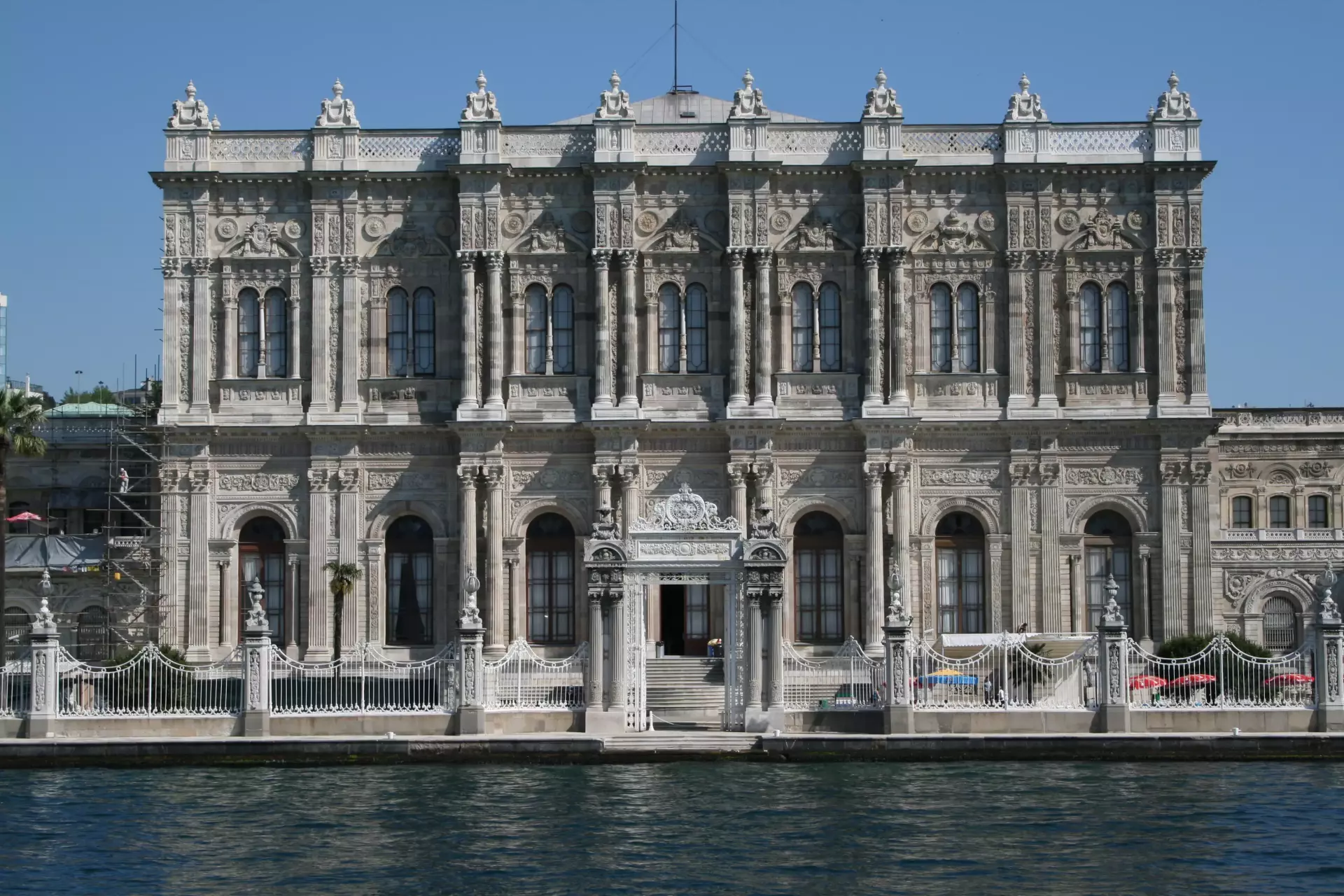
This lavish palace with 285 rooms and 43 halls was the admin centre for the Ottoman Empire in its last 60 years. The palace government block (Selamlık) includes the Imperial Mabeyn (State Apartments) and Muayede Hall (Ceremonial Hall), while the Imperial Harem was the sultan's private quarters. Also here are the Painting Gallery, Music Museum, Clock Museum and Museum of Palace Collections. Free audio guide in several languages available by the ticket office. No photography inside, no backpacks but you can leave them in the cloakroom. Allow 3 hours to see everything.
Built circa 1200 as the Eastern Orthodox Theotokos Kyriotissa Church, after the Ottoman conquest it was handed over to the Qalandari, a Sufi sect. In the mid-18th century it was converted to a Sunni mosque, and its mosaics were plastered over. The original appearance was restored in the 1970s.
Among the exhibition of this museum are five thousand pieces from the Ottoman era through WWII, with the most prominent piece possibly being the huge chain that the Byzantines stretched across the mouth of the Golden Horn to keep out the Sultan's navy in 1453 during the siege of Constantinople. In the yard of the museum, the Janissary Band (Mehter Takımı), the world’s oldest military band gives concerts of march music in traditional uniforms each afternoon, at 15:00.
If you are already in the area, it's worth considering to visit this waterside neo-Baroque manor, built in the 19th century for the countryside and hunting excursions of the Ottoman dynasty. The area, where the Göksu River flows into the Bosphorus, was known as "the Sweet Waters of Asia" by the pioneer European travellers of the epoch (as opposed to "the Sweet Waters of Europe", another contemporary elite recreational area on the other side of the city, where the Kağıthane and Alibeyköy Rivers empty into the Golden Horn).
This is a triple structure: the church of the Monastery of Pantokrator built 1118, then a public church circa 1136 plus a chapel that served as a royal mausoleum. It became a mosque and medresse in Ottoman times, but without massive alteration so it's a prime example of middle-Byzantine architecture. It's nowadays again a mosque, photogenic by day or dusk but the area should be avoided at night.
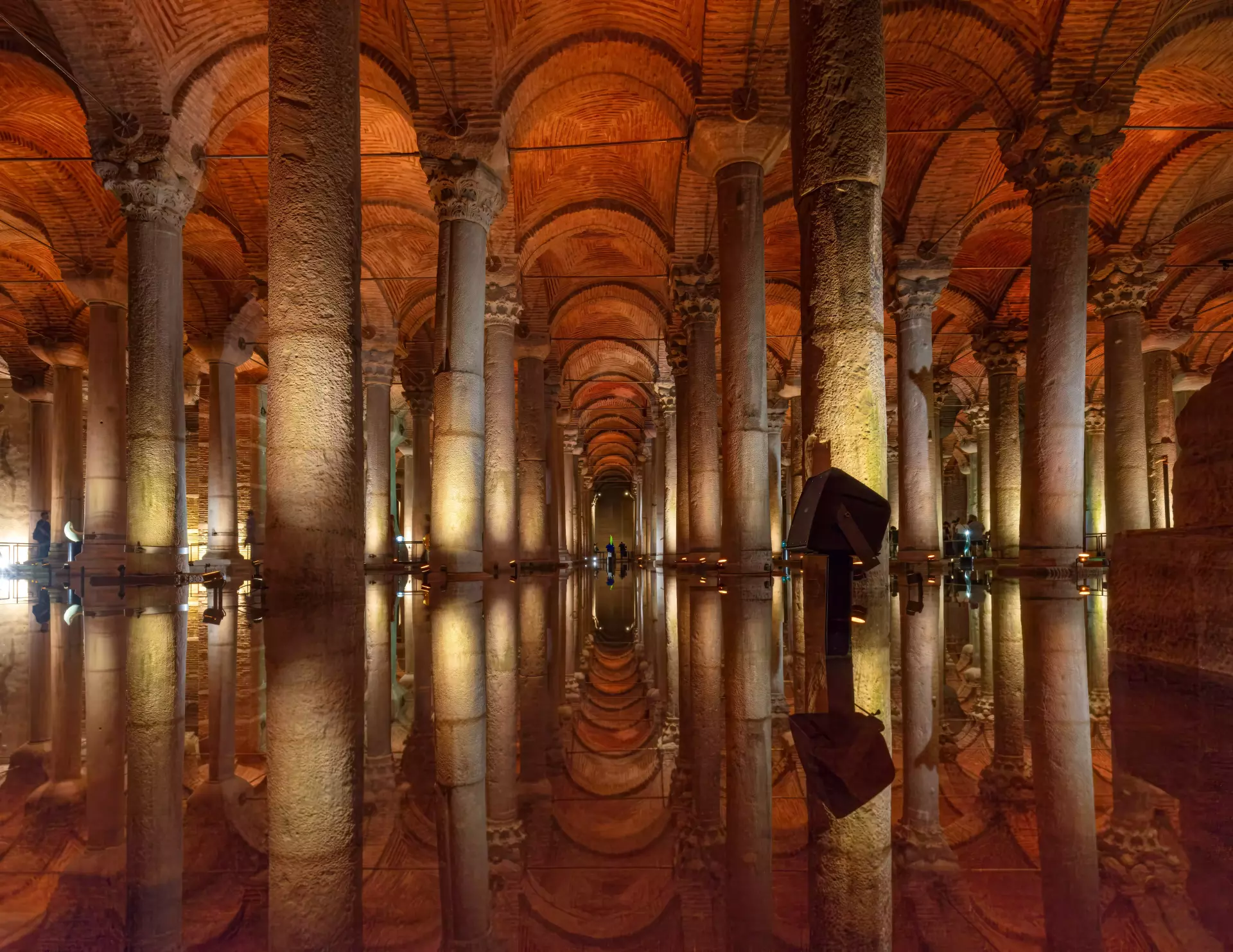
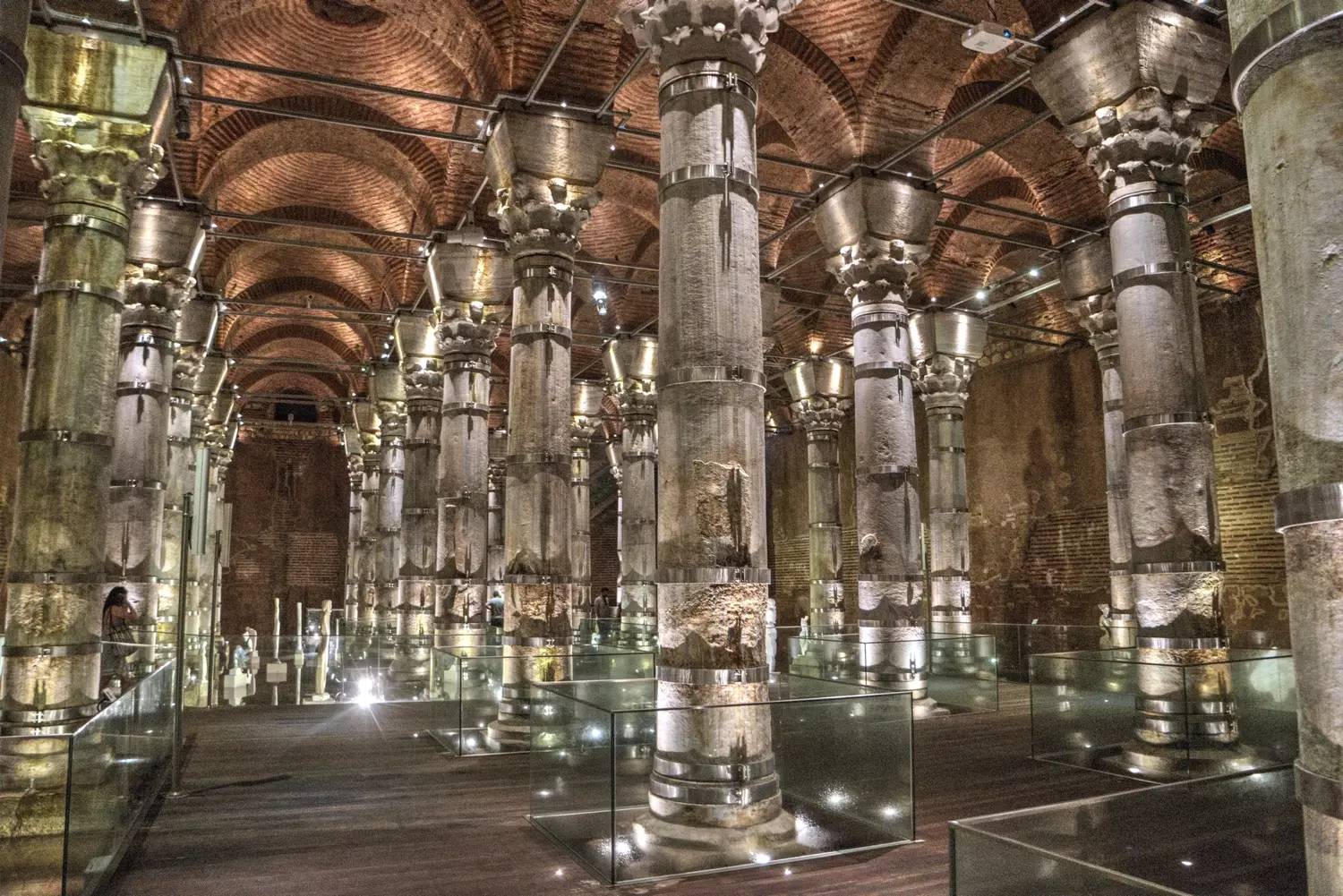
This was rediscovered in 2010 when an overlying building was demolished. It was built circa 430 AD to store water brought in by Valens Aqueduct. It's smaller than the better-known Basilica Cistern, but better lit, more atmospheric and less touristy.
This is a 1927 Beaux Arts building named after its patron Süreyya İlmen Pasha, then a deputy of Istanbul who was impressed by theatres in Europe during his visits. It became the first opera house in the Asian side of Istanbul, but due to deficiencies in its interior design, it barely staged any opera and was converted to a cinema soon afterwards. It underwent a significant restoration and reverted to its original purpose in 2007, so now houses performances of ballet, opera, and classical music; good tickets are often extremely cheap.
Istanbul's former Asia-side railway station nowadays has no trains, but is worth a look. It was built by the Germans in 1908 in a distinctive Teutonic-castle style - to make an impact on travellers from Asia about to step into Europe, and a counterpoint to Sirkeci station (also closed) on the European side which is modelled in Oriental style. It's intended eventually to make this the terminus for the high speed rail network.
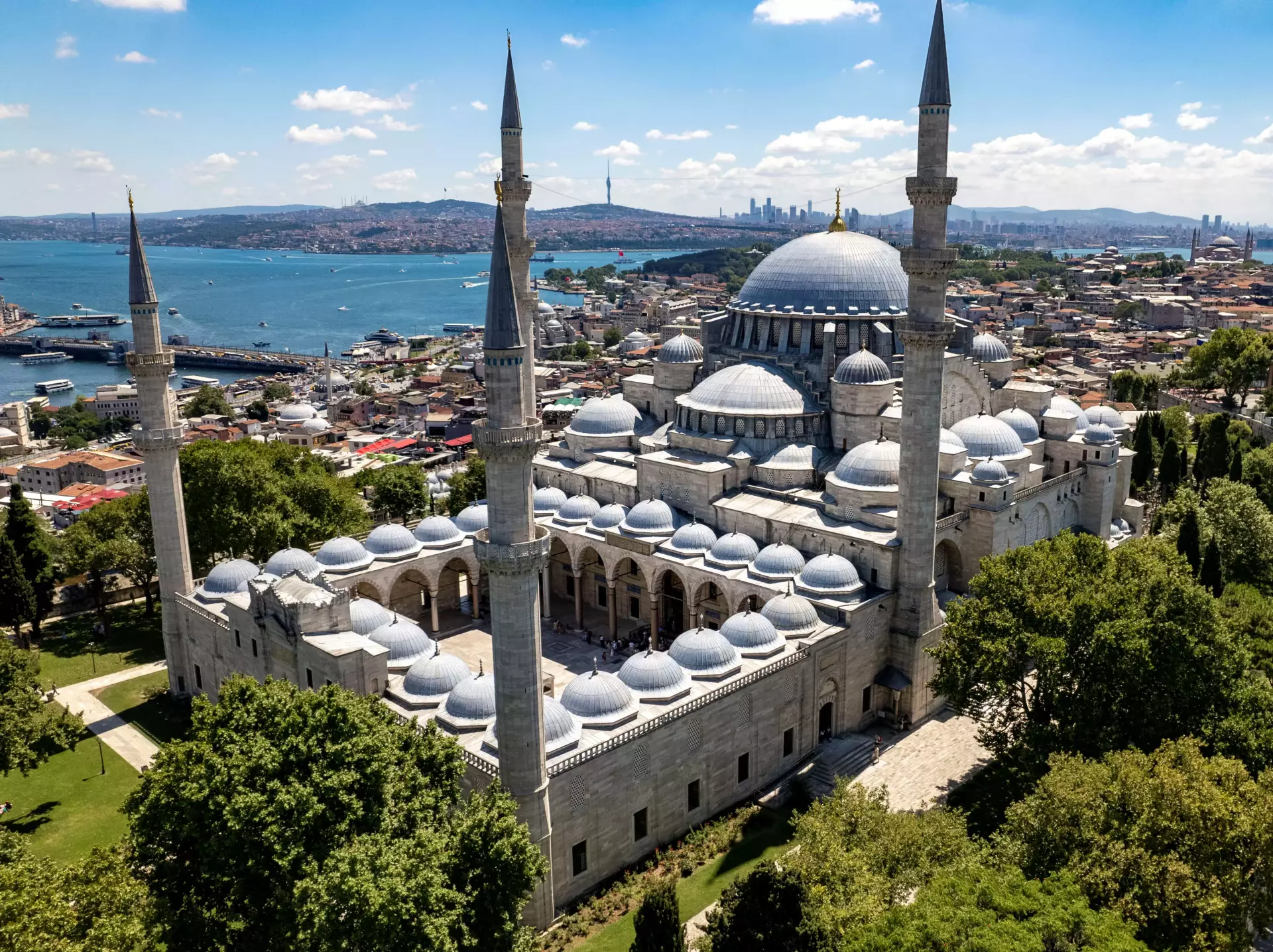
On top of a hill overlooking the Golden Horn, this is a magnificent mosque built by Sinan in the 1550s. It was centrepiece of a large külliye, a religious complex which included madrasas, a public kitchen and a hospital.. The small cemetery east has the mausoleums of Suleiman the Magnificent and of his wife Hurrem Sultan or Roxelana.
A historic house museum dedicated to the life of Adam Mickiewicz, renowned Polish poet. This is where he lived while in Turkey from September 1855 to 26 November 1855, when he died of illness.
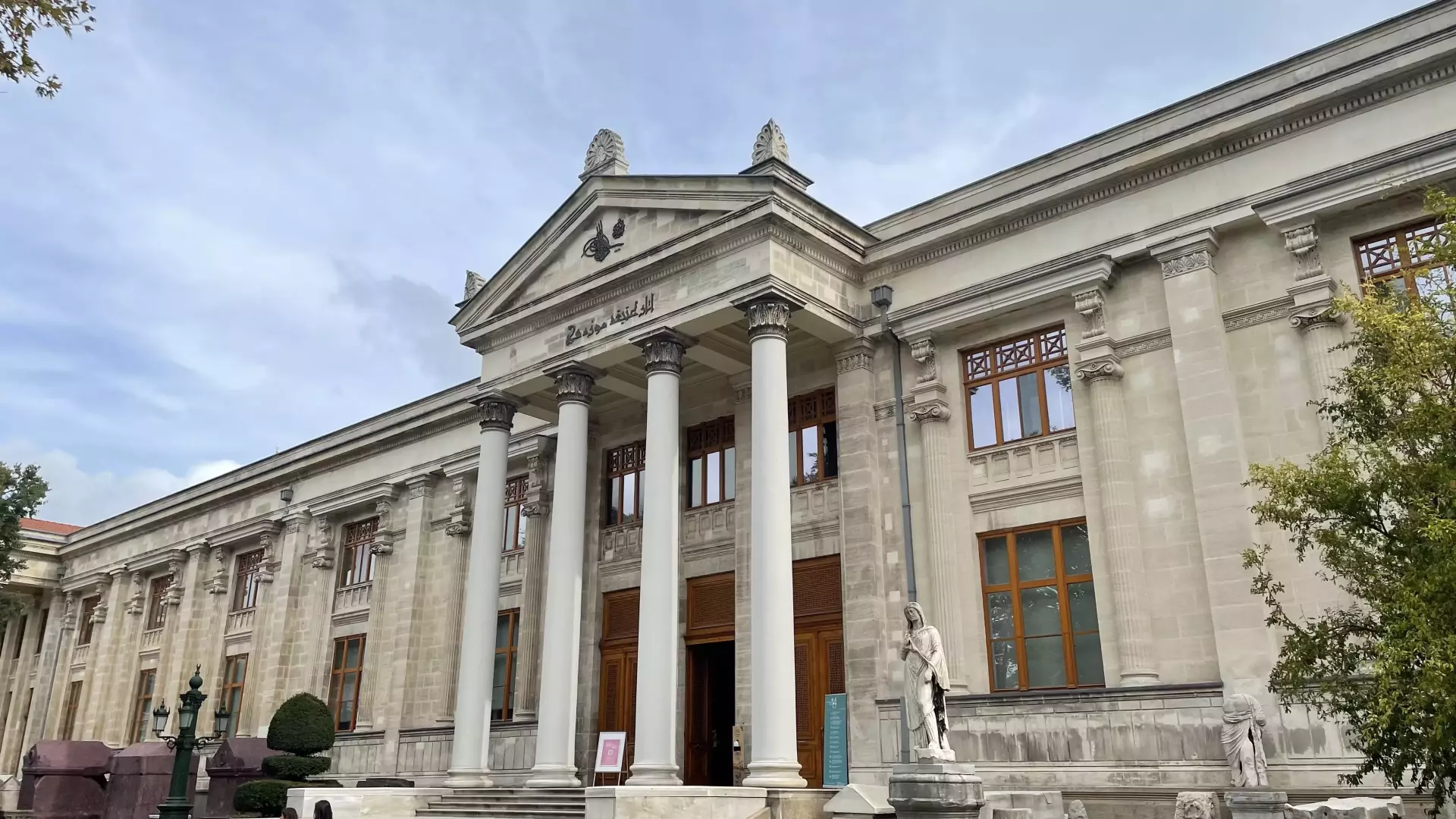
Turkey was slow to protect its antiquities and to display them properly, but in 1867 Sultan Abdülaziz toured the museums of Paris, London and Vienna and saw what was needed. The main collection is in a grand neo-classical building of 1891, with two annexes for ancient art and Islamic art. Exhibits include Sumerian tablets, pieces of the wall of Babylon, Roman statues, and the sarcophagus of Alexander the Great, which he never lay in.
Tiny house museum on the life of Turkish novelist Orhan Kemal (1914–1970).
Museum in a restored building that was the stables for Topkapı Palace. It exhibits various instruments for astronomy, clocks, pumps, weaponry and so on developed in Islamic realms down the centuries, but these are modern repro, and explanations of their context are skimpy. Islamic science and technology preceded that of Europe, as they insist, but they get the tone wrong, as if that was the triumphal culmination rather than the springboard for further advance.
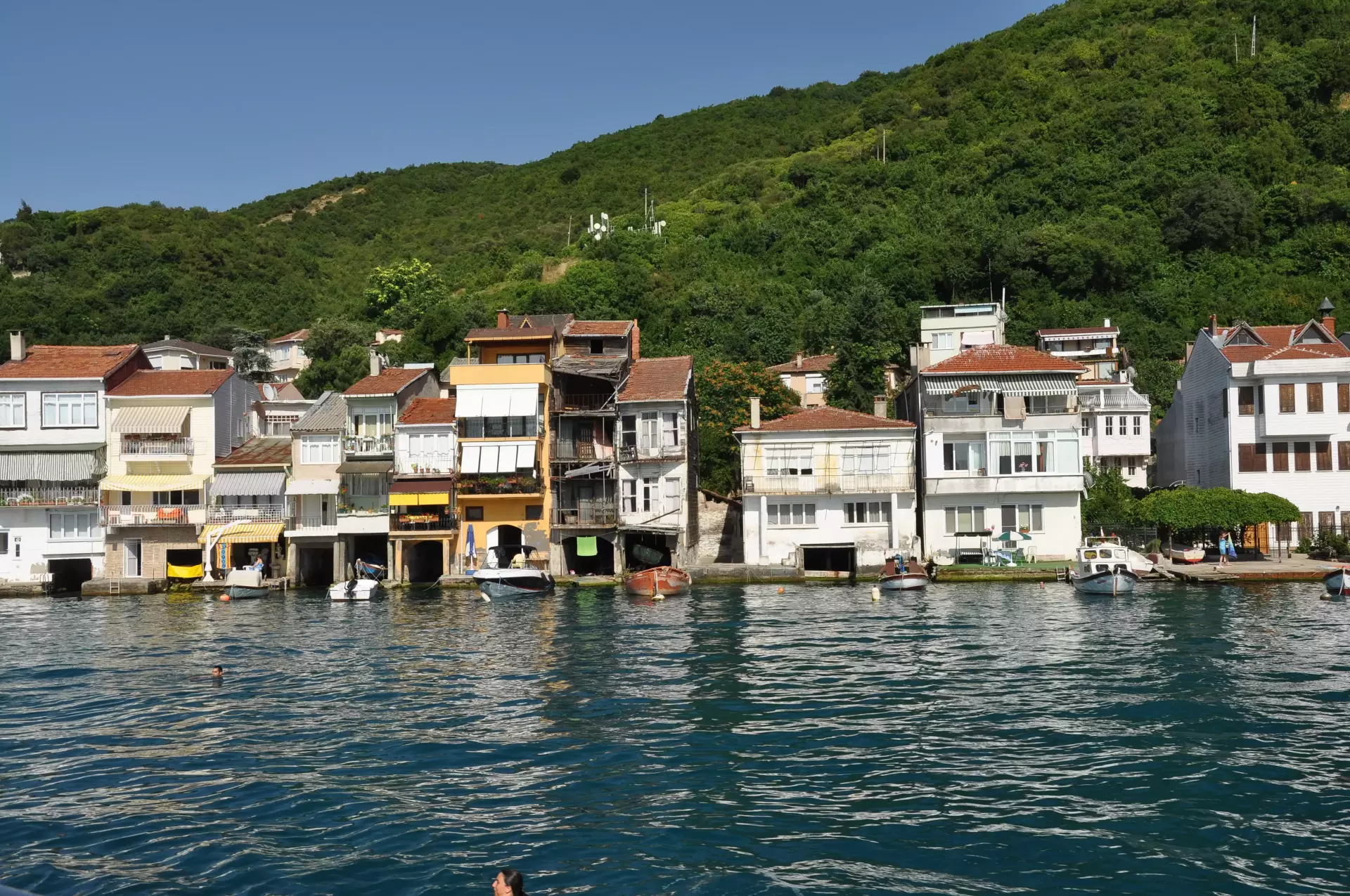
A medieval citadel on the Bosphorus at the mouth of the Göksu creek. It was built in the late 14th century to control (polite word for "choke off") shipping along the Bosphorus, which narrows to 660 m at this point. It worked in tandem with Rumeli Citadel, built some 50 years later on the European bank. It fell into disrepair but was restored in the 1990s. You can't go in, but it's a pleasant setting; the entire village is named Anadolu Hisarı after the fort and has many traditional wooden houses (yalı). Ferries along the Bosphorus call here.
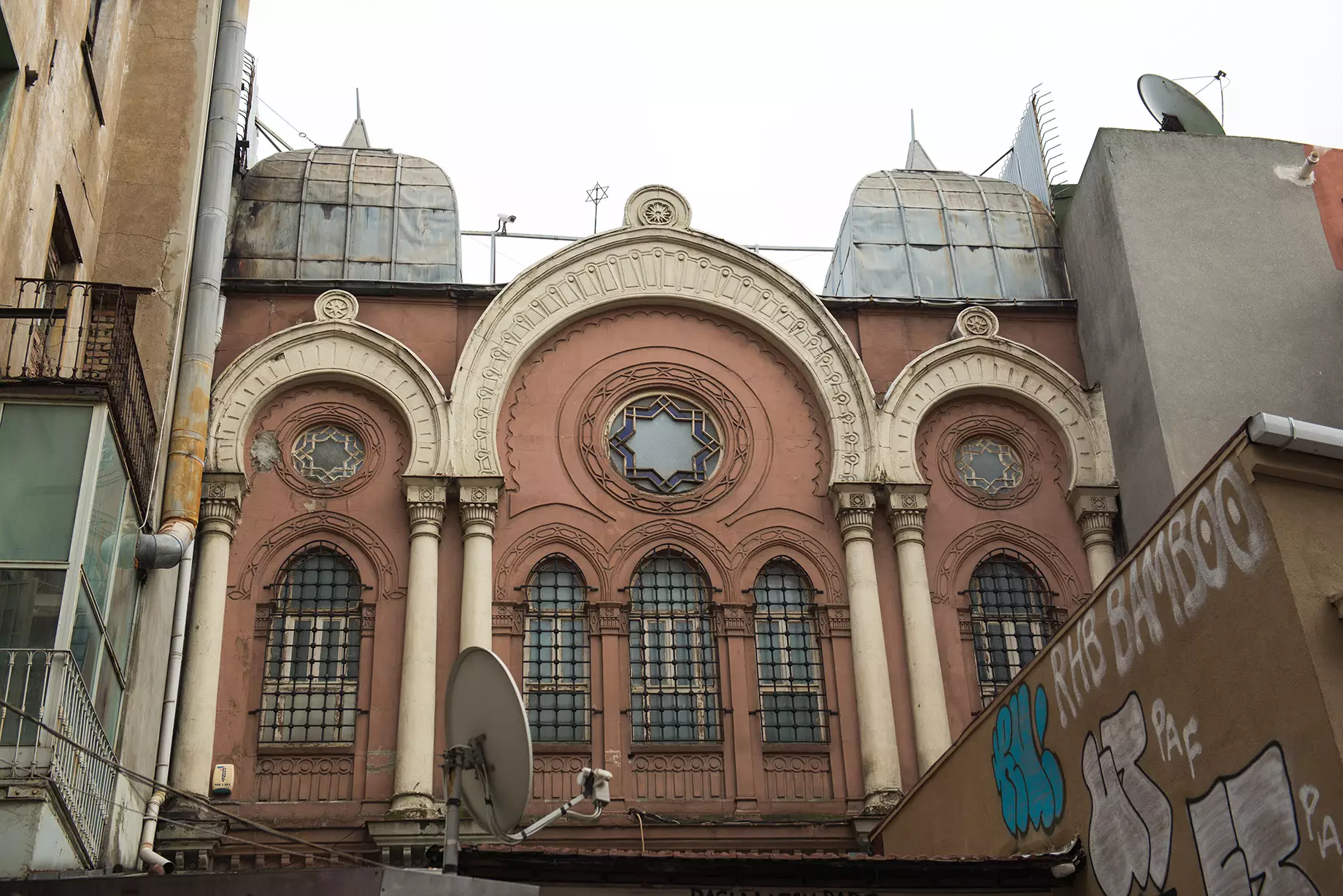
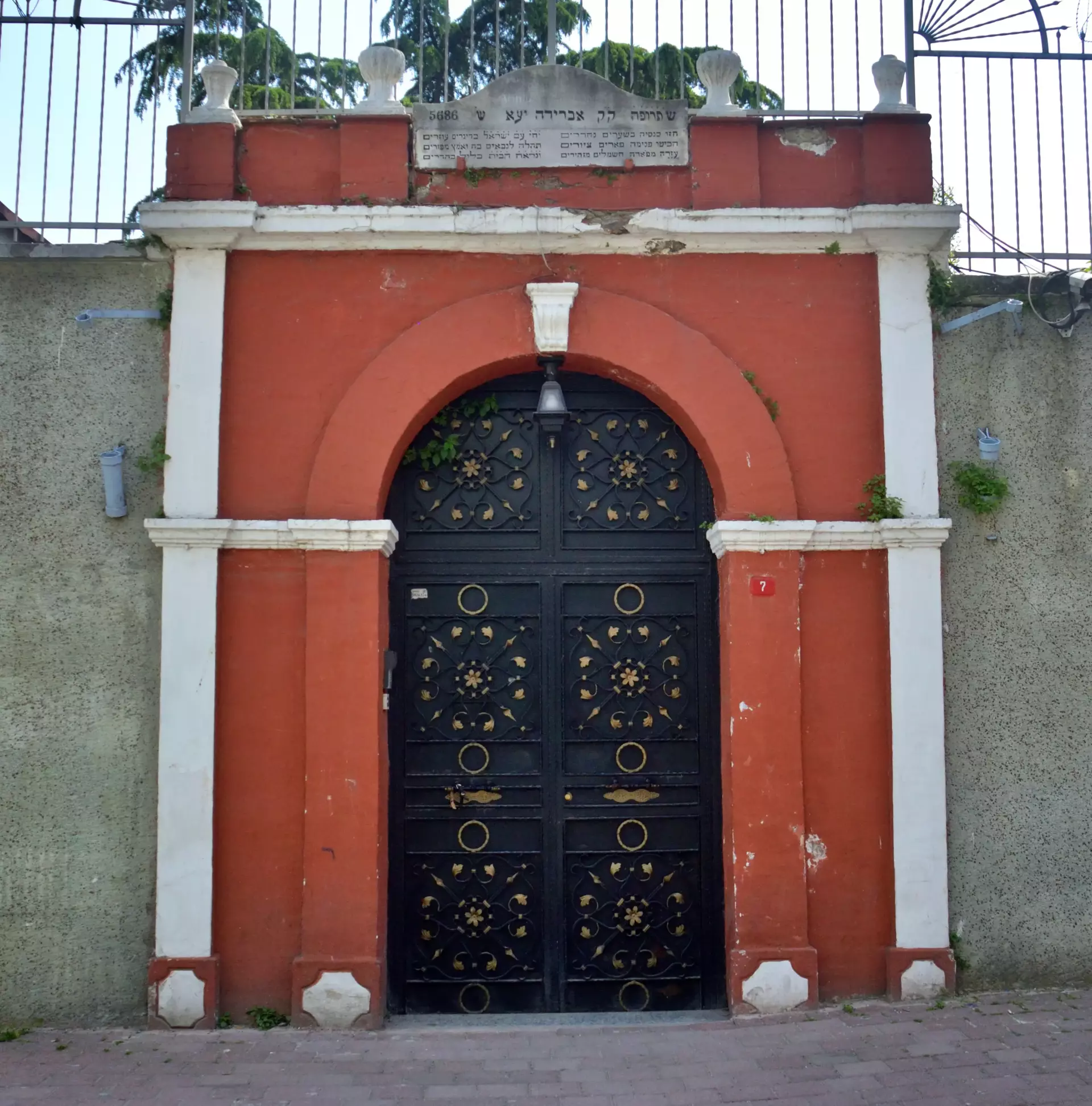
A former synagogue, the museum's exhibit details how the cultures mixed with and influenced each other in the past 500+ years since the Spanish expulsion.
A nice, organized museum with contemporary installations. It may be seen as overpriced given its small size. It also has a simple cafe.