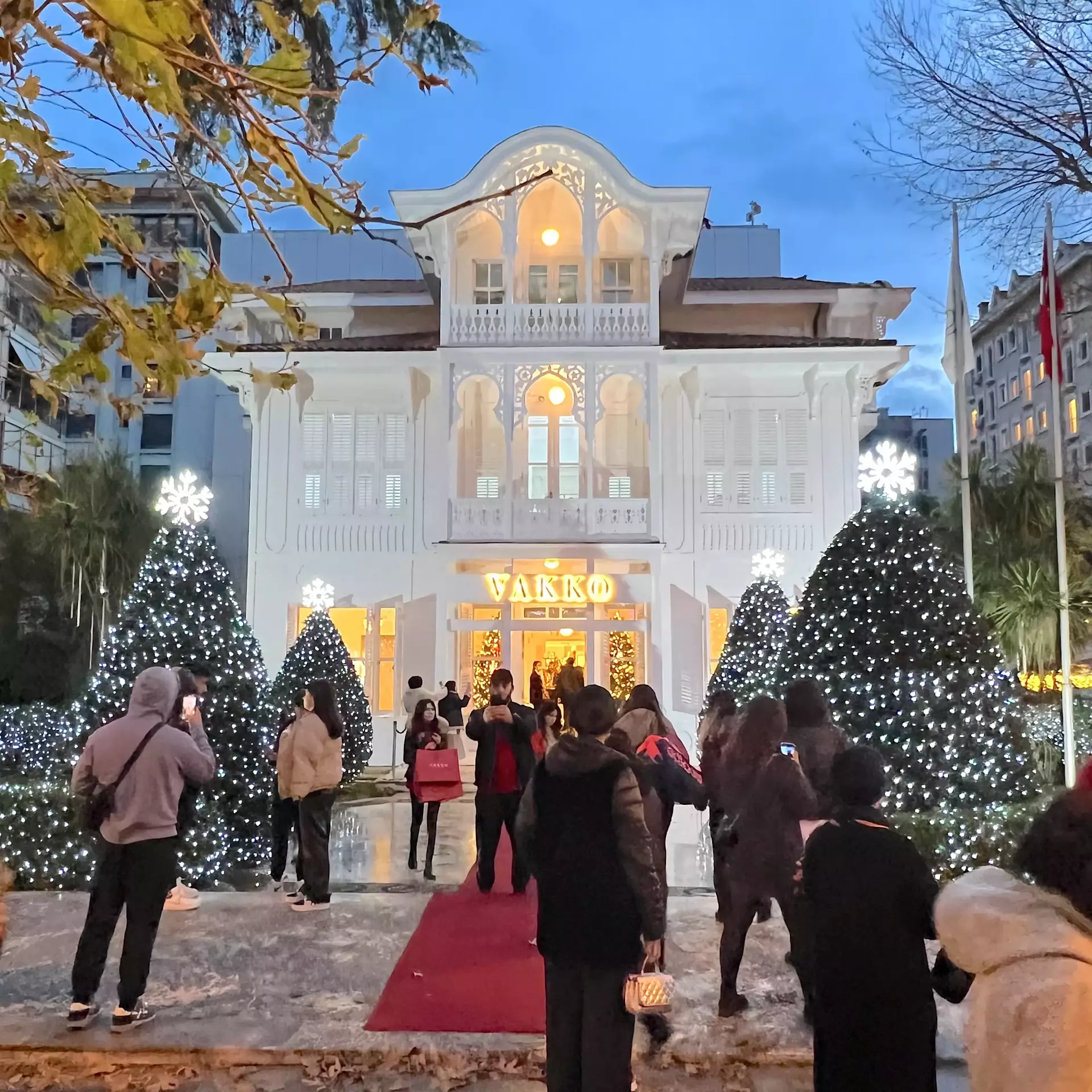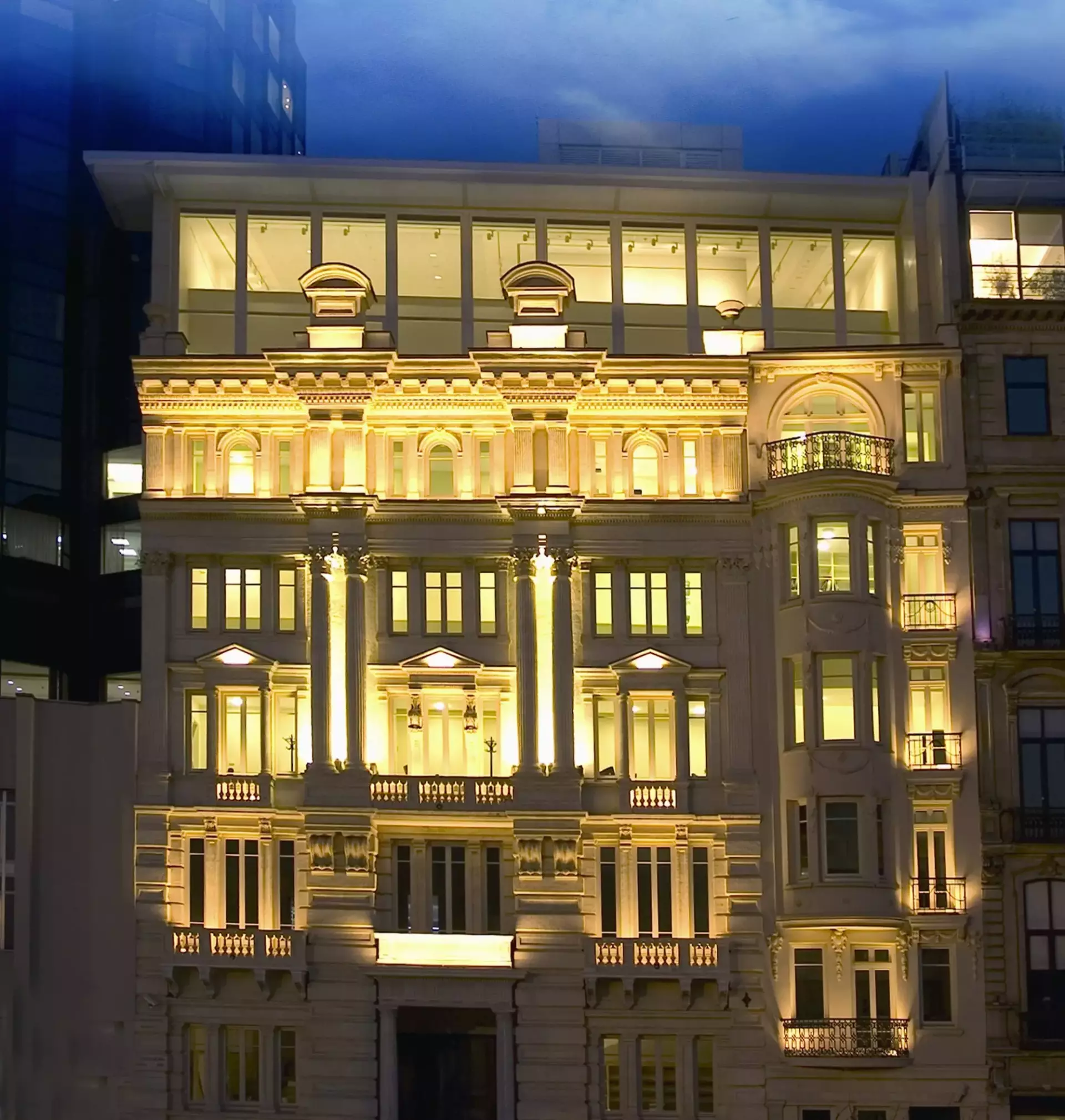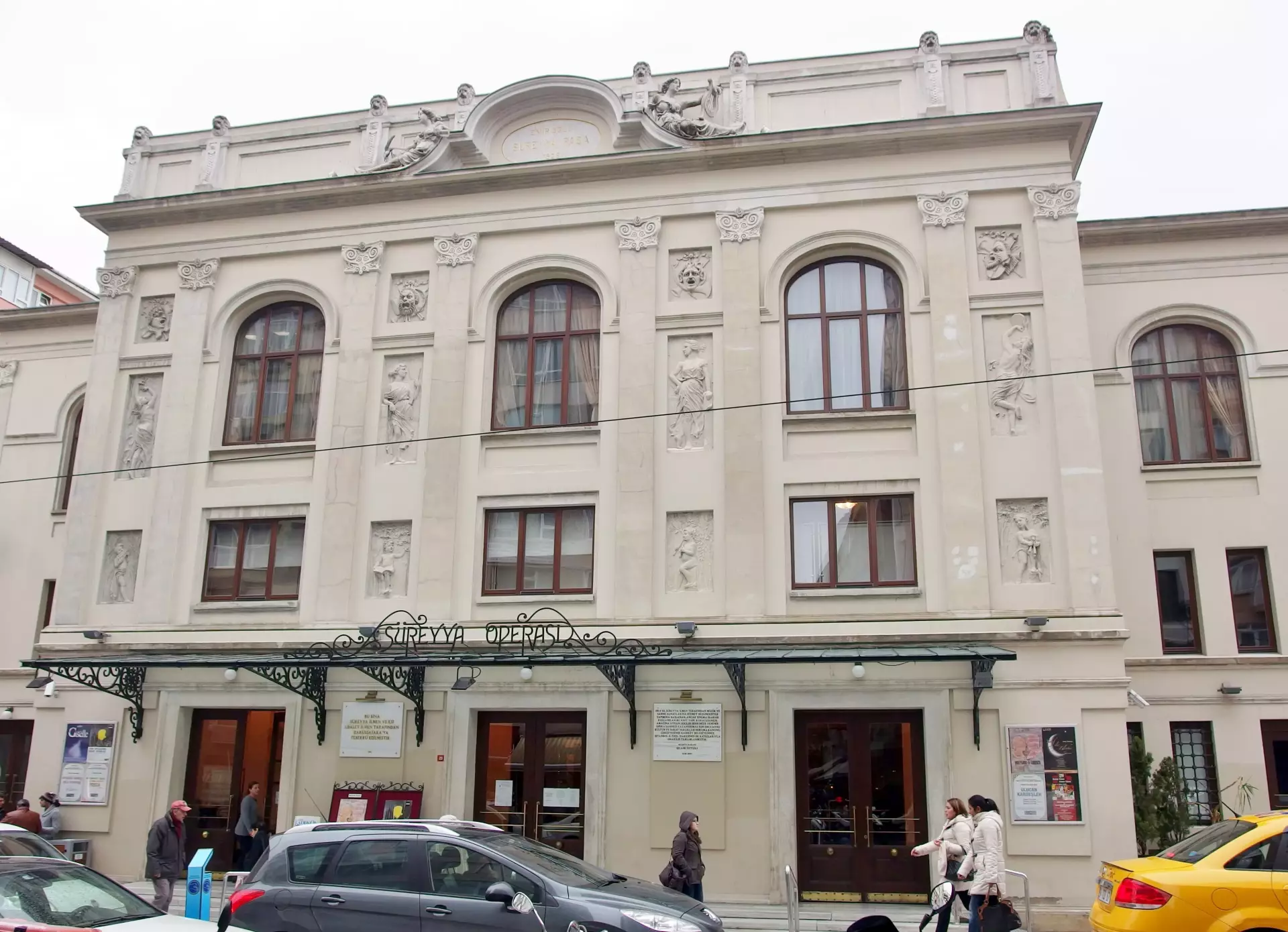
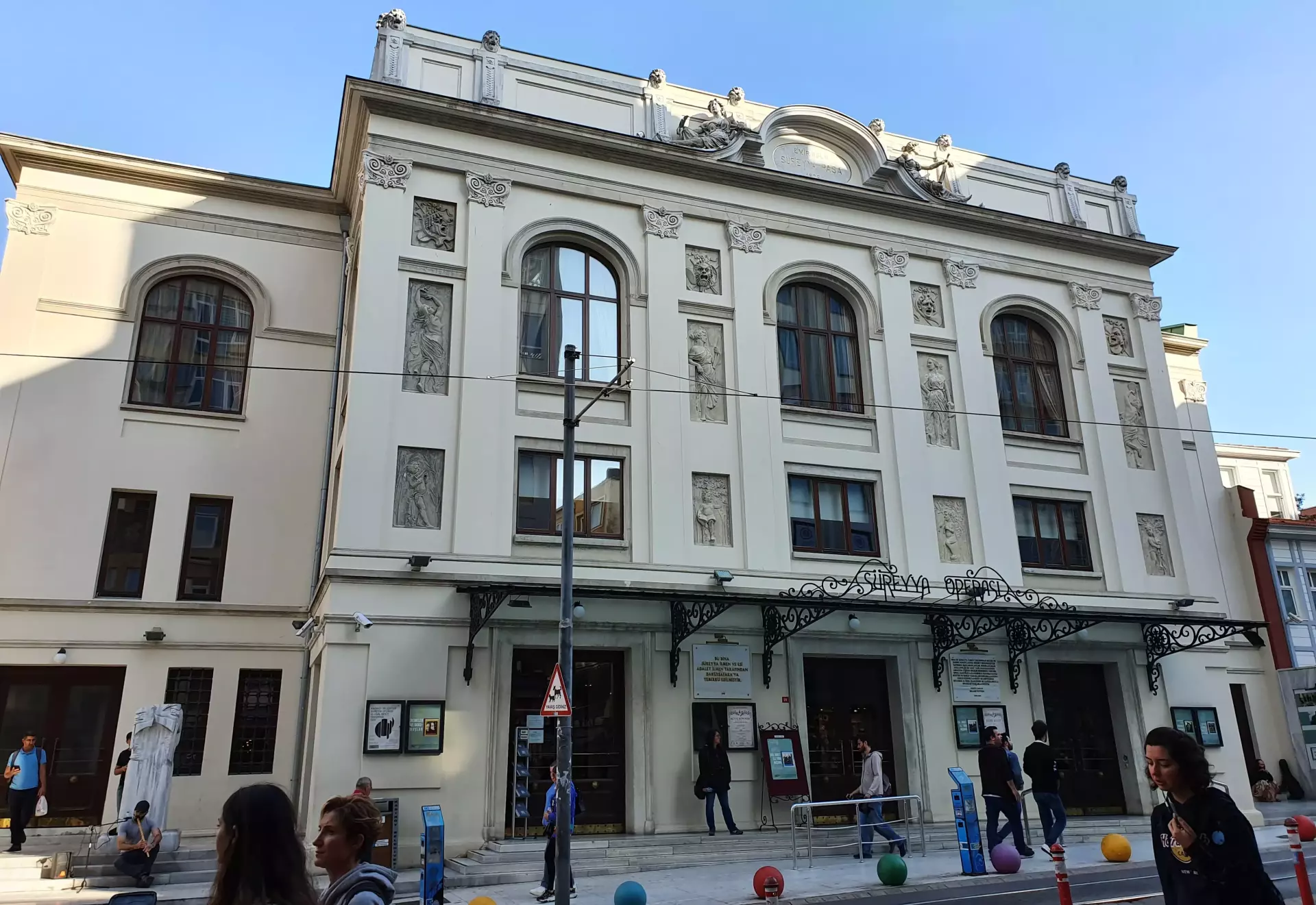
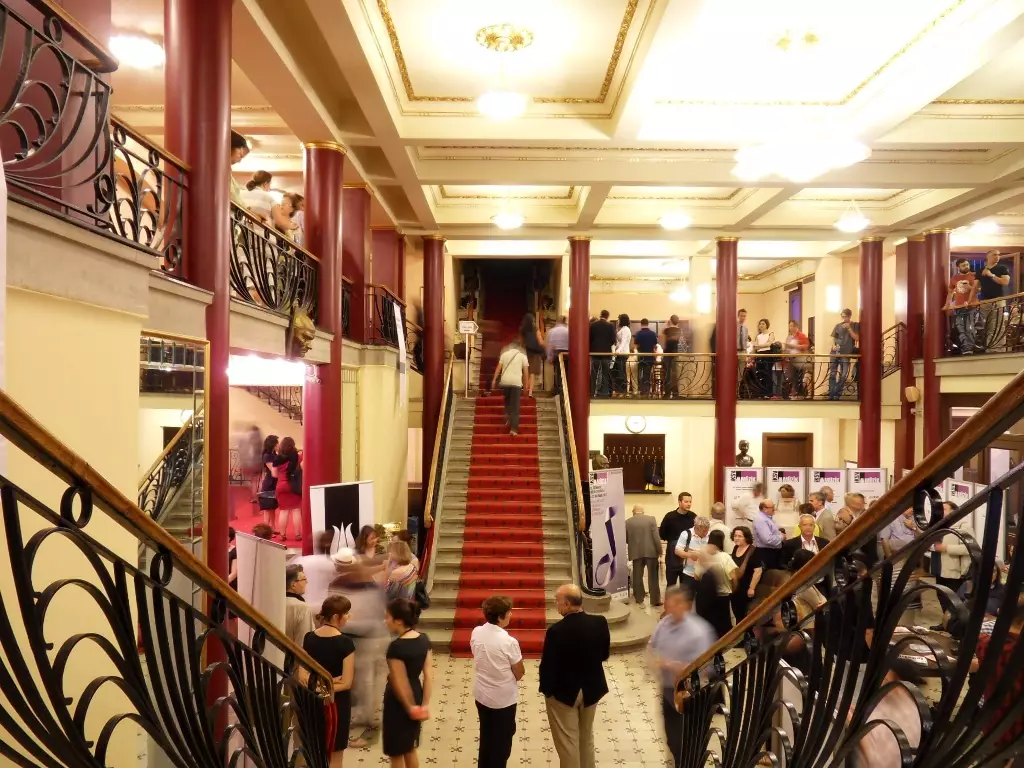
The Süreyya Opera House stands as a striking example of Beaux Arts architecture from 1927. Named after its founder, Süreyya İlmen Pasha, the building reflects his admiration for the grand theatres he saw in Europe during his travels. At the time, Pasha was serving as a deputy in Istanbul and wanted to bring a similar cultural venue to the city's Asian side.
Although Süreyya Opera House was originally intended to host grand operas, the building faced challenges with its interior design. These issues made it difficult to stage full-scale opera performances, so the venue quickly transitioned into a cinema. For many years, locals found entertainment here not through live performances, but through the magic of the silver screen.
In 2007, the Süreyya Opera House underwent a major restoration. The project reimagined the space for its original purpose, creating a modern setting for ballet, opera, and classical music. Today, audiences can experience a range of performances in this beautifully restored theatre. Tickets are often available at very affordable prices, making it a popular choice for music and theatre lovers in Istanbul.
Source - https://en.wikipedia.org/wiki/S%C3%BCreyya_Opera_House
The third and grandest of the churches on this site, completed in 537 AD. The 30-m diameter dome covers what was for over 1000 years the largest enclosed space in the world, only surpassed in 1520 by Seville cathedral. It used "pendentive" architecture to throw the dome's weight onto four stout pillars, a design that inspired many Eastern Orthodox churches and Ottoman mosques. It became a mosque after the Ottoman conquest in 1453, remaining so until 1931. It was then a museum until 2020 when it was again proclaimed a mosque. That means you must work around prayer times and dress appropriately.
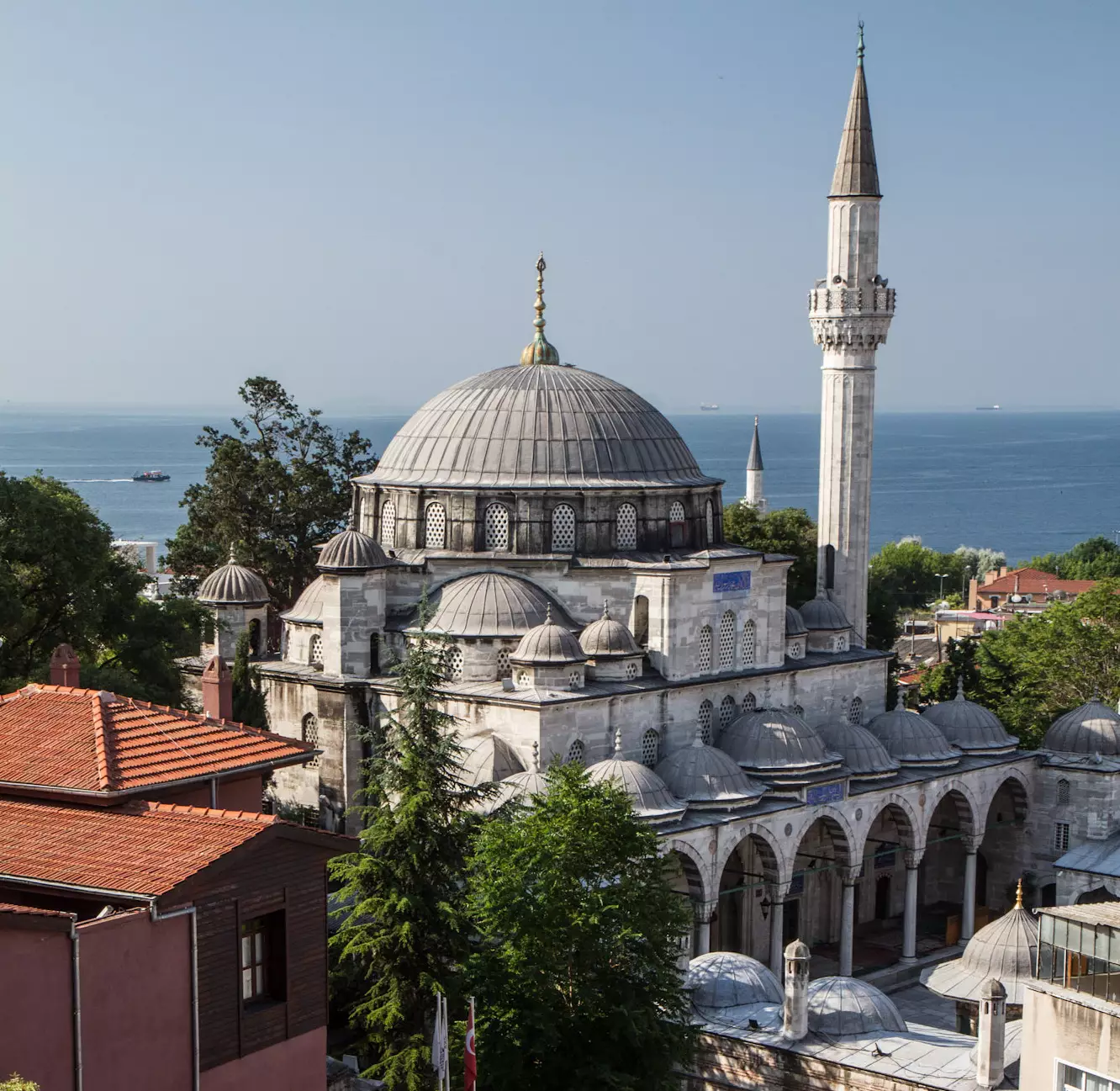
Sokollu Mehmet Pasha was the grand vizier and de facto ruler of the Ottoman Empire during its 16th century golden age. He commissioned this mosque, one of three in the city to bear his name, but the sloping site was a challenge. He hired the best, Mimar Sinan, who completed it in 979 AH / 1571 AD, with the slope resolved by a fronting courtyard above shops and a medrese. The interior has outstanding İznik blue tiles, and three fragments of the Black Stone (Hajar al-Aswad) of the Kaaba: above the main entrance, minbar and mihrab.
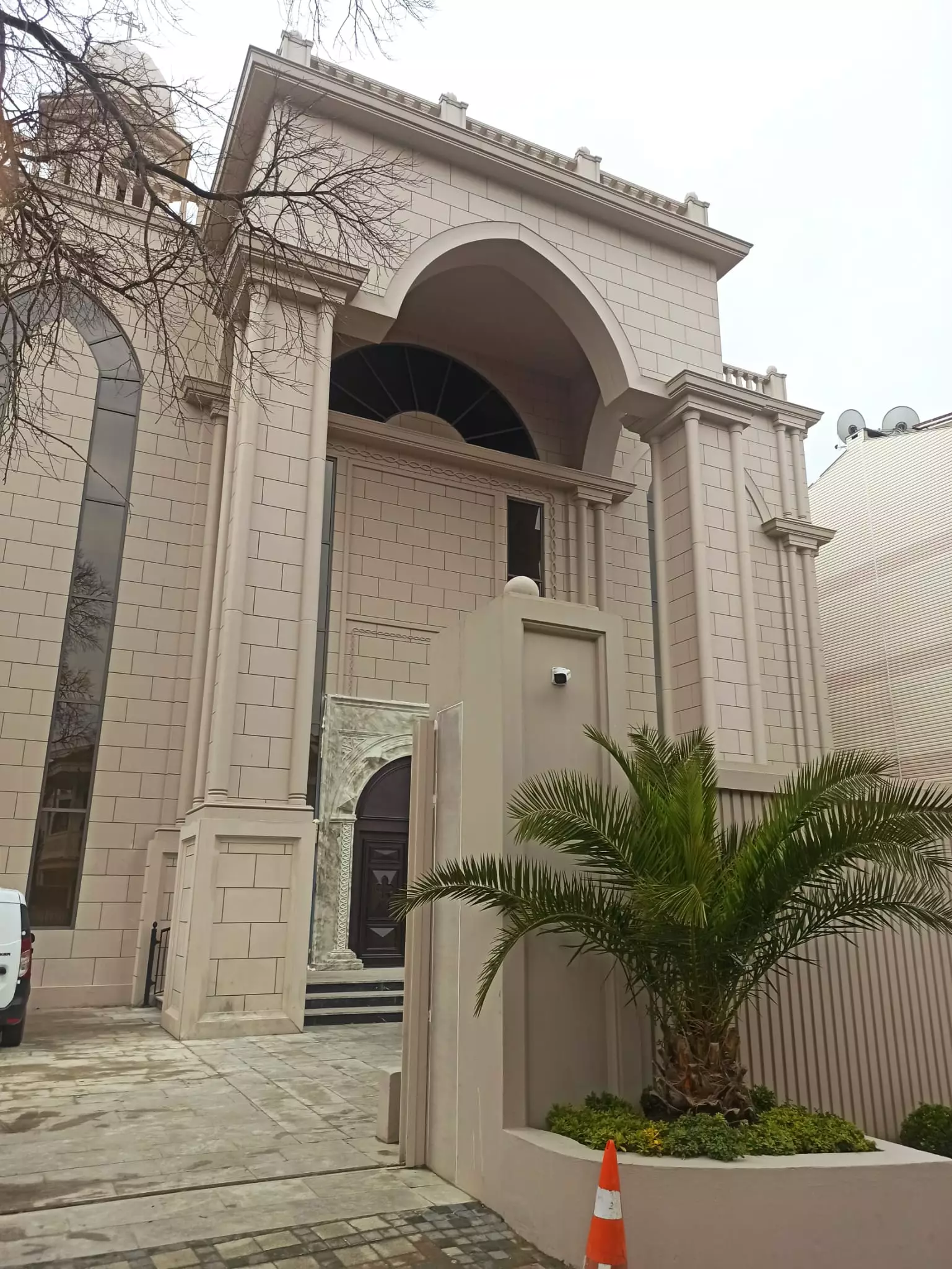
Istanbul's former Asia-side railway station nowadays has no trains, but is worth a look. It was built by the Germans in 1908 in a distinctive Teutonic-castle style - to make an impact on travellers from Asia about to step into Europe, and a counterpoint to Sirkeci station (also closed) on the European side which is modelled in Oriental style. It's intended eventually to make this the terminus for the high speed rail network.
This is a circular indoor space enclosed by a 3D depiction of the Ottomans breaching the Walls of Constantinople on 29 May 1453, with sound effects. It's over-priced, unhistorical and tourist-trappy.
This is the main attraction around this part of the city. The holiest Islamic shrine in the city, the complex includes, right next to the mosque, the tomb of Abu Ayyub al-Ansari (Eyüp Ensari Türbesi), the standard bearer of Prophet Mohammad, died and buried here during the first Muslim siege of Constantinople (674-678 AD). The neighbourhood was named after him. Muslims flock here (in such huge numbers that sometimes you have to queue for a few minutes before entering the tomb) also to see a rather uninteresting plaque made of plastic, which is purported to be Mohammad's footprint. The interior of the tomb, covered with fine tiles/faience, is nonetheless well worth a look, however. It is also interesting to see the devout Muslims leaving the place by walking backwards through its exit hallway, as not to turn their backs to al-Ansari's catafalque, though obviously no one expects everyone to quit the place in the same manner.
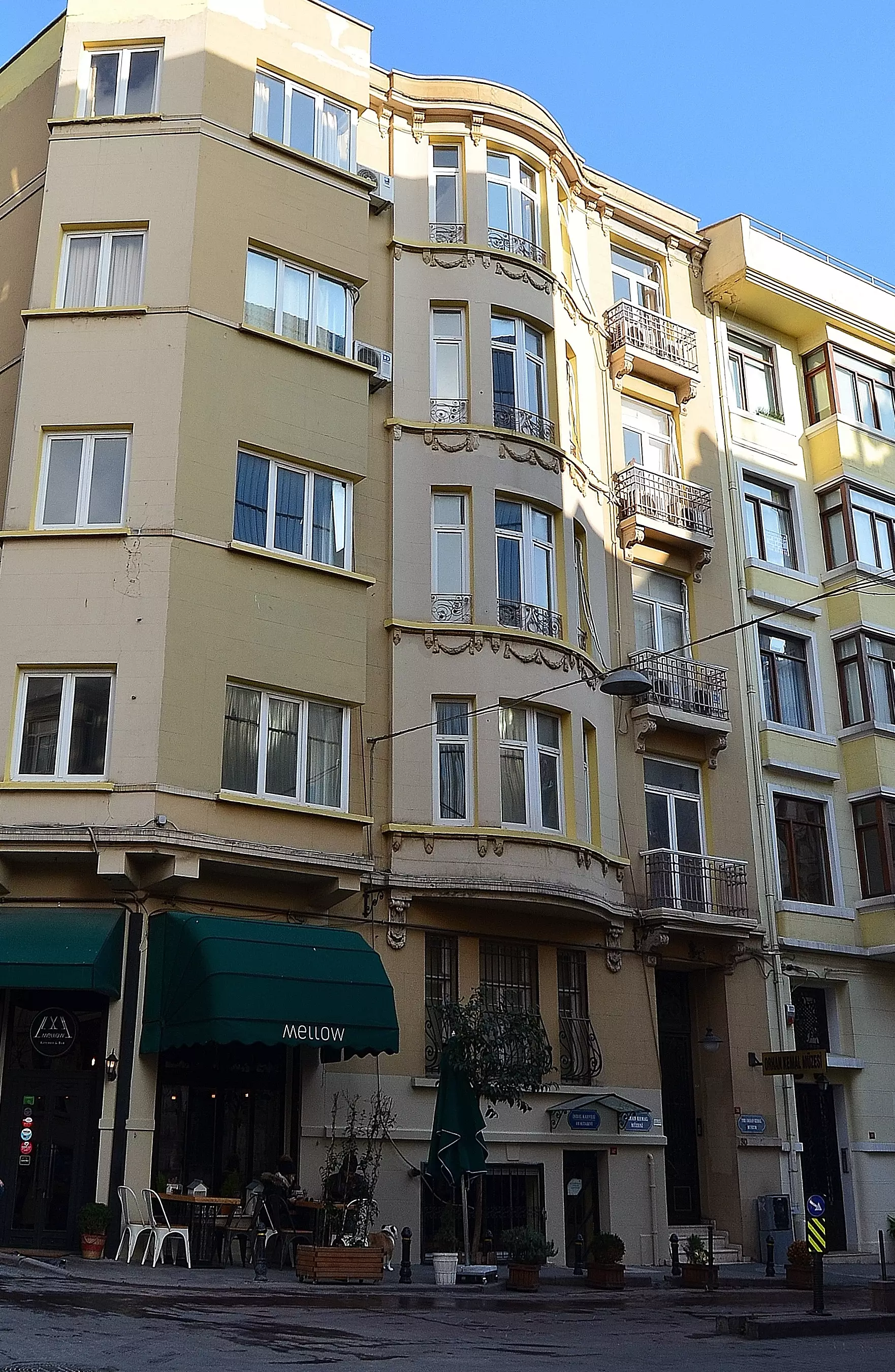
A neighbourhood east of Şişli known for its Art Nouveau apartment buildings, the ground floors of many of which are upmarket restaurants, cafes, pubs, and garment stores lining the sidewalks. Nobel laureate Orhan Pamuk, well-known Turkish novelist, is a lifelong resident of the neighbourhood which formed the background of several of his novels.
A resort on the Marmara coast. It's the westernmost part of Istanbul, between Çatalca and the province of Tekirdağ. There are some remnants of the Anastasian wall here, the scrappy ruins of a castle, an ancient cistern, the Piri Paşa Mosque, and Uzunköprü the long aqueduct.
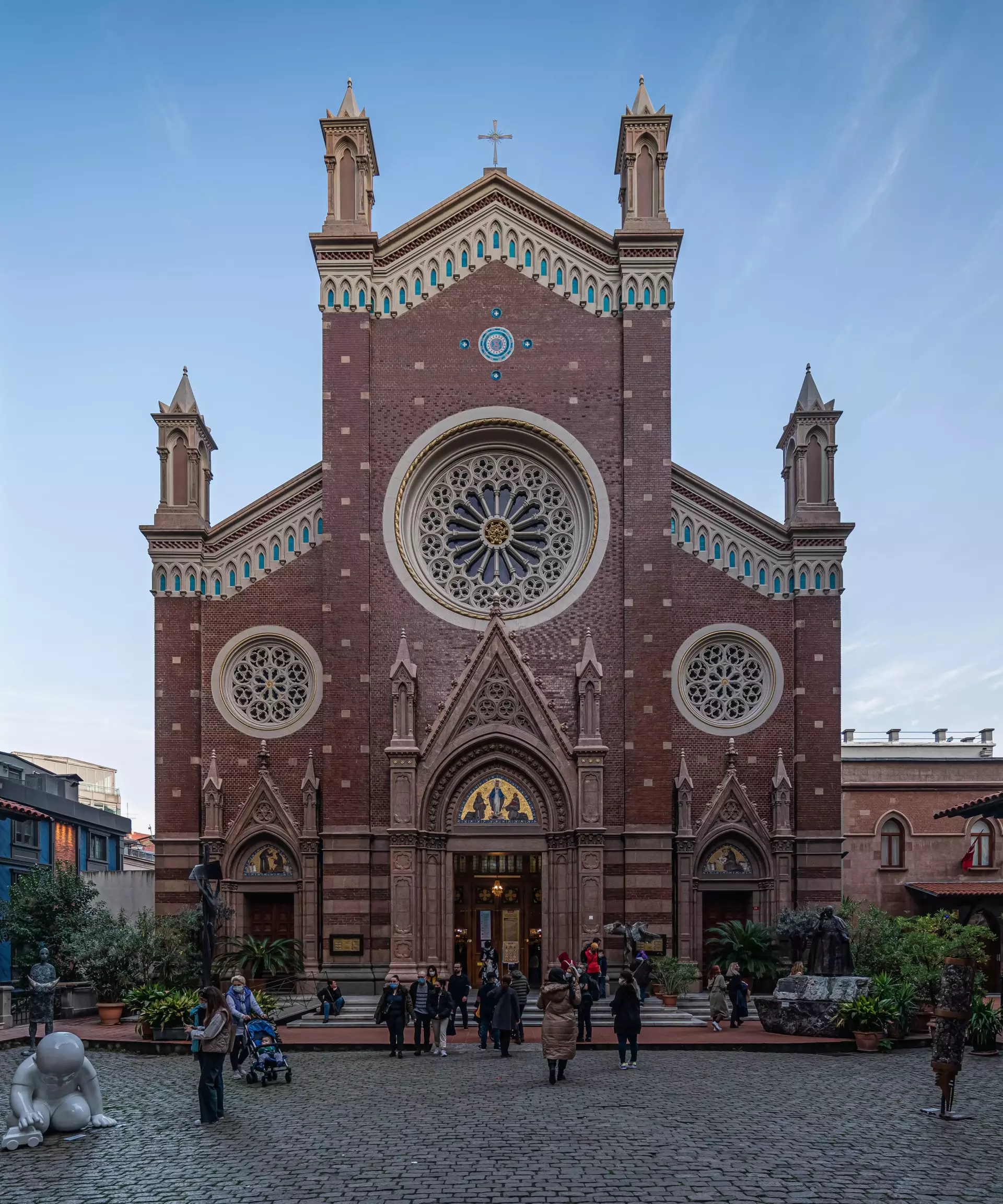
Although not at the size of Hagia Sophia, this is the largest active church in Turkey. It’s directly on Istiklal St, but somewhat hidden from view by its yard portal. Catholic Masses in Italian, Turkish, and English (in different days of the week).
A profusion of carpets, rugs, calligraphy, pottery, Qu'rans and other manuscripts. The museum is housed in the Palace of Pargalı Ibrahim Pasha (1495–1536), who was grand vizier to Suleiman the Magnificent, and the best of pals till Suleiman had him murdered.
A medieval citadel on the Bosphorus at the mouth of the Göksu creek. It was built in the late 14th century to control (polite word for "choke off") shipping along the Bosphorus, which narrows to 660 m at this point. It worked in tandem with Rumeli Citadel, built some 50 years later on the European bank. It fell into disrepair but was restored in the 1990s. You can't go in, but it's a pleasant setting; the entire village is named Anadolu Hisarı after the fort and has many traditional wooden houses (yalı). Ferries along the Bosphorus call here.
The original mosque was built between 1463-1470 by the Greek architect Atik Sinan, by order of Sultan Mehmet II the Conqueror, on the site of the former Church of the Holy Apostles, which had served as Byzantine Imperial burial place for a thousand years. The grand complex with eight medreses, a library, hospital, hospice, caravanserai, market, hamam, primary school and public soup kitchen was smashed again and again by earthquakes, and the present building is from 1771 to a different design. The interior is lavish, and outside is the ornate tomb of Mehmet II and his wife Gülbahar Hatun.
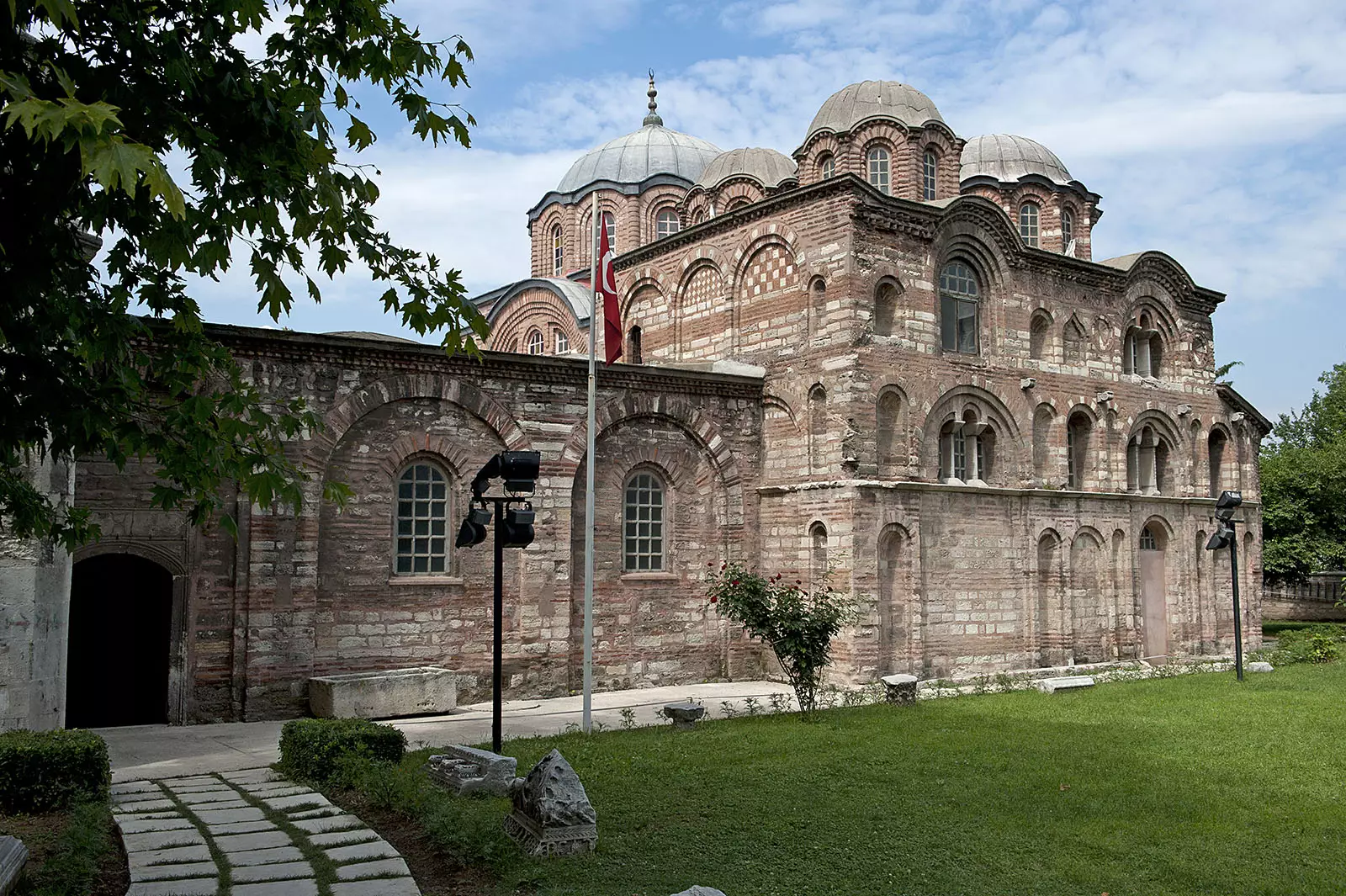
Chora means countryside, and when built as a monastery in the 4th century it stood outside the Constantine walls; a century later, it was incorporated into the Theodosian walls. It was rebuilt in the 11th century then wrecked by an earthquake, so the structure and fabulous mosaics you see now are 14th century. When the church was converted to a mosque in 1500 the mosaics were plastered over, and only restored in 1958 when it became a museum. In 2020 it was again proclaimed a mosque but here (unlike Fethiye Mosque) they saw the sense and tourist income of preserving the mosaics. You need to work around prayer times.
On top of a hill overlooking the Golden Horn, this is a magnificent mosque built by Sinan in the 1550s. It was centrepiece of a large külliye, a religious complex which included madrasas, a public kitchen and a hospital.. The small cemetery east has the mausoleums of Suleiman the Magnificent and of his wife Hurrem Sultan or Roxelana.
Museum in a restored building that was the stables for Topkapı Palace. It exhibits various instruments for astronomy, clocks, pumps, weaponry and so on developed in Islamic realms down the centuries, but these are modern repro, and explanations of their context are skimpy. Islamic science and technology preceded that of Europe, as they insist, but they get the tone wrong, as if that was the triumphal culmination rather than the springboard for further advance.
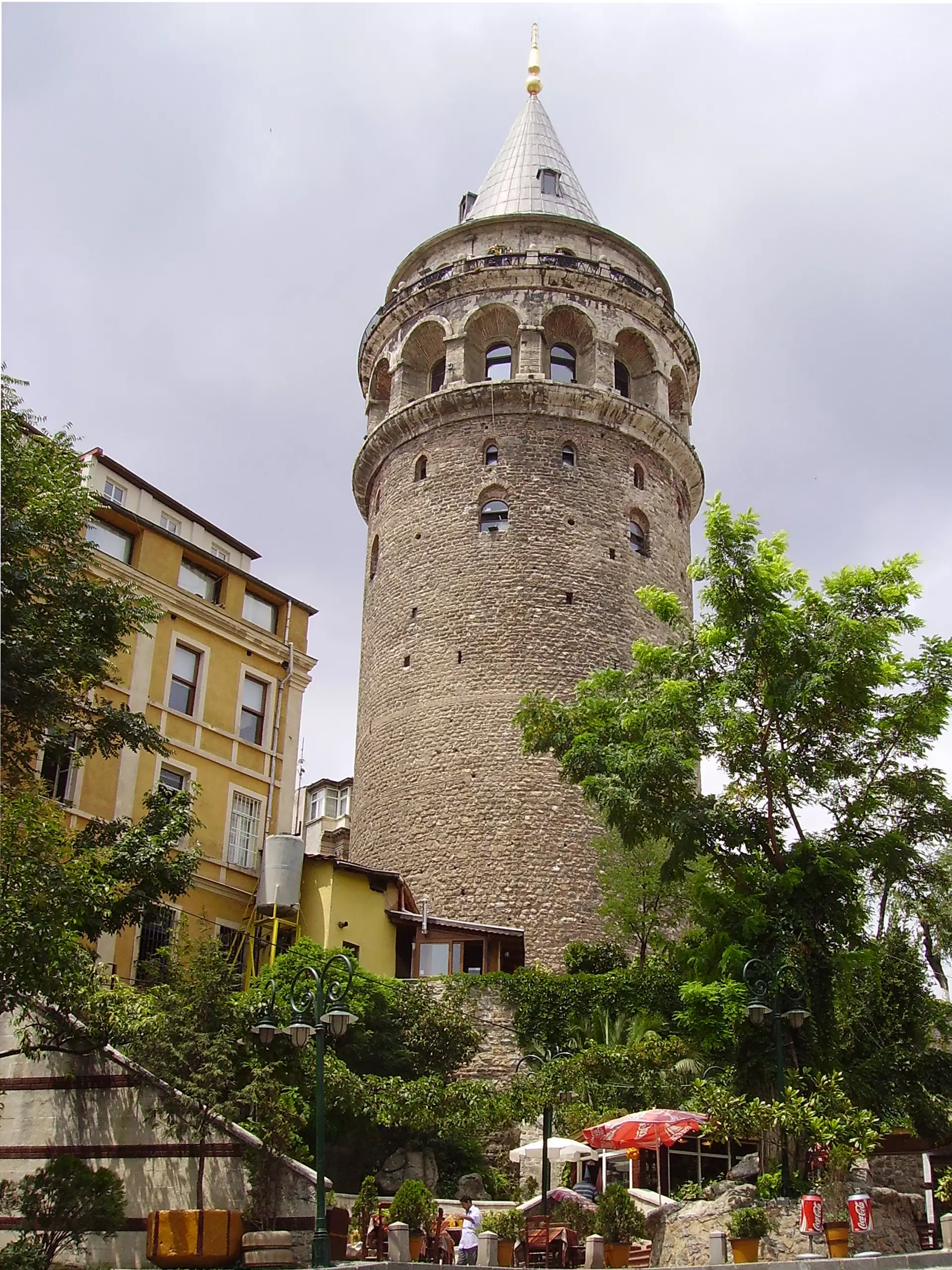
It was built in 2001 and is the first miniature park in Istanbul (the world's largest miniature park in respect to its model area). The park hosts icons of many cultures and civilizations. Models vary from the Hagia Sophia to Galata Tower, from Safranbolu Houses to the Sumela Monastery in Trabzon, from Qubbat As-Sakhrah to the ruins of Mount Nemrut. In addition, some works that have not survived into the present, such as the Temple of Artemis, the Halicarnassus Mausoleum and Ajyad Castle, were recreated. All former Ottoman Empire in one place.