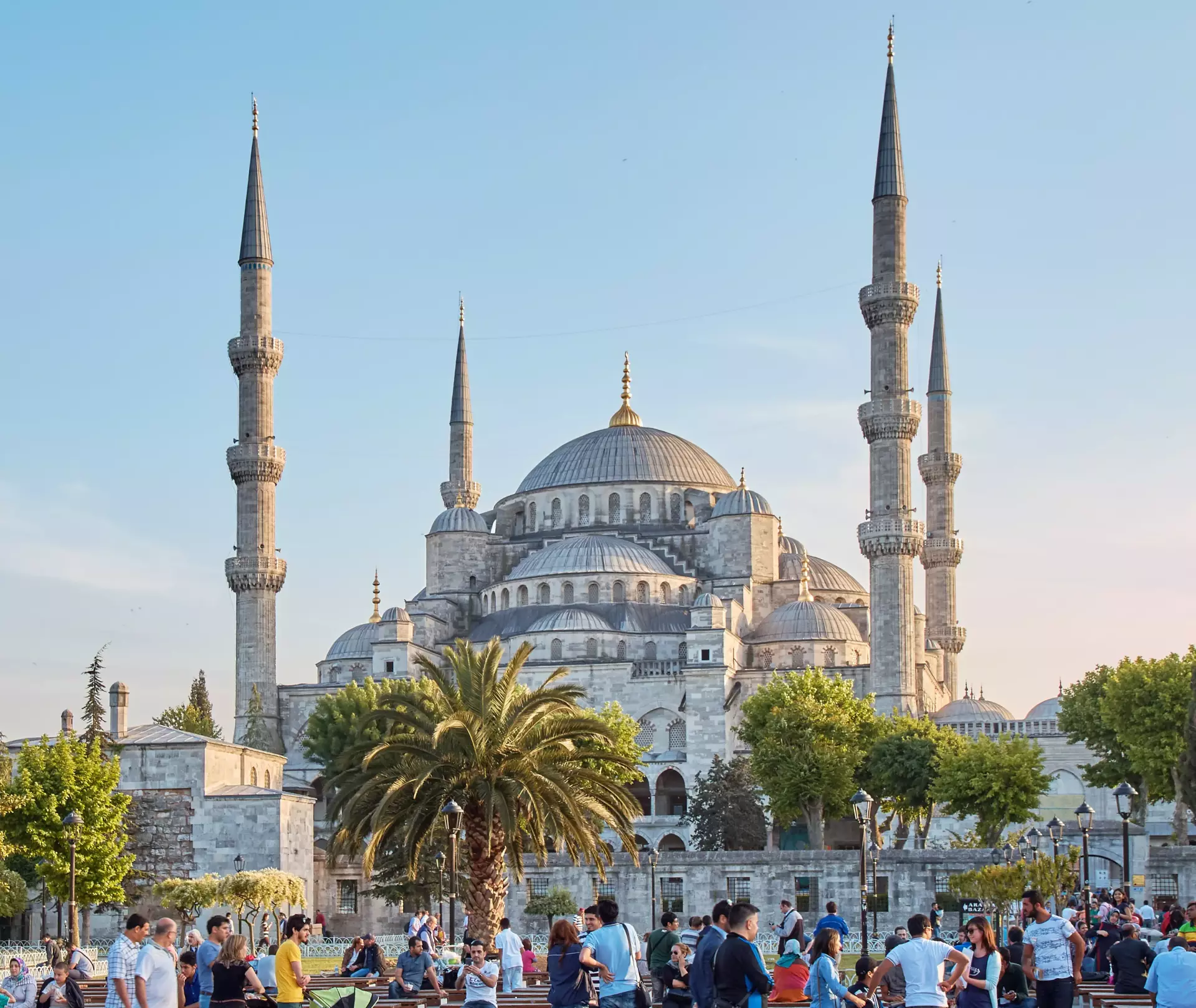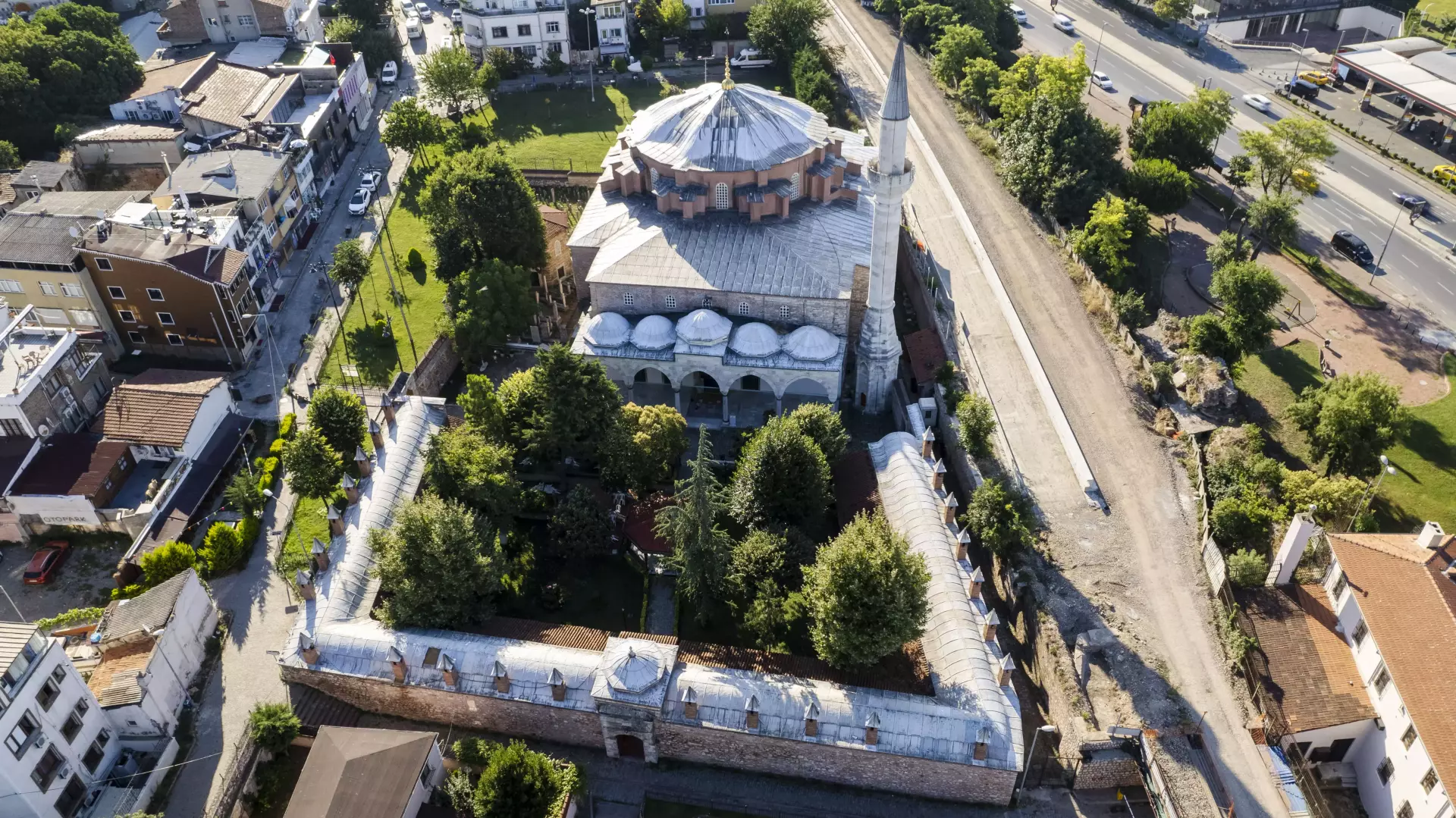
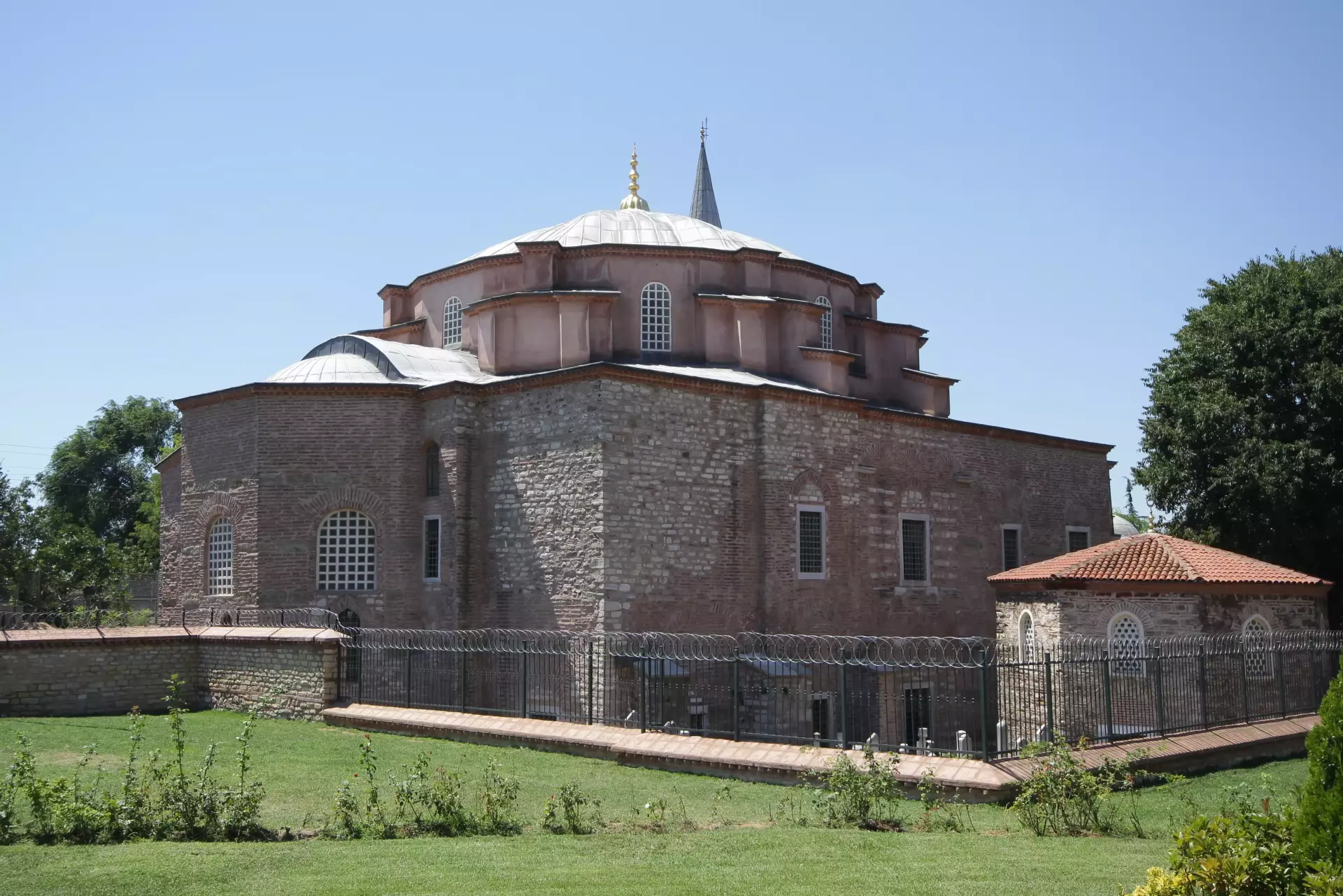
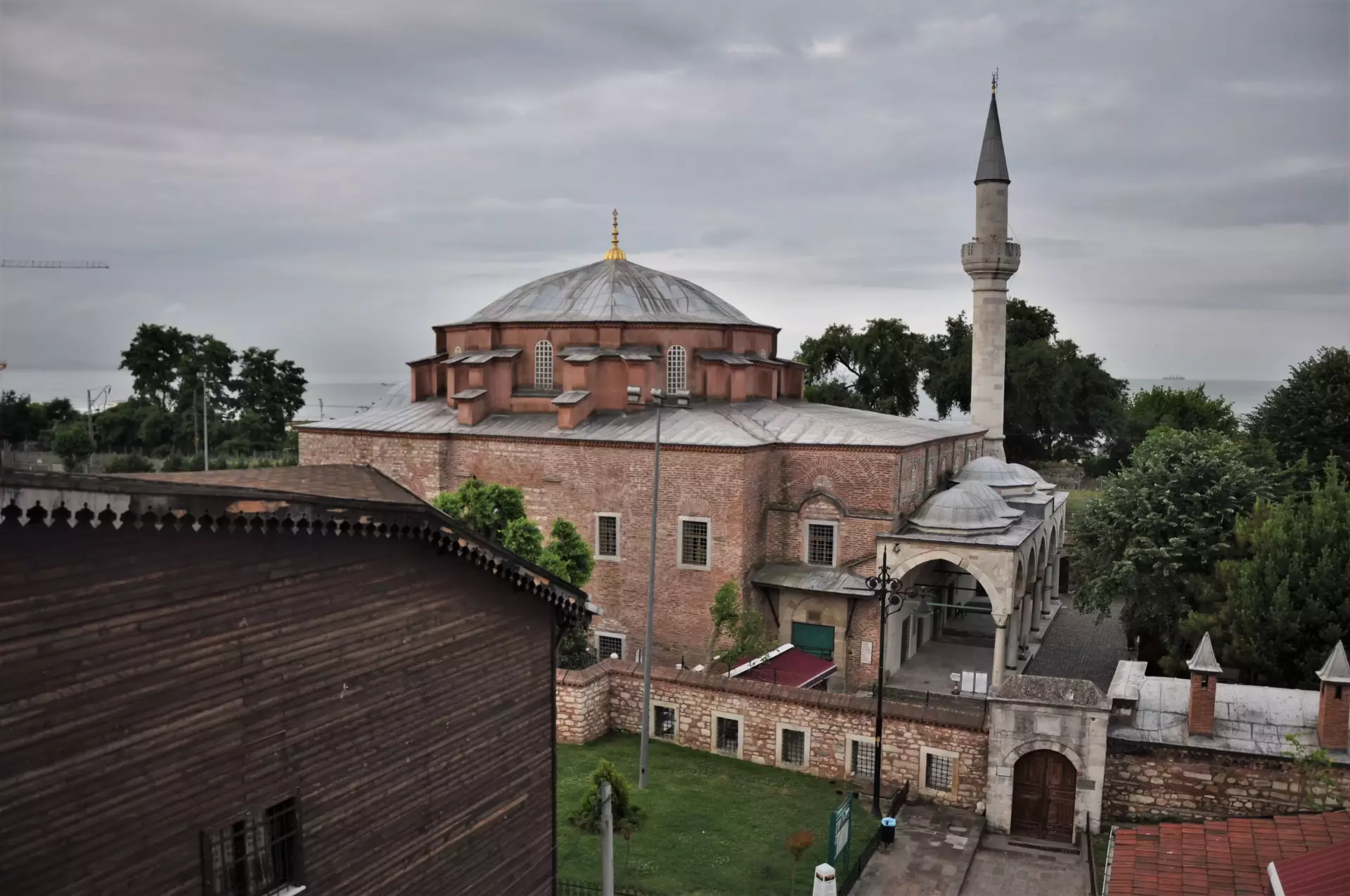
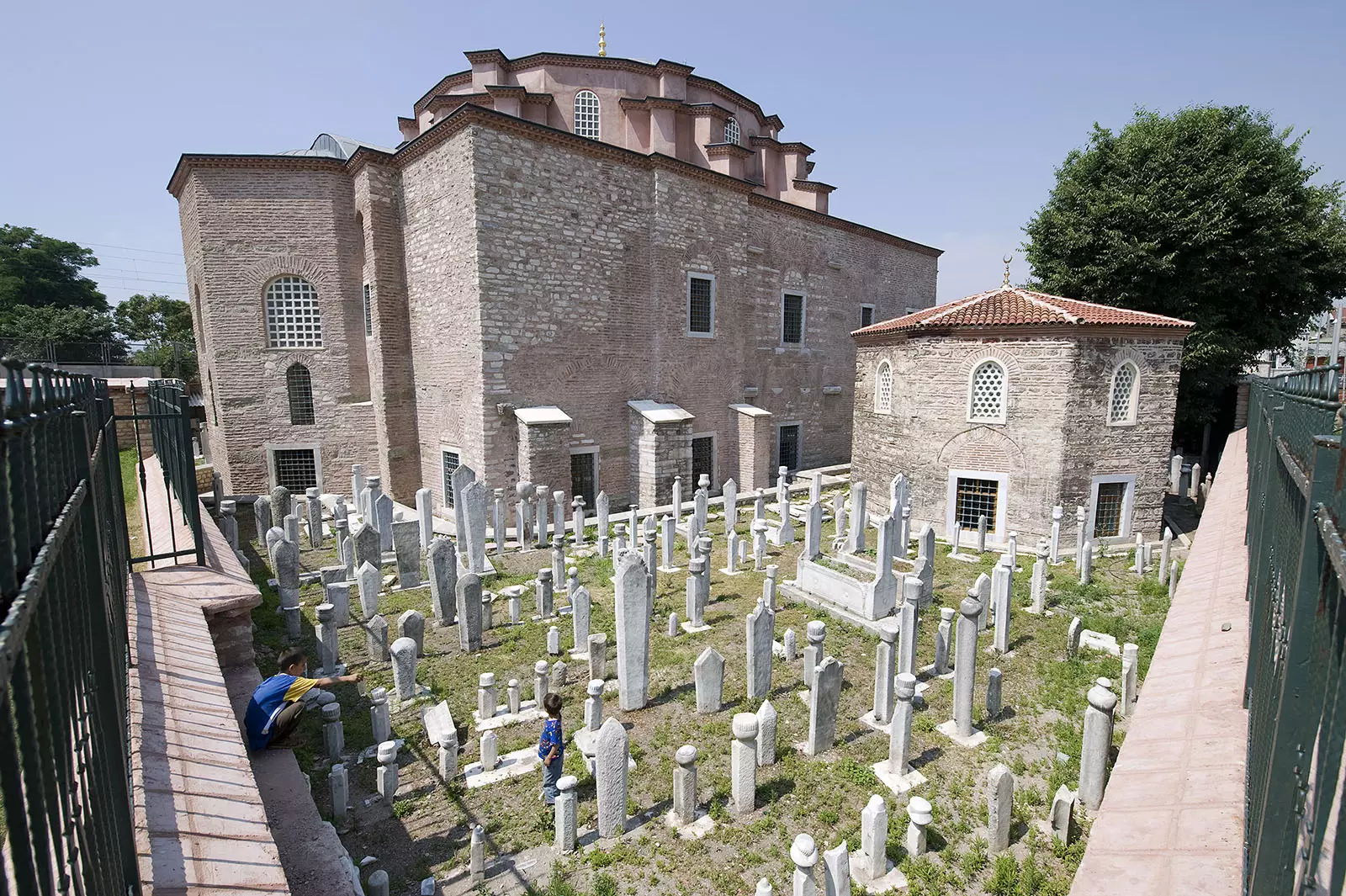
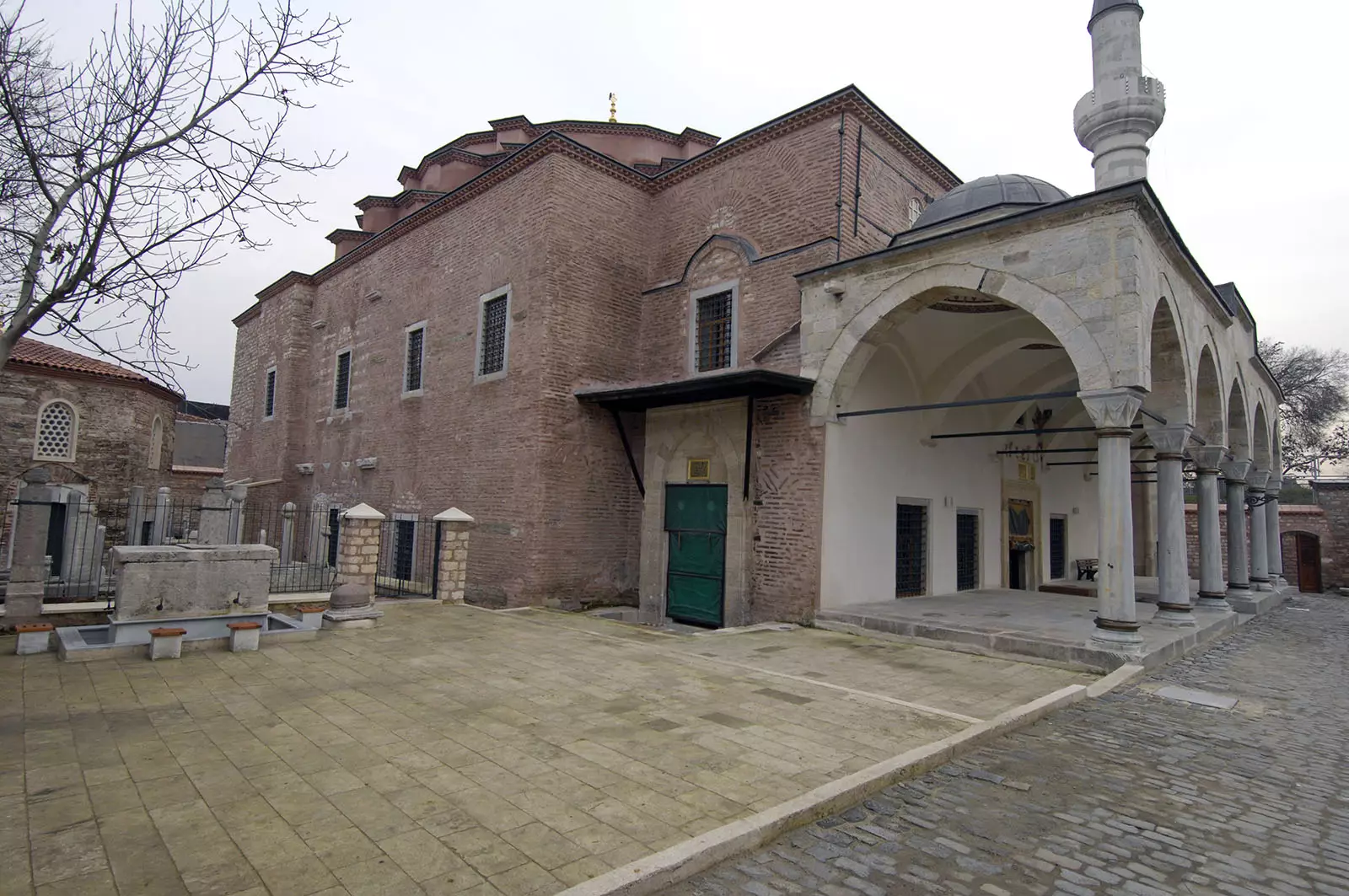
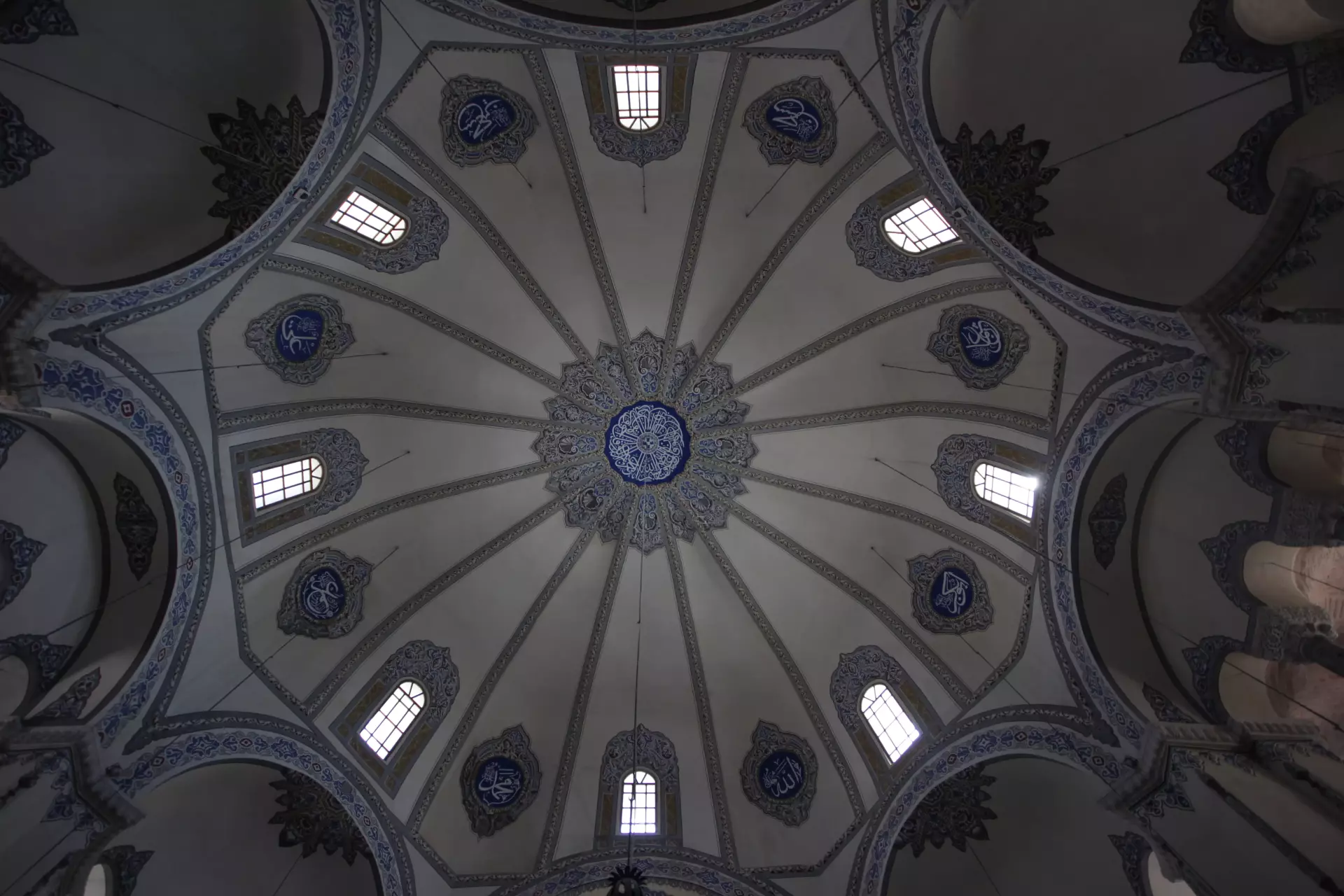
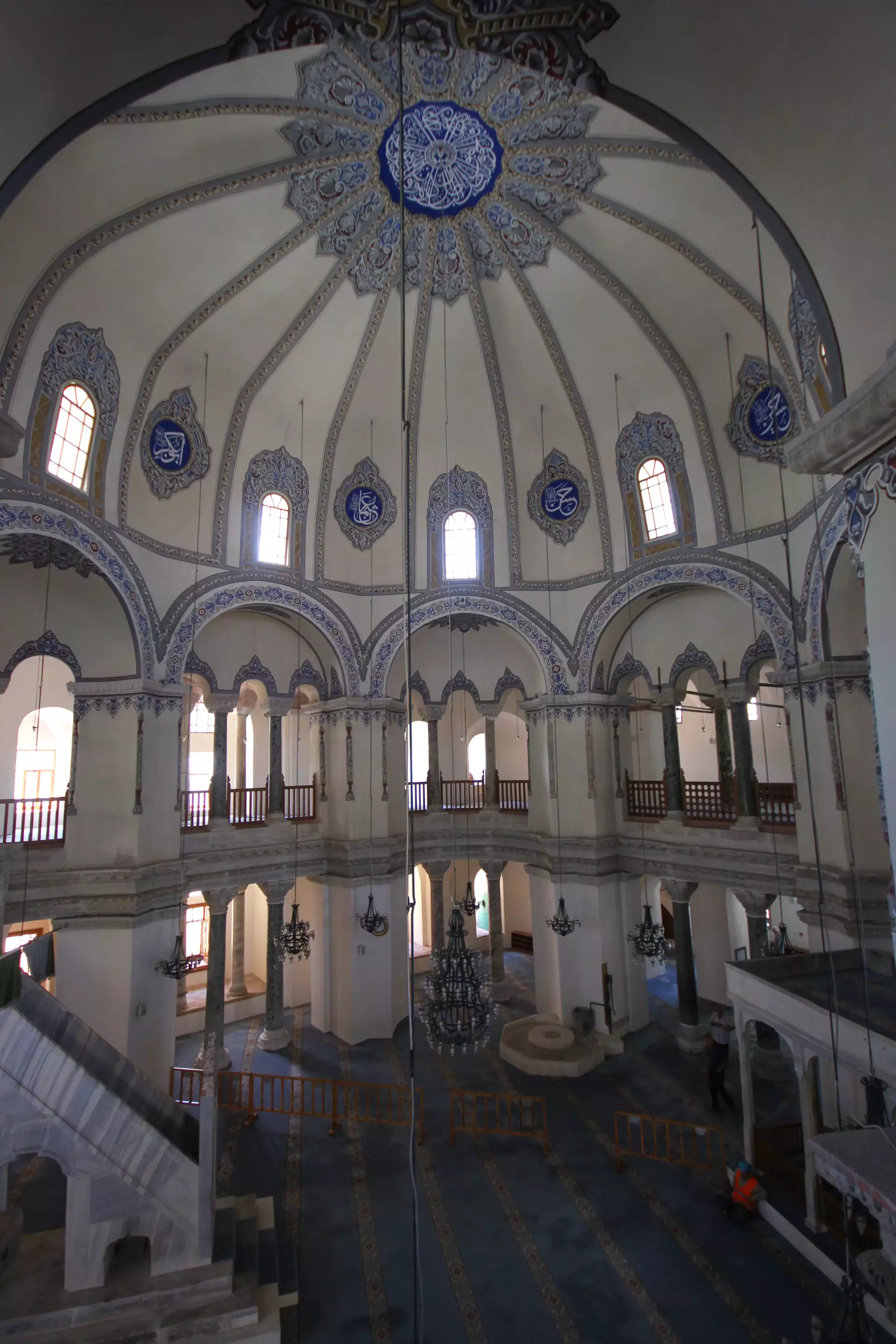
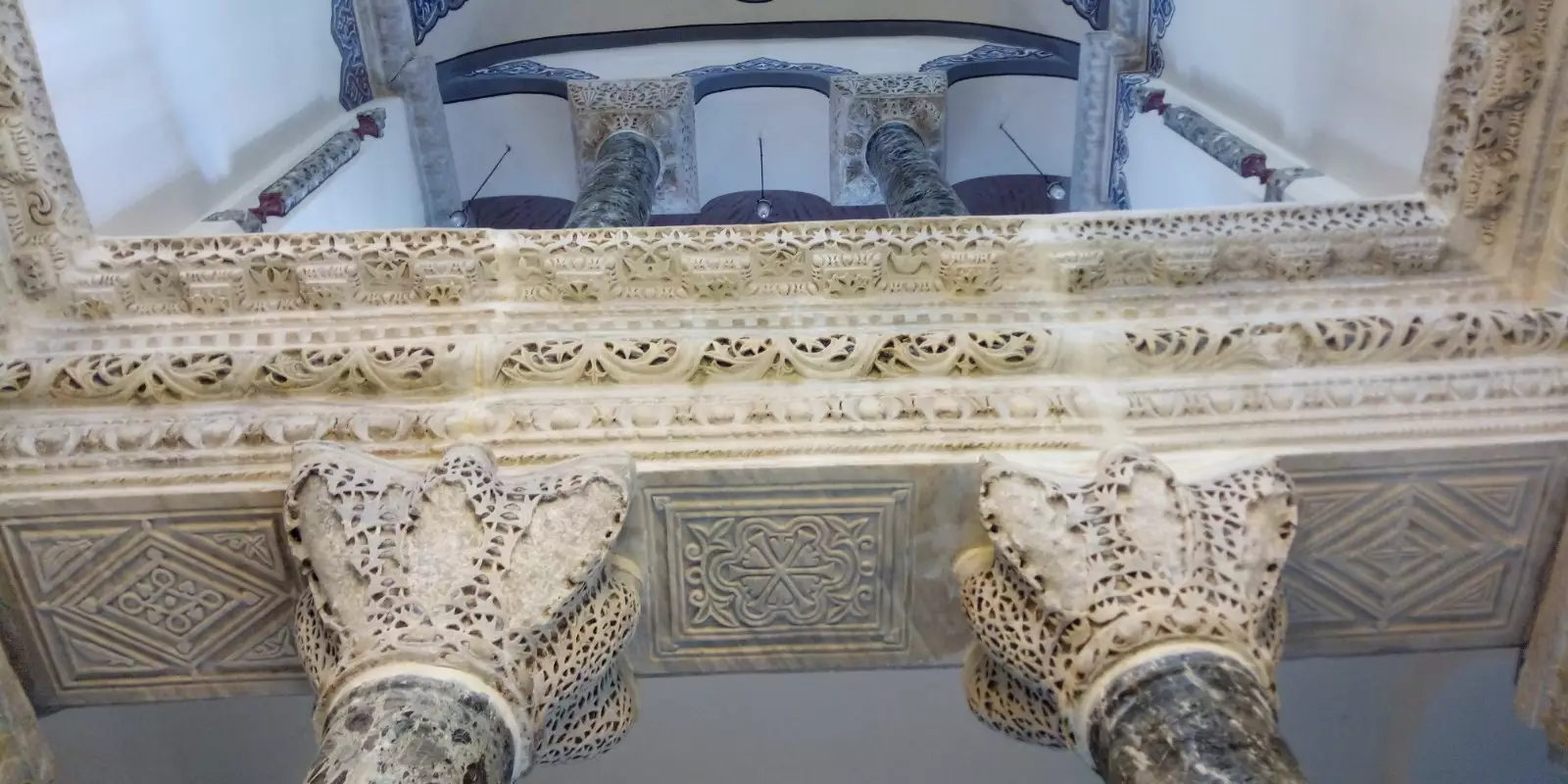
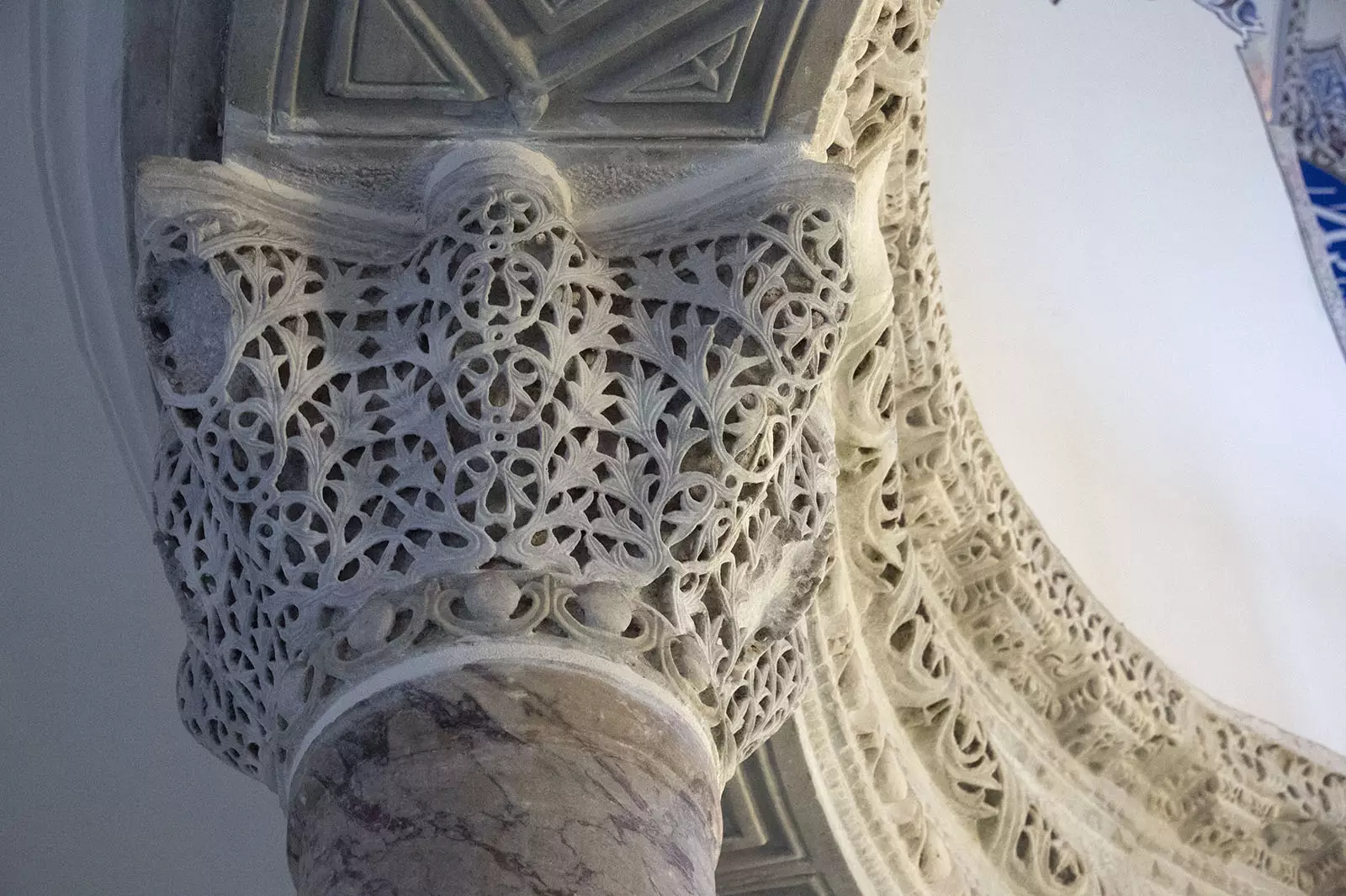
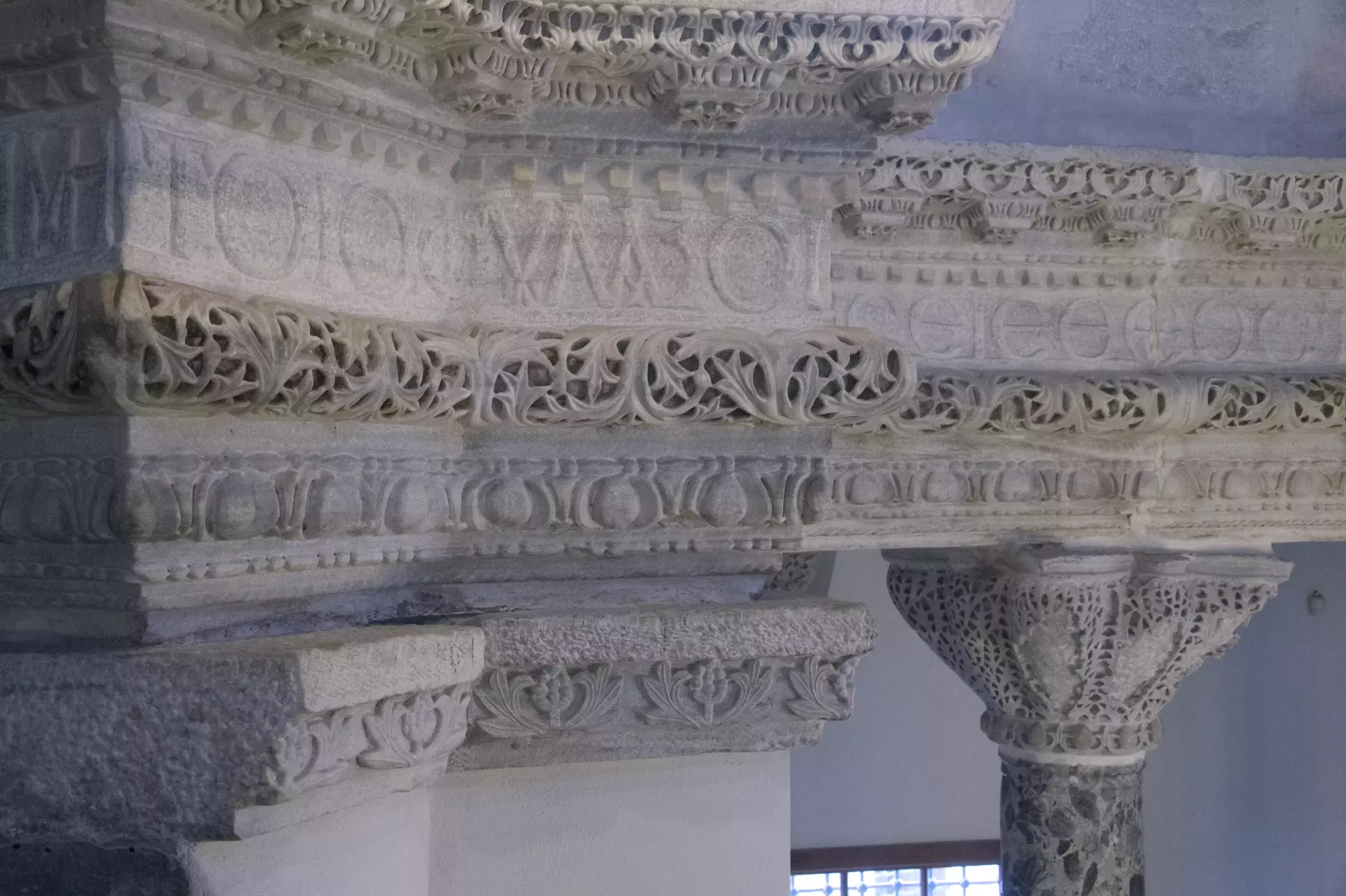
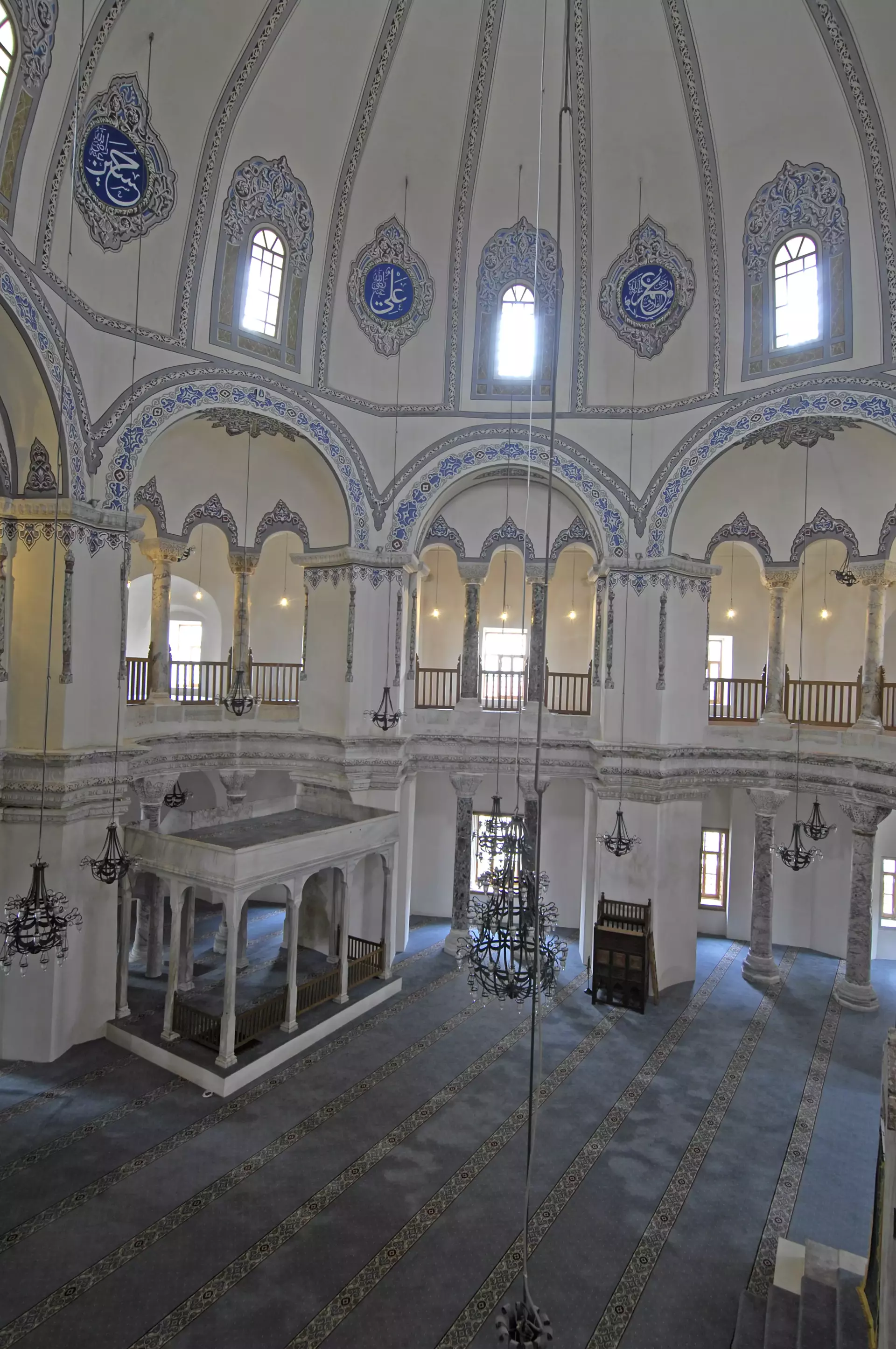
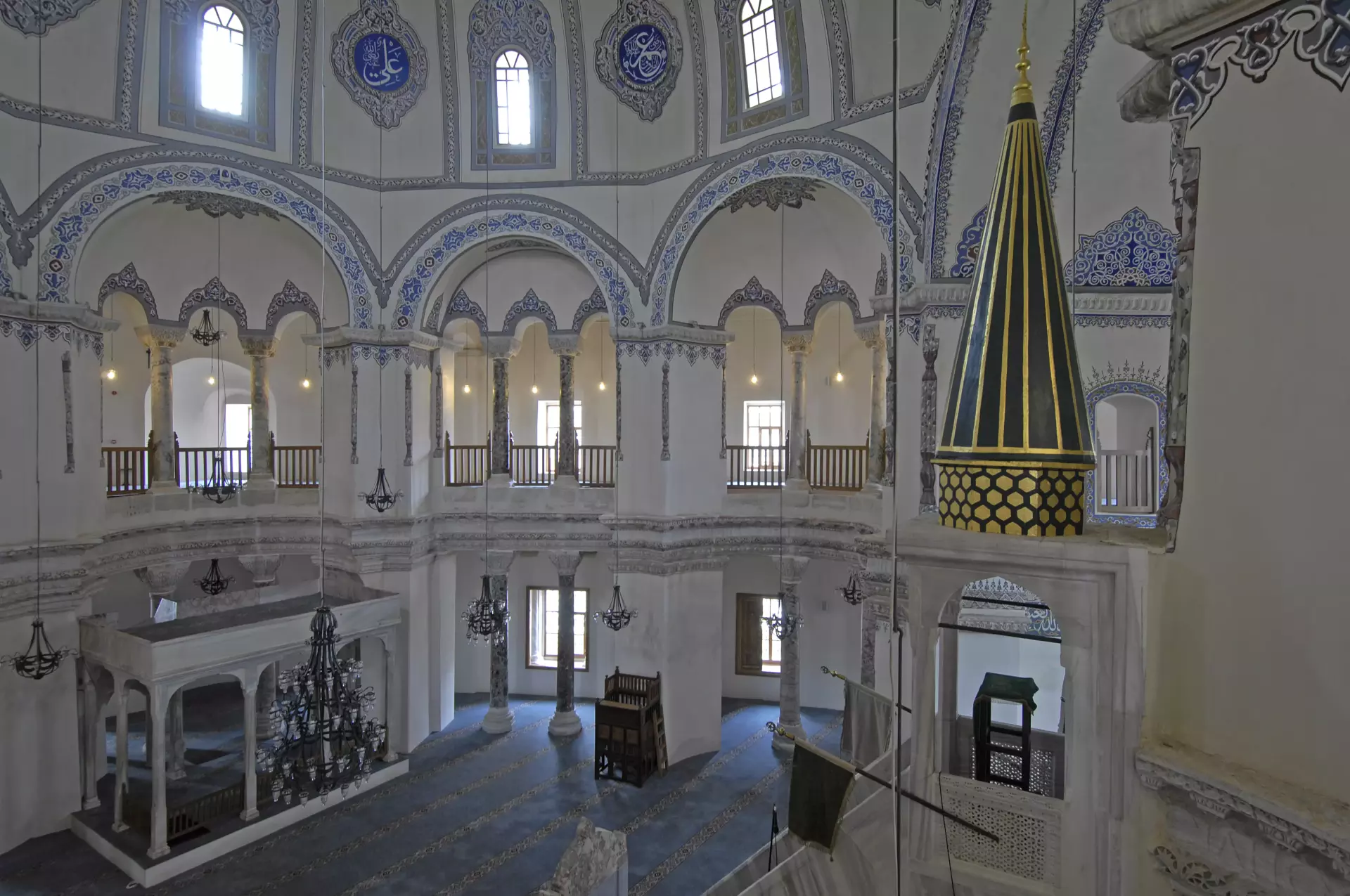
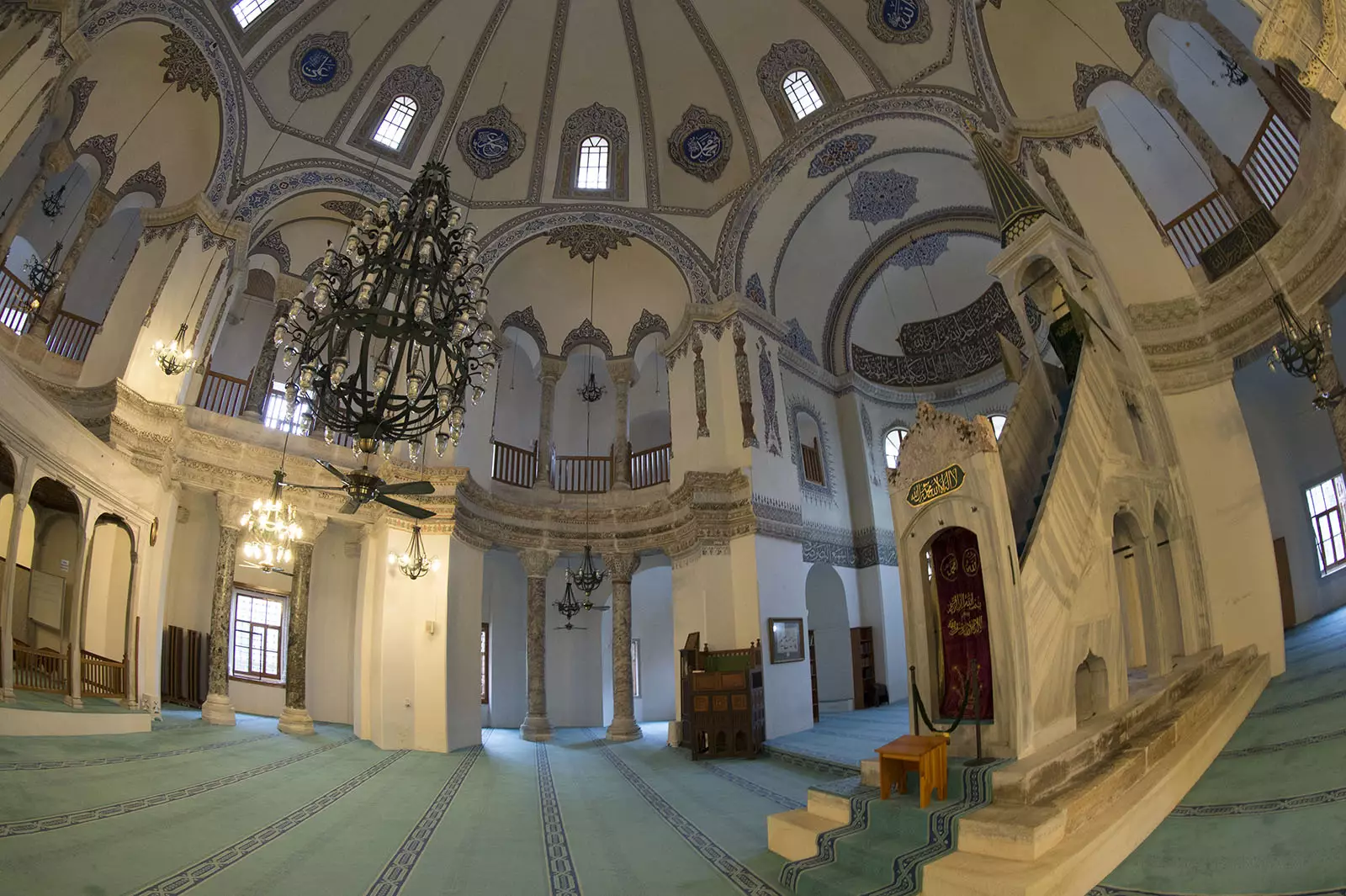
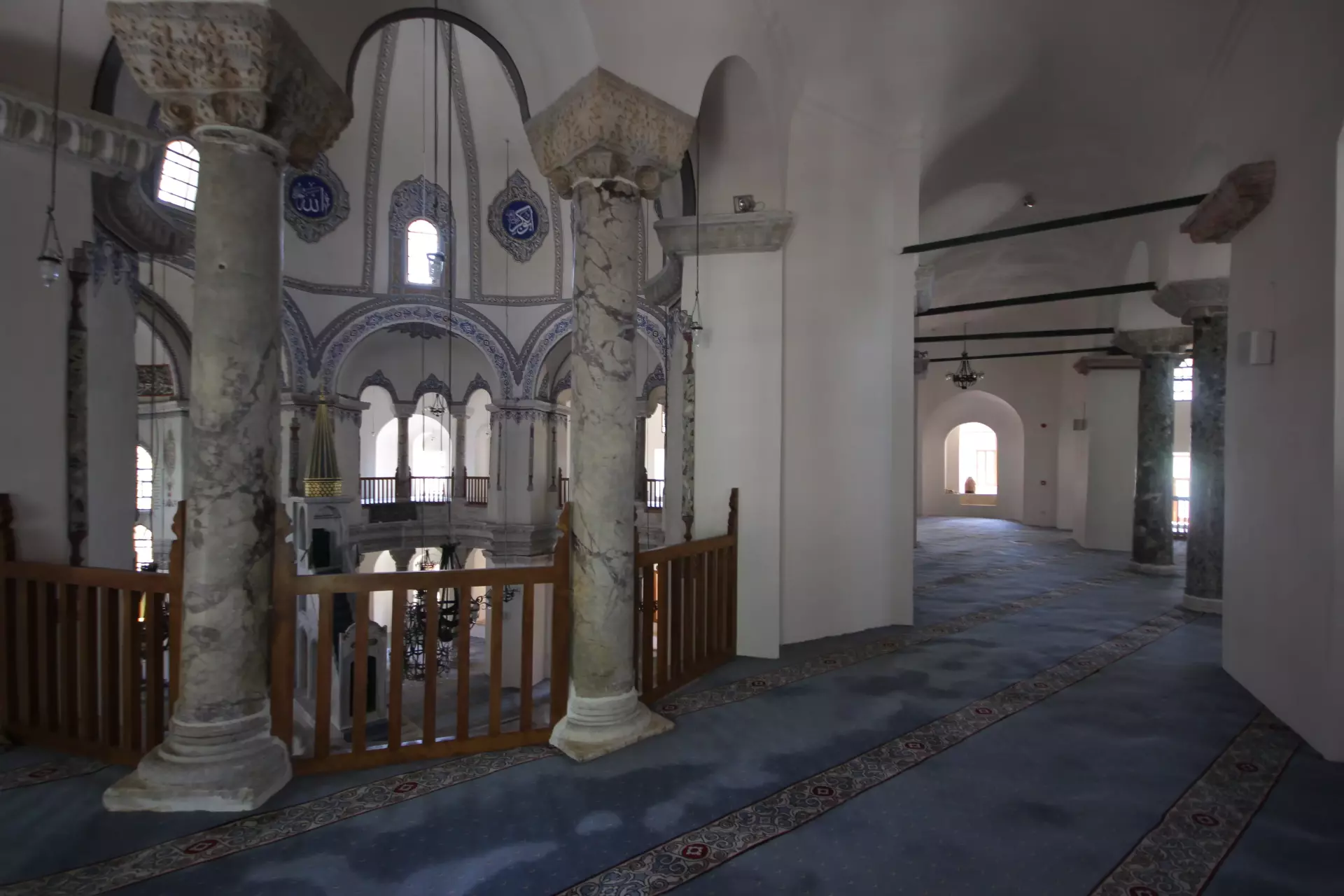
Little Hagia Sophia, originally known as the Church of Saints Sergius and Bacchus, dates back to around 530 AD. Constructed during the same period as the grand Hagia Sophia, it stands out with its distinct architectural style and unique character.
In the early 1500s, this historic building was converted into a mosque. Today, visitors notice the beautiful decorations inside, including elegant marble details that reflect the artistry of Byzantine and Ottoman craftsmanship. Despite its age, the interior feels calm and inviting, offering a quieter setting compared to some of the larger, more crowded mosques in Istanbul.
Next to the mosque, the old madrasa welcomes people with a different kind of charm. This space now hosts craft shops, where artisans display handmade items and traditional works. The combination of historical architecture and modern crafts adds another layer of interest to the Little Hagia Sophia’s surroundings.
Source - https://en.wikipedia.org/wiki/Little_Hagia_Sophia
A profusion of carpets, rugs, calligraphy, pottery, Qu'rans and other manuscripts. The museum is housed in the Palace of Pargalı Ibrahim Pasha (1495–1536), who was grand vizier to Suleiman the Magnificent, and the best of pals till Suleiman had him murdered.
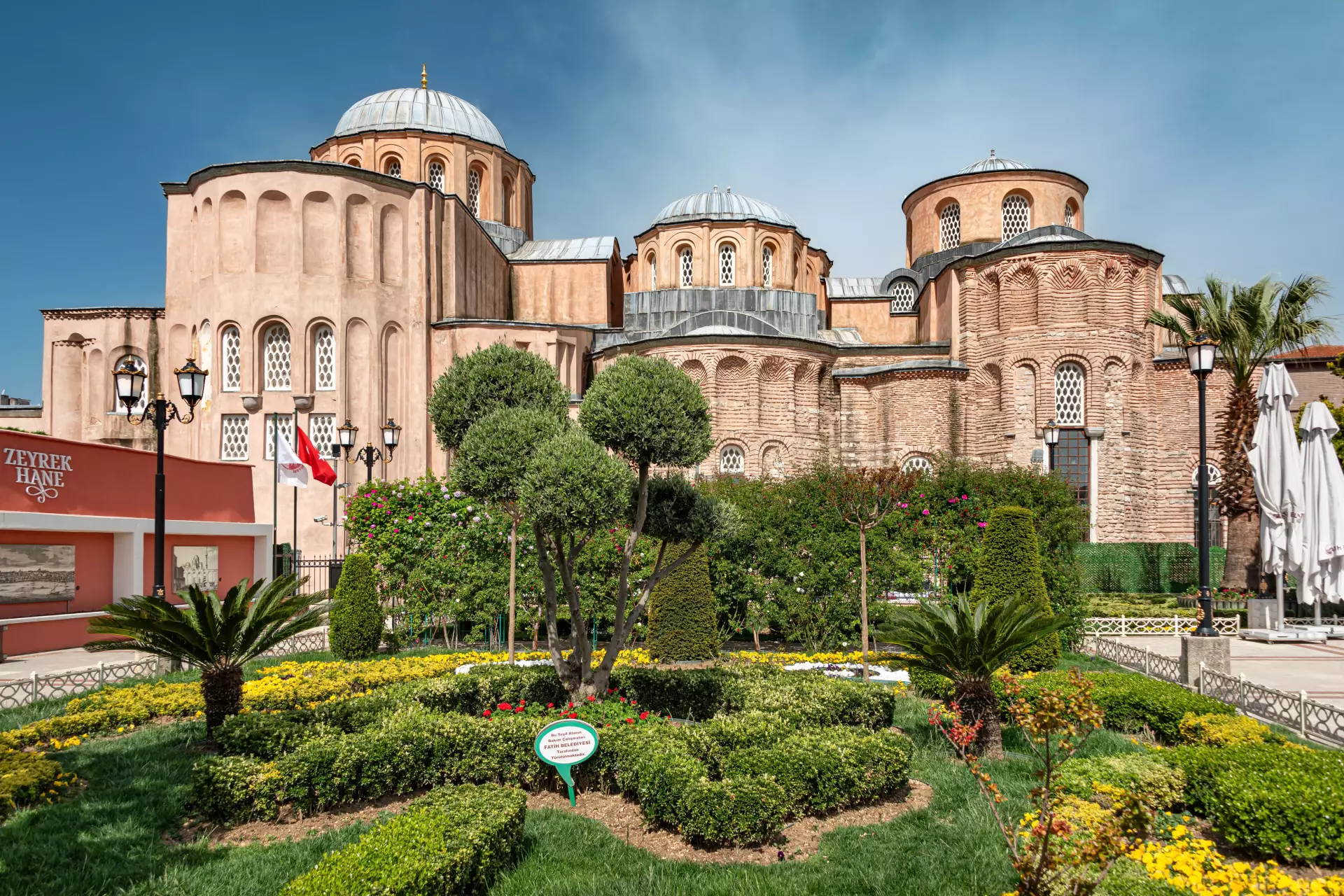
The Church of Theotokos Pammakaristos ("All-Blessed Mother of God") was built between the 11th and 12th centuries. The parekklesion or side-chapel was added maybe 1300, with rich mosaics. The main building became a mosque in 1591, named for Sultan Murad III's conquest (fetih, hence Fethiye) of Georgia and Azerbaijan: the interior was opened up, but the chapel was undisturbed and in modern times became a museum. In 2020 the entire building was proclaimed a mosque, and every scrap of Byzantine artistry was covered up, so now there's nothing worth seeing.
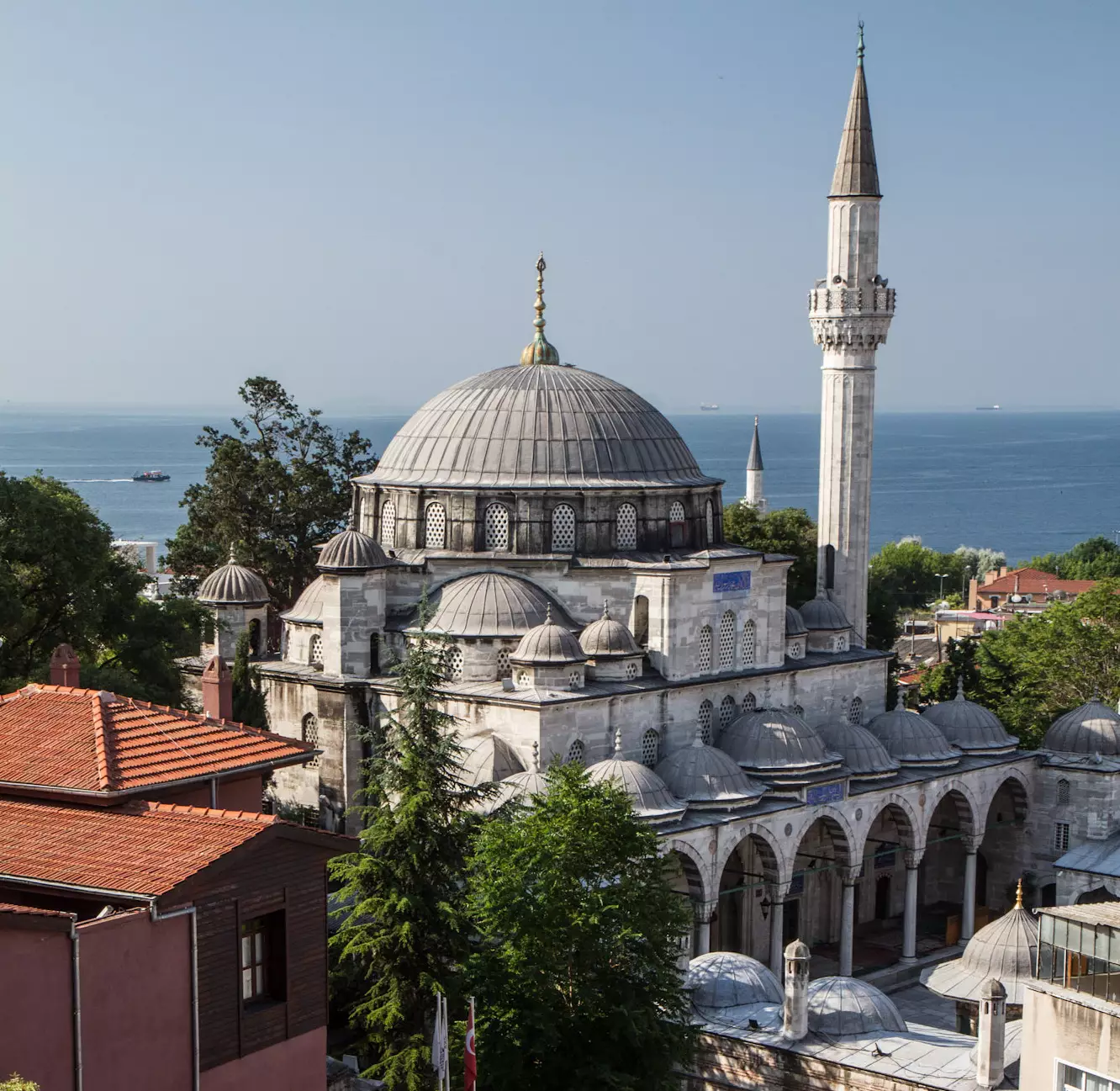
Sokollu Mehmet Pasha was the grand vizier and de facto ruler of the Ottoman Empire during its 16th century golden age. He commissioned this mosque, one of three in the city to bear his name, but the sloping site was a challenge. He hired the best, Mimar Sinan, who completed it in 979 AH / 1571 AD, with the slope resolved by a fronting courtyard above shops and a medrese. The interior has outstanding İznik blue tiles, and three fragments of the Black Stone (Hajar al-Aswad) of the Kaaba: above the main entrance, minbar and mihrab.
The original mosque was built between 1463-1470 by the Greek architect Atik Sinan, by order of Sultan Mehmet II the Conqueror, on the site of the former Church of the Holy Apostles, which had served as Byzantine Imperial burial place for a thousand years. The grand complex with eight medreses, a library, hospital, hospice, caravanserai, market, hamam, primary school and public soup kitchen was smashed again and again by earthquakes, and the present building is from 1771 to a different design. The interior is lavish, and outside is the ornate tomb of Mehmet II and his wife Gülbahar Hatun.
The Golden Gate was the ceremonial entrance through the Theodosian city walls. After the Ottomans captured the city in 1453, Mehmed II needed a stronghold for his treasures and documents. The gate was therefore bricked up and the walls reinforced into a fortress, with valuables stored in its seven towers, hence yedi kule. In the following century the treasury moved to Topkapi Palace and the fort became a prison for high-level detainees - Osman II was strangled here in 1622. It remained in use until 1837, whereupon the Golden Gate was re-opened.
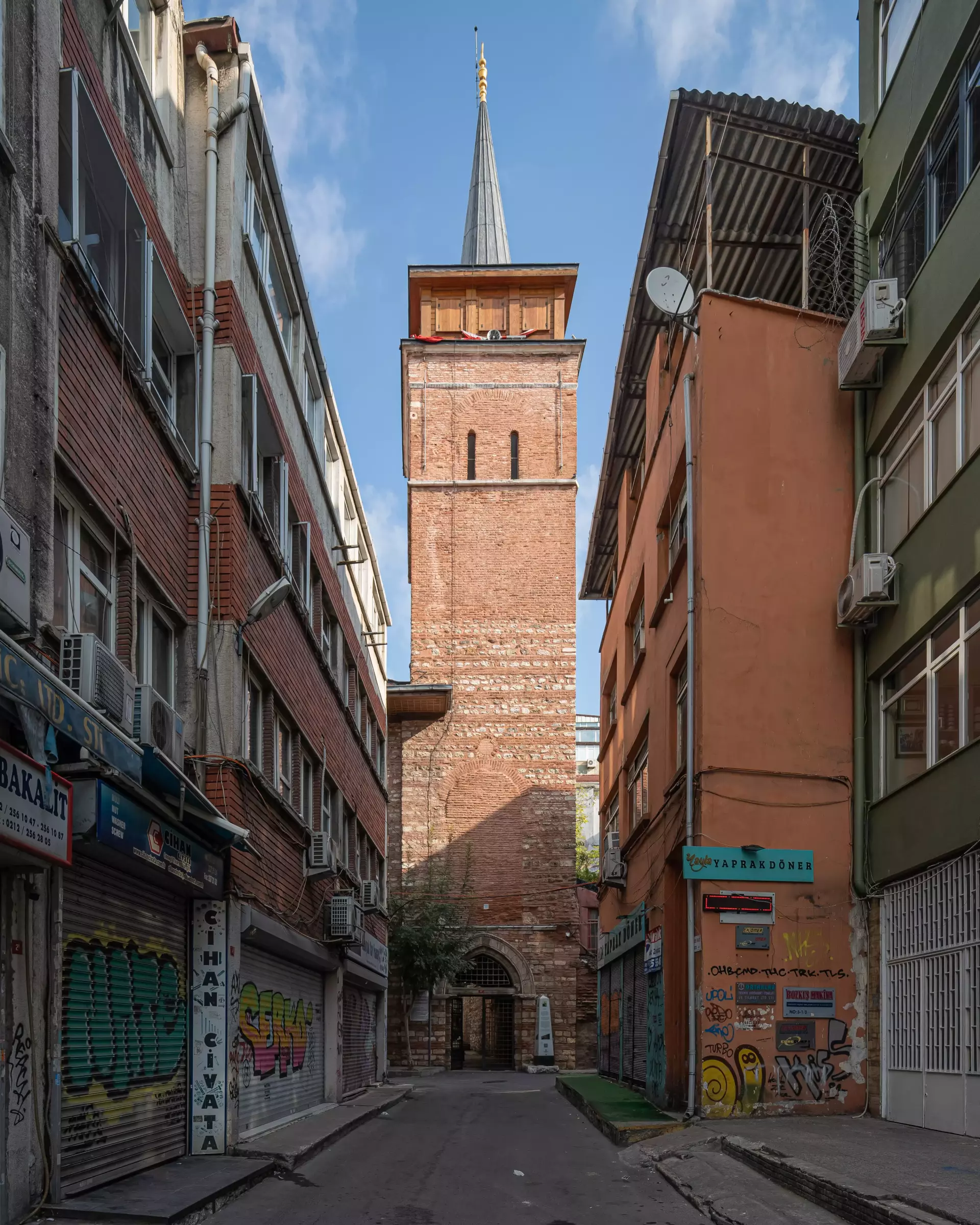
This is a triple structure: the church of the Monastery of Pantokrator built 1118, then a public church circa 1136 plus a chapel that served as a royal mausoleum. It became a mosque and medresse in Ottoman times, but without massive alteration so it's a prime example of middle-Byzantine architecture. It's nowadays again a mosque, photogenic by day or dusk but the area should be avoided at night.
A nice, organized museum with contemporary installations. It may be seen as overpriced given its small size. It also has a simple cafe.
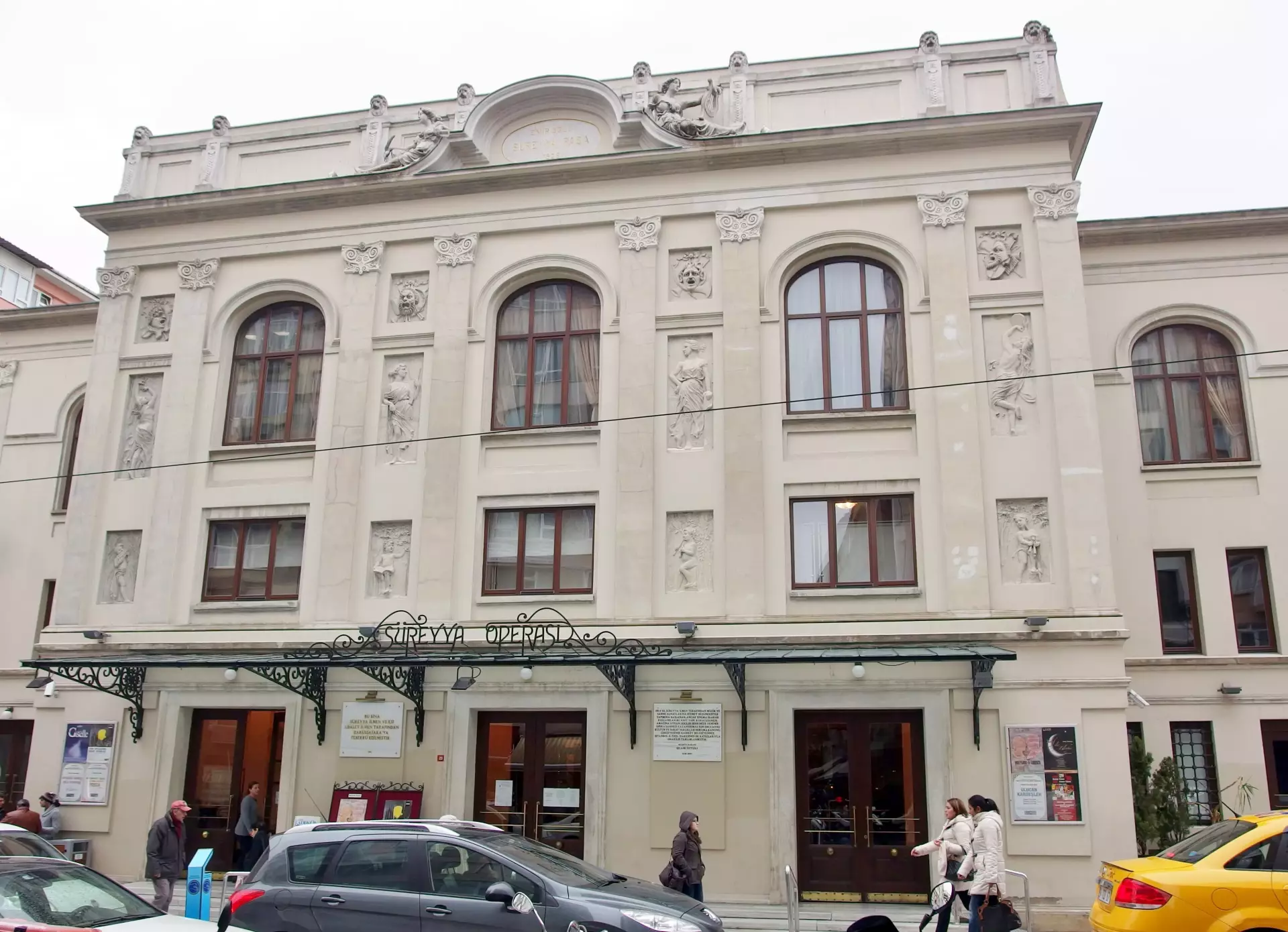
This is a 1927 Beaux Arts building named after its patron Süreyya İlmen Pasha, then a deputy of Istanbul who was impressed by theatres in Europe during his visits. It became the first opera house in the Asian side of Istanbul, but due to deficiencies in its interior design, it barely staged any opera and was converted to a cinema soon afterwards. It underwent a significant restoration and reverted to its original purpose in 2007, so now houses performances of ballet, opera, and classical music; good tickets are often extremely cheap.
One of the icons of the city is also called the Leander's Tower, on a Bosphorus islet off Salacak. The local myth ascribes its name to a princess, whose father wanted to protect her in this offshore tower from a prophecy that she would be killed by a snakebite on her birthday, but the snake found its way inside a basket of fruits — ironically a birthday present from her father — and you've probably already guessed the rest of the story. In actual timeline, it served as a defensive structure (there was a wall connecting it to the Asian mainland, and the Byzantines used to stretch a chain from here to the European mainland across the mouth of the Bosphorus to shut it to adversary shipping in times of conflict, but they didn't during the final Ottoman siege in 1453), as a customs and quarantine station, as a lighthouse, as a warehouse of various sorts of goods, and as a high-end restaurant before the last restoration finished in 2023 dedicated it as a museum. There is a light show viewable from the mainland every day at 21:00.
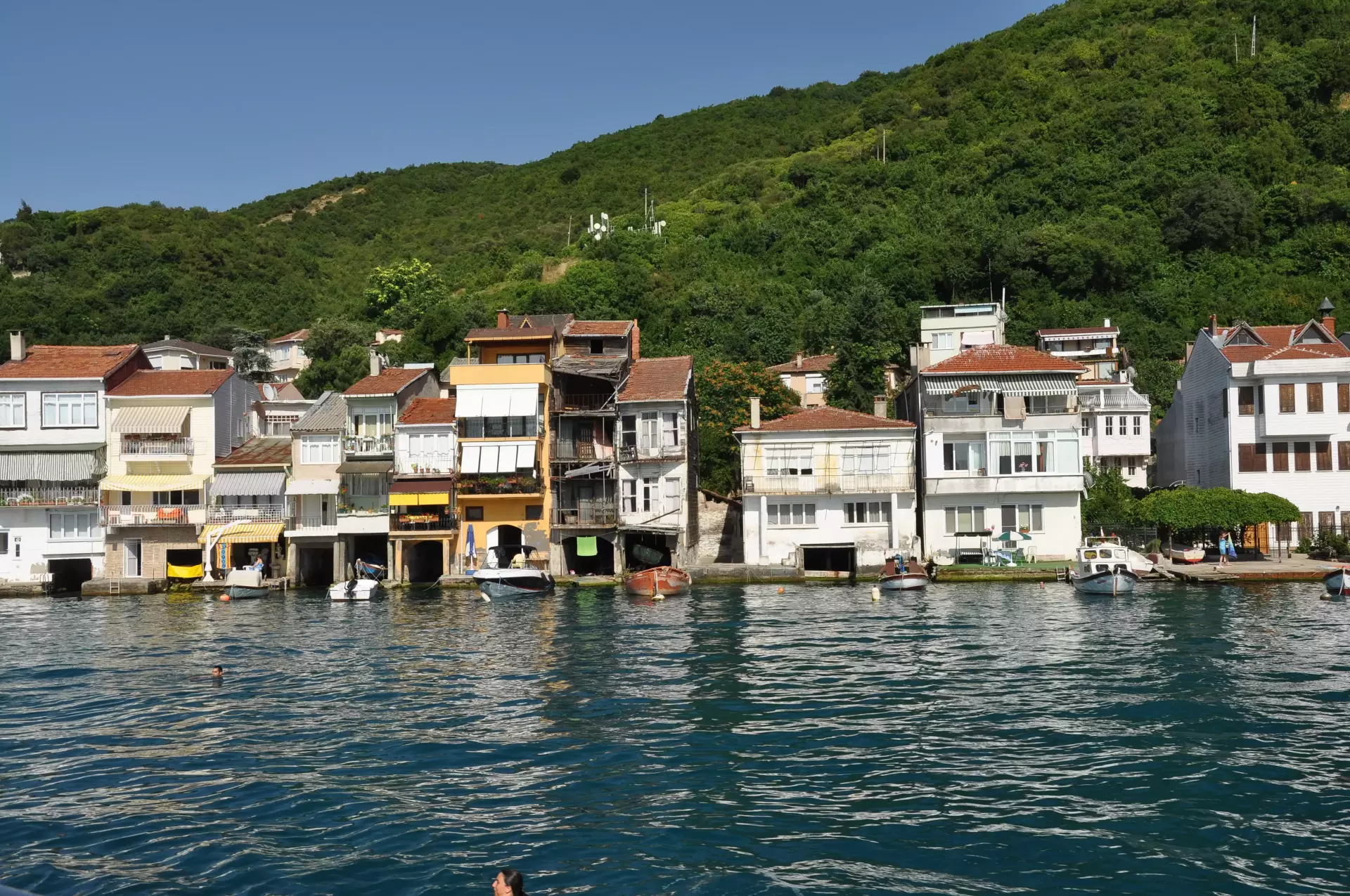
A resort on the Marmara coast. It's the westernmost part of Istanbul, between Çatalca and the province of Tekirdağ. There are some remnants of the Anastasian wall here, the scrappy ruins of a castle, an ancient cistern, the Piri Paşa Mosque, and Uzunköprü the long aqueduct.
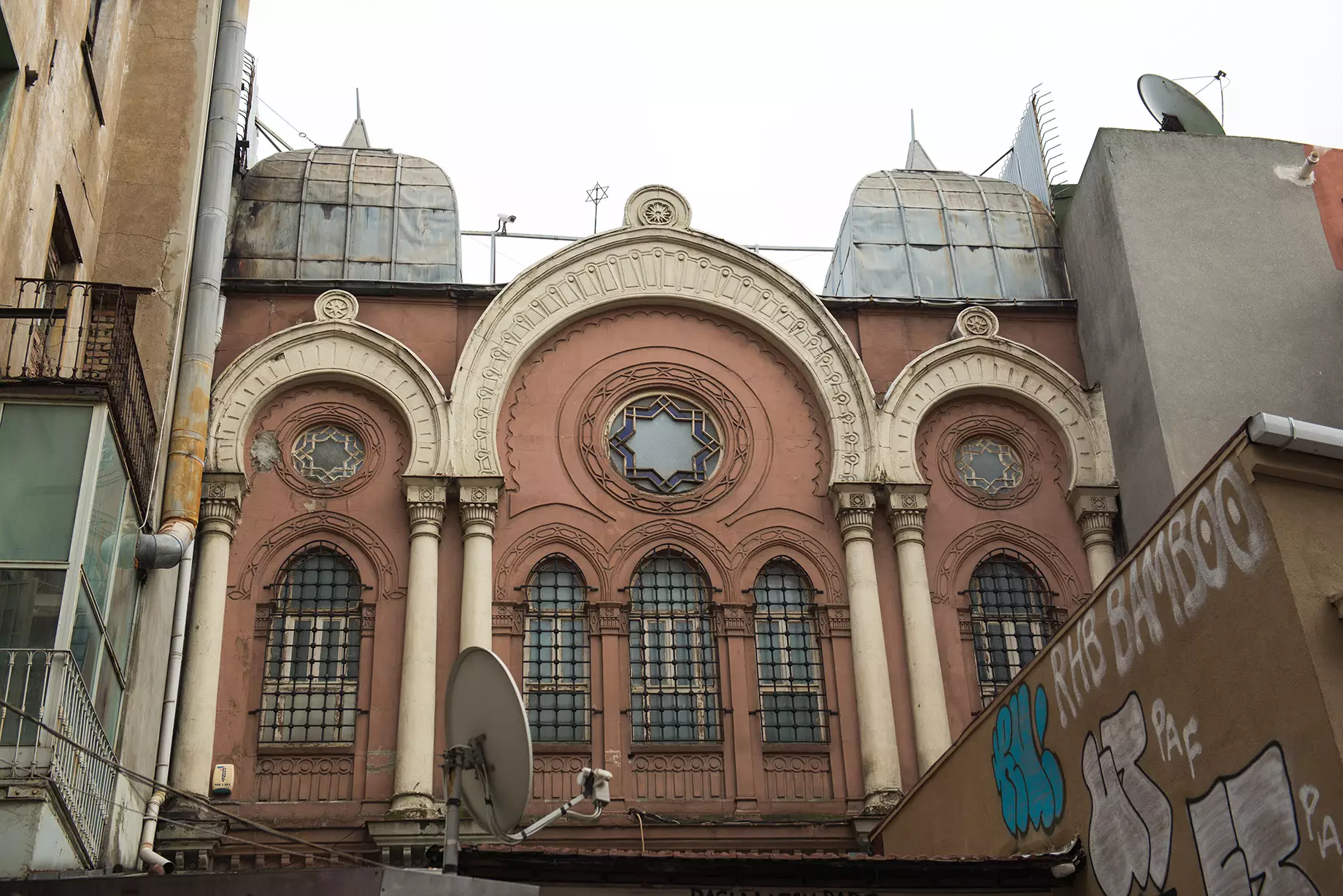
This was built in the 1430s by Grecian Jews ("Romaniotes") from the city of Ohrid, now in North Macedonia. The district of Balat was a Jewish quarter, swelled from 1492 by those expelled from Spain. The synagogue is only open for pre-arranged tours.
A contemporary art museum in a building converted from an old power plant: 1914-built and coal-fired, this was the oldest in Istanbul and the Ottoman Empire. Part of the plant was kept in almost exact original condition and now serves as the "Energy Museum".