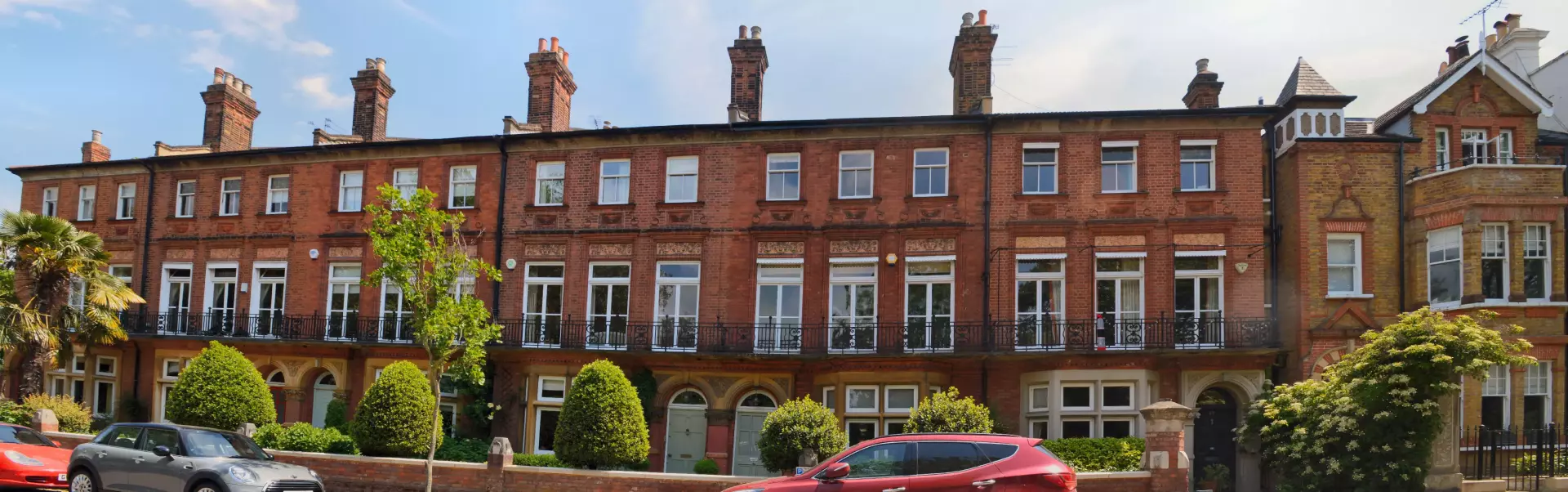
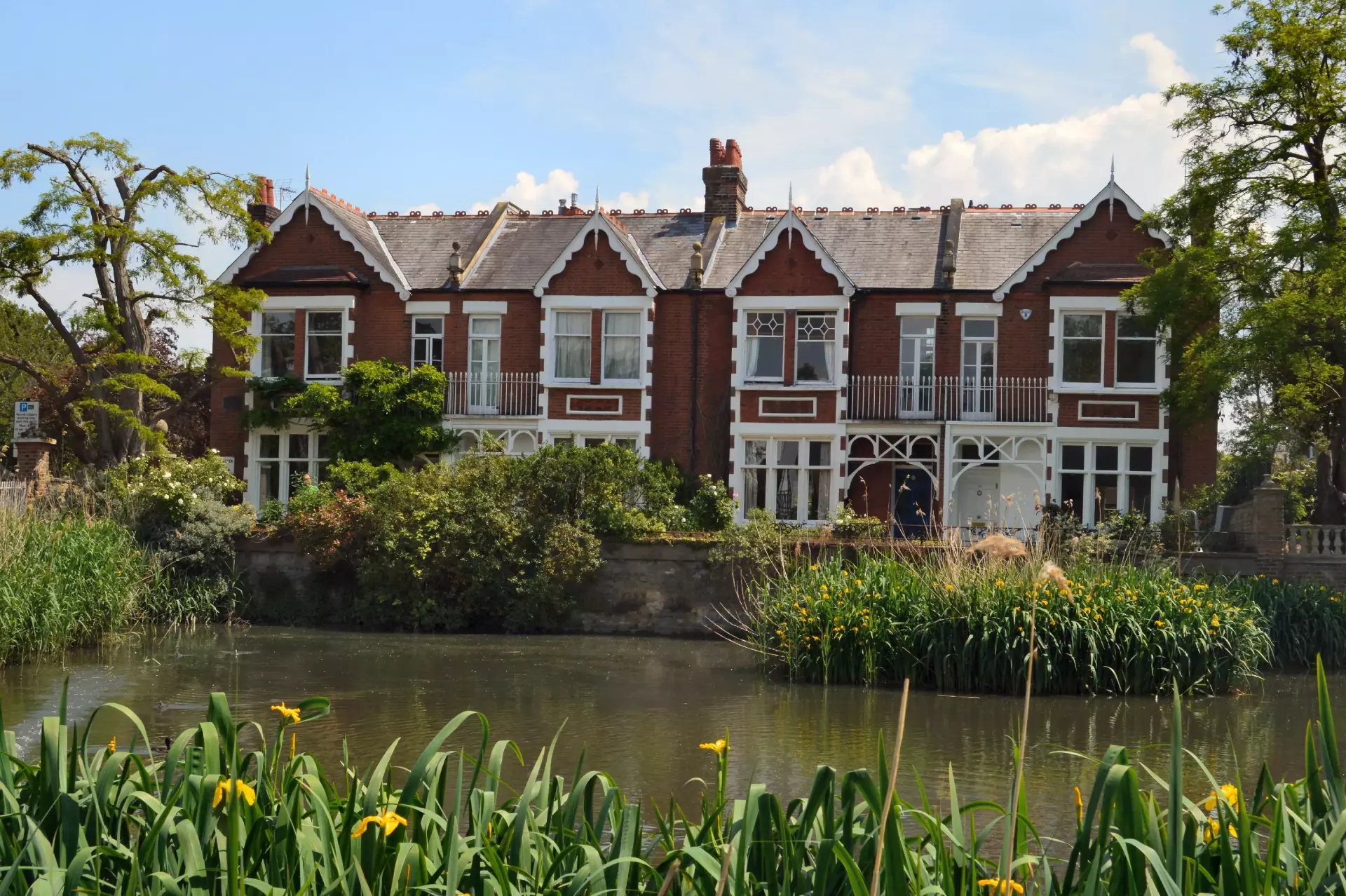
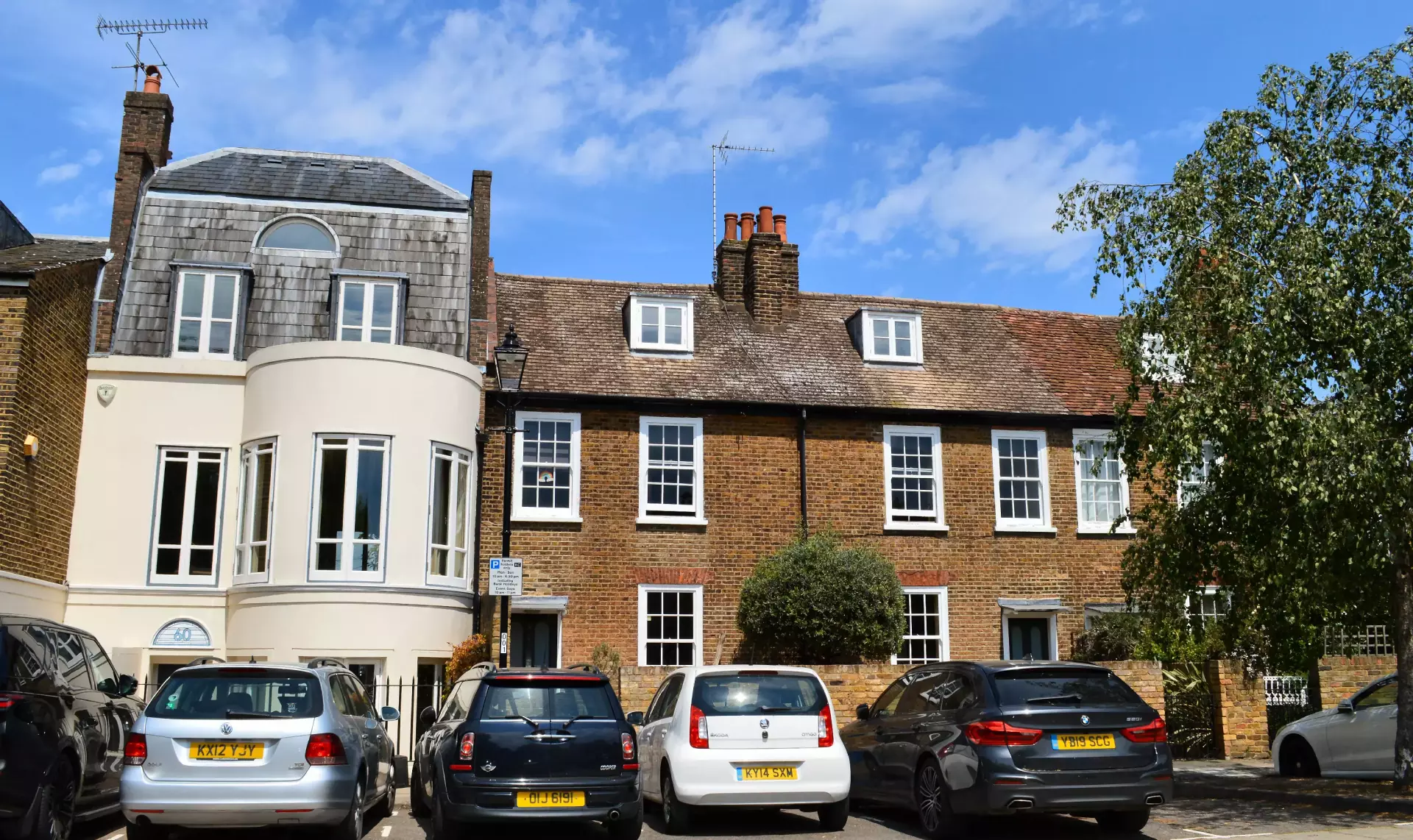
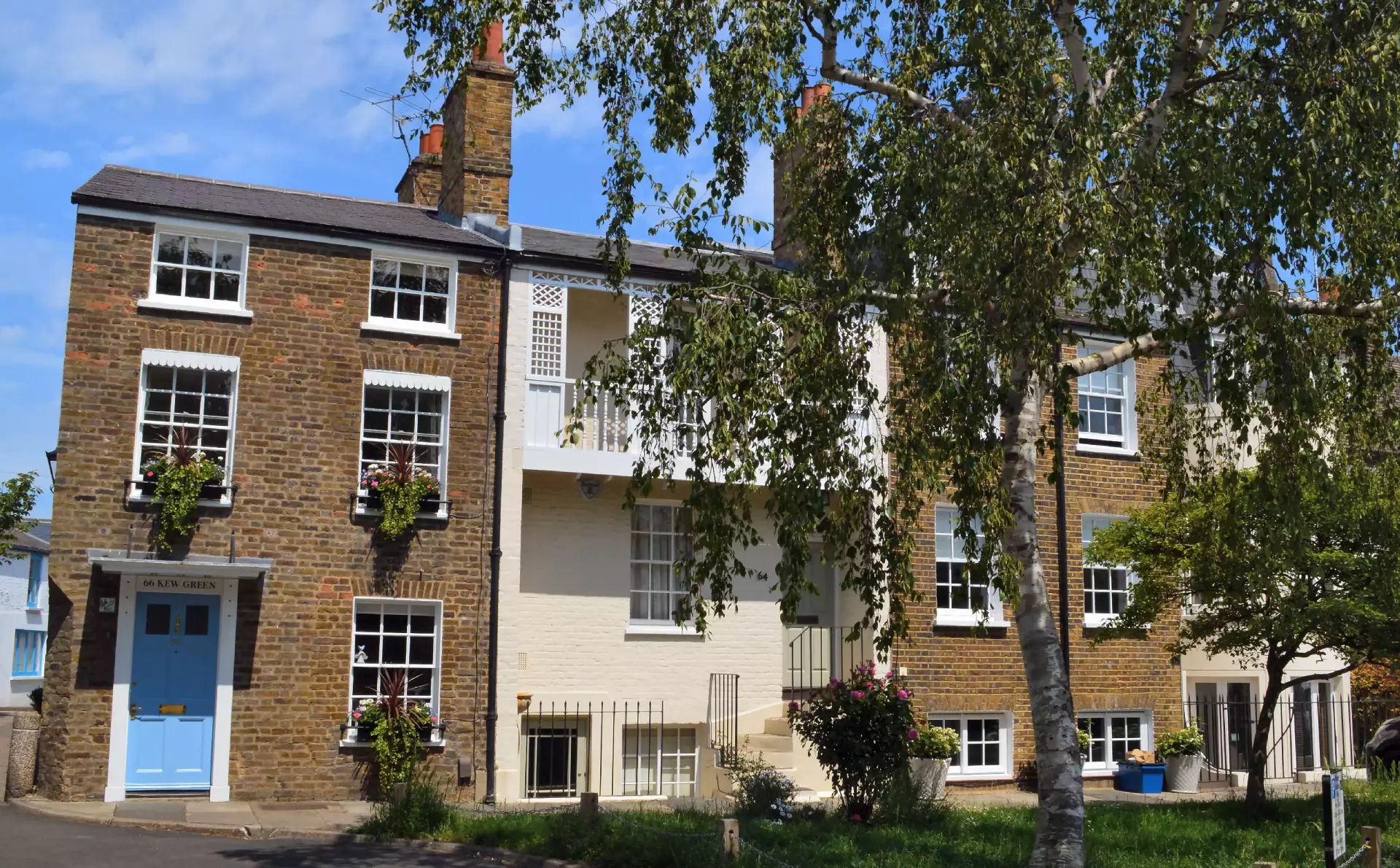
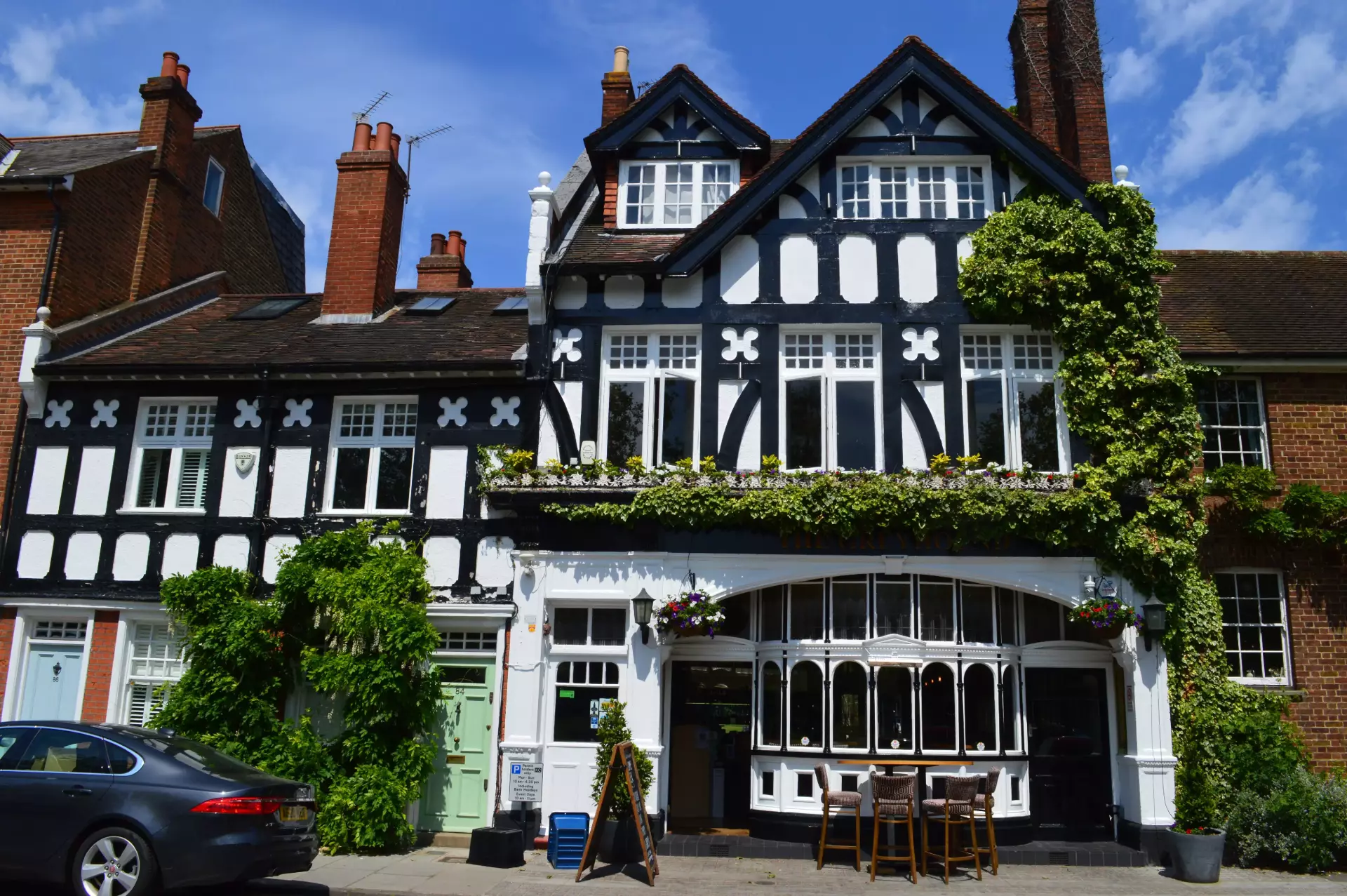
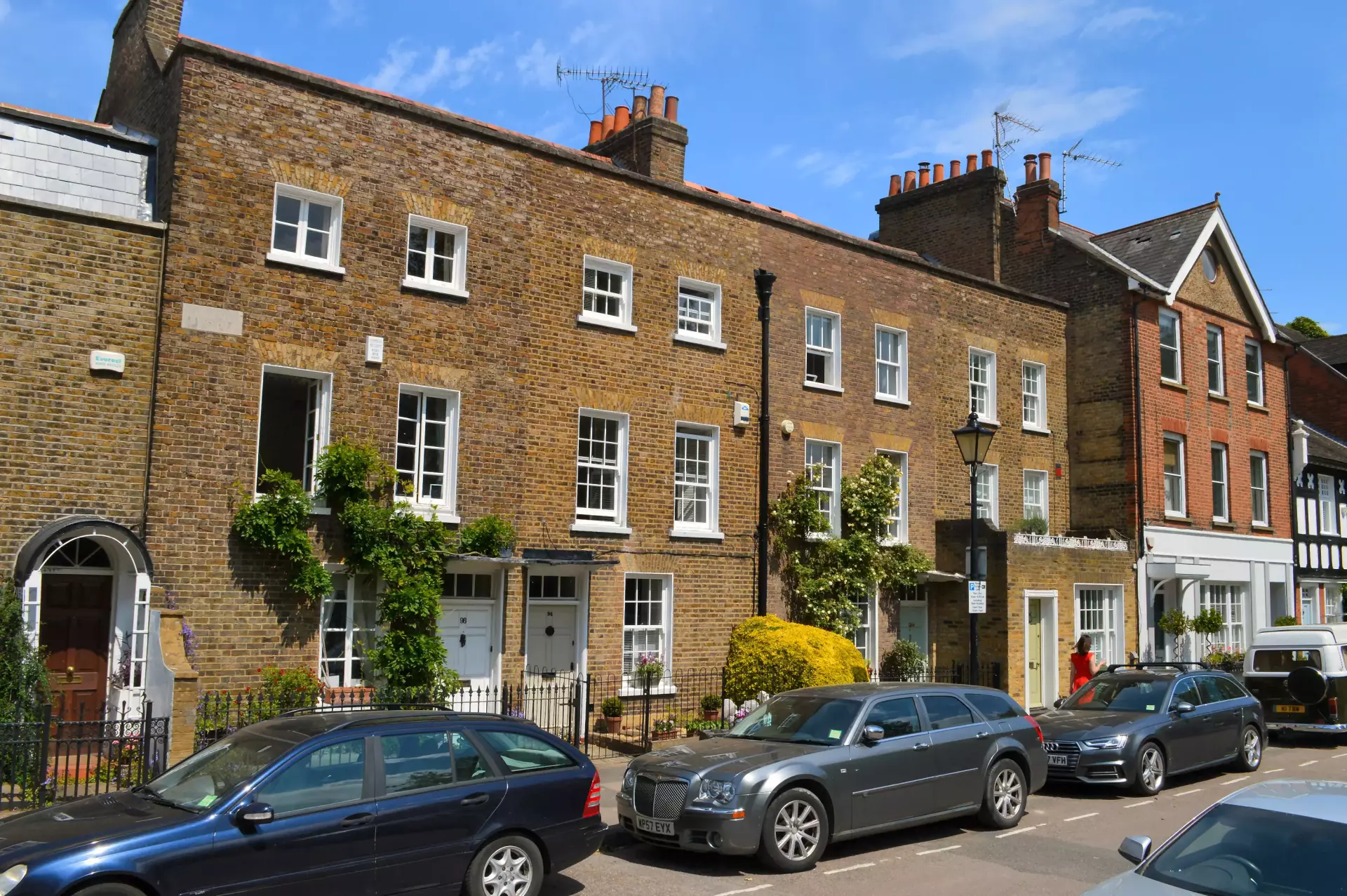
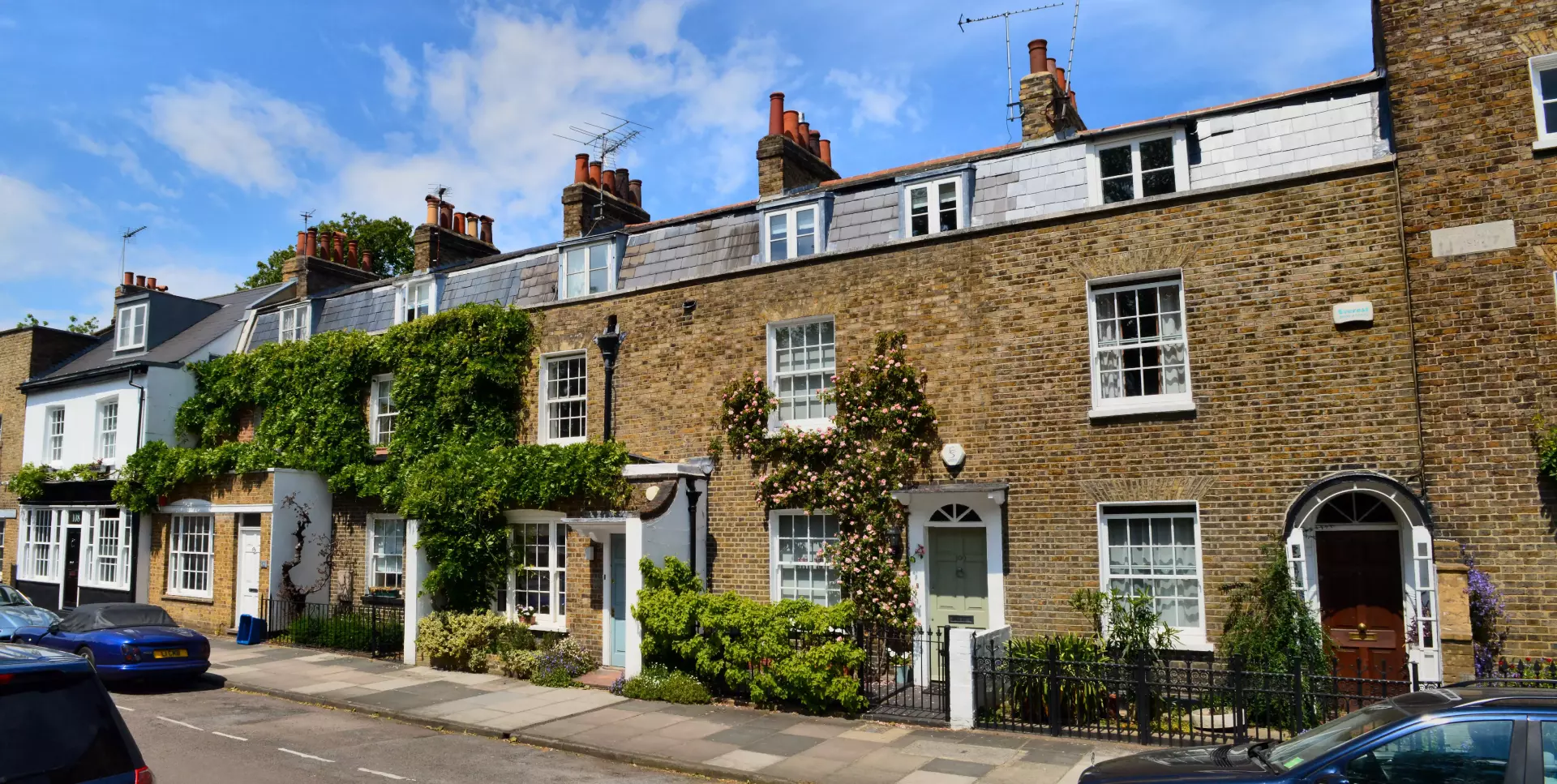
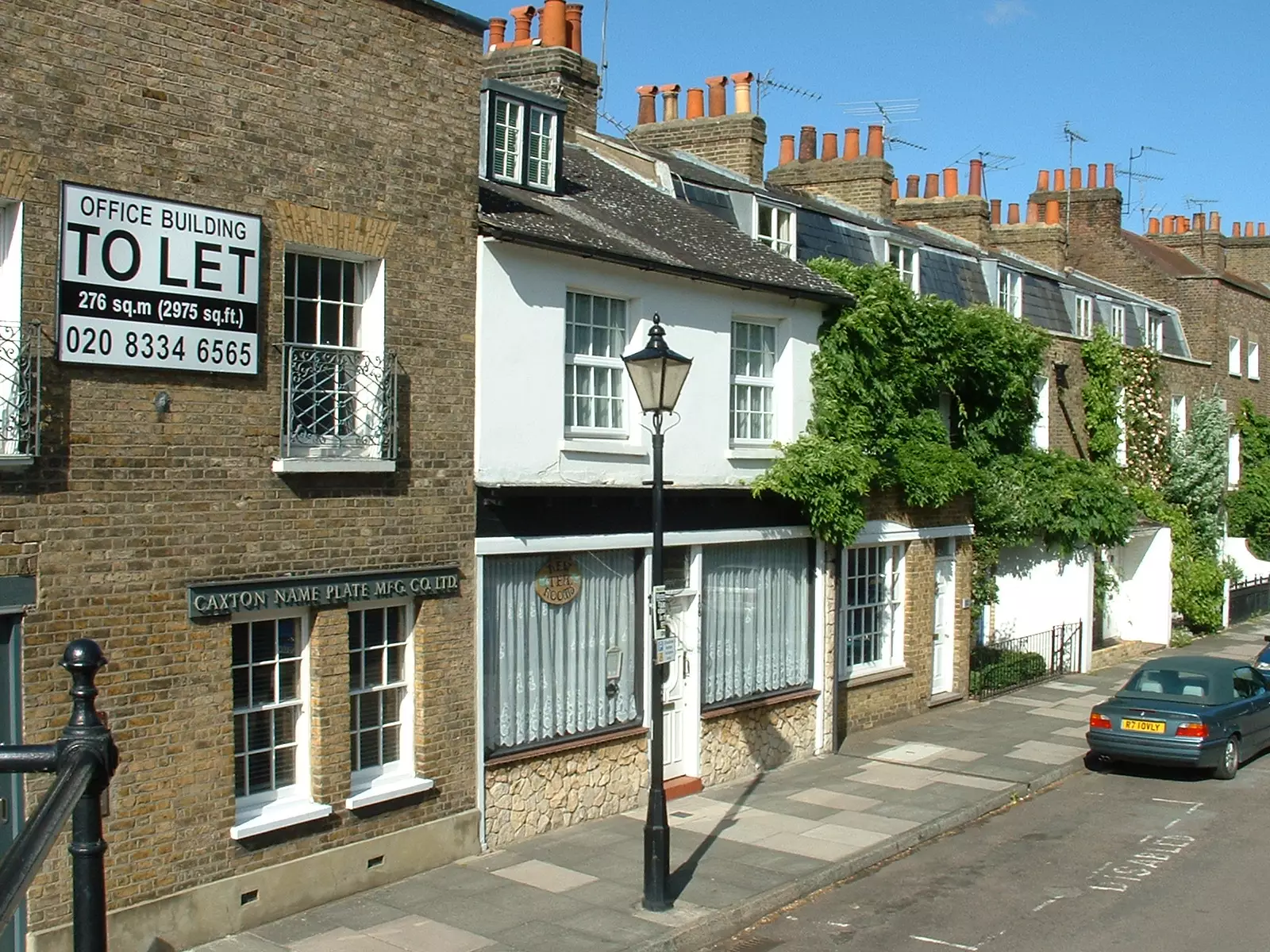
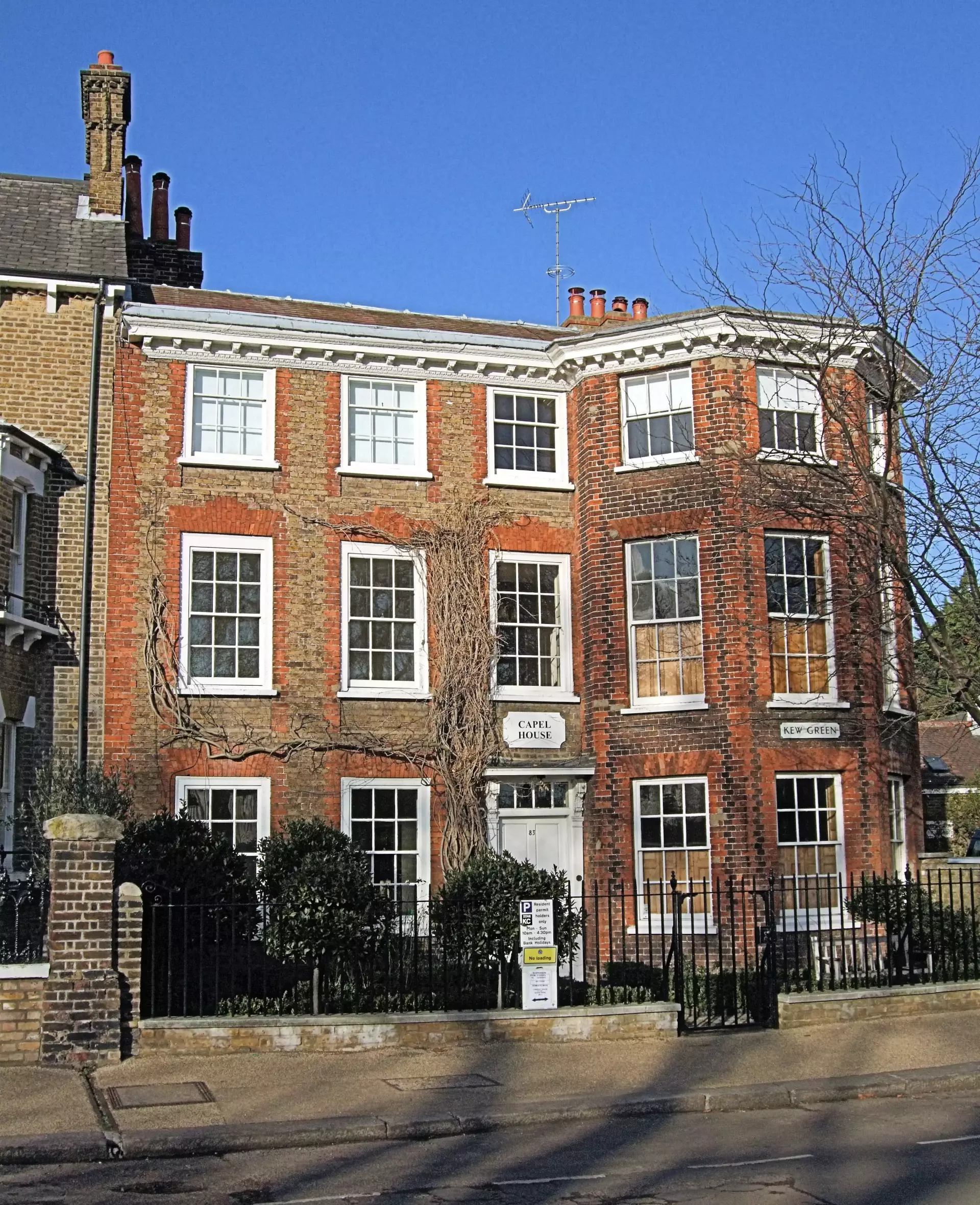
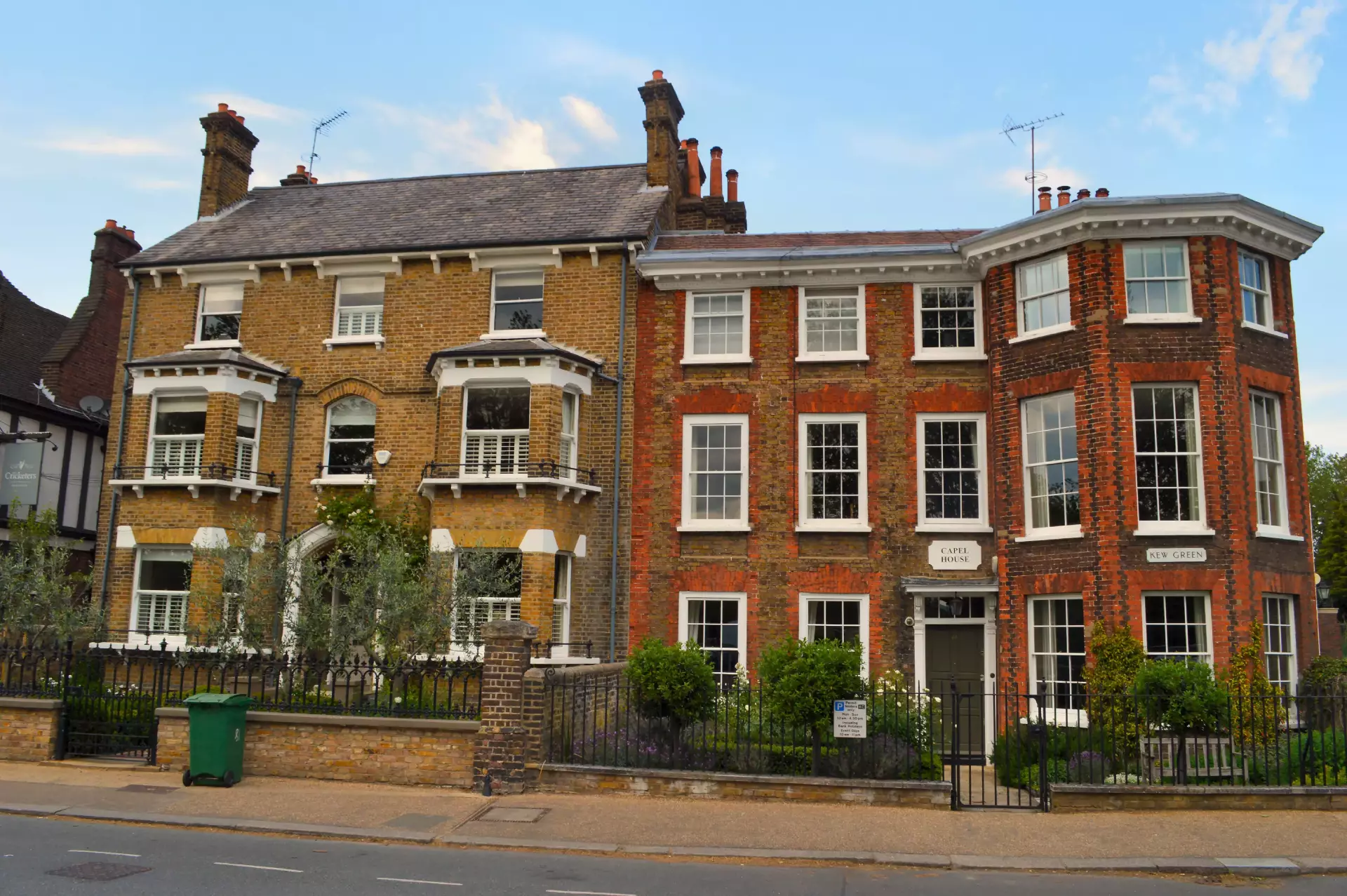
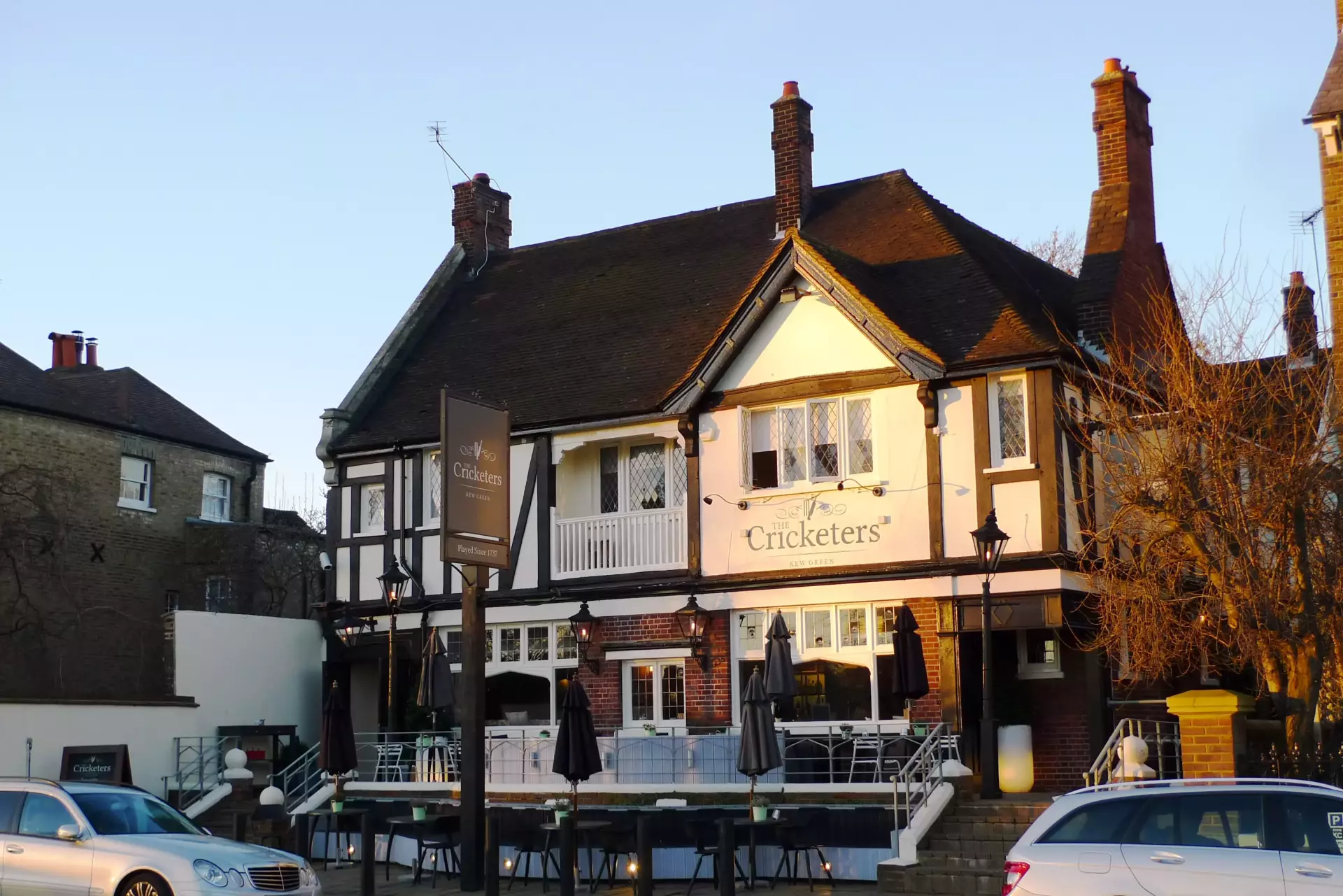
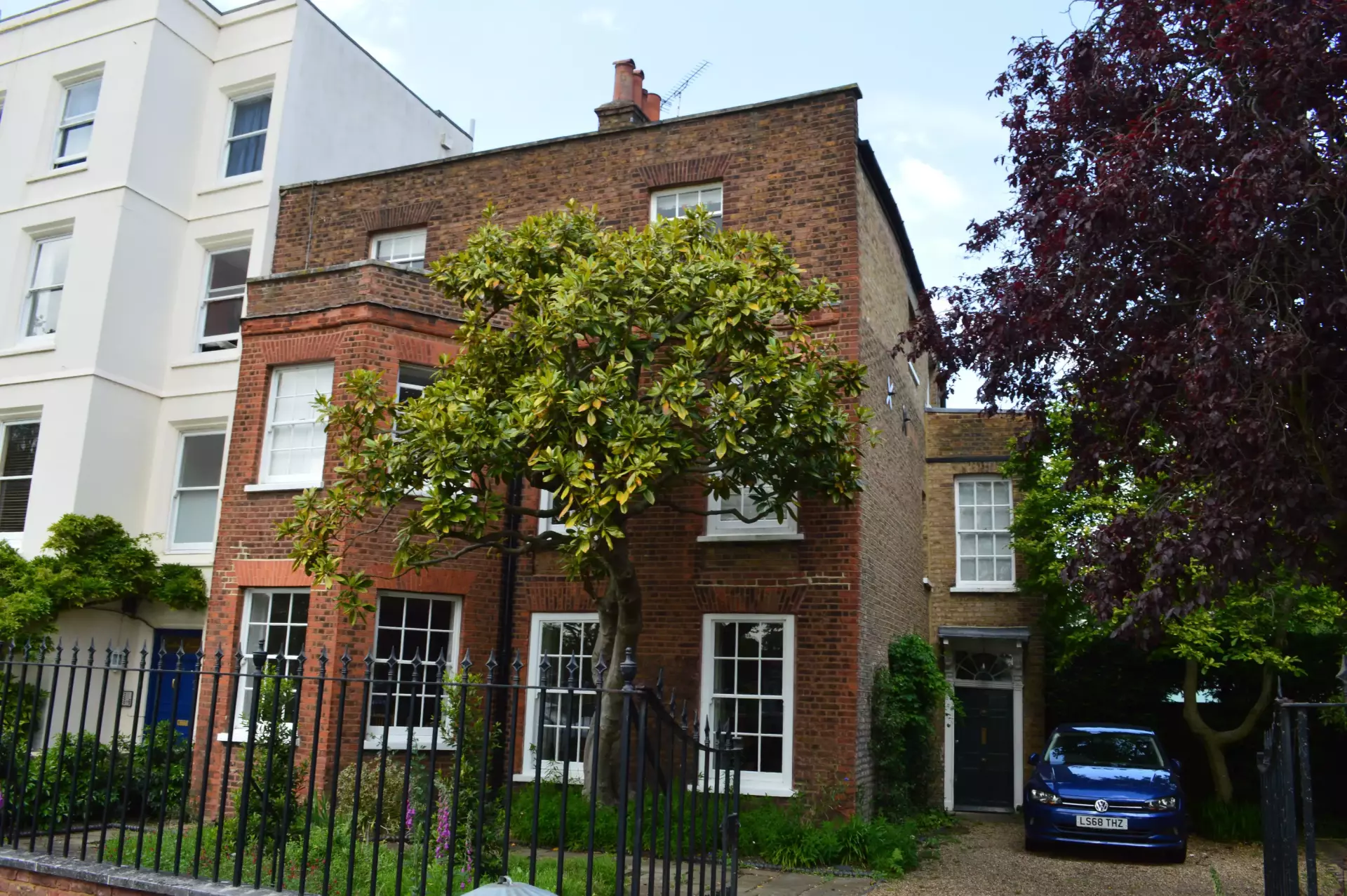
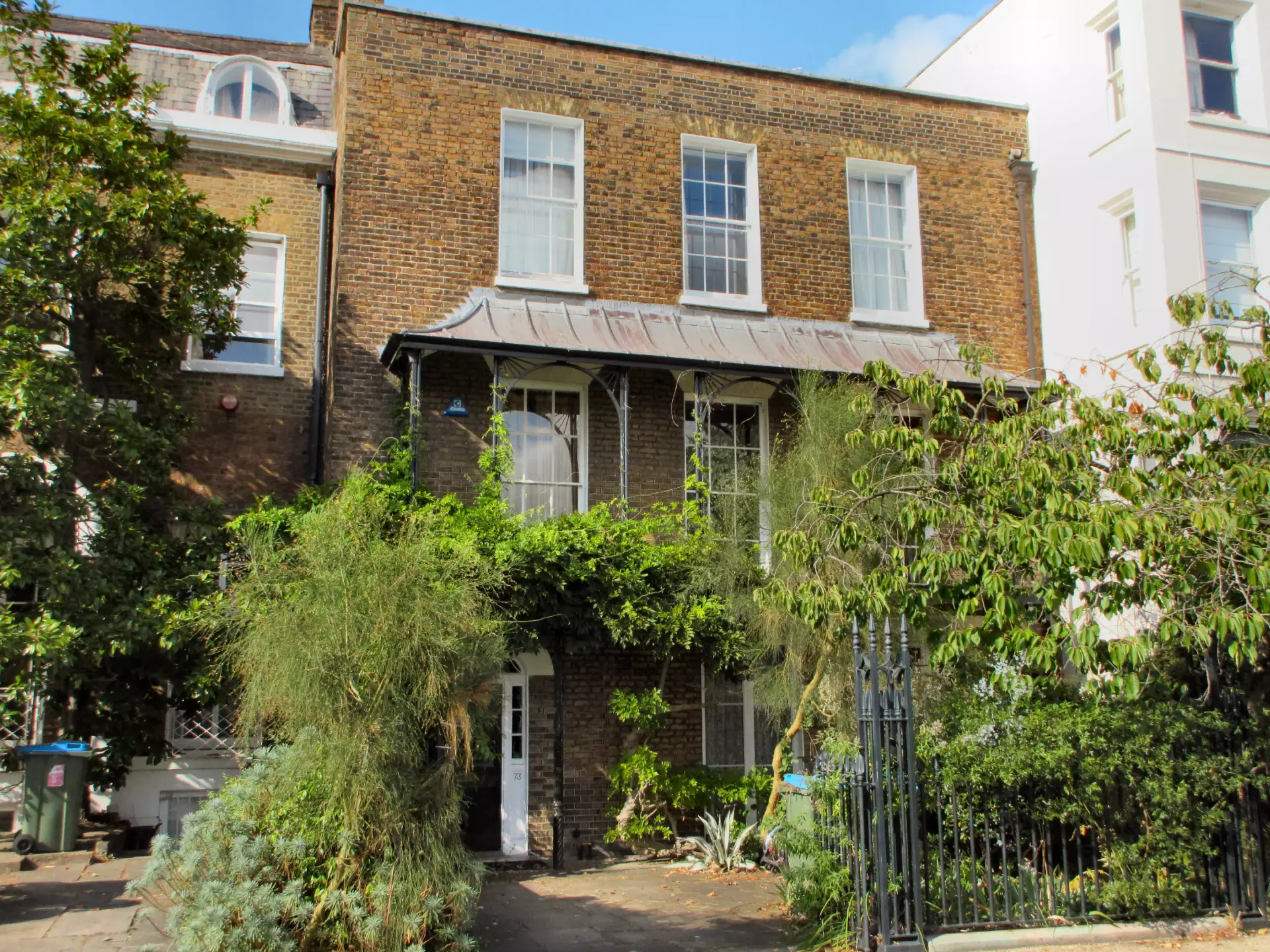
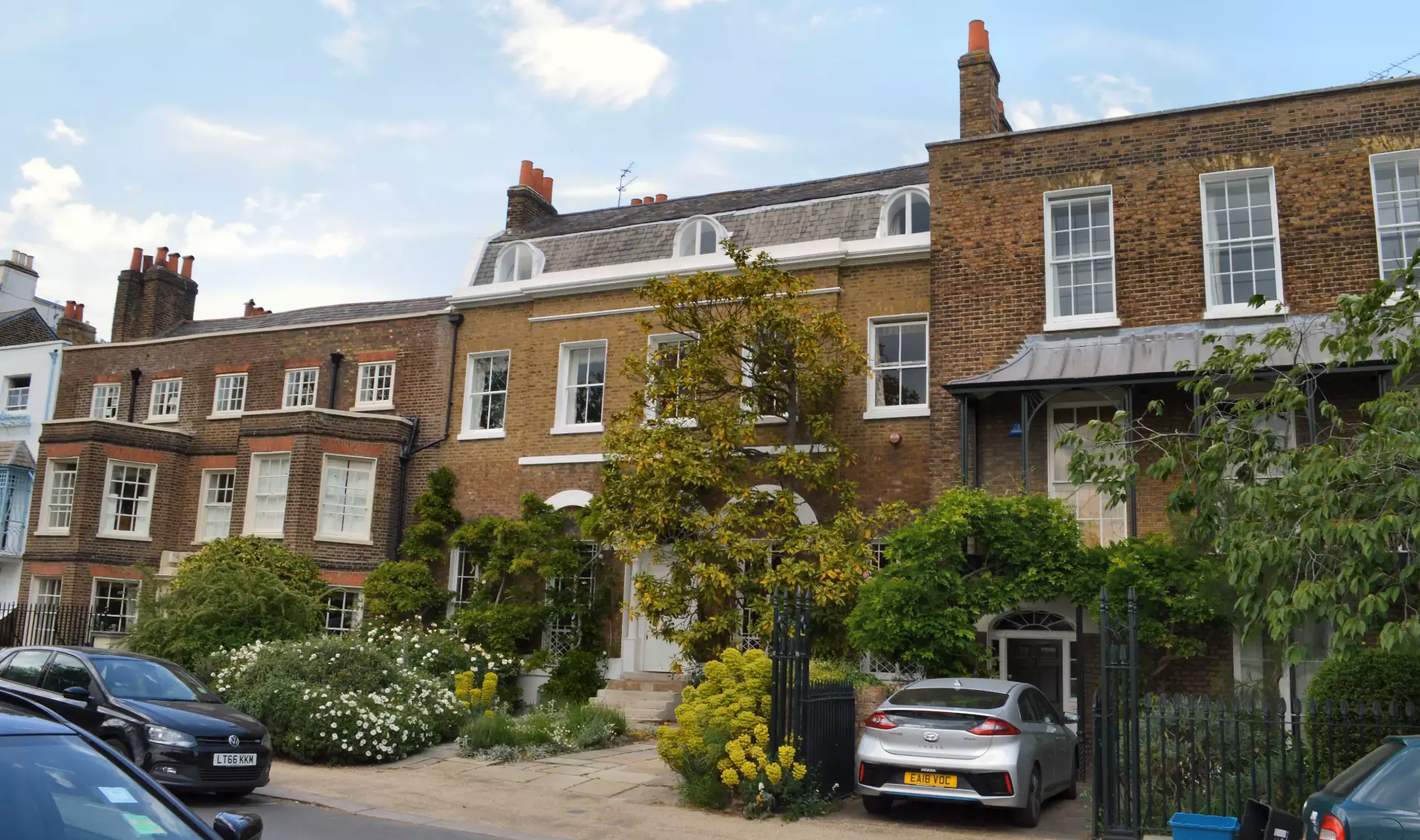
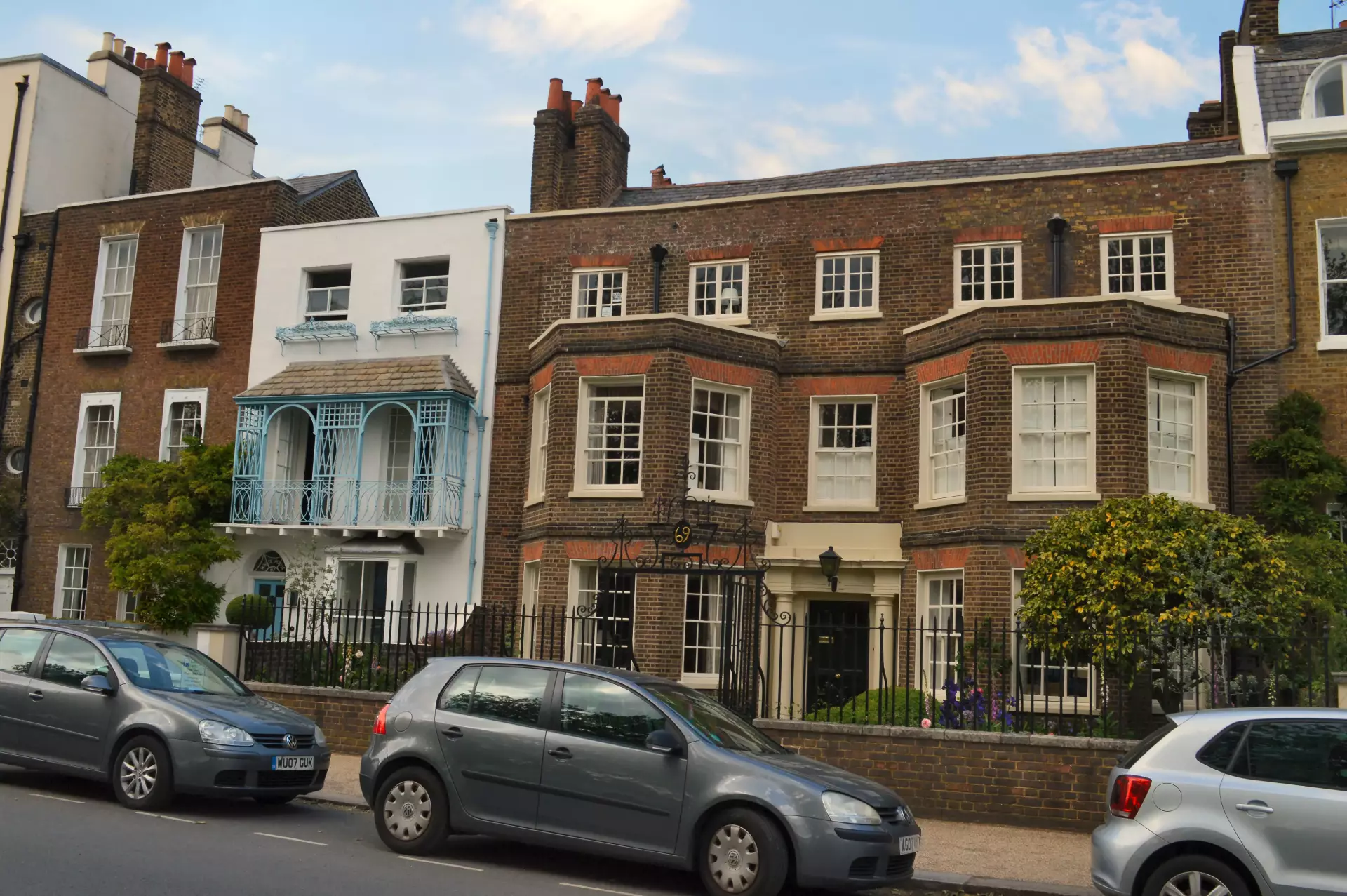
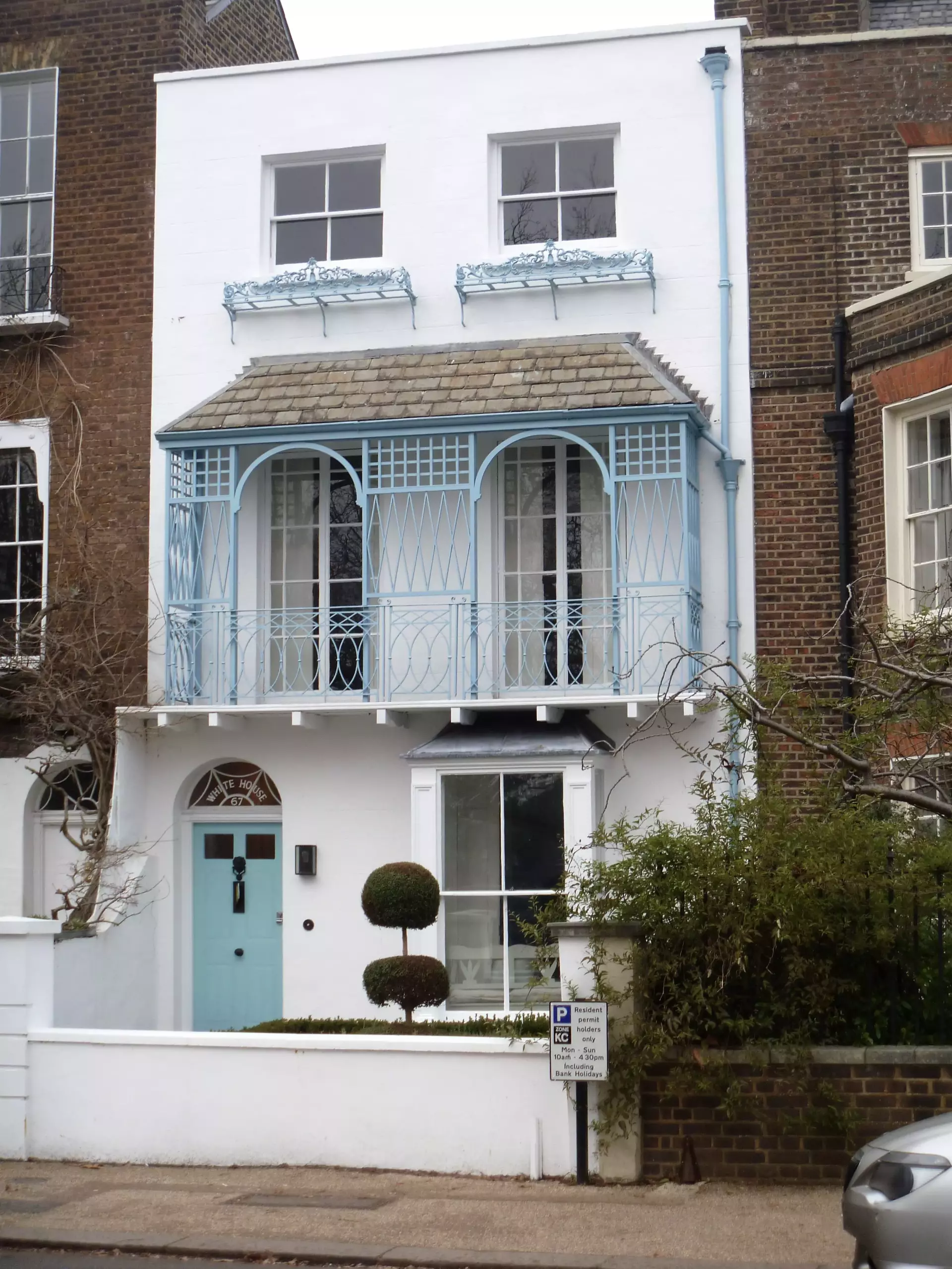
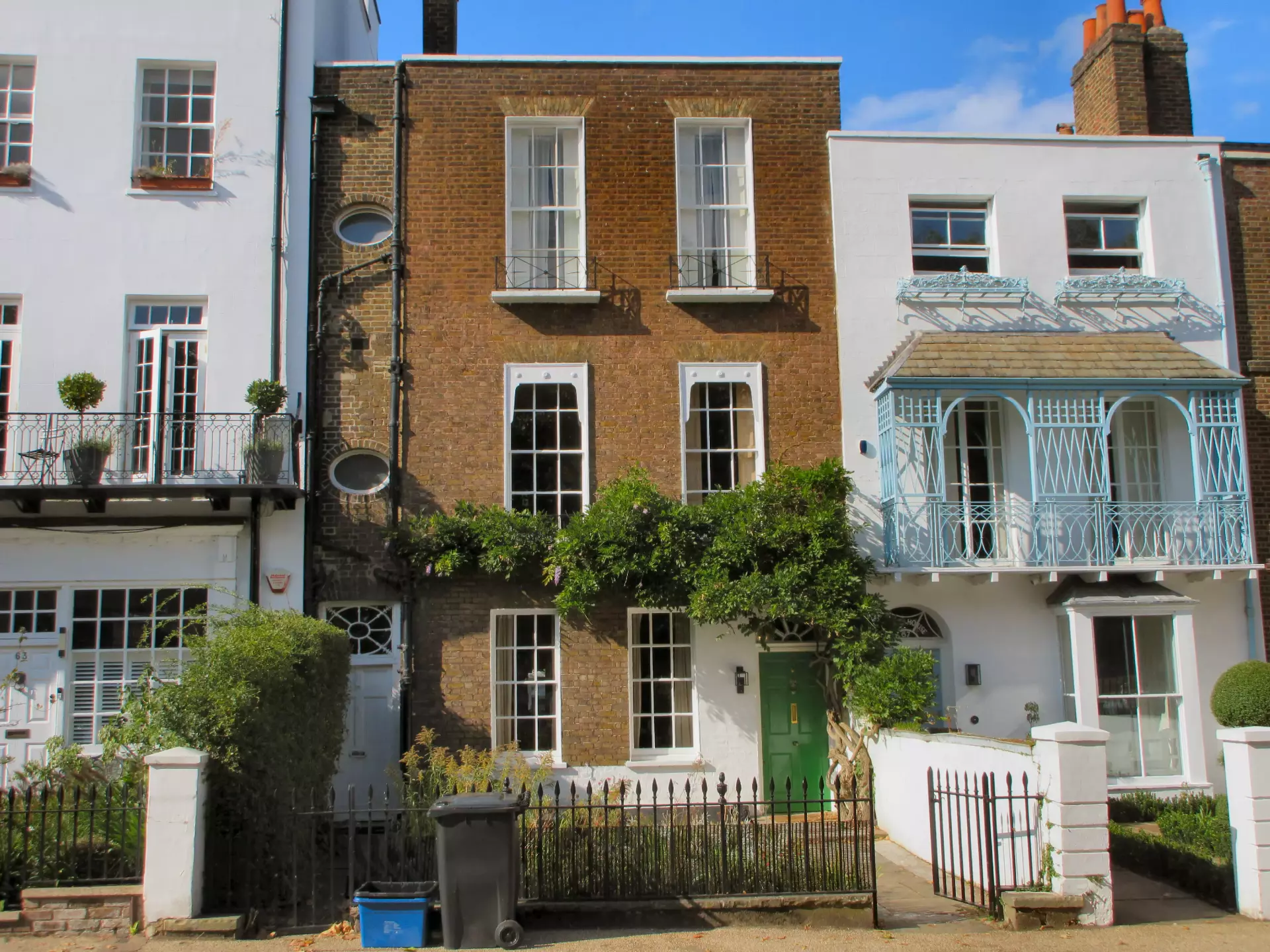
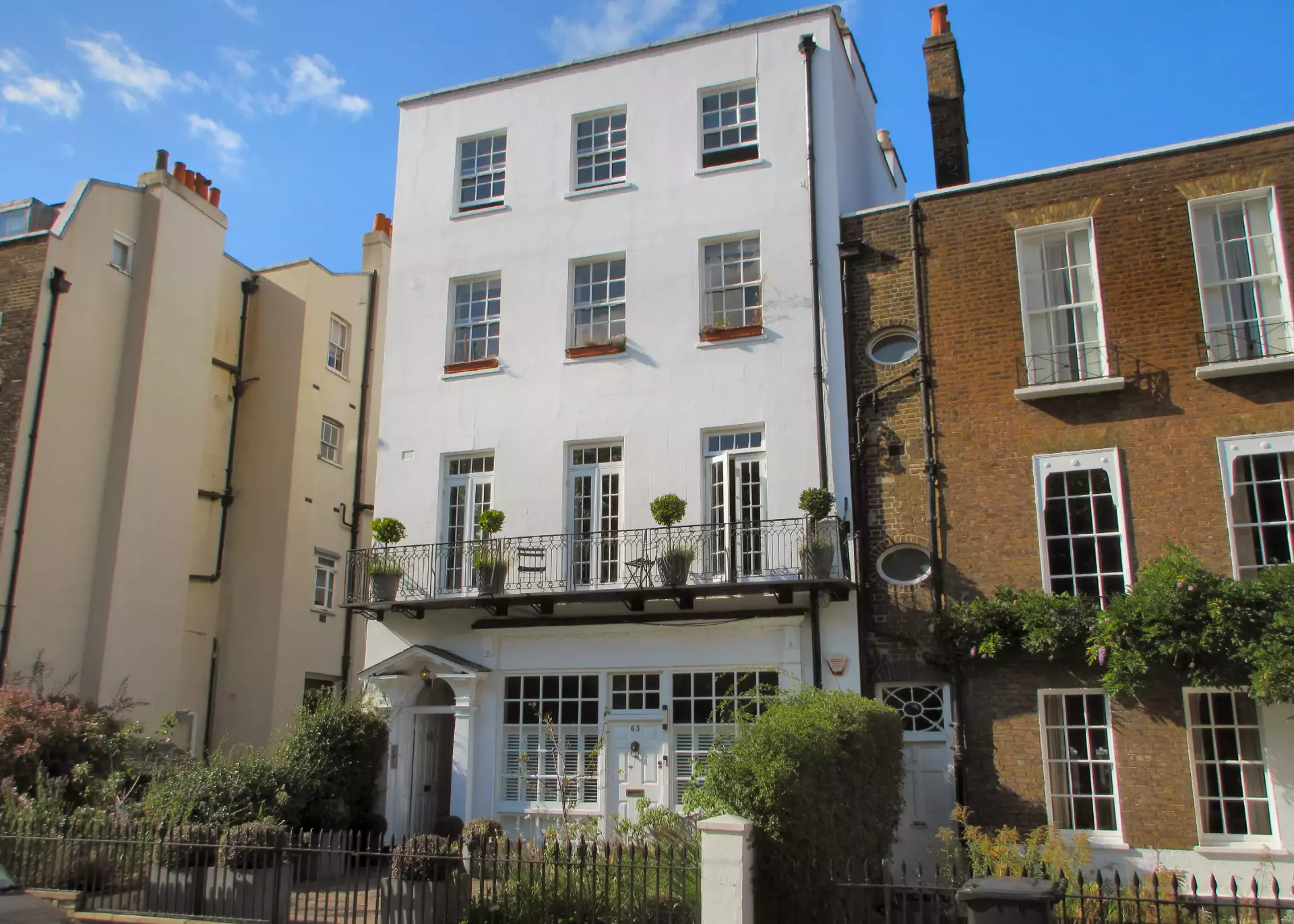
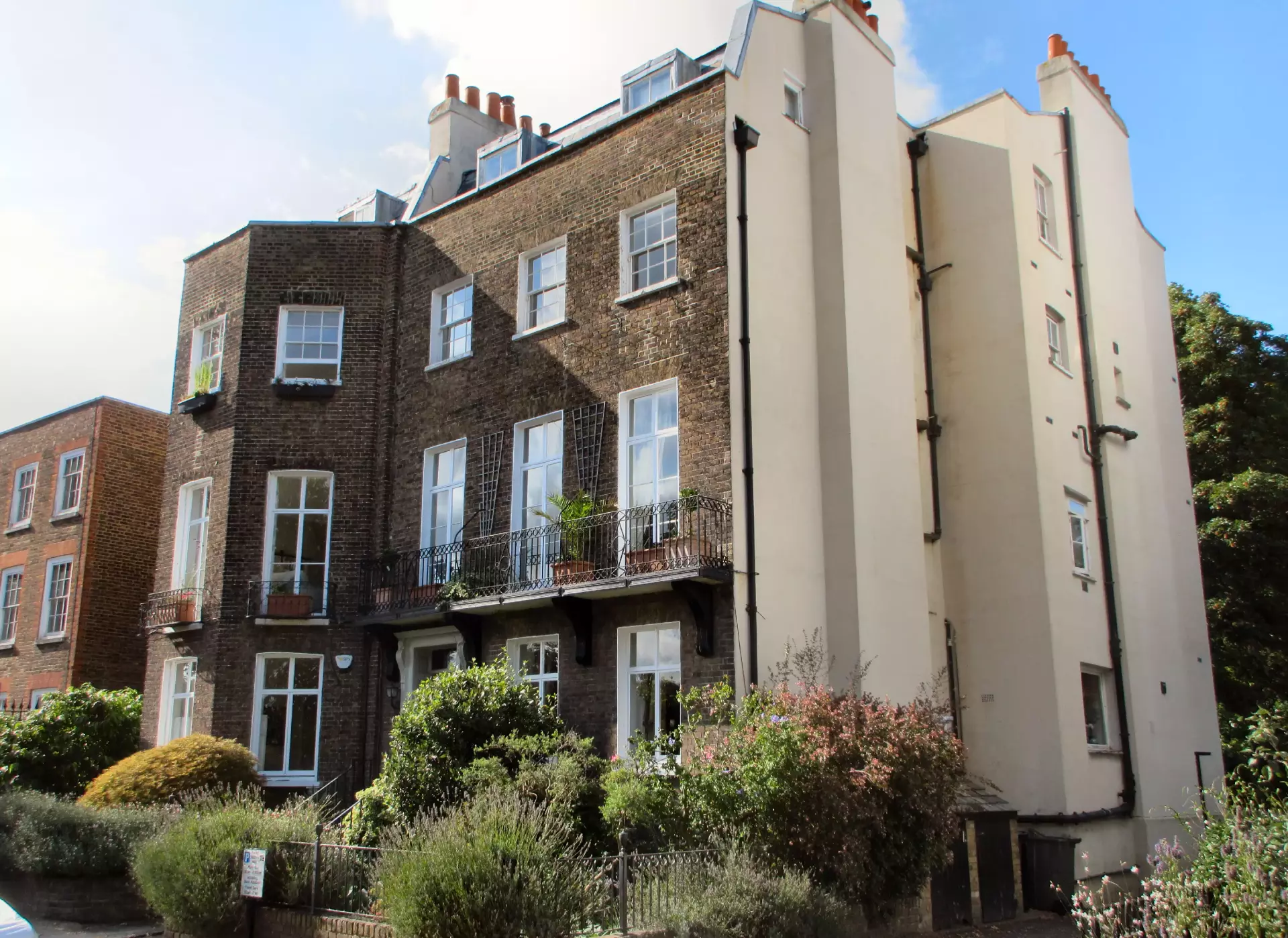
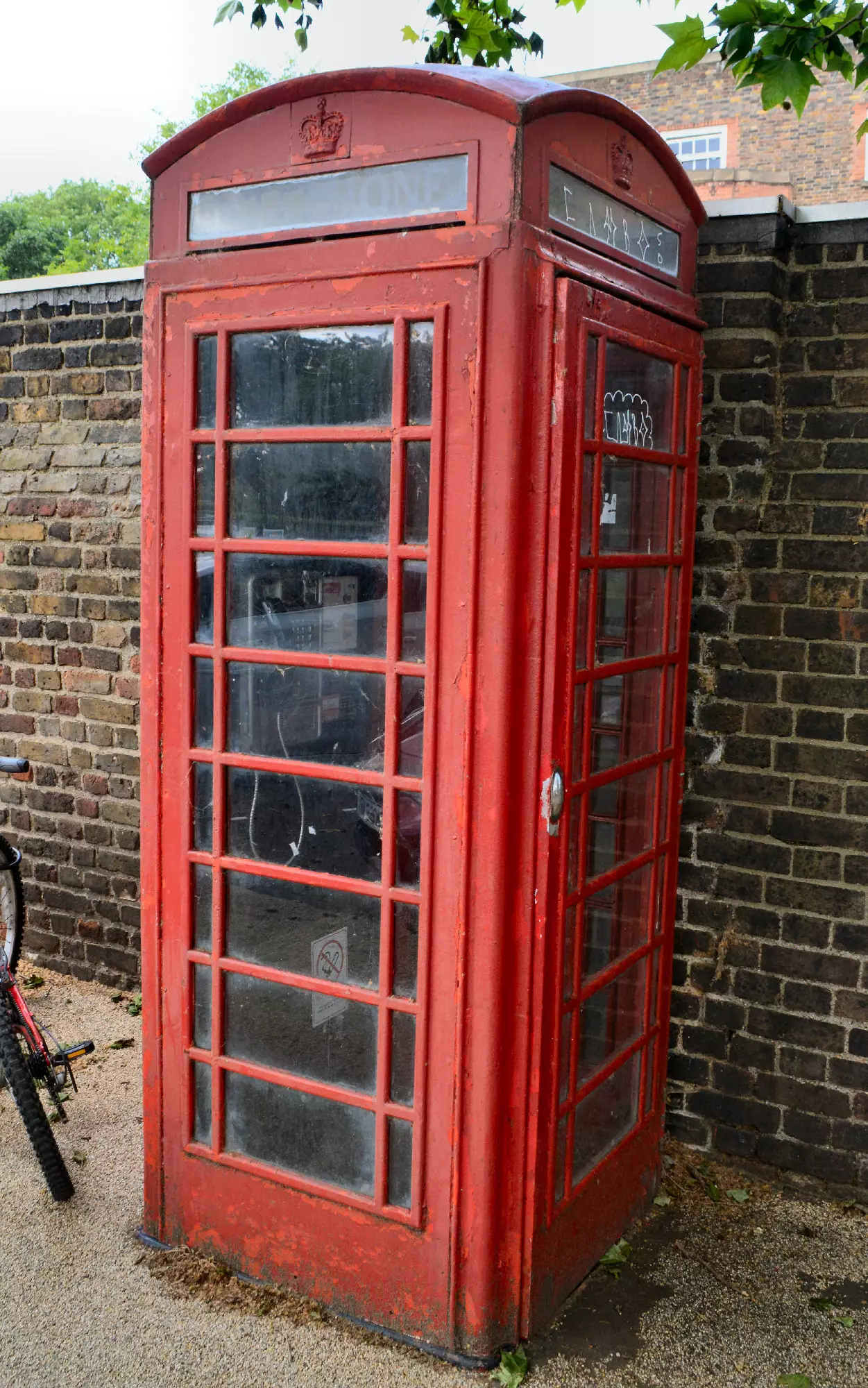
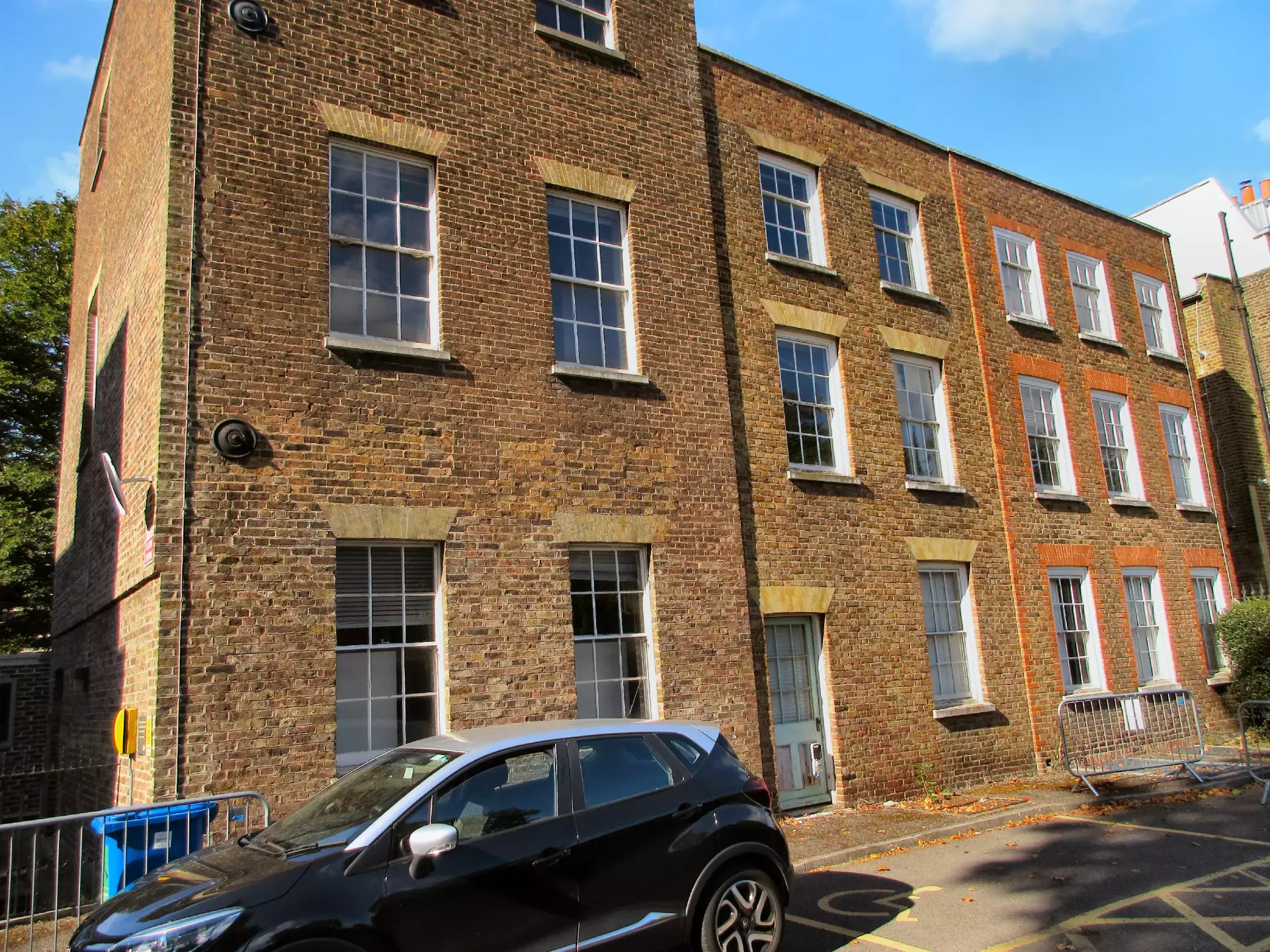
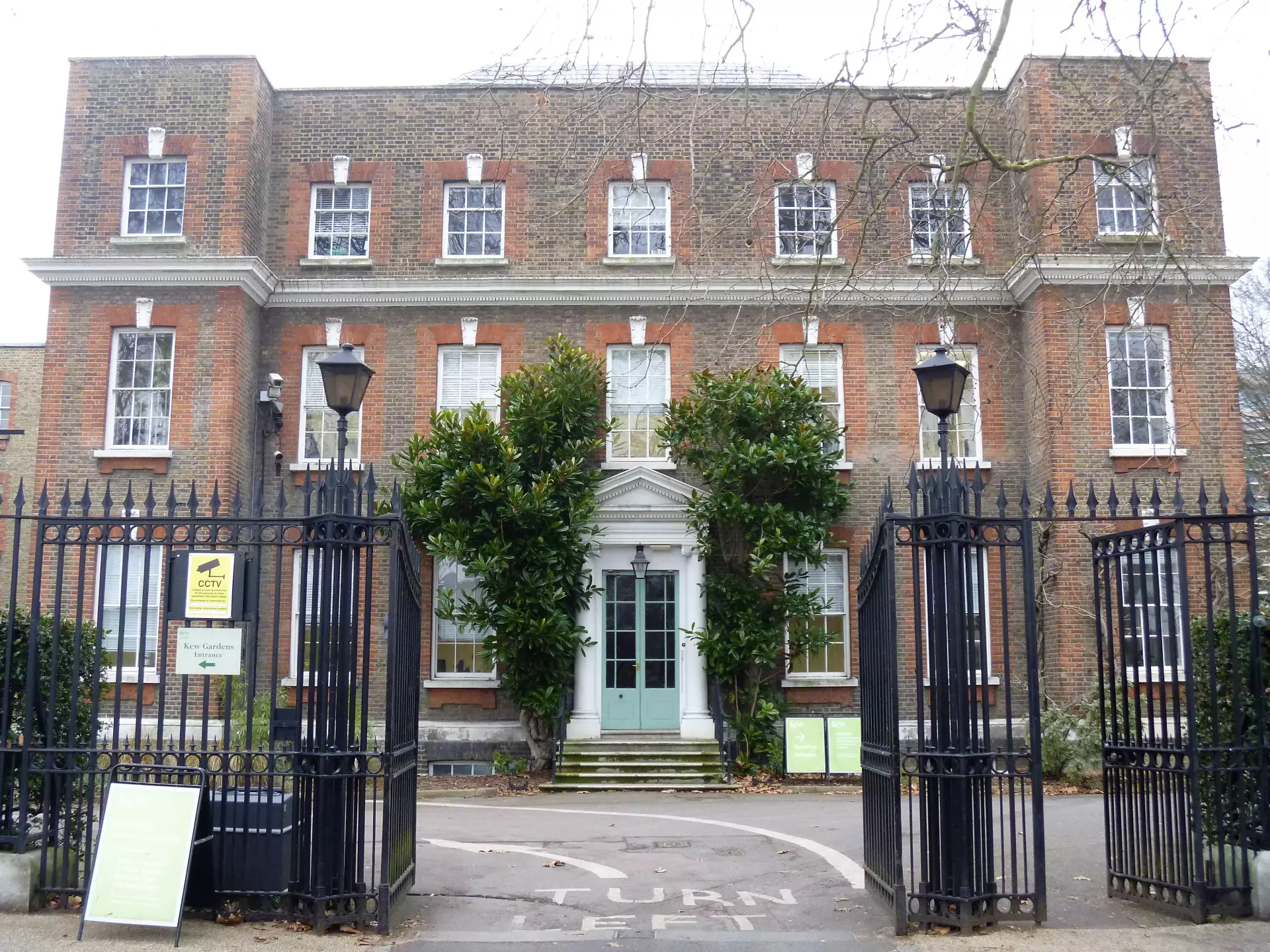
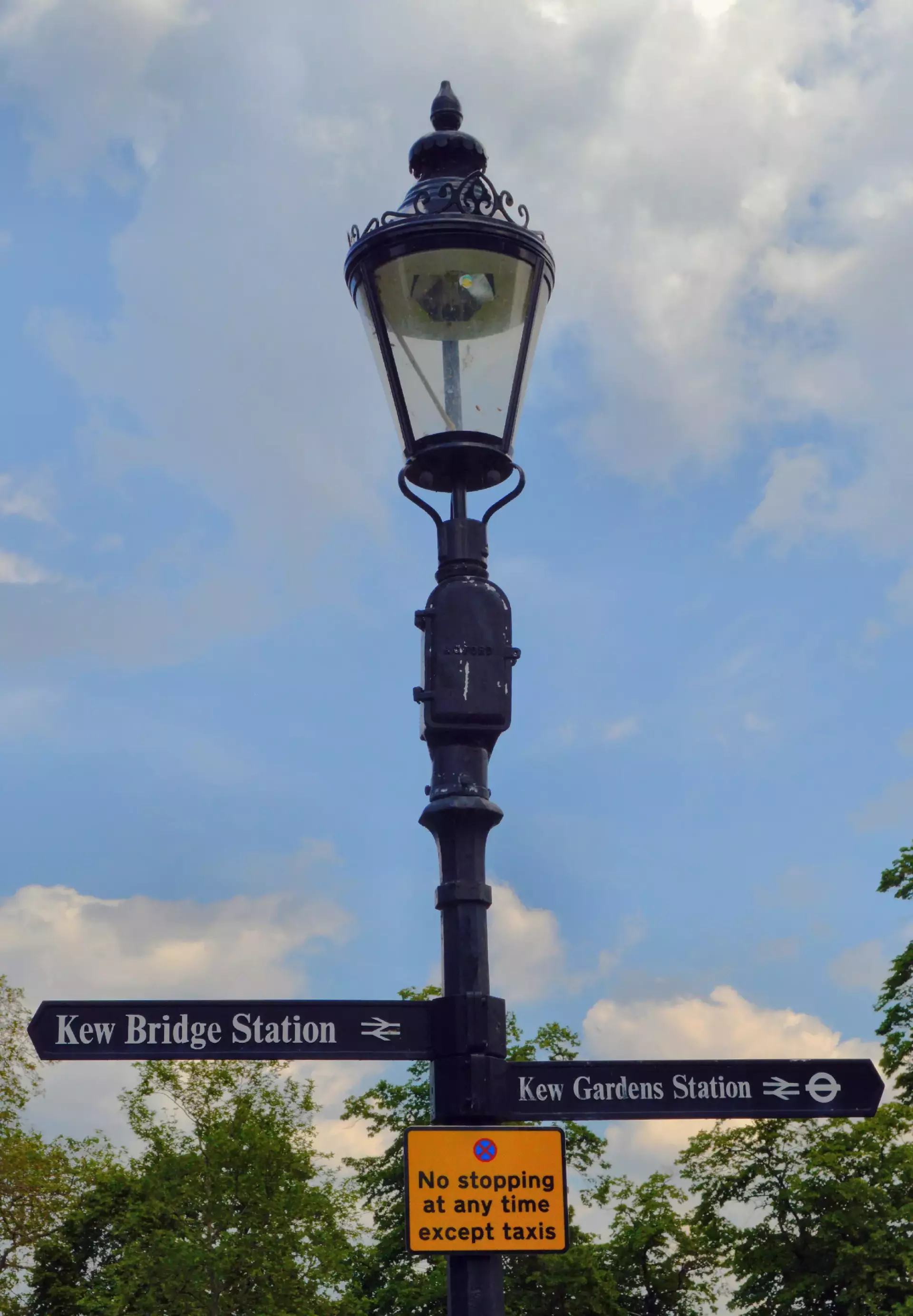
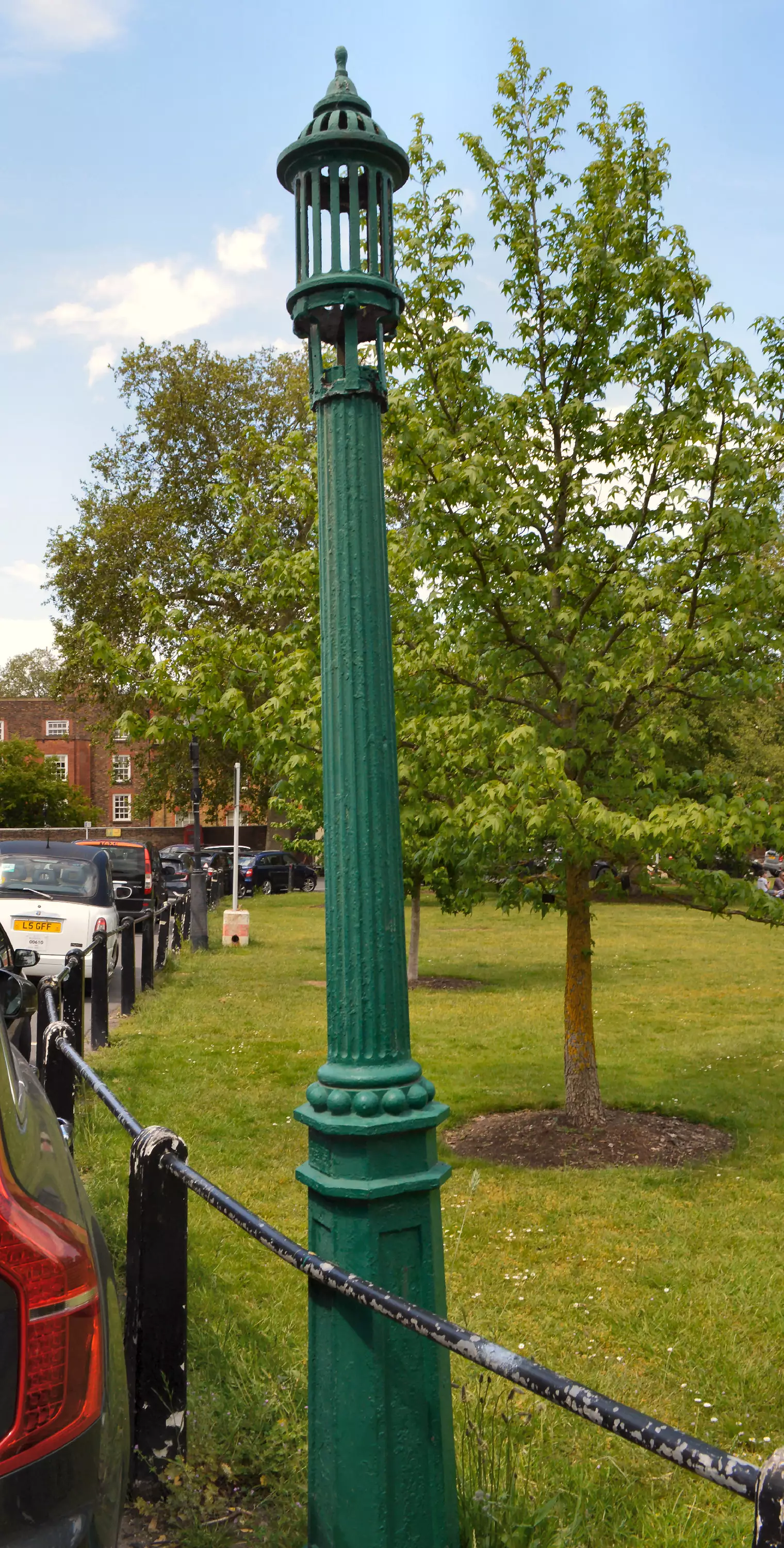
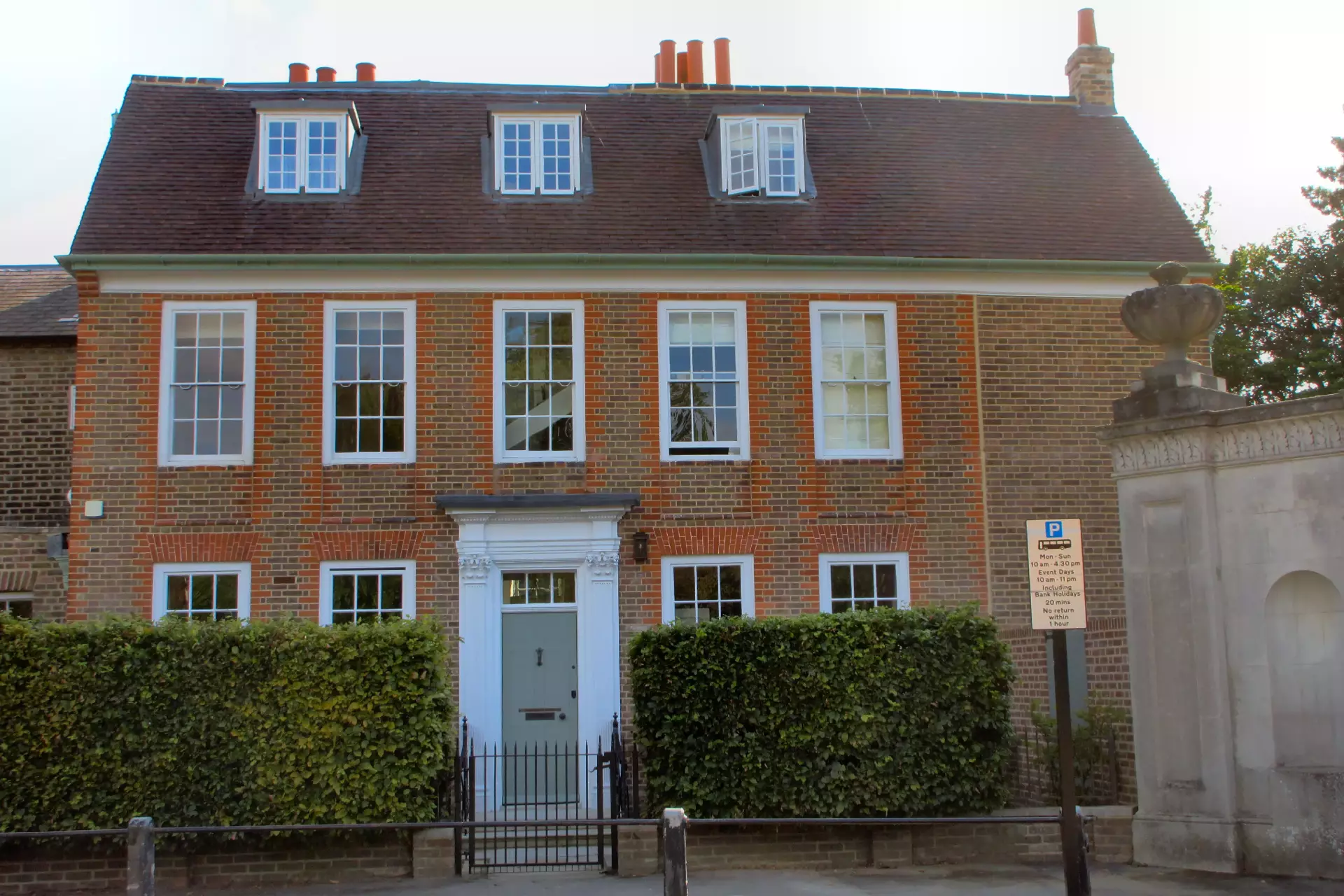
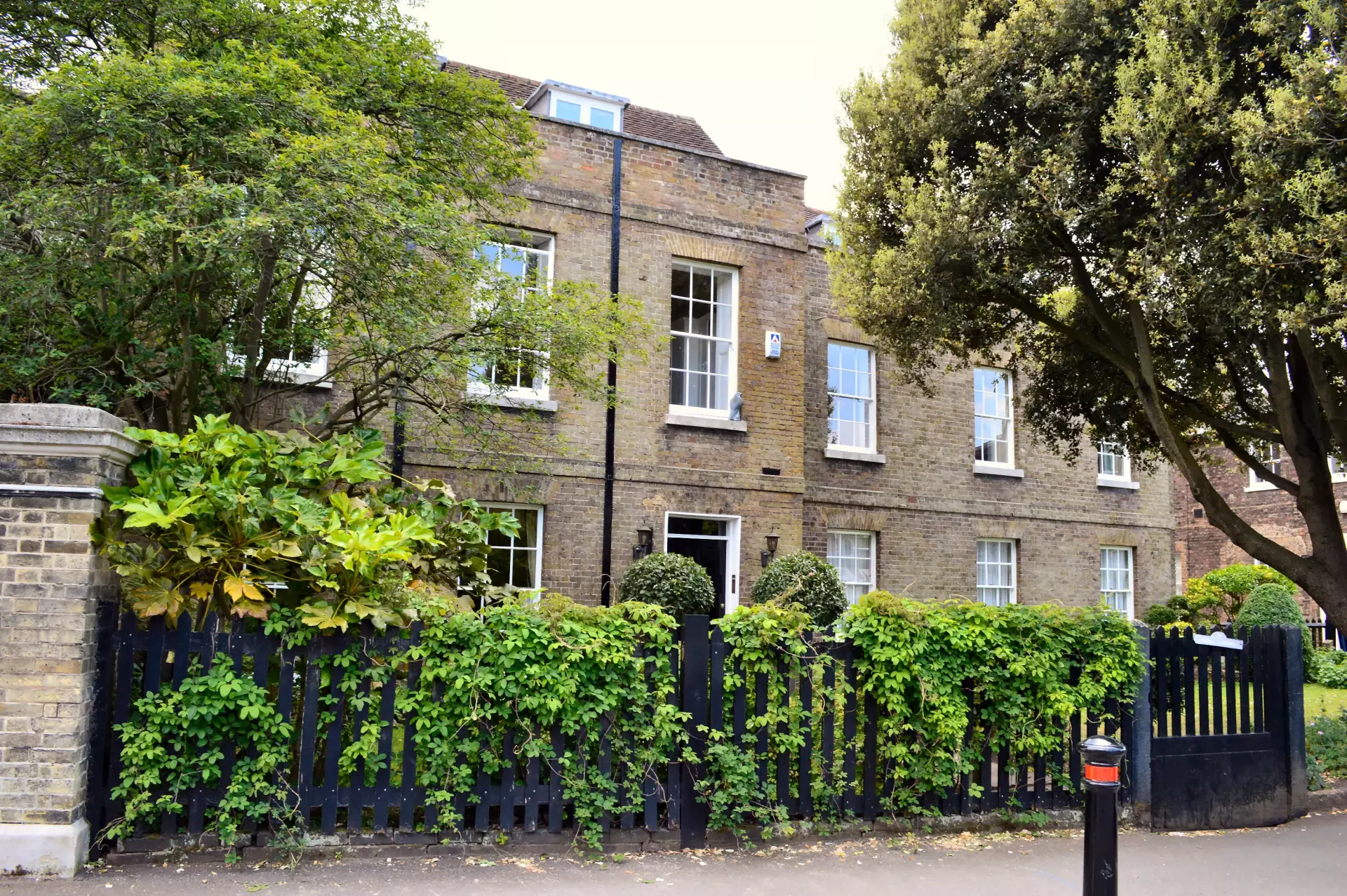
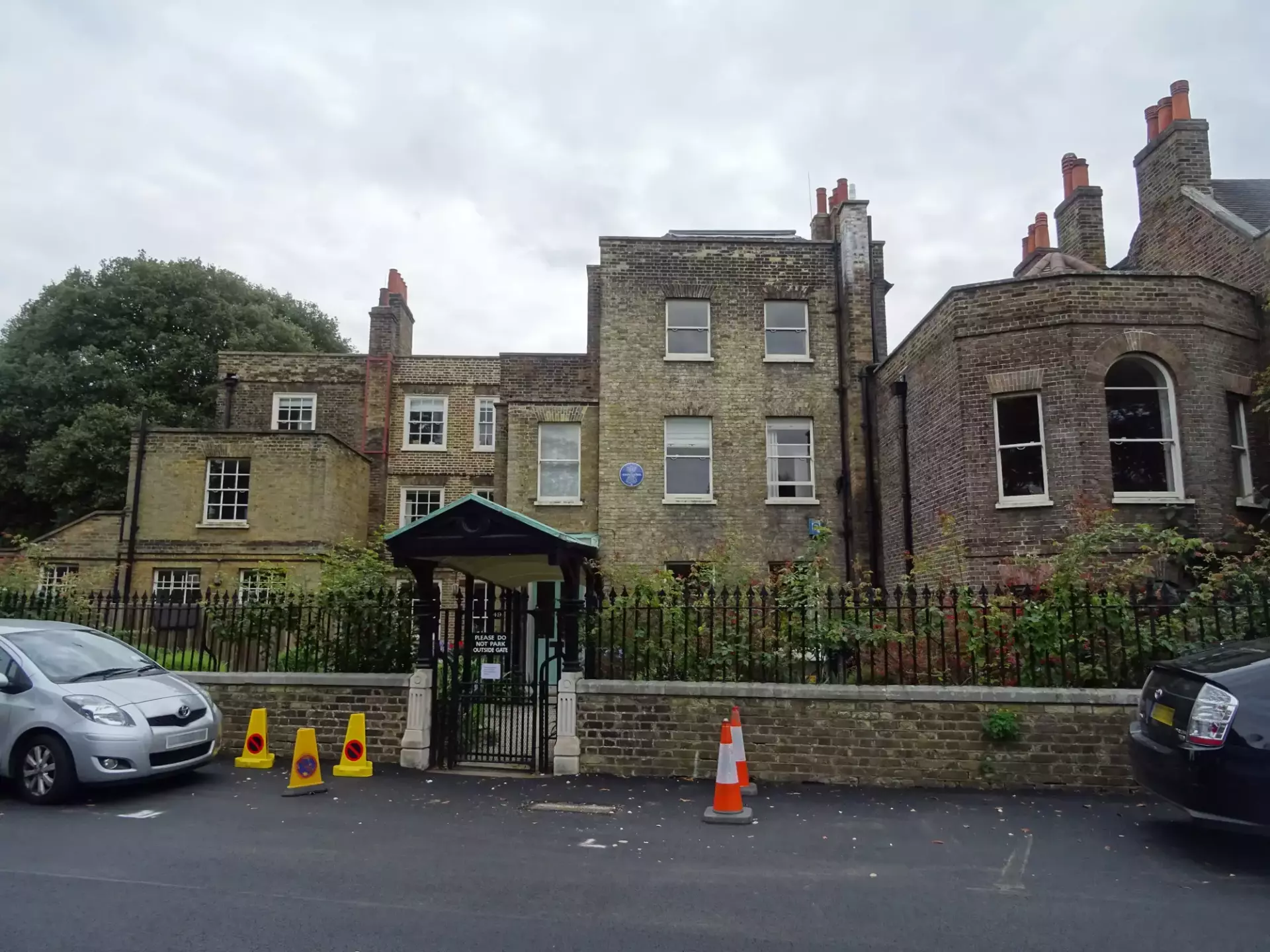
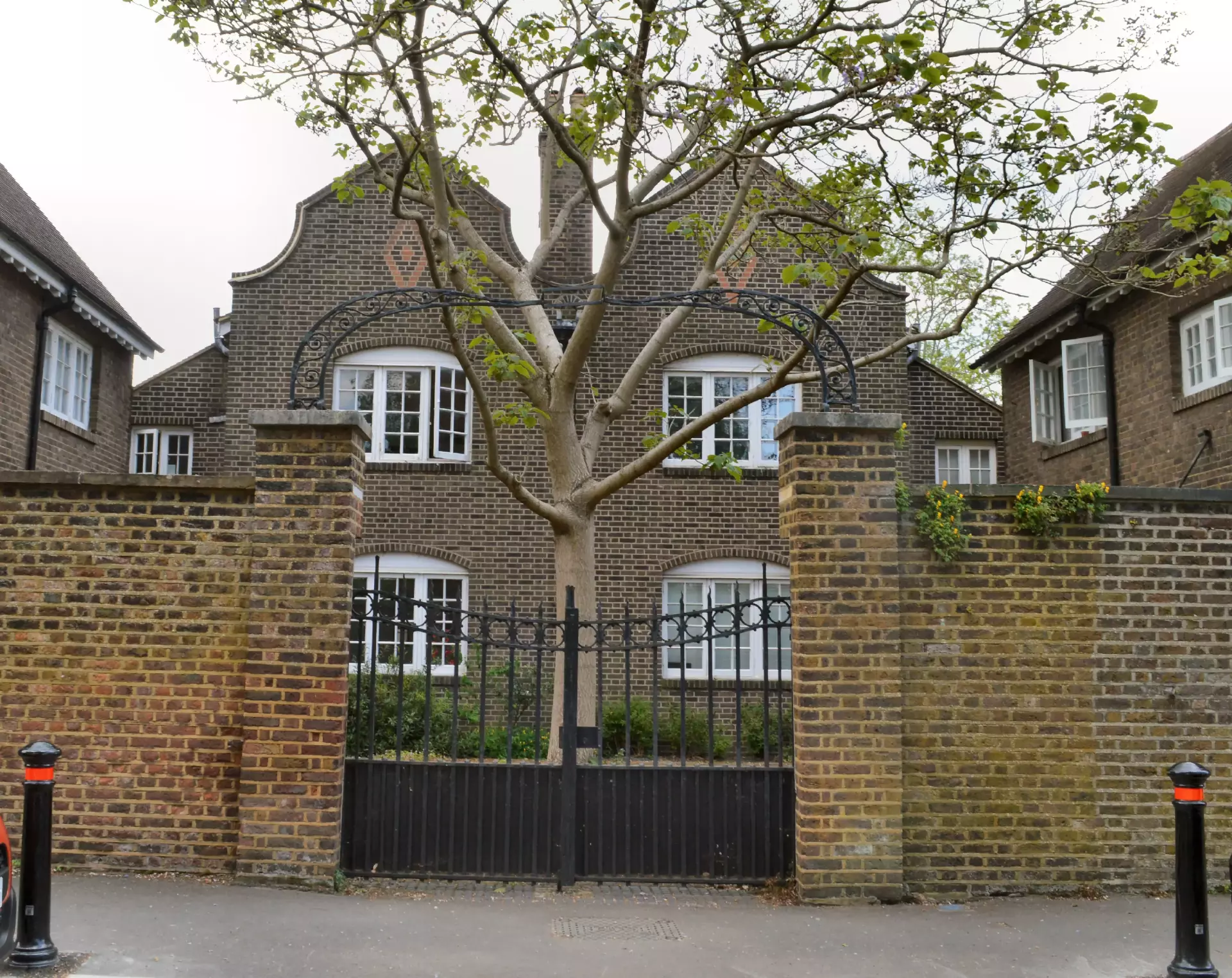
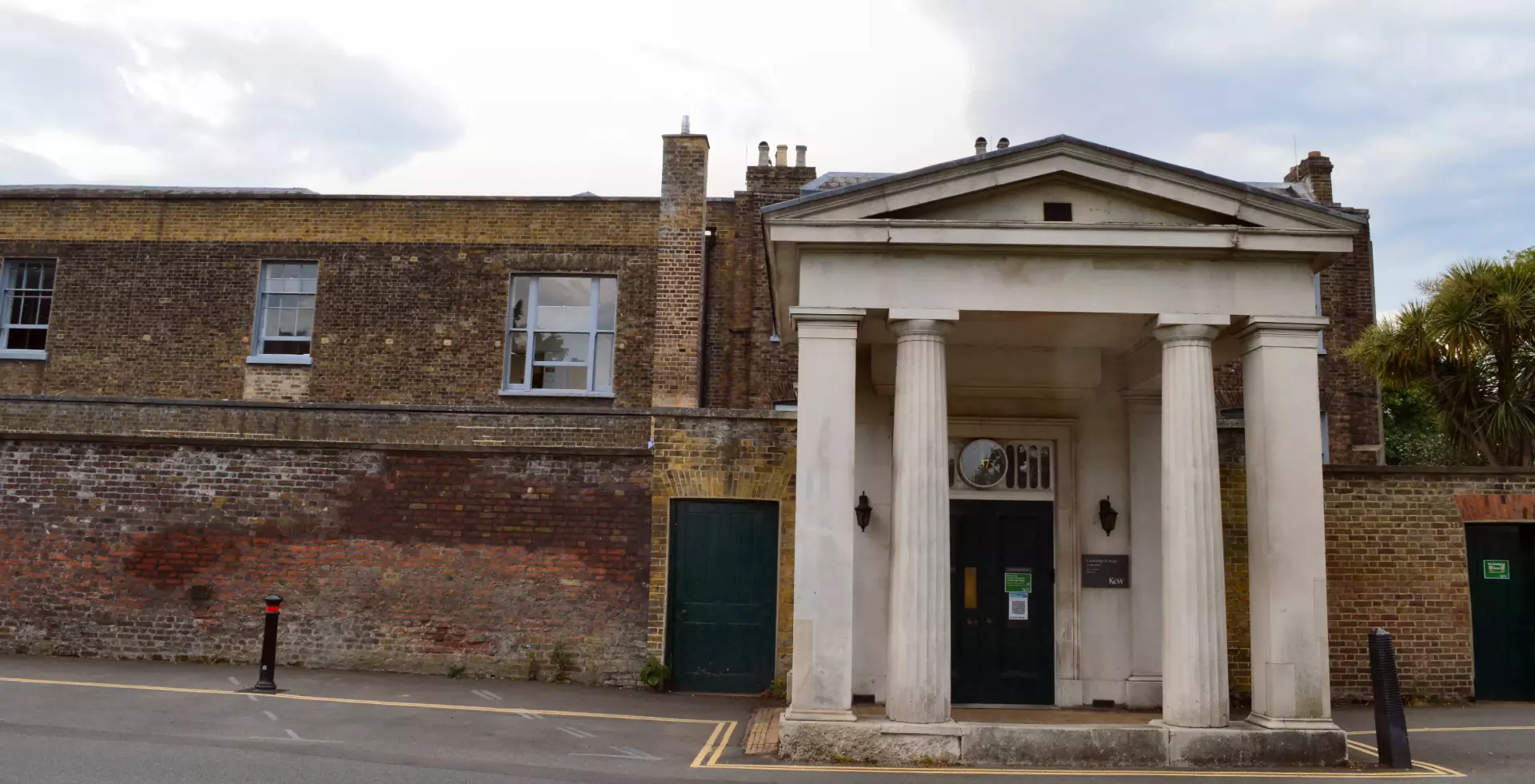
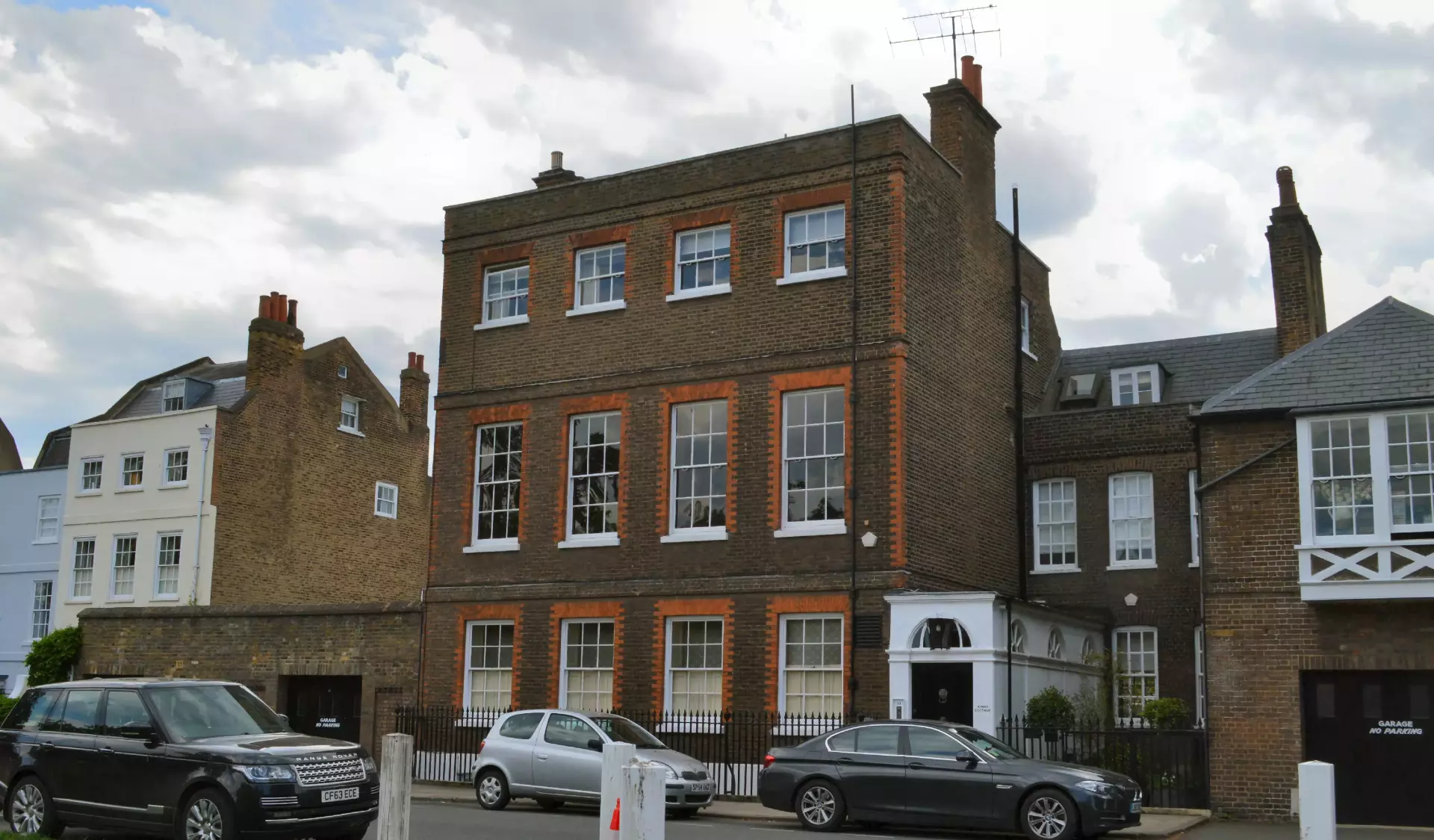
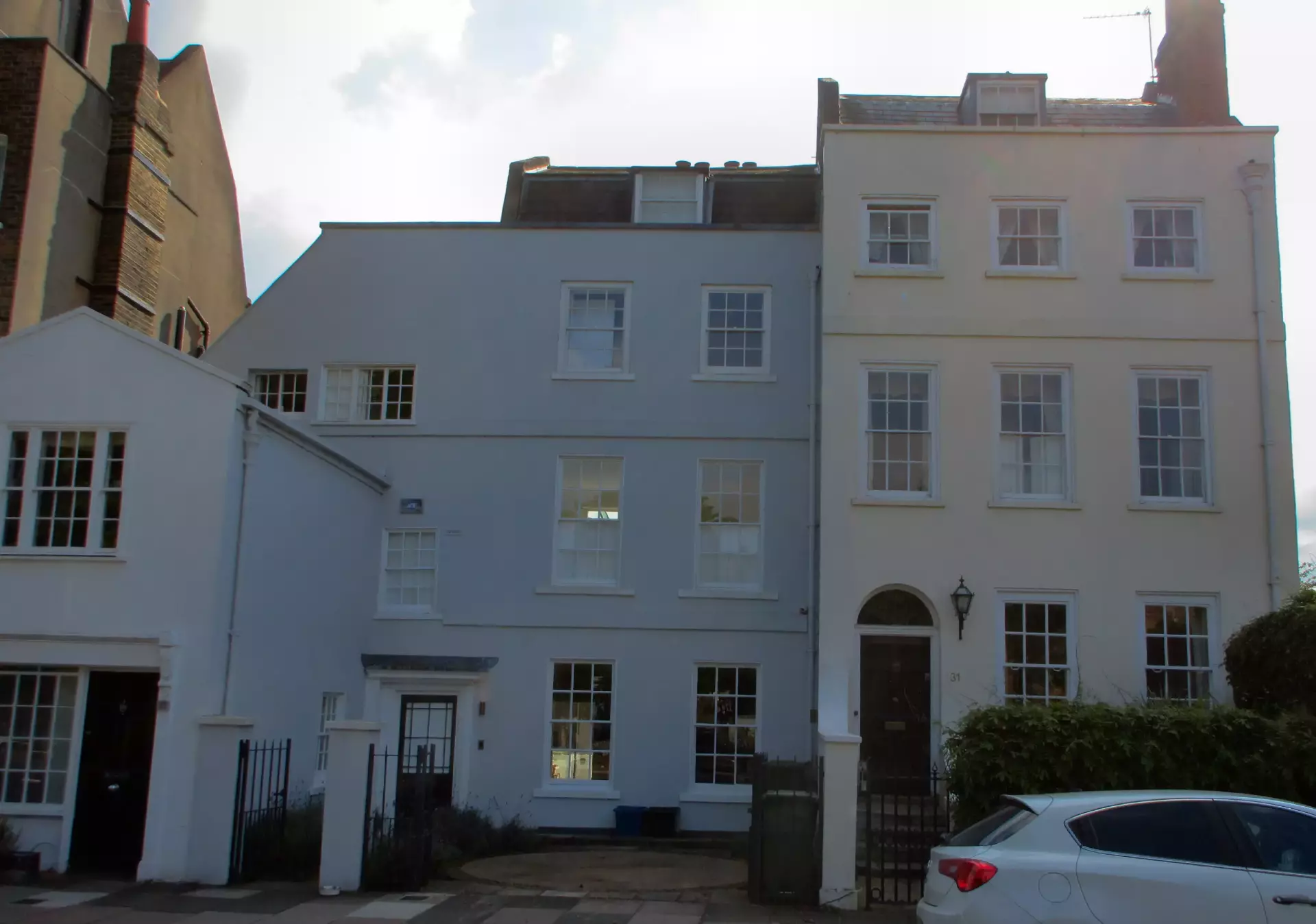
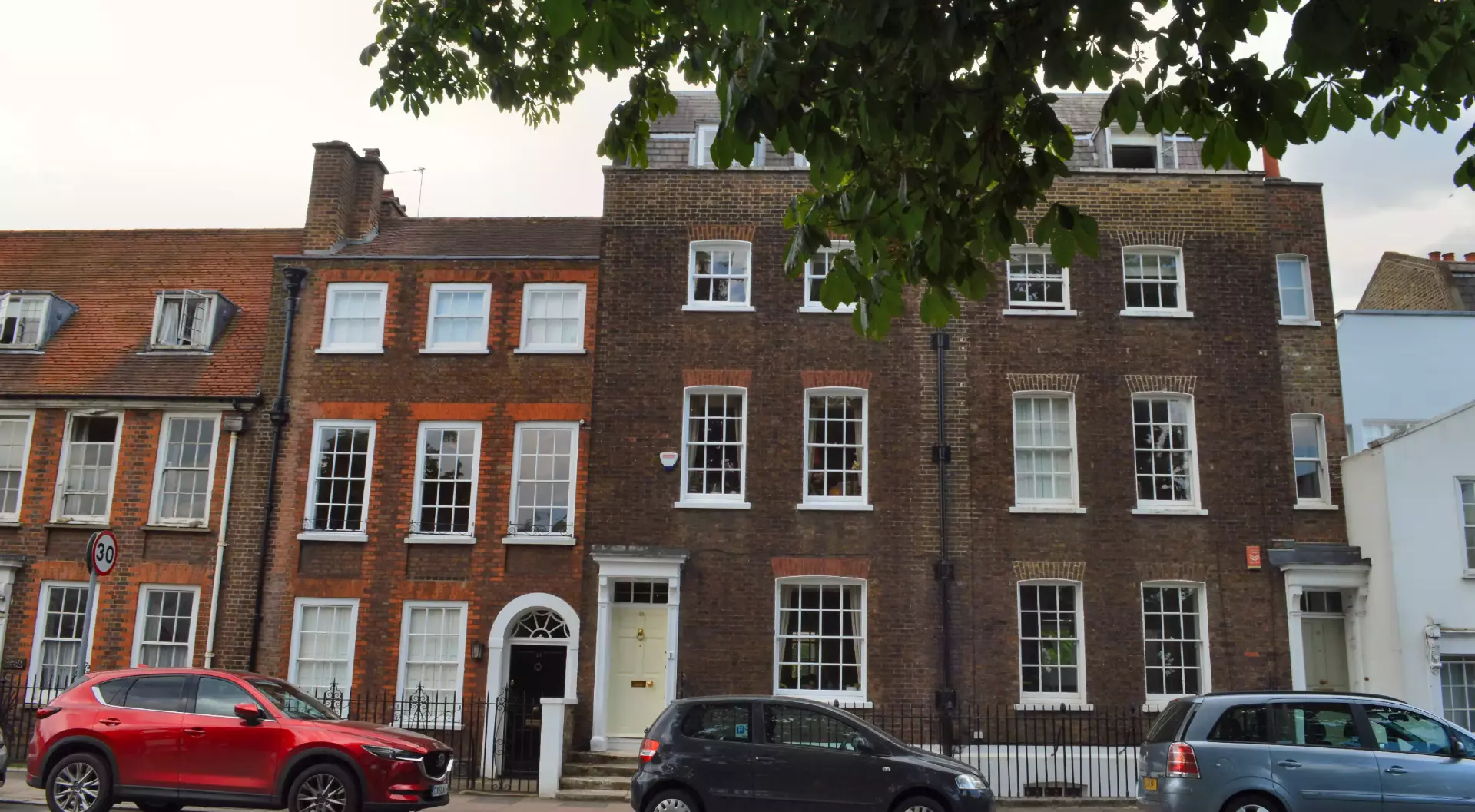
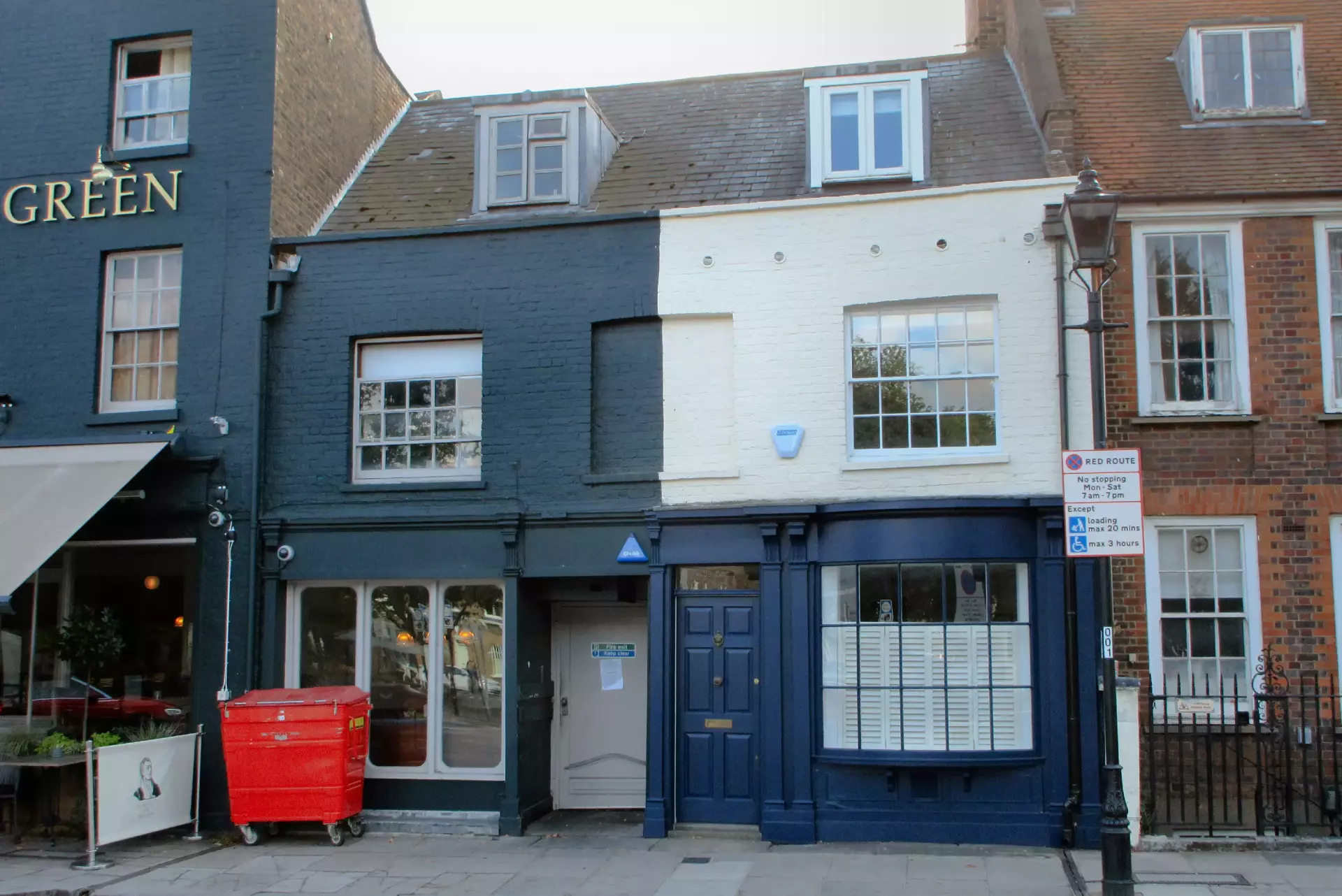
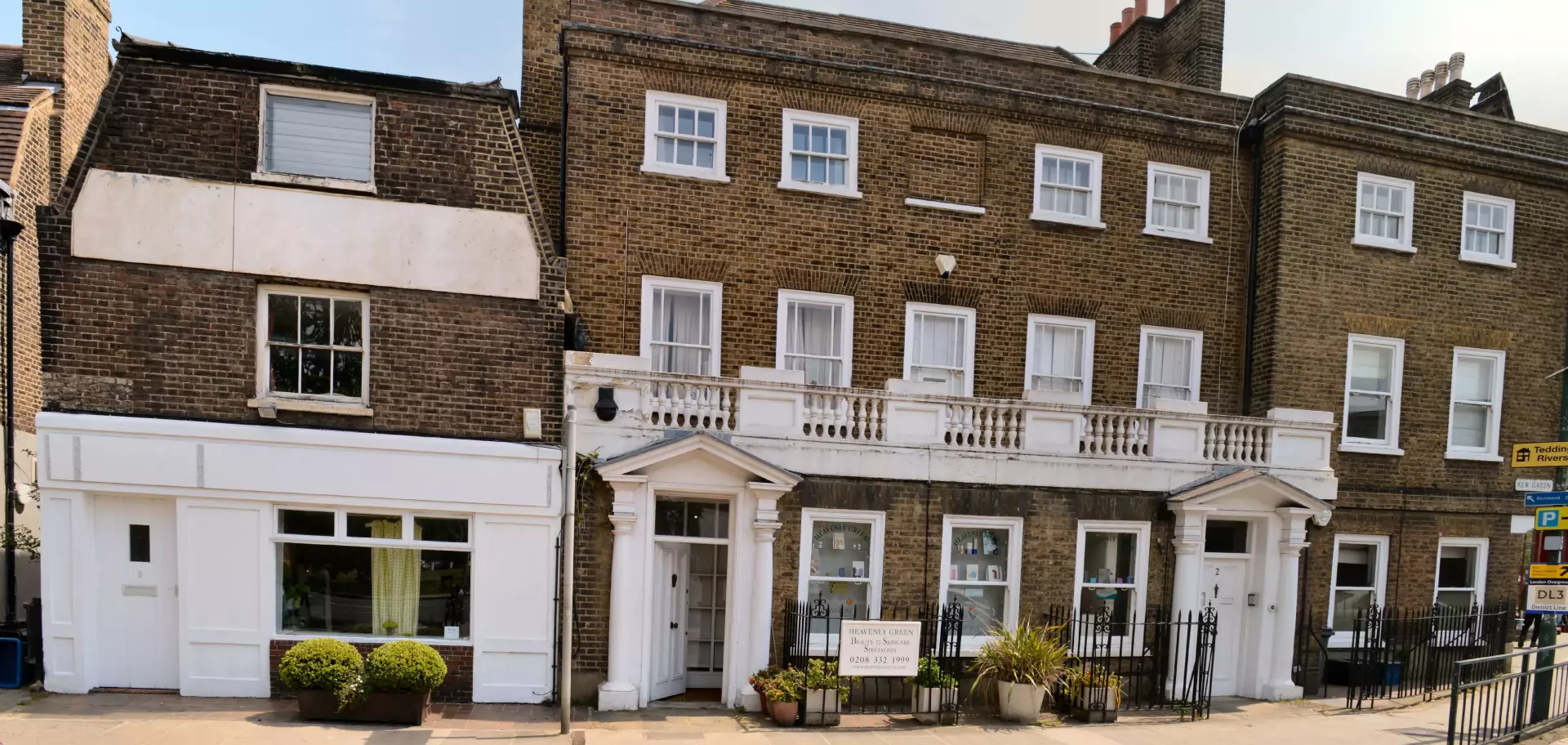
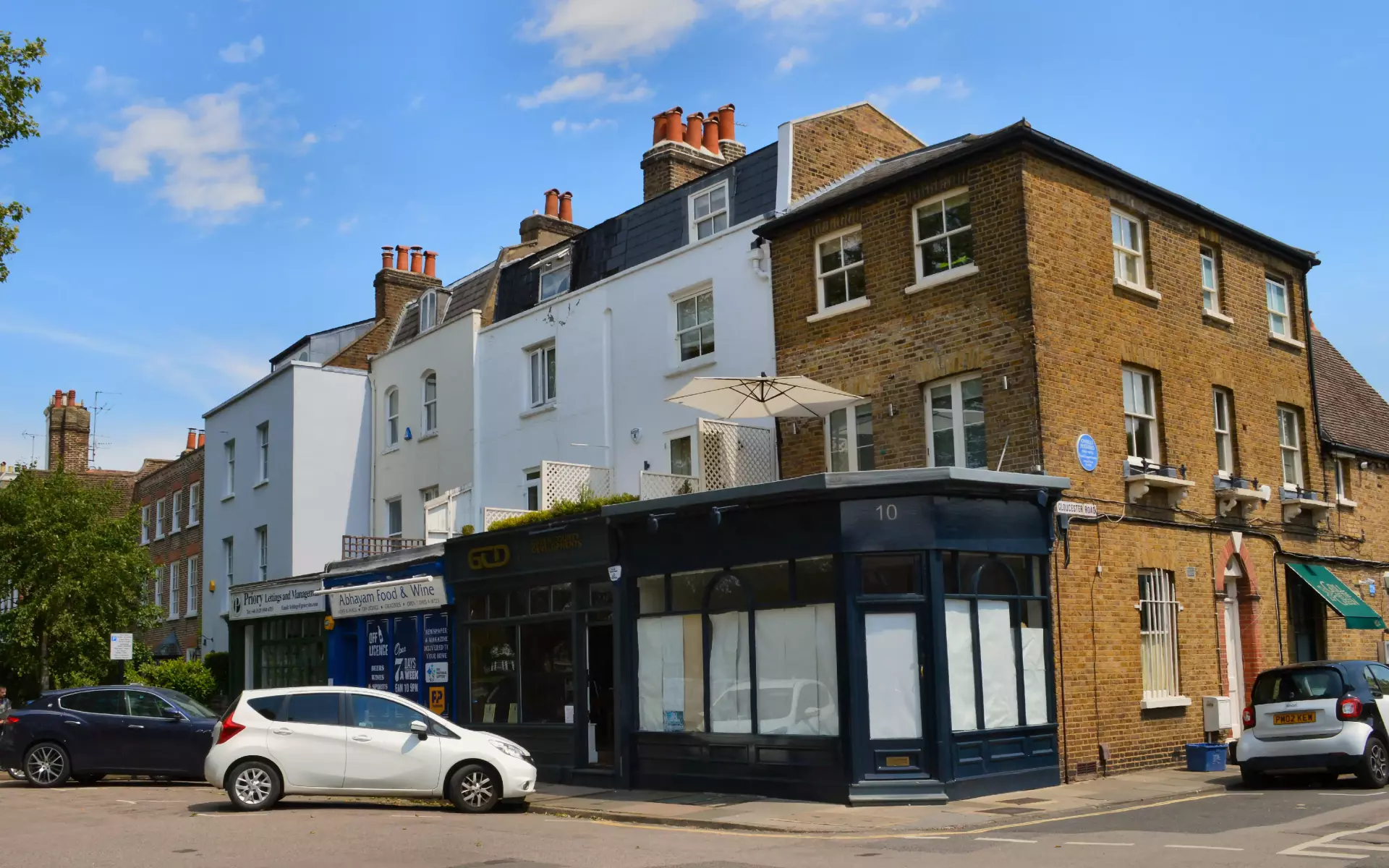
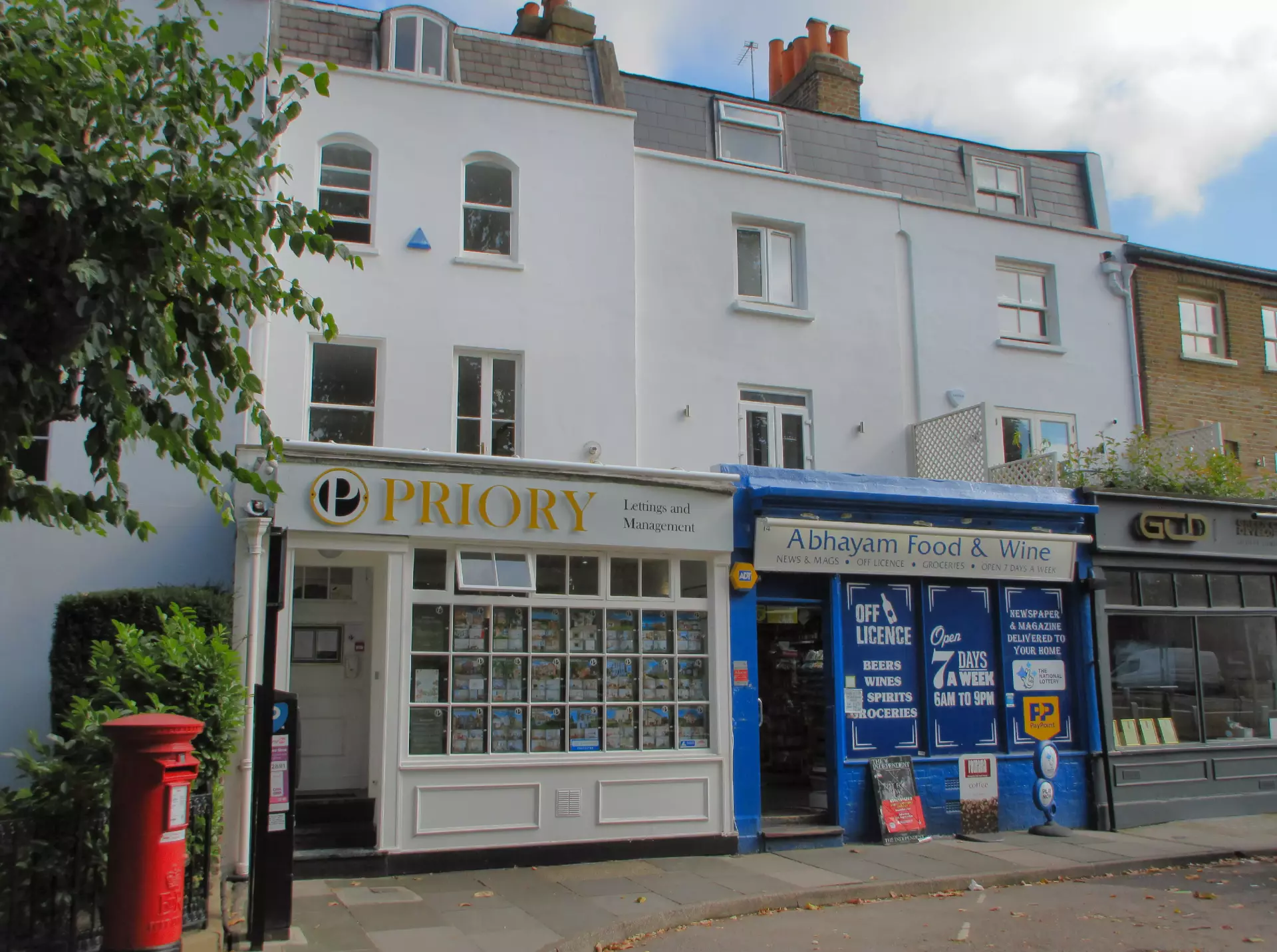
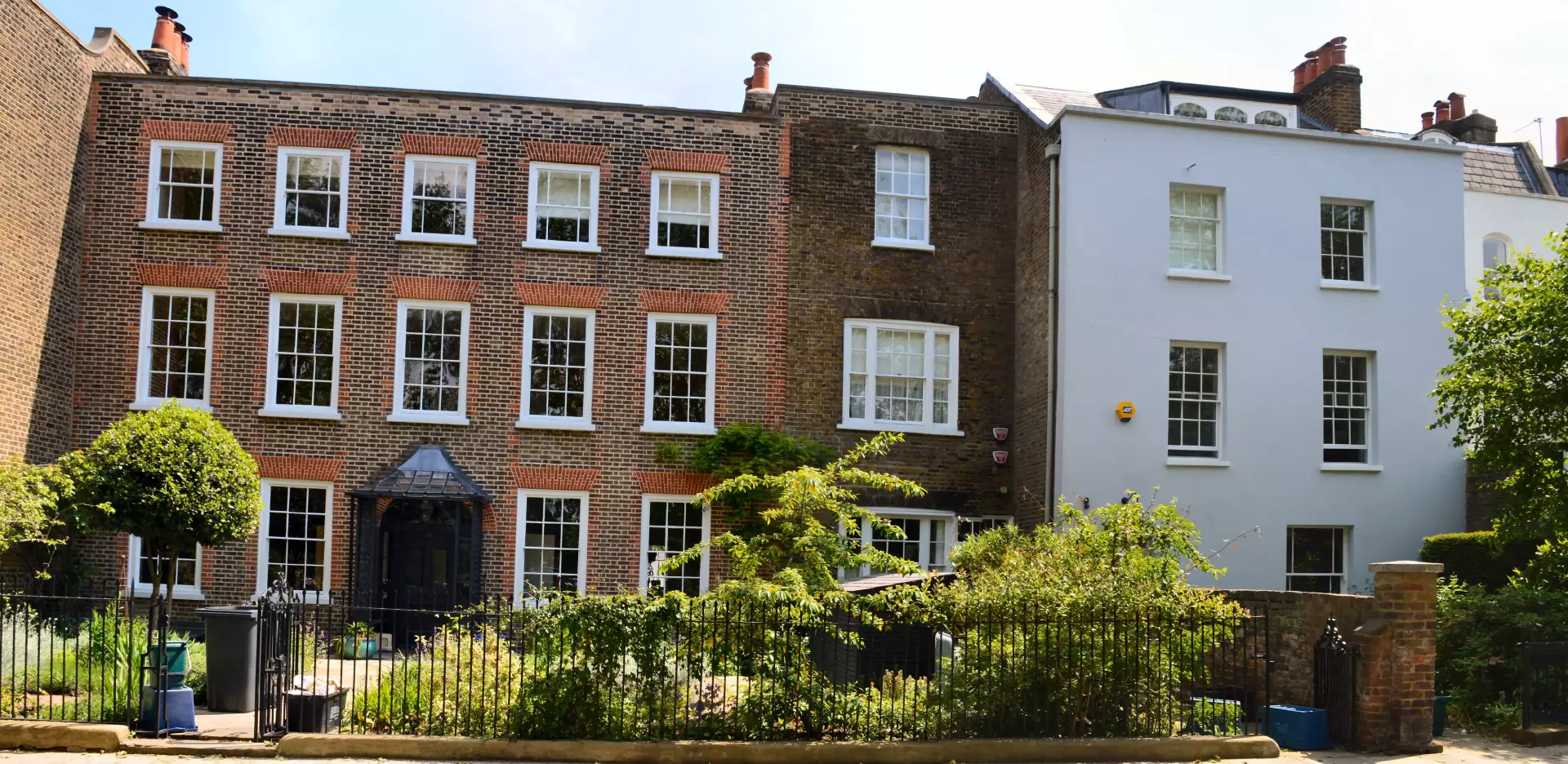
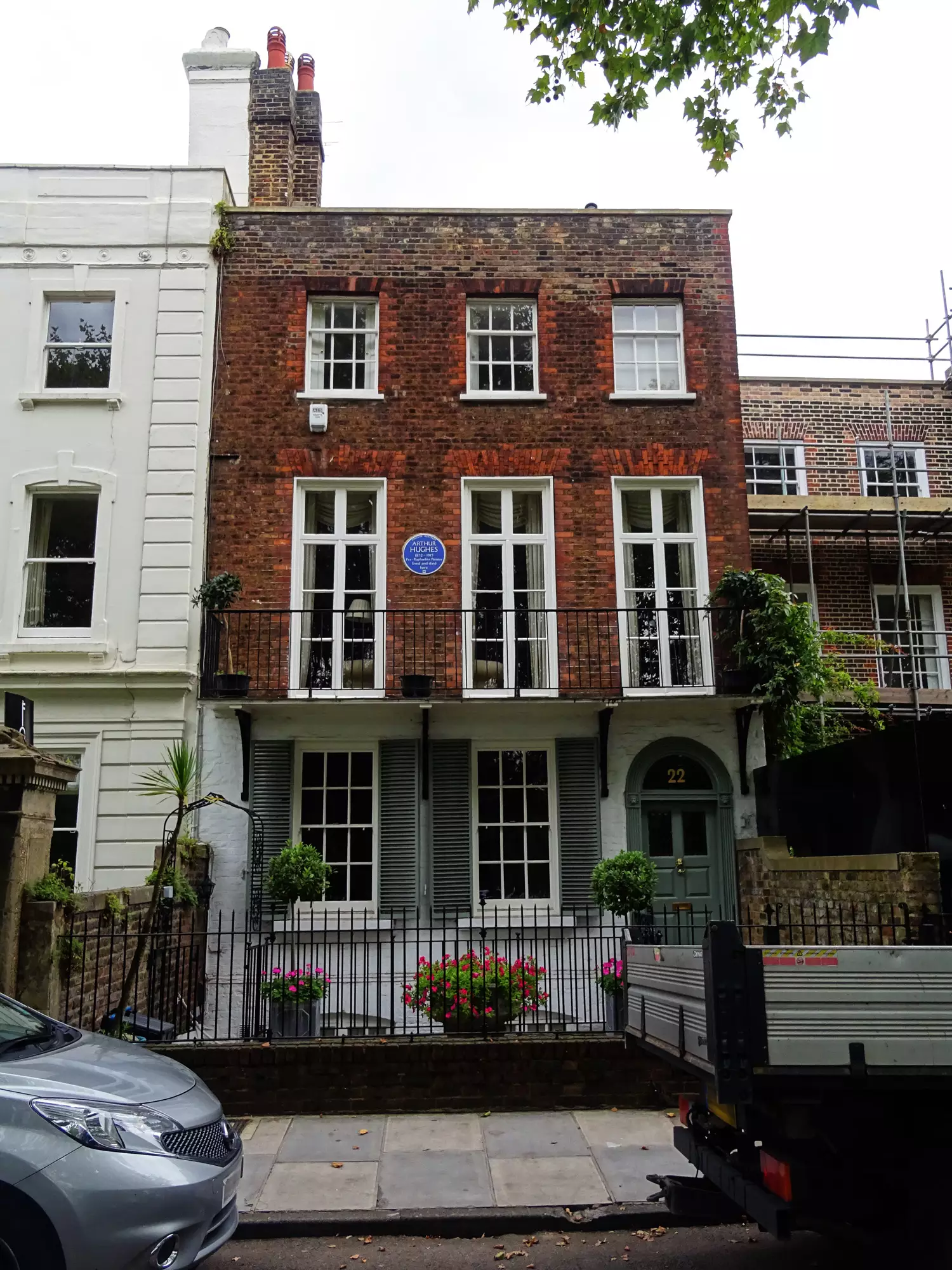
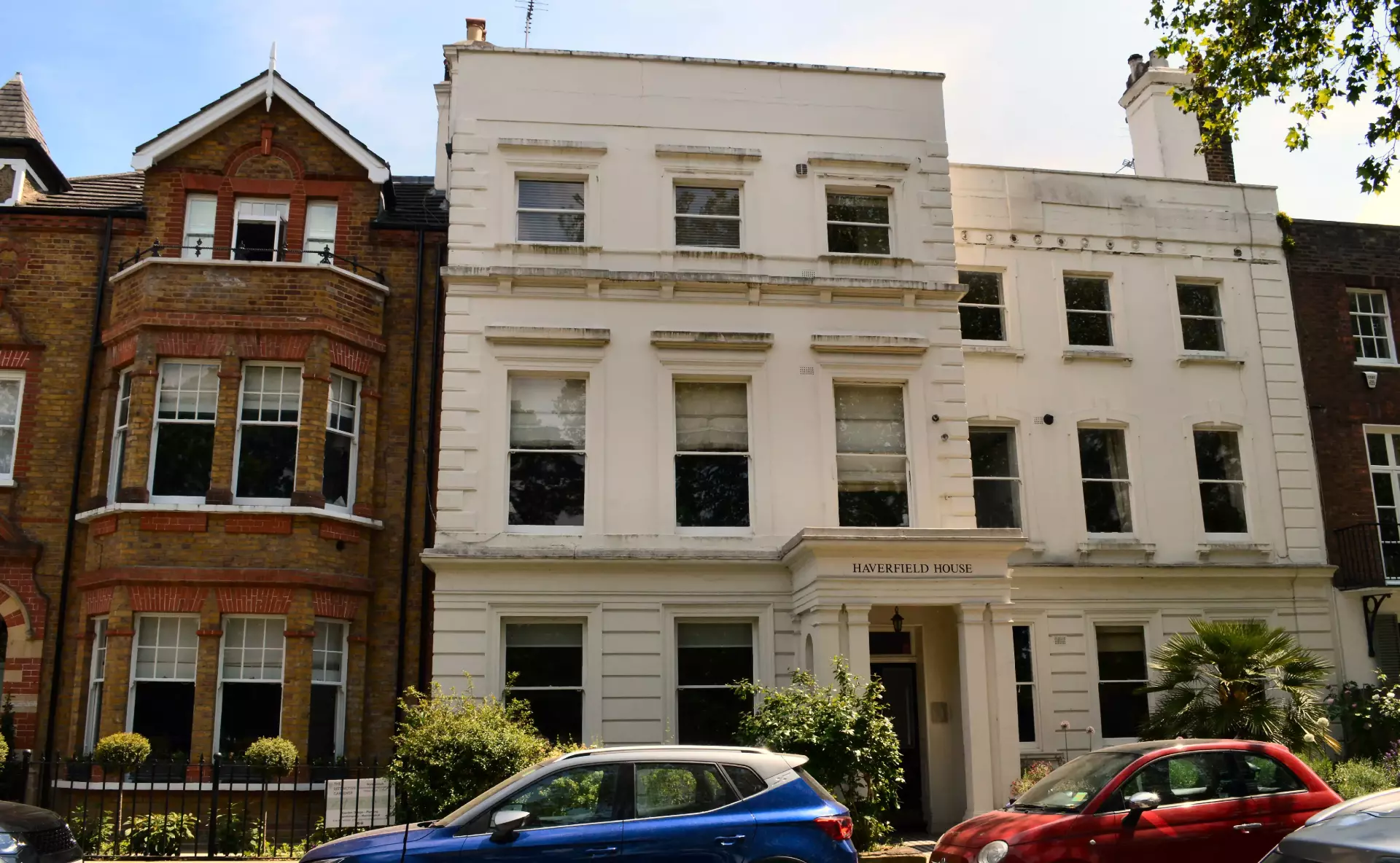
Kew Green is a spacious lawn divided by the bustling Kew Road. This vibrant area offers a blend of historic charm and recreational activities, making it an engaging destination for visitors.
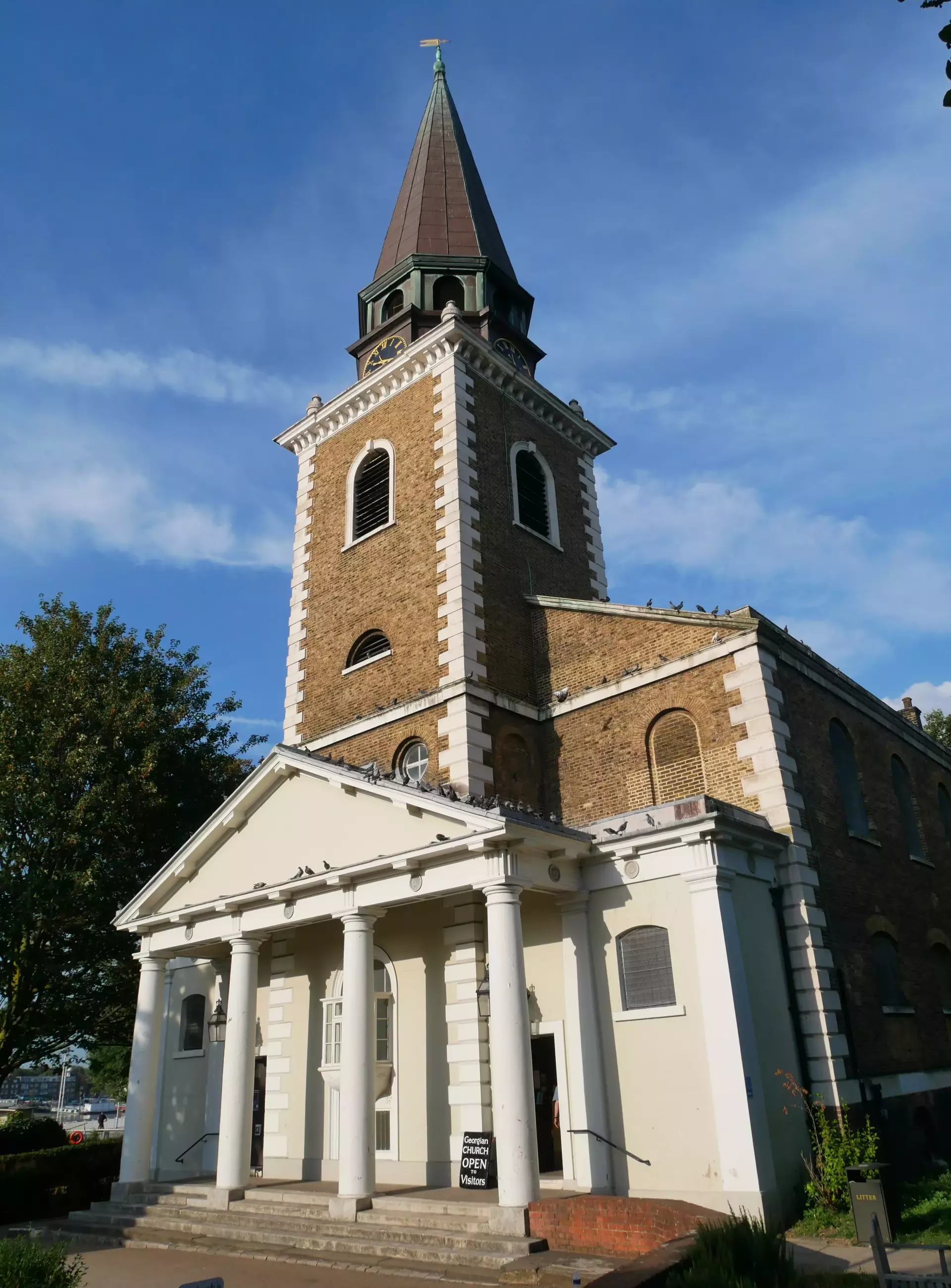
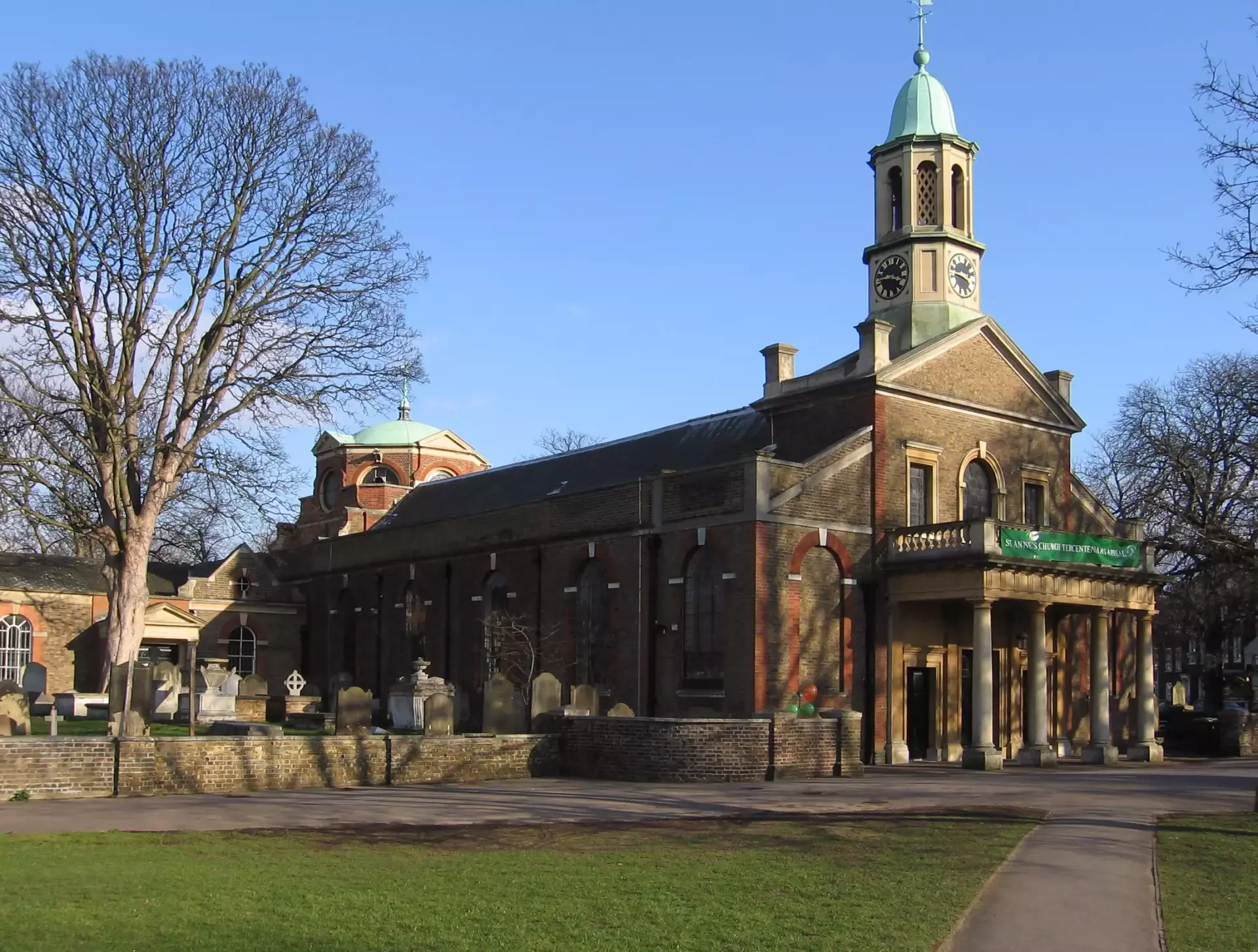
On one side of Kew Green, St. Anne's Church stands elegantly, inviting those with an interest in history and architecture. With its beautiful design and serene atmosphere, the church is a peaceful retreat for anyone exploring the area.
Cricket enthusiasts will find joy at the Kew Cricket Club, also located on the green. Whether watching a match or participating in a friendly game, the club serves as a lively spot where the spirit of cricket comes alive.
A number of inviting pubs are set around Kew Green, providing perfect places to unwind. These local establishments offer a chance to enjoy some good food and drink after a day spent exploring the green and its surroundings.
Source - https://en.wikipedia.org/wiki/Kew_Green
Park overlooking the river, with the local war memorial. Be careful at high tide, as it may flood.
A vast repository of the world's cultures, controversially including hundreds of items that were looted from their places of origin. Entire sections are devoted to Egyptian, Greek, and Middle Eastern artifacts, as well as the piece which united them all, the Rosetta Stone. Other items on everyone's list are the largest collection of mummies outside Egypt and the Elgin Marbles. The collection also includes some of the world's finest collections of Chinese and Sub-Saharan African art; perhaps the most famous of the latter are the Benin bronzes. A definite highlight of a trip to London. Temporary exhibitions are invariably excellent and meticulously researched, but can be expensive. It has a fine store, mainly selling replicas of items in the collection.
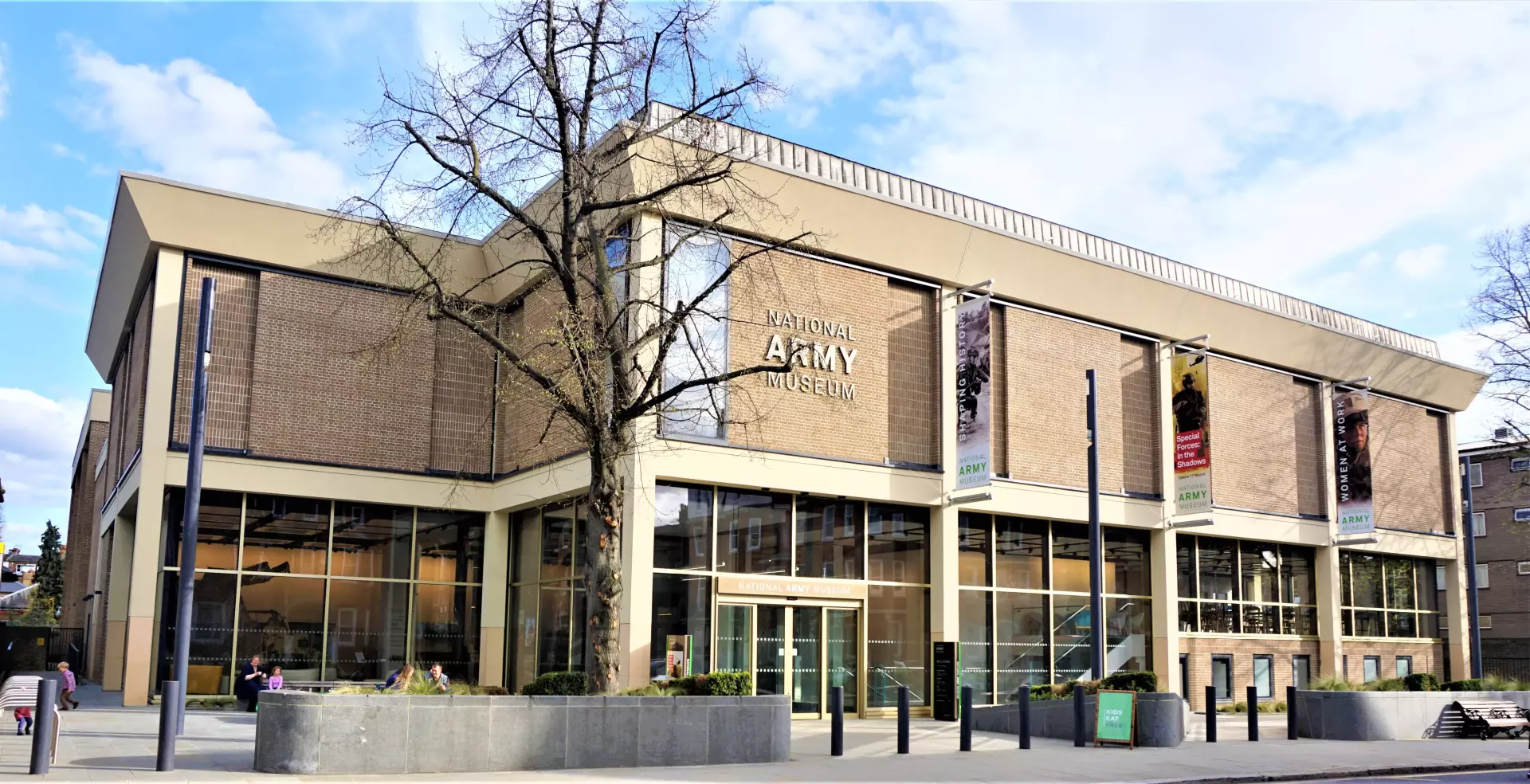
A retirement home for soldiers created by King Charles II. Tours around the listed building and grounds are regular and include the museum (which can be visited separately) whose exhibits contain military memorabilia donated by Chelsea Pensioners over the years.
A private residence which can only be seen from the street. Designed and built in a French neo-Gothic style by William Burges, it features a handsome cone-roofed tower. Legendary guitarist Jimmy Page has been the house's proud owner since he bought it from actor Richard Harris in 1972.
In many cities a local transport museum would be of very narrow interest - not London, however! London's public transport is iconic, and the story of how it developed from horse and cart through early buses, Tube trains and trolleybuses to the present day is well worth coming to find out about. There is plenty of opportunity to clamber aboard the historic buses and Tube trains on display. Also, because London's transport is so well known, the museum shop contains plenty of items that make interesting and original gifts and souvenirs.
Former offices of the Greater London Authority. A radically-designed glass fronted and rounded building, previously headquarters for London's Mayor and Assembly. City Hall has now be relocated to The Crystal, a building in Greenwich, near to the cable car. The old building is disused and not open to the public, but can be viewed from the outside.
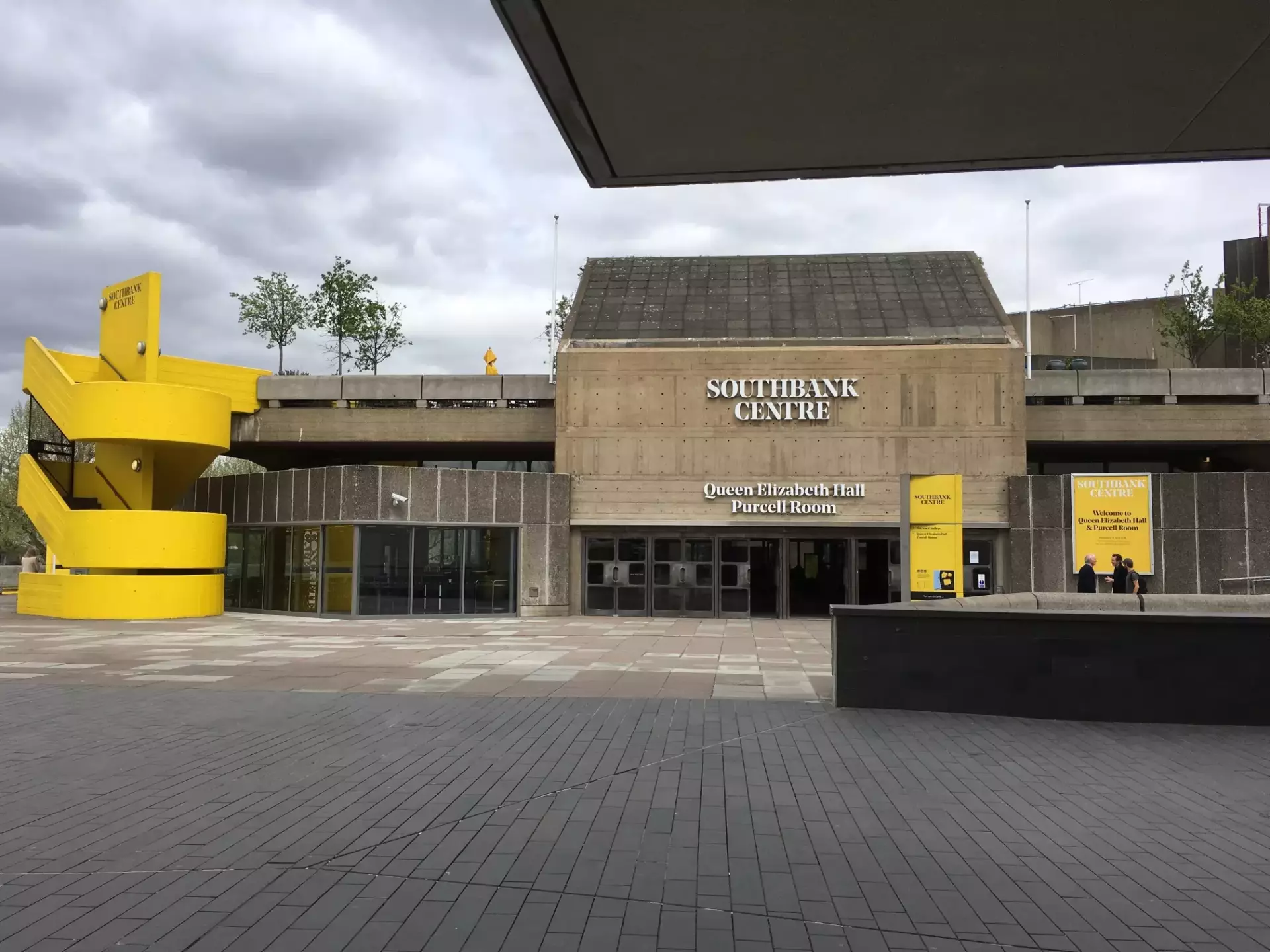
Three large auditoriums, the Olivier, the Lyttelton and the Cottesloe. The Olivier theatre is the largest with an open stage and a fan shaped auditorium around it. This ensures that all seats provide a good view. Most of the more 'popular' productions are put on here as the space provided is much larger than most theatres. The Lyttelton theatre is more traditional with a proscenium arc with good views from most seats. The Cottesloe is a small studio theatre, seating around 400. Some tickets will be available on the day, either day seats (arrive before 9:30AM and queue) or standby (arrive before 6PM and queue), or you can buy online. Popular shows, especially those around Christmas in the Olivier sell out months in advance. Tickets to The National Theatre are generally better value than most other theatres. There is also the '£15 Travelex' season in the summer (as of 2019) that provides a large number (over 100,000 seats a year) at £10. Booking in advance is required for these. There is also an exhibition space in the Lyttelton theatre foyer that frequently holds popular photographic exhibitions. Free jazz is often played in the evening in the ground floor foyer. During summer there is a free daily outdoor festival of performance, music, comedy and cabaret known as Watch This Space. Deckchairs (and artificial grass) are provided to watch on. Free exhibitions. Backstage tours £5.
On the UNESCO World Heritage List, the Palace of Westminster is the seat of Parliament in the United Kingdom. It's often termed the "Mother of All Parliaments" - an exaggeration, but perhaps only a slight one. The present building largely dates from the 19th century when it was rebuilt following a fire in a splendid example of Victorian neo-Gothic architecture. The House of Commons (elected Members of Parliament or MPs) is located to the north of the building and is decorated with green leather upholstery, and the House of Lords (unelected Lords) is located to the south and decorated with red leather upholstery.
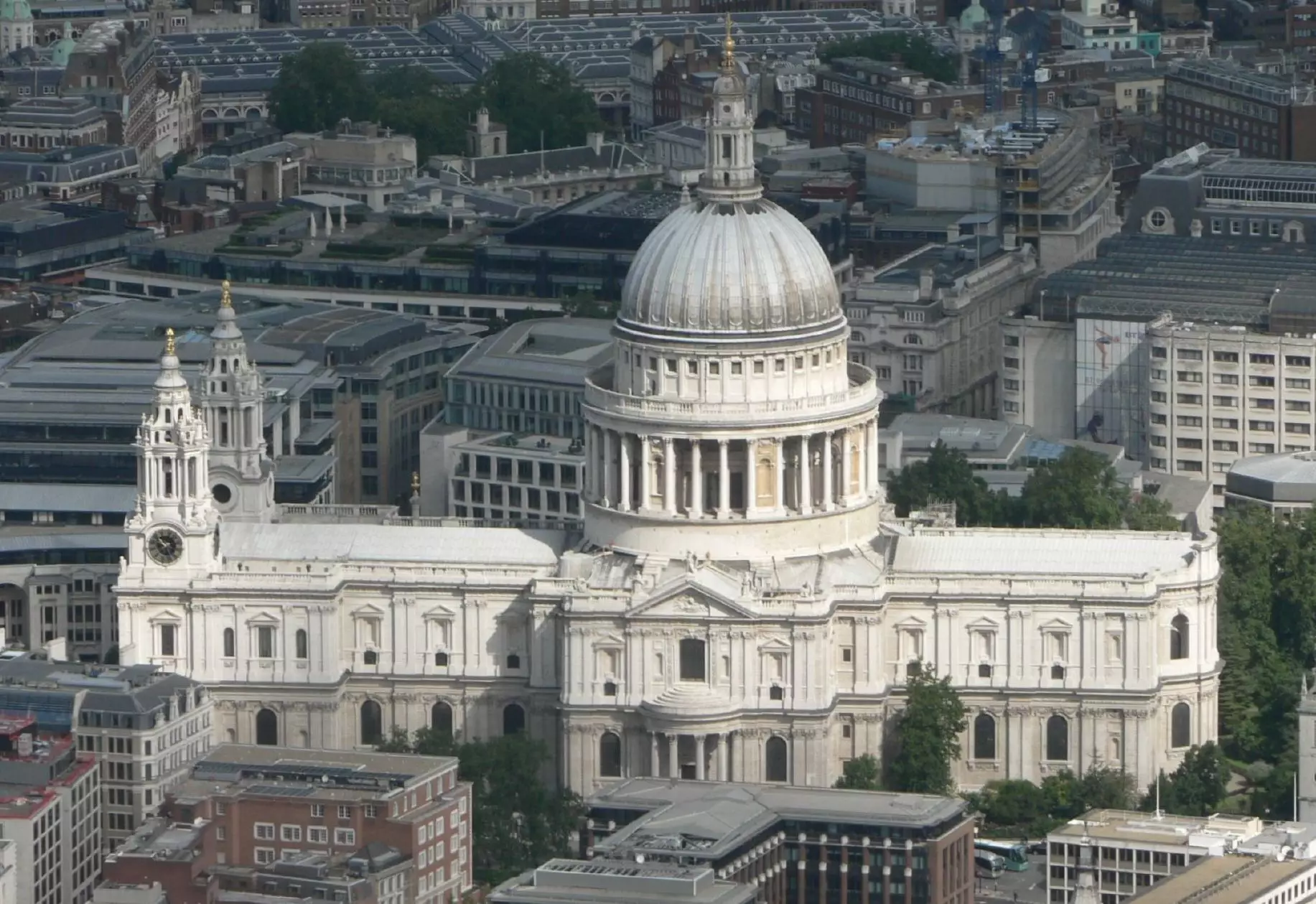
Constructed 1672-9 to a design by Sir Christopher Wren and regarded as one of the finest Wren churches. The 63 feet (19 m) high dome is based on Wren's original design for St Paul's Cathedral. The circular altar is by the British sculptor Henry Moore, and the kneelers are designed by Patrick Heron. Free lunchtime concerts at 1PM on Tuesdays (except August). Free Organ recitals at 12:30PM on Fridays. Occasional art exhibitions on Christian themes and other events.
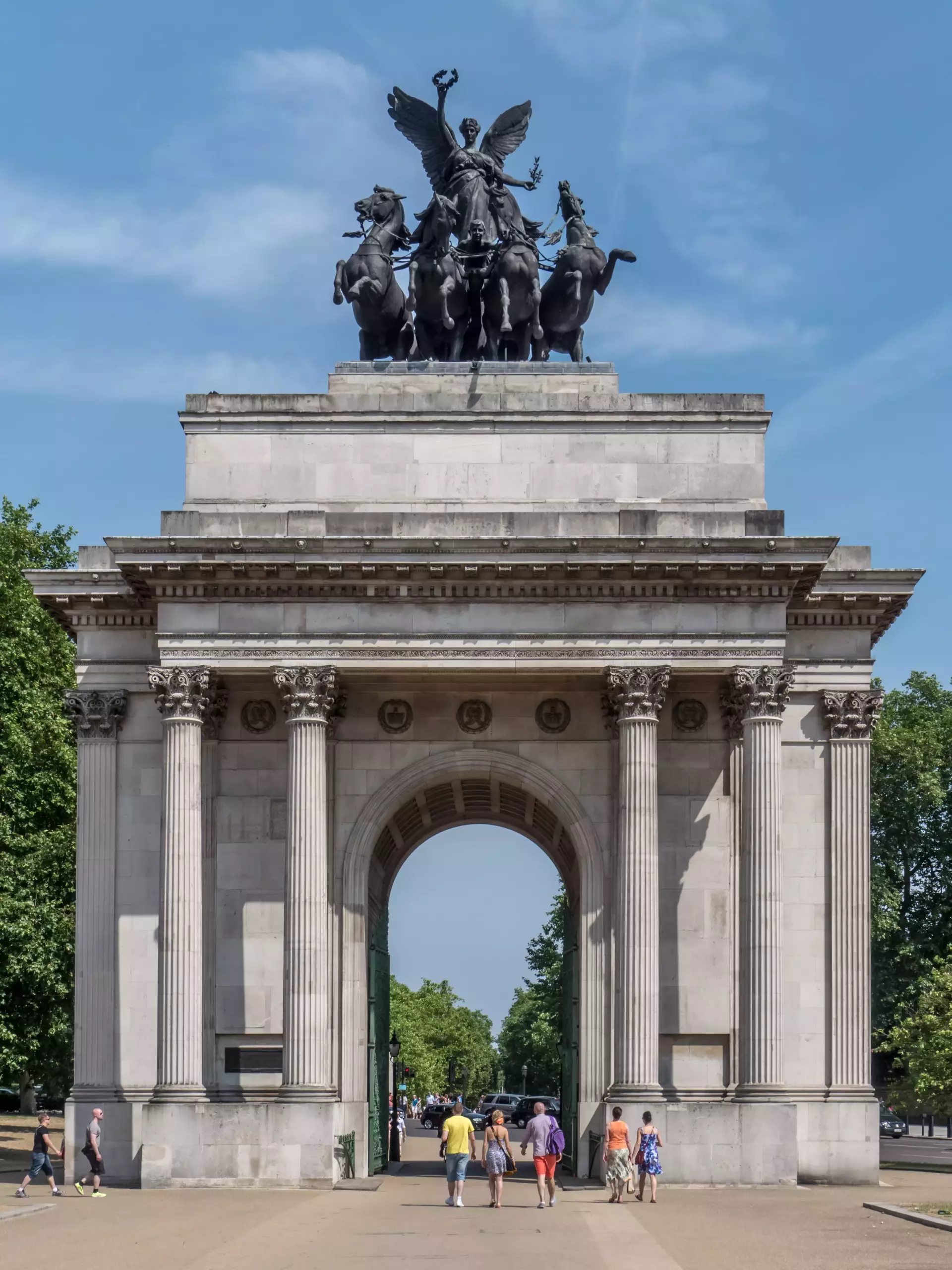
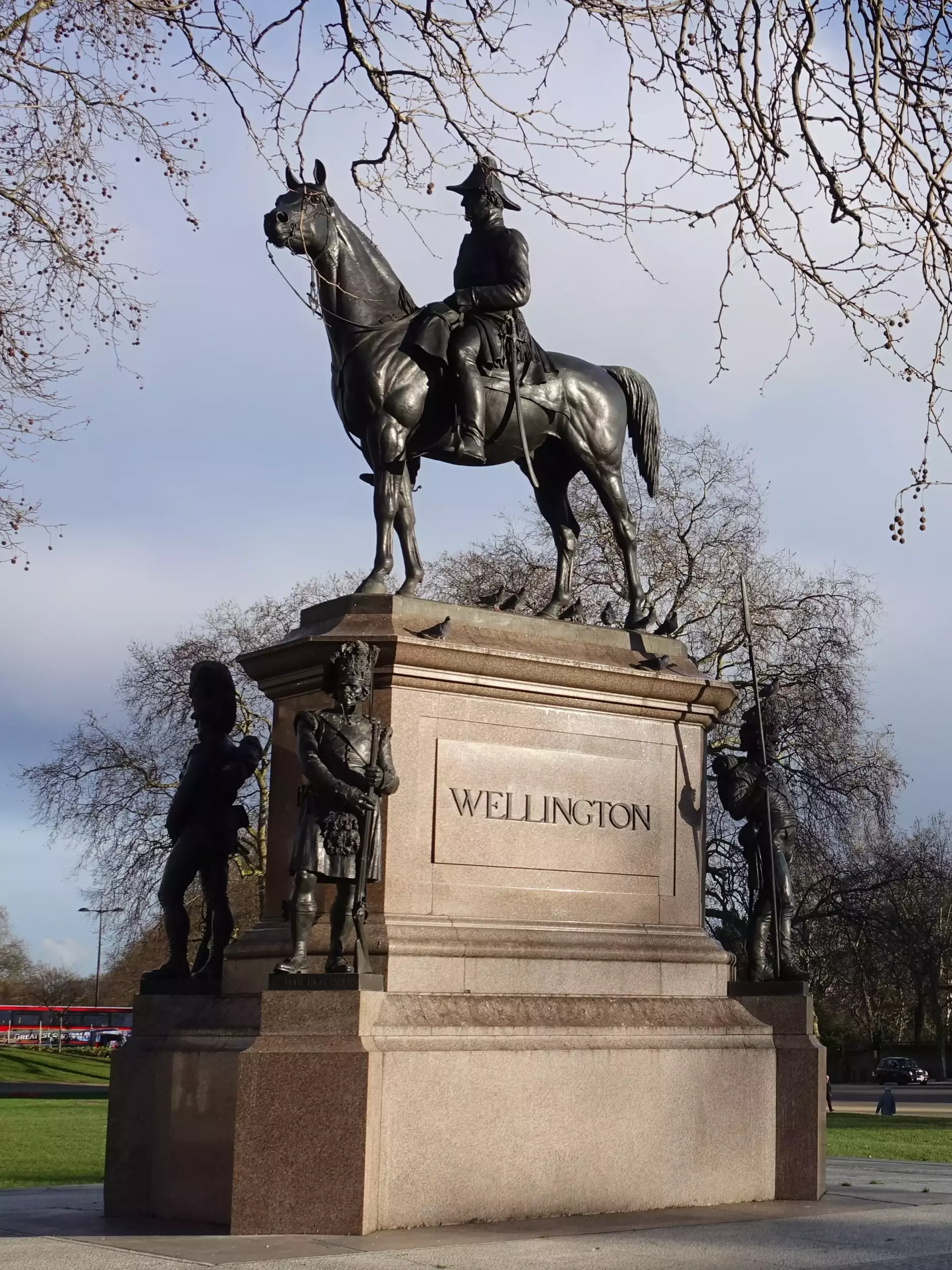
A neoclassical triumphal arch, designed by Decimus Burton and first erected in 1826 as a grand entrance to Buckingham Palace. From 1846 onwards, the arch was topped with a massive equestrian statue of the Duke of Wellington - a major road widening of Piccadilly in 1882 was the opportunity to finally remove the over sized statue to Aldershot. The present magnificent statue Peace Descending on the Quadriga of War was placed on top of the Arch in 1912, and remains today the largest bronze sculpture in the United Kingdom, spectacularly lit at night. During the 1950s, the arch served as the smallest police station in the city, when it was occupied by ten constables, two sergeants and a cat! The arch was opened to the public for the first time in 2001 after a £1.5 million restoration by English Heritage. (Wellington Arch is also available for corporate and private events, with dramatic views down Constitution Hill and across central London from the Arch's spacious balconies, Wellington Arch is a novel and unique place to impress your guests).
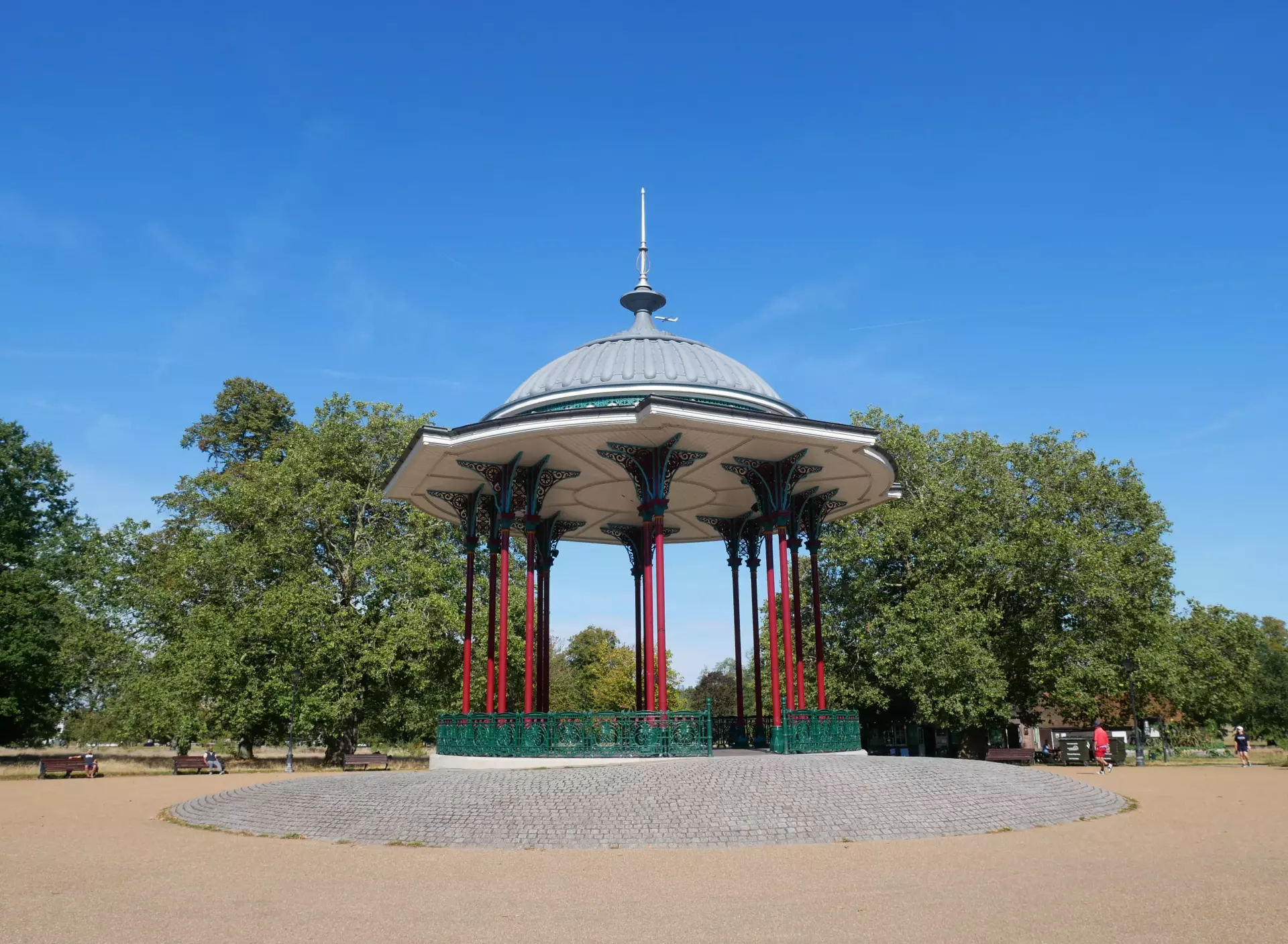
At 87 hectares this is the largest open green space in the district.
The Guildhall Art Gallery houses the City Corporation's art collection, and also runs special exhibitions throughout the year. During construction of the modern gallery, workers discovered the ruins of London's Roman amphitheatre. The gallery was redesigned, and now the Amphitheatre is open to the public within the Guildhall Art Gallery itself and also free of charge.
Dr Samuel Johnson was the highly distinguished 18th-century "man of letters", best known for his comprehensive English Dictionary of 1755, but also for his prolific output of poems, essays and novels. Something of a "hidden gem", this small, independent museum is dedicated to him—and, with its historic interiors, paintings and prints, personal effects and other exhibits—gives an impression of what it might have been like during his occupancy from 1748 to 1759. Built in 1700, this impressive period building—a rare example of its kind in the area—survived the brutal onslaught of the Blitz during World War II and is now maintained in excellent condition.
Church in Piccadilly designed by Sir Christopher Wren in 1684. It has a magnificent organ case and baptismal font by Grinling Gibbons.