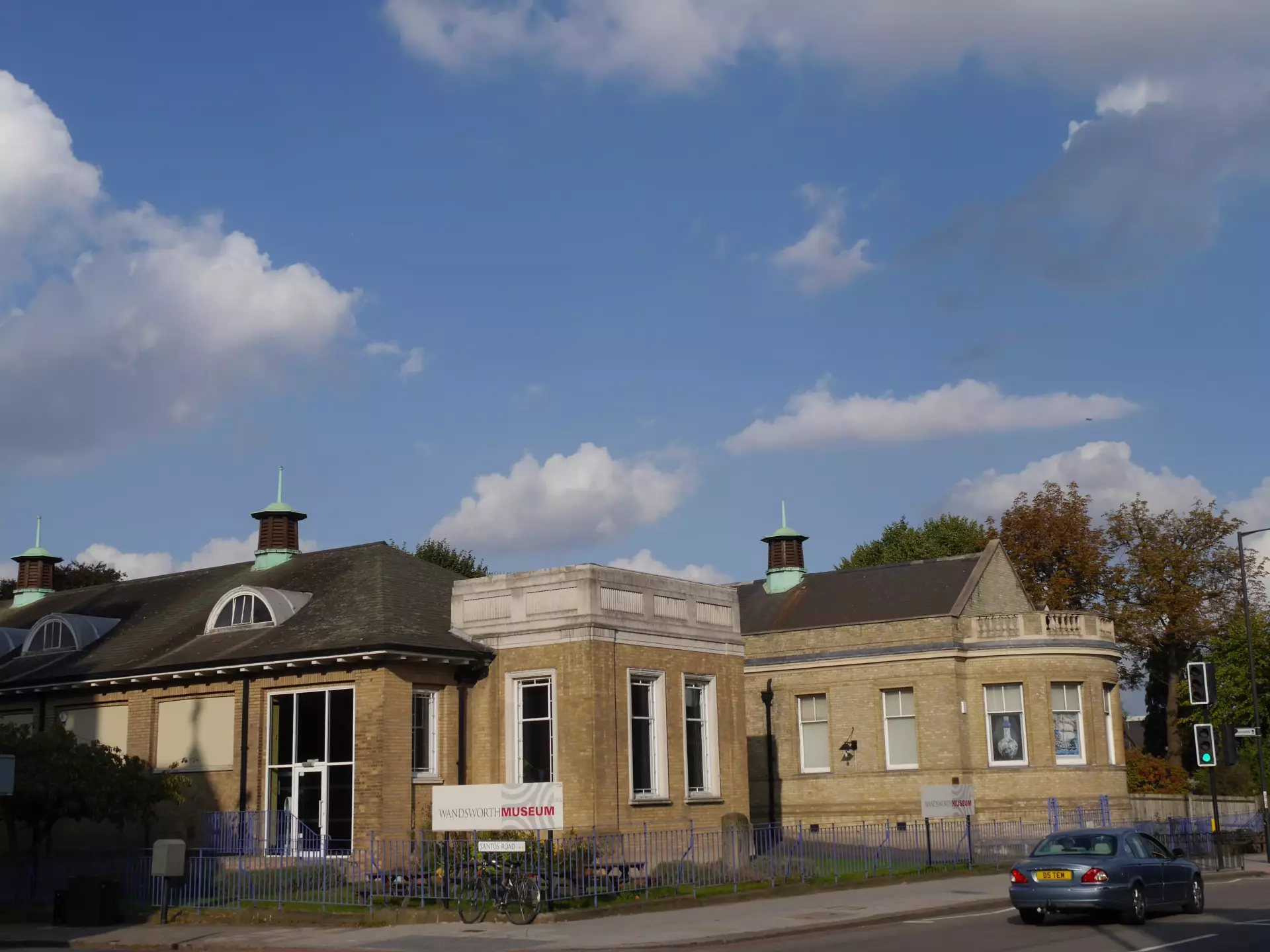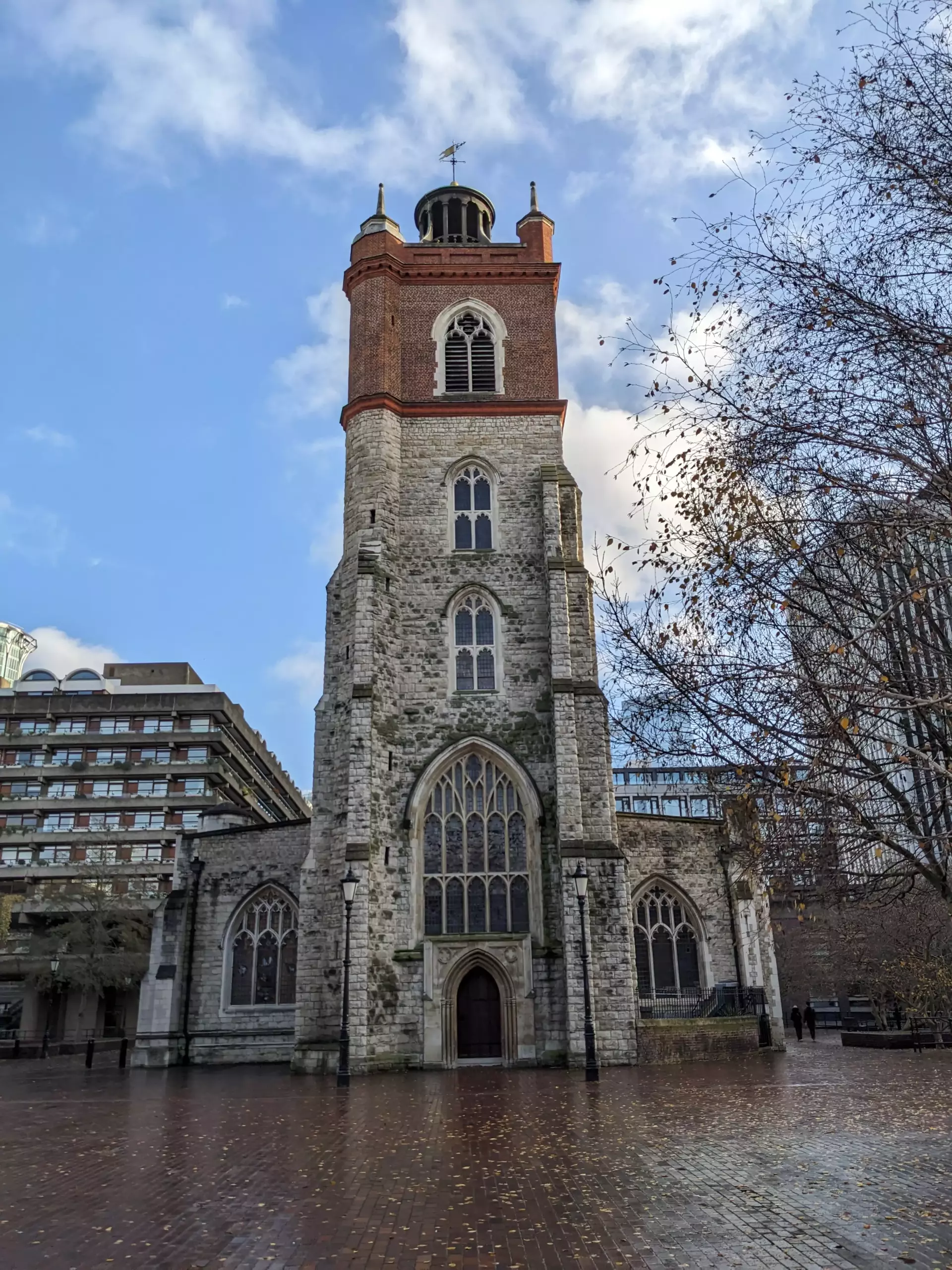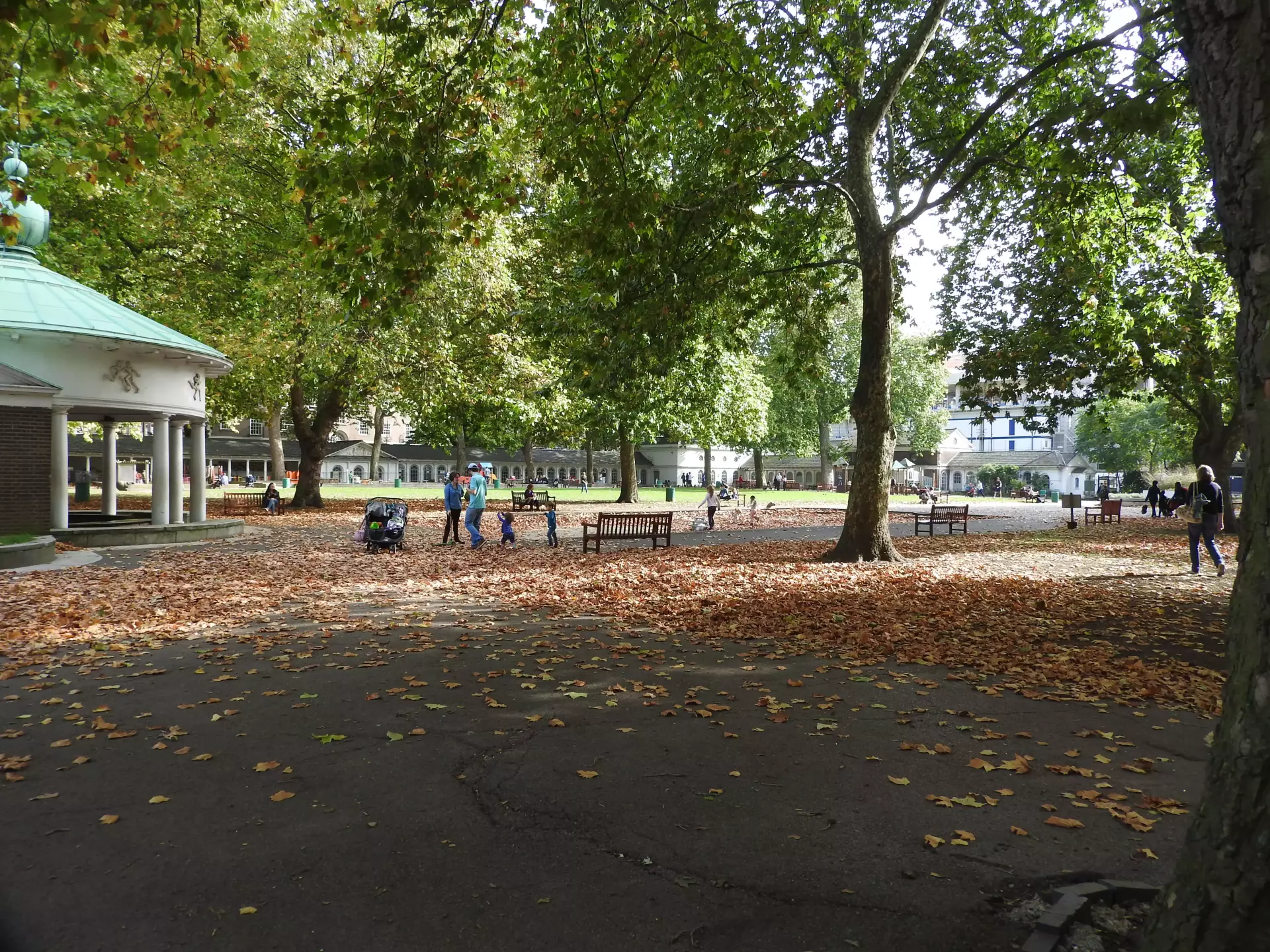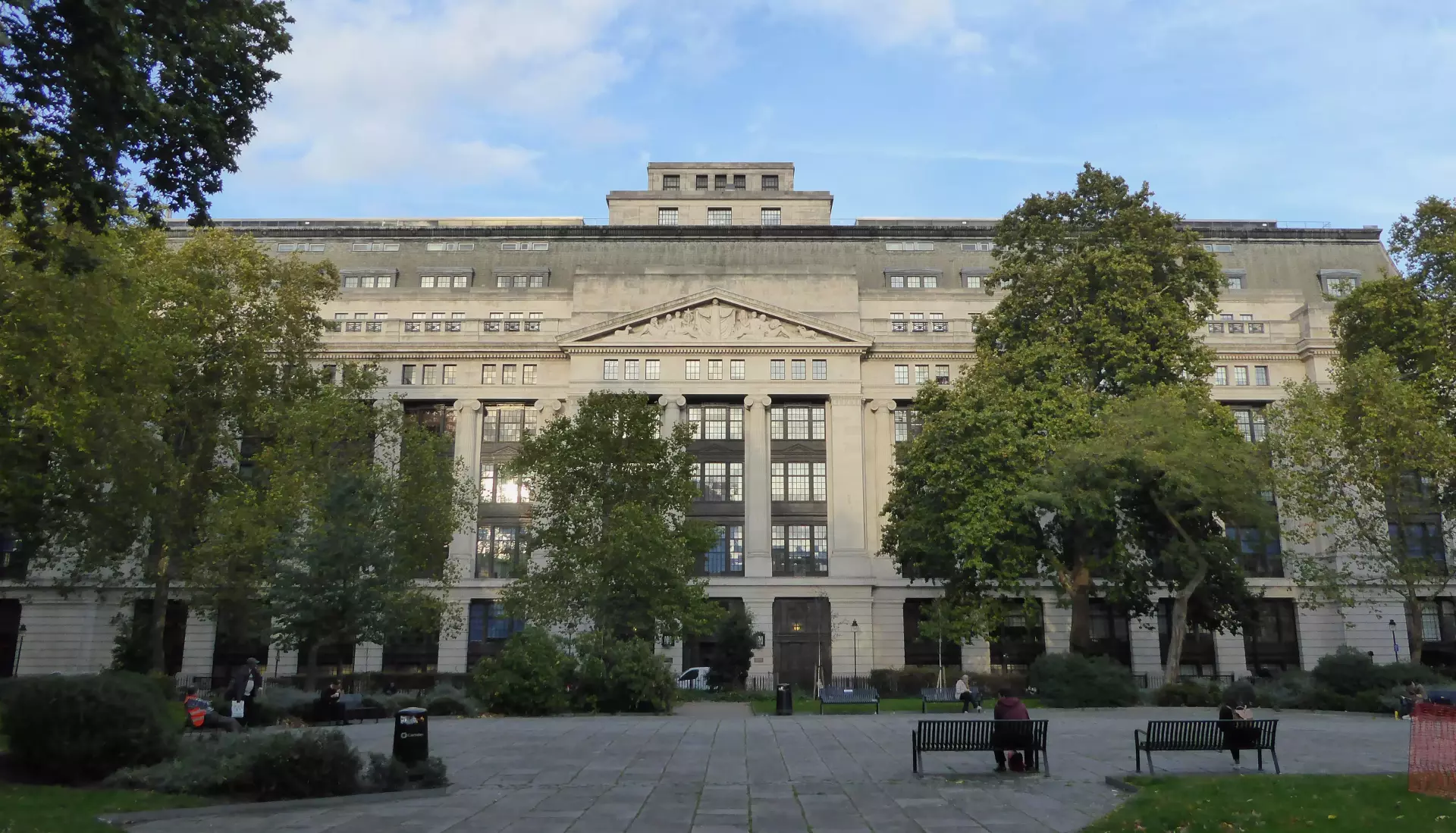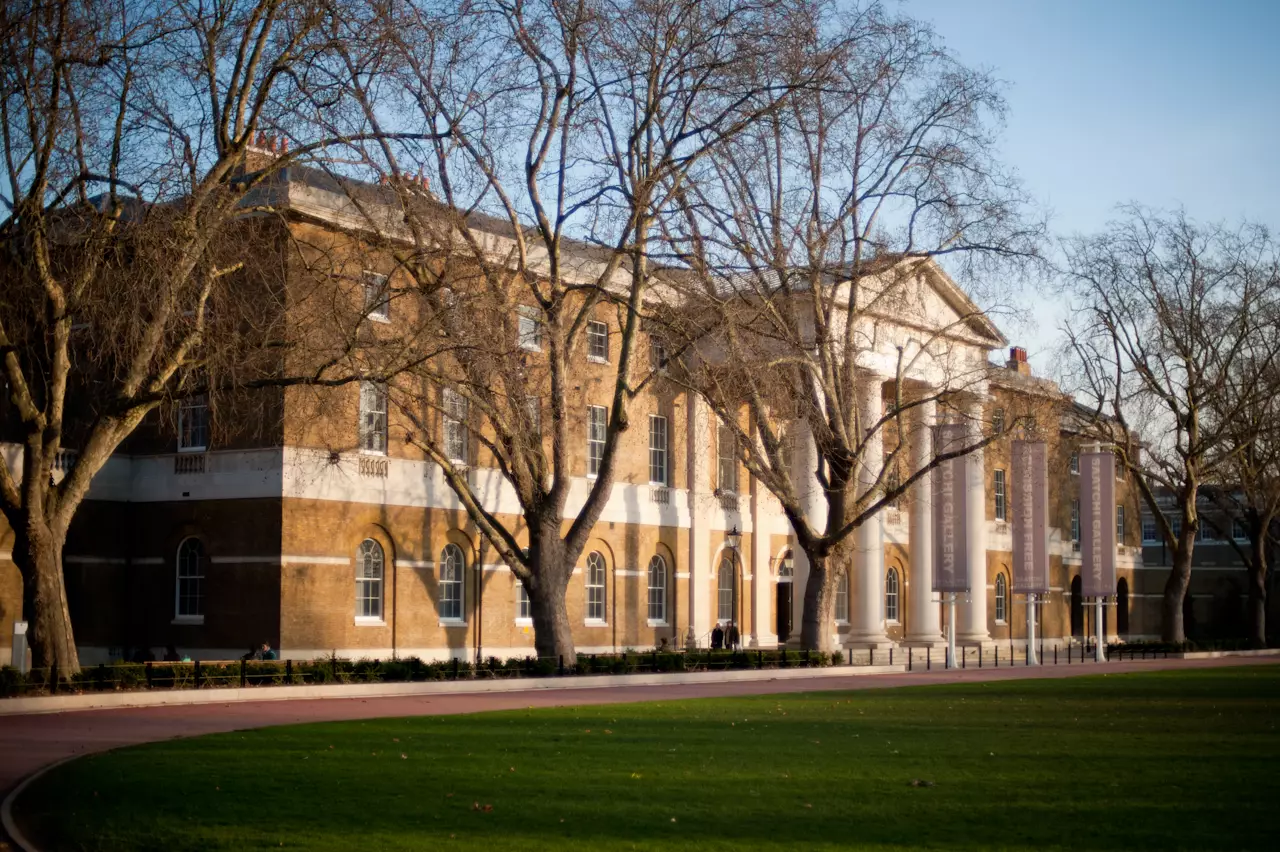
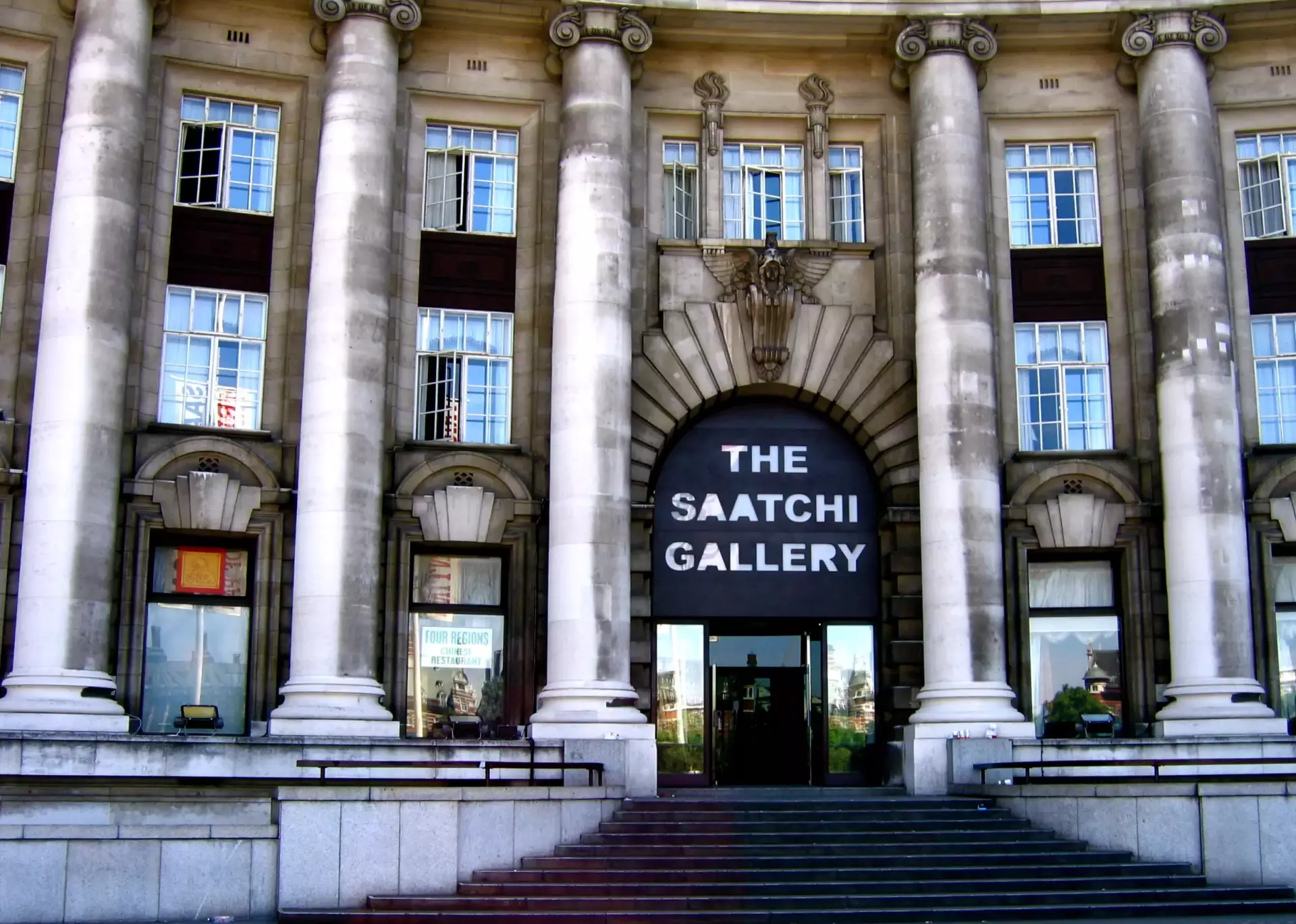
Saatchi Gallery, located in the dynamic area of Chelsea, London, offers a rich tapestry of contemporary art that's both thought-provoking and visually captivating. This gallery is renowned for its bold and vibrant exhibitions, showcasing some of the most innovative artists from around the world. With an ever-changing array of art pieces, there's always something new to explore, making each visit a unique experience.
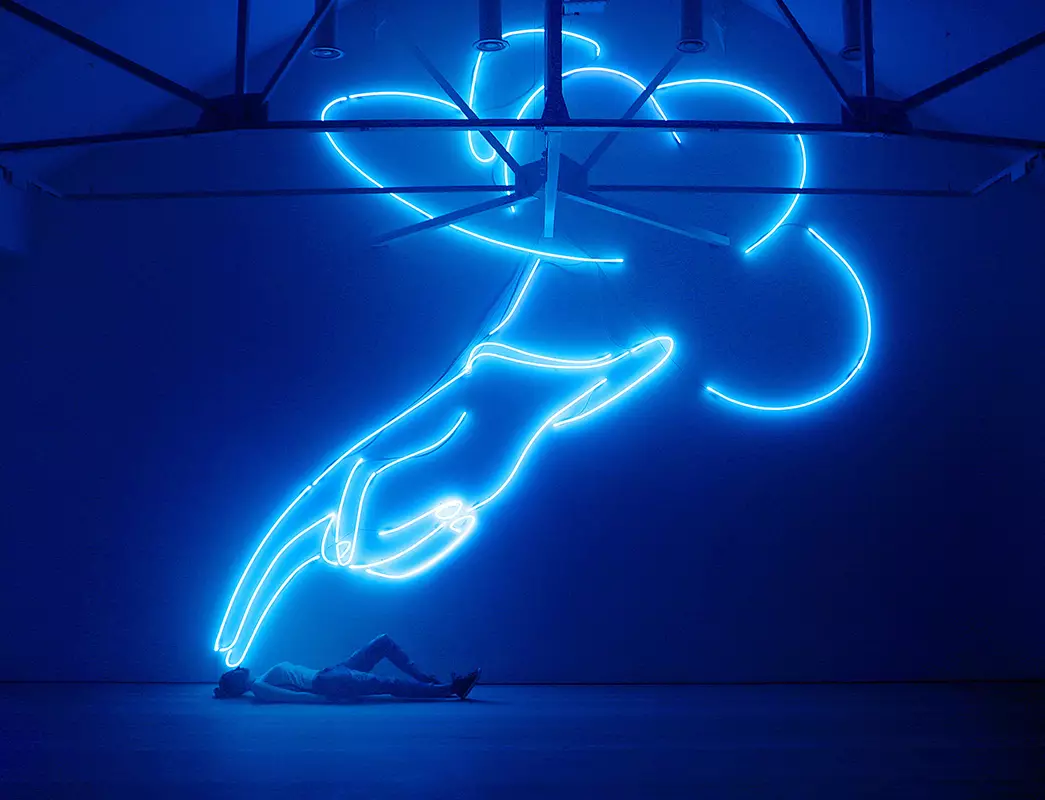
Every corner of the Saatchi Gallery is filled with artworks that challenge perceptions and invite visitors to engage with the contemporary art scene. From modern sculptures to striking installations, each piece is thoughtfully curated to spark curiosity and conversation. The gallery's commitment to emerging artists ensures that fresh talent is continuously brought to the forefront, offering visitors a glimpse into the future of art.
The architectural design of the Saatchi Gallery enhances the artistic experience, with spacious rooms and natural light creating the perfect backdrop for the artworks. The gallery's inviting atmosphere encourages leisurely exploration, allowing visitors to fully immerse themselves in the creative world. Whether wandering through the expansive spaces or pausing to reflect on a particular piece, the gallery provides a serene setting for art enthusiasts and casual visitors alike.
One of the gallery's standout features is its diverse collection, representing a wide array of cultures and artistic perspectives. This global approach not only broadens the scope of contemporary art but also fosters a deeper understanding of different artistic traditions. Exhibitions at the Saatchi Gallery often extend beyond the conventional, offering insights into the global art landscape and encouraging a dialogue between artists and audiences.
Source - https://en.wikipedia.org/wiki/Saatchi_Gallery
Madame Tussauds is a world-famous waxwork museum, best known for its Grand Hall, with a collection of international royalty, statesmen and world leaders. Visitors generally report that the entrance fee does not warrant the selection of waxworks on show, which rarely resemble celebrities. Also, there is usually a long queue stretching down the road.
A branch of the Imperial War Museum, the Cabinet War Rooms preserves the underground corridors and rooms from which Churchill and the cabinet directed the war against Hitler and the Nazis, maintained almost exactly as they were left in 1945. In 1984, IWM opened the rooms to the public for the first time. In 2005, the attached Churchill Museum was opened as the world's first permanent museum dedicated to the life and wartime achievements of Sir Winston Churchill. Audio guides are included in your admission. No cloakroom, no rucksacks, no suitcases. Café is open daily from 10am to 5pm. Hot food is served until 3pm.
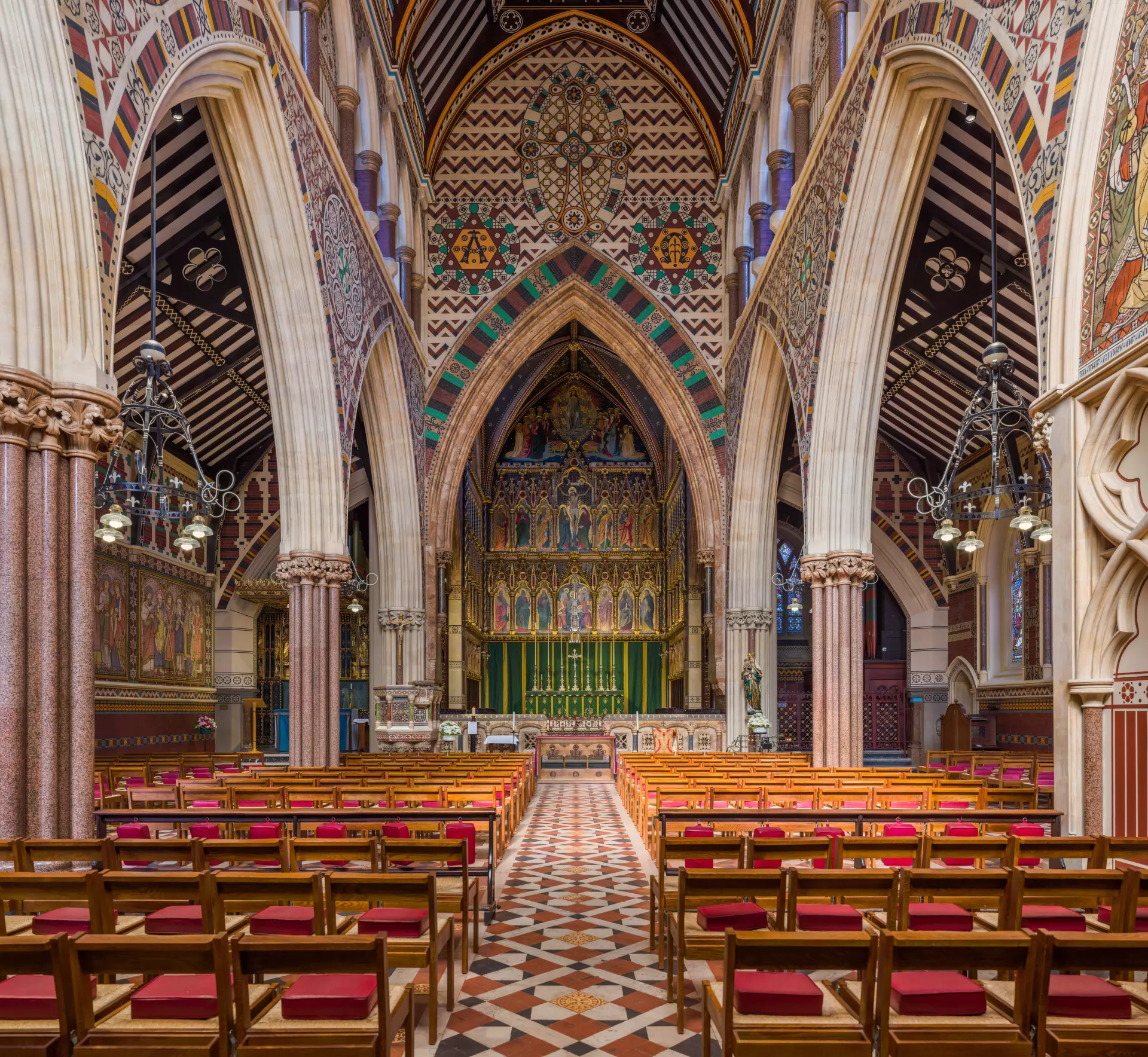
An attractive Gothic Revival church, completed in 1859 to a design by William Butterfield.
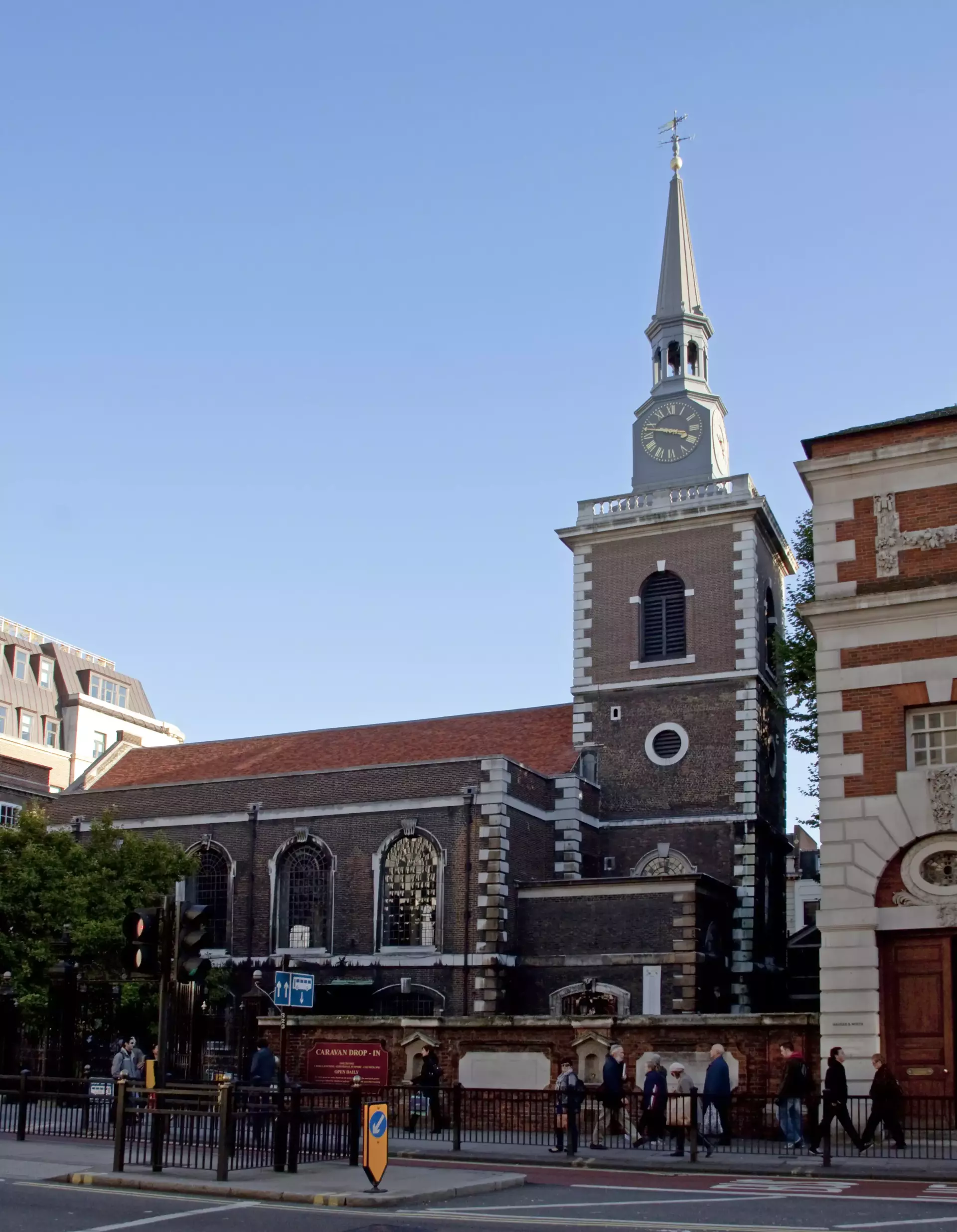
Su Catholic Church of England with bells and smells (incense). There is an impressive model of the old London Bridge.
The headquarters of world's most famous insurance market, housed in a revolutionary (at the time) bizarre, Matrix-like glass-and-steel building designed by Richard Rogers, with all support services (lifts, ventilation, etc.) suspended outside. Recognised as a masterpiece of exoskeleton architecture.
A retirement home for soldiers created by King Charles II. Tours around the listed building and grounds are regular and include the museum (which can be visited separately) whose exhibits contain military memorabilia donated by Chelsea Pensioners over the years.
An intersection of seven streets in the northern part of the Covent Garden district. Lots of mid-range designer clothing and shoe stores
This gallery houses the Tate collection of British art from 1500 through to contemporary art. A side wing collects together the gallery's collection of paintings by Turner, including some stunning seascapes. Temporary exhibitions are exceedingly varied: examples include exhibitions of Turner's paintings of Venice and the work of photographer Wolfgang Tillmans. The best known exhibition is the Turner Prize, consists of works by four artists shortlisted for the annual contemporary art prize, which runs from late October to January each year.
Houses the British national collection of western European art dating from the 13th to 19th centuries. A truly awe-inspiring collection, notable works include Hans Holbein's The Ambassadors, Van Gogh's Sunflowers and Constable's The Haywain. The vast majority of art is free of charge to visit. Temporary exhibitions are generally fairly costly, but invariably well researched and presented. The audioguides are very comprehensive, have comments on most of the paintings in the museum, and are free though this fact is not advertised. A donation is suggested. In addition to courses, workshops, lectures and other events, the National Gallery has free talks and tours every day.
After visiting the two Houses, visitors pass back through St. Stephen's Hall, and through Westminster Hall. Westminster Hall is one of the few areas of Parliament in which photography is permitted, and it is a very impressive place, dating back to the 9th century. Plaques on the floor mark where the bodies of deceased members of the royal family and other distinguished individuals granted the privilege by the British government lay in state (most recently Queen Elizabeth II in 2022), and significant events which took place in the hall (such as the trial of King Charles I).
The largest square in London. It was established in 1806 by the 5th Duke of Bedford and his statue can still be seen in the square. There is also a café.
Art deco headquarters of University of London featured in the film Nineteen Eighty-Four.
Probably the most popular of all the museums here and a must see for many visitors to London. Home to at least 70 million specimens from across all the life sciences. It's difficult to say what the most popular exhibit here is; the blue whale which towers over the entrance hall, the (now slightly tacky-looking) animatronic Tyrannosaurus rex in the dinosaur gallery, or the life-size model blue whale in the mammals gallery. Also well worth a check are the Darwin Centre (book on a free tour to see some of the most interesting, and sometimes gruesome, specimens not on public display); and the studio dedicated to BBC wildlife personality extraordinaire, David Attenborough. The NHM's "Earth Galleries" were once the adjacent Geological Museum, an independent institution until the 1980s, and still located in a separate building with a separate entrance.
The Royal Academy no longer has a permanent exhibition space, instead hosting art exhibitions. Notable exhibitions have included the paintings of Monet, contemporary art associated with the theme of apocalypse, and Aztec art. Each Summer, the Royal Academy plays host to a Summer Exhibition, displaying 1,200 new works by established and new artists selected by the academy, most of which are available for visitors to buy. Each member has to donate a work of art, so over the years, the academy has built a sizable collection. Exhibitions are invariably excellent, and it is worth paying for audio guides, if they are not included. Visitors should book tickets in advance, as exhibitions are often very popular – particularly shortly after opening.