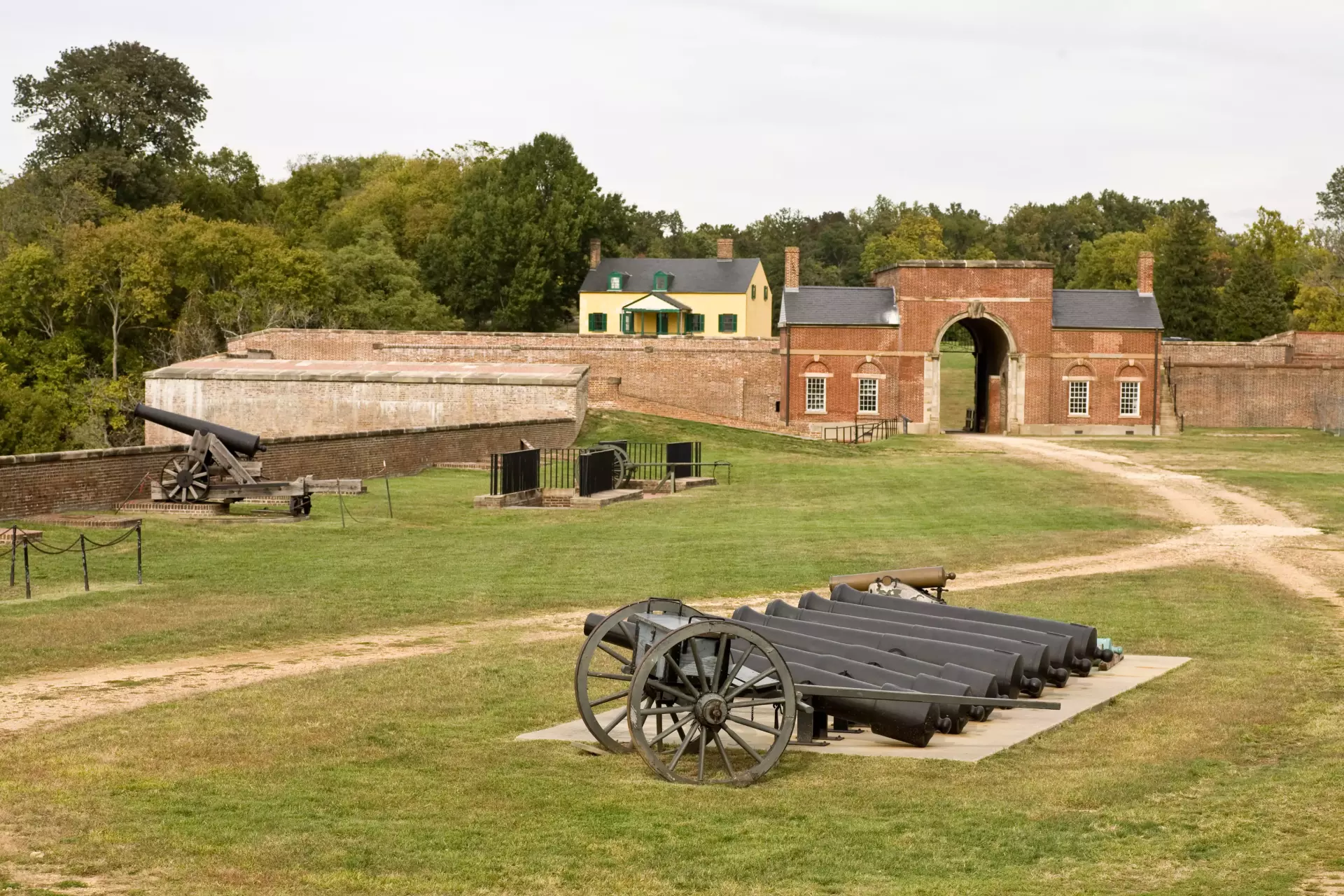
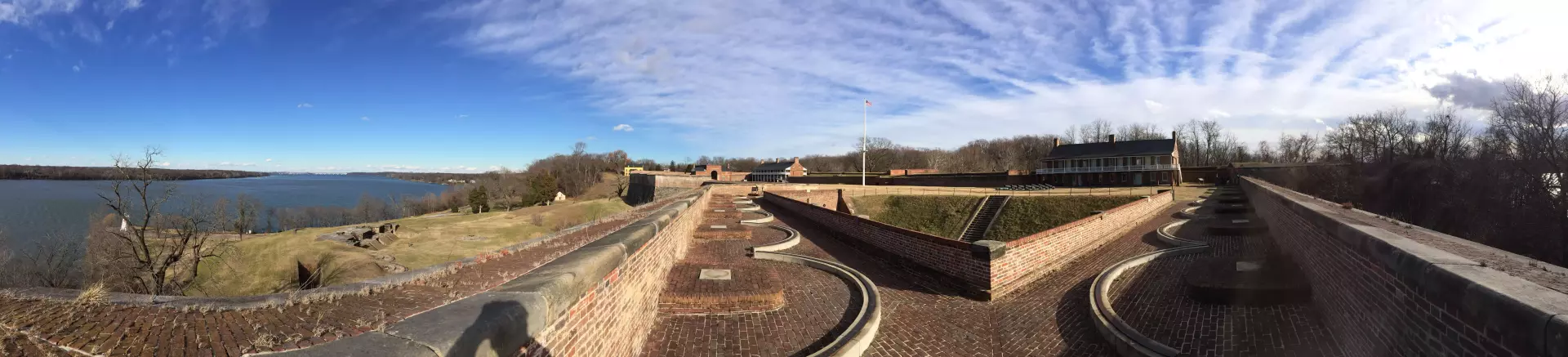
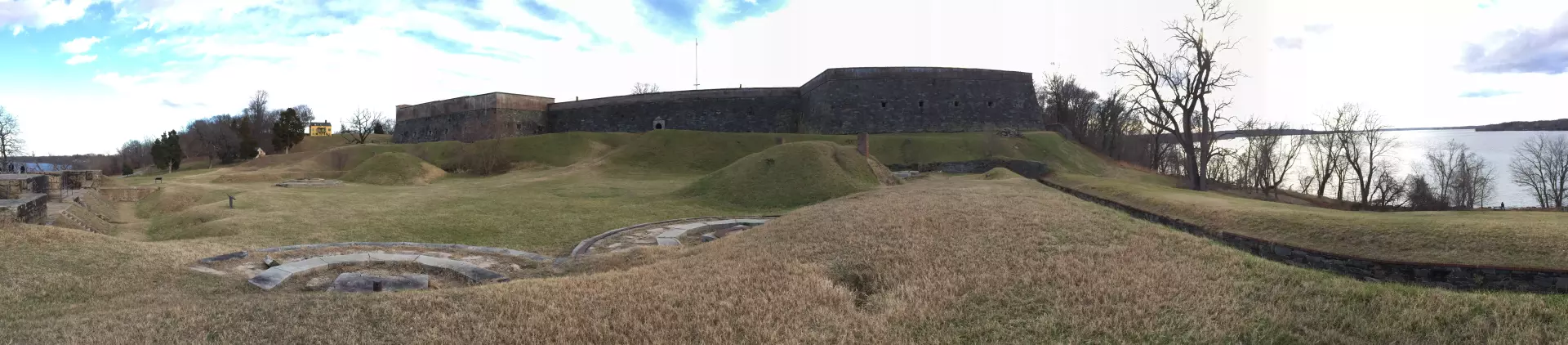
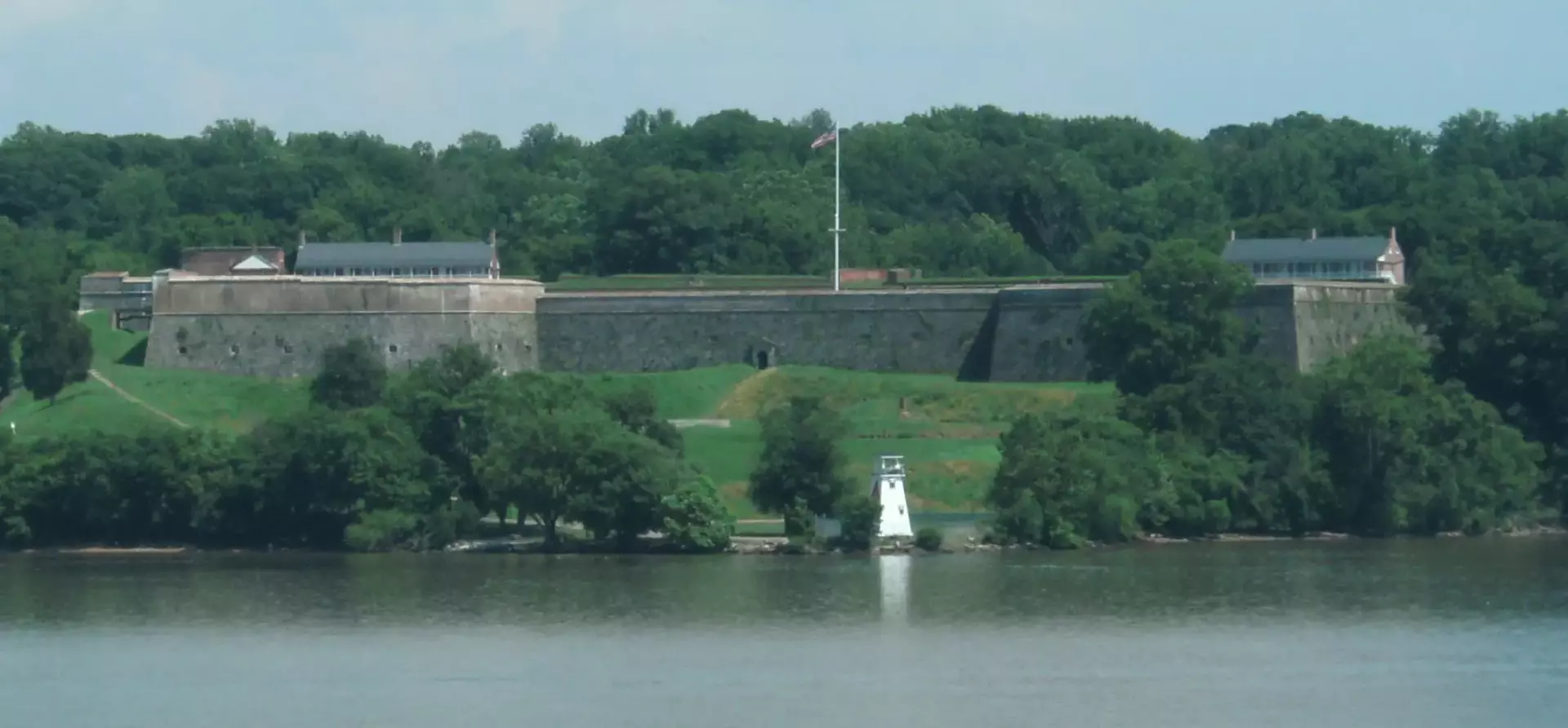
Fort Washington Park stretches along the scenic Hudson River, just north of Riverside Park. This beautiful area offers stunning views of the iconic George Washington Bridge and the picturesque New Jersey skyline. The park exudes a friendly community atmosphere that attracts visitors and locals alike.
Source - https://en.wikipedia.org/wiki/Fort_Washington_Park
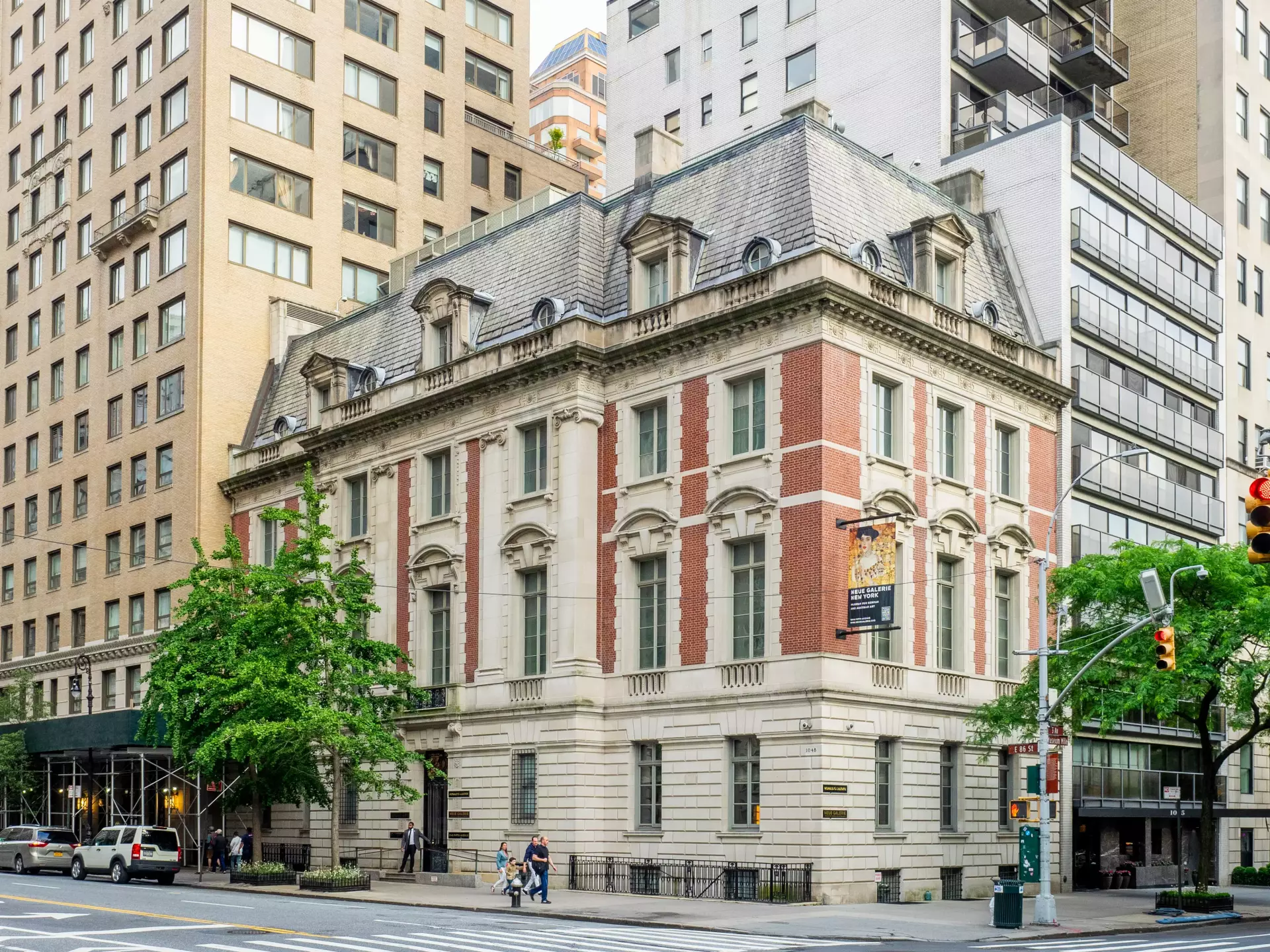
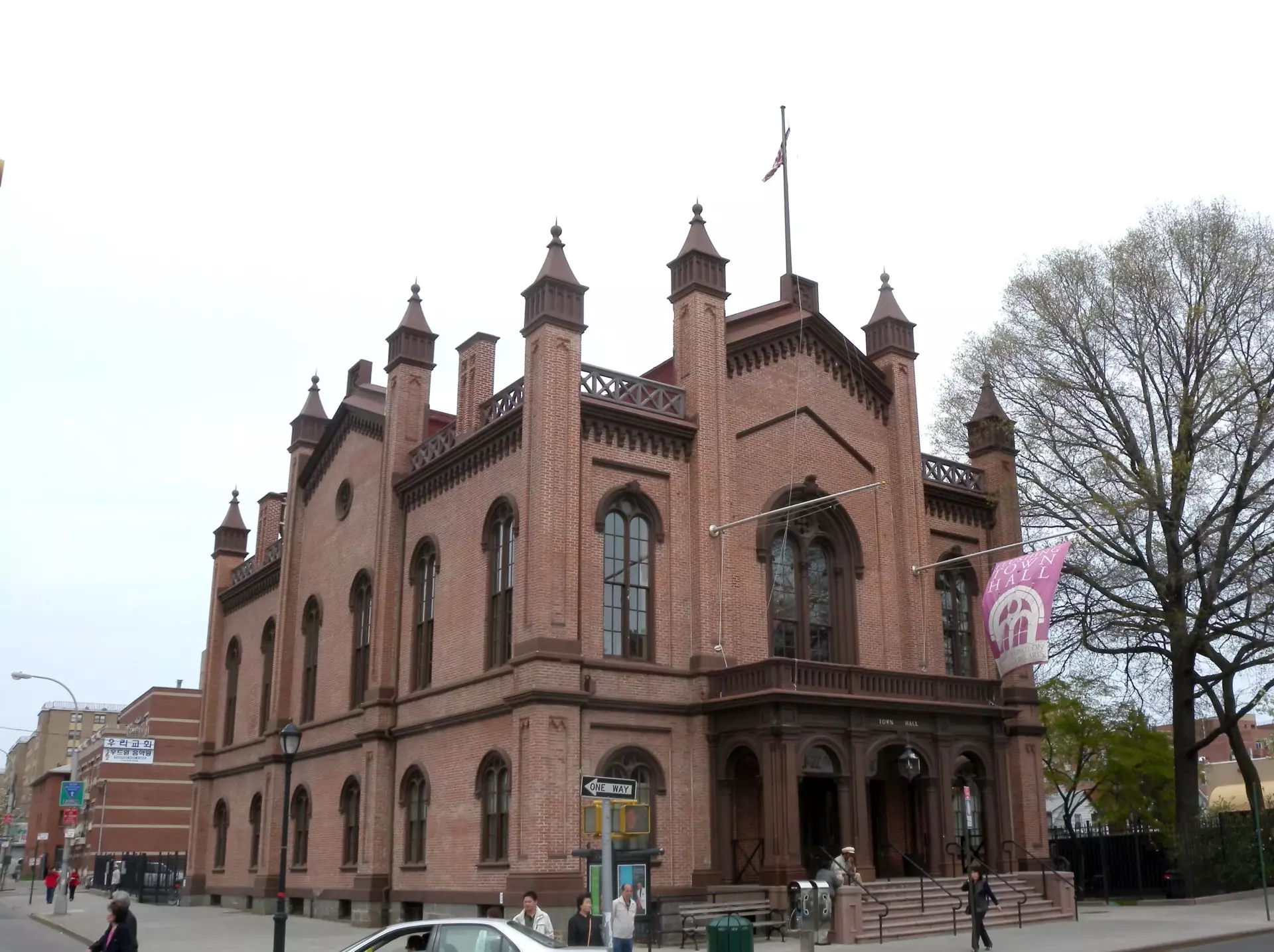
A riverfront park providing pleasant views of New Jersey and sometimes breezes off the river. Summer brings al fresco movies and music to the park.
One of Brooklyn's most prized brownstone neighborhoods. It is predominantly residential, characterized by late 19th- and early 20th-century rowhouses with architectural significance. Street signs in the Historic District are brown rather than green.
One of New York's most beautiful parks, an expanse of rolling hills high above the Hudson, contains some of the highest natural elevations on the island and is a great place to picnic or stroll in good weather and look at the great views of the New Jersey Palisades across the river.
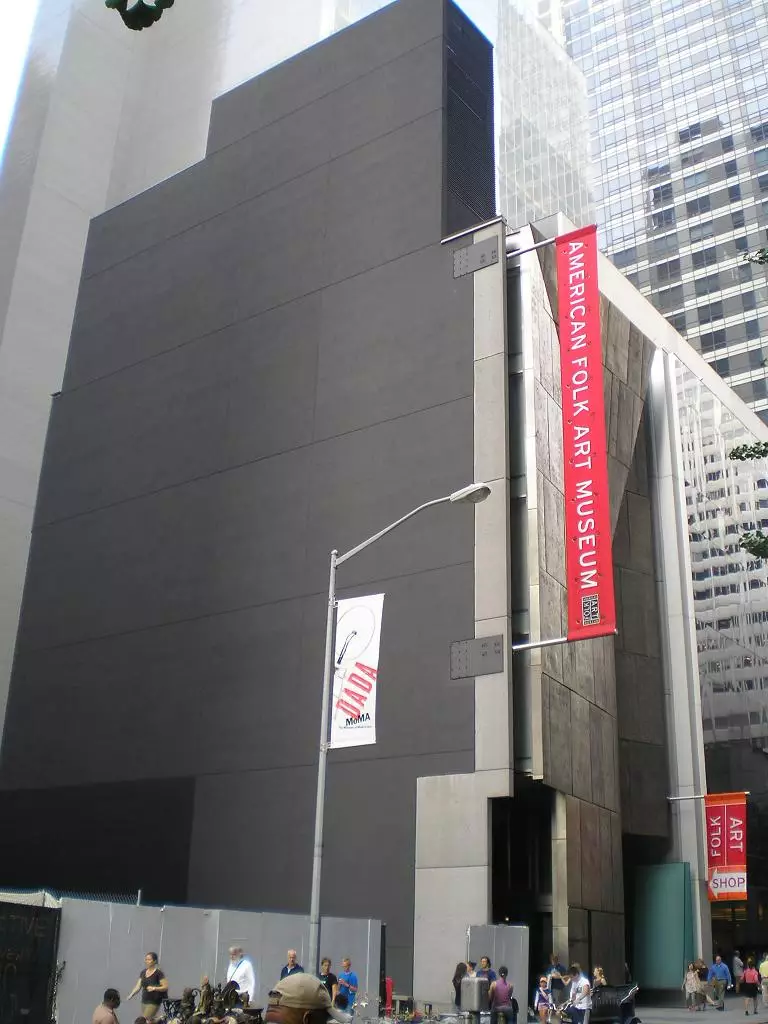
A museum dedicated to folk & self-taught artists.
Located on four acres overlooking the Hudson River in Fort Tryon Park, the building incorporates elements from five medieval French cloisters – quadrangles enclosed by a roofed or vaulted passageway, or arcade – and from other monastic sites in southern France. There are various artworks on display in the museum, with the Unicorn Tapestries being the most famous.
The Christmas Tree, the Skating Rink, NBC Studios, the shops and hubbub - you can't miss it. The Christmas Tree and the Skating Rink are naturally not year round, but in the summer, the complex is a hub for touristy operations. Within the striking Art Deco buildings of the complex are several dining establishments overlooking the area and many stores. See the Rockettes, another show, or just tour the famous Art Deco masterpiece. On the 70th floor of the Comcast Building (better known by some as "30 Rock") is this narrow observation deck, built to resemble the deck of a cruise ship. The deck affords uninterrupted views over Central Park to the north and across Midtown to the south.
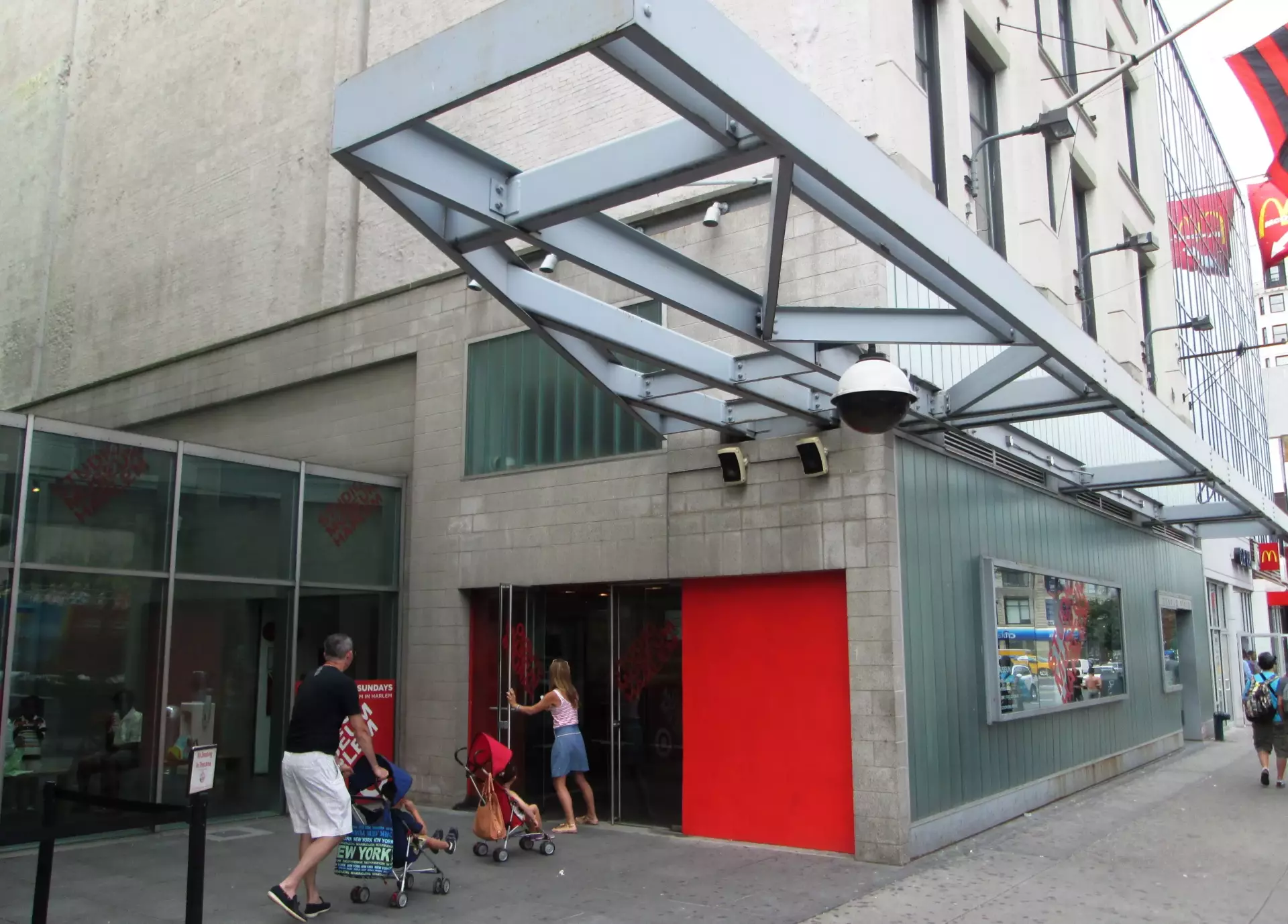
The first museum in the U.S. devoted to artists of African descent. Temporarily relocated from 144 W 125th St building for construction of new museum building.
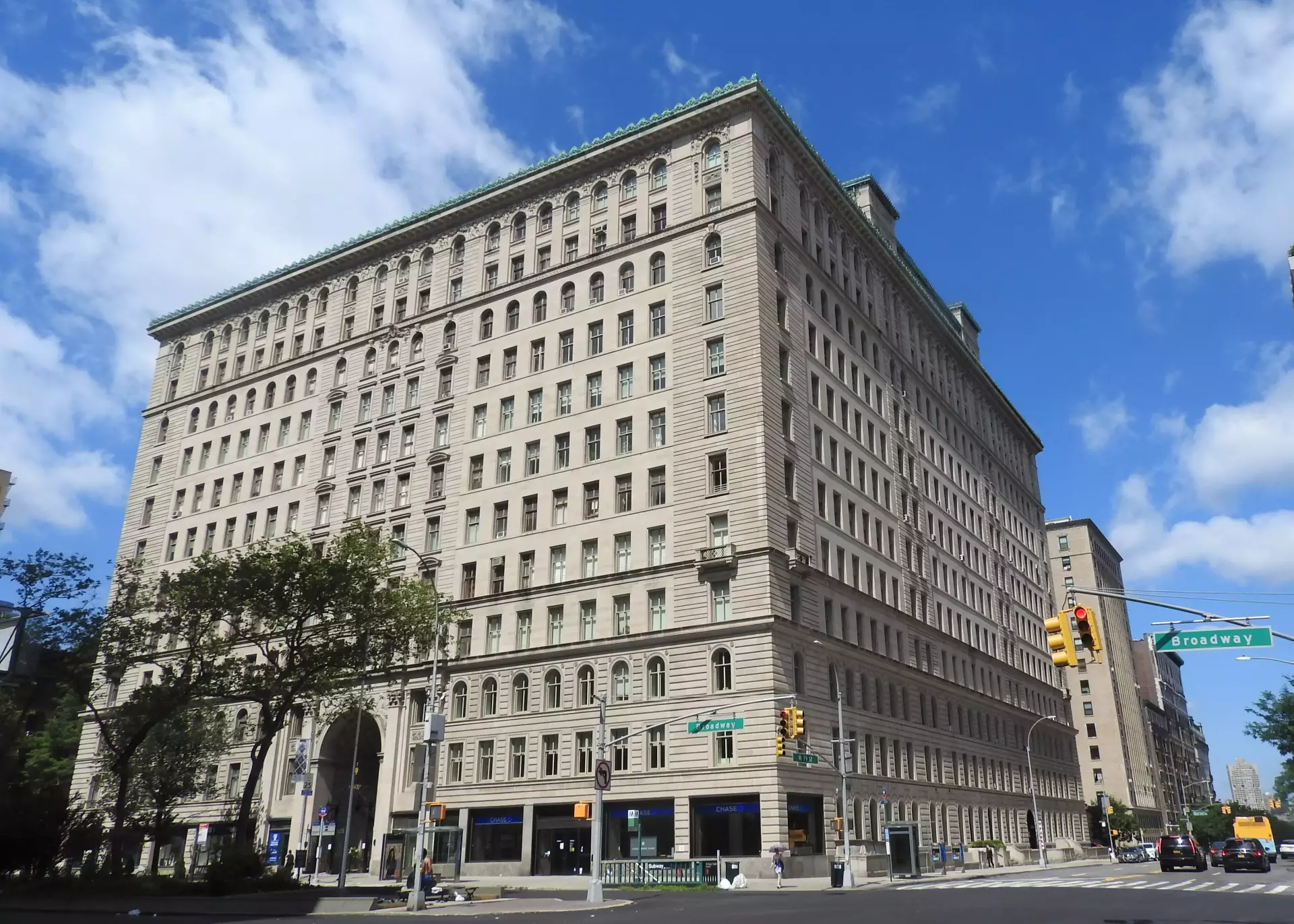
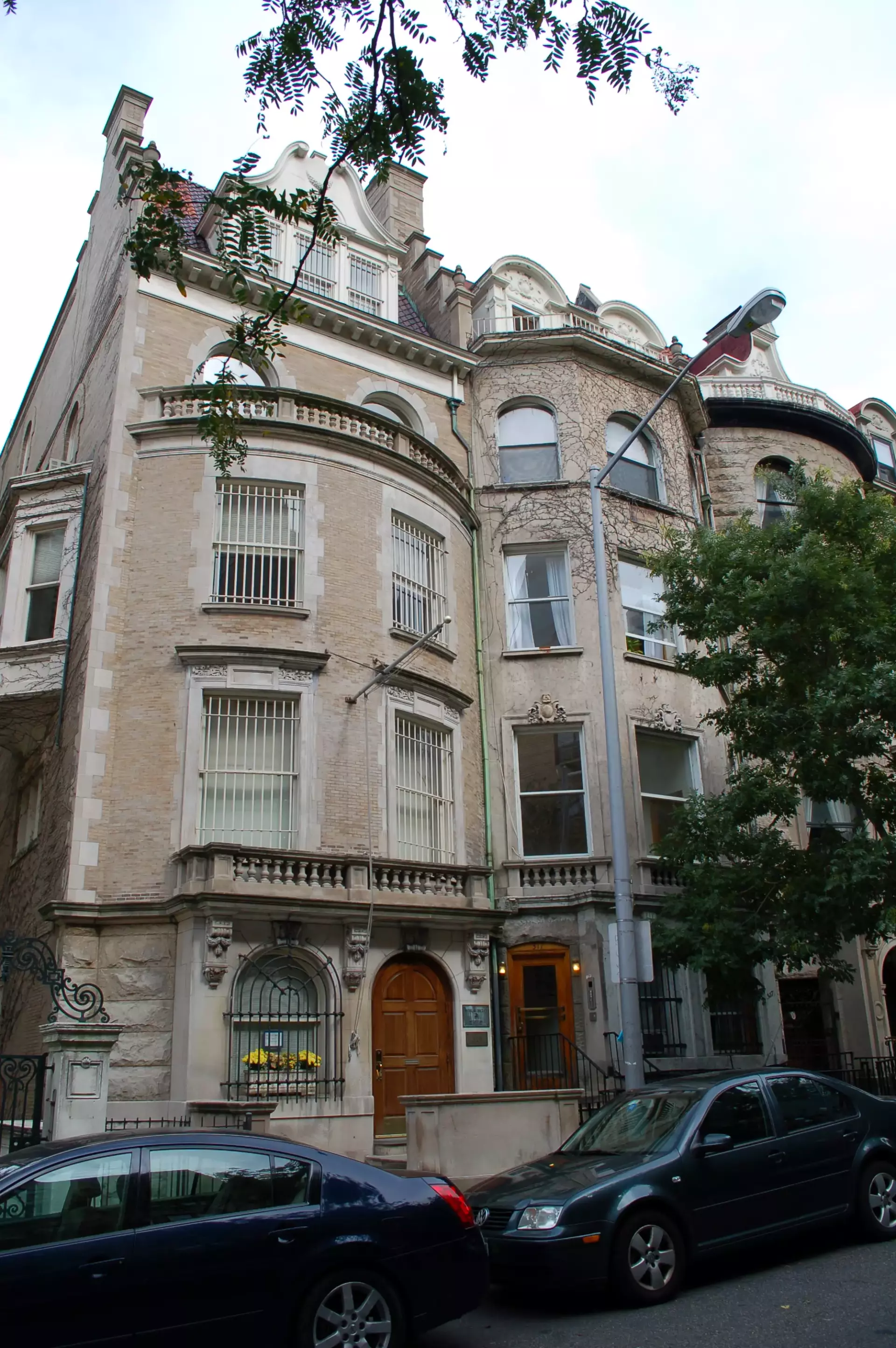
The historic building with the distinctive, iconic twin towers and a star-studded housing cooperative board. Built in 1930 in a vaguely Art Deco style to the design of Emery Roth, the San Remo actually has two separate addresses, lobbies and sets of shafts, each for a half of the building topped with a tower.
This is historic home that was built by local businessman James Bouton in 1891. Eight years later, Conrad Voelcker bought the house, and the Voelcker family lived in the house for three generations. Today, it is a museum, and there is a Victorian garden and a bird sanctuary outside.
An elevated walkway and jetty provides access to the only natural salt marsh remaining in Manhattan, and expansive views of the Hudson River and the cliffs of Spuyten Duyvil in the Bronx across the river.
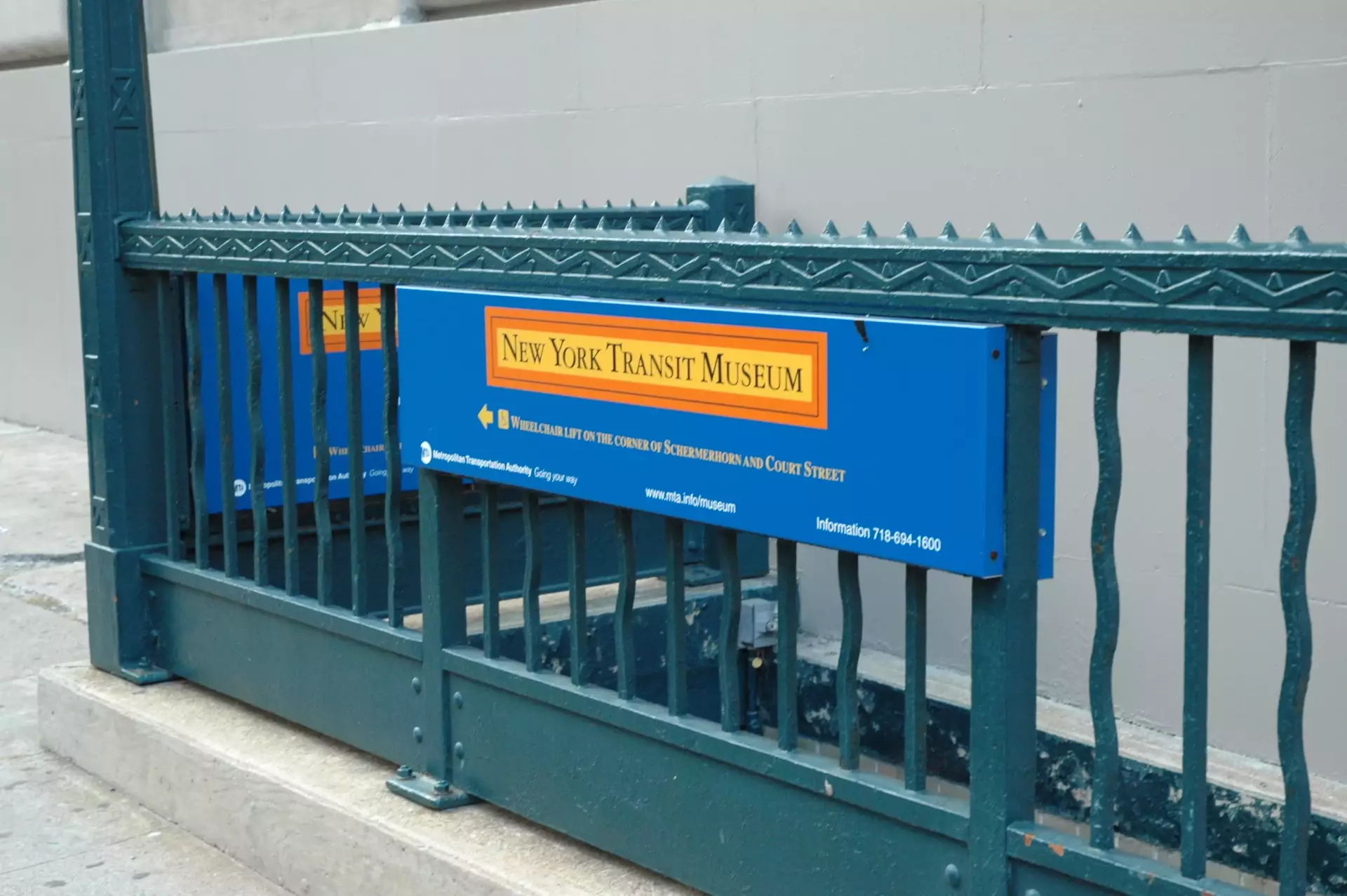
A self supporting arm of the MTA, it is housed in the Subway's former Court Street Station, on a spur line from the current A and C lines. Closed to passengers in 1946, it was reopened in 1976 as the New York Transit Exhibit and was popular enough to be made permanent. The museum is made up of two underground levels: the Mezzanine, which hosts exhibits on the construction of the subway, surface transportation in New York, fare collection and rotating exhibits on various transit-related subjects; and the station platform, which houses about 20 retired subway cars dating as far back as 1903 and a working signal tower. The museum sponsors events throughout the year, including simple art projects, walking tours on the subway, and rides on the museums' fleet of retired trains. There is also an annex of the museum in Grand Central Station in Midtown Manhattan.
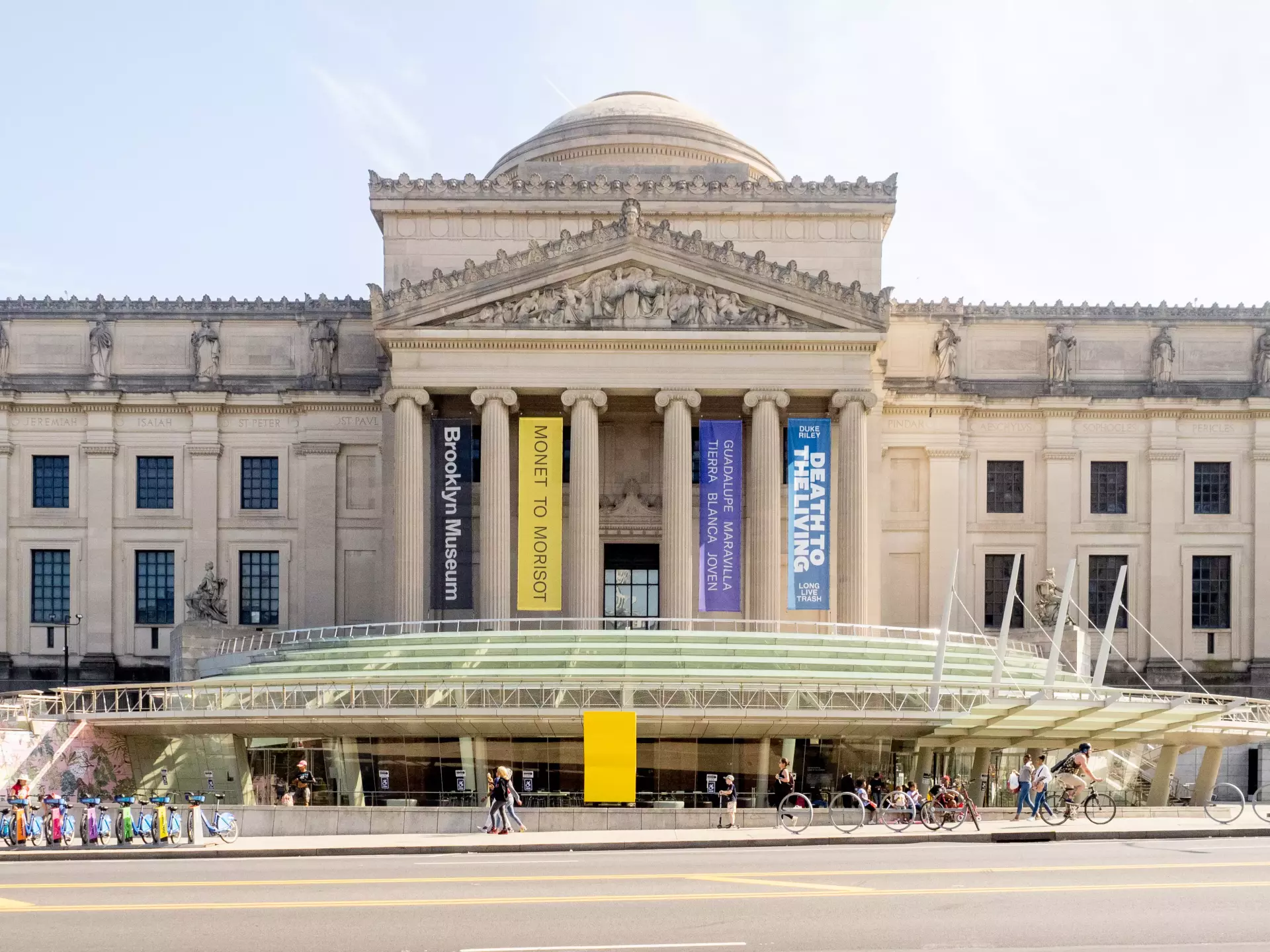
Housed in a 560,000-square-foot, Beaux-Arts building, the Brooklyn is the 2nd largest art museum in New York City and one of the largest in the USA. Its world-renowned permanent collections include more than one million objects, from ancient Egyptian masterpieces to contemporary art, and represent a wide range of cultures. It is a 30-minute subway ride from Midtown Manhattan, and has its own subway station (renovated in 2019-20), the museum is part of a complex of 19th-century parks and gardens that also includes Prospect Park, the Brooklyn Botanic Garden, and the Prospect Park Zoo. On the first Saturday of each month, the museum is open until 11PM with free admission and special events.
A small park at the foot of Broadway which is the oldest public park in the city and is the site of the Charging Bull sculpture created after the 1987 stock market crash. Bowling Green is also the origin point for the Broadway ticker-tape parades; if you walk up Broadway, you can view plaques in the sidewalk honoring the people or events celebrated in these parades.
Built in 1765, this is the oldest house on Manhattan Island. It served as George Washington's headquarters in 1776. Now a museum set on a 1.5-acre park, it features a decorative-arts collection representing the colonial and Revolutionary War periods. Washington's office is among the 12 restored rooms.
On this site on April 30, 1789, George Washington stood on a balcony overlooking Wall Street and was inaugurated as the first president of the United States. The old building on the site had been used as New York's city hall and had hosted some of the first congregations of the colonies in the lead-up to the American Revolution, such as the Stamp Act Congress. After the revolution the building, now Federal Hall, briefly housed Congress, the Supreme Court, and Executive Branch offices before the national capital moved to Philadelphia. The current building dates to 1842 and was used first as a Customs House, then later the US Sub-Treasury (millions of dollars of gold and silver were kept in the basement vaults). Today the building is maintained by the National Park Service as a museum dedicated to the history of the site. Guided tours of the building are available, or you can just walk in and look up at the rotunda and view some of the artifacts, such as the bible Washington used in his inauguration ceremony.