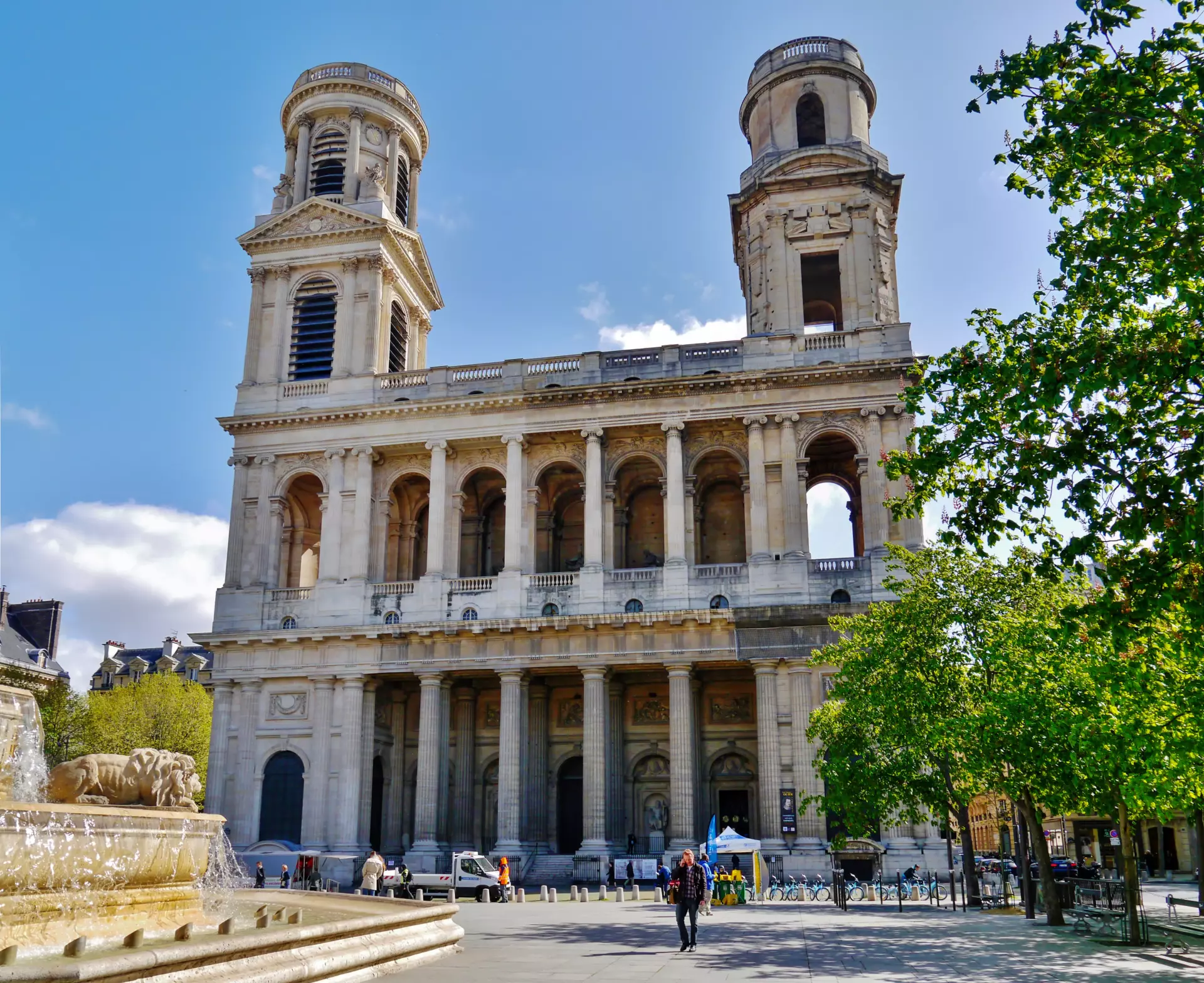
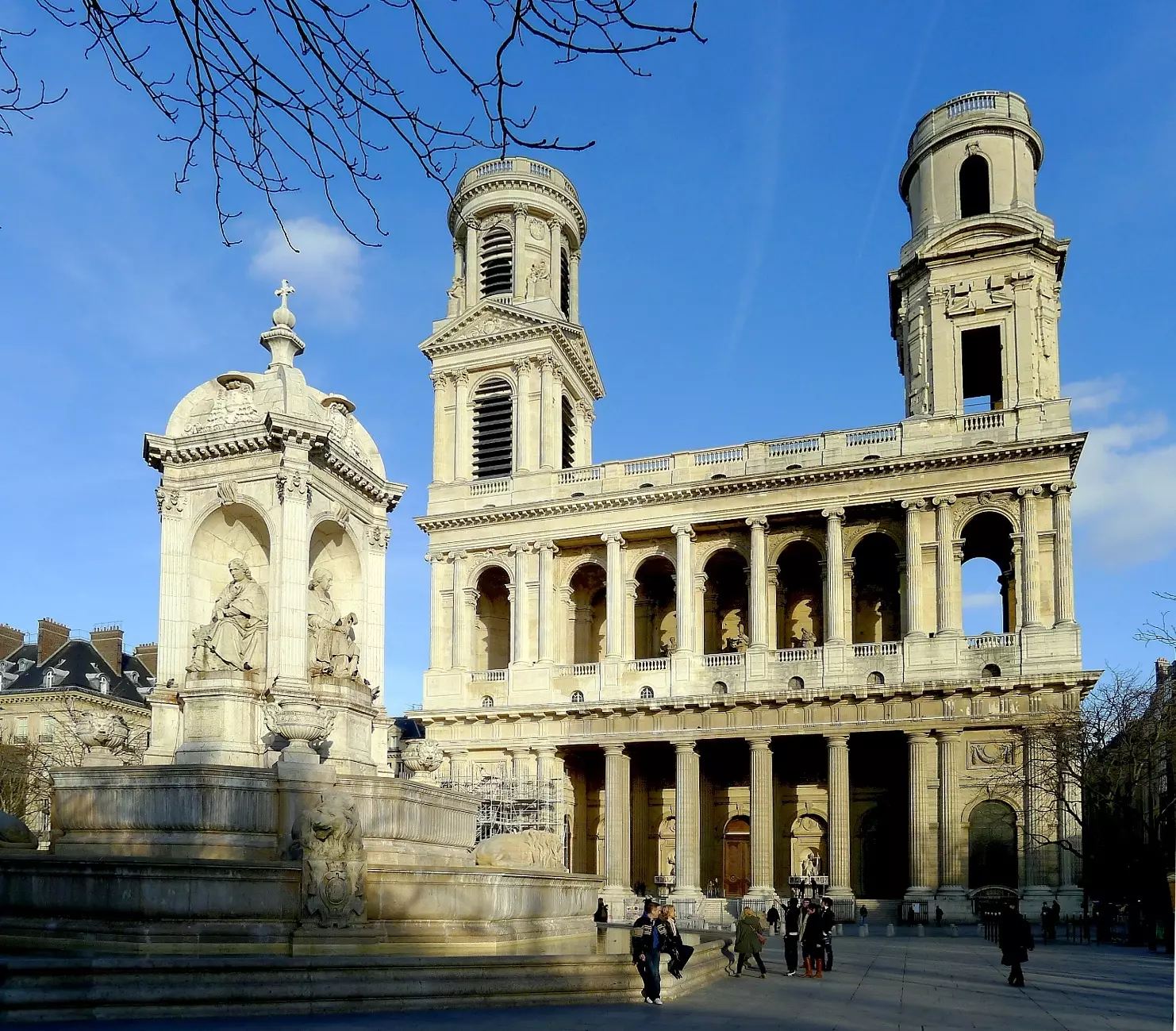
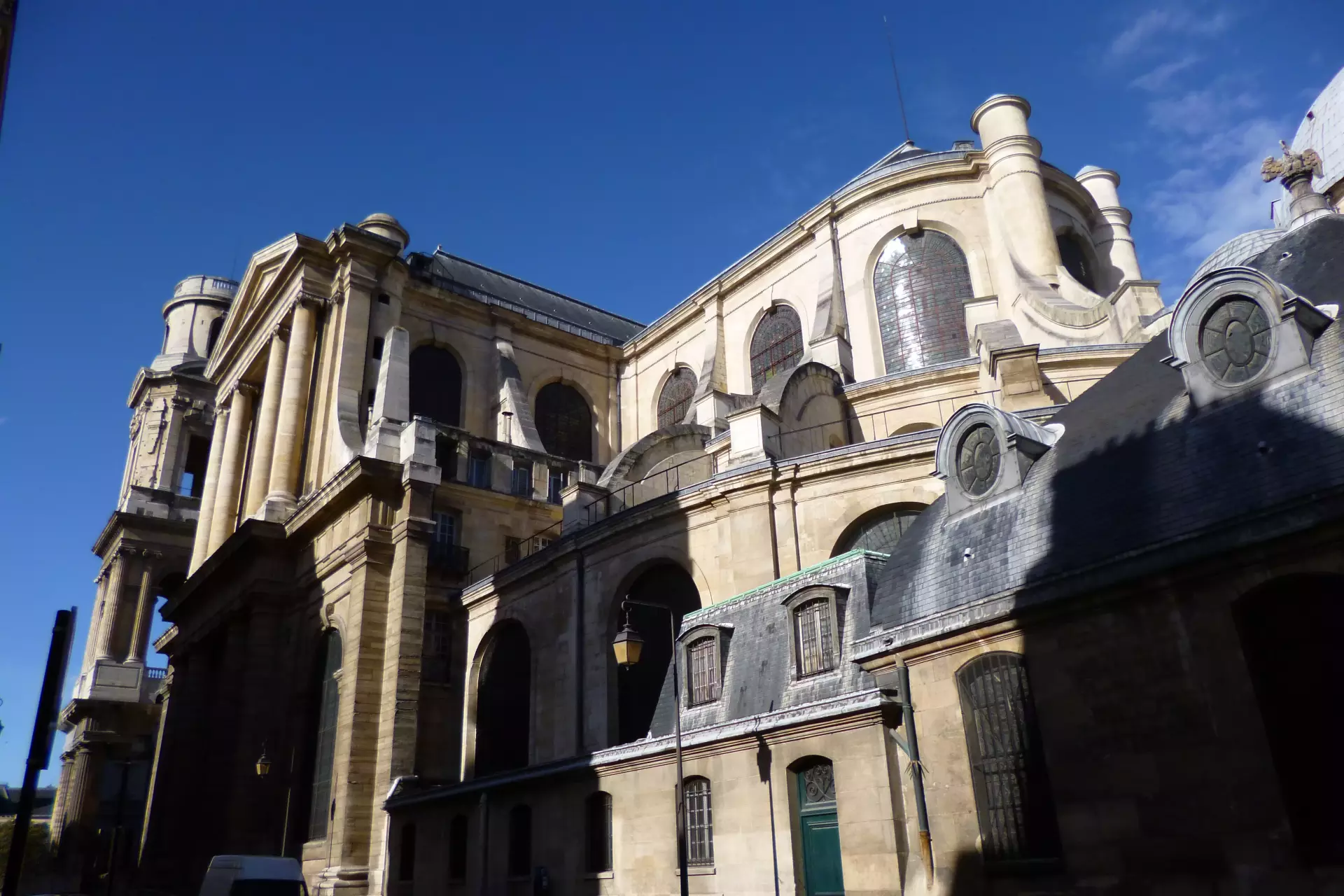
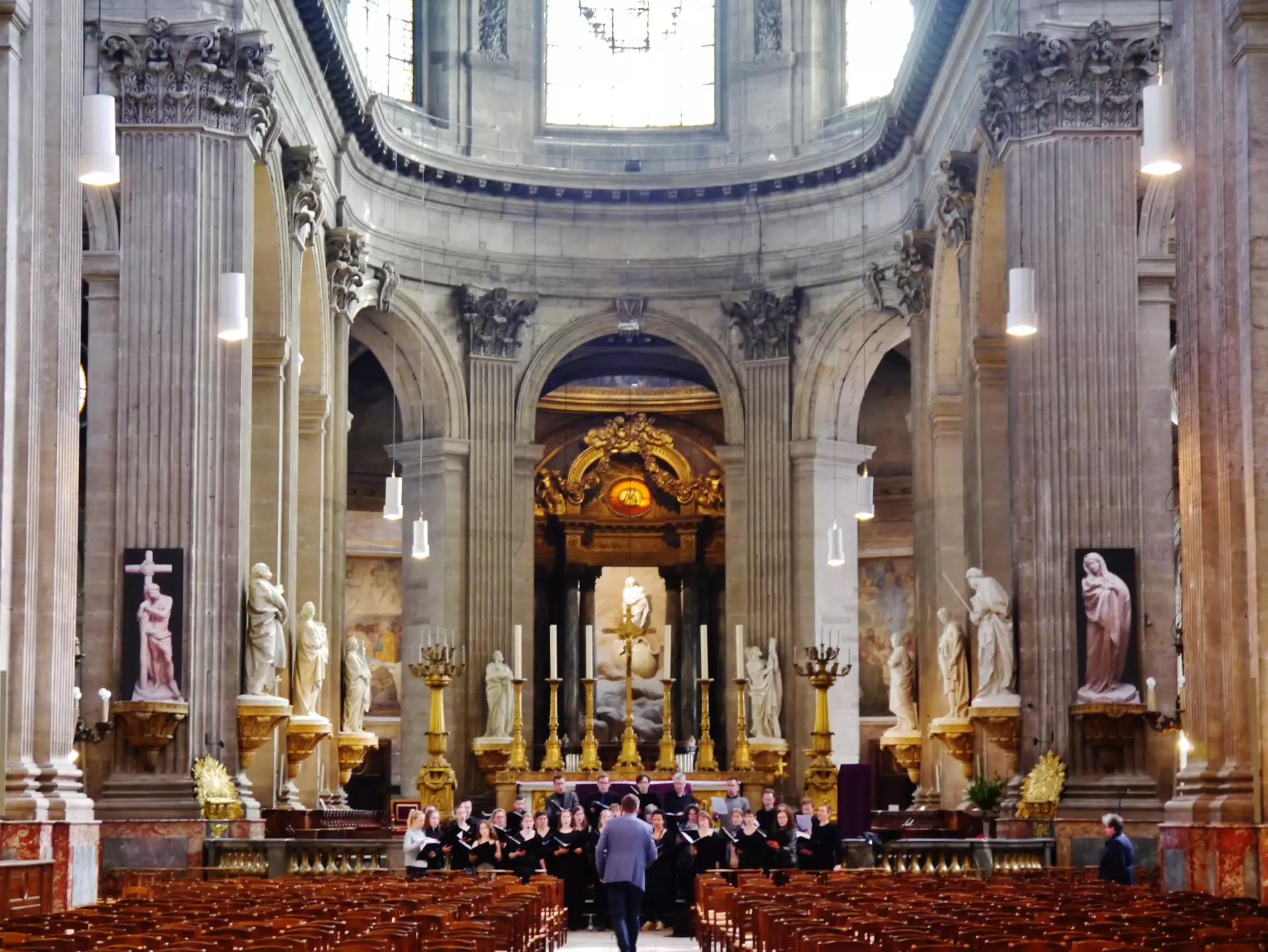
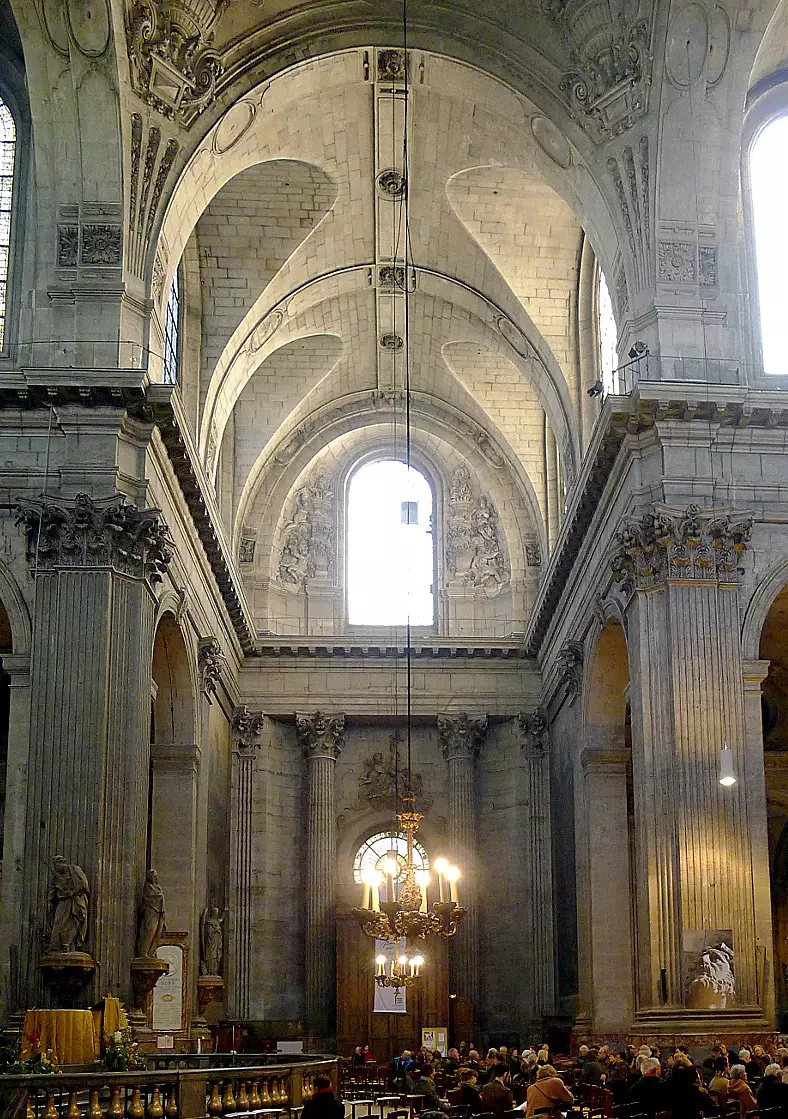
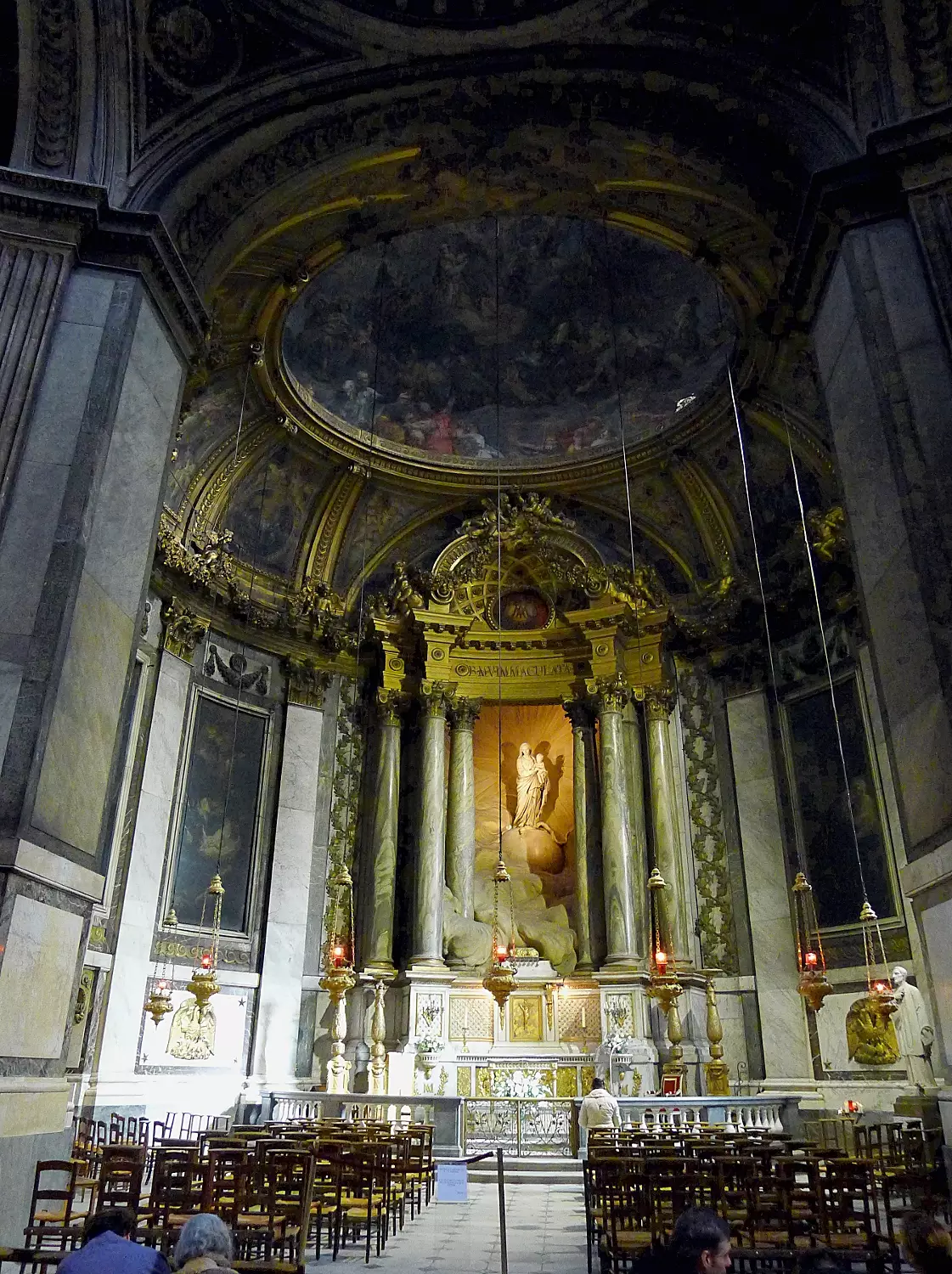
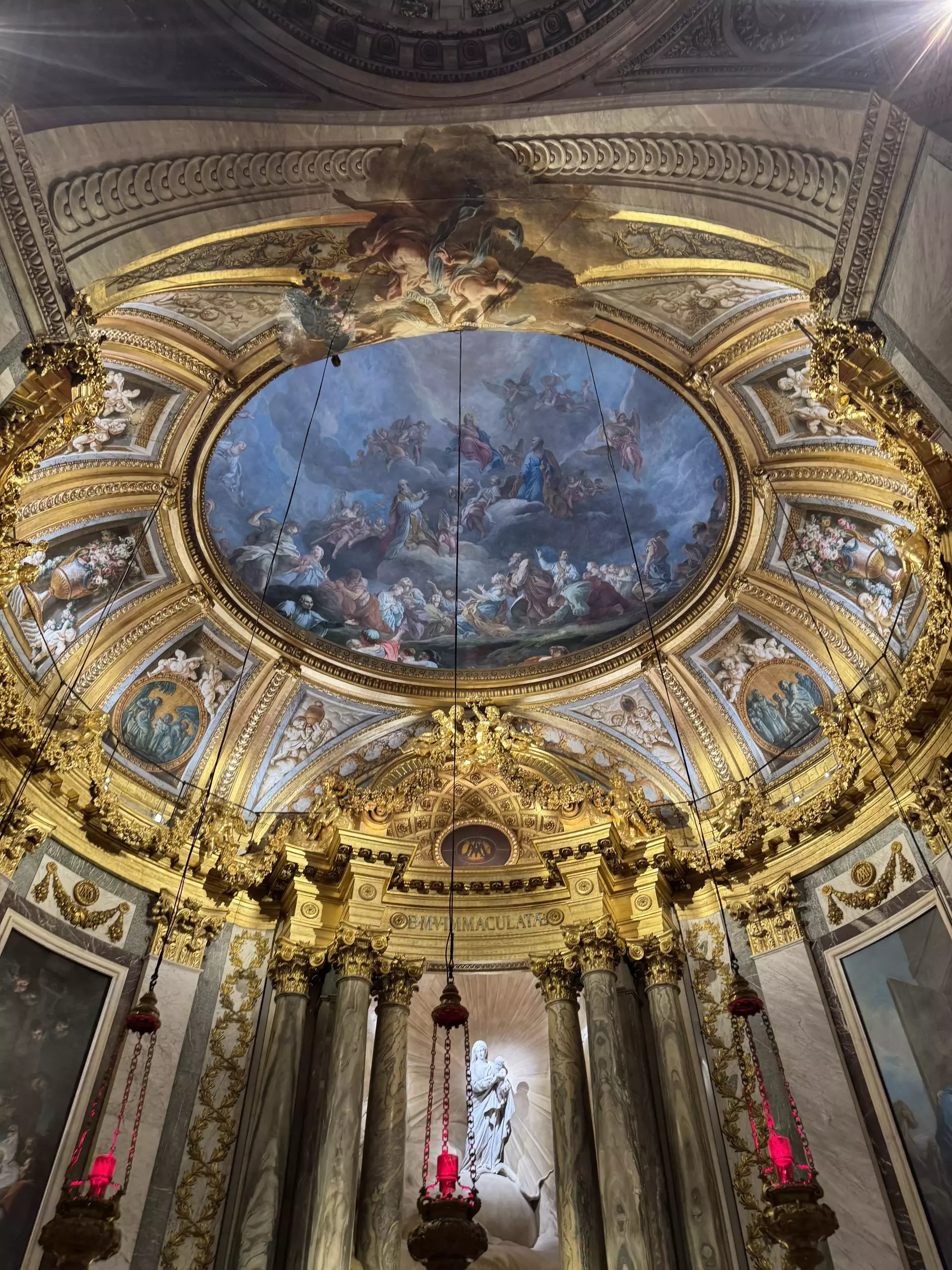
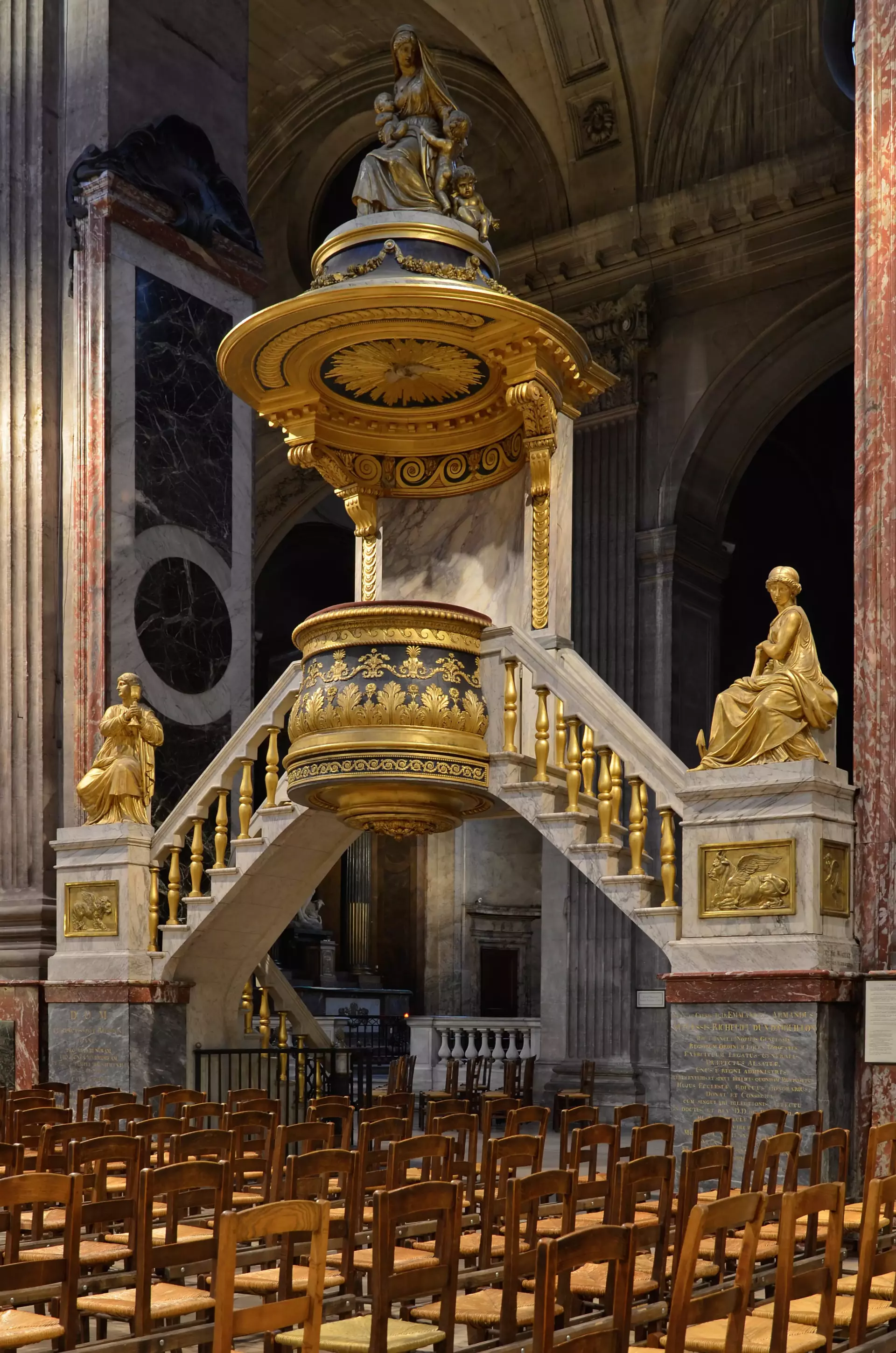
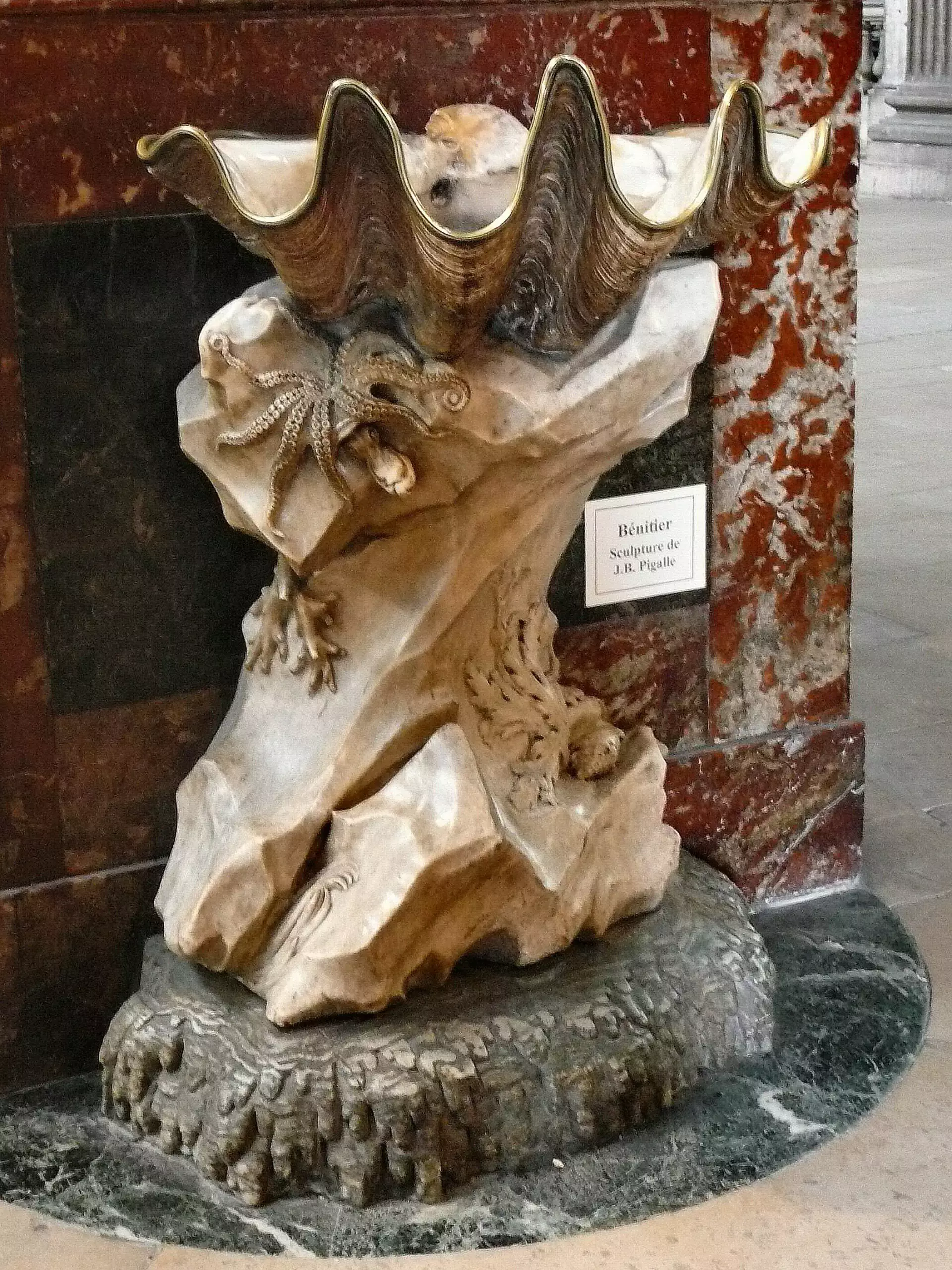
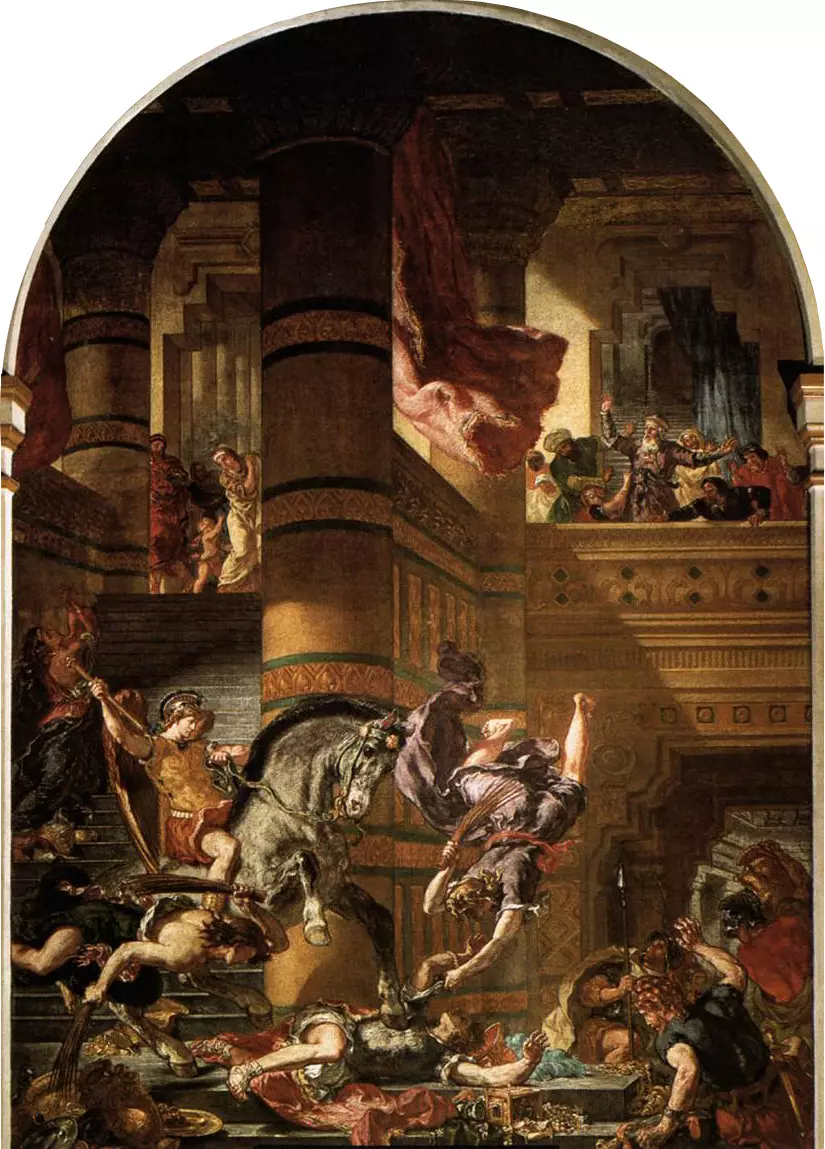
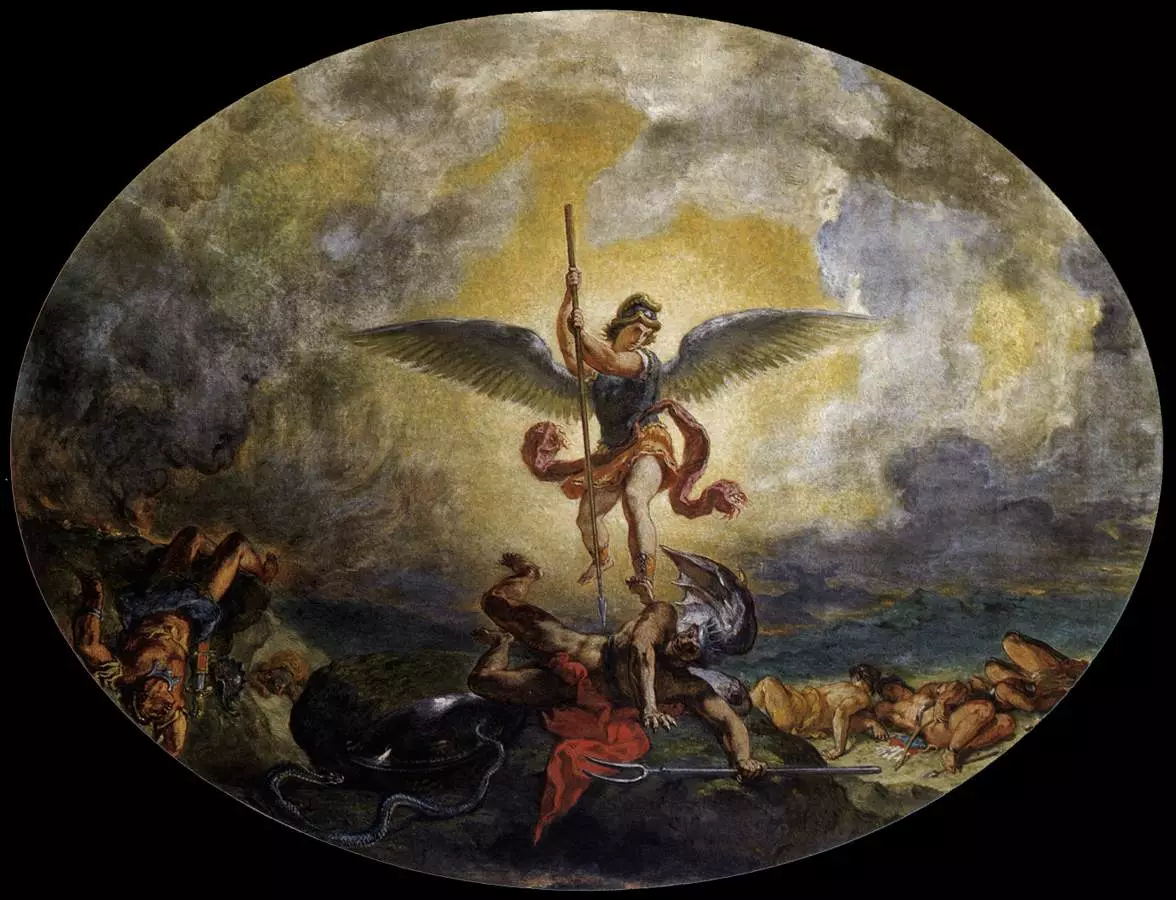
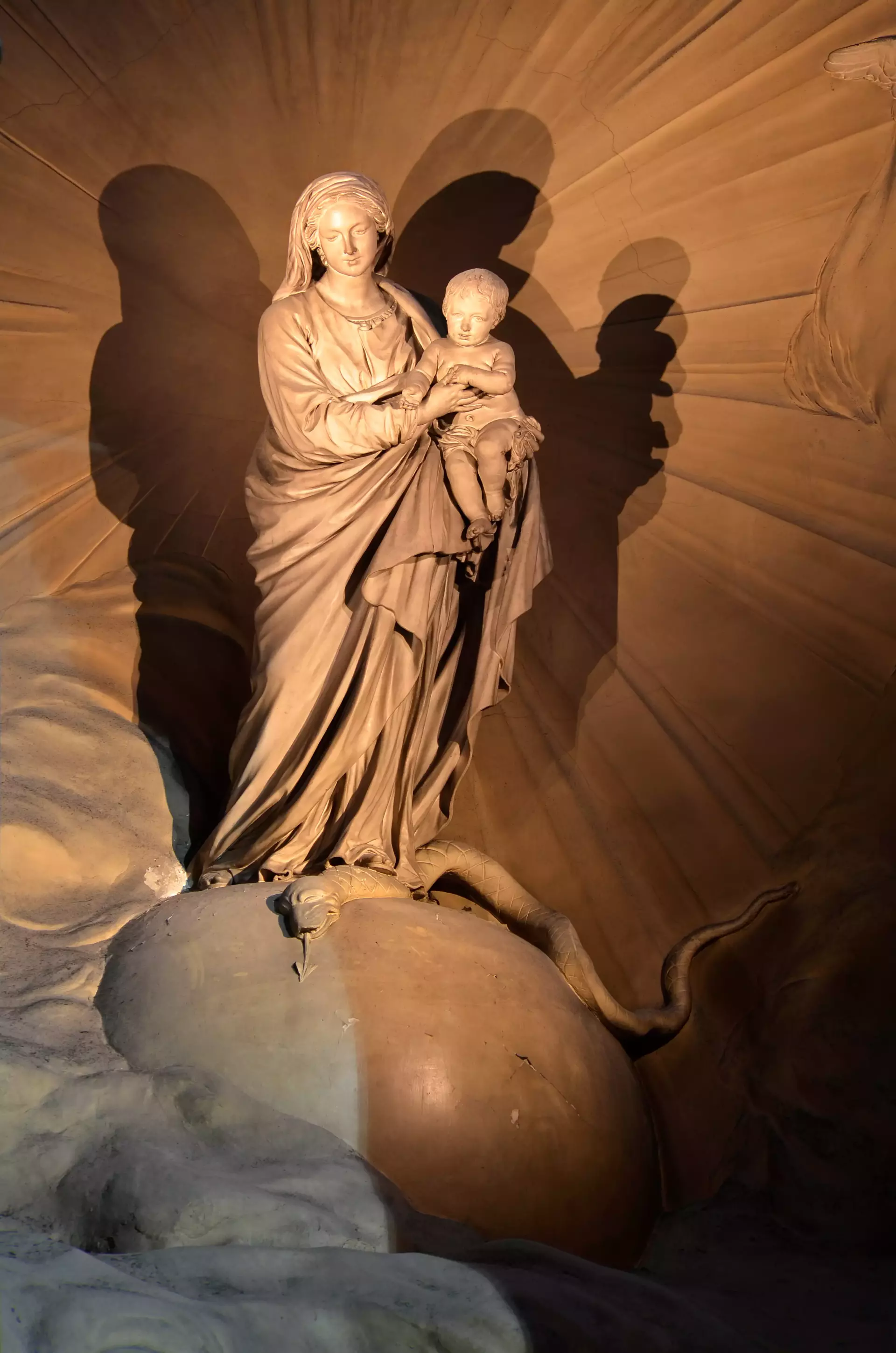
The Church of Saint-Sulpice stands on the east side of Place Saint-Sulpice, along rue Bonaparte, in Paris’s Luxembourg Quarter. With its impressive length of 113 metres, width of 58 metres, and height of 34 metres, it is the second-largest church in the city, just slightly smaller than the famous Notre-Dame. This Roman Catholic church is dedicated to Sulpitius the Pious and is known for its striking architecture and significant place in Parisian history.
In the 18th century, Saint-Sulpice became home to an elaborate scientific instrument—the Gnomon of Saint-Sulpice. This large device was built inside the church to track the movement of the sun and mark the spring equinox. Just outside, visitors find the Place Saint-Sulpice, featuring the impressive Fountain of the Four Bishops, which adds to the grandeur of the area and draws attention to the church’s facade.
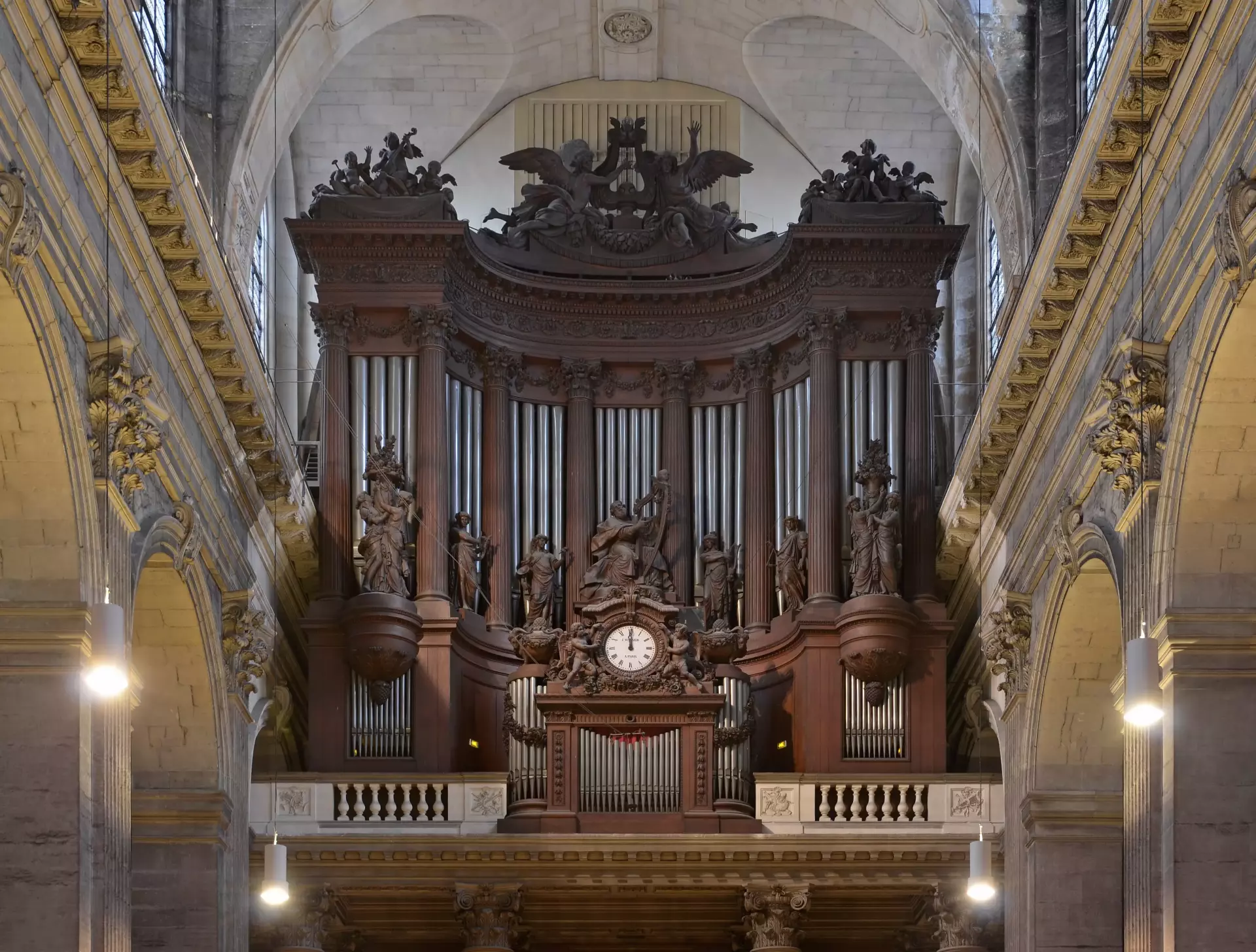
Music lovers are particularly drawn to Saint-Sulpice for its tradition of remarkable organ music. The church’s relationship with talented organists dates back to the eighteenth century. In 1862, master organ builder Aristide Cavaillé-Coll improved and rebuilt the organ originally crafted by François-Henri Clicquot. Though it still contains many of Clicquot’s original materials, Cavaillé-Coll’s version is thought to be his greatest masterpiece, boasting 102 speaking stops and representing the height of the romantic French symphonic-organ tradition.
Famous musicians have played this instrument, including Nicolas Séjan in the 18th century, Charles-Marie Widor (organist from 1870 to 1933), and Marcel Dupré (organist from 1934 to 1971), all known for their contributions to organ music. Today, Daniel Roth serves as the principal organist, with Sophie-Véronique Cauchefer-Choplin as assistant organist. Saint-Sulpice hosts regular Sunday organ recitals, known as "Auditions du Dimanche." These performances follow High Mass, typically from 11:30 am to 12:05 pm. During the subsequent mass, visitors may also have the opportunity to visit the organ loft and experience the instrument up close.
Source - https://en.wikipedia.org/wiki/Saint-Sulpice,_Paris
The house in which the famous French novelist Victor Hugo once lived.
Guimard's own home, built in 1909-12. It is less decorated than Castel Béranger, but still beautifully shaped. Privately owned and not open to the public.
Established in 1926, it was meant to show appreciation for Muslim help in fighting the Germans. The café serves excellent mint tea and North African food.
A little district within the district. Very charming little streets on a hill on the west end of the 13 district. Nice for lunching/dining activities. This is the place where the band "Mano Negra" was hanging around.
There are many beautiful footpaths, a Buddhist Temple, and a lake with rowboats available for rental (about €10 as of 2009). The lake has many different kinds of birds, and islands accessible by footbridge.
CLOSED UNTIL LATE 2024 OR 2025 FOR RENOVATION WORKS. Built in 1900 for the universal exposition, the Grand Palais was an engineering feat and a milestone of design, marking the transition between historicism and modern architecture. It remain impressive today due to its unique, exquisite style and sheer volume of its main nave. The Grand Palais, managed by the state-owned institution Rnm who also manage the Musee de Luxembourg, is used both for temporary exhibitions of historic and contemporary art collections (both beaux arts and applied) and unique events, such as catwalk shows during the Paris Fashion Week, Bonhams car auctions and prestigious galas.
The Pasteur Museum is housed in the apartment where the great scientist spent the last 7 years of his life. Hardly touched since that time, the museum is full of personal memorabilia and scientific instruments. Pasteur is buried on the grounds in a flamboyant mosaic-decorated mausoleum. The museum was closed to individual visitors for security reasons after the 13th November 2015 Paris terrorist attacks.
Enter Bastille station through any entrance or on any train and then make your way to the Bobigny/Pablo Picasso-bound platform. All that's left of the fortress whose front steps used to lead up from place de la Bastille are some foundation stones which you can see while waiting for a north bound train on this metro platform. There are maps and explanations showing where the fortress used to be relative the place and surroundings (basically the location of the old front steps are now occupied by Café des Phares).
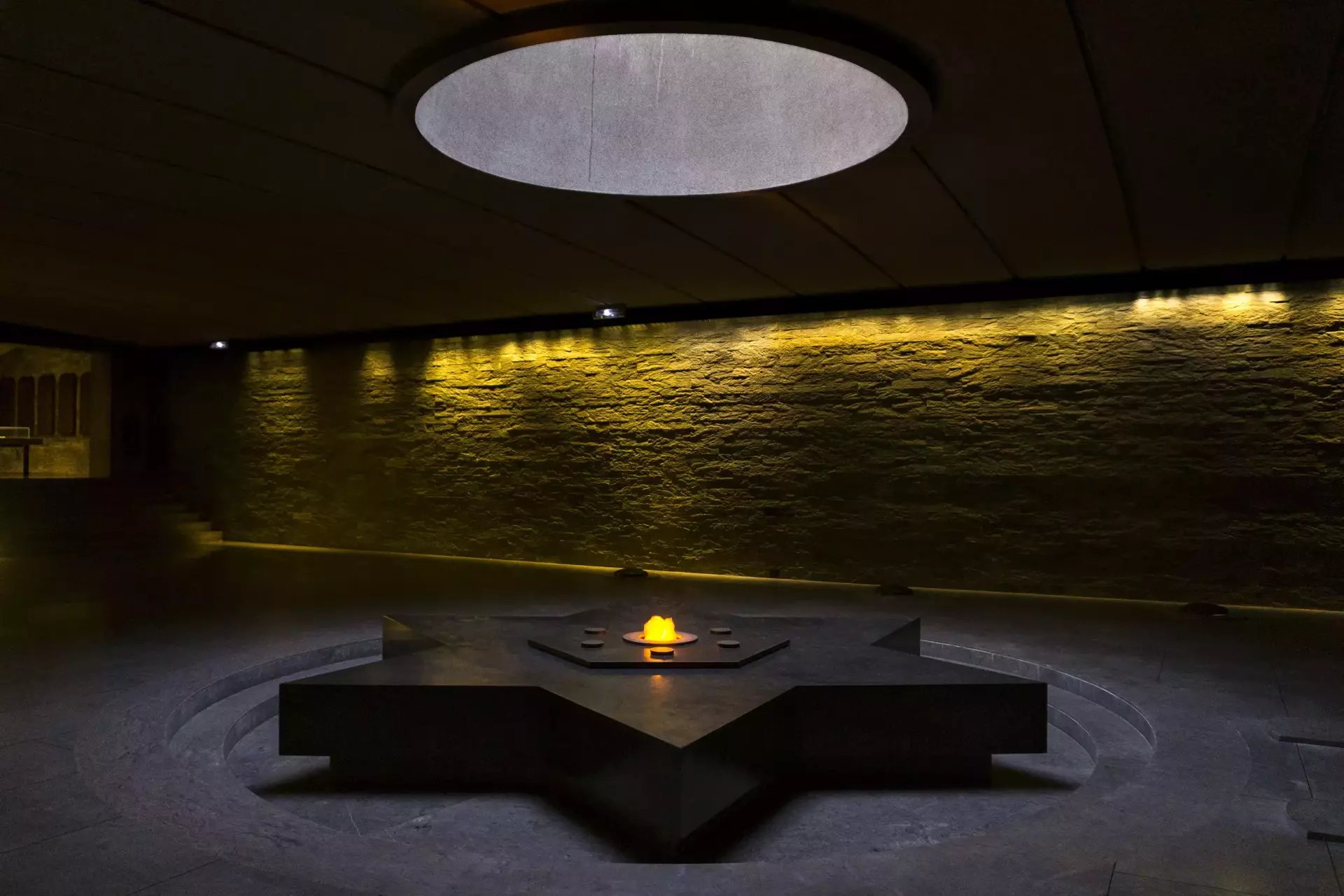
The largest French museum of Jewish art and history
The Jewish quarter, with many small delis and shops. Lively on most days except for Saturdays.
Since 2021 the 18th-century former Bourse de Commerce building has been the Paris home of the art collection of the French business magnate François Pinault, showing a rotating selection of contemporary artworks either newly commissioned or taken from his collection.
Many feel that this, Paris' town hall, is one of the loveliest buildings in the city. You might not get that from the front view, but try watching the light change on its roofs and towers during sunset from one of the cafés on the Ile de St. Louis, the Lutece for instance. Alternatively, go to the top floor of the Bazar de l'Hôtel de Ville (BHV) department store opposite, on rue de Rivoli and walk up a flight of stairs to the roof terrace (terrasse), from which there is a dramatic view of both the roof of the Hôtel de Ville and the immediate surroundings and river. The present Hôtel de Ville replaced the 16th century original which was burned down during the Commune in 1871. A pastiche of its predecessor, but on a far larger scale, it was designed by the architects Ballu and Deperthes, chosen after a competition, and was mostly completed by 1882. The building is lavishly, and some would say heavy-handedly, decorated both inside and out, and finished in an arrestingly white stone, similar to that used for the even more eye-catching Sacre-Coeur basilica. The statue on the garden wall on the south side is of Etienne Marcel, the most famous holder of the post of "prevôt des marchands" (provost of merchants) which pre-dated the office of mayor. Marcel came to a sticky end, lynched in 1358 by an angry mob after trying to assert the city's powers a little too energetically. The Hôtel de Ville was for many years the private fiefdom of Jacques Chirac, France's president before Sarkozy, and was the site of a scandal centring on both illegal jobs given to Chirac's party members and an immense entertainment budget. General de Gaulle greeted the crowds from a front window in 1944 when Paris was liberated from the Germans and Robespierre was shot in the jaw and arrested in the original building in 1794. Admirers of Hôtel de Ville's architecture will want to know that Ballu also built the Church of La Trinité in the 9th arrondissement and the belfry of the town hall of the 1st arrondissement, opposite the Louvre's east façade. Ballu also restored the Tour St Jacques (see below), which was uncovered after restoration work lasting over a decade.
The Museum of Mankind, accommodated in the Palais du Chaillot, is an anthropological museum covering the history of mankind and human societies.
The ancient medieval fortress and prison of the city's island, site of some remarkable medieval royal architecture and the scene of Marie Antoinette's imprisonment in the period leading to her execution in 1793; lots of revolutionary associations.
The two pavilions were built in 1784 to 1787 by the French architect Claude-Nicolas Ledoux, who erected many similar toll houses at the entrances to the city.